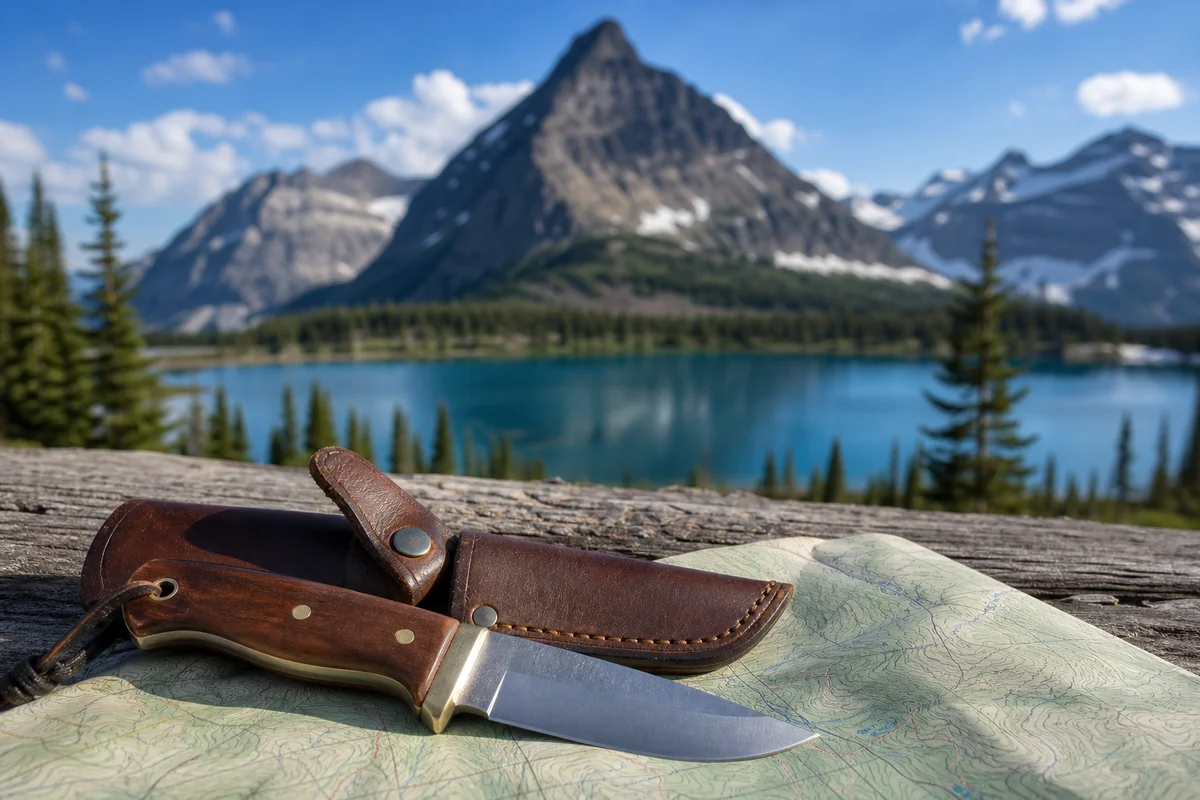
Last summer, I watched a fellow hiker at Glacier National Park get questioned by a ranger about the fixed-blade knife strapped to his belt. His face went pale—he had no idea whether he was breaking the law.
Turns out, he was perfectly fine, but that moment stuck with me. When you’re traveling through Big Sky Country, understanding Montana laws isn’t just about avoiding trouble—it’s about enjoying your trip with complete peace of mind.
I’ve spent years exploring Montana’s wilderness, fishing its rivers, and talking with locals, outfitters, and even law enforcement about what’s actually legal when it comes to carrying knives.
What I’ve learned is that Montana is remarkably knife-friendly, but there are still rules every traveler should know before packing that pocket knife or hunting blade.
- Montana has no statewide restrictions on blade length—you can carry almost any knife
- Concealed carry of knives is legal for adults without a permit
- Switchblades and automatic knives are legal to own and carry
- Federal lands (like Glacier National Park) have separate rules
- Schools, courthouses, and some government buildings prohibit all weapons
- Local ordinances in cities like Missoula and Billings may add restrictions
- Always check specific venue policies before entering
Why Montana’s Knife Laws Matter for Travelers
If you’re coming from a state like California or New York, you might be surprised by how relaxed Montana’s approach to knives really is. During my first trip to Montana back in 2018, I was genuinely nervous about bringing my grandfather’s Buck knife across state lines.
I’d been conditioned by years of living in states where carrying certain knives could land you in handcuffs. But Montana operates under a fundamentally different philosophy—one rooted in its frontier heritage and outdoor lifestyle.
The state recognizes that knives are essential tools, not just potential weapons. Whether you’re field dressing an elk, cutting fishing line, or simply opening packages at your campsite, a good knife is as common as a good pair of boots in Montana.
The Legal Framework: Montana Code Annotated 45-8-316
Let me break down the actual law in plain English because the legal jargon can be confusing. Montana Code Annotated 45-8-316 is the primary statute governing knife possession, and it’s remarkably permissive.
The law essentially states that any person who is not a convicted felon may carry a knife openly or concealed. There’s no permit required, no blade length restriction at the state level, and no distinction made between fixed blades and folding knives.
This is a stark contrast to what I encountered when I was researching Montana gun laws for a previous article. While firearms have more detailed regulations, knives enjoy considerable freedom under Montana law.
What Types of Knives Are Legal?
Here’s where Montana really sets itself apart. The following knife types are all legal to own, carry openly, and carry concealed:
- Pocket knives and folding knives of any blade length
- Fixed-blade hunting and fishing knives
- Bowie knives and large fighting knives
- Switchblades and automatic knives
- Butterfly knives (balisongs)
- Daggers and dirks
- Machetes and large camp knives
- Multi-tools with knife blades
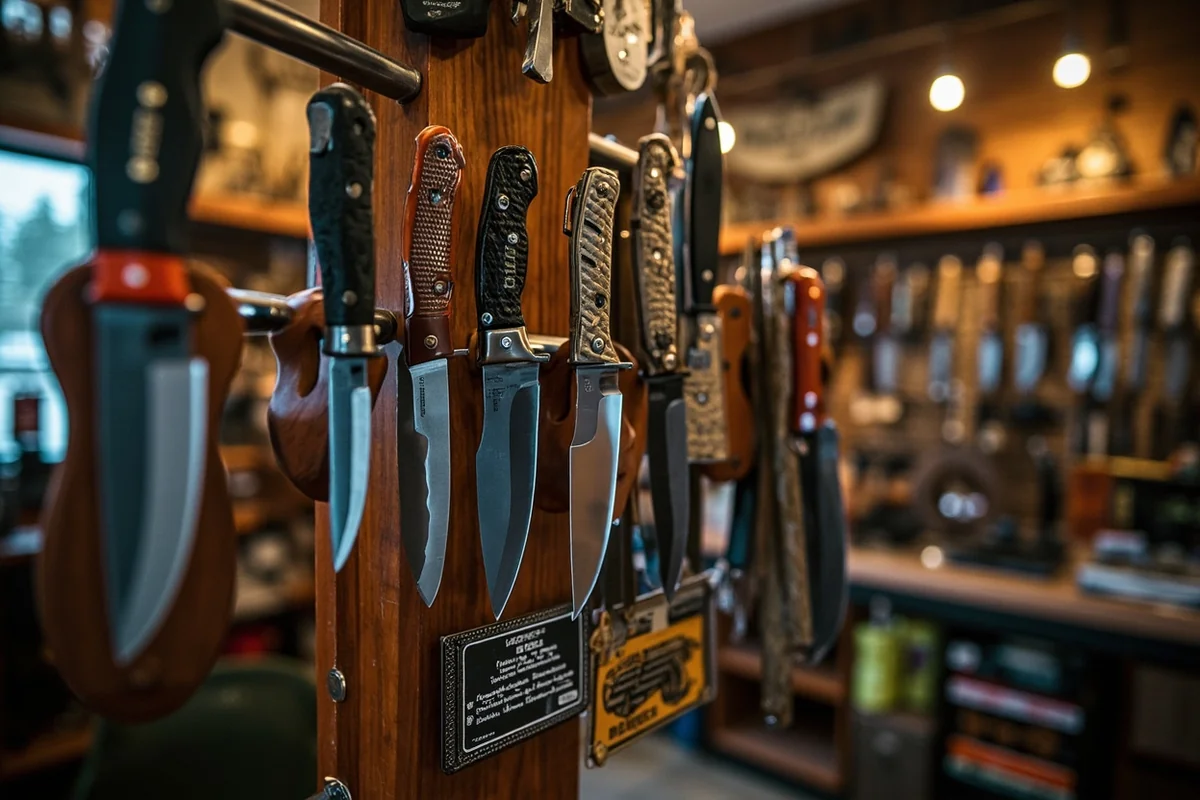
I remember the first time I walked into a sporting goods store in Kalispell and saw switchblades displayed openly for sale. Coming from the East Coast, it felt almost surreal—these knives were completely illegal where I grew up.
Concealed vs. Open Carry: What’s the Difference in Practice?
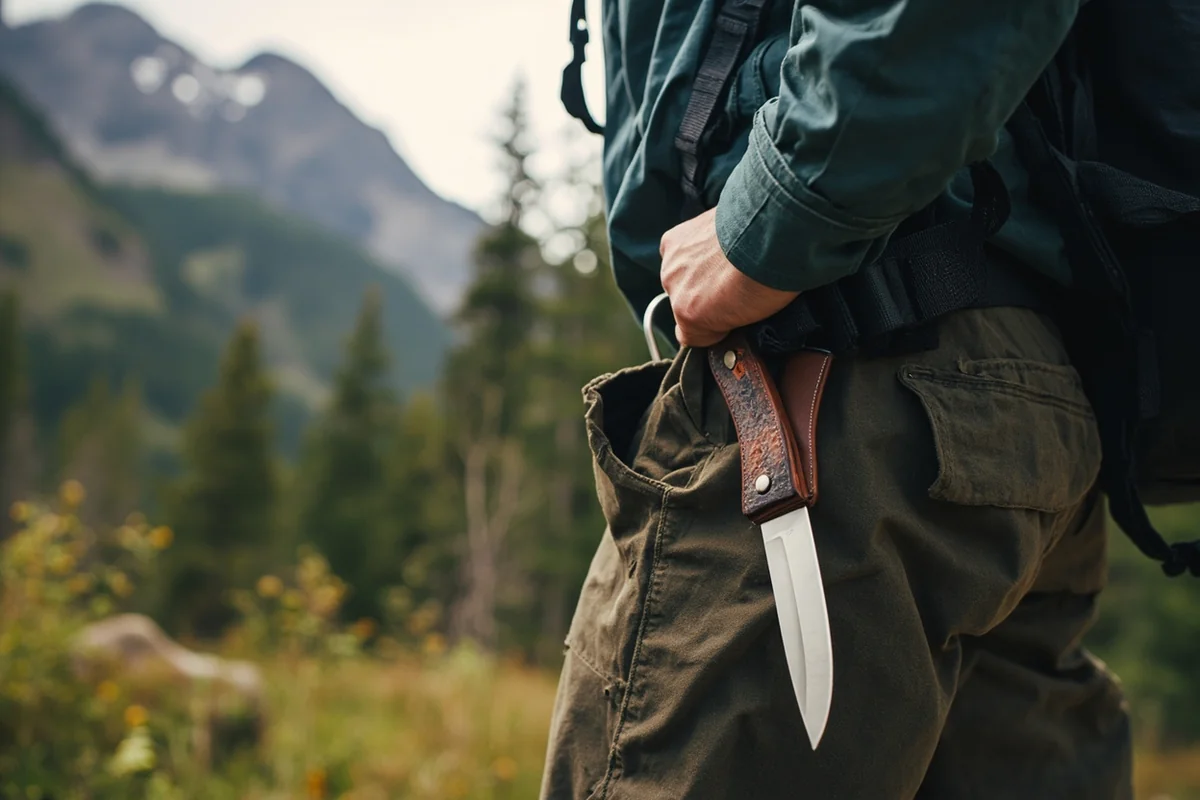
While both are legal, there’s a practical distinction worth understanding. Open carry means the knife is visible—think of a sheathed hunting knife on your belt or a machete strapped to your backpack.
Concealed carry means the knife is hidden from view, whether in your pocket, under your jacket, or in a boot. In Montana, adults can do either without any special permit.
During my time photographing in the Beartooth Mountains last fall, I carried a concealed folding knife in my pocket and a larger fixed-blade knife openly on my pack. No one batted an eye—this is completely normal behavior in Montana’s outdoor areas.
However, I’ll be honest: when I’m in urban areas like Bozeman or Missoula, I keep my larger knives concealed or stored away simply to avoid making anyone uncomfortable. It’s not a legal requirement, just a personal choice about being considerate.
The Critical Exception: Felons and Legal Restrictions
Montana’s knife-friendly laws come with one absolute restriction. If you’ve been convicted of a felony, state or federal law may prohibit you from possessing certain weapons, potentially including knives.
The law under MCA 45-8-316 specifically addresses “weapons” in the context of concealed carry for individuals with certain criminal histories. If you have any felony conviction, I strongly recommend consulting with an attorney before traveling to Montana with any knife that could be considered a weapon.
This isn’t just theoretical—during a conversation with a Yellowstone County deputy last summer, he mentioned that weapon possession violations by convicted felons are taken very seriously, even when the weapon in question is a knife rather than a firearm.
Federal Land: Different Rules Apply
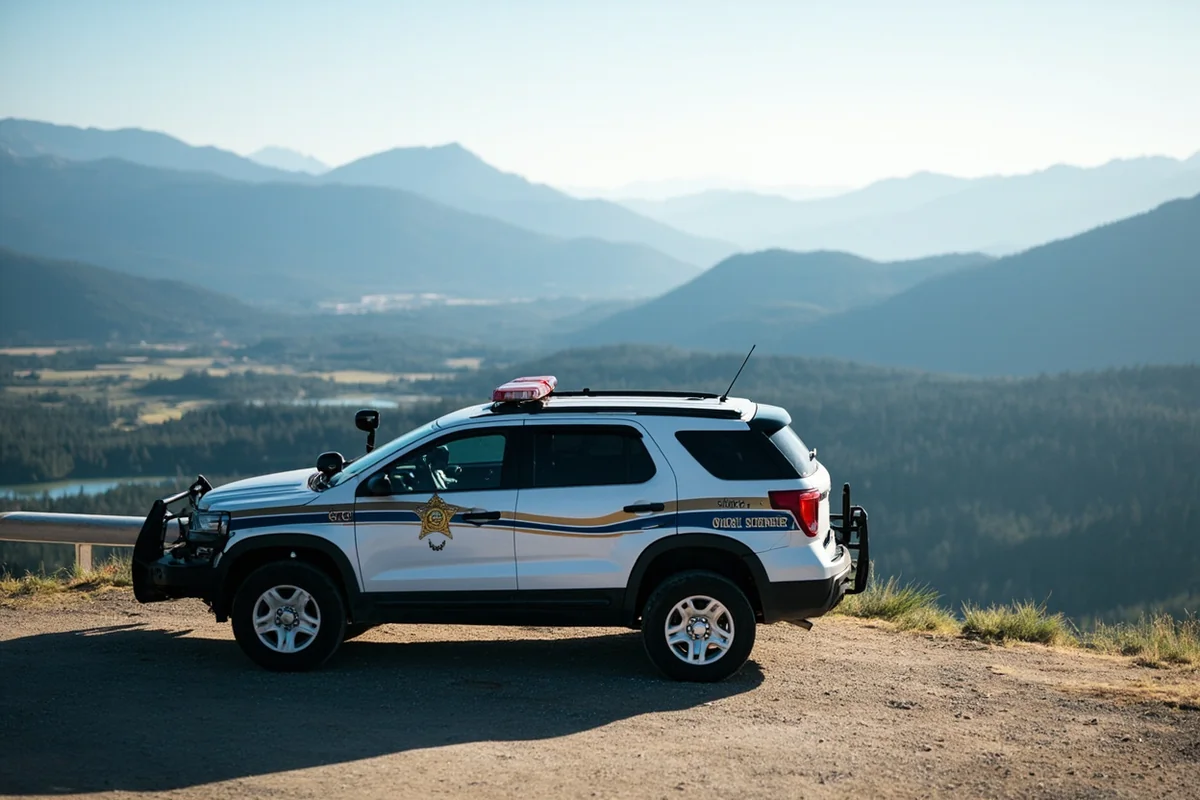
Here’s where things get more complicated, and it’s something I wish someone had explained to me before my first trip to Glacier National Park. Federal lands operate under federal law, which can differ significantly from Montana state law.
National Parks
Glacier and Yellowstone (the Montana portion) are the big ones. The National Park Service allows visitors to possess knives, but there are important limitations.
Knives with blades over four inches may draw scrutiny. While not explicitly banned, rangers have discretion to question visitors carrying large or unusual knives if they believe there’s a safety concern.
I learned this firsthand when a ranger at Many Glacier struck up a conversation about the knife I was carrying for backcountry cooking. She was friendly and curious, not confrontational, but she did ask about its purpose. My honest answer—”I use it for food prep and emergency situations while backpacking”—satisfied her completely.
National Forests
The Flathead, Lolo, Helena-Lewis and Clark, and other national forests in Montana generally follow state law more closely. However, certain developed areas, visitor centers, and federal buildings within these forests may prohibit weapons.
When I stayed at the Seeley Lake Ranger Station area last spring, I noticed signs at the administrative buildings indicating no weapons allowed inside. My knife stayed in the car while I went in to get my backcountry permit.
Bureau of Land Management Lands
BLM land, which covers vast stretches of eastern and central Montana, typically follows state law regarding knives. I’ve never encountered any issues carrying knives on BLM land during my rockhounding and camping trips.
Interestingly, if you’re interested in combining knife-carrying with other outdoor activities, you might want to check out the regulations for Montana gold panning laws, as many popular panning locations are on BLM land where knives are useful tools.
Local Ordinances: City and County Rules
Montana has strong state preemption laws, meaning local governments can’t simply override state law. However, they can still regulate weapons in certain contexts, particularly in government buildings and at public events.
Missoula
Montana’s college town has historically been more progressive, but its knife regulations still largely follow state law. The university campus and city buildings have their own policies, though.
When I attended an event at the University of Montana in 2022, bags were checked at the entrance, and I’d wisely left my pocket knife at my rental car. Campus security does have authority to restrict weapons on university property.
Billings
Montana’s largest city follows state preemption closely. I’ve walked around downtown Billings with a pocket knife clipped to my jeans without any issues. However, entering the Yellowstone County Courthouse required surrendering my knife at security.
Great Falls
Similar to Billings, Great Falls operates under state law with typical government building restrictions. The Cascade County offices and courthouse have security screening.
Bozeman
This rapidly growing city attracts outdoor enthusiasts who frequently carry knives. Local law enforcement is accustomed to this, though downtown establishments may have their own policies.
Prohibited Locations: Where You Cannot Carry
Regardless of Montana’s permissive approach, certain locations are strictly off-limits for knives. Violating these restrictions can result in criminal charges.
| Location | Restriction | Notes |
|---|---|---|
| Schools (K-12) | All knives prohibited | Includes school grounds and events |
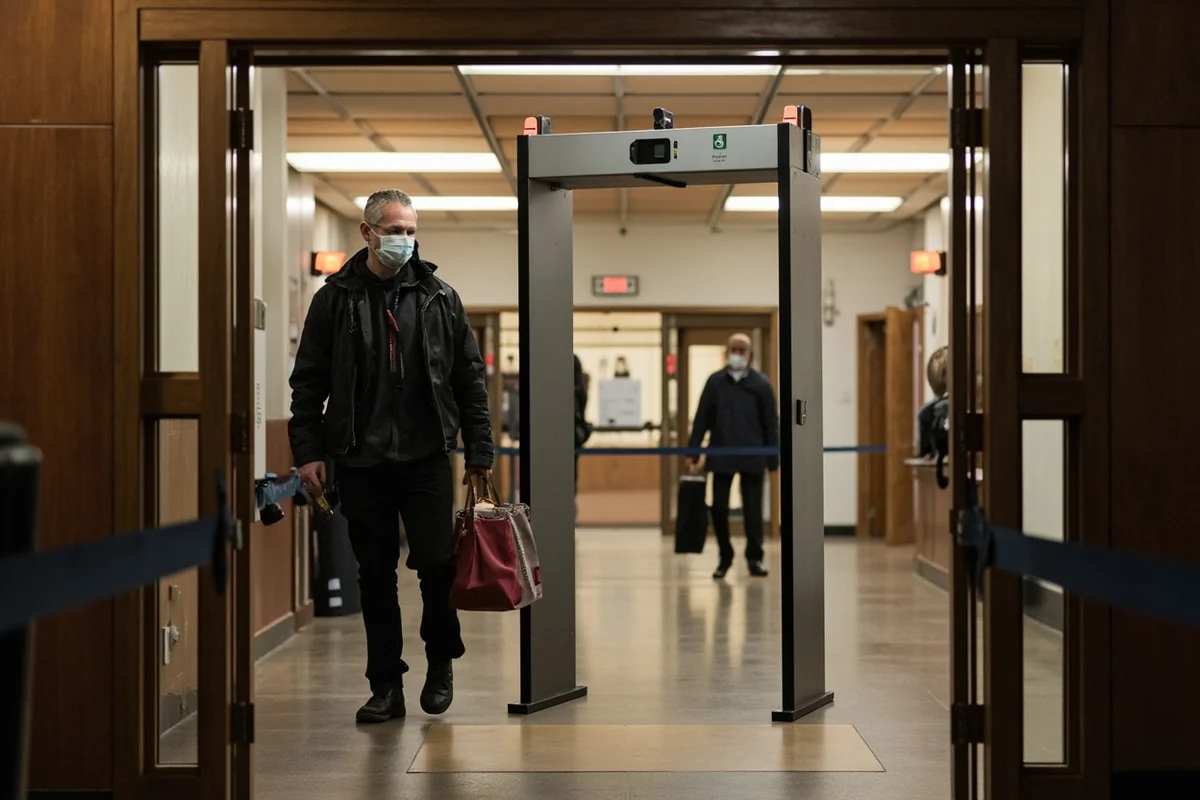
| Courthouses | All weapons prohibited | Security screening required |
| Federal buildings | All weapons prohibited | Post offices, federal offices |
| Airports (secure areas) | TSA regulations apply | Pack knives in checked luggage |
| Private property with posted signs | Varies by property | Must comply with owner’s rules |
| Bars and establishments | Owner discretion | Some venues prohibit all weapons |
One note about bars and alcohol: while carrying a knife into a bar isn’t specifically illegal under state law, combining alcohol and weapons is never wise. Speaking of which, if you’re planning to enjoy Montana’s craft beer scene, you might want to review the legal drinking age in Montana and Montana’s open container laws to stay fully informed.
Practical Tips for Travelers: What I’ve Learned
After years of traveling through Montana with various knives, here’s my honest advice for fellow visitors.
Choose Your Knife Based on Your Activities
If you’re primarily doing urban tourism—visiting museums in Helena, shopping in Whitefish, dining in Bozeman—a small folding knife or multi-tool is all you need. I typically carry a 3-inch folder when I’m doing town stuff.
For backcountry hiking, fishing, or hunting, bring appropriate tools without worrying about size restrictions. My backpacking kit includes a 4.5-inch fixed blade for food prep and a folding saw for processing firewood.
For serious hunting trips, especially during rifle season, many hunters carry substantial fixed-blade knives for field dressing. I’ve seen guys at the Hungry Horse general store with 8-inch blades on their belts, and nobody looks twice.
Keep Your Knife Secured and Accessible
Even though concealed carry is legal, I recommend keeping your knife in a proper sheath or pocket clip. A loose knife in a bag or pocket is a safety hazard and can be difficult to access when you actually need it.
On a fishing trip to the Madison River last June, my buddy had his knife loose in his vest pocket. When he needed to cut tangled line quickly, he fumbled for nearly a minute. A proper pocket clip or sheath would have saved him a frustrating lost fish.
Respect Private Property and Business Policies
Even in knife-friendly Montana, individual businesses have the right to prohibit weapons. I always look for posted signs before entering establishments, and if I’m unsure, I leave my knife secured in my vehicle.
Some high-end restaurants and entertainment venues in places like Big Sky Resort may have policies against weapons. It’s not personal—it’s just their business decision.
Don’t Brandish or Display Aggressively
Montana law distinguishes between carrying a knife and using it in a threatening manner. If you pull a knife during a confrontation or display it in a way intended to intimidate, you can face assault charges regardless of whether you ever touched anyone.
I once witnessed a road rage incident near Livingston where a man waved a knife at another driver. He was arrested for assault with a weapon. The knife itself was perfectly legal; his behavior was not.
Traveling to Montana: Airport and Interstate Considerations
If you’re flying into Montana, your knife must be packed in checked luggage per TSA regulations. There are no exceptions for blade length or type—all knives go in checked bags.
The airports in Billings, Bozeman, Missoula, Great Falls, Kalispell, and Helena all follow standard TSA procedures. I’ve never had an issue with knives in my checked luggage, but I always pack them in hard cases to prevent damage and ensure baggage handlers don’t accidentally cut themselves.
Driving From Other States
If you’re driving into Montana from Wyoming, Idaho, North Dakota, or South Dakota, be aware that knife laws vary by state. A knife that’s legal in Montana might be restricted in your home state or states you’re passing through.
For example, if you’re driving from California to Montana, you’ll need to consider California’s stricter laws until you cross the state line. I always research the knife laws of every state on my route before long road trips.
Similarly, if you’re interested in how Montana compares to other states regarding firearms, you can read more about Montana open carry laws, which share some similarities with the state’s knife-friendly approach.
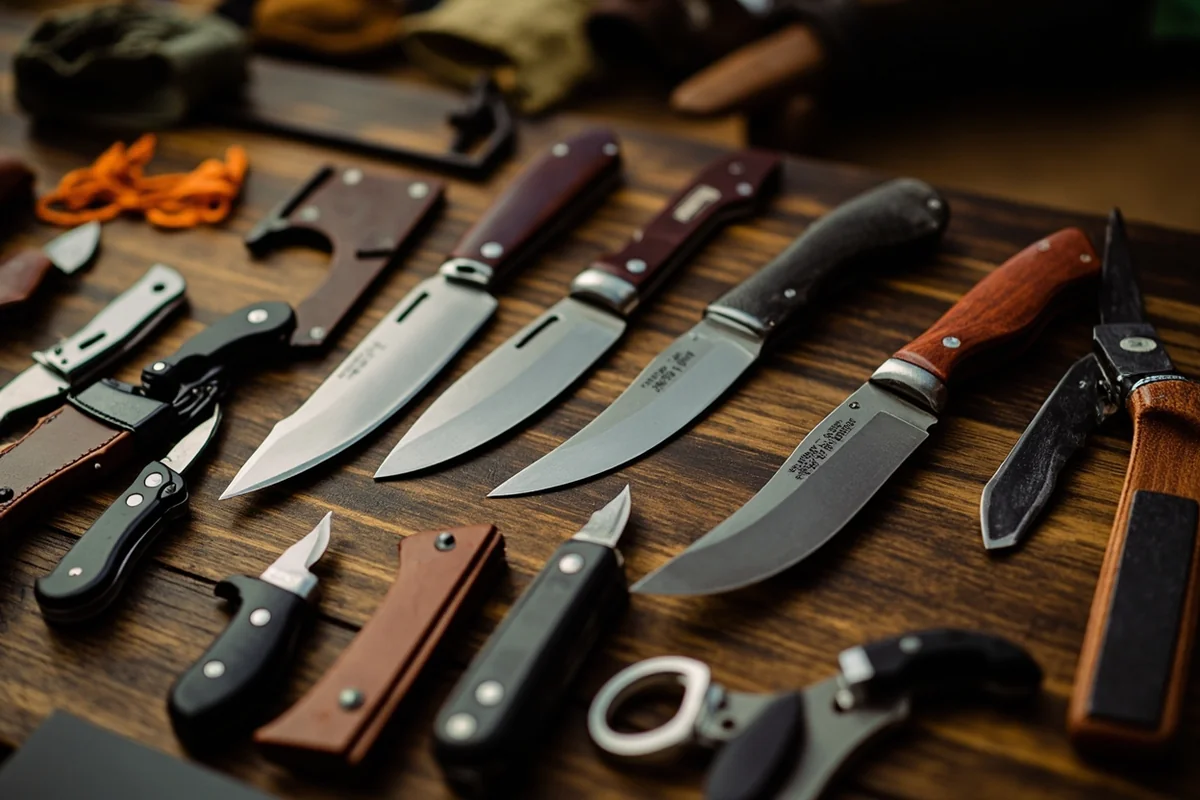
Knives for Specific Activities: My Recommendations
Based on my extensive time in Montana, here are activity-specific knife recommendations.
Fly Fishing
A small, corrosion-resistant folding knife is ideal. You’ll use it primarily for cutting line, snipping tags, and occasional streamside tasks. My go-to is a small stainless steel folder with a serrated section for cutting braid.
The cold, wet conditions of Montana rivers can rust carbon steel quickly, so stainless is the way to go unless you’re meticulous about drying and oiling your blade.
Backpacking and Camping
A medium fixed-blade knife (4-5 inches) handles most camp chores efficiently. You’ll process firewood, prepare food, cut cordage, and handle emergency situations with a blade this size.
I also carry a lightweight folding saw for larger wood processing. Batoning (striking a knife with a log to split wood) can damage folding knives, so a fixed blade is worth the extra weight for camping trips.
Hunting
Hunting in Montana often means field dressing game miles from your vehicle. A dedicated hunting knife with a drop point or clip point blade between 4-6 inches handles most big game efficiently.
I also carry a smaller caping knife for delicate work and a bone saw for processing. Montana Fish, Wildlife & Parks has no restrictions on the knives hunters can carry, only on the methods of take for game animals.
General Tourism
A simple pocket knife or multi-tool covers all reasonable needs. I prefer a Swiss Army Knife or similar multi-tool when I’m doing mostly town-based tourism—it handles opening packages, minor repairs, and the occasional apple at a roadside fruit stand.
Special Considerations: Native American Reservations
Montana is home to seven Native American reservations, each functioning as sovereign nations with their own legal codes. These include the Blackfeet, Crow, Flathead, Fort Belknap, Fort Peck, Northern Cheyenne, and Rocky Boy’s reservations.
While driving through reservations on main highways is generally not an issue, if you’re stopped by tribal law enforcement or visiting tribal facilities, their laws may differ from state law.
I’ve never personally encountered knife-related issues on Montana reservations, but I’m always respectful of the fact that I’m a visitor on sovereign land. When in doubt, ask locally or at visitor centers about any specific regulations.
The Cultural Context: Why Montana Is Different
Understanding why Montana has such permissive knife laws helps you appreciate the local culture. This isn’t a state that fears tools—it’s a state that uses them daily.
On a ranch near Miles City where I spent a week helping with cattle work, everyone from the 70-year-old patriarch to the teenage grandkids carried knives. They were as essential as hats and boots.
The same is true for the fishing guides I’ve hired on the Yellowstone River, the outfitters I’ve booked for backcountry trips, and the everyday Montanans I’ve met in diners and bars. Knives are tools of the trade, not objects of fear.
This cultural context explains why Montana’s legislature has consistently resisted restrictions that other states have adopted. The knife you’re carrying isn’t suspicious here—it’s expected.
And speaking of uniquely Montana attitudes, you might enjoy reading about some of the weird Montana laws still on the books that reflect the state’s colorful history. There are some genuinely bizarre statutes that make knife laws seem completely straightforward by comparison.
What Happens If You’re Stopped by Law Enforcement?
In my experience, Montana law enforcement is professional and reasonable about knives. I’ve been stopped for speeding twice in Montana (I know, I know) and had knives visible both times. Neither officer expressed any concern about them.
If you are questioned about a knife, honesty is the best policy. Explain that you’re a traveler, mention why you have the knife (camping, fishing, hunting), and remain calm and cooperative.
Do not reach for your knife without being asked. If an officer asks to see it, let them know where it is and ask how they’d like you to proceed. This is basic safety and courtesy that applies to any police interaction.
One thing worth knowing: Montana law does not require you to inform law enforcement that you’re carrying a knife during a routine traffic stop, unlike some states’ requirements for concealed firearm carry. However, if they ask, you must answer truthfully.
Changes in the Law: Staying Current
Montana’s knife laws have actually become more permissive over the past decade. The legalization of switchblades and automatic knives occurred in 2003, and there haven’t been significant restrictions added since.
However, laws can change, and local ordinances may be modified. Before your trip, I recommend checking the Montana Code Annotated online (specifically Title 45, Chapter 8) for the most current statutory language.
The Montana Department of Justice website also provides resources on weapon laws, though their focus is primarily on firearms. For knife-specific questions, local sporting goods stores are often excellent resources—the staff at places like Sportsman’s Warehouse and Bob Ward’s have always been helpful when I’ve asked about regulations.
Final Thoughts: Enjoying Montana With Confidence
Montana’s approach to knife laws reflects its broader values: personal responsibility, outdoor self-reliance, and minimal government interference in everyday life. As a traveler, you can enjoy this freedom while being a responsible visitor.
Bring the knife that suits your activities. Carry it confidently but not aggressively. Respect prohibited locations and private property. And most importantly, use your knife as the tool it’s meant to be.
On my most recent trip through the Yaak Valley last fall, I used my knife to gut a trout, whittle kindling for a campfire, open a stubborn package of jerky, and cut medical tape for a blister. Not once did I think about the law—because I knew I was fully compliant with it.
That peace of mind is what I want for every traveler reading this. Montana is a place where you can focus on the experience—the mountains, the rivers, the wildlife, the big sky—without worrying whether your pocket knife is going to cause problems.
For those planning longer stays in Montana, you might also find it helpful to understand Montana marital laws if you’re considering making the state your permanent home. The same frontier spirit that shapes knife laws influences many aspects of Montana’s legal framework.
Now get out there, explore responsibly, and carry a good knife. You’re going to need it.
Frequently Asked Questions
Can I legally carry a knife while hiking in Montana?
Yes, Montana has very permissive knife laws, and you can legally carry almost any type of knife while hiking, including fixed-blade knives, folding knives, and even larger survival knives. There are no blade length restrictions for open carry in Montana, making it an ideal state for outdoor enthusiasts who rely on knives for camping and wilderness activities.
Are switchblades and automatic knives legal in Montana?
Yes, switchblades, automatic knives, and spring-assisted knives are completely legal to own, carry, and purchase in Montana. The state repealed its switchblade ban years ago, so travelers can bring their automatic knives without worry. Just be aware that federal law still prohibits carrying switchblades across state lines in some circumstances.
Do I need a permit to concealed carry a knife in Montana?
No permit is required to concealed carry a knife in Montana. The state allows both open and concealed carry of knives without any special licensing, which is great news for travelers who prefer to keep their pocket knives or fixed blades tucked away while exploring towns like Bozeman, Missoula, or Whitefish.
Where are knives prohibited in Montana even if they’re legal to carry?
While Montana’s knife laws are relaxed, knives are still prohibited in certain locations including schools, government buildings, courthouses, and federal properties like Glacier National Park visitor centers. I’d recommend leaving your knife secured in your vehicle when visiting these locations to avoid any legal issues during your trip.
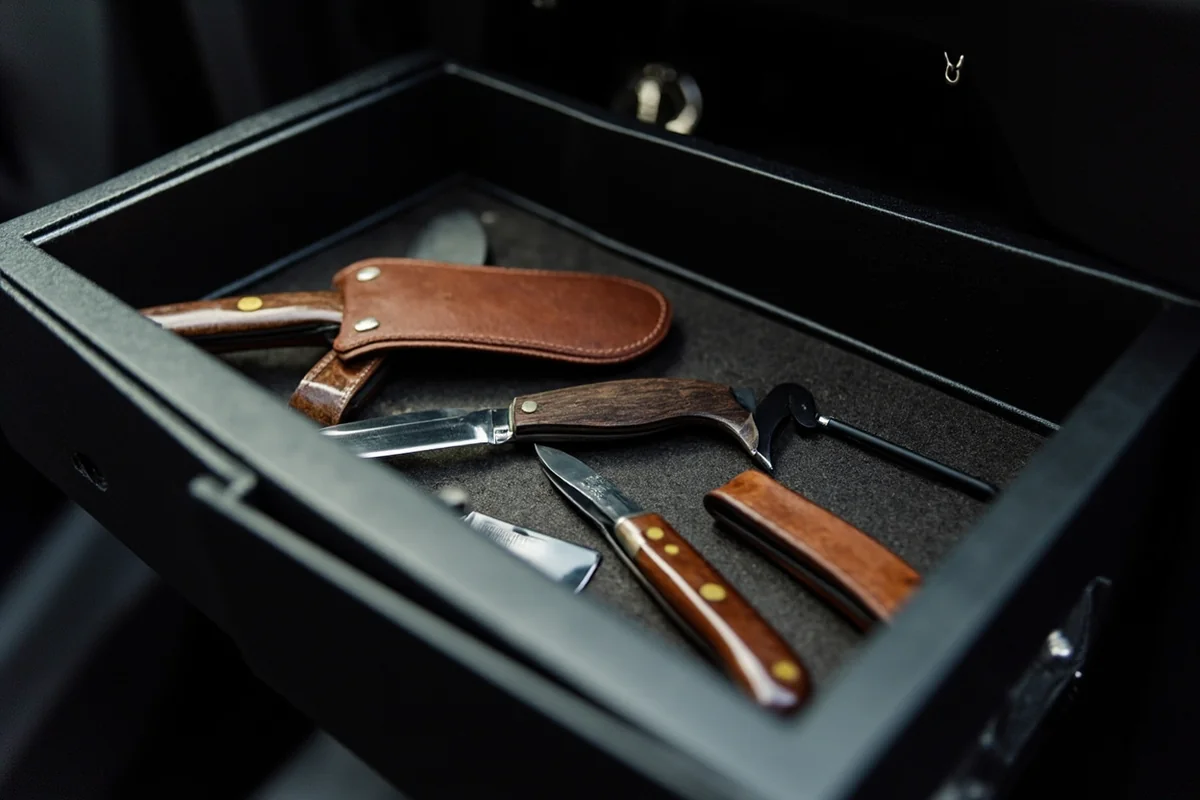
Can I bring my knife collection when driving through Montana from another state?
Yes, you can transport your knife collection through Montana without issues since the state has no restrictions on knife types or blade lengths. However, if you’re driving from states with stricter laws like California, make sure you’re compliant when crossing back. I always keep my knives stored safely in my truck bed toolbox during long road trips through Big Sky Country.
What type of knife should I pack for a Montana outdoor adventure?
For Montana adventures, I recommend bringing a sturdy fixed-blade knife with a 4-6 inch blade for camping tasks and a reliable folding knife for everyday use. A good multi-tool is also invaluable for fishing trips on the Missouri River or backcountry camping in the Beartooth Mountains. Budget around $50-150 for a quality knife that can handle Montana’s rugged wilderness conditions.
Are there different knife laws for Montana cities versus rural areas?
Montana has statewide preemption, meaning local cities and counties cannot create knife laws stricter than state law. This makes traveling between Billings, Helena, Great Falls, and rural wilderness areas simple since the same rules apply everywhere. You won’t need to research individual city ordinances like you would in some other states.
Sources: