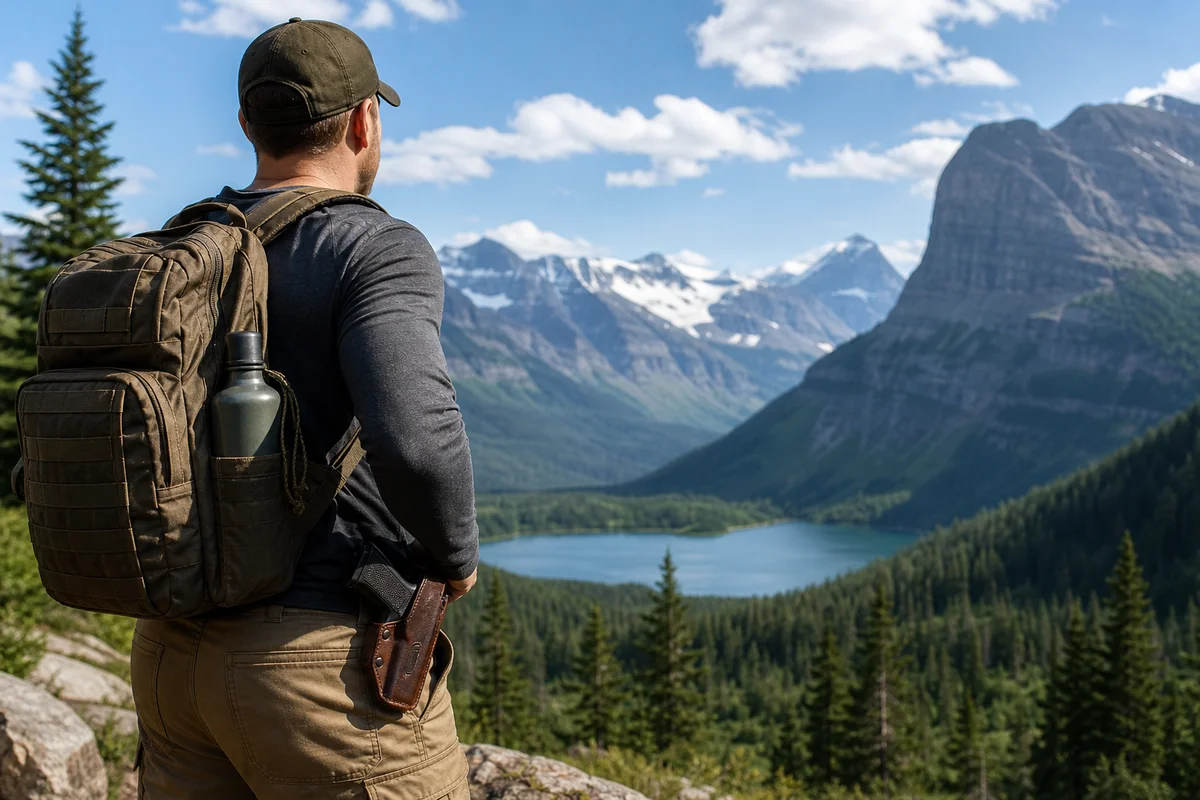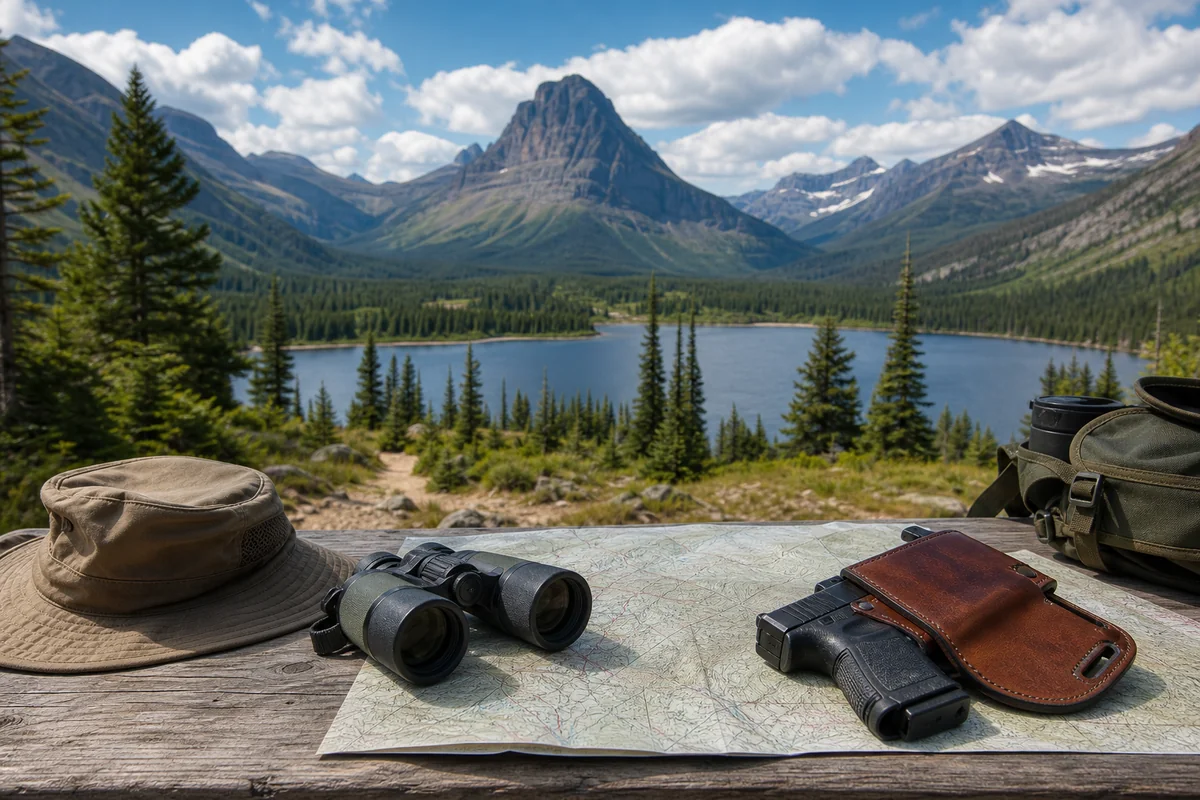
Deep in the heart of the American West, Montana stands as a testament to America’s enduring gun culture and frontier spirit. With its vast landscapes, rich hunting traditions, and fiercely independent ethos, the Treasure State has cultivated some of the nation’s most permissive firearm laws. Whether you’re a lifelong Montanan, a recent transplant, or just passing through with your firearms, understanding these laws is essential for responsible gun ownership.
In this comprehensive guide, we’ll navigate Montana gun laws landscape, from its constitutional carry provisions to the nuances of self-defense legislation. We’ll explore who can legally own firearms in Montana, where they can be carried, and the specific regulations that apply to various scenarios. As federal and state laws sometimes create competing frameworks, we’ll also address how Montana’s assertive stance on state sovereignty affects gun owners on the ground.
Montana’s approach to firearms reflects its rural character and outdoor heritage. In a state where wildlife management is a way of life and law enforcement response times can stretch to hours, firearms serve practical purposes beyond recreation. This guide acknowledges that cultural context while providing clear, factual information on the legal boundaries that exist even in this gun-friendly state.
Whether you’re interested in concealed carry, hunting regulations, or simply understanding your rights as a gun owner in Montana, this guide will provide the knowledge you need to exercise your Second Amendment rights responsibly and legally in Big Sky Country.
Table of Contents
Constitutional Carry in Montana: What It Means
Montana officially became a constitutional carry state on February 18, 2021, when Governor Greg Gianforte signed House Bill 102 into law. This landmark legislation fundamentally changed how Montanans can carry firearms throughout the state, embracing the principle that the right to bear arms exists without government permission.
Constitutional carry, also known as permitless carry, means that law-abiding adults who are legally allowed to possess firearms may carry them concealed without obtaining a government-issued permit or license. This approach is based on the interpretation that the Second Amendment of the U.S. Constitution and Article II, Section 12 of the Montana Constitution already grant citizens the right to bear arms.
Under Montana’s constitutional carry provisions, residents who are at least 18 years old and legally eligible to possess firearms can carry concealed weapons in most public places without a permit. This applies to both handguns and other legal firearms. Prior to HB 102, Montanans could only carry openly without a permit, while concealed carry required obtaining a permit from their county sheriff’s office.
The law allows for constitutional carry in most public spaces across Montana, including streets, parks, restaurants, and businesses that don’t explicitly prohibit firearms. However, even with constitutional carry, certain restrictions remain in place. Firearms are still prohibited in:
- Federal buildings
- Military installations
- Courtrooms and courthouses
- Secure areas of airports
- Schools (with some exceptions under HB 102)
- Private properties where owners have posted notices prohibiting firearms
It’s important to note that while Montana residents no longer need a permit to carry concealed within the state, many still choose to obtain a Montana Concealed Weapons Permit. These permits provide reciprocity benefits when traveling to other states and can expedite firearm purchases by exempting permit holders from background checks at the point of sale.
The age requirement for constitutional carry in Montana is 18 years or older, which differs from some other constitutional carry states that set the minimum age at 21. However, federal law still prohibits federally licensed dealers from selling handguns to individuals under 21, creating a situation where 18-20 year-olds can legally carry handguns in Montana but may face challenges legally purchasing them from licensed dealers.
Constitutional carry represents Montana’s strong commitment to gun rights and self-defense freedoms, placing it among the most gun-friendly states in the nation. The law affirms the belief that responsible citizens have the inherent right to defend themselves without government permission or additional regulatory hurdles.
Montana Concealed Weapons Permits: Process and Requirements
While Montana embraces constitutional carry, obtaining a Montana Concealed Weapons Permit (CWP) offers several significant advantages for gun owners. These permits serve as official recognition of your right to carry concealed firearms and extend your carrying privileges beyond state lines.
Benefits of Obtaining a Montana CWP Despite Constitutional Carry
Even with constitutional carry in effect, a Montana CWP provides several key benefits:
- Interstate Recognition: Perhaps the most compelling reason to obtain a permit is reciprocity with other states. Your Montana permit is honored in approximately 40 other states, allowing you to legally carry while traveling.
- Streamlined Purchasing: Permit holders can bypass the National Instant Criminal Background Check System (NICS) when purchasing firearms from licensed dealers.
- Enhanced Legal Protection: Having a permit demonstrates your commitment to responsible gun ownership and formal training, which can be beneficial in legal situations.
- Access to Restricted Areas: Some locations that typically prohibit firearms may make exceptions for permit holders.
Permit Types and Reciprocity
Montana offers two types of concealed weapons permits:
- Standard Permit: Recognized by approximately 35 states
- Enhanced Permit: Recognized by approximately 40 states, including some states that don’t honor the standard permit
The enhanced permit requires additional training but provides broader interstate recognition, making it valuable for frequent travelers.
Application Process
To obtain a Montana CWP, follow these steps:
- Complete Application Form: Available from your county sheriff’s office
- Fingerprinting: Required for background check purposes
- Documentation: Provide proof of Montana residency and U.S. citizenship
- Training Certification: Submit proof of firearms safety training completion
- Submit Application: File in person at your county sheriff’s office
- Background Check: The sheriff’s office conducts thorough criminal and mental health background checks
- Issuance: Permits are typically issued within 60 days if approved
Eligibility Criteria
To qualify for a Montana CWP, you must:
- Be at least 18 years old
- Be a U.S. citizen or permanent legal resident
- Have been a Montana resident for at least six months
- Not be prohibited from possessing firearms under state or federal law
- Not suffer from mental illness or chemical dependence that might impair judgment
- Complete a firearms safety or training course
Costs and Validity
The financial aspects of obtaining a permit include:
- Application Fee: $60 for first-time applicants
- Renewal Fee: $25
- Enhanced Permit: Additional $20
- Fingerprinting Fee: Approximately $10-15
Standard permits are valid for four years from the date of issuance, while enhanced permits maintain the same expiration timeframe.
Renewal Procedures
To renew your Montana CWP:
- Submit renewal application to the sheriff’s office that issued your original permit
- Pay the renewal fee
- Provide updated identification and documentation
- Complete a new background check
Renewals should be initiated at least 30 days before expiration to ensure continuous coverage. Unlike the initial application, renewal typically doesn’t require additional training certification unless you’re upgrading to an enhanced permit.
For gun owners in Montana, the modest investment in obtaining a concealed weapons permit delivers substantial benefits, particularly for those who travel across state lines or want additional legal protection beyond constitutional carry provisions.
Firearm Purchase Regulations in Montana
Montana maintains some of the most permissive firearm purchase regulations in the United States, reflecting the state’s strong support for Second Amendment rights. Understanding these regulations is essential for both residents and non-residents looking to purchase firearms in the Treasure State.
Background Check Requirements
In Montana, federal background check requirements apply when purchasing firearms from licensed dealers. When buying from a Federal Firearms License (FFL) holder, purchasers must complete ATF Form 4473 and undergo an instant background check through the National Instant Criminal Background Check System (NICS). This process typically takes just minutes but can be delayed if further investigation is needed.
However, Montana distinguishes itself from many states by not requiring background checks for private sales between individuals. This means that person-to-person transfers can legally occur without formal background verification, provided the seller has no reason to believe the buyer is prohibited from owning firearms.
FFL Dealer Regulations
Licensed firearms dealers in Montana must comply with federal regulations, including:
- Maintaining comprehensive records of all firearms transactions
- Verifying the identity of purchasers through government-issued identification
- Conducting NICS background checks
- Reporting multiple handgun sales to the same individual within five business days
- Ensuring compliance with all state and federal firearms laws
Montana does not impose additional state-level licensing requirements on firearms dealers beyond federal mandates, creating a relatively straightforward regulatory environment for dealers.
Private Sale Rules
One of the most notable aspects of Montana’s gun laws is the freedom afforded to private sellers. In Montana:
- No background check is required for private, person-to-person sales
- No paperwork is legally required to document the transfer
- No registration of firearms is required
- Sellers are only prohibited from knowingly transferring firearms to individuals who cannot legally possess them
This private sale exemption applies to transactions between Montana residents. When selling to out-of-state residents, federal interstate transfer rules apply, typically requiring the involvement of an FFL dealer.
Waiting Periods
Montana has no mandatory waiting period for firearm purchases. Once a background check is approved (for dealer sales), the purchaser can immediately take possession of the firearm. This “instant purchase” provision applies to all types of firearms, including handguns, rifles, and shotguns.
The absence of waiting periods reflects Montana’s philosophy that law-abiding citizens should not face unnecessary delays when exercising their constitutional rights.
Age Restrictions for Purchases
Age requirements for firearm purchases in Montana follow federal guidelines:
- Handguns: Purchasers must be at least 21 years old to buy from an FFL dealer
- Long guns (rifles and shotguns): Purchasers must be at least 18 years old to buy from an FFL dealer
For private sales, federal law still prohibits handgun transfers to individuals under 21, while long guns can be transferred to those 18 and older.
Montana law does allow for minors to possess and use firearms under certain circumstances, particularly for hunting and recreational shooting when under adult supervision, though they cannot independently purchase firearms until reaching the appropriate age.
Prohibited Locations for Firearms in Montana
Even in a state with permissive gun laws like Montana, certain locations remain off-limits for firearms. Understanding these restrictions is crucial for responsible gun ownership and avoiding legal complications.
Federal buildings maintain a strict no-firearms policy throughout Montana. This includes federal courthouses, Social Security offices, IRS buildings, post offices, and other federally-operated facilities. The prohibition extends to both the buildings themselves and their associated grounds in many cases. Violations of these federal restrictions can result in serious penalties, regardless of Montana’s state laws.
School zones represent another significant restriction. Montana law prohibits firearms on school property without authorization. This includes K-12 schools, school buses, and school-sponsored events. While there are limited exceptions for specific authorized individuals such as law enforcement or those with explicit permission from school authorities, the general rule is straightforward: firearms and schools don’t mix.
State and local government buildings maintain varying restrictions. While the Montana Capitol building and many courthouses prohibit firearms, the state’s preemption laws limit how extensively local governments can restrict firearm possession. However, secured areas of government buildings, particularly courtrooms and detention facilities, maintain strict prohibitions.
Private property rights remain paramount in Montana. Business owners, landlords, and private property owners maintain the legal right to prohibit firearms on their premises. These restrictions are typically indicated by posted signs, and while violating a “no guns” policy on private property may not always constitute a criminal offense, it could result in trespassing charges if you refuse to leave when asked.
Establishments serving alcohol present another notable restriction. Montana law prohibits carrying firearms while under the influence of alcohol or drugs, and many bars and restaurants serving alcohol prohibit firearms on their premises.
Public gatherings such as certain sporting events, concerts, and public demonstrations may also have temporary or permanent firearm restrictions, often determined by venue policies rather than state law.
It’s worth noting that Montana’s constitutional carry provisions don’t override these location-based restrictions. Even with permitless carry rights, gun owners must respect these prohibited locations. Those with Montana Concealed Weapons Permits don’t receive special exemptions for most of these restricted areas.
As Montana’s gun laws continue to evolve, staying informed about prohibited locations remains an essential responsibility for all firearm owners in the state.
Castle Doctrine and Stand Your Ground Laws in Montana
Montana has robust self-defense laws that strongly favor the rights of individuals to protect themselves, their homes, and their families. The state’s Castle Doctrine and Stand Your Ground provisions are among the strongest in the nation, providing substantial legal protections for those who use force, including deadly force, in self-defense situations.
Montana’s Castle Doctrine establishes that residents have the right to use force, including deadly force, to protect themselves in their homes without fear of criminal prosecution or civil liability. This legal principle is based on the concept that a person’s home is their “castle” and they have no obligation to retreat when faced with an intruder or threat within that space.
Under Montana law, there is a legal presumption that a person who uses defensive force against someone who unlawfully enters their dwelling, residence, or occupied vehicle had a reasonable fear of imminent death or serious bodily harm. This presumption significantly strengthens the legal position of homeowners who defend themselves.
The Stand Your Ground provisions in Montana extend these protections beyond just the home. Montana law establishes that individuals have no duty to retreat before using defensive force in any place where they have a legal right to be. This means that if you are lawfully present in a location—whether it’s a public space, your workplace, or elsewhere—you can stand your ground and defend yourself without first attempting to escape the situation.
What makes Montana’s self-defense laws particularly strong is the shifted burden of proof. In many states, the defendant must prove they acted in self-defense. However, in Montana, once self-defense is claimed, the prosecution bears the burden of proving beyond a reasonable doubt that the defendant did NOT act in self-defense. This significant legal advantage provides substantial protection for those who legitimately defend themselves.
The law also provides immunity from criminal prosecution and civil lawsuits for those who justifiably use force in self-defense. This means that if your use of force is determined to be justified, you cannot be arrested, detained, charged, or prosecuted for the action, nor can you be sued by the attacker or their family.
It’s important to note that these protections have limits. The threat must be imminent and reasonable—meaning a reasonable person in the same situation would believe they were in danger. Additionally, the force used must be proportional to the threat. Using deadly force against a non-deadly threat could still result in criminal charges.
Montana’s self-defense laws reflect the state’s strong commitment to individual rights and the belief that law-abiding citizens should have the legal backing to protect themselves and their loved ones when threatened. These laws provide Montana residents with clear legal protections when they must make the difficult decision to use force in self-defense.
Prohibited Persons: Who Cannot Possess Firearms in Montana
While Montana has some of the most permissive gun laws in the nation, both federal and state laws establish clear categories of individuals who are prohibited from possessing firearms. Understanding these prohibitions is essential for all Montana residents to ensure compliance with the law.
Federal Prohibitions
Federal law applies throughout Montana and prohibits the following categories of people from possessing firearms:
- Felons: Anyone convicted of a crime punishable by imprisonment exceeding one year
- Fugitives from justice
- Unlawful users of or those addicted to controlled substances
- Those adjudicated as mentally defective or committed to mental institutions
- Illegal aliens and non-immigrant visa holders (with certain exceptions)
- Individuals who have renounced their U.S. citizenship
- Subjects of domestic violence restraining orders
- Persons convicted of misdemeanor domestic violence offenses
- Dishonorably discharged veterans
State-Specific Prohibitions in Montana
Montana state law largely mirrors federal prohibitions but includes some state-specific elements:
- Individuals convicted of felony offenses under Montana law
- Persons found mentally ill by a court and committed to a mental health facility
- Minors under 18 (with exceptions for hunting and supervised shooting)
Domestic Violence Considerations
Montana takes domestic violence seriously when it comes to firearm possession:
- A conviction for partner or family member assault (PFMA) results in firearm prohibition
- Even misdemeanor domestic violence convictions trigger federal firearm prohibitions
- Judges may order the surrender of firearms as part of temporary restraining orders
- Law enforcement may seize weapons at the scene of domestic disturbances
Mental Health Adjudications
Mental health prohibitions require formal adjudication:
- Involuntary commitment to a mental health facility
- Court determination of mental incompetence
- Montana reports limited mental health records to the NICS background check system
- Temporary mental health holds do not automatically result in firearm prohibitions
Substance Abuse Issues
Drug and alcohol dependencies can restrict gun ownership:
- Current users of illegal drugs are prohibited under federal law
- Those addicted to controlled substances cannot legally possess firearms
- A DUI conviction alone doesn’t prohibit firearm ownership, but multiple DUIs may
- Medical marijuana users in Montana remain prohibited under federal law despite state legalization
Restoration of Rights
Montana provides several pathways for prohibited persons to restore their gun rights:
- Felons may petition for rights restoration 5 years after completing their sentence
- Governor’s pardons automatically restore firearm rights in most cases
- Expungement of qualifying misdemeanor domestic violence convictions
- Relief from federal firearms disabilities through specific court proceedings
Understanding these prohibitions is crucial, as violations can result in serious criminal penalties including fines and imprisonment. While Montana’s gun laws are generally permissive, these restrictions represent important boundaries designed to keep firearms out of potentially dangerous hands.
NFA Weapons and Regulations in Montana
Montana takes a relatively permissive approach to National Firearms Act (NFA) items compared to many other states. The NFA, a federal law enacted in 1934, regulates the ownership of certain firearms and accessories including suppressors (silencers), short-barreled rifles (SBRs), short-barreled shotguns (SBSs), machine guns, destructive devices, and “any other weapons” (AOWs).
In Montana, state law does not prohibit the possession of NFA items that are legally owned under federal law. This means that Montana residents can own suppressors, SBRs, SBSs, and other NFA items as long as they comply with federal regulations, which include:
- Filing the appropriate ATF forms (typically Form 1 for manufacturing or Form 4 for transfer)
- Paying the $200 tax stamp (except for AOWs which require a $5 tax stamp for transfers)
- Undergoing an extensive background check
- Receiving approval from the ATF before taking possession
Montana has been particularly supportive of suppressor ownership. In 2013, the state passed legislation explicitly legalizing the use of suppressors for hunting, joining a growing number of states that recognize the hearing protection benefits these devices provide to hunters and recreational shooters.
For machine guns, federal law heavily restricts ownership to those manufactured and registered before May 19, 1986. Montana follows these federal guidelines and does not impose additional restrictions on legally owned machine guns.
In 2021, Montana took a bold step with the passage of the “Montana Firearms Freedom Act,” which declares that firearms, ammunition, and accessories manufactured in Montana and remaining within state borders are not subject to federal regulation. However, it’s crucial to understand that federal courts have not upheld similar laws, and the ATF continues to enforce federal NFA regulations in Montana regardless of this state legislation.
Despite this state law, Montana residents should be aware that federal authorities still consider it illegal to possess unregistered NFA items, even if they were manufactured in-state. The legal conflict between state and federal law creates a complex situation where compliance with federal NFA regulations remains the safest approach for gun owners.
For those interested in acquiring NFA items in Montana, working with a licensed Class 3 dealer can simplify the process and ensure compliance with all applicable laws. Additionally, creating a gun trust can offer advantages for those who wish to share access to NFA items with family members or provide for their transfer upon death.
Montana’s relatively friendly stance toward NFA items reflects the state’s overall approach to gun rights, emphasizing individual freedom while acknowledging the framework of federal regulation that still applies to these specialized firearms and accessories.
Montana’s Stance on Federal Gun Laws
Montana has established itself as one of the most assertive states regarding resistance to federal firearms regulations. The state legislature has repeatedly taken steps to assert Montana’s sovereignty when it comes to gun laws, creating a complex legal landscape for gun owners to navigate.
The Montana Firearms Freedom Act (MFFA), first passed in 2009, represents one of the boldest attempts by any state to challenge federal authority over firearms. This groundbreaking legislation declares that firearms, ammunition, and accessories manufactured in Montana and remaining within state borders are not subject to federal regulation under Congress’s interstate commerce authority. The law specifically targets firearms manufactured and kept within Montana’s borders, arguing that such items fall outside federal jurisdiction.
The MFFA was designed as a direct challenge to federal gun control measures. Its core argument rests on the Tenth Amendment to the U.S. Constitution, which reserves powers not delegated to the federal government to the states or the people. Montana legislators have maintained that regulating firearms manufactured and sold exclusively within state borders exceeds the federal government’s constitutional authority.
In 2021, Montana doubled down on this position with the passage of House Bill 258, which prohibits state and local law enforcement from enforcing federal gun restrictions enacted after January 1, 2021. This legislation effectively attempts to nullify any new federal gun control measures within Montana’s borders, including potential bans on assault weapons, high-capacity magazines, or expanded background check requirements.
These nullification efforts have faced significant legal challenges. The original MFFA was struck down by the Ninth Circuit Court of Appeals in 2013, which ruled that Congress could regulate the internal manufacture of firearms under its Commerce Clause authority. Despite this setback, Montana has continued its resistance to federal gun regulations, with lawmakers arguing that the federal government has overstepped its constitutional boundaries.
For Montana gun owners, these conflicting state and federal positions create a practical dilemma. While state law may permit certain firearms activities, federal law enforcement agencies like the ATF still maintain the authority to enforce federal regulations. This means Montana residents could potentially face federal prosecution even when acting in compliance with state law.
The practical implications of Montana’s stance include:
- Creating uncertainty for gun owners trying to determine which laws they must follow
- Potentially complicating interstate travel with firearms
- Establishing Montana as a testing ground for constitutional challenges to federal gun control
- Signaling to gun manufacturers that Montana welcomes their business with minimal state restrictions
Montana’s resistance to federal firearms regulations reflects deeply held beliefs about individual liberty, states’ rights, and the Second Amendment. While legal battles continue over where exactly the line between state and federal authority should be drawn, Montana remains committed to maintaining its status as one of America’s most gun-friendly states.
Transporting Firearms in Montana
Montana’s firearm transportation laws are among the most permissive in the nation, but gun owners still need to understand the nuances to avoid legal complications. Whether you’re traveling by car, crossing state lines, flying through Montana airports, or using public transportation, different rules apply in each scenario.
Vehicle Carry Laws
Montana law allows for both open and concealed carry of firearms in vehicles without a permit for those legally allowed to possess firearms. Under the state’s constitutional carry provisions, you can:
- Keep a loaded firearm in your vehicle
- Have it within reach while driving
- Exit your vehicle with your firearm concealed without a permit
This applies to both residents and non-residents alike. However, remember that certain locations like federal buildings, school zones, and private properties with “no firearms” policies still prohibit firearms regardless of how you arrived there.
For commercial vehicles, drivers should be aware that employer policies may restrict firearms even though state law permits them. These workplace policies, while not criminal matters, could affect employment.
Interstate Transport Considerations
When traveling across state lines with firearms from or to Montana, federal law provides some protections under the Firearm Owners Protection Act (FOPA). This law allows for interstate transportation of firearms if:
- The firearms are unloaded
- Both firearms and ammunition are not readily accessible (locked in the trunk or in a container)
- The transportation is legal in both the origin and destination states
Montana residents traveling to states with stricter gun laws should be particularly careful. What’s legal in Montana may be a serious offense in states like California, New York, or Illinois. Research destination state laws thoroughly before crossing state lines with firearms.
Airport Regulations
Flying with firearms through Montana airports requires adherence to TSA regulations:
- Firearms must be unloaded and locked in a hard-sided container
- The container must completely secure the firearm from access
- Firearms must be declared at the airline check-in counter
- Ammunition must be properly stored in original packaging or ammo boxes
- Firearms can only be transported in checked baggage, never in carry-on luggage
Montana’s major airports in Billings, Bozeman, Missoula, and Great Falls all follow these federal regulations. While Montana state law is permissive, federal law governs air travel, and violations can result in serious federal charges.
Public Transportation Rules
Montana has limited public transportation systems, but the rules regarding firearms on these systems include:
- City buses: Most municipal bus services in Montana prohibit firearms, though state law does not explicitly ban them
- Ride-sharing services: Companies like Uber and Lyft generally prohibit firearms according to their terms of service, regardless of state law
- Amtrak: Firearms are allowed only in checked baggage on Amtrak routes through Montana, following procedures similar to airline requirements
When using any form of public transportation in Montana, it’s advisable to check the specific policies of the transportation provider, as these may be more restrictive than state law.
Montana’s generally permissive stance on firearm transportation reflects the state’s strong gun rights culture, but responsible gun owners should still understand the boundaries and restrictions that exist, particularly when crossing jurisdictional lines or using federally regulated transportation systems.
Hunting Regulations and Firearms in Montana
Montana’s rich wildlife and vast wilderness make it a premier hunting destination, but navigating the state’s hunting regulations regarding firearms requires careful attention. Montana Fish, Wildlife & Parks (FWP) establishes specific guidelines that all hunters must follow, regardless of whether they’re residents or visitors.
Hunting license requirements in Montana operate on a tiered system. All hunters must possess a basic conservation license, which serves as the foundation for any hunting activity in the state. Depending on the game you’re pursuing, you’ll need additional permits or tags specific to those species. For big game hunting such as elk, deer, or bear, specialized licenses are mandatory and often distributed through a drawing system for certain hunting districts. Non-residents face higher fees and limited license availability, with many applying months in advance through the state’s lottery system.
When it comes to firearm restrictions for certain game, Montana maintains specific regulations designed for ethical hunting practices and conservation. For big game hunting, centerfire rifles with expanding bullets are typically required. Shotguns must be no larger than 10-gauge, and handguns must meet minimum caliber requirements depending on the game pursued. For instance, when hunting elk, firearms must be capable of producing at least 1,000 foot-pounds of energy at 100 yards.
Montana’s permitted calibers and gauges vary by game species:
- For deer and antelope: Centerfire rifles of .22 caliber or larger are permitted
- For elk and moose: Larger calibers are recommended, with .270, .30-06, and .300 magnums being popular choices
- For upland birds: Shotguns no larger than 10-gauge, typically with shot sizes between #4 and #8
- For waterfowl: Non-toxic shot is mandatory, with 12-gauge being the most common choice
The regulations differ substantially when hunting on public versus private land. On public lands, including national forests, BLM land, and state wildlife management areas, standard state regulations apply without additional restrictions. However, certain wildlife refuges may have specific firearm limitations or hunting season adjustments. For private land hunting, you must obtain explicit permission from landowners before entering their property, regardless of whether the land is posted. Montana’s Block Management Program facilitates access to private lands for hunting, but participants must follow both state regulations and any additional rules established by the landowner.
Montana also enforces shooting hours, typically from half an hour before sunrise to half an hour after sunset, and prohibits shooting across public roads or within safety zones near occupied buildings. Hunters should always be aware that regulations can change annually, making it essential to review the current year’s hunting regulations before heading into the field with firearms.
Gun Rights for Non-Residents in Montana
Montana’s gun-friendly approach extends to visitors and non-residents, though with some important distinctions from resident rights. If you’re planning to visit Big Sky Country with your firearms or looking to purchase one while there, understanding these regulations is essential.
For visitors carrying firearms to Montana, the state honors the constitutional right to bear arms regardless of residency. Non-residents who can legally possess firearms in their home state can generally possess them in Montana as well. This includes the right to open carry without a permit, which applies equally to residents and non-residents.
When it comes to concealed carry, Montana’s constitutional carry provisions extend to non-residents as well. As of 2021, any person who may lawfully possess a firearm under federal and Montana law may carry a concealed weapon without a permit throughout most of the state. This represents a significant expansion of gun rights for visitors who previously needed permits from their home states with reciprocity agreements.
Speaking of reciprocity, Montana recognizes concealed weapons permits from all states. This means if you have a valid concealed carry permit from any other state, it will be honored in Montana. This policy simplifies matters for visitors who prefer to rely on their existing permits rather than Montana’s constitutional carry provisions.
For non-residents interested in purchasing firearms in Montana, federal laws still apply. You can purchase long guns (rifles and shotguns) from a licensed dealer in Montana if you meet the legal requirements of both Montana and your state of residence. However, handgun purchases by non-residents must be transferred through a licensed dealer in your home state. Private party sales to non-residents follow similar restrictions under federal law.
Non-residents should be aware that while Montana’s gun laws are permissive, they must still adhere to federal laws regarding interstate transportation of firearms. The Firearms Owners’ Protection Act provides safe passage for those traveling with legally owned, unloaded, and inaccessible firearms through states, even those with stricter gun laws.
Hunters visiting Montana will find accommodating regulations as well. Non-resident hunters can bring their firearms for hunting purposes, though they’ll need appropriate hunting licenses and must follow all game regulations. Montana Fish, Wildlife & Parks issues these licenses and can provide specific guidance for non-resident hunters.
It’s worth noting that tribal lands within Montana may have their own regulations regarding firearms possession and carry by non-residents. Visitors should check with specific tribal authorities before bringing firearms onto reservation lands.
While Montana extends significant firearms rights to non-residents, visitors should remember that they are responsible for knowing and following all applicable laws, both in Montana and when crossing state lines with firearms.
Recent Changes to Montana Gun Laws
Montana’s gun laws have undergone significant transformations in recent years, reflecting the state’s strong support for Second Amendment rights. Perhaps the most notable change came in February 2021 when Governor Greg Gianforte signed House Bill 102 into law. This landmark legislation established constitutional carry in Montana, allowing law-abiding citizens to carry concealed firearms without a permit in most locations throughout the state.
The 2021 legislative session proved particularly consequential for gun rights in Montana. Beyond HB 102, lawmakers passed several other pro-gun measures. House Bill 258 prohibited state and local governments from enforcing federal gun restrictions enacted after January 1, 2021. This legislation positioned Montana among several states asserting their sovereignty regarding firearm regulations.
Another significant development was Senate Bill 215, the Montana Religious Freedom Restoration Act, which indirectly impacted gun rights by providing religious institutions greater autonomy in determining their firearms policies. Additionally, House Bill 436 clarified that medical marijuana users retain their Second Amendment rights under state law, although federal prohibitions still apply.
In 2023, the Montana legislature continued this trend with several bills affecting gun ownership and use. House Bill 356 expanded locations where concealed carry is permitted, while Senate Bill 423 strengthened preemption laws, ensuring consistent firearms regulations across the state rather than a patchwork of local ordinances.
Currently pending legislation includes proposals to further protect gun owners’ privacy, prevent financial institutions from tracking firearm purchases, and strengthen protections against federal gun control measures. These bills reflect Montana’s ongoing commitment to preserving and expanding gun rights.
The political landscape in Montana strongly favors gun rights, with both the executive and legislative branches generally supporting Second Amendment protections. This trend shows no signs of reversing, as pro-gun politicians continue to win elections throughout the state. Rural values and the state’s hunting tradition contribute to this political reality.
Looking ahead, gun rights advocates in Montana are focusing on several priorities: further limiting federal authority over firearms within state borders, expanding shooting range development, and preventing any erosion of recently gained freedoms. Meanwhile, gun safety proponents continue advocating for measures like safe storage laws and enhanced background checks, though these face significant hurdles in the current political climate.
Montana’s evolution on gun policy reflects broader national tensions between state and federal authority, with Montana positioning itself firmly on the side of state sovereignty and minimal restrictions on firearm ownership and use.
Resources for Montana Gun Owners
Montana gun owners have access to numerous resources to help them stay informed, improve their skills, and navigate the state’s firearm laws. Whether you’re a new gun owner or have years of experience, these resources can prove invaluable.
Firearms Organizations in Montana
Several organizations advocate for gun rights and provide education in Montana:
- Montana Shooting Sports Association (MSSA) – The state’s primary firearms advocacy group that lobbies for gun rights, offers firearms education, and keeps members updated on legislative changes.
- Montana Rifle & Pistol Association – Focused on competitive shooting, this organization sponsors matches and promotes marksmanship throughout the state.
- Local Gun Clubs – Many communities have local gun clubs that offer membership benefits including range access, training opportunities, and social events for firearm enthusiasts.
Educational Courses and Training
Montana offers numerous options for firearms education:
- Hunter Education Programs – Required for many hunters, these courses cover firearm safety, hunting ethics, and conservation principles.
- Concealed Carry Classes – While not required for carrying in Montana, these courses provide valuable legal and practical knowledge for those who carry firearms.
- NRA Certified Courses – Available throughout the state, covering everything from basic pistol safety to advanced defensive tactics.
- Women-Specific Training – Programs like “The Well Armed Woman” and “Women on Target” provide female-focused firearms instruction in comfortable learning environments.
Legal Resources and Assistance
Understanding your rights sometimes requires professional guidance:
- Montana Firearms Attorneys – Several law firms in Montana specialize in firearms law and can provide consultation on legal questions.
- Self-Defense Insurance – Organizations like USCCA and US Law Shield offer legal protection plans specifically for gun owners.
- Legal Seminars – Periodically offered throughout the state, covering topics like self-defense law and the legal aftermath of defensive gun use.
Shooting Ranges and Practice Facilities
Montana boasts numerous facilities for practice and recreation:
- Public Shooting Ranges – Montana Fish, Wildlife & Parks maintains several public shooting ranges throughout the state.
- Private Ranges – Many private clubs offer superior facilities with longer ranges, covered shooting positions, and specialized ranges for different disciplines.
- Indoor Ranges – Available in larger communities, providing year-round shooting opportunities regardless of weather conditions.
Official Government Resources
For authoritative information, several government sources are available:
- Montana Department of Justice – Provides official information on weapons permits, background checks, and state firearms laws.
- Montana Fish, Wildlife & Parks – Offers resources on hunting regulations and firearms use for sporting purposes.
- County Sheriff Offices – Local authorities who can answer specific questions about firearms laws in their jurisdiction and process weapons permit applications.
Staying connected with these resources helps ensure Montana gun owners remain informed about their rights and responsibilities while enjoying the state’s strong tradition of firearm ownership.
Common Misconceptions About Montana Gun Laws
Montana’s gun laws are often misunderstood, both by residents and non-residents alike. These misconceptions can lead to unintentional violations or unnecessary restrictions on one’s behavior. Let’s clear up some of the most common misunderstandings:
Myth: Constitutional Carry Means No Restrictions
While Montana is indeed a constitutional carry state, this doesn’t mean there are no restrictions whatsoever on carrying firearms. Many people mistakenly believe they can carry anywhere, anytime. The truth is that numerous locations remain off-limits, including federal buildings, schools, and certain private businesses that prohibit firearms.
Myth: Montana Gun Laws Apply on Federal Land
A dangerous misconception is that Montana’s permissive gun laws apply on all land within the state’s borders. In reality, federal laws supersede state laws on federal property, including national parks, post offices, and federal courthouses. This means different rules apply when you cross onto federal land, regardless of Montana’s stance.
Myth: No Background Checks Are Required
Some believe that Montana’s gun-friendly reputation means background checks are never required. While private sales between individuals don’t require background checks under state law, purchases from licensed dealers (FFL holders) still require the federal NICS background check, just like in any other state.
Myth: Montana Doesn’t Recognize Any Gun Laws
Following the passage of Montana’s firearm freedom legislation, some incorrectly believe the state completely disregards federal gun laws. While Montana has passed laws attempting to exempt Montana-made firearms from federal regulation, these laws have been challenged in court, and federal authorities still enforce federal gun laws within the state.
Myth: You Can Carry While Intoxicated
A dangerous misconception is that constitutional carry extends to situations involving alcohol. Montana law specifically prohibits carrying a concealed weapon while under the influence of alcohol or drugs. This restriction remains in place despite the constitutional carry provisions.
Myth: All States Recognize Montana’s Concealed Carry Permits
While Montana recognizes permits from many states, not all states reciprocate by recognizing Montana permits. Before traveling, it’s essential to research which states have reciprocity agreements with Montana to avoid unintentionally breaking another state’s laws.
Myth: You Don’t Need Hunter Education if You Own Guns
Gun ownership and hunting regulations are separate matters. Many assume that because Montana has permissive gun ownership laws, hunter education requirements must be equally relaxed. In fact, Montana requires hunter education for most hunters born after January 1, 1985, regardless of gun ownership status.
Myth: Montana’s Gun Laws Are the Most Permissive in the Nation
While Montana certainly ranks among the states with the most permissive gun laws, several other states have similarly relaxed regulations. Each state has its own unique combination of restrictions and freedoms, making direct comparisons difficult. What sets Montana apart is its specific combination of constitutional carry, castle doctrine protections, and stance on federal gun laws.
By understanding what Montana gun laws actually say—rather than relying on hearsay or assumptions—gun owners can ensure they remain on the right side of the law while exercising their Second Amendment rights.
Montana Gun Laws: Frequently Asked Questions
What are Montana’s gun laws for carrying concealed firearms?
Montana is a constitutional carry state, meaning law-abiding adults (18+) who can legally possess firearms may carry concealed without a permit in most public places. This law took effect in February 2021 when Governor Greg Gianforte signed House Bill 102.
Do I need a permit to carry a gun in Montana?
No, Montana’s constitutional carry law allows legal gun owners to carry concealed without a permit. However, many residents still obtain permits for benefits like reciprocity when traveling to other states and expedited firearm purchases.
Where are guns prohibited in Montana despite constitutional carry?
Even with constitutional carry, firearms remain prohibited in federal buildings, courtrooms, secure areas of airports, schools (with some exceptions), and private properties where owners have posted notices prohibiting firearms.
Can non-residents carry guns in Montana?
Yes, Montana extends its constitutional carry provisions to non-residents. Visitors who can legally possess firearms in their home state can generally open or concealed carry in Montana, and the state recognizes concealed carry permits from all states.
What are Montana’s self-defense laws regarding firearms?
Montana has strong Castle Doctrine and Stand Your Ground laws that protect individuals who use force, including deadly force, in self-defense. There’s no duty to retreat before using defensive force in any place where you have a legal right to be, and the burden of proof falls on the prosecution.
Who is prohibited from possessing firearms in Montana?
Prohibited persons include felons, those adjudicated as mentally ill, subjects of domestic violence restraining orders, individuals convicted of domestic violence offenses, and those addicted to controlled substances. Montana follows federal prohibitions while adding few additional state restrictions.
Does Montana require background checks for all gun purchases?
No, background checks are only required when purchasing from licensed dealers (FFLs). Private sales between individuals don’t require background checks under Montana law, though sellers cannot knowingly transfer firearms to prohibited persons.
What are Montana’s laws regarding NFA items like suppressors and short-barreled rifles?
Montana state law permits ownership of NFA items (suppressors, short-barreled rifles, etc.) as long as they comply with federal regulations. The state has even passed legislation attempting to exempt Montana-made firearms from federal oversight, though federal authorities still enforce NFA regulations.
How has Montana’s stance on federal gun laws changed recently?
Montana has become increasingly assertive in challenging federal firearms regulations. Recent legislation prohibits state and local law enforcement from enforcing federal gun restrictions enacted after January 1, 2021, positioning Montana among states asserting sovereignty regarding firearm regulations.
What resources are available for Montana gun owners?
Montana gun owners can access resources through organizations like the Montana Shooting Sports Association, educational courses including concealed carry and hunter education classes, public and private shooting ranges throughout the state, and official information from the Montana Department of Justice and county sheriff offices.