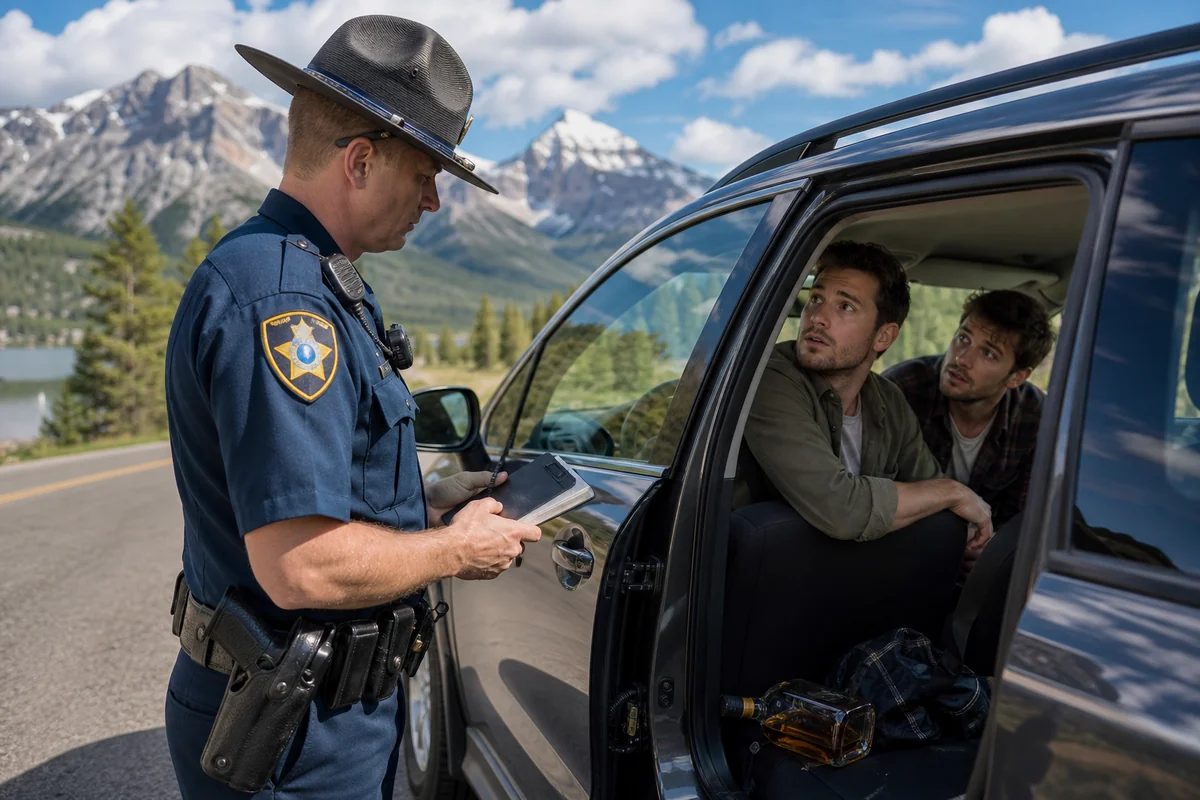
I’ll never forget the look on my friend’s face last summer when a Montana Highway Patrol officer asked about the half-empty whiskey bottle rolling around our backseat floor.
We were heading to Glacier National Park, and what could have been a trip-ending disaster turned into an educational moment about Montana laws—specifically the state’s surprisingly nuanced open container regulations.
Spoiler alert: we didn’t get a ticket that day, but only because we knew the rules. And trust me, after spending six years exploring Montana’s backroads, breweries, and wine country, I’ve learned that understanding these laws isn’t just about avoiding fines—it’s about enjoying your trip without that nagging worry in the back of your mind.
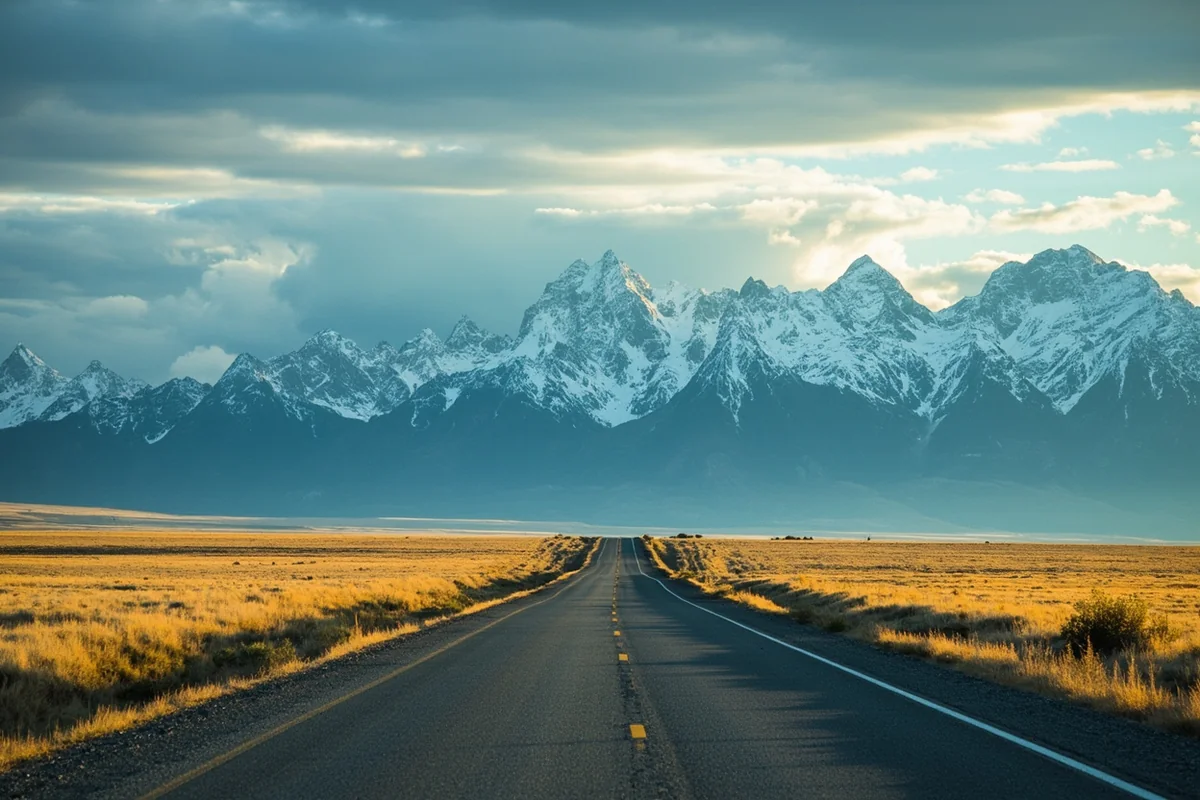
- Montana prohibits open containers of alcohol in the passenger area of vehicles on public highways
- Passengers CAN drink in certain commercial vehicles like limos, party buses, and RVs (with restrictions)
- First offense is a misdemeanor with fines up to $100, but it can affect your driving record
- Sealed containers must remain unopened—resealed wine bottles from restaurants are technically open containers
- Local ordinances may be stricter than state law, especially in college towns
- Montana’s unique “bar and drive” culture doesn’t mean open containers are legal
The Basics: What Montana Law Actually Says
Let me cut through the legal jargon for you. Montana Code Annotated 61-8-460 is what governs open container violations in Big Sky Country, and I’ve read it more times than I care to admit while researching for various road trips.
Here’s the deal: Montana prohibits any person from possessing an open alcoholic beverage container in the passenger area of a motor vehicle on a highway. Notice I said “possessing”—this applies to drivers AND passengers equally.
The law defines an open container as any bottle, can, or other receptacle containing alcohol that has been opened, has a broken seal, or has had contents partially removed. That corked wine bottle you didn’t finish at dinner? Legally, it’s an open container the moment that seal breaks.
What Counts as the “Passenger Area”?
This is where I see visitors get confused all the time. The passenger area includes everywhere designed for people to sit, plus any area that’s readily accessible to a seated driver or passenger.
In a standard sedan, this means the entire interior. During my recent trip through the Paradise Valley, I met a couple from California who thought keeping beer in the backseat footwell was fine. It’s not—that’s still the passenger area.
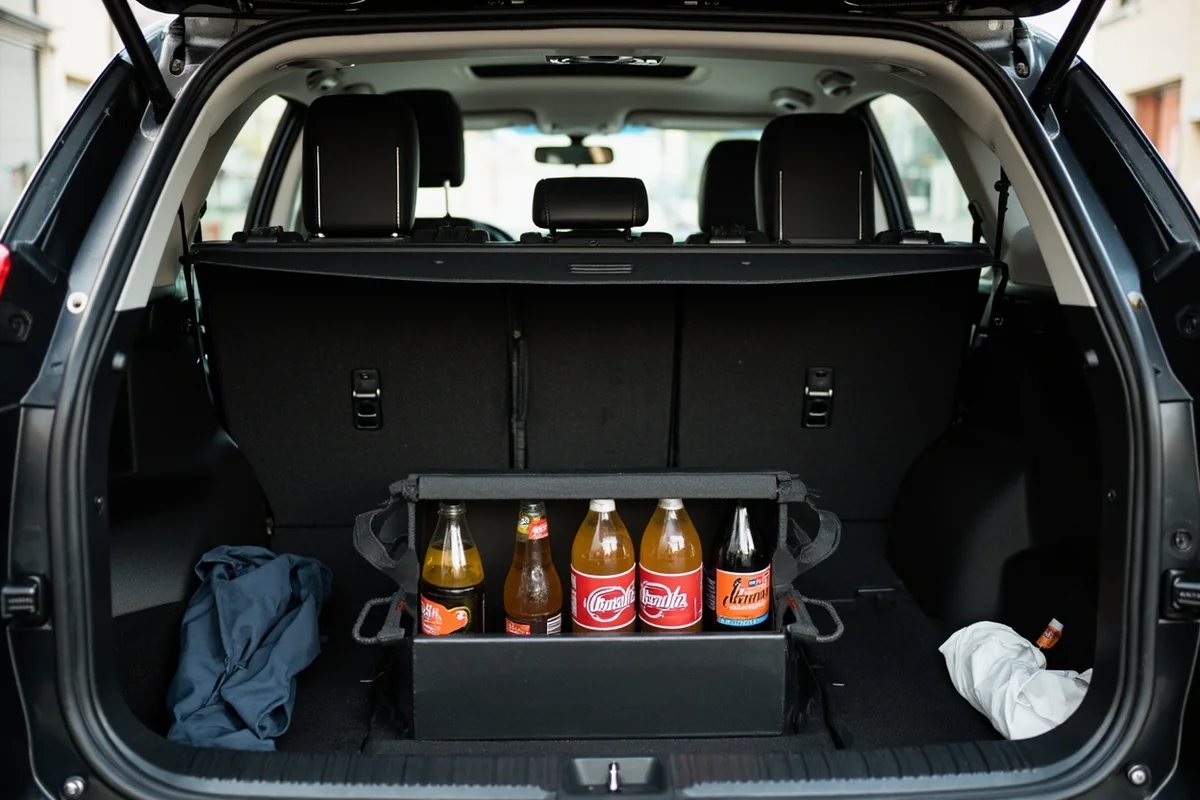
Your trunk, however, is not part of the passenger area. Neither is the area behind the last upright seat in a hatchback, SUV, or station wagon—as long as it’s not readily accessible while driving.
What Counts as a “Highway”?
Montana’s definition of highway is broader than you might think. It includes any public road, street, alley, or bridge maintained by the state, county, or municipality.
That scenic Forest Service road to Hyalite Reservoir outside Bozeman? Technically a highway under this law. The gravel road to your fishing spot on the Madison River? Same deal if it’s publicly maintained.
Private roads on ranch property are a different story, but the moment you pull onto a public road, the law kicks in.
The Penalties: What Happens If You Get Caught
I always tell fellow travelers to understand the consequences before taking risks. Montana classifies open container violations as misdemeanors, but the penalties can ripple beyond a simple fine.
| Offense | Fine | Additional Consequences |
|---|---|---|
| First Offense | Up to $100 | Misdemeanor on record, possible insurance increase |
| Second Offense | Up to $100 | Pattern of violations may influence future traffic stops |
| Combined with DUI | Up to $10,000+ | Jail time possible, license suspension, aggravated sentencing |
Here’s what the fine print doesn’t always tell you: an open container violation gives law enforcement probable cause to investigate further. That $100 ticket can quickly escalate if officers suspect impairment.
During a conversation I had with a Flathead County deputy last fall, he mentioned that open containers often lead to field sobriety tests, even for passengers. It’s just not worth the hassle.
The Exceptions: When Open Containers Are Legal
Now for the part that surprises most visitors. Montana does have legitimate exceptions to the open container law, and knowing them can actually enhance your travel experience.
Commercial Passenger Vehicles
If you’re a passenger in a vehicle designed primarily for transporting people for compensation, open containers are permitted. This includes:
- Limousines and party buses
- Charter buses and tour vehicles
- Taxi cabs (though I’ve rarely seen anyone try this)
- Ride-share vehicles in certain contexts
Last summer, I took a wine tour through the Flathead Valley with Glacier Wine Tours. We could legally sip our tastings in the shuttle between wineries—a much better experience than constantly worrying about the law.
The RV Exception (With Major Caveats)
This is the exception I get asked about most often, and it’s also the most misunderstood.
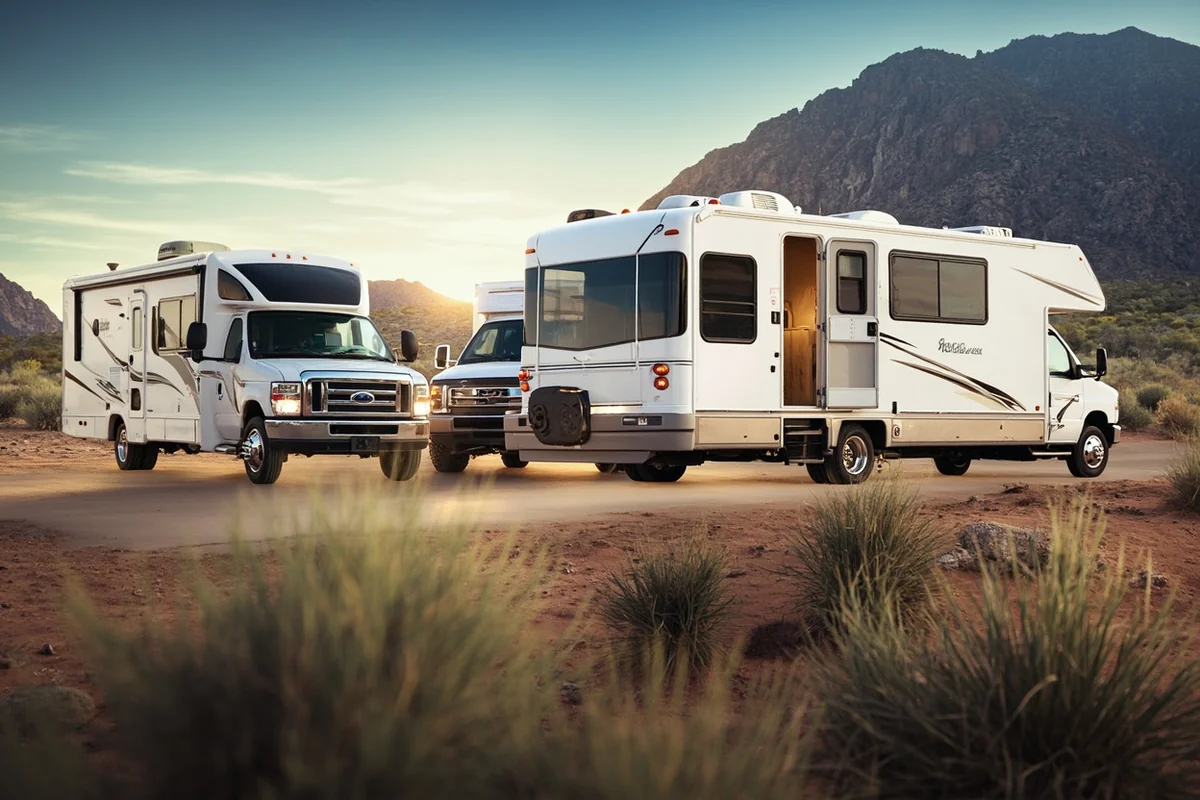
Montana law permits open containers in the living quarters of a motorhome or camper—but ONLY if those living quarters are separate from the driving compartment. In a Class A motorhome with a full wall between the driver’s seat and the living area, passengers in the back can legally have open drinks.
In a Class C motorhome where passengers can easily access the driver? Not legal.
In a camper shell on a pickup truck? Definitely not legal—there’s no separation.
I spent two weeks exploring Montana in a rented Class B campervan during my trip through the Missouri River Breaks. We kept all alcohol completely sealed until we were parked and off public roads. It’s just easier that way.
Areas Designated for Drinking
Some Montana communities have designated entertainment districts where open containers are permitted on public property. Butte’s uptown district is probably the most famous example, though I recommend understanding Montana’s drinking age and alcohol regulations thoroughly before participating.
However, these entertainment districts do NOT create an exception for vehicles. You can walk around Butte’s St. Patrick’s Day celebration with a drink, but the moment you get in a car, standard rules apply.
The Gray Areas: Situations That Confuse Travelers
Six years of Montana road trips have shown me that most open container questions fall into gray areas. Let me address the scenarios I encounter most often.
Restaurant Wine: The “Recorked Bottle” Problem
Montana allows restaurants to recork unfinished wine bottles for customers to take home. This is great for not wasting a $50 bottle of Willow Creek Winery Pinot Noir, but it creates an immediate legal issue.
That recorked bottle is legally an open container. I always ask restaurants if they have a bag for the trunk, and I make sure it goes there immediately—not in the backseat “just until we get home.”
The Brewery Growler Dilemma
Montana has over 80 craft breweries, and growler fills are incredibly popular. I’ve personally collected growlers from Draught Works in Missoula, MAP Brewing in Bozeman, and Great Northern Brewing in Whitefish.
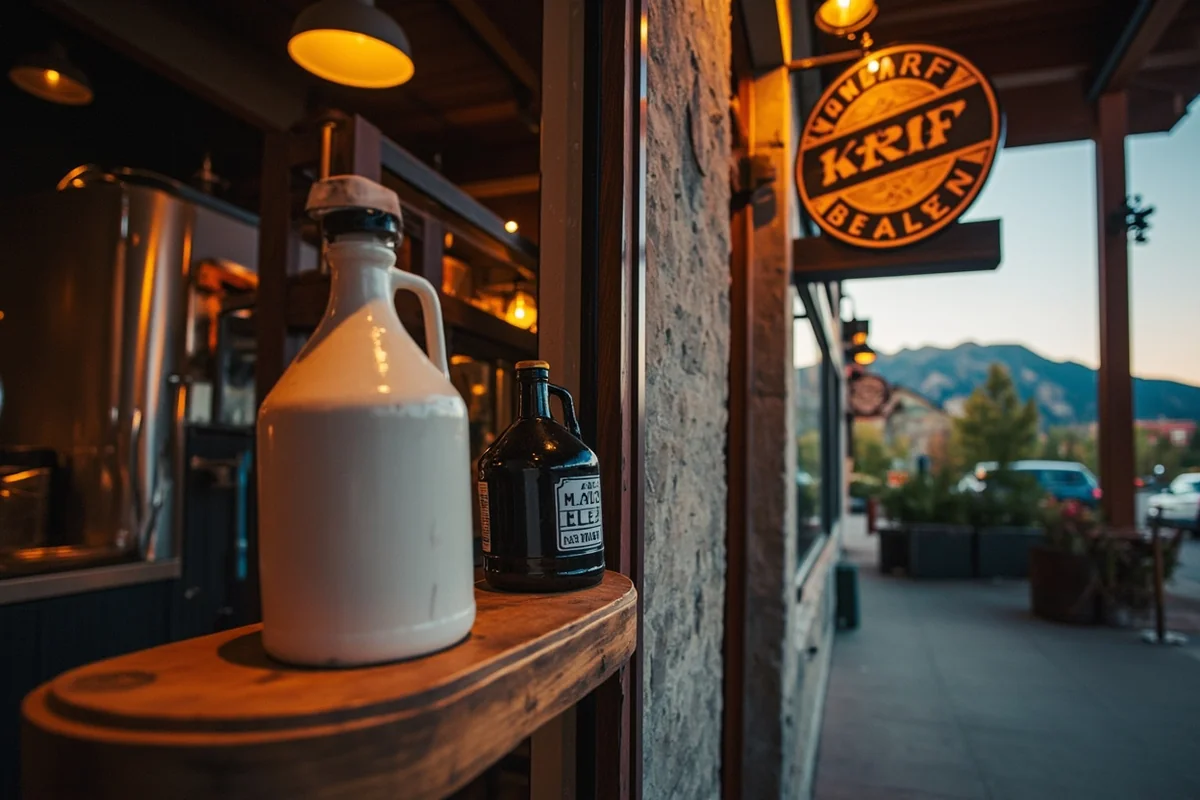
Here’s the thing: a sealed, freshly-filled growler is NOT an open container—it has never been opened. But a growler you’ve been drinking from at camp and want to bring back? That’s an open container, even if you screw the cap on tight.
During one visit to Philipsburg, I watched a tourist argue with a local that his half-empty growler was “basically sealed.” Don’t be that person. Put it in the trunk.
Coolers and Ice Chests
Having a cooler full of beer in your vehicle is perfectly legal—as long as every container is factory-sealed. The moment you crack one open and toss it back, even empty cans become evidence of consumption.
My personal system: I keep a separate “empty” bag in the cooler. At the end of each day, those empties go in the trunk before we drive anywhere. It takes 30 seconds and eliminates any ambiguity.
National Parks and Federal Land
Glacier and Yellowstone (the Montana portion) operate under federal law, which mirrors state law on open containers in vehicles. There’s no special park exception.
However, what you do at your campsite is governed by park regulations, not vehicle laws. You can absolutely enjoy a beer at your Many Glacier campsite—just make sure all open containers stay there when you drive to breakfast at Swiftcurrent Motor Inn.
How Montana Compares to Neighboring States
If your Montana road trip involves crossing state lines, you need to know that regulations vary significantly.
Wyoming has similar open container laws but enforces them more strictly in my experience. Idaho is comparable to Montana. North Dakota has some unusual exceptions for certain rural areas that don’t apply in Montana.
The biggest shock comes when Montana travelers visit states with stricter laws. California, for example, prohibits open containers in vehicles even when parked—something Montana allows as long as you’re on private property.
If you’re carrying firearms on your trip, which many Montana visitors do for hunting or recreation, you’ll want to review Montana gun laws and Montana open carry regulations as well. Combining open containers with firearms creates additional legal complexity I won’t cover here.
Local Ordinances: Where Things Get Complicated
Montana’s preemption laws allow local governments to enact stricter alcohol regulations than the state requires. This creates a patchwork of rules that can trip up travelers.
College Towns: Bozeman and Missoula
Both Bozeman and Missoula have historically taken harder stances on alcohol violations than rural areas. While the open container law itself is state-wide, enforcement patterns differ dramatically.
During my years visiting Bozeman for Montana State football games, I’ve noticed that parking lot tailgating gets more scrutiny than you might expect. Officers know that open containers often lead to impaired driving, and game days are high-priority enforcement periods.
Missoula’s downtown entertainment district has specific hours and boundaries. Outside those boundaries—or after hours—standard laws apply strictly.
Resort Communities
Big Sky, Whitefish, and Red Lodge all see heavy tourist traffic, and local law enforcement knows that visitors don’t always understand Montana law.
I’ve found these communities generally give warnings for first offenses when visitors are obviously clueless rather than reckless. But don’t count on it—one deputy in Red Lodge told me he writes tickets “when people should know better.”
Dry Reservations
Several Montana tribal reservations have alcohol restrictions that go far beyond state law. The Fort Peck and Blackfeet reservations, among others, have specific regulations about possession and transport of alcohol.
If your travels take you through reservation land, research their specific rules beforehand. Tribal law enforcement has full authority over these matters, and state exceptions don’t apply.
Practical Tips from Years of Montana Road Trips
Let me share the systems I’ve developed for stress-free Montana travel.
The Trunk Rule
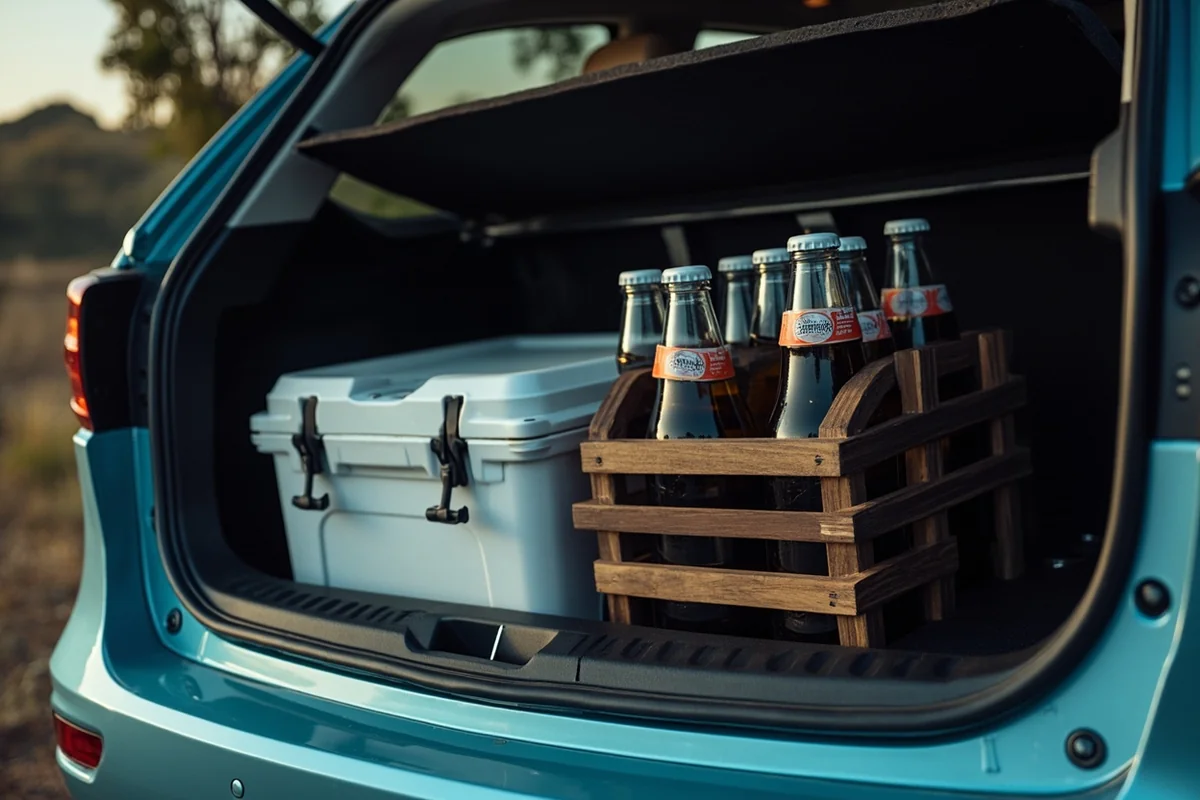
Anything alcoholic goes in the trunk, period. Sealed, unsealed, empty, full—it doesn’t matter. When there’s nothing alcoholic in the passenger area, there’s nothing to discuss.
For SUVs and hatchbacks without true trunks, I use a dedicated cooler in the rear cargo area, as far from the back seat as possible. I’ve never had an issue with this approach.
The Ice Cream Shop Test
Before driving anywhere, I ask myself: “Would I be comfortable pulling into an ice cream shop parking lot and having a cop see inside my car?”
If the answer is no, I reorganize. It takes two minutes and saves hours of potential hassle.
Documentation for Unusual Situations
When I’m transporting legitimately sealed containers that might look questionable—like homebrew for a friend or wine gifts—I keep them in original packaging with receipts visible.
This isn’t legally required, but it demonstrates good faith if questions arise.
The Morning After Protocol
Here’s something nobody talks about: those empty cans from last night’s campfire can be technically problematic the next morning if any alcohol residue remains.
I rinse empties before packing them and keep them in a separate, sealed trash bag in the trunk. Paranoid? Maybe. But I’ve never had a morning drive shadowed by worry.
Common Myths I Need to Debunk
After years of conversations with fellow travelers, certain myths keep appearing. Let me set the record straight.
Myth: Montana Doesn’t Care About Open Containers
This is the most dangerous myth, and it probably stems from Montana’s generally libertarian culture and historically unique DUI laws.
Montana absolutely enforces open container laws. The idea that officers look the other way comes from confirmation bias—people who didn’t get caught assume enforcement is lax.
Myth: Passengers Can Drink If the Driver Is Sober
The law makes no distinction. A sober driver with a drinking passenger is just as liable as if the driver were drinking. Both the driver and passenger can receive citations.
Myth: Open Container Laws Don’t Apply in Rural Areas
Every publicly maintained road in Montana is a highway under the law, whether it’s Interstate 90 through Butte or a gravel Forest Service road in the Cabinet Mountains.
If you’re interested in unusual legal situations, check out Montana’s weird and unusual laws—some of them are genuinely surprising, but the open container law isn’t one of them.
Myth: Beer Is Treated Differently Than Hard Liquor
Alcohol is alcohol under Montana law. A open can of Moose Drool is treated identically to an open bottle of bourbon. Alcohol percentage doesn’t factor in.
What Happens During a Traffic Stop
Understanding the process helps reduce anxiety if you’re ever pulled over. Here’s what I’ve observed and learned from conversations with Montana law enforcement.
The Initial Assessment
Officers will typically observe the vehicle interior while approaching. Visible open containers immediately change the nature of the stop.
If containers are spotted, expect questions about who was drinking and when. Be honest—making false statements only compounds problems.
Your Rights
You have the right to remain silent beyond providing identification and registration. However, visible open containers give officers probable cause for further investigation.
You can refuse a vehicle search, but if officers see open containers in plain view, that refusal becomes largely moot for the passenger area.
The Passenger Question
If a passenger has an open container, both the passenger AND driver can receive citations under Montana law. The driver is responsible for what happens in their vehicle.
This is why I establish ground rules with passengers before trips: no open containers, no exceptions, no discussions needed.
Special Considerations for Different Trip Types
Hunting and Fishing Trips
Montana’s outdoor culture means many travelers combine alcohol with outdoor activities. This is perfectly fine—but the transition between recreation and driving requires attention.
I finish any open containers before packing up and make sure everything is properly stored before hitting the road. There’s no rush; Montana’s beauty isn’t going anywhere.
If you’re combining outdoor recreation with gold panning (a popular Montana activity), you’ll want to understand Montana gold panning laws before you head out. Legal recreation requires understanding multiple regulations.
Wedding and Event Travel
Montana destination weddings are increasingly popular, and guests often travel with gifts that include alcohol. Keep all bottles factory-sealed until you arrive.
For property questions that sometimes arise during wedding planning visits, Montana marital and community property laws are a separate but sometimes relevant consideration.
Winter Travel
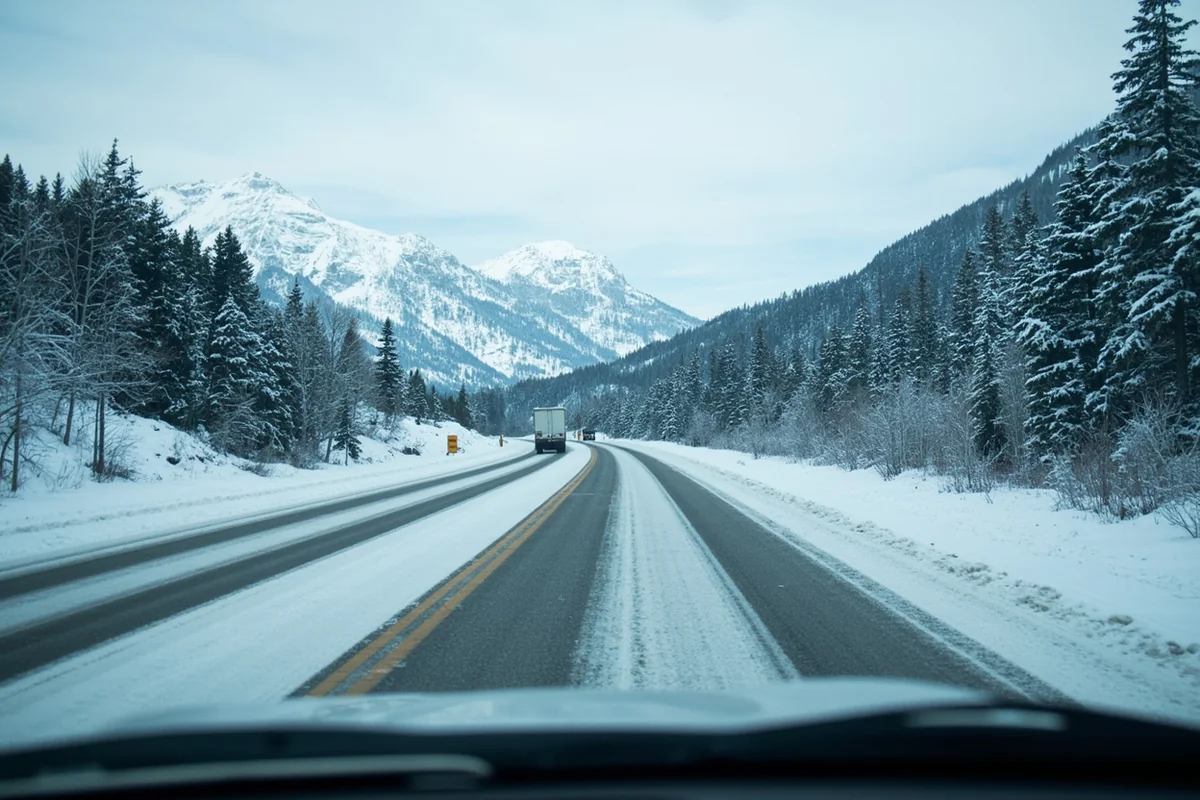
Winter road conditions make open container violations even more consequential. Officers are already alert for impaired winter driving, and open containers dramatically increase scrutiny.
Plus, if you end up stuck or in an accident, having open containers in the vehicle creates significant legal complications regardless of whether consumption contributed to the situation.
The Bottom Line
After six years of exploring Montana—from the Northern Cheyenne country to the Canadian border, from the Idaho line to the Dakota breaks—I’ve developed a simple philosophy about open container laws.
Montana offers incredible freedom and beauty. The minor inconvenience of keeping alcohol properly stored is nothing compared to the peace of mind it provides. I’ve never once regretted being over-cautious, but I’ve seen plenty of travelers regret the opposite.
If you’re carrying any tools or implements on your outdoor adventures, you might also want to check Montana knife laws for relevant regulations.
The state’s open container laws aren’t designed to stop you from enjoying Montana—they’re designed to keep everyone safe on roads that often involve wildlife, weather, and long distances from help.
Respect the law, enjoy the journey, and you’ll have stories to tell that don’t involve courtrooms or fines.
Safe travels, and I’ll see you on the road somewhere between Big Sky and the Big Open.
Frequently Asked Questions
Can passengers drink alcohol in a car in Montana?
No, Montana’s open container laws prohibit any open alcoholic beverages in the passenger area of a vehicle, including for passengers. This applies to any container that has been opened, has a broken seal, or has had contents partially removed. Violating this law can result in fines up to $100, so I always recommend keeping any alcohol sealed and stored in your trunk during road trips.
What are the penalties for open container violations in Montana?
In Montana, an open container violation is a misdemeanor that carries fines typically ranging from $25 to $100 for first-time offenders. While it won’t land you in jail for a first offense, it can complicate your trip and potentially affect your driving record. I’ve found it’s simply not worth the risk when exploring Big Sky Country.
Are there exceptions to Montana’s open container law for RVs and campers?
Yes, Montana does allow exceptions for the living quarters of motorhomes, travel trailers, and campers where passengers are not required to wear seatbelts. However, the driver’s area is still strictly off-limits for open containers. If you’re planning an RV trip through Glacier National Park or along the Beartooth Highway, make sure any drinking stays in the back living space.
Can I transport leftover wine from a Montana restaurant in my car?
Montana allows you to transport a recorked bottle of wine from a restaurant, but it must be placed in a sealed bag and stored in your trunk or an area not accessible to passengers. Many Montana wineries along the Flathead Valley wine trail will properly reseal bottles for transport. I always ask the server to bag it properly to stay compliant with the law.
Does Montana have any open container laws for downtown walking districts?
Several Montana cities, including Bozeman and Missoula, have designated entertainment districts where you can walk with open containers during specific hours. These special districts allow visitors to enjoy local craft beers while strolling, but boundaries are clearly marked and hours are limited. Always check local ordinances before assuming you can carry that Montana microbrew down Main Street.
How do Montana’s open container laws compare to neighboring states like Wyoming and Idaho?
Montana’s open container laws are similar to Wyoming and Idaho, as all three states prohibit open containers in the passenger area of vehicles. However, if you’re driving across state lines during your Northern Rockies road trip, be aware that enforcement and fine amounts vary. I recommend treating the strictest state’s rules as your baseline to avoid any surprises during your multi-state adventure.
Can I get a DUI in Montana even if I’m under the legal limit with an open container?
While having an open container alone won’t result in a DUI charge, it gives law enforcement probable cause to investigate further and can be used as evidence against you. Montana’s DUI threshold is 0.08% BAC, but officers can charge you with DUI if they believe you’re impaired at any level. My advice is to keep all alcohol completely sealed until you’ve reached your campsite, hotel, or destination.
Sources:
- https://www.mdt.mt.gov/visionzero/people/open-container.aspx
- https://www.montana.edu/reports/2018/section-21.html
- https://leg.mt.gov/bills/mca/title_0610/chapter_0080/part_0100/section_0260/0610-0080-0100-0260.html
- https://www.umt.edu/campus-life/documents/Summary%20of%20Alcohol%20and%20Drug %20Laws.pdf