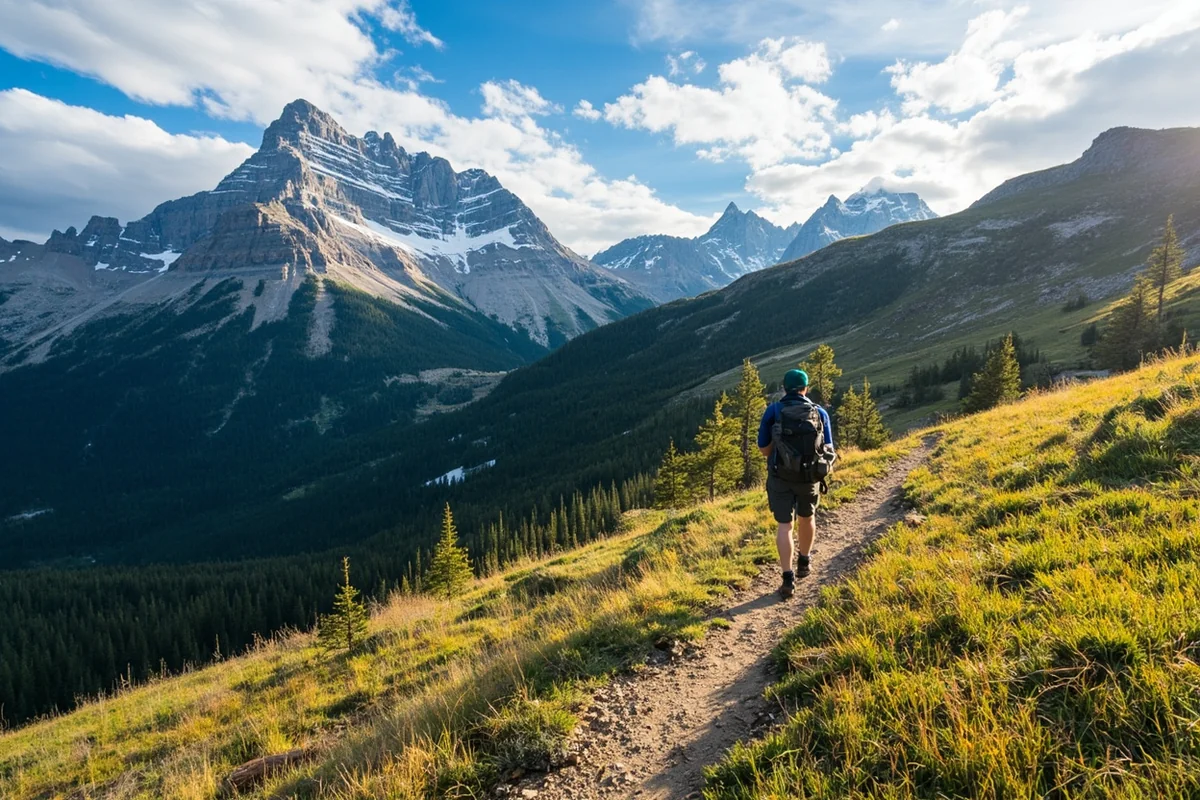
Last summer, I watched a fellow hiker at the Grinnell Glacier trailhead in Glacier National Park get stopped by a ranger—not for anything dangerous, but because he didn’t understand the patchwork of open carry regulations that apply differently on federal versus state land.
That moment crystallized something I’d learned over years of traveling through Montana: understanding Montana laws before you arrive isn’t just smart, it’s essential for a stress-free trip.
- Montana is a permitless carry state—no permit needed to open carry for anyone who can legally possess a firearm
- Open carry is legal statewide, but federal lands (national parks, post offices) have separate restrictions
- Cities like Missoula and Bozeman cannot override state preemption laws
- Private businesses can prohibit firearms on their premises
- Non-residents have the same open carry rights as Montana residents
- Always unload firearms before entering a vehicle in certain situations
Why Montana’s Firearm Culture Matters for Travelers
When I first started exploring Montana over a decade ago, I quickly realized this state has a relationship with firearms unlike anywhere else I’d traveled. It’s woven into the cultural fabric here—from the ranchers protecting livestock near Dillon to the hunters filling their freezers each fall outside of Miles City.
Montana consistently ranks among the most gun-friendly states in America. The state constitution explicitly protects the right to bear arms, and the legislature has historically expanded rather than restricted firearm freedoms.
For travelers, this means you’ll encounter firearms regularly. At campgrounds in the Bitterroot Valley, on trails in the Beartooth Mountains, even at gas stations in small towns like Choteau. Understanding the legal framework helps you navigate these encounters confidently.
The Basics: Montana Open Carry Laws Explained
Let me break down what I’ve learned through both research and practical experience traveling armed through Montana.
Permitless Carry: What It Actually Means
Montana became a constitutional carry state in 2021 when Governor Gianforte signed House Bill 102. This was a significant shift that I noticed immediately on subsequent trips.
Before this law, you needed a concealed weapons permit to carry a concealed firearm in most areas outside city limits. Now, any person who can legally possess a firearm can carry openly or concealed without any permit whatsoever.
This applies to both residents and non-residents. During my visit to Helena last spring, I spoke with a gun shop owner who confirmed he sees out-of-state travelers daily who are relieved to learn they don’t need Montana-specific paperwork.
Who Can Legally Open Carry
You must be at least 18 years old to open carry in Montana. There’s no upper age limit, and I’ve seen plenty of older ranchers carrying revolvers on their hips in towns like Ennis and Big Timber.
However, you cannot legally possess a firearm if you:
- Have been convicted of a felony
- Are subject to a restraining order
- Have been adjudicated mentally incompetent
- Are an unlawful user of controlled substances
- Have been convicted of certain domestic violence offenses
- Are illegally present in the United States
These restrictions mirror federal law, which supersedes state law in all cases.
No Registration, No Waiting Period
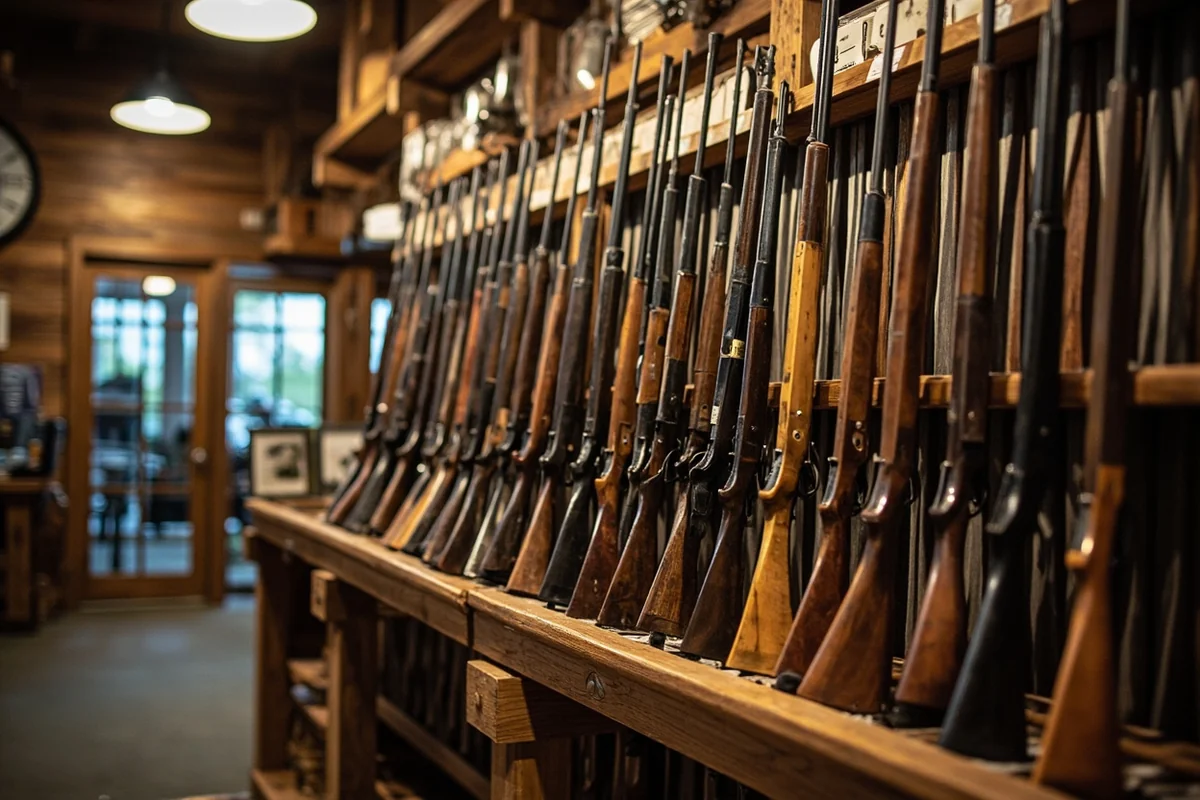
Montana has no firearm registration requirement. When I purchased a hunting rifle in Bozeman two years ago, the process involved only the federal background check—no state paperwork, no waiting period, no registry entry.
This surprised friends from California who traveled with me. They couldn’t believe I walked out of the store with the rifle the same day.
Where You Can and Cannot Open Carry
This is where things get nuanced, and where that hiker at Grinnell Glacier ran into trouble. Montana’s open carry laws are permissive, but they don’t apply everywhere equally.
State and County Land: Generally Permissible
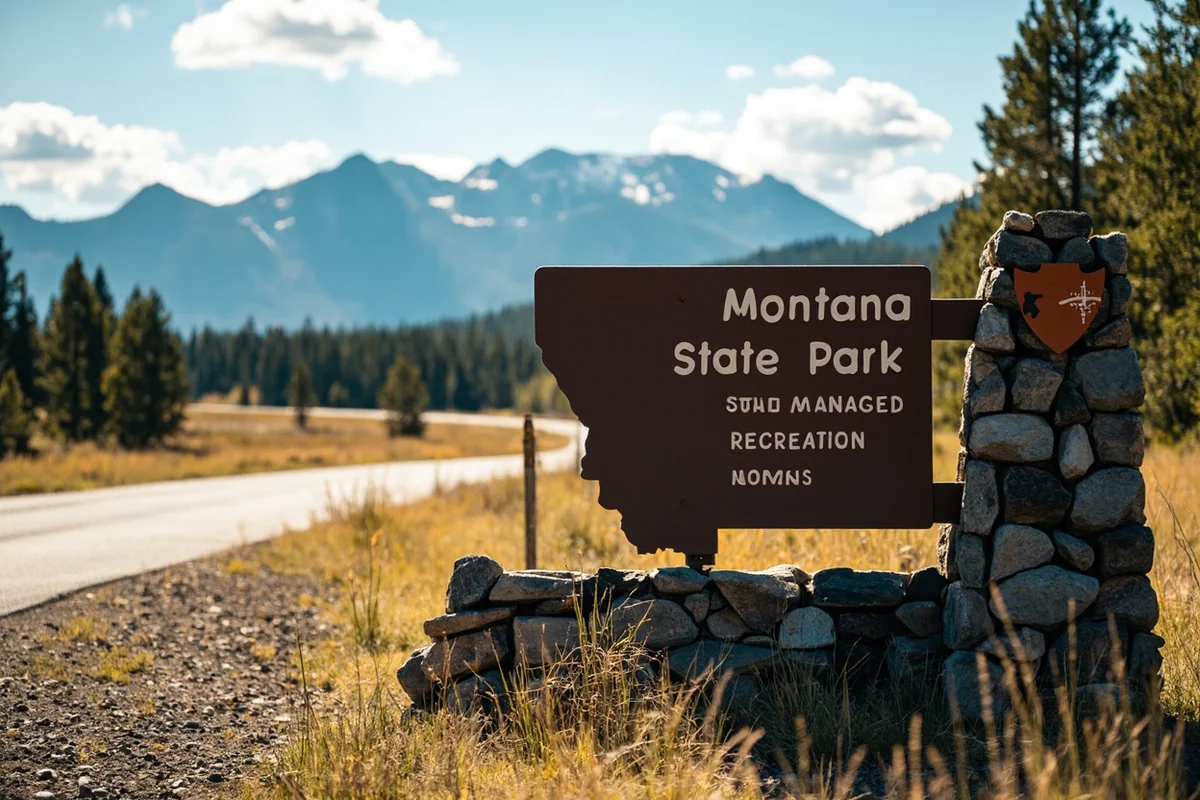
On state-owned land, including state parks and wildlife management areas, open carry is legal. I’ve hiked extensively in areas like the Mount Haggin Wildlife Management Area near Anaconda while openly carrying bear spray and a sidearm without any legal issues.
County land follows the same rules. The sprawling BLM land that covers much of eastern Montana—places I love exploring near Jordan and Winifred—permits open carry.
Federal Land: The Complicated Part
Here’s where most travelers, including that hiker I mentioned, get confused.
National Parks: Technically, you can possess a firearm in Glacier National Park and the Montana portions of Yellowstone National Park. A 2010 federal law allows possession of firearms in national parks in accordance with state law.
However—and this is critical—you cannot carry a firearm into any federal facility within those parks. This includes visitor centers, ranger stations, and any building with federal employees. On my last trip to Glacier, I locked my firearm in my vehicle before entering the Logan Pass Visitor Center.
National Forests: The Flathead, Lolo, Bitterroot, and other national forests permit open carry. I’ve encountered other armed hikers frequently on trails in the Bob Marshall Wilderness and Cabinet Mountains.
Post Offices: Never carry a firearm into a U.S. Post Office. Even in tiny Montana towns like Wisdom or Drummond, this is federal property with strict prohibitions.
Federal Buildings: Courthouses, Social Security offices, and any federal facility prohibit firearms.
Private Property: Business Owner’s Discretion
Montana law allows private property owners to prohibit firearms on their premises. I’ve noticed this varies significantly across the state.
In Missoula, I encountered more “no firearms” signs at businesses than in smaller towns. Coffee shops near the University of Montana campus often post these notices. Meanwhile, in places like Lewistown or Glasgow, I rarely see such signs.
If a business posts a prohibition sign, you must comply. Violating this isn’t necessarily a criminal offense initially, but refusing to leave when asked becomes trespassing.
Schools and Universities
Montana law changed in 2021 to allow concealed carry on university campuses by permit holders. However, K-12 schools remain firearm-free zones for non-security personnel.
During a recent trip, I drove past several schools in the Flathead Valley and was careful to ensure my firearm was secured according to federal Gun-Free School Zones Act requirements (unloaded and locked).
Practical Considerations for Traveling Armed in Montana
Beyond the legal technicalities, I want to share practical insights from actually doing this.
Vehicle Carry: What I’ve Learned
Montana allows loaded firearms in vehicles without any permit. I typically keep my sidearm accessible when driving through remote areas—which describes most of Montana.
However, here’s something many travelers miss: if you’re on land managed by the Montana Department of Fish, Wildlife & Parks, you cannot have a loaded firearm in a vehicle capable of operation. This applies primarily during hunting seasons and in wildlife management areas.
During hunting season, I’ve made it a habit to unload before driving on any state-managed wildlife land. The regulation exists to prevent road hunting, but it applies to all firearms, not just hunting rifles.
Interacting with Law Enforcement
Montana has no duty to inform law enforcement that you’re carrying during a traffic stop. However, in my experience, voluntarily informing officers creates goodwill and prevents surprises.
On a speeding stop near Three Forks last year, I immediately told the officer I had a holstered pistol. He thanked me for the heads-up, asked me to keep my hands visible, and the interaction remained completely professional.
Montana officers are accustomed to armed citizens. This isn’t like traveling through states where carrying a firearm might raise alarm.
Accommodations and Lodging
Hotels and vacation rentals can prohibit firearms. I always check property rules before booking.
Many hunting lodges and rural cabins explicitly allow firearms—it’s expected. Urban hotels vary. The chains typically defer to corporate policy, which often prohibits firearms in guest rooms.
I’ve found that contacting properties directly works best. When I stayed at a small motel in Livingston before a hunting trip, the owner had no issues with securing my rifle in the room.
Restaurants and Bars
You can open carry into most Montana restaurants unless posted otherwise. However, be aware that drinking age and alcohol laws in Montana intersect with firearm regulations in important ways.
Montana law doesn’t specifically prohibit carrying a firearm while consuming alcohol. However, carrying while intoxicated could potentially support charges of criminal endangerment or reckless endangerment depending on circumstances.
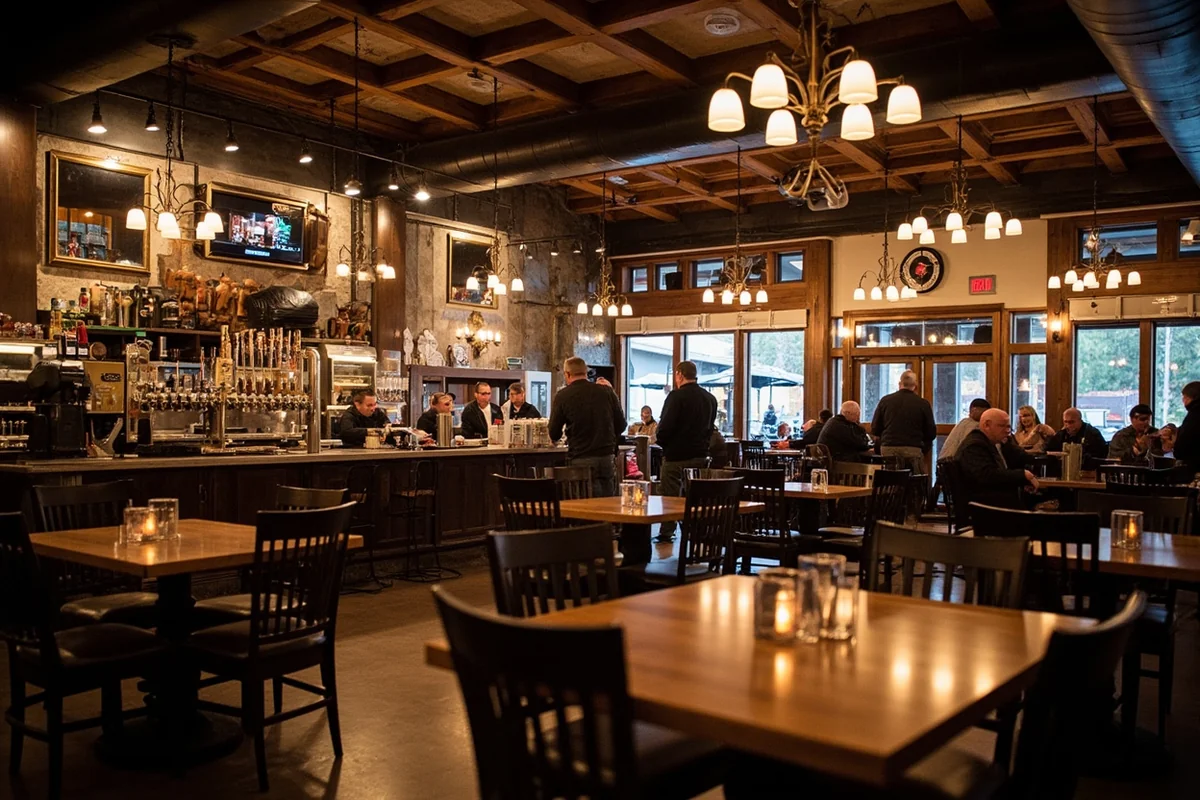
My personal rule: if I’m going to have a beer at a brewery in Missoula or Billings, the firearm stays locked in my vehicle. It’s simply not worth the legal ambiguity or the impaired judgment that comes with alcohol.
Understanding Montana’s open container laws becomes equally important if you’re traveling with alcohol in your vehicle alongside firearms.
Open Carry vs. Concealed Carry in Montana
Both are legal without a permit, but there are practical differences worth understanding.
When Open Carry Makes Sense
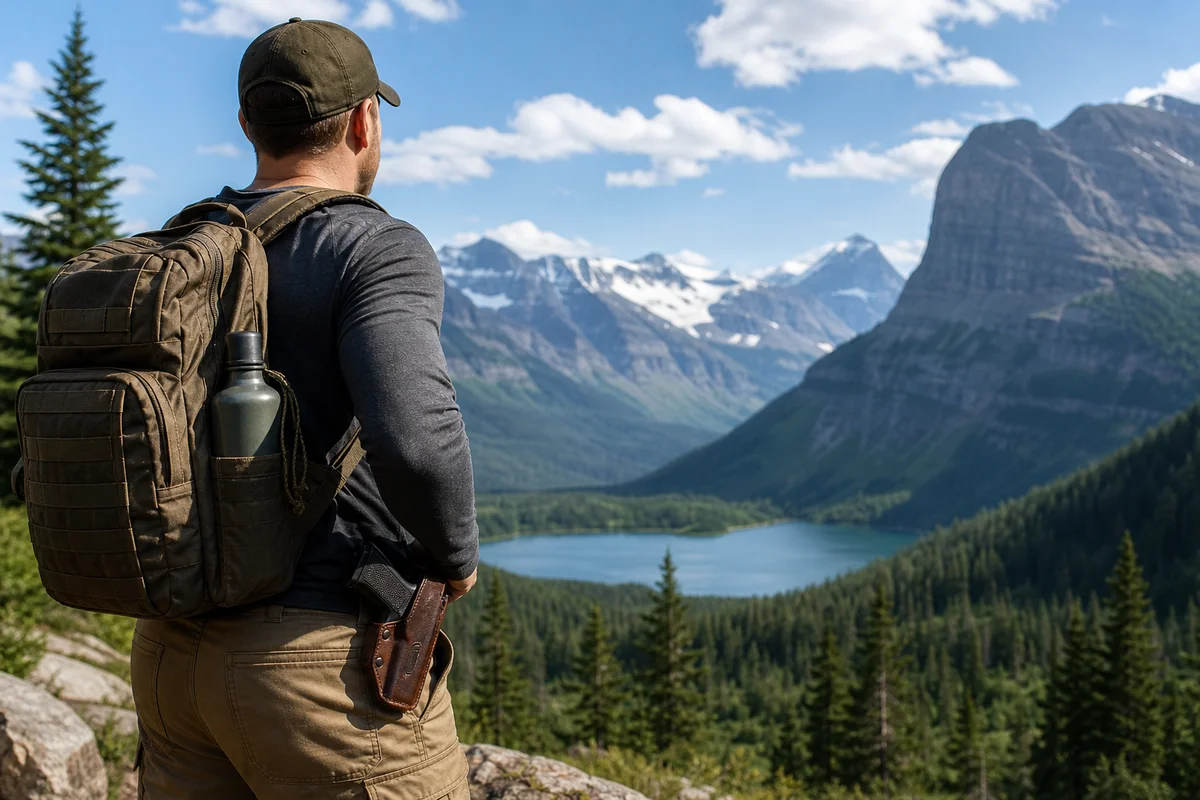
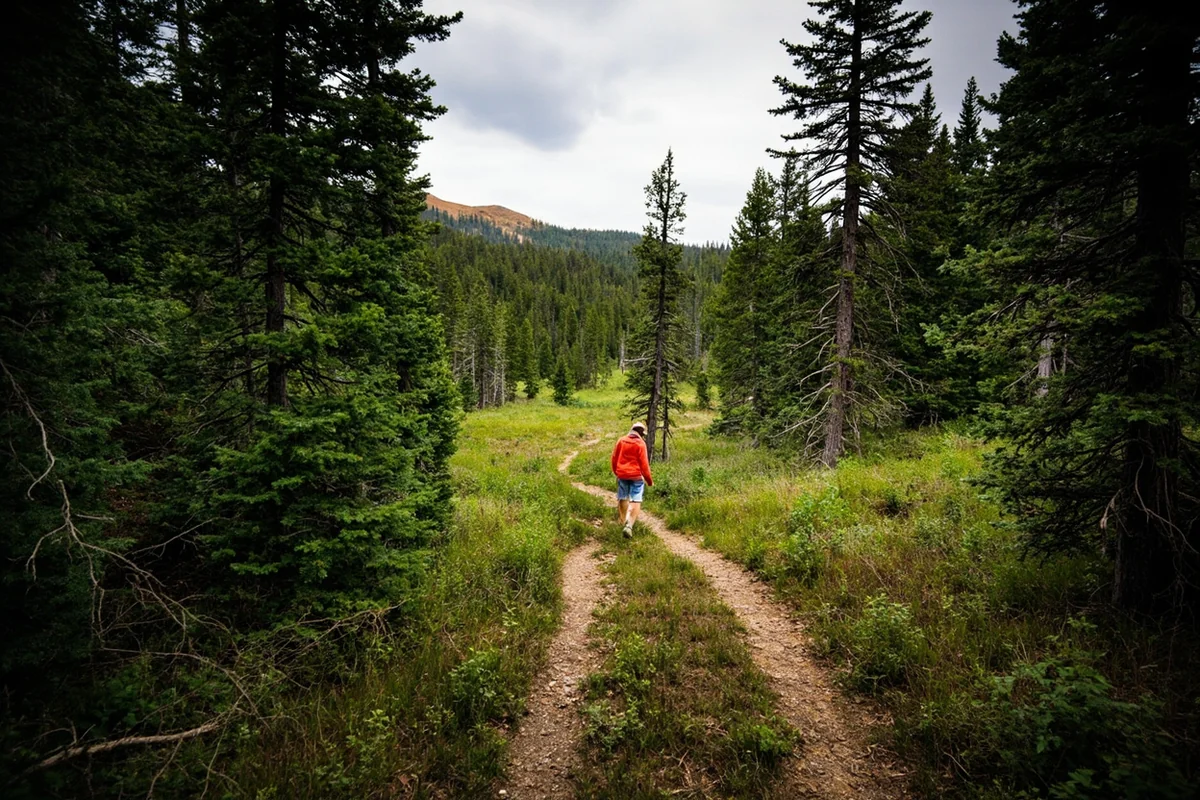
For hiking in grizzly country—which covers most of western Montana and increasingly central Montana—open carry of a sidearm makes practical sense. Accessibility matters if you encounter an aggressive bear.
I typically open carry on trails in the Northern Rockies. Other hikers rarely react negatively; many are carrying themselves. The culture here normalizes it in ways that would feel strange in other states.
When Concealed Makes More Sense
In urban areas like Bozeman, Missoula, or even downtown Billings, concealed carry attracts less attention. These college towns and growing cities have diverse populations with varying comfort levels around firearms.
For a deeper dive into all aspects of carrying firearms legally, check out the comprehensive guide on Montana gun laws.
Choosing Your Method
The choice is personal. I typically conceal in towns and open carry in the backcountry. This balances social considerations with practical accessibility.
Specific Scenarios Travelers Commonly Encounter
Let me address situations I’ve either experienced personally or heard about repeatedly from other travelers.
Camping in Montana While Armed
Montana’s countless campgrounds—from developed sites in Glacier to primitive spots in the Missouri Breaks—generally permit firearms.
At state park campgrounds like those at Flathead Lake, open carry is legal. During my stays, I’ve kept my firearm secured in my tent or vehicle depending on the situation.
Grizzly country camping deserves special mention. Many experienced Montana campers keep a sidearm accessible at night. It’s not paranoia—it’s reasonable preparedness in areas with established bear populations.
Fishing While Armed
Montana’s rivers—the Madison, the Yellowstone, the Missouri—draw anglers from around the world. Open carrying while fishing is legal on most water.
I’ve fished the Bighorn River below Yellowtail Dam while carrying. Other anglers were carrying too. In a state where mountain lions and bears could theoretically appear, it’s common practice.
However, check whether you’re on tribal land. The Crow Reservation, where Bighorn River fishing requires a tribal permit, may have different regulations regarding firearms.
Attending Public Events
Montana hosts numerous outdoor events—county fairs, rodeos, farmers’ markets. Each venue sets its own policy.
The State Fair in Great Falls and many rodeos prohibit firearms. The Last Chance Stampede in Helena, county fairs in small towns, and local farmers’ markets vary. I always look for posted signage before entering.
Dealing with Wildlife
A firearm isn’t your first line of defense against wildlife in Montana—bear spray is statistically more effective against charging grizzlies. But many people carry both.
I carry bear spray in a chest holster and a .44 magnum in a hip holster on trails in the Bob Marshall Wilderness. The spray deploys faster; the pistol provides backup.
If you do need to shoot an animal in self-defense, Montana law protects you, but you must report the incident to Fish, Wildlife & Parks within 72 hours.
Related Legal Considerations for Travelers
Understanding open carry laws works best alongside understanding related regulations.
Knife Laws
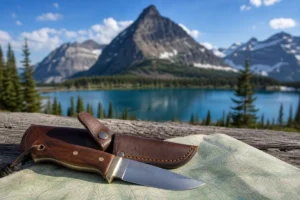
Montana’s knife laws are similarly permissive. You might carry a fixed blade knife for camping alongside your firearm. Review the specifics in this guide to Montana knife laws.
Recreational Activities with Legal Implications
If you’re visiting Montana for other activities with legal considerations—like gold panning on Montana streams—understanding overlapping regulations helps. Some BLM land allows both armed recreation and recreational mining, for instance.
And while you’re researching Montana regulations, you might enjoy reading about some of the more unusual laws still on Montana’s books—they’re entertaining and occasionally still relevant.
Special Situations: Tribal Lands and Border Crossings
Tribal Reservations
Montana contains seven Indian reservations: Blackfeet, Flathead, Fort Belknap, Fort Peck, Crow, Northern Cheyenne, and Rocky Boy’s. Tribal sovereignty means tribal law governs on these lands.
Regulations vary by tribe. Some reservations require permits for non-members to carry firearms. Others prohibit non-member possession entirely in certain areas.
When I’ve traveled through reservations—the Blackfeet Reservation along Highway 2, for instance—I’ve either secured my firearm or researched tribal regulations beforehand. Never assume Montana state law extends to tribal land.
Canadian Border Proximity
If your Montana trip includes crossing into Canada—Glacier National Park sits right at the border—understand that Canadian firearm laws differ dramatically.
You cannot casually bring firearms into Canada. The process requires paperwork, declaration, and compliance with Canadian classifications. Many travelers I’ve met at border crossings didn’t realize this and faced serious complications.
If crossing isn’t in your plans, there’s no issue. But the proximity means border patrol presence is higher in northern Montana, and awareness matters.
Practical Info Table: Montana Open Carry Quick Reference
| Location/Situation | Open Carry Permitted? | Notes |
|---|---|---|
| State Parks | Yes | No restrictions for legal carriers |
| National Parks | Yes* | Not in federal buildings/visitor centers |
| National Forests | Yes | BLM land also permitted |
| City Streets | Yes | State preemption prevents local bans |
| Restaurants/Bars | Yes* | Unless posted; don’t carry intoxicated |
| Private Businesses | Varies | Respect posted signage |
| K-12 Schools | No | Federal Gun-Free School Zones Act |
| Universities | Concealed only | With concealed carry permit |
| Post Offices | No | Federal prohibition |
| Tribal Lands | Varies | Check specific tribal regulations |
| Vehicles | Yes | Loaded carry permitted |
Tips from Personal Experience
After years of traveling armed through Montana, here’s what I recommend:
Invest in quality holsters. Montana’s terrain is rugged. Cheap holsters fail at the worst times. I use a Kydex retention holster for hiking that’s survived countless miles.
Know your firearm. This seems obvious, but Montana’s backcountry isn’t the place to carry something you haven’t trained with extensively. Practice at home before your trip.
Carry bear spray too. Firearms alone aren’t sufficient wildlife protection. Every knowledgeable Montanan I’ve met carries both in grizzly country.
Research before crossing jurisdictions. A day trip from Montana into Idaho, Wyoming, or the Dakotas puts you under different state laws. Don’t assume reciprocity.
Don’t make it political. Montana’s gun culture exists across political lines. I’ve met liberal hunters in Missoula and conservative ranchers in Eastern Montana who both appreciate respectful, responsible gun ownership. Leave politics out of it.
Secure your firearm appropriately. In busy trailhead parking lots, break-ins happen. I use a vehicle safe bolted to my truck when leaving my firearm behind.
Legal Resources and Final Thoughts
Montana’s open carry laws are among the most permissive in the nation. For travelers, this creates freedom and responsibility in equal measure.
I recommend downloading Montana Code Annotated sections on firearms before your trip. The specific statutes are MCA 45-8-315 through 45-8-361. Having the actual legal text available provides clarity in ambiguous situations.
For questions about Montana’s marital and property laws—relevant if you’re relocating rather than just visiting—the state provides excellent resources through the judicial branch website.
Montana has welcomed me with stunning landscapes, genuine people, and respect for individual liberty. Understanding the legal framework around open carry has allowed me to explore confidently, from the peaks above Whitefish to the prairie outside Baker.
Travel prepared. Stay informed. And enjoy everything Big Sky Country offers.
Frequently Asked Questions
Can I openly carry a firearm while visiting Montana as a tourist?
Yes, Montana is a permitless carry state, meaning anyone who can legally possess a firearm can openly carry without a permit. As a visitor from another US state, you can openly carry in most public areas as long as you’re at least 18 years old and not prohibited from possessing firearms under federal or state law.
Are there places in Montana where open carry is prohibited for travelers?
While Montana has relaxed gun laws, you cannot openly carry in federal buildings, schools, banks, or any private property where firearms are prohibited by the owner. I always recommend checking for posted signage at businesses, and be aware that some cities like Missoula have additional restrictions in certain government buildings.
Do I need a concealed carry permit to bring my handgun on a Montana road trip?
No, Montana enacted constitutional carry in 2021, so you don’t need a permit to carry concealed inside city limits anymore. However, if you’re traveling through other states to reach Montana, you’ll want to research each state’s laws along your route since reciprocity varies significantly.
Can I carry my firearm while hiking or camping in Montana’s national parks and forests?
In national forests like Flathead or Custer Gallatin, open carry is generally permitted and follows Montana state law. However, national parks like Glacier and Yellowstone allow firearms but prohibit discharging them, and guns are banned inside federal buildings like visitor centers. I always store my firearm securely when setting up camp.
What should I know about transporting firearms in my vehicle while driving through Montana?
Montana law allows you to carry a loaded firearm in your vehicle without a permit, whether openly visible or concealed. When I travel through Montana, I keep my firearm accessible but secure, and I make sure to declare it to law enforcement during any traffic stops as a courtesy.
Are Montana’s open carry laws different for out-of-state visitors versus residents?
Montana’s open carry laws apply equally to visitors and residents, so you don’t face additional restrictions as a tourist. You must still meet the basic federal requirements: be at least 18 for long guns, 21 to purchase handguns from dealers, and have no felony convictions or other prohibiting factors.
What’s the best way to stay legal while carrying a firearm during my Montana hunting trip?
Beyond open carry laws, you’ll need a valid Montana hunting license which costs around $15-$25 for residents or $150+ for non-residents depending on game type. I recommend carrying your license, firearm documentation, and ID at all times, and familiarizing yourself with Fish, Wildlife & Parks regulations for the specific areas you’ll be hunting.
Sources: