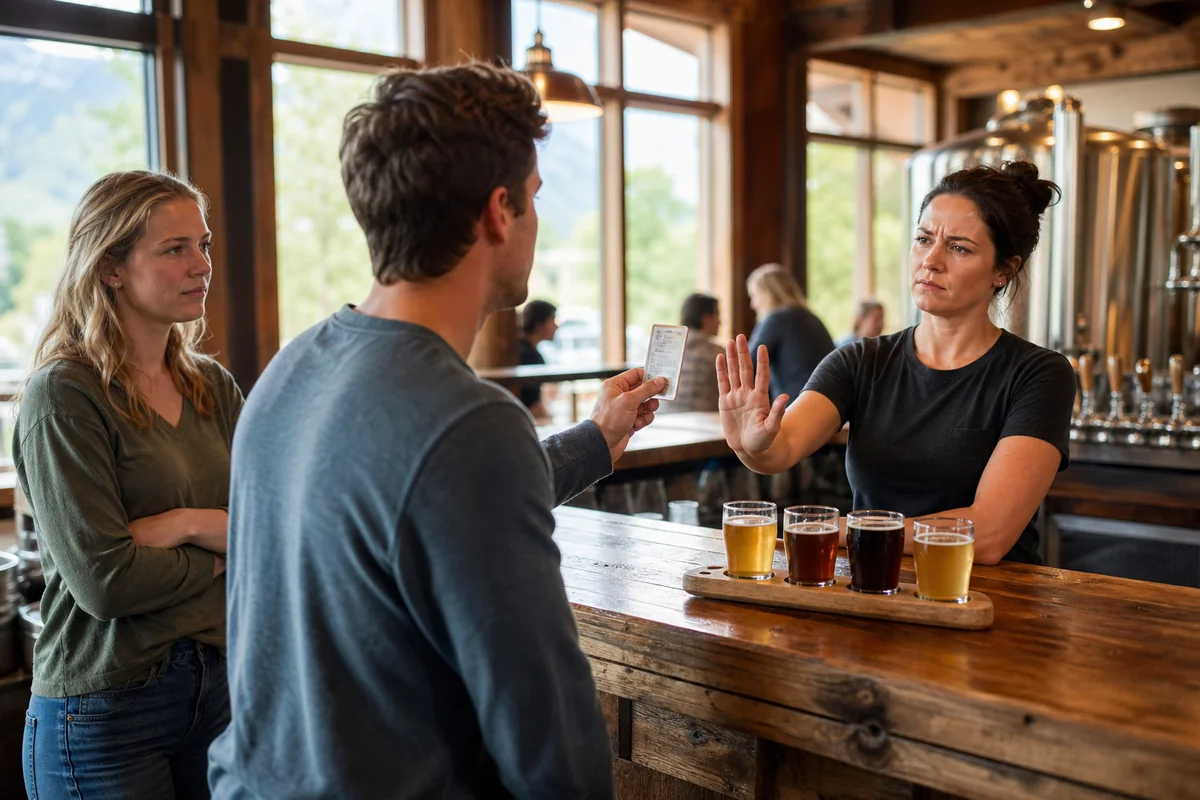
I’ll never forget standing at the bar of a rustic brewery in Missoula last summer, watching a young traveler from California get turned away because his vertical out-of-state ID confused the bartender—even though he was clearly 22.
That moment crystallized something I’ve learned over years of exploring Montana’s incredible craft beverage scene: understanding Montana laws around alcohol before you arrive can save you from awkward situations and ensure your trip goes smoothly.
- Montana’s legal drinking age is 21 — no exceptions, strictly enforced statewide
- Bars close at 2 AM, and alcohol sales end at 2 AM daily
- Grocery stores can sell beer, wine, and full-strength liquor (unique among US states)
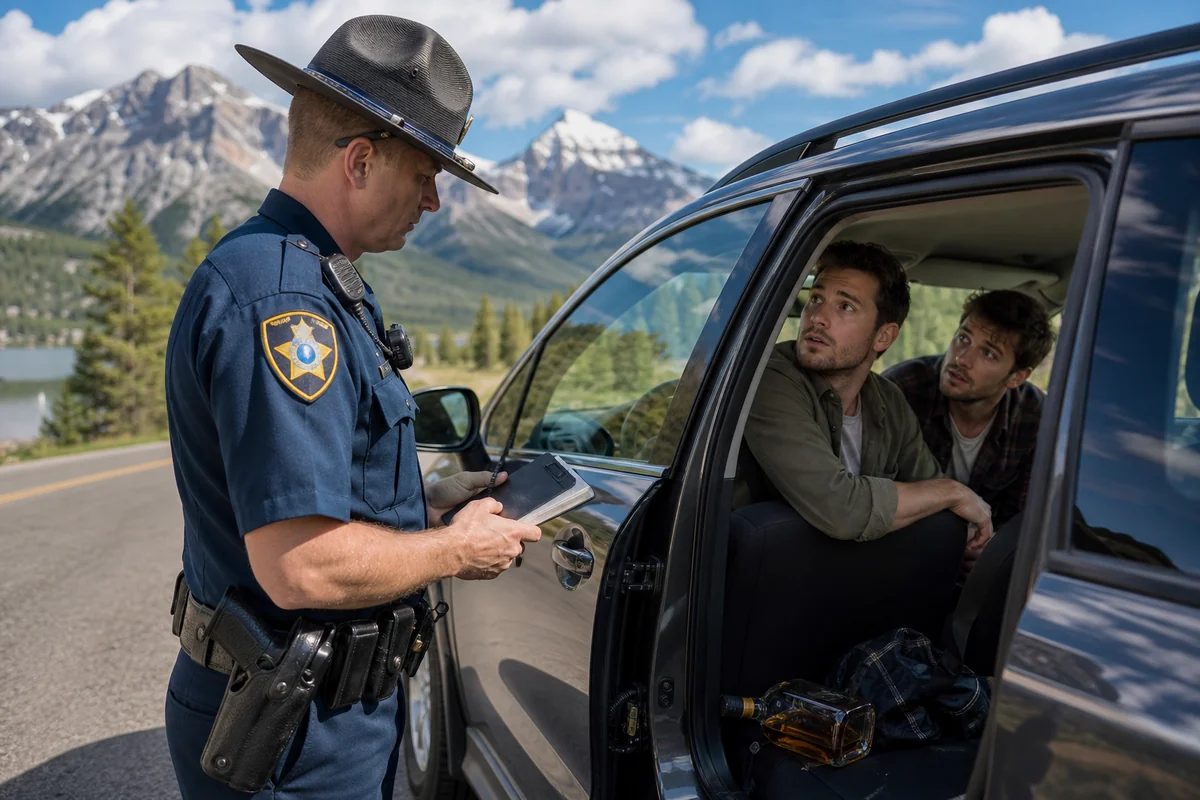
- Open containers are illegal in vehicles — see Montana’s open container laws for details
- Out-of-state IDs are accepted but vertical/under-21 format IDs may cause issues even if you’re now 21+
- Montana has one of America’s best craft brewery scenes with 80+ breweries to explore
The Legal Drinking Age in Montana: The Basics
Let’s start with the fundamental question that brings most travelers to this article. Montana’s legal drinking age is 21, matching the federal standard established by the National Minimum Drinking Age Act of 1984.
There are absolutely no exceptions to this rule for visitors. I’ve heard travelers from countries with lower drinking ages (like Germany or the UK) express surprise when they’re turned away from bars in Bozeman or Whitefish.
Montana takes this seriously. During my time exploring breweries across the state, I’ve watched bartenders card people who clearly looked over 40—and I’ve been carded more times in Montana than any other state I’ve visited.
Why Montana Enforces So Strictly
The enforcement culture in Montana stems from several factors I’ve observed over multiple trips.
First, Montana’s tourism economy is massive, and establishments know they’re serving a constantly rotating customer base. This means they can’t rely on recognizing regulars—everyone gets carded.
Second, the fines for serving underage individuals are steep. Establishments can face penalties up to $1,500 for first offenses, and servers can be personally fined and lose their ability to serve alcohol.
During a conversation with a bartender in Helena last fall, she explained that her establishment had a strict “card everyone” policy because they’d seen neighboring bars lose their licenses. The fear of losing a liquor license in Montana—where the license itself can be worth $500,000 or more—keeps everyone vigilant.
What ID Do You Need? A Practical Guide
This is where things get interesting for travelers, and honestly, it’s where I’ve seen the most confusion during my Montana adventures.
Accepted Forms of Identification
Montana establishments will accept:
- Valid US driver’s license from any state
- US passport or passport card
- US military ID
- State-issued identification card
- Tribal ID cards (particularly relevant given Montana’s significant Native American population)
- Foreign passports (for international visitors)
The Vertical ID Problem
Here’s something I wish someone had told me before my first Montana trip: if you recently turned 21 and still have a vertical “under 21” format driver’s license, you might run into problems.
I watched this play out at a popular Kalispell brewery last summer. A 22-year-old woman from Oregon had a vertical license that wouldn’t expire for another two years. Even though her birthdate clearly showed she was legal, the bartender refused service.
Montana law allows establishments to refuse service based on ID concerns, even if the person is actually of legal age. My recommendation? If you’re between 21 and 24 and have a vertical license, bring your passport as backup.
Out-of-State ID Considerations
Montana bartenders are trained to recognize IDs from all 50 states, but some are more scrutinized than others.
During my conversations with servers across the state, California and Texas IDs seem to get the most attention because of their prevalence among tourists. One bartender in Big Sky told me they keep a reference book behind the bar specifically for identifying out-of-state licenses.
If your ID is worn, cracked, or has any damage to the photo or birthdate area, consider getting it replaced before your trip. I’ve seen travelers turned away for damaged IDs that were technically still valid.
Montana’s Alcohol Sales Laws: What You Can Buy Where
One of the things that genuinely surprised me about Montana is how accessible alcohol is compared to many states. This is something I appreciate as a traveler because it makes stocking up for a camping trip or cabin stay incredibly convenient.
Grocery Store Sales
Montana is one of only a handful of states where grocery stores can sell full-strength liquor, beer, and wine. You don’t need to find a separate liquor store.
During my most recent trip through Billings, I picked up a bottle of locally-made Montgomery Distillery whiskey at a regular Albertsons. This would be impossible in states like Pennsylvania or Utah.
| Where to Buy | What’s Available | Hours |
|---|---|---|
| Grocery Stores | Beer, wine, liquor | Store hours, sales end 2 AM |
| Gas Stations/Convenience | Beer, wine, some liquor | Store hours, sales end 2 AM |
| Liquor Stores | Full selection | Varies by store |
| Bars & Restaurants | All alcohol types | Until 2 AM |
| Breweries/Distilleries | Their products + tastings | Varies, typically close earlier |
Hours of Sale
All alcohol sales in Montana must end by 2 AM. This applies to bars serving drinks, grocery stores selling packaged alcohol, and everywhere in between.
Sales resume at 8 AM, which is relevant if you’re planning an early fishing trip and want to pack a cooler. During my sunrise fly-fishing excursions on the Madison River, I learned to buy supplies the night before.
Montana doesn’t restrict alcohol sales on Sundays like some states do, which I’ve always found convenient for weekend travelers.
The Casino Factor
Here’s something unique about Montana that catches first-time visitors off guard: many bars have small casinos attached with video poker and keno machines.
These establishments follow the same alcohol rules, but the presence of gambling can affect the atmosphere. During my visit to Great Falls, I noticed that some of the most popular “bars” were actually casino-bar combinations.
If you’re looking for a pure brewery or pub experience, check ahead. Most dedicated craft breweries don’t have gambling.
Drinking and Driving: Montana’s DUI Laws
This is arguably the most important section of this entire article. Montana’s DUI laws are no joke, and the consequences can derail your entire trip.
Blood Alcohol Limits
The legal BAC (blood alcohol content) limit in Montana is 0.08% for drivers over 21. For commercial drivers, it’s 0.04%.
Here’s what many visitors don’t realize: Montana has a “per se” law, meaning if you test at 0.08% or above, you’re automatically considered impaired. The officer doesn’t need to prove you were driving poorly.
For drivers under 21, Montana has a zero-tolerance policy. Any measurable BAC can result in charges.
Real Consequences I’ve Seen
During my time in Montana, I’ve unfortunately witnessed the aftermath of DUI arrests. In Missoula, I saw a rental car being towed outside a restaurant where someone had apparently made a terrible decision.
First-time DUI offenders in Montana face:
- Up to 6 months in jail
- Fines ranging from $600 to $1,000
- License suspension for 6 months
- Mandatory alcohol education courses
- Possible ignition interlock device requirement
For visitors, a DUI can mean immediate arrest, impoundment of your rental car, and the possibility of missing flights home. Your vacation becomes a legal nightmare.
My Strong Recommendation
After years of exploring Montana’s drinking establishments, I’ve developed a simple rule: if I’m driving, I don’t drink. Period.
Montana’s distances between towns can be immense. A “quick drive” from your hotel to a brewery might be 30 miles. Unlike urban areas with abundant rideshare options, many Montana towns have limited or no Uber/Lyft service.
Plan ahead. If you’re doing a brewery tour, designate a driver, use a local tour service, or stay within walking distance of where you’ll be drinking.
Open Container Laws While Traveling
Since you’re likely traveling by car in Montana (it’s really the only way to see the state properly), understanding open container laws is essential.
Montana prohibits open containers of alcohol in the passenger area of any motor vehicle on public roads. This includes:
- Open bottles or cans of beer
- Partially consumed wine bottles (even recorked)
- Any unsealed alcohol container
- Cups or glasses containing alcohol
The “passenger area” includes anywhere inside the vehicle that’s accessible while driving. This means your cooler full of beer needs to stay sealed until you reach your destination.
The Trunk Exception
Here’s the practical workaround: you can transport open containers in your trunk or in the area behind the last upright seat if you’re driving an SUV or hatchback.
During my camping trips through Montana, I always made sure any opened bottles of wine from dinner were securely stowed in the back of my vehicle before driving to the next campsite.
The Casino Bus Loophole
Interestingly, passengers on hired transportation like casino buses, party buses, or limousines can legally consume alcohol. This is why brewery tours that include transportation are such a smart option in Montana.
Montana’s Craft Beverage Scene: What Makes It Special
Now for the fun part. Understanding the laws is important, but the real joy is experiencing Montana’s incredible craft beverage culture.
The Brewery Boom
Montana now has over 80 craft breweries, giving it one of the highest breweries-per-capita ratios in the United States. During my travels, I’ve visited dozens of them, and each seems to reflect its community in unique ways.
The Missoula scene alone could keep you busy for days. I spent a memorable afternoon last summer walking between Bayern Brewing, Draught Works, and Imagine Nation Brewing—each completely different in character.
Bozeman has become a craft beer destination in its own right. MAP Brewing offers stunning views of the Bridger Mountains, while Mountains Walking Brewery focuses on experimental styles that push boundaries.
Montana Distilleries
The distillery scene has exploded in recent years. Headframe Spirits in Butte operates out of a historic mining building and makes exceptional whiskey. Montgomery Distillery in Missoula produces vodka and gin using Montana wheat.
When I visited Wildrye Distilling in Bozeman, I was struck by how connected these distillers are to local agriculture. Many use grain from nearby farms, creating products that genuinely taste like Montana.
Wine in Montana?
This surprises many visitors: Montana has a small but growing wine industry. The climate is challenging, but cold-hardy grape varieties have made it possible.
I’ve toured several Montana wineries, and while the industry is still young, places like Tongue River Winery and Montana Wineworks are producing credible wines that pair beautifully with local cuisine.
Practical Scenarios: What Real Travelers Need to Know
Let me walk through some specific situations I’ve encountered or been asked about over my years of Montana travel.
Scenario 1: The National Park Trip
You’re visiting Glacier National Park and want to enjoy some local beer at your campsite. Here’s what you need to know.
Alcohol consumption is permitted at most NPS campgrounds, but you cannot have open containers anywhere in your vehicle. Buy your beer at one of the gateway towns (Whitefish, Columbia Falls, or Kalispell), transport it sealed, and enjoy responsibly at your campsite.
Last summer, I noticed rangers were particularly vigilant about rowdy behavior at Many Glacier Campground. Keep the volume down after quiet hours.
Scenario 2: The Bachelor/Bachelorette Party
Big Sky and Whitefish have become popular destinations for these celebrations. Groups of young people are watched closely.
I recommend having everyone bring a second form of ID if there’s any chance of scrutiny. Party buses exist in these areas specifically because of the DUI risks—use them.
Scenario 3: The International Visitor
If you’re visiting from outside the US, your passport is your best ID. Don’t leave it at the hotel—many Montana establishments won’t accept any other form of international ID.
Also know that American pours are different from what you might be used to. A “beer” here is typically 12-16 ounces, not the half-liter common in Europe.
Scenario 4: Bringing Alcohol as a Gift
If you want to bring Montana bourbon home as a gift, there are no restrictions on transporting sealed containers across state lines for personal use. Just keep it in your trunk during the drive.
Flying? TSA allows alcohol in checked luggage. I’ve brought bottles of Montgomery Distillery whiskey home to friends this way multiple times.
Related Montana Laws Travelers Should Know
While we’re discussing legal considerations, there are other Montana laws that might affect your trip.
If you’re planning outdoor activities, understanding Montana gold panning laws could be relevant—especially since many people combine prospecting trips with riverside relaxation that might include beverages.
Firearms are common in Montana, and visitors often have questions about Montana gun laws and Montana open carry laws. Be aware that many establishments that serve alcohol will prohibit firearms on premises, so check signage carefully.
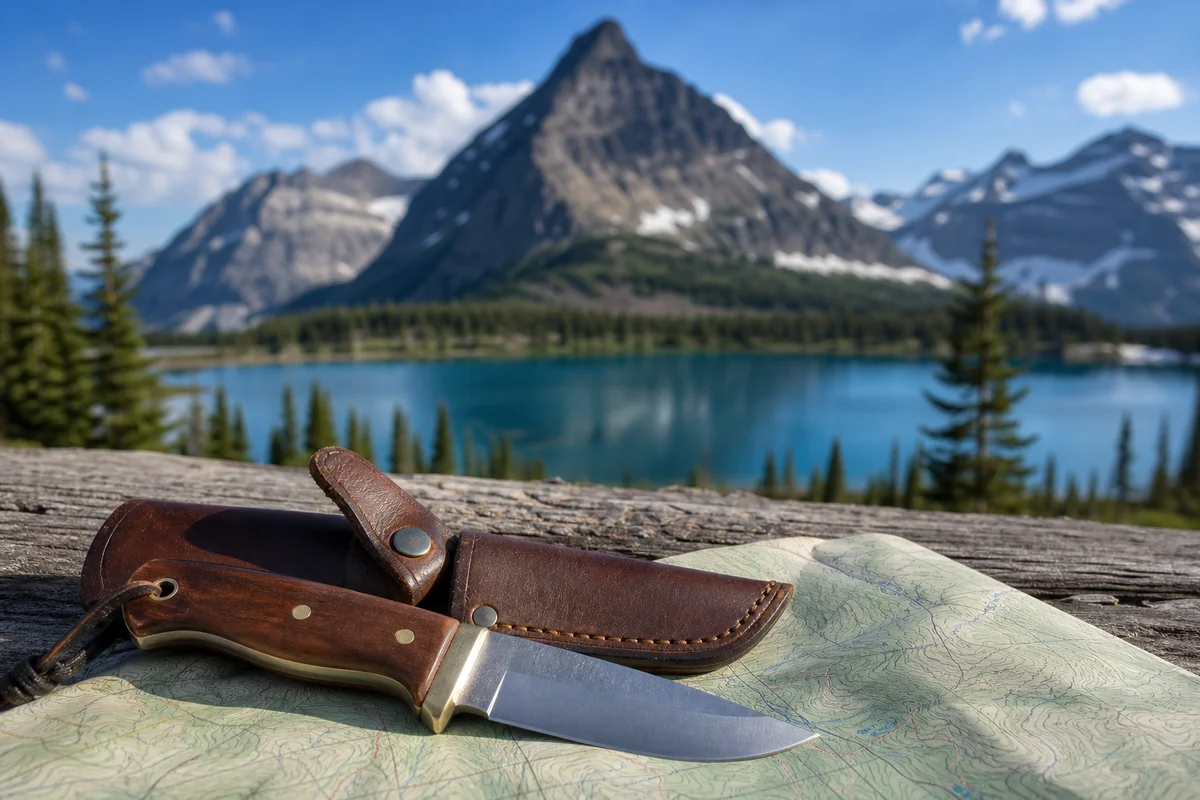
For those who carry pocket knives (common among outdoor enthusiasts), Montana knife laws are relatively permissive, but concealment rules apply.
And if you need a laugh after all this serious legal talk, check out some of Montana’s weird and unusual laws that remain on the books—including some amusing ones about alcohol from the prohibition era.
Local Tips From My Montana Experiences
After years of exploring this state’s beverage scene, here are the insights I wish I’d known from the start.
Tip 1: Brewery Hours Are Limited
Unlike many urban areas where breweries might stay open until midnight, most Montana taprooms close by 8 or 9 PM, even on weekends. Plan your visits accordingly.
During my trip through the Flathead Valley, I made the mistake of arriving at a brewery at 7:30 PM thinking I had plenty of time. They were calling last call by 8.
Tip 2: Cash Is Still King in Some Places
Some smaller Montana establishments, particularly rural bars, are cash-only. I always keep at least $50 in cash when touring the state’s drinking establishments.
Tip 3: Altitude Affects Everything
Much of Montana sits at 3,000 to 5,000+ feet elevation. Alcohol hits harder at altitude, dehydration happens faster, and hangovers are more severe.
During my first trip to Big Sky (6,800 feet elevation), I learned this the hard way. Drink water between beers and pace yourself more than you would at sea level.
Tip 4: Seasonal Hours Vary Dramatically
Montana is highly seasonal. Breweries in ski towns like Whitefish might be packed in January but running skeleton hours in April. Summer tourist season (late June through Labor Day) sees the most consistent hours.
Always check ahead, especially in shoulder seasons. I’ve shown up at closed establishments more times than I’d like to admit.
Tip 5: Designated Driver Services Exist
Some Montana communities have informal designated driver services. In Bozeman, I’ve used services that will drive your car home while you’re in it, solving the “how do I get my car back?” problem.
Ask your hotel concierge or bartender about local options.
Where to Experience Montana’s Best Beverages
I want to give you concrete recommendations based on my personal experiences.
Best Brewery Town: Missoula
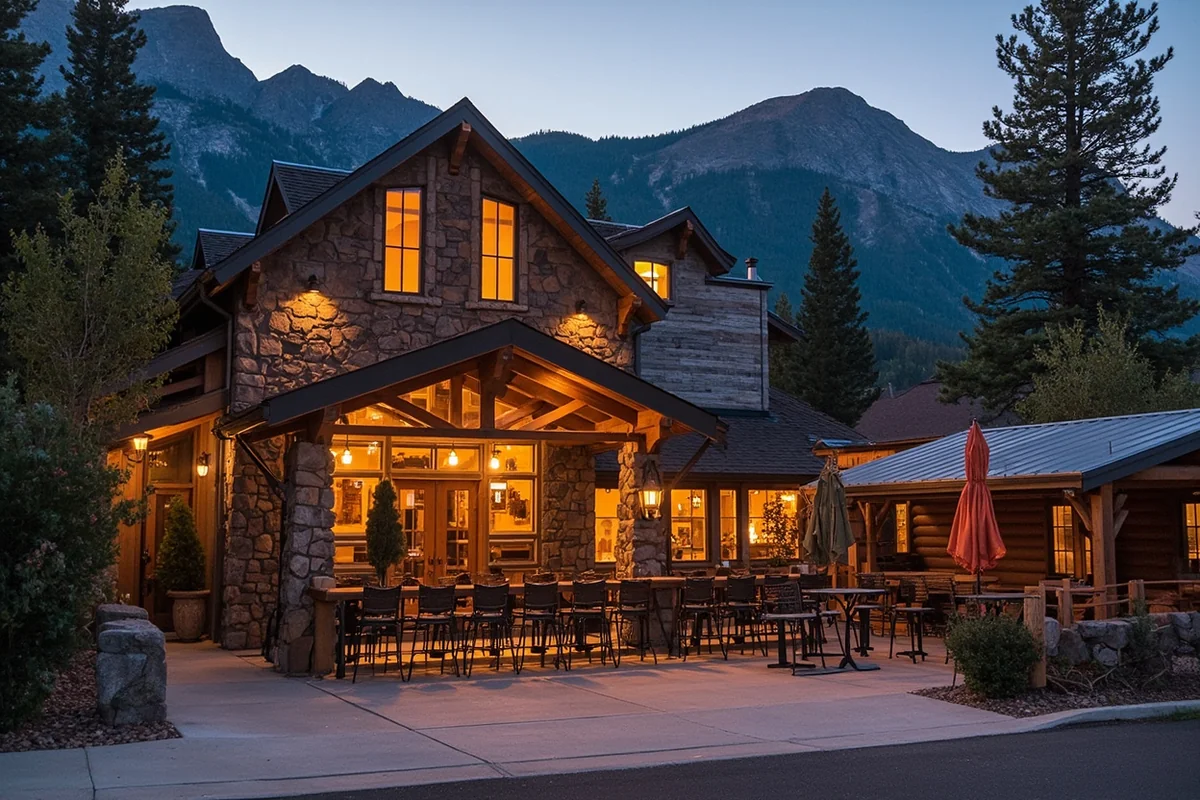
With nearly a dozen breweries within a walkable downtown area, Missoula is Montana’s craft beer capital. Bayern Brewing does traditional German styles, KettleHouse is a local institution, and Conflux Brewing offers one of the best taprooms in the state.
Best Destination Brewery: MAP Brewing (Bozeman)
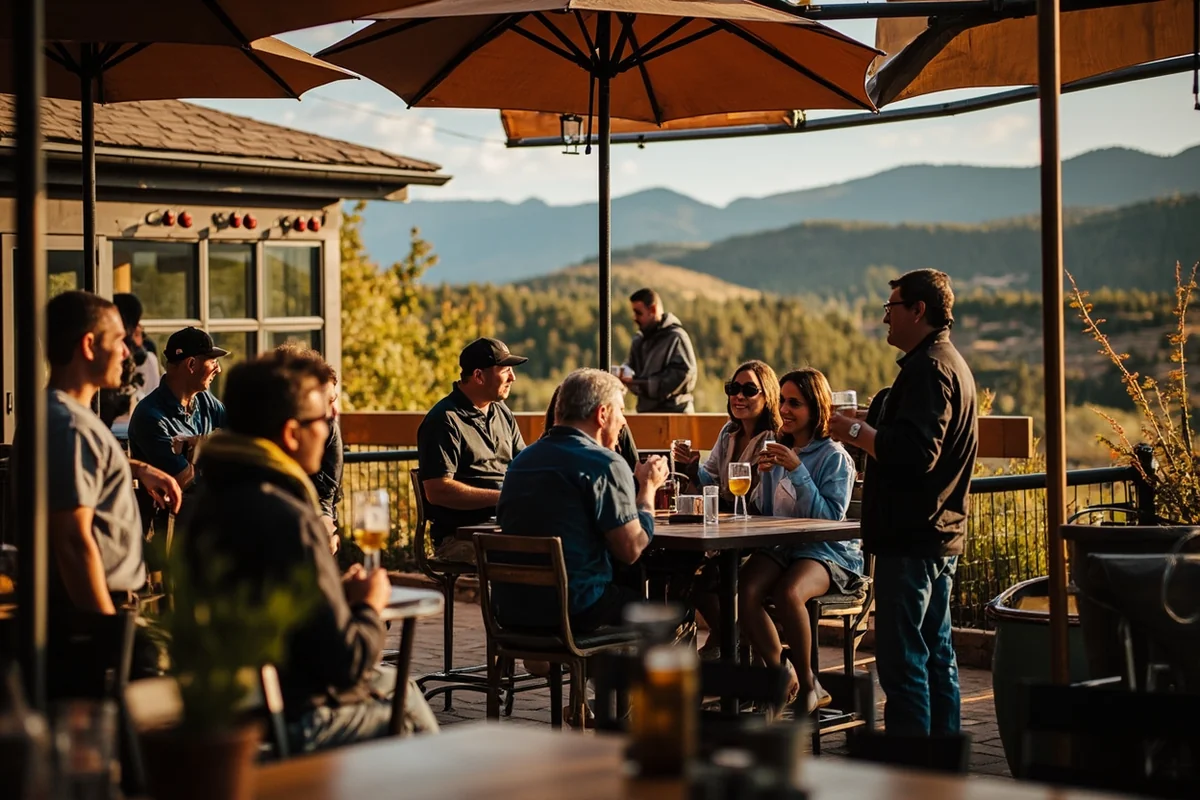
The combination of excellent beer and Bridger Mountain views makes MAP a must-visit. Get there for afternoon happy hour and stay for sunset.
Best Distillery Experience: Headframe Spirits (Butte)
The mining heritage building, the story behind the company, and the quality of the spirits make this worth a detour through historic Butte.
Best Small-Town Bar: The Pioneer Bar (Virginia City)
This historic bar in a preserved ghost town gives you a sense of what Montana drinking culture looked like 150 years ago. It’s a working bar, not a museum.
Best Beer With a View: Flathead Lake Brewing Co.
Their location in Woods Bay offers spectacular views of Flathead Lake—the largest natural freshwater lake west of the Mississippi.
Understanding Montana’s Unique Liquor License System
This is something that affects travelers indirectly but explains a lot about Montana’s drinking culture.
Montana has a fixed number of “all-beverage” liquor licenses, creating an artificial scarcity that can make these licenses worth half a million dollars or more. This is why you’ll see some bars that feel like they’ve been there forever—they have been, because the license is often worth more than the business.
This also explains why many Montana breweries can only sell their own products. They operate under different licensing that doesn’t allow them to serve wine or cocktails.
Special Considerations for Younger Travelers (Under 21)
If you’re traveling with family members or friends who are under 21, you should know a few things.
Montana has no exception allowing parents to serve alcohol to their own children in restaurants, as some states do. If you’re under 21, you’re under 21—even with parental consent.
Minors can typically be in restaurants that serve alcohol. They can also be in many brewery taprooms during daytime hours. However, some bars are 21+ only, especially after certain evening hours.
Fake IDs are taken extremely seriously in Montana. The penalties include potential felony charges, and establishments are trained to spot them.
Wrapping Up Your Montana Drinking Adventure
Montana offers one of the most rewarding craft beverage experiences in the United States, set against some of the most stunning landscapes you’ll ever see. But that experience is best enjoyed when you understand and respect the rules.
The drinking age of 21 is non-negotiable. ID requirements are strict. DUI enforcement is serious. Open container laws apply to vehicles.
Within those guardrails, though, Montana welcomes responsible adults to explore its incredible breweries, distilleries, and wineries. From the mountain-view taprooms of Bozeman to the historic bars of Butte, there’s a drinking experience here for every taste.
Plan ahead, drink responsibly, and embrace everything Big Sky Country has to offer. After years of exploring this state, I can tell you that the memories made over a locally-crafted beer while watching the sun set over the Rockies are absolutely worth the trip.
Just remember: always have a safe ride home planned before that first sip.
Frequently Asked Questions
What is the legal drinking age in Montana for tourists?
The legal drinking age in Montana is 21, the same as every other US state. You’ll need a valid government-issued ID like a driver’s license or passport to purchase alcohol anywhere in Montana, and bars and restaurants strictly enforce this requirement.
Can I buy alcohol on Sundays in Montana?
Yes, you can buy alcohol on Sundays in Montana, but with restricted hours. Liquor stores typically operate from 10 AM to 8 PM on Sundays, while bars and restaurants can serve alcohol during their normal operating hours. I always recommend checking specific store hours in smaller Montana towns.
Where can I buy liquor and beer in Montana while traveling?
Montana allows beer and wine sales at grocery stores, gas stations, and convenience stores, making it easy to grab drinks while road-tripping. Hard liquor is sold at state-licensed liquor stores and some agency stores in rural areas. In small mountain towns, the local bar often doubles as the liquor store.
Are open container laws strict in Montana for road trips?
Montana does allow open containers in vehicles under state law, but passengers drinking while driving through tribal lands or certain municipalities may face different rules. I strongly advise keeping all alcohol sealed and stored in the trunk to avoid any confusion during your Montana road trip, especially when crossing jurisdictional boundaries.
What time do bars close in Montana?
Bars in Montana must stop serving alcohol at 2 AM statewide, and most establishments in cities like Missoula, Bozeman, and Billings stay open until then. In smaller towns near national parks, don’t be surprised if bars close earlier, sometimes around midnight. Plan accordingly if you’re staying in remote areas like near Glacier National Park.
Can I drink at Montana breweries and distilleries if I’m visiting with kids?
Many Montana breweries and distilleries are family-friendly during daytime hours, which I found convenient when traveling with mixed groups. Most taprooms in Missoula and Bozeman welcome minors accompanied by parents, though kids typically can’t sit at the bar. Always check individual establishment policies before visiting.
Are there dry counties or alcohol restrictions near Montana’s national parks?
Montana doesn’t have dry counties, but alcohol sales on tribal reservations like the Blackfeet Reservation near Glacier National Park follow separate regulations and may be prohibited entirely. Stock up on drinks before entering these areas if you’re camping nearby. Towns like Whitefish and West Yellowstone just outside the parks have full liquor availability.