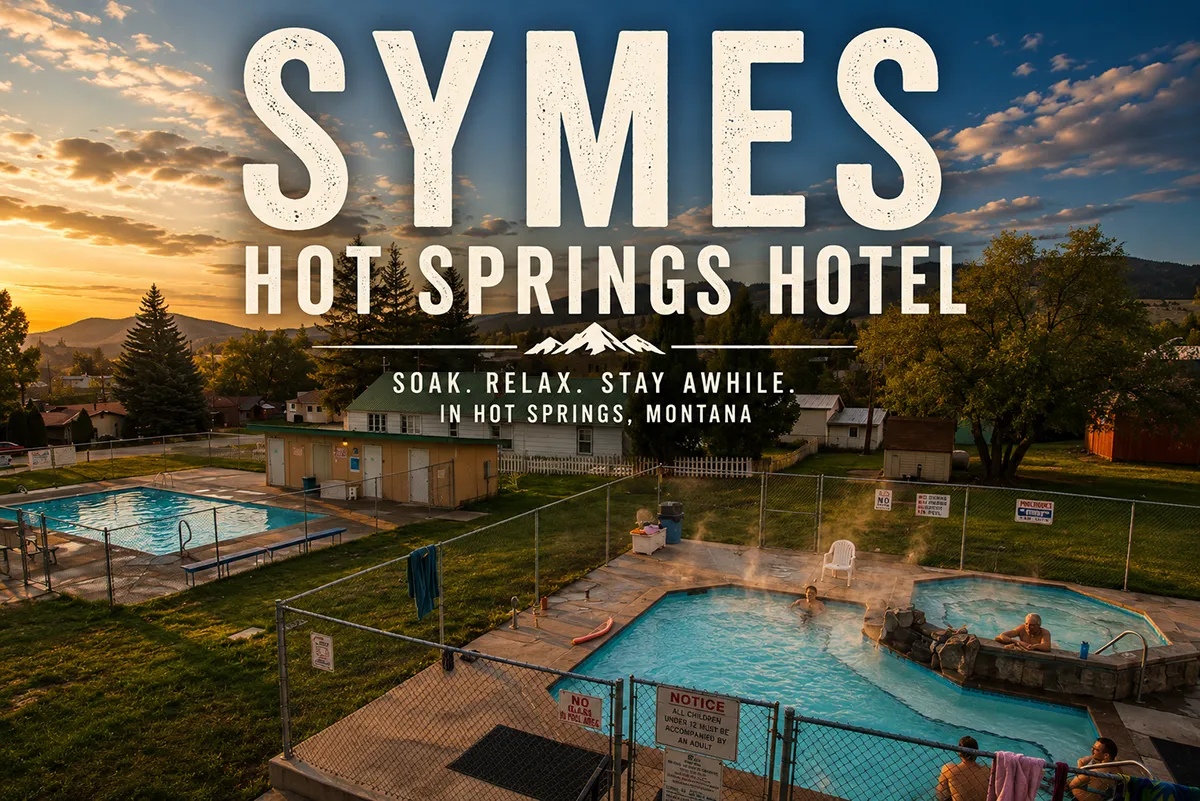
The moment I lowered myself into the outdoor mineral pool at Symes Hot Springs, with the Mission Mountains glowing pink in the sunset and steam rising around me, I understood why this place has drawn visitors for over a century.
This isn’t your typical modern spa experience—it’s a step back in time to when people traveled specifically for the healing waters, and that authenticity is exactly what makes it special among Montana hot springs.
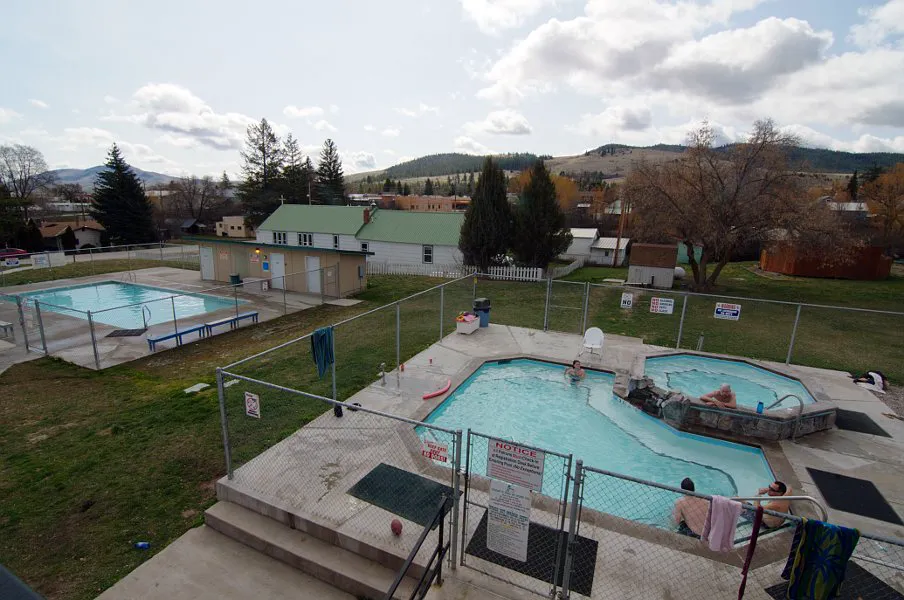
- Historic hot springs resort in the town of Hot Springs, Montana (yes, that’s the actual town name)
- Multiple soaking options: outdoor pool, indoor pool, and private bathhouse tubs
- Day use fees are budget-friendly at around $8-10 per person
- On-site hotel rooms available with direct pool access
- Water temperature ranges from 95°F to 106°F depending on the pool
- Best visited on weekdays to avoid crowds; winter offers the most magical soaking experience
- Located on the Flathead Indian Reservation with rich Native American history
Liked this article?
Add Roaming Montana as a preferred source so you see more of our articles and guides on Google.
Why Symes Hot Springs Stands Apart from Other Montana Soaks
During my three visits to Symes over the past two years, I’ve come to appreciate what makes this place genuinely different from other thermal destinations in the state.
While Bozeman Hot Springs offers a more modern, fitness-center vibe, and Quinn’s Hot Springs Resort provides upscale luxury, Symes occupies a unique middle ground—authentically historic without being rundown, affordable without feeling cheap.
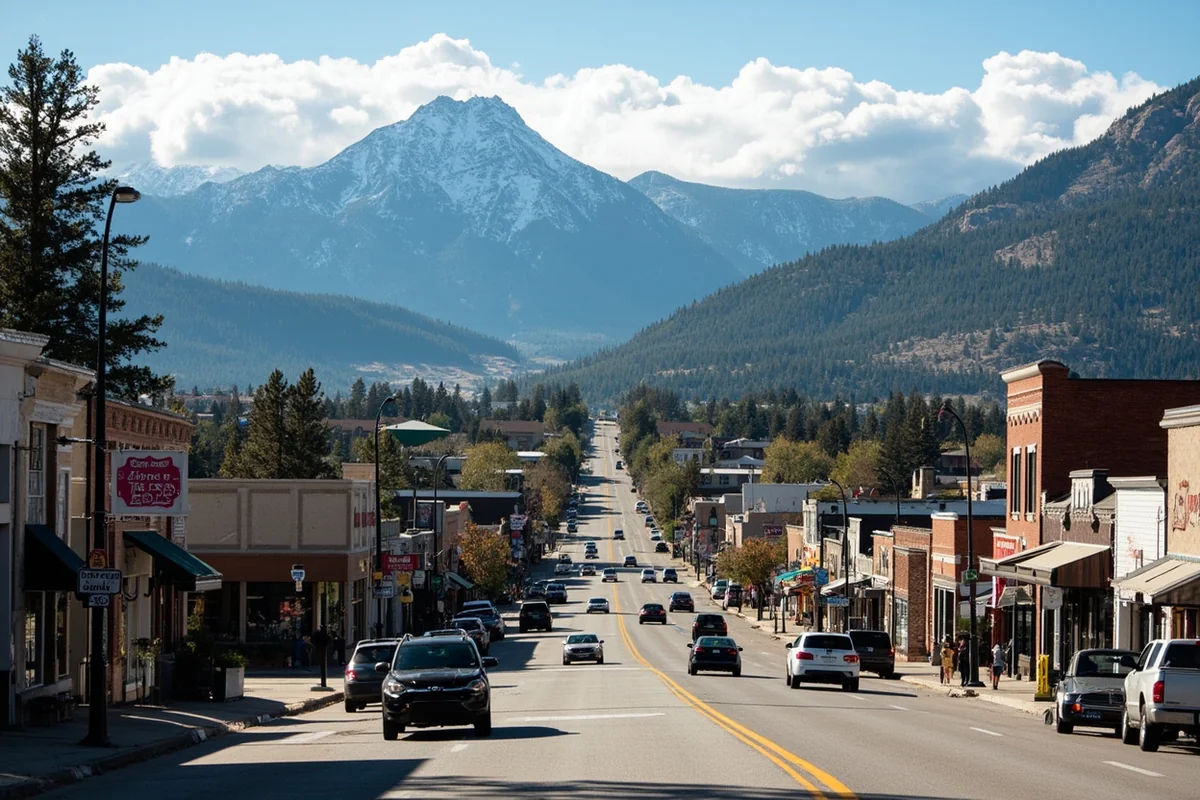
The resort sits right in the heart of the aptly named town of Hot Springs, Montana, population roughly 550. This tiny community in Sanders County was literally built around these thermal waters, and walking the quiet streets feels like stepping into a Montana that existed before interstate highways and chain hotels.
What struck me most during my first visit last summer was the unpretentious atmosphere. Locals in pickup trucks pulled up alongside tourists from out of state.
Families with young kids shared the pool with solo travelers seeking quiet relaxation. There’s no velvet rope VIP section here—just good, honest mineral water that’s been bubbling up from the earth for thousands of years.
The History Behind These Healing Waters
The Salish and Kootenai tribes knew about these springs long before European settlers arrived. They considered the waters sacred, using them for healing and spiritual purposes. When I spoke with a staff member during my visit, she mentioned that tribal elders still occasionally come to soak, maintaining a connection that spans generations.
The current hotel building dates back to 1929, though commercial development of the springs began even earlier. Fred Symes, the property’s namesake, recognized the potential of these mineral-rich waters and built the bathhouse and hotel that still stand today.
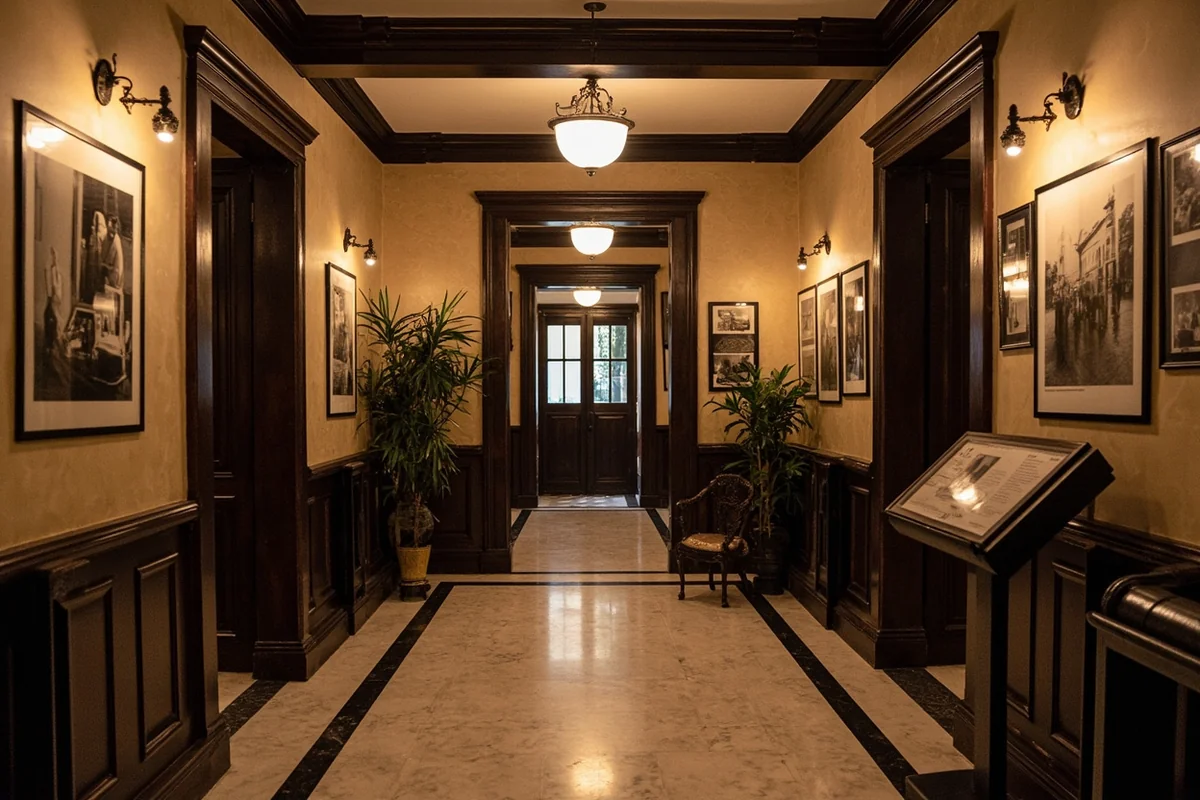
Walking through the hotel lobby, you’ll notice vintage photographs lining the walls. I spent a good twenty minutes studying them during my last visit—images of well-dressed visitors from the 1930s and 40s, coming by train to “take the waters.”
The architecture retains much of that era’s character, with high ceilings, wooden details, and the kind of craftsmanship you simply don’t see in modern construction.
The Pools and Soaking Options: What to Expect
Symes offers three distinct soaking experiences, and during my visits, I’ve tried all of them. Each has its own character and appeal.
The Outdoor Mineral Pool
This is the main attraction and where you’ll find most visitors congregating. The outdoor pool maintains a temperature around 95-98°F, which I found perfect for longer soaks.
Unlike some hotter springs where you can only stay in for fifteen minutes before overheating, I’ve easily spent an hour or more in the outdoor pool.
The pool itself isn’t huge—maybe 30 by 40 feet—but it’s rarely so crowded that you feel cramped. On a Wednesday afternoon last October, I had it nearly to myself, sharing the space with just two other couples.
The water has a slight mineral smell, nothing overwhelming but definitely present. It’s nowhere near as sulfurous as some other thermal springs I’ve visited.
The bottom of the pool feels slightly silty, which is normal for natural mineral pools and actually indicates you’re getting the real deal, not just heated tap water.
The Indoor Pool
The indoor pool runs warmer, typically between 100-104°F. I prefer this option during winter visits when the outdoor air temperature makes getting out of the water feel like a polar plunge.
The indoor space is smaller and more intimate. It’s housed in the original bathhouse structure, and you can feel the history in the tiled walls and vintage fixtures. During my February visit, steam filled the room, creating an almost mystical atmosphere.
One practical note: the indoor pool can get warm enough that some people find it uncomfortable for extended soaking. I typically alternate between the indoor and outdoor pools, which creates a nice contrast and lets you extend your overall soak time.
Private Bathhouse Tubs
For those wanting a more intimate experience, Symes offers private tubs that you can rent by the hour. These individual soaking rooms provide complete privacy and are perfect for couples or anyone who prefers not to share their soak with strangers.
I tried one of these during my first visit, curious about the experience. The room was simple but clean—a large vintage tub, hooks for your clothes, and not much else. The water was hot, straight from the source, and I could control the temperature by adjusting the flow. It felt wonderfully old-fashioned, like bathing in your great-grandmother’s era.
Practical Information: Pricing, Hours, and Logistics
| Option | Price (approx.) | Notes |
|---|---|---|
| Day Use (pools) | $8-10/person | Access to both outdoor and indoor pools |
| Private Tub | $15-20/hour | Per person pricing, reservations recommended |
| Hotel Room | $70-120/night | Includes pool access; rates vary by room type |
| Weekly Rate | Discounted | Ask about extended stay pricing |
I should note that prices may change, so I’d recommend calling ahead or checking their website for current rates. What I can say is that during all my visits, Symes has remained one of the most affordable hot springs experiences in Montana—significantly cheaper than Broadwater Hot Springs in Helena or the more resort-oriented options elsewhere in the state.
Hours typically run from morning until late evening, but they can vary seasonally. The pools are generally open seven days a week, though I’ve found that arriving before noon on weekdays gives you the best chance at a quiet, uncrowded soak.
Staying Overnight: The Hotel Experience
During my most recent trip last fall, I decided to spend the night at the Symes Hotel rather than just visiting for a day soak. This changed my entire perspective on the experience.
The rooms are basic—let me be clear about that upfront. You won’t find flat-screen TVs, mini-fridges, or luxury amenities. What you will find is a clean, comfortable space with that undeniable historic character. My room had a high ceiling, a comfortable bed, and large windows overlooking the quiet street.
The real advantage of staying overnight is unlimited pool access. I was able to soak before dinner, again before bed, and once more first thing in the morning. That early morning soak, when I was the only person in the outdoor pool as the sun came up over the mountains, was worth the room rate alone.
The hotel also provides a communal kitchen space, which I used to prepare a simple breakfast. This is a fantastic budget-friendly option since dining options in the town of Hot Springs are limited (more on that below).
Pro tip: request a room on the side closest to the pools if you want the shortest walk in your robe and slippers. The staff was accommodating when I asked.
The Water: Mineral Content and Supposed Benefits
I’m not a doctor, and I won’t make medical claims. But I can share what I observed and what locals told me during my visits.
The water at Symes is naturally heated geothermal water that rises through the earth, picking up various minerals along the way. The primary minerals include sodium, chloride, and bicarbonate, with traces of other elements.
The water is notably soft, and my skin felt genuinely different after soaking—smoother, less dry, almost silky.
Multiple locals I spoke with swore by the water’s benefits for arthritis and joint pain. One older gentleman I met in the pool during my October visit said he’d been coming weekly for over a decade to manage his back problems. “Beats the pills,” he told me with a shrug.
Whether you believe in the therapeutic benefits or not, there’s no denying that an hour in warm mineral water simply feels good. The buoyancy takes pressure off your joints, the warmth relaxes muscles, and the forced disconnection from your phone (no phones allowed in the pool area, a policy I appreciate) does wonders for mental health.
Best Times to Visit Symes Hot Springs
Having visited during multiple seasons, I have strong opinions about timing your trip.
Winter (December-February)
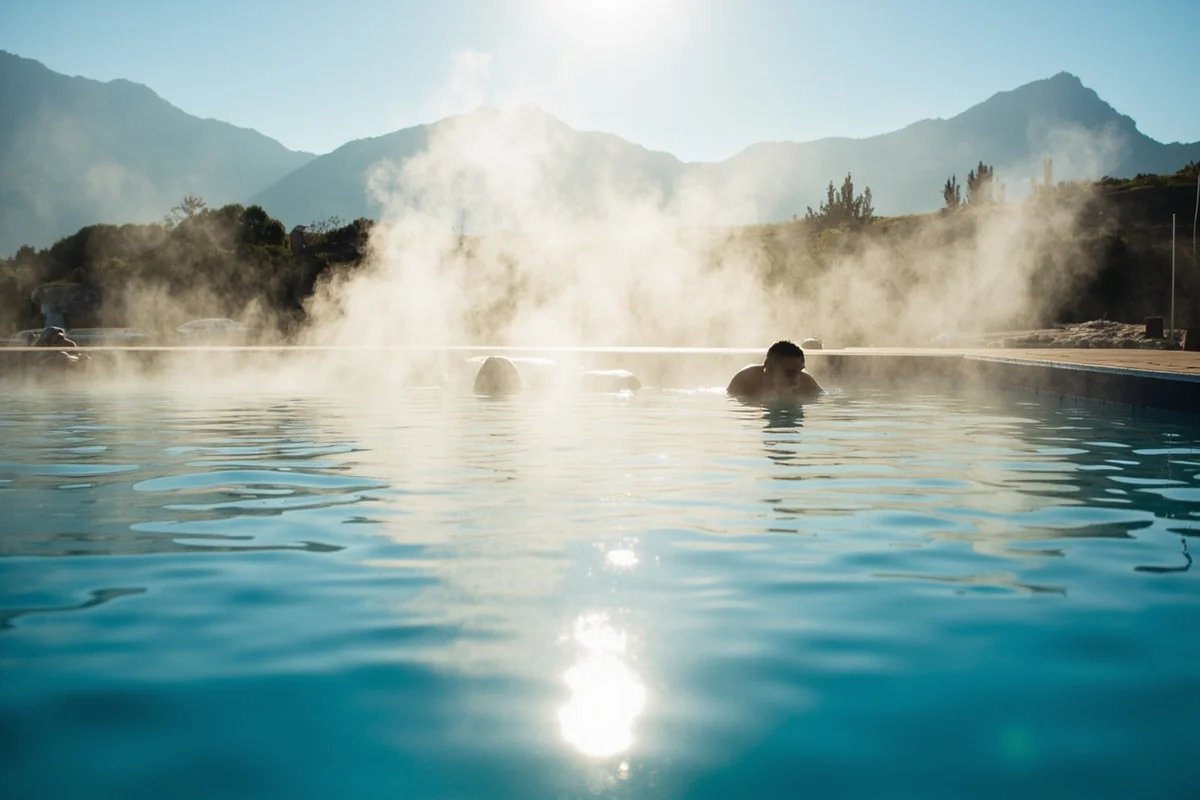
This is my favorite time to visit, despite the cold drive. There’s something magical about soaking in steaming hot water while snow falls around you. The outdoor pool becomes ethereal, with steam rising thick into the cold air.
The drive can be treacherous, though. Highway 28, which runs through Hot Springs, sees snow and ice during winter months. Make sure you have appropriate tires and check conditions before heading out.
Crowds are minimal during winter weekdays. I’ve had the pools essentially to myself multiple times.
Spring (March-May)
Spring brings wildflowers to the surrounding hills and more comfortable driving conditions. The weather can be unpredictable—I’ve experienced both 70-degree days and surprise snowstorms in April—but that’s Montana for you.
This is when locals seem to emerge from winter hibernation, so you might find the pools slightly busier than during the colder months.
Summer (June-August)
Summer brings the most visitors, particularly families on vacation. The pools can get crowded, especially on weekends. If you visit during summer, I strongly recommend arriving early in the day or waiting until evening.
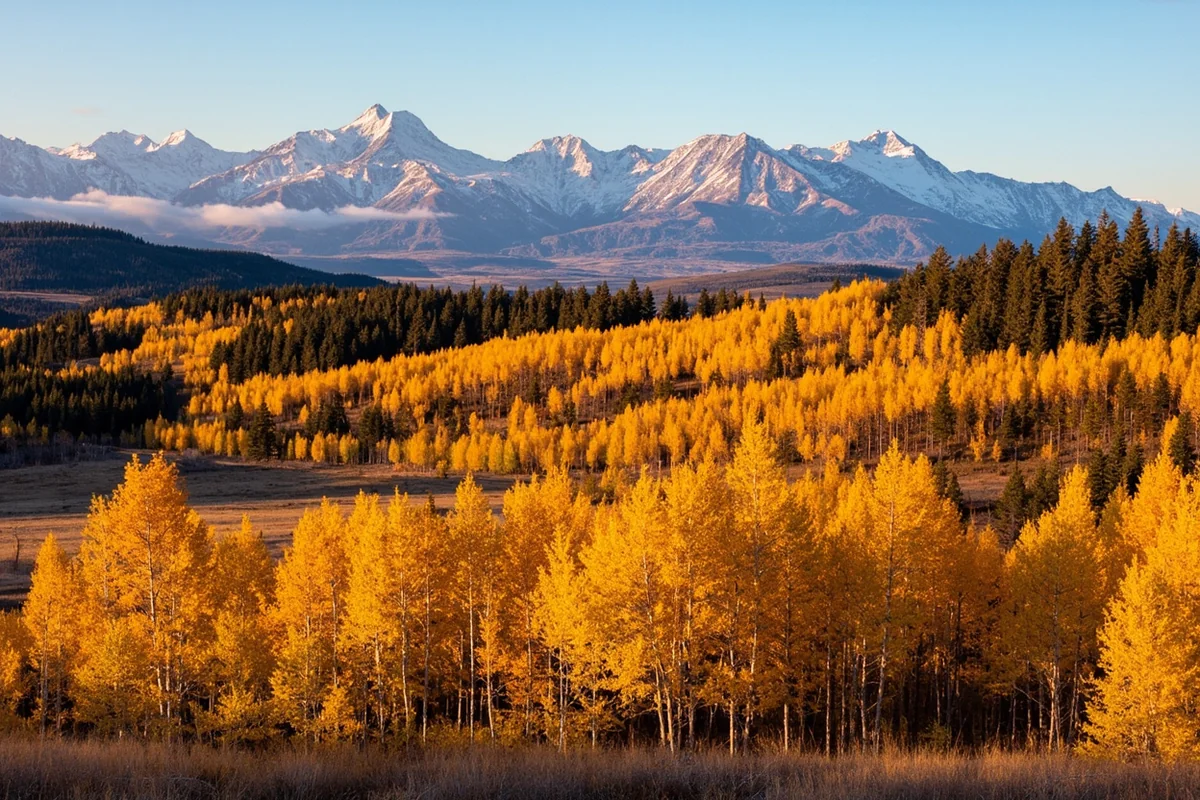
The upside is that summer offers the best conditions for exploring the surrounding area. The Mission Mountains are spectacular, and the drive through the Flathead Indian Reservation is beautiful.
Fall (September-November)
This might be the sweet spot. The summer crowds have dissipated, the weather is still pleasant for driving, and the larch trees turn golden in the surrounding forests. My October visit remains my favorite overall experience at Symes.
Getting There: Directions and Drive Experience
Symes Hot Springs is located at 209 Wall Street in Hot Springs, Montana. The town is situated on Highway 28, east of Highway 93 and the larger town of Polson.
From Missoula (approximately 75 miles)
Take Highway 93 north toward Polson. About 6 miles south of Polson, turn east onto Highway 28 and follow it approximately 24 miles to Hot Springs. The drive takes about 1.5 hours and is scenic, particularly the stretch along Flathead Lake.
From Kalispell (approximately 80 miles)
Head south on Highway 93, through Polson, then turn east on Highway 28. Similar drive time to coming from Missoula.
From Great Falls (approximately 200 miles)
This is a longer haul but doable as a day trip if you’re ambitious. Take Highway 200 west to Missoula, then 93 north, then 28 east. Budget about 3.5-4 hours each way.
The drive on Highway 28 is notable because you’re passing through the Flathead Indian Reservation. The landscape is open grassland with mountain views, dotted with small ranches. I’ve seen deer, elk, and once a small herd of bison on drives through this area.
What to Do Besides Soaking
Let’s be honest—Hot Springs, Montana isn’t exactly a bustling metropolis. But there are enough activities to fill a weekend if you’re looking to extend your visit beyond the pools.
Wild Horse Hot Springs
Just a few miles from Symes, Wild Horse Hot Springs offers a different soaking experience with private outdoor tubs. I’ve visited both on the same trip, and they complement each other nicely. Wild Horse tends to be a bit more rustic and offers a more private experience.
Hiking and Nature
The National Bison Range is about 30 miles south and makes for an excellent half-day excursion. I spent a morning there during my fall visit, driving the scenic loop and watching bison, pronghorn, and deer.
The Mission Mountains Wilderness lies to the east, offering more serious hiking opportunities for those inclined. Note that a tribal recreation permit is required for some activities on reservation land.
Fishing
The Flathead River and numerous smaller streams offer excellent fishing opportunities. I’m not an angler, but I’ve seen plenty of people with rod tubes strapped to their vehicles around Hot Springs.
Simply Relaxing
Perhaps the best activity at Symes is doing nothing at all. Bring a book, leave your laptop at home, and embrace the slowness of small-town Montana. The pace of life here is different, and fighting against it defeats the purpose of visiting.
Dining Options in and Around Hot Springs
This is where I have to be honest: your dining options are limited. The town of Hot Springs has a couple of small establishments, but don’t expect extensive menus or late-night options.
The Symes Hotel itself has historically offered food service, though availability varies. During my visits, I’ve had mixed luck—sometimes the kitchen was operating, sometimes it wasn’t. I’d recommend calling ahead if you’re counting on eating at the hotel.
The best strategy, in my experience, is to bring food with you or plan to cook in the communal kitchen if you’re staying overnight. I packed a cooler with sandwich supplies, snacks, and breakfast items for my overnight stay, and it worked perfectly.
For a more substantial meal, you’ll likely need to drive to Polson (about 30 miles) or Missoula (about 75 miles). Polson has several good restaurants along Main Street, and Missoula offers everything from farm-to-table dining to excellent brewpubs.
Comparing Symes to Other Montana Hot Springs
After exploring many of the thermal pools across the state, I can offer some comparative insights that might help you decide where to focus your soaking time.
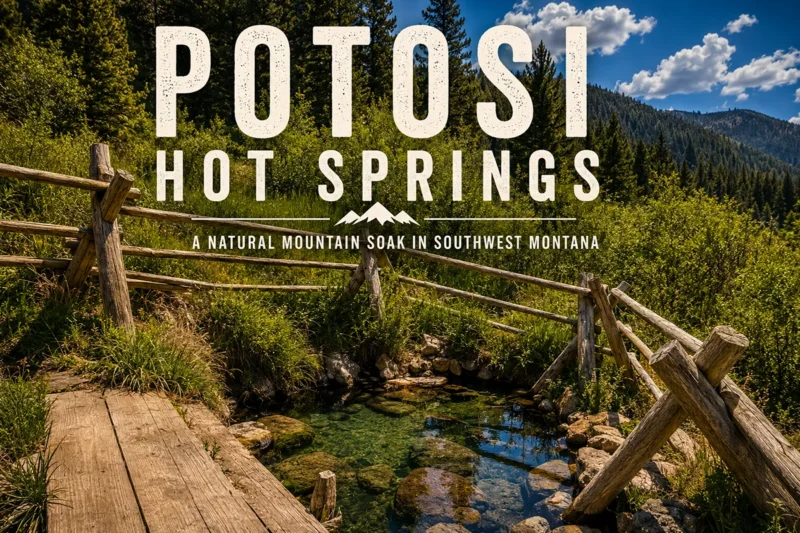
If you’re seeking the most natural, undeveloped experience, consider Renova Hot Springs or Potosi Hot Springs. These offer more primitive soaking in natural settings without the infrastructure of a developed resort.
For live music and a hip atmosphere, Norris Hot Springs near Bozeman is hard to beat. They host acoustic musicians on weekends and have a great little kitchen serving organic food.
If accessibility and modern amenities are priorities, Broadwater Hot Springs in Helena offers a more contemporary spa experience.
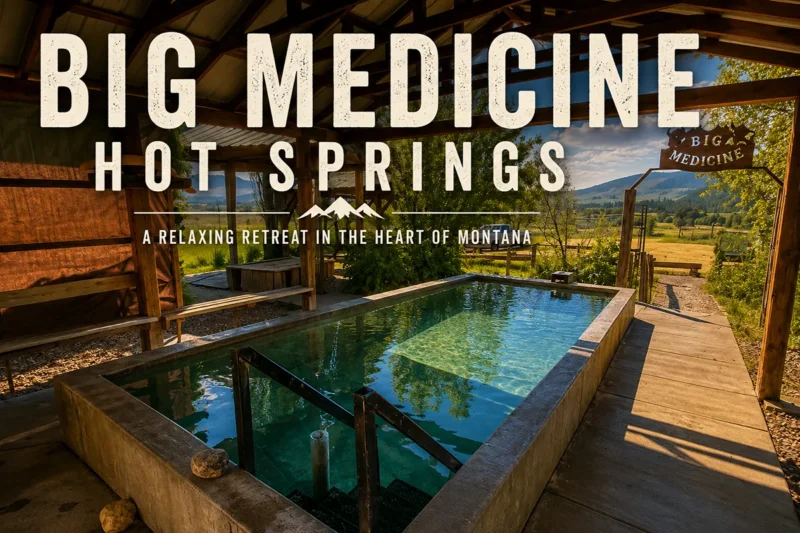
For something truly remote and primitive, Big Medicine Hot Springs and Gigantic Warm Springs provide experiences far off the beaten path—though these require more preparation and effort to access.
Nimrod Hot Springs offers yet another option with its own distinct character and history.
Symes falls in a comfortable middle ground: developed enough to be convenient and comfortable, but historic and unpretentious enough to feel authentic. It’s the hot spring I recommend to people who want a genuine Montana experience without roughing it.
Tips for Making the Most of Your Visit
Based on my multiple visits, here are my practical recommendations:
- Bring your own towel. Rentals are available, but bringing your own saves money and ensures you have something large enough for your preferences.
- Hydrate before, during, and after. Soaking in hot mineral water is dehydrating. I bring a water bottle and take breaks to drink throughout my soak.
- Bring flip-flops or water shoes. The walk between pools and the changing area is easier with something on your feet.
- Leave valuables in your vehicle. The changing areas are secure, but I prefer not to worry about my phone or wallet while I’m soaking.
- Set realistic expectations for the hotel. It’s historic, not luxury. If you need modern amenities, book a hotel in Polson and visit Symes as a day trip.
- Check the weather before driving. Highway 28 can be slick in winter, and cell service is spotty in the area.
- Bring cash. While credit cards are generally accepted, having cash on hand is always wise in rural Montana.
- Plan for limited cell service. Embrace the disconnection rather than fighting it.
Who Should Visit Symes Hot Springs?
After three visits and many hours spent soaking, I’ve developed a sense of who Symes serves best.
Symes is perfect for:
- Travelers seeking authentic Montana experiences over polished tourist attractions
- History buffs who appreciate vintage architecture and storied locations
- Budget-conscious visitors who want quality hot springs without resort prices
- Couples looking for a quiet, romantic getaway
- Solo travelers seeking peaceful reflection time
- Anyone wanting to combine hot springs with exploring the Flathead Reservation area
Symes might not be ideal for:
- Families with young children seeking waterslides and splash features
- Travelers who prioritize modern amenities and luxury accommodations
- Those uncomfortable with the rustic, historic nature of older buildings
- Visitors wanting extensive dining and nightlife options nearby
Final Thoughts: Why Symes Deserves Your Time
In an era of over-commercialized tourism and Instagram-perfect destinations, Symes Hot Springs offers something increasingly rare: authenticity. This isn’t a hot springs experience designed by marketing committees or optimized for social media. It’s a real place with real history, run by real people who care about maintaining a century-old tradition.
Every time I’ve left Symes, I’ve felt genuinely relaxed—not just from the warm water, but from the slower pace, the friendly conversations with strangers in the pool, and the reminder that not everything needs to be sleek and modern to be valuable.
The last time I pulled out of the parking lot, an older man I’d been chatting with in the pool waved goodbye. We’d spent an hour discussing Montana history, his grandchildren, and the changing nature of small-town life.
That conversation, happening naturally while soaking in century-old mineral water, is what Symes Hot Springs is really about.
If you’re planning a Montana trip and want to experience the state beyond Glacier and Yellowstone, put Symes on your list. It’s not flashy, it’s not trendy, and that’s exactly the point.
Frequently Asked Questions
How much does it cost to soak at Symes Hot Springs in Montana?
Day soaking at Symes Hot Springs costs around $8-12 per person for access to their outdoor mineral pools. If you’re staying at the historic hotel, pool access is typically included with your room rate, which ranges from $70-150 per night depending on the season and room type.
What is the water temperature at Symes Hot Springs?
The natural mineral water at Symes Hot Springs flows at temperatures between 100-106°F, which I found perfect for soaking year-round. The pools are fed by natural hot springs without chemical treatment, giving you an authentic Montana hot springs experience with water rich in minerals like calcium and magnesium.
Where is Symes Hot Springs located and how do I get there?
Symes Hot Springs is located in Hot Springs, Montana, about 75 miles north of Missoula via Highway 93. The small town is nestled in Sanders County near the Flathead Indian Reservation, making it an easy day trip from Missoula or a perfect overnight stop if you’re exploring northwestern Montana.
What should I bring to Symes Hot Springs Montana?
Bring your own swimsuit, towel, and flip-flops since these aren’t provided. I’d also recommend packing a reusable water bottle to stay hydrated, and if you’re visiting in winter, bring a warm robe or cover-up for walking between pools in the cold mountain air.
When is the best time to visit Symes Hot Springs?
Winter months from December through February offer the most magical experience, with steam rising off the pools against snowy backdrops and fewer crowds. However, I’ve enjoyed visiting in fall when the surrounding mountains show autumn colors and temperatures are mild—weekdays are always less crowded than weekends regardless of season.
Can you stay overnight at Symes Hot Springs Hotel?
Yes, Symes Hot Springs operates a historic hotel built in 1929 with rooms available for overnight guests. The accommodations are charming but rustic—don’t expect modern luxury amenities, but the character and unlimited pool access make it worthwhile for travelers seeking an authentic Montana hot springs retreat.
Is Symes Hot Springs family-friendly and suitable for kids?
Symes Hot Springs welcomes families with children, though kids under a certain age may have restricted pool hours. The outdoor pools have varying depths and temperatures, so parents can find comfortable options for younger children. I’d recommend calling ahead to confirm current family policies and pool hours during your planned visit.