The first time I pulled up to Potosi Hot Springs on a crisp October morning, I genuinely thought my GPS had betrayed me. The gravel road narrowed to something barely wider than my truck, golden aspens lined both sides, and I hadn’t seen another soul in twenty minutes.
Then I spotted the steam rising through the trees, and I knew I’d found one of Montana’s most rewarding hot springs experiences—one that requires a little effort but pays back tenfold in solitude and natural beauty.
- Located 7 miles south of Pony, Montana on Forest Service Road 1501
- Free primitive hot spring with rustic rock-lined soaking pools
- Water temperature ranges from 100-108°F depending on pool and season
- Open year-round but road conditions vary seasonally
- Best visited weekdays or early mornings to avoid crowds
- No facilities—pack everything in and pack everything out
- High-clearance vehicle recommended but not always necessary
Liked this article?
Add Roaming Montana as a preferred source so you see more of our articles and guides on Google.
What Makes Potosi Hot Springs Special
I’ve soaked in dozens of hot springs across Montana, from the developed facilities at Bozeman Hot Springs to the remote wilderness pools that require serious backcountry skills.
Potosi sits in that sweet spot—accessible enough for most visitors but rugged enough to keep the crowds manageable.
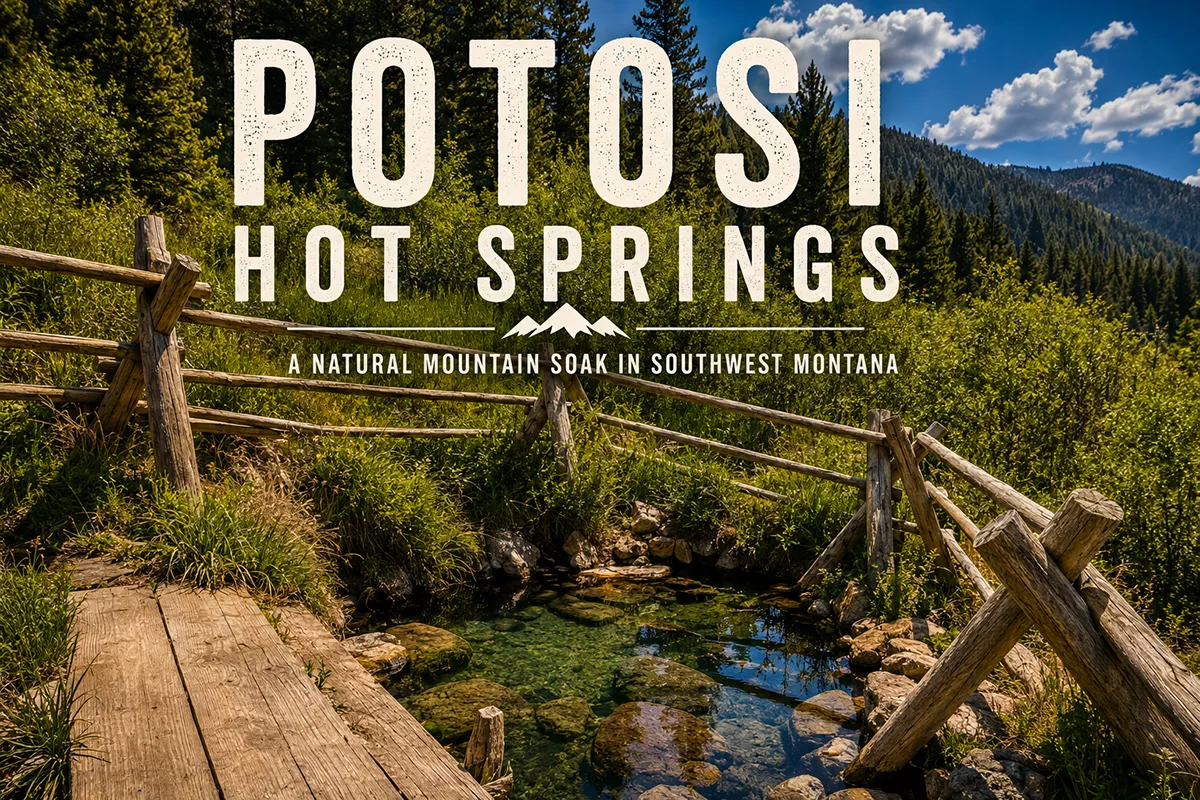
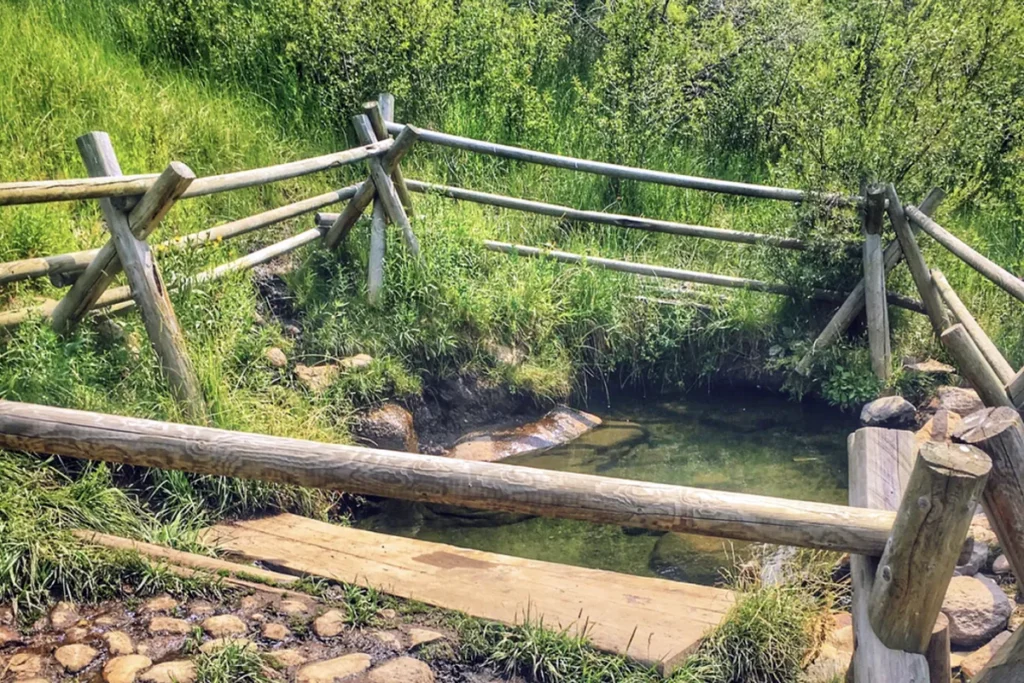
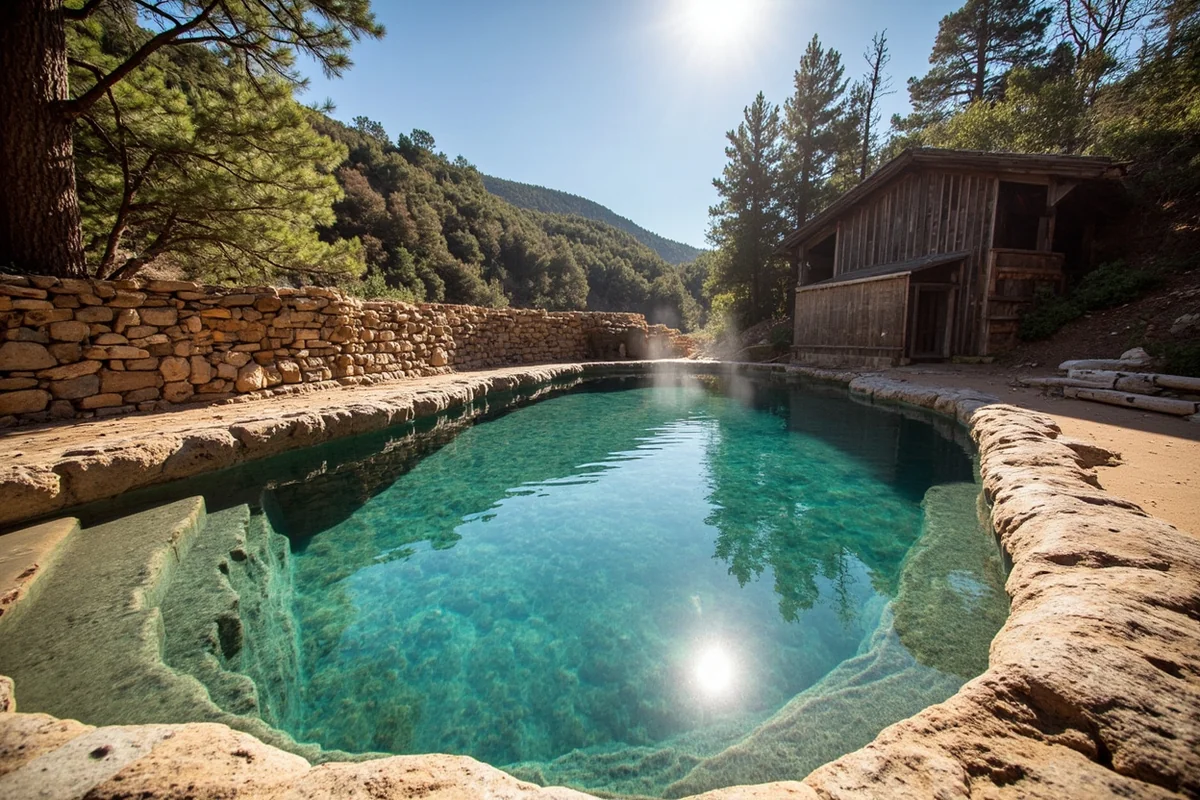
The springs bubble up naturally into several rock-lined pools that previous visitors have built up over the years. During my visit last summer, I counted three distinct soaking areas, each with slightly different temperatures and vibes.
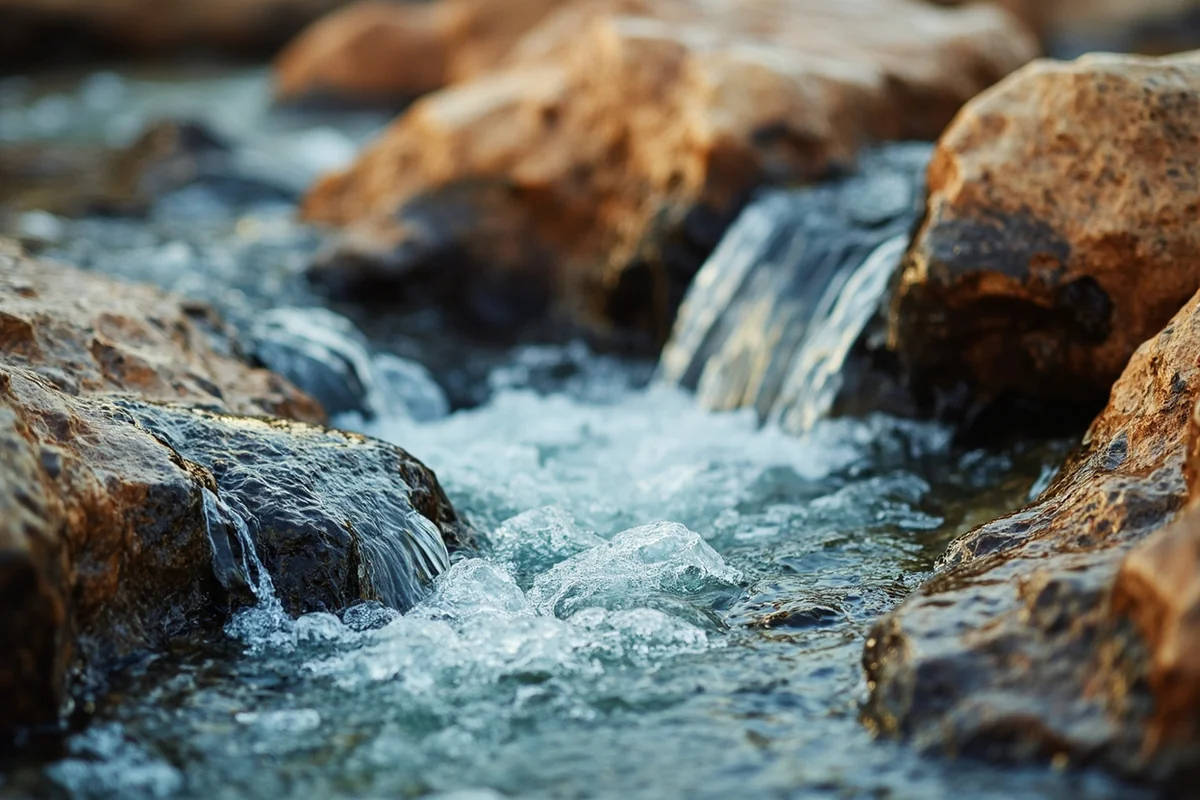
What struck me most was the silence. Unlike commercial hot springs, there’s no pump noise, no music, no conversation from the next pool over. Just the sound of water trickling over rocks and birds calling in the surrounding forest.
Getting to Potosi Hot Springs: The Complete Route
Let me save you the confusion I experienced on my first attempt. The drive to Potosi requires some attention to navigation, but it’s absolutely doable for most vehicles under the right conditions.
Starting Point: Pony, Montana
Your journey begins in the tiny historic mining town of Pony, about 30 miles west of Bozeman. Pony itself is worth a quick stop—the old brick buildings and cemetery tell stories of Montana’s gold rush days.
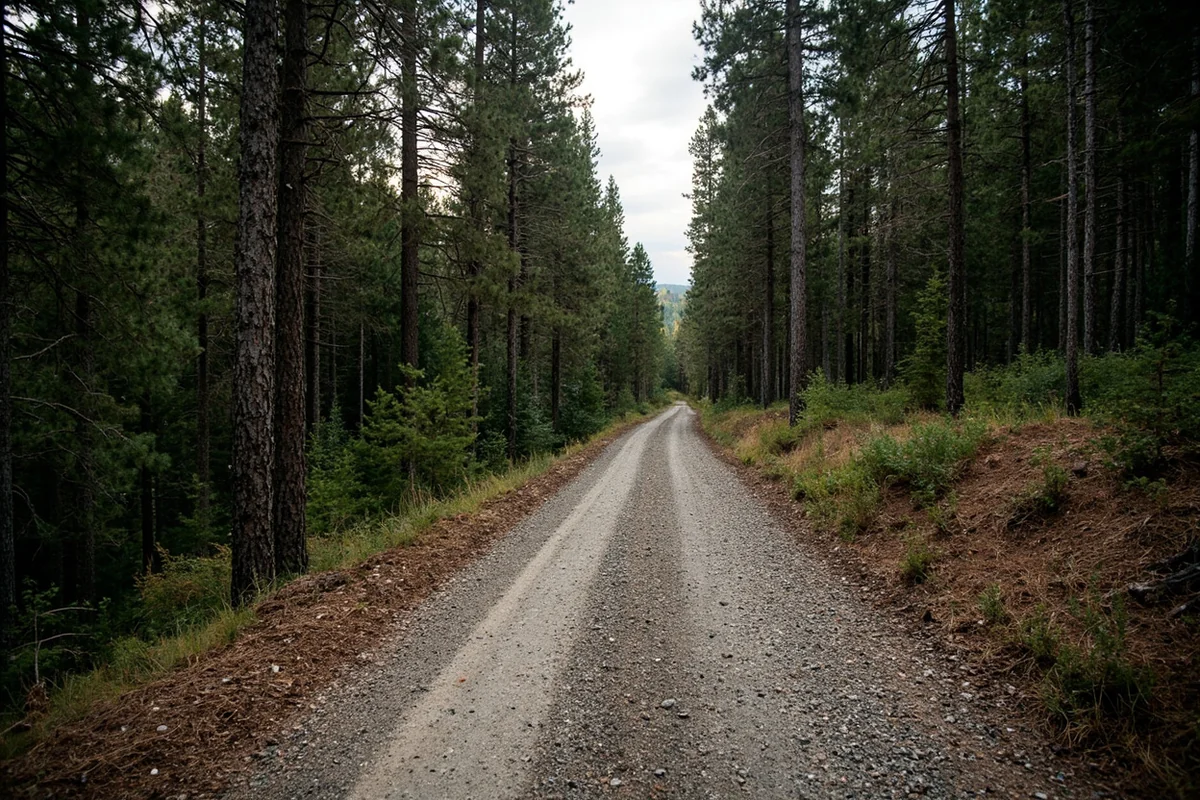
From Pony, head south on South Willow Creek Road. You’ll pass a few ranches and the road transitions from paved to well-maintained gravel after about a mile.
The Forest Service Road Section
After approximately 3 miles, you’ll enter the Beaverhead-Deerlodge National Forest. The road becomes Forest Service Road 1501, and this is where things get interesting.
When I drove it in early October, the road was in decent shape—some washboarding and a few rocky sections, but nothing my Subaru Outback couldn’t handle. However, I’ve heard from locals that spring conditions can be significantly rougher due to snowmelt and mud.
The total drive from Pony takes about 25-30 minutes, covering roughly 7 miles. Watch for a small pullout area on your right with room for maybe 6-8 vehicles.
Seasonal Road Considerations
This is crucial information that I wish someone had told me before my winter attempt (spoiler: I didn’t make it).
| Season | Road Conditions | Vehicle Recommendation |
|---|---|---|
| Late May – October | Generally passable, occasional rough spots | Most vehicles with decent clearance |
| November – April | Snow-covered, potentially impassable | 4WD/high clearance essential, or snowshoes |
| Spring (April-May) | Muddy, creek crossings high | High clearance 4WD strongly recommended |
The Hot Springs Experience: What to Expect
The Pool Layout
When you arrive at the parking area, a short trail (maybe 50 yards) leads down to the springs. During my summer visit, I found three main soaking pools arranged in a tiered formation.
The uppermost pool sits closest to the source and tends to be the hottest—I measured it at around 106°F with my thermometer. It’s smaller, fitting maybe 2-3 people comfortably.
The middle pool is the largest and most popular, accommodating 4-6 people. The temperature here was a more moderate 102°F, which I found perfect for longer soaks.
The lowest pool catches overflow from above and runs cooler at around 98°F. On a warm day, this one felt more like a warm bath than a hot spring, but it’s great for cooling off between hotter soaks.
Water Quality and Source
The water at Potosi is remarkably clear. Unlike some mineral-heavy springs that leave your skin feeling coated, this water felt clean and fresh. There’s a slight sulfur smell—nothing overwhelming, but definitely present.
The springs are fed by a natural geothermal source, and the flow rate varies seasonally. During my October visit, the pools were overflowing beautifully. A friend who visited in late summer reported lower water levels but hotter temperatures.
The Setting
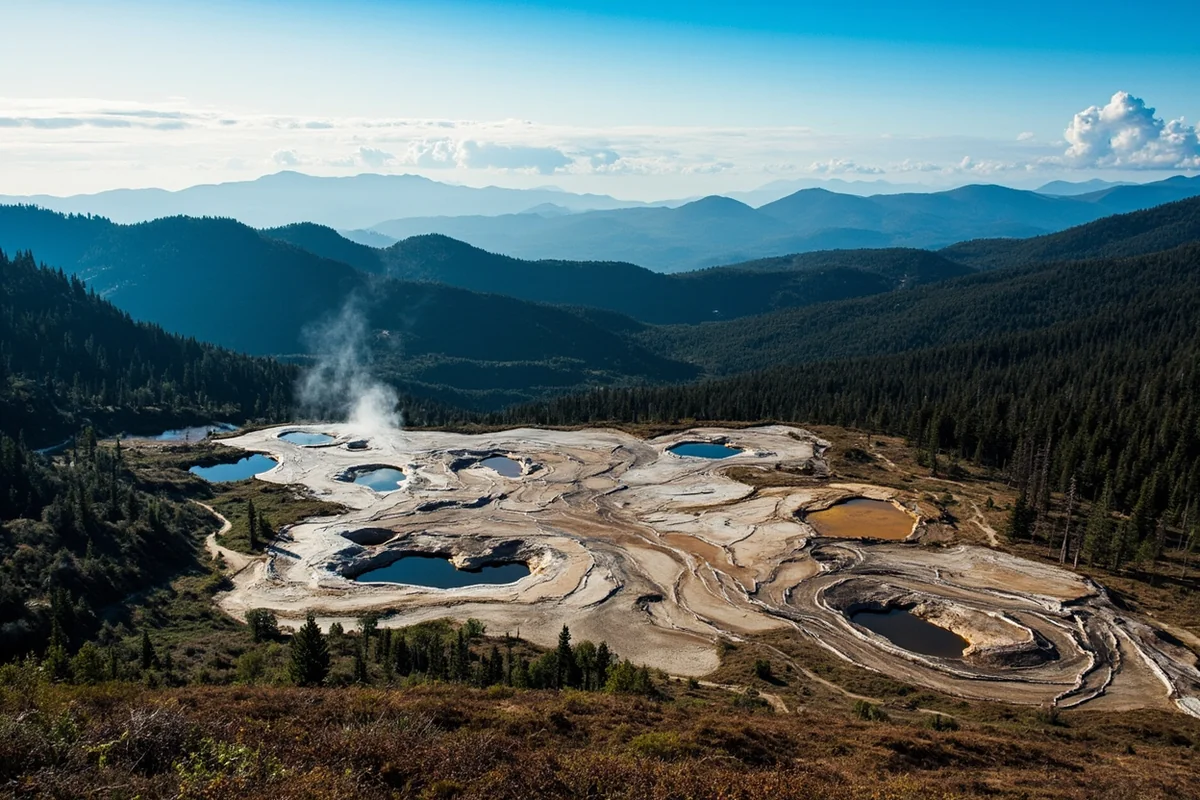
I can’t overstate how beautiful the surroundings are. The springs sit in a small clearing surrounded by lodgepole pines and aspens. In fall, the golden aspen leaves create a stunning contrast against the evergreens and the steam rising from the pools.
In winter (if you can get there), I’ve seen photos of snow-covered landscapes with steam clouds rising—absolutely magical, though I haven’t personally experienced it due to road conditions.
Best Times to Visit Potosi Hot Springs
Time of Year
Based on my multiple visits and conversations with regulars, here’s my honest assessment:
September through mid-October is prime time. The road is typically in great shape, crowds thin out after Labor Day, and the fall colors are spectacular. Water temperatures are consistent, and the cooler air makes the hot soak even more enjoyable.
Summer months (June-August) bring more visitors but also the most reliable access. Expect company on weekends, but weekdays remain peaceful.
Winter visits are for the adventurous only. Some locals ski or snowshoe in, but it’s a commitment. If you’re craving a winter hot spring experience with easier access, consider Norris Hot Springs or Quinn’s Hot Springs Resort instead.
Time of Day
I’ve visited at various times, and here’s what I’ve learned:
Sunrise visits are magical. On my last trip, I arrived around 6:30 AM and had the pools completely to myself for over two hours. Watching the sun crest the mountains while soaking in natural hot water is a core Montana memory.
Midday on weekends is the busiest I’ve seen it. During a Saturday visit in July, I counted 12 people rotating through the pools. Still manageable, but definitely a different vibe than my solo mornings.
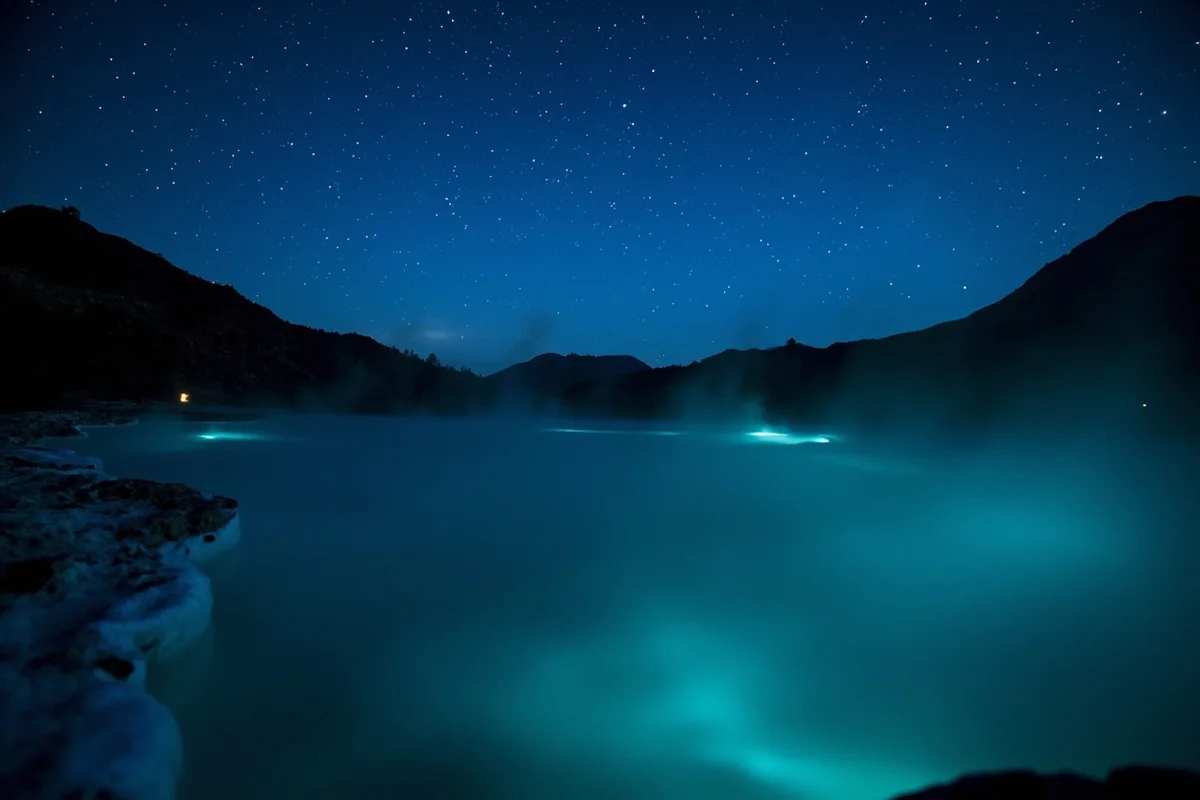
Evening soaks offer incredible stargazing. The lack of light pollution this far from town means the Milky Way is absolutely visible on clear nights.
Essential Gear and What to Bring
There are zero facilities at Potosi. No bathrooms, no changing rooms, no trash cans, no cell service. Come prepared.
Must-Have Items
- Water bottle – Soaking dehydrates you more than you’d expect
- Towel – Obvious but easy to forget
- Sandals or water shoes – The pool bottoms have some sharp rocks
- Trash bag – Pack out everything you bring in
- Headlamp – Essential for dawn/dusk visits
- First aid kit – You’re 30+ minutes from help
- Swimsuit – While clothing-optional bathing does occur, bring a suit to be safe
Nice-to-Have Items
- Waterproof bag for your phone and car keys
- A sitting pad for the rocks around the pools
- Snacks (nothing attracts wildlife like food smells, so be mindful)
- Bug spray in summer months
- Sunscreen for longer daytime soaks
What to Leave Behind
Please, for the love of these beautiful springs, don’t bring:
- Glass containers (broken glass is a nightmare to clean up)
- Soap, shampoo, or any cleaning products
- Alcohol in excessive amounts (impaired judgment + hot water + remote location = bad idea)
- Bluetooth speakers (respect the natural soundscape)
Etiquette and Unwritten Rules
Hot springs culture in Montana has its own set of expectations. I learned some of these the hard way.
Space and Privacy
When you arrive and find others already soaking, a simple “Mind if I join?” goes a long way. Most people are friendly and welcoming, but asking shows respect.
If the pools are full, don’t hover. Find a spot to wait or explore the area. The other soakers will let you know when there’s room.
Clothing Optional Considerations
Potosi has a reputation as a clothing-optional spring. In my experience, it depends heavily on who’s there. During my group visits, everyone wore suits. During my solo early-morning soak, I was the only one and dressed accordingly.
The general rule: follow the lead of whoever was there first, and never make it weird.
Leave No Trace
This cannot be emphasized enough. Potosi remains accessible and enjoyable because most visitors treat it with respect. I’ve seen hot springs in other states get shut down due to trash, vandalism, and misuse.
Pack out all garbage—including other people’s garbage if you see it. Don’t move rocks from the pool structures. Don’t carve anything into trees. Leave it better than you found it.
Comparing Potosi to Other Montana Hot Springs
If you’re trying to decide which Montana hot springs to prioritize, here’s how Potosi stacks up against some alternatives I’ve visited:
For a more developed experience with amenities, Broadwater Hot Springs in Helena offers a nice middle ground between natural and commercial. You get the mineral water benefits with actual changing rooms and consistent temperatures.
If you want something even more primitive than Potosi, Renova Hot Springs delivers true backcountry soaking, though access can be even more challenging.
Wild Horse Hot Springs offers private tubs if you prefer guaranteed solitude without the uncertainty of finding a natural pool occupied.
For those seeking a resort experience, Symes Hot Springs Hotel combines historic charm with developed facilities.
And if you’re exploring the more obscure thermal features, Gigantic Warm Spring and Big Medicine Hot Springs offer unique experiences for dedicated hot springs enthusiasts.
Meanwhile, Nimrod Hot Springs provides yet another option for those willing to venture off the beaten path.
Potosi’s sweet spot is its accessibility-to-remoteness ratio. You don’t need a four-hour hike or specialized gear, but you still feel like you’ve discovered something special.
Practical Information Table
| Detail | Information |
|---|---|
| Location | 7 miles south of Pony, MT on FS Road 1501 |
| Cost | Free |
| Hours | 24/7, 365 days (road conditions permitting) |
| Water Temperature | 98-108°F depending on pool |
| Pool Capacity | Approximately 8-10 people total across all pools |
| Facilities | None – primitive site |
| Cell Service | None |
| Nearest Town | Pony (7 miles), Harrison (15 miles) |
| Nearest Hospital | Bozeman Health (40+ miles) |
| Dog-Friendly | Technically yes, but please keep them out of the pools |
Nearby Attractions and Making a Day of It
Don’t just drive to Potosi and back—the surrounding area deserves exploration.
Pony, Montana
This former gold mining town has a population hovering around 15 people, but it packs character. The Pony Bar is a classic Montana watering hole that’s been serving drinks since the mining days. If it’s open during your visit, stop in for a beer and some local conversation.
The Pony Cemetery offers a somber but fascinating glimpse into frontier life. Many of the headstones date to the late 1800s, telling stories of miners, children, and pioneers.
Tobacco Root Mountains
The Tobacco Roots provide the dramatic backdrop to your drive. If you’re feeling ambitious, several trailheads in the area offer day hiking opportunities. Hollowtop Mountain is a popular summit scramble for experienced hikers.
Harrison and Pony Areas
The small town of Harrison (about 15 miles from Potosi) has basic services including gas, a small grocery store, and a couple of eateries. It’s your last reliable stop before heading into the backcountry.
Connecting to Bozeman
Most visitors base themselves in Bozeman, which offers the full range of lodging, dining, and services. The drive from downtown Bozeman to Potosi takes roughly 50-60 minutes, making it a very doable half-day trip.
Safety Considerations
Remote hot springs require respect and awareness. I take safety seriously after a close call at another spring years ago.
Water Temperature
Always test the water before getting in. Natural springs can have hot spots, especially near where the source enters the pool. During my visits, the main pools have been consistent, but I’ve felt scalding water near certain inlet areas.
Don’t soak for too long. I limit myself to 20-minute sessions with breaks. Overheating is a real risk, especially if you’ve been drinking alcohol or are dehydrated.
Wildlife
This is bear country. While I’ve never encountered anything more threatening than a curious deer at Potosi, the possibility exists. Make noise on the trail, store food properly in your vehicle, and be aware of your surroundings.
Moose are actually more dangerous than bears in my experience. If you see one, give it plenty of space—they’re unpredictable and surprisingly fast.
Road Safety
The drive in requires attention. There are no guardrails, drop-offs in places, and the road is shared with occasional logging trucks. Drive slowly, especially on blind corners.
If you’re visiting in questionable weather, tell someone your plans. Cell service is nonexistent, so you’re on your own if something goes wrong.
Other Visitors
The vast majority of people you’ll meet at Potosi are friendly, respectful folks who just want to enjoy the springs. However, remote locations do attract occasional problematic characters.
Trust your instincts. If a situation feels off, leave. Your safety matters more than any hot soak.
Environmental Stewardship
Potosi Hot Springs exists in its current state because generations of visitors have (mostly) treated it with care. Let’s keep it that way.
Protecting the Water Source
Never use soap, shampoo, or any chemicals in or near the springs. Even “biodegradable” products can harm the delicate microbial ecosystems that give these waters their character.
Don’t disturb the natural outflows. The temperature and flow of these springs have been consistent for thousands of years—let’s not mess with that.
Respecting the Land
Stay on established trails. The vegetation around hot springs is often specialized and fragile, adapted to the unusual thermal conditions.
Don’t pick flowers or disturb plants. Some species near thermal features are rare and found nowhere else.
Keeping It Clean
Bring a bag specifically for trash. I make it a habit to pick up any litter I see, even if it’s not mine. It takes thirty seconds and makes a huge difference.
If you see larger problems (illegal dumping, vandalism, etc.), report them to the Beaverhead-Deerlodge National Forest office.
Final Thoughts: Is Potosi Worth the Trip?
After multiple visits across different seasons and conditions, here’s my honest take: Potosi Hot Springs rewards those who appreciate the journey as much as the destination.
This isn’t a hot spring for everyone. If you want guaranteed privacy, consistent facilities, and easy access, look elsewhere. Montana has plenty of developed options.
But if you’re the type who smiles when the road turns to gravel, who finds peace in silence, and who values experiences over convenience—Potosi might just become your favorite spot in the state.
My best memory from Potosi came on that October morning I mentioned at the start. After a 45-minute drive watching the aspens glow gold in the early light, I slipped into the warm water completely alone. For two hours, I watched the steam rise, listened to the creek below, and felt more connected to Montana than any developed attraction has ever made me feel.
That’s the magic of places like this. They’re not trying to impress you. They just exist, as they have for centuries, waiting for those willing to seek them out.
Pack your towel, check your tire pressure, and go find your own Potosi moment. Montana is waiting.
Frequently Asked Questions
Where is Potosi Hot Springs located in Montana and how do I get there?
Potosi Hot Springs is located about 25 miles south of Butte, Montana, near the small town of Pony in the Beaverhead-Deerlodge National Forest. From Butte, you’ll take I-90 east to Highway 41 south, then follow the signs toward Pony. The last stretch involves a gravel road that’s usually passable for most vehicles, though I’d recommend checking conditions during winter months.
Is Potosi Hot Springs free to visit or is there an entrance fee?
Potosi Hot Springs is located on private property and operates as a rustic resort, so there is typically a day-use fee ranging from $5-10 per person. Overnight cabin rentals are also available if you want to extend your soak. I’d recommend calling ahead to confirm current pricing and hours since this is a small, family-run operation.
What is the water temperature at Potosi Hot Springs?
The natural hot spring water at Potosi ranges from around 100°F to 108°F depending on which pool you choose. The pools are fed by natural geothermal springs and the temperature can vary seasonally. I found the main soaking pool to be perfectly comfortable for extended relaxation without feeling too intense.
What should I bring to Potosi Hot Springs Montana?
Bring a swimsuit, towel, water bottle, and sandals for walking between pools. Since this is a rustic Montana hot spring without fancy amenities, I’d also pack snacks, cash for the entrance fee, and a change of warm clothes for after your soak. In winter, bring extra layers because the drive out can get cold.
What is the best time of year to visit Potosi Hot Springs?
Winter and fall are magical times to visit Potosi Hot Springs when you can soak in steaming pools surrounded by snow-covered mountains. Summer offers easier road access and longer daylight hours for the drive. I personally love visiting during shoulder seasons like September or May when crowds are minimal and temperatures make the contrast between cool air and hot water especially enjoyable.
Can you camp overnight at Potosi Hot Springs or stay nearby?
Potosi Hot Springs offers rustic cabin rentals on-site for overnight guests who want to maximize their soaking time. If the cabins are booked, dispersed camping is available in the surrounding Beaverhead-Deerlodge National Forest, and the town of Pony is just a few miles away. For more amenities, Butte is about 45 minutes north with hotels and restaurants.
Is Potosi Hot Springs family-friendly and suitable for kids?
Potosi Hot Springs is generally family-friendly with a relaxed, rustic atmosphere that appeals to all ages. The varying pool temperatures mean you can find a comfortable spot for children, though parents should always supervise due to the hot water. It’s a clothing-required facility, making it appropriate for families looking for a wholesome Montana hot springs experience.