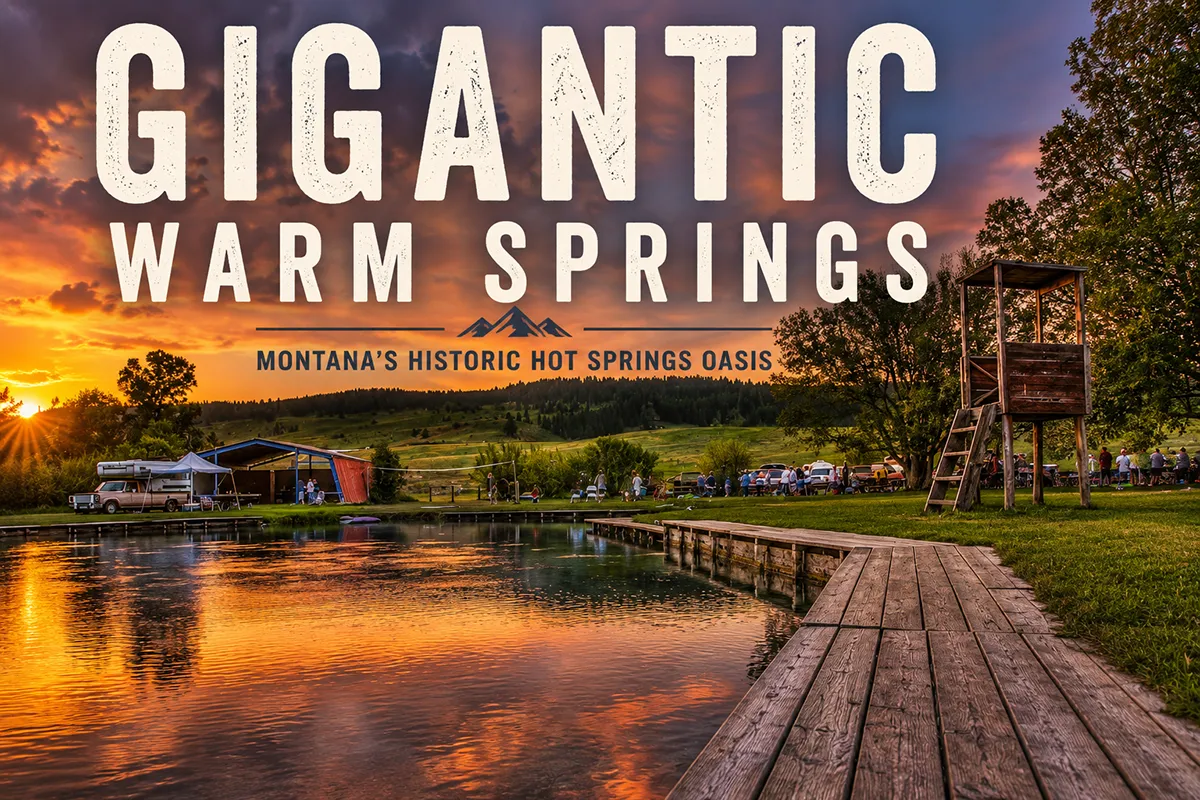
The first time I stumbled upon Gigantic Warm Spring, I nearly drove right past it. There’s no flashy sign, no parking lot attendant, no entrance fee booth—just a muddy pullout off a gravel road and a trail that disappears into a willow thicket near Anaconda.
I remember thinking this couldn’t possibly be the right place until I pushed through the brush and found steaming pools carved into the earth, completely free and completely wild. This is exactly the kind of raw, unpolished experience that makes exploring Montana Hot Springs so rewarding.
- Gigantic Warm Spring is a free, primitive hot spring located about 10 miles northwest of Anaconda, Montana
- Water temperatures range from 95°F to 104°F depending on the pool and season
- Best visited spring through fall—winter access requires high-clearance vehicles or snowshoes
- Clothing-optional by local custom, though it varies by who’s there
- No facilities whatsoever—pack everything in and out
- Water quality fluctuates; avoid submerging your head and check conditions before soaking
Liked this article?
Add Roaming Montana as a preferred source so you see more of our articles and guides on Google.
What Makes Gigantic Warm Spring Different
Unlike commercial hot springs such as Bozeman Hot Springs or Broadwater Hot Springs, Gigantic Warm Spring offers zero amenities. There are no changing rooms, no lifeguards, no snack bars, and certainly no chlorine treatments.
This is Montana at its most untamed.
When I visited last summer, the main pool was about 15 feet across and maybe three feet deep in the center. The water had that distinctive mineral smell—sulfurous but not overwhelming—and the bottom was a mix of soft sediment and small rocks. Not exactly spa-like, but that’s precisely the point.
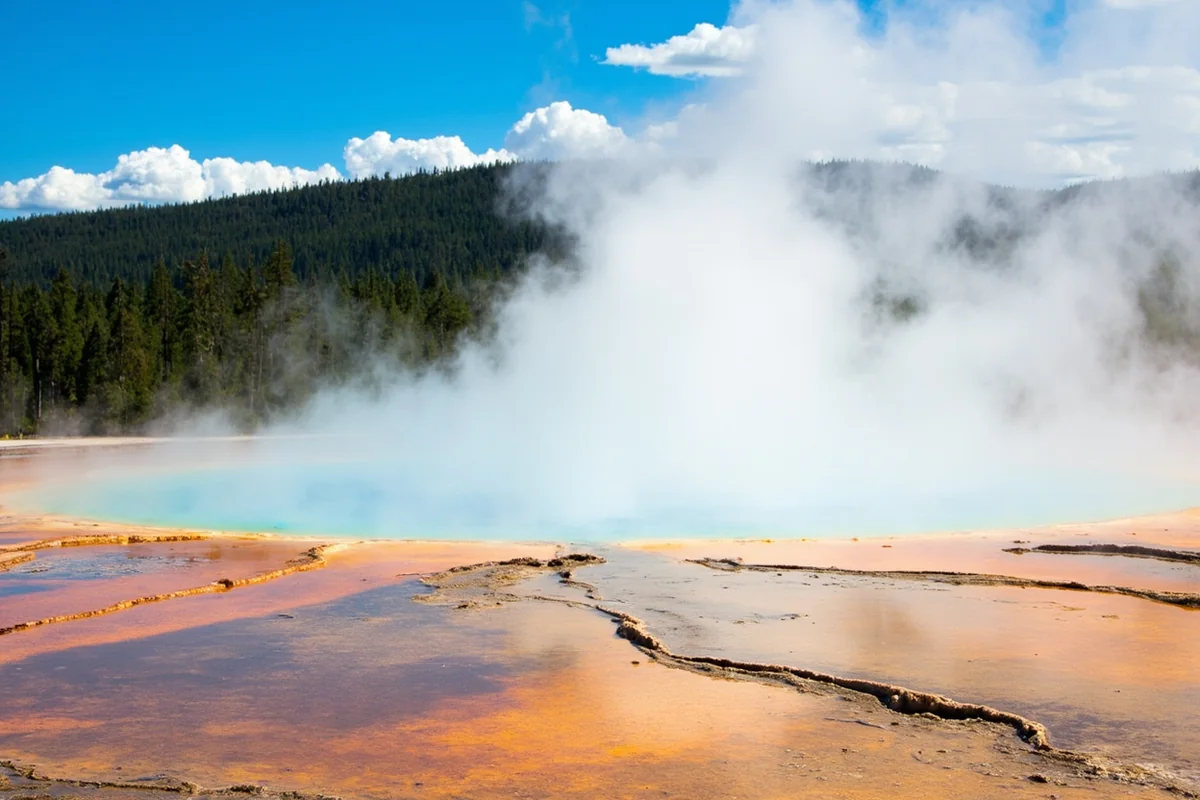
The spring gets its name from the relatively large flow rate compared to other primitive springs in the region. It’s not “gigantic” in the sense of Yellowstone’s grand prismatic, but for a user-maintained soaking spot, it delivers a surprisingly substantial volume of warm water.
Getting to Gigantic Warm Spring: Detailed Directions
Finding this place requires some navigation skills and a willingness to drive on unpaved roads. I’ve made this trip three times now, and I still double-check my route before heading out.
From Anaconda
Start in Anaconda on Montana Highway 1. Head northwest toward Georgetown Lake. After about 5 miles, you’ll pass through the small community of Opportunity—don’t blink or you’ll miss it.
Continue on Highway 1 for approximately 2 more miles until you see Warm Springs Creek Road (also sometimes called Mill Creek Road on older maps) on your left. This turnoff is easy to miss, especially if you’re driving too fast.
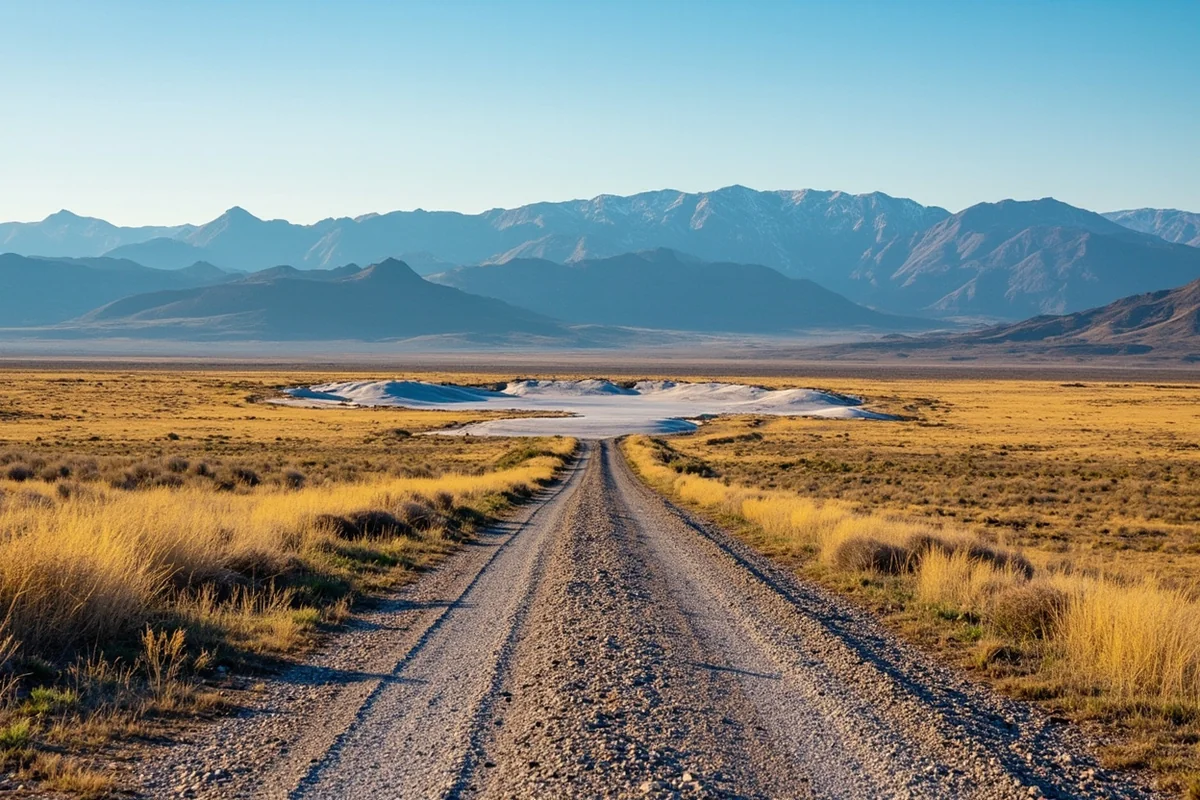
Take Warm Springs Creek Road and follow it for roughly 3 miles. The road starts paved but quickly turns to gravel. During my spring visit, there were several muddy sections that made me grateful for my truck’s clearance.
You’ll eventually see a small pullout area on the right side of the road. Look for tire tracks leading toward the creek and possibly some worn footpaths. There might be other vehicles parked here, which is actually helpful for confirming you’re in the right spot.
GPS Coordinates and Mapping Tips
The approximate GPS coordinates are 46.1847°N, 113.0089°W, though I’d recommend dropping a pin once you find it because cell service is spotty at best out here.
Google Maps will get you close, but it doesn’t show the exact pullout. I’ve found that Gaia GPS and onX Backcountry are more reliable for pinpointing the actual trailhead.
| Starting Point | Distance | Drive Time |
|---|---|---|
| Anaconda | 10 miles | 25-35 minutes |
| Butte | 32 miles | 50-60 minutes |
| Missoula | 95 miles | 1 hour 45 minutes |
| Helena | 75 miles | 1 hour 30 minutes |
The Walk In: What to Expect on the Trail
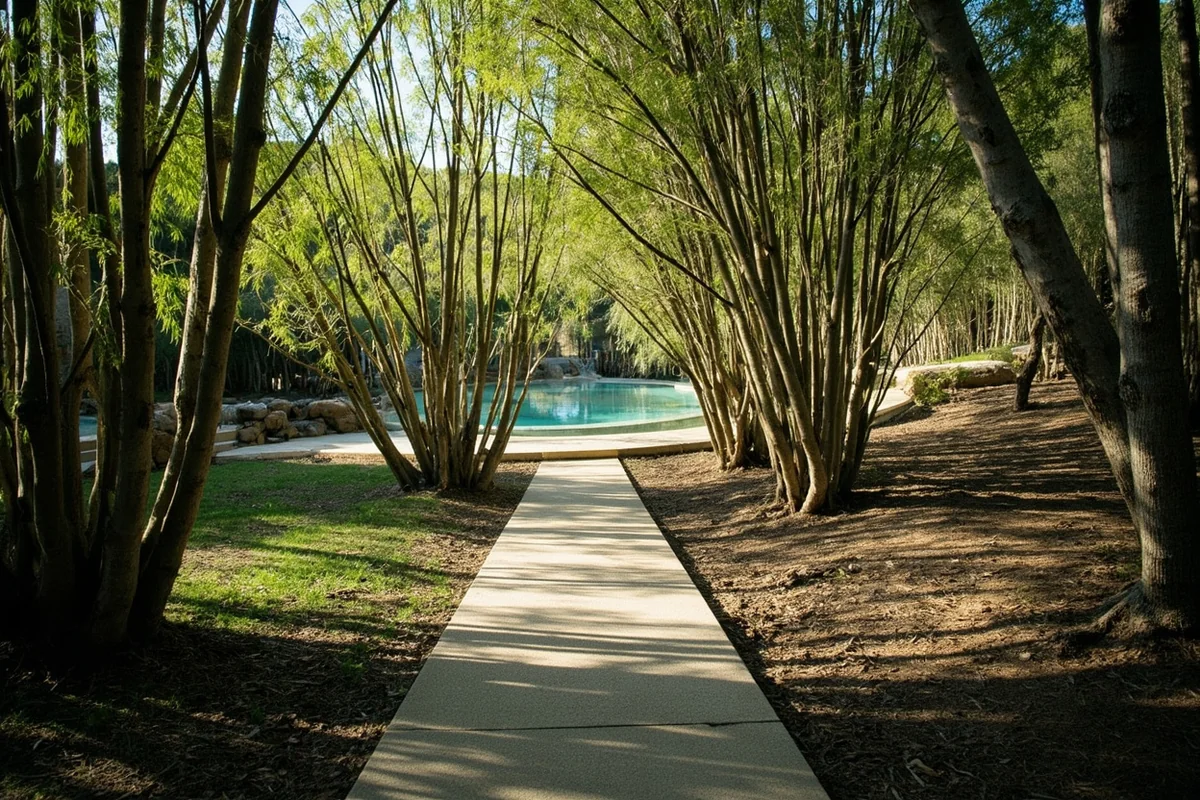
From the pullout, the walk to the springs takes about 5-10 minutes depending on current conditions and how well you can navigate the terrain.
The path isn’t formally maintained. During my most recent visit in late August, I followed a faint trail through tall grasses and willows that opened up near the creek. After recent rains, expect muddy boots—my hiking shoes were caked within the first hundred yards.
Cross over some marshy ground and look for the steam. On cooler mornings, you can see the vapor rising before you spot the pools themselves. This saved me a lot of wandering during my first visit when the vegetation was particularly overgrown.
The Pools: Temperature, Size, and Character
Gigantic Warm Spring consists of several interconnected pools that have been shaped over the years by previous visitors stacking rocks and creating small dams. The main pool is the largest and warmest, typically hovering around 100-104°F.
Main Soaking Pool
This is where most people spend their time. When I was there last summer, it comfortably held four adults without feeling crowded. The bottom is mostly soft mud with some gravel patches.
The temperature was perfect for extended soaking—warm enough to relax my muscles after hiking but not so hot that I needed to get out quickly. I’d estimate it was about 102°F, though I didn’t bring a thermometer.
Water depth varies based on recent precipitation and how well the rock dams are holding. During my visit, the deepest section reached my chest when sitting, maybe 3.5 feet.
Secondary and Cooler Pools
There are smaller pools downstream that mix with creek water, creating cooler options. I found these useful for cooling down between longer soaks in the main pool.
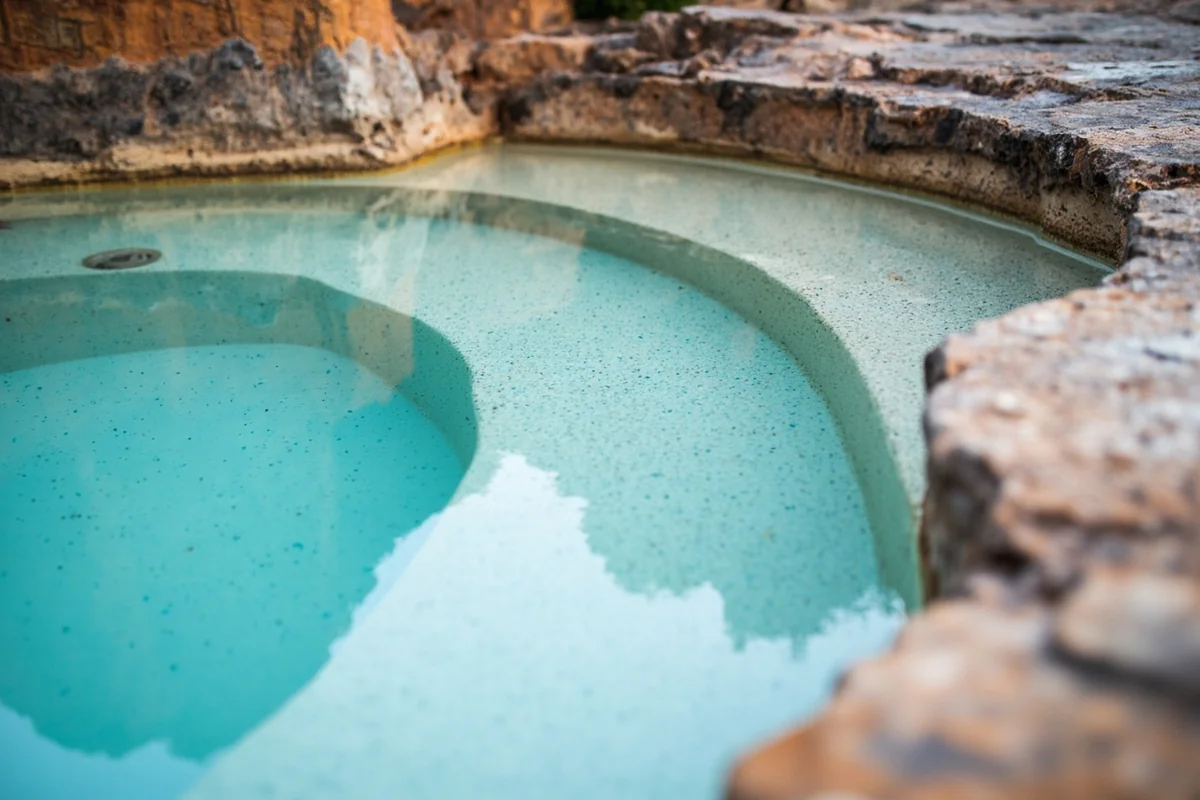
One secondary pool had crystal-clear water and a sandy bottom—a nice contrast to the murkier main pool. Temperature was probably mid-80s, refreshing but not cold.
Water Quality Considerations
I need to be honest here: the water quality at primitive springs like this one is unpredictable. Unlike commercial facilities such as Quinn’s Hot Springs Resort or Symes Hot Springs Hotel, there’s no regular testing or treatment.
During one of my visits, the main pool looked slightly cloudy with some algae growth on the rocks. Another time, the water was remarkably clear. Seasonal changes, recent rainfall, and visitor traffic all affect conditions.
My personal rules: I never submerge my head, I avoid the pools if I have any open cuts, and I shower thoroughly afterward. This isn’t meant to scare you—just to set realistic expectations for wild soaking.
Best Times to Visit Gigantic Warm Spring
Timing matters more than you might think at this spot. I’ve experienced wildly different conditions depending on when I showed up.
Seasonal Considerations
Spring (April-May): The access road can be muddy or even impassable after snowmelt. During my April trip, I made it about two miles in before deciding my sedan wasn’t going to cut it. High-clearance vehicles are recommended.
Summer (June-August): This is prime time. Roads are dry, days are long, and the contrast between warm water and cool mountain air feels magical. Weekends get busier, so consider weekday visits.
Fall (September-October): My favorite season here. The willows turn golden, crowds thin out, and morning soaks come with misty mountain views. Late October can bring early snow, so check conditions.
Winter (November-March): Access becomes genuinely challenging. The road isn’t plowed, and reaching the springs may require snowshoes or skis. I haven’t attempted a winter visit, but I’ve met locals who swear it’s worth the effort.
Time of Day
I strongly recommend arriving early morning or late afternoon. During my summer visits, mid-day brought other groups and occasionally made the small parking area feel crowded.
Sunrise soaks are transcendent. I arrived once around 6:30 AM in July, had the entire spring to myself for two hours, and watched mist rise off the water as the sun hit the Anaconda Range. That memory alone makes every muddy drive worth it.
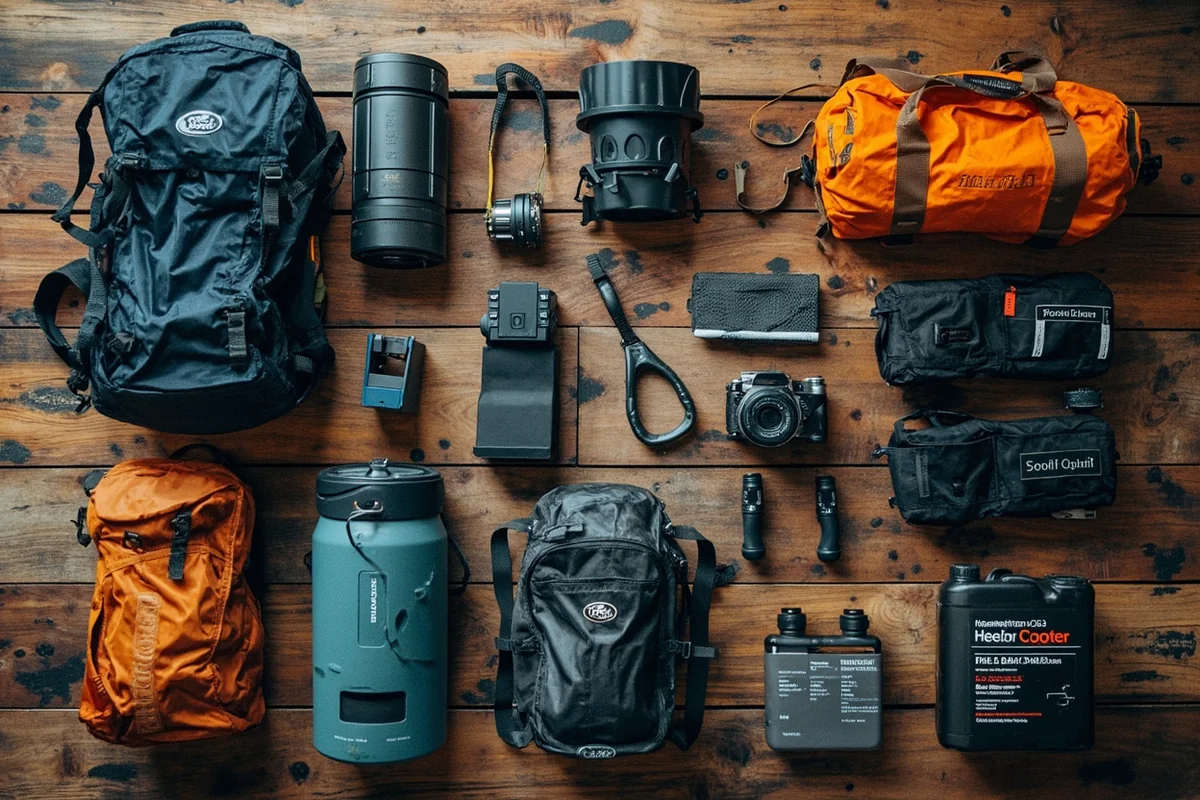
What to Bring: A Practical Packing List
There’s nothing here. No bathrooms, no trash cans, no cell service, no emergency assistance. Come prepared.
- Water and snacks: More than you think you need. Soaking is dehydrating, and the nearest services are back in Anaconda.
- Towel: Quick-dry microfiber towels work best. Regular cotton towels stay wet forever in the mountain air.
- Change of clothes: You’ll want dry options for the drive home. I learned this the hard way when my wet swimsuit soaked through my car seat.
- Sandals or water shoes: The bottom can be rocky, and the walk from the pool to your clothes is often muddy.
- Trash bag: Pack out everything you bring in. This includes any litter left by less considerate visitors—let’s keep this place pristine.
- First aid kit: You’re 30+ minutes from the nearest medical facility. Basic supplies are essential.
- Bug spray: Mosquitoes can be brutal near the willows, especially in early summer.
- Sunscreen: Even on cloudy days, elevation means stronger UV exposure.
- Camera (optional but recommended): The landscape is stunning, and you’ll want to remember this.
Etiquette and Unwritten Rules
Primitive hot springs operate on a system of mutual respect and community norms. I’ve pieced these together through my own visits and conversations with other soakers.
Clothing Optional Culture
Gigantic Warm Spring has historically been clothing optional, though this isn’t official policy (there’s no official anything here). In practice, it depends entirely on who happens to be there.
During my visits, I’ve encountered everything from fully clothed families to skinny-dipping couples. The general vibe is non-judgmental—do what makes you comfortable and don’t make others uncomfortable.
If you’re uncertain, arrive in a swimsuit and adjust based on the crowd. I’ve found that asking “mind if I go au naturel?” is usually met with a shrug and a “do your thing.”
Sharing the Space
The pools are small. If someone’s already soaking when you arrive, introduce yourself and ask if there’s room. I’ve never been turned away, but I’ve also seen groups monopolize the entire area without acknowledging newcomers—don’t be that group.
Keep conversations at reasonable volumes. Part of the appeal here is escaping the noise of daily life. Save the speakerphone calls for later.
Leave No Trace
This cannot be overstated. Primitive springs survive or die based on how visitors treat them. Pack out all trash, including organic waste like apple cores. Don’t rearrange rocks without understanding how the pool system works. And please, for the love of Montana, don’t bring glass bottles—I’ve cut my foot on broken glass at one too many hot springs.
If you see garbage left by others, pack that out too. It’s not your mess, but it’s our shared responsibility.
Nearby Hot Springs Worth Knowing
The Anaconda area is surprisingly rich in thermal features. If Gigantic Warm Spring is crowded or you want to extend your hot springs road trip, consider these alternatives.
Renova Hot Springs is another primitive option south of Butte that offers similar vibes with different scenery. I’ve bounced between the two depending on road conditions and mood.
For something more developed, Potosi Hot Springs provides a middle ground—rustic but with actual infrastructure. The drive from Anaconda is manageable and makes for a nice day trip.
If you’re willing to travel farther, Norris Hot Springs near Bozeman offers live music and a more social atmosphere. Completely different experience, but worth knowing about if primitive soaking isn’t your thing.
Wild Horse Hot Springs near Polson provides private soaking rooms if you prefer guaranteed solitude without the uncertainty of primitive springs.
And for those exploring the Bitterroot Valley, Nimrod Hot Springs and Big Medicine Hot Springs offer additional soaking opportunities worth researching.
Camping and Accommodation Options
There’s no camping permitted directly at Gigantic Warm Spring, but plenty of options exist nearby for making this a multi-day adventure.
Free Dispersed Camping
Beaverhead-Deerlodge National Forest surrounds this area, and dispersed camping is permitted in many zones. I’ve camped off Forest Road 169 about four miles from the springs—nothing fancy, just a flat spot for my tent and endless stars.
Check current fire restrictions before building any campfires. During my August visit, a burn ban was in effect across most of the region.
Established Campgrounds
Georgetown Lake Campgrounds: Several Forest Service campgrounds ring Georgetown Lake, about 15 miles west. Sites fill quickly on summer weekends, so book through Recreation.gov if you want a guaranteed spot.
Anaconda area campgrounds: Private options exist closer to town if you prefer hookups and facilities. Lost Creek State Park, about 15 miles north, offers tent and RV sites in a beautiful canyon setting.
Hotels and Lodging
Anaconda itself has several motels and vacation rentals. After one particularly muddy spring visit, I was grateful to shower off at a budget motel in town before driving home to Missoula.
Butte offers more lodging variety about 25 miles away. It’s not glamorous, but the historic uptown district has some surprisingly good restaurants if you want to pair your soak with a proper dinner.
Wildlife and Natural Surroundings
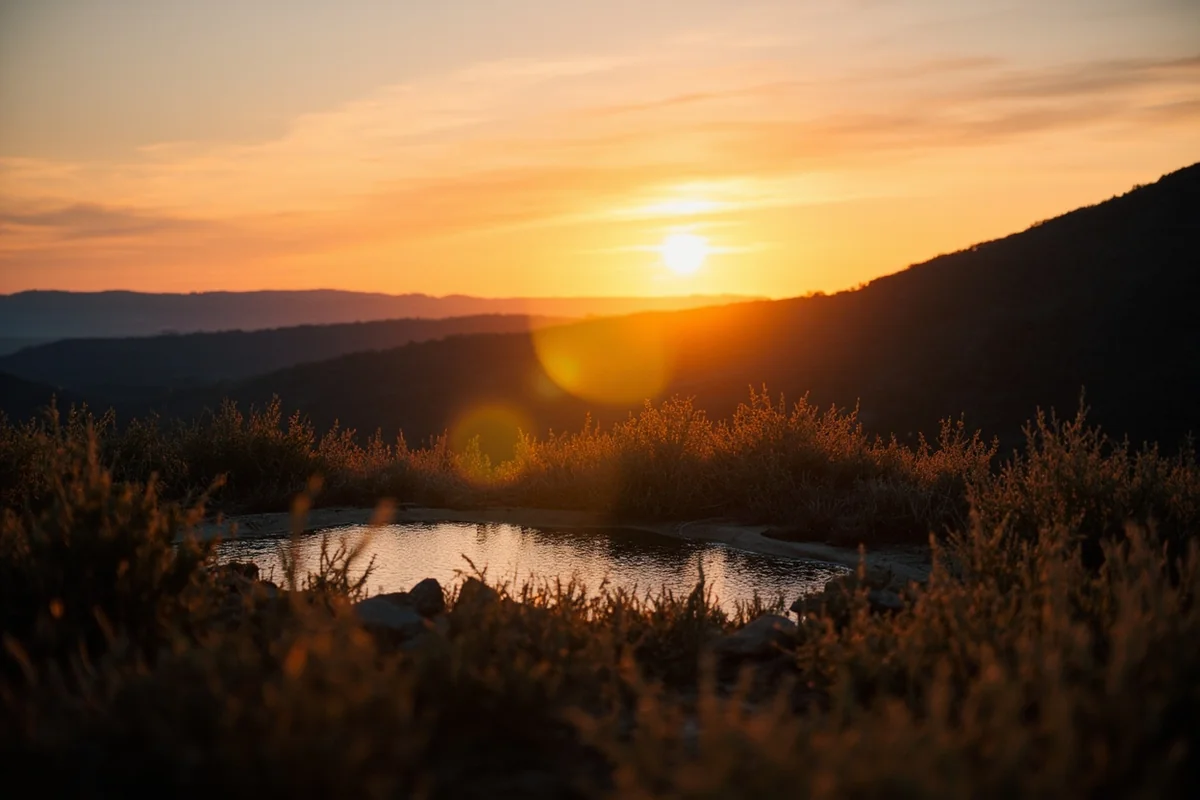
The Warm Springs Creek drainage supports diverse wildlife, and I’ve had memorable encounters during my visits.
Moose frequent the willow-heavy areas around the springs, especially during early mornings. I watched a cow moose and her calf browsing about 200 yards from the pools during my August trip—a highlight that rivaled the soaking itself.
Keep bear awareness high. Both black bears and grizzlies inhabit this region. Make noise on the trail, store food properly if camping, and carry bear spray. I’ve never had a close encounter here, but I’ve seen tracks and scat that reminded me I’m a guest in their home.
Birders will appreciate the variety of species along the creek. I’m no expert, but I’ve identified kingfishers, dippers, and several hawk species without much effort.
The surrounding Anaconda Range provides dramatic backdrop throughout the day. Snow-capped peaks persist well into summer at higher elevations, and the light changes spectacularly as the sun moves across the sky.
Safety Considerations and Honest Warnings
I want to be direct about risks because I’ve seen too many travel posts gloss over potential dangers.
Water Temperature Variability
Hot spring temperatures can change. The main source vent is hotter than the pools where water has had time to cool. I’ve tested water with my hand before fully entering and recommend you do the same.
Scalding is a real risk at some primitive springs, though Gigantic tends toward the “warm” end of the spectrum. Still, don’t assume consistency.
Water-Borne Illness
Natural hot springs can harbor organisms including Naegleria fowleri, a brain-eating amoeba that’s rare but potentially fatal. Don’t submerge your head, and don’t let water enter your nose.
I’m not trying to scare you away—millions of people soak in primitive springs safely every year. But informed decisions require honest information.
Road Conditions and Cell Coverage
You’re driving into a remote area with no cell service. Tell someone where you’re going and when you expect to return. Carry basic emergency supplies in your vehicle.
During mud season or after storms, the access road can become genuinely problematic. If conditions look sketchy, there’s no shame in turning around. The springs will still be there next time.
Limited Emergency Services
The nearest hospital is in Anaconda, about 30 minutes away on a good day. If someone gets seriously injured, evacuation will take time. Pack a real first aid kit and know how to use it.
The History and Geology Behind the Springs
Understanding why hot water emerges here adds appreciation for what you’re experiencing.
The Anaconda Range sits atop complex geological structures where deep groundwater encounters heat from magmatic activity. Water percolates down through fractured rock, heats up, and rises back to the surface along fault lines.
Gigantic Warm Spring’s water has been analyzed for mineral content over the years. It’s relatively low in sulfur compared to Yellowstone-area springs but contains notable amounts of calcium and silica. This mineral composition creates the slippery coating on rocks that regulars learn to navigate carefully.
Indigenous peoples knew about thermal features throughout this region for thousands of years before European settlement. While I haven’t found specific historical records about this particular spring, the broader Warm Springs Creek area has documented traditional use.
Mining activity in the Anaconda area during the 19th and 20th centuries complicated the relationship between locals and hot springs. Some thermal features were altered or damaged by industrial operations, making survivor springs like this one more precious.
My Honest Assessment: Is It Worth the Effort?
After three visits across different seasons, I keep coming back. That probably tells you something.
Gigantic Warm Spring won’t appeal to everyone. If you want clean facilities, guaranteed solitude, or Instagram-perfect aesthetics, look elsewhere. This is muddy, unpredictable, occasionally crowded, and requires effort just to reach.
But if you appreciate authentic wildness—the kind where you feel genuinely connected to the landscape rather than consuming it—this spring delivers.
My favorite memory remains that solo sunrise soak in July. Steam rose off the water, the Anaconda Range glowed pink with alpenglow, and I didn’t see another person for three hours. No entrance fee could buy that experience.
The springs ask something of you in return: respect for the land, patience with changing conditions, and acceptance that nature doesn’t cater to convenience. Meet those terms, and you’ll find one of Montana’s genuinely special soaking spots.
Final Practical Tips Before You Go
- Check weather forecasts for both Anaconda and Georgetown Lake to get a sense of local conditions
- Download offline maps before you lose cell service
- Arrive with a full tank of gas—there’s nothing between Anaconda and the springs
- Manage expectations for water clarity and pool conditions
- Bring cash for gas stations and small businesses in Anaconda that may not take cards
- Consider visiting midweek to increase chances of solitude
- Leave dogs at home or on leash—off-leash pets have caused conflicts at many primitive springs
- Thank the land silently before you leave—it sounds hokey, but gratitude seems appropriate in places like this
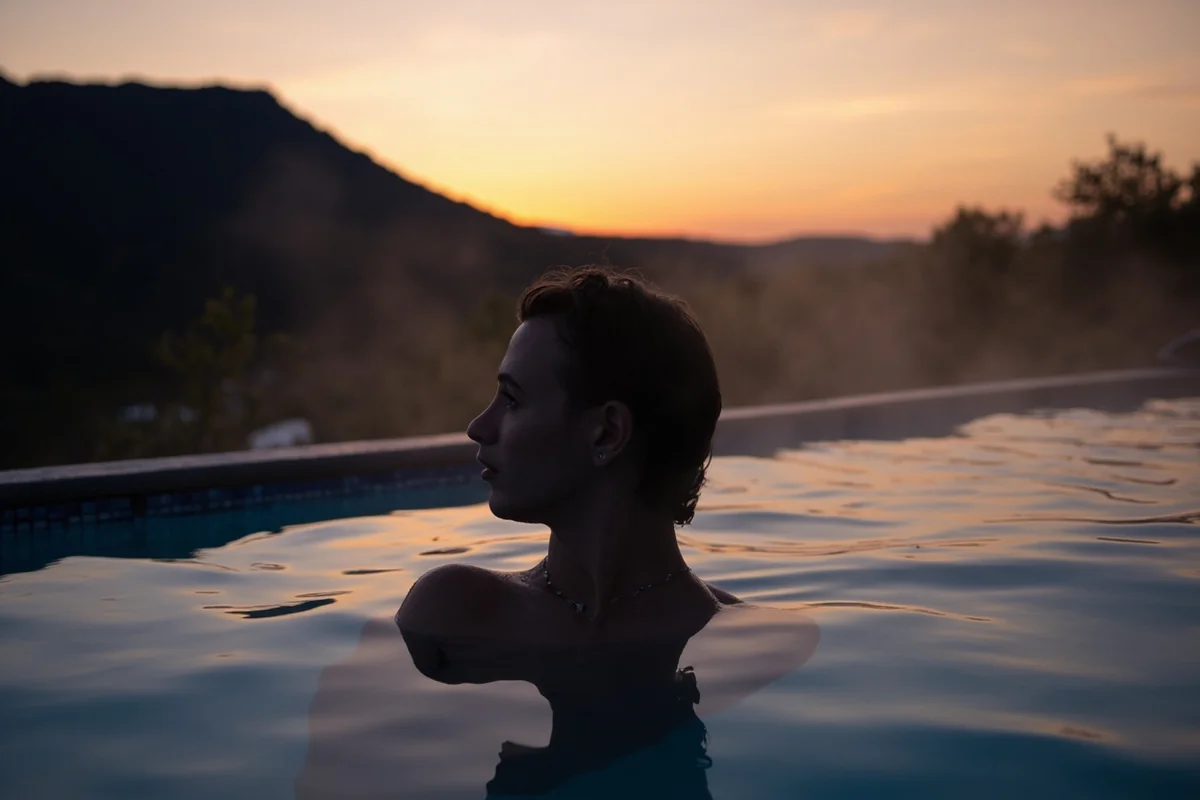
Gigantic Warm Spring represents something increasingly rare in our crowded, commercialized world: a place where thermal waters flow freely, where no corporate entity controls access, and where the experience depends entirely on what you bring to it—in your pack and in your attitude.
I’ll be back next summer, probably chasing another sunrise soak. Maybe I’ll see you there. If so, introduce yourself, share the space respectfully, and pack out your trash. That’s all any of us can ask.
Frequently Asked Questions
Where is Gigantic Warm Spring located in Montana and how do I get there?
Gigantic Warm Spring is located near Avon, Montana, about 60 miles northwest of Helena off Highway 12. The access road is unpaved but typically passable for most vehicles during dry conditions. I recommend using GPS coordinates since signage is minimal, and the turnoff can be easy to miss.
What is the water temperature at Gigantic Warm Spring?
The water temperature at Gigantic Warm Spring typically ranges from 85-95°F, making it comfortably warm rather than hot. This moderate temperature means you can soak longer without overheating, which I found perfect for a relaxing afternoon dip. The source pool tends to be warmer, while areas farther from the spring are slightly cooler.
Is Gigantic Warm Spring free to visit and is it on public land?
Yes, Gigantic Warm Spring is free to visit and located on public land managed by the Bureau of Land Management. There are no entrance fees or permits required, but please practice Leave No Trace principles to keep it pristine. Donations to local conservation efforts are always appreciated by the soaking community.
What should I bring when visiting Gigantic Warm Spring in Montana?
I always bring a swimsuit, quick-dry towel, water shoes for the rocky bottom, and plenty of drinking water since there are no facilities. Pack out all trash, and bring a trash bag for any litter you find left behind. During cooler months, a warm robe or layers are essential for the walk back to your car.
What is the best time of year to visit Gigantic Warm Spring?
The best time to visit Gigantic Warm Spring is late spring through early fall when access roads are reliably clear and daytime temperatures are pleasant. Winter soaking can be magical with snow on the ground, but the road may require 4WD or chains. I personally love visiting on weekday mornings to avoid crowds and enjoy the peaceful Montana scenery.
Can I camp overnight near Gigantic Warm Spring?
Dispersed camping is generally permitted on surrounding BLM land, but you’ll need to camp at least 200 feet from the spring itself to protect the area. There are no developed campgrounds immediately adjacent, so bring all your own supplies including water. Always check current BLM regulations before your trip as rules can change seasonally.
Is Gigantic Warm Spring family-friendly and safe for kids?
Gigantic Warm Spring can be family-friendly, though parental supervision is essential since there are no lifeguards and the pool depth varies. The moderate water temperature is generally safe for children, unlike scalding hot springs found elsewhere in Montana. Be aware that some hot springs in Montana allow clothing-optional bathing, so check recent visitor reports if this is a concern for your family visit.