The steam hit my face before I even stepped through the door, and I knew I’d found something special just eight miles west of downtown Bozeman.
On a frigid January evening last winter, with temperatures hovering around 15°F, I slipped into the 106°F pool at Bozeman Hot Springs and watched snowflakes dissolve inches from my nose—a quintessentially Montana moment that no ski lodge hot tub could ever replicate.
If you’re exploring the incredible Montana hot springs scene, Bozeman Hot Springs offers something unique: it’s one of the most accessible, family-friendly, and consistently well-maintained commercial hot springs in the state, making it an ideal first stop for visitors who want to experience geothermal soaking without venturing deep into the backcountry.
- 12 pools ranging from 59°F to 106°F, including indoor and outdoor options
- Day passes: $12 adults, $9 seniors/military, $7 kids (3-12), free under 3
- Open 7 days a week, with extended hours on weekends
- Located just 8 miles from downtown Bozeman on US-191
- Best times: weekday mornings for solitude, Friday nights for live music
- No sulfur smell—the water is naturally filtered through limestone
- Full fitness center, restaurant, and camping available on-site
Liked this article?
Add Roaming Montana as a preferred source so you see more of our articles and guides on Google.
What Makes Bozeman Hot Springs Different
I’ve soaked in dozens of hot springs across Montana, from the rustic Wild Horse Hot Springs near Polson to the historic Symes Hot Springs Hotel in Hot Springs, and each has its own personality. Bozeman Hot Springs carves out a distinct niche as the “modern convenience” option—it’s clean, organized, and welcoming to everyone from toddlers to competitive swimmers.
The facility taps into a natural geothermal aquifer that pushes water up at approximately 141°F before it’s cooled and distributed across the property. What struck me immediately during my first visit was the complete absence of that egg-like sulfur smell you encounter at many other hot springs.
The water here filters through limestone before reaching the surface, which naturally removes most sulfur compounds. For people who love the therapeutic benefits of hot springs but can’t handle the odor, this is a game-changer.
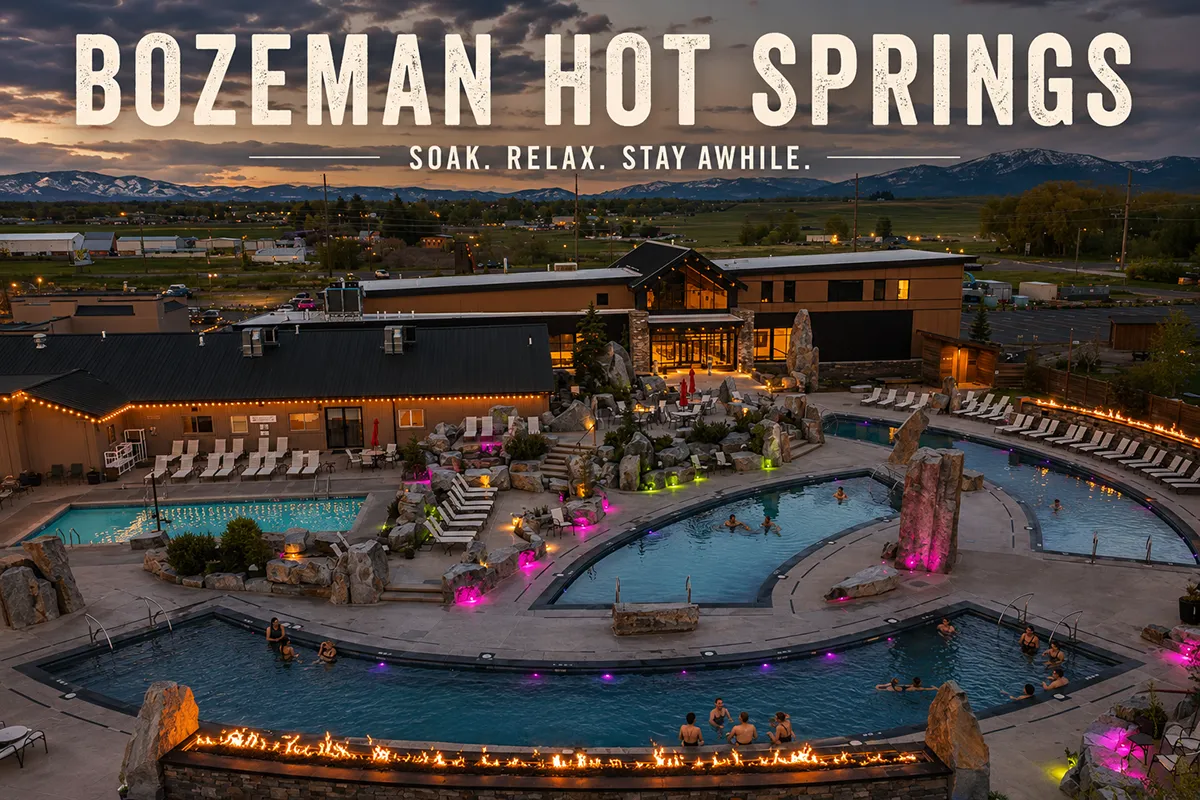
The Pool Layout: 12 Options to Choose From
When I walked out to the pool deck last summer, I was genuinely surprised by the variety. Most commercial hot springs offer maybe three or four temperature options—Bozeman Hot Springs gives you twelve.
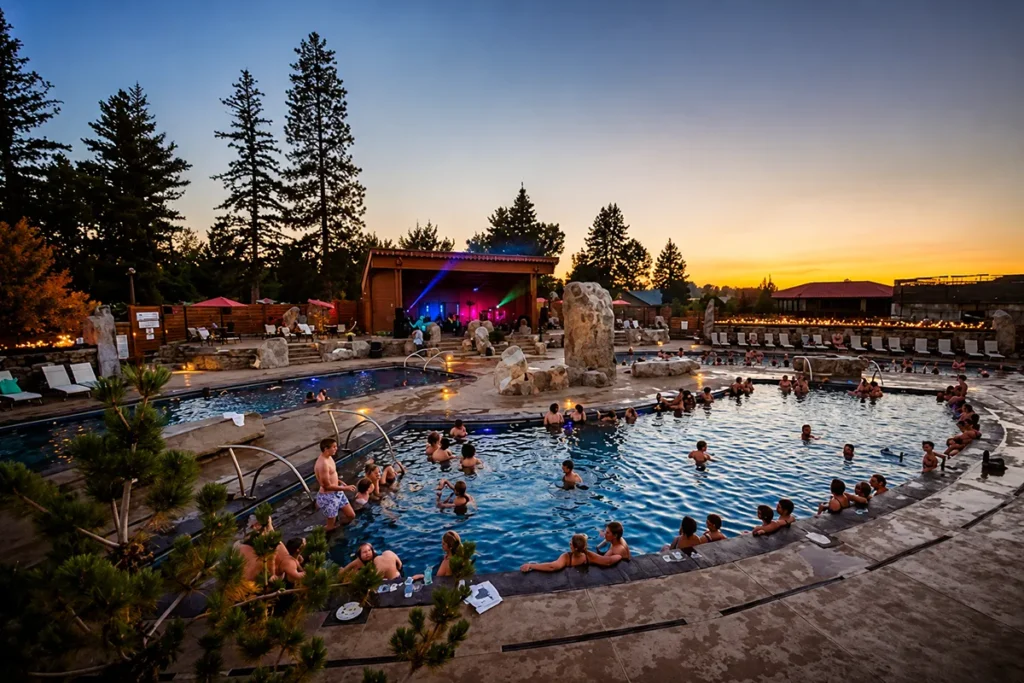
The outdoor section features six pools arranged in a horseshoe pattern. Temperatures graduate from a refreshing 90°F in the largest recreational pool down to the scalding 106°F soaker pool tucked into the far corner.
I personally gravitate toward the 102°F pool, which hits that sweet spot between “therapeutic warmth” and “I might actually pass out if I stay here too long.” The 106°F pool is intense—I lasted about eight minutes before retreating to the 94°F option to cool down.
Indoor Pools: The Winter Savior
During my January visit, I spent most of my time in the indoor pool area. There’s something almost meditative about soaking in warm water while watching snow accumulate on the skylights above.
The indoor section includes a large swimming pool maintained at around 91°F—perfect for actual exercise—plus several smaller soaking pools ranging from 100°F to 104°F. A dry sauna and steam room round out the indoor amenities.
One detail I appreciated: the indoor pools have excellent ventilation. Some indoor hot springs facilities feel suffocatingly humid, but Bozeman manages airflow well. I never felt that oppressive tropical greenhouse sensation that makes you want to escape.
Practical Information: Hours, Pricing, and Policies
Let me break down everything you need to know before showing up.
| Category | Details |
|---|---|
| Location | 81123 Gallatin Road, Bozeman, MT 59718 |
| Adult Day Pass | $12 |
| Seniors (65+) / Military | $9 |
| Children (3-12) | $7 |
| Under 3 | Free |
| Sunday-Thursday | 6:00 AM – 10:00 PM |
| Friday-Saturday | 6:00 AM – 11:00 PM |
| Phone | (406) 586-6492 |
They accept cash and all major credit cards. Monthly memberships and punch cards are available if you’re staying in the area long-term—the 10-visit punch card runs about $100 and doesn’t expire.
Important Policies to Know
Before my first visit, I wish someone had told me about a few key rules that might affect your planning.
Children under 14 must be accompanied by an adult at all times. This isn’t casually enforced—the lifeguards take it seriously. If you have teenagers who want to soak independently, they’ll need to be 14 or older.
The facility requires swimsuits. Unlike some primitive Montana hot springs where clothing-optional is the norm, Bozeman Hot Springs maintains a family-friendly atmosphere. Bring appropriate swimwear.
Glass containers are prohibited anywhere on the pool deck. The bar and restaurant serve beverages in plastic, and you can bring your own water bottle as long as it’s not glass.
My Honest Review: The Good and The Not-So-Good
I’ve visited Bozeman Hot Springs five times now across different seasons, and I think I have a balanced perspective on what works and what doesn’t.
What I Genuinely Love
The temperature variety is the biggest draw for me. When I visit Norris Hot Springs south of Bozeman, I’m committed to whatever temperature the single pool happens to be that day. At Bozeman Hot Springs, I can craft my own experience—start hot, cool down, warm up again, repeat.
The cleanliness is exceptional. During every visit, I’ve watched staff actively testing water chemistry and skimming the outdoor pools. The changing rooms are cleaned multiple times daily, and the shower facilities always have hot water and soap dispensers that actually work.
I also appreciate the honest, unpretentious vibe. This isn’t a luxury spa trying to charge premium prices for a “wellness experience.” It’s a well-maintained pool facility that happens to have geothermal water. The pricing reflects that accessibility—$12 is remarkably reasonable for unlimited soaking.
Where It Falls Short
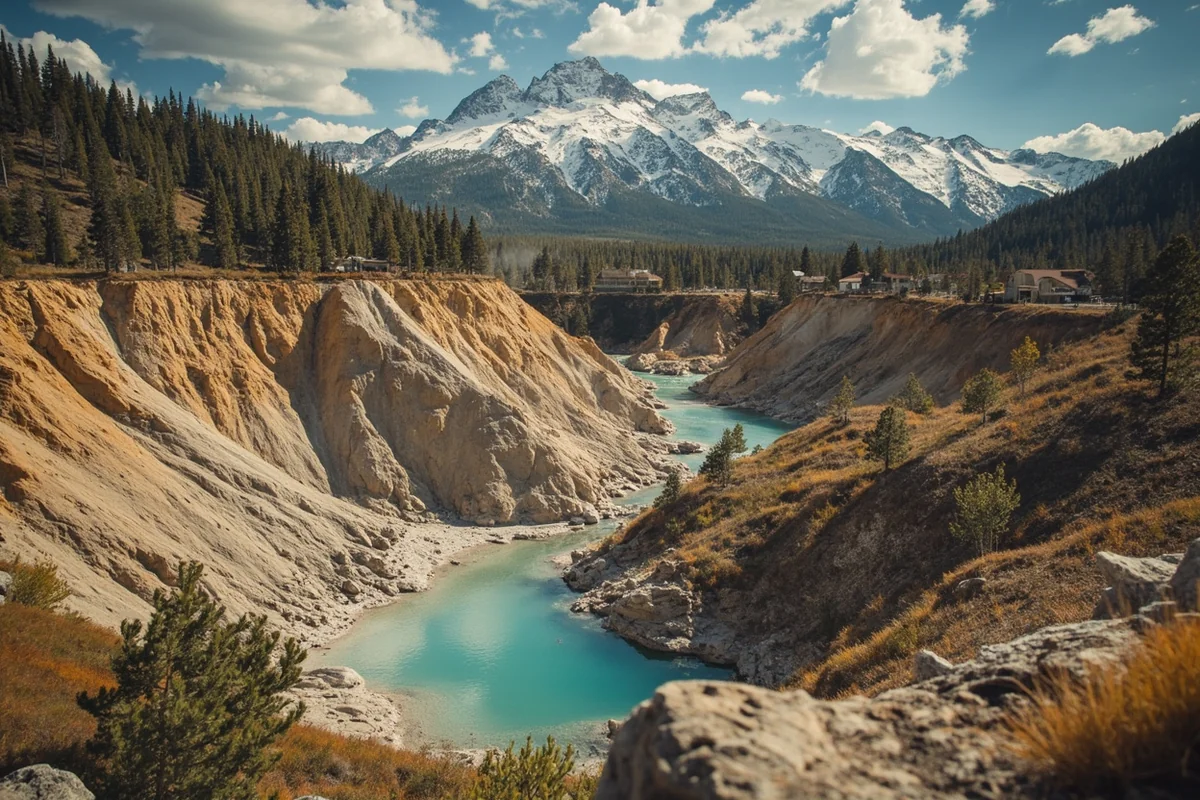
If you’re seeking a wilderness hot springs experience with mountain views and total seclusion, Bozeman Hot Springs will disappoint you. The outdoor pools overlook a parking lot and US-191. The Gallatin Range rises in the distance, but the immediate surroundings are commercial rather than scenic.
On my Friday evening visit last August, the pools were genuinely crowded. I counted over 60 people in the outdoor area, and finding a spot in the hotter pools required patience and strategic timing.
The facility also attracts a broad demographic, which is both a strength and a limitation. If you’re seeking a romantic couples retreat, the presence of splashing children and rowdy college students might dampen the mood.
For those dreamy, secluded soaks under the stars, I’d recommend checking out Potosi Hot Springs near Pony or making the drive to Quinn’s Hot Springs Resort in Paradise.
Best Times to Visit: A Strategic Guide
Through trial and error, I’ve figured out the optimal windows for different experiences.
For Solitude: Tuesday or Wednesday Morning
During my 7:00 AM Tuesday visit last October, I had the entire outdoor pool section to myself for nearly an hour. Early morning weekdays attract mostly local fitness swimmers in the indoor lap pool, leaving the outdoor soaking pools remarkably peaceful.
The pre-dawn hours are particularly magical in winter. Arrive at 6:00 AM on a cold January morning, and you’ll experience that contrast of frigid air and steaming water with maybe two or three other early risers.
For Social Energy: Friday Night
Bozeman Hot Springs hosts live music events on select Friday evenings, transforming the outdoor pool area into something between a concert venue and a hot tub party. Local bands play acoustic sets, and the atmosphere shifts from family recreation center to adult hangout.
Check their social media pages before planning a Friday visit—the music nights aren’t every week, and the vibe differs significantly on quiet Fridays versus event nights.
Seasonal Considerations
Winter is my favorite season here. The temperature differential between the cold air and hot water intensifies the experience, and the crowds thin dramatically once ski season begins (everyone’s at Big Sky instead).
Summer brings peak crowds, especially on weekends. The outdoor pools become genuinely busy from late June through August. If you’re visiting during peak summer, arrive before 10:00 AM or after 7:00 PM.
Spring and fall offer the best balance—moderate temperatures outside, manageable crowds, and that beautiful Montana light as the sun sets over the Gallatin Range.
The Fitness Center: An Underrated Addition
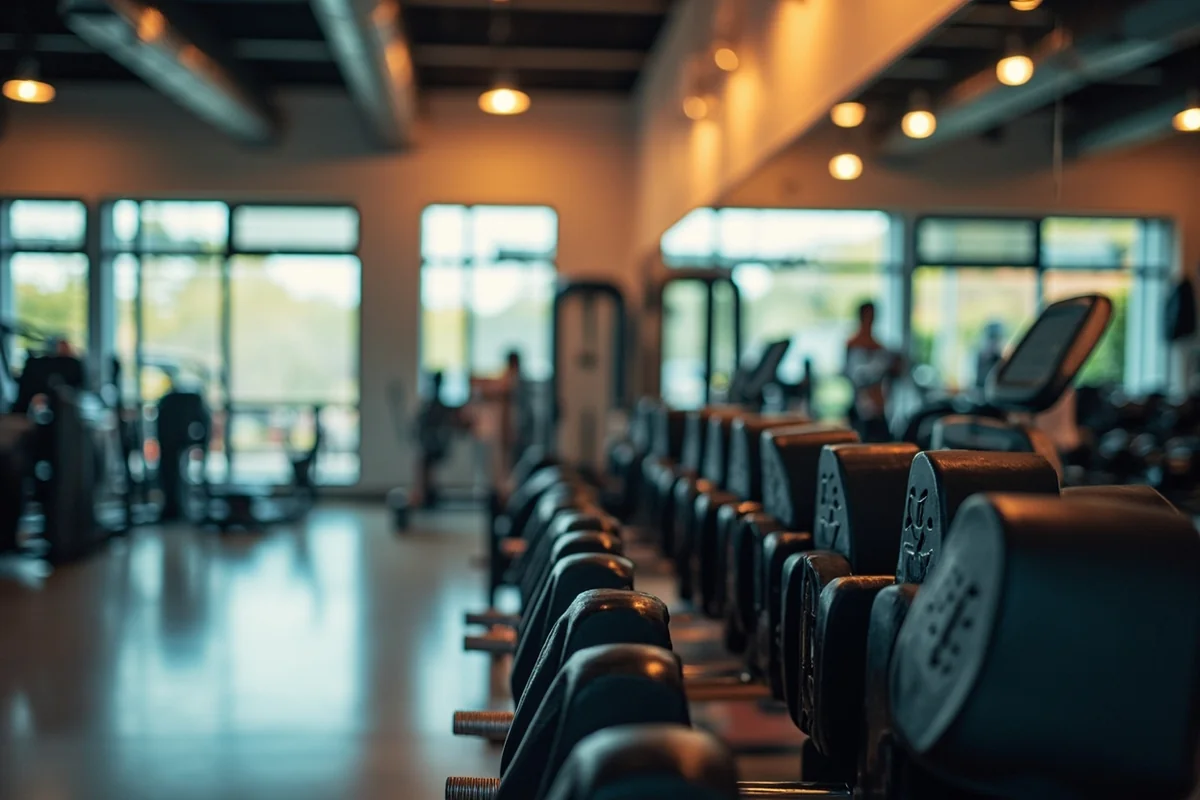
One aspect that surprised me was the quality of the on-site fitness center. It’s included with your pool admission, which seems generous given what you’d pay at a typical gym.
The equipment isn’t brand new, but it’s well-maintained and sufficient for a real workout. Free weights, cardio machines, and cable stations cover all the basics. During my visits, the gym has never been crowded—most people come for the pools, not the dumbbells.
I’ve developed a routine of swimming laps in the indoor pool, hitting the weights for 30 minutes, then finishing with a 20-minute soak in the outdoor hot pools. It’s an excellent combination, and the total cost is still just $12.
Dining Options: The On-Site Restaurant and Bar
The Pool Side Grill operates inside the main building, serving casual American fare. During my last summer visit, I grabbed a bison burger and fries—nothing revolutionary, but solidly satisfying after two hours of soaking.
The bar offers local Montana beers on tap, including selections from Bozeman Brewing Company and MAP Brewing. You can order drinks and bring them (in plastic cups) out to the pool deck, which is a nice touch.
Pricing is reasonable for a captive-audience venue. Expect to pay $12-18 for entrees and $5-7 for beers. The menu focuses on burgers, sandwiches, salads, and appetizers—comfort food that pairs well with hot water relaxation.
Camping at Bozeman Hot Springs
Here’s a feature that many visitors don’t know about: Bozeman Hot Springs operates a small campground adjacent to the facility.
The campground offers both RV sites with full hookups and tent camping spots. Rates run approximately $35-50 per night depending on the site type and season, and staying guests receive discounted pool access.
I haven’t personally camped here, but I’ve chatted with several campers during my visits. The consensus: it’s convenient but basic. The sites are close together and lack the scenic beauty of nearby Forest Service campgrounds, but the ability to stagger back to your tent after a late-night soak holds obvious appeal.
For travelers with RVs passing through Bozeman, it’s a genuinely practical option—certainly more interesting than a standard RV park, and the geothermal water access is a real differentiator.
Combining Bozeman Hot Springs with Other Attractions
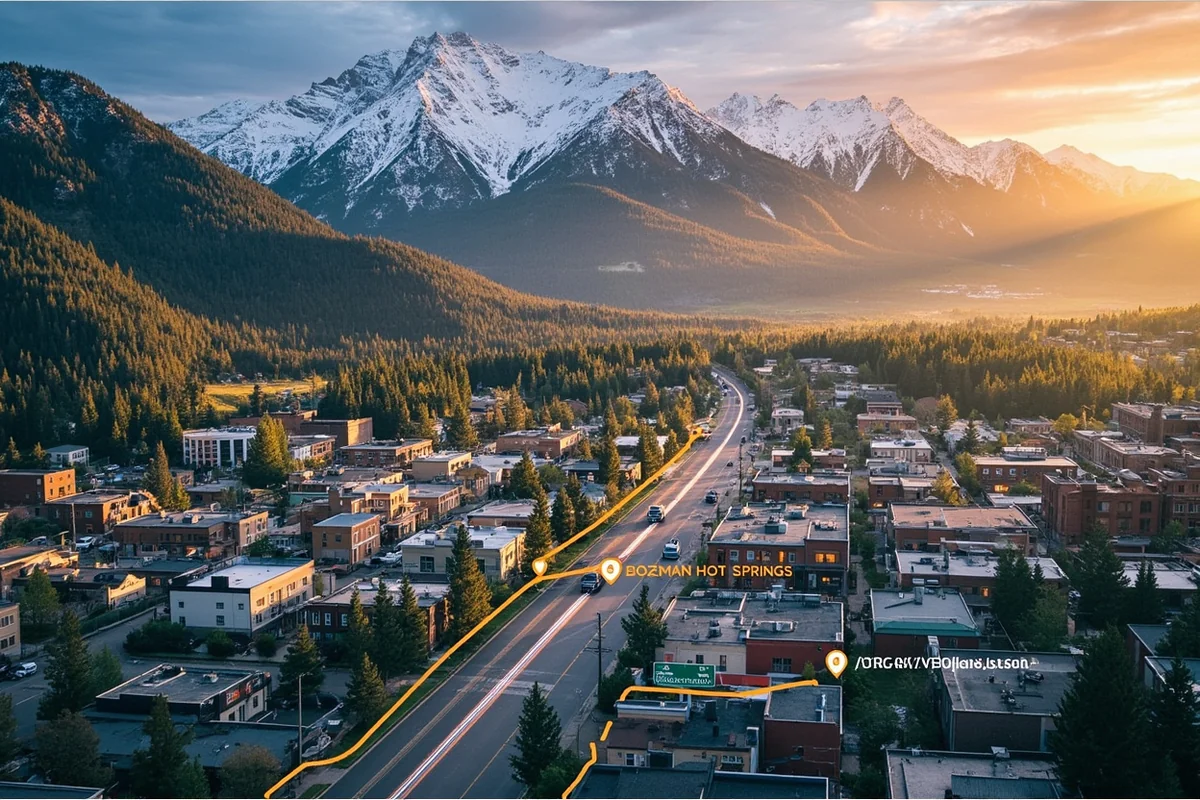
The location along US-191 makes Bozeman Hot Springs an excellent addition to broader Montana itineraries.
Big Sky and Yellowstone Day Trips
If you’re driving between Bozeman and Big Sky Resort or continuing to Yellowstone National Park, the hot springs sit directly on your route. I’ve made a habit of stopping here on the return drive from Yellowstone—there’s nothing quite like soaking tired hiking muscles after a day of exploring thermal features in the park.
The drive from Bozeman Hot Springs to Yellowstone’s west entrance takes approximately 90 minutes through the spectacular Gallatin Canyon. It’s one of Montana’s most scenic drives regardless of the destination.
Downtown Bozeman
The eight-mile distance from downtown Bozeman makes evening trips extremely convenient. After exploring Main Street’s restaurants and breweries, you can drive out for a digestive soak and be back at your hotel within an hour.
Bozeman’s downtown has evolved into a genuinely impressive dining and nightlife scene. Favorites of mine include Blackbird Kitchen for wood-fired cuisine and Plonk Wine for an upscale cocktail experience.
Hot Springs Road Trip Loop
For dedicated hot springs enthusiasts, Bozeman Hot Springs works well as part of a regional soaking circuit.
Start with Bozeman Hot Springs, then drive 45 minutes south to Norris Hot Springs for a more rustic counterpoint. If you have multiple days, continue west to explore Broadwater Hot Springs in Helena or venture further to the natural setting of Renova Hot Springs near Whitehall.
Health Benefits and Considerations
The mineral content of Bozeman Hot Springs water differs from many Montana geothermal sources due to that limestone filtration I mentioned earlier.
The water contains notable concentrations of calcium, magnesium, and trace minerals that some believe offer therapeutic benefits for joints and skin. I’m not a medical professional and won’t make health claims, but I can say that my chronically sore lower back consistently feels better after soaking here.
Practical Health Tips
Hydration matters more than you might expect. I bring a large water bottle and drink continuously while soaking. The hot water causes significant sweating, and dehydration symptoms can sneak up quickly—I’ve experienced headaches after longer sessions when I neglected water intake.
Avoid the hottest pools if you’ve been drinking alcohol. This seems obvious, but the combination of heat and alcohol causes rapid vasodilation that can lead to dizziness, nausea, or worse. Save the 106°F pool for sober visits.
People with heart conditions, pregnant women, and anyone on blood pressure medications should consult their doctor before extended hot water soaking. The facility posts health warnings, and they’re worth taking seriously.
What to Bring: My Packing List
After multiple visits, I’ve refined my Bozeman Hot Springs kit to these essentials:
- Two towels — One for the pool deck, one kept dry for afterward
- Flip-flops — The deck surfaces get slippery
- Large water bottle — Stay hydrated
- Waterproof phone case — If you want photos from the pools
- Hair ties — For anyone with long hair; the mineral content is hard on loose hair
- Moisturizer — Mineral water can be drying; apply after showering
- Change of clothes — The changing rooms have private stalls
The facility provides lockers with combination locks, so secure storage isn’t a concern. Shower facilities include soap and shampoo dispensers, but I recommend bringing your own conditioner if that matters to you.
Comparing Bozeman Hot Springs to Regional Alternatives
Different hot springs serve different purposes, and understanding where Bozeman Hot Springs fits helps set appropriate expectations.
For families with young children, Bozeman Hot Springs is probably the best option in the greater Bozeman area. The variety of temperatures means you can find something comfortable for everyone, lifeguards are present, and the facility feels designed around family use.
For couples seeking romance, consider Quinn’s Hot Springs Resort or Symes Hot Springs Hotel, where overnight lodging creates a more intimate getaway atmosphere.
For wilderness immersion, look into the undeveloped options like Big Medicine Hot Springs or Gigantic Warm Spring—just know that primitive conditions come with both rewards and inconveniences.
For fitness-oriented visitors, Bozeman Hot Springs’ combination of lap pool, gym, and recovery soaking pools is genuinely useful. It’s the only Montana hot springs I’ve visited where I can complete a full workout and therapeutic soak in one stop.
Accessibility and Special Accommodations
Bozeman Hot Springs makes genuine efforts toward accessibility. The main building includes wheelchair-accessible entry, and a pool lift provides access to the indoor swimming pool.
The outdoor pools are reachable via gradual ramps, though the surfaces can be slippery and assistance may be necessary for wheelchair users. Staff members are generally helpful and willing to accommodate special needs.
Private pool rentals are available for groups or individuals who require more controlled environments. Contact the facility directly to discuss options and pricing for private bookings.
Local Perspectives: What Bozemanites Think
I’ve made a point of chatting with local residents during my visits, and their perspectives add useful context.
Many locals view Bozeman Hot Springs as their winter maintenance routine. One regular told me she comes twice weekly specifically for her arthritic joints—the hot water provides relief that supplements her medical treatments.
Students from Montana State University treat it as an affordable alternative to expensive spa days. At $12 per visit with student ID discounts sometimes available, it’s accessible on a college budget.
Some locals grumble about tourist crowds during peak season, but most acknowledge that the facility’s maintenance and amenities have improved significantly over the past decade. The ownership has reinvested in the property, and it shows.
Historical Context: Hot Springs Heritage
The geothermal source feeding Bozeman Hot Springs has drawn humans for centuries. Archaeological evidence suggests Indigenous peoples used these waters long before European settlement.
The first commercial development of the springs dates to the late 1800s, though the current facility bears little resemblance to those early structures. Multiple ownership changes and renovations over the decades have transformed it into the modern recreation center visitors encounter today.
Interestingly, Bozeman Hot Springs sits along the same geothermal belt that feeds Norris Hot Springs to the south and eventually connects to the Yellowstone volcanic system. The geology underlying this region creates Montana’s remarkable concentration of accessible hot springs.
For a completely different historical experience, Nimrod Hot Springs west of Missoula offers a glimpse into old Montana hot springs culture with its rustic character.
Final Thoughts: Is Bozeman Hot Springs Worth Your Time?
After five visits spanning different seasons and circumstances, I can confidently recommend Bozeman Hot Springs for the right visitor with the right expectations.
If you want a convenient, well-maintained, family-friendly facility with lots of temperature options and modern amenities, this is an excellent choice. The pricing is fair, the staff is professional, and the water is genuinely therapeutic.
If you’re seeking wilderness solitude, natural aesthetics, or a romantic escape, you’ll be happier at one of Montana’s more primitive or resort-style options.
For me, Bozeman Hot Springs fills a specific niche in my Montana explorations. When I want reliable comfort without driving deep into the backcountry, when I’m traveling with mixed groups that include children and elderly relatives, or when I want to combine a workout with therapeutic soaking—this is where I come.
The lack of sulfur smell alone makes it accessible to companions who’d otherwise refuse hot springs visits entirely. I’ve converted several skeptical friends into hot springs believers specifically because Bozeman Hot Springs doesn’t assault their noses.
Give yourself at least two hours for a meaningful visit—three if you want to use the fitness center or enjoy a meal. Come with realistic expectations, pick your timing strategically, and you’ll leave understanding why this facility has remained popular with locals and visitors alike for over a century.
Frequently Asked Questions
How much does it cost to visit Bozeman Hot Springs in Montana?
General admission to Bozeman Hot Springs is around $8-$12 for adults and $6-$8 for children, making it one of the more affordable hot springs in Montana. They also offer day passes and membership options if you’re staying in the area longer. I recommend checking their website for current pricing and any seasonal specials before your visit.
What should I bring to Bozeman Hot Springs?
Bring your swimsuit, a towel, and flip-flops for walking around the pool deck. I’d also suggest bringing a reusable water bottle since soaking in hot water can dehydrate you quickly. Leave your jewelry and valuables in your car or at your accommodation, as sulfur in the water can tarnish metals.
Is Bozeman Hot Springs open year-round?
Yes, Bozeman Hot Springs is open year-round, which makes it perfect for soaking after a day of skiing at Big Sky or Bridger Bowl in winter. The pools are heated naturally, so even on cold Montana nights, you’ll stay comfortable. Winter visits offer a magical experience with steam rising off the water against snowy backdrops.
How far is Bozeman Hot Springs from downtown Bozeman?
Bozeman Hot Springs is located about 8 miles west of downtown Bozeman, roughly a 15-minute drive along US-191. It’s conveniently situated between Bozeman and Big Sky Resort, making it an easy stop on your way to or from the mountains. The location also puts you close to the Gallatin Valley’s restaurants and breweries.
What are the pool temperatures at Bozeman Hot Springs?
Bozeman Hot Springs features multiple pools ranging from about 59°F for the cold plunge up to 106°F for the hottest soaking pool. I love alternating between the different temperatures for a natural contrast therapy experience. The variety means everyone in your group can find their ideal soaking temperature.
Can you drink alcohol at Bozeman Hot Springs?
Yes, Bozeman Hot Springs has a full bar and hosts live music events, creating a unique social atmosphere unlike most Montana hot springs. You can enjoy local Montana craft beers and cocktails poolside during your soak. Just pace yourself since alcohol effects are intensified in hot water, and stay hydrated between drinks.
Is Bozeman Hot Springs good for families with kids?
Bozeman Hot Springs is very family-friendly with pools at varying temperatures suitable for children, plus a dedicated cooler pool where kids can splash around comfortably. The facility is well-maintained with clean changing rooms and a relaxed atmosphere. I’d recommend visiting during daytime hours on weekdays for a quieter family experience, as weekend evenings tend to draw more of an adult crowd for live music events.