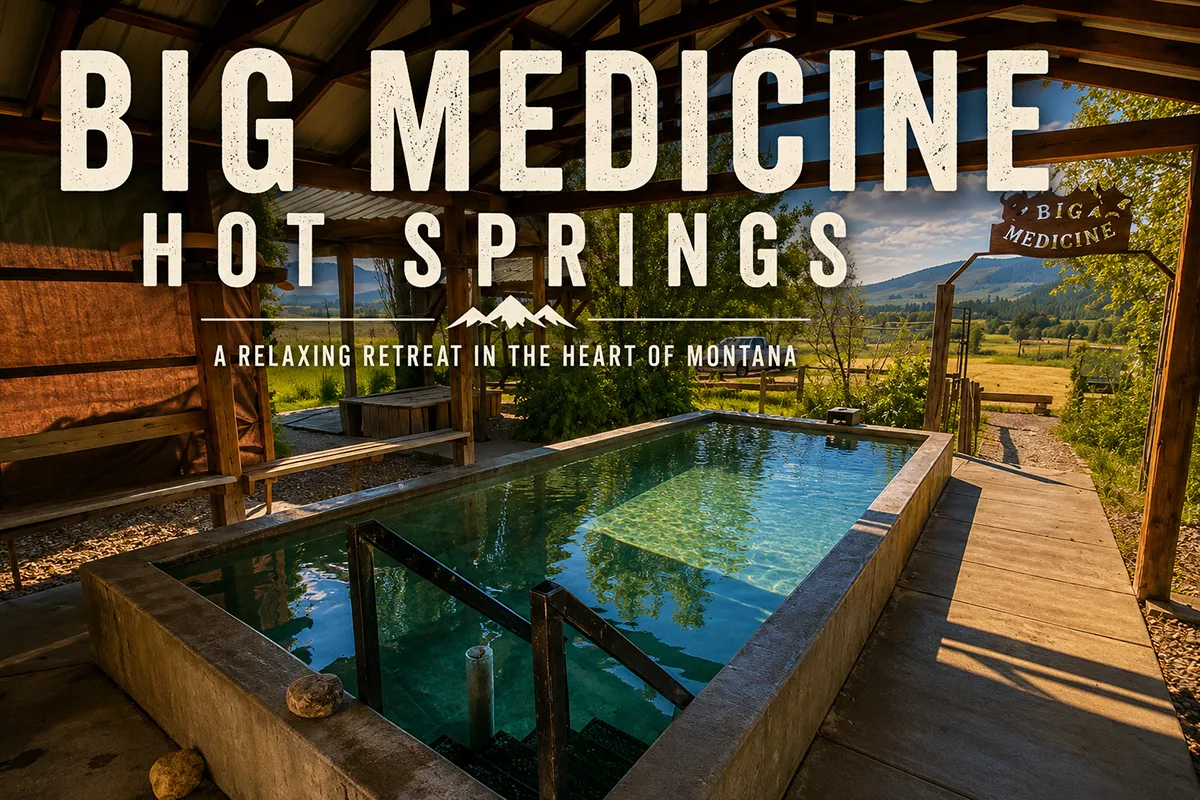
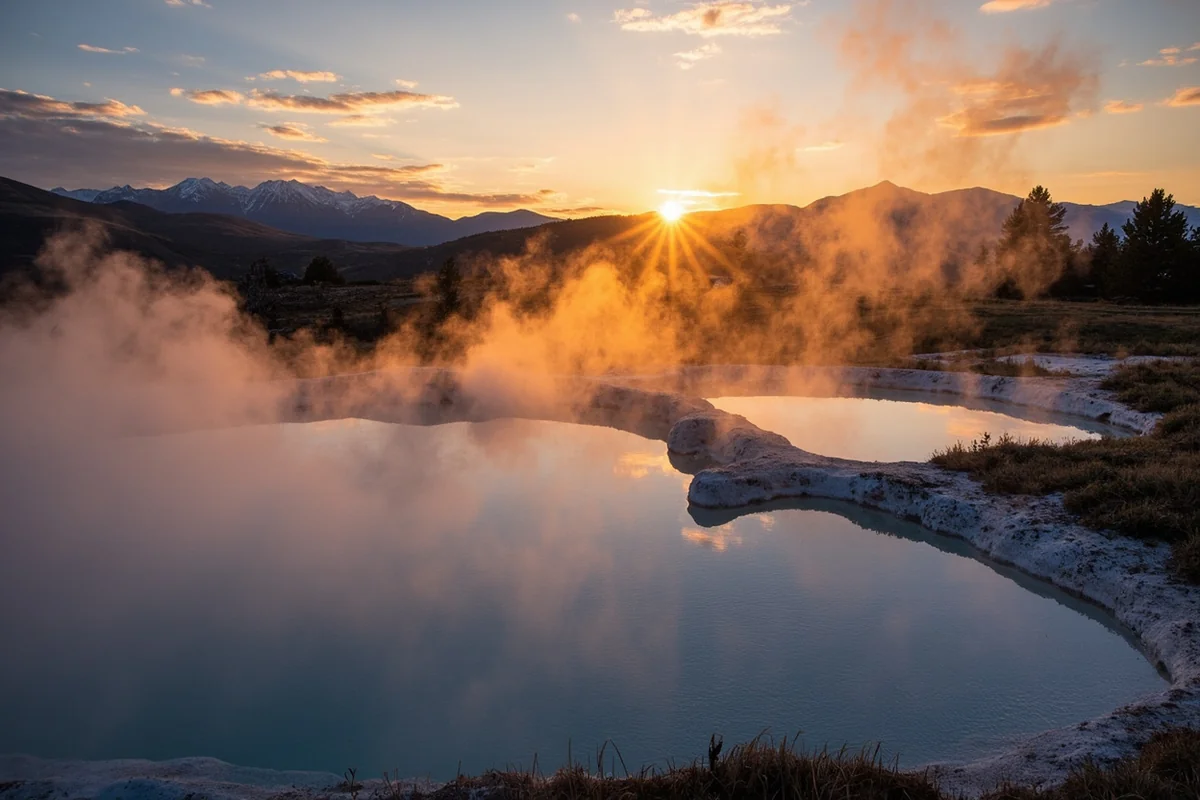
The moment I stepped out of my truck on that crisp October morning and caught my first glimpse of steam rising from the weathered pools at Big Medicine Hot Springs, I understood why the Salish and Kootenai people considered this place sacred for centuries.
This isn’t your typical developed resort experience—it’s a raw, authentic encounter with Montana’s geothermal heritage that most visitors to the state never discover.
Among all the Montana hot springs I’ve explored over the years, Big Medicine remains one of the most historically significant and spiritually compelling.
- Big Medicine Hot Springs is located near the town of Hot Springs in northwestern Montana’s Sanders County
- The site holds deep cultural significance to the Confederated Salish and Kootenai Tribes
- Water temperatures range from 100°F to 120°F depending on the specific spring
- Access is limited and requires respectful visitation—check current tribal regulations before visiting
- Best visited spring through fall; winter access can be challenging
- Free to visit, but donations to tribal cultural preservation efforts are welcomed
- Bring your own towels, water, and pack out all trash
Liked this article?
Add Roaming Montana as a preferred source so you see more of our articles and guides on Google.
Understanding Big Medicine Hot Springs’ Unique Place in Montana
Big Medicine Hot Springs isn’t just another spot to soak—it’s a living piece of Montana history that predates European settlement by thousands of years.
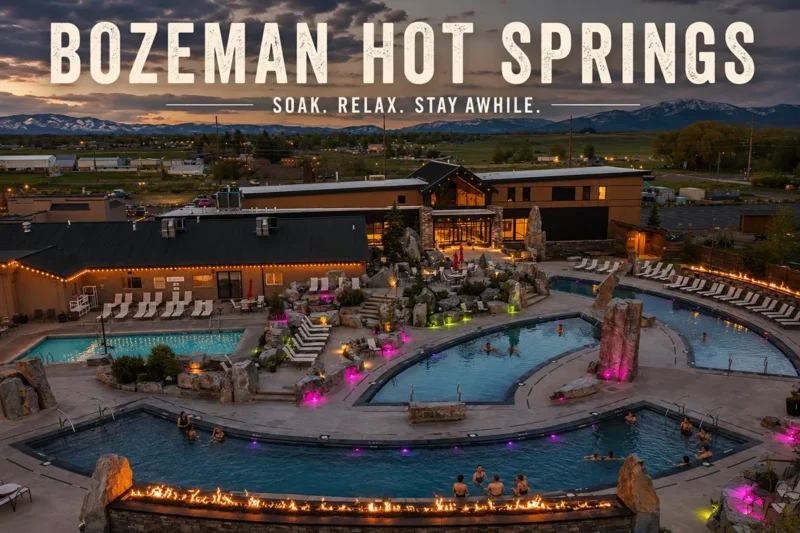
During my visits to this area, I’ve come to appreciate how different it feels from commercially developed hot springs like Bozeman Hot Springs or the resort experience at Quinn’s Hot Springs Resort.
The springs emerge from the earth in the Flathead Indian Reservation, carrying with them mineral-rich waters that Indigenous peoples believed possessed powerful healing properties.
The name “Big Medicine” itself reflects this spiritual significance—in many Native American traditions, “medicine” refers to spiritual power and healing energy, not just physical remedies.
When I spoke with a local historian during my last summer visit, she explained that warriors would travel hundreds of miles to bathe in these waters before important battles or after sustaining injuries. The springs weren’t just a place to relax; they were a destination for physical and spiritual renewal.
Getting to Big Medicine Hot Springs
Finding Big Medicine Hot Springs requires a bit more effort than punching an address into your GPS, which honestly is part of what makes it special. The springs are located approximately 4 miles northwest of the town of Hot Springs, Montana, in Sanders County.
Driving Directions from Major Cities
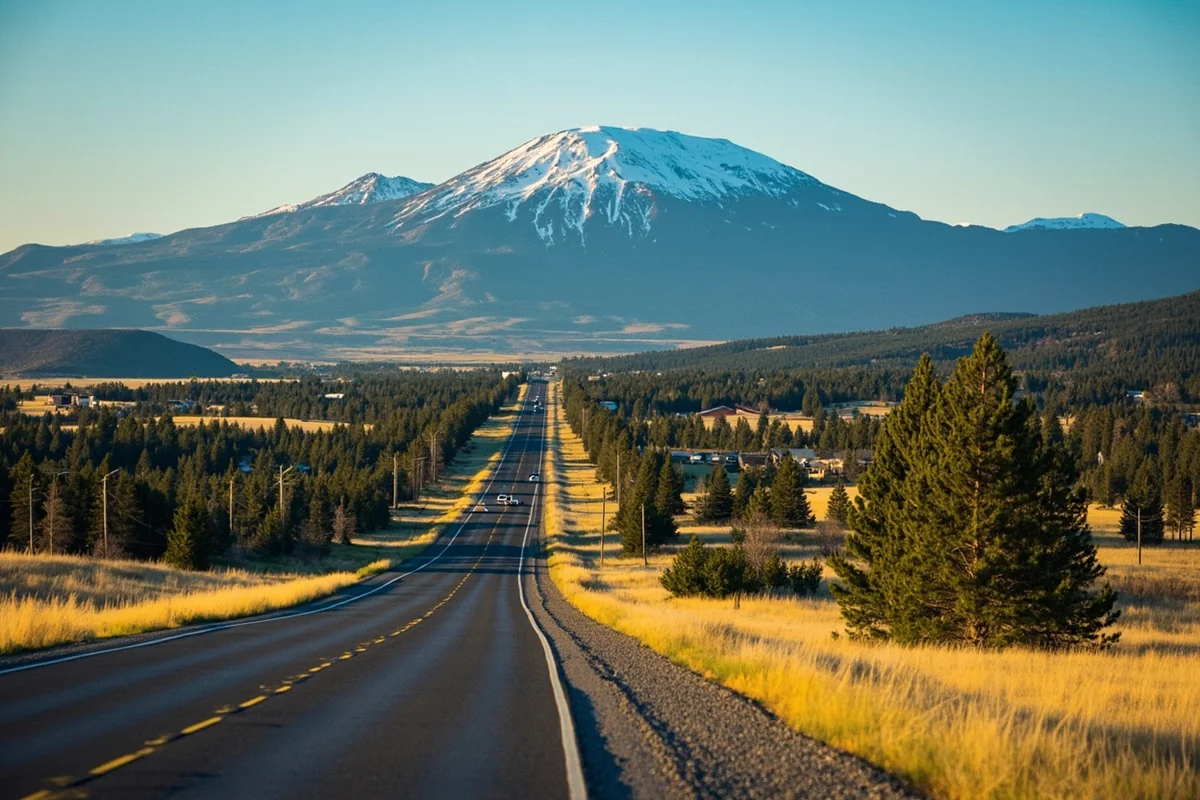
From Missoula, head north on US-93 through Ravalli and Polson. Continue north to the town of Hot Springs, which takes roughly 1 hour and 45 minutes covering about 85 miles. The route passes through stunning Flathead Lake scenery that’s worth the drive alone.
From Kalispell, head south on US-93 through Polson and continue to Hot Springs. This route takes approximately 1 hour and 15 minutes covering about 65 miles.
Once you reach the small town of Hot Springs (population around 550), you’ll need to navigate local roads to reach Big Medicine. I recommend stopping at the Hot Springs Chamber of Commerce or asking locals for current directions, as road conditions and access points can change seasonally.
Road Conditions and Vehicle Requirements
During my October visit, I drove a standard SUV and had no issues reaching the parking area. However, the final stretch involves unpaved roads that can become muddy and rutted during spring thaw or after heavy rains.
If you’re visiting between November and April, I’d strongly recommend a vehicle with decent ground clearance and preferably four-wheel drive. I’ve heard stories from locals about visitors getting stuck in the mud during shoulder seasons, and cell service is spotty at best in this area.
What to Expect When You Arrive
Big Medicine Hot Springs doesn’t have a visitor center, gift shop, or even marked parking lot. When I first arrived, I honestly wasn’t sure I was in the right place until I saw the steam and followed a worn path through the brush.
The Springs Themselves
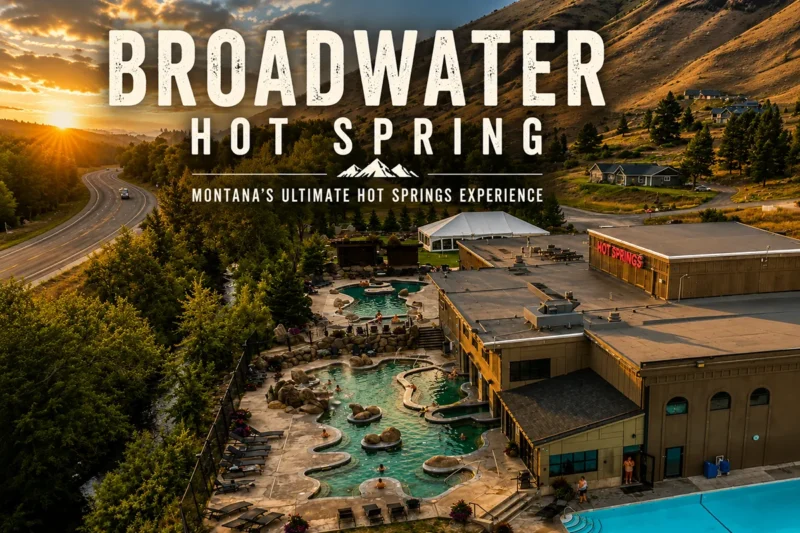
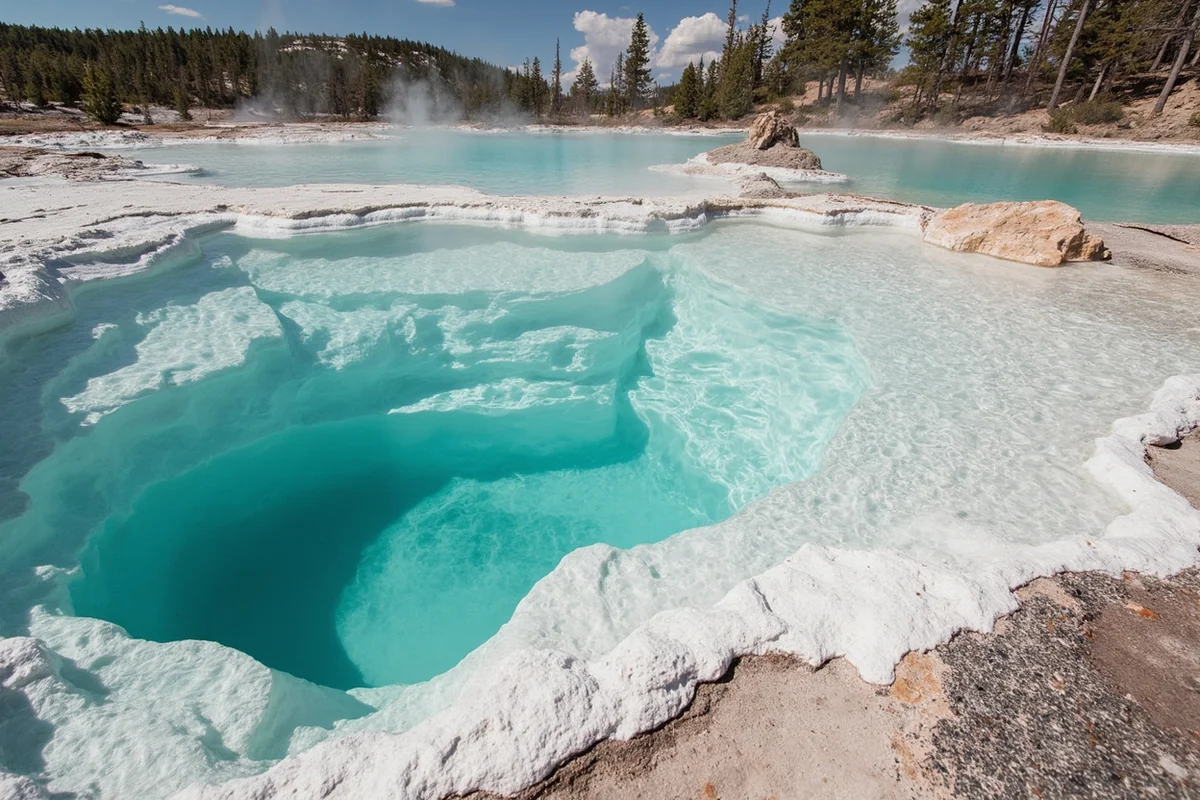
The thermal features at Big Medicine consist of several natural pools and seeps spread across a relatively small area. Unlike the manicured pools at Broadwater Hot Springs in Helena, these are wild and unaltered.
The main pool I soaked in during my visit was roughly 8 feet in diameter with a sandy bottom mixed with small rocks. The water temperature hovered around 104°F—perfect for extended soaking without feeling like you’re being parboiled.
There are hotter spots where water emerges directly from the ground. I tested one with my hand and estimated it was pushing 115°F or higher. These aren’t really suitable for soaking but are fascinating to observe.
Water Quality and Mineral Content
The water at Big Medicine has a distinct mineral smell—not the strong sulfur “rotten egg” odor you encounter at some hot springs, but a subtle earthy scent that I found pleasant. The mineral content gives the water a slightly silky feel on your skin.
After soaking for about 45 minutes during my visit, I noticed my skin felt remarkably soft. Several weeks later, a minor patch of eczema on my arm that had been bothering me seemed to have improved, though I can’t scientifically attribute that to the springs.
Local tradition holds that the waters help with arthritis, skin conditions, and muscle pain. While I’m not a doctor and can’t verify medical claims, I can say that I felt genuinely relaxed and my chronically sore lower back felt better than it had in months after my soak.
Cultural Significance and Respectful Visitation
This is perhaps the most important section of this entire guide, and I need you to read it carefully if you’re planning a visit.
Sacred Ground Deserves Sacred Treatment
Big Medicine Hot Springs is located within the Flathead Indian Reservation, homeland of the Confederated Salish and Kootenai Tribes. The springs remain culturally and spiritually significant to tribal members who continue to use them for traditional purposes.
When I visited, I made sure to approach the area with the same respect I’d show entering any sacred space. I kept my voice low, didn’t play music, and took time to simply sit and appreciate the setting before entering the water.
I’d strongly encourage anyone visiting to learn about the CSKT (Confederated Salish and Kootenai Tribes) before your trip. Understanding whose land you’re visiting and the history of that relationship makes for a much more meaningful experience.
Access Regulations and Permissions
Access rules for Big Medicine Hot Springs can vary. During my research and visit, public access was generally permitted, but this is subject to change based on tribal decisions, seasonal closures, or cultural events.
Before planning your trip, I recommend contacting the CSKT Tribal Council or checking their official website for current visitor information. Showing up assuming you have the right to be there isn’t just potentially illegal—it’s disrespectful.
If you encounter tribal members using the springs during your visit, the appropriate response is to give them space and wait, or move to a different area of the springs. Their connection to this land predates any visitor guide or travel blog.
Best Times to Visit Big Medicine Hot Springs
I’ve gathered information from locals and my own experience about seasonal variations at Big Medicine. Here’s what you should know:
Spring (April-May)
Spring brings melting snow and muddy roads. While the surrounding landscape is beautiful with new growth, access can be challenging. Water temperatures may vary more as snowmelt interacts with thermal features.
I’d rate spring as a moderate time to visit—doable but with some inconveniences.
Summer (June-August)
Summer is arguably the easiest time to visit in terms of access. Roads are dry, days are long, and you can combine your hot springs visit with hiking in the surrounding area.
The downside? You might encounter more visitors, and soaking in hot water when it’s 85°F outside is less appealing than on a cool day. Early morning visits work best in summer.
Fall (September-October)
This is my favorite season for visiting Big Medicine and when I’ve had my best experiences. The crowds thin out after Labor Day, the fall colors are spectacular, and cool mornings make the warm water feel absolutely perfect.
During my October visit, I had the springs entirely to myself for over two hours. The combination of steam rising into crisp mountain air, golden larch trees on distant slopes, and complete solitude was genuinely magical.
Winter (November-March)
Winter visits are possible but challenging. Snow can make roads impassable, and you’ll definitely need proper winter gear and a capable vehicle.
That said, I’ve seen photos from winter visitors that make it look incredible—snow falling around you while you soak in steaming water. If you’re experienced with Montana winters and have appropriate equipment, it could be an unforgettable experience.
What to Bring
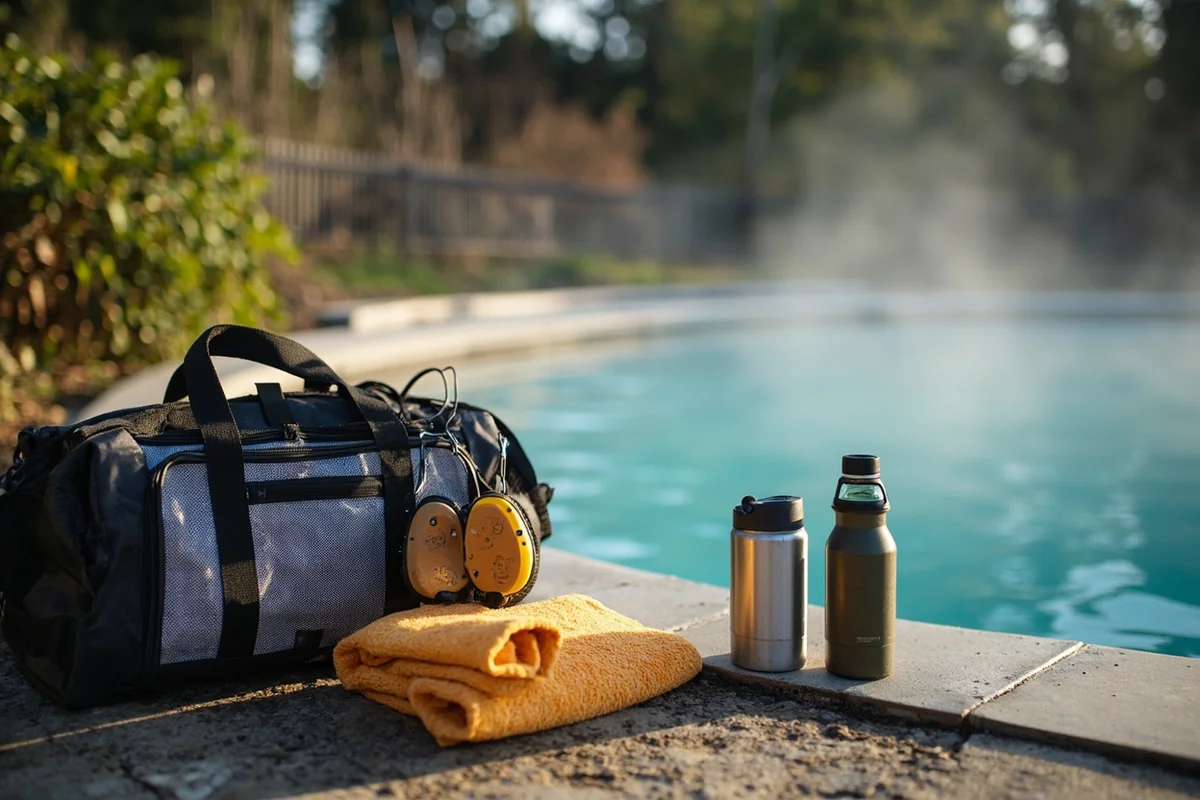
Because Big Medicine Hot Springs is undeveloped, you need to come prepared. Here’s my recommended packing list based on what I wished I’d had during my visits:
| Item | Why You Need It |
|---|---|
| Multiple towels | One to sit on, one to dry off, one backup |
| Water sandals or water shoes | Rocky/uneven pool bottoms; walking between springs |
| Drinking water (at least 1 liter per person) | Hot water soaking is dehydrating; no potable water on site |
| Snacks | Long soaks make you hungry; nearest food is in town |
| Trash bag | Pack out everything you bring in |
| Swimsuit | Required; this isn’t a clothing-optional facility |
| First aid kit | Remote location; minor injuries possible on uneven terrain |
| Flashlight/headlamp | Essential if staying until dusk; no lighting on site |
| Warm layers for after | Your body cools rapidly after leaving hot water |
Nearby Attractions and Combining Your Trip
Big Medicine Hot Springs sits in a region of Montana that offers plenty of other experiences worth exploring. Here’s how I’d suggest building out a longer trip:
The Town of Hot Springs
The small town of Hot Springs has its own charm and is worth a brief exploration. The historic main street features a few local businesses, and the town’s identity is deeply connected to its thermal features.
Symes Hot Springs Hotel in Hot Springs offers a developed hot springs experience if you want to contrast the wild Big Medicine springs with a more traditional soak. The historic hotel has been operating since 1929 and provides a comfortable place to stay.
Flathead Lake
About 30 miles north, Flathead Lake is the largest natural freshwater lake west of the Mississippi River. During summer months, it offers excellent swimming, boating, and fishing. The cherry orchards along the east shore produce some of the best cherries I’ve ever tasted if you visit in July.
National Bison Range
The National Bison Range in Moiese is approximately 25 miles south of the town of Hot Springs and offers a chance to see free-roaming bison in their natural habitat. I spent a morning there after my hot springs visit and spotted bison, deer, and pronghorn.
Other Hot Springs in the Region
Northwestern Montana is blessed with numerous geothermal features. If you’re on a hot springs tour, consider adding Wild Horse Hot Springs to your itinerary for a different experience. The primitive nature of some Montana hot springs, like Gigantic Warm Spring, offers yet another variation on the geothermal theme.
For those heading east toward Missoula, Nimrod Hot Springs and Renova Hot Springs provide additional soaking opportunities along your route.
Where to Stay Near Big Medicine Hot Springs
Accommodations near Big Medicine are limited but adequate. Here are my recommendations based on research and local feedback:
In Hot Springs
Symes Hot Springs Hotel is the obvious choice for hot springs enthusiasts. The rooms are modest but clean, and having thermal pools on-site means you can continue soaking after your Big Medicine visit.
There are also a few vacation rentals and small motels in town. Availability is limited, so book ahead during summer months.
In Polson
Polson, about 25 miles north on Flathead Lake, offers more lodging options including chain hotels, lakefront cabins, and vacation rentals. If you want more amenities and don’t mind the drive, this is a good base.
Camping
Several campgrounds in the Flathead National Forest provide budget-friendly options for those with tents or RVs. Dispersed camping is also available on Forest Service land, though you’ll need to follow all regulations and practice Leave No Trace principles.
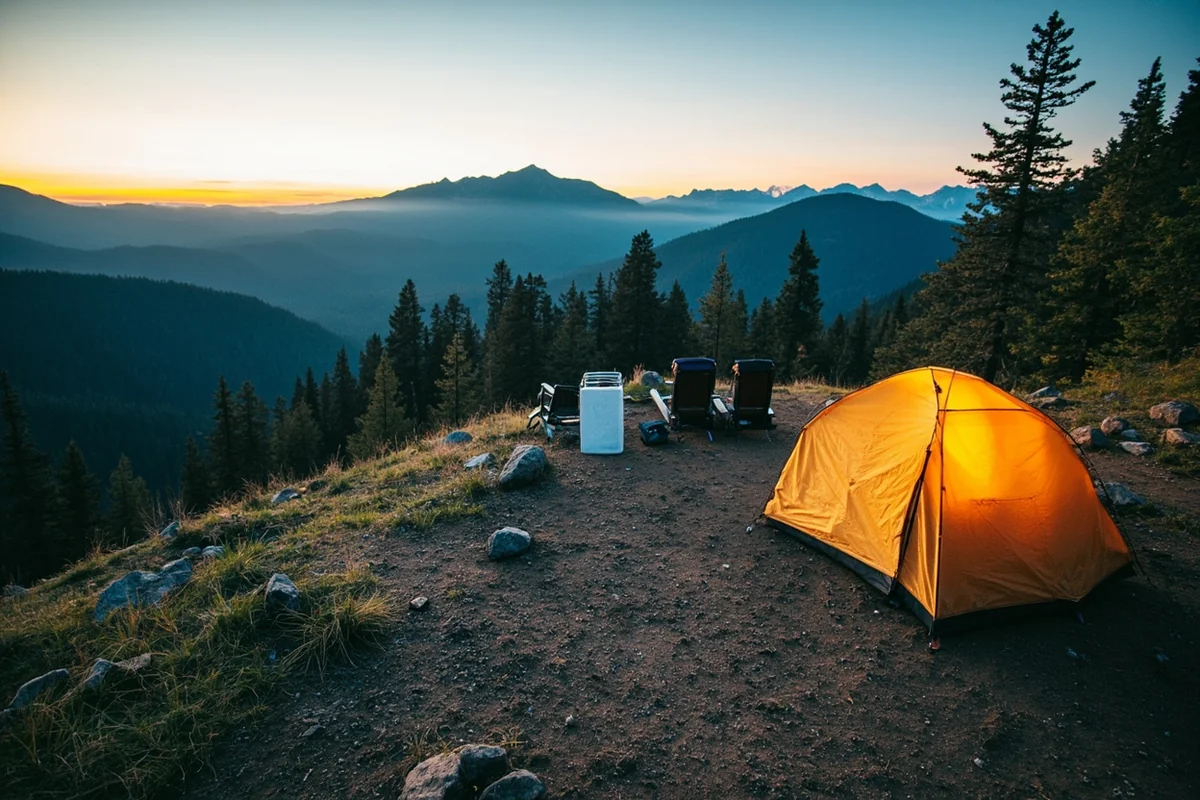
I camped at a Forest Service site during my fall visit and enjoyed waking up to frost on my tent before heading to the warm springs—a truly Montana experience.
Safety Considerations
Natural hot springs come with real risks that developed facilities mitigate. At Big Medicine, you’re responsible for your own safety.
Water Temperature
Always test water temperature before entering any natural pool. Some thermal features are hot enough to cause serious burns. During my visit, I used my hand to test each area before putting my body in, and I found significant temperature variation across just a few feet.
Never put your head underwater in natural hot springs, as thermophilic bacteria (including potentially dangerous strains) can thrive in warm water.
Heat-Related Illness
Extended soaking in hot water can cause heat exhaustion or heat stroke, especially on warm days or if you’re dehydrated. I limit my continuous soaking to 15-20 minutes, take breaks to cool down, and drink water regularly.
Alcohol and hot springs are a dangerous combination. I’ve seen visitors bring beer to hot springs, and I’d strongly advise against it—alcohol increases dehydration and impairs your ability to recognize when you’re overheating.
Remote Location
Cell service at Big Medicine is unreliable at best. Tell someone where you’re going and when you expect to return. Bring a physical map if you’re unfamiliar with the area.
If you have any health conditions that could be affected by heat or hot water—heart conditions, pregnancy, high blood pressure—consult your doctor before visiting.
Photography Tips
Big Medicine Hot Springs offers unique photographic opportunities, but capturing thermal features well requires some planning.
Best Times for Photos
Early morning provides the best steam effects as cool air meets warm water. I arrived at dawn during my October visit and captured some of my favorite Montana photos ever.
Golden hour (the hour before sunset) offers beautiful light on the surrounding landscape, though steam is less visible than in the morning.
Protecting Your Gear
Moisture from steam can damage camera equipment. I keep my camera in a sealed bag when not actively shooting and use a lens cloth frequently to remove condensation.
Drone photography may be restricted on tribal land—check current regulations before flying.
Respecting Privacy
If other visitors are present, always ask before including them in photos. Some people visit hot springs specifically for privacy and won’t appreciate being photographed.
The Etiquette of Natural Hot Springs
Beyond the cultural considerations specific to Big Medicine, there’s a general code of conduct at natural hot springs that I’ve learned through years of visiting these places.
Keep It Clean
Never use soap, shampoo, or any products in natural hot springs. These chemicals can disrupt the delicate ecosystem and are simply disrespectful to the natural environment.
Pack out all trash, including items left by previous visitors. I always bring an extra bag and spend a few minutes cleaning up any litter I find. It’s the least we can do for these special places.
Keep It Quiet
Most people visit natural hot springs for peace and relaxation. Keep voices low, don’t play music through speakers, and be mindful that your conversation carries across water.
When I encountered another visitor at Big Medicine, we exchanged quiet greetings and then sat in comfortable silence, each enjoying the experience without disturbing the other.
Space and Privacy
If multiple pools are available and someone is using one, choose a different pool rather than joining them unless invited. The whole point of a natural hot spring is escaping crowds.
Comparing Big Medicine to Other Montana Hot Springs
Every hot spring in Montana has its own character. Here’s how Big Medicine compares to others I’ve visited:
Unlike the commercial experience at Bozeman Hot Springs with its multiple pools and fitness facilities, Big Medicine is completely undeveloped. You’re trading amenities for authenticity.
Norris Hot Springs near Bozeman offers a nice middle ground—natural-feeling but with basic infrastructure and live music on weekends. It’s a great option if Big Medicine feels too remote.
Potosi Hot Springs in the Beaverhead-Deerlodge National Forest provides another primitive hot springs experience, though the setting and access are quite different from Big Medicine.
For those seeking the most luxurious option in the western Montana hot springs corridor, Quinn’s Hot Springs Resort offers full amenities while Big Medicine delivers raw, unfiltered nature.
Final Thoughts on Big Medicine Hot Springs
In all my years exploring Montana’s geothermal treasures, Big Medicine Hot Springs occupies a unique place in my memory. It’s not the hottest springs I’ve visited, not the most scenic, and certainly not the most convenient.
But there’s something about soaking in the same waters that Indigenous peoples used for countless generations, feeling connected to the earth in a way that modern developed hot springs rarely achieve, that makes Big Medicine special.
The drive up to Hot Springs takes you through some of Montana’s most beautiful country. The town itself is a reminder of what small-town Montana used to be before tourism transformed many communities.
And the springs themselves offer something increasingly rare in our over-developed world—an authentic, unsanitized encounter with nature.
I’ll return to Big Medicine Hot Springs. Probably not this year, but soon. And when I do, I’ll approach it the same way I always have—with gratitude for the land, respect for its original stewards, and openness to whatever the experience brings.
If you make the journey to Big Medicine, I hope you’ll do the same. Montana’s wild places deserve visitors who appreciate them not just as destinations, but as sacred ground that was here long before us and will remain long after we’re gone.
The healing waters of Big Medicine are waiting. Approach them with respect, and they just might give you something you didn’t know you needed.
Frequently Asked Questions
Where is Big Medicine Hot Springs located in Montana?
Big Medicine Hot Springs is located near Hot Springs, Montana, in Sanders County, about 75 miles north of Missoula. The small town of Hot Springs sits on the Flathead Indian Reservation, making it a unique cultural destination alongside the natural geothermal features.
Is Big Medicine Hot Springs open to the public for soaking?
Big Medicine Hot Springs itself is a natural geothermal feature that’s primarily of historical and cultural significance rather than a developed public soaking destination. For accessible hot springs soaking in the area, I recommend visiting nearby Symes Hot Springs Hotel or Wild Horse Hot Springs, both located in the town of Hot Springs, Montana.
What is the best time of year to visit Hot Springs, Montana for the hot springs?
The best time to visit Hot Springs, Montana is during fall or winter when the contrast between cold air and warm mineral waters creates the most enjoyable soaking experience. I found that weekdays year-round offer smaller crowds, and spring visits let you combine hot springs with wildflower viewing in the surrounding mountains.
How much does it cost to soak in hot springs near Big Medicine in Montana?
Public hot springs facilities near Big Medicine typically cost between $8-15 per person for day soaking. Symes Hot Springs Hotel offers hourly rates around $10, while Wild Horse Hot Springs charges approximately $12-15 per person for private tub rentals. I always recommend calling ahead to confirm current pricing and hours.
What should I bring when visiting hot springs in Hot Springs, Montana?
Bring a swimsuit, quick-dry towel, water bottle, and flip-flops for walking on wet surfaces. I also pack a change of warm clothes for after soaking, especially in cooler months, plus a bag for wet items. Leave jewelry at home since mineral water can tarnish metals.
Are the hot springs near Big Medicine suitable for families with kids?
Yes, several developed hot springs facilities in Hot Springs, Montana are family-friendly with varying pool temperatures suitable for children. Symes Hot Springs Hotel has outdoor pools with milder temperatures that work well for kids. I suggest checking individual facility rules, as some private tub rentals may have age restrictions or adult-only hours.
What other attractions are near Big Medicine Hot Springs worth visiting?
The area offers excellent day trips including the National Bison Range (about 30 miles south), Flathead Lake (45 miles north), and hiking trails in the surrounding Flathead National Forest. I spent a full day exploring the charming downtown Hot Springs with its historic buildings, local art galleries, and restaurants serving huckleberry treats.