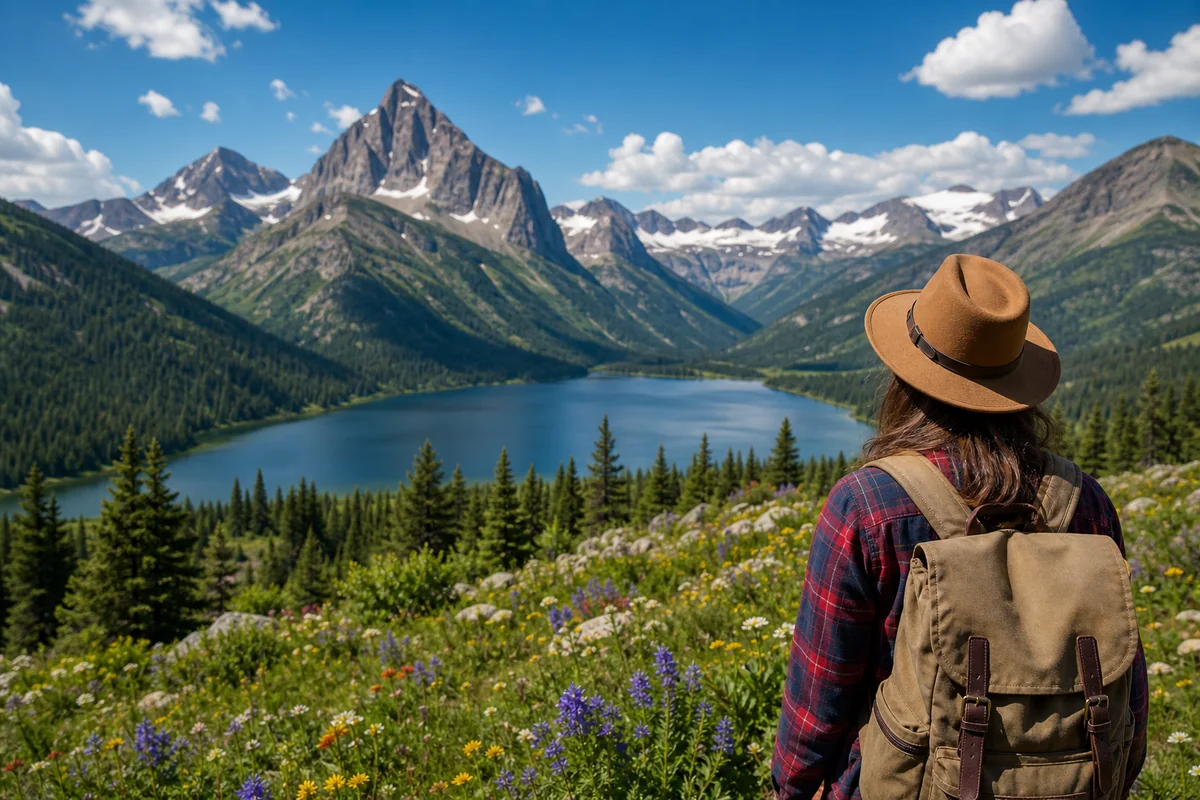
Standing at Logan Pass last July, surrounded by wildflowers and mountain goats while hundreds of visitors from across the globe jostled for photos, I realized something profound: Montana’s tourism industry isn’t just an economic engine—it’s a transformative experience machine that shapes how millions of people understand the American West.
The state welcomed over 12.5 million visitors in 2023, and after spending the better part of three years exploring every corner of Big Sky Country, I understand exactly why.
Tourism has become a cornerstone of the Montana economy, generating billions in revenue and fundamentally reshaping communities from Whitefish to Red Lodge.
But for travelers planning their first or fifth Montana adventure, understanding this industry from the inside can mean the difference between a frustrating, overpriced trip and an authentic experience that stays with you forever.
- Montana tourism generated $5.8 billion in 2023, supporting 67,000+ jobs across the state
- Peak season (June-August) sees 300% higher prices; shoulder seasons offer better value and fewer crowds
- Glacier and Yellowstone draw most visitors, but emerging destinations like the Missouri Breaks offer uncrowded alternatives
- Reservation systems now required for Going-to-the-Sun Road and parts of Yellowstone during peak months
- Small towns depend heavily on tourism—spending locally creates real community impact
- Climate change is actively reshaping when and how to visit Montana’s wild spaces
Liked this article?
Add Roaming Montana as a preferred source so you see more of our articles and guides on Google.
The Scale of Montana Tourism: What the Numbers Actually Mean
When I first started researching Montana’s tourism industry five years ago, I expected impressive numbers. What I didn’t expect was how those numbers translate into real-world experiences for travelers like you and me.
In 2023, Montana welcomed 12.5 million non-resident visitors who spent $5.8 billion. That’s more than double the tourism revenue from just a decade ago. But here’s what matters for your trip planning: that growth hasn’t been evenly distributed.
Glacier National Park alone saw 3.2 million visitors last year. Yellowstone’s Montana entrances processed millions more. Meanwhile, places like Makoshika State Park near Glendive—with its stunning badlands that rival anything in the Dakotas—saw perhaps 50,000 visitors total.
This disparity creates both problems and opportunities. During my visit to Glacier last August, I waited 45 minutes at the West Glacier entrance at 7:30 AM. Three days later, I had the entire Tongue River Reservoir State Park to myself for an afternoon of paddleboarding.
Tourism’s Role Among Montana’s Key Industries
Tourism now ranks as one of Montana’s key industries, sitting alongside agriculture, energy, and timber in economic importance. What makes tourism unique is its distributed nature—those dollars flow into small towns that might otherwise have limited economic options.
In Choteau, population 1,700, I chatted with a motel owner who told me that dinosaur enthusiasts visiting nearby dig sites account for 60% of her summer bookings.
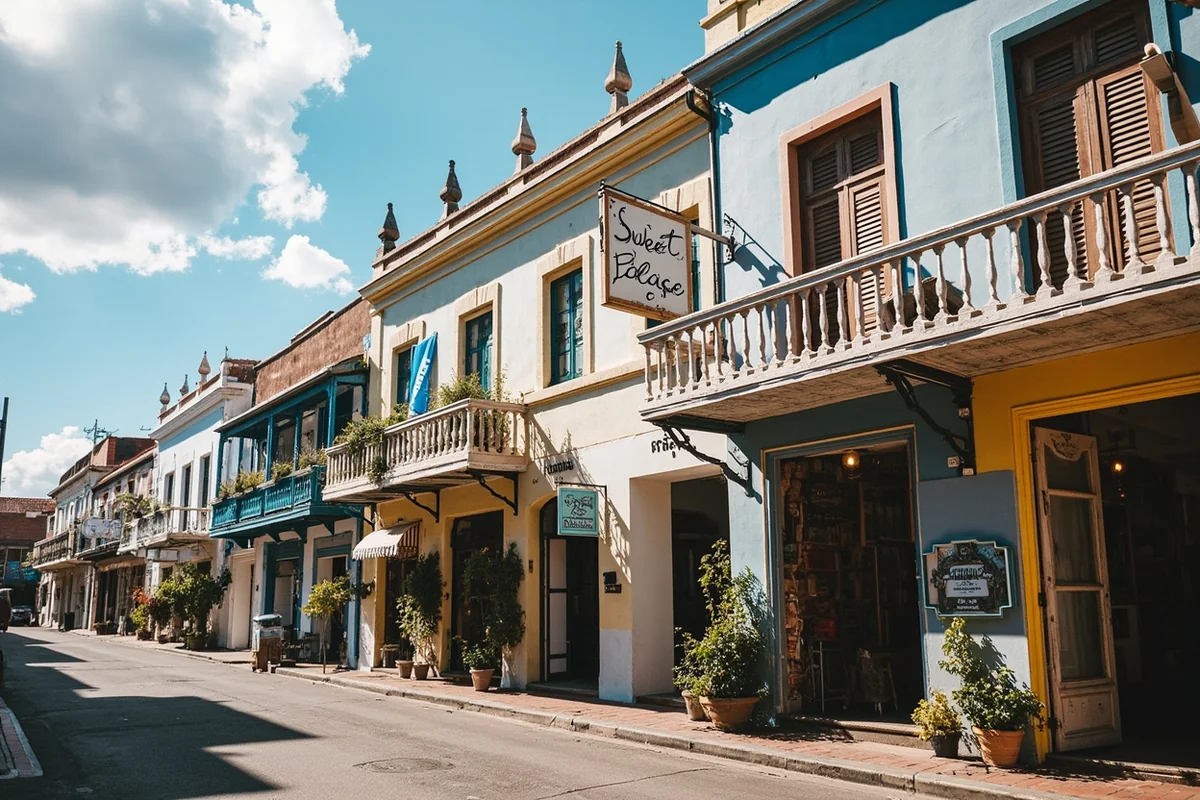
In Philipsburg, the combination of gem mining and the famous Sweet Palace candy store has transformed a former mining town into a quirky destination that supports dozens of small businesses.
This economic reach matters because it means tourism infrastructure exists in unexpected places. You’ll find surprisingly good restaurants in tiny Montana towns precisely because visitors expect quality. That Thai restaurant in Livingston? It exists because tourists created demand.
Understanding Montana’s Tourism Seasons: When to Actually Visit
After experiencing Montana in every season, I’ve developed strong opinions about timing your visit. The conventional wisdom says summer is best—and for some experiences, that’s true. But the conventional wisdom also means crowds, premium prices, and reservation headaches.
Summer (June through August)
Summer remains peak season for good reason. Going-to-the-Sun Road is fully open (usually late June through mid-October, weather dependent). High-country trails are snow-free. Rivers run perfect for floating.
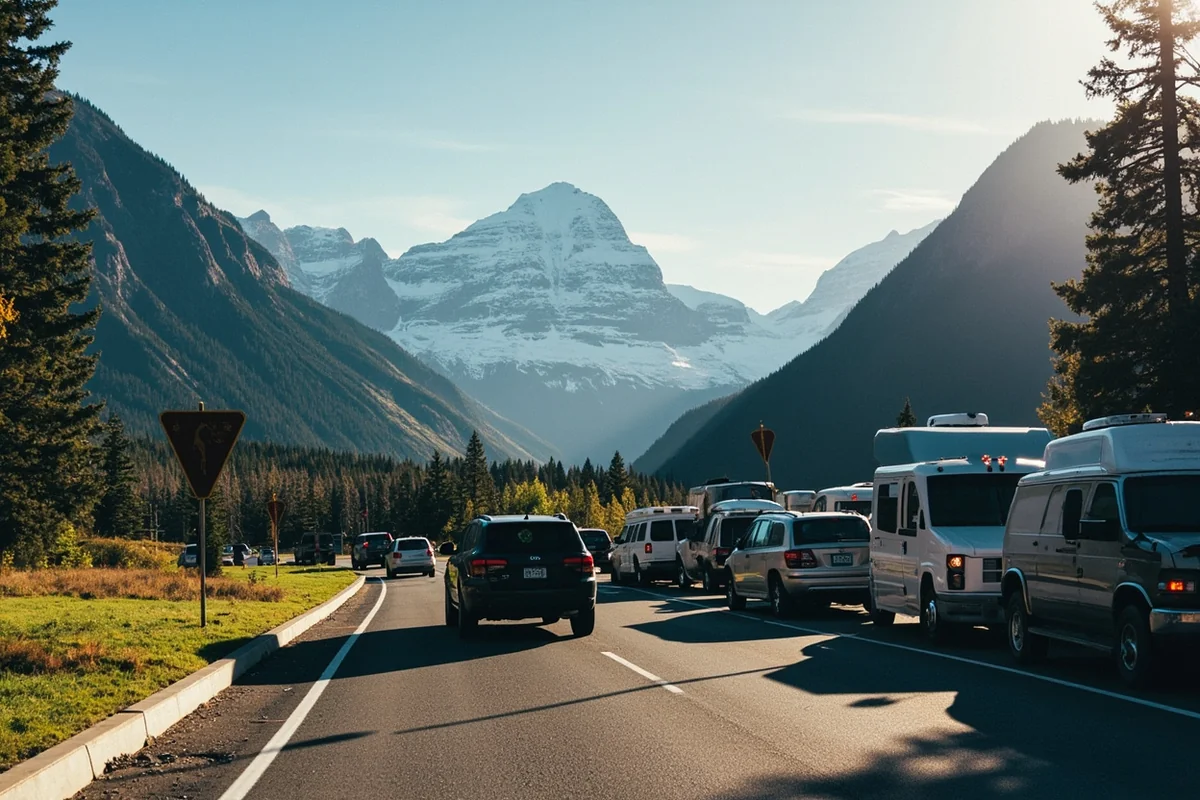
But summer also means you’ll pay $300+ for modest hotels near Glacier, compete with RVs on narrow mountain roads, and potentially face entrance reservation requirements. During my July visit to Many Glacier, the parking lot at Swiftcurrent filled by 6:30 AM—and this was a Tuesday.
My honest summer advice: if you’re visiting the major parks, book accommodations 6-9 months ahead. Secure any required reservations the moment they become available. Plan activities for early morning or evening when day-trippers return to their hotels.
Fall (September through October)
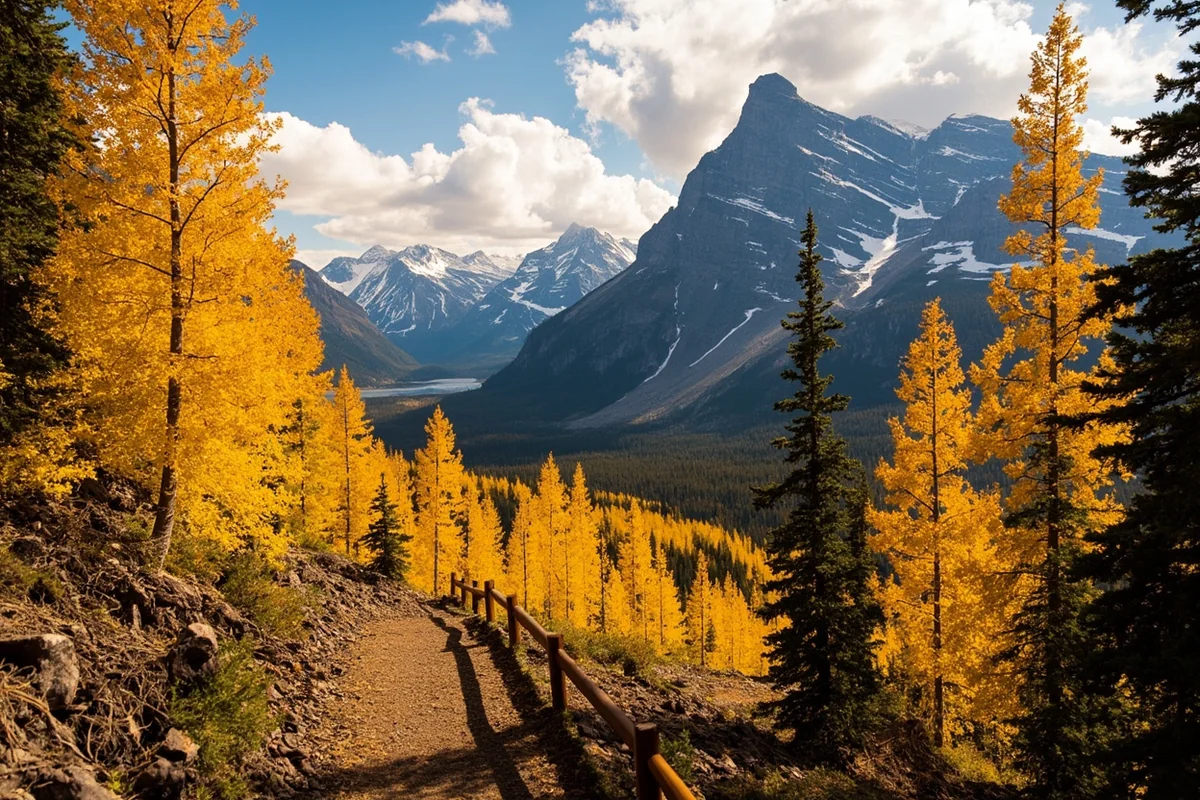
Fall is my personal favorite. The larch trees turn golden in late September, creating scenes in Glacier that rival any New England foliage. Crowds drop dramatically after Labor Day. Elk bugling season brings incredible wildlife opportunities near Gardiner and the Paradise Valley.
The trade-off: Going-to-the-Sun Road typically closes to vehicles in mid-October (sometimes earlier with early snow). Some seasonal businesses shut down by late September. Weather becomes unpredictable—I’ve experienced 70°F days and sudden snowstorms within the same week.
Winter (November through March)
Montana’s winter tourism focuses on skiing (Big Sky, Whitefish Mountain, Bridger Bowl) and snowmobiling (West Yellowstone bills itself as the snowmobile capital of the world). Yellowstone’s interior is only accessible by snowcoach or guided snowmobile tour.
I spent a January week in West Yellowstone, and watching geysers erupt against snowy landscapes with minimal crowds was genuinely magical. The cold was extreme—it hit -25°F one morning—but the experience justified the thermal underwear investment.
Spring (April through May)
Spring is Montana’s shoulder season, and I’ll be honest: it’s challenging. Snow lingers at elevation. Many roads remain closed. Rivers run high and cold with snowmelt. Some businesses haven’t reopened from winter.
That said, spring offers advantages. Waterfalls run at peak flow. Baby animals appear across the landscape. Hotel prices drop significantly. If you’re flexible and focused on lower-elevation experiences, spring can work beautifully.
The Economics Behind Your Montana Trip
Understanding Montana’s overall wealth and economy helps explain some of what you’ll encounter as a tourist. Montana isn’t a wealthy state by traditional measures, but tourism dollars concentrate in specific communities in ways that create interesting dynamics.
Where Your Money Goes
When you spend $200 on a night in Whitefish, approximately 35% goes to wages for local workers. Another 25% covers operating costs. The remainder splits between taxes (which fund infrastructure and services) and business profits (which often stay local in Montana’s independently-owned tourism sector).
This matters because Montana tourism remains remarkably independent compared to other destinations. National chains exist, but the tourism economy is still dominated by family-owned motels, local outfitters, and independent restaurants. When I asked business owners across the state about ownership, the overwhelming majority were Montana-based.
The practical implication: your spending genuinely supports communities. That $15 huckleberry pie in Hungry Horse helps employ local bakers. The fly-fishing guide you hire in Ennis supports a family in the Madison Valley.
The Resort Tax System
Montana allows designated resort communities to collect a 3% “resort tax” on luxury goods and services. Towns like West Yellowstone, Whitefish, Red Lodge, and Big Sky use this revenue for infrastructure, marketing, and community improvements.
When I noticed the pristine trails and well-maintained visitor facilities in these towns, I connected the dots. That small tax addition to your restaurant bill or hotel stay directly funds the amenities that make your visit better.
Glacier National Park: The Tourism Epicenter
No discussion of Montana tourism is complete without addressing Glacier National Park—the state’s biggest draw and most complex visitor management challenge.
I’ve visited Glacier perhaps fifteen times over the past five years, in every season and at all hours. Here’s what I’ve learned that most travel guides won’t tell you.
The Reservation Reality
Since 2022, visiting Going-to-the-Sun Road corridor during peak hours (6 AM to 4 PM) requires advance vehicle reservations from late May through early September. These reservations release in batches, with the main release happening 120 days ahead.
Getting reservations takes strategy. Set calendar reminders for release dates. Have multiple party members trying simultaneously. Consider morning slots (available starting at 6 AM) versus afternoon slots (3 PM and later, often easier to obtain).
Without a reservation, you can still enter before 6 AM, after 4 PM, or via alternative entrances like Two Medicine or Many Glacier that don’t require reservations.
Beyond the Beaten Path in Glacier
Here’s something most visitors miss: Glacier’s front-country experiences (Going-to-the-Sun, Logan Pass) represent perhaps 10% of the park’s terrain. The backcountry and lesser-visited areas offer equally stunning scenery without the crowds.
During a September backpacking trip into the Belly River drainage, I saw maybe twenty people over four days. The scenery rivaled anything along Going-to-the-Sun. The experience of watching grizzlies graze in meadows without another human in sight felt like a different planet than the Logan Pass parking lot.
If you’re willing to hike, reserve backcountry permits (available through recreation.gov starting March 15 for the summer season). The permit system limits users and guarantees you’ll experience Glacier’s wilderness on human-friendly terms.
Yellowstone’s Montana Gateway Communities
While Yellowstone spans three states, Montana’s gateway communities—West Yellowstone, Gardiner, and Cooke City—provide essential access and services.
West Yellowstone
West Yellowstone is the most developed gateway, with extensive hotels, restaurants, and outfitters. The town exists almost entirely because of Yellowstone tourism, and that singular focus means everything you need is readily available.
I’ve stayed in West Yellowstone perhaps a dozen times. My recommendation: book accommodations months ahead for summer visits, and expect to pay $200-350/night for standard hotels. The Explorer Cabins and Yellowstone Lodge offer good mid-range options. Budget travelers should consider camping at Baker’s Hole or Hebgen Lake.
The Grizzly and Wolf Discovery Center in town provides guaranteed bear viewing—useful if your park wildlife sightings don’t materialize.
Gardiner
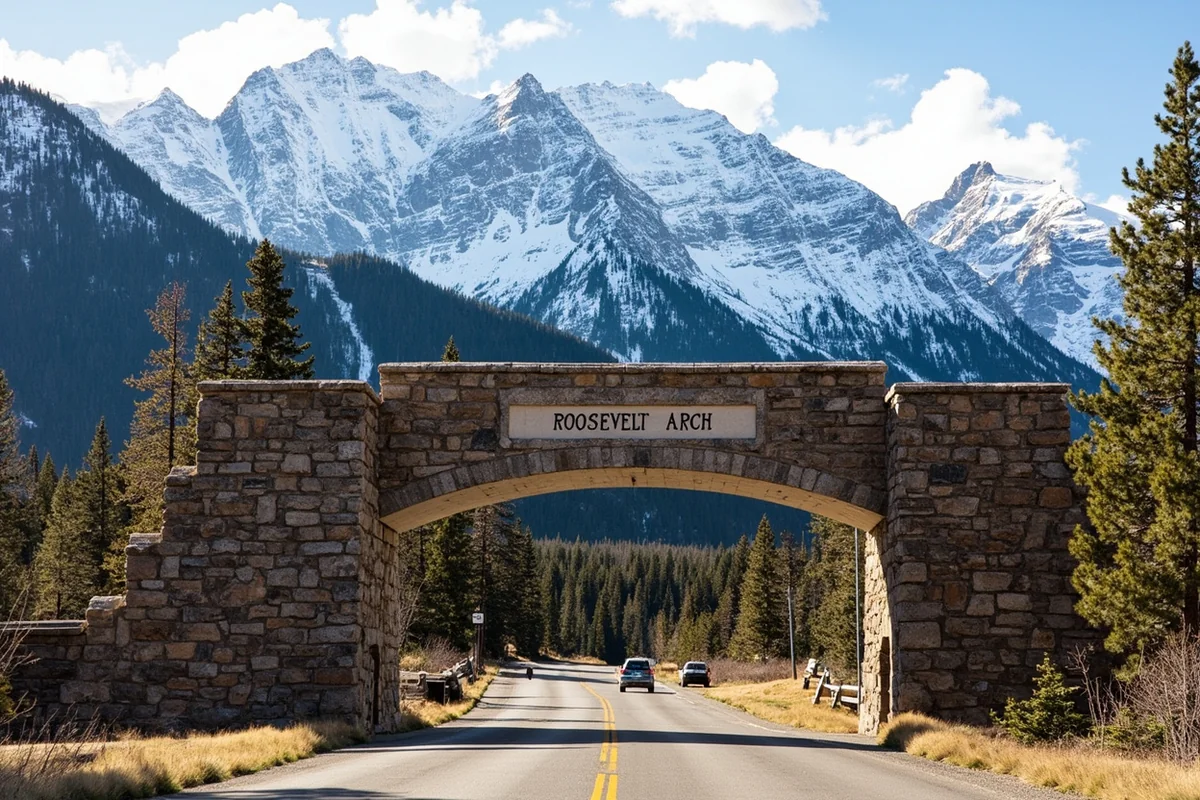
Gardiner, at Yellowstone’s north entrance, has a grittier, more authentic Montana feel than West Yellowstone. The Roosevelt Arch marks the original park entrance, and the town’s position in the Yellowstone River canyon creates a dramatic setting.
What many visitors don’t realize: Gardiner is the only entrance open year-round to regular vehicles. This makes it the winter gateway to Mammoth Hot Springs and the Lamar Valley—the best winter wildlife viewing in the lower 48.
I spent a February week based in Gardiner, and the experience of watching wolves in the Lamar Valley at sunrise, with snow coating the landscape and temperatures hovering near zero, ranks among my top Montana memories.
Cooke City and Silver Gate
These tiny communities near Yellowstone’s northeast entrance offer a different experience—remote, rustic, and surrounded by wilderness. The Beartooth Highway (when open, usually late May through mid-October) provides access and is itself a destination-worthy drive.
Cooke City has maybe 100 year-round residents, so services are limited but authentic. The Bearclaw Bakery makes some of the best pastries I’ve had in Montana. Accommodations book up quickly despite the remote location.
Montana’s Emerging Tourism Destinations
Beyond the famous parks, Montana’s tourism industry increasingly promotes lesser-known destinations. These spots offer genuine Montana experiences without the infrastructure strain and crowds of Glacier and Yellowstone.
The Missouri Breaks
The Upper Missouri River Breaks National Monument, in Montana’s central north, remains one of America’s least-visited public lands. This is Lewis and Clark territory, with white cliffs, remote canyons, and genuine solitude.
I floated a three-day section of the Missouri through the Breaks last June with an outfitter from Fort Benton. We saw eagles, deer, and historic sites like Decision Point (where Lewis and Clark chose the correct river fork). We did not see another group on the water.
The Breaks require more planning—you’ll need shuttle services and proper gear—but reward that effort with an experience increasingly rare in our crowded park system.
Southwest Montana’s Hot Springs Circuit
Montana has more hot springs than almost any other state, and the southwestern region clusters several accessible options. Norris Hot Springs, Bozeman Hot Springs, and the historic Fairmont Hot Springs resort all offer distinct experiences.
My personal favorite: Norris Hot Springs, about an hour from Bozeman, combines a natural-bottom pool with a small stage for live music on weekend nights. Soaking under stars while listening to local musicians felt quintessentially Montana.
The Hi-Line Communities
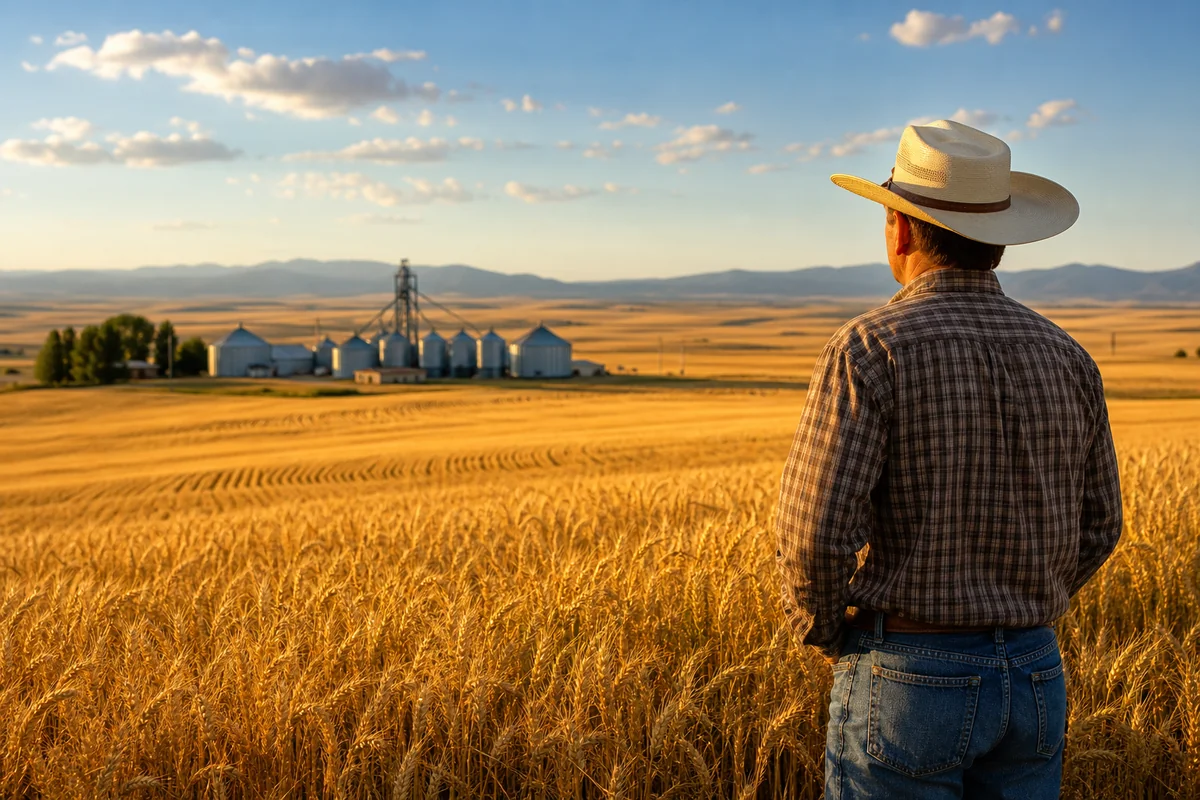
Montana’s Hi-Line—the string of towns along Highway 2 in the northern plains—offers a completely different tourism experience. This is agricultural Montana, where wheat production and agriculture broadly define the landscape.
Towns like Havre (with its underground tour of original downtown), Malta (gateway to dinosaur fossil sites), and Glasgow (near Fort Peck Lake) provide authentic small-town Montana without tourist infrastructure. You’ll eat at local diners, stay in modest motels, and experience landscapes that feel genuinely remote.
Tourism Infrastructure: What Travelers Need to Know
Montana’s tourism infrastructure has grown significantly but still shows strain during peak periods. Here’s practical guidance on navigating the system.
Accommodations
| Region | Peak Season Rate Range | Booking Lead Time | Best Alternative Approach |
|---|---|---|---|
| Glacier Area | $250-450/night | 6-9 months | Stay in Kalispell (30 min away) |
| Yellowstone Gateways | $200-350/night | 4-6 months | Consider Livingston or Bozeman |
| Bozeman/Big Sky | $180-400/night | 3-6 months | Three Forks or Belgrade |
| Missoula | $150-250/night | 2-4 months | More availability than gateway towns |
| Eastern Montana | $80-150/night | 1-2 weeks | Generally available same-day |
Transportation
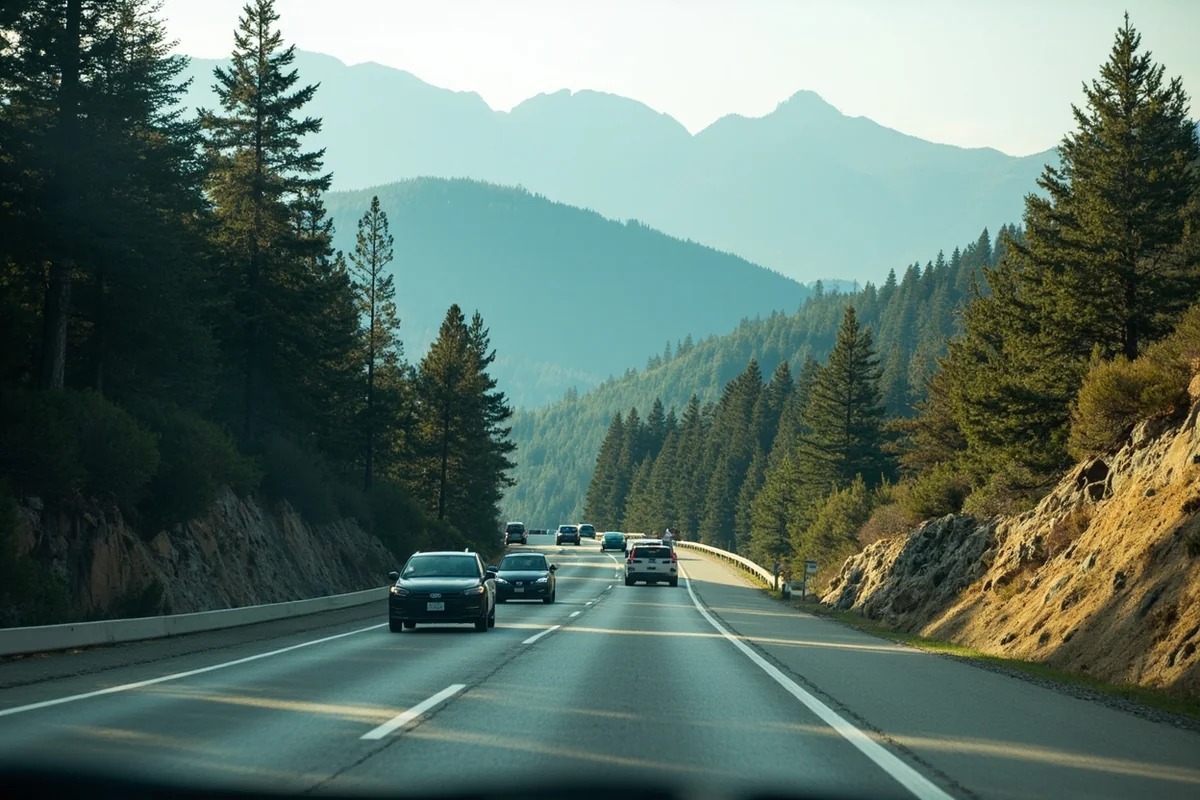
Montana is huge—fourth largest state by area—and public transportation is minimal. You’ll need a car. Period.
Rental car availability fluctuates dramatically with tourist demand. During my July trip, rental cars at Bozeman Yellowstone International ran $150/day for basic sedans. The same car in October cost $55/day.
Book rental cars when you book flights. Consider flying into smaller airports (Kalispell, Helena, Missoula) where rental availability may be better than Bozeman during peak periods.
Gas stations exist in towns, but distances can be substantial. Eastern Montana in particular has stretches of 50+ miles without services. Keep your tank above half when leaving towns.
Dining and Supplies
Montana’s food scene has improved dramatically in recent years, particularly in tourism-adjacent towns. Bozeman and Missoula offer genuinely excellent restaurants. Gateway communities have expanded beyond basic diner fare.
That said, options narrow quickly outside tourist areas. Stock up on groceries in larger towns. Don’t expect extensive vegetarian or specialty diet options in small communities.
Montana’s best local brands make excellent food souvenirs—huckleberry products, local chocolate, Montana-made jerky, and coffee roasted in Missoula or Helena.
Wildlife Tourism: Expectations vs. Reality
Wildlife viewing drives enormous tourist interest in Montana. Grizzly bears, wolves, bison, elk, moose—the megafauna here is genuinely spectacular.
But I’ve also seen tourists make dangerous and foolish decisions in pursuit of wildlife photos. Let me share some reality.
Where to See Wildlife
The Lamar Valley in Yellowstone remains the best place in North America to see wolves. I’ve observed wolves on perhaps 80% of my Lamar Valley visits when I arrived at dawn.
Grizzly bears are common throughout Glacier, the greater Yellowstone ecosystem, and increasingly in the Rocky Mountain Front. The National Bison Range near Missoula guarantees bison sightings.
The key to wildlife viewing: early mornings and late evenings. Animals avoid midday heat and crowds. Bring binoculars and spotting scopes rather than expecting close approaches.
Safety and Ethics
Montana requires you maintain 100 yards from bears and wolves, 25 yards from other wildlife in national parks. These aren’t suggestions—rangers issue citations.
Bear spray is essential for hiking in grizzly country. Buy it before you arrive (cannot fly with it), know how to use it, and keep it accessible—not buried in your pack.
I carry bear spray on every Montana hike, even when others tell me “there are no bears here.” There are always bears somewhere.
Climate Change and Montana Tourism
I’d be dishonest if I didn’t address climate change’s impact on Montana tourism. The changes are visible and accelerating.
Glacier National Park had 150 glaciers in 1850. Today, 26 remain, and most are projected to disappear by 2030-2040. I’ve compared photos from my first visit to recent trips—the ice loss is dramatic.
Wildfire seasons have intensified. August 2023 saw smoke blanket much of western Montana for weeks. Views that typically stretch 100 miles were limited to a few thousand feet. Iconic mountain backdrops disappeared behind gray haze.
Practical implications: consider early summer (June) to reduce smoke exposure. Monitor air quality forecasts using AirNow.gov. Flexible itineraries help—you may need to shift regions based on fire conditions.
The industry is adapting. Some outfitters now market “firelight experiences” that lean into dramatic smoky sunsets. That’s making the best of a challenging situation, but it’s worth understanding before you commit to August travel.
Supporting Montana Communities Through Tourism
Montana produces far more than tourism experiences—the state’s production includes agriculture, energy, and manufactured goods that sustain communities beyond tourist dollars. Understanding this context helps you travel more thoughtfully.
Responsible Spending
Choose locally-owned businesses when possible. The independent motel keeps more money in the community than the national chain. The family restaurant does more for the local economy than the fast-food franchise.
Consider Montana’s economic reality—these aren’t wealthy communities padding already-comfortable incomes. Tourism jobs often pay modestly, and your tips matter significantly to service workers.
Minimizing Impact
Pack out everything you pack in. Stay on designated trails. Respect closures. These basics matter more in Montana because the wild spaces are genuinely wild—damage here doesn’t get quickly repaired.
Water is precious in Montana. Those “Montana oil production areas” you might pass through in eastern Montana? They’re also agricultural regions where water conservation matters deeply.
Planning Your Montana Trip: Practical Steps
Let me distill everything into actionable planning guidance.
Six Months Out
Book accommodations in or near major parks. Reserve in-park lodging like Many Glacier Hotel or Lake McDonald Lodge (13 months ahead is better). Secure rental cars. Purchase travel insurance if you’re investing significantly.
Four Months Out
Research reservation requirements for Going-to-the-Sun Road (released 120 days ahead). Book guided activities like fishing trips, horseback rides, and float trips. Reserve camping spots in popular areas.
One Month Out
Monitor weather patterns. Check fire conditions and air quality forecasts. Finalize day-by-day itineraries. Purchase bear spray and any gear you’ll need.
One Week Out
Check park websites for road conditions and closures. Confirm all reservations. Download offline maps—cell service is unreliable throughout much of Montana.
The Future of Montana Tourism
Montana’s tourism industry continues evolving rapidly. Reservation systems that seemed experimental a few years ago are now standard. Sustainable tourism initiatives are expanding. Some communities are actively working to limit growth.
I’ve watched these changes with mixed feelings. I want others to experience Montana’s magic, but I also remember when you could show up at Glacier without a reservation and find solitude at Logan Pass.
The future likely involves more managed access, higher prices, and continued pressure on popular destinations. The opportunity: Montana’s vastness means alternatives always exist. While crowds flock to Glacier, the Absaroka-Beartooth Wilderness offers comparable scenery. While Yellowstone fills with visitors, the Centennial Valley provides its own wildlife spectacles.
For travelers willing to look beyond the obvious, Montana’s tourism industry still delivers on its core promise: access to genuinely wild spaces and authentic Western experiences. That’s why I keep returning, and why the millions who visit each year become advocates for this remarkable state.
Frequently Asked Questions
How much does a week-long trip to Montana typically cost?
A week-long Montana vacation typically costs between $1,500-$3,500 per person, depending on your travel style. Budget travelers can find campgrounds for $20-40/night and modest motels for $80-120, while luxury lodges near Glacier or Yellowstone run $300-600/night. I’d recommend budgeting $50-100 daily for food and activities, plus gas money since you’ll likely drive 200-400 miles exploring.
What is the best time of year to visit Montana for outdoor activities?
The best time to visit Montana depends on your interests—July through September offers ideal hiking weather with temperatures between 70-85°F and accessible mountain passes. If you’re planning a ski trip to Big Sky or Whitefish, December through March delivers excellent powder conditions. I personally love late September when fall colors peak, crowds thin out, and elk bugling echoes through the valleys.
How does tourism impact Montana’s economy and local communities?
Tourism generates over $5 billion annually for Montana’s economy and supports roughly 55,000 jobs across the state. Small gateway towns like West Yellowstone, Whitefish, and Red Lodge depend heavily on visitor spending at local restaurants, outfitters, and shops. When you book locally-owned accommodations and hire Montana-based guides, your dollars directly support these communities year-round.
What should I pack for a summer road trip through Montana?
Pack layers even in summer since Montana mountain temperatures can drop 30-40 degrees between afternoon and evening. Essential items include a quality rain jacket, sturdy hiking boots, sunscreen, bear spray if you’re hiking in grizzly country, and a cooler for long stretches between towns. I always bring binoculars for wildlife viewing and a paper map as backup since cell service is unreliable across much of rural Montana.
Is it worth visiting Montana outside of Glacier and Yellowstone National Parks?
Absolutely—Montana’s lesser-known destinations offer incredible experiences without the national park crowds and reservation hassles. The Beartooth Highway near Red Lodge, Missouri River breaks, and Bob Marshall Wilderness provide stunning landscapes where you might not see another person for hours. Local tourism boards in places like Bozeman, Missoula, and Helena can point you toward hidden gems that showcase authentic Montana culture.
How far apart are Montana’s major tourist attractions?
Montana’s major attractions are spread across a massive state—Glacier National Park to Yellowstone is roughly 340 miles, about a 5-6 hour drive through stunning scenery. From Bozeman to Glacier, expect a 300-mile journey taking around 4.5 hours without stops. I recommend planning no more than 3-4 hours of driving per day so you can actually enjoy roadside stops, small-town diners, and unexpected wildlife sightings along the way.
Do I need to make reservations in advance to visit Montana in peak season?
During peak season from June through August, advance reservations are essential for lodging near Glacier and Yellowstone—I’m talking 3-6 months ahead for popular spots. Glacier National Park now requires entry reservations for Going-to-the-Sun Road during summer months, so check the NPS website early. Booking guided fishing trips, rafting excursions, and popular restaurants in towns like Big Sky or Whitefish at least 2-4 weeks ahead will save you major headaches.
Sources
- https://www.nps.gov/glac/index.htm
- https://www.nps.gov/yell/index.htm
- https://brand.mt.gov/_shared/Office-of-Tourism/docs/Fast-Facts-Funding-20B.pdf
- https://www.montana.edu/hhd/
- https://agriculture.montana.edu/
- https://brand.mt.gov/Programs/Office-Of-Tourism/
- https://www.montana.edu/extension/agimpact/