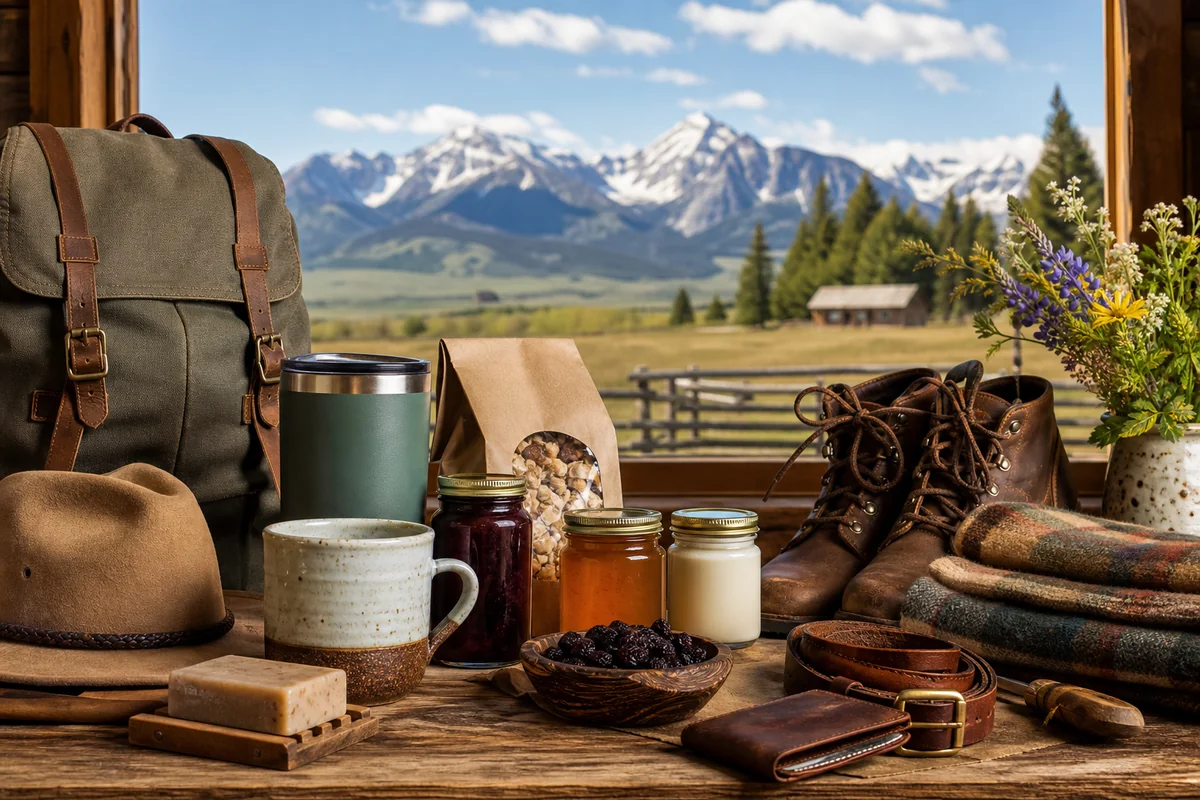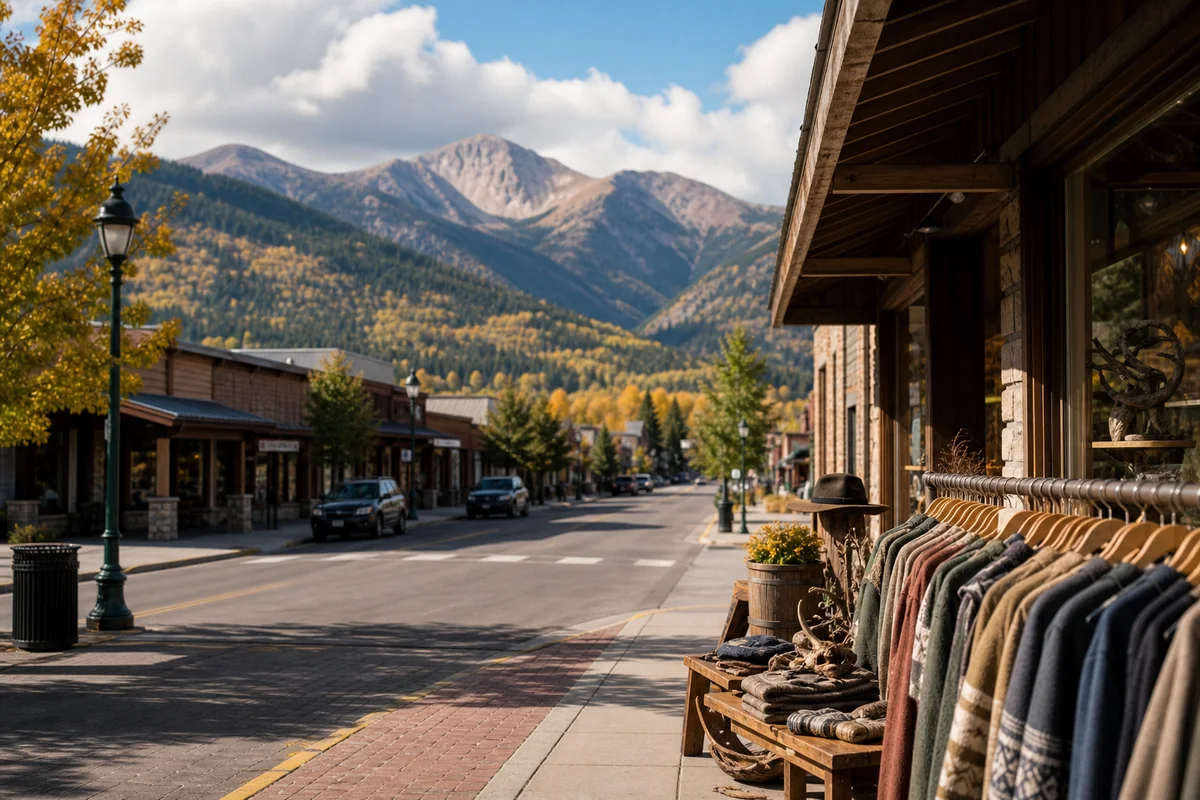
I was standing in a nearly empty Whitefish gift shop last October when the owner told me something that changed how I understood Montana travel: “We make 70% of our annual income in just three months.”
That single conversation illuminated why my fall trip felt so different from my chaotic July visit—and why understanding Montana’s economy isn’t just academic trivia, but genuinely useful knowledge for planning a better trip.
- Tourism is Montana’s second-largest industry, generating over $5 billion annually—your visit directly impacts local communities
- Understanding seasonal economic cycles helps you find better deals and avoid crowds
- Agriculture, mining, and energy industries shape regional culture and create unique travel experiences
- Montana’s “gateway towns” near national parks have boom-bust economies that affect lodging prices and availability
- Supporting local businesses matters more here than in most states—many operate on thin margins outside peak season
Liked this article?
Add Roaming Montana as a preferred source so you see more of our articles and guides on Google.
Why Montana’s Economy Actually Matters for Your Trip
Most travel guides skip right past economics, assuming you just want to know where to hike and what to eat. But during my years of exploring Montana, I’ve learned that understanding the state’s economic engine makes you a smarter, more prepared traveler.
Here’s the practical reality: Montana’s economy directly influences your lodging costs, restaurant availability, the condition of roads and trails, and even how locals perceive tourists. When you understand that a small town’s survival depends on summer visitors, you approach that community differently.
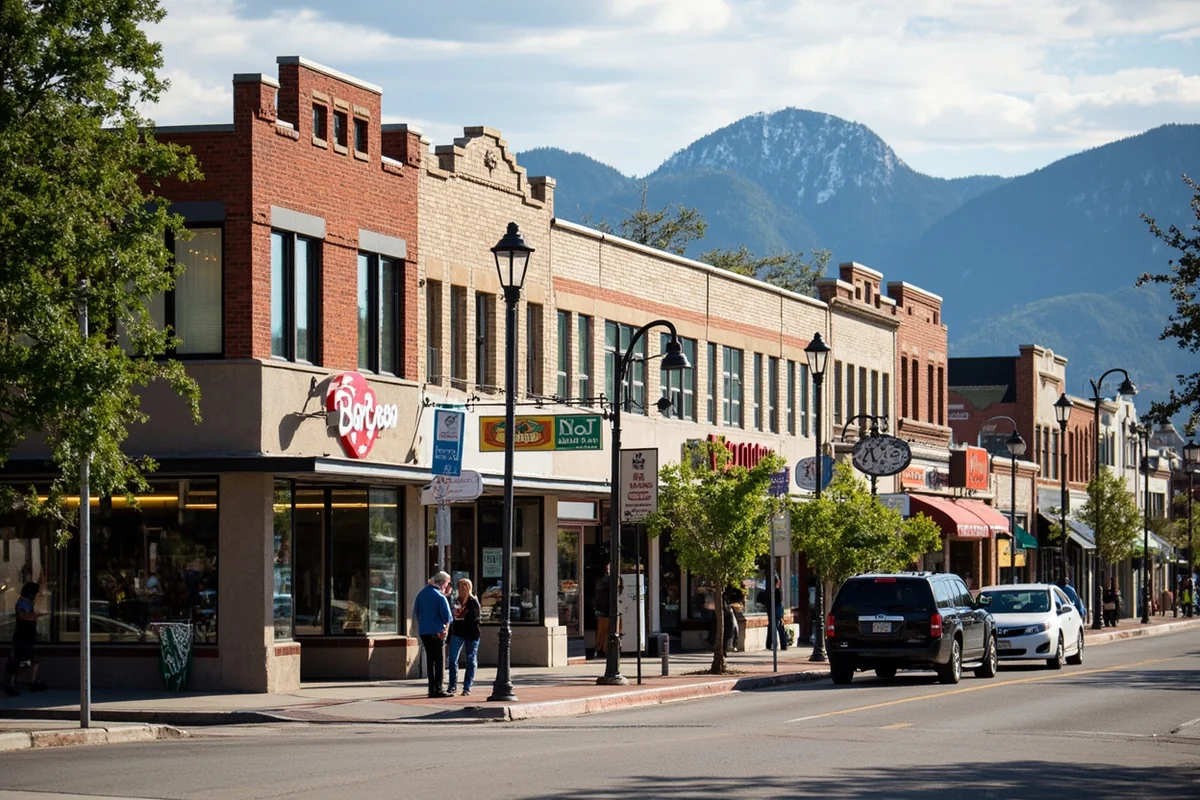
Montana ranks as the fourth-largest state by area but has fewer than 1.2 million residents—that’s roughly the population of San Jose packed into a state larger than Germany. This population-to-land ratio creates unique economic pressures that affect everything from gas station spacing to restaurant hours.
The Tourism Economy: You’re Part of It
Let me be direct: if you’re visiting Montana, you’re participating in the state’s second-largest industry. Tourism and outdoor recreation contribute approximately $5.8 billion annually to Montana’s economy and support over 71,000 jobs.
During my most recent summer trip, I chatted with a fly fishing guide on the Madison River who explained it perfectly: “Every client I take out keeps my family fed through winter.” That’s not hyperbole—it’s the economic reality of seasonal tourism.
Where Tourism Dollars Actually Go
The tourism economy isn’t evenly distributed across Montana. Based on my travels through multiple regions, here’s how it breaks down:
Glacier Country (Northwestern Montana): This region, anchored by Glacier National Park, captures the largest share of tourism spending. During my August visit to Kalispell, hotel prices were 300% higher than the same rooms in April.
Yellowstone Country (Southwestern Montana): The gateway communities of West Yellowstone, Gardiner, and Cooke City essentially exist because of the park. When I visited West Yellowstone in September, three restaurants had already closed for the season despite decent weather.
Central Montana: This is where tourism thins dramatically. Cities like Great Falls and Lewistown see far fewer visitors, which means lower prices but also fewer amenities. I found excellent motel rates here—under $80/night—but restaurant options were limited.
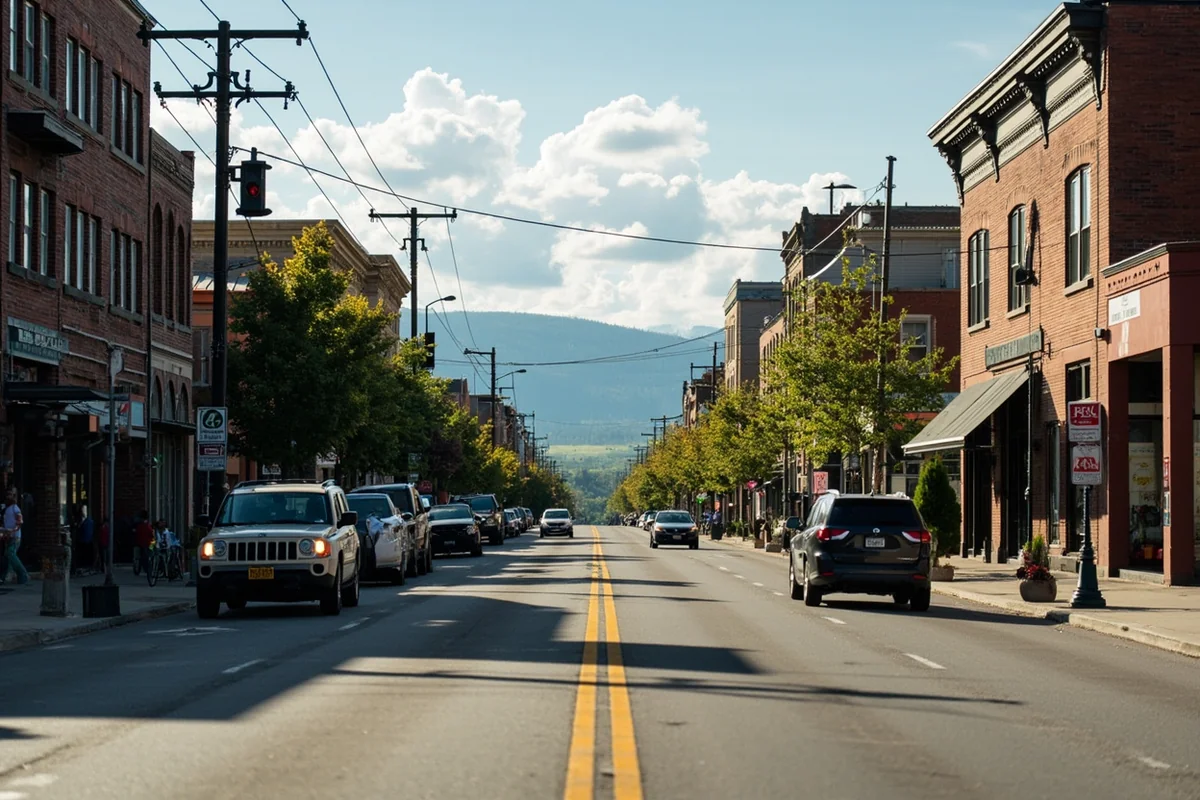
The Seasonal Surge and What It Means for You
Montana’s tourism economy operates on a dramatic seasonal cycle that smart travelers can use to their advantage.
| Season | Tourism Level | Price Impact | Practical Notes |
|---|---|---|---|
| Peak Summer (June-August) | Maximum crowds | Highest prices | Book 6+ months ahead for Glacier/Yellowstone lodging |
| Shoulder (May, September) | Moderate | 20-40% lower | Best value; some services reduced |
| Ski Season (December-March) | High in resort areas | Peak at resorts, low elsewhere | Huge regional variation |
| Off-Season (April, October-November) | Minimal | Lowest prices | Many businesses closed; limited services |
I’ve personally experienced the extremes. During a July trip to Glacier, I paid $289/night for a basic motel in Columbia Falls. Last October, I got a nicer room in Whitefish for $109. The park was quieter, the Going-to-the-Sun Road had just closed, but the experience felt more authentic.
Agriculture: Montana’s Cultural Backbone
Agriculture remains Montana’s leading industry by some measures, contributing over $5 billion annually to the state’s economy. More importantly for travelers, it defines the landscape and culture you’ll experience.
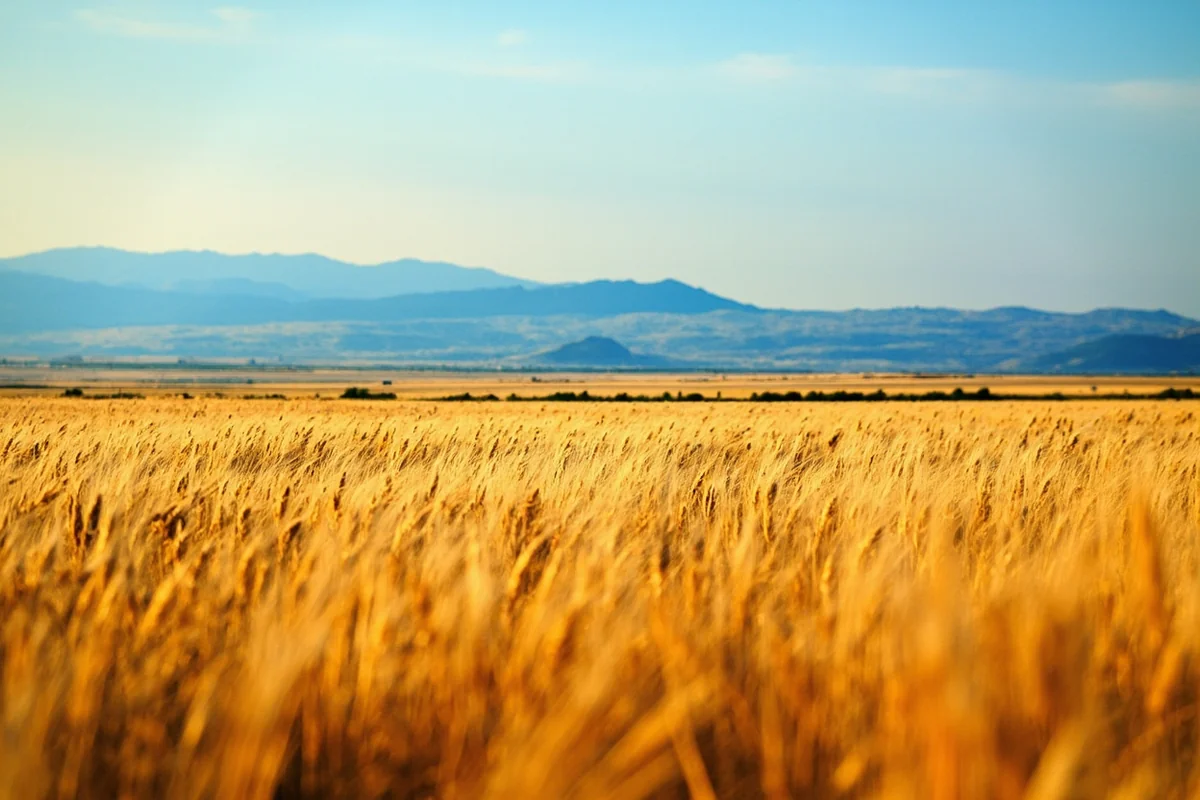
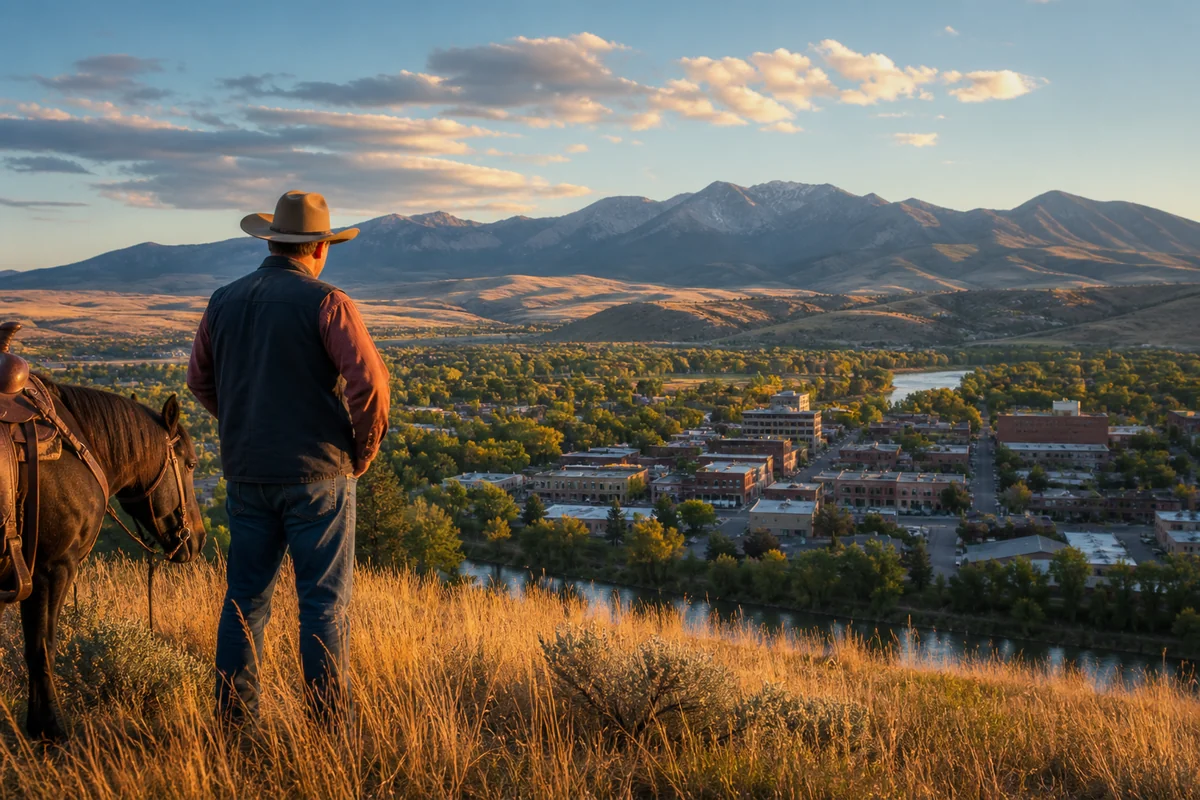
Montana has approximately 27,000 farms and ranches covering 58 million acres—that’s about 60% of the entire state. When you’re driving through central or eastern Montana and wondering why you haven’t seen another car in 45 minutes, agriculture is your answer.
How Agriculture Shapes Your Travel Experience
During my road trips through agricultural Montana, I’ve noticed several practical implications:
Gas station spacing: In farming and ranching country, gas stations can be 50-80 miles apart. On a drive from Lewistown to Malta last spring, I learned this lesson the hard way when my fuel light came on 30 miles from the nearest pump.
Harvest season traffic: If you’re traveling September through November, expect to share roads with combines and grain trucks. I once followed a combine for 12 miles on Highway 200 near Winnett. There was literally nowhere for it to pull over.
Restaurant hours: In agricultural communities, restaurants often close early—sometimes by 7 PM. Many operate on a schedule that makes sense for farmers who wake at 4 AM, not tourists looking for a late dinner.
Local culture: Ranch and farm culture runs deep. When I stopped at a café in Jordan (population: 343), the conversation at the counter was about cattle prices and wheat yields. This isn’t tourist Montana—it’s real Montana, and it’s fascinating if you approach it with curiosity.
Agricultural Experiences Worth Seeking Out
Montana’s agricultural economy creates unique travel opportunities that most visitors miss:
The Montana Grain Growers Association hosts farm tours in some areas. I attended one near Conrad that completely changed my understanding of wheat farming—did you know Montana produces enough wheat annually to make 1.8 billion loaves of bread?
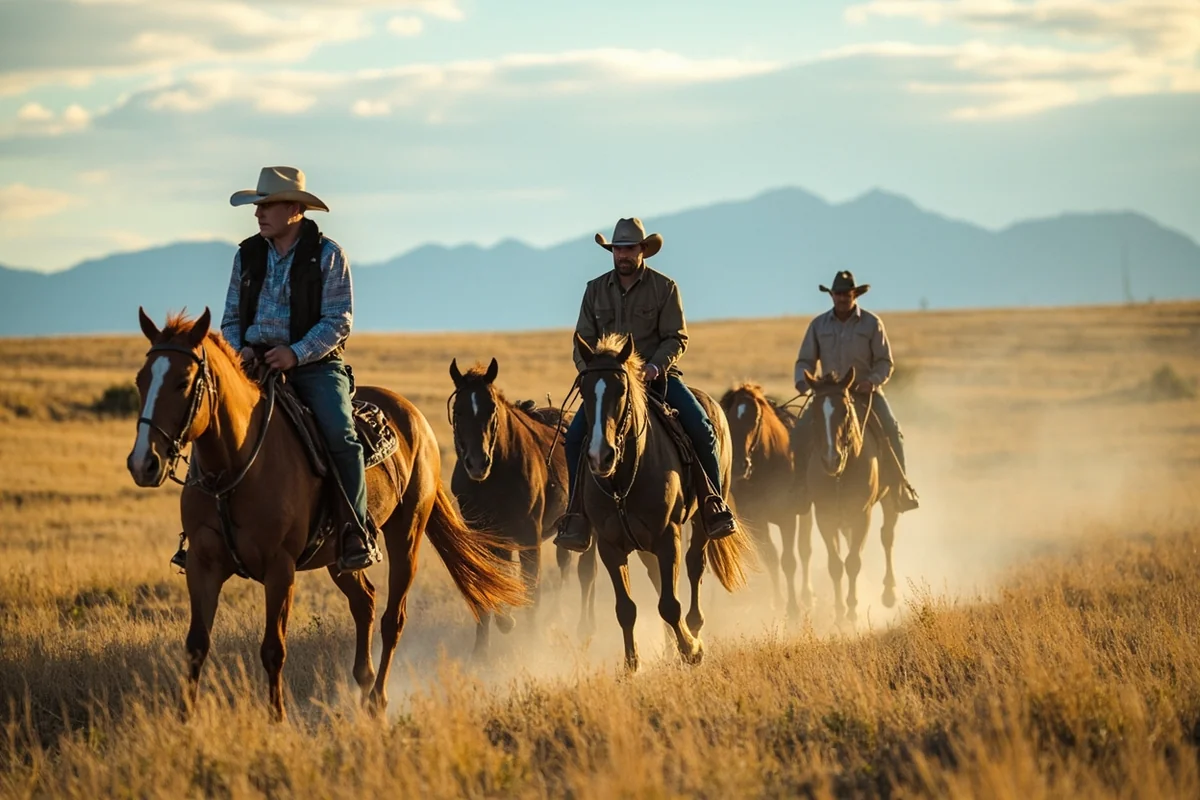
Guest ranches offer authentic agricultural experiences beyond the typical dude ranch activities. During a stay at a working ranch near Emigrant, I helped move cattle between pastures. It was genuinely hard work, and I understood why ranch families have such strong opinions about land use.
Farmers markets in Bozeman, Missoula, and Helena showcase local agricultural products. The Bozeman Farmers Market on Saturday mornings (June through September) features local vegetables, meats, and crafts. I’ve bought huckleberry products there that I couldn’t find anywhere else.
Mining and Energy: The Complicated History That Built Montana
Montana’s mining heritage isn’t just history—it’s an ongoing economic force that shapes communities and creates compelling travel experiences. Understanding this sector adds depth to your visit.
The state’s mining boom began in the 1860s with gold discoveries near Bannack and Virginia City. I walked the streets of both ghost towns last fall, and the preserved buildings tell stories of incredible wealth and devastating environmental damage.
Butte: America’s Richest Hill on Earth
No discussion of Montana’s mining economy is complete without Butte. This city built on copper mining once had a population larger than any other city between Chicago and San Francisco.
When I visited Butte, I took the underground mine tour at the World Museum of Mining. Descending into an actual mine shaft while a guide explained the brutal working conditions gave me context I couldn’t have gotten from a book.
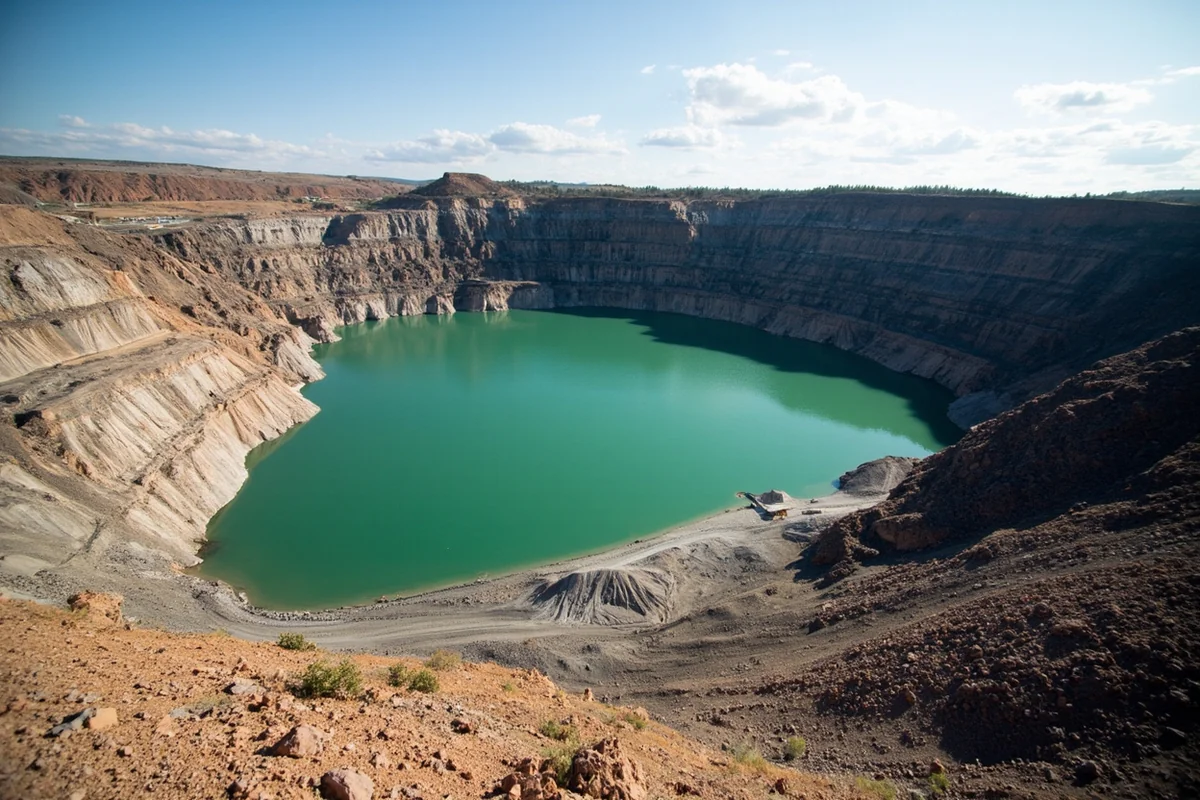
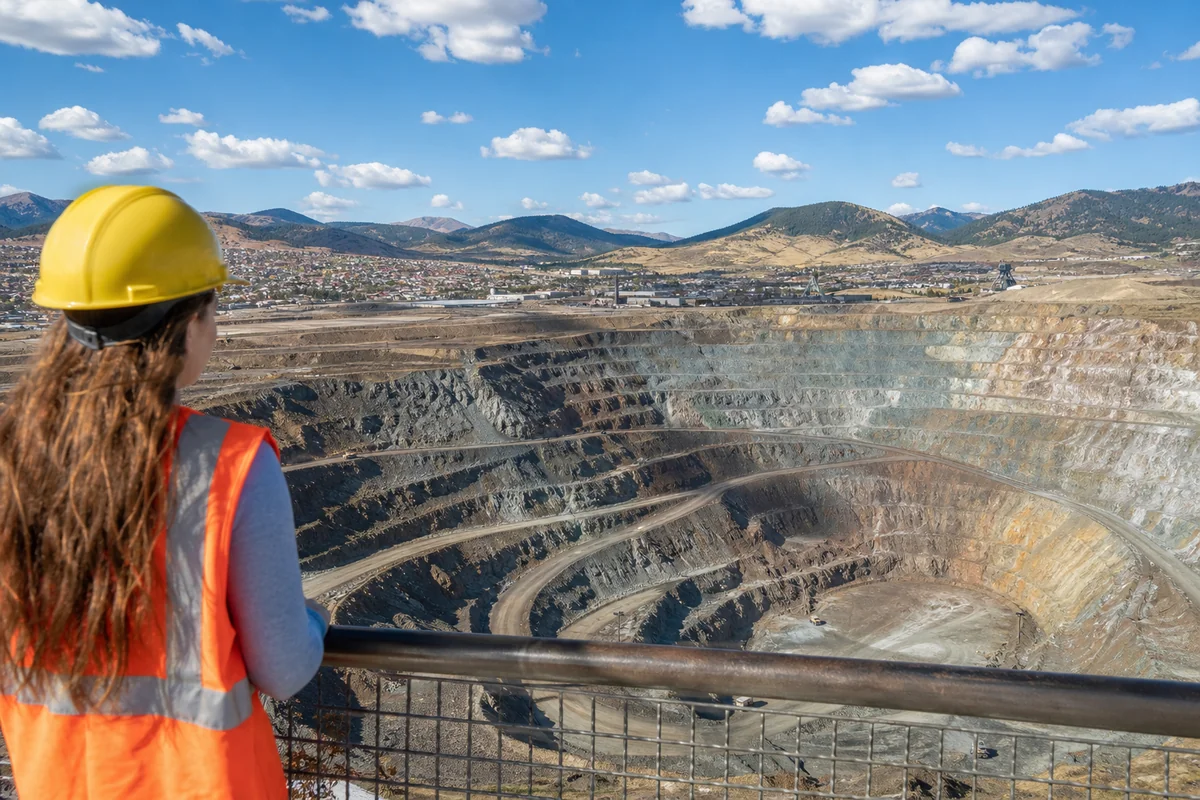
The Berkeley Pit—a former open-pit copper mine now filled with toxic water—is a strange tourist attraction. I stood on the viewing platform, looking at a mile-wide crater filled with contaminated water that kills birds who land on it. It’s not beautiful, but it’s important, and it illustrates the environmental costs that came with Montana’s mineral wealth.
Butte’s economy today is diversifying, but mining history remains central to its identity. The local restaurants, many serving pasties (meat pies brought by Cornish miners), still cater to working-class tastes. I had an excellent pasty at Nancy’s Pasty Shop and listened to older patrons discuss “the way things used to be.”
Modern Mining and Energy
Mining remains a significant economic force in Montana. The state produces coal, copper, platinum, palladium, and talc, among other minerals. These industries are controversial—I’ve talked to ranchers who oppose new mining operations and to mining families who depend on them for their livelihoods.
For travelers, the practical implications include:
Heavy truck traffic: In areas near active mines, expect industrial traffic on otherwise quiet rural roads. Near the Stillwater Mine south of Columbus, I encountered multiple semi-trucks hauling ore on narrow mountain roads.
Economic stability: Mining towns tend to have more year-round economic activity than pure tourism towns. Anaconda and Butte, despite their challenges, feel less seasonal than West Yellowstone.
Historical sites: Montana’s mining history has created fascinating attractions. Beyond Butte, check out the old mining towns along the Interstate 15 corridor, the Boulder Hot Springs (a former retreat for mining executives), and the Philipsburg mining district.
The Timber Industry: Changing But Still Present
When I first visited Montana in the early 2000s, timber trucks were a constant presence on mountain highways. That’s changed dramatically—the industry has contracted significantly—but forestry still influences the Montana economy and travel experience.
Timber now contributes roughly $700 million annually to Montana’s economy, supporting approximately 7,000 jobs. That’s down substantially from peak years, but it’s still significant, particularly in western Montana.
What This Means for Travelers
During my drives through western Montana’s national forests, I see evidence of active timber operations and their economic impact:
Mill towns: Communities like Libby, Superior, and Seeley Lake were built on timber. The economic transition has been difficult. When I stopped in Libby last spring, several storefronts were empty, but the community was working hard to develop tourism and other industries.
Forest access: Timber sales on national forest land create road networks that hikers and hunters use. Some of my favorite mountain biking trails follow old logging roads.
Fire management: This gets complicated, but the timber industry’s contraction has affected forest management. During my August visit to the Lolo National Forest, I saw thousands of acres of beetle-killed trees—a fire waiting to happen. Whether active timber harvesting would help or hurt is genuinely debated.
Rural culture: In timber communities, you’ll find a working-class ethos similar to mining and agricultural areas. The bar conversations in Seeley Lake are about log prices and Forest Service policies, not craft cocktails.
The New Montana Economy: Tech, Remote Work, and Lifestyle Migration
Here’s something that surprised me during recent visits: Montana’s economy is diversifying rapidly, and it’s changing the travel experience in ways I didn’t expect.
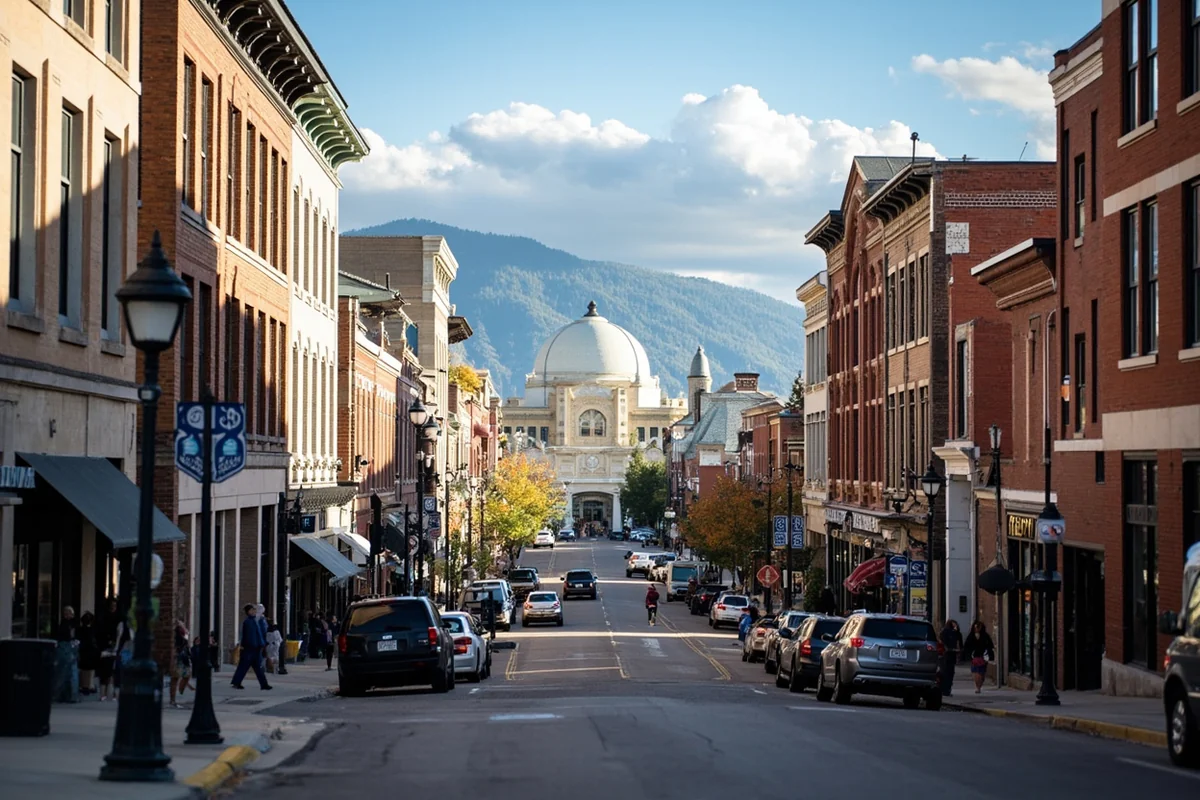
The pandemic accelerated a trend that was already underway—remote workers and tech employees moving to Montana for quality of life. Bozeman has become a genuine tech hub, and Missoula isn’t far behind.
How This Affects Your Trip
During my visit to Bozeman last summer, the changes were obvious:
Housing costs have exploded: This means Airbnb and vacation rental prices have skyrocketed. A modest cabin that might have rented for $150/night a few years ago now commands $300+. Hotel prices have followed.
Restaurant scenes have evolved: The influx of residents from coastal cities has created demand for more diverse, higher-end dining. Bozeman now has excellent restaurants I would have expected to find in Portland or Denver. I had ramen at a spot downtown that rivaled anything I’ve eaten in Seattle.
Traffic has increased: This is most noticeable in Bozeman and Missoula. Rush hour is now a real thing in these cities, which would have seemed absurd a decade ago.
Cultural tensions exist: I’ve had multiple conversations with long-time Montanans who express frustration about newcomers changing their communities. As a traveler, I try to be aware of this dynamic and approach interactions with humility.
Outdoor gear is top-notch: The lifestyle migration has brought serious outdoor enthusiasts, which means gear shops in Bozeman and Missoula are excellent. When I broke a tent pole near Bozeman last July, I found a replacement at Schnee’s within an hour.
Practical Tips: Using Economic Knowledge to Travel Smarter
After years of Montana travel, I’ve developed strategies based on understanding the state’s economic patterns:
Timing Your Visit for Value
Best bang for your buck: Late September in Glacier Country. Most services are still open, fall colors are starting, and prices drop 30-40% from peak summer rates.
Worst value: The first two weeks of August near Yellowstone or Glacier. You’ll pay maximum prices for minimum solitude.
Hidden gem timing: Early June. The snowpack is often still high (limiting some high-elevation access), but the valleys are gorgeous, prices are reasonable, and crowds haven’t peaked.
Supporting Local Economies Effectively
Your tourism dollars matter more in some contexts than others. Based on my observations:
Small gateway communities (Gardiner, Polebridge, East Glacier) depend almost entirely on tourism. Buying gas, eating meals, and purchasing gifts in these towns has outsized impact.
Locally-owned businesses keep more money in Montana communities. I make an effort to identify independent motels, restaurants, and shops rather than defaulting to chains.
Off-season visits matter most economically. A visit in September helps businesses extend their viable season, which helps retain employees and maintain services.
Understanding Regional Differences
Montana’s economy varies dramatically by region, and this affects travel planning:
Southwest Montana (Butte, Dillon, Anaconda): Historic mining economy, lower tourism pressure, better hotel values. I consistently find rooms under $100/night even in summer.
Northwest Montana (Kalispell, Whitefish, Glacier area): Tourism-dominant, highest prices, most seasonal variation. Book early or pay premium rates.
Central Montana (Great Falls, Lewistown): Agricultural base with moderate tourism. Excellent value and authentic Montana culture, but limited dining and entertainment options.
Eastern Montana: Agricultural with almost no tourism infrastructure in many areas. Fill your gas tank, pack snacks, and embrace the solitude.
The Workers Behind Montana’s Economy
One thing that strikes me about Montana: the seasonal economy creates a unique workforce culture that affects visitor experiences.
Many Montana tourism workers are transient—they follow the seasons between Montana summers and Arizona winters, or work resort jobs while pursuing outdoor passions. Others are locals juggling multiple part-time jobs to make ends meet.
During a conversation with a server in Big Sky last winter, she explained that she worked breakfast at one restaurant, lunch at another, and evenings at a hotel bar. “Three jobs pays about the same as one job used to,” she said, referencing rising housing costs.
This reality has a few implications for travelers:
Be patient. Businesses in tourism areas often struggle to find adequate staffing. That longer-than-expected wait for food or hotel check-in may reflect a business running short-staffed.
Tip well. Service workers in expensive resort areas often can’t afford to live near where they work. Tips matter enormously.
Be kind. The bartender serving you in Whitefish might have a master’s degree and work this job to afford living in the mountains. Don’t make assumptions.
Future Trends: What I’m Watching
Based on my ongoing Montana travels, several economic trends will affect future visitors:
Climate change is reshaping tourism patterns. Glacier National Park’s glaciers are receding—that’s not political, it’s observable. I’ve compared photos from my first visit 15 years ago to today, and the change is dramatic. This may accelerate “last chance tourism,” increasing pressure on already-stressed areas.
Remote work will continue driving housing prices. This makes Montana more expensive for visitors and is creating genuine tension with long-term residents. I expect continued price increases for lodging in desirable areas.
Infrastructure is struggling to keep up. The roads, trails, and facilities weren’t built for current visitor volumes. During my August trip to Glacier, the shuttle system was overwhelmed, and popular trailheads filled by 7 AM.
Diversification will continue. Montana is working to build industries beyond resource extraction and tourism. High-tech manufacturing, renewable energy, and professional services are growing. This may eventually reduce the seasonal boom-bust cycle.
Making the Most of Your Economic Awareness
I started this article with a conversation in a Whitefish gift shop, and I’ll end with another.
Last September, I was buying huckleberry jam at a small shop in East Glacier. The owner, who’d run the business for 20 years, told me that the past few seasons had been her best ever—more visitors than she could have imagined when she started.
“But,” she added, “I worry about what happens if gas prices spike, or if there’s another recession. One bad summer, and half these businesses would close.”
That vulnerability stuck with me. Montana’s economy—beneath the stunning landscapes and charming towns—is more fragile than it appears. As a traveler, I’ve come to see my visits as participation in a system where my choices actually matter.
Understanding Montana’s economy won’t change the beauty of a sunset over the Madison River or the thrill of seeing a grizzly in Glacier. But it adds a dimension to travel that makes the experience richer.
When you visit Montana, you’re not just a tourist consuming experiences. You’re participating in an economy that shapes communities, supports families, and determines whether that little café in Polebridge will still be there next year.
Travel with that awareness, and Montana reveals itself more fully.
Frequently Asked Questions
How does Montana’s economy affect travel costs for visitors?
Montana’s economy relies heavily on tourism, agriculture, and natural resources, which keeps many travel costs reasonable compared to coastal destinations. I’ve found that lodging in smaller towns can run $80-150/night, while gateway communities near Glacier or Yellowstone charge premium rates of $200-400+ during peak season. Filling up your tank costs roughly the national average, and locally-sourced meals at ranch-to-table restaurants offer great value.
What industries should travelers know about when visiting Montana?
Tourism is Montana’s fastest-growing industry, but you’ll also encounter working cattle ranches, wheat farms, and timber operations throughout the state. Many guest ranches and agritourism experiences let visitors participate in real ranch work, which I highly recommend for an authentic Montana experience. You might also spot mining operations in areas like Butte, where copper mining shaped the region’s history and culture.
Is Montana expensive to visit compared to other Western states?
Montana generally costs less than destinations like Colorado ski towns or California national parks, though prices spike dramatically in summer near Glacier and Yellowstone. Budget travelers can expect to spend $150-200/day including lodging, food, and activities, while mid-range travelers should plan for $250-350/day. I recommend visiting in September or early October when shoulder season pricing drops 20-30% and crowds thin out significantly.
How does Montana’s seasonal economy impact the best time to visit?
Montana’s tourism economy peaks from June through August, meaning higher prices and fully booked accommodations, especially within 50 miles of major parks. Ski season from December through March drives a secondary economic boom in areas like Big Sky and Whitefish. I’ve found the sweet spots are May and September-October, when local businesses are open but desperate for customers, often offering deals on lodging and guided tours.
What local Montana products and goods should travelers buy to support the economy?
Supporting Montana’s economy means shopping for locally-made goods like Hutterite colony quilts, leather goods from working saddleries, and huckleberry products from roadside stands. Montana sapphires mined near Philipsburg make unique souvenirs, and many visitors tour the mines themselves for around $25-50. I always grab local honey, grass-fed beef jerky, and craft spirits from the state’s growing distillery scene to bring home.
Are there affordable small towns in Montana that benefit from tourism dollars?
Absolutely—towns like Livingston, Red Lodge, and Choteau offer authentic Montana experiences at 30-40% less than Bozeman or Whitefish prices. These communities genuinely depend on tourism revenue, so your dollars make a real impact on local families and businesses. I particularly love staying in these smaller gateway towns and driving 30-60 miles to major attractions while enjoying cheaper gas, lodging, and restaurant prices.
How much should I tip for services in Montana’s tourism economy?
Tipping follows standard US practices, but remember that many Montana service workers depend heavily on summer tourism income to sustain them through slower seasons. I tip 20% at restaurants, $5-10/day for hotel housekeeping, and $20-50 for fishing and hunting guides depending on trip length. For multi-day guided experiences like pack trips or float trips, 15-20% of the total trip cost split among guides is customary and deeply appreciated.
Sources