Standing outside a coffee shop in Whitefish last October, I overheard a couple from Texas debating whether they could afford to retire here. “It’s gotten expensive,” the woman said, gesturing toward the mountain views that command million-dollar price tags.
That conversation stuck with me because it perfectly captures Montana’s economic paradox—a state that feels both authentically rugged and increasingly affluent, depending on where you point your compass.
Understanding Montana’s economy before you visit isn’t just academic curiosity. It directly affects your trip: where you can find affordable lodging, which communities welcome tourists versus feeling overwhelmed by them, and why certain areas have transformed into playgrounds for the ultra-wealthy while others remain refreshingly unpretentious.
- Montana ranks middle-of-the-pack for state wealth, but extreme regional disparities mean Bozeman feels like Aspen while Miles City stays affordable
- The “Zoom town” boom brought remote workers and skyrocketing real estate prices to popular areas post-2020
- Tourism dollars significantly impact local economies—your spending matters to these communities
- Best value destinations: Eastern Montana, smaller towns off major highways, shoulder seasons everywhere
- Wealthy enclaves like Big Sky and Whitefish offer luxury experiences but budget travelers can still find authentic Montana nearby
Liked this article?
Add Roaming Montana as a preferred source so you see more of our articles and guides on Google.
What Does “State Wealth” Actually Mean for Travelers?
When we talk about Montana’s state wealth, we’re really discussing several interconnected factors that shape your travel experience. I’ve spent years exploring this state, and I’ve learned that the economic landscape matters almost as much as the physical one.
Montana’s gross domestic product hit approximately $65 billion in recent years, which might sound impressive until you realize the state has fewer than 1.2 million residents. For deeper context on how this breaks down, check out Montana’s GDP per capita figures.
But state-level numbers mask tremendous variation. During my visit to Livingston last summer, I chatted with a local bartender who’d lived there for fifteen years. “Used to be you could buy a house on a bartender’s salary,” she told me. “Now I have three roommates.”
That story repeats across western Montana’s most desirable communities. Meanwhile, eastern Montana towns like Glendive and Sidney offer genuinely affordable living—and travel experiences.
The Great Wealth Divide: Western vs. Eastern Montana
I can’t overstate how different these two regions feel economically. It’s almost like visiting two separate states.
Western Montana: The Wealth Concentration
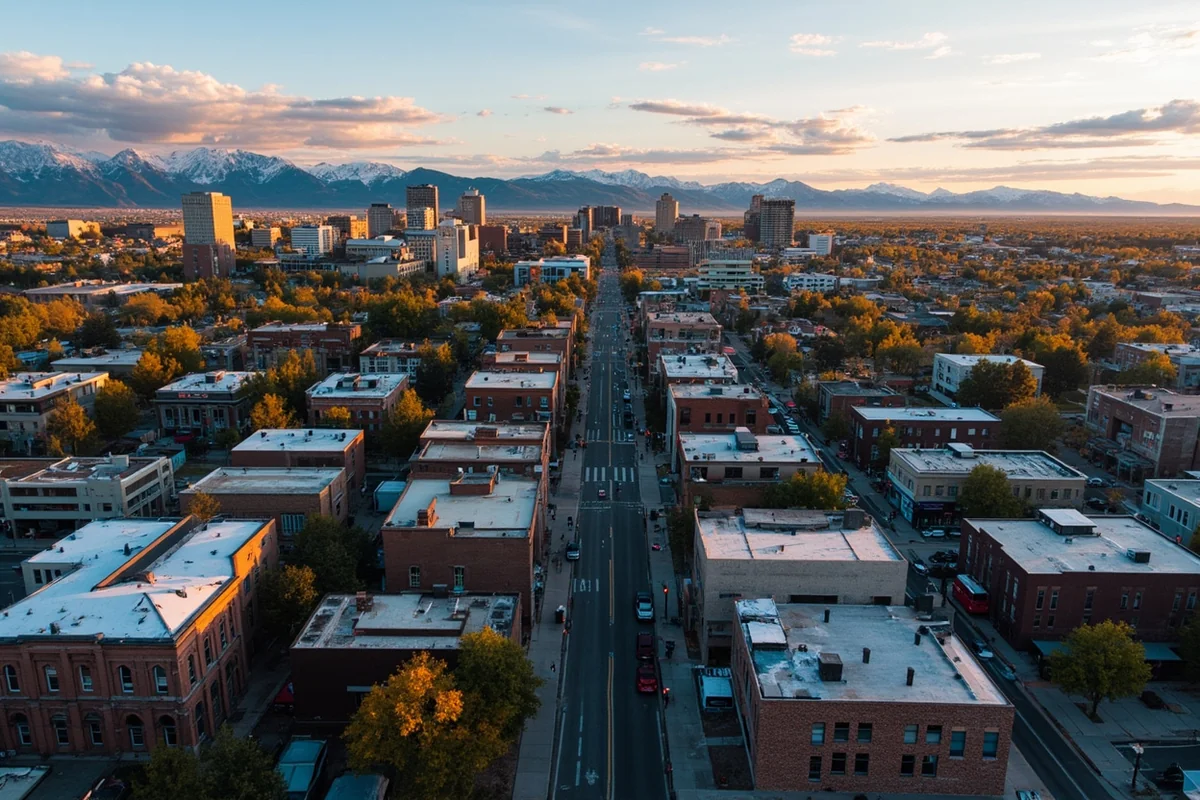
Western Montana has become a magnet for wealthy transplants, particularly since 2020. When I drove through the Flathead Valley during my recent trip, construction cranes dotted the landscape like mechanical trees.
Whitefish, Bigfork, and Kalispell have transformed into resort communities with price tags to match. A basic hotel room in Whitefish during ski season can easily exceed $300 per night. I’ve watched breakfast prices at popular spots climb from reasonable to eye-watering in just a few years.
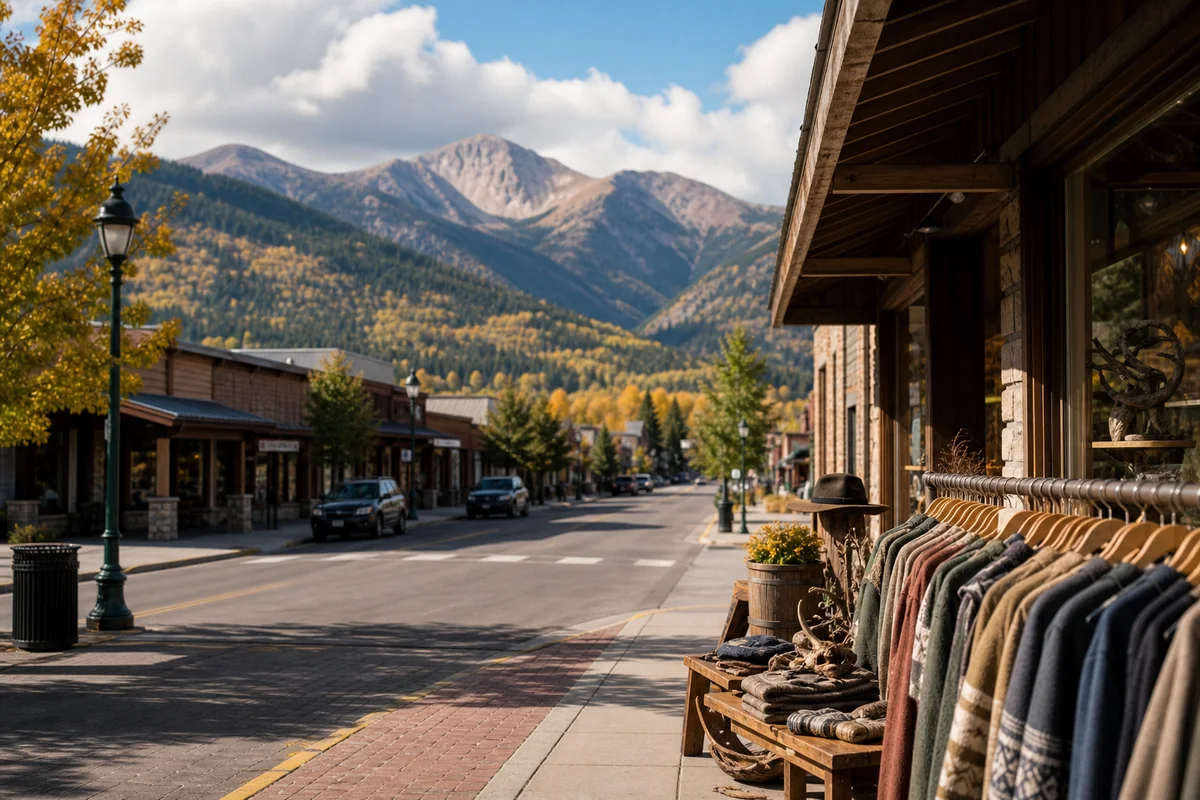
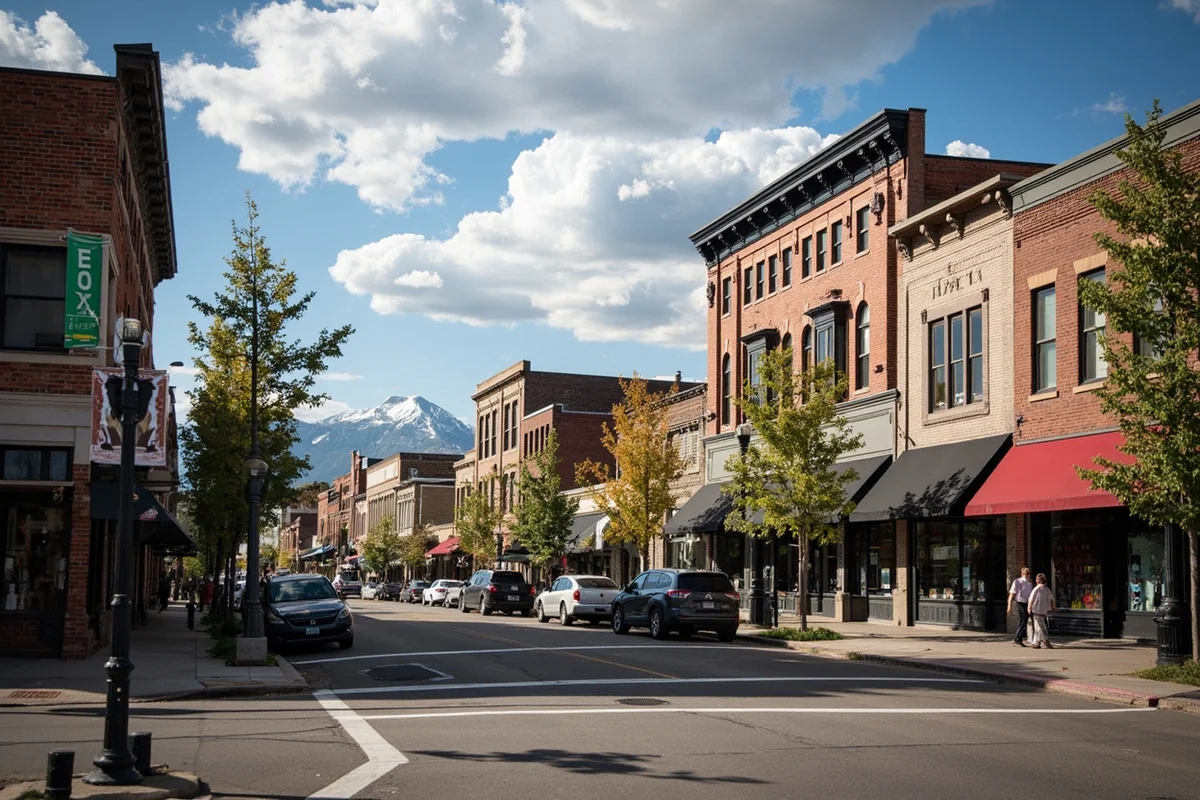
Bozeman represents perhaps the most dramatic change. The town has attracted tech workers, celebrities (the “Yellowstone” effect is real), and investors. Walking down Main Street, you’ll find boutiques selling $500 cowboy boots next to farm supply stores that have served ranchers for generations.
The wealth feels visible here—luxury SUVs, designer outdoor wear, and real estate offices advertising properties in the millions.
Eastern Montana: Affordable Authenticity
Cross the Continental Divide heading east, and the economic temperature drops noticeably. This isn’t a criticism—it’s an observation that opens opportunities for budget-conscious travelers.
Towns like Lewistown, Miles City, and Glasgow maintain price points from a different era. During one trip through the Hi-Line, I found motel rooms for under $70 and hearty diner meals for $12.
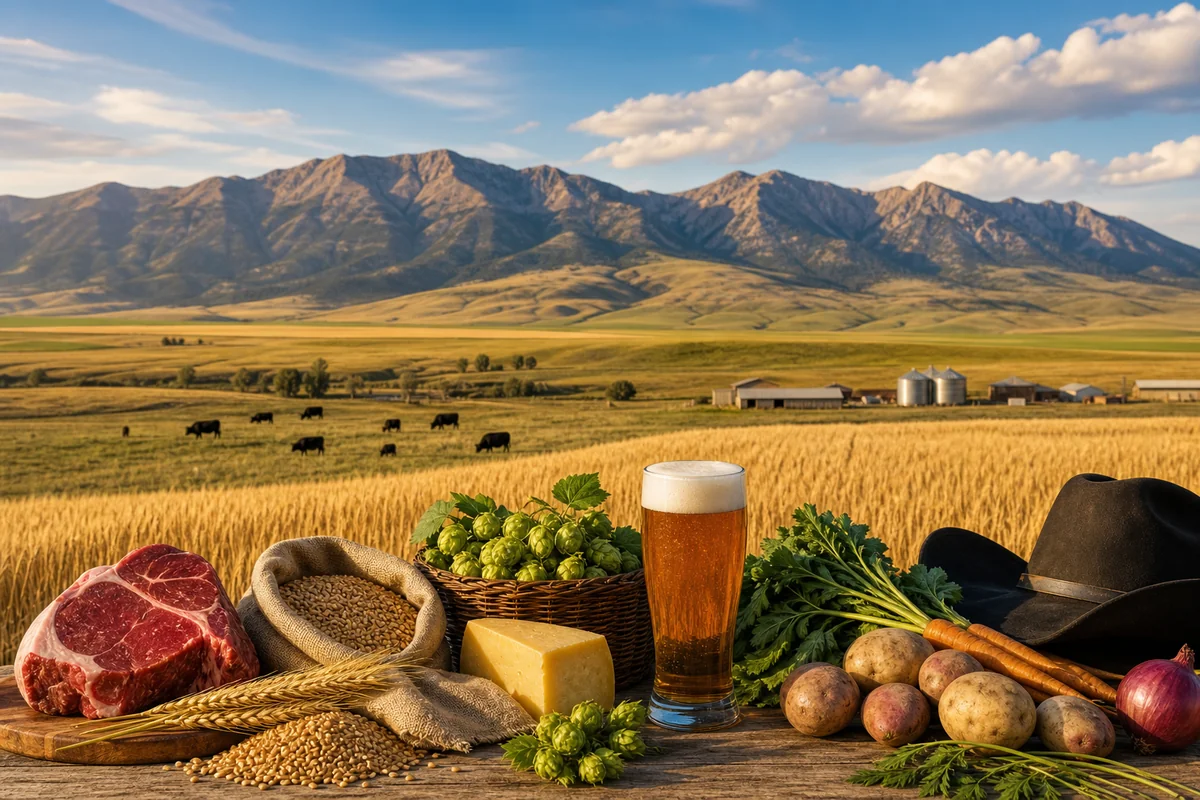
The Montana agriculture industry dominates eastern Montana’s economy. You’ll pass through wheat fields that stretch to the horizon, cattle operations covering thousands of acres, and small towns built around grain elevators.
This agricultural base creates a different kind of wealth—land-rich but cash-conscious communities where a farmer might own property worth millions while driving a twenty-year-old pickup.
How Tourism Dollars Shape Montana Communities
Your tourism spending has genuine economic impact in Montana, which creates both opportunity and responsibility for visitors. The Montana tourism industry generates billions annually, supporting communities that might otherwise struggle.
Gateway Towns and Tourism Dependence
I’ve spent considerable time in West Yellowstone, Gardiner, and Cooke City—the gateway communities to Yellowstone National Park. These towns live and die by tourist seasons.
During peak summer months, these places buzz with activity. Restaurants overflow, gift shops do brisk business, and lodging books months in advance. But visit in November (as I did one year), and you’ll find ghost-town vibes—many businesses shuttered until snow season brings snowmobilers.
This seasonality creates economic vulnerability. Local business owners told me they make 80% of their annual income in just four or five months. As a traveler, understanding this dynamic helps explain both the prices you’ll pay and the welcome you’ll receive.
Shoulder season visits (May, September, October) often provide the best value. Businesses need customers, and they’re genuinely grateful for off-peak visitors.
Small Town Economic Revival Through Tourism
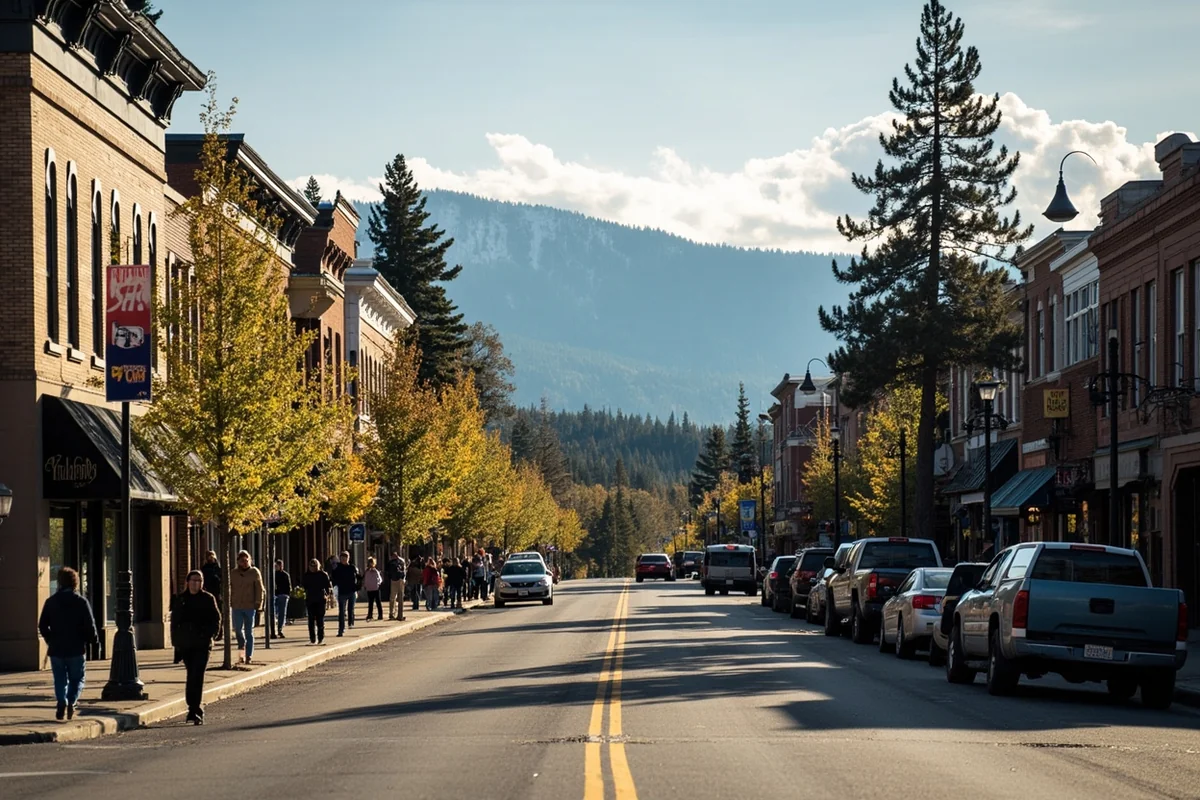
Some Montana communities have successfully leveraged tourism without losing their character. Philipsburg stands out as my favorite example.
This former mining town reinvented itself with sweet shops, breweries, and ghost town tours while maintaining authentic grit. During my last visit, I watched tourists buy huckleberry taffy while locals grabbed coffee at the same counter.
Similarly, Livingston has balanced its working-class railroad heritage with arts and fly-fishing tourism. The town feels prosperous without feeling fake—a delicate balance many communities seek.
Understanding Montana’s Resource Wealth
Montana’s nickname, “The Treasure State,” comes from its mineral riches, and these resources continue shaping the economy today.
Mining’s Lasting Legacy
Butte’s history as “the richest hill on earth” created tremendous wealth—and environmental devastation—that visitors can still witness. Walking the Berkeley Pit viewing stand last fall, I stood at the edge of a toxic lake that was once a mountain.
The mining wealth built grand Victorian neighborhoods, ornate buildings, and a cosmopolitan community with immigrants from Ireland, Cornwall, and beyond. Today, Butte maintains working-class affordability while celebrating this complex heritage through excellent museums and historic preservation.
For travelers interested in what Montana produces, Butte offers an honest look at extraction’s costs and benefits.
Modern Energy Production
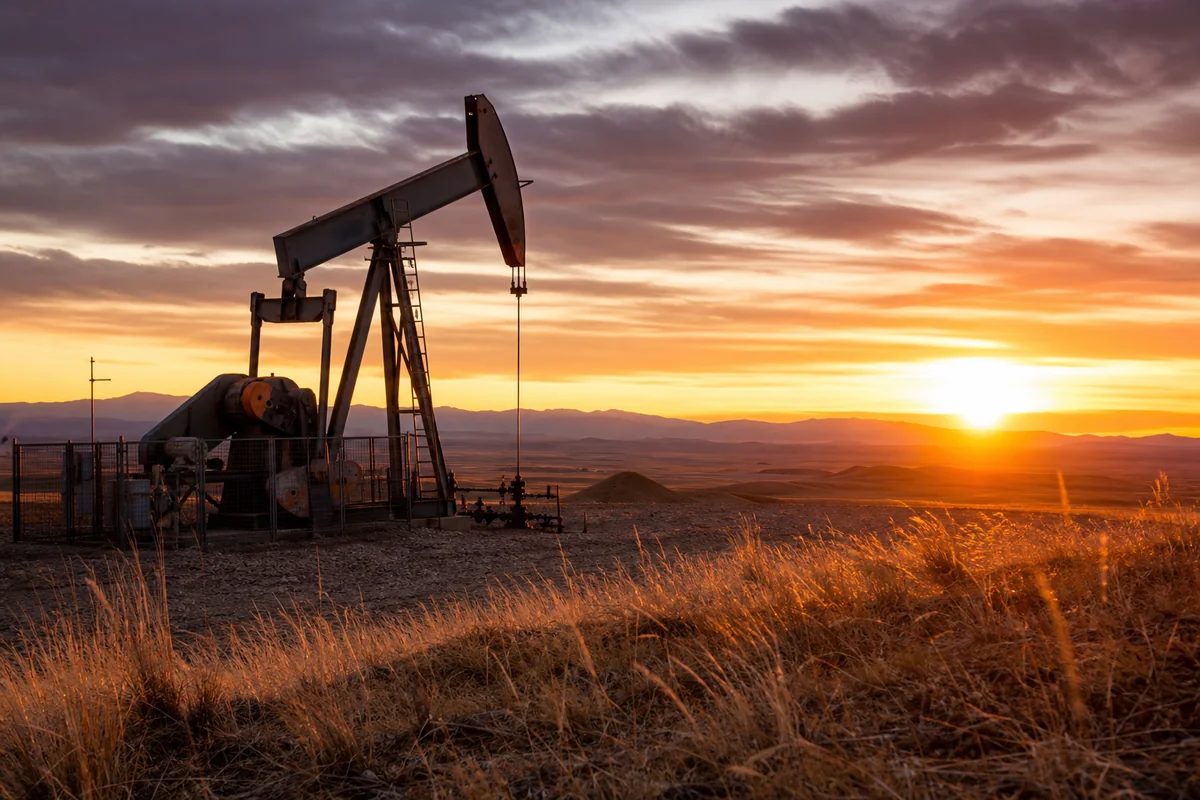
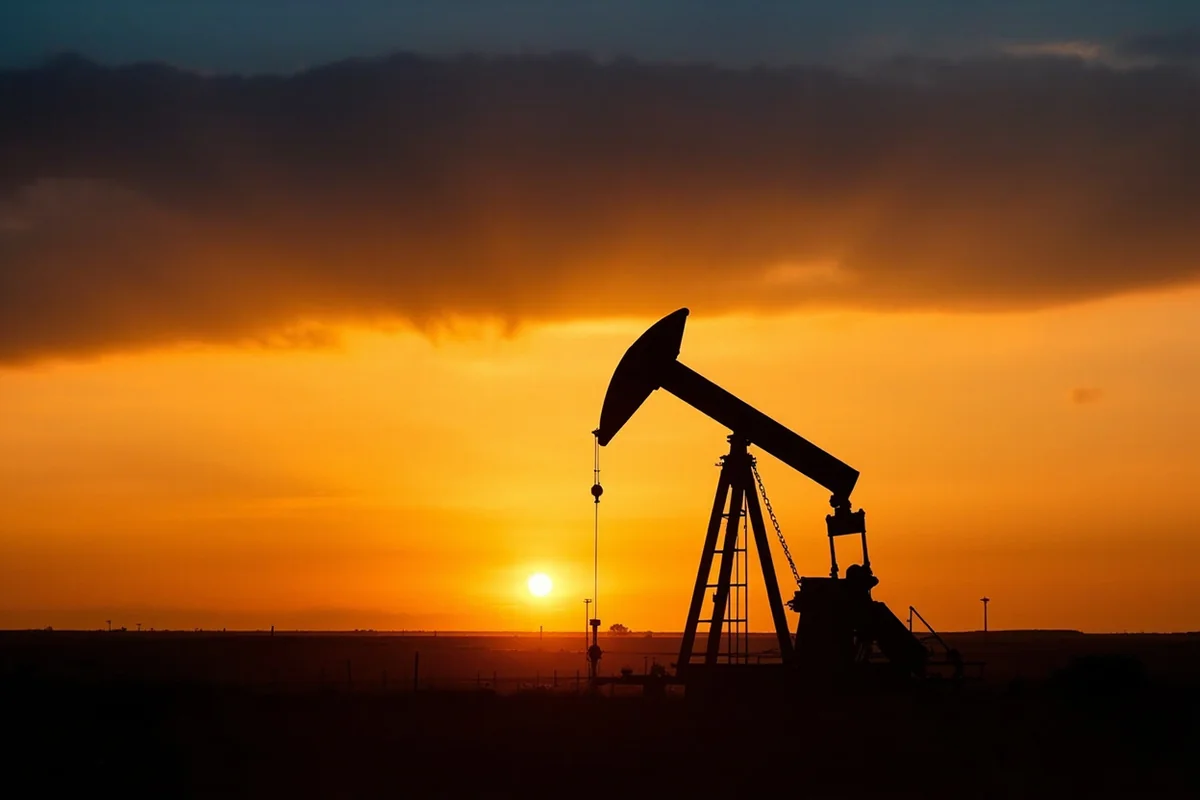
Eastern Montana’s Bakken Formation draws oil workers and creates boom-bust dynamics. The Montana oil production industry has transformed communities like Sidney and Williston (just across the North Dakota border).
During energy booms, these towns experience housing shortages and packed restaurants. During busts, vacancy signs multiply. I’ve visited during both phases, and the contrast is striking.
For travelers, oil field activity means you might encounter work crews in rural motels, and some communities have temporary, camp-like atmospheres. It’s not everyone’s cup of tea, but it’s authentically Montana.
Where the Wealthy Montana Lives
Let’s get specific about Montana’s wealthiest enclaves, because understanding these areas helps you plan—whether you want to experience them or avoid the crowds and prices.
Big Sky: Billionaire’s Playground
Big Sky might be Montana’s most economically extreme community. What started as a ski resort has evolved into a second-home destination for the ultra-wealthy.
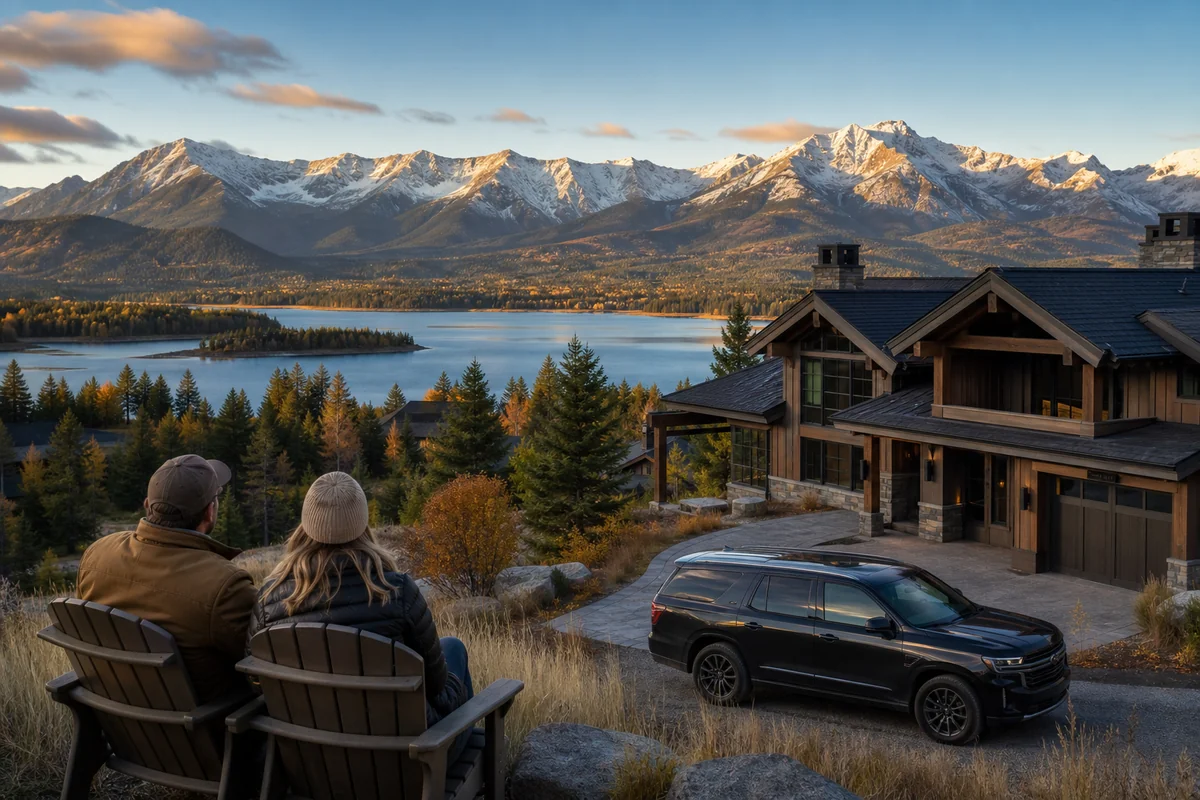
Property values here reach astronomical levels—$10 million for a ski-in/ski-out home barely raises eyebrows. During winter visits, I’ve spotted private jets at the regional airport and cars that cost more than houses elsewhere.
For travelers, Big Sky offers genuinely world-class skiing and mountain biking. You can visit without spending absurdly—day passes, modest lodging in nearby towns, and packed lunches make it accessible. But know what you’re walking into.
Flathead Lake Communities
The communities surrounding Flathead Lake—Bigfork, Lakeside, Polson, and others—have attracted wealthy retirees and second-home buyers seeking Montana’s largest natural freshwater lake.
Cherry orchards once dominated this landscape. Now many have been subdivided into lakefront estates. When I kayaked Flathead last summer, waterfront properties looked like something from the Hamptons.
Bigfork in particular has cultivated an upscale arts scene with galleries, theater, and fine dining. It’s charming but pricey. I recommend visiting for an afternoon rather than basing yourself there if you’re budget-conscious.
The Paradise Valley Corridor
The stretch between Livingston and Gardiner, following the Yellowstone River, has become celebrity ranch country. You won’t see the estates from the road—they’re tucked up valleys, behind gates.
This wealth has created interesting dining options in otherwise tiny communities. Emigrant has restaurants that would feel at home in San Francisco. Pray has a hot springs resort catering to discerning visitors.
For travelers, the Paradise Valley offers accessible day trips from Livingston or Bozeman. The scenery is extraordinary, and public lands remain open regardless of who owns neighboring private property.
Practical Money Tips for Montana Travel
Based on years of Montana travel experience, here’s what I’ve learned about managing expenses while experiencing the state’s best offerings.
| Category | Budget Option | Mid-Range | Luxury |
|---|---|---|---|
| Lodging (per night) | $60-90 (eastern MT motels) | $150-250 (western MT hotels) | $400+ (resort properties) |
| Meals | $10-15 per person | $25-40 per person | $75+ per person |
| Activities | Free (hiking, scenic drives) | $50-150 (guided tours) | $300+ (private guides) |
| Gas (per gallon) | $3.20-3.80 depending on location | ||
Where to Find Value
My best advice: stay in secondary communities and drive to popular attractions. Lodging in Three Forks costs half what you’d pay in Bozeman, with only a 30-minute commute.
Similarly, booking in Browning or East Glacier provides Glacier National Park access at a fraction of Whitefish prices. The drive adds time, but the savings are substantial.
The Montana key industries supporting various communities create price variations you can exploit. Agricultural towns generally offer better value than tourism-dependent communities.
Support Local Businesses
When you do spend money in Montana, try directing it toward locally-owned businesses. The best Montana brands often come from small operations you’ll find in downtown shops rather than highway strip malls.
I’ve made it a habit to buy gifts directly from Montana artisans and producers. Huckleberry products from local farms, leather goods from Bozeman craftspeople, and artwork from Livingston galleries—these purchases keep wealth circulating within Montana communities.
The Wheat Belt and Working Wealth
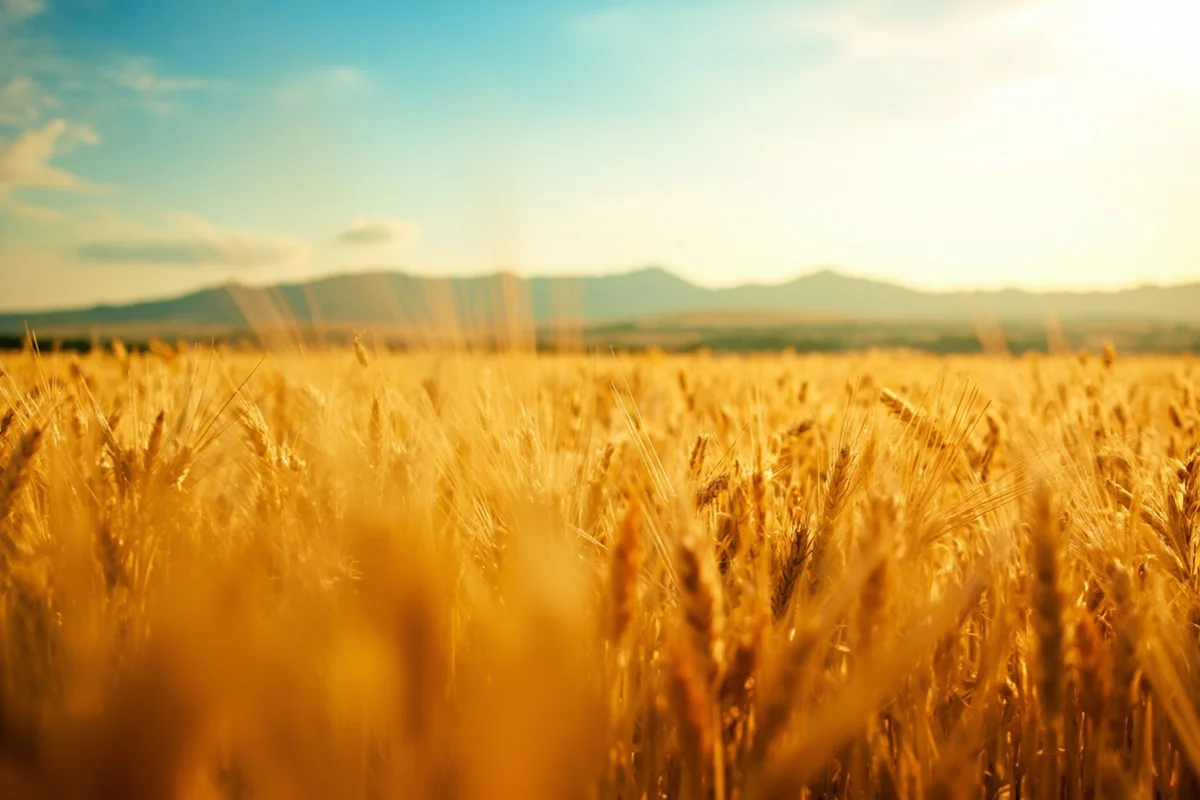
Montana’s wheat industry creates a different kind of prosperity that travelers often overlook. The Golden Triangle region—roughly between Great Falls, Havre, and Cut Bank—grows much of America’s premium wheat.
During harvest season (typically August), this landscape turns brilliant gold. I’ve pulled over countless times just to photograph wheat fields undulating in the wind like an inland ocean.
The communities here—Conrad, Choteau, Shelby—maintain modest appearances while sitting on agricultural fortunes. Land values have skyrocketed even here, as agricultural wealth consolidates and out-of-state investors purchase farmland.
For travelers, the wheat belt offers uncrowded landscapes, genuine small-town hospitality, and proximity to the Rocky Mountain Front. Choteau in particular makes an excellent base for exploring without resort-town prices.
Montana’s New Money: Remote Workers and Transplants
The pandemic accelerated trends that were already reshaping Montana’s economic geography. Remote workers discovered they could work from anywhere—so why not somewhere beautiful?
The “Zoom Town” Phenomenon
Bozeman, Missoula, and Whitefish experienced population surges as remote workers fled expensive coastal cities. They brought salaries calibrated to San Francisco and Seattle into Montana markets.
The results were predictable but dramatic. Housing prices doubled or tripled in some areas. Bidding wars became normal. Long-term residents found themselves priced out of communities they’d lived in for decades.
For travelers, this shift means more sophisticated dining options, better coffee shops, and expanded services in popular areas. But it also means higher prices and occasionally resentful locals who feel their communities have been colonized.
Navigating Transplant Tensions
I’ve learned to be sensitive about where I’m from when traveling in Montana. Openly identifying as a tourist rather than a prospective transplant sometimes earns warmer welcomes.
Local frustration isn’t about individual newcomers—it’s about the systemic transformation of communities. When a family can’t afford to stay in their hometown because housing costs exploded, they don’t blame specific people. But tensions simmer.
As a visitor, respecting this dynamic means avoiding comments like “this would make a great place to live” to service workers who might be struggling with exactly that calculation.
Planning Your Trip Around Economic Realities
Let me synthesize this information into practical trip-planning advice based on what I’ve observed over years of Montana travel.
If You’re Budget-Conscious
Focus your trip on eastern Montana and smaller western communities off the main tourist circuits. Visit during shoulder seasons when even expensive areas offer deals.
Consider camping—Montana’s state parks offer excellent sites at reasonable rates. Forest Service campgrounds provide even cheaper options, often with stunning locations.
Cook some of your own meals. Montana grocery prices remain reasonable, and picnic lunches at scenic pullouts beat rushed restaurant meals anyway.
If You Want Luxury
Montana does high-end exceptionally well. World-class guest ranches, boutique hotels, and private guides offer experiences worth premium prices.
Book well in advance for peak seasons—the best properties fill up months ahead. Consider hiring local guides for fishing, hunting, or backcountry adventures. Their knowledge transforms experiences, and the expense supports Montana families.
If You Want Authenticity
Authenticity often correlates with economic stability rather than wealth. Working ranching communities, tribal lands, and small agricultural towns offer glimpses of Montana that resort areas have lost.
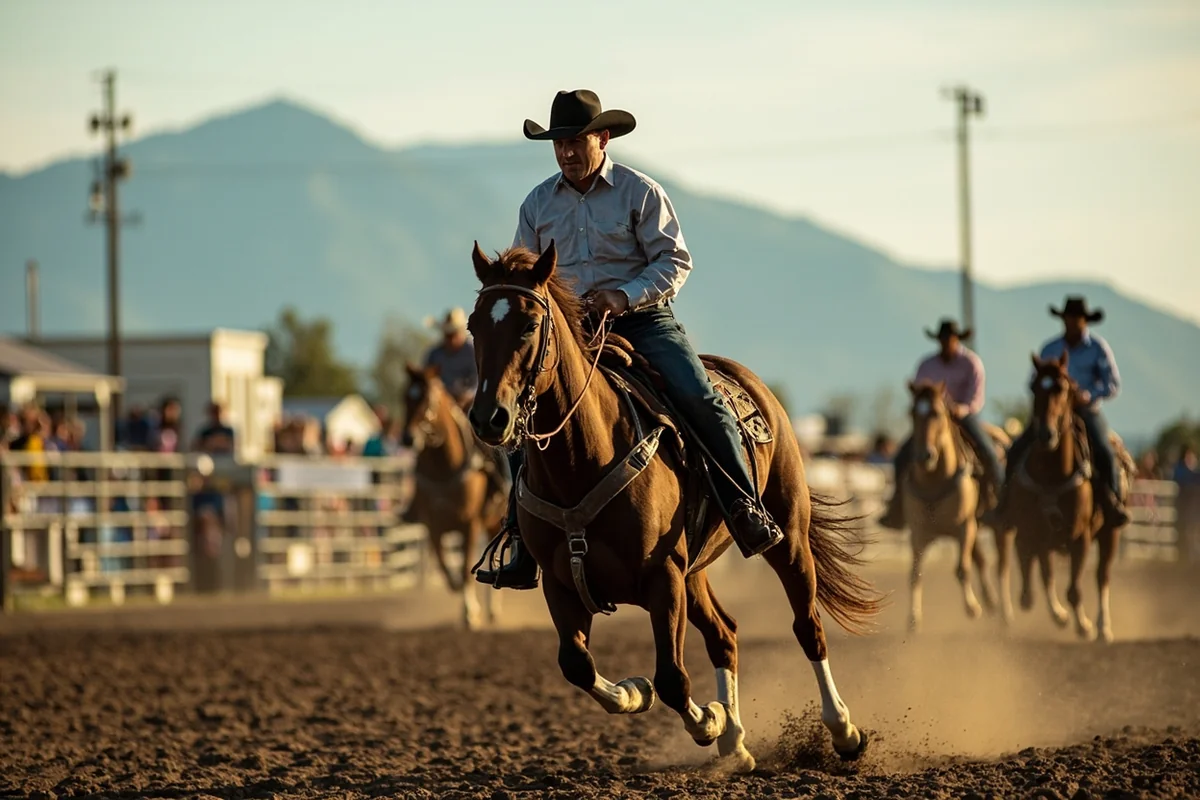
Attend local events—rodeos, county fairs, high school sports—where you’ll mingle with residents rather than tourists. These experiences cost little but deliver insights no luxury resort can match.
The Future of Montana’s Wealth
Based on trends I’ve observed over years of visiting, Montana’s economic transformation will likely continue. Climate refugees from increasingly inhospitable regions may join economic migrants seeking Montana’s quality of life.
Some communities are actively resisting rapid change through zoning restrictions, affordable housing initiatives, and growth management. Others are embracing development and the economic benefits it brings.
For travelers, this means planning may require more research than before. The Montana you visited five years ago may have changed significantly. Communities that were affordable discoveries have become expensive destinations.
But here’s what gives me hope: Montana is enormous. Even as wealthy enclaves develop, vast swaths of the state remain relatively unchanged. The east, the Hi-Line, the rural corners—these areas maintain the authenticity that drew visitors before Montana became a rich person’s playground.
Final Thoughts on Montana State Wealth
After years of exploring Montana, I’ve come to appreciate how its economic landscape shapes the travel experience. Understanding where wealth concentrates—and where it doesn’t—helps you plan trips that match your budget and preferences.
The state’s prosperity brings genuine benefits: excellent restaurants, well-maintained facilities, quality lodging options. But it also creates challenges: crowding, high prices, and communities struggling to maintain identity.
My advice? Embrace the complexity. Spend a night in Whitefish and appreciate the boutique hospitality. Then drive to Choteau and enjoy small-town Montana at half the price. Both experiences are authentically Montana.
The wealth flowing into this state isn’t inherently good or bad—it’s simply reality. Smart travelers acknowledge it, plan around it, and find their own version of Montana that works for their budget and interests.
Montana’s treasure isn’t just the gold and copper that gave it its nickname. It’s the landscapes, communities, and experiences that continue drawing visitors despite rising costs. With thoughtful planning, that treasure remains accessible to all.
Frequently Asked Questions
How does Montana’s economy affect travel costs for visitors?
Montana’s economy relies heavily on tourism, agriculture, and natural resources, which keeps many travel costs reasonable compared to coastal states. I’ve found that lodging in smaller towns runs $80-150 per night, while gateway towns near Glacier or Yellowstone can spike to $200-400 during peak season. Gas prices typically run slightly higher than the national average due to the state’s rural nature and long distances between towns.
What industries drive Montana’s wealth and how do they impact tourism experiences?
Montana’s wealth comes from mining, timber, agriculture, and increasingly, tech companies relocating to cities like Bozeman and Missoula. This economic diversity means travelers can experience working cattle ranches, historic mining towns like Butte, and craft breweries funded by new tech money. The mix creates authentic experiences from ghost towns to upscale dining options you wouldn’t expect in a rural state.
Is Montana an expensive state to visit compared to other Western destinations?
Montana offers better value than Colorado or California for outdoor adventures, though it’s pricier than Wyoming or Idaho. Budget travelers can expect to spend $100-150 daily including camping and basic meals, while mid-range visitors should plan for $200-300 per day. I recommend booking 3-6 months ahead for summer visits to lock in reasonable rates near popular parks.
How far are major Montana attractions from each other and what’s the fuel cost?
Montana is the fourth-largest state, so distances add up quickly—Glacier National Park to Yellowstone is roughly 340 miles, a 5-6 hour drive. With current gas prices around $3.50-4.00 per gallon and limited stations in rural areas, I budget about $50-75 daily for fuel when road-tripping across the state. Always fill up when you see a station, as the next one might be 80 miles away.
What’s the best time to visit Montana for affordable travel without crowds?
Shoulder seasons in May-early June and September-October offer the best balance of lower prices and manageable crowds. Hotel rates drop 30-40% compared to July and August, and you’ll find easier reservations at popular restaurants in towns like Whitefish and Big Sky. I personally prefer late September when fall colors peak and summer tourists have headed home.
Do Montana’s wealthy resort towns like Big Sky offer budget-friendly options?
Big Sky and Whitefish cater to affluent visitors, but budget options exist if you plan strategically. Stay in nearby Bozeman (45 miles from Big Sky) or Columbia Falls (15 miles from Whitefish) to save 40-50% on lodging. Many upscale restaurants offer happy hour deals, and free activities like hiking trails don’t discriminate by budget.
How much cash should I carry when traveling through rural Montana?
I recommend carrying $100-200 in cash since many small-town businesses, roadside stands, and rural campgrounds don’t accept cards. ATMs can be scarce outside cities, and some charge $3-5 fees for out-of-network withdrawals. Cell service is spotty in mountain areas, which can make digital payments unreliable even when businesses accept them.
Sources:
- https://brand.mt.gov/_shared/Office-of-Tourism/docs/Fast-Facts-Funding-20B.pdf
- https://www.census.gov/quickfacts/fact/table/MT/PST045222
- https://www.nps.gov/nature/customcf/NPS_Data_Visualization/state.html?state=Montana&code=MT
- https://www.montana.edu/extension/agimpact/
- https://www.bber.umt.edu/pubs/econ/universityreport.pdf
- https://mslservices.mt.gov/legislative_snapshot/Economy/Default.aspx