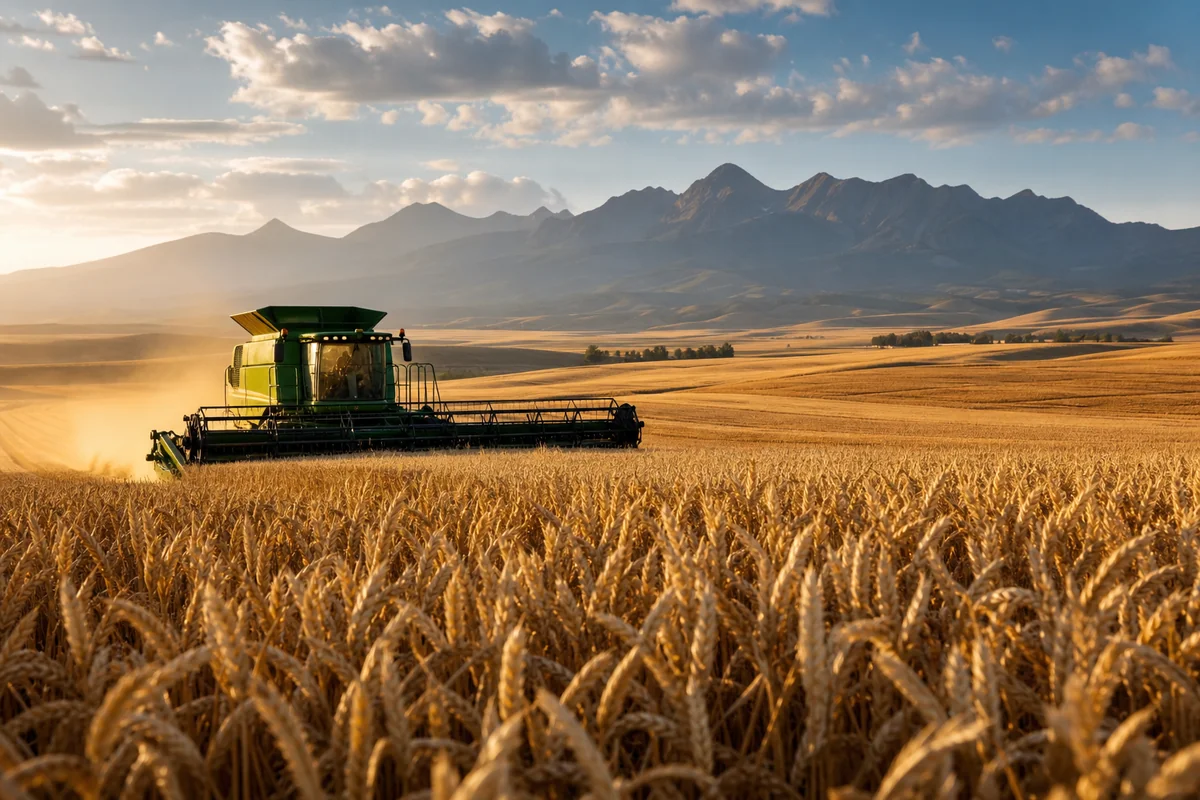
Standing in the middle of a wheat field near Conrad last August, I watched the combine harvester create golden waves that rippled toward the Rocky Mountain front—and I finally understood why they call this “The Golden Triangle.”
This moment crystallized something I’d been exploring for months: Montana’s wheat industry isn’t just an economic engine that shapes the Montana economy—it’s a living, breathing culture that travelers can experience firsthand.
From historic grain elevators piercing small-town skylines to farm-to-table restaurants serving locally-milled flour, wheat touches nearly every corner of Big Sky Country.
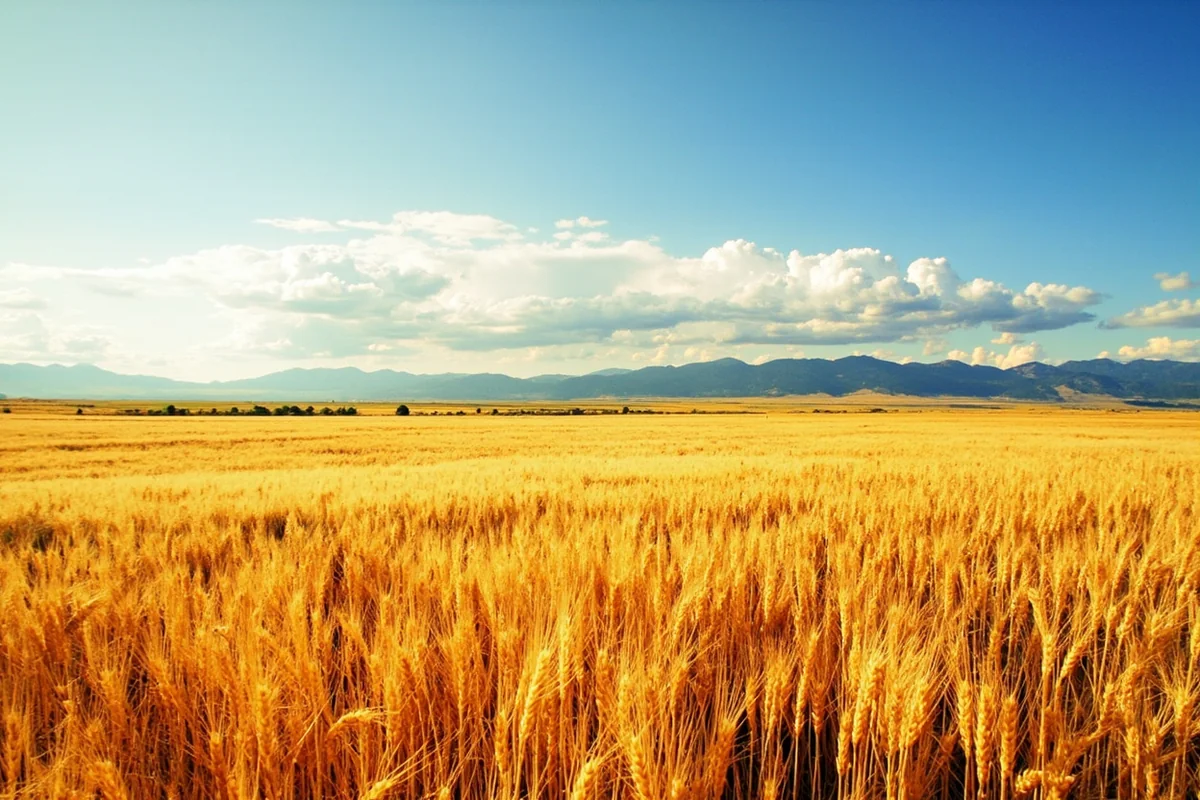
- Montana ranks among the top 3 wheat-producing states, growing primarily winter and spring wheat varieties
- The “Golden Triangle” region (Great Falls, Havre, Cut Bank) offers the most immersive wheat country experiences
- Best time to visit: Late July through early September for harvest season
- Key experiences: Historic grain elevator tours, harvest festivals, farm stays, and wheat-centric restaurants
- The industry generates over $1 billion annually and shapes Montana’s rural culture
Liked this article?
Add Roaming Montana as a preferred source so you see more of our articles and guides on Google.
Why Montana Wheat Matters to Travelers
When I first planned my Montana road trips, wheat farming wasn’t even on my radar. I was chasing Glacier National Park views and Yellowstone geysers like everyone else.
But somewhere along Highway 2 near Chester, surrounded by nothing but amber waves stretching to every horizon, I pulled over and just stared. That’s when a local farmer named Dale stopped to check if I needed help—and ended up giving me a two-hour education on dryland wheat farming that changed how I see this state.
Montana consistently ranks as the third-largest wheat producer in the United States, behind only Kansas and North Dakota. The state’s 27,000+ farms grow enough wheat annually to make bread for everyone in America for about two weeks.
These numbers impressed me, but what really hooked me was discovering how this industry shapes what Montana produces beyond the obvious. The wheat economy influences everything from the architecture of tiny railroad towns to the menus at upscale Bozeman restaurants.
Understanding Montana’s Wheat Regions
After three summers exploring wheat country, I’ve come to understand that Montana’s wheat production isn’t uniform—it’s a patchwork of distinct regions, each with its own character and varieties.
The Golden Triangle
This is wheat’s heartland, and honestly, it’s where I recommend first-time visitors start. Bounded roughly by Great Falls, Havre, and Cut Bank, this region produces the majority of Montana’s wheat crop.
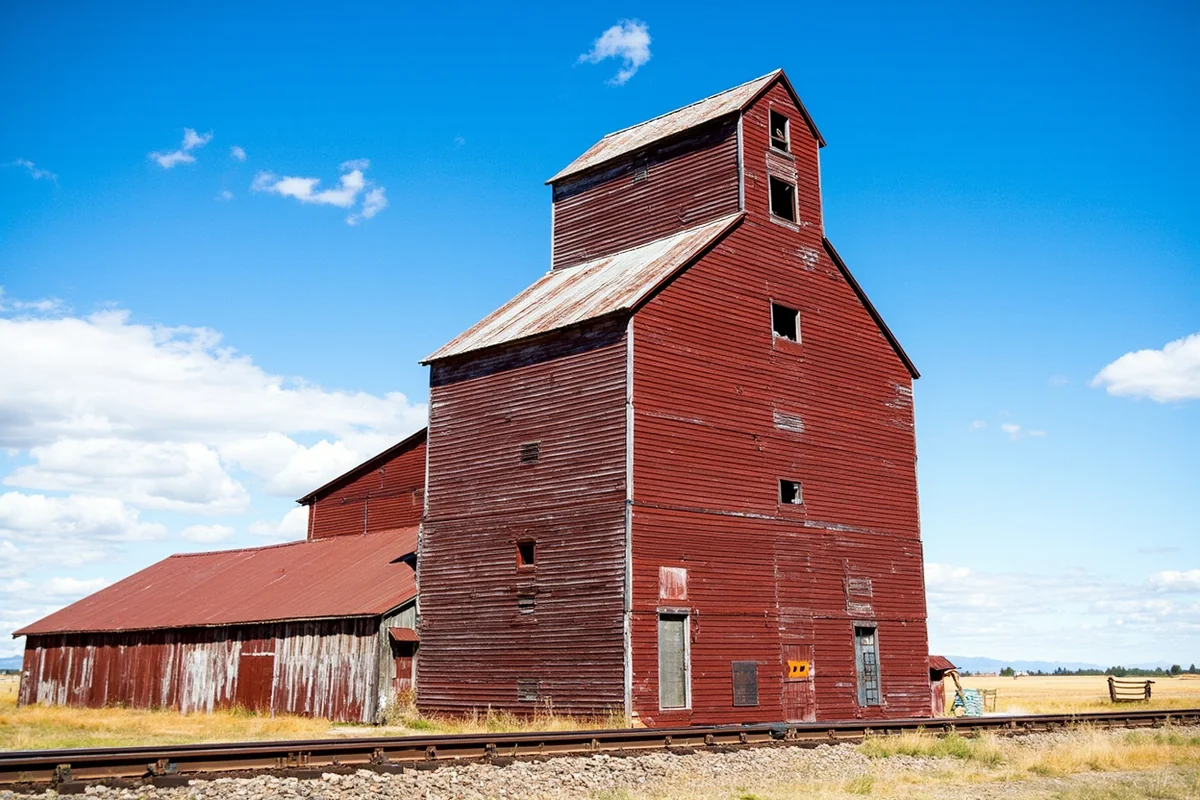
I spent four days driving through the Triangle last summer, and the scale is genuinely hard to comprehend until you’re there. Fields stretch for miles without interruption, broken only by occasional grain elevators that locals call “prairie cathedrals.”
The towns here—Chester, Shelby, Conrad, Choteau—feel authentically connected to the land in ways that more touristy Montana destinations don’t. When I stopped for coffee in Dutton, the conversation at the counter was entirely about moisture levels and protein content.
North Central Montana
The Hi-Line region along Highway 2 offers some of the most dramatic wheat landscapes I’ve encountered anywhere. Towns like Havre and Malta sit amid vast expanses of dryland wheat farms.
During my visit to Havre, I learned that much of this wheat heads to Pacific Rim markets via Portland. The global connection surprised me—farmers here track Asian market prices as closely as they watch the weather.
Northeastern Montana
This region around Sidney and Glendive produces significant wheat alongside the Montana oil production industry. The juxtaposition of wheat fields and oil derricks creates a uniquely Montana visual.
I found this area less scenic than the Golden Triangle but fascinating for understanding how different industries coexist in Montana’s economy.
Central Montana
The Judith Basin area around Lewistown offers perhaps the most photogenic wheat country I’ve seen. Rolling hills covered in grain, framed by distant mountain ranges, make this region Instagram gold during harvest.
Montana Wheat Varieties: What You’re Actually Seeing
Before my deep dive into wheat country, I couldn’t have told you the difference between winter wheat and spring wheat if my life depended on it. Now I find myself casually identifying varieties from a car window—a skill that amuses my travel companions to no end.
Hard Red Winter Wheat
Planted in fall and harvested the following summer, winter wheat covers millions of Montana acres. It’s more common in the southern parts of the state and produces the high-protein flour preferred for bread baking.
When I visited a farm near Big Sandy in early October, I watched the crew planting winter wheat that wouldn’t be harvested for almost a year. The patience required in wheat farming humbled me.
Hard Red Spring Wheat
This is Montana’s signature crop, planted after the ground thaws and harvested in late summer. The Golden Triangle specializes in spring wheat, known for exceptionally high protein content.
A miller in Great Falls explained that Montana spring wheat often tests above 14% protein—ideal for artisan bread. Many specialty bakeries across the country specifically seek Montana wheat for this quality.
Durum Wheat
Northeastern Montana grows significant durum wheat, used primarily for pasta. I hadn’t realized until my trip that some of America’s finest pasta starts in Montana fields.
| Wheat Type | Primary Region | Harvest Time | Primary Use |
|---|---|---|---|
| Hard Red Winter | Southern Montana | July | Bread flour |
| Hard Red Spring | Golden Triangle | August-September | Premium bread flour |
| Durum | Northeastern Montana | August | Pasta |
| Soft White Winter | Various | July-August | Pastries, crackers |
When to Visit Montana Wheat Country
Timing matters enormously for wheat tourism, and I’ve learned this through both perfect visits and mistimed ones.
Harvest Season (Late July – Early September)
This is the magic window. The fields turn from green to gold, combines roll across the landscape, and there’s palpable energy in farm communities.
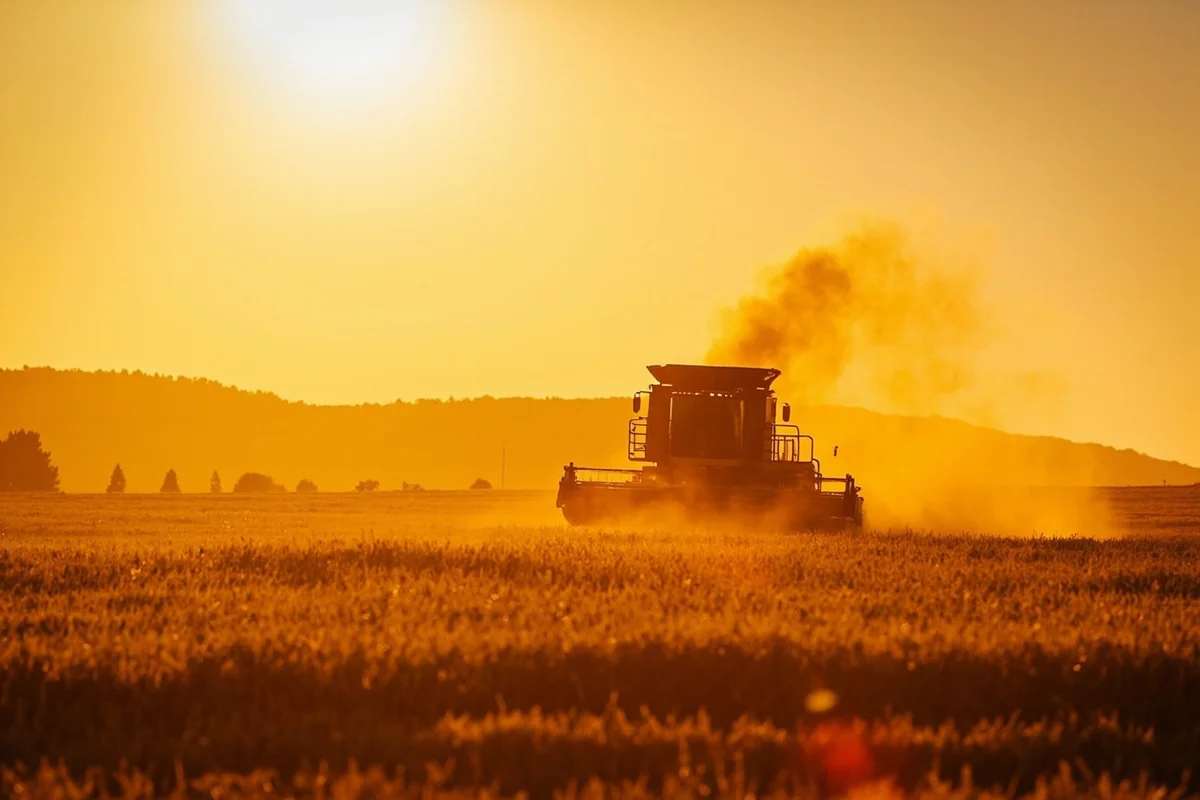
My late August visit to Conrad coincided with active harvesting. The sight of multiple combines working a single massive field, dust plumes trailing behind them, was genuinely breathtaking.
Be warned: farmers work extremely long hours during harvest. They’re friendly but busy. I found early morning or late evening the best times for conversations.
Early Summer (June – Early July)
The wheat is green and growing, creating a different but equally stunning landscape. This timing works well if you’re combining wheat country with visits to Glacier National Park before peak summer crowds.
Planting Season (April – May, September – October)
You’ll see agricultural activity—tractors working fields—but the visual drama is lower. However, farmers have more time to chat, and you’ll find quieter roads and cheaper accommodations.
Winter
Honestly? I don’t recommend winter visits specifically for wheat tourism. The fields are dormant or snow-covered, and many small-town establishments reduce hours.
Must-Visit Destinations in Montana Wheat Country
Over multiple trips, I’ve compiled my favorite wheat-related destinations. These aren’t just fields to photograph—they’re places where you can genuinely connect with wheat culture.
Great Falls
Consider Great Falls your wheat country basecamp. The city offers the most amenities in the Golden Triangle while providing easy access to surrounding farmland.
The Montana Ag Center downtown features rotating exhibits on wheat farming, and staff there connected me with local farm tour opportunities. The C.M. Russell Museum, while focused on Western art, includes pieces depicting wheat harvest scenes that took on new meaning after I’d seen the real thing.
I particularly enjoyed dinner at Mighty Mo Brewing Company, where the brewmaster explained how they source local grain for several beers. This connection to Montana’s best Montana brands made the beer taste even better.
Fort Benton
This small town along the Missouri River claims the title “Birthplace of Montana” and offers crucial context for understanding wheat’s role in state history.
The Museum of the Northern Great Plains dedicates extensive space to agricultural history, including wheat farming’s evolution. I spent three hours there, far longer than planned, absorbed in the story of how homesteaders transformed prairie into farmland.
Walk the levee at sunset and you’ll see grain elevators silhouetted against the sky—a perfect Montana moment.
Chester
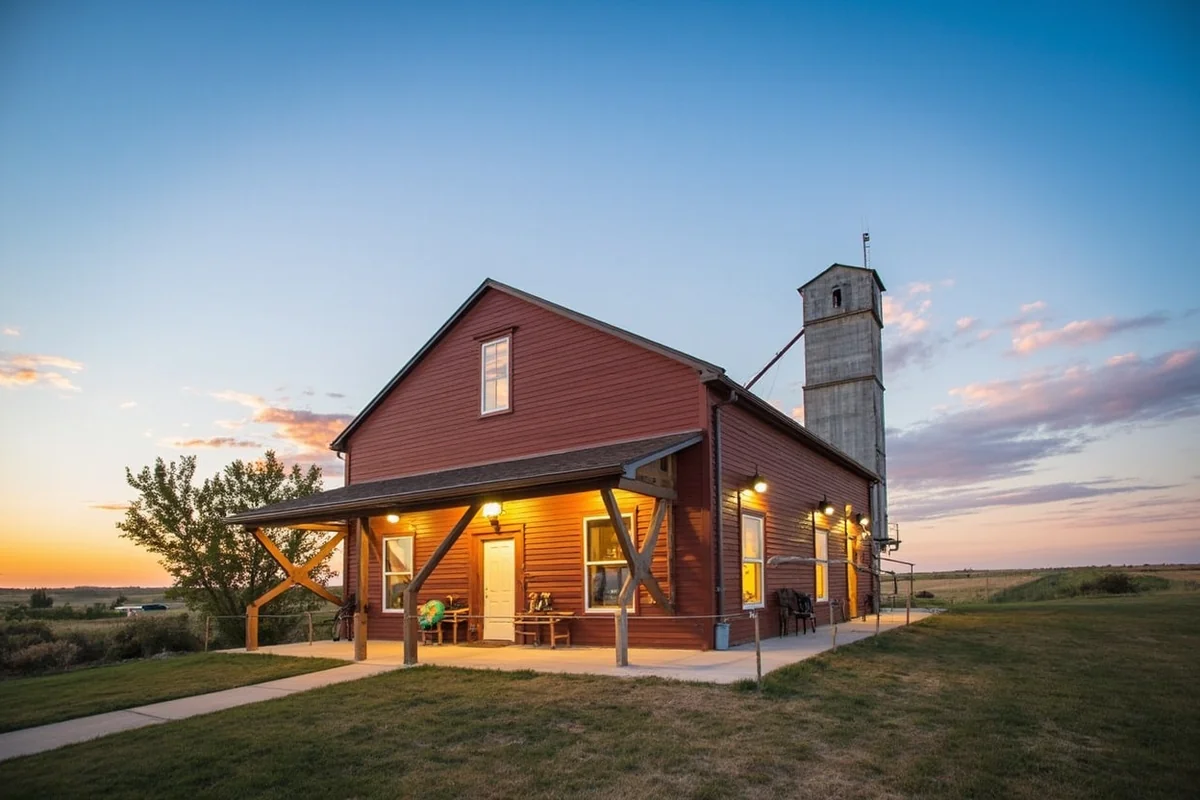
This tiny town (population around 850) sits at the heart of premium wheat-growing country. The grain elevators here handle millions of bushels annually.
I stumbled upon the Liberty County Museum, staffed by volunteers who spent an hour showing me exhibits on homestead-era wheat farming. Their personal stories—many had grandparents who broke this land—brought history alive.
The Hi-Line Café serves honest food at honest prices. I had chicken fried steak there during harvest season, surrounded by farmers discussing yields and moisture content.
Conrad
Driving into Conrad, the first thing you notice is the massive grain elevator complex visible from miles away. This town processes enormous wheat volumes during harvest.
The Pondera County Museum covers local wheat history, and staff can sometimes arrange visits to working farms. During my visit, a museum volunteer called a farmer friend who let me ride along during harvest—an experience I’ll never forget.
Lewistown
Central Montana’s largest town offers a different wheat perspective amid stunning scenery. The surrounding Judith Basin produces excellent grain while providing mountain views you won’t find in the Golden Triangle.
The Charlie Russell Chew Choo dinner train runs through wheat country during summer months—a unique way to experience the landscape while enjoying locally-sourced food.
Immersive Wheat Experiences
Seeing wheat fields from your car provides beautiful views, but truly understanding this industry requires getting closer. Here’s what I’ve found most rewarding.
Farm Tours and Stays
Several Montana wheat farms now offer agritourism experiences, though you’ll need to plan ahead. I recommend contacting local chambers of commerce or Montana Farm Bureau for current opportunities.
During my trip, I found a farm near Rudyard that hosted visitors during non-harvest periods. Walking the fields, touching the wheat heads, and learning about crop rotation made everything I’d read come alive.
Some farms offer harvest experiences where you can ride in combines—bucket list material for anyone interested in agriculture.
Grain Elevator Visits
Historic wooden grain elevators are disappearing across the Great Plains, but Montana still has some beauties. These structures tell the story of how wheat moves from field to market.
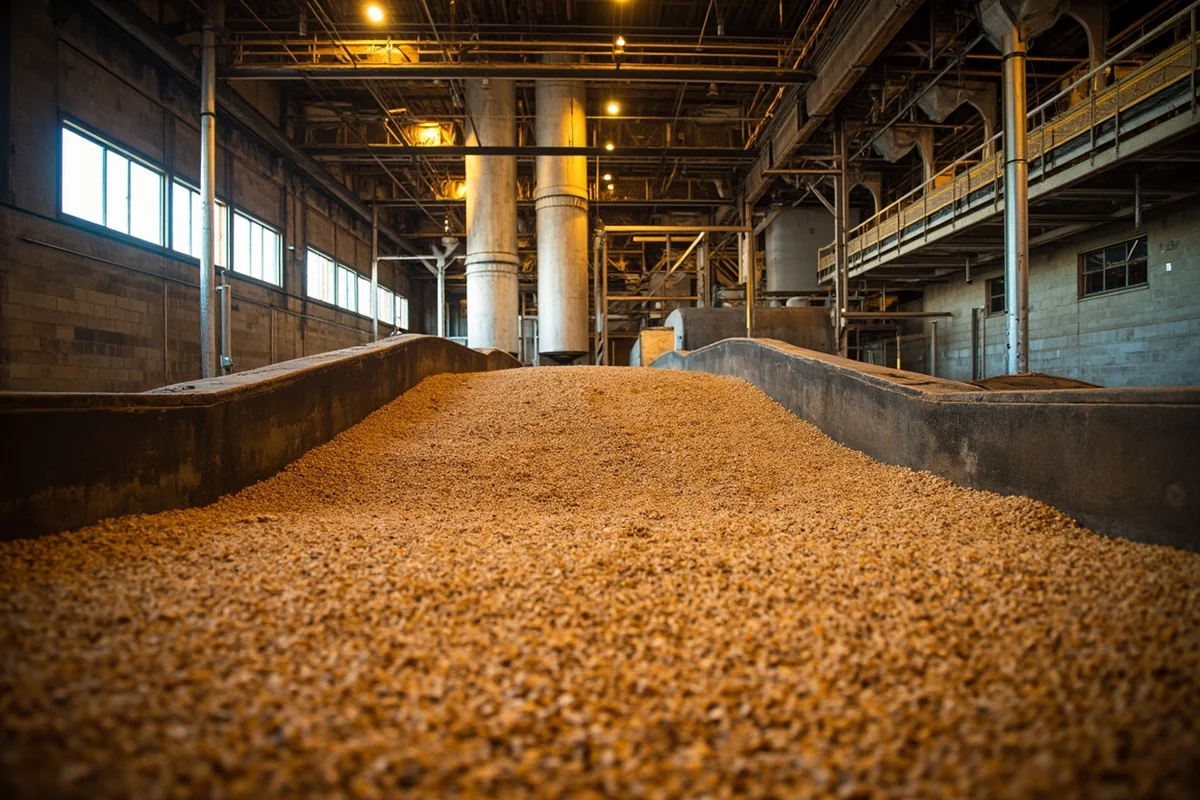
The Co-op elevator in Dutton let me tour during a quiet morning. Standing inside that massive structure, grain pouring in from trucks outside, I finally understood the infrastructure required to move millions of bushels annually.
Always ask permission before photographing or approaching elevators. They’re working facilities, and safety rules exist for good reasons.
Flour Mills
Montana hosts several artisan flour mills producing specialty products from local wheat. Great Harvest Bread Company started in Great Falls (though it’s now headquartered elsewhere) and maintains Montana connections.
Wheat Montana Farms near Three Forks operates a retail store, bakery, and mill you can tour. Their whole-wheat bread, made from grain grown and milled on-site, convinced me that fresh flour makes a noticeable difference.
Harvest Festivals
Several Montana communities celebrate harvest with festivals, though they’re smaller and more authentic than you might expect.
I attended a community harvest dinner in a small Golden Triangle town where farmers, families, and a handful of curious travelers shared a meal of locally-sourced food. The conversation around my table covered everything from weather patterns to college football.
Check local event calendars for harvest celebrations—they’re rarely advertised widely but offer genuine cultural immersion.
The Economics Behind the Golden Fields
Understanding wheat’s economic importance adds depth to what you’re seeing. Montana’s wheat industry contributes over $1 billion annually to the state economy, making it crucial to understanding Montana state wealth.
Global Connections
Most travelers don’t realize that Montana wheat feeds people worldwide. The state exports significant volumes to Asia, particularly Japan and Korea, which prize Montana’s high-protein varieties.
A farmer near Chester told me he tracks the Japanese yen as closely as local weather forecasts. This global perspective surprised me—these seemingly isolated prairie farms connect directly to international markets.
Local Economic Impact
Wheat drives the economy of dozens of small Montana towns. The Montana key industries in rural areas often circle back to agriculture.
During my travels, I noticed that prosperous-looking towns usually sat amid productive wheat land, while struggling communities often faced agricultural challenges. The connection between field health and downtown vitality was unmistakable.
Challenges and Changes
Montana wheat farmers face real challenges that I heard about repeatedly during my visits. Climate variability, market fluctuations, and rising input costs pressure family operations.
Several farmers I spoke with mentioned diversification into other crops or direct-to-consumer sales. This evolution shapes the future of wheat country in ways travelers can observe firsthand.
Understanding these challenges informed by Montana GDP per capita data helped me appreciate the resilience of farming communities.
Practical Tips for Wheat Country Travel
After multiple wheat country trips, I’ve learned some lessons worth sharing.
Driving Considerations
Wheat country roads are generally good but remote. Fill up your gas tank whenever you can—stations in small towns keep irregular hours, especially outside summer.
Cell service is spotty at best in much of the Golden Triangle. Download offline maps and let someone know your plans before heading into remote areas.
Harvest equipment moves slowly on highways during July through September. Be patient and pass only when clearly safe—these machines are massive and operators have limited visibility.
Accommodation Options
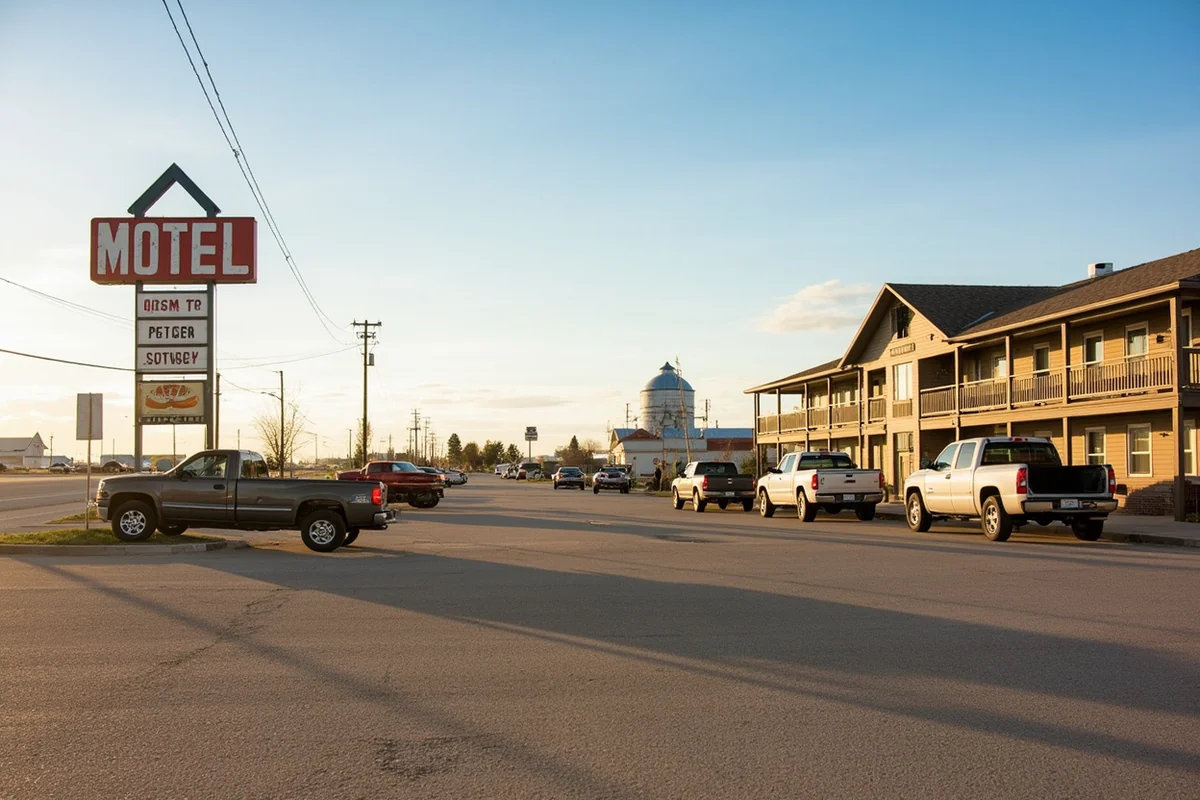
Great Falls and Havre offer standard hotel options. Smaller towns like Conrad and Chester have limited lodging—book ahead during harvest season when equipment dealers and grain buyers fill available rooms.
I’ve had good luck with small-town motels that many travelers overlook. They’re basic but clean, and owners often provide excellent local information.
Dining in Wheat Country
Don’t expect culinary sophistication in tiny wheat towns—expect honest, filling food at reasonable prices. Cafe breakfasts with locally-made bread became my harvest-season ritual.
Great Falls offers more variety, including restaurants that highlight Montana agricultural products. The deeper you go into wheat country, the simpler the menus become.
Photography Tips
Golden hour—early morning and late evening—transforms wheat fields into magical landscapes. Midday light flattens the terrain and washes out colors.
Elevated positions are rare in this flat landscape. Grain elevators provide scale reference and interesting compositional elements.
If you want to photograph on private land, ask permission. Every farmer I approached said yes, and several offered to show me the best vantage points.
Connecting Wheat to Your Broader Montana Trip
Wheat country doesn’t exist in isolation. Here’s how I’ve integrated it into larger Montana itineraries.
Combined with Glacier National Park
Highway 2 along the Hi-Line passes through wheat country en route to Glacier’s east side. I recommend spending at least one night in a Golden Triangle town rather than rushing through.
On my last trip, I overnighted in Cut Bank before entering Glacier—the contrast between endless wheat fields and sudden mountain drama made both landscapes more impactful.
As Part of a Montana Agriculture Tour
Combine wheat country with other Montana agriculture experiences. The Gallatin Valley offers different farming traditions, and the state’s cattle ranches provide complementary perspectives on rural life.
With Tourism Destinations
The Montana tourism industry increasingly recognizes agritourism’s appeal. Many visitors combine wheat country exploration with more traditional attractions.
From Great Falls, you’re positioned for easy trips to the Rocky Mountain Front, the Bob Marshall Wilderness, or a loop through central Montana’s historic mining towns.
Respecting Wheat Country Culture
A few cultural notes I’ve learned through experience and occasional mistakes.
Farming communities are tight-knit and somewhat skeptical of outsiders. Taking time to chat, asking genuine questions, and showing respect opens doors that rushing through keeps closed.
Don’t trespass on farmland without permission. Fields that look empty may be freshly planted or represent someone’s livelihood.
Understand that farmers’ schedules are dictated by weather and seasons, not convenience. If someone says they can’t talk now, respect that—offer to return another time.
Political views in wheat country tend conservative. I’m not suggesting you agree or disagree, just be aware that conversations may touch on topics differently than in urban areas.
The Future of Montana Wheat Tourism
During my most recent trip, I sensed growing interest in agricultural tourism among both visitors and locals.
Several farmers mentioned considering more formal tour programs. Communities are recognizing that their working landscapes have appeal beyond mere scenery.
Montana’s tourism organizations are beginning to promote agricultural experiences alongside national parks and ski resorts. This evolution bodes well for travelers seeking authentic connections with Montana’s heritage.
I believe wheat country tourism will grow significantly in coming years. Getting there now means experiencing something relatively undiscovered—a Montana that most visitors never see.
Final Thoughts From the Wheat Fields
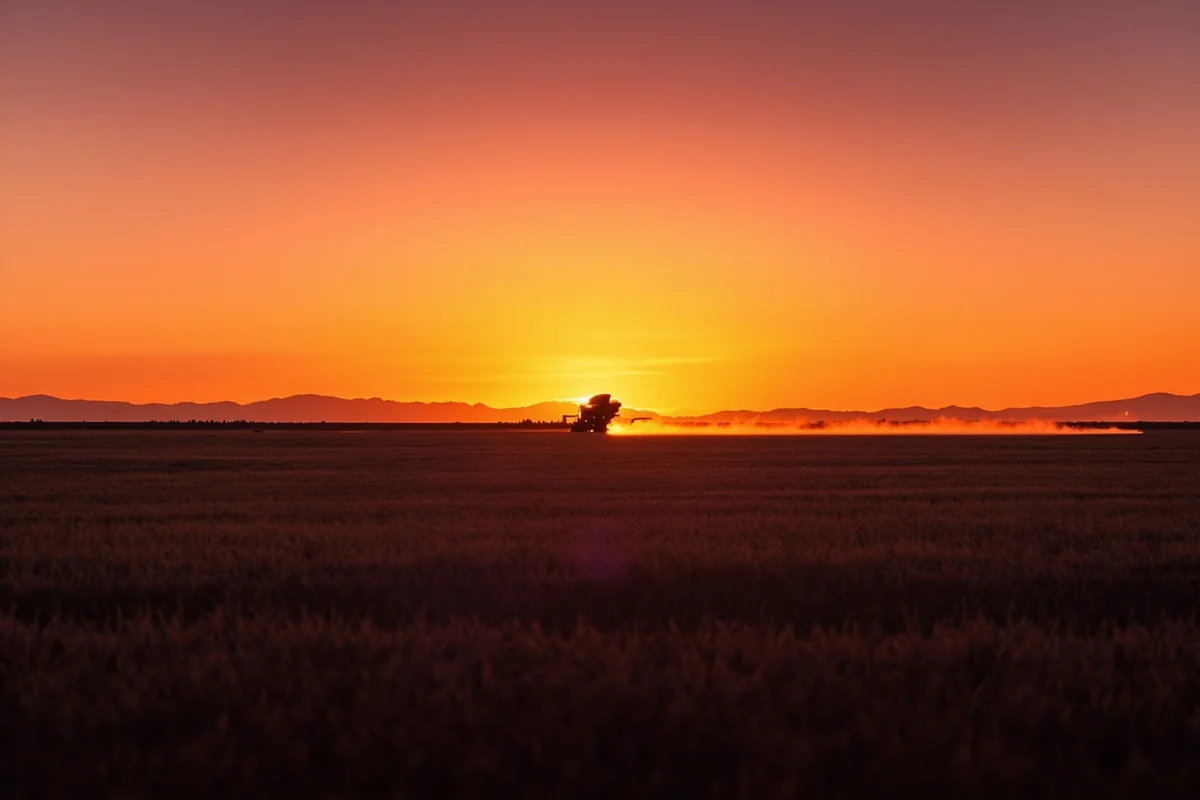
My last evening in wheat country this past summer, I parked along a gravel road near Galata as the sun set behind the Rocky Mountains. The wheat glowed amber in the fading light, and a combine worked a distant field, running lights beginning to flicker on.
A pickup slowed, and the driver—an older farmer I’d chatted with at a gas station that morning—waved. That simple acknowledgment from someone who’d spent his life growing wheat felt like being accepted, briefly, into something larger than myself.
Montana’s wheat industry isn’t flashy. It won’t give you Instagram moments that compete with Glacier’s alpine lakes or Yellowstone’s geysers.
But it will show you a Montana most travelers miss entirely—a landscape shaped by generations of hard work, a culture rooted in the land, and a reminder that Big Sky Country produces far more than scenery.
When you’re ready to see Montana differently, head north to wheat country. The golden fields are waiting.
Frequently Asked Questions
When is the best time to visit Montana to see golden wheat fields?
The best time to see Montana’s stunning golden wheat fields is late July through early September when winter wheat reaches peak harvest. I’d recommend visiting in August when the rolling hills transform into a sea of gold, creating incredible photo opportunities especially during golden hour in areas like the Golden Triangle region north of Great Falls.
Where can I drive through Montana’s famous wheat country?
The most scenic wheat country drives are along Highway 87 through the Golden Triangle between Great Falls, Havre, and Chester, covering roughly 200 miles of prime agricultural landscape. I also recommend Highway 2 across the Hi-Line region where you’ll pass through charming farming towns and see grain elevators dotting the horizon for nearly 300 miles.
Can tourists visit working wheat farms or grain elevators in Montana?
Some Montana wheat farms offer agritourism experiences, though most require advance arrangements since these are active operations. Check with local chambers of commerce in towns like Conrad, Shelby, or Chester for harvest festival events typically held in August and September, where visitors can often tour facilities and learn about Montana’s $500+ million wheat industry firsthand.
What should I pack for a road trip through Montana’s agricultural regions?
Pack layers since Montana wheat country experiences temperature swings of 30-40 degrees between morning and afternoon, even in summer. Bring a good camera with a polarizing filter for capturing those endless wheat fields, sunscreen, a cooler with snacks since services can be 50+ miles apart, and a full tank of gas before heading into rural areas.
How does Montana’s wheat harvest affect hotel availability and prices?
During peak harvest season from late July through September, small towns in wheat country may have limited lodging as seasonal workers book available rooms. I recommend reserving accommodations in Great Falls or Havre at least 2-3 weeks ahead, where rates typically run $80-$150 per night, then day-tripping into the surrounding farmland.
Are there any wheat-related festivals or events for tourists in Montana?
Montana hosts several harvest celebrations worth planning your trip around, including the Choteau Wheat Festival in August and various county fairs throughout the Golden Triangle region featuring agricultural displays and local food. These events offer authentic experiences where you can meet multi-generational farming families and sample fresh-baked goods made from locally-milled Montana wheat.
Why is Montana called the Golden Triangle and what does it mean for visitors?
The Golden Triangle refers to the wheat-producing region between Great Falls, Havre, and Cut Bank, named for the golden winter wheat that dominates the landscape and contributes to Montana’s ranking as a top-5 wheat-producing state. For visitors, this means approximately 5,000 square miles of photogenic farmland, historic grain elevators, and small-town Montana hospitality that feels worlds away from typical tourist destinations.
Sources:
- https://apps.msuextension.org/publications/pub.html?sku=EB0197
- https://www.montana.edu/academics/sustainable-crop-production/
- https://www.nass.usda.gov/Statistics_by_State/Montana/Publications/News_Releases/2023/MT-Wheat-Varieties-2023.pdf
- https://www.montana.edu/extension/broadwater/blog-article.html?id=21379
- https://agr.mt.gov/_docs/aginclass-docs/MDAPublications/Montana_Student_Wheat_Ag_Mag.pdf