You are currently viewing Montana Agriculture: A Complete Guide With Key Insights

Montana Agriculture: A Complete Guide With Key Insights

  • Post author:
  • Post category:Montana
  • Reading time:36 mins read

Did you know that Montana’s agricultural industry generates over $4.6 billion annually, making it the state’s largest economic driver? From vast wheat fields stretching across the eastern plains to cattle ranches nestled in mountain valleys, Montana’s diverse agricultural landscape is as breathtaking as it is productive. But behind this picturesque scene lies a complex tapestry of history, innovation, and resilience that has shaped Montana into an agricultural powerhouse.

In this comprehensive guide, we’ll take you on a journey through Montana’s rich agricultural heritage, exploring how generations of farmers and ranchers have adapted to challenging growing conditions and ever-changing markets. You’ll discover the key crops and livestock that thrive in Montana’s unique climate, from world-renowned wheat varieties to grass-fed beef.

We’ll delve into the cutting-edge technologies and sustainable practices that are transforming the industry, and examine the economic impact that reverberates through every corner of the Treasure State. Whether you’re a seasoned producer, an aspiring farmer, or simply curious about where your food comes from, this guide offers essential insights into the past, present, and promising future of Montana agriculture.

The Rich History of Montana’s Agricultural Heritage

Montana’s agricultural story begins thousands of years before European settlement, with Native American tribes developing sophisticated farming and food-gathering systems adapted to the region’s challenging climate. The Salish, Kootenai, and Blackfeet tribes cultivated native plants like camas root, while tribes along river valleys grew beans, corn, and squash using traditional methods that respected the land’s natural cycles.

The 1800s brought dramatic change as European settlers established the first commercial farms and ranches in Montana Territory. These early agricultural pioneers faced brutal winters, unpredictable rainfall, and isolation, yet persevered by adapting European farming techniques to Montana’s unique conditions. The completion of the Northern Pacific and Great Northern railways in the late 19th century revolutionized Montana agriculture, connecting farmers to distant markets and enabling large-scale wheat production.

The Homestead Acts of 1862 and 1909 triggered Montana’s most significant agricultural expansion, drawing thousands of hopeful settlers with the promise of free land. Between 1909 and 1918, Montana experienced its famous “homestead boom,” with over 80,000 homesteaders claiming approximately 32 million acres. Many newcomers arrived with limited farming experience and faced the harsh reality of Montana’s semi-arid climate with inadequate preparation.

The 1920s brought severe drought and economic depression to Montana’s agricultural communities, forcing many homesteaders to abandon their claims. This painful period ultimately led to more sustainable practices as the survivors consolidated operations and developed farming techniques better suited to Montana’s environment. The introduction of drought-resistant wheat varieties, improved irrigation systems, and mechanized equipment gradually transformed Montana agriculture into the resilient industry we recognize today.

Throughout the 20th century, Montana’s agricultural practices continued evolving through scientific advancement, technological innovation, and adaptation to changing markets. Today’s Montana agriculture represents a fascinating blend of traditional knowledge, cutting-edge technology, and environmental stewardship—a living testament to generations of agricultural ingenuity in one of America’s most challenging and beautiful landscapes.

Montana’s Agricultural Landscape: Key Regions and Growing Conditions

Montana’s agricultural landscape is as vast and varied as its breathtaking scenery. Spanning over 147,000 square miles, the state encompasses distinct agricultural regions, each with its own unique growing conditions that shape farming practices throughout the Treasure State.

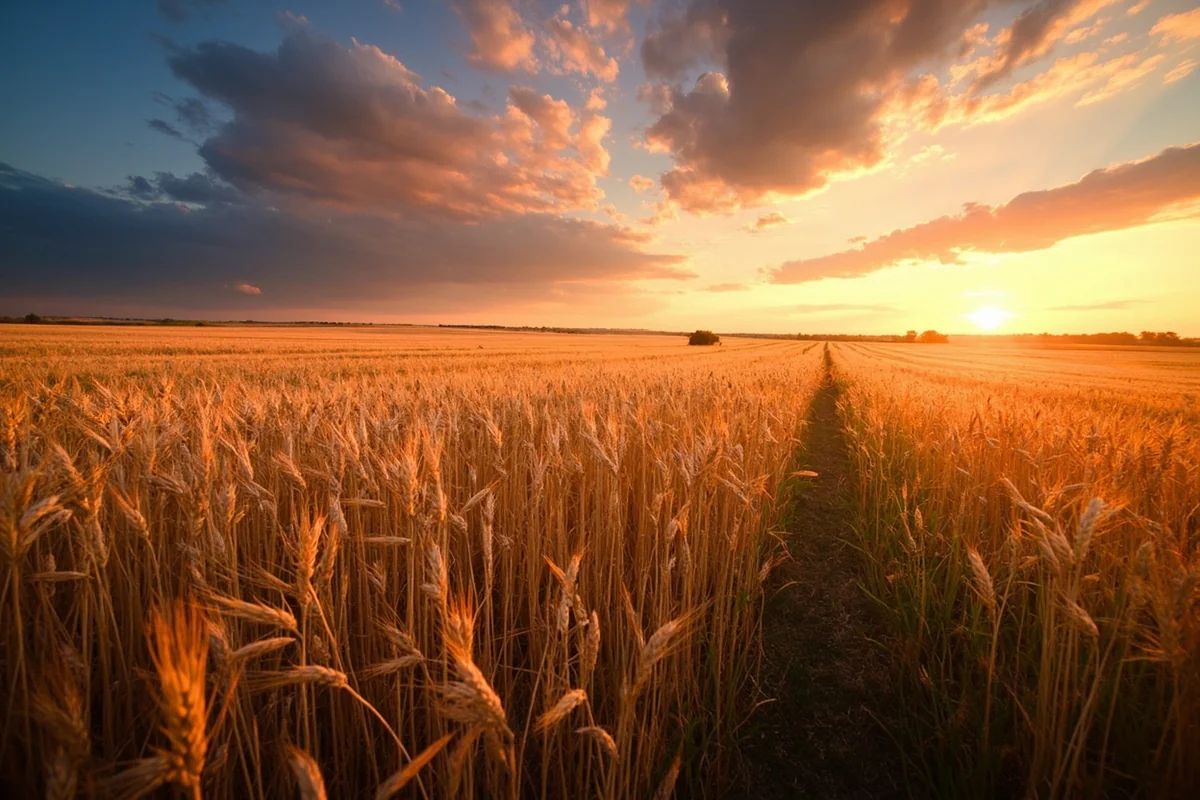
The eastern plains of Montana feature rolling prairies and open expanses that dominate the landscape east of the Continental Divide. This region, characterized by its semi-arid climate, receives between 12-16 inches of annual precipitation. Despite limited rainfall, these plains have become the heart of Montana’s grain production, with farmers adapting to the conditions through dryland farming techniques and careful moisture management.

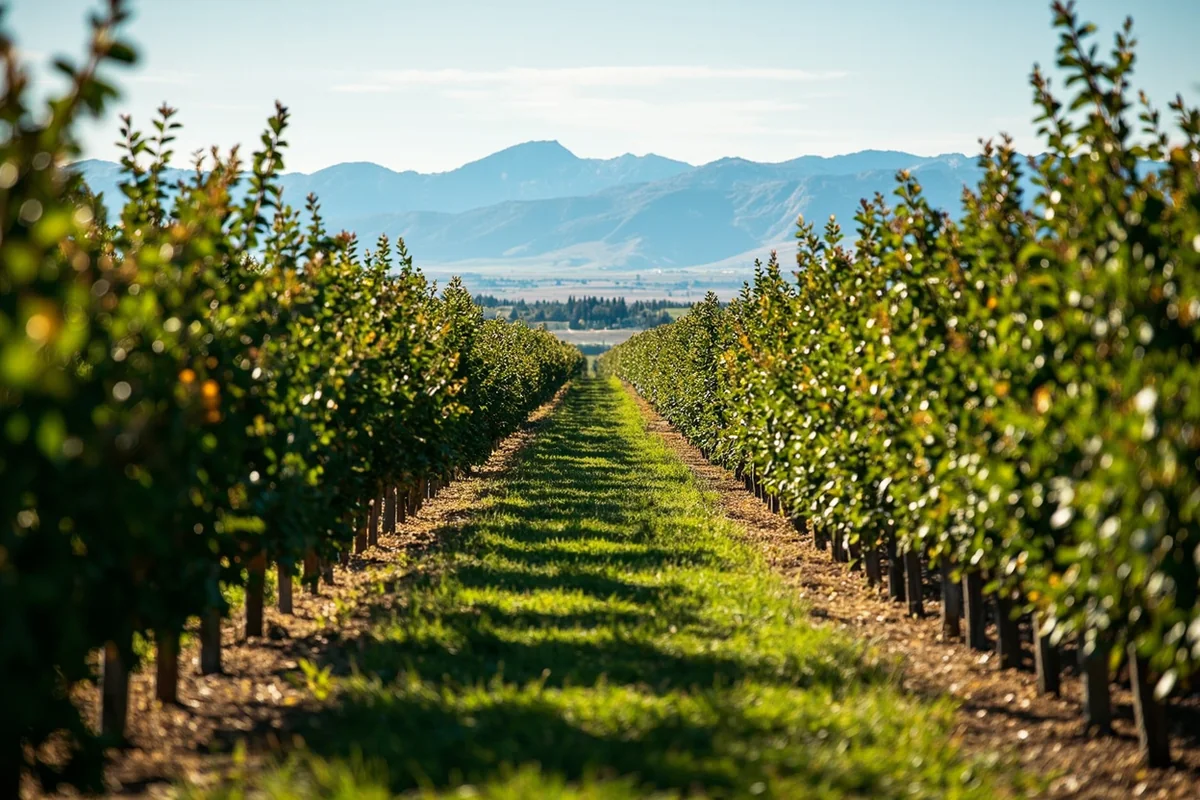
In stark contrast, western Montana presents a completely different agricultural environment. Nestled among mountain ranges and valleys, this region enjoys more abundant precipitation (20-30 inches annually) and cooler temperatures. The mountainous terrain creates microclimates that support specialty crops, orchards, and hay production. The Flathead and Bitterroot Valleys have emerged as particularly productive agricultural areas, with rich soils deposited by ancient glacial lakes.

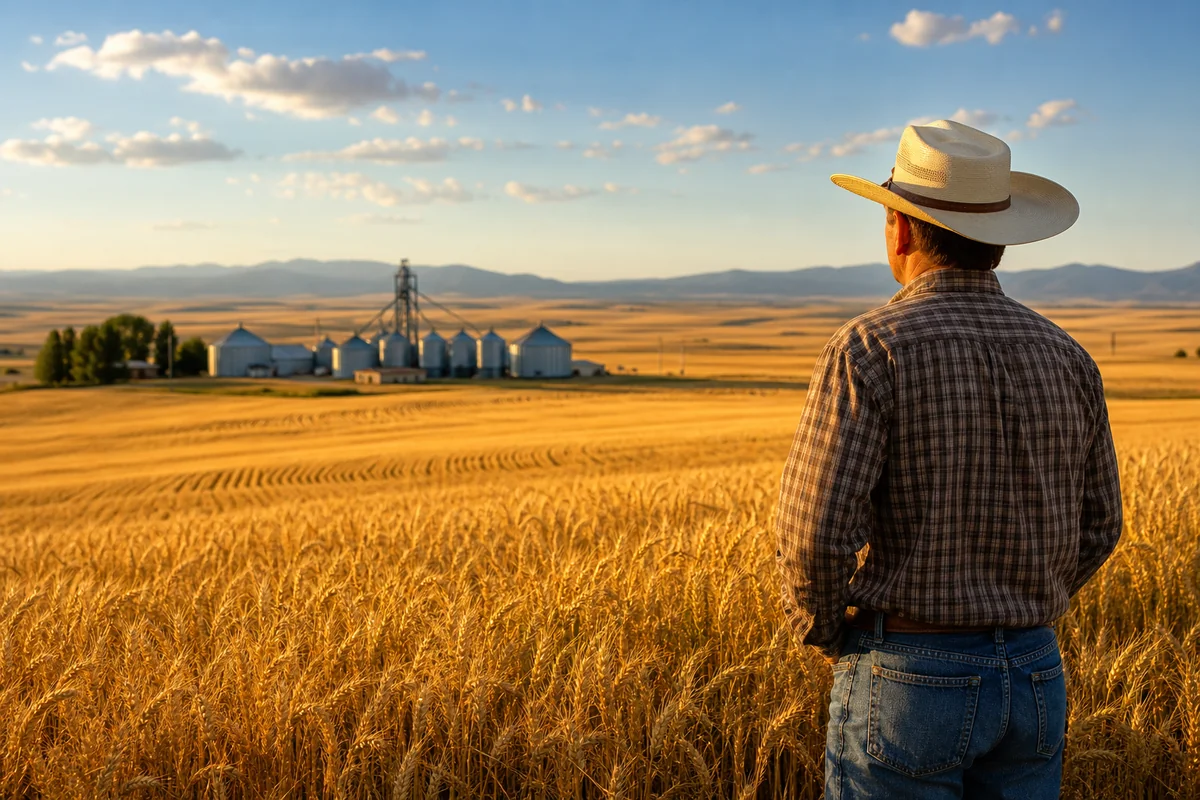
Central Montana serves as a transition zone between these two distinct regions. Here, farmers contend with variable conditions that can change dramatically from one season to the next. The Golden Triangle—encompassing the area between Great Falls, Havre, and Cut Bank—has earned its name from the golden wheat fields that thrive in its unique combination of adequate rainfall, moderate temperatures, and fertile soils.

Montana’s growing season varies significantly across regions, ranging from as few as 90 frost-free days in some high-elevation areas to 130 days in the warmer valleys. This short growing season presents both challenges and opportunities, pushing farmers to select fast-maturing crop varieties and precisely time their planting and harvesting operations.

The state’s soil types are equally diverse, from the rich, dark chernozem soils of the northeastern plains—ideal for small grains—to the gravelly, well-drained soils of river valleys that support vegetable production and orchards. In the western mountains, shallow, rocky soils limit cultivation but provide excellent grazing for livestock.

Montana’s agricultural landscape presents unique challenges, including unpredictable weather patterns, drought susceptibility, and the constant threat of early or late frosts. Wind erosion remains a concern in the eastern plains, while the mountainous west contends with limited arable land.

Yet these challenges have fostered remarkable innovation among Montana’s agricultural producers. The state’s clean air, limited pest pressure, and cool nights actually create advantages for certain crops. Premium wheat varieties develop exceptional protein content under Montana’s conditions, commanding higher prices in specialty markets. The wide-open spaces provide ample room for livestock production, and the pristine environment supports a growing organic and natural foods sector.

This geographic diversity has ultimately shaped Montana into an agricultural powerhouse that produces everything from world-class grains to specialty pulse crops, cattle, sheep, and an increasing variety of fruits and vegetables—all adapted to the unique conditions of Montana’s remarkable agricultural landscape.

Major Crops: What Thrives in Montana’s Diverse Climate

Montana’s vast landscape and varied climate create ideal conditions for a diverse array of crops that have become the backbone of the state’s agricultural economy. From the golden wheat fields stretching across the eastern plains to specialized crops in irrigated valleys, Montana farmers have adapted their practices to maximize the potential of their land.

Wheat: Montana’s Golden Treasure

Wheat reigns supreme as Montana’s most valuable crop, with the state consistently ranking among the top wheat producers in the nation. The cool, dry climate of the northern plains creates perfect conditions for growing high-quality wheat varieties. Montana farmers primarily cultivate:

  • Hard Red Winter Wheat: Planted in the fall and harvested the following summer, this variety is prized for its high protein content and excellent baking qualities.
  • Hard Red Spring Wheat: Planted in spring and harvested in late summer, this wheat thrives in Montana’s northern counties and commands premium prices for its superior protein levels.
  • Durum Wheat: Grown primarily in the northeastern part of the state, durum wheat is essential for pasta production and represents a significant export commodity.

Montana wheat is known worldwide for its exceptional quality, with much of the harvest exported to Asian markets where it’s valued for its consistency and protein content.

Pulse Crops: The Rising Stars

In recent decades, Montana has emerged as the nation’s leading producer of pulse crops, which include lentils, chickpeas (garbanzo beans), and dry peas. These nitrogen-fixing crops have revolutionized Montana agriculture by:

  • Providing a profitable rotation option that breaks disease cycles
  • Reducing the need for nitrogen fertilizers
  • Opening new market opportunities, especially in export markets
  • Improving soil health and subsequent wheat yields

The northeastern and north-central regions of Montana have embraced pulse production most enthusiastically, with lentil acreage expanding dramatically since the early 2000s. The cool nights and moderate daytime temperatures create ideal growing conditions for these crops.

Barley: Brewing Excellence

Montana barley production is intimately connected to the brewing industry, with the state producing some of the highest-quality malting barley in the world. The clear, sunny days and cool nights of Montana’s Golden Triangle region create perfect conditions for developing barley with ideal malting characteristics.

Major brewing companies maintain contracts with Montana growers and operate receiving stations throughout the state. The relationship between Montana’s barley farmers and the craft brewing industry has strengthened in recent years, with some breweries highlighting the Montana-grown ingredients in their marketing.

Sugar Beets: Sweet Success

In the irrigated valleys of eastern Montana, particularly along the Yellowstone River, sugar beets have been a profitable crop for generations. Montana’s sugar beet industry is centered around processing facilities in Billings and Sidney, where the beets are transformed into refined sugar.

Sugar beet production is highly mechanized and requires significant investment, but provides stable returns for growers who can master the challenging crop. The byproducts of sugar processing also support the local livestock industry, with beet pulp serving as valuable animal feed.

Other Significant Crops

Montana’s agricultural diversity extends well beyond these major crops:

  • Canola: Increasingly popular as a rotation crop that produces valuable oil
  • Hay and Alfalfa: Essential for supporting the state’s livestock industry
  • Safflower: Grown for its high-quality oil used in cooking and industrial applications
  • Potatoes: Thriving in irrigated areas with specialized production for seed potatoes
  • Specialty Crops: Including mint, cherries, and other fruits in the western valleys

This diverse crop portfolio helps Montana farmers manage risk through rotation and market diversification, ensuring the continued vitality of agriculture across the state’s varied growing regions.

Montana’s Livestock Industry: From Cattle to Bison

Montana’s vast grasslands and open ranges have made it an ideal location for livestock production since the 1800s. The state’s livestock industry represents a cornerstone of its agricultural economy, with cattle operations dominating the landscape but diversified by thriving sheep, bison, and other livestock enterprises.

Cattle Ranching: The Backbone of Montana Agriculture

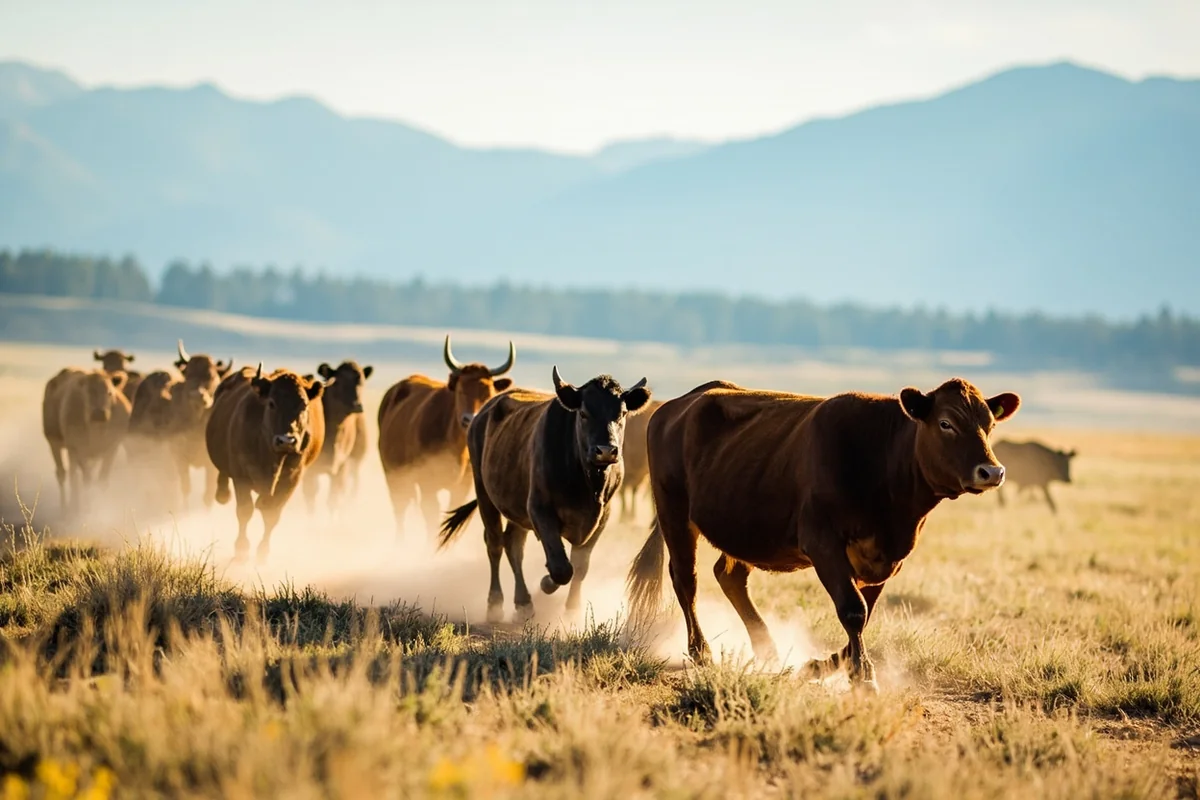
Cattle ranching remains the dominant livestock activity in Montana, with over 2.5 million head of cattle across the state. Montana ranks sixth nationally in beef cattle production, with approximately 18,000 cattle operations ranging from small family ranches to large commercial enterprises. The cow-calf operation is the most common production model, where ranchers maintain breeding herds and sell calves after weaning.

Montana’s cattle industry prides itself on quality over quantity, with many ranchers focusing on premium grass-fed and natural beef production. The state’s native grasses and forage quality contribute to beef that commands premium prices in specialty markets. Many Montana ranchers have embraced sustainable grazing practices, implementing rotational grazing systems that improve both land health and cattle performance.

Sheep Production: A Resilient Tradition

While not as prominent as cattle, Montana’s sheep industry maintains a significant presence with approximately 220,000 sheep and lambs. The state ranks seventh nationally in sheep production, with operations concentrated in central and southwestern regions. Montana wool is particularly valued for its high quality, benefiting from the state’s clean environment and ideal growing conditions.

Many Montana sheep producers have found success in specialty markets, including organic lamb production and artisanal wool operations that cater to the growing interest in locally-sourced, sustainable textiles. The industry has shown remarkable resilience despite challenges from predators and market fluctuations.

Bison Ranching: A Resurgence of the American Icon

Perhaps the most exciting development in Montana’s livestock sector is the resurgence of bison ranching. With approximately 13,000 bison across the state, Montana has become a leader in the restoration of this iconic American species. Bison operations range from conservation-focused herds to commercial meat production enterprises.

Bison meat has gained popularity as a leaner alternative to beef, with higher protein content and fewer calories. Montana bison ranchers have capitalized on this growing market while simultaneously contributing to the ecological restoration of prairie ecosystems. Many operations integrate bison into holistic management systems that mimic historical grazing patterns.

Poultry and Other Livestock: Diversifying Montana’s Agricultural Portfolio

Beyond the major livestock categories, Montana farmers are increasingly diversifying with poultry operations, pig farming, and specialty livestock like elk, yak, and alpacas. Small-scale poultry production has grown significantly, with pastured egg and meat operations meeting local demand for humanely-raised products.

The farm-to-table movement has created new opportunities for diversified livestock operations, with direct marketing channels allowing producers to capture more value from their products. Many Montana ranchers have found that maintaining multiple species creates synergistic benefits for land management and financial stability.

Grazing Land Management: Sustaining Montana’s Rangeland Resources

With approximately 38 million acres of rangeland in Montana, sustainable grazing management is essential to the long-term viability of the livestock industry. Montana ranchers increasingly employ adaptive management strategies that respond to changing conditions while maintaining ecological health.

Innovations in grazing management include virtual fencing technologies, precision livestock farming, and integrated crop-livestock systems. Many ranchers partner with conservation organizations to implement practices that benefit both production goals and wildlife habitat. These collaborative approaches have helped demonstrate that well-managed livestock grazing can be compatible with—and even beneficial to—ecosystem health across Montana’s diverse landscapes.

Sustainable and Organic Farming Practices in Montana

Montana’s agricultural landscape has been undergoing a significant transformation with the rise of sustainable and organic farming practices. What was once a niche market has evolved into a thriving sector that’s reshaping the state’s agricultural identity. Montana now ranks among the top states for organic production, with over 350,000 acres dedicated to certified organic farming.

The growth of organic agriculture in Montana has been remarkable, with a 30% increase in certified organic operations over the past decade. This expansion reflects both consumer demand and farmers’ recognition of the economic and environmental benefits of sustainable practices. Montana’s organic farmers are producing everything from grains and pulses to vegetables and herbs, often commanding premium prices in specialty markets.

Sustainable farming techniques in Montana have been adapted to address the state’s unique growing conditions. Many farmers implement no-till or minimum tillage practices to conserve soil moisture in the arid climate while building soil health. Cover cropping has gained popularity as a way to suppress weeds, prevent erosion, and add nutrients naturally. Crop rotation strategies specifically designed for Montana’s short growing season help break pest cycles and optimize soil fertility without synthetic inputs.

For those pursuing organic certification, the process involves a three-year transition period during which land must be managed according to organic standards without the use of prohibited substances. Montana farmers work with certifying agencies like the Montana Department of Agriculture’s Organic Program or private certifiers to document their practices, maintain detailed records, and undergo annual inspections. While the certification process is rigorous, many farmers find the investment worthwhile for access to premium markets.

The economic impact of Montana’s organic sector extends beyond farm gates. Organic products often command price premiums of 30-50% over conventional counterparts, creating higher profit margins for producers. The organic sector has also spawned numerous processing facilities, distribution networks, and marketing cooperatives throughout the state. Additionally, organic farms in Montana typically employ more workers per acre than conventional operations, contributing to rural economic development and keeping young people engaged in agriculture.

Beyond certified organic operations, many Montana farmers are adopting “sustainable” practices that may not be certified organic but still emphasize environmental stewardship. These include integrated pest management, precision agriculture technologies that reduce input use, and holistic grazing systems that mimic natural patterns. This middle ground between conventional and organic approaches continues to grow as farmers seek economically viable ways to improve their land’s long-term productivity while reducing their environmental footprint.

Water Resources and Irrigation: Managing Montana’s Most Precious Resource

Montana’s agricultural success hinges on one critical resource: water. Despite being home to numerous rivers, streams, and aquifers, Montana faces unique challenges in water management that shape its agricultural practices.

Montana’s irrigation systems have evolved dramatically over generations. Traditional flood irrigation, once the standard across the state, has increasingly given way to more efficient methods. Center pivot systems now dot the landscape, creating the distinctive green circles visible from above. These systems can reduce water usage by up to 30% compared to flood irrigation while providing more consistent crop hydration. More recently, drip irrigation technology has gained traction, particularly in specialty crop production, offering even greater water conservation with efficiency rates of up to 95%.

Water rights in Montana follow the doctrine of “first in time, first in right,” creating a complex hierarchy of usage priorities dating back to territorial days. This system, while honoring historical claims, presents challenges for newer agricultural operations. The Montana Water Court continues to adjudicate claims in a process that has spanned decades, bringing both certainty and controversy to water users across the state.

Drought management has become increasingly sophisticated as Montana farmers adapt to changing conditions. Many operations now utilize soil moisture monitoring systems that provide real-time data on field conditions. Weather forecasting technology, combined with historical climate data, helps farmers make informed decisions about planting times and crop selection. During severe drought years, water sharing agreements between agricultural users have become more common, demonstrating the collaborative spirit of Montana’s farming communities.

Conservation practices extend beyond irrigation efficiency. Many Montana farmers have implemented cover cropping, reduced tillage, and field rotation strategies that improve soil health and water retention. Riparian buffer zones along waterways reduce runoff and erosion while protecting water quality. The Montana Department of Natural Resources and Conservation offers technical assistance and cost-sharing programs for farmers implementing water conservation measures.

Climate change impacts on Montana’s water resources have become increasingly evident. Spring runoff now typically occurs 1-3 weeks earlier than historical averages, altering the timing of water availability. Summer stream flows have decreased by up to 20% in some watersheds over the past century. Precipitation patterns have become more erratic, with intense rainfall events followed by extended dry periods. Forward-thinking agricultural operations are responding by increasing water storage capacity, diversifying crop selections, and adopting climate-resilient farming practices.

The future of Montana agriculture depends on continued innovation in water management. As competition for water resources intensifies between agricultural, municipal, industrial, and recreational users, the state’s farmers and ranchers remain at the forefront of developing sustainable solutions that balance production needs with conservation imperatives.

The Economic Impact of Agriculture on Montana’s Economy

Montana’s agricultural sector stands as a cornerstone of the state’s economy, generating billions in revenue and supporting communities across the Treasure State. Far beyond the farm gate, agriculture creates ripple effects that touch virtually every aspect of Montana’s economic landscape.

Agriculture contributes approximately $4.6 billion annually to Montana’s economy, representing roughly 10% of the state’s total economic output. This significant contribution comes from both crop and livestock production, with wheat, cattle, and hay leading the way. When considering the entire agricultural supply chain—including processing, transportation, and retail—the economic footprint expands considerably.

Direct economic impacts are substantial, with farm gate receipts consistently ranking agriculture as Montana’s top industry. The state’s 27,000+ farms and ranches not only generate immediate revenue but also support a vast network of agricultural businesses, from seed suppliers to equipment dealers.

Employment statistics reveal agriculture’s crucial role as a job creator. The sector directly employs over 50,000 Montanans, representing nearly 11% of the state’s workforce. These jobs span diverse skill levels, from seasonal farm labor to highly specialized positions in agricultural technology and management. When factoring in related industries like food processing and agricultural services, the employment impact grows even larger.

Montana’s agricultural exports have become increasingly vital to the state’s economic health. The state exports approximately $1.5 billion in agricultural products annually, with wheat, beef, and pulse crops (like lentils and chickpeas) finding markets across Asia, Latin America, and Europe. These international connections have helped Montana producers weather domestic market fluctuations while expanding their customer base globally.

Value-added agriculture has emerged as a powerful economic driver, transforming raw commodities into higher-value products. Montana’s craft brewing industry, which relies heavily on locally grown barley, contributes over $400 million annually to the state economy. Similarly, specialty flour mills, meat processors, and dairy operations create additional revenue streams while keeping more dollars circulating within local communities.

The multiplier effect of agricultural spending cannot be overstated. Every dollar generated in agricultural production creates an estimated $1.60 in additional economic activity throughout Montana. When farmers purchase equipment, hire services, or spend their income locally, these transactions support businesses throughout rural communities. This economic multiplier is particularly significant in small towns where agriculture remains the primary industry.

Beyond direct financial impacts, agriculture maintains Montana’s rural infrastructure, preserves open spaces that support tourism, and contributes to the tax base that funds essential public services. County governments across Montana rely heavily on agricultural property taxes to fund schools, roads, and emergency services.

Even during economic downturns in other sectors, agriculture has provided stability to Montana’s economy, demonstrating remarkable resilience through changing market conditions, weather challenges, and global disruptions. This stabilizing influence helps buffer the state against more volatile economic forces.

As Montana continues to diversify its agricultural offerings and embrace value-added opportunities, the economic impacts of this foundational industry will likely grow, ensuring that agriculture remains vital to Montana’s prosperity for generations to come.

Montana’s Agricultural Marketing and Distribution Networks

Montana’s agricultural producers navigate a complex web of marketing and distribution channels to bring their products from field to market. The state’s vast geography presents both opportunities and challenges for farmers and ranchers seeking to maximize the value of their products.

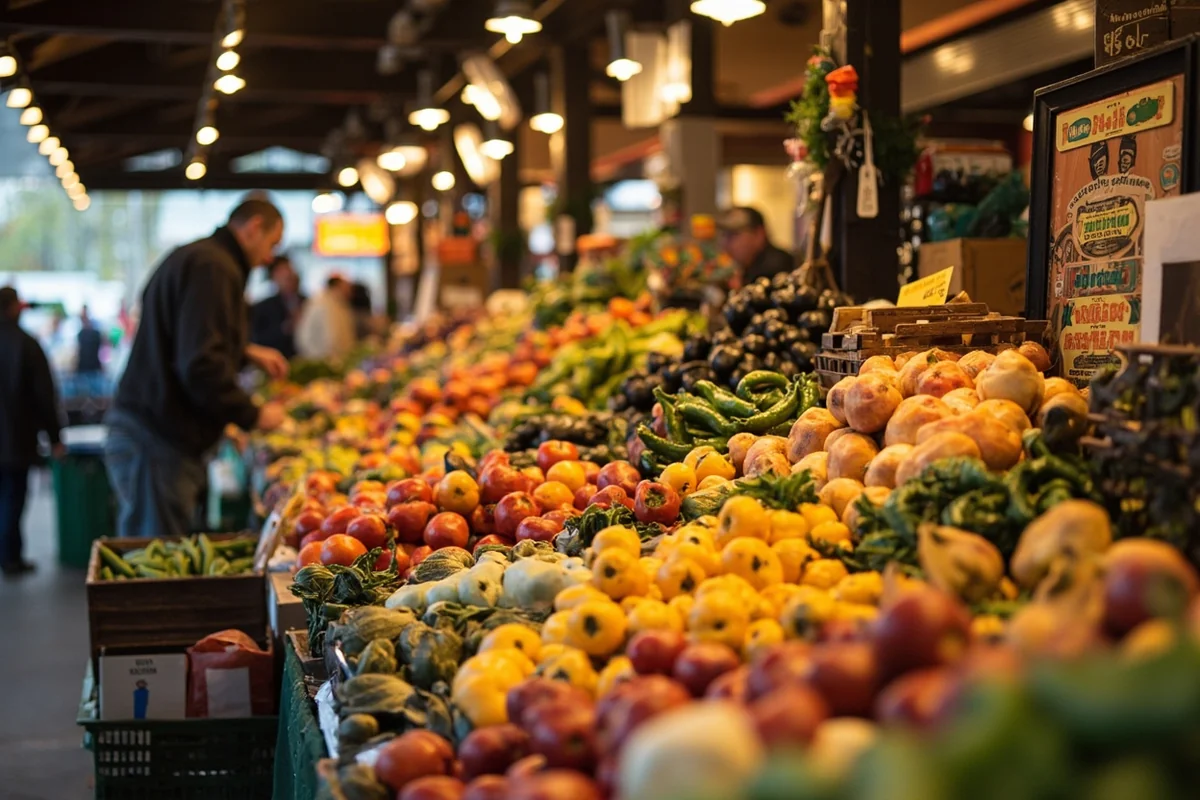
Local markets have experienced tremendous growth in recent years, with farmers’ markets flourishing in communities across the state. From Missoula to Billings, these direct-to-consumer venues allow producers to capture retail prices while building relationships with their customers. The farm-to-table movement has gained significant traction, with restaurants and institutions increasingly sourcing Montana-grown ingredients to satisfy consumer demand for locally-produced foods.

Export markets remain crucial for Montana agriculture, particularly for commodity crops like wheat. The state’s proximity to Pacific Northwest ports provides access to valuable Asian markets, while rail connections facilitate shipments to domestic destinations and eastern ports. Montana’s reputation for high-quality wheat, particularly high-protein varieties, has established steady demand from international buyers in Japan, the Philippines, and other countries seeking premium grain products.

Transportation infrastructure represents both a lifeline and a challenge for Montana producers. The state’s rail system serves as the backbone for moving bulk commodities, though access points can be limited in some regions. Rural highways connect farms to processing facilities and distribution centers, but winter weather and maintenance issues can disrupt these critical supply chains. The cost of transportation often represents a significant percentage of a product’s final price, squeezing already tight profit margins.

The challenges of rural distribution are particularly acute in a state as geographically expansive as Montana. Many producers operate hundreds of miles from major population centers or processing facilities, increasing costs and logistical complexity. Cold chain management for perishable products presents additional hurdles, especially for smaller operations without economies of scale. The seasonal nature of production creates periodic bottlenecks in transportation and storage capacity.

Cooperatives and collective marketing strategies have emerged as effective solutions to these distribution challenges. By pooling resources, smaller producers can access markets that would otherwise be out of reach. Montana’s grain elevators, often operated as cooperatives, serve as critical collection points in the supply chain. Marketing cooperatives allow members to achieve greater bargaining power and market access than they could individually. These collaborative approaches help producers overcome the limitations imposed by Montana’s rural character.

Value-added processing represents a growing opportunity for Montana agriculture, allowing producers to capture more of the final consumer dollar. From craft breweries using Montana-grown barley to specialty flour mills processing heritage wheat varieties, these enterprises transform raw commodities into premium products. Meat processing facilities enable ranchers to market branded beef products directly to consumers. However, processing capacity remains limited in many parts of the state, creating bottlenecks that constrain growth in this sector.

As Montana agriculture continues to evolve, producers are increasingly adopting hybrid marketing strategies that combine direct sales, cooperative marketing, and traditional commodity channels. This diversified approach helps mitigate risk while maximizing returns across different product categories and market conditions.

Technology and Innovation in Montana Agriculture

Montana’s agricultural sector is undergoing a technological revolution that’s transforming traditional farming practices. Despite the state’s rural character and challenging terrain, Montana farmers and ranchers are increasingly embracing cutting-edge innovations to enhance productivity and sustainability.

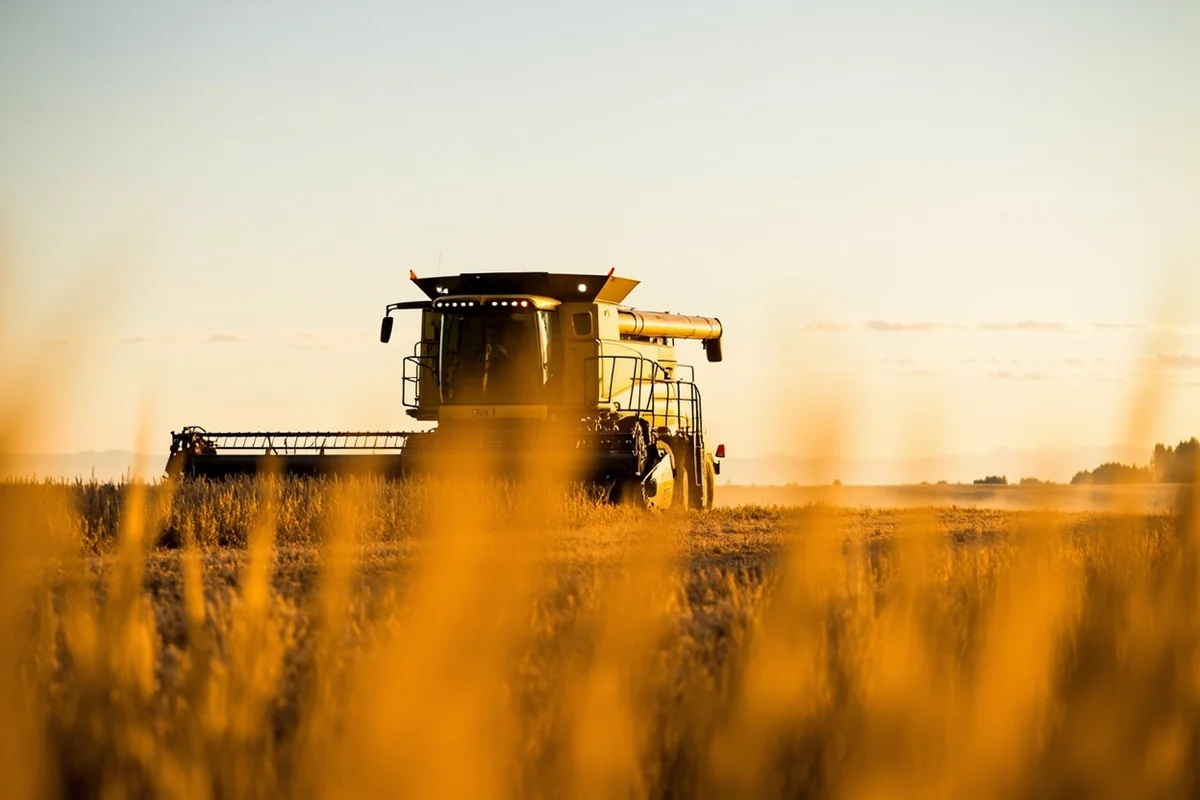
Precision agriculture has gained significant traction across Montana’s vast farmlands. GPS-guided tractors and combines now navigate fields with centimeter-level accuracy, reducing overlap and optimizing input application. These systems allow farmers to operate equipment around the clock and in low-visibility conditions, maximizing efficiency during critical planting and harvesting windows. The technology is particularly valuable in Montana’s short growing season, where timing can make or break a successful harvest.

Drone and satellite technology have become indispensable tools for modern Montana agriculture. Farmers deploy drones to monitor crop health, detect pest infestations, and identify irrigation issues with unprecedented precision. Satellite imagery provides broader perspectives, allowing producers to track vegetation indices across thousands of acres. This aerial perspective helps identify problem areas before they become visible from the ground, enabling targeted interventions that save time, money, and resources.

Soil health monitoring has evolved beyond basic testing to include sophisticated sensor networks that provide real-time data on moisture levels, nutrient content, and microbial activity. Montana farmers use this information to make data-driven decisions about fertilizer application and irrigation scheduling. Some innovative operations have installed permanent soil moisture probes throughout their fields, creating comprehensive soil health maps that inform management practices and improve long-term soil fertility.

Genetic improvements continue to play a crucial role in Montana agriculture’s evolution. The state’s wheat varieties, for instance, have been developed specifically to thrive in Montana’s harsh climate conditions. These locally-adapted cultivars offer improved disease resistance, drought tolerance, and higher protein content. Similarly, livestock producers utilize genetic information to enhance herd quality, selecting for traits like feed efficiency, disease resistance, and meat quality that are particularly valuable in Montana’s production systems.

Automation and robotics are gradually finding their place on Montana farms, addressing the persistent labor shortages that challenge rural communities. Automated irrigation systems adjust water delivery based on weather forecasts and soil conditions. Robotic milking systems allow dairy operations to function with minimal human intervention. While full automation remains limited by Montana’s rugged landscape and variable conditions, the trend toward mechanization continues to accelerate as technology becomes more affordable and adaptable to local needs.

What makes Montana’s approach to agricultural technology unique is the balanced integration of innovation with traditional knowledge. Many farmers combine cutting-edge tools with generations of experience working the land. This hybrid approach allows them to leverage technology where it adds value while maintaining the hands-on stewardship that has sustained Montana agriculture for generations.

The adoption of these technologies represents not just improved efficiency but a fundamental shift in how Montana agriculture operates. By embracing precision, data-driven decision-making, and automation, the state’s agricultural producers are positioning themselves to remain competitive in global markets while addressing the sustainability challenges that will define farming’s future in the Treasure State.

Climate Challenges and Resilience Strategies for Montana Farmers

Montana’s agricultural sector faces increasingly complex climate challenges that test the resilience of even multi-generational farming operations. Drought has become a persistent threat across the state, with recent years showing concerning patterns of reduced snowpack and earlier spring runoff. These drought conditions have forced farmers to adapt quickly, implementing more efficient irrigation systems and exploring drought-resistant crop varieties that can withstand longer periods without rainfall.

Extreme weather events present another significant challenge. From devastating hailstorms that can destroy a season’s crop in minutes to unexpected freezes and increasingly intense summer heat waves, Montana farmers must prepare for weather volatility unlike anything previous generations experienced. Many producers now invest in weather monitoring technology and crop insurance to mitigate these unpredictable risks.

The changing growing seasons have created both opportunities and complications. While longer frost-free periods allow for new crop varieties previously unsuitable for Montana’s climate, they also introduce uncertainty into traditional planting and harvesting schedules. Farmers report earlier spring conditions followed by late freezes that damage early plantings, requiring adaptive management strategies and careful timing decisions.

Montana’s agricultural community has responded to these challenges with remarkable resilience strategies. Many operations have implemented conservation tillage practices that preserve soil moisture and reduce erosion. Cover cropping has gained popularity as both a soil health measure and a way to reduce water requirements. Some farmers have also embraced precision agriculture technology, using satellite imagery and soil sensors to apply water and inputs only where and when needed.

Diversification represents perhaps the most important adaptation strategy. Forward-thinking Montana producers are expanding beyond traditional wheat and cattle operations to include specialty crops, value-added products, and agritourism ventures. This diversification creates multiple income streams that provide financial stability when one sector faces challenges. For example, some ranchers now offer hunting leases or farm stays alongside their livestock operations, while crop producers might add pulse crops like lentils and chickpeas to their rotation, which require less water than traditional grains.

By combining traditional agricultural knowledge with modern innovation, Montana farmers are building resilience into their operations. While climate challenges will continue to evolve, the adaptability demonstrated across Montana’s agricultural landscape suggests that the sector will remain a cornerstone of the state’s economy and identity for generations to come.

The Role of Montana State University and Agricultural Research

Montana State University (MSU) stands as the cornerstone of agricultural advancement in the state, serving as both an educational institution and a vital research hub. Since its founding as a land-grant university in 1893, MSU has maintained its commitment to supporting Montana’s agricultural community through innovative research, practical education, and extensive outreach programs.

The MSU College of Agriculture houses seven departments dedicated to various aspects of agricultural science, from plant sciences to agricultural economics. These departments collectively conduct groundbreaking research addressing the unique challenges faced by Montana producers. The university’s research facilities include specialized centers focusing on wheat and barley genetics, sustainable cropping systems, and livestock management tailored to Montana’s diverse growing conditions.

MSU Extension represents one of the university’s most valuable contributions to Montana agriculture. With offices in all 56 counties, Extension agents serve as direct links between university research and farming communities. These professionals provide timely information on best practices, pest management strategies, and market trends while also gathering feedback from farmers to inform future research priorities.

The university’s network of seven Agricultural Research Centers strategically located throughout Montana conducts field trials under real-world conditions. These centers test new crop varieties, evaluate management techniques, and assess technology applications across Montana’s varied growing regions. For example, the Northern Agricultural Research Center in Havre focuses on dryland farming techniques, while the Western Agricultural Research Center in Corvallis specializes in horticultural crops suited to western Montana’s unique climate.

Technology transfer represents another critical function of MSU’s agricultural mission. The university actively works to move innovations from laboratory to field, helping farmers implement new varieties, equipment modifications, and management approaches. This process includes regular field days, workshops, and demonstration projects that allow farmers to see new technologies in action before adopting them on their own operations.

Educational initiatives extend beyond the traditional four-year degree programs. MSU offers specialized certificate programs, continuing education opportunities, and targeted workshops addressing emerging agricultural challenges. The university’s online resources provide Montana farmers with access to research findings, market information, and technical guidance regardless of their location within the state.

Through this comprehensive approach combining research, extension, field trials, and education, Montana State University continues to serve as an essential partner in maintaining the strength and resilience of Montana’s agricultural sector.

Government Programs and Support for Montana Agriculture

Montana’s agricultural sector benefits from a robust framework of government programs designed to support farmers and ranchers through various challenges and opportunities. These initiatives operate at both federal and state levels, creating a safety net that helps sustain this vital industry.

Federal farm programs form the backbone of agricultural support in Montana. The Farm Bill, renewed approximately every five years, provides crucial programs like the Agriculture Risk Coverage (ARC) and Price Loss Coverage (PLC) that protect producers against market fluctuations and crop failures. Additionally, federal crop insurance subsidies help Montana farmers manage risk in a state where weather extremes can devastate harvests. The USDA’s Rural Development programs also offer grants and loans specifically tailored to the needs of rural agricultural communities throughout the state.

At the state level, Montana has developed initiatives that complement federal programs while addressing local concerns. The Montana Department of Agriculture administers the Growth Through Agriculture program, providing grants and loans to businesses that add value to agricultural products. The state also operates the Montana Agricultural Development Council, which focuses on strengthening and diversifying Montana’s agricultural economy through targeted investments and policy recommendations.

Conservation programs play an increasingly important role in Montana agriculture. The Conservation Reserve Program (CRP) pays farmers to remove environmentally sensitive land from production, while the Environmental Quality Incentives Program (EQIP) provides financial assistance for implementing conservation practices. Montana’s own Rangeland Resources Program works specifically to preserve the state’s vast grasslands, demonstrating how federal and state conservation efforts often work in tandem.

When disaster strikes—whether drought, flooding, or wildfire—Montana’s agricultural producers can access emergency assistance. The Livestock Forage Disaster Program and Emergency Conservation Program provide critical support during natural disasters. The state has also established emergency fund mechanisms that can be activated during particularly severe agricultural crises, helping farmers bridge the gap until federal assistance arrives.

Beginning farmer support has become a priority as Montana faces an aging farmer population. The Beginning Farmer and Rancher Development Program offers education, mentorship, and financial assistance to those entering agriculture. Montana has enhanced these efforts through the Beginning Farm Loan Program, which provides favorable loan terms for young farmers looking to establish themselves in the industry.

Tax policies significantly impact agricultural operations in Montana. Special agricultural valuations for property taxes help keep farmland affordable, while estate tax provisions are designed to facilitate the transfer of farms between generations. Montana’s livestock per capita fee system funds important animal health programs while distributing the tax burden equitably among producers based on the size of their operations.

These diverse government programs collectively create a support structure that helps Montana’s agricultural industry weather economic downturns, adapt to changing conditions, and continue its tradition of excellence in food and fiber production.

Montana’s agricultural landscape is evolving rapidly, presenting both challenges and exciting new possibilities for the state’s farmers and ranchers. As traditional agricultural practices meet innovative approaches, Montana’s agricultural future looks promising despite ongoing challenges.

Emerging markets are creating new revenue streams for Montana producers. Hemp cultivation has gained significant traction since the 2018 Farm Bill legalized its production, with Montana quickly becoming one of the nation’s leading producers. The state’s ideal growing conditions and existing farming infrastructure make it perfectly positioned to capitalize on this crop’s versatility for fiber, grain, and CBD production. Similarly, specialty grains like ancient wheat varieties, including spelt, emmer, and einkorn, are finding premium markets among health-conscious consumers and artisanal bakeries nationwide.

Diversification strategies have become essential for modern Montana agricultural operations. Many farms are moving beyond monoculture approaches to embrace integrated crop-livestock systems that improve soil health while providing multiple income sources. By rotating crops strategically and incorporating livestock grazing into their operations, farmers are building resilience against market fluctuations and weather extremes. This approach not only spreads financial risk but also enhances ecological sustainability.

Next-generation farming technologies are transforming how Montana producers operate. Precision agriculture tools—including GPS-guided equipment, drone monitoring, and soil sensors—allow farmers to apply inputs with unprecedented accuracy, reducing costs and environmental impact. Meanwhile, data analytics help producers make more informed decisions about planting, harvesting, and marketing. Young farmers returning to family operations often bring technological expertise that complements traditional knowledge, creating powerful synergies that drive innovation.

Value-added opportunities represent another frontier for Montana agriculture. Rather than selling raw commodities, more producers are processing their harvests into finished products—from craft malts for breweries to artisanal cheeses from dairy operations. This vertical integration captures more of the value chain and connects producers directly with consumers. Montana’s strong “local food” identity and reputation for quality create premium positioning for these products in regional and national markets.

Agritourism potential remains largely untapped across much of Montana. The state’s breathtaking landscapes and authentic agricultural heritage create perfect conditions for farm stays, harvest festivals, u-pick operations, and educational tours. These experiences satisfy growing consumer interest in understanding food production while generating supplemental income for agricultural operations. Several successful models already exist across the state, from working ranches offering guest experiences to farms hosting farm-to-table dinners that showcase their products.

As Montana agriculture moves forward, the operations most likely to thrive will be those embracing both innovation and the state’s rich agricultural traditions. By adapting to changing markets, climate conditions, and consumer preferences, Montana’s agricultural community is positioning itself for a sustainable and prosperous future.

Resources for Montana Farmers and Ranchers

Montana’s agricultural community benefits from a robust network of resources designed to support farmers and ranchers at every stage of their operations. Whether you’re a multi-generation rancher or a beginning farmer, these resources can provide crucial assistance for your agricultural endeavors.

Organizations and Associations

The Montana Farm Bureau Federation serves as the state’s largest agricultural advocacy organization, representing farmers and ranchers in policy matters while offering member benefits including insurance discounts and educational programs. The Montana Stockgrowers Association specifically focuses on the interests of cattle producers, providing market information, policy representation, and networking opportunities. For organic producers, the Montana Organic Association offers certification guidance, marketing connections, and educational resources tailored to sustainable agriculture practices.

Educational Resources

Montana State University Extension offices are located in every county, providing localized agricultural expertise, soil testing services, pest identification, and research-based recommendations. Their workshops, field days, and publications cover everything from crop selection to livestock management. The Montana Agricultural Business Association offers specialized training in agricultural inputs, technology adoption, and business management practices.

Financial Assistance

The Montana Department of Agriculture administers growth through agriculture grants and loans specifically designed to enhance agricultural operations and value-added processing. Rural development loans through various federal programs provide favorable terms for land acquisition, equipment purchases, and operational expenses. Several Montana-based agricultural lenders specialize in farm and ranch financing with terms that accommodate the unique cash flow patterns of agricultural businesses.

Marketing Support

The Made in Montana program helps producers brand and market products with the recognizable state designation, opening doors to premium markets. Montana‘s farmers markets provide direct-to-consumer sales opportunities in communities throughout the state, while the Montana Cooperative Development Center assists producers in forming marketing cooperatives to achieve economies of scale and market leverage.

Technical Assistance

The Natural Resources Conservation Service (NRCS) offers technical guidance on soil health, water management, grazing plans, and conservation practices, often paired with cost-sharing opportunities. The Montana Manufacturing Extension Center provides specialized assistance for food processing and value-added agricultural enterprises, helping with everything from facility design to regulatory compliance.

Networking Opportunities

Annual agricultural conferences like the Montana Grain Growers Association Convention and the Montana Farm Bureau Annual Meeting provide valuable opportunities for knowledge exchange and relationship building. Commodity-specific organizations host regular gatherings that combine educational sessions with networking events, while young farmer and rancher programs specifically support the next generation of Montana agriculturalists through mentorship, leadership development, and peer networking.

These interconnected resources form a support system that strengthens Montana’s agricultural sector, helping producers navigate challenges, seize opportunities, and continue the state’s proud farming and ranching traditions for generations to come.

Frequently Asked Questions

What are Montana’s main agricultural products?

Montana’s primary agricultural products include wheat (various types like hard red winter wheat and durum), pulse crops (lentils, chickpeas, dry peas), barley, cattle, and hay. The state is also known for its sugar beet production and is increasingly diversifying into specialty crops like canola, safflower, and various fruits in western valleys.

How does Montana’s climate affect its agriculture?

Montana’s climate presents both challenges and opportunities for agriculture. The state experiences short growing seasons, limited rainfall in many areas, and extreme temperature fluctuations. These conditions have led to the development of drought-resistant crop varieties and efficient irrigation systems. The cool nights and sunny days in certain regions contribute to high-quality wheat and barley production, while the varied terrain allows for diverse agricultural activities across the state.

What role does organic farming play in Montana’s agriculture?

Organic farming has become increasingly significant in Montana, with the state ranking among the top in the nation for organic production. Over 350,000 acres are dedicated to certified organic farming, producing a wide range of crops from grains to vegetables. The organic sector has experienced substantial growth, contributing to rural economic development and meeting rising consumer demand for organic products.

How is technology changing Montana agriculture?

Technology is transforming Montana agriculture through precision farming techniques, GPS-guided equipment, drone and satellite monitoring, and advanced soil health sensors. These innovations allow farmers to optimize resource use, make data-driven decisions, and increase overall efficiency. Additionally, genetic improvements in crops and livestock are helping Montana producers adapt to challenging conditions and market demands.

What government programs support Montana farmers and ranchers?

Montana farmers and ranchers benefit from various federal and state support programs. These include federal initiatives like the Agriculture Risk Coverage (ARC) and Price Loss Coverage (PLC) programs, crop insurance subsidies, and conservation programs like CRP and EQIP. At the state level, Montana offers programs such as Growth Through Agriculture grants and loans, and the Beginning Farm Loan Program to support new farmers.

How is Montana addressing the challenges of climate change in agriculture?

Montana farmers are adopting various strategies to build resilience against climate challenges. These include implementing conservation tillage practices, using cover crops to improve soil health and water retention, diversifying crop rotations, and adopting precision agriculture technologies. Many producers are also exploring drought-resistant crop varieties and adjusting planting schedules to adapt to changing growing seasons.

What opportunities exist for new or young farmers in Montana?

Montana offers several opportunities for new and young farmers. The state has programs specifically designed to support beginning farmers, such as the Beginning Farm Loan Program, which provides favorable loan terms. Additionally, the growing interest in organic and specialty crops, value-added agriculture, and agritourism presents new avenues for entering the industry. Montana State University and various agricultural organizations also offer educational resources and mentorship opportunities for those starting in agriculture.

Sources

Sarah Bennett

My writing is rooted in long-term experience living in Montana, covering its cities through the lens of everyday life and local highlights. I aim to provide a balanced perspective that is supported by research and facts, helping readers understand the true character of these communities without hype or exaggeration

Leave a Reply