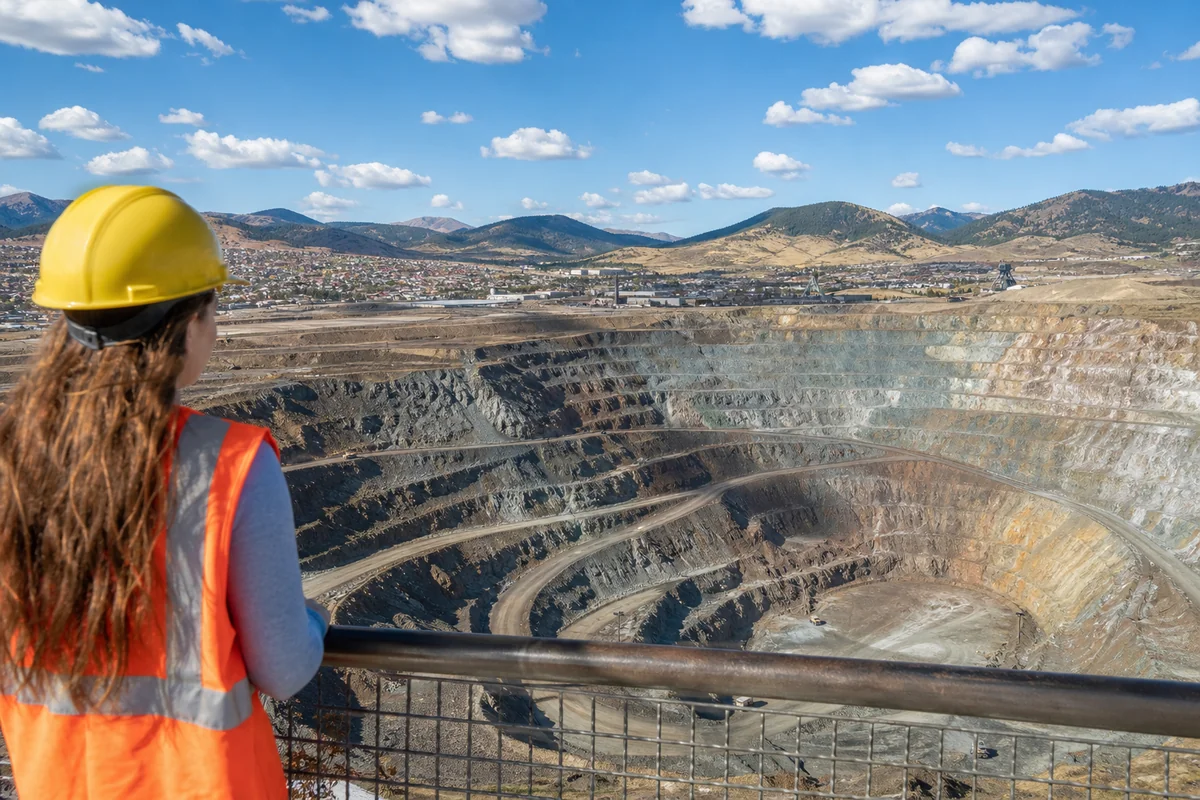
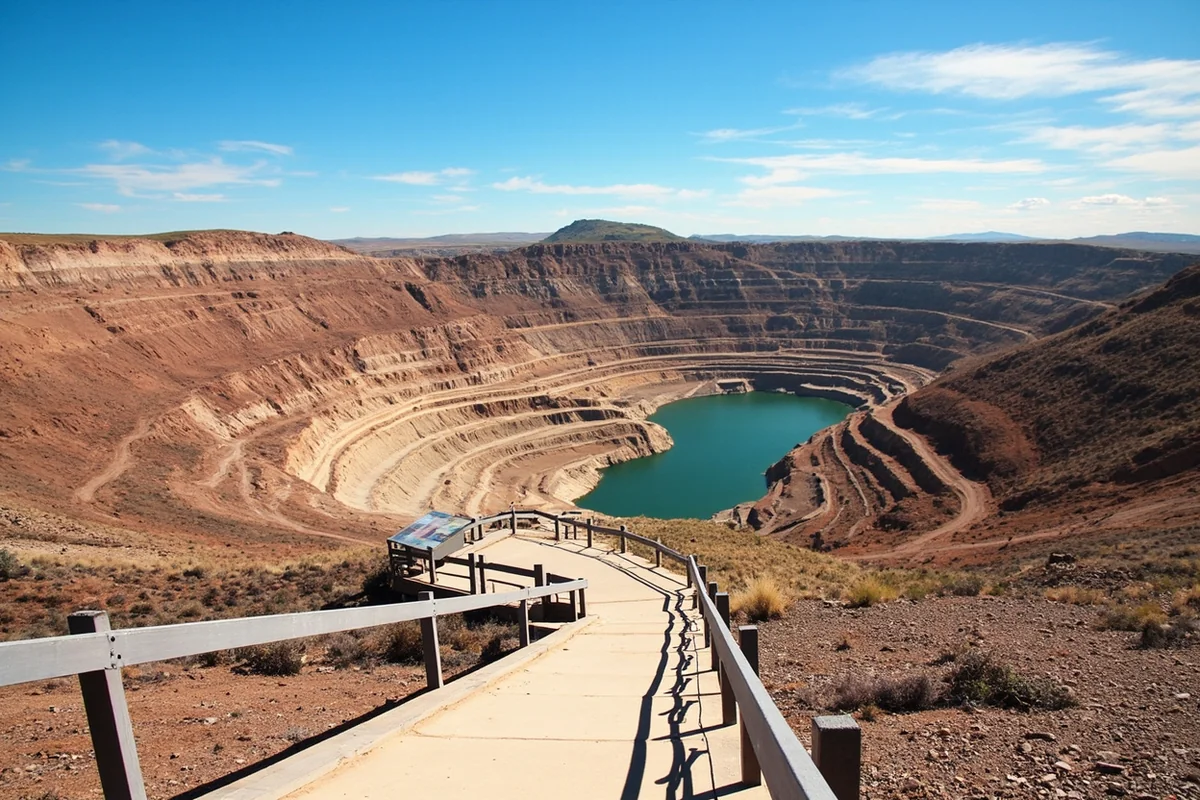
Standing in the Berkley Pit viewing platform in Butte last September, I watched a group of tourists realize they were staring into one of the largest open-pit copper mines in American history—and that the very smartphone in their hands likely contained minerals once extracted from this exact Montana earth.
That moment crystallized something I’ve learned over years of exploring this state: understanding Montana’s economy transforms you from a casual tourist into a traveler who truly grasps why this landscape looks, feels, and functions the way it does.
- Montana’s economy runs on five key industries: agriculture, mining, timber, tourism, and emerging tech sectors
- Understanding these industries enhances your travel experience and helps you find unique attractions
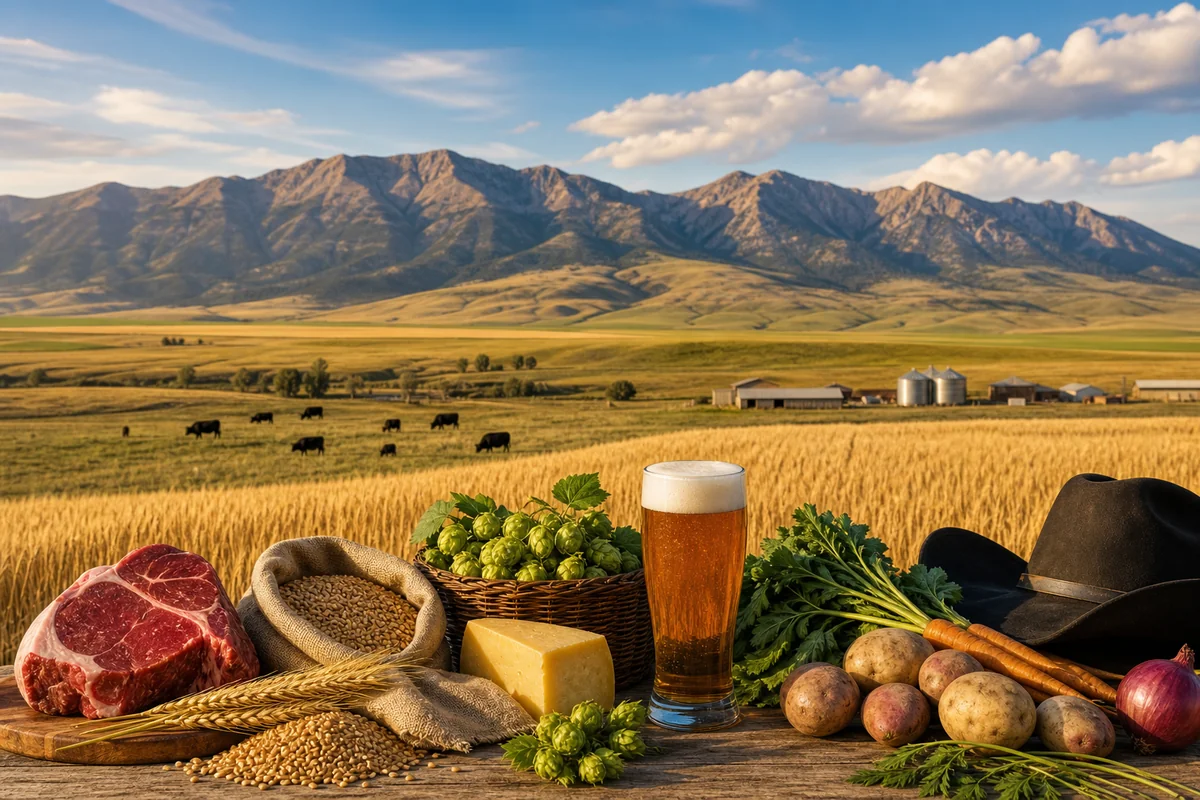
- The state’s agricultural heartland produces wheat, barley, and cattle that influence regional cuisine and landscapes
- Historic mining towns like Butte and Virginia City offer immersive experiences in industrial heritage
- Timber country in western Montana provides scenic drives and mill town culture worth exploring
- Tech and craft brewing have become surprising economic forces centered in Missoula and Bozeman
- Seasonal timing matters—harvest festivals, mine tours, and industry events vary throughout the year
Liked this article?
Add Roaming Montana as a preferred source so you see more of our articles and guides on Google.
Why Industry Knowledge Matters for Montana Travelers
I’ll be honest: when I first started traveling to Montana fifteen years ago, I was only there for the national parks. Glacier, Yellowstone, maybe some fishing. The economy? That was the last thing on my mind.
But somewhere around my fifth trip, while chatting with a rancher near Great Falls who was explaining why his family switched from wheat to pulse crops, I realized I’d been missing the entire story. Montana isn’t just a postcard backdrop—it’s a working landscape where industries have literally carved the mountains, planted the valleys, and built the towns you’re driving through.
Knowing what Montana produces helps you understand why Butte has ornate Victorian architecture, why the Hi-Line feels so different from the Bitterroot Valley, and why you can find world-class craft beer in seemingly tiny mountain towns.
Agriculture: The Golden Sea That Feeds America
Wheat and Grain Production
Drive Highway 2 across northern Montana in late July, and you’ll understand immediately why they call it “the Hi-Line.” The horizon stretches impossibly far, broken only by grain elevators that rise like prairie lighthouses every twenty miles or so.
I spent three days on a working wheat farm near Chester during my research for this piece, and it fundamentally changed how I see eastern Montana. The Montana wheat industry produces over 200 million bushels annually, making the state consistently one of the top wheat producers in the nation.
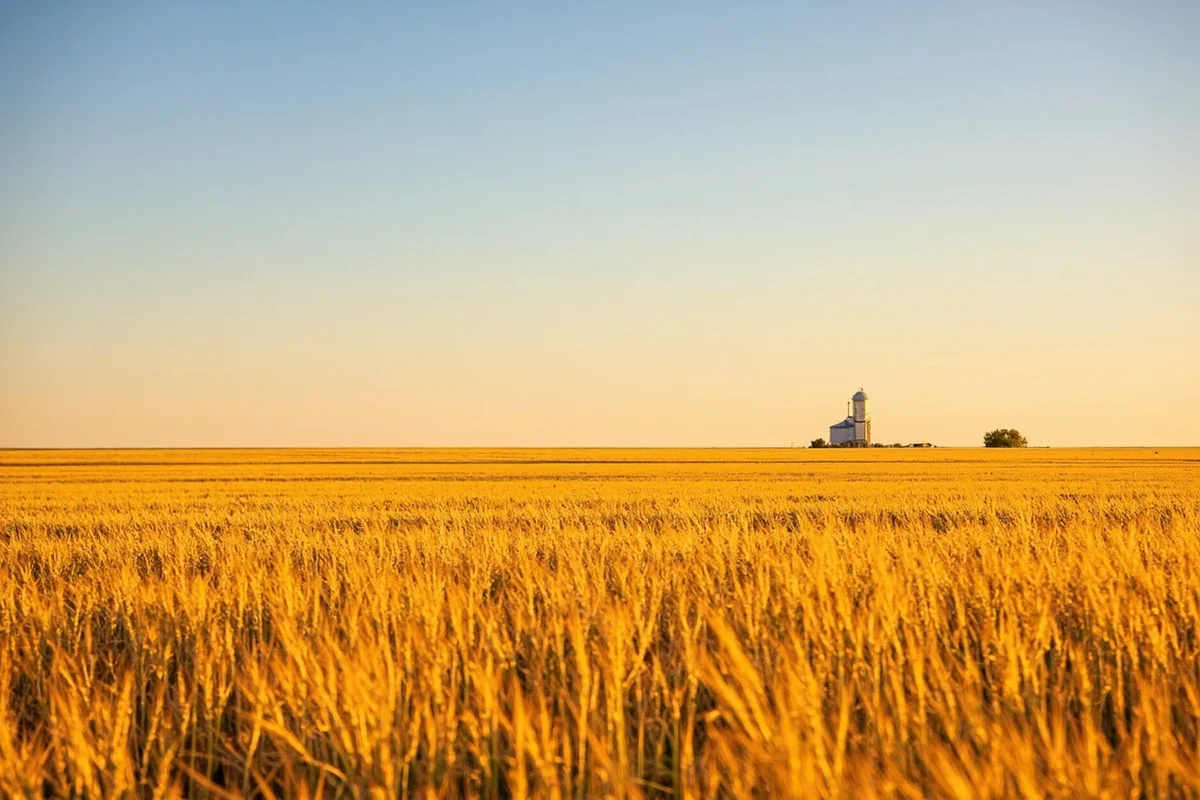
What struck me most was the scale. One farmer I shadowed, a third-generation producer named Mike, manages over 5,000 acres essentially by himself with GPS-guided equipment. During harvest season (typically late July through September), these massive combines work fields until 2 AM, their lights visible for miles across the dark prairie.
Cattle Ranching: Montana’s Original Industry
Montana’s agricultural industry extends far beyond grain. With roughly 2.5 million cattle and only about 1.1 million people, cows outnumber humans here by more than two to one.
I’ve attended three different cattle auctions across the state—in Billings, Miles City, and Great Falls—and they’re genuinely fascinating cultural experiences that most tourists never consider. The Miles City Bucking Horse Sale each May combines a livestock auction with rodeo events and has become a regional institution since 1951.
For travelers, this ranching heritage translates into exceptional beef at local restaurants, working ranch guest experiences (I particularly recommend the ones near the Missouri Breaks), and a cowboy culture that feels authentic rather than performative.
What This Means for Your Trip
| Agricultural Experience | Best Time to Visit | Location |
|---|---|---|
| Wheat harvest observation | Late July – September | Hi-Line (Highway 2) |
| Miles City Bucking Horse Sale | Third weekend of May | Miles City |
| Livestock auctions | Year-round (Thursdays typically) | Billings, Great Falls |
| Working ranch stays | May – October | Missouri Breaks region |
| Farm-to-table dining | Summer harvest season | Bozeman, Missoula |
Mining: The Industry That Built Montana’s Towns
Copper and the Richest Hill on Earth
Butte, Montana, was once the largest city between Chicago and San Francisco. Let that sink in for a moment.
During the copper boom of the late 1800s and early 1900s, Butte produced over one-third of the nation’s copper. The wealth that flowed from “the richest hill on Earth” built the ornate buildings you can still walk past today on a self-guided tour through Uptown Butte.
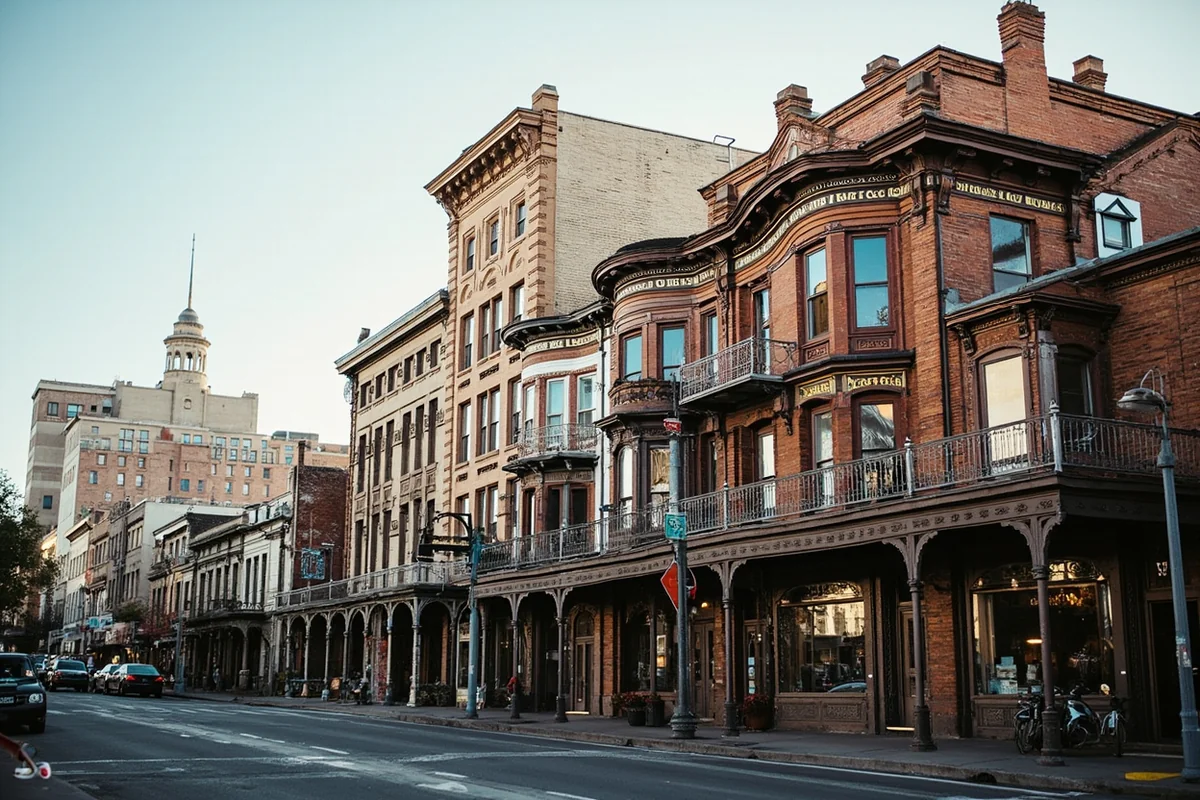
I’ve visited Butte at least a dozen times, and it never fails to move me. The World Museum of Mining, located at an actual silver and zinc mine site, offers underground tours that genuinely convey what it was like to work thousands of feet below the surface. The guides—many from families with generations of mining history—share stories that humanize the statistics.
The Berkeley Pit, which I mentioned at the start, is a more sobering experience. This toxic lake, filling a former open-pit copper mine, represents both the environmental cost of extraction and the ongoing remediation efforts. I find it essential viewing for understanding the full complexity of resource extraction.
Coal Country in Eastern Montana
While copper gets the historical glory, coal remains a significant part of Montana’s present-day mining sector. The Colstrip power plant, visible from miles away on the eastern plains, has been both an economic engine and environmental controversy for decades.
For travelers, the coal region offers different attractions: the badlands near Makoshika State Park, dinosaur fossil sites (Montana is one of the world’s premier dinosaur dig locations), and a stark landscape beauty that contrasts sharply with the mountain west.
Modern Mining and Mineral Production
Montana still produces significant quantities of talc, platinum, palladium, and molybdenum. The Stillwater Mine near Nye is one of only two palladium and platinum mines in the United States.
I toured a talc processing facility near Three Forks on a recent trip—arranged through a local economic development office—and learned that Montana talc ends up in products from cosmetics to ceramics. It’s a reminder that the state’s extractive economy continues, just less visibly than in the Copper King era.
When you’re curious about Montana’s overall wealth, mining’s historical and ongoing contributions become impossible to ignore.
The Timber Industry: Western Montana’s Backbone
Mill Towns and Forest Management
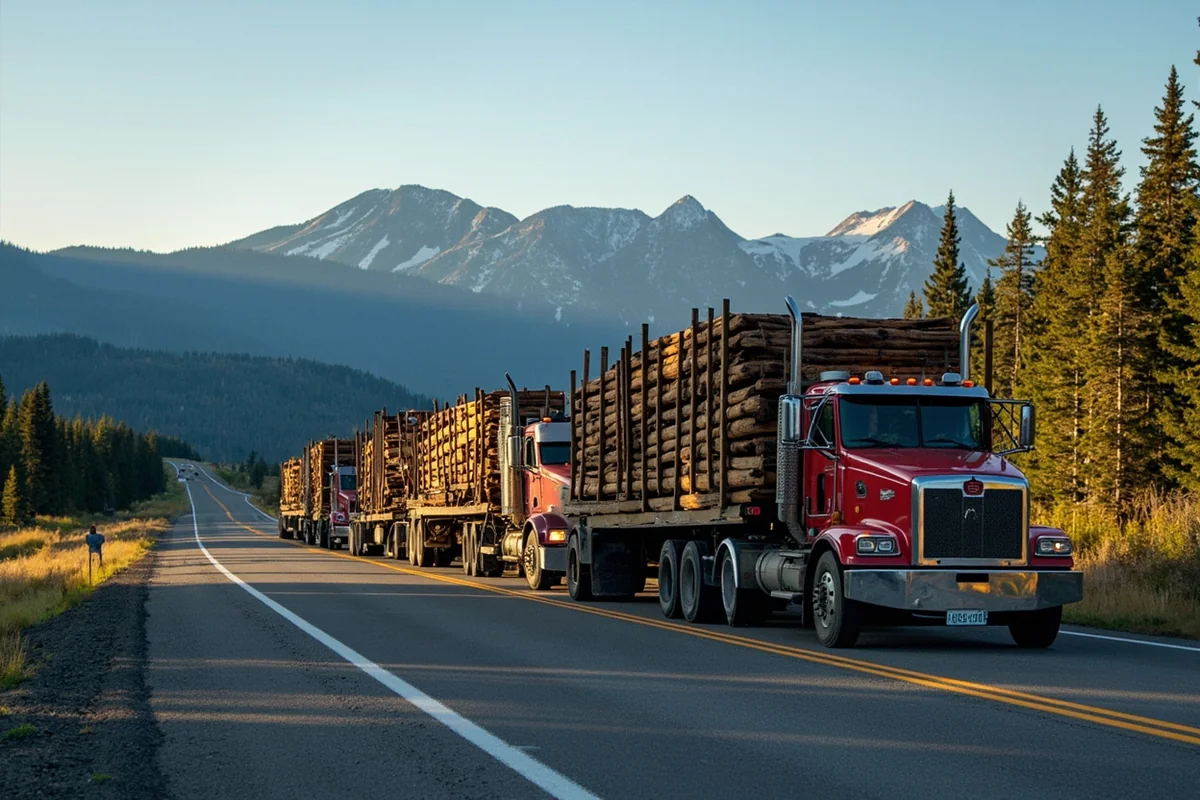
Cross the Continental Divide heading west, and the landscape transforms from prairie and prairie-mountain transition zones into dense conifer forests. This is timber country, and it has been since the Northern Pacific Railroad arrived in the 1880s.
Missoula, Kalispell, and Libby all developed as timber towns. While the industry has contracted significantly from its peak (Montana employed over 10,000 in lumber and wood products in 1980 versus around 4,000 today), it remains culturally and economically significant.
Last summer, I spent an afternoon with a retired Forest Service silviculturist who now leads informal educational walks around Lolo National Forest. His perspective on sustainable forestry, fire management, and the complex relationship between communities and federal lands was invaluable.
Experiencing Timber Heritage
The Historical Museum at Fort Missoula includes excellent exhibits on the region’s logging history, complete with equipment and oral histories. For something more hands-on, the Clearwater Canoe Trail near Seeley Lake passes through forests actively managed for timber production—you’ll see different age stands and can understand forestry practices while paddling.
Libby, in the far northwest corner, has faced particular challenges with the industry’s decline and the asbestos contamination from the Vermiculite mine (a separate but related story). The town’s resilience and ongoing economic diversification make it an interesting, if sometimes melancholy, stop.
Tourism: Montana’s Growing Economic Force
The Numbers Behind the Scenery
Here’s where things get a bit meta: as a traveler reading this, you’re part of one of Montana’s most important industries.
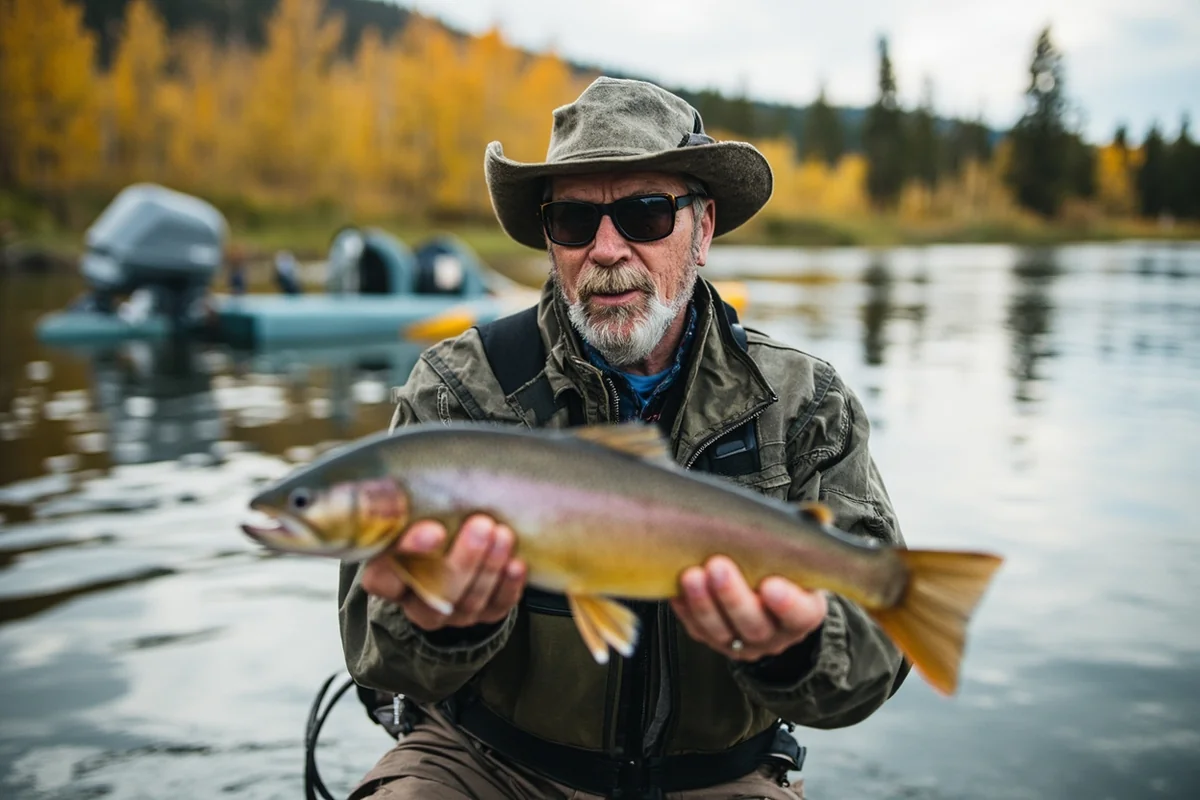
Montana’s tourism industry generates over $5 billion annually and supports roughly 40,000 jobs. When you buy a t-shirt in West Yellowstone, hire a fishing guide near Craig, or pay the entrance fee at Glacier, you’re directly contributing to local economies.
What I find fascinating is how tourism has evolved here. The “dude ranch” concept essentially originated in Montana in the early 1900s when ranchers discovered that Eastern city folks would pay to experience cowboy life. That tradition continues, but now coexists with glamping, agritourism, and adventure sports operations.
Tourism Infrastructure and Its Quirks
Montana’s tourism industry creates some interesting geographic economics. Towns like West Yellowstone and Gardiner essentially exist because of national park proximity—visit in the off-season, and you’ll find many businesses shuttered.
Meanwhile, gateway communities like Whitefish have transformed over the past two decades from working-class timber and railroad towns into resort destinations with corresponding increases in property values and living costs. I’ve watched this change happen in real-time across multiple visits, and it’s bittersweet for many longtime residents.
For travelers, understanding this helps with trip planning. Shoulder seasons (May and October) offer real advantages: lower prices, fewer crowds, and communities that feel less tourist-saturated.
Energy Production: Oil, Gas, and Renewables
The Bakken Formation’s Impact
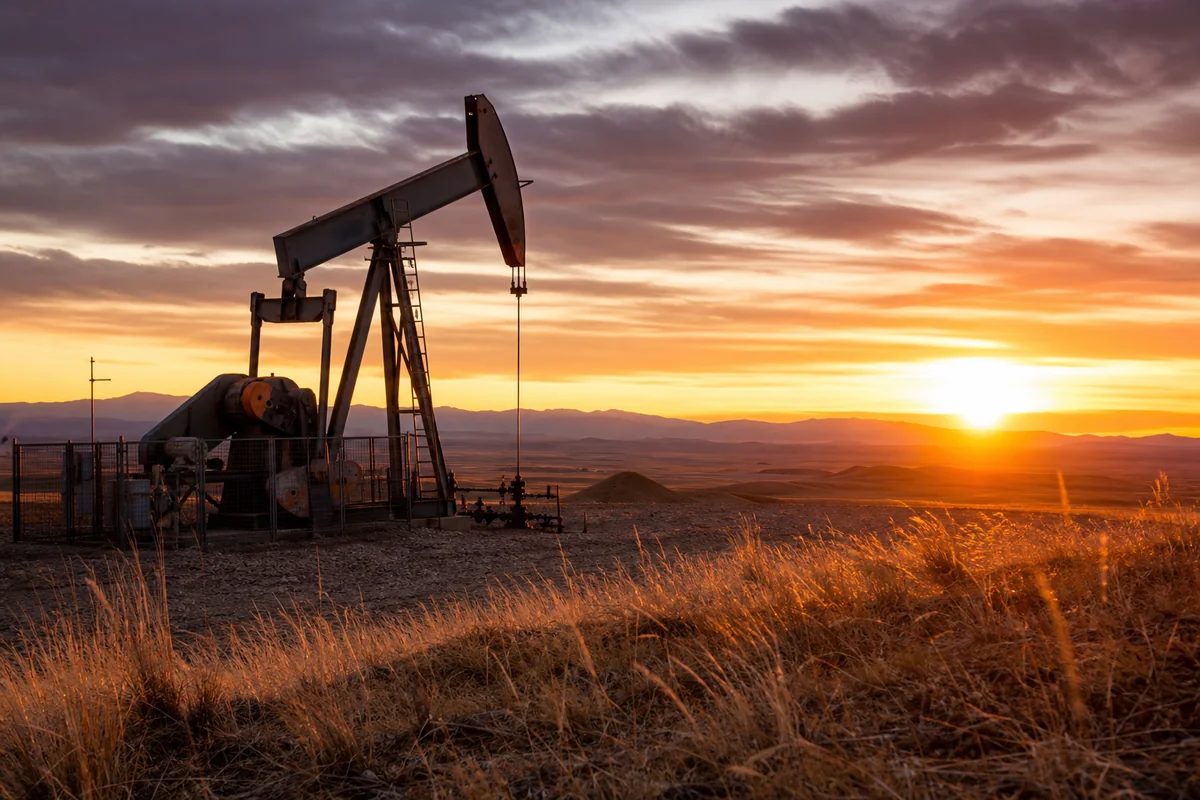
If you’ve wondered whether Montana produces oil, the answer is definitively yes. The Bakken Formation, which extends from eastern Montana into North Dakota, has produced significant quantities of crude oil since hydraulic fracturing techniques made it economically viable.
I drove through oil country near Sidney two years ago during a boom period, and the change from agricultural landscape to extraction zone was dramatic. Pump jacks dotted former wheat fields, tanker trucks crowded narrow roads, and the town had temporary housing camps for workers.
The oil industry’s boom-and-bust nature makes it volatile for communities. When I returned last spring, activity had clearly slowed, though production continues.
Wind and Renewable Energy
Eastern Montana’s wind resources have attracted significant renewable energy development. The Judith Gap wind farm, visible from Highway 191, was Montana’s first large-scale wind installation and remains an impressive sight—particularly at sunset when the turbine lights begin blinking in sequence across the ridge.
Technology and Creative Industries: Montana’s Surprise Sector
Bozeman’s Tech Boom
This might be the industry that surprises travelers most. Bozeman, once primarily known for Montana State University and proximity to Yellowstone, has become a legitimate tech hub.
Companies like Oracle, Workiva, and numerous startups have established significant presences here. The reasons are exactly what you might guess: outdoor recreation access attracts talent, and improved broadband makes remote work viable.
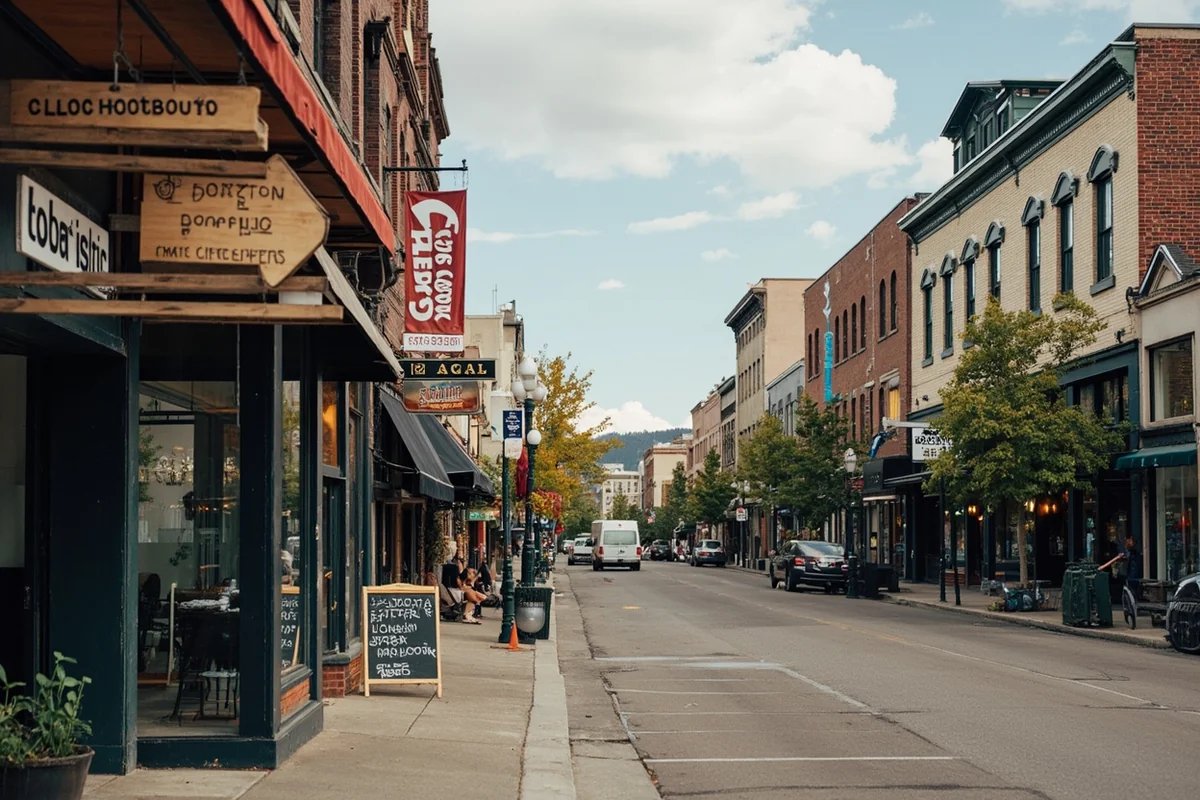
Walking down Main Street in Bozeman last October, I overheard conversations about SaaS platforms and venture funding alongside discussions of ski conditions and elk hunting. It’s a unique blend.
For context on Montana’s economic position, examining the Montana GDP per capita reveals how these newer industries are reshaping the state’s financial profile.
Craft Brewing and Artisan Production
Montana has roughly 100 craft breweries for a population of about 1.1 million people—one of the highest per-capita rates in the nation. This isn’t just recreation; it’s become a genuine economic sector.
I’ve visited breweries from tiny taprooms in Thompson Falls to larger operations like Big Sky Brewing in Missoula. What connects them is a commitment to quality that leverages Montana’s exceptional water and locally-grown ingredients.
The emergence of notable Montana brands in brewing, distilling, and food production represents a meaningful economic diversification. When you see “Montana Made” labels, there’s often a genuine story behind them worth discovering.
How to Build Industry-Focused Experiences Into Your Trip
Eastern Montana: Agriculture and Energy
A driving route along Highway 2 (the Hi-Line) from Havre to Sidney combines agricultural heritage with energy industry observation. Plan stops at:
- Havre: Underground tour of the old town beneath the current city—built after fire destroyed the original
- Malta: Dinosaur fossils at the Great Plains Dinosaur Museum and proximity to the Missouri Breaks
- Glasgow: Fort Peck Dam and the surrounding lake—a New Deal project that transformed the region
- Sidney: Gateway to oil country with visible extraction activity
This route works best in late summer when harvest is underway and the landscape turns golden.
Southwest Montana: Mining Heritage
A mining-focused itinerary might run from Butte to Helena to Virginia City:
- Butte: World Museum of Mining, Berkeley Pit, and the historic Uptown district
- Anaconda: Smelter stack (one of the world’s tallest) and the surrounding Superfund site reclamation
- Helena: Montana Historical Society Museum with extensive mining exhibits
- Virginia City: Preserved ghost town that’s actually a living museum of 1860s gold mining
Virginia City deserves special mention. I’ve taken friends there expecting them to spend an hour and had them stay half a day, fascinated by the preserved buildings and ongoing archaeological work.
Western Montana: Timber and Recreation
Highway 93 from Missoula to Whitefish offers timber country immersion:
- Missoula: Historical Museum at Fort Missoula, active university town atmosphere
- Seeley Lake: Logging history and current forest management visibility
- Bigfork: Arts community that emerged from timber town roots
- Whitefish: Evolution from railroad and logging to resort economy
Seasonal Considerations for Industry Tourism
Spring (April-May)
Calving season on ranches means limited visitor access but incredible wildlife viewing as predators and prey interact around newborns. Mining museums and historical sites are open but uncrowded. Mud season complicates forest road access.
Summer (June-August)
Peak tourism season, but also when agricultural operations are most visible and active. County fairs throughout the state offer authentic local experiences—the Montana State Fair in Great Falls runs late July.
Fall (September-October)
My favorite time for industry tourism. Harvest is underway, hunting season brings economic activity to rural communities, and the summer crowds have dispersed. The Montana Brewers Fall Festival in Helena typically occurs in September.
Winter (November-March)
Tourism shifts to ski resorts, but ranching continues (winter feeding operations are impressive to observe). Mining museums have reduced hours. The brewery scene remains active year-round.
Supporting Montana’s Working Economy as a Visitor
Understanding industries isn’t just intellectual exercise—it helps you travel more responsibly and enjoyably.
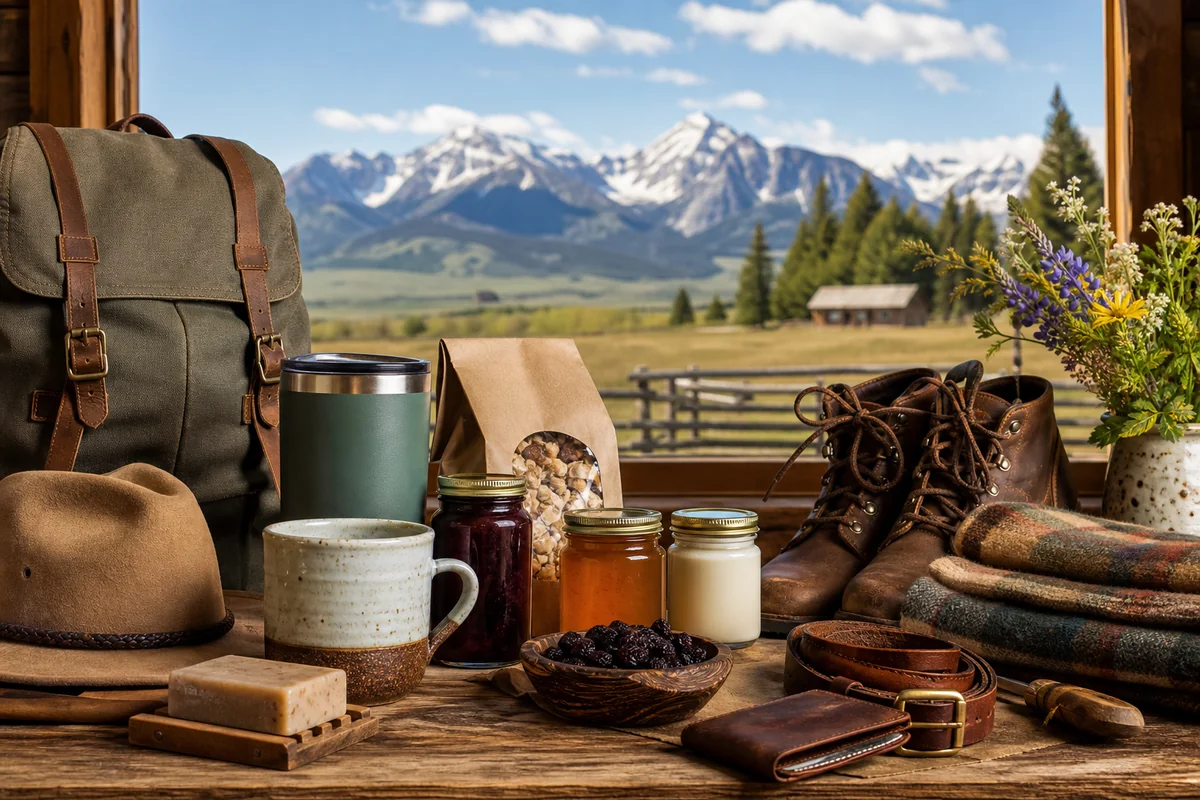
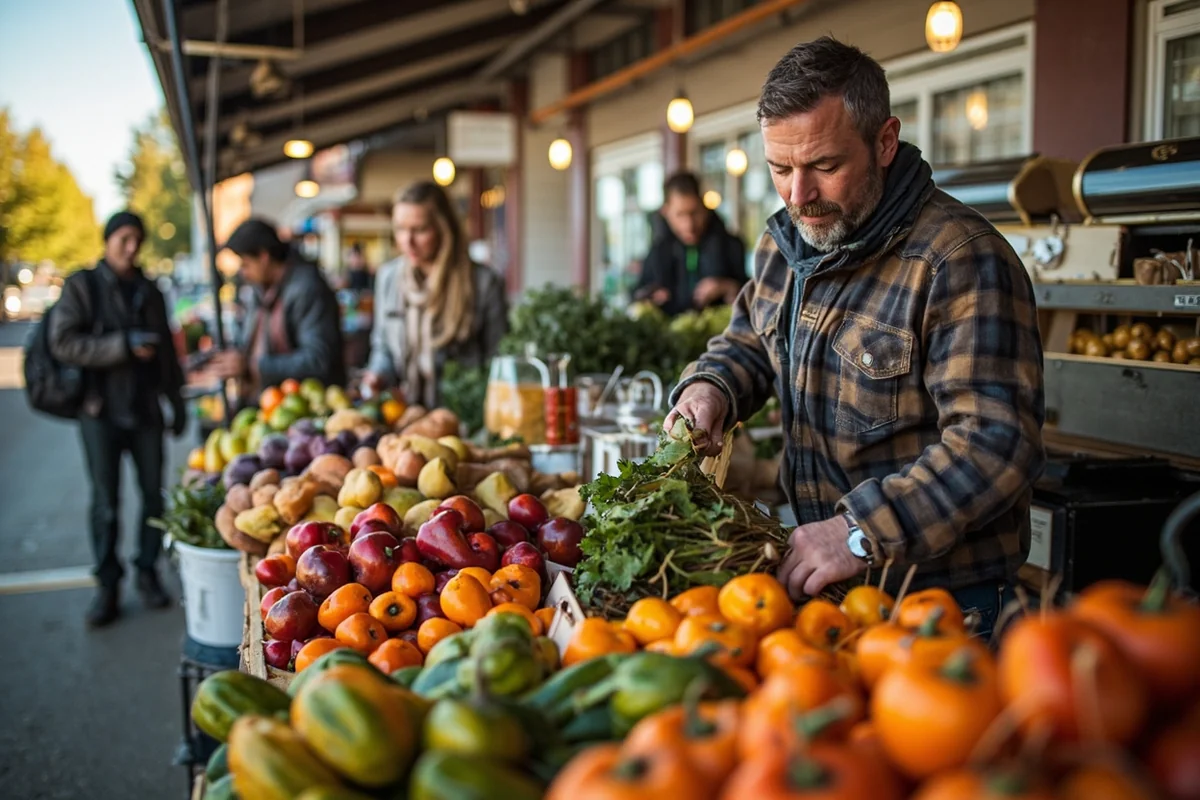
Buy directly from producers when possible. Many ranches sell beef directly; farmers’ markets in Missoula and Bozeman feature local grains and produce. When you purchase local Montana brands, that money stays in the community.
Respect working landscapes. Those wheat fields aren’t parks—they’re someone’s livelihood. Don’t drive into active harvest operations or assume pastoral scenes exist for your photography convenience.
Engage with the history honestly. Montana’s extractive industries created wealth and environmental damage, opportunity and exploitation. The best museums and tours acknowledge this complexity rather than simplifying it.
Final Thoughts: Beyond the Postcard
I’ve been traveling to Montana for fifteen years now, and my appreciation for the state has only deepened as I’ve understood the economies that shape it. The stunning landscapes don’t exist in a vacuum—they’ve been worked, extracted from, planted, and increasingly recreated upon by generations of Montanans.
When you drive past a grain elevator at sunset, walk the streets of Butte’s historic uptown, or hike through a managed forest in the Bitterroot, you’re experiencing the results of specific economic decisions made over 150 years. That context doesn’t diminish the beauty—it enhances it with meaning.
Montana’s key industries have created the infrastructure you’ll use (roads built for resource extraction), the communities you’ll stay in (founded on mining, logging, or ranching), and increasingly the experiences you’ll seek out (guest ranches, mine tours, craft breweries). Understanding them makes you a better traveler and supports the communities working to balance economic sustainability with the wild landscapes that draw us all here.
The best trips I’ve had in Montana have come when I let the state reveal itself on its own terms—not just as a scenic backdrop, but as a working place with a complex past and an evolving present. I hope your journey does the same.
Frequently Asked Questions
How do Montana’s key industries affect tourism and what can visitors experience?
Montana’s agriculture, mining, and timber industries have shaped the state’s authentic Western character that draws millions of visitors annually. I’ve found that many working ranches now offer guest experiences, and historic mining towns like Butte and Virginia City provide fascinating tours. You can visit active lumber mills, tour copper mines, and stay at cattle ranches where these industries come alive.
What is the best time to visit Montana to see its agricultural industry in action?
Late summer through early fall (August-October) is ideal for experiencing Montana’s agricultural heritage, when wheat harvests turn the plains golden and cattle drives occur across the Hi-Line region. Many farm-to-table festivals happen during this season, and you’ll find farmers markets throughout cities like Bozeman and Missoula. I recommend visiting during the Montana State Fair in late July for a true taste of the state’s ranching culture.
Can tourists visit working mines or learn about Montana’s mining history?
Absolutely—Montana offers incredible mining tourism experiences that showcase its copper and gold mining legacy. The World Museum of Mining in Butte lets you descend into an actual mine shaft, while the Berkeley Pit viewing stand shows the environmental impact of large-scale extraction. Admission typically runs $8-15 per person, and I’d suggest budgeting 2-3 hours for the full Butte mining district experience.
How far are Montana’s industrial heritage sites from Yellowstone and Glacier National Parks?
Butte’s mining attractions sit roughly 150 miles north of Yellowstone’s west entrance, making it an easy 2.5-hour detour on your park itinerary. From Glacier National Park, the timber industry towns of Kalispell and Whitefish are just 30-45 minutes away with active sawmills and logging history museums. I always recommend combining park visits with these industrial sites for a more complete Montana experience.
What should I pack when visiting Montana’s ranches and agricultural areas?
Bring sturdy closed-toe boots or hiking shoes, as working ranches and farm tours involve uneven terrain and livestock areas. I’d also pack layers since Montana’s agricultural regions see 30-degree temperature swings between morning and afternoon, even in summer. Don’t forget sunscreen and a wide-brimmed hat—the high-elevation plains offer little shade during harvest season activities.
How much does it cost to experience Montana’s ranch and agricultural tourism?
Guest ranch experiences range from $150-400 per night for all-inclusive stays with meals, horseback riding, and cattle work participation. Day visits to agricultural heritage sites and farm tours typically cost $10-25 per person, while farmers market browsing is free. I’ve found that booking ranch stays during shoulder seasons (May or September) can save you 20-30% compared to peak summer rates.
Are there guided tours that combine Montana’s industry history with outdoor recreation?
Several outfitters now offer combo tours that pair mining history with hiking or fishing—expect to pay $75-200 per person for half-day guided experiences. In the Butte area, you can tour historic mines in the morning and fly fish the Big Hole River by afternoon, all within a 45-minute drive. I recommend booking through local operators like Montana Adventure Company who understand how to weave the state’s industrial heritage into memorable outdoor itineraries.
Sources:
- https://lmi.mt.gov/_docs/Publications/EAG-Articles/1219-MTsIndustries.pdf
- http://www.bber.umt.edu/pubs/Seminars/2023/EconRpt2023.pdf
- https://www.montana.edu/mmec/documents/reports/2022%20Montana%20Manufacturing%20Report%20full.pdf
- https://lmi.mt.gov/_docs/Publications/LMI-Pubs/Labor-Market-Publications/LDR20221.pdf
- https://mslservices.mt.gov/legislative_snapshot/Economy/Default.aspx
- https://lmi.mt.gov/_docs/Publications/EAG-Articles/EAG-0523_Final.pdf