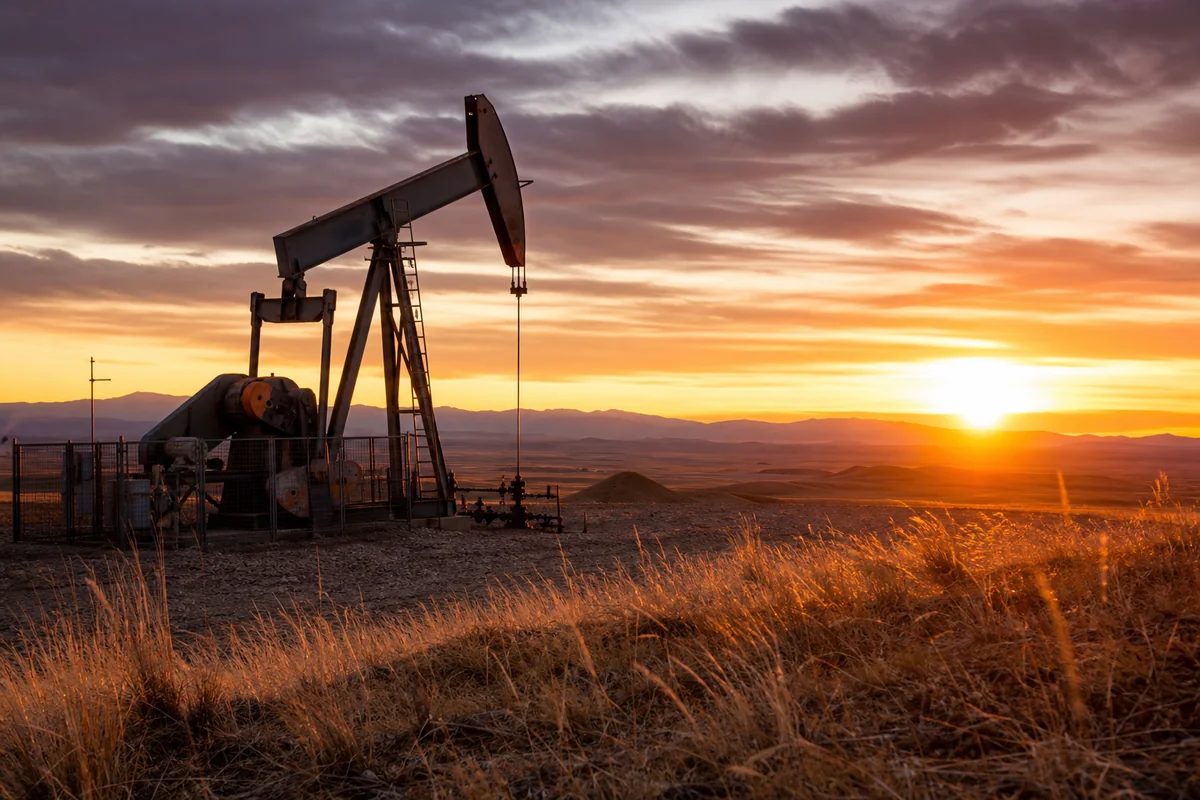
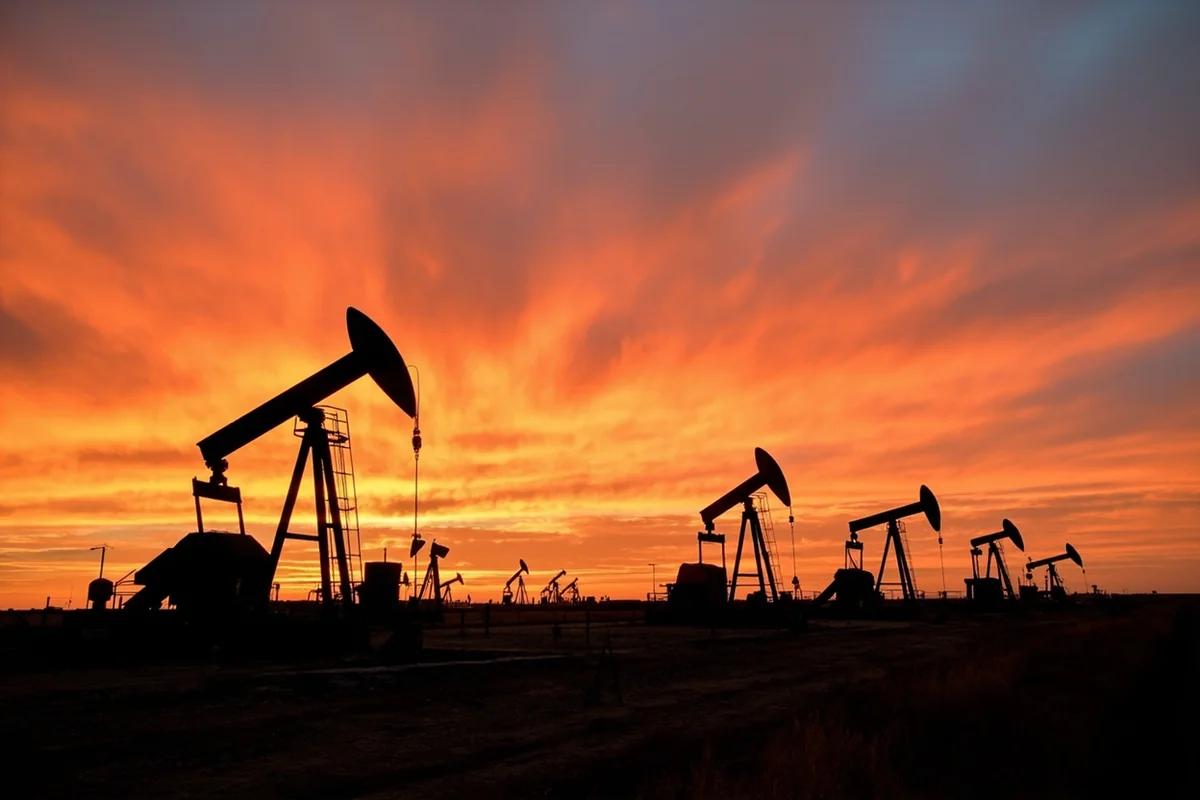
Standing on a windswept ridge in Richland County last October, I watched a pumpjack rhythmically bob against the orange sunset, its mechanical heartbeat echoing across the prairie like a metronome keeping time with Montana’s industrial pulse.
Most visitors come to Montana for mountains and rivers, but I’ve found that understanding the state’s oil production industry adds an entirely different dimension to appreciating Montana’s economy and the communities that have shaped Big Sky Country.
The oil industry might seem like an unlikely topic for a travel blog, but hear me out—this is a story of boomtowns and busts, of families who’ve worked the same patch of earth for generations, and of small-town diners where roughnecks share tables with tourists. It’s authentically Montana in ways that surprise even seasoned travelers.
- Montana produces approximately 60,000 barrels of oil daily, primarily from the Bakken formation in the northeastern corner
- Sidney, Glendive, and Cut Bank are the main oil country towns worth visiting for authentic boomtown experiences
- The MonDak Heritage Center in Sidney offers excellent exhibits on petroleum history
- Best time to visit oil country: May-September for accessible roads and community events
- Oil towns offer surprisingly good dining, unique accommodations, and warm hospitality
- Understanding oil’s role enhances appreciation for Montana’s economic complexity beyond tourism and agriculture
Liked this article?
Add Roaming Montana as a preferred source so you see more of our articles and guides on Google.
Why I Started Exploring Montana’s Oil Country
My fascination with Montana’s petroleum industry began accidentally. During a road trip to Theodore Roosevelt National Park three summers ago, I stopped in Sidney for gas and ended up in a conversation with a third-generation oil field worker at a coffee shop.
He told me stories about his grandfather working the early Williston Basin wells in the 1950s, his father navigating the boom-bust cycles of the 1980s, and his own experience during the hydraulic fracturing revolution of the 2010s. That conversation changed how I see eastern Montana entirely.
Since then, I’ve made multiple trips specifically to understand this industry and the communities it supports. What I’ve discovered is a compelling intersection of history, economics, and genuine Montana culture that most travel guides completely overlook.
The oil industry contributes significantly to Montana’s overall wealth, though its impact varies dramatically by region. In some eastern Montana counties, petroleum extraction represents the primary economic driver.
Understanding Montana’s Oil Geography
Montana’s oil production concentrates in specific geological formations, and knowing where they are helps you plan meaningful visits. I’ve driven thousands of miles through these regions, and each has its own character.
The Bakken Formation
The Bakken is Montana’s heavyweight champion of oil production. This geological formation extends from northeastern Montana into North Dakota and up into Saskatchewan, forming one of North America’s most significant petroleum reserves.
During my most recent visit last summer, I drove Highway 16 from Glendive to Sidney, passing dozens of active well sites. The landscape transforms from classic Montana rangeland into something resembling a working industrial zone—but one that somehow coexists with cattle ranches and wheat fields.
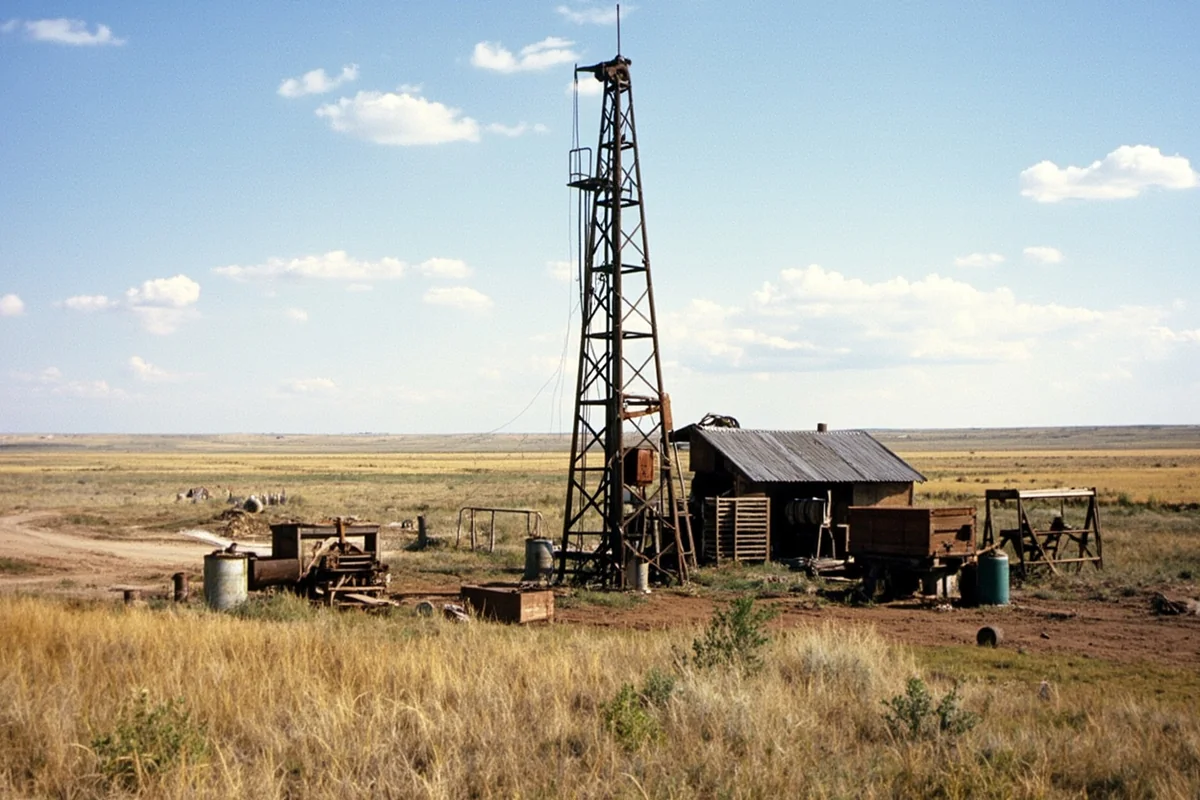
What struck me most was the scale. Modern drilling pads, with their orderly arrangement of equipment and containment systems, dot the prairie alongside weathered wooden derricks from decades past. It’s a visible timeline of technological evolution.
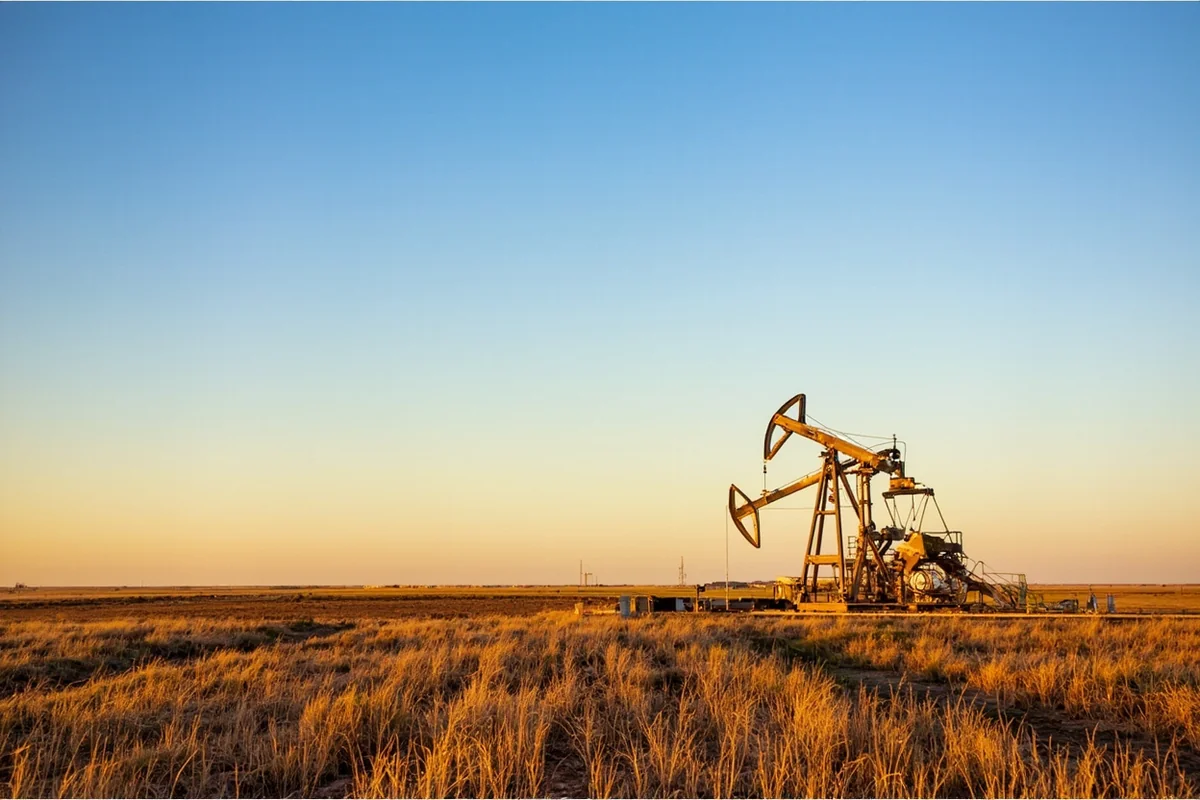
The Bakken formation sits roughly 10,000 feet underground, requiring sophisticated horizontal drilling techniques. When locals explain this over beers at Sidney’s bars, you gain appreciation for the engineering complexity involved.
The Williston Basin
The Williston Basin encompasses the Bakken and extends across a broader region. Montana holds the western edge of this massive sedimentary basin, which means our state benefits from the resource without experiencing the intensity seen in North Dakota’s core drilling areas.
I find Montana’s portion more approachable for curious visitors. The activity level allows you to observe operations without navigating endless truck convoys or struggling to find hotel rooms.
The basin’s history dates back to the 1950s, when initial discoveries sparked Montana’s first significant oil boom. Towns like Wibaux and Baker grew around these early fields.
Cut Bank and the Northwestern Fields
The Cut Bank oil field, located near Glacier National Park, offers a different experience entirely. This area saw its peak production decades ago, making it a fascinating study in how communities adapt after the boom ends.
When I visited Cut Bank last spring, I was charmed by its oil-themed attractions, including a giant penguin statue (a play on the town’s cold temperatures and petroleum connection) and historical markers explaining the field’s significance.
This northwestern production area demonstrates how Montana’s key industries shift and evolve over time. Cut Bank has transitioned toward agriculture and tourism while maintaining pride in its petroleum heritage.
Planning Your Visit to Oil Country
If you’re intrigued by experiencing Montana’s oil industry firsthand, I’ve compiled everything you need for a successful trip. This isn’t about watching from afar—it’s about engaging with communities and understanding their stories.
Best Towns to Base Your Exploration
| Town | Population | Best For | My Rating |
|---|---|---|---|
| Sidney | ~6,000 | Active oil industry hub, best museums | ★★★★★ |
| Glendive | ~5,000 | Dinosaur fossils + oil history combo | ★★★★☆ |
| Cut Bank | ~3,000 | Historic fields, Glacier proximity | ★★★★☆ |
| Baker | ~1,700 | Quiet, authentic small-town experience | ★★★☆☆ |
Sidney: The Heart of Montana Oil Country
Sidney became my favorite oil country destination after spending five days there last fall. This town fully embraces its petroleum identity without becoming a caricature.
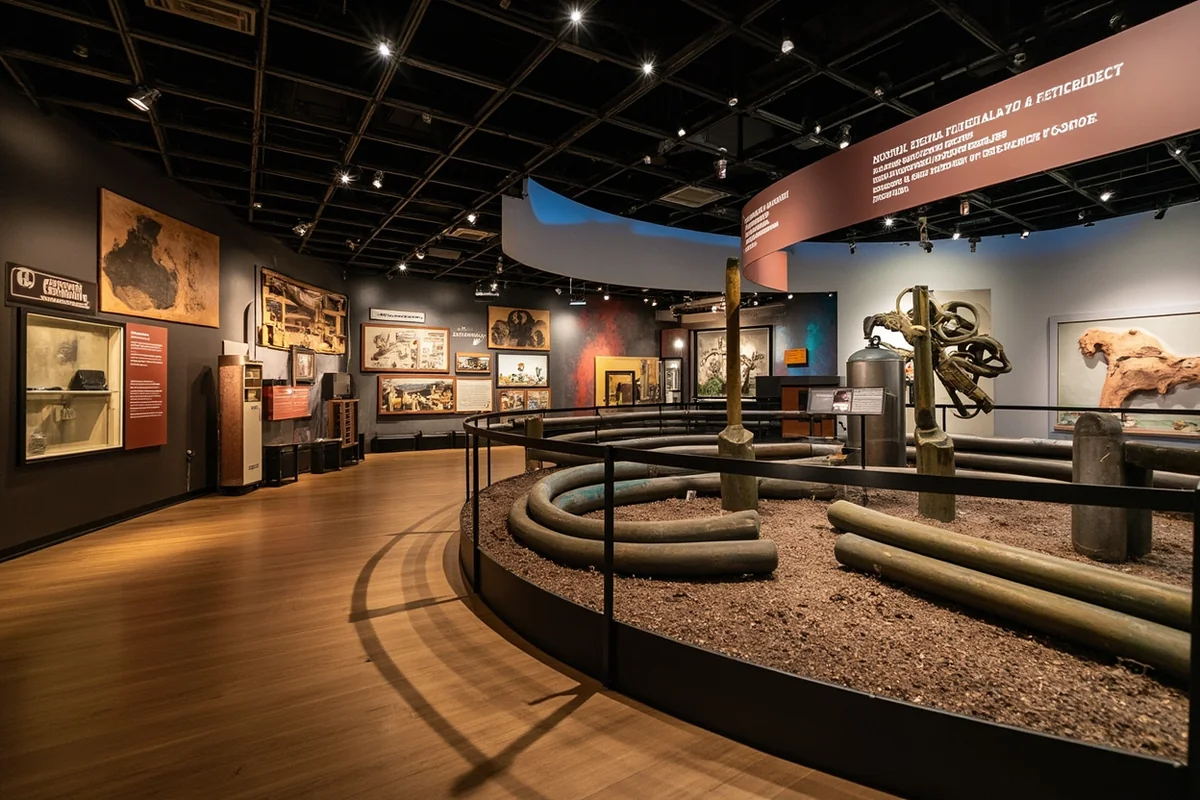
The MonDak Heritage Center deserves your first stop. Their petroleum exhibit walks you through the entire extraction process, from geological formation to refining. I spent three hours there and could have stayed longer.
What I appreciated most was the human element. The museum displays personal effects from early wildcatters, photographs of families who built their lives around the industry, and honest discussions about the boom-bust cycle’s social impacts.
Downtown Sidney surprised me with its vitality. Central Avenue features locally-owned shops, and the town maintains a genuine community feel despite decades of industry-driven population fluctuations.
For dining, I recommend the Pizza House on Central Avenue. When I was there on a Friday night, the mix of families, oil workers, and travelers created the exact atmosphere that makes exploring working Montana towns so rewarding.
Timing Your Visit
Summer offers the most accessible conditions, though I’ve found spring and fall provide better opportunities for genuine conversations. During peak summer months, tourism increases and some of the authentic roughneck culture becomes diluted.
I visited during October last year and found the experience more intimate. The weather remained manageable, and locals had more time to chat.
Winter visits require serious preparation. Eastern Montana temperatures can plunge well below zero, and some rural roads become challenging. However, if you’re comfortable with cold-weather travel, winter reveals the industry’s resilience—operations continue regardless of conditions.
What Montana Oil Production Actually Looks Like
Many visitors arrive with expectations shaped by Hollywood’s oil industry portrayals—dramatic gushers and roughneck brawls. Modern Montana oil production looks entirely different.
Drilling Operations
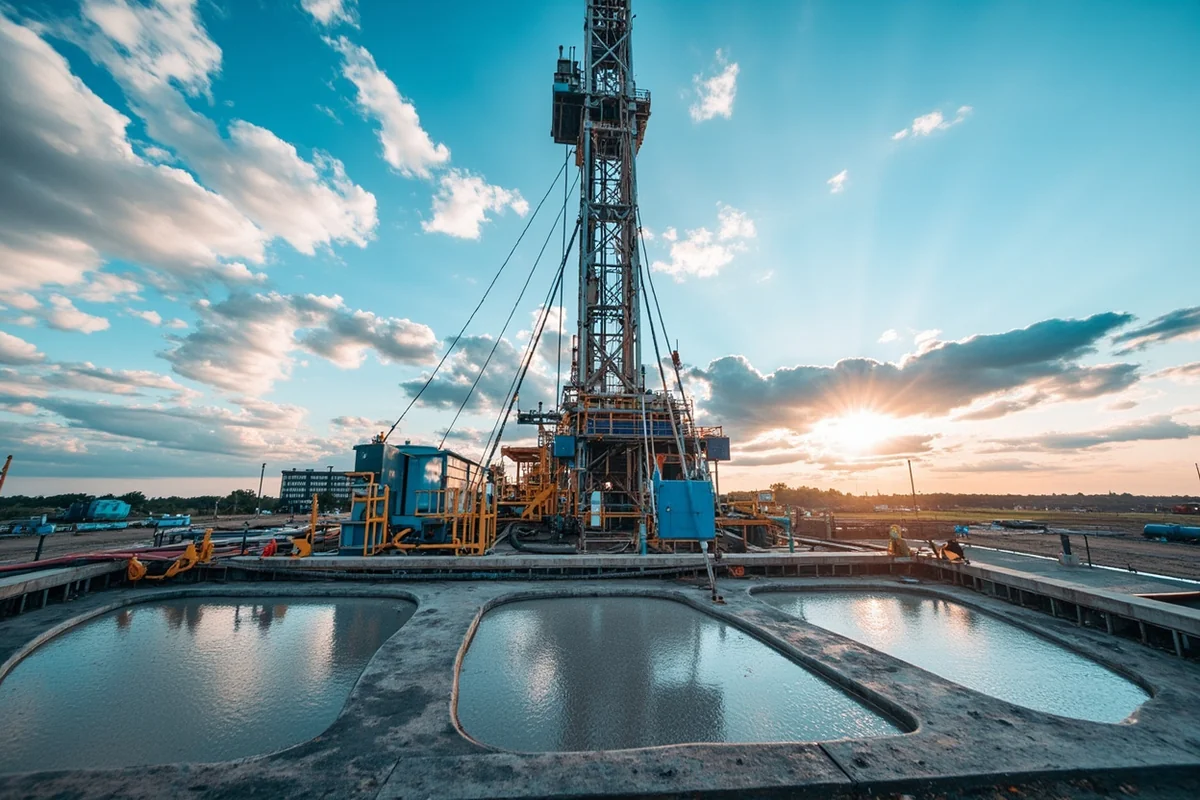
Contemporary drilling rigs appear almost sterile in their efficiency. When I arranged a permitted observation visit through a local contact (more on that below), I was struck by how organized everything seemed.
The rigs operate 24/7, with crews rotating in 12-hour shifts. Workers commute from towns like Sidney and Glendive, though some travel from as far as Billings or even out-of-state.
Safety protocols dominate everything. Hard hats, steel-toed boots, and fire-resistant clothing are mandatory. The chaos of early oil exploration has been replaced by systematic procedures.
Pumpjacks and Production
Those iconic nodding-horse pumpjacks scattered across the landscape represent the production phase. Once a well is drilled, these mechanical systems extract oil over years or decades.
Driving the back roads of Richland County, I counted over 40 pumpjacks in a single afternoon. Each represents a producing well, quietly generating revenue and royalties.
Some wells I observed were clearly aging—weathered equipment and minimal activity suggested declining production. Others appeared brand new, with fresh paint and modern monitoring systems.
The People Behind the Industry
Meeting the workers transformed my understanding more than any museum or observation could. Oil field employees range from recent high school graduates to engineers with advanced degrees.
At a Sidney hotel where I stayed, I met a young man from Miles City working his first rig job. He explained how the work provided opportunities unavailable in his hometown—good wages, skills training, and a clear career path.
Another conversation, this one with a female petroleum engineer at a Glendive restaurant, challenged my assumptions about the industry’s demographics. She spoke passionately about environmental monitoring systems and her company’s reclamation efforts.
The Economic Impact on Montana Communities
Oil production’s economic influence ripples far beyond the extraction sites. Understanding this helps travelers appreciate why these communities look and feel the way they do.
Boom Times
During the Bakken boom’s peak around 2014, Sidney’s population surged. Housing prices skyrocketed, restaurants couldn’t hire enough staff, and everyone from teachers to truck drivers benefited from the economic activity.
Longtime residents I’ve spoken with recall this period with mixed emotions. The prosperity was real—new schools were built, roads improved, and local businesses thrived.
But so were the challenges. Housing shortages meant some families couldn’t find places to live. Traffic increased dramatically. The small-town character temporarily shifted.
Bust Periods
When oil prices crashed in 2015-2016, the consequences arrived quickly. Workers left, businesses closed, and communities faced difficult adjustments.
This cycle represents oil country’s fundamental reality. The communities I’ve visited have developed resilience through experience, diversifying where possible and maintaining realistic expectations about petroleum’s volatility.
This economic variability contrasts sharply with Montana’s agriculture industry, which, despite its own challenges, typically experiences more gradual fluctuations.
Current Conditions
As of my most recent visits, Montana’s oil towns occupy a middle ground between boom and bust. Production continues steadily, employment remains available, and communities have found sustainable rhythms.
Montana’s GDP per capita varies significantly by region, with oil-producing counties often showing higher figures during active production periods.
The towns feel comfortable rather than frantic. This makes the current moment excellent for visitors seeking authentic experiences without the chaos of peak activity.
How Oil Coexists with Montana’s Other Industries
One of my most interesting observations involves how petroleum extraction fits within Montana’s broader economic landscape. The state’s industries don’t exist in isolation—they influence and support each other in unexpected ways.
Oil and Agriculture
Eastern Montana’s ranch families often own mineral rights beneath their property. This creates families who are simultaneously cattlemen and oil royalty recipients.
During a conversation at a Wibaux café, a rancher explained how his family’s oil income funded improvements to their cattle operation. The petroleum revenue provided financial stability during drought years when cattle markets suffered.
This connection between drilling and ranching represents a distinctly Montana approach to resource extraction. Families maintain their agricultural identity while benefiting from what lies underground.
Exploring what Montana produces reveals these interconnected economic relationships throughout the state.
Oil and Tourism
The relationship between petroleum and tourism proves more complex. Some travelers avoid oil country entirely, assuming it lacks scenic appeal or cultural interest.
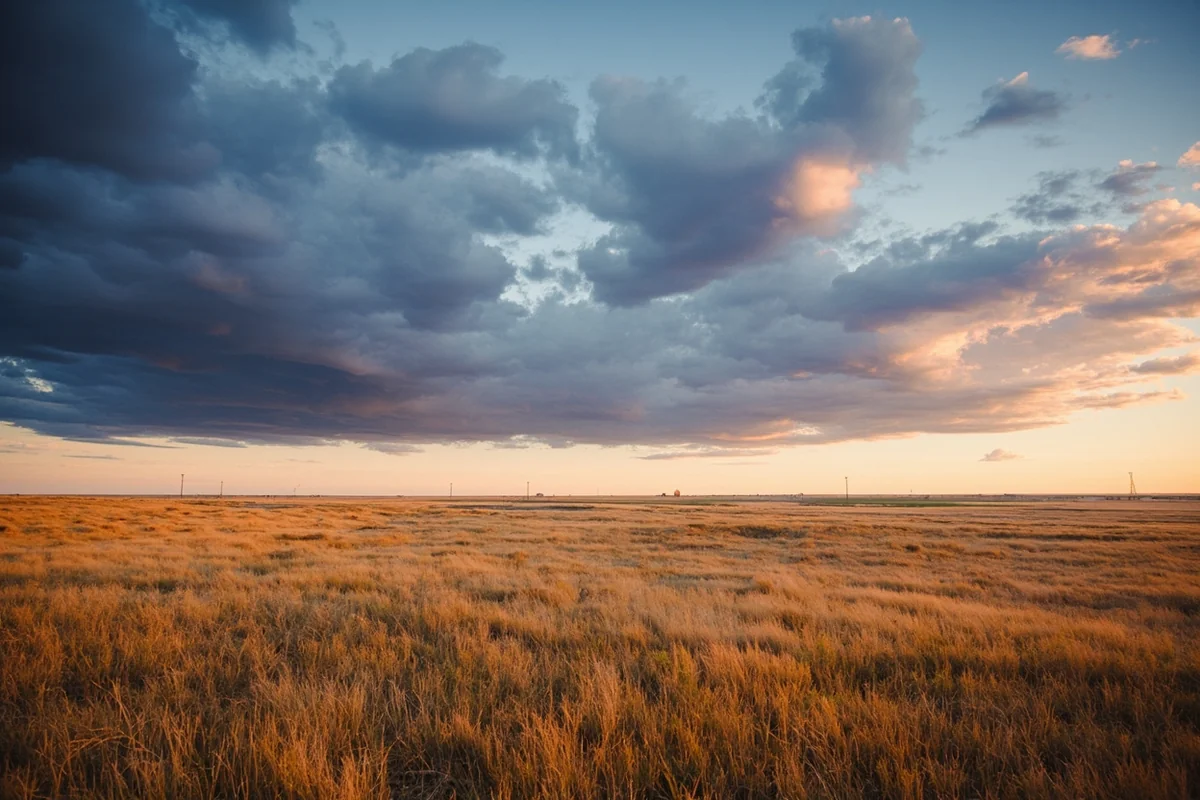
I’ve found the opposite. The landscape has its own beauty—rolling prairie interrupted by industrial equipment creates striking visual contrasts. And the cultural authenticity exceeds what you’ll find in more heavily touristed regions.
Montana’s tourism industry focuses primarily on the western mountains, but travelers willing to explore eastward discover uncrowded attractions and genuine hospitality.
Supporting Industries
Oil production requires extensive support services: trucking companies, equipment suppliers, welding shops, and specialized contractors. These businesses create the economic ecosystem visible in oil country towns.
Walking through Sidney’s industrial district, I counted dozens of businesses directly tied to petroleum operations. From pipe yards to safety equipment suppliers, the industry’s footprint extends far beyond the actual drilling sites.
Several Montana brands have grown from providing services to the oil industry, though many remain focused on regional markets rather than retail consumers.
Environmental Considerations and Modern Practices
Any honest discussion of Montana’s oil industry must address environmental concerns. During my visits, I’ve sought to understand both the impacts and the mitigation efforts.
What I’ve Observed
Modern drilling operations look dramatically different from historical practices. Containment systems surround active sites, preventing spills from reaching surrounding land. Monitoring equipment tracks everything from emissions to groundwater quality.
I’ve also seen the scars of earlier, less careful operations. Abandoned equipment, stained soil, and damaged rangeland exist alongside modern sites. The industry’s evolution is visibly apparent.
Reclamation Efforts
When wells reach the end of their productive lives, reclamation begins. I visited a site near Fairview where a former drilling pad had been restored to grassland. Without knowing its history, I couldn’t have identified it as anything other than native prairie.
These reclamation efforts represent significant investments. The petroleum engineer I mentioned earlier spent considerable time explaining her company’s closure procedures and the regulatory requirements they exceed.
Ongoing Tensions
Conversations with local residents revealed the environmental debate’s complexity. Ranchers expressed both appreciation for oil revenue and concerns about potential groundwater contamination. Workers acknowledged environmental risks while emphasizing their livelihoods depend on continued production.
As a traveler, I don’t feel qualified to resolve these tensions. What I can offer is the observation that Montana’s oil communities are not ignoring environmental questions—they’re actively engaging with them.
Historical Context That Enriches Your Visit
Understanding Montana oil production’s history makes contemporary visits more meaningful. The industry didn’t appear overnight—it developed through decades of exploration, discovery, and technological advancement.
Early Exploration
Oil exploration in Montana dates to the early 1900s, though significant production didn’t begin until mid-century. Early wildcatters drilled speculative wells across the state, with most producing nothing but debt.
The first major discoveries came in the 1920s around Cut Bank and in the 1950s across the Williston Basin. These strikes transformed sleepy agricultural towns into boomtown centers.
Historical photographs at Sidney’s museum show the dramatic changes. Towns doubled in population within months. Tent cities appeared on prairie hillsides. The transformation was rapid and disorienting.
The Boom-Bust Tradition
Montana’s oil history follows boom-bust patterns with almost predictable regularity. High prices spur drilling; low prices shut operations down. Communities have ridden this wave repeatedly.
The 1980s collapse stands out in local memory. Oil prices crashed, and Montana’s petroleum employment dropped precipitously. Towns that had boomed just years earlier faced serious depopulation.
These experiences created the resilience I notice in contemporary oil communities. Residents understand that current prosperity isn’t guaranteed, and they plan accordingly.
The Fracking Revolution
Hydraulic fracturing technology transformed Montana’s oil industry beginning around 2008. Previously inaccessible reserves in tight shale formations suddenly became economically viable.
The Bakken formation benefited enormously from this technological shift. Production that had been declining for decades reversed course and reached new heights.
Montana’s wheat industry also experienced technological revolutions over its history, and comparing these agricultural and industrial transformations reveals interesting parallels in how Montana communities adapt to change.
Practical Tips for Your Oil Country Adventure
After numerous trips to Montana’s oil regions, I’ve accumulated practical knowledge that will make your visit smoother and more rewarding.
Getting There
Sidney is approximately 270 miles from Billings, Montana’s largest city and most accessible airport. The drive takes about 4.5 hours via Interstate 94 and Highway 200.
From Glendive, Sidney is another hour north on Highway 16. I recommend this approach, stopping in Glendive to visit the dinosaur museum before continuing to oil country.
Rental car is essential. Public transportation doesn’t exist in these regions, and the distances between points of interest require personal vehicles.
Accommodation Recommendations
Hotel availability has stabilized since the boom years. Sidney now offers several chain hotels and a few locally-owned options.
I’ve stayed at the Best Western Plus Sidney Lodge multiple times. Clean rooms, reasonable rates, and an excellent breakfast make it my default choice.
For a more authentic experience, the Richland Motor Inn on Central Avenue places you closer to downtown Sidney’s restaurants and shops. The rooms are basic but comfortable.
During peak summer months, booking ahead remains wise. During other seasons, walk-in availability is usually fine.
Restaurant Picks
Oil country dining exceeds expectations. The Cattle-ac Café in Sidney serves excellent breakfasts—I recommend their chicken fried steak and eggs after early morning drives.
For dinner, the South 40 Restaurant offers steaks that rival any Montana ranch country establishment. The portions are generous, and the atmosphere captures small-town Montana perfectly.
In Glendive, the Yellowstone River Inn combines decent food with river views. It’s become my traditional lunch stop when driving between Sidney and Billings.
Safety Considerations
Oil country roads see significant truck traffic. Stay alert, especially on Highway 16 and the rural routes between drilling areas.
If you stop to photograph equipment, stay on public roads. Active drilling sites are private property with serious safety hazards.
Cell service can be spotty in rural areas. Download offline maps and let someone know your travel plans before exploring remote regions.
Combining Oil Country with Other Montana Experiences
Montana’s oil region doesn’t exist in isolation. Strategic planning allows you to incorporate petroleum exploration into broader Montana itineraries.
Theodore Roosevelt National Park Connection
The North Dakota portion of Theodore Roosevelt National Park lies just east of the Montana border. Combining Sidney with the park’s south unit creates a compelling two to three day itinerary.
The park’s badlands landscape provides dramatic contrast to the prairie oil fields. And the visitor center’s exhibits touch on how geological forces created both the scenic formations and the oil-bearing rocks below.
Dinosaur Trail Extension
Glendive’s dinosaur attractions complement oil country exploration well. The Makoshika State Park and the Frontier Gateway Museum both offer paleontological exhibits that explain the geological history underlying today’s petroleum deposits.
The connection isn’t coincidental—the organic material that became oil derives from the same prehistoric era that produced the region’s fossil record.
Route to Glacier
If your travels include Glacier National Park, consider routing through Cut Bank to add historical oil field exploration to your journey. This creates a legitimate reason to explore the Hi-Line (Highway 2) rather than taking the faster southern interstate.
Cut Bank’s oil heritage, combined with its proximity to Glacier, makes it an underappreciated stop on western Montana itineraries.
Why This Experience Matters
After multiple trips focused on Montana’s oil industry, I’ve come to believe this exploration adds genuine value to understanding the state. Here’s why I keep returning.
Authenticity Beyond Tourism
Montana’s oil towns haven’t been packaged for visitors. They’re working communities where real economic activity happens daily. This authenticity provides experiences impossible to find in more touristed areas.
Conversations happen naturally because locals aren’t exhausted by tourist questions. They’re genuinely curious about why a traveler would care about their industry and eager to share their perspectives.
Economic Complexity
Understanding oil production reveals Montana as economically diverse rather than dependent solely on tourism, agriculture, or any single industry. This complexity makes the state more interesting and more resilient.
Travelers who only experience western Montana’s mountain tourism miss significant portions of what makes the state function. Oil country provides that missing context.
Personal Growth
My assumptions about extractive industries have evolved through these visits. Meeting workers, observing operations, and understanding community perspectives have added nuance to my views.
Travel should challenge us, not just confirm what we already believe. Montana’s oil country has done that for me, and I suspect it will for you too.
The petroleum industry represents just one facet of Montana’s economic story, but it’s a facet that rewards curious travelers with authentic experiences and genuine insights into how parts of rural America actually function.
Whether you spend an afternoon or a week exploring oil country, you’ll leave understanding Montana more completely than you did before.
Frequently Asked Questions
Can tourists visit active oil fields or drilling sites in Montana?
Most active oil production sites in Montana are on private land and not open to the public for safety reasons. However, you can view oil pump jacks from public roads in the Bakken region near Sidney and Williston, and some small towns like Cut Bank have historic oil derrick displays you can photograph freely.
Where is Montana’s oil production industry concentrated for travelers to see?
Montana’s oil production is primarily concentrated in the eastern part of the state, particularly in Richland, Roosevelt, and Fallon counties near the North Dakota border. The town of Sidney, about 250 miles northeast of Billings, serves as a hub for the Bakken oil field and offers the most visible industry activity for curious travelers.
How has Montana’s oil boom affected hotel prices and availability in eastern Montana?
During peak drilling periods, hotel rates in oil towns like Sidney and Glendive can spike to $150-200 per night, and rooms book up fast with oil workers. I’d recommend booking accommodations 2-3 weeks in advance and considering staying in Billings or Miles City as more affordable base camps with rates around $80-120 per night.
Are there any museums or exhibits about Montana’s oil history worth visiting?
The MonDak Heritage Center in Sidney features exhibits on the region’s oil development alongside local history. For a broader energy perspective, the Montana Historical Society Museum in Helena covers the state’s natural resource industries, and it’s free to visit, making it a worthwhile stop on your trip.
What’s the best time of year to visit Montana’s oil country without extreme weather?
Late May through September offers the mildest weather for exploring eastern Montana’s oil regions, with temperatures ranging from 70-90°F. I’d avoid December through February when temperatures can plunge below -20°F and harsh winter conditions make rural road travel challenging and potentially dangerous.
How does Montana’s oil industry impact local restaurants and services for tourists?
Oil boom towns often have surprisingly good dining options and extended service hours to accommodate shift workers, which benefits travelers too. In Sidney and surrounding communities, you’ll find steakhouses, diners, and even some craft breweries that stay open late, though prices may run 15-20% higher than in non-oil areas.
What should I know about driving through Montana’s oil production areas?
Expect increased truck traffic on highways like US-2 and MT-16 near active oil fields, especially heavy haulers carrying equipment. Keep your gas tank at least half full since stations can be 50+ miles apart in rural areas, and watch for rough road conditions caused by heavy industrial use on secondary roads.
Sources:
- https://www.eia.gov/state/analysis.php?sid=MT
- https://www.usgs.gov/centers/national-minerals-information-center/mineral-industry-montana
- https://leg.mt.gov/content/publications/Environmental/2004deq_energy_report/petroleum.pdf
- https://scholarworks.umt.edu/cgi/viewcontent.cgi?article=6881&context=etd
- https://www.eia.gov/energyexplained/oil-and-petroleum-products/where-our-oil-comes-from.php
- https://memory.loc.gov/diglib/legacies/loc.afc.afc-legacies.200003712/#
- https://www.d.umn.edu/~cstroupe/archive/5230/glocal/prudhoe/www.d.umn.edu/~hoef0049/prudhoe.html
- https://leg.mt.gov/content/publications/environmental/2002deq_energy_report/naturalgas.pdf
- https://commons.wikimedia.org/wiki/File:Oil_refinery_in_Billings,_MT
- https://commons.wikimedia.org/wiki/File:Cat_Creek,_Montana_sign