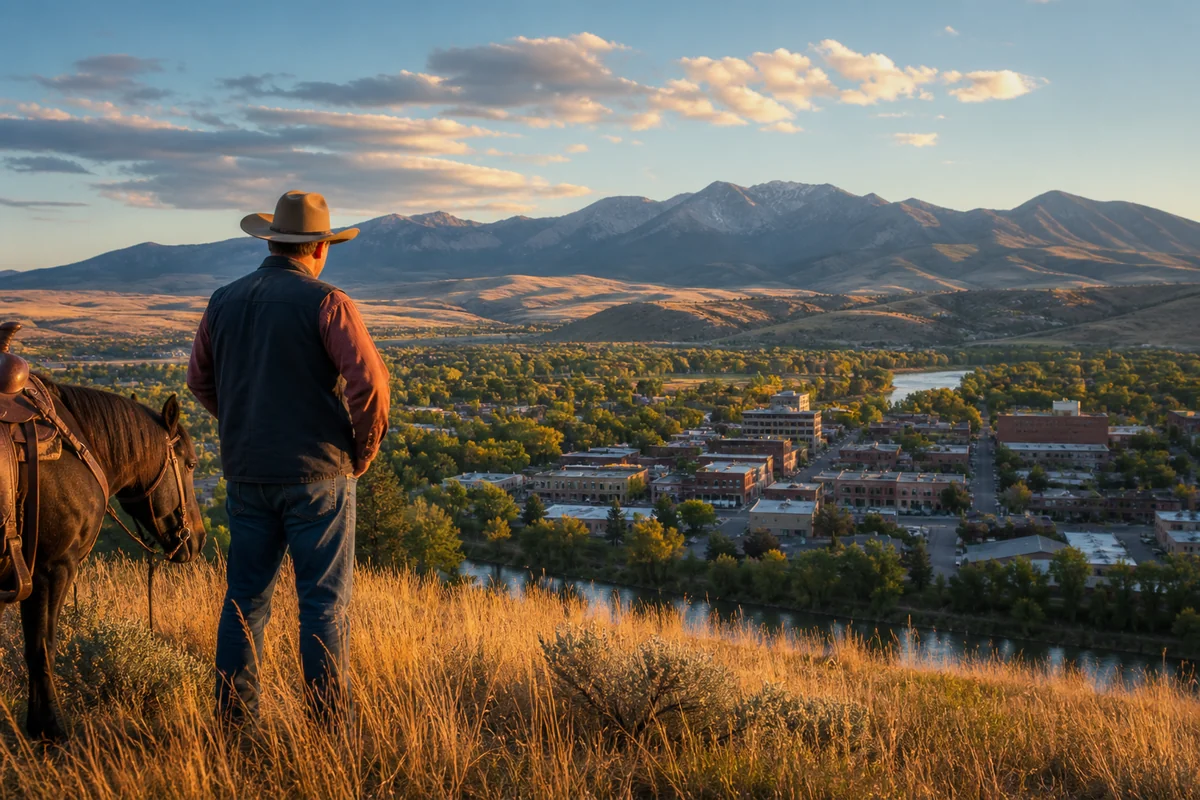
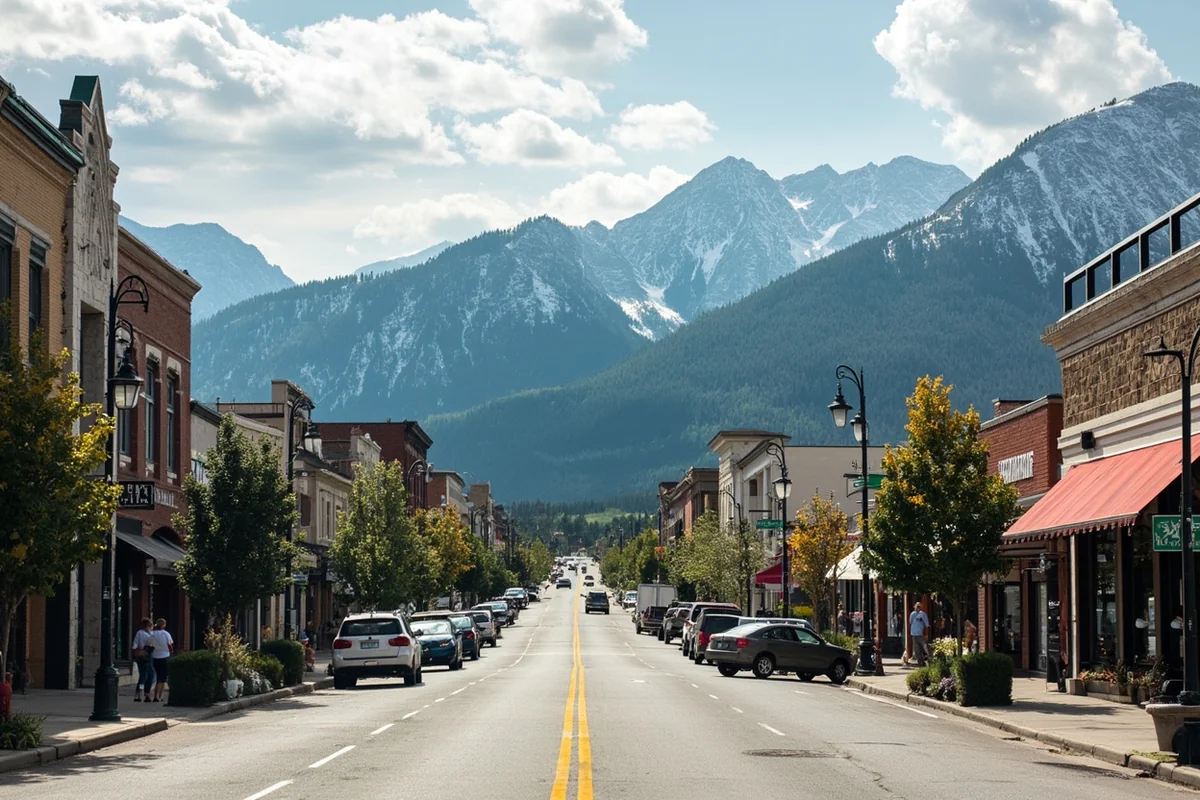
Standing in a small café in Livingston last September, I overheard a conversation that stuck with me: a local rancher was explaining to his daughter why their community felt different from the ski towns just an hour away. “It’s about what we make here, not just what we sell to tourists,” he said.
That moment crystallized something I’d been noticing throughout my years exploring Montana—the state’s economic heartbeat directly shapes every authentic experience visitors encounter, and understanding Montana’s economy transforms how you appreciate this remarkable place.
- Montana’s GDP per capita hovers around $56,000-$58,000, below the national average but varying dramatically by region
- Tourism-heavy areas like Big Sky and Whitefish have significantly higher local economic activity than agricultural communities
- Understanding economic realities helps travelers budget appropriately and engage more meaningfully with locals
- The state’s economic diversity—from energy extraction to agriculture—creates distinct regional experiences
- Cost of living disparities mean your dollar stretches differently in Billings versus Bozeman
Liked this article?
Add Roaming Montana as a preferred source so you see more of our articles and guides on Google.
Why Montana’s Economic Story Matters to Travelers
When I first started visiting Montana over a decade ago, I made the rookie mistake of treating it as one homogeneous destination. I quickly learned that Butte feels nothing like Bozeman, and the difference isn’t just aesthetic—it’s fundamentally economic.
Montana’s GDP per capita tells a story that directly impacts your travel experience. The state produces approximately $65 billion in total economic output, divided among roughly 1.1 million residents. That works out to around $56,000-$58,000 per person, placing Montana in the lower third of U.S. states by this measure.
But here’s what those raw numbers don’t capture: the staggering variation between communities. During my visit to Big Sky last winter, I watched someone casually drop $200 on après-ski cocktails. Three days later in Lewistown, I had a fantastic steak dinner with local beer for $28.
This economic patchwork creates opportunities for savvy travelers who understand the landscape.
Breaking Down Montana’s Economic Geography
The Boom Corridor: Bozeman to Big Sky
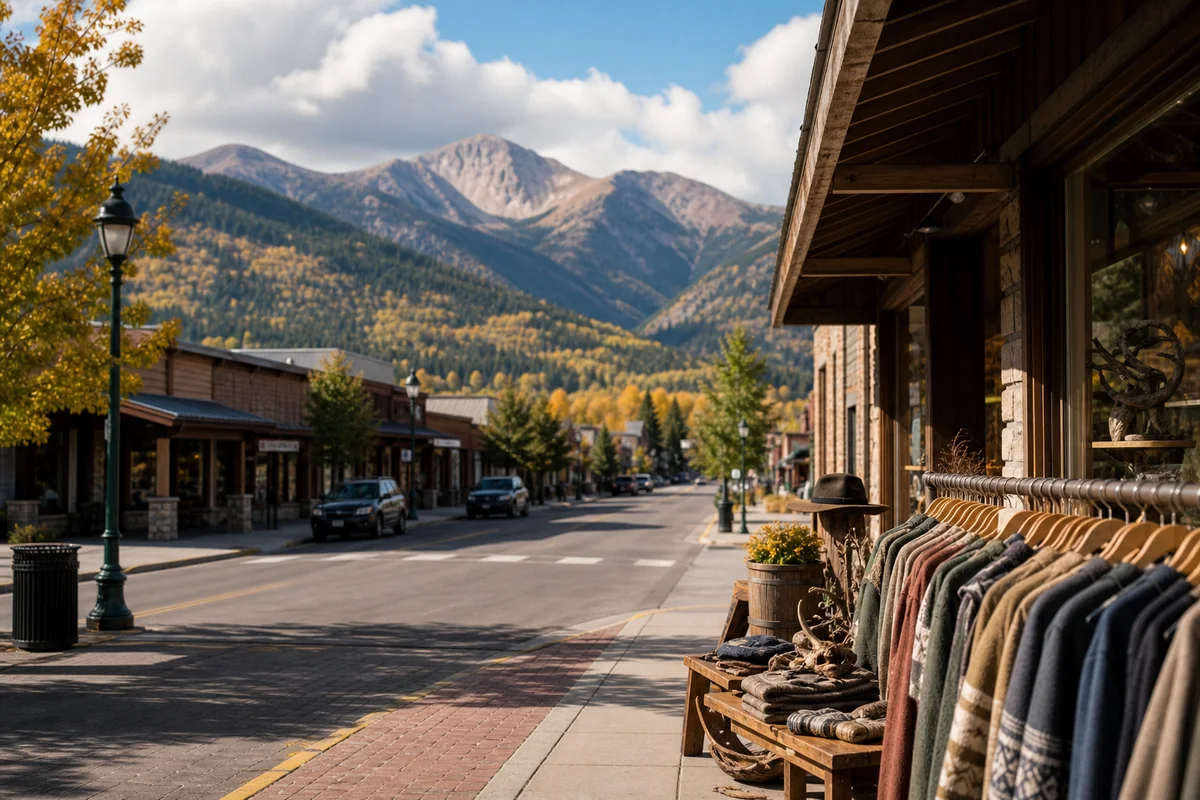
Gallatin County has become Montana’s economic powerhouse, and I’ve watched the transformation accelerate with every visit. The tech migration, particularly since 2020, has pushed GDP per capita in this region well above state averages.
Last summer, I grabbed coffee in downtown Bozeman and struck up a conversation with a software engineer who’d relocated from Seattle. “I make the same salary,” he told me, “but everything else costs more than I expected.”
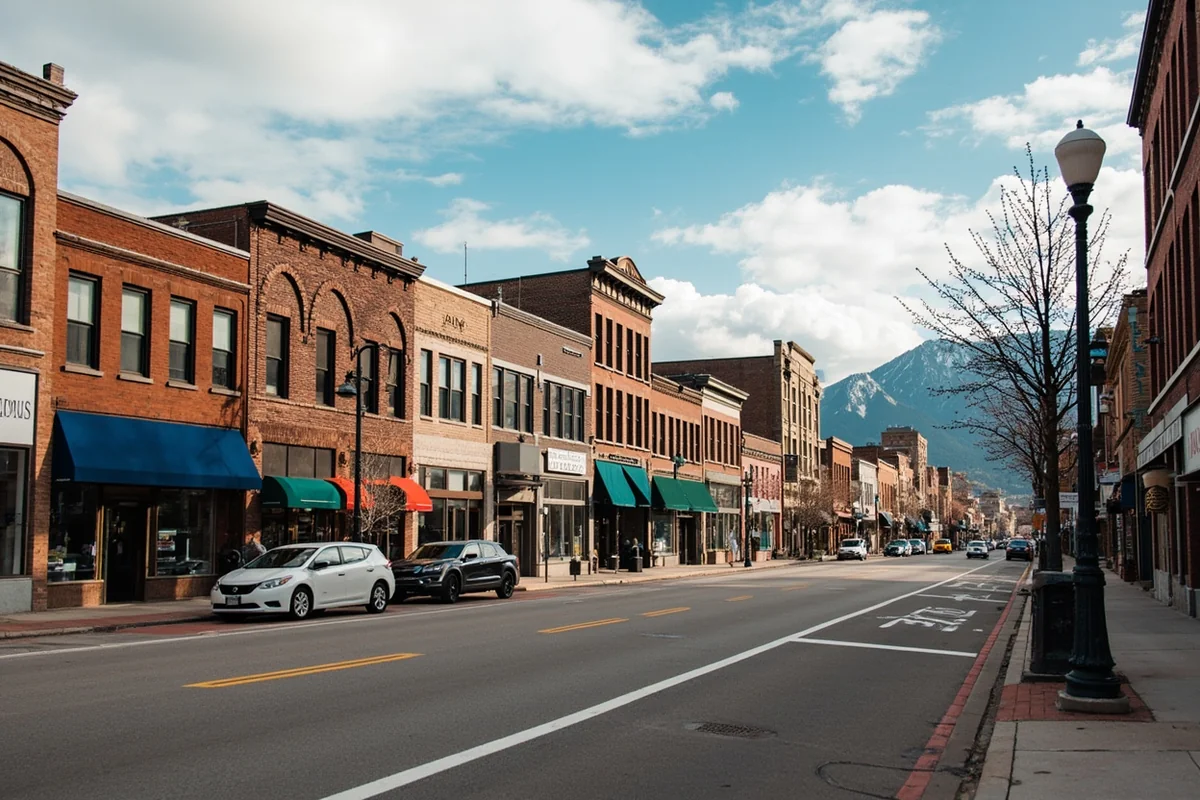
For travelers, this translates to higher accommodation costs but also better dining options, more refined outdoor outfitters, and infrastructure that can handle peak tourism without completely breaking down. I’ve learned to book Bozeman hotels at least three months ahead during summer.
Energy Regions: The Bakken Influence
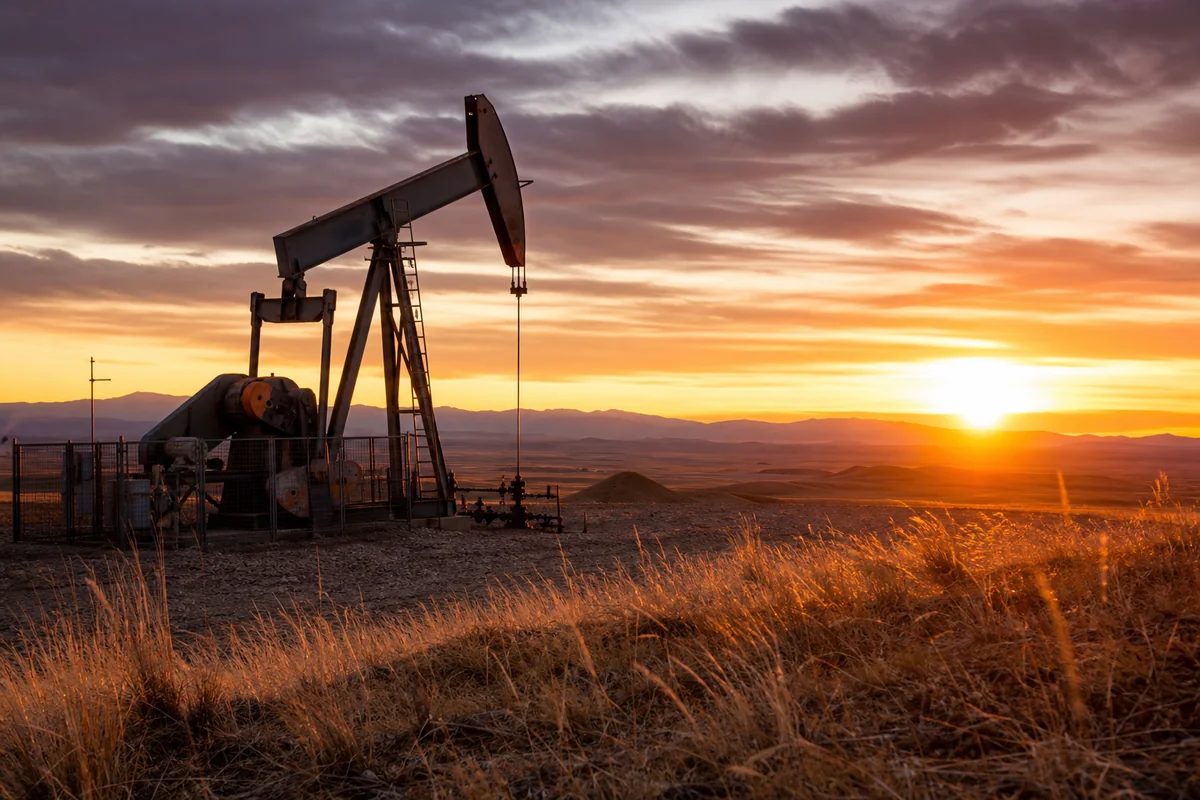
Eastern Montana’s economy dances to a different rhythm, largely tied to Montana’s oil production industry. When I drove through Sidney and Glendive in 2022, the Bakken oil field influence was everywhere—new pickup trucks, expanded hotels, and a palpable sense of economic momentum.
During boom periods, these communities see GDP per capita spikes that rival coastal cities. But the volatility is real. A longtime Sidney restaurant owner shared with me how staffing and pricing challenges fluctuate with oil prices. “When the rigs are busy, I can’t keep servers. When they’re not, everyone’s worried about paying rent.”
For visitors, the energy region offers fascinating industrial tourism opportunities and genuinely welcoming communities grateful for non-industry visitors. Just be prepared for hotel pricing that sometimes defies logic—I’ve paid more for a basic room in Sidney during peak drilling season than I paid at a nice place in Missoula.
Agricultural Heartland: The Hi-Line and Golden Triangle
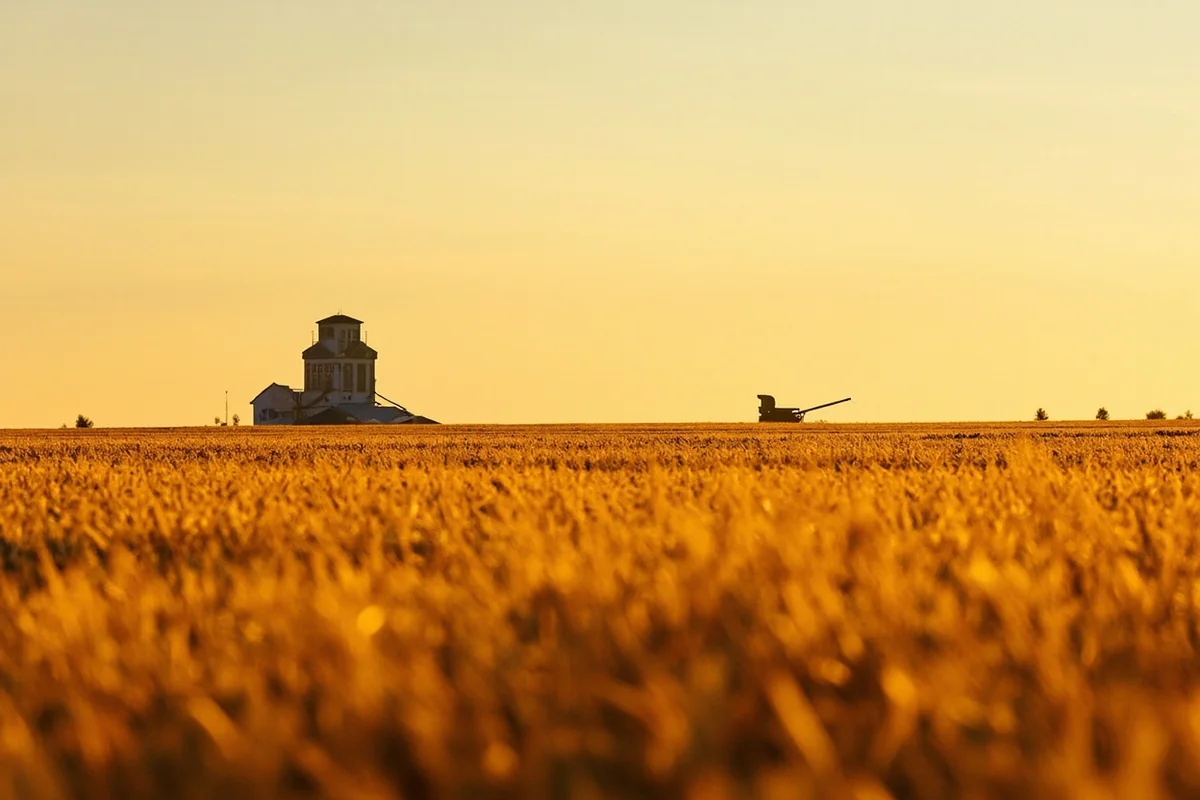
The Montana wheat industry dominates north-central Montana, and this creates an economic experience unlike anywhere else in the state. Communities like Chester, Shelby, and Conrad feel authentically frozen in time—not from lack of prosperity, but from an agricultural economy that values stability over growth.
I spent a memorable afternoon in Havre last October, talking with a fourth-generation wheat farmer about how grain prices affect everything from the local hardware store’s inventory to whether the high school can afford new football uniforms. His family’s operation contributes to Montana’s roughly $2.5 billion annual agricultural output.
Tourism Economies: Glacier and Yellowstone Corridors
The Montana tourism industry generates over $7 billion annually, and this money concentrates heavily in gateway communities. Whitefish, West Yellowstone, and Red Lodge have developed economies that would be unrecognizable to residents from fifty years ago.
On a recent trip through West Yellowstone, I noticed the interesting economic tension: businesses that serve tourists alongside those serving the seasonal workers who make tourism possible. The taco truck where park employees eat and the fine dining restaurant where visitors splurge represent two completely different economic universes occupying the same small town.
How GDP Per Capita Affects Your Travel Budget
| Region | Relative Cost Level | Budget Impact |
|---|---|---|
| Bozeman/Big Sky | High (above national avg) | Add 25-40% to typical Montana budget |
| Whitefish/Kalispell | High (above national avg) | Add 20-35% to typical Montana budget |
| Missoula | Moderate-High | Add 10-20% to typical Montana budget |
| Billings | Moderate | Close to national average |
| Great Falls | Below Average | Save 10-15% vs national average |
| Hi-Line Communities | Low | Save 20-30% vs national average |
| Eastern Montana | Variable (oil-dependent) | Research current conditions |
Practical Budgeting Tips from Experience
After dozens of Montana trips, I’ve developed strategies that leverage these economic realities:
**Base yourself strategically.** When I explored Glacier National Park two summers ago, I stayed in Cut Bank instead of Whitefish. My motel ran $89/night versus $299 at comparable places near Glacier. The extra 45-minute drive was worth the $200 daily savings.
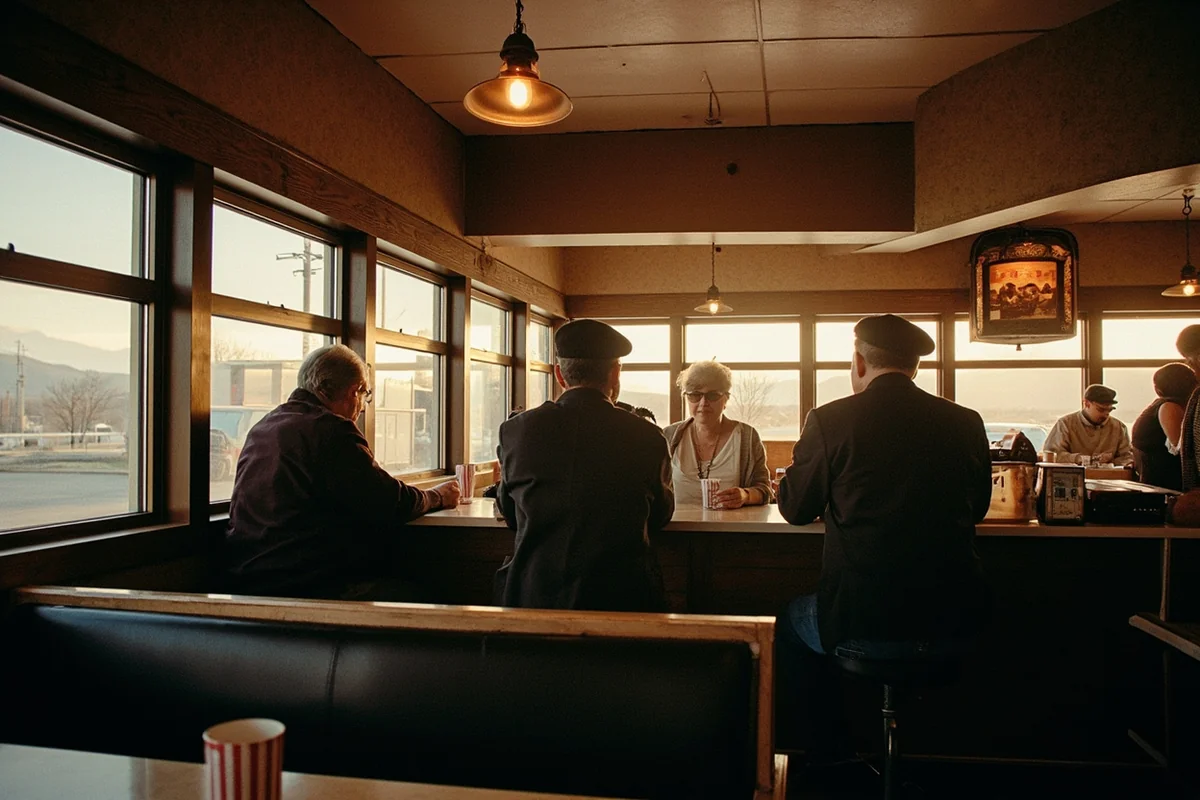
**Eat where locals eat.** In economically diverse areas, following agricultural workers and tradespeople leads to incredible value. The best burrito I’ve ever had in Montana came from a food truck in Roundup, where oil field workers lined up at 6 AM. Four dollars.
**Shop local products wisely.** Understanding the best Montana brands helps you distinguish between authentic local goods and marked-up tourist trinkets. I’ve learned that the best huckleberry products come from small producers in economically modest towns, not gift shops charging triple in resort areas.
The Industries Shaping What You’ll Experience
Understanding Montana’s key industries illuminates why different regions feel so distinct. The state’s economic diversity creates a travel experience that changes dramatically every hundred miles.
Agriculture’s Visible Presence
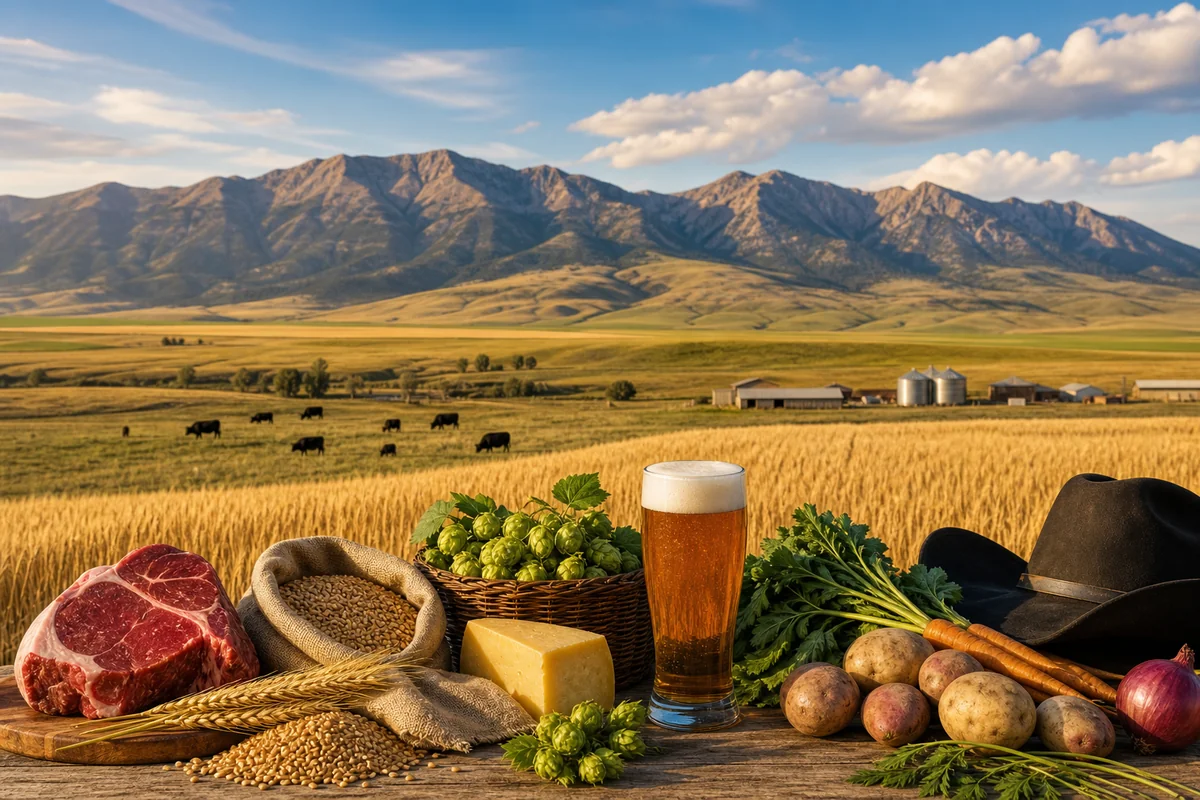
The Montana agriculture industry extends far beyond crops. Cattle ranching dominates the landscape, and working ranches welcome visitors in ways that create authentic experiences impossible to replicate in more tourist-developed areas.
During a stay at a working cattle ranch near Jordan, I participated in actual ranch operations—not staged tourist activities. The rancher explained how their family’s success or struggle directly mirrors the state’s agricultural GDP performance. In strong years, they invest in improvements and expand hospitality offerings. In tough years, they focus on core operations.
This economic reality creates something valuable for travelers: authenticity driven by necessity rather than calculated tourism product development.
Natural Resource Extraction
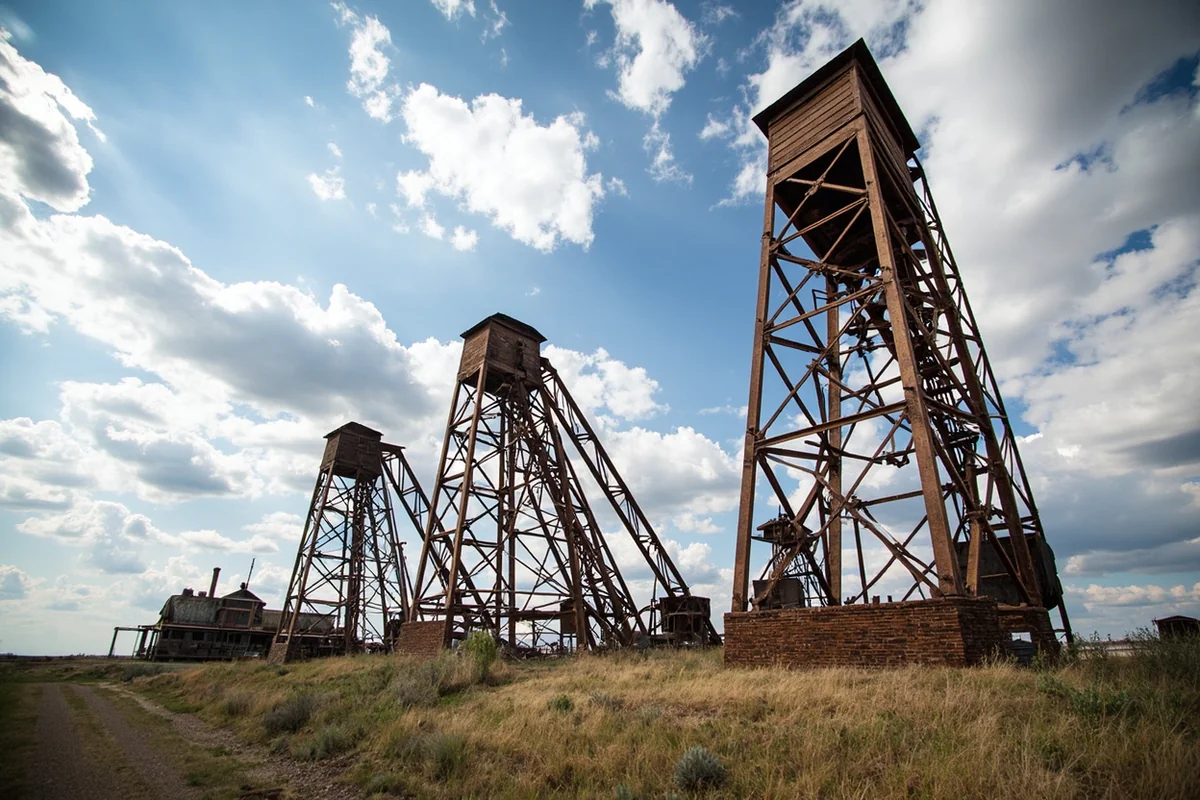
Montana produces significant quantities of oil, natural gas, coal, and minerals. Understanding what Montana produces helps travelers appreciate the industrial heritage visible throughout the state.
In Butte, the Berkeley Pit stands as a stark monument to copper mining’s economic dominance in Montana’s past. Walking the viewing platform last spring, I was struck by how mining simultaneously created tremendous wealth and environmental challenges that communities still navigate.
The Colstrip power plant in southeastern Montana represents another economic reality I’ve encountered. The community’s future hangs on energy policy decisions made in Helena and Washington, and locals I’ve met express both pride in their work and anxiety about their town’s trajectory.
Technology and Remote Work Migration
Montana’s newest economic force is harder to photograph but impossible to ignore in certain communities. The tech sector and remote work movement have dramatically reshaped local economies in Bozeman, Missoula, and increasingly in smaller towns with good internet infrastructure.
I met a couple in Livingston who’d moved from San Francisco, bringing their tech salaries to a town previously dominated by railroad workers and ranchers. Their perspective was nuanced—grateful for the lifestyle but aware their presence raises housing costs for longtime residents.
For travelers, this tech influx means better coffee, more diverse dining options, and improved connectivity in unexpected places. I was genuinely shocked to find excellent espresso in tiny Choteau last year, courtesy of a café opened by remote workers who relocated from Portland.
Understanding Montana’s Wealth Distribution
When exploring Montana state wealth, the statewide figures obscure tremendous variation. This matters for travelers because the communities you visit have vastly different relationships with money and tourism.
Wealthy Enclaves
Paradise Valley, between Livingston and Gardiner, hosts some of America’s wealthiest individuals. The ranches here aren’t working agricultural operations—they’re estates owned by tech billionaires, celebrities, and financial industry titans.
Driving through the valley during my last visit, I noticed how this wealth manifests subtly: immaculately maintained fences, high-end vehicles parked at trailheads, and a general aesthetic polish absent from working agricultural communities.
For travelers, these areas offer stunning scenery but can feel somewhat sanitized compared to economically humble regions where authentic Montana culture remains unfiltered by extreme wealth.
Struggling Communities
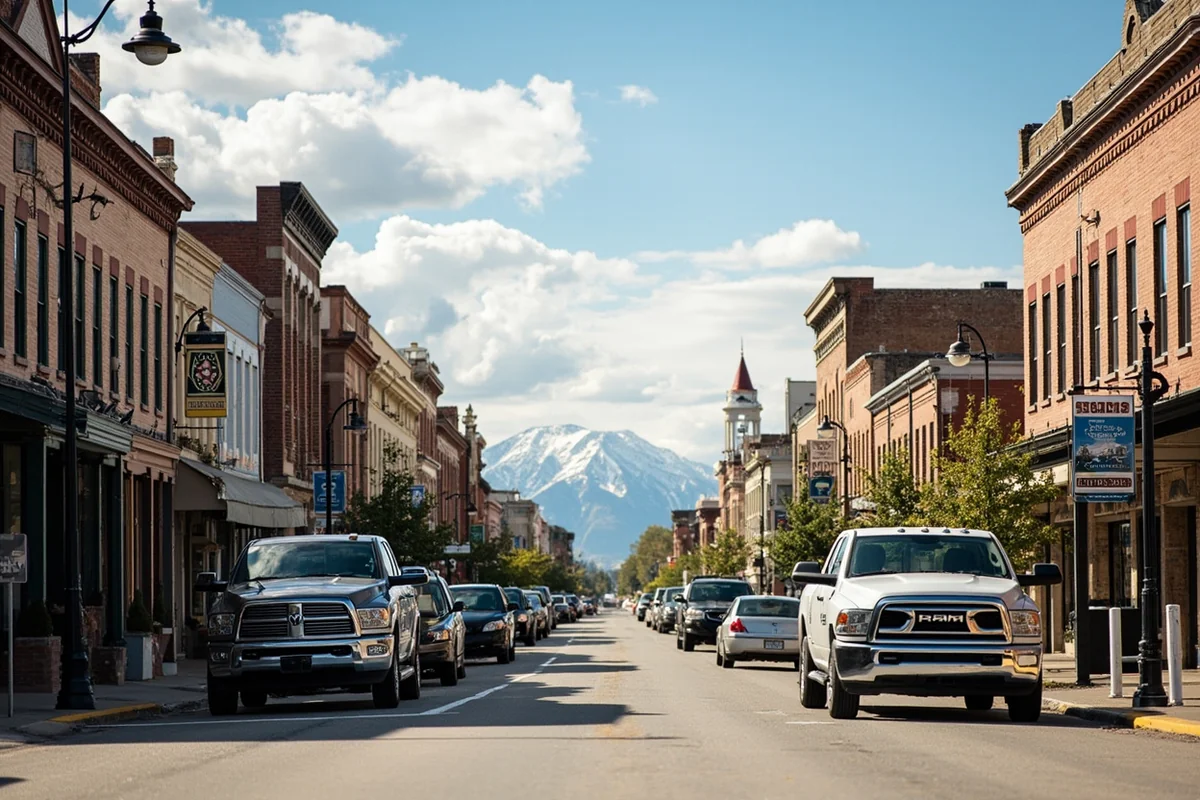
Other Montana towns have experienced decades of economic decline, and visiting them offers a different kind of authenticity. Anaconda’s shuttered smelter, Havre’s reduced railroad employment, and countless small agricultural towns with declining populations all tell economic stories.
I don’t recommend “poverty tourism,” but I do encourage travelers to engage genuinely with these communities. The family-run diners, the dedicated local historical societies, and the residents who’ve chosen to stay despite limited economic opportunity all offer something meaningful.
Last summer in Roundup, I spent an afternoon at the county historical museum, staffed entirely by volunteers who’d lived through the community’s economic shifts. Their stories provided context no travel guide could match.
Seasonal Economic Rhythms and Travel Timing
Montana’s GDP isn’t generated uniformly throughout the year, and understanding seasonal rhythms helps travelers optimize both experience and value.
Summer Tourism Surge
June through August represents the economic climax for tourism-dependent communities. Prices peak, availability drops, and local workers strain under the demand. During my July visits to Glacier National Park areas, I’ve encountered exhausted service workers who’ve been pulling double shifts for weeks.
The economic reality here is simple: tourism communities must make their annual revenue in roughly twelve weeks. This creates pressure that affects service quality and pricing.
I’ve learned to time summer visits carefully—late June before peak season fully ignites or late August as it winds down offers better experiences.
Hunting Season Economics
What surprised me during early Montana explorations was discovering the significant economic impact of hunting seasons. Communities that see few tourists in summer suddenly fill with hunters from September through November.
Staying in Ennis during rifle season two years ago, I watched the town transform. Every restaurant served breakfast at 4:30 AM. Hotels that sat empty in August had waiting lists. The economic injection was palpable.
For non-hunting travelers, this creates both opportunity and consideration. Some accommodations offer shoulder-season pricing if you visit between summer tourism and hunting season. But during hunting season, you’ll encounter higher prices and limited availability in areas you might assume would be quiet.
Ski Season Dynamics
Winter tourism has become increasingly important to Montana’s economy, particularly around Big Sky, Whitefish, and Red Lodge. The GDP contribution from winter recreation now rivals summer tourism in these communities.
I’ve skied Big Sky during both peak holiday weeks and early-March shoulder season. The price differential is substantial—my lodging costs dropped 40% by shifting just two weeks later.
Economic Indicators to Watch Before Your Trip
Savvy Montana travelers monitor certain economic factors that affect trip quality and cost:
**Housing market reports** from Bozeman and Whitefish indicate tourism and relocation pressure that eventually affects accommodation pricing.
**Grain prices** influence agricultural community vitality. Strong wheat years mean more robust small-town experiences.
**Energy prices** affect eastern Montana communities’ economic momentum and service availability.
**Public lands funding** impacts trail maintenance, facility availability, and ranger presence in national forests and parks.
I’ve started checking these indicators several months before major Montana trips, and the intelligence helps me adjust expectations and budgets appropriately.
Supporting Montana’s Economy as a Thoughtful Traveler
Understanding Montana’s economic realities creates opportunities to travel in ways that benefit communities rather than extracting value from them.
Spend Money in Struggling Communities
When I drive Highway 2 across the Hi-Line, I make intentional stops in towns that desperately need tourism dollars. Fuel in Malta instead of waiting for a cheaper station in a larger town. Lunch in Fort Benton instead of packing a cooler.
These small decisions compound. A single tank of gas might be only $50, but multiply that by thousands of travelers making similar choices, and the economic impact becomes significant.
Buy Directly from Producers
Montana’s agricultural economy offers opportunities to purchase products directly from producers. I’ve bought beef from a ranch near Lewistown, honey from beekeepers outside Missoula, and wool products from sheep operations near Dillon.
These direct purchases typically put more money into local hands than buying through retail intermediaries.
Tip Generously in Low-Wage Areas
Service workers in Montana’s tourism economy often struggle with low wages and seasonal employment. In economically depressed communities, my tipping often exceeds 30% because I understand the local economic context.
The breakfast server in a Hi-Line town is likely making minimum wage without benefits. The extra few dollars matters there more than the identical tip in Big Sky would.

Economic Outlook and Future Travel Considerations
Montana’s economy is evolving rapidly, and understanding these trends helps travelers anticipate future conditions.
**Tech sector growth** will likely continue concentrating in Bozeman, Missoula, and potentially Helena, pushing these cities further from traditional Montana economics.
**Climate change** affects agricultural productivity and fire seasons, both of which directly impact travel experiences. Smoke-compromised summers have become more common, and some agricultural communities face existential water access challenges.
**Remote work normalization** may distribute high-earner migration beyond current hotspots, potentially transforming communities that currently offer budget-friendly travel.
**Energy transition** will reshape eastern Montana communities currently dependent on fossil fuel extraction, with uncertain implications for travelers.
I’ve started thinking of my Montana trips as documentation of a place in transition. The Montana I explored a decade ago feels meaningfully different from today’s reality, and the Montana of 2035 will likely feel different still.
Final Thoughts: Economic Understanding Enriches Travel
When I reflect on my most meaningful Montana experiences, many involved conversations with locals about their economic lives—the rancher explaining beef prices, the Butte historian describing copper-era prosperity, the Bozeman barista discussing whether she’d ever afford a home in the town she loved.
Montana’s GDP per capita isn’t just a statistic. It’s the story of real communities navigating economic forces beyond their control while maintaining cultures worth experiencing.
Understanding this economic landscape transforms travel from consumption to engagement. Instead of simply visiting Montana, you begin to comprehend it. The conversations deepen. The appreciation grows. The experiences become more authentic.
This economic awareness has made me a better Montana traveler. I hope it does the same for you.
The state’s roughly $56,000 per capita figure represents an average across tremendous diversity—from tech millionaires in Paradise Valley to struggling ranchers on the Hi-Line, from oil workers in Sidney to tour guides in West Yellowstone. Each community offers something genuine, and understanding their economic realities helps travelers connect with that authenticity.
Pack your curiosity alongside your hiking boots. Ask locals about their work, their community’s trajectory, their hopes and concerns. You’ll discover a Montana far richer than any statistic could capture.
Frequently Asked Questions
What is Montana’s GDP per capita and how does it affect travel costs?
Montana’s GDP per capita is approximately $58,000, which is slightly below the national average of around $76,000. This translates to generally more affordable travel experiences compared to wealthier states, with reasonable prices on accommodations, dining, and local services outside of peak tourist destinations like Big Sky or Whitefish.
Is Montana an expensive state to visit compared to other Western US destinations?
Montana offers better value than neighboring states like Colorado or Wyoming’s Jackson Hole area, largely due to its lower cost of living reflected in its GDP per capita. I’ve found that a mid-range daily travel budget of $150-$250 per person covers lodging, meals, and activities comfortably in most Montana towns.
How does Montana’s economy impact the best time to visit for budget travelers?
Montana’s tourism-driven economy peaks during summer months (June-August), pushing prices 30-50% higher in gateway towns near Glacier and Yellowstone. For budget-conscious travelers, visiting during shoulder seasons in May or September-October offers lower rates on accommodations while still enjoying decent weather and fewer crowds.
What industries drive Montana’s economy and create unique travel experiences?
Agriculture, mining, timber, and tourism are Montana’s economic pillars, each offering authentic travel experiences like working ranch stays, historic mining town tours in Butte, and lumber heritage museums. These industries keep many rural areas affordable and provide genuine Montana cultural experiences that feel less commercialized than typical tourist destinations.
How much spending money should I budget daily when traveling through Montana?
Based on Montana’s moderate cost of living, I recommend budgeting $100-$150 daily for mid-range travel, covering meals ($40-$60), gas ($30-$50 for 150-200 miles of driving), and activities ($30-$50). Upscale experiences in resort towns like Big Sky can easily double these costs, while camping and cooking your own meals can cut expenses to $50-$75 daily.
Are Montana’s rural areas and small towns affordable for road trip travelers?
Yes, Montana’s smaller communities like Lewistown, Miles City, and Dillon offer excellent value with motel rooms often under $80/night and hearty local meals for $12-$18. The state’s lower GDP per capita outside major tourist corridors means your travel dollar stretches further in these authentic Western towns along routes like Highway 200 or Highway 2.
How does Montana’s seasonal economy affect availability of services for tourists?
Montana’s tourism-dependent economy means many businesses in gateway communities operate seasonally, with some restaurants and outfitters closing from October through April. I always recommend calling ahead for reservations during shoulder seasons and keeping your gas tank at least half full when exploring remote areas where services may be limited or closed.
Sources:
- https://nces.ed.gov/pubs/esn/n04a.asp
- https://news.mt.gov/Governors-Office/Montanas_Economy_7th_Strongest_in_Nation_With_Robust_Growth_in_2021
- https://www.census.gov/quickfacts/fact/table/MT/PST045222
- https://mslservices.mt.gov/legislative_snapshot/Economy/Default.aspx
- https://economic-impact-of-ag.uada.edu/montana/
- https://news.mt.gov/Governors-Office/Montanas_Unemployment_Rate_Below_3Percent_For_21st_Consecutive_Month