Standing in the middle of a 10,000-acre wheat field outside of Great Falls last September, watching the golden stalks ripple like ocean waves under the Big Sky, I finally understood why Montana calls itself the “Treasure State.”
It’s not just about the gold and sapphires buried underground—it’s about everything this remarkable state produces, from the beef on your plate to the hops in your craft beer.
If you’re planning a trip to Montana and want to understand the Montana Economy, knowing what the state produces adds incredible depth to your experience.
You’ll see the landscape differently when you understand that those endless golden fields aren’t just pretty—they’re feeding millions of people worldwide.
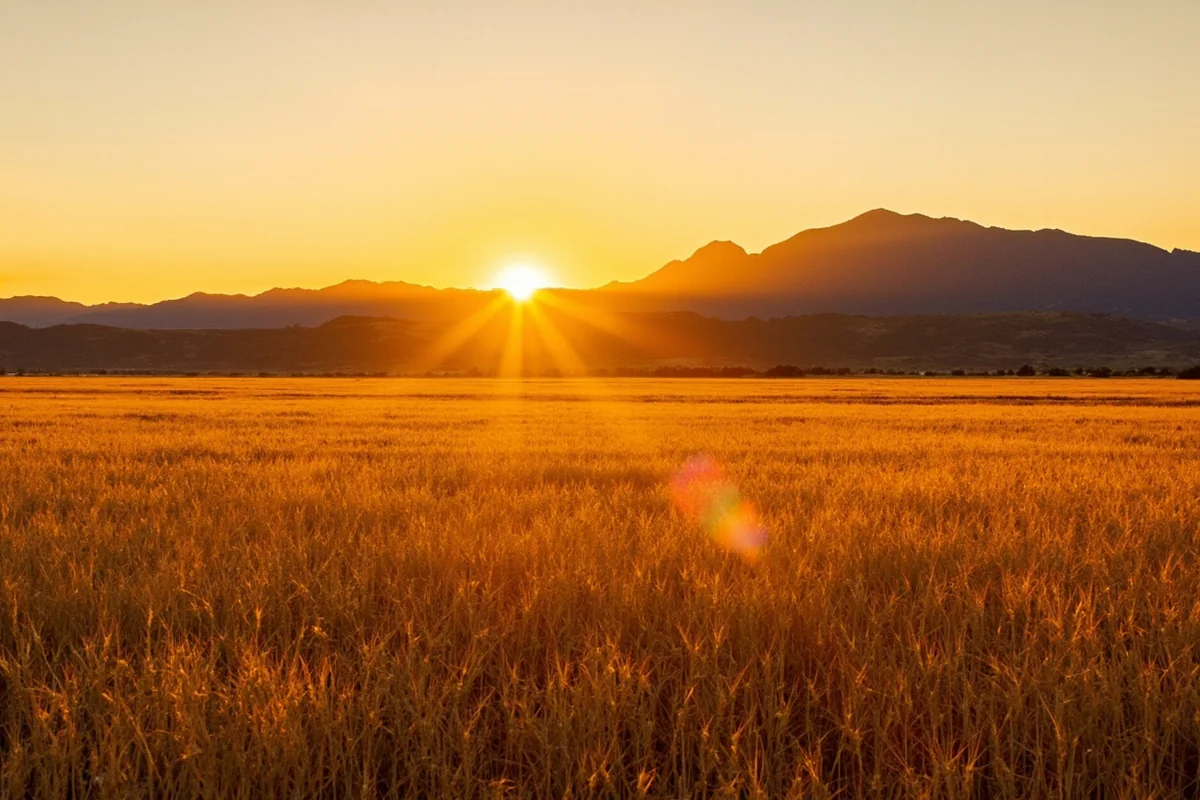
- Montana is the #3 wheat-producing state in America, and you can tour working farms across the Golden Triangle region
- The state produces more than 2.5 million head of cattle annually—ranch visits and cattle drives are popular tourist activities
- Montana’s copper mining history shaped entire cities; Butte’s underground tours reveal this industrial heritage
- Craft beverages (beer, whiskey, cider) use locally-sourced Montana ingredients—self-guided tasting trails are a perfect day trip
- Sapphires, garnets, and agates can be found (and kept!) at fee-dig sites across the state
- Honey production thrives here due to pristine wildflower meadows—look for roadside stands selling raw local honey
Liked this article?
Add Roaming Montana as a preferred source so you see more of our articles and guides on Google.
Why What Montana Produces Matters to Travelers
I’ll be honest—before my first extended Montana trip three years ago, I thought production was something that happened in factories far from tourist destinations. I couldn’t have been more wrong.
In Montana, production IS the attraction. The working ranches welcome visitors for authentic cattle drives. The wheat farms offer harvest tours where you can ride in combines. The mines have become museums where you descend hundreds of feet underground.
Understanding Montana key industries transformed how I planned my itineraries. Instead of just hitting national parks, I started weaving in agricultural tours, mine visits, and local producer tastings that gave me stories I still tell at dinner parties.
Agricultural Products: The Backbone of Big Sky Country
Wheat and Grain Production
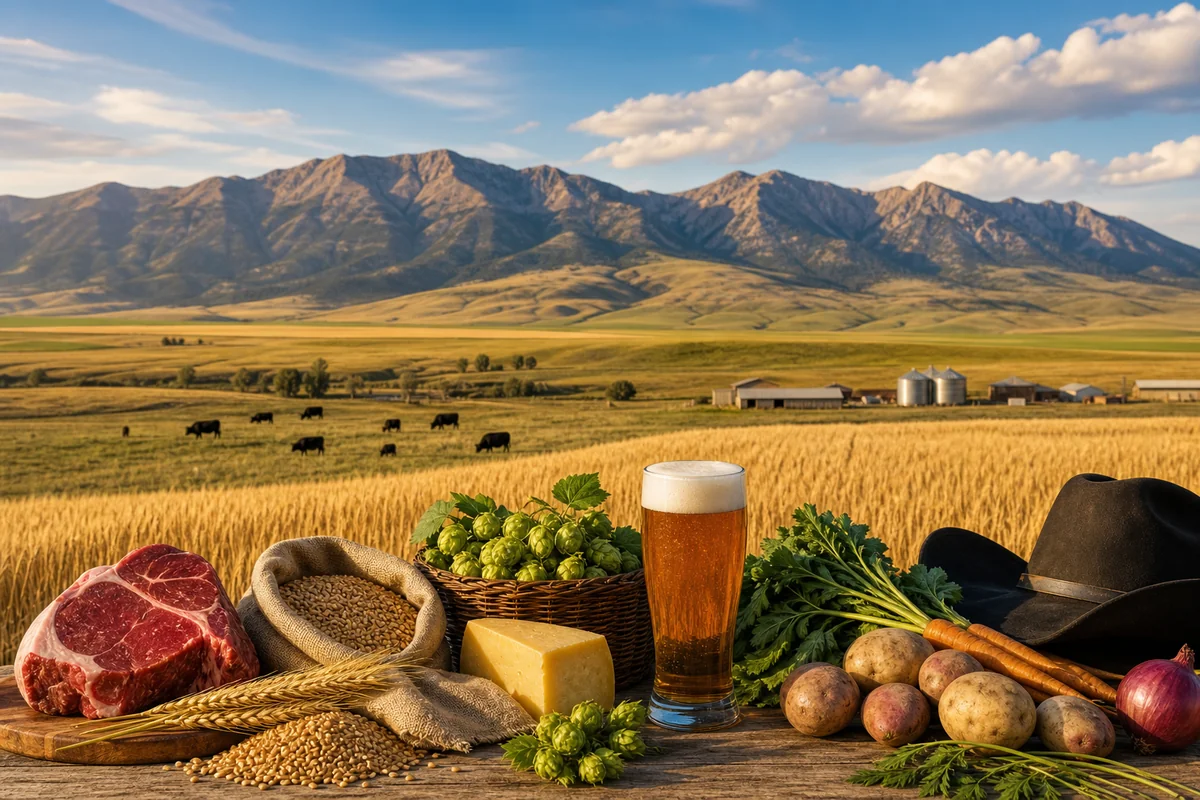
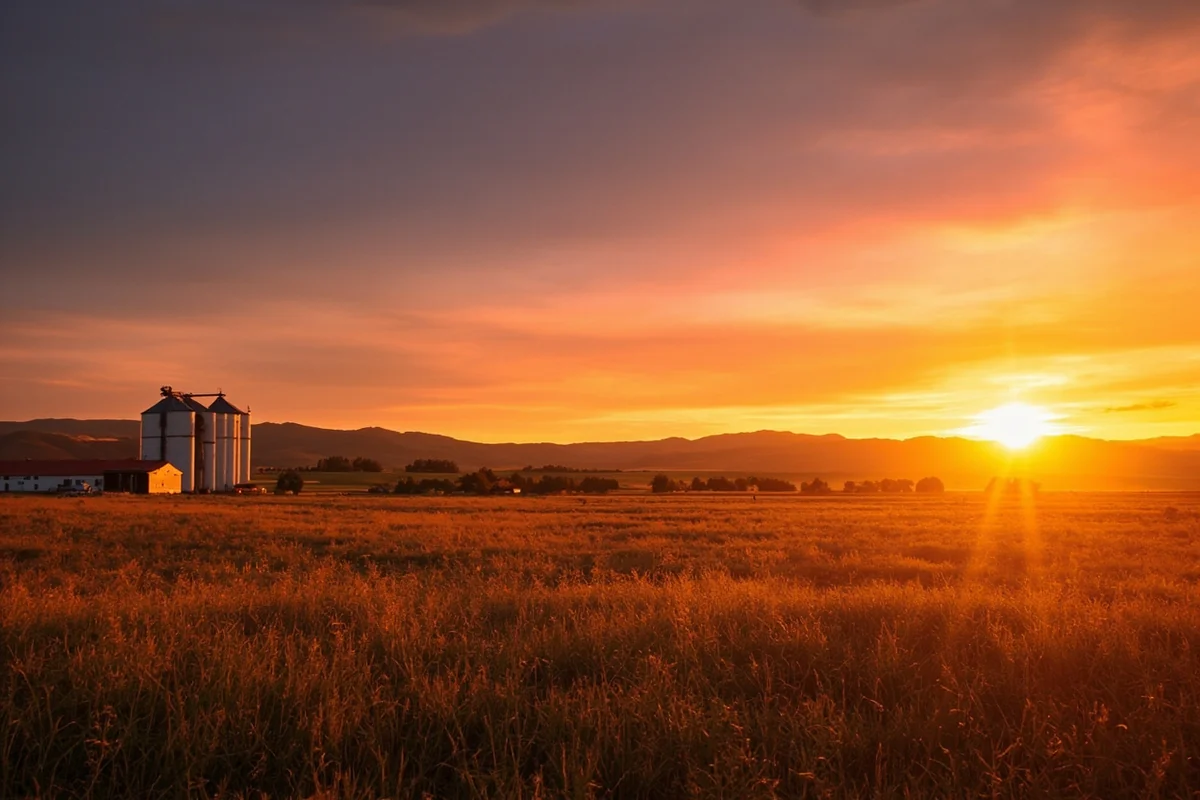
Montana consistently ranks as one of the top three wheat-producing states in America, and honestly, until you’ve driven through the Golden Triangle region during harvest season, you haven’t truly experienced the scale.
The Golden Triangle—roughly bounded by Great Falls, Havre, and Cut Bank—produces a staggering amount of winter and spring wheat. During my visit last August, I watched combine harvesters working until 10 PM, their lights dotting the fields like slow-moving stars.
The Montana wheat industry isn’t just about scale; it’s about quality. Montana’s harsh winters and dry summers produce hard red winter wheat with exceptionally high protein content, prized by bakers worldwide.
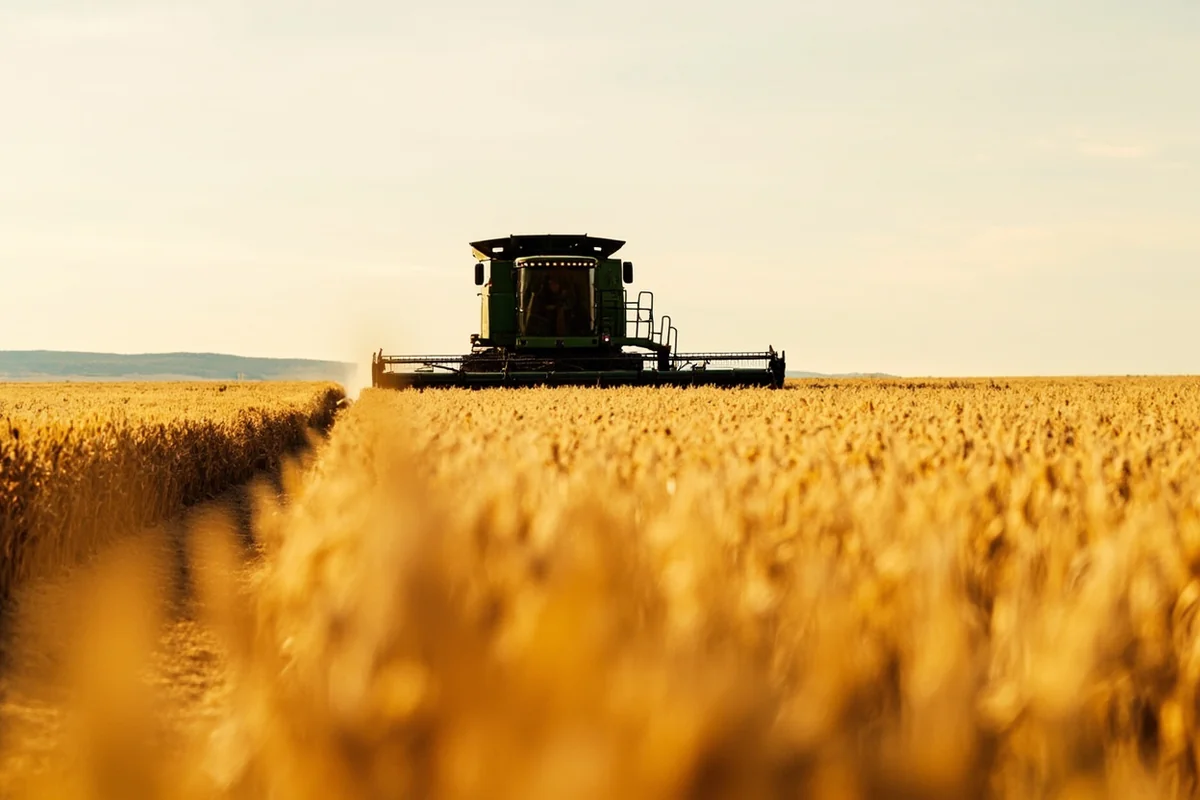
Traveler Tip: If you’re visiting between late July and September, contact the Montana Grain Growers Association about farm tour opportunities. I spent an unforgettable afternoon with a fourth-generation wheat farmer near Conrad who explained exactly how Montana wheat ends up in bread from Tokyo to Turin.
Barley: Montana’s Brewing Foundation
Here’s something that surprised me: Montana produces more malting barley than any other state, accounting for about 35% of the nation’s supply. That craft beer you’re sipping in Bozeman? The barley probably grew within a few hundred miles.
The Malmstrom Air Force Base area near Great Falls is surrounded by barley fields that supply major maltsters. But what excites me more is how local craft breweries have embraced this abundance.
Cattle Ranching: More Than Just Beef
Montana’s cattle ranches produce more than just beef—they produce experiences that city dwellers dream about.
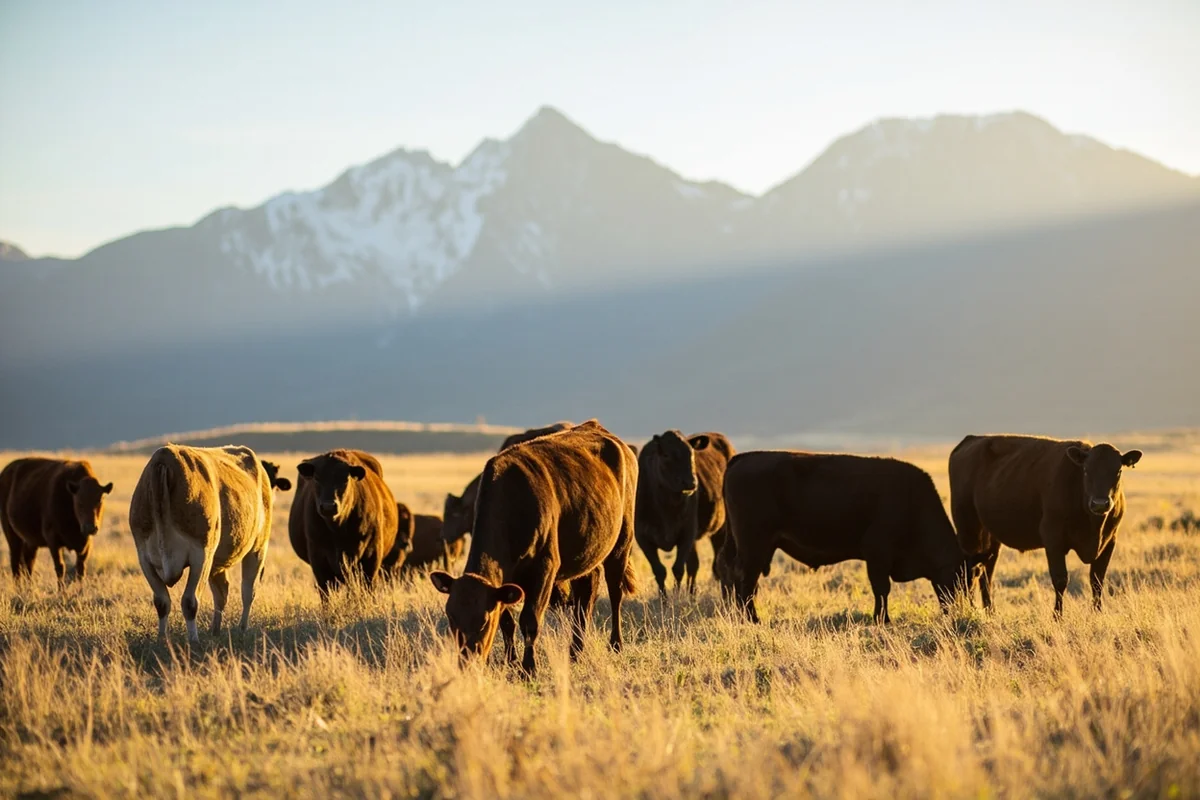
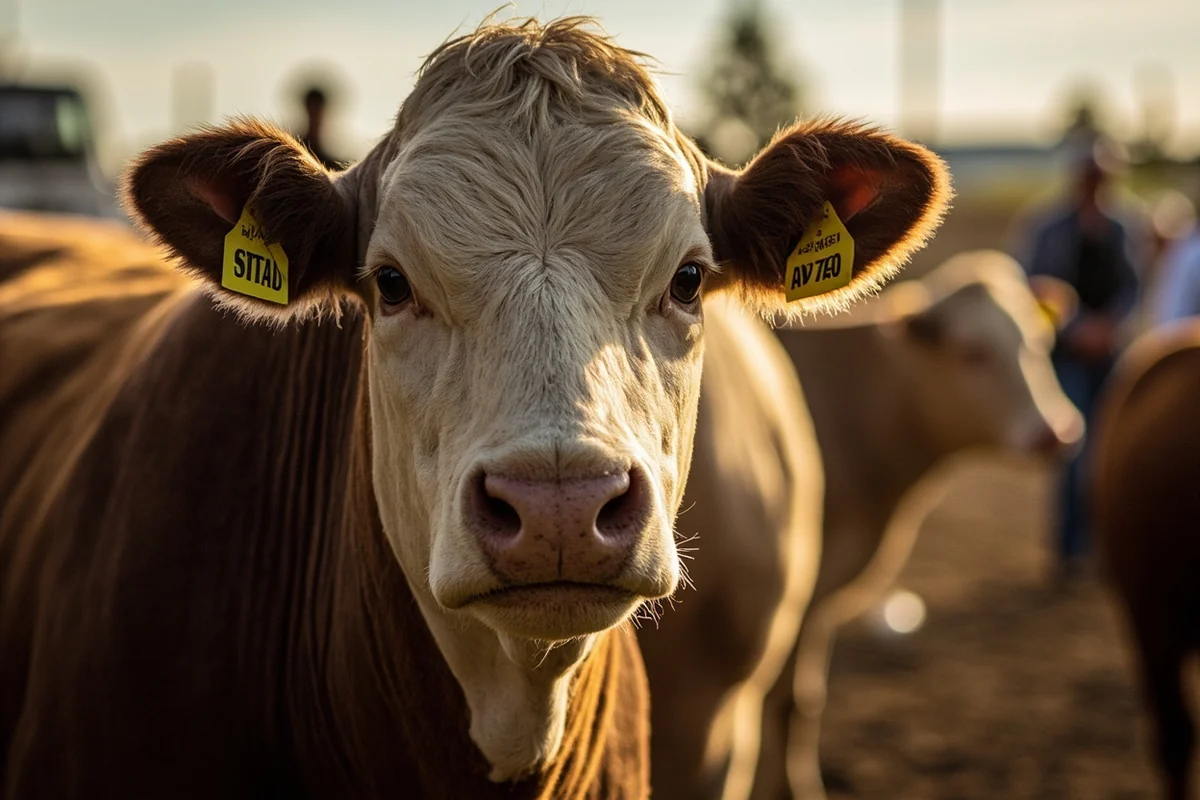
With approximately 2.5 million cattle (outnumbering people by a healthy margin), ranching defines Montana’s rural character. I’ve participated in two cattle drives during my Montana travels, and they remain among my most treasured memories.
The spring calving season (late February through April) offers incredible viewing opportunities. Several working ranches near Bozeman and Livingston accept visitors during this time, and watching a calf take its first wobbly steps while the Absaroka Range looms in the background is genuinely magical.
Understanding the Montana agriculture industry as a whole helps you appreciate why those endless fences exist, why certain roads close during cattle drives, and why the ranch families you meet are fiercely proud of their heritage.
Practical Information for Ranch Visits
| Ranch Type | Best Season | Typical Activities | Approximate Cost |
|---|---|---|---|
| Working Guest Ranch | June-September | Cattle drives, fencing, daily ranch chores | $250-400/day all-inclusive |
| Dude Ranch | May-October | Trail rides, fishing, ranch atmosphere | $200-500/day all-inclusive |
| Day Ranch Tours | Year-round | Farm tours, animal interactions | $50-150/person |
| Calving Season Visits | Late Feb-April | Observation, photography | Often free with ranch stay |
Mining and Natural Resources
The Copper Legacy of Butte
No discussion of Montana production is complete without Butte, a city literally built on copper. At its peak, Butte produced more than one-third of America’s copper supply, and the evidence is everywhere.
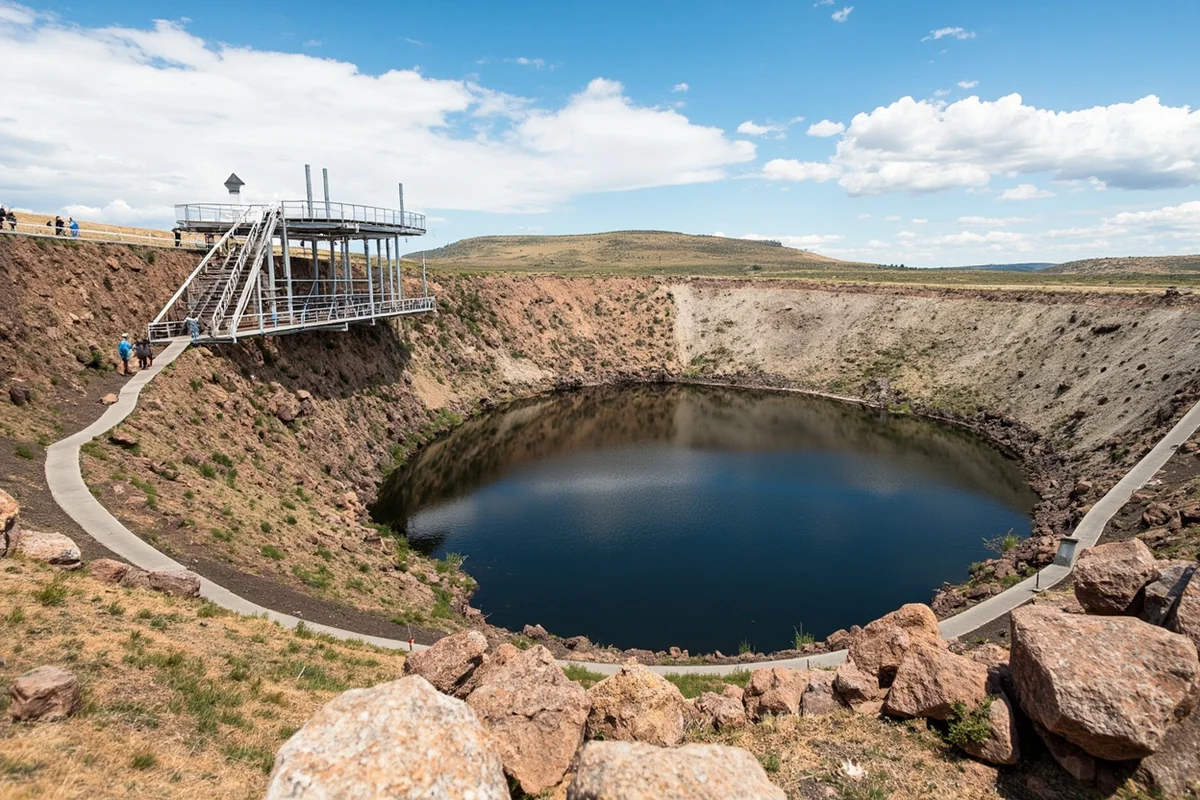
Walking through uptown Butte during my visit two summers ago felt like stepping into an open-air museum. The headframes (those metal structures over mine shafts) still stand sentinel over the city, and the Berkeley Pit—a former open-pit copper mine now filled with toxic water—draws surprisingly large crowds.
The World Museum of Mining offers underground tours where you descend into the actual tunnels. I spent nearly three hours there, fascinated by the stories of immigrant miners from Ireland, Cornwall, Serbia, and China who built this city one explosion at a time.
Modern Mining: Coal and More
Montana’s coal production often surprises visitors. The state ranks among the top coal-producing states, primarily in the southeastern Powder River Basin region near Colstrip.
While coal mine tours aren’t as tourist-friendly as historic copper mines, the massive Rosebud Mine near Colstrip offers occasional educational tours. I attended one organized through a local historical society, and the scale was genuinely mind-boggling—trucks the size of houses moving mountains of coal.
Oil and Natural Gas
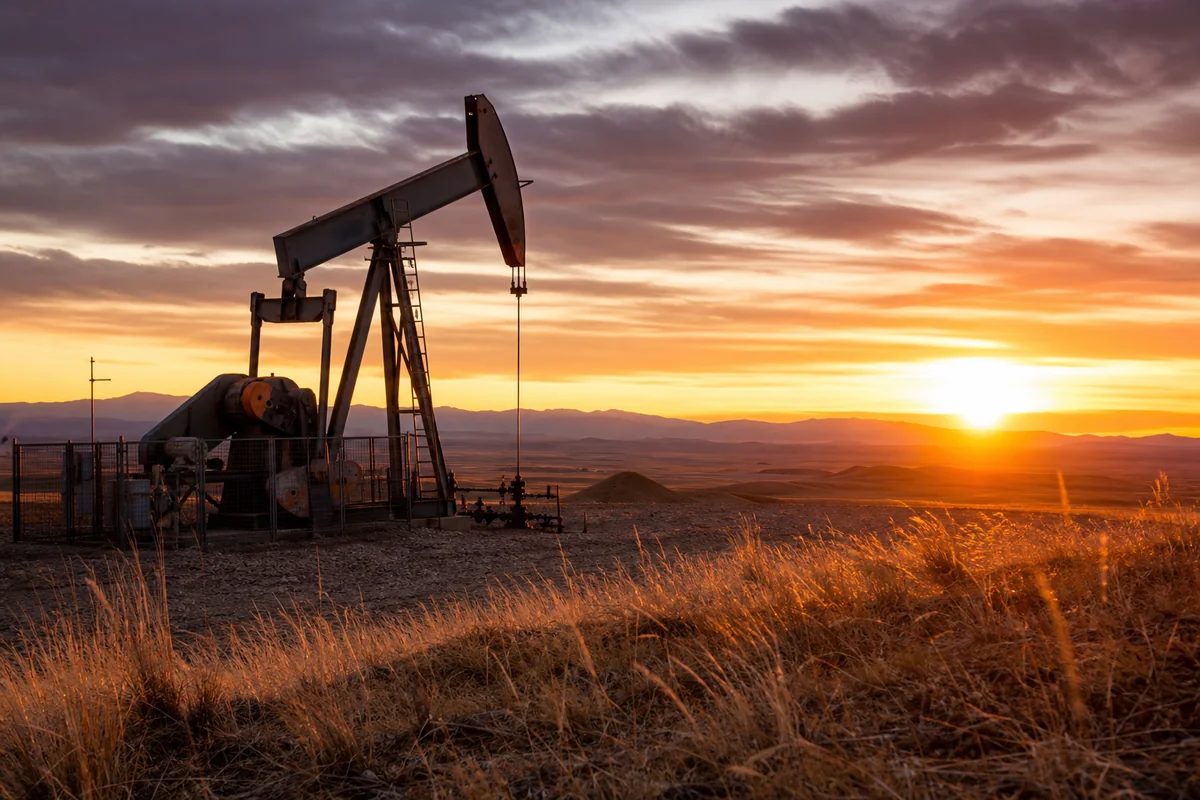
The Bakken Formation extends into northeastern Montana, making Montana oil production a significant economic driver. The towns of Sidney and Glendive have experienced boom cycles tied to extraction.
For travelers, the oil fields offer an unexpected visual landscape. Driving Highway 200 through this region last fall, I counted dozens of pump jacks working rhythmically against the prairie backdrop—a strangely hypnotic sight.
Precious Stones: Montana’s Glittering Side Hustle
Sapphires: The Montana State Gemstone
Montana sapphires changed everything I thought I knew about gem production. Forget Sri Lanka and Madagascar—Montana’s Yogo Gulch produces some of the world’s finest cornflower blue sapphires.
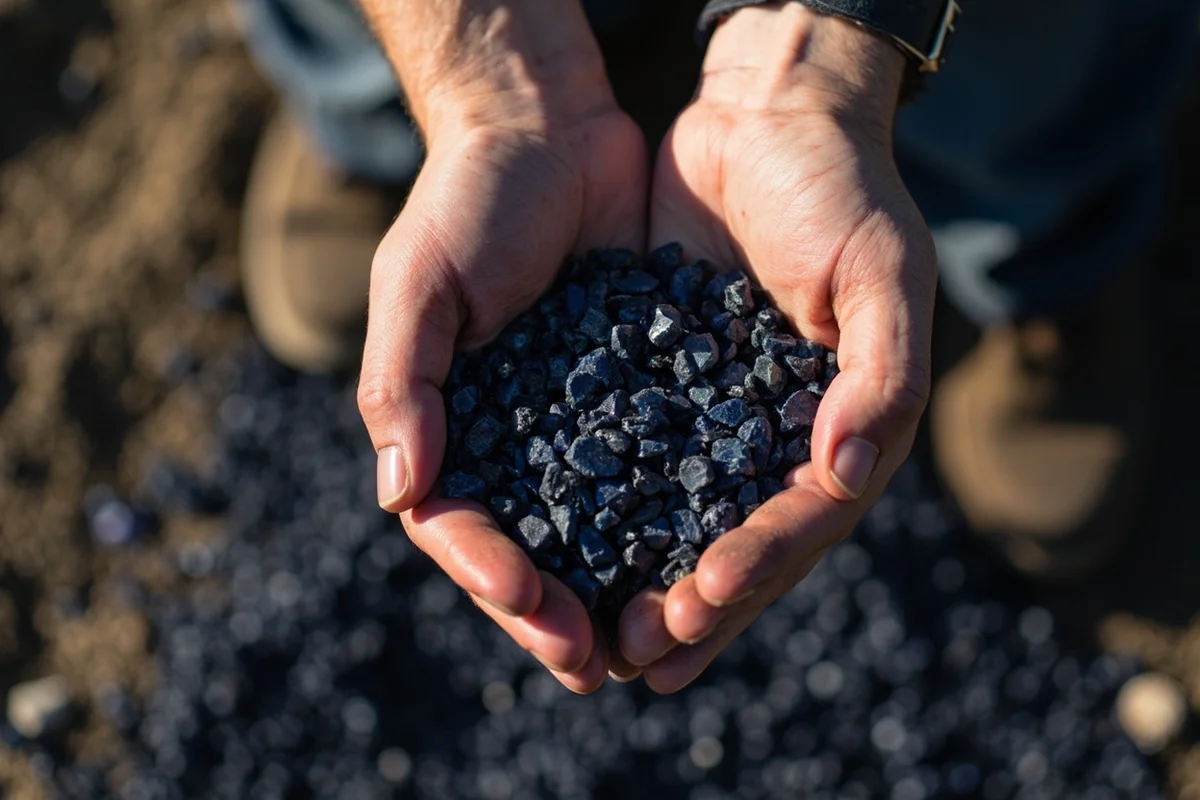
I spent a full day at Gem Mountain near Philipsburg, where you purchase buckets of gravel and wash them yourself, keeping everything you find. After about four hours, I’d found three small sapphires (one greenish, two pinkish) and enough garnets to fill a small jar.
The Spokane Bar Sapphire Mine near Helena offers a different experience—you’re digging in actual mine tailings, which feels more authentic but produces fewer finds.
What I Learned: Arrive early (before 9 AM if possible), bring sunscreen and a hat, and lower your expectations. Finding a huge, perfect sapphire is genuinely rare. But finding small, interesting stones is almost guaranteed, and the experience itself is worth the $30-50 fee.
Agates and Other Stones
Montana agates, particularly the moss agates found along the Yellowstone River, are collector favorites. Unlike sapphire mining, agate hunting is free—you just need access to rivers and gravel bars.
My best agate-hunting spot? A stretch of the Yellowstone River near Forsyth where locals directed me after I’d spent an unproductive morning at a more popular location. I found seven keeper-quality moss agates in two hours.
Food and Beverage Production
Craft Beer: A Barley-Rich Revolution
Montana’s craft beer scene leverages the state’s barley dominance brilliantly. With more than 80 craft breweries statewide, you could spend weeks on a tasting tour.
I’ve visited at least 30 Montana breweries over multiple trips, and my favorites include Bayern Brewing in Missoula (German-style lagers, impeccably made), Bozeman Brewing Company (their Bozone Select amber is fantastic), and Kettlehouse Brewing’s multiple Missoula locations.
What makes Montana breweries special isn’t just quality—it’s the ethos. Many source ingredients almost entirely from Montana: barley, hops, honey, even fruit for specialty beers.
Whiskey and Spirits
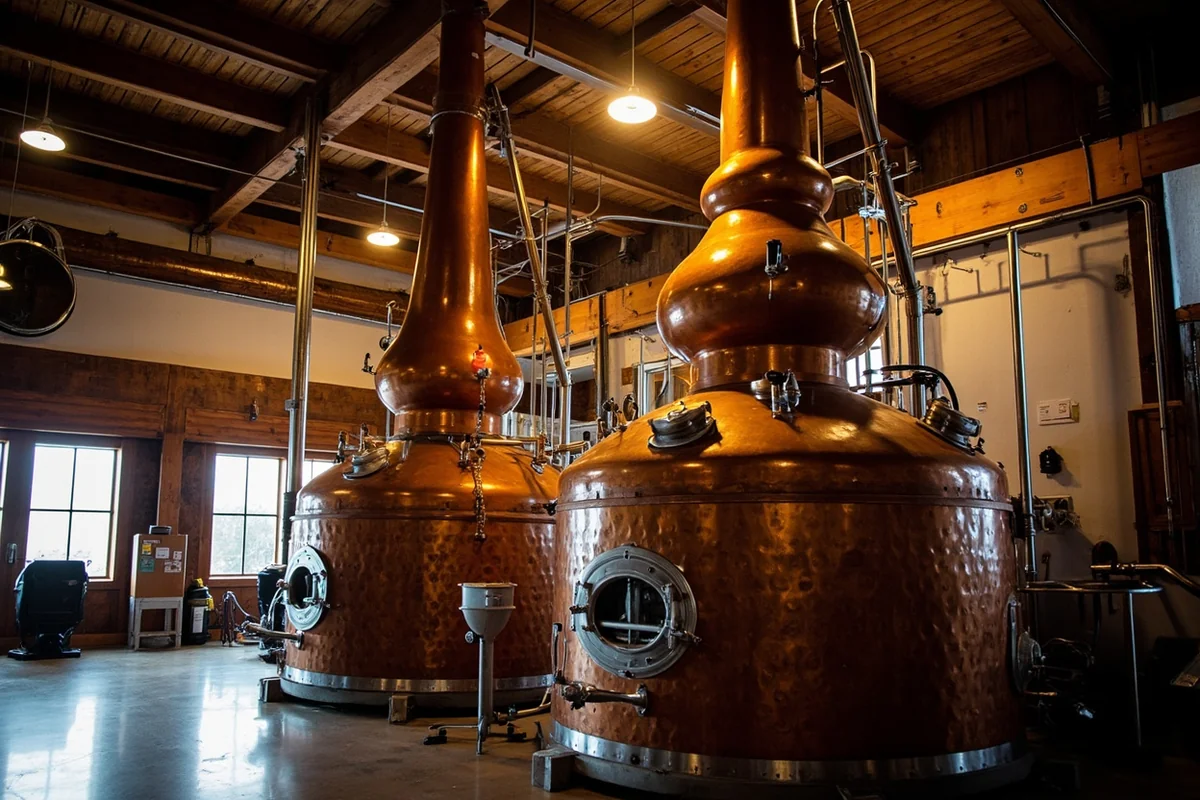
Montana’s whiskey production has exploded in the past decade. Distilleries like Wildrye in Bozeman and Montgomery Distillery in Missoula produce small-batch spirits using Montana grains.
During a tasting at Headframe Spirits in Butte (which operates in a converted mining building), I learned how the same barley that makes great beer makes exceptional whiskey. Their Orphan Girl bourbon, named after a famous Butte mine, has become my go-to Montana souvenir.
Explore more about local products in our guide to the 15 best Montana brands worth supporting during your visit.
Honey: Liquid Gold from the Prairies
Montana’s honey production might be the state’s most underrated product. The northern prairies and mountain wildflower meadows produce exceptional varietal honeys.
I’ve stopped at dozens of roadside honey stands over the years, and Montana honey consistently ranks among the best I’ve tasted anywhere. Look for clover honey from the Hi-Line region (the agricultural area near the Canadian border) and wildflower honey from the mountain valleys.
The Mission Valley, in particular, produces honey with a distinctive flavor profile from the abundant wildflowers and fruit orchards. I once bought five pounds from a stand near Ronan and shipped it home—worth every penny.
Specialty Foods
Beyond the expected products, Montana produces surprising specialty items:
- Huckleberries: While technically wild-harvested rather than “produced,” huckleberry products are everywhere. The wild purple berries grow in mountain forests and appear in jams, syrups, candies, and even soaps. Eva Gates Homemade Preserves near Bigfork sells the best huckleberry syrup I’ve found.
- Bison: Several Montana ranches produce bison meat, marketed as a healthier alternative to beef. The Ted Turner-owned Flying D Ranch near Bozeman has one of the largest herds.
- Artisan Cheese: Amaltheia Organic Dairy near Belgrade produces award-winning goat cheeses. Their chevre with herbs is exceptional.
- Chocolate: The Chocolate Factory in Bigfork makes small-batch confections using Montana ingredients, including huckleberry-filled chocolates that make perfect gifts.
Timber and Forest Products
Montana’s timber industry has evolved significantly, and understanding this history adds context to what you’ll see.
Driving through western Montana, you’ll notice managed forest lands alongside national forests. The difference is subtle but visible once you know what to look for—managed lands have more uniform tree ages and visible logging roads.
Missoula was historically the timber industry’s heart, and the smoke jumper tradition grew directly from the need to protect timber resources. The Smokejumper Visitor Center at Missoula International Airport offers free tours during summer, where you’ll learn how Montana produces not just timber but elite firefighters.
The transition from logging to recreation has shaped towns like Whitefish and Hamilton. But timber production continues, supporting mills that produce everything from dimensional lumber to wood pellets.
Renewable Energy Production
Wind Power
Montana’s wind potential is enormous, and development has accelerated rapidly. The Rimini and Gordon Butte wind farms near Great Falls are visible from Interstate 15, their turbines spinning against the mountain backdrop.
For travelers, wind farms are becoming part of the Montana visual landscape. Some visitors find them ugly; I find them strangely beautiful, especially at sunset when the blades catch golden light.
Hydroelectric Power
Montana’s rivers generate substantial hydroelectric power. The Fort Peck Dam, which I visited during a northeastern Montana road trip, is an engineering marvel worth seeing. The interpretive center explains how this massive structure produces power while creating recreation opportunities.
Ryan Dam near Great Falls offers viewing of the Giant Springs area, where you can see both the historic power generation facilities and one of the largest freshwater springs in North America.
How Production Affects Your Montana Experience
Planning Around Agricultural Seasons
Understanding production cycles helps you time your visit:
- Late February-April: Calving season at ranches; lambing at sheep operations
- May-June: Planting season; fields are green and hopeful
- July-August: Hay cutting; wheat ripening; farm equipment everywhere
- September: Harvest season; combines working dawn to dusk
- October: Cattle roundups; fall shipping
Traffic and Road Considerations
During harvest season, expect slow-moving agricultural equipment on rural highways. I’ve followed combines for miles on Highway 89 near Fairfield. They’ll pull over when possible, but patience is essential.
Spring calving season can mean cattle on or near roads in ranching areas. I once had to wait 20 minutes while a rancher on horseback moved a herd across Highway 287 south of Ennis. It was frustrating initially, then genuinely enjoyable—where else do you get that authentic experience?
Local Events Tied to Production
Montana’s agricultural heritage drives countless local events:
- Northern Montana State Fair (Great Falls, late July): Agricultural exhibitions, livestock judging, rodeo
- MontanaFair (Billings, August): Largest agricultural fair in the state
- Taste of Montana festivals: Various locations feature local products
- Whitefish Winterfest: Surprisingly, includes local product showcases
The Montana tourism industry has increasingly embraced agricultural tourism, so these events are welcoming to visitors.
Economic Context for Curious Travelers
Understanding Montana state wealth and production puts what you’re seeing in perspective.
Montana’s economy is remarkably diverse for a rural state. Agriculture, mining, timber, tourism, and technology all contribute significantly. The Montana GDP per capita has grown steadily, partly due to high-value production and partly due to the influx of remote workers attracted by quality of life.
What strikes me most is how production and tourism increasingly intertwine. Ranches that once solely raised cattle now welcome paying guests. Mines that once produced ore now produce ticket sales. Farms that once shipped all their products now sell directly to visitors.
This isn’t selling out—it’s adaptation, and Montana does it with remarkable authenticity.
Where to Experience Montana Production Firsthand
Best Agricultural Tourism Destinations
Great Falls Area: The “Electric City” sits at the heart of wheat and barley country. Visit during harvest for the full experience. The nearby First Peoples Buffalo Jump State Park shows how production predates European settlement—Native Americans “produced” bison meat and hides through coordinated hunts.
Bozeman/Gallatin Valley: Modern agricultural innovation meets historic ranching. The American Computer and Robotics Museum surprisingly includes agricultural technology exhibits.
Mission Valley: Cherry orchards, small farms, bison ranges. Stop at roadside stands for seasonal produce and honey.
Best Mining Heritage Destinations
Butte: The undisputed champion of mining tourism. Spend at least a full day exploring the World Museum of Mining, the Berkeley Pit, and the uptown historic district.
Helena: The Last Chance Gulch walking mall follows the original gold strike location. The Reeder’s Alley Pioneer Cabin showcases mining-era life.
Philipsburg: A charming town rebuilt around sapphire tourism. Gem Gallery and Sapphire Studio offer both products and education.
Best Food and Beverage Production Experiences
Missoula: Brewery capital of Montana with bonus distilleries and a year-round farmers market.
Bigfork: Concentrated food production from chocolates to huckleberry preserves.
Bozeman: Farm-to-table restaurants sourcing from nearby producers; excellent brewery crawl potential.
Practical Tips for Production-Focused Travel
What to Bring
- Cooler for purchasing local products (honey, meat, cheese)
- Cash—many roadside stands don’t take cards
- Sun protection for outdoor activities like gem hunting
- Boots suitable for farm visits (you will encounter mud or worse)
- Shipping boxes if you plan to buy breakable items
Etiquette at Working Operations
- Never enter agricultural land without permission
- Close all gates—even if they were open when you arrived
- Don’t feed livestock without asking
- Keep dogs in vehicles near working animals
- Ask before photographing workers
Best Souvenirs Related to Montana Production
Every trip, I bring home Montana-produced items. My favorites:
- Raw local honey (ship if flying)
- Huckleberry preserves from Eva Gates or similar
- Montana whiskey or beer (check airline regulations)
- Sapphires you found yourself (even small ones make meaningful jewelry)
- Locally raised beef jerky
- Artisan goat cheese (pack carefully in cooler)
The Future of Montana Production
During my most recent trip this past spring, I noticed changes that suggest Montana’s production landscape is evolving.
More farms advertise agritourism. More ranches have diversified into hospitality. More processors emphasize “Montana-grown” sourcing. The state is learning that production and tourism aren’t separate categories—they’re increasingly the same thing.
Climate change is affecting production too. Farmers I’ve spoken with note shifting precipitation patterns, earlier springs, and more variable winters. Wildfire seasons affect timber production and smoke sometimes impacts tourism in ways that weren’t common decades ago.
But Montanans adapt. They always have. The mining towns that survived by embracing heritage tourism, the ranches that opened their gates to guests, the farmers who added farm stands—all demonstrate this resilience.
Final Thoughts
What Montana produces isn’t just economic activity—it’s cultural identity. The state’s character comes from working with the land, not just admiring it.
When you understand that the wheat field you’re photographing feeds thousands, that the mine you’re touring built cities, that the ranch you’re visiting represents generations of family history, Montana transforms from a pretty backdrop into a living, working place.
I’ve visited Montana more times than I can count, and each trip I learn something new about what this remarkable state produces. The scale impresses me every time. The quality surprises me every time. The pride of the producers humbles me every time.
Whether you’re driving through the Golden Triangle during harvest, descending into a Butte mine shaft, panning for sapphires near Philipsburg, or simply enjoying a locally-sourced meal in Bozeman, you’re experiencing Montana production firsthand. That connection between visitor and producer is what makes travel here so meaningful.
Book that ranch stay. Stop at that roadside honey stand. Tour that brewery. Ask questions. Montana’s producers are proud of what they do, and they want to share it with you.
Frequently Asked Questions
What agricultural products is Montana most famous for producing?
Montana is one of the top wheat-producing states in the US, and you’ll see endless golden fields stretching across the eastern plains, especially during summer harvest. The state also produces significant amounts of barley, lentils, and honey—I always recommend picking up local Montana honey at farmers markets as a delicious souvenir.
Can I visit working farms and ranches during my Montana trip?
Absolutely! Many Montana ranches offer agritourism experiences where you can participate in cattle drives, stay at working guest ranches, and learn about sustainable farming. Expect to pay between $150-$400 per night for ranch stays that include meals and activities. The best time to visit working ranches is late spring through early fall when operations are in full swing.
Where can I buy locally produced Montana goods while traveling through the state?
Farmers markets in Missoula, Bozeman, and Helena are fantastic for locally produced items like huckleberry products, artisan cheeses, and grass-fed beef. I’ve found that small-town general stores along Highway 2 often stock authentic Montana-made goods at better prices than tourist shops near Glacier National Park.
Is Montana’s craft beer and distillery scene worth exploring for travelers?
Montana has over 90 craft breweries and numerous distilleries producing award-winning whiskey and vodka using locally grown grains. The Bozeman and Missoula brewery trails are especially popular, with tasting flights typically running $8-$15. Many breweries source their barley directly from Montana farms, so you’re literally tasting the state’s agricultural production.
What mining and natural resources can I learn about during a Montana vacation?
Montana’s nickname ‘The Treasure State’ comes from its rich mining history—you can tour the World Museum of Mining in Butte or pan for sapphires in Philipsburg for around $25-$50. The state still produces talc, palladium, and coal, and the Berkeley Pit in Butte offers a fascinating (if sobering) look at large-scale copper mining’s environmental legacy.
When is the best time to visit Montana to experience harvest season and local food festivals?
Late August through early October is ideal for experiencing Montana’s harvest season, when you’ll find fresh produce, grain harvests in progress, and numerous food festivals. The Montana State Fair in late July and various county fairs throughout August showcase the state’s agricultural production with livestock shows and locally grown food competitions.
How does Montana’s timber industry impact scenic drives and hiking trails?
Montana remains a significant timber-producing state, and you’ll notice active logging operations especially in the northwestern region near Libby and along Highway 200. While some areas show clear-cut sections, many trails in national forests wind through sustainably managed timberlands—just be prepared for occasional logging truck traffic on forest roads and pack patience for brief delays.
Sources:
- https://www.montana.edu/extension/agimpact/statewidereport.html
- https://www.montana.edu/extension/broadwater/blog-article.html?id=21379
- https://agresearch.montana.edu/publications/2017_report.html
- https://www.eia.gov/state/?sid=MT
- https://www.usgs.gov/centers/national-minerals-information-center/mineral-industry-montana
- https://dnrc.mt.gov/forestry/Forest-Products/
- https://ustr.gov/map/state-benefits/mt
- https://lmi.mt.gov/_docs/0422-ImportExport.pdf
- https://www.nass.usda.gov/Statistics_by_State/