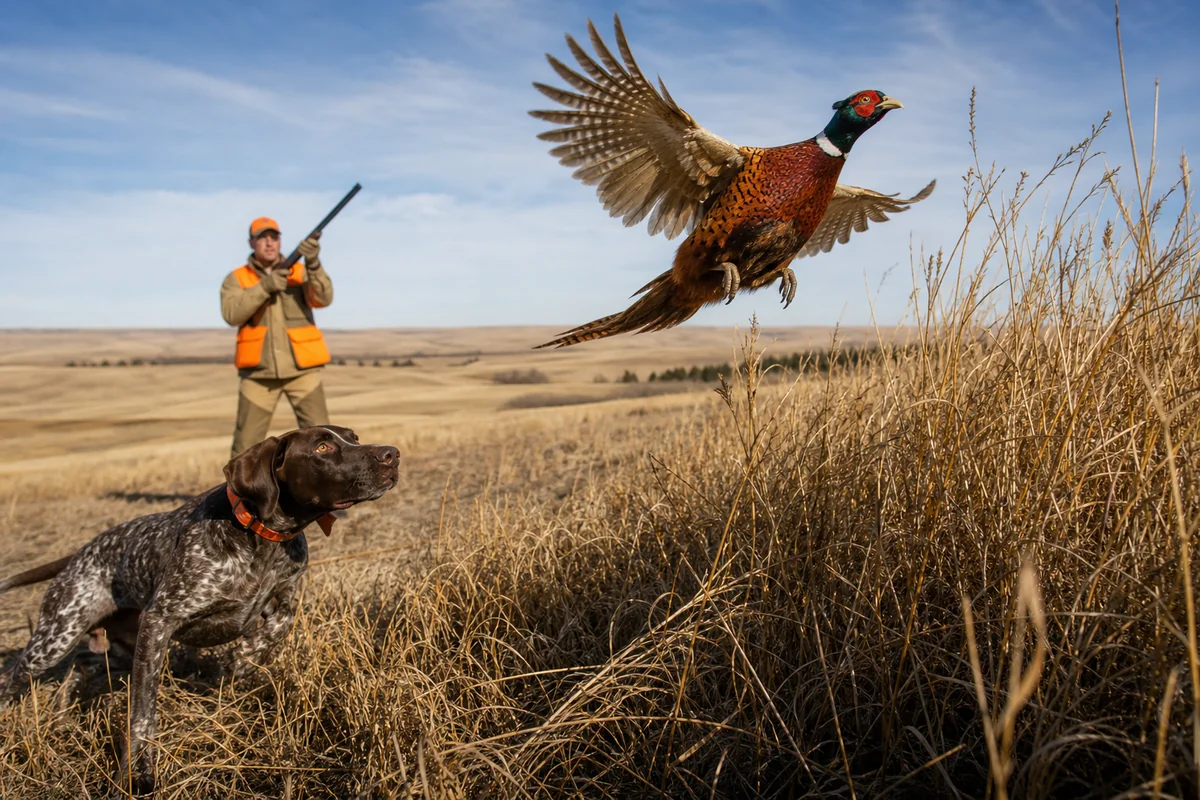
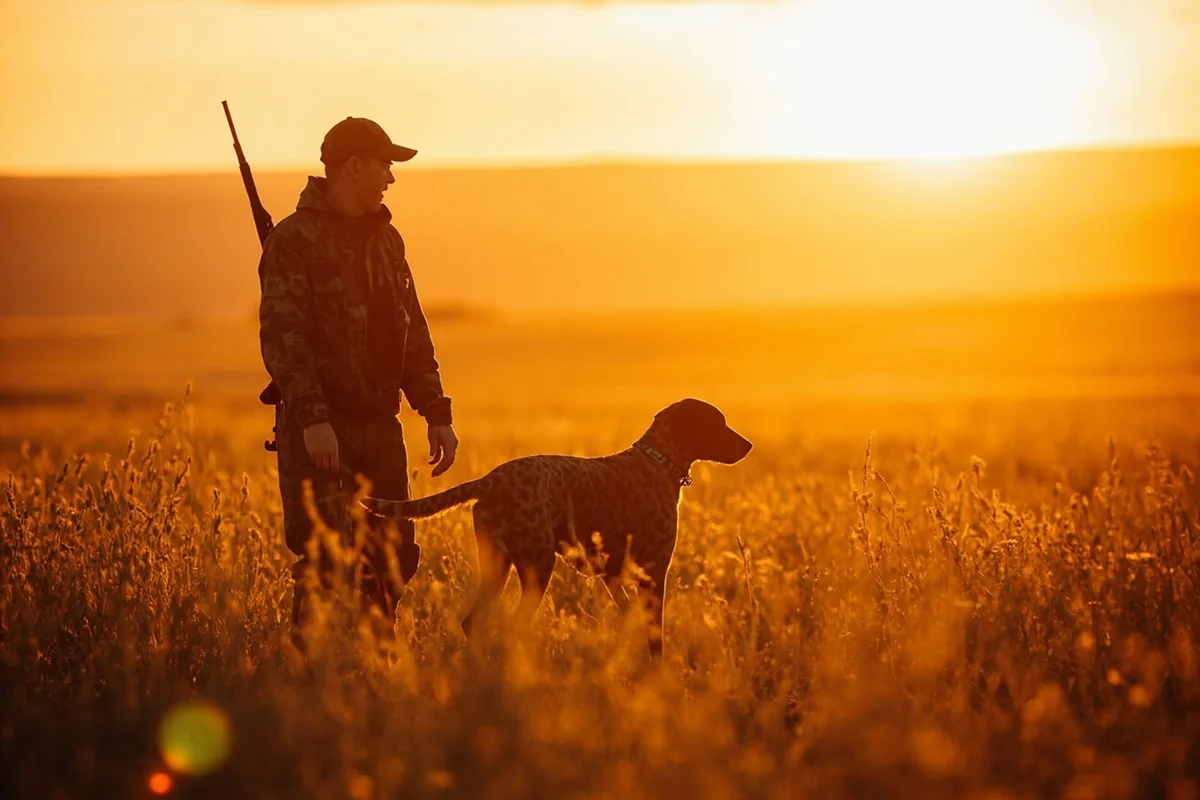
The first rooster I ever flushed in Montana exploded from a patch of CRP grass so close to my boots that I nearly fell backward into a frozen irrigation ditch near Chinook.
That heart-pounding moment, with my German Shorthair locked on point just seconds before, perfectly captures why thousands of hunters travel to Big Sky Country each fall chasing ring-necked pheasants.
If you’re planning a trip and want to experience everything Montana offers hunters, our comprehensive Montana Hunting Guide covers every species and season worth pursuing.
- Montana’s pheasant season runs from the first Saturday in October through January 1st
- Northeastern Montana (Region 6) offers the best wild pheasant populations and public access
- Non-resident upland game bird license costs $125.50 plus a $10 base license
- Daily bag limit is 3 roosters (males only), possession limit is 9
- Block Management Areas provide free access to over 8 million acres of private land
- Prime hunting occurs mid-October through mid-November before deep snow arrives
- A well-trained pointing dog dramatically increases success rates in Montana’s vast grasslands
Why Montana Deserves a Spot on Your Pheasant Hunting Bucket List
I’ll be honest with you—Montana isn’t South Dakota when it comes to sheer pheasant numbers. But here’s what most hunters don’t realize until they experience it firsthand: Montana offers something increasingly rare in American upland hunting.
During my last trip to Valley County in October, I hunted three consecutive days without seeing another hunter in the field. Not one orange vest on the horizon, no truck doors slamming at dawn, no racing to beat someone to a piece of public ground.
That solitude, combined with genuinely wild birds that haven’t been pressured since opening weekend, creates an experience that’s become nearly impossible to find elsewhere. These aren’t pen-raised pheasants waddling through manicured fields—they’re survival-tested roosters that flush wild and fly like their lives depend on it.
The landscape itself contributes to the magic. Golden wheat stubble stretches to distant buttes, coulees cut through the prairie like wrinkles on weathered skin, and the Missouri River breaks provide dramatic backdrops you won’t find in flatter pheasant states.
Understanding Montana’s Pheasant Distribution
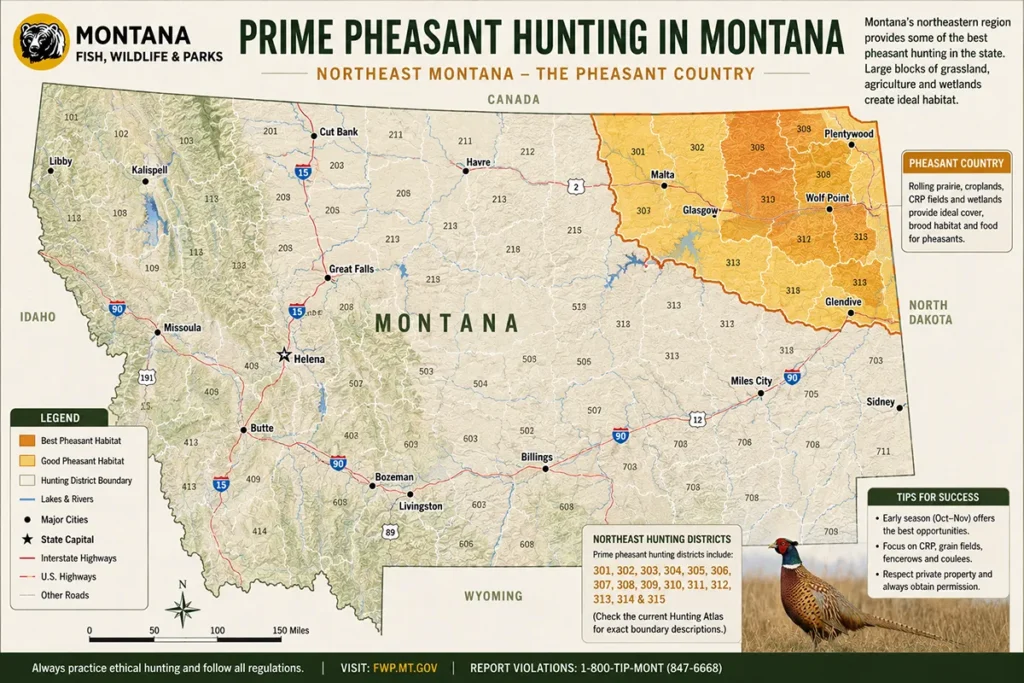
Ring-necked pheasants in Montana concentrate primarily in the northeastern and north-central portions of the state. After hunting various regions over multiple seasons, I’ve developed a clear picture of where your efforts will pay off.
Region 6: The Pheasant Promised Land
If you’re serious about Montana pheasants, Region 6 deserves your full attention. This sprawling northeastern territory encompasses the Hi-Line communities along Highway 2 and extends south to the Missouri River.
Phillips, Valley, Blaine, and Chouteau counties consistently produce the state’s best pheasant hunting. During my most productive trip, I worked CRP fields near Malta and collected my three-bird limit before noon on consecutive days.
The landscape here features exactly what pheasants need: agricultural grain production interspersed with Conservation Reserve Program grasslands, wetland edges, and brushy shelterbelts. Winter wheat and barley stubble provides food, while thick grass offers escape cover and nesting habitat.
Region 4: Central Montana Pockets
The central region around Lewistown and the Judith Basin holds decent pheasant populations, though more scattered than the northeast. I’ve found birds here while deer hunting Montana’s prairie country, often jumping roosters while walking to my whitetail stands.
This area works well if you’re combining species during a longer Montana trip. The terrain mixes irrigated farmland with native prairie, creating habitat islands where pheasants concentrate.
Region 7: Southeastern Opportunities
The southeastern corner near Miles City and Glendive offers underrated pheasant hunting. Agricultural corridors along the Yellowstone River hold birds, and hunting pressure remains light compared to more famous destinations.
I spent three days exploring this region last November and found consistent bird numbers in the river bottoms. The added bonus here is the chance to encounter sharp-tailed grouse and Hungarian partridge in the uplands—making it excellent territory for Montana upland bird hunting variety.
Season Dates and Legal Requirements
Montana’s pheasant season provides a generous window to plan your trip, though timing your visit strategically makes a significant difference in your experience.
Season Structure
The general pheasant season opens on the first Saturday in October and runs through January 1st. That three-month window offers flexibility, but not all periods hunt equally.
Opening weekend attracts the most pressure, particularly on accessible public lands. If you can manage mid-week hunting during the second or third week of October, you’ll encounter fewer hunters and birds that haven’t been heavily educated yet.
By late November, deep snow can make access challenging and push birds into concentrated winter cover. I’ve had both my best and worst Montana pheasant hunts in December—feast or famine depending on weather conditions.
Bag Limits and Regulations
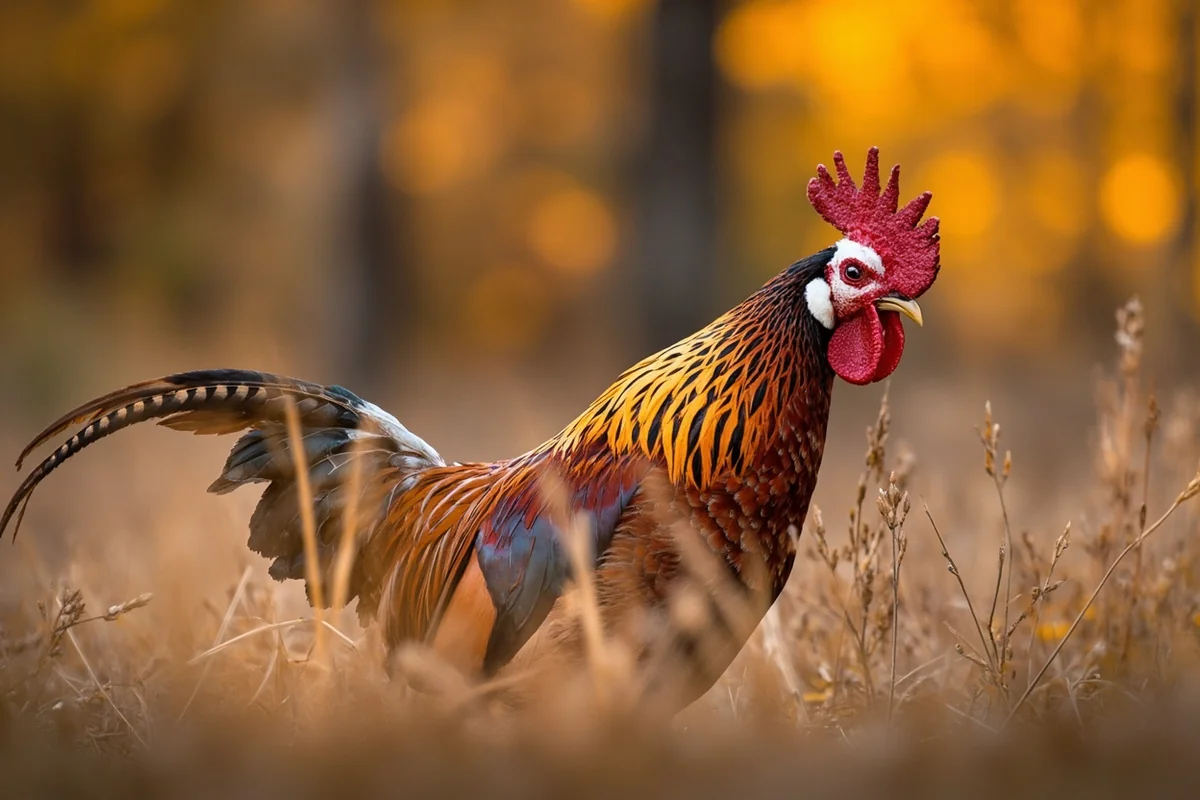
Montana maintains straightforward pheasant regulations: three roosters per day, nine in possession. Hens remain protected year-round, so shot selection matters.
This rooster-only rule means you’ll pass on numerous hens, especially early in the season when juveniles can be difficult to identify in flight. I keep my shots deliberate and wait for clear identification—that flash of white neck ring and long tail streaming behind.
Understanding the broader Montana hunting regulations framework helps ensure you stay legal throughout your trip.
License Requirements and Costs
Non-resident hunters need both a base conservation license and an upland game bird license to hunt pheasants legally. The current Montana hunting license costs for non-residents break down as follows:
| License Type | Non-Resident Cost | Notes |
|---|---|---|
| Base Conservation License | $10.00 | Required for all hunting |
| Upland Game Bird License | $125.50 | Covers pheasants, grouse, partridge |
| Migratory Bird License | $22.75 | Add if hunting doves |
| TOTAL (Upland Only) | $135.50 | Available online at FWP |
Purchase your Montana hunting license through the FWP online system before your trip. The upland license covers all upland game birds, so you’re automatically legal for sharp-tailed grouse, Hungarian partridge, and other species you might encounter.
Finding Access: Public Land and Block Management
Access often determines success in Montana pheasant hunting. Unlike some states where private land dominates, Montana offers multiple pathways to quality hunting ground.
Block Management Areas (BMAs)
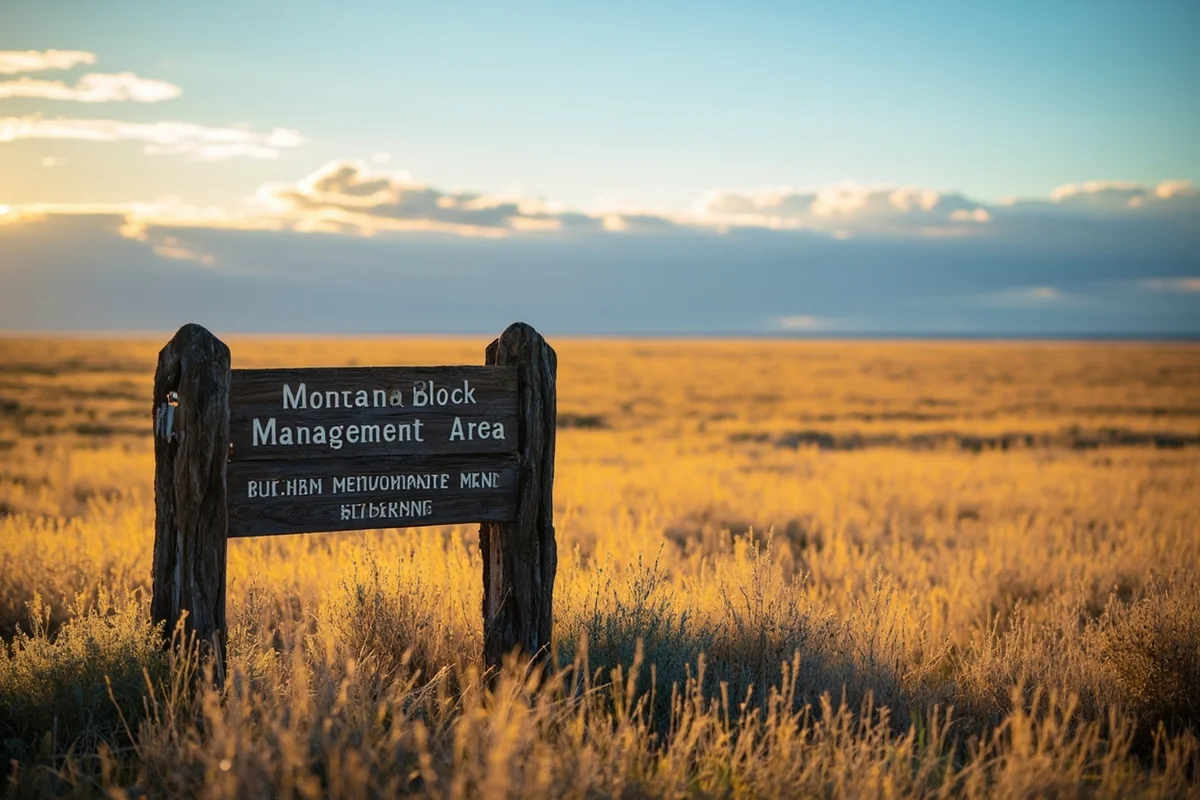
Montana’s Block Management program represents one of the best public access initiatives in American hunting. Private landowners enroll their property, and hunters gain free access during designated seasons.
During my first Montana pheasant trip, I relied almost exclusively on Block Management. The system works remarkably well—you simply check the regulations for each enrolled property, sign in at designated entry points, and hunt within posted boundaries.
Some of my most memorable hunts have occurred on BMA properties. A particular wheat farm near Saco produced limits two days running, with the landowner actually stopping by to share intel about where birds were holding that week.
The key with BMAs is planning ahead. Popular properties fill quickly, and some require reservations or have daily hunter limits. Download the FWP Hunt Planner app and identify multiple options before your trip.
State Land Opportunities
Montana’s State Trust Lands are open to hunting unless specifically closed. These scattered sections throughout the prairie provide additional options, though access can require walking through private property.
The rules around hunting on Montana state land have nuances worth understanding before you go. Corner-crossing remains legally gray, so plan routes that access state sections without trespassing.
I’ve found excellent pheasant cover on state lands that most hunters overlook. The effort required to reach them keeps pressure low.
Federal Lands and Wildlife Management Areas
Bureau of Land Management (BLM) parcels scattered across northeastern Montana hold pheasants, particularly when they border agricultural land. These public squares often get overlooked by hunters focused on private ground.
Charles M. Russell National Wildlife Refuge offers limited but productive pheasant hunting in the Missouri River breaks. The terrain challenges you physically, but birds using the agricultural edges receive minimal pressure.
Benton Lake NWR near Great Falls permits upland hunting during specified periods. Check current regulations—seasons and access vary annually.
Asking Permission
Don’t underestimate the value of knocking on doors. Montana ranchers appreciate hunters who ask permission rather than assuming access, and many will grant it for the asking.
I’ve developed ongoing relationships with several landowners near Chinook simply by being respectful, offering to share birds, and following through on promises to close gates and avoid crop damage. One family now invites me back annually.
Bring something small as a gesture—local honey, quality steaks, or a nice bottle of whiskey goes further than you’d expect.
Gear and Equipment for Montana Pheasants
Montana’s prairie environment demands specific gear considerations. The terrain and weather differ substantially from Midwest pheasant hunting.
Shotguns and Loads
I’ve settled on a 12-gauge over/under as my primary Montana pheasant gun. The open country often produces longer shots than Eastern hunters expect, and having two chokes available (improved cylinder and modified) covers most situations.
For ammunition, I load 2¾-inch shells with 1¼ ounces of #5 shot. This combination delivers sufficient pattern density at 35-40 yards while keeping recoil manageable during long walks. I carry a few #4s for late season when birds flush extremely wild.
Steel shot works adequately on pheasants if you prefer non-toxic, though it’s not legally required for upland birds. I’ve switched largely to bismuth for its performance advantage at range.
Clothing Systems
Montana weather changes rapidly, especially during pheasant season. I layer aggressively and always pack more than I think I’ll need.
Base layers wick moisture during the miles you’ll walk. Mid-layers provide insulation you can add or remove. An outer shell blocks wind—because Montana wind is relentless and cuts through inadequate gear instantly.
Brush pants with nylon facings protect legs when pushing through dense CRP. I learned this lesson the hard way when cheat grass seeds worked through lightweight upland pants and left me pulling tiny barbed seeds from my skin for days.
Quality boots matter immensely. I wear uninsulated leather upland boots for early season and switch to insulated options once temperatures drop. Ankle support helps on uneven coulees and prairie dog towns.
Other Essential Gear
- GPS unit or smartphone app with downloaded offline maps
- Plenty of water for both you and your dog
- Compact first aid kit including blister treatment
- Game vest with adequate carrying capacity
- Polarized sunglasses (prairie glare is intense)
- Sunscreen—even in October, high altitude sun burns
- Compact binoculars for glassing distant birds
The Dog Question: Essential or Optional?
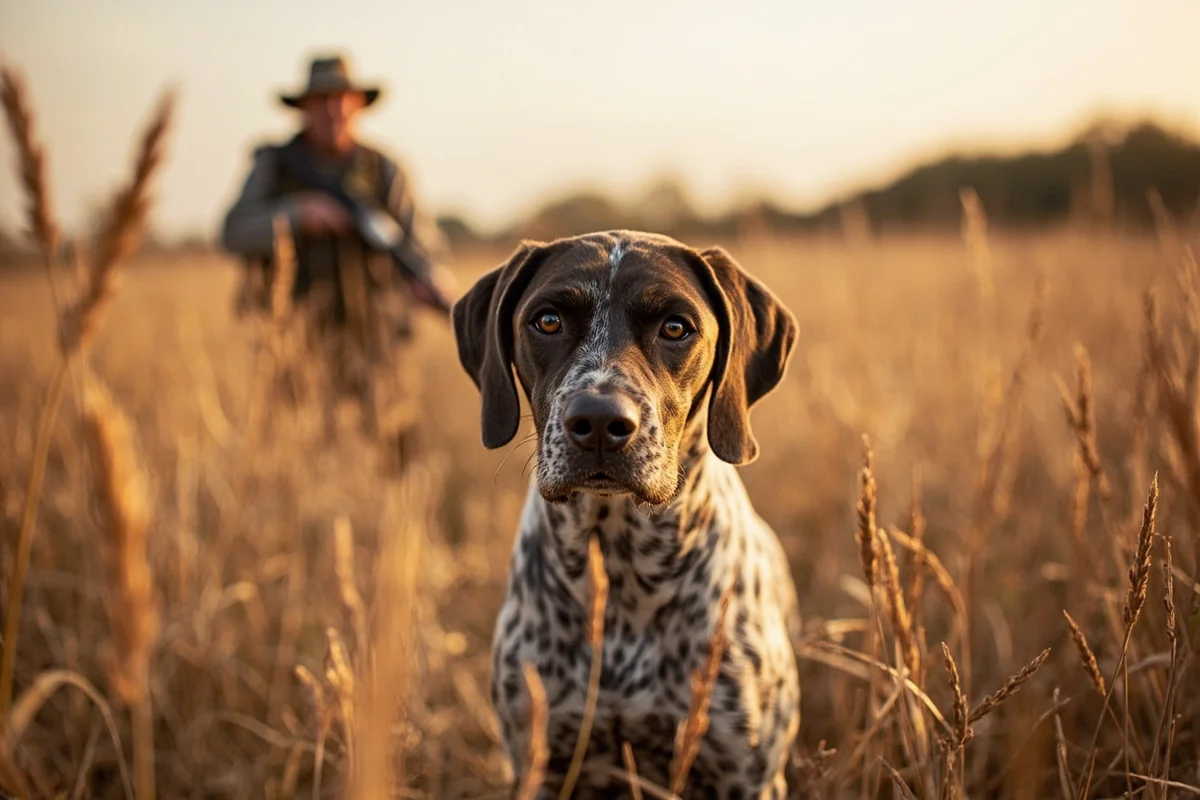
I’ll give you an honest assessment: hunting Montana pheasants without a dog is possible but dramatically less effective. The vast grasslands hide birds that won’t flush until nearly stepped upon.
Why Dogs Matter More Here
During one November hunt near Glasgow, I tracked my dog’s GPS collar as she worked a CRP field. She covered nearly 15 miles while I walked approximately 5. That extra ground coverage found birds I never would have encountered alone.
Roosters in Montana’s sparse cover run extensively before flushing. A dog that relocates running birds and pins them prevents the endlessly frustrating scenario of walking birds out ahead of you without ever getting a shot.
Retrieval matters equally. Crippled birds that hit the ground running disappear into prairie grass instantly. Even lightly wounded roosters can cover surprising distances before dying. My dog has recovered birds I would have lost completely.
Breed Considerations
Pointing breeds excel in Montana’s open terrain. German Shorthaired Pointers, English Pointers, and Brittanys cover ground efficiently and provide the advance warning of game that makes shots possible.
Flushing breeds work but require closer hunting in the big country. Labs and Springers can produce birds effectively in tighter cover like shelterbelts and wetland edges.
If you don’t own a bird dog, guided hunts provide access to trained dogs. Several outfitters in northeastern Montana offer day hunts that include dog work.
Dog Care in Montana Conditions
Prairie hazards threaten dogs more than hunters. Cactus spines penetrate pads, foxtails work into ears and between toes, and rattlesnakes remain active into early October.
I carry forceps for spine removal, rinse ear canals daily, and keep my dog current on rattlesnake aversion training. Conditioning before the trip prevents early fatigue—Montana hunting requires miles of walking daily.
Hunting Strategies That Work
After multiple Montana pheasant seasons, I’ve refined my approach to match what actually produces birds in this landscape.
Reading the Habitat
Pheasants in Montana follow predictable patterns based on time of day and weather conditions. Morning finds birds in shorter cover near food sources—stubble fields, harvested grain, and field edges. By midday, they’ve retreated to thicker grass for loafing and escape cover.
I start each morning working edges where CRP meets agricultural fields. Roosters feed early and remain near food until pushed or until temperature motivates them to seek shade.
As the day progresses, shift to denser cover: thick CRP grass, cattail edges, plum thickets, and shelterbelts. Pheasants concentrate in these areas during midday and hold tighter.
Working CRP Effectively
Conservation Reserve Program fields provide primary pheasant habitat throughout Montana’s prairie. Learning to read and work these grasslands efficiently separates successful hunters from frustrated ones.
Not all CRP holds birds equally. Look for stands with mixed grass heights, scattered weed patches, and proximity to food sources. Monotonous stands of single grass species often hold few birds.
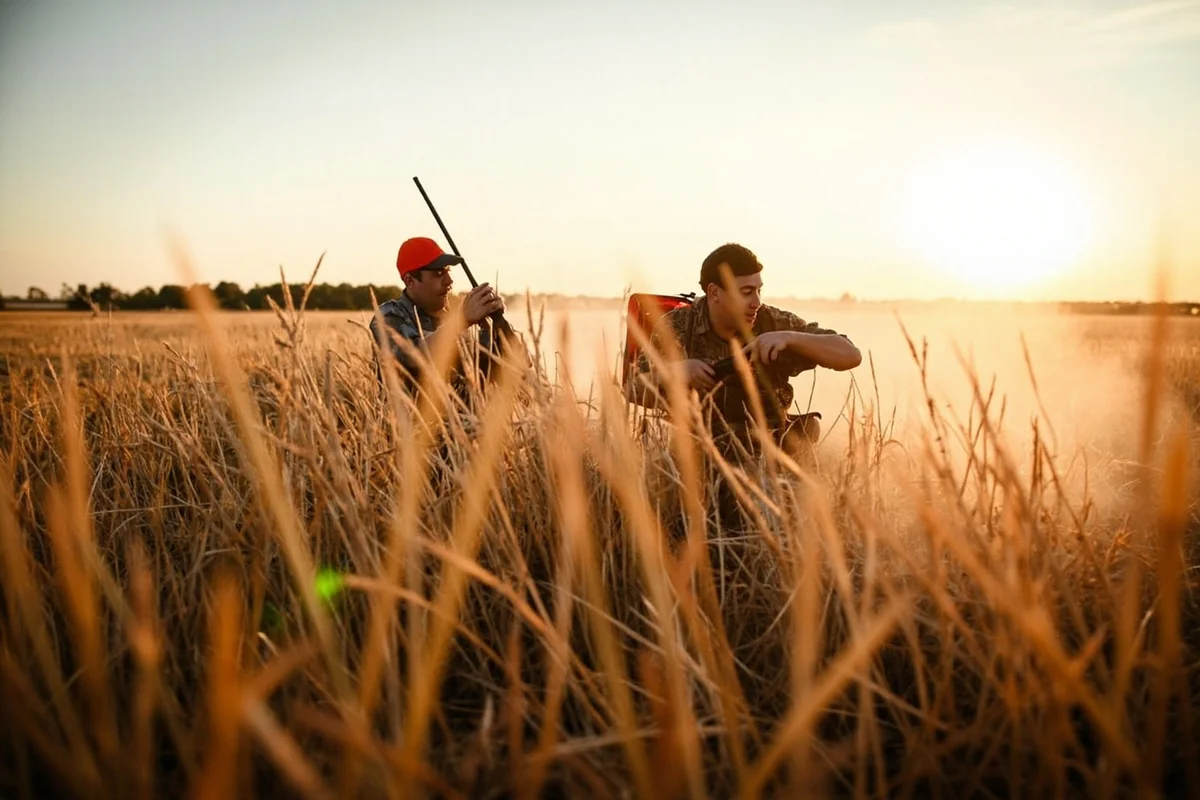
I work CRP in strips, covering the entire width systematically rather than wandering randomly. Two hunters can push birds toward each other by starting at opposite ends. Solo hunters should work toward natural barriers—roads, fences, or cover transitions that concentrate flushing birds.
Using Terrain Features
Montana’s prairie isn’t flat, despite appearances. Subtle drainages, coulees, and rises influence how birds move and hold.
Pheasants gravitate toward draws and creek bottoms that provide heavier cover and moisture. These linear features also funnel birds predictably—working up a draw often produces running birds that eventually hold in thicker patches.
I’ve learned to check every small depression and brushy drainage I cross, even when the surrounding country looks barren. Roosters tuck into surprisingly small cover patches and hold tight until nearly stepped on.
Weather Influences
Weather dramatically affects Montana pheasant behavior and hunter success. Cold fronts with dropping temperatures make birds active and concentrated—some of my best hunts followed early snowstorms.
Wind presents challenges and opportunities. Birds become nervous and flush wild in high wind, but they also concentrate in sheltered pockets. I focus on lee slopes and protected draws during windy days.
Rain typically puts birds down and holds them tight. Light drizzle can produce excellent hunting as roosters sit tight in grass and flush closer.
Combining Species for a Complete Trip
Smart planning allows you to pursue multiple species during a Montana pheasant trip. The upland license covers several birds beyond ring-necks.
Sharp-tailed grouse share much of Montana’s pheasant range. These prairie natives hold in different cover—shorter grass, sagebrush flats, and dancing grounds—but the same days in the field can produce both species.
Hungarian partridge coveys scatter through agricultural areas, often flushing unexpectedly while walking to pheasant cover. Their explosive flush and fast flight provide challenging shooting.
Mourning doves remain legal through October in some areas, adding pass-shooting opportunities near water sources.
If you’re interested in waterfowl, Montana duck hunting seasons overlap with pheasant season, and many northeastern reservoirs hold migrating birds. Morning duck hunts can precede afternoon upland walks.
Some hunters extend trips to include big game. Montana’s deer seasons coincide with pheasant season, and carrying a Montana deer tag allows you to fill the freezer if opportunity arises. Pursuing Montana whitetail deer in the river bottoms while pheasant hunting keeps things interesting.
Where to Stay and Trip Logistics
Planning logistics for northeastern Montana requires some adjustment for hunters accustomed to more developed pheasant destinations.
Base Towns
Malta serves as my preferred base for Region 6 hunts. The town offers several motels, restaurants, and essential services while centering you in prime habitat. The Great Northern Hotel provides clean rooms and dog-friendly policies.
Glasgow and Chinook both work as alternatives with similar services. Wolf Point on the Fort Peck Reservation provides access to different terrain.
None of these are resort towns—expect basic accommodations and limited dining options. Grocery stores can resupply dog food and basics, but pack specialty items from home.
Travel Considerations
Most hunters fly into Billings or Great Falls and drive north. The trip to Malta from either airport takes roughly 3-4 hours. Plan your arrival day for travel only—you won’t reach prime country early enough to hunt.
Rent an SUV or truck with four-wheel drive. October and November conditions can deteriorate quickly, and accessing Block Management sometimes requires navigating muddy two-tracks. I learned this lesson when my rental sedan became hopelessly stuck on a BMA road after unexpected rain.
Fuel up whenever possible—gas stations are sparse in the prairie, and distances between towns surprise first-time visitors.
Guided vs. DIY Hunting
Both approaches can succeed in Montana, with distinct advantages to each.
DIY Advantages
The extensive public access through Block Management makes DIY hunting viable for prepared hunters. You control your schedule, pace, and focus areas entirely. The satisfaction of figuring out birds on public land exceeds anything a guided hunt provides.
Costs drop dramatically when guiding yourself. License, lodging, and travel remain your only major expenses.
When Guides Make Sense
First-time Montana visitors benefit from local knowledge that takes years to develop independently. Guides know current bird concentrations, property access, and seasonal patterns.
Hunters without dogs should seriously consider guided options. The dog work alone justifies guide fees for many hunters.
Several reputable outfitters operate in northeastern Montana. Expect to pay $350-500 per day for guided pheasant hunts including dogs. Multi-day packages typically reduce daily rates.
Conservation and the Future of Montana Pheasants
Montana’s pheasant population fluctuates with habitat conditions and weather. Understanding these dynamics helps set realistic expectations.
Habitat Concerns
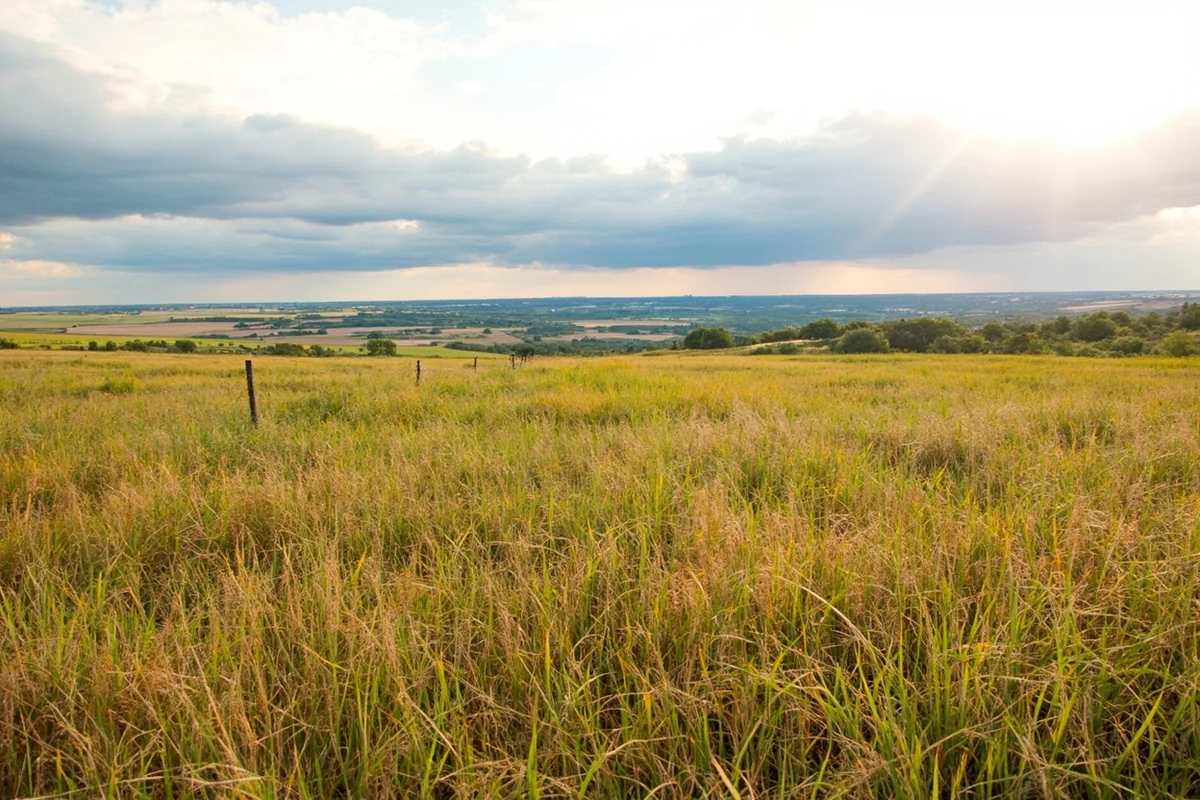
Pheasants in Montana depend heavily on CRP enrollment. When contracts expire and farmers return land to production, pheasant numbers decline correspondingly. Federal farm bill provisions directly impact hunting opportunity.
Support organizations like Pheasants Forever that work on habitat improvements and advocate for conservation programs. The local chapter in Montana has accomplished impressive work on public access and habitat restoration.
Climate and Weather Impacts
Severe winters periodically devastate Montana’s pheasant population. Deep snow and extreme cold kill birds directly and reduce spring breeding populations.
Following tough winters, hunting quality suffers for 2-3 years as populations recover. Checking FWP brood survey reports before planning trips helps assess current conditions.
Drought also impacts production—dry springs reduce nesting success and brood survival. The 2021 drought noticeably affected bird numbers the following season.
Making the Most of Your Montana Pheasant Trip
After reflecting on numerous Montana pheasant hunts, I’ve distilled what separates great trips from disappointing ones.
Plan more days than you think necessary. Weather, access issues, and simple bad luck can ruin individual hunting days. Having buffer time allows recovery without ruining your entire trip.
Scout before hunting. Driving roads in late afternoon reveals roosters feeding in stubble fields. Mark concentrations and return the following morning.
Stay flexible on locations. If one area isn’t producing, move. Montana offers enough huntable ground that staying stubbornly on poor habitat wastes precious time.
Manage your dog carefully. The temptation to hunt hard all day for a week leads to exhausted, injury-prone dogs by trip’s end. Build in rest days and limit morning sessions when birds are concentrated.
Take photos and enjoy the landscape. Montana’s beauty deserves appreciation beyond simply pursuing game. Some of my most treasured memories involve simply watching the sunrise over the Missouri breaks before walking into a new CRP field.
The pheasant hunting in Montana won’t deliver South Dakota numbers, but it offers something increasingly precious: wild birds, open country, and genuine solitude. That combination makes every rooster earned feel like a significant accomplishment rather than routine success.
Check the broader Montana hunting seasons calendar when planning your trip—you might find opportunities to add species and extend your adventure. And always review current Montana deer hunting regulations if you’re considering combining your pheasant trip with big game.
Whether you’re an experienced upland hunter seeking new territory or a first-timer ready to experience Big Sky Country’s prairie, Montana’s pheasants await. The birds are wild, the country is big, and the memories you’ll create justify every mile of travel to get there.
Frequently Asked Questions
When is the best time to go pheasant hunting in Montana?
Montana’s pheasant hunting season typically runs from early October through January 1st, with the best hunting occurring in late October and November when birds are fully mature and crops have been harvested. I’d recommend planning your trip for mid-November when cooler temperatures keep dogs comfortable and pheasants are concentrated near remaining cover.
Where are the best pheasant hunting areas in Montana?
The most productive pheasant hunting in Montana is found in the eastern and north-central regions, particularly around the Milk River Valley, Teton County, and the agricultural areas near Glasgow and Malta. Public hunting opportunities exist on Block Management Areas (BMAs) and USDA Conservation Reserve Program (CRP) lands, which you can locate using Montana FWP’s online hunting access maps.
How much does a Montana pheasant hunting trip cost for out-of-state hunters?
A non-resident upland bird license in Montana costs around $125, plus a $10 conservation license and $6 base hunting license fee. Guided pheasant hunts typically run $350-$600 per day including dogs and transportation, while DIY hunters should budget $100-$200 daily for lodging, fuel, and meals in rural Montana towns.
Do I need a hunting dog for pheasant hunting in Montana?
While you can hunt pheasants without a dog in Montana, having a well-trained pointing or flushing dog dramatically increases your success rate in the thick CRP grass and cattail sloughs where roosters hide. If you don’t own a bird dog, many outfitters offer guided hunts with experienced dogs, or you can connect with local hunting clubs that sometimes pair visiting hunters with dog owners.
What gear should I pack for a Montana pheasant hunting trip?
Essential gear includes a reliable 12 or 20-gauge shotgun, plenty of size 4-6 shot shells, blaze orange vest and hat (required by law), and sturdy upland boots rated for walking 5-10 miles daily through rough terrain. Don’t forget layered clothing for Montana’s unpredictable fall weather, which can swing from 60°F to below freezing, plus brush pants or chaps to protect against thorny vegetation.
What is the daily bag limit for pheasants in Montana?
Montana allows a daily bag limit of 3 pheasants with a possession limit of 9 birds after the first day of hunting. Only roosters (male pheasants) are legal to harvest, so be sure you can identify the colorful males from the brown hens before pulling the trigger.
How do I access private land for pheasant hunting in Montana?
Montana’s Block Management Program provides free public access to millions of acres of private land enrolled by cooperating landowners—simply sign in at designated access points and follow posted rules. For land not enrolled in the program, always ask permission directly from landowners at least a few days before your hunt, and offering to share birds or help with ranch chores goes a long way in rural Montana communities.