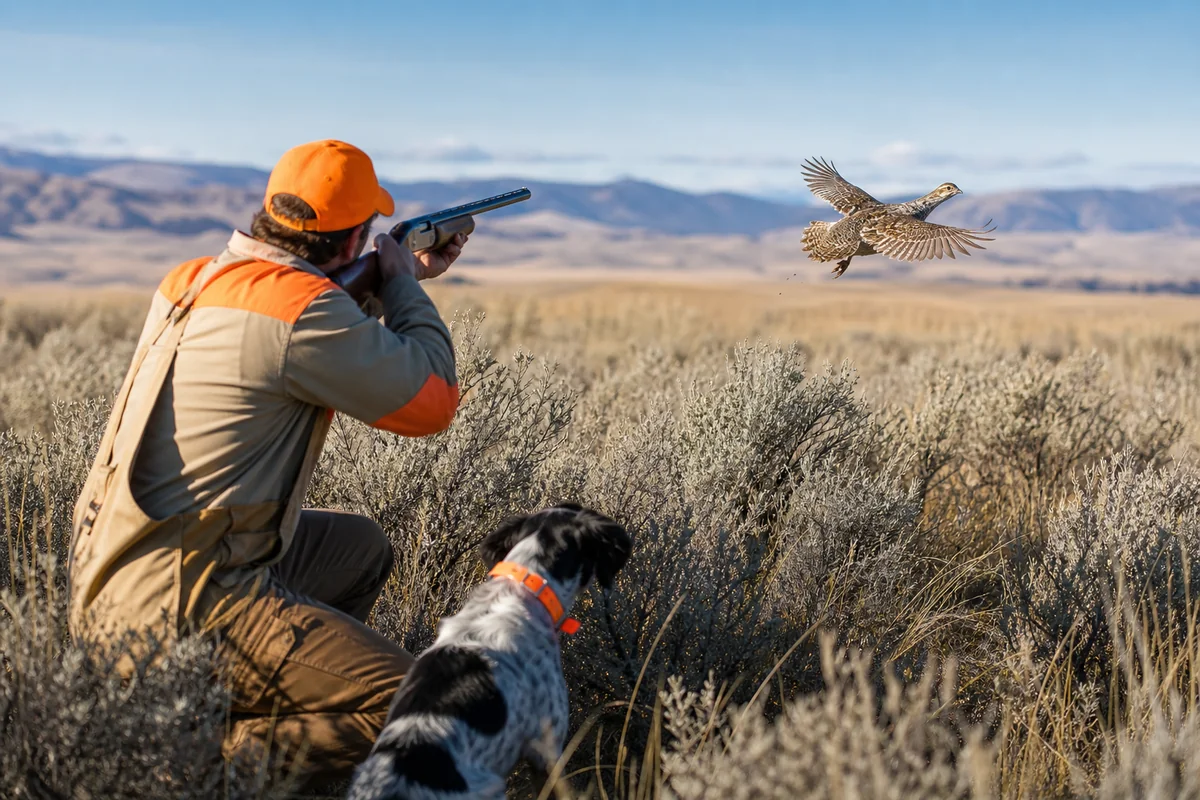
The first sharptail grouse I flushed in Montana exploded from a patch of silver sagebrush so close I could hear its wings clipping the woody stems—and I missed both barrels completely.
That humbling October morning near Lewistown taught me something every upland hunter eventually learns: Montana’s wild birds don’t play by preserve rules, and that’s precisely what makes pursuing them here so addictive.
If you’re building your Montana hunting guide itinerary, upland bird hunting deserves a prominent spot on your list.

- Montana offers wild populations of sharp-tailed grouse, Hungarian partridge, ring-necked pheasants, sage grouse, blue grouse, and ruffed grouse
- The general upland season runs from September through January, varying by species
- Best regions: Hi-Line for Huns and sharptails, central Montana for pheasants, western mountains for forest grouse
- Non-resident upland bird license costs $125 plus a base hunting license ($15 conservation + $10 base)
- Block Management Areas provide free access to over 8 million acres of private land
- A well-trained pointing or flushing dog dramatically increases success on wild birds
During my years hunting Montana’s prairies and coulees, I’ve come to appreciate that this state offers something increasingly rare in American upland hunting: genuinely wild birds across vast public and accessible private lands. Unlike many states where upland hunting has devolved into put-and-take pheasant releases, Montana still holds native populations that test your legs, your dog, and your shooting.
Whether you’re interested in combining your trip with Montana elk hunting during the shoulder season or making upland birds your sole pursuit, this guide covers everything I’ve learned from countless miles of walking Montana’s iconic landscape.
Understanding Montana’s Upland Bird Species
Montana hosts six primary upland game bird species, each with distinct habitat preferences and hunting strategies. After spending seasons pursuing all of them, I can tell you that variety is what keeps me coming back year after year.
Sharp-Tailed Grouse: The Prairie Classic
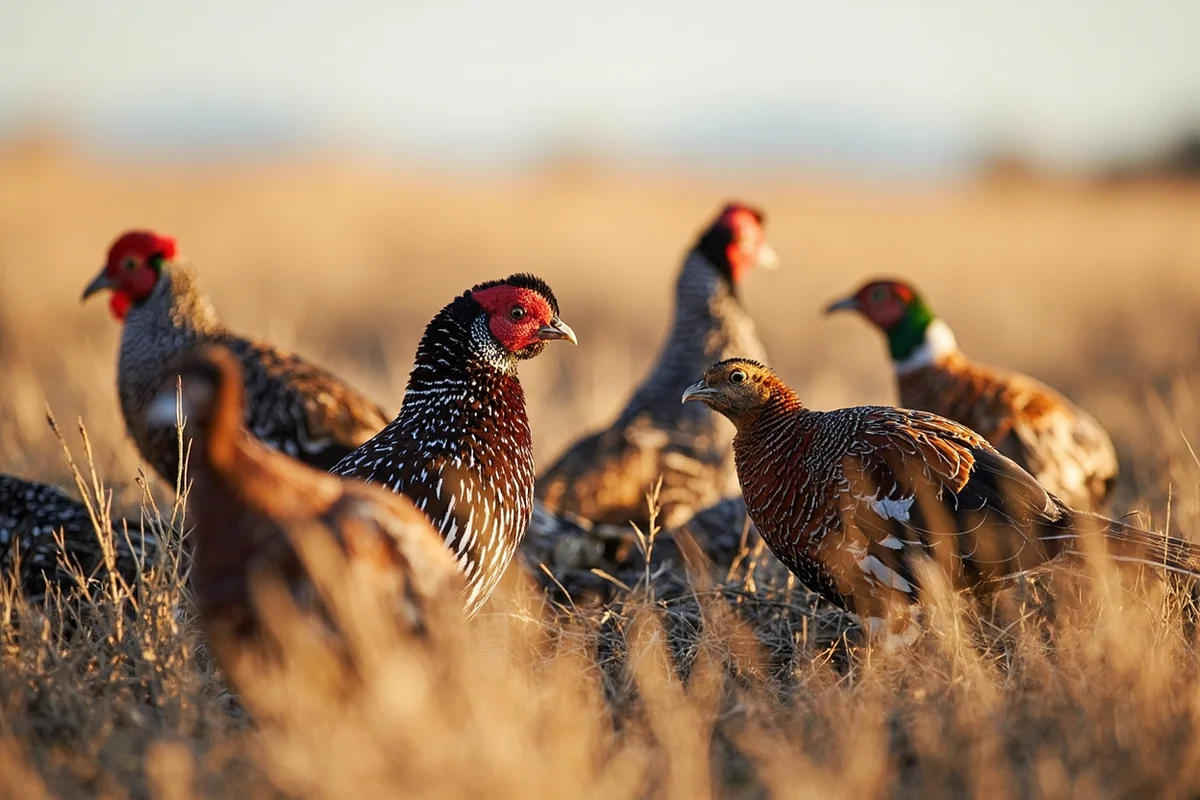
Sharp-tailed grouse represent Montana’s signature upland experience. These native prairie birds thrive in the rolling grasslands and CRP fields of eastern and central Montana.
I’ve found sharptails most reliably in transitional habitat—where native grassland meets agricultural ground with good shrub cover. They need those silver sagebrush patches and snowberry thickets for winter survival.
On a late September trip near Malta last year, my English setter pointed a covey of 14 birds holding tight in a draw filled with chokecherry and wild rose. That’s the magic of sharptail hunting: when conditions are right, you might find large family groups still together.
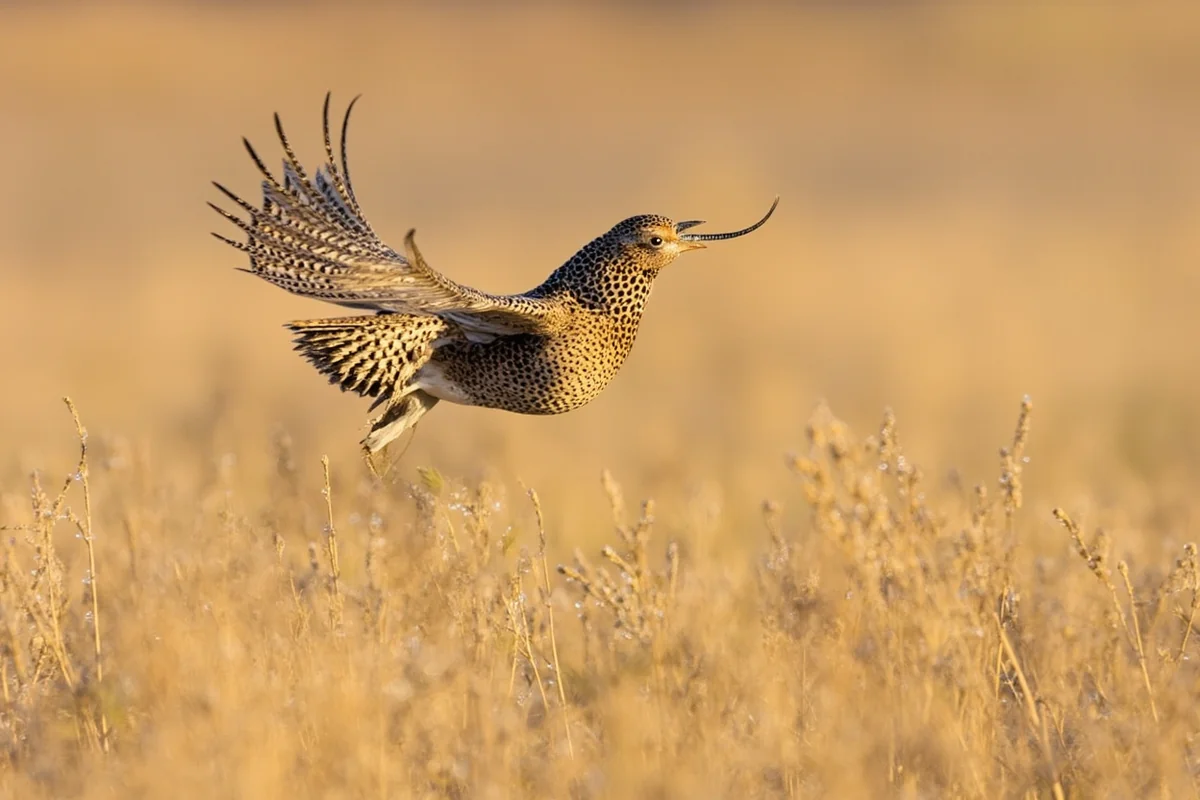
Early season sharptails often hold well for pointing dogs. By November, they’ve been pressured and educated—expect longer flushes and tougher shooting.
Hungarian Partridge: The Immigrant Survivor
Huns, as we call them, occupy similar habitat to sharptails but prefer more agricultural influence. Originally introduced from Europe, they’ve thoroughly adapted to Montana’s harsh winters and vast grain fields.
These tight-holding, fast-flying birds test your reflexes like nothing else. During my hunts near Chester on the Hi-Line, I’ve watched coveys flush at 15 yards, separate into multiple groups mid-flight, and leave me fumbling to pick a single bird.
Huns favor stubble fields, weedy fence lines, and the edges where grain ground meets native grass. I’ve had my best success walking field edges during late morning when birds have finished feeding and moved to loafing cover.
Ring-Necked Pheasants: Wild Montana Roosters
Montana’s pheasant hunting won’t rival South Dakota in numbers, but our birds run wild and test both dogs and hunters. The best pheasant concentrations occur in irrigated agricultural valleys of central and eastern Montana.
The Judith Basin near Stanford consistently produces quality pheasant hunting. Last November, I hunted cattail sloughs and shelterbelts along irrigation canals and encountered birds that didn’t cooperate with textbook hunting tactics.
Montana roosters run. They flush wild. They’ll use every bit of available cover to evade you. But when a mature cock explodes cackling from a dense cattail patch, it reminds you why wild bird hunting matters.
Sage Grouse: The Iconic Giant
Sage grouse hunting remains a uniquely Western experience, and Montana still offers limited opportunity for this magnificent bird. However, populations have declined significantly, and regulations restrict harvest carefully.
I’ve hunted sage grouse in the sagebrush steppe south of Glasgow, and pursuing these birds requires a different mindset. They inhabit big, open country where you might walk miles between coveys.
Check current regulations carefully—some areas require special permits, and season lengths have shortened in recent years. Before planning any Montana hunt, review the current Montana hunting regulations for species-specific requirements.
Forest Grouse: Blue and Ruffed
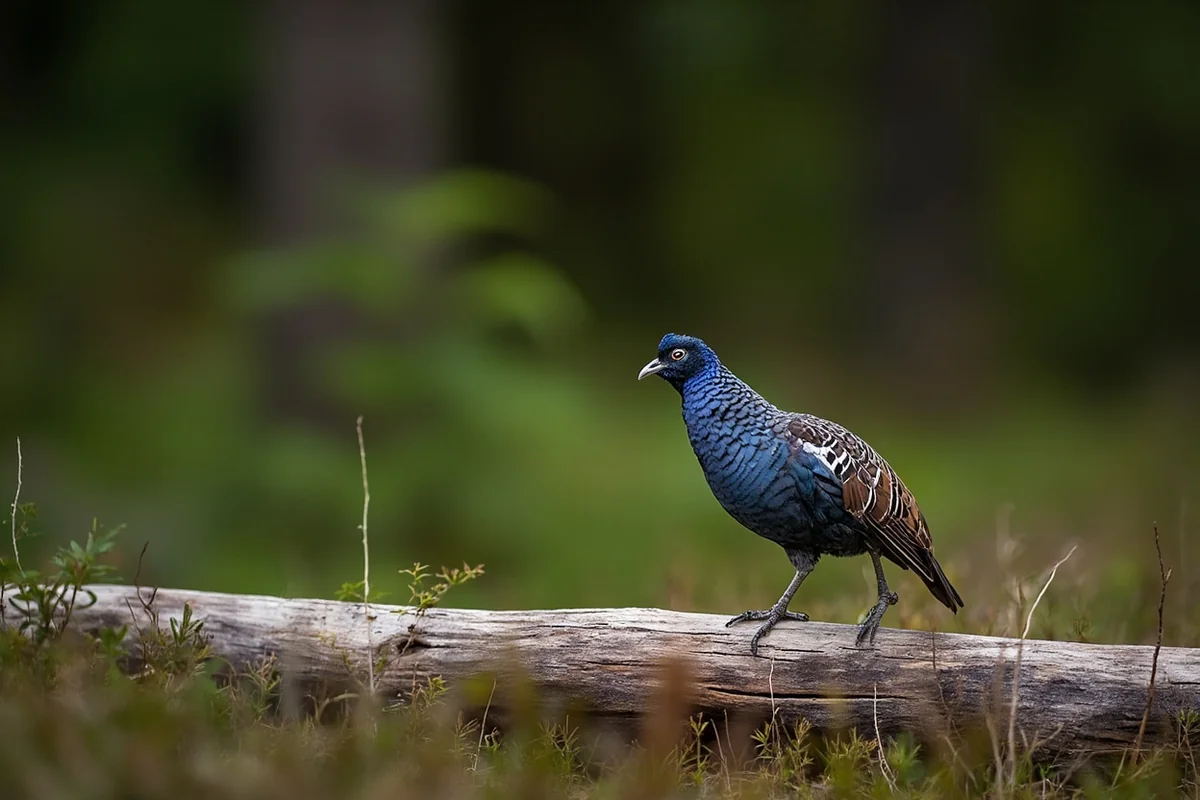
Montana’s mountain ranges harbor both blue grouse (now officially called dusky grouse) and ruffed grouse. These forest-dwelling species offer a completely different hunting experience from prairie birds.
Blue grouse inhabit high-elevation conifer forests, often above 6,000 feet. I’ve flushed them while elk hunting in the Bitterroots, finding birds along logging roads and in openings where huckleberry and beargrass grow.
Ruffed grouse prefer aspen stands, riparian corridors, and mixed deciduous-conifer transitions. The best ruffed grouse hunting I’ve experienced in Montana occurred along creek bottoms in the Swan Valley, where mature aspen mixed with alder and willow.
When to Hunt: Montana’s Upland Seasons
Timing your Montana upland bird trip requires understanding both the regulatory seasons and the practical considerations of weather, bird behavior, and habitat conditions. For a complete overview of all game seasons, check the comprehensive Montana hunting seasons guide.
Season Dates Overview
| Species | Typical Season | Daily Limit |
|---|---|---|
| Sharp-tailed Grouse | Sept 1 – Jan 1 | 4 birds |
| Hungarian Partridge | Sept 1 – Jan 1 | 8 birds |
| Pheasant | Oct (2nd weekend) – Jan 1 | 3 roosters |
| Sage Grouse | Sept (varies by district) | 2 birds (check regs) |
| Blue Grouse | Sept 1 – Jan 1 | 3 birds |
| Ruffed Grouse | Sept 1 – Jan 1 | 3 birds |
My Recommended Timing
If I could only hunt Montana upland birds one week per year, I’d choose the last week of October. Here’s why:
Weather typically remains moderate—cold enough to keep dogs comfortable, warm enough that you won’t face dangerous conditions. The prairie grasses have gone gold and tan, making bird movement visible. Crops have been harvested, concentrating birds in available cover.
Early September offers green vegetation and naïve birds, but temperatures can still reach the 80s, making it tough on dogs. I’ve hunted opening weekend near Jordan in years when afternoon temps hit 85°F—we hunted only the first two hours of daylight.
November and December hunting can be spectacular when conditions cooperate. I’ve had incredible late-season days when snow pushed birds into concentrated food sources. But Montana winters demand preparation—I’ve also experienced -20°F mornings that sent me home empty-handed.
Prime Hunting Regions Across Montana
Montana’s immense geography creates distinct upland hunting regions. After hunting extensively across the state, I’ve developed strong opinions about where to focus your efforts.
The Hi-Line: Montana’s Upland Capital
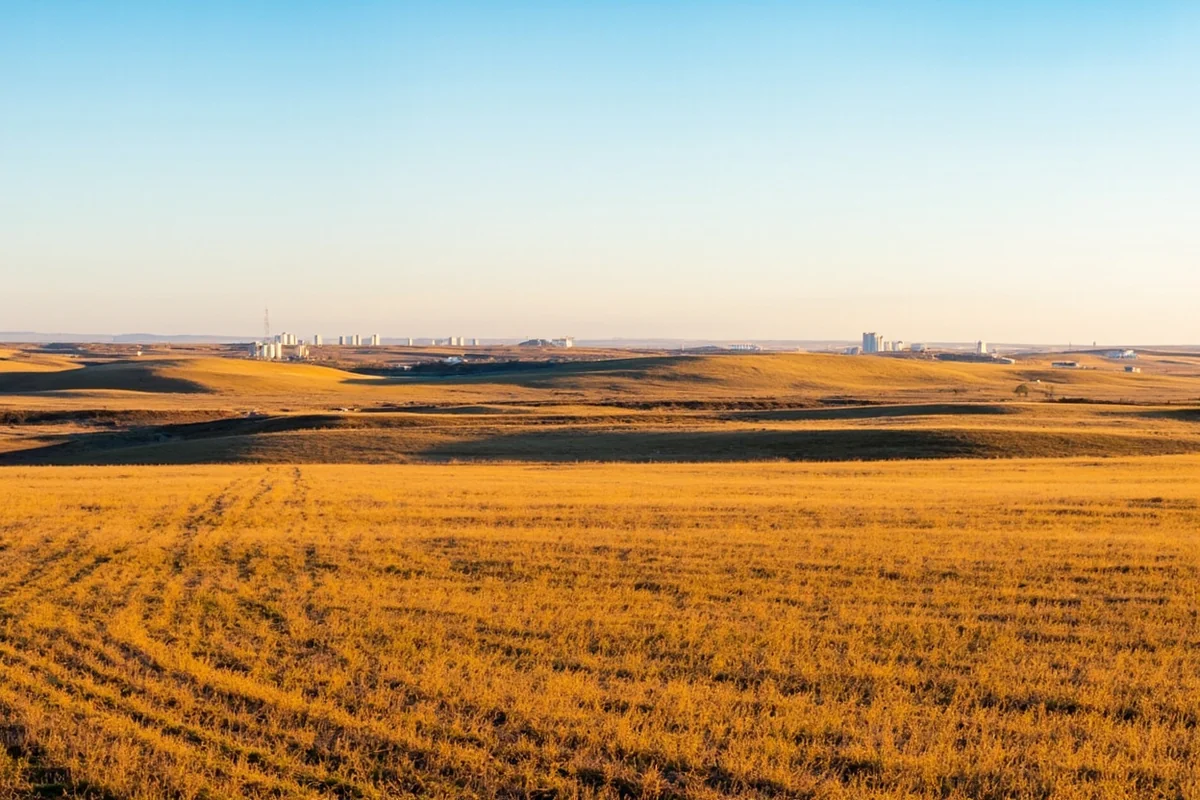
The northern tier of Montana, running along Highway 2 from Havre to Glasgow, represents the state’s premier upland bird destination. This agricultural corridor produces exceptional Hun and sharptail hunting.
I’ve hunted extensively around Malta, Glasgow, and Chinook. The combination of grain farming, CRP ground, and native prairie creates ideal habitat. Block Management Areas in this region provide thousands of accessible acres.
The town of Malta serves as my preferred base camp for Hi-Line hunting. You’ll find basic motels, a good sporting goods store, and friendly locals who appreciate visiting hunters. Last October, I spent five days hunting out of Malta and covered ground in Phillips, Valley, and Blaine counties.
Central Montana’s Golden Triangle
The triangle formed by Great Falls, Havre, and Lewistown offers diverse upland opportunity. This region mixes irrigated valley agriculture with surrounding prairie uplands.
Lewistown anchors the Judith Basin, arguably Montana’s best pheasant country. The irrigated hayfields, grain stubble, and brushy creek bottoms create classic rooster habitat. If you’re interested in combining upland birds with other game, this region also offers excellent opportunities described in our Montana deer hunting guide.
I particularly favor the country north of Stanford for mixed-bag hunting. On a good November day, I’ve taken sharptails, Huns, and pheasants within the same afternoon.
Eastern Montana’s Wide Open Spaces
East of the Missouri River, Montana transforms into true prairie. Towns like Jordan, Circle, and Baker anchor hunting country that stretches for miles.
This region demands self-sufficiency. Services are limited, roads can be rough, and you might not see another hunter all day. But the bird populations remain strong, and public access through Block Management makes it workable for visiting hunters.
During a memorable hunt near Circle last fall, my GPS showed we walked 11 miles pursuing sharptails across BLM ground and Block Management ranches. We finished with limits—but earned every bird.
Western Montana’s Forest Grouse
The mountain ranges west of the Continental Divide offer ruffed and blue grouse in stunning scenery. The Bitterroot Valley, Swan Valley, and Flathead region provide accessible forest grouse hunting.
I combine forest grouse hunting with other activities—maybe Montana bear hunting or simply enjoying mountain scenery. Walking logging roads and forest edges with a flushing dog produces consistent action, though forest grouse density rarely matches prairie bird numbers.
Access: Public Land and Block Management
Montana offers exceptional upland bird access compared to most states. Understanding your options maximizes hunting opportunity and keeps you legal.
Block Management Areas (BMAs)
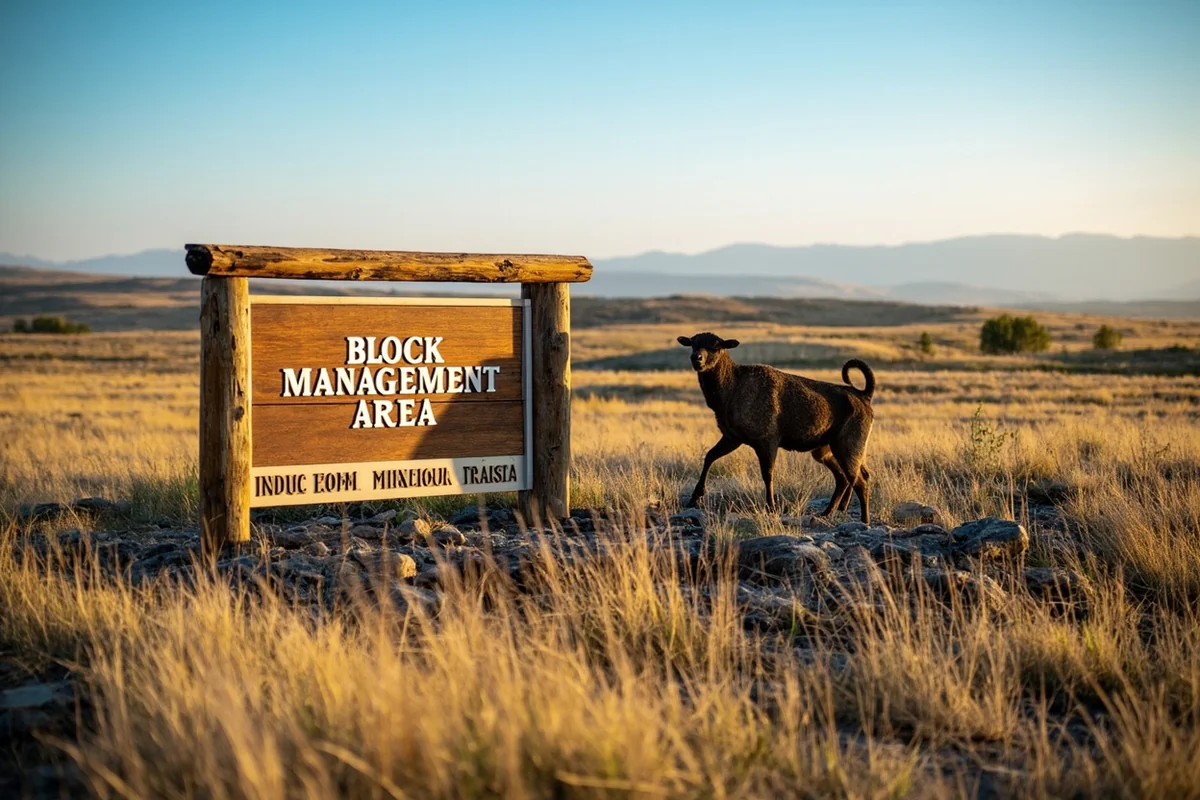
Montana’s Block Management program enrolls private landowners who allow free public hunting access. For upland bird hunters, this program opens millions of acres that would otherwise require individual permission.
I rely heavily on BMAs for my Montana upland hunting. The Montana FWP website provides maps and regulations for each enrolled property. Some require sign-in; others have specific rules about vehicle access or camping.
When hunting BMAs, I make a point to treat the land with respect. Close gates, pack out trash, and stick to designated access points. Landowner goodwill keeps this program viable.
You can also explore hunting on Montana state land for additional public access opportunities, including state trust lands and wildlife management areas.
Federal Public Lands
BLM and National Grassland parcels dot eastern Montana’s landscape. The Charles M. Russell National Wildlife Refuge and surrounding BLM ground offer excellent sharptail habitat.
National Forest land in western Montana provides forest grouse opportunity. The Lolo, Bitterroot, and Flathead National Forests all hold huntable populations.
I use the onX Hunt app to identify public land boundaries and access points. In Montana’s checkerboard ownership pattern, knowing exactly where public land begins and ends is essential.
Seeking Permission on Private Land
Some of Montana’s best upland habitat remains on private land not enrolled in Block Management. I’ve had good success knocking on doors and asking permission.
Approach landowners respectfully. Introduce yourself, explain your intentions, and offer to share contact information. Most ranchers appreciate hunters who ask rather than trespass.
A simple “thank you” gift—maybe a bottle of something or a nice thank-you card after the hunt—goes far in maintaining access for future seasons.
Licensing Requirements for Non-Residents
Before hunting Montana upland birds, you’ll need proper licensing. Understanding the fee structure helps you budget for your trip. For complete details on Montana hunting license costs, check our dedicated guide.
Required Licenses
Non-resident upland bird hunters need:
- Conservation License ($10)
- Base Hunting License ($15)
- Upland Game Bird License ($125)
Total cost runs approximately $150 for non-resident upland bird hunting access. This license covers all upland game birds across the state for the entire season.
If you’re interested in adding waterfowl to your trip—perhaps combining with Montana duck hunting—you’ll need additional licenses and federal duck stamps.
For general information about obtaining your Montana hunting license, we’ve created a complete walkthrough of the application process.
Special Permits and Considerations
Sage grouse hunting may require additional permits in some districts. Always verify current requirements before your trip.
If you plan to combine upland birds with big game, the licensing structure differs significantly. Drawing opportunities for species like Montana bighorn sheep hunting or Montana buffalo hunting require understanding the Montana preference points system.
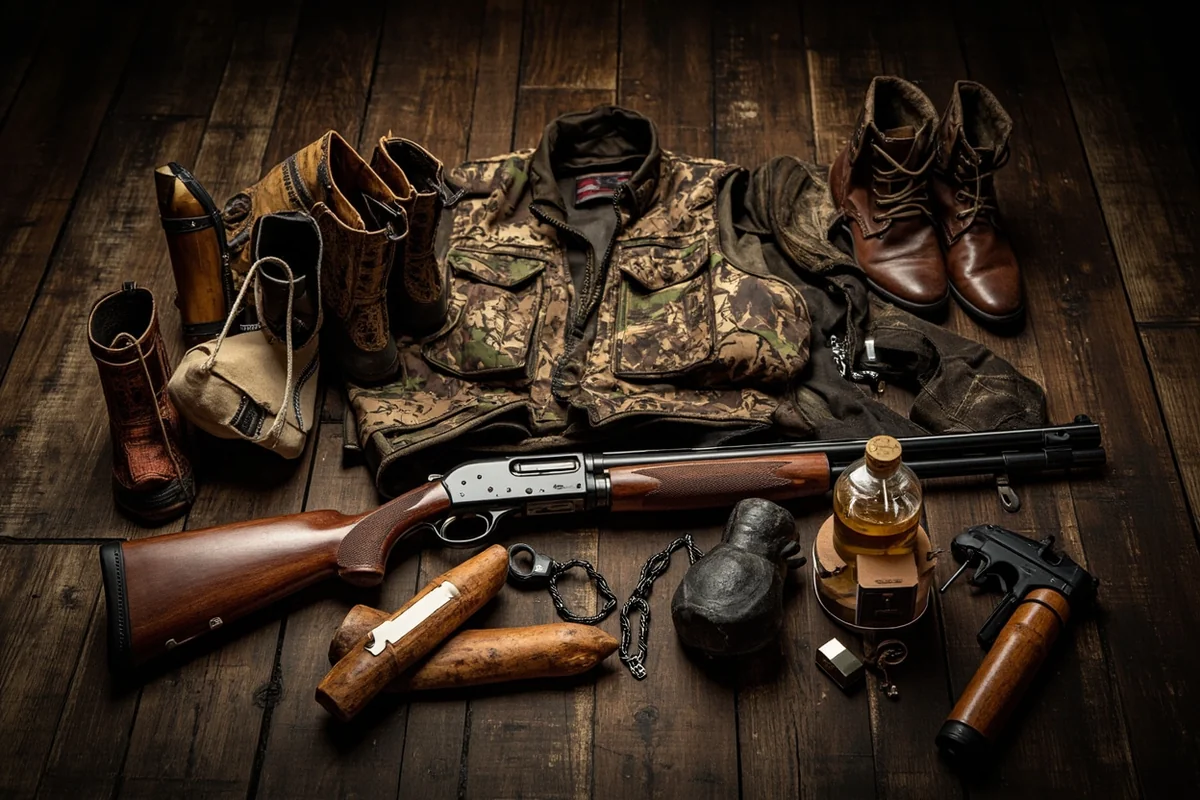
Gear and Preparation for Montana Upland Hunting
Montana’s demanding terrain and variable weather require proper preparation. I’ve learned these lessons through experience—some of it uncomfortable.
Footwear: Your Most Important Investment
Quality upland boots make or break a Montana hunt. You’ll walk miles daily over rough ground, through cactus, and across steep coulees.
I wear mid-height boots with substantial ankle support and aggressive tread. Waterproof construction handles morning dew and occasional creek crossings. Some hunters prefer snake boots early season when rattlesnakes remain active.
Bring two pairs and rotate daily. Your feet will thank you on day four of a week-long hunt.
Clothing Systems
Montana’s weather changes rapidly. I’ve experienced 40-degree temperature swings within a single hunting day.
Layer base, mid, and outer garments. Avoid cotton next to skin—synthetic or merino base layers wick moisture during hard walking. A packable down jacket handles cold mornings before you warm up.
Upland pants should resist thorns and repel moisture. Purpose-built brush pants with facing protect your legs in thick cover.
Essential Gear Checklist
- Quality binoculars (8×32 or 8×42) for scanning distant cover
- GPS unit or smartphone app with offline maps
- Adequate water—I carry 2-3 liters minimum
- Game vest or strap for carrying birds
- First aid kit including blister treatment
- Emergency gear: fire starter, space blanket, headlamp
- Dog supplies if hunting with your own animal
Firearms and Ammunition
Shotgun choice remains personal, but Montana’s wild birds reward longer-range capability. I shoot a 20-gauge over/under with improved cylinder and modified chokes.
Many experienced hunters prefer 12-gauge semi-automatics or over/unders. The key is choosing a gun you can carry comfortably for miles and shoot accurately.
For ammunition, I use size 6 shot early season when birds hold closer, switching to 5s or 4s later when birds flush wilder. Non-toxic shot is required on certain public lands and increasingly preferred for conservation reasons.
Hunting Dogs in Montana
While you can hunt Montana upland birds without a dog, a well-trained companion dramatically increases success and enjoyment. Here’s what I’ve learned about hunting dogs in Big Sky Country.
Choosing the Right Dog
Pointing breeds—English pointers, German shorthairs, Brittanys, setters—excel on Montana’s prairie birds. The vast, open terrain favors dogs that can cover ground and pin birds for approaching hunters.
Flushing breeds like Labrador retrievers and springer spaniels work well in tight cover like cattails and brushy creek bottoms. For pheasant-focused hunts, a hard-charging flusher proves invaluable.
I hunt with an English setter that covers ground efficiently and holds point reliably. She’s logged thousands of miles on Montana prairies and remains the most valuable piece of equipment I own.
Conditioning and Care
Montana’s terrain punishes unconditioned dogs. Cactus, sharp stubble, and rough ground can shred paw pads and exhaust unprepared animals.
Start conditioning your dog months before your trip. Gradually increase exercise duration and intensity. Consider protective booties for extended hunts.
Water is critical. Dogs can dehydrate quickly on warm September days. I carry a collapsible bowl and share my water supply throughout the hunt.
Watch for rattlesnakes early season. Consider rattlesnake aversion training and know the location of emergency veterinary services.
Hiring Guides with Dogs
If you don’t own a hunting dog, consider booking with an outfitter who provides trained dogs. Several excellent Montana upland guides offer this service.
I’ve hunted with guides near Lewistown and Malta who provided well-trained pointers. The experience taught me new approaches and demonstrated what trained dogs could accomplish.
Field Tactics That Actually Work
After years of Montana upland hunting, I’ve developed tactics specifically suited to Big Sky birds. These aren’t generic tips—they’re strategies I’ve refined through success and failure.
Reading the Land
Montana’s upland birds use predictable habitat. Learning to read the landscape saves miles of unproductive walking.
Sharptails love silver sagebrush patches, chokecherry draws, and CRP fields with good structure. They avoid grazed-out pastures and open agricultural ground.
Huns pattern on agriculture—stubble fields, weedy edges, and waste grain. They need nearby escape cover but spend most daylight hours in open ground.
Pheasants concentrate near water, heavy cover, and food sources. Cattail sloughs, irrigation ditches, and dense brush attract and hold roosters.
Working the Wind
Always hunt into or across the wind. This allows your dog to scent birds effectively and gives you better control of bird movement.
I’ve watched hunters walk downwind through perfect cover without moving a bird—those birds flushed behind them, undetected and unretrieved.
Time of Day Strategies
Early morning finds birds feeding in open areas near food sources. They’re often in coveys and may hold well.
Midday drives birds into heavier loafing cover—brush patches, tall grass, shaded draws. These locations hold birds during inactive periods.
Late afternoon sees birds return to feeding areas. The last hour of light can produce excellent action as birds concentrate before roosting.
The Coulee Approach
Montana’s landscape features countless coulees—brushy draws carved by seasonal water flow. These natural funnels concentrate birds and channel their escape routes.
I hunt coulees by positioning blockers at the upper end while pushers work from below. Birds moving up-coulee often flush within range of waiting shooters.
Solo hunting coulees requires working side-slopes and edges rather than walking straight up the bottom.
Combining Upland Hunting with Other Montana Experiences
One of Montana’s great advantages is the ability to combine multiple hunting opportunities within a single trip. The state’s diverse offerings mean you rarely need to focus on just one species.
Big Game Combinations
October and November hunting trips can incorporate upland birds with deer and elk. If you’re pursuing whitetails, check out whitetail deer hunts in Montana for regional information.
I often carry a shotgun during archery season, hunting upland birds when I’m not in a treestand or stalking big game. The combination keeps me active and provides backup opportunity if big game proves elusive.
Understanding Montana deer hunting regulations helps you plan combinations legally.
Waterfowl Opportunities
Eastern Montana’s prairie pothole region offers duck and goose hunting alongside upland birds. A morning in the duck blind can transition to afternoon prairie grouse hunting.
For a completely different experience, consider Montana swan hunting—one of the few states offering this unique opportunity.
Small Game Additions
Montana’s forest regions also support Montana squirrel hunting for those who enjoy small game variety. The Montana muzzleloader season offers additional big game opportunities for hunters interested in primitive weapons.
Planning Your Trip: Logistics and Lodging
Successful Montana upland hunting requires advance planning. Here’s how I structure my trips for maximum effectiveness.
Travel and Transportation
Most visiting hunters fly into Billings, Great Falls, or Bozeman. Rental vehicles are essential—you’ll drive considerable distances between hunting areas.
I prefer trucks or SUVs with four-wheel drive. Montana’s ranch roads can become impassable when wet, and you’ll occasionally need ground clearance.
Budget for fuel costs. Hunting days might cover 100+ miles driving between spots, and gas stations are sparse in eastern Montana.
Lodging Options
Small-town motels anchor most upland hunting trips. Communities like Malta, Glasgow, Lewistown, and Jordan offer basic but functional accommodations.
Book early during peak season—these small motels fill quickly with hunting traffic. I’ve been turned away in November when I failed to reserve ahead.
Some hunters prefer camping on public land or arranged private property. Just ensure you’re legal and prepared for cold nights.
Outfitter Considerations
Guided upland hunts typically cost $350-$600 per day, including dogs, transportation, and lunch. Quality outfitters know productive ground and provide trained dogs.
For first-time Montana upland hunters, a day or two with a guide provides valuable education about bird behavior and local hotspots. You can then apply that knowledge during self-guided hunting.
Sample Trip Itinerary
Here’s a realistic five-day upland trip based on my experience:
- Day 1: Fly into Great Falls, drive to Lewistown area, evening scouting
- Day 2: Hunt Judith Basin for pheasants and sharptails
- Day 3: Drive north to Malta area, afternoon Hun/sharptail hunt
- Day 4: Full day Hi-Line hunting Block Management Areas
- Day 5: Morning hunt, drive to Great Falls, afternoon flight home
This schedule allows hunting two distinct regions while avoiding burnout from excessive driving.
Conservation and the Future of Montana Upland Hunting
Montana’s wild upland bird populations face ongoing challenges. As hunters, we share responsibility for their conservation.
Habitat loss remains the primary threat. CRP enrollment fluctuates with commodity prices and farm policy. Native prairie continues converting to cropland in some regions.
I support organizations like Pheasants Forever, Quail Forever, and local habitat initiatives that work to protect and enhance upland bird habitat. Membership dollars directly fund Montana projects.
Predator management, weather patterns, and disease also affect populations. Annual breeding surveys track population trends—check Montana FWP reports for current status.
Practicing ethical harvest—taking only what you can use, avoiding shooting into coveys, and respecting daily limits—ensures sustainable populations for future hunters.
If you’re exploring other Montana hunting opportunities, resources like our guide to Montana antelope hunting, Montana shoulder season elk hunting, and Montana wolf hunting provide additional planning information.
Understanding Montana deer tags and license structures helps you plan multi-species adventures.
Final Thoughts from the Field
I’ve hunted upland birds in dozens of states, and Montana remains my favorite destination. The combination of wild birds, accessible land, beautiful scenery, and genuine Western culture creates an experience that’s increasingly rare in American hunting.
The state demands effort. You’ll walk hard miles, face challenging weather, and miss more birds than you hit. But when your dog locks on point in a golden Montana coulee, and you approach knowing a wild sharptail holds just ahead, you’ll understand why so many of us return year after year.
Montana upland hunting rewards preparation, persistence, and respect for the birds and the land they call home. I hope this guide helps you plan a successful trip—and I hope our paths cross someday on the prairie.
Frequently Asked Questions
When is the best time to go upland bird hunting in Montana?
The Montana upland bird season typically runs from September through January, with the sweet spot being late September through October when pheasants, Hungarian partridge, and sharp-tailed grouse are most active. I’ve found early morning hunts in October offer ideal weather conditions and birds that haven’t been pressured yet. Plan your trip midweek if possible to avoid weekend crowds on public lands.
What upland bird species can I hunt in Montana?
Montana offers exceptional hunting for ring-necked pheasants, Hungarian partridge, sharp-tailed grouse, sage grouse, and mountain grouse including ruffed and dusky grouse. The eastern plains are prime territory for pheasants and Huns, while the western mountains provide excellent forest grouse opportunities. You’ll need to check current regulations as sage grouse seasons vary by region and population levels.
Do I need a guide for upland bird hunting in Montana, and how much does it cost?
While guided hunts aren’t required, they’re worth considering if you’re unfamiliar with Montana’s vast public lands—expect to pay $350-$600 per day for a quality guided pheasant or grouse hunt with dogs provided. DIY hunting is absolutely viable here since Montana has millions of acres of accessible public land through Block Management areas and BLM ground. I recommend investing in onX Hunt maps ($30/year) to navigate property boundaries confidently.
What licenses and permits do out-of-state hunters need for Montana upland birds?
Out-of-state hunters need a Montana Conservation License ($10) plus a non-resident upland bird license, which costs $125 for the season. You’ll also want to register for Montana’s free Block Management program online before your trip to access private lands enrolled in the program. Purchase licenses through Montana FWP’s website at least two weeks before your hunt to avoid any processing delays.
Where are the best public land areas for upland bird hunting in Montana?
The northeastern Montana counties around Glasgow and Malta offer outstanding pheasant and Hun hunting on Block Management lands and BLM parcels within 200 miles of Billings. Central Montana’s Judith Basin and areas near Lewistown are legendary for sharp-tailed grouse with good public access. I always scout Block Management areas using the Montana FWP online map tool to find parcels with upland bird habitat before making the drive.
What gear should I pack for a Montana upland bird hunting trip?
Bring a reliable 20 or 12-gauge shotgun with improved cylinder and modified chokes, at least 100 rounds of size 6 shot, and quality upland boots rated for 10+ miles of daily walking on rough terrain. Montana weather shifts fast, so pack layered clothing including blaze orange, a waterproof jacket, and gear for temperatures ranging from 25°F to 65°F. Don’t forget polarized sunglasses, a GPS device or smartphone with offline maps, and a sturdy game vest with water bottle holders.
Can I bring my hunting dog to Montana, and are there dog-friendly accommodations?
Absolutely bring your bird dog—Montana’s vast grasslands and CRP fields are made for pointing and flushing breeds, and there are no quarantine requirements for dogs entering the state with current vaccination records. Many small-town motels in hunting communities like Glasgow, Malta, and Lewistown are dog-friendly and charge $10-$25 pet fees per night. I recommend calling ahead during peak season and booking places with outdoor kennels or ground-floor rooms for easy access after muddy hunts.