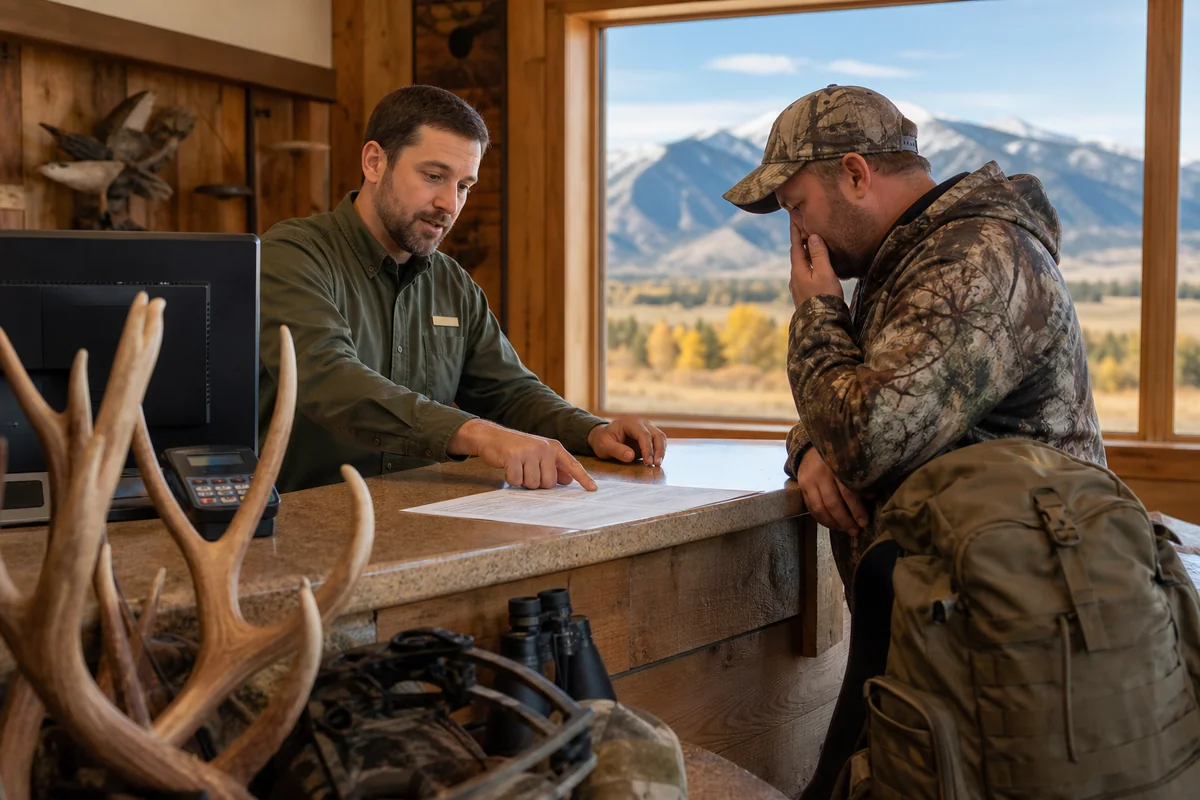
Standing at the Fish, Wildlife & Parks counter in Bozeman last September, I watched a fellow out-of-state hunter’s jaw drop when he saw his total—over $1,200 for a combination of elk and deer licenses.
His reaction reminded me of my own sticker shock during my first Montana hunting trip years ago, and it’s exactly why I’m writing this comprehensive breakdown of every license cost you’ll encounter when planning your hunt in Big Sky Country.
If you’re working through our complete Montana Hunting Guide, understanding the financial investment is one of the most critical planning steps.
I’ve spent countless hours at FWP offices, on hold with their licensing department, and comparing receipts from multiple hunting seasons to put together this definitive guide to Montana hunting license costs.
- Non-resident deer/elk combination licenses cost $1,051 (2024), while residents pay just $44
- Conservation license ($8 resident/$10 non-resident) required before purchasing any hunting license
- Special permits (moose, sheep, goat, buffalo) cost $125 resident/$1,250 non-resident
- Youth licenses offer 50%+ discounts—bring your kids to save money
- Upland bird licenses are surprisingly affordable at $125 for non-residents
- Budget $1,200-$2,500 total for a typical non-resident big game hunt when factoring all required licenses

Understanding Montana’s Licensing Structure
Before I dive into specific costs, let me explain something that confused me during my first Montana trip: the state uses a tiered licensing system that requires multiple purchases for a complete hunting setup.
You can’t simply walk in and buy an elk tag. Instead, Montana requires you to build your license package piece by piece, starting with a conservation license as your foundation.
This structure actually makes sense once you understand it. The conservation license funds wildlife management across the state, while individual hunting licenses and permits fund species-specific programs.
During my conversation with a wildlife biologist near the Missouri River Breaks last fall, she explained how this funding model has helped Montana maintain some of the healthiest big game populations in the Lower 48.
The Conservation License: Your Entry Ticket
Every single hunter in Montana—whether you’re pursuing squirrels or bighorn sheep—must first purchase a conservation license.
For residents, this costs $8. Non-residents pay $10. It seems insignificant, but forgetting this step will halt your purchase process entirely.
I’ve seen hunters at license vendors frustrated because the system won’t let them complete their purchase. Nine times out of ten, they forgot the conservation license. Get this first, every single year.
Resident vs. Non-Resident: The Price Gap Reality
Let me be direct about something that shocks many traveling hunters: Montana has one of the largest price differentials between resident and non-resident licenses in the country.
When I moved from being a non-resident hunter to establishing Montana residency after five years of visiting, my annual hunting costs dropped by over 90%. That’s not an exaggeration—it’s the reality of Montana’s fee structure.
The state justifies this differential because Montana residents fund wildlife management through their state taxes year-round. As a non-resident, you’re essentially paying for access to a resource that locals help maintain.
I’ll be honest: I used to resent these prices as an out-of-state hunter. Now, understanding how the funds support habitat acquisition and species management, I see the value—even if it stings financially.
Complete 2026 License Cost Breakdown
Here’s the comprehensive pricing table I wish I’d had during my first planning session. These are current 2024 license year prices:
| License Type | Resident | Non-Resident |
|---|---|---|
| Conservation License (required) | $8 | $10 |
| Base Hunting License | $15 | $15 |
| Deer License (general) | $19 | $527 |
| Elk License (general) | $25 | $852 |
| Deer/Elk Combination | $44 | $1,051 |
| Antelope License | $19 | $205 |
| Mountain Lion | $19 | $320 |
| Black Bear | $19 | $350 |
| Wolf | $19 | $50 |
| Upland Game Bird | $15 | $125 |
| Waterfowl | $10 | $75 |
| Turkey (spring or fall) | $16 | $130 |
Special Permit Costs: The Trophy Hunts
If you’re pursuing Montana’s most coveted species—moose, bighorn sheep, mountain goat, or bison—prepare for both lottery odds and significant costs.

These special permits represent the pinnacle of Montana hunting opportunities. I’ve been applying for a moose permit for seven years now, and I consider that annual $5 application fee (for residents) a worthwhile investment in hope.
Special Permit Application Fees
Residents pay $5 per application for moose, sheep, goat, and buffalo permits. Non-residents pay $50 per application.
Here’s what catches many hunters off guard: if you actually draw the permit, you’ll owe substantially more.
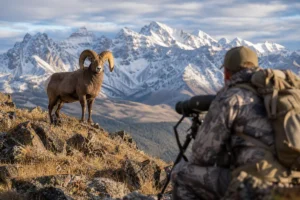
Moose, sheep, goat, and buffalo permits cost $125 for residents and a whopping $1,250 for non-residents. That’s on top of your other required licenses.
When my buddy Jake finally drew his moose tag after 14 years of applying, his total investment came to about $1,400 as a non-resident. He said every penny was worth it when he packed out a Shiras bull from the Cabinet Mountains.
Preference Points Strategy
Montana’s preference point system deserves your attention if you’re serious about these trophy hunts.
The preference point purchase fee is included in your unsuccessful application. However, understanding how the system works can mean the difference between a 5-year wait and a 20-year wait for some species.
I’ve tracked my own points carefully over the years and recommend every out-of-state hunter start accumulating points immediately, even if a Montana trip is years away.
Big Game Combination Licenses: What I Recommend
After numerous Montana hunting trips, I’ve developed strong opinions about the most cost-effective license packages for different hunting goals.
The Classic Non-Resident Package
For first-time visitors focused on deer and elk hunting, I recommend the deer/elk combination license every time.
At $1,051, you save money compared to purchasing each license separately ($527 + $852 = $1,379). That’s a $328 savings for checking one box.
Add your conservation license ($10) and base hunting license ($15), and your foundation total hits $1,076 before any special permits or additional species.
Adding Antelope to Your Trip
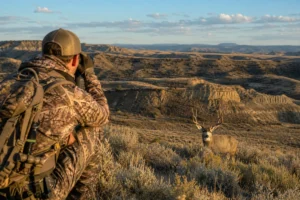
Antelope hunting in eastern Montana offers exceptional value. At $205 for non-residents, it’s one of the most affordable big game opportunities in the state.
During my trip to the prairie regions near Miles City last October, I filled my antelope tag on day two. The additional $205 investment provided an entirely separate hunting experience and another hundred pounds of meat in my freezer.
Bird Hunting License Costs
If you’re visiting Montana primarily for upland bird hunting or waterfowl, you’ll find the costs dramatically more accessible than big game.
Upland Game Bird License
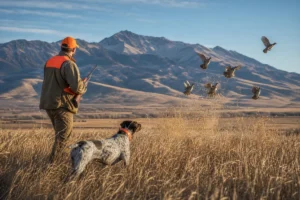
The upland bird license costs $15 for residents and $125 for non-residents. This covers pheasants, Hungarian partridge, sharp-tailed grouse, sage grouse, and other upland species.
I’ve hunted pheasants near the Milk River and Huns in the Judith Basin, and this license provides access to some of the most underrated bird hunting in the American West.
Waterfowl License
Waterfowl hunters pay $10 (resident) or $75 (non-resident) for the state waterfowl license. Remember, you’ll also need federal duck stamps, which run $25 regardless of residency.
My friend Tom comes to Montana every fall specifically for swan hunting (during the limited permit season) and duck hunting along the Missouri River flyway. His total investment for a week of incredible waterfowling runs about $150 in licenses and stamps.
Predator and Furbearer Costs
Wolf hunting and bear hunting in Montana offer unique opportunities with moderate price tags.
Wolf Hunting
Wolf licenses are surprisingly affordable at $19 resident/$50 non-resident. I added a wolf tag to my elk hunt last year primarily because the cost was negligible.
The opportunity to harvest a wolf while pursuing other game makes this a worthwhile addition for any hunter spending time in wolf country around Yellowstone’s northern boundary or the Bob Marshall Wilderness area.
Bear Hunting
Black bear licenses cost $19 resident/$350 non-resident. Spring bear hunts have become increasingly popular, and I’ve been tempted to dedicate a full trip specifically for bear hunting in the Cabinet-Yaak region.
The $350 non-resident fee represents solid value compared to guided bear hunts in Alaska or Canada, especially given Montana’s healthy black bear population.
Youth and Senior Discounts
Montana offers substantial discounts for youth hunters and seniors that deserve attention.

Youth Pricing
Hunters under 18 receive approximately 50% off most license fees. This makes Montana surprisingly family-friendly from a budgeting perspective.
Non-resident youth deer licenses drop to around $263 (compared to $527 adult). The elk license discount is similarly proportional.
When I brought my nephew for his first elk hunt during a recent fall trip, his youth combination license cost just over $500—a manageable investment for a life-changing experience.
Senior Considerations
Montana residents 62 and older qualify for discounted sportsman licenses that bundle multiple privileges at reduced rates.
Non-resident seniors don’t receive specific discounts, which surprised some hunters I spoke with at a lodge near Ennis last season.
The True Cost of a Montana Hunt: My Realistic Budget
License costs represent just one piece of your total hunting investment. Let me share my actual expenses from recent trips to give you realistic expectations.
Non-Resident Elk/Deer Hunt Budget
Here’s what my week-long self-guided elk hunt in the Absaroka-Beartooth region actually cost:
- Conservation license: $10
- Base hunting license: $15
- Deer/Elk combination: $1,051
- Antelope (added eastern Montana extension): $205
- Total licenses: $1,281
Add lodging, fuel, food, and equipment, and my complete trip investment approached $3,500. The licenses represented about 37% of my total costs.
Budget Bird Hunting Trip
My upland bird weekend in the Golden Triangle region cost significantly less:
- Conservation license: $10
- Base hunting license: $15
- Upland bird license: $125
- Total licenses: $150
The entire three-day trip, including a modest motel and gas from Billings, ran about $600. Bird hunting offers excellent value for hunters who can’t justify the big game investment.
Where and How to Purchase Licenses
Montana offers multiple purchasing options, though I strongly recommend one method over others.
Online Through FWP
The Montana Fish, Wildlife & Parks website (fwp.mt.gov) provides 24/7 license purchasing once you create an ALS (Automated Licensing System) account.
I purchase all my licenses online the moment applications open. The system works smoothly, accepts credit cards, and emails confirmations immediately. This is my recommended approach.
In-Person Vendors
Sporting goods stores, hardware stores, and some convenience stations across Montana sell licenses as authorized vendors.
I’ve used this option when adding species mid-trip. Last year, I decided to add a wolf tag while buying supplies at a Bozeman outdoor store. The process took about 10 minutes.
FWP Regional Offices
Regional offices provide the most comprehensive assistance, especially for complex license situations or questions about regulations.
When I needed clarification on a specific hunting district’s requirements, the Missoula regional office staff walked me through everything in person. Worth the visit if you’re in the area.
Understanding Montana Hunting Seasons and Regulations
Your license costs are directly tied to understanding Montana hunting seasons and regulations. Purchasing an expensive license for the wrong season or district wastes money.
Season-Specific Considerations
Some licenses provide access to multiple seasons. My deer/elk combination, for example, covers archery, general rifle, and muzzleloader season.
However, shoulder season elk hunting and certain special permit hunts require additional purchases or applications. I’ve learned to study the regulations thoroughly before committing money.
Tag and Permit Nuances
Understanding the difference between a general license and a deer tag or permit prevents confusion at checkout.
General licenses typically allow hunting in multiple districts with certain restrictions. Specific tags may limit you to particular areas or weapon types. The deer hunting regulations spell this out clearly, but first-time visitors often miss these details.
Accessing Public Lands With Your License
Your Montana hunting license grants access to millions of acres of public land, but understanding where you can hunt requires additional research.
Hunting on Montana state land follows specific rules that differ from federal lands. I’ve hunted both extensively and recommend downloading OnX Maps or similar tools to verify land boundaries.
Block Management Areas provide additional access to private lands at no extra cost. These landowner-partnered properties have added hundreds of thousands of acres to my available hunting grounds over the years.
Money-Saving Strategies I’ve Learned
After years of Montana hunting, I’ve developed several strategies to maximize value from my license investment.
Focus on Combination Packages
Always calculate whether combination licenses save money. The deer/elk combo is an obvious example, but other bundling opportunities exist depending on your hunting goals.
Consider Timing
Applying for special permits builds preference points even in unsuccessful years. Starting this process early—even years before you plan to hunt—saves money long-term by increasing draw odds when you’re ready.
Hunt Multiple Species
Adding antelope or upland birds to a big game trip provides additional opportunities at relatively low incremental cost. My best Montana trips have involved multiple species across different terrains.
Bring Youth Hunters
If you have children or young family members interested in hunting, the youth discounts make Montana more affordable for the whole family. Those youth licenses represent exceptional value.
What About Guided Hunts?
Guided hunts layer outfitter fees on top of license costs, significantly increasing total investment.
Quality whitetail deer hunts with outfitters typically run $3,000-$6,000 plus licenses. Elk hunts with guides often exceed $5,000-$10,000 before licenses.
I’ve done both guided and self-guided hunts in Montana. For experienced hunters comfortable with backcountry logistics, self-guided hunting represents dramatically better value. First-time visitors to unfamiliar terrain may benefit from a guide’s knowledge, accepting the premium cost.
Planning Your Montana Hunting License Purchase
Based on everything I’ve shared, here’s my recommended approach for planning your license purchases:
Step 1: Determine your target species and review the Montana hunting license requirements for each.
Step 2: Check season dates to confirm your travel window aligns with legal hunting periods.
Step 3: Create your FWP ALS account well before application deadlines.
Step 4: Apply for any required special permits during the application window (typically early spring for fall hunts).
Step 5: Purchase over-the-counter licenses once you’ve confirmed your travel dates.
Step 6: Print physical copies of all licenses and download the FWP MyFWP app as backup.
Final Thoughts on Montana Hunting Costs
Montana hunting licenses aren’t cheap for out-of-state visitors. That’s an honest assessment after spending thousands of dollars over multiple years.
But here’s what I tell every hunter considering the investment: Montana offers hunting opportunities that justify the price. Public land access exceeds almost any other state. Wildlife populations remain strong. The landscapes are simply unmatched.
My first Montana elk, taken in the Crazy Mountains, cost me over $1,500 in licenses alone before I factored travel and equipment. Five years later, that hunt remains the defining outdoor experience of my life.
Whether you’re budgeting for deer hunting, chasing bulls during the rut, or planning an affordable upland bird adventure, understanding Montana’s license costs allows you to plan confidently and avoid surprises.
Start saving, start applying for preference points, and start planning your Montana hunt. The investment pays dividends in experiences that define a hunting life.
Frequently Asked Questions
How much does a Montana hunting license cost for non-residents in 2024?
Non-resident Montana hunting licenses start at $15 for a base conservation license, but you’ll need species-specific permits on top of that. For deer, expect to pay around $265 for a general deer license, while elk tags run approximately $950 for non-residents. I’d recommend budgeting $300-$1,200 depending on what you’re hunting.
What’s the cheapest way to get a Montana hunting license as an out-of-state visitor?
The most affordable option is purchasing a non-resident deer combination license for around $265, which covers one deer tag plus the required conservation license. If you’re planning multiple trips, consider that Montana offers a Sportsman’s License package that bundles multiple species at a slight discount. Booking your tags during the application period rather than buying leftover licenses can also save you from premium pricing.
When should I apply for a Montana hunting license to guarantee availability?
I always recommend applying during Montana’s primary draw period, which typically runs from March 1 through April 1 for most big game species. Popular units for elk and mule deer often sell out quickly, so applying early gives you the best chance at preferred hunting districts. Check Montana Fish, Wildlife & Parks’ website in February for exact dates since they can shift slightly each year.
Do I need to buy multiple licenses for a Montana hunting trip?
Yes, Montana requires a base conservation license ($10 for residents, $15 for non-residents) before you can purchase any hunting permits. From there, you’ll need separate tags for each species you plan to hunt, such as deer, elk, antelope, or upland birds. I’ve found that first-time visitors often underestimate total costs since each animal requires its own permit on top of that base license.
Are Montana elk hunting tags worth the cost for non-resident hunters?
At roughly $950 for a general elk license, Montana elk tags are actually mid-range compared to other Western states like Wyoming or Colorado. The state offers over-the-counter general tags in many units, meaning you’re guaranteed a hunting opportunity without entering a lottery. For me, the combination of accessible public land and healthy elk populations makes the investment worthwhile, especially compared to guided hunts in other states costing $5,000+.
What additional costs should I budget beyond Montana hunting license fees?
Beyond license fees, plan for $50-$100 in habitat and access permits if hunting certain Wildlife Management Areas or block management lands. You’ll also want to budget for a Montana fishing license ($86 non-resident) if you want to combine activities, plus any required Hunter Education certification if you don’t already have one. I typically set aside an extra $200-$400 for permits, access fees, and the inevitable gear I forgot to pack.
Can I buy a Montana hunting license online before my trip?
Yes, Montana Fish, Wildlife & Parks allows non-residents to purchase most hunting licenses online through their MyFWP portal at fwp.mt.gov. I recommend creating your account and buying licenses at least 2-3 weeks before your trip to ensure physical tags arrive by mail if required. Some permits like conservation licenses can be printed at home, but big game tags typically need to be mailed or picked up at a regional FWP office.
Sources
- https://fwp.mt.gov/buyandapply/hunting-licenses/base-requirements
- https://fwp.mt.gov/buyandapply/hunting-licenses/resident-licenses/fees
- https://fwp.mt.gov/buyandapply/hunting-licenses/nonresident-licenses/fees
- https://fwp.mt.gov/hunt/youth
- https://fwp.mt.gov/buyandapply/hunting-licenses/disabled-licenses
- https://fwp.mt.gov/buyandapply/hunting-licenses/refunds
- https://fwp.mt.gov/buyandapply/hunting-licenses