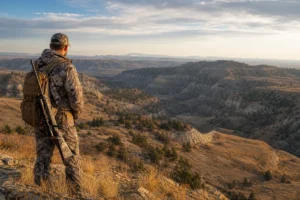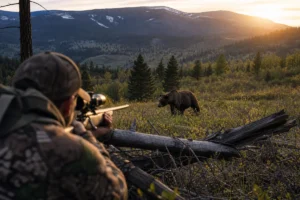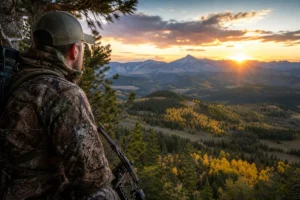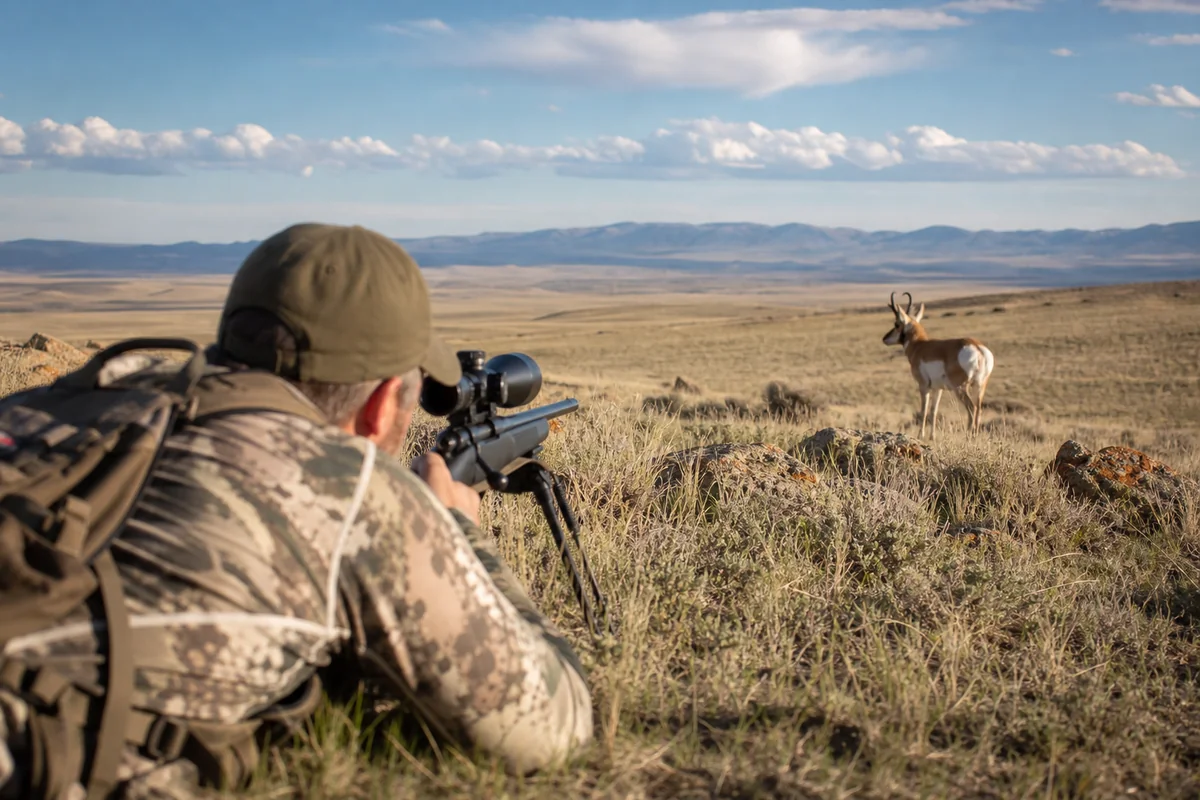
The first time I watched a pronghorn buck vanish over a Montana ridge at 55 miles per hour, I understood why they call these animals “speed goats.” I was flat on my belly outside Jordan, Montana, covered in sage dust, wondering how something that fast could exist—and how I’d ever close the distance.
That was six years ago, and I’ve been hooked on Montana antelope hunting ever since. If you’re researching the Montana Hunting Guide to plan your first pronghorn adventure, you’re in for one of the most accessible, exciting, and rewarding hunts the state offers.

- Montana offers over 100,000 pronghorn across the eastern prairies, with excellent draw odds for residents and non-residents alike
- License applications open in early March; archery season runs mid-August through mid-October, rifle season typically October-November
- Expect to pay $205 for non-resident antelope licenses plus $15 preference points if applying
- Top hunting districts include 620, 621, 700, and 410 in eastern Montana’s Hi-Line and breaks country
- Spot-and-stalk hunting dominates, with shots averaging 200-350 yards on open terrain
- Public land access is excellent via BLM parcels, state lands, and Block Management areas
Why Montana Antelope Hunting Stands Out
I’ve hunted pronghorn in Wyoming, Colorado, and New Mexico. Montana remains my favorite destination, and it’s not just nostalgia talking.
The state holds an estimated 100,000-150,000 pronghorn, making it one of the top five antelope states in the country. But what separates Montana is the landscape diversity and relatively lower hunting pressure compared to Wyoming.
During my hunt last October near Circle, I glassed 47 bucks in a single morning without seeing another hunter. Try that in Wyoming’s famous Unit 61.
Montana’s antelope population has rebounded beautifully since the harsh winters of 2010-2011. FWP biologists told me during my visit to the Lewistown office that herds are healthy and license numbers reflect that abundance.
Understanding Montana’s Antelope Licensing System
Before you start dreaming about that 16-inch buck, you need to navigate Montana’s licensing system. It’s more straightforward than Montana elk hunting, but there are important details.
License Types and Costs
Montana offers several antelope license options, and understanding them is crucial for planning your hunt. The Montana hunting license costs page breaks down all fees, but here’s the antelope-specific breakdown:
| License Type | Resident Cost | Non-Resident Cost |
|---|---|---|
| Antelope B License (either-sex) | $20 | $205 |
| Antelope Doe/Fawn License | $12 | $125 |
| Archery License (add-on) | $10 | $20 |
| Conservation License (required) | $10 | $10 |
For complete licensing details, check the Montana hunting license guide which covers all species and requirements.
The Draw System and Preference Points
Here’s something that surprises many first-timers: most Montana antelope districts offer leftover licenses available over-the-counter after the draw. This is different from the Montana bighorn sheep hunting draw, which can take decades to draw.
However, the best units do require applying through the draw. Montana preference points can help you draw coveted units faster if you’re playing the long game.
I applied for District 620 my first year and drew with zero points. Last summer, my buddy drew District 700 on his second application. Compare that to Wyoming’s best units where you’re looking at 5-10 years minimum.
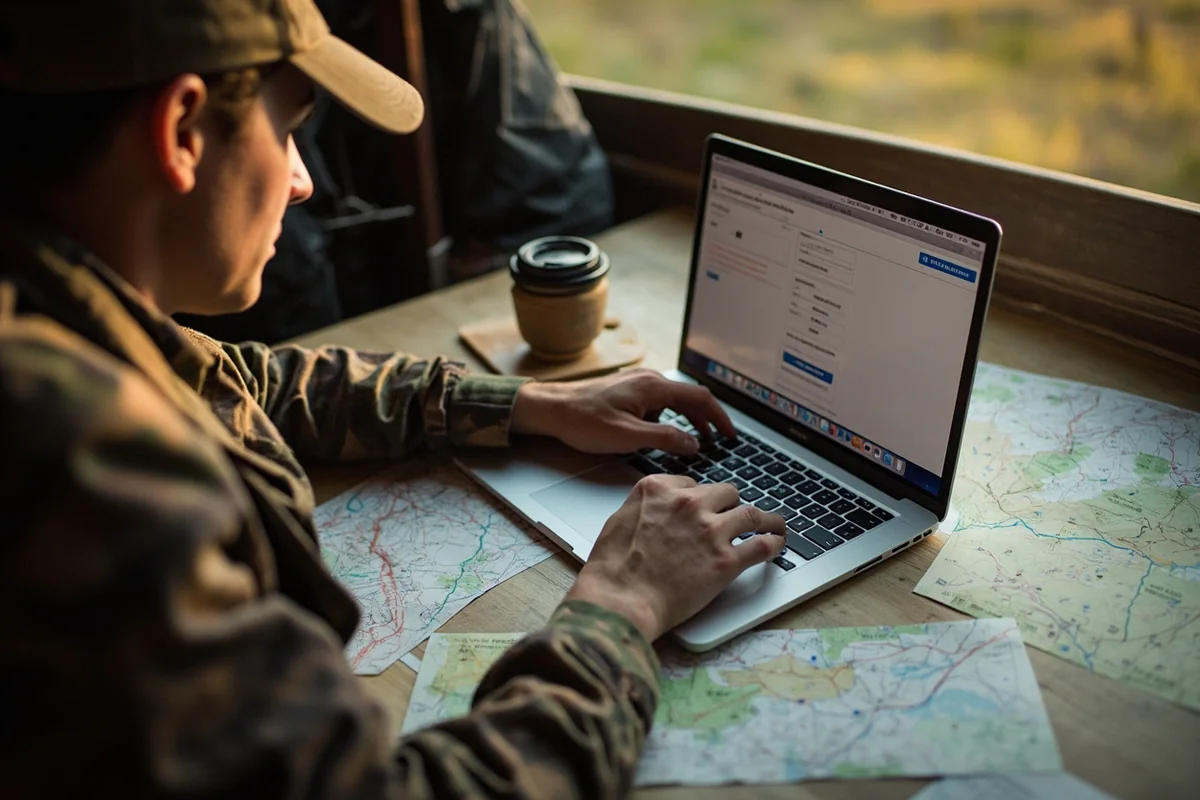
The application period opens in early March and closes in early April. Set a calendar reminder—missing this window means waiting another year or scrambling for leftover licenses.
Best Hunting Districts for Pronghorn
I’ve hunted six different antelope districts across Montana over the years. Here’s my honest assessment of the top areas.
District 620 and 621 – The Hi-Line
These districts near Glasgow represent classic Montana antelope country. Rolling prairie, wheat stubble, and sage flats stretch to the horizon.
When I hunted 620 two falls ago, the buck-to-doe ratio was exceptional. I passed on several 13-inch bucks before taking a 15-inch buck on day three.
The terrain is gentle enough for older hunters or those not in peak physical condition. Most stalks involve crawling through sage rather than climbing.
Public access is excellent through BLM lands and Block Management areas. I hunted entirely on public land and never felt crowded.
District 700 – Jordan and Breaks Country
This is my personal favorite district. The Charles M. Russell National Wildlife Refuge and surrounding BLM land offer endless hunting opportunities.
The terrain here is more challenging—coulees, breaks, and badlands create natural stalking corridors. Last October, I used a deep drainage to close within 180 yards on a buck I’d spotted from over a mile away.
Trophy potential here is excellent. The area produces 16-inch-plus bucks regularly, and I’ve photographed several that would push 80 inches B&C.
One warning: cell service is virtually nonexistent. Tell someone your plans before hunting here.
District 410 – Big Dry Country
East of Jordan, this district offers exceptional antelope density with fewer hunters than the Hi-Line.
During my hunt here in 2021, I counted over 200 antelope in a single day of glassing. The sage flats go on forever.
Access can be trickier—more private land means relying heavily on Block Management areas. I recommend securing permissions or researching BMA locations before your trip.
District 480 and 482 – Powder River Country
These southeastern districts near Miles City offer excellent hunting with good public access through BLM holdings.
The terrain mixes rolling prairies with breaks along the Powder and Yellowstone rivers. It’s visually stunning country that photographs beautifully.
I hunted 482 during my first Montana antelope trip. The learning curve was steep, but the landscape was forgiving enough to make mistakes and still find animals.

Montana Antelope Season Dates and Timing
Understanding Montana hunting seasons helps you plan effectively. Antelope seasons vary by district and weapon choice.
Archery Season
Archery antelope season typically runs from early September through mid-October, varying by district. Some districts open in mid-August for early action.
I’ve bowhunted pronghorn twice in Montana. It’s humbling work. These animals have eyesight equivalent to 8x binoculars, and their wariness is legendary.
Successful archery hunters use either spot-and-stalk tactics with exceptional crawling skills or waterhole ambushes. During my August hunt near Winnett, I sat a waterhole for three days before a buck committed within range.
Water sources become critical during hot early-season periods. I recommend scouting waterholes during summer trips to identify patterns.
General Rifle Season
Rifle season typically runs from mid-October through mid-November. This is when most hunters—including me—chase pronghorn.
Early October offers warmer weather and bucks still in rut behavior. Late October brings cooler temperatures and animals bunching up before winter.
I prefer hunting the second week of October. Rut activity puts bucks on their feet during daylight, and weather is typically cooperative.
For more details on regulations affecting your hunt, review the Montana hunting regulations page before heading afield.
Muzzleloader Considerations
Some hunters pursue antelope during Montana muzzleloader season, which overlaps with archery in many districts.
Modern inline muzzleloaders stretch effective range considerably, making them viable for open-country pronghorn hunting.
Hunting Tactics That Actually Work
I’ve tried every antelope tactic imaginable. Here’s what consistently produces for me in Montana.
Spot-and-Stalk Fundamentals
This is the bread-and-butter approach for Montana antelope. The process is simple in concept, difficult in execution.
Glass from high points early morning and late afternoon. Antelope feed actively during these periods and are easier to pattern.
Once you locate a target buck, study the terrain between you and him. Look for draws, ridges, or any terrain feature providing concealment.
I use a mental checklist: wind direction, sun angle, escape routes, and potential obstacles. Planning the stalk takes longer than executing it, and that’s intentional.
Crawling is unavoidable. I’ve crawled over a mile on a single stalk. Good knee pads and patience are non-negotiable.
Using Terrain Features
Montana’s prairie isn’t as flat as it appears from the road. Subtle terrain changes become your stalking corridors.
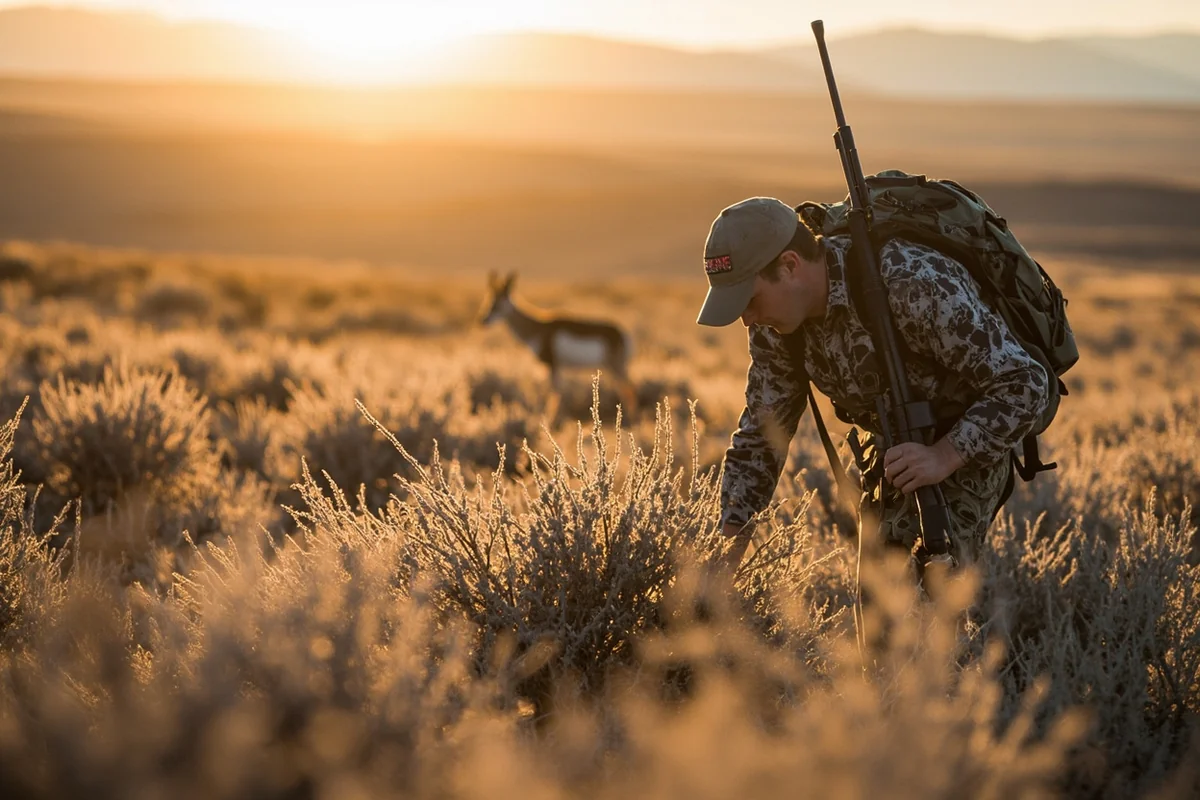
During my hunt near Jordan last fall, I used a six-inch depression in a wheat stubble field to close within 275 yards on a buck bedded in a sage flat. From the road, that field looked pancake flat.
Dry creek beds are golden. Even shallow drainages provide enough cover to move undetected if you stay low.
Hay bales, abandoned equipment, and fence lines offer concealment too. Just respect private property and don’t assume fences mark public land boundaries.
Decoying Tactics
Decoying works during the rut, typically early September through early October. I’ve had mixed results.
My best decoy experience happened in District 620 when a dominant buck charged my antelope silhouette from 400 yards. He stopped broadside at 60 yards, snorting and posturing. It was incredible.
My worst experience involved a buck that spotted me setting up the decoy and took his entire herd to the next county. Literally.
If you try decoying, use realistic silhouettes and have your shooting position ready before deploying. Movement kills decoy setups faster than anything.
Waterhole Ambushes
This tactic shines during archery season when temperatures climb and water becomes scarce. Rifle hunters rarely need this approach.
Successful waterhole hunting requires scouting and patience. Not every waterhole attracts antelope, and timing varies dramatically.
When I hunted a waterhole near Winnett, antelope visited between 9-11 AM daily. Other hunters in the area reported afternoon activity at different water sources. Pattern your specific location.
Ground blinds work well, but place them 2-3 weeks before your hunt if possible. Antelope notice changes and may avoid recent additions to familiar areas.
Gear That Makes the Difference
I’ve refined my antelope gear list over multiple trips. Here’s what I consider essential versus optional.
Optics Are Everything
Quality binoculars matter more for antelope than any other North American game. You’ll spend 80% of your time glassing.
I use 10×42 binoculars as my primary glass. They’re powerful enough to judge bucks at distance but light enough for all-day use.
A spotting scope is essential for judging trophy quality. I carry a 20-60×80 and use it constantly. Last season, it saved me from stalking a “big” buck that turned out to be a 12-incher with good mass but short prong length.
Invest the most money in optics. Cheap binoculars cause eye strain and miss animals. I learned this the hard way my first year.
Rifle and Cartridge Selection
Antelope aren’t tough animals. Almost any centerfire rifle cartridge works. Shot placement matters far more than bullet energy.
That said, flat-shooting cartridges simplify longer shots. I shoot a .270 Winchester for antelope and find it perfect.
The 6.5 Creedmoor has become incredibly popular for pronghorn. Its flat trajectory and mild recoil make it ideal for prairie hunting.
Practice at hunting distances. I zero my rifle at 200 yards and practice regularly at 300-400 yards. Most of my antelope have fallen between 200-350 yards.
Clothing and Concealment
Camo matters less than you’d think. Movement detection triggers antelope flight response, not color recognition.
I wear neutral earth tones—tan, brown, olive—rather than traditional camo patterns. It works fine.
Knee pads are mandatory. I prefer built-in pad systems in hunting pants over external pads that shift during crawling.
A lightweight packable jacket handles Montana’s unpredictable weather. Mornings can be frosty, afternoons warm, and wind constant.

Public Land Access Strategies
Montana offers exceptional public land hunting compared to many states. Understanding your options maximizes success. I wrote extensively about this topic in hunting on Montana state land, but here’s the antelope-specific breakdown.
BLM Lands
The Bureau of Land Management administers millions of acres across eastern Montana’s antelope range. These lands are open to hunting without special permission.
Navigation challenges exist. BLM parcels are scattered and sometimes landlocked by private property. I use OnX Hunt maps religiously to identify legal access points.
Some BLM parcels see heavy pressure near roads. I’ve found that walking even a mile from vehicle access dramatically reduces competition.
Block Management Areas
Montana’s Block Management program provides free access to private lands enrolled by participating landowners. It’s a phenomenal program.
Registration requirements vary by area. Some BMAs allow walk-in access; others require permission or daily sign-in.
I always carry the Block Management booklet and use FWP’s online mapping tools. Regulations and access permissions can change yearly.
My best Montana antelope came from a Block Management area near Malta. The landowner was welcoming, the habitat pristine, and the hunting pressure minimal.
Charles M. Russell National Wildlife Refuge
The CMR offers over one million acres of public hunting land stretching across north-central Montana. Antelope hunting here is exceptional.
Regulations differ slightly from surrounding districts. Check current refuge rules before hunting.
Road conditions on the CMR vary from decent gravel to challenging two-track. I recommend a truck with good clearance and a spare tire.
Processing Your Harvest
Getting your antelope from the field to the freezer requires planning, especially if you’re traveling from out of state.
Field Care in Warm Weather
September antelope seasons coincide with potentially hot weather. Field care matters critically.
I carry game bags always. Getting the hide off and meat cooled prevents spoilage issues that ruin otherwise good animals.
If temperatures exceed 60°F, I quarter my antelope immediately and get it into a cooler with ice. Procrastinating costs quality.
Antelope meat is exceptional when handled properly. It rivals the best venison I’ve eaten. Poorly handled antelope tastes gamey and tough.
Butchering and Packing Options
Eastern Montana offers limited butcher options. Plan accordingly.
In Lewistown, Peg’s Meats processes game professionally. In Miles City, several shops offer processing services.
I’ve started doing my own butchering and prefer it. Antelope are small animals—a 100-pound buck yields maybe 45 pounds of boneless meat—and processing yourself takes only a few hours.
If flying home, consider shipping meat via FedEx or UPS. Many hunters box their frozen meat and ship it overnight rather than dealing with airline checked bag hassles.

Where to Stay and Base Operations
Eastern Montana isn’t overflowing with lodging options. Planning ahead prevents uncomfortable situations.
Towns With Services
Glasgow, Malta, and Jordan serve most Hi-Line and breaks hunters. Miles City and Broadus support southeastern district hunts.
Rooms fill quickly during hunting season. I book lodging in July for October hunts. Waiting until September means limited options or long drives to available rooms.
Jordan particularly challenges visitors—few rooms, limited services. But the hunting quality makes the inconvenience worthwhile.
Camping Options
BLM lands allow dispersed camping, making this a budget-friendly option. I’ve camped many antelope trips successfully.
Water availability limits camping locations. I carry extra water containers and refill in towns before heading to remote areas.
Wind is relentless on the Montana prairie. Stakes and tie-downs for tents aren’t optional. I’ve seen poorly secured camps destroyed by gusts.
Outfitter Considerations
Guided hunts make sense for first-time Montana antelope hunters or those with limited time. Quality outfitters access private ranches with excellent populations.
I’ve done both DIY and guided hunts. My best buck came from a DIY hunt, but my most comfortable experience was guided.
Expect to pay $1,500-$3,000 for a quality guided antelope hunt. That typically includes lodging, meals, and guide services—license costs extra.
Combining Antelope With Other Species
Montana allows stacking multiple hunting opportunities, and antelope season overlaps with several other options.
Deer Combo Hunts
Montana deer hunting seasons overlap significantly with antelope. Many hunters pursue both species during a single trip.
Eastern Montana holds excellent mule deer and whitetail populations. Understanding Montana deer hunting regulations and securing a Montana deer tag lets you take advantage.
Whitetail deer hunts in Montana pair especially well with antelope pursuits—the breaks and river bottoms hold whitetails while surrounding prairies support pronghorn.
Upland Bird Opportunities
Sharp-tailed grouse and Hungarian partridge season typically opens in September. Montana upland bird hunting provides excellent variety during antelope trips.
I always pack a shotgun and bird license for antelope hunts. Walking sage flats in the evening after antelope hunting often flushes sharptails.
Predator and Other Opportunities
Coyote hunting requires no license in Montana and adds action to slow antelope days. I’ve called in coyotes from the same glassing points I use for pronghorn.
Montana wolf hunting is possible in some antelope areas, though wolves are less common on the eastern prairie than in western Montana.
Even Montana squirrel hunting can fill quiet mornings if you’re near suitable habitat along river bottoms.
Common Mistakes and How to Avoid Them
I’ve made plenty of mistakes chasing Montana antelope. Learn from mine.
Underestimating Distances
The open prairie plays tricks on your brain. Animals look closer than they are. Terrain features seem nearby but take hours to reach.
Always use a rangefinder before shooting. I’ve seen hunters miss badly because they guessed 300 yards when the actual distance was 450.
This applies to stalking too. That ridge providing cover looks 400 yards away but might be over a mile. Plan extra time.
Moving Too Fast
Antelope detect movement extraordinarily well. Moving quickly, even at distance, triggers their flight response.
Slow down. Then slow down more. My successful stalks feel painfully slow in the moment but work because they don’t alarm the animals.
When spotted, freeze completely. Sometimes antelope watch for several minutes before either relaxing or running. Movement confirms you’re a threat.
Neglecting Wind
Pronghorn have excellent noses. I’ve had stalks ruined by swirling wind carrying my scent to distant animals.
Check wind constantly during stalks. I carry a small squeeze bottle of powder to monitor air currents.
Montana wind is notoriously inconsistent. What blows from the west at your truck might come from the north a mile away. Stay vigilant.
Conservation and Future of Montana Pronghorn
Pronghorn populations face ongoing challenges that hunters should understand. Habitat loss, fencing, and severe winters all impact herds.
Montana FWP manages populations through adaptive harvest strategies. Some years see increased licenses when herds expand; other years tighten opportunities after harsh winters.
I’ve participated in FWP public comment processes and encourage other hunters to engage. Our voices influence management decisions.
Highway mortality affects pronghorn significantly. Wildlife crossings are being studied and installed in some areas. Supporting these initiatives benefits the resource long-term.
Additionally, predator populations interact with pronghorn success. Montana bear hunting and other predator management affects the overall ecosystem where pronghorn live.
Planning Your Trip Timeline
Successful antelope trips require months of preparation. Here’s my recommended timeline.
- March: Submit license application through Montana FWP. Research districts and secure preference points if needed.
- April-May**: Receive draw results. If successful, begin detailed planning. If unsuccessful, prepare for leftover license sales.
- June-July: Book lodging. Study maps of your hunting district. Purchase or organize gear.
- August: Finalize travel arrangements. Confirm lodging. Practice shooting at anticipated ranges.
- September-October: Execute your hunt. Adjust tactics based on conditions and animal behavior.
Understanding Montana shoulder season elk hunting dates helps if you’re planning extended stays that might overlap with other opportunities.
Final Thoughts on Montana Antelope Hunting
After dozens of days chasing pronghorn across Montana’s prairie, I remain captivated by these remarkable animals. They’re fast, wary, and perfectly adapted to their harsh environment.
Montana offers what I consider the best combination of huntable populations, accessible public land, and reasonable license availability. The eastern prairie isn’t glamorous—no towering peaks or pristine trout streams—but it holds a stark beauty that grows on you.
My advice to first-timers: embrace the challenge. Your first stalk will probably fail. Your distance estimation will be wrong. The wind will shift at the worst moment.
But when everything aligns—when you belly-crawl through sage for an hour and finally settle your crosshairs on a mature buck—there’s nothing else like it.
Consider exploring other Montana hunting opportunities like Montana duck hunting or Montana swan hunting to add variety to your Big Sky adventures. Even the unusual, like Montana buffalo hunting, offers unique experiences in this remarkable state.
Good luck out there. The speed goats are waiting.
Frequently Asked Questions
When is the best time to hunt antelope in Montana?
Montana’s antelope hunting season typically runs from early September through mid-October, with archery season starting in early September and rifle season following in October. I’d recommend planning your trip for early October when the weather is cooler and antelope are more active during daylight hours. This timing also lets you avoid the peak summer heat while still enjoying decent road conditions across the prairie.
How much does a Montana antelope hunting license cost for non-residents?
Non-resident antelope hunting licenses in Montana cost approximately $205 for a general license, plus a $10 conservation license and $2 base hunting license that all hunters must purchase. You’ll also need to apply through Montana’s hunting license lottery system, as antelope tags are limited and distributed by hunting district. Budget around $250-300 total for all required permits and fees before factoring in guide services or landowner access.
Do I need a guide for antelope hunting in Montana?
While Montana doesn’t legally require non-residents to hire a guide for antelope hunting, I strongly recommend it for first-time visitors unfamiliar with the terrain and public land access points. A quality outfitter typically charges $2,500-4,500 for a guided 3-5 day antelope hunt including lodging and meals. Guided hunts also help you navigate the checkerboard pattern of public and private land that’s common in eastern Montana’s prime antelope country.
What gear should I bring for Montana antelope hunting?
Pack a flat-shooting rifle chambered in .243, .25-06, or .270 with a quality scope rated for 300-500 yard shots, as Montana’s open prairie offers few stalking opportunities. Bring layered clothing for temperatures ranging from 30°F mornings to 70°F afternoons, sturdy binoculars (10×42 minimum), a spotting scope, and comfortable boots for walking miles of sagebrush terrain. Don’t forget sunscreen, a good cooler for meat transport, and orange clothing as required by Montana hunting regulations.
Where are the best areas to hunt pronghorn antelope in Montana?
The best Montana antelope hunting districts are concentrated in the eastern and central regions, particularly around hunting districts 410, 411, 620, and 700 near Miles City, Glasgow, and Lewistown. These areas feature vast prairie grasslands and sagebrush flats where pronghorn populations thrive in large numbers. I’d focus on applying for districts with higher tag quotas and researching BLM land access, as some units have better public hunting opportunities than others.
How far in advance should I apply for Montana antelope hunting tags?
Submit your Montana antelope license application by mid-March for the annual lottery drawing, as this deadline is strictly enforced and results are typically announced in May. Non-residents should start planning 12-18 months ahead since popular hunting districts can take 1-3 years to draw depending on preference point accumulation. I recommend purchasing preference points in years you don’t draw to improve your odds for future seasons.
Can I hunt antelope on public land in Montana without paying trespass fees?
Yes, Montana offers excellent public land antelope hunting on BLM and state trust lands throughout eastern Montana, though access can be challenging due to the checkerboard ownership pattern. Use the Montana FWP Hunt Planner and onX Maps to identify legal public access points and avoid accidentally crossing onto private property. Some landowners participate in Montana’s Block Management program, which provides free public access to private lands during hunting season with registration.
Sources