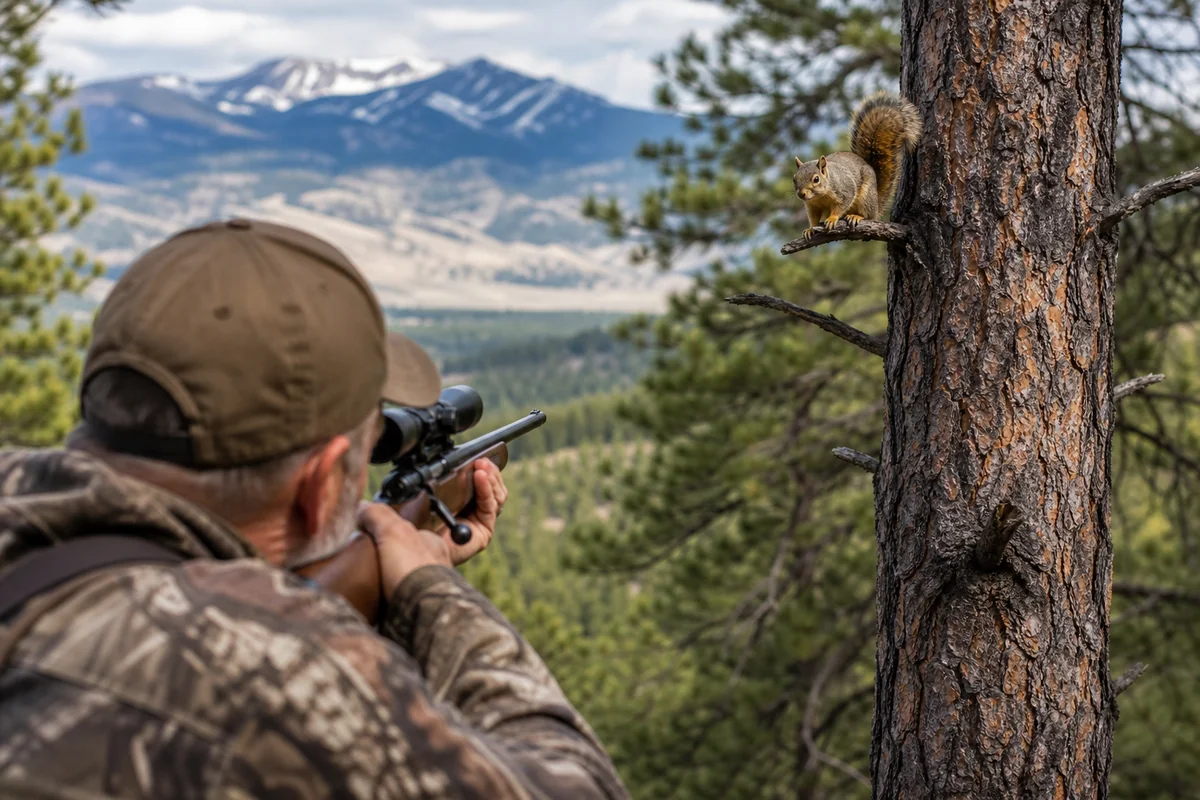
The first time I raised my .22 at a bushy-tailed fox squirrel chattering from a ponderosa pine near Missoula, I realized I’d been overlooking one of Montana’s most accessible and genuinely fun hunting opportunities for years.
While most hunters visiting Big Sky Country fixate on elk, deer, and other big game highlighted in our comprehensive Montana Hunting Guide, I’ve come to appreciate squirrel hunting as the perfect introduction to Montana’s wild places—and an incredibly rewarding pursuit in its own right.
Whether you’re a seasoned hunter looking for something different or a newcomer wanting to build skills before pursuing Montana elk or deer, squirrel hunting offers year-round practice, delicious table fare, and access to some of the most beautiful forests in America without the crowds, lottery systems, or expensive tags that come with big game pursuits.
- Montana has no closed season on tree squirrels (fox and pine squirrels) and no bag limits
- You need a valid Montana hunting license but no special permits or tags
- Best hunting months: September through November when squirrels actively cache food
- Top locations: Bitterroot Valley, Flathead National Forest, and river bottoms throughout western Montana
- Recommended gear: .22 LR rifle or 20-gauge shotgun with #6 shot
- Squirrel meat is excellent—similar to rabbit but with a slightly nuttier flavor
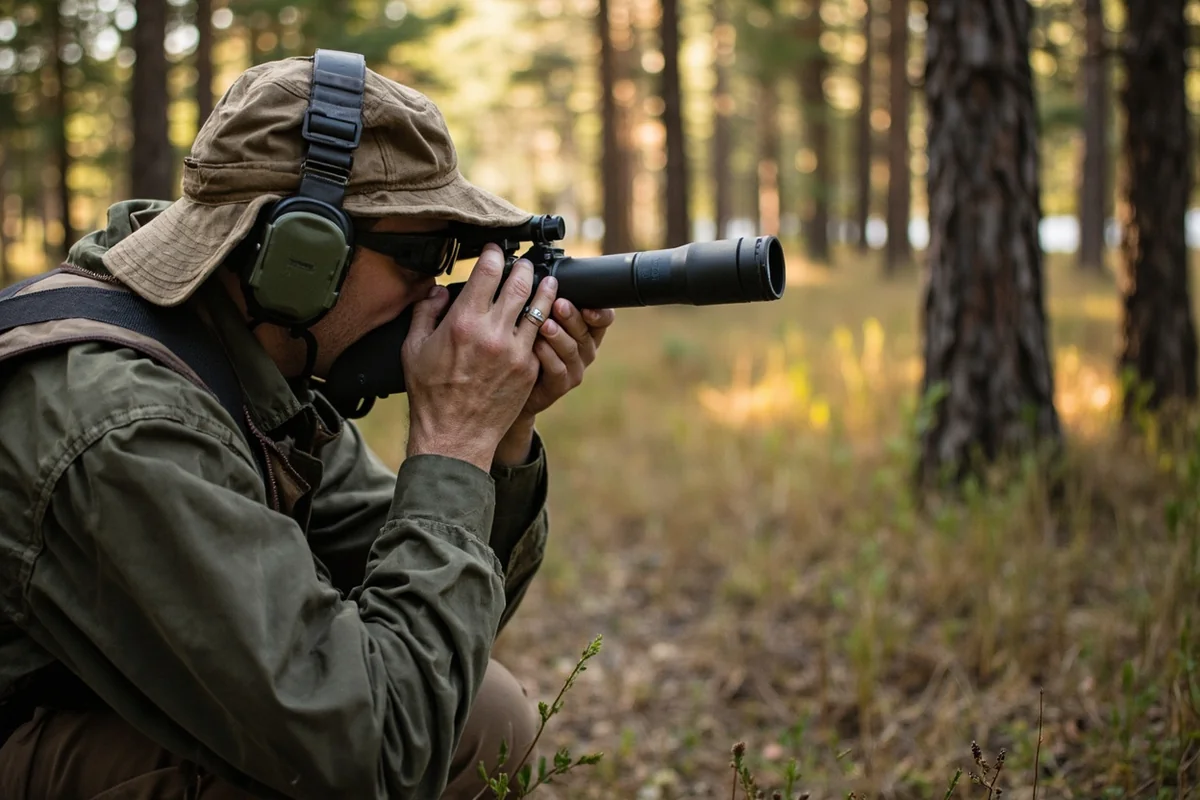
Why Montana Squirrel Hunting Deserves Your Attention
I’ll be honest—when I first moved to Montana eight years ago, I thought squirrel hunting was something people did back East. I was wrong, and I’m glad I eventually discovered just how wrong.
During my first dedicated squirrel hunt last October near Hamilton, I bagged six fat fox squirrels in a single morning.
The experience reminded me why I fell in love with hunting in the first place: the quiet woods, the patience required, the satisfaction of a well-placed shot, and ultimately, fresh wild game for dinner.
Montana’s squirrel populations are healthy and largely ignored by hunters focused on bigger quarry. This means less pressure, more opportunities, and the chance to explore public lands when most hunters are either waiting for their preference points to accumulate or sitting in tree stands during deer season.
Understanding Montana’s Squirrel Species
Before you head into the field, you need to know what you’re hunting. Montana hosts several squirrel species, but only two are typically pursued by hunters.
Fox Squirrels
Fox squirrels are my personal favorite. They’re the largest tree squirrel in North America, often weighing over two pounds and stretching 20+ inches from nose to tail tip.
In Montana, you’ll find them primarily in riparian areas along major river systems—the Yellowstone, Missouri, Bitterroot, and Clark Fork corridors. They love cottonwood groves and mixed deciduous forests.
During my hunts along the Bitterroot River last fall, I noticed fox squirrels preferred the oldest, largest cottonwoods with plenty of cavity holes. They’re more tolerant of human activity than other species, which is why you’ll sometimes spot them in rural residential areas and parks.
Their rusty-orange coloring makes them easier to spot than their smaller cousins, and their larger size means more meat per animal—a serious consideration when you’re hunting for the table.
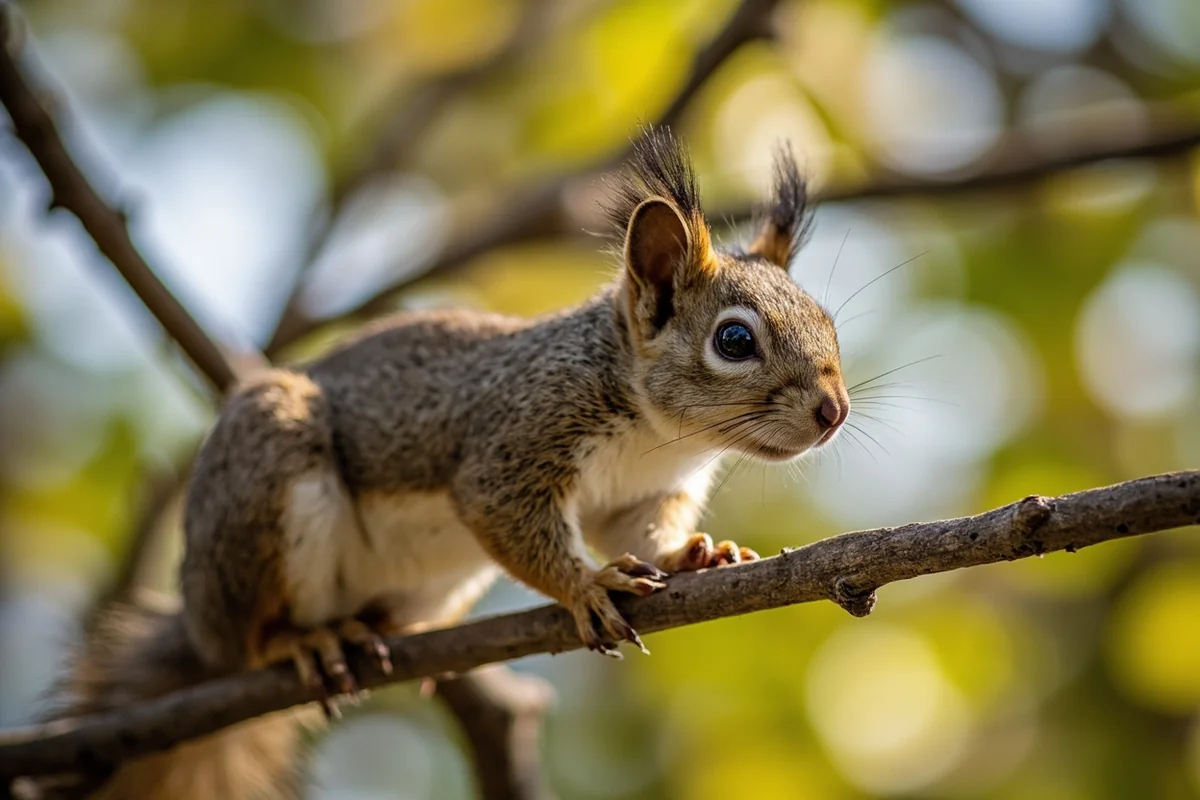
Pine Squirrels (Red Squirrels)
Pine squirrels, often called red squirrels or chickarees, are abundant throughout Montana’s coniferous forests. They’re smaller than fox squirrels—typically weighing around half a pound—but what they lack in size, they make up for in numbers.
These little fireballs are incredibly vocal. When I was scouting a new area in the Flathead National Forest two summers ago, I could map out squirrel territories just by listening to their alarm calls and chattering.
Pine squirrels create distinctive middens—piles of stripped pinecone cores and scales at the base of their favorite trees.
Finding fresh middens is the single best way to identify productive hunting spots. I’ve walked into areas with middens three feet tall and six feet across, evidence of generations of squirrels using the same location.
One note of caution: pine squirrels are territorial and aggressive, so if you find one, it’s likely the only squirrel in that immediate area. Plan to move frequently when targeting this species.
Species You Cannot Hunt
Montana also has ground squirrels, including the Columbia ground squirrel and Richardson’s ground squirrel. These are not protected and can be hunted year-round without a license on private land with permission or on certain public lands.
However, the Northern flying squirrel is present in Montana and is a protected nongame species. You cannot legally hunt them. They’re nocturnal anyway, so you’re unlikely to encounter one during a typical daytime hunt.
Licensing and Regulations
One of the best things about squirrel hunting in Montana is the simplicity of the regulatory framework. Compared to the complex draw systems for bighorn sheep or even the tag requirements for mule deer, squirrel hunting is refreshingly straightforward.
What You Need
All you need is a valid Montana hunting license. Residents and non-residents alike can purchase a conservation license and a general hunting license, and you’re legal to pursue tree squirrels.
The process is simple. I recommend checking our breakdown of Montana hunting license costs for current pricing, but expect to pay around $8 for residents and approximately $80 for non-residents for a basic hunting license.
There’s no special squirrel tag or permit required. No lottery. No preference points needed. Just buy your Montana hunting license, review the hunting regulations, and you’re ready to hunt.
Season Dates and Bag Limits
Here’s where it gets even better: Montana has no closed season on tree squirrels. That’s right—you can hunt fox squirrels and pine squirrels 365 days a year, provided you have a valid license.
There’s also no daily or possession limit. Montana Fish, Wildlife & Parks classifies tree squirrels as unprotected species from a bag limit standpoint, similar to how many states treat coyotes.
That said, I encourage ethical harvest. Just because you can take unlimited squirrels doesn’t mean you should. I typically limit myself to what I’ll actually eat within a few weeks—usually 6-10 squirrels per outing.
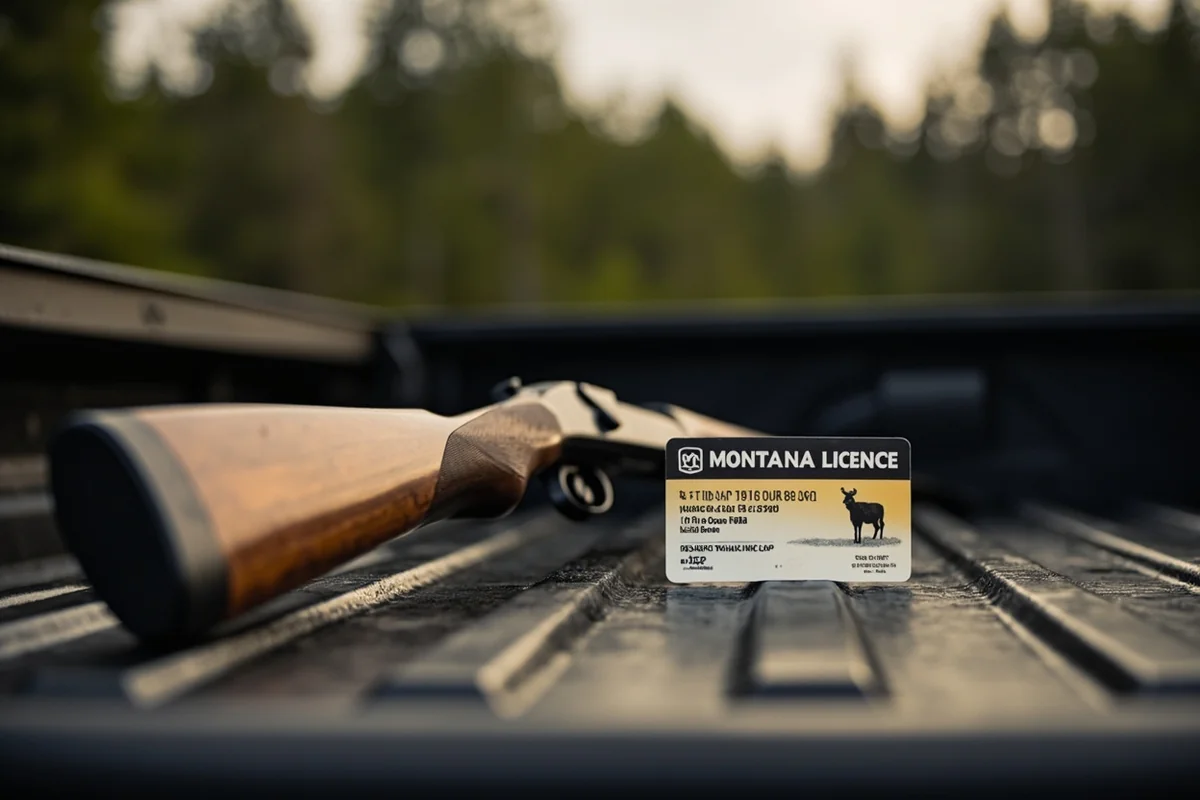
| Regulation | Details |
|---|---|
| Season Dates | Year-round (no closed season) |
| Daily Bag Limit | No limit |
| Possession Limit | No limit |
| License Required | Valid Montana hunting license |
| Special Permits | None required |
| Legal Species | Fox squirrels, pine squirrels (red squirrels) |
Best Time of Year to Hunt Montana Squirrels
While you can legally hunt squirrels any day of the year, some periods are dramatically better than others. I’ve learned this through trial and error over multiple seasons.
Prime Season: September Through November
Without question, fall is the best time for squirrel hunting in Montana. During this period, squirrels are actively caching food for winter, which means they’re moving constantly and more visible.
Last September, I hunted a stretch of the Bitterroot River near Stevensville and watched fox squirrels making trips between cottonwoods and their cache sites every few minutes. The activity level was incredible compared to my summer hunts in the same location.
The weather during fall is also ideal. Cool mornings keep squirrels active longer, and the lack of mosquitoes makes sitting still actually pleasant.
Early Spring: February Through April
Late winter and early spring can be productive, particularly after a mild winter. Squirrels begin breeding and become more active after months of relative dormancy.
I had a productive hunt near Lolo Hot Springs last March when unseasonably warm temperatures brought pine squirrels out in force.
The snow was still patchy on the ground, making tracking easier and the squirrels more visible against the white backdrop.
Seasons to Avoid
Midsummer (June through August) is generally the slowest period. Squirrels are less active during the heat of the day and often stay in their nests until evening.
Deep winter (December through February) can be tough, especially in years with heavy snowfall. Squirrels remain in their dens during extreme cold and are generally harder to find.
That said, I’ve had some of my most peaceful and enjoyable hunts during winter. If you’re willing to work harder for fewer opportunities, the solitude of a Montana forest in January can be worth it.
Where to Hunt Squirrels in Montana
Finding productive squirrel hunting areas requires understanding habitat and land access. I’ve spent years exploring different regions and have developed some favorite spots—though I’ll admit I keep my best locations somewhat vague to preserve them.
Public Land Opportunities
Montana’s generous public land access makes squirrel hunting accessible to everyone. You can hunt on Montana state land, national forests, and BLM ground throughout the western half of the state.
My go-to public lands for squirrel hunting include:
Bitterroot National Forest: This was where I first fell in love with Montana squirrel hunting. The mixed conifer forests along creek drainages hold excellent pine squirrel populations, while the cottonwood bottoms near the Bitterroot River harbor fox squirrels.
Flathead National Forest: Some of the largest unbroken conifer forests in the lower 48 states. I’ve hunted the Swan River drainage with consistent success. The pine squirrel population here is robust.
Lolo National Forest: Close to Missoula and easily accessible. The areas around the Blackfoot River have a mix of habitat types that support both species.
Helena-Lewis and Clark National Forest: Often overlooked by hunters focused on the more famous forests to the west, but the ponderosa pine forests on the eastern front hold good numbers of squirrels.
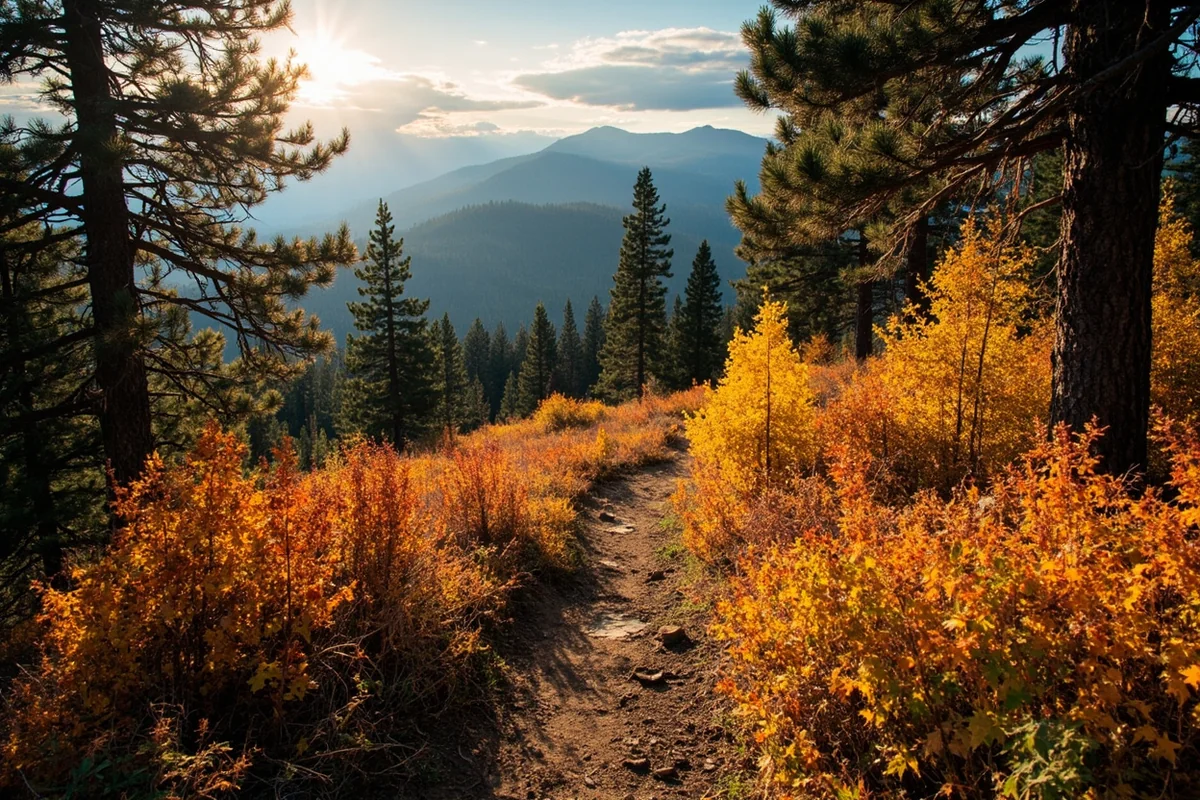
River Corridors
For fox squirrels specifically, focus on major river corridors with mature cottonwood stands. These include:
- Yellowstone River from Livingston to the North Dakota border
- Missouri River corridor
- Bitterroot River from Hamilton to Missoula
- Clark Fork River near Deer Lodge and Missoula
- Flathead River drainage
During a trip to the Yellowstone River near Livingston last October, I found fox squirrels concentrated in a two-mile stretch of mature cottonwoods. The key was finding trees with active cavities—look for worn bark around holes and fresh gnawing marks.
Private Land Access
Don’t overlook private land opportunities. Many Montana landowners are happy to grant permission for squirrel hunting because it doesn’t interfere with their deer or elk hunting activities.
I’ve built relationships with several ranch families who appreciate that I’m helping control squirrel populations that raid their gardens and orchards. A polite knock on the door, explanation of what you’re after, and offer to share some of the harvest goes a long way.
Gear and Equipment
You don’t need fancy equipment for squirrel hunting, but having the right tools makes a significant difference in both safety and success.
Firearms
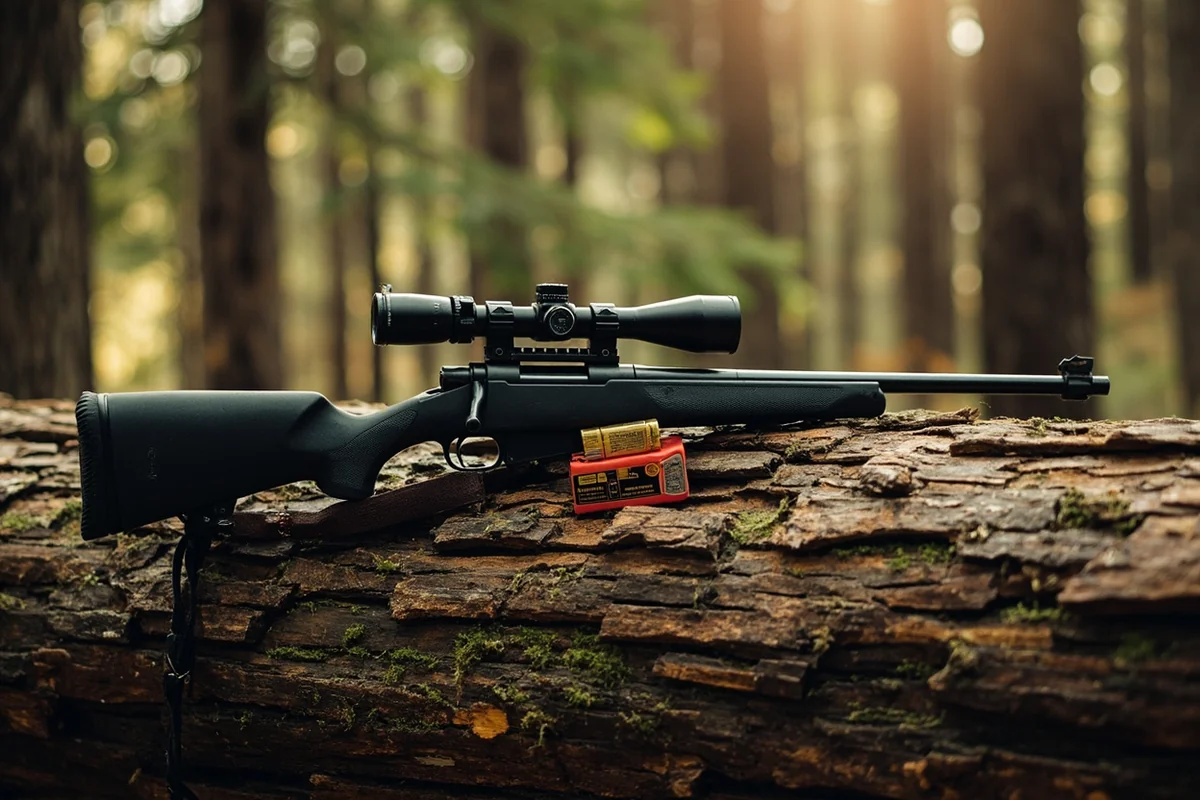
The classic squirrel rifle is a .22 LR, and it’s still my top recommendation. I hunt with a Ruger 10/22 with a 4x scope for most of my squirrel outings. It’s light, accurate, and the ammunition is affordable enough for extensive practice.
Head shots are the goal with a .22. They preserve the most meat and ensure a quick, humane kill. I typically pass on shots beyond 40 yards unless I have a solid rest.
For hunters who prefer shotguns, a 20-gauge with #6 shot works excellently. This is a better choice in dense timber where shots are close and squirrels are moving. I’ve also used a .410 effectively, though the limited payload requires closer shots.
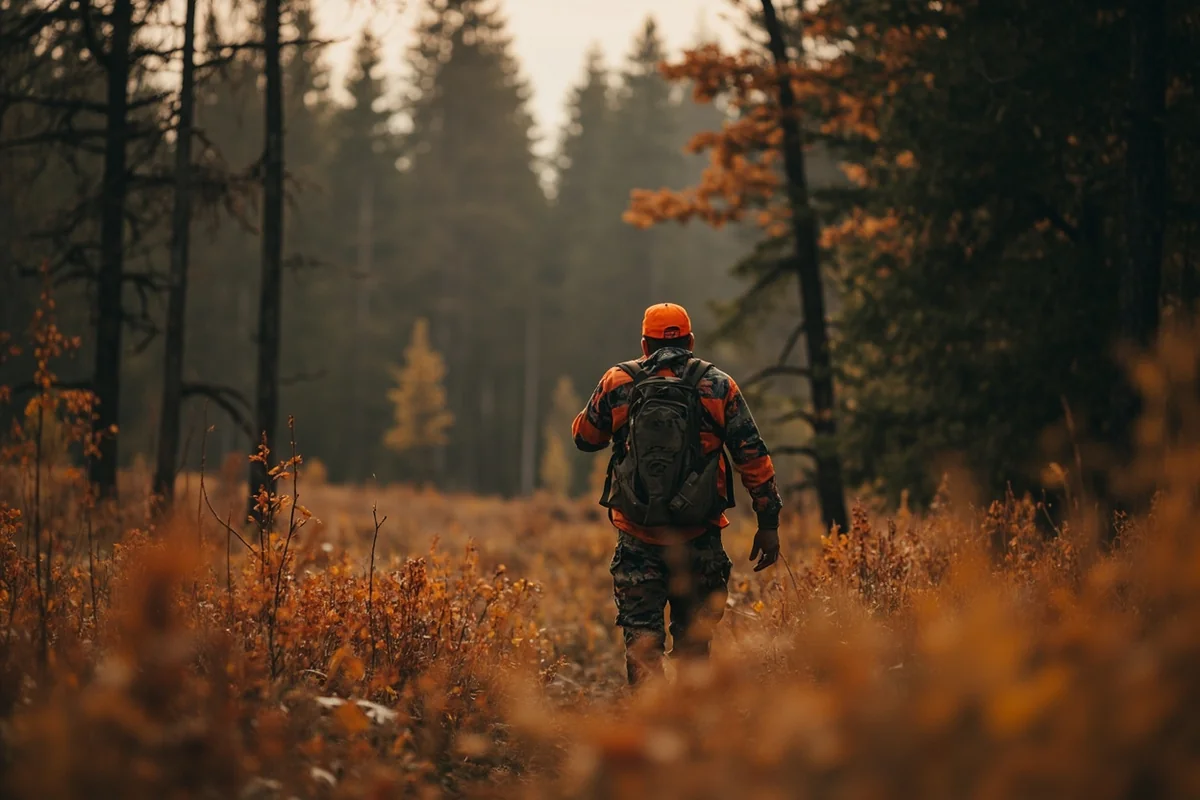
One consideration: if you’re hunting during Montana’s general hunting seasons, be aware of other hunters in the area. An orange vest is always a good idea, even though it’s not legally required for squirrel hunting.
Optics
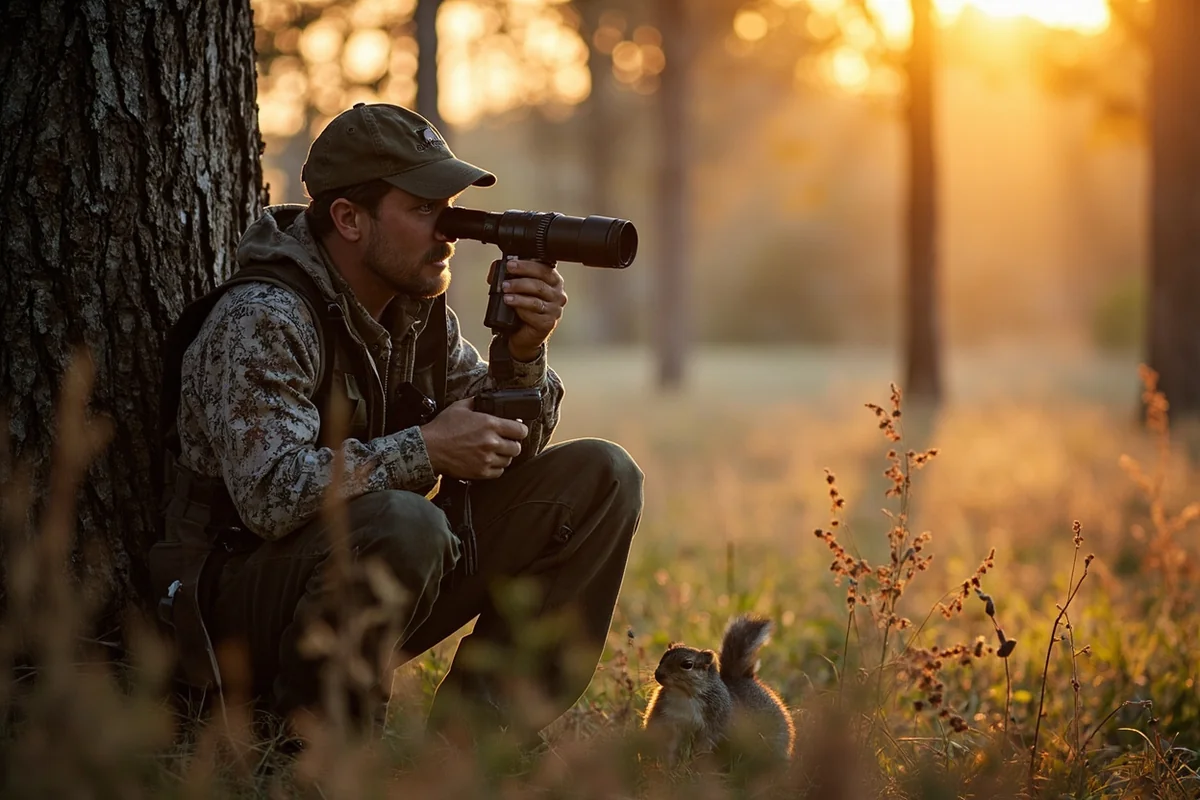
Good binoculars are essential. I carry a compact 8×32 pair and use them constantly. Squirrels are small and often blend into tree bark—binoculars let you scan efficiently and identify your target clearly before taking a shot.
A rifle scope in the 2-7x or 4x range is ideal for squirrel hunting distances. Anything more powerful becomes difficult to use on small, quick targets.
Clothing and Footwear
Dress in layers and expect to move frequently. I typically wear:
- Moisture-wicking base layer
- Fleece or wool mid-layer
- Quiet outer shell (avoid noisy synthetics)
- Comfortable hiking boots with good ankle support
- Lightweight gloves that allow trigger feel
Camouflage isn’t strictly necessary—I often hunt in muted earth tones—but avoid bright colors other than blaze orange during big game seasons.
Other Essentials
My daypack for squirrel hunting includes:
- Game bag or mesh sack for harvested squirrels
- Sharp knife for field dressing
- Water and snacks
- First aid kit
- Cell phone (coverage is spotty in many areas)
- Paper towels or wet wipes
- Zip-lock bags for heart, liver, and other organs if desired
Hunting Techniques That Work
Over the years, I’ve developed a hunting approach that consistently puts squirrels in the bag. Here’s what works for me in Montana’s varied terrain.
Still Hunting and Spot-and-Stalk
My most productive method is a slow walk through good habitat, stopping frequently to scan and listen. I move perhaps 50 yards, then pause for 2-3 minutes to watch and listen.
Squirrels are creatures of habit and routine. If you’re patient and observant, you’ll notice movement in the canopy or hear the distinctive chattering, cutting, and scratching sounds that give away their position.
During a hunt in the Flathead last fall, I spotted a pine squirrel by the tiny flecks of bark falling from 40 feet up a lodgepole pine. I never heard the squirrel—I just noticed the debris drifting down and traced it to its source.
Sitting and Waiting
When I find an area with fresh sign—active middens, fresh cuttings, or multiple squirrel sightings—I’ll often sit against a tree for 30-45 minutes and let the woods settle down.
Squirrels that fled when you arrived will eventually resume their activities. The key is absolute stillness. I’ve had squirrels approach within 10 feet of my position when I sat motionless long enough.
This technique works particularly well in the morning hours when squirrels are most active and during fall when they’re focused on food gathering.
Using Calls
Squirrel calls exist, but I rarely use them. I’ve experimented with commercial calls and found them marginally effective at best for getting squirrels to reveal their position.
What does work is making kissing sounds or clicking your tongue against the roof of your mouth. These sounds often trigger a squirrel to bark in response, giving away its location.
Following Fresh Cuttings
One technique specific to pine squirrels that I’ve found incredibly effective is following fresh cone cuttings. When pine squirrels are actively harvesting cones, they create a telltale debris field of fresh cone scales on the ground.
I walk until I find fresh, green cuttings—still moist and pungent with pitch. Then I look up. The squirrel is almost always within 50 yards, working the cone crop.
Field Dressing and Processing
Squirrel meat is delicious, but proper field care is essential. Here’s my process, refined over many seasons.
Initial Field Dressing
I field dress squirrels immediately after harvest to cool the meat. Make an incision from the base of the ribs to the pelvis, remove the entrails, and wipe out the body cavity.
If temperatures are warm (above 50°F), I also skin the squirrels in the field to help them cool faster. The hide insulates the body and can cause meat to spoil quickly.
On cold days, I simply field dress and keep the squirrels whole until I return home.
Skinning
There are many methods for skinning squirrels, but the “pants and shirt” method works best for me:
1. Make cuts around each leg at the ankle joint
2. Make a cut across the back at mid-body
3. Pull the skin toward the head and toward the tail—like removing pants and a shirt
4. Remove the head, feet, and tail
5. Rinse thoroughly
The whole process takes about three minutes once you’ve done it a few times.
Cooking
Squirrel meat is similar to rabbit—lean, mild, and slightly sweet with a subtle nutty flavor. Young squirrels are tender enough to pan-fry or grill. Older animals benefit from slow cooking methods.
My favorite preparation is squirrel braised with bacon, onions, and mushrooms in a Dutch oven. After two hours at low heat, even tough old fox squirrels become tender and flavorful.
Other excellent preparations include:
- Fried squirrel with gravy—a Southern classic that works beautifully with Montana squirrels
- Squirrel pot pie
- Slow-cooker squirrel tacos
- Squirrel and dumplings
Combining Squirrel Hunting with Other Pursuits
One aspect of squirrel hunting I’ve come to appreciate is how well it combines with other Montana hunting opportunities.
Scouting for Big Game
Squirrel hunting is the perfect excuse to scout for deer, elk, and other big game. During my fall squirrel hunts, I’m constantly noting elk sign, deer trails, and terrain features that I’ll return to during deer season or the shoulder season.
I keep a small notebook in my pack and record GPS coordinates for promising locations. Some of my best big game spots were discovered while chasing squirrels.
Combining with Upland Bird Hunting
Many of the same forests that hold squirrels also support grouse populations. During my squirrel hunts in the Bitterroot, I carry my shotgun and harvest both species on the same outings.
If you’re interested in other small game, check out our guide to Montana upland bird hunting. The habitat overlap makes these pursuits natural companions.
Off-Season Practice
Because there’s no closed season, squirrel hunting provides year-round practice for hunters waiting for fall big game seasons. The stalking skills, patience, and marksmanship you develop translate directly to pursuing antelope, whitetail deer, and other game.
Safety Considerations
Squirrel hunting is generally safe, but there are Montana-specific considerations you should keep in mind.
Wildlife Encounters
Montana’s forests are home to grizzly and black bears. During my squirrel hunts, I carry bear spray on my belt and make occasional noise when moving through thick cover.
I’ve encountered bears several times while squirrel hunting—always at a distance—but the risk is real, particularly in fall when bears are actively feeding before hibernation.
Our guide to Montana bear hunting offers more information on bear behavior if you’re interested.
Hunter Density
During general big game seasons, particularly archery season in September and rifle season in late October/November, be extra cautious about other hunters in the field. Wear blaze orange, know your target and what’s beyond it, and consider avoiding heavily-used public land areas.
Terrain Hazards
Montana’s forests can be rugged. Deadfall, steep slopes, and slick rocks create real hazards. I’ve twisted an ankle on a squirrel hunt that ended an otherwise productive day—a reminder to watch your step even when your eyes are on the canopy.
Planning Your Montana Squirrel Hunting Trip
If you’re traveling to Montana specifically for squirrel hunting—or adding it to a bigger trip—here’s practical guidance.
When to Come
Plan your trip for late September through mid-October for the best combination of squirrel activity and pleasant weather. The fall colors are spectacular, and you’ll beat the crowds that arrive for rifle season.
If you’re combining with other hunting, consider timing your trip to overlap with duck season (check our Montana duck hunting guide) or the general muzzleloader season.
Where to Base
Missoula makes an excellent base for squirrel hunting, with easy access to the Bitterroot Valley, Flathead drainage, and Lolo National Forest. Hamilton is closer to the heart of Bitterroot fox squirrel country.
For the eastern part of the state, Billings or Livingston provide access to Yellowstone River corridor fox squirrel populations.
What to Budget
Squirrel hunting is remarkably affordable compared to other Montana hunting pursuits. No expensive wolf tags, buffalo permits, or guided hunts required.
Budget for:
- Non-resident hunting license: approximately $80
- Lodging: $80-150/night depending on location and season
- Ammunition: minimal (.22 LR is inexpensive)
- Fuel for scouting and access
- Food and incidentals
A week-long squirrel hunting trip to Montana can easily cost less than a single day of guided swan hunting or other premium experiences.
Final Thoughts on Montana Squirrel Hunting
After eight years of living and hunting in Montana, I’ve pursued everything from elk to waterfowl. Yet squirrel hunting remains one of my favorite ways to spend time in the field.
There’s something deeply satisfying about this pursuit. It connects you to hunting traditions that stretch back centuries. It feeds you without the complexity and expense of big game hunting. And it takes you into Montana’s most beautiful forests during the best times of year.
If you’ve never tried squirrel hunting, Montana is the perfect place to start. The regulations are simple, public land is abundant, and the squirrel populations are healthy.
Pick up your license, grab a .22 or shotgun, and find a quiet stretch of river bottom or national forest. Move slowly, watch carefully, and listen. The squirrels will show themselves eventually.
And when you sit down to a meal of pan-fried squirrel with gravy and biscuits, you’ll understand why hunters have treasured this pursuit for generations. Montana offers countless hunting opportunities—the challenge is simply choosing which to pursue first.
Frequently Asked Questions
Do I need a hunting license for squirrel hunting in Montana?
Yes, you’ll need a valid Montana hunting license to hunt squirrels legally. Non-resident small game licenses cost around $85-$100, and you can purchase them online through Montana Fish, Wildlife & Parks or at local sporting goods stores. I recommend buying your license before your trip to avoid any delays once you arrive.
What is the best time of year for squirrel hunting in Montana?
The prime squirrel hunting season in Montana runs from September through November when squirrels are actively gathering food before winter. Early morning hours between 6-9 AM and late afternoon from 4-6 PM offer the best activity levels. I’ve found late September particularly productive when the leaves start thinning but temperatures remain comfortable for all-day hunting.
Where are the best public lands for squirrel hunting in Montana?
Montana’s national forests like the Lolo, Gallatin, and Flathead offer excellent squirrel hunting opportunities on millions of acres of public land. Look for mature pine and spruce forests with good understory cover, particularly near creek bottoms and ridgelines. State trust lands also allow hunting with proper licensing, and I’ve had great success in mixed conifer stands about 30-50 miles outside major cities.
What gear should I pack for a Montana squirrel hunting trip?
Pack a .22 caliber rifle or 20-gauge shotgun with appropriate ammunition, blaze orange clothing, comfortable hiking boots, and layered clothing for Montana’s unpredictable weather. Binoculars help spot squirrels in tall pines, and a quality game bag keeps your harvest fresh. I always bring a comfortable seat cushion since sitting quietly against trees for 30-60 minutes produces the best results.
How much does a Montana squirrel hunting trip cost for out-of-state hunters?
Budget approximately $300-$500 for a basic DIY squirrel hunting trip including your non-resident license ($85-$100), lodging ($80-$150 per night), gas, and food. If you’re flying into Bozeman or Missoula, add airfare and rental car costs of around $40-$60 daily. Guided small game hunts are rare but camping on public lands can significantly reduce your overall expenses.
What species of squirrels can I legally hunt in Montana?
Montana allows hunting of red squirrels (pine squirrels) and fox squirrels, with no daily bag limits on red squirrels in most regions. Ground squirrels and Richardson’s ground squirrels are classified as non-game animals and can be hunted year-round without limits. Always check current Montana FWP regulations before your trip since rules can vary by region and hunting district.
Can I combine squirrel hunting with other outdoor activities in Montana?
Absolutely, and I highly recommend it since Montana offers incredible multi-activity trip opportunities. Many hunters combine squirrel hunting with upland bird hunting for grouse or partridge in the same forested areas during fall months. You can also plan morning squirrel hunts followed by afternoon trout fishing, hiking in Glacier National Park, or exploring nearby towns like Whitefish or Bozeman for dining and local culture.
Sources