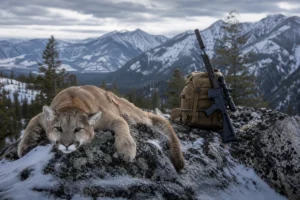
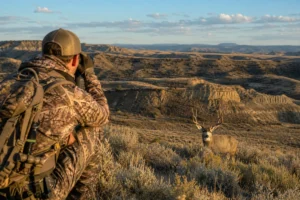
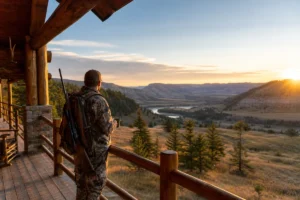
The morning fog was just lifting off the Flathead River when I spotted my first Montana black bear—a chocolate-phase boar working through a huckleberry patch at 200 yards.
My heart pounded as I steadied my rifle against a lodgepole pine, watching him feed completely unaware of my presence. That moment, after three days of glassing and hiking through some of the most rugged terrain in the Northern Rockies, reminded me exactly why Montana remains one of the premier black bear hunting destinations in North America.
Whether you’re a first-timer exploring our comprehensive Montana Hunting Guide or a seasoned hunter looking to add a bruin to your resume, this state delivers exceptional opportunities across millions of acres of prime habitat.
- Montana offers over-the-counter black bear tags for residents and non-residents with spring (April 15–May 31) and fall (September 15–November 30) seasons
- Best hunting regions include Northwest Montana (Regions 1 and 2) and the Greater Yellowstone area (Region 3)
- Spring hunts focus on glassing open slopes; fall hunts emphasize berry patches and feeding corridors
- Non-resident licenses run approximately $350 for black bear, plus base hunting license fees
- Baiting is illegal in Montana—spot-and-stalk and calling are primary methods
- Color phases vary widely; chocolate and cinnamon bears are common in certain units
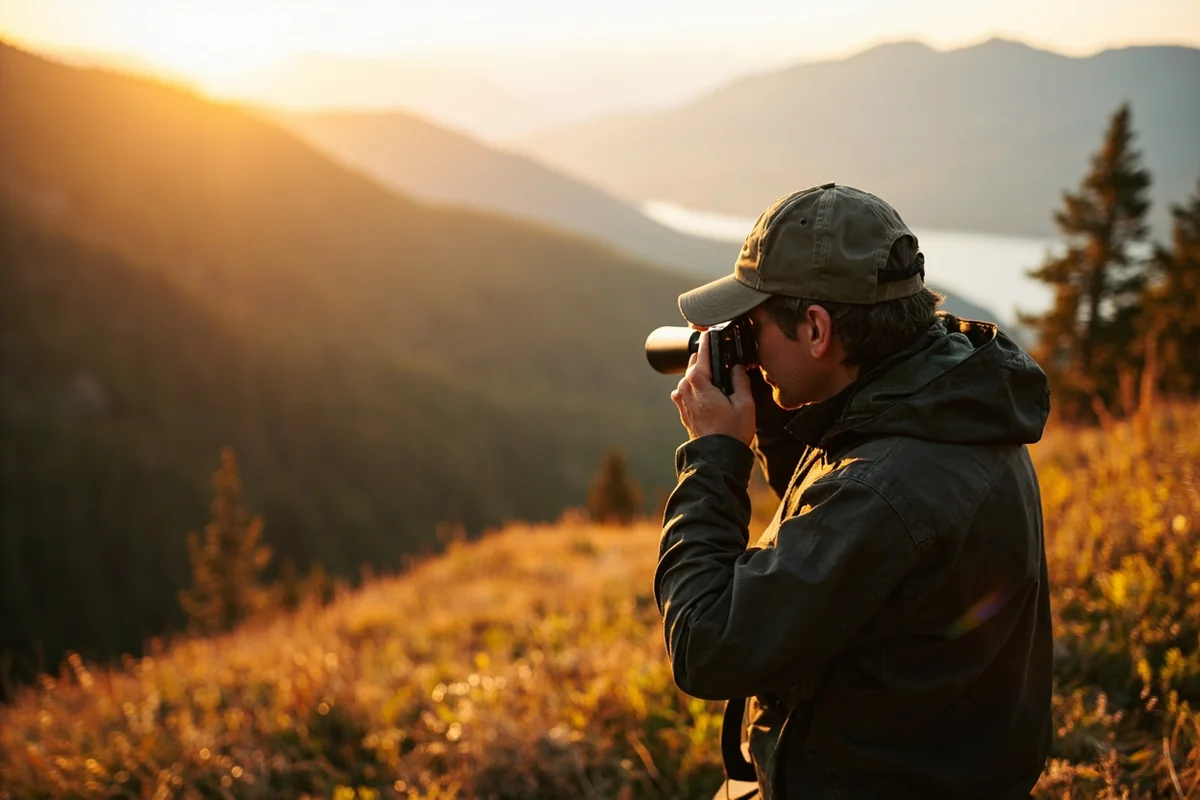
Why Montana Stands Out for Black Bear Hunting
I’ve hunted black bears in several Western states over the years, and Montana consistently delivers something special. The combination of vast public land access, healthy bear populations, and diverse terrain creates opportunities you simply won’t find elsewhere.
Montana’s black bear population hovers around 15,000 animals statewide, with densities highest in the northwestern portion of the state. Unlike some states where drawing a tag requires years of waiting, Montana offers over-the-counter black bear licenses to both residents and non-residents.
This accessibility doesn’t mean the hunting is easy—far from it. But it does mean you can plan a hunt without the uncertainty of drawing odds.
The Public Land Advantage
One thing that struck me during my first Montana bear hunt was the sheer amount of accessible terrain. Nearly 30 million acres of public land spread across national forests, BLM holdings, and state lands.
I’ve spent entire weeks hunting without seeing another hunter in the backcountry. The Kootenai National Forest alone covers over 2 million acres of prime bear habitat.
If you’re wondering about access specifics, I wrote extensively about whether you can hunt on Montana state land—the short answer is yes, and it opens up tremendous opportunities.
Understanding Montana’s Black Bear Seasons
Montana structures its black bear seasons to provide extended opportunities while protecting sows with cubs and managing population dynamics. After hunting both seasons over the years, I’ve developed strong opinions about each.
Spring Season: My Personal Favorite
The spring season runs from April 15 through May 31 in most regions, though specific dates can vary by hunting district. This has become my preferred time to chase bears for several reasons.
Bears emerging from dens are hungry and visible. They seek south-facing slopes where green-up happens first, making them easier to locate through glassing.
Last spring, I set up on a ridge above a known denning area in Region 1 and watched three different bears work the same avalanche chute over two days. The visibility during this period simply can’t be matched in fall.
Coat quality during spring is also exceptional. The hides are thick and luxurious after months in the den, with minimal rubbing.

Fall Season: The Feeding Frenzy
Fall season typically runs from September 15 through November 30, coinciding with hyperphagia—that intense feeding period before denning. Bears are consuming up to 20,000 calories daily during this time.
I hunted the Thompson Falls area during a particularly good huckleberry year and encountered bears daily. They were so focused on feeding that I was able to close distance on a nice boar to under 100 yards before he even acknowledged my presence.
The challenge with fall hunting is vegetation. Brush is at maximum height, and bears often feed in thick cover during daylight hours.
Understanding Montana hunting seasons is crucial for planning, as black bear seasons overlap with several other opportunities.
Best Regions for Black Bear Hunting
Not all Montana bear habitat is created equal. After extensive time in the field, here’s my honest assessment of the state’s primary hunting regions.
Region 1: The Crown Jewel
Northwest Montana—including the Kootenai and portions of the Flathead National Forest—offers the highest bear densities in the state. This is where I’ve had my most consistent success.
The mixture of timber types, abundant berry production, and relatively mild winters creates ideal habitat. Towns like Libby, Troy, and Eureka serve as good base camps.
Be prepared for rugged country. The terrain in Region 1 demands physical fitness and proper backcountry skills.
Region 2: Diverse Opportunities
The Missoula-centered region contains excellent habitat in the Lolo, Bitterroot, and Helena-Lewis and Clark National Forests. I’ve found slightly lower bear densities here than Region 1, but less hunting pressure.
The Seeley-Swan corridor has produced some impressive bears over the years. The mixture of private timber holdings and public land creates interesting habitat edges.
Region 3: Greater Yellowstone
The country around Bozeman and into the Gallatin Range holds good numbers of black bears, though grizzly bear presence complicates things. You must be absolutely certain of your target identification in this region.
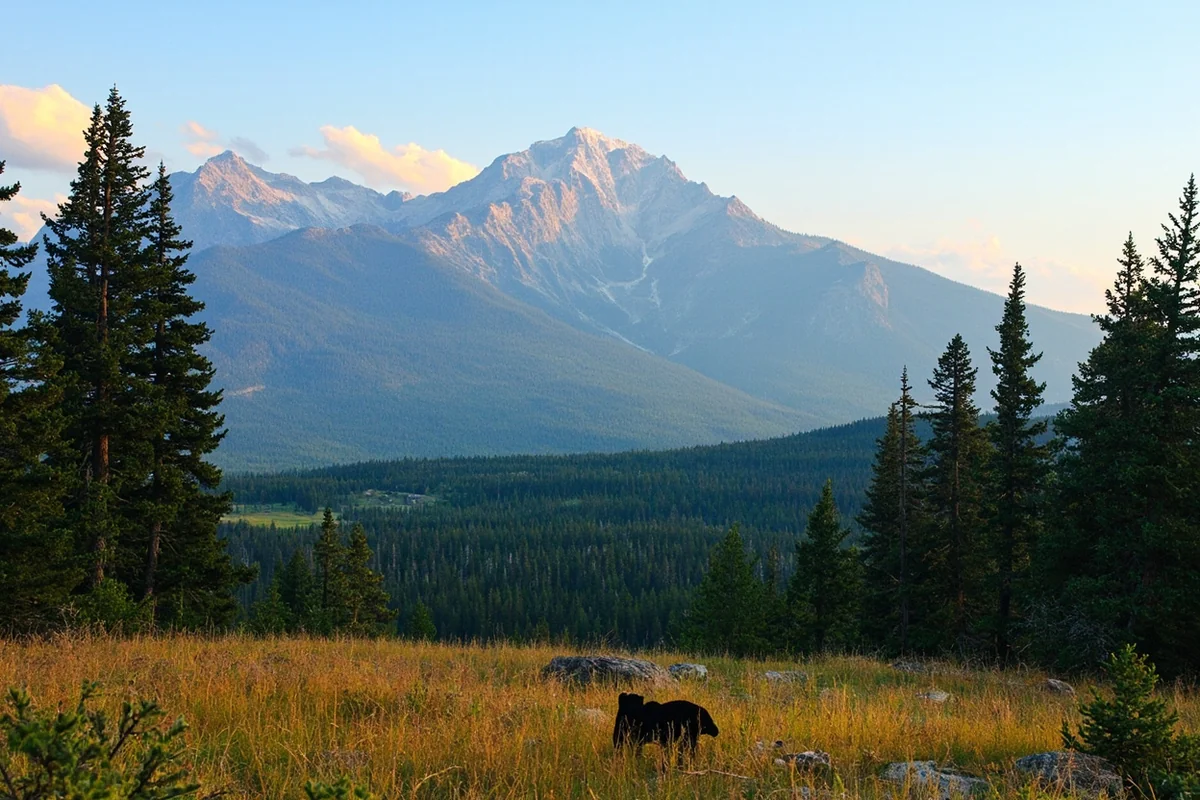
I was hunting elk in the Bridgers when I encountered a beautiful cinnamon-phase black bear working a creek bottom. The color phases in Region 3 tend toward lighter shades in my experience.
Region-by-Region Quick Reference
| Region | Bear Density | Terrain | Best Season |
|---|---|---|---|
| Region 1 (NW) | Highest | Mountainous, heavily timbered | Spring |
| Region 2 (West-Central) | High | Mixed forest and valleys | Spring/Fall |
| Region 3 (SW) | Moderate | Mountain ranges, sagebrush valleys | Fall |
| Region 4 (North-Central) | Low-Moderate | Rocky Mountain Front transition | Fall |
| Regions 5-7 (Eastern) | Very Low | River bottoms, breaks | N/A |
Licensing and Legal Requirements
Understanding Montana’s licensing structure is essential before you book travel or start packing gear. I’ve seen hunters arrive unprepared and miss opportunities because they didn’t do this homework.
License Costs and Types
Non-residents need a base hunting license plus a black bear license. As of my most recent hunt, the black bear license for non-residents runs approximately $350, with the base license adding another $25 or so.
Residents pay significantly less—around $20 for the bear license on top of their base conservation license.
For a complete breakdown of what you’ll spend, check out the Montana hunting license costs guide. The pricing structure can be confusing for first-timers.
You’ll purchase your Montana hunting license through the FWP online portal or at authorized vendors throughout the state.
Tag Availability
Here’s the good news: black bear tags are available over-the-counter. No drawing, no preference points needed, no years of waiting.
This contrasts sharply with species like bighorn sheep where you might wait a lifetime for a tag. For information on the points system for other species, review how Montana preference points work.
Critical Regulations
Several regulations require attention, and violating them carries serious consequences.
Baiting is prohibited throughout Montana. Coming from states where baiting is legal, this changes tactics significantly. Spot-and-stalk and calling are your primary methods.
Female bears with cubs are protected. This requires careful field judging skills I’ll discuss later.
Evidence of sex must remain naturally attached to the carcass until processing. This typically means leaving reproductive organs intact during transport.
A mandatory 24-hour check requirement means you must report your harvest within one day. Most hunters do this online through the FWP system.
Review the complete Montana hunting regulations before your trip. Regulations change periodically, and ignorance isn’t a valid defense.
Hunting Methods That Actually Work
Without baiting as an option, Montana bear hunting requires active pursuit. I’ve refined my approach over many seasons, and these methods consistently produce encounters.
Spot-and-Stalk: The Classic Approach
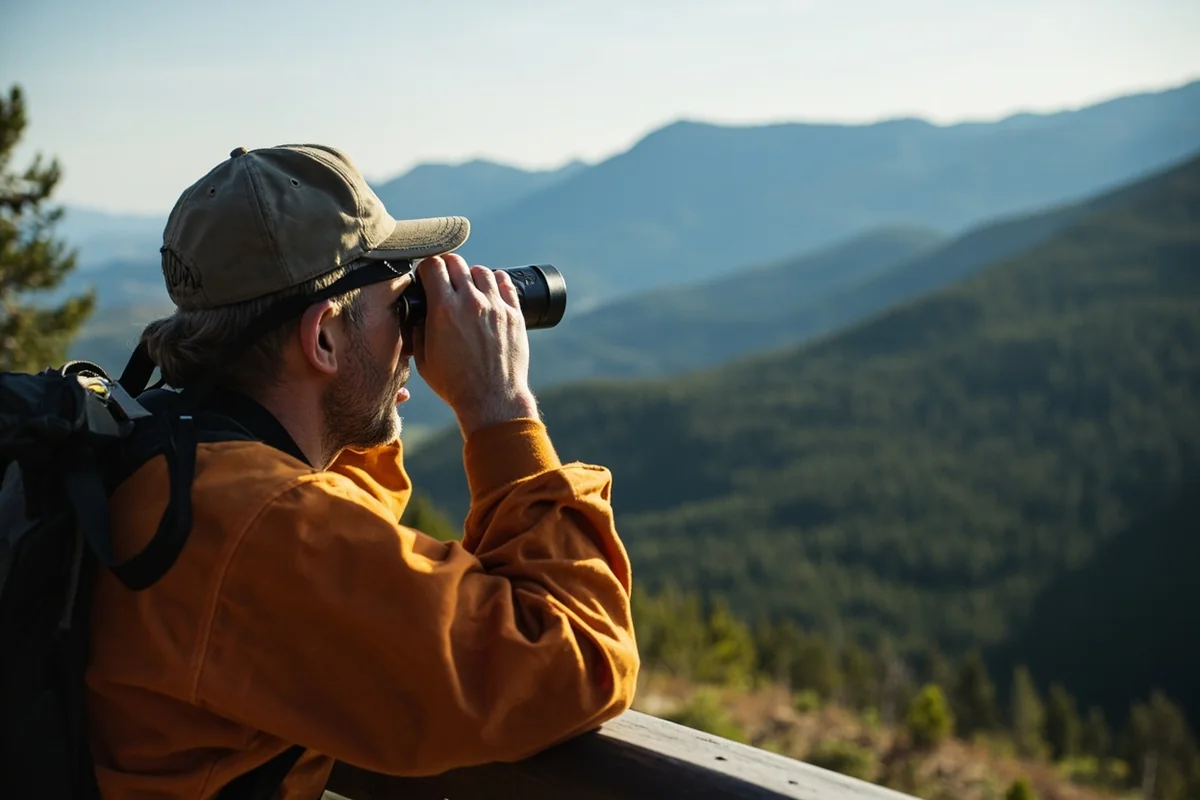
This is how I’ve taken most of my Montana black bears. The concept is simple: find high ground with good visibility, glass systematically, locate a bear, and plan a stalk.
Execution requires patience and discipline. I’ve spent entire days behind my binoculars without seeing a single bear, then spotted three in a single afternoon.
Quality optics are non-negotiable. I run 10×42 binoculars for scanning and a 65mm spotting scope for evaluation. The scope lets me judge size and confirm color phase before committing to a stalk.
Morning and evening hours produce the most sightings. Bears often bed in thick cover during midday, especially in warmer weather.
Calling: An Underutilized Technique
Predator calls can be incredibly effective on black bears, yet I rarely encounter other hunters using them. A wounded rabbit distress call has brought bears running into my position on multiple occasions.
The key is calling in areas with confirmed bear activity. I look for fresh sign—tracks, scat, torn-apart logs—before setting up.
Position yourself with shooting lanes cleared and the wind in your face. Bears often circle downwind before committing to the call.
Be ready for fast action. One boar I called charged in so quickly that I barely had time to shoulder my rifle.
Still-Hunting and Tracking
When conditions are right—meaning recent rain or snow to soften ground noise—still-hunting through known bear habitat can be productive.
I move painfully slowly, taking several minutes to cover short distances. Bears have exceptional hearing, and any snapped twig or scraped branch will send them running.
Fresh tracks in snow during late-season hunts offer tracking opportunities, though following a bear for miles through thick timber tests your patience.
Field Judging Black Bears: The Hardest Skill
Estimating black bear size is notoriously difficult, even for experienced hunters. Bears appear in varying body conditions throughout the year, and their fur creates optical illusions.
Body Proportion Indicators
Mature boars display specific characteristics that distinguish them from sows and younger bears. Look for these features:
Ears that appear small relative to head size indicate a mature bear. Large ears suggest a younger animal.
A prominent forehead crease between the eyes typically develops in older boars. This feature becomes visible through good optics at reasonable distances.
The belly line on mature bears often sags, creating a deep body profile. Younger bears appear more athletic and compact.
Leg length matters too. A big bear’s legs look short relative to body depth. If the legs appear long and the body shallow, you’re likely looking at a smaller animal.
Behavioral Cues
Beyond physical characteristics, behavior provides clues to maturity and sex.
A bear traveling with cubs is obviously a protected female. But sows sometimes send cubs up trees while they feed, making identification challenging.
Mature boars often move deliberately and confidently. They’ve reached the top of the local hierarchy and act like it.
During spring, watch for bears traveling on breeding circuits. Boars cover significant ground seeking receptive sows, and this movement pattern can help identify males.
Color Phase Considerations
Montana produces beautiful color variation in black bears. I’ve seen jet black, chocolate brown, cinnamon, and blonde bears—sometimes in the same drainage.
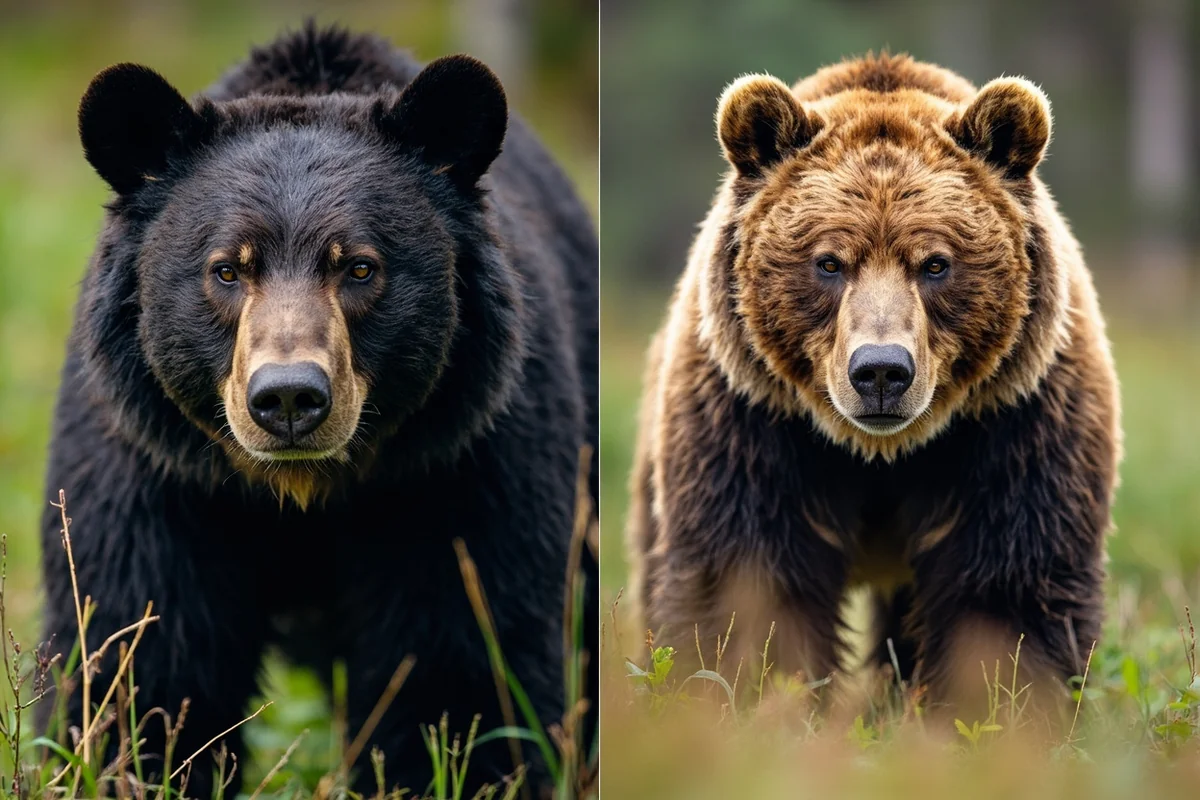
Color phase doesn’t indicate species. All of these are black bears. However, in areas with grizzly bear presence, proper identification becomes critical.
Grizzlies display a distinctive shoulder hump, dished facial profile, and longer claws. Black bears lack the hump, have a straighter facial profile, and show shorter, more curved claws.
If you’re unsure, don’t shoot. A mistaken grizzly kill carries severe penalties and ethical weight.
Essential Gear for Montana Black Bear Hunts
I’ve learned through trial and error what gear actually matters versus what marketing tells you to buy. Here’s my real-world equipment list.
Rifle and Caliber Selection
Black bears aren’t particularly hard to kill with proper shot placement. Calibers from .270 Winchester up handle them effectively.
I typically carry my .308 Winchester for bear hunting. It’s accurate, manageable, and ammunition is available everywhere if you need to resupply.
For timber hunting where shots are close, some hunters prefer lever-action rifles in .45-70 or similar calibers. The quick handling characteristics work well in brush.
Bullet selection matters more than caliber choice. Use premium bonded or monolithic bullets that penetrate deeply. Bears can absorb poorly constructed bullets and escape to die slowly—something no ethical hunter wants.
Optics: Where You Shouldn’t Skimp
This is the most critical gear category for spot-and-stalk hunting. Hours of glassing demand quality optics that don’t cause eye strain.
I run binoculars in the $500-800 range—not the absolute top tier, but noticeably better than budget options. For spotting scopes, $800-1200 gets you excellent glass.
A quality rangefinder helps judge distance in deceptive mountain terrain. Bears often appear closer than they actually are when silhouetted against timber.
Camping and Survival Equipment
Most serious Montana bear hunting happens in backcountry settings. Self-sufficiency is essential.
I pack a lightweight tent, quality sleeping bag rated below expected temperatures, and a compact cooking system. Water filtration lets me refill from mountain streams without carrying excessive weight.
Bear spray should be on your belt in grizzly country. I carry it regardless—an encounter with an aggressive black bear isn’t impossible.
Processing Your Harvest in the Field
Taking a bear is only half the work. Proper field care ensures quality meat and preserves the hide for mounting if desired.
Immediate Steps
Bears spoil faster than ungulates due to their thick fat layer and dense fur. Getting the hide off quickly is essential, especially in warm weather.
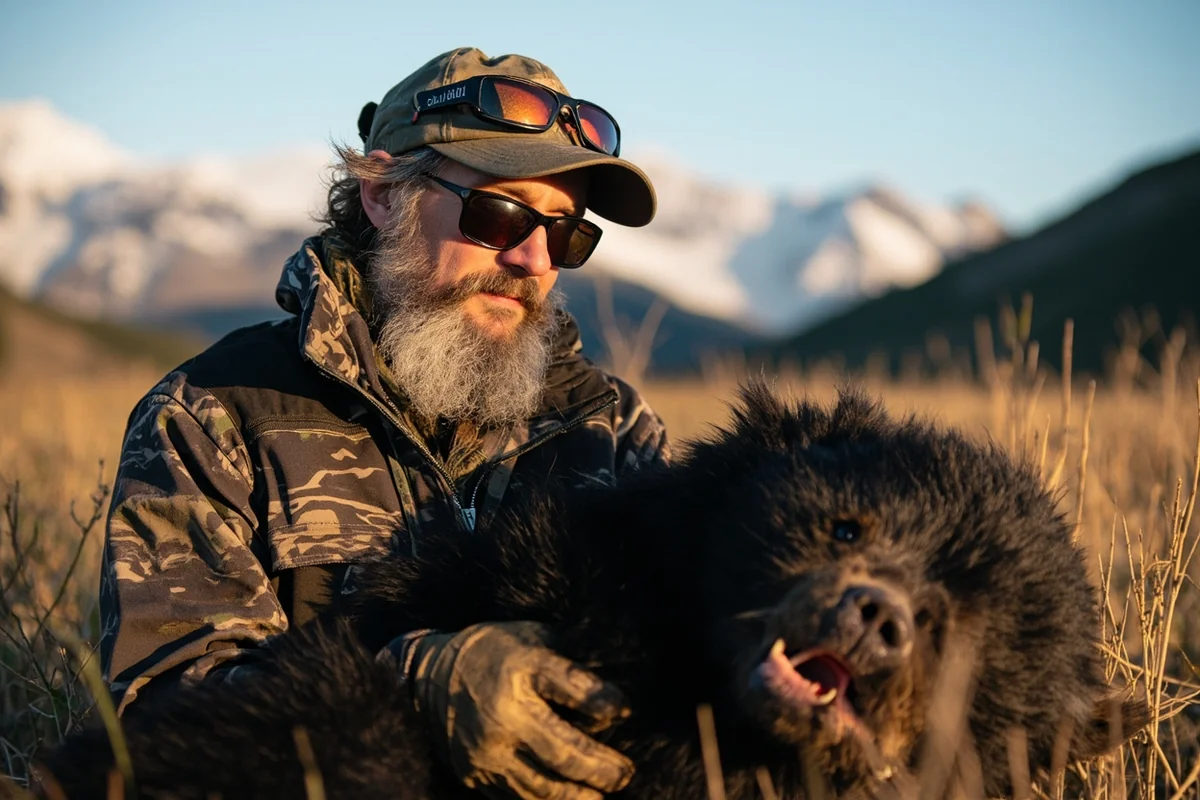
I start by photographing the bear for memories and records. Then I begin skinning, working carefully to preserve the hide if it’s destined for a taxidermist.
The meat comes off the bone and into game bags. Bear fat turns rancid quickly, so I trim excess fat during processing.
Meat Handling Considerations
Black bear meat carries trichinella parasites and must be cooked to 165°F internal temperature. There’s no exception to this rule.
Properly handled and prepared, bear meat is excellent. The flavor depends heavily on the animal’s diet. Berry-fed fall bears taste remarkably different from spring bears that have been eating carrion.
I’ve made outstanding braised roasts, sausages, and even bear bacon from Montana bears. The key is proper cooking and quality recipes.
Combining Black Bear with Other Hunts
One advantage of Montana’s over-the-counter bear tags is the ability to combine bear hunting with other pursuits. I frequently carry a bear tag during elk and deer seasons.
Fall Combination Opportunities
The fall bear season overlaps with Montana elk hunting and Montana deer hunting seasons. Carrying multiple tags makes sense when you’re already in bear country.
I’ve taken bears while elk hunting on several occasions. You’re already glassing, already quiet, already in prime habitat. Why not be prepared?
The Montana shoulder season for elk extends hunting opportunities and keeps you in bear habitat even longer.
Spring Dedicated Hunts
Spring provides the most focused bear hunting experience. Without other open seasons competing for attention, you can dedicate full effort to finding a bruin.
This is when I recommend first-time Montana bear hunters visit. The visible bears and beautiful conditions create optimal learning opportunities.
Working with Outfitters vs. DIY Hunting
Both approaches can work for Montana black bear hunting. Your choice depends on experience level, physical condition, and budget.
When an Outfitter Makes Sense
First-time bear hunters benefit enormously from guided experience. A quality outfitter knows specific drainages, understands bear behavior in their area, and can significantly improve success rates.
Hunters with limited time also benefit from outfitter knowledge. Rather than spending days learning terrain, you can be hunting productively from day one.
Physical limitations might necessitate outfitter support. Pack trips into remote basins with a guide who handles logistics let hunters focus on hunting.
DIY Bear Hunting
For experienced backcountry hunters, DIY bear hunts are absolutely achievable. Montana’s abundant public land and over-the-counter tags make logistics straightforward.
I do most of my bear hunting solo or with a partner. The investment in scouting trips pays dividends when you return for the actual hunt.
Budget-conscious hunters can execute quality bear hunts for the cost of licensing, gas, and food. Compare that to $4,000-7,000 for guided hunts.
Common Mistakes to Avoid
I’ve made my share of errors over the years. Learning from my mistakes might save you time and frustration.
Underestimating the Terrain
Montana’s mountains don’t care about your fitness level back home. The combination of elevation, steep grades, and variable weather demands preparation.
I started a dedicated conditioning program before my first Montana bear hunt and still found myself struggling. Now I train specifically for mountain hunting starting months before the season.
Poor Shot Selection
Bears offer small vital zones relative to their body size, and the thick fur obscures anatomy. I’ve seen hunters shoot too far forward, too far back, and too low.
Wait for a broadside or slightly quartering-away shot. Place the bullet tight behind the shoulder, one-third up from the belly line.
Bear shot placement differs from deer. Their leg bones sit more forward, so the classic “behind the shoulder” position needs adjustment.
Neglecting the Regulations
Every year, hunters face citations for regulation violations that proper preparation would have prevented. The Montana deer hunting regulations page demonstrates how detailed these rules can get—bear regulations are similarly specific.
Read the full regulations. Understand district boundaries. Know closure dates. This isn’t optional.
Planning Your Trip: Practical Logistics
Getting to Montana and establishing a base camp requires some planning, especially for out-of-state hunters.
When to Book Travel
For spring hunts, I recommend arriving mid-to-late April. Earlier timing risks lingering snow at high elevations and bears still denned.
Fall hunters should target late September through mid-October for ideal conditions. The weather remains manageable and bears are actively feeding.
Lodging Options
Small towns throughout bear country offer modest motels and vacation rentals. Places like Libby, Thompson Falls, and Superior in Region 1 put you close to prime habitat.
Campgrounds provide budget-friendly alternatives. National Forest campgrounds typically remain open through early fall, and dispersed camping is permitted on most public lands.
Other Species to Consider
If you’re traveling to Montana, consider adding other hunts to your trip. Montana upland bird hunting offers excellent grouse opportunities in bear country during fall.
Small game like squirrel hunting provides action during slow periods. And if you’re interested in diverse experiences, check out Montana duck hunting or even unique opportunities like Montana swan hunting.
For something completely different, Montana wolf hunting and Montana antelope hunting showcase the state’s incredible wildlife diversity.
What to Expect: Realistic Success Rates
I want to set honest expectations. Montana black bear hunting isn’t easy, and success isn’t guaranteed.
Statewide success rates for black bear hover around 15-20% annually. This varies significantly by region and hunting method.
Hunters who invest time scouting, maintain physical fitness, and hunt patiently increase their odds substantially. My personal success rate over multiple seasons has been higher than the state average, but I’ve also eaten plenty of tag soup.
The experience itself—time in wild country, encounters with diverse wildlife, the challenge of the chase—has value regardless of harvest. Some of my most memorable hunts produced no bears, just incredible experiences.
Consider this: Montana also offers some of the best bear hunting opportunities in the lower 48. The experience alone justifies the trip, even without punching a tag.
Final Thoughts from the Field
Black bear hunting in Montana has given me some of my most challenging and rewarding outdoor experiences. The wilderness, the wildlife, and the pursuit itself create something special that’s hard to find elsewhere.
If you’re considering a Montana black bear hunt, start preparing now. Get your body ready for mountain terrain. Study the regulations thoroughly. Research your intended hunting area. And invest in quality optics—you’ll thank me later.
The bears are there. The public land access is extraordinary. The tags are available. All that’s left is putting in the work and experiencing Montana’s bear country for yourself.
For those also interested in pursuing other Montana species, Montana muzzleloader season offers unique hunting opportunities. Hunters chasing deer should also review information on Montana deer tags and consider both whitetail deer hunts in Montana and mule deer pursuits. And if you’ve ever dreamed of hunting American bison, explore Montana buffalo hunting for a truly bucket-list experience.
Good luck out there, and shoot straight.
Frequently Asked Questions
When is the best time to hunt black bears in Montana?
The spring black bear hunting season in Montana typically runs from mid-April through late May, which I’ve found offers the best visibility as bears emerge from hibernation and vegetation is still low. Fall hunts run from September through late November, coinciding with bears actively feeding before winter. Spring hunts generally provide better success rates for trophy bears with prime coats.
How much does a guided black bear hunt cost in Montana?
A fully guided Montana black bear hunt typically costs between $3,500 and $6,500 for a 5-7 day experience, depending on the outfitter and hunting method. Budget an additional $200-$400 for your non-resident hunting license and black bear tag. I always recommend setting aside extra funds for taxidermy ($400-$800), meat processing ($150-$300), and tips for your guide (15-20% is customary).
Do I need a guide to hunt black bears in Montana as a non-resident?
No, Montana does not legally require non-residents to hire a guide for black bear hunting, unlike some other big game species. However, hiring a licensed outfitter dramatically increases your success rate, especially if you’re unfamiliar with Montana’s vast wilderness areas spanning millions of acres. DIY hunters should invest significant time scouting public land units in regions like the Flathead, Bitterroot, or Cabinet Mountains.
What hunting methods are legal for black bears in Montana?
Montana allows spot-and-stalk hunting, calling, and hunting over bait in specific regions with proper permits, though baiting regulations vary by district. I’ve had the most success with spot-and-stalk methods on south-facing slopes in spring where bears feed on early grasses. Using predator calls and fawn distress sounds can be effective during fall hunts when bears are aggressively feeding.
What gear should I pack for a Montana black bear hunting trip?
Essential gear includes quality optics (10×42 binoculars and a spotting scope), layered clothing for temperatures ranging from 25°F to 70°F, waterproof boots with aggressive tread for steep terrain, and a reliable rifle in .30-06 or .300 Win Mag caliber. I never head out without bear spray, a quality GPS unit, and a sturdy frame pack rated for hauling 100+ pounds of meat over several miles. Don’t forget game bags and a sharp knife kit for field dressing.
Where are the best black bear hunting areas in Montana?
Northwestern Montana, particularly hunting districts around the Flathead National Forest, Kootenai National Forest, and the Yaak Valley, consistently produces the highest black bear densities and largest bears. The Bitterroot Range along the Idaho border and areas near Glacier National Park’s boundaries also offer excellent opportunities on public land. These regions are roughly 200-350 miles northwest of Bozeman, so plan for a full day of driving from major airports.
How do I get my black bear meat and hide home after a Montana hunt?
Most hunters either drive their harvest home in coolers with dry ice or use a local meat processor who can freeze and ship your bear meat via overnight freight for $200-$400 depending on weight. For the hide and skull, I recommend finding a Montana taxidermist who can prep and ship or store it until your mount is complete. If flying, contact your airline about checked cooler policies and pack frozen meat with gel packs for flights under 6 hours.