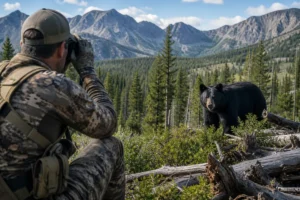
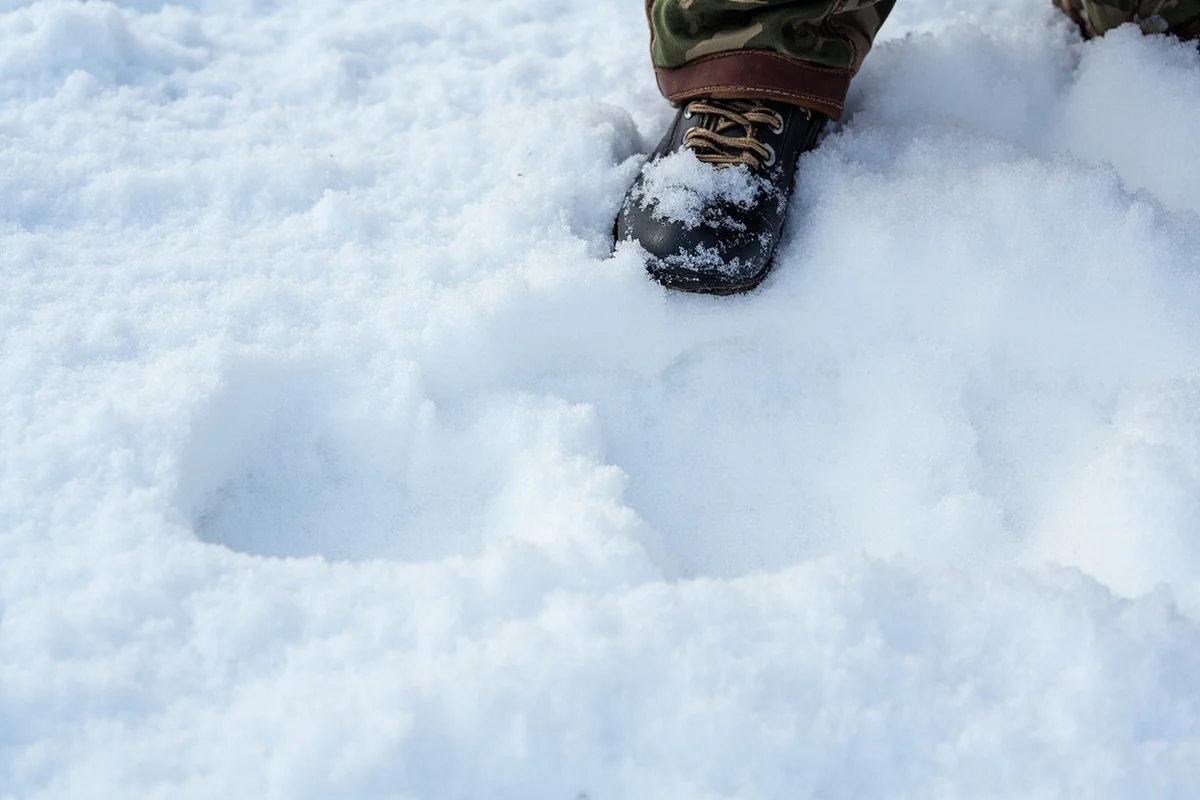
The snow was still fresh when my guide pointed to a set of tracks crossing the logging road—each print larger than my outstretched hand, the drag marks between them unmistakable.
After three days of glassing frozen canyons in the Bitterroot Mountains, we finally had a hot trail, and the hounds were losing their minds in the truck bed behind us.
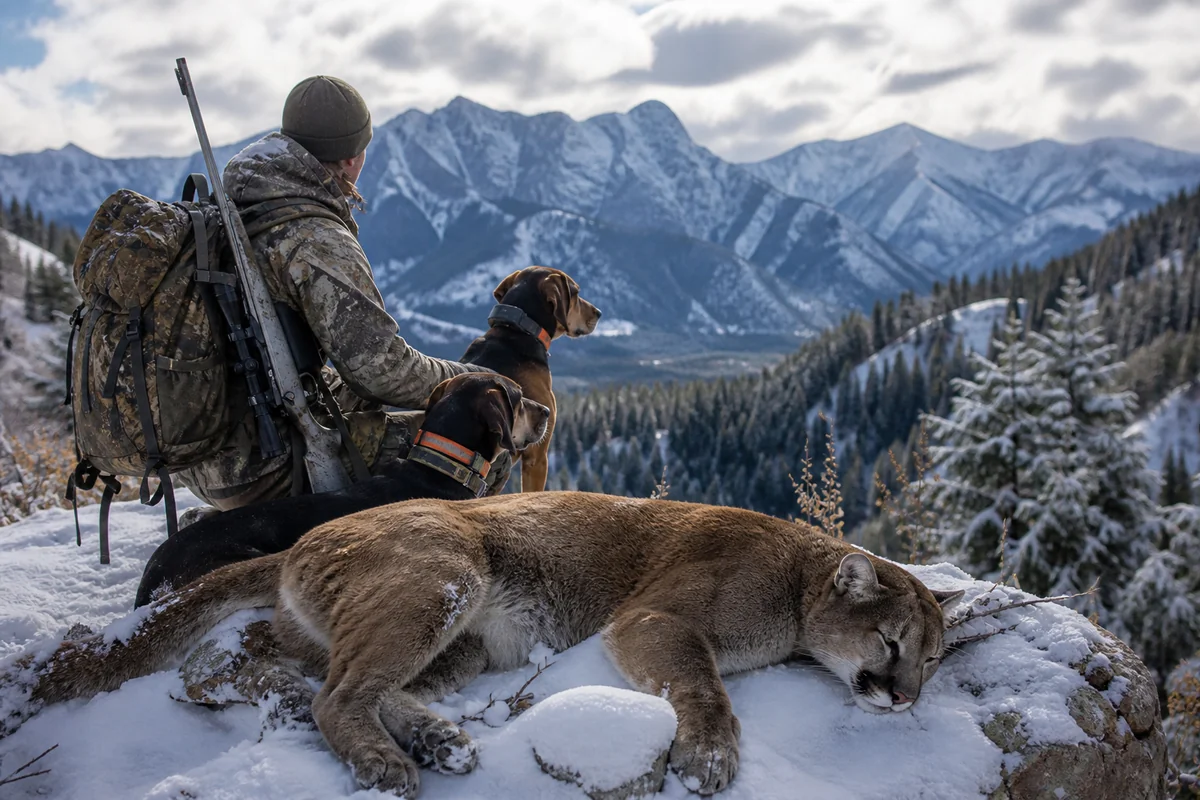
That moment crystallized why cougar hunting in Montana is unlike any other pursuit in North America: it demands patience measured in days, not hours, and rewards hunters with an experience that feels genuinely wild in ways that other hunts simply cannot replicate.
If you’re exploring the full scope of what the state offers, our comprehensive Montana Hunting Guide covers everything from big game to waterfowl, but mountain lions occupy a special category that deserves its own deep dive.
- Montana cougar season runs December 1 through April 14, with specific district quotas that close areas once reached
- Non-residents must hire a licensed outfitter to hunt mountain lions in Montana
- Hunting with trained hounds is the most effective method, with success rates around 70-90% on guided hunts
- Expect to pay $4,500-$8,000 for a quality guided cougar hunt
- The Bitterroot, Cabinet Mountains, and Missouri River Breaks offer prime cougar habitat
- Physical conditioning is essential—you’ll cover miles of steep terrain in winter conditions
Understanding Montana’s Mountain Lion Population
Montana harbors one of the healthiest mountain lion populations in the lower 48 states, with biologists estimating between 4,000 and 6,500 animals roaming the western two-thirds of the state.
During my conversations with wildlife managers at Montana Fish, Wildlife & Parks (FWP) over the years, they’ve consistently emphasized that the population remains robust despite annual harvests of 500-700 cats.
What makes Montana particularly attractive for cougar hunters is the combination of vast public land access and actively managed populations.
Unlike some western states where drawing a tag requires years of applications, Montana offers over-the-counter licenses for residents and a straightforward application process for non-residents.
The cats here are also genuinely wild. They’re not habituated to humans like suburban California cougars or hemmed into small territories by development.
When you track a tom through the Selway-Bitterroot Wilderness, you’re pursuing an apex predator that may have never encountered a human before.
Legal Requirements and Licensing
Before you start planning logistics, understanding Montana’s licensing structure is essential. The regulations are straightforward but strict, and violations carry serious consequences including loss of hunting privileges.
Resident Requirements
Montana residents can purchase a mountain lion license over-the-counter for $19. You’ll also need a valid conservation license ($8) and base hunting license ($10). The total investment of under $40 makes this one of the most affordable big cat hunts in North America.
Residents can hunt independently or with hounds they own or borrow. There’s no requirement to use an outfitter, though many residents choose to hunt with experienced houndsmen for higher success rates.
Non-Resident Requirements
Here’s where it gets more complicated—and expensive. Non-residents must hire a licensed Montana outfitter to hunt mountain lions. This isn’t optional or a suggestion; it’s state law.
Your non-resident mountain lion license costs $320, plus the conservation license ($10) and base hunting license ($101 for non-residents). However, these fees are minimal compared to outfitter costs, which I’ll detail later.
The outfitter requirement exists for good reason. Cougar hunting in Montana’s backcountry during winter requires intimate knowledge of terrain, weather patterns, and cat behavior. I’ve seen the aftermath of unprepared hunters getting into serious trouble in the mountains during December blizzards.
For complete details on license structures and fees, check out our breakdown of Montana hunting license costs.
Tag Allocation and Quota System
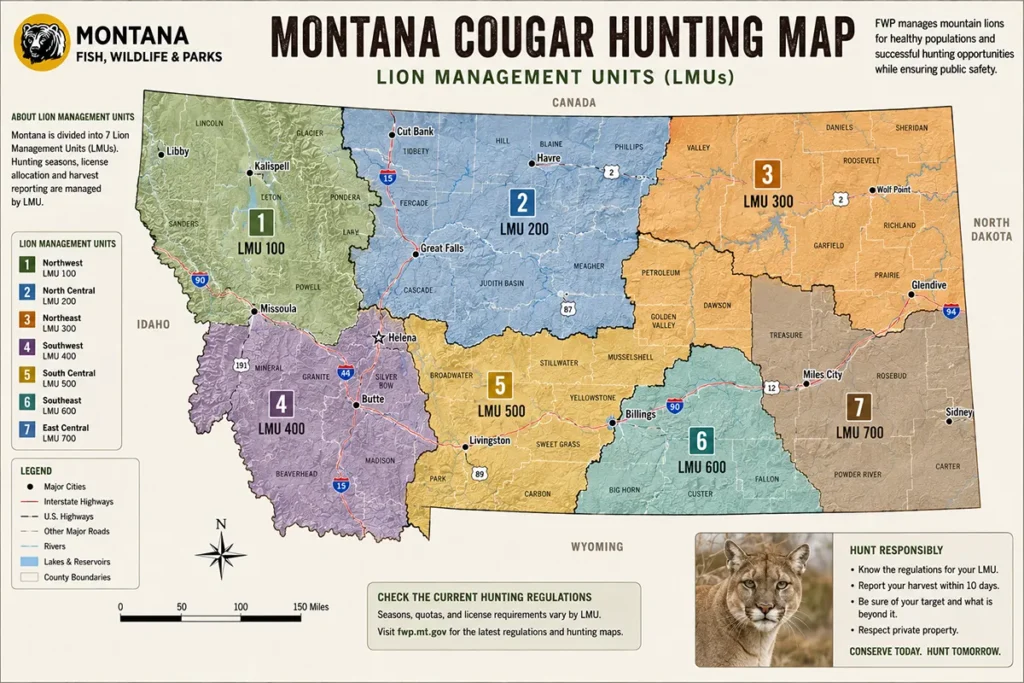
Montana manages cougar harvest through a quota system divided into specific Lion Management Units (LMUs). Each unit has a harvest limit, and once that quota is reached, the unit closes to hunting—sometimes with only 24 hours’ notice.
This means flexibility in your hunt planning is critical. During my most recent guided hunt in 2023, we started in LMU 110 in the Bitterroot but had to shift to LMU 121 when our original area closed mid-week after three quick harvests.
Units in northwest Montana typically fill fastest due to higher cat densities and easier access. Remote wilderness areas often stay open longer, though the hunting there is significantly more challenging.
When to Hunt: Season Timing Strategy
Montana’s cougar season runs December 1 through April 14, but not all weeks within that window are created equal. After participating in hunts across multiple seasons, I’ve developed strong opinions about optimal timing.
Early Season (December 1-31)
Early December often lacks sufficient snow for effective tracking. I’ve sat in hunting camps watching bare ground and praying for a storm system. However, when early snow does arrive, competition is minimal because many hunters are still focused on Montana elk hunting or recovering from the November general season.
The cats are also more predictable in early winter, often still working their fall territories before deep snow pushes deer and elk—their primary prey—into concentrated winter range.
Mid-Season (January-February)
This is prime time. Snow depths are typically sufficient for tracking, and cats are actively traveling and hunting. January hunts I’ve participated in have consistently produced the freshest sign and most successful hound work.
The downside is weather severity. Temperatures routinely drop below zero, and blizzards can ground operations for days. During a February 2022 hunt in the Cabinet Mountains, we experienced five consecutive days below -15°F. The hounds refused to run, and we spent most of our time simply surviving rather than hunting.
Late Season (March-April)
By March, conditions moderate but snow becomes unpredictable. Warm spells can eliminate tracking snow entirely in lower elevations, pushing hunters into high country where avalanche danger becomes a real concern.
The advantage of late season is female cats with kittens are easier to identify and release. Montana prohibits taking females with spotted kittens, and by March, any kittens traveling with females are large enough to be clearly visible.
Hunting Methods: Hounds vs. Calling vs. Opportunity
Montana allows multiple methods for taking mountain lions, though success rates vary dramatically between approaches.
Hound Hunting
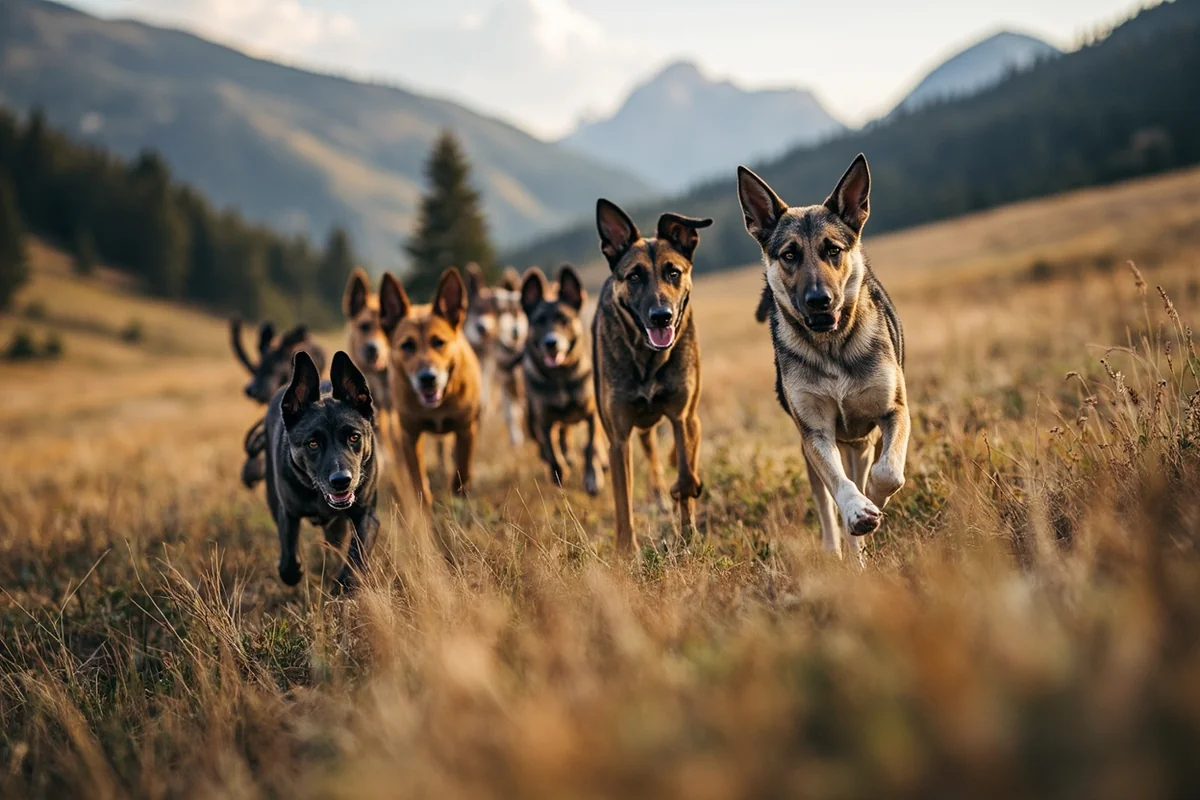
Running trained hounds is by far the most effective method, with experienced outfitters reporting 70-90% success rates over week-long hunts. The process involves driving roads at dawn searching for fresh tracks, then releasing dogs when a hot trail is located.
Watching a pack of Walker or Blue Tick hounds unravel a scent trail through timber is genuinely thrilling. The dogs’ voices change distinctively when they tree a cat—shifting from the running bay to a constant, urgent bark that echoes through canyons.
However, hound hunting requires significant infrastructure: multiple trained dogs, specialized equipment, GPS tracking collars, and vehicles capable of navigating snow-packed mountain roads. This is why most non-residents hunt with outfitters who have invested decades building dog packs.
Calling and Spot-and-Stalk
A small number of hunters pursue cougars without dogs using predator calls or spot-and-stalk methods. Success rates plummet to single digits, but these approaches offer a unique challenge that some hunters find more rewarding.
Calling involves mimicking prey distress sounds, particularly rabbit or fawn distress. I’ve experimented with calling in cougar habitat without success, though I’ve had several experiences where I’m convinced a cat circled my position without committing.
Spot-and-stalk is exceptionally difficult given cougars’ nocturnal habits and cryptic behavior. The few successful stalking hunters I’ve met typically encountered cats by chance while pursuing other game.
Incidental Opportunity
Many Montana cougars are taken incidentally by hunters pursuing deer, elk, or other game. If you hold a valid mountain lion license and happen upon a legal cat during another season, you can legally harvest it.
This is worth considering for any Montana big game hunt. The $19 resident or $320 non-resident license is inexpensive insurance against the rare opportunity to add a mountain lion to your tag soup. Regulations covering incidental take are detailed in our Montana hunting regulations overview.
Top Regions for Cougar Hunting
Montana’s cougar distribution follows the mountain ranges, with highest densities in the western third of the state. Based on my hunting experience and conversations with outfitters, here are the premier regions.
Bitterroot Mountains (Region 2)
The Bitterroot Valley and surrounding mountains consistently produce the highest cougar harvests in Montana. Deep canyons, thick timber, and abundant deer populations create ideal habitat.
I’ve hunted here twice, and both experiences left lasting impressions. The terrain is brutally steep, but access via the Bitterroot National Forest road system is manageable. Towns like Hamilton and Darby offer all necessary services and have multiple outfitters based locally.
Expect quota units in the Bitterroot to fill faster than remote areas. Units 204 and 210 are particularly popular and often close before January ends.
Cabinet Mountains (Region 1)
Northwest Montana’s Cabinet range offers perhaps the state’s most spectacular scenery alongside excellent cougar hunting. The Kootenai National Forest provides extensive public access, though road closures during winter limit vehicle penetration.
Hunt difficulty here is high due to deep snow accumulation, but cat densities are strong. The remote character of this region means quotas typically remain open later in the season.
Missouri River Breaks
The Breaks represent a completely different hunting experience—open canyon country rather than dense timber. Cougars here prey primarily on mule deer rather than elk and whitetails, and their behavior differs accordingly.
Tracking conditions are less reliable due to wind exposure, but when conditions align, the Breaks produce trophy-class toms. Several Montana record-book cats have come from this region.
For hunters interested in combining pursuits, the Breaks also offer excellent opportunities for Montana mule deer in autumn.
Rocky Mountain Front
The dramatic transition zone where mountains meet prairie along the Front creates diverse habitat supporting healthy cougar populations. Lewis and Clark National Forest provides public access, though private land patterns require careful navigation.
I particularly appreciate the Front because logistics are simpler than wilderness areas. The town of Choteau offers supplies, and road access remains decent throughout winter except during major storms.
Choosing an Outfitter
For non-residents, outfitter selection is the single most important decision affecting hunt success. Price differences between operations are significant, and quality varies even more.
What to Look For
Established hound program: Quality outfitters have invested years developing their dog packs. Ask how many dogs they run, their breeding program, and how they train young hounds. A serious houndsman will happily discuss their dogs at length—it’s their passion.
Multiple hunt areas: Given Montana’s quota system, outfitters with access to several units can shift operations when areas close. I specifically chose my 2023 outfitter because they held permits in four adjacent LMUs.
Realistic success claims: Any outfitter claiming 100% success is either lying or harvesting every cat they tree regardless of quality. Honest operators discuss the factors affecting success and acknowledge that hunting wild animals involves uncertainty.
Physical condition expectations: Good outfitters will ask about your fitness level and hunting experience. If they don’t inquire, they may not be planning appropriately for client capabilities.
Pricing Expectations
| Hunt Type | Duration | Price Range |
|---|---|---|
| Budget guided hunt | 5 days | $3,500-$4,500 |
| Standard guided hunt | 7 days | $5,000-$6,500 |
| Premium guided hunt | 7-10 days | $6,500-$8,000 |
| Wilderness pack-in hunt | 7-10 days | $7,500-$10,000+ |
These prices typically include guide services, lodging, meals, and dog handling. They usually exclude licenses, taxidermy, gratuities, and travel to Montana. Clarify all inclusions before booking.
Questions to Ask
Before committing to any outfitter, I recommend asking these specific questions:
- How many cougar hunters do you take per season, and what’s your historical success rate?
- How many hounds do you run, and what breeds?
- Which Lion Management Units are you permitted to hunt?
- What happens if our designated unit closes during my hunt?
- What’s your policy on female cats with kittens?
- What physical conditioning level do you expect from clients?
- What gear should I bring, and what do you provide?
Gear and Preparation
Cougar hunting in Montana winter demands serious equipment. I’ve made gear mistakes over the years, and each one taught me something valuable.
Clothing System
Layering is essential because activity levels swing dramatically between sitting in a cold truck and climbing steep slopes behind running dogs. During one memorable chase in the Bitterroots, I went from shivering at dawn to drenched in sweat within two hours.
My current system includes:
- Merino wool base layers (synthetic dries faster but wool handles moisture better)
- Insulated mid-layer jacket (I prefer Primaloft or similar synthetic fill)
- Windproof/waterproof outer shell
- Heavy insulated jacket for inactive periods
- Multiple glove options from liner gloves to heavy mittens
Footwear
Boot selection is critical and depends on conditions. Insulated pac boots like Schnee’s or Kenetrek work well for road hunting and short pursuits. For aggressive chases, lighter insulated hiking boots with gaiters allow better mobility.
I carry both options in my truck and decide based on snow conditions each morning. There’s nothing worse than overheating during a long chase or losing feeling in your toes while waiting for dogs to tree.
Firearms
Since most shots at treed cougars are taken at close range (under 50 yards), rifle selection is flexible. What matters most is accuracy. A .243 Winchester is adequate, though most hunters prefer .270 Winchester or .30-06 Springfield.
Iron sights or low-power scopes work fine. My personal choice is a .308 Winchester with a 2-7x scope—versatile enough for any shot angle.
Some hunters prefer revolvers or handguns for the increased challenge. Montana allows any legal firearm for cougar hunting.
Physical Preparation
Don’t underestimate the physical demands. While some hunts involve minimal hiking, others require covering steep miles through deep snow at elevation. During a particularly grueling chase last January, we covered 8 miles of vertical terrain that left me completely depleted.
I recommend beginning a conditioning program at least two months before your hunt. Focus on:
- Cardiovascular endurance (hiking, running, or stair climbing)
- Leg strength for steep terrain
- Training with a loaded pack to simulate carrying gear
The better shape you’re in, the more you’ll enjoy the experience and the faster you’ll reach treed cats before they decide to bail.
The Hunt Experience: What to Expect
Let me walk you through a typical day during a guided Montana cougar hunt based on my actual experiences.
Pre-Dawn Start
Alarm goes off at 4:30 AM. Outside, it’s -8°F and the truck windows are frosted solid. After a quick breakfast at the outfitter’s cabin, we load hounds and head for our designated starting area.
The goal is reaching promising roads before other hunters and before wind damages overnight tracks. We’re looking for fresh crossings—tracks laid down after the previous evening’s closure of hunting hours.
Track Searching
For the next several hours, we drive slowly along logging roads and creek bottoms, headlights illuminating every depression in the snow. The guide stops frequently to examine tracks, usually dismissing them as old or attributing them to deer, elk, or wolves.
When we find promising sign, the guide exits to examine tracks closely. He’s reading a story in the snow: track size, gait pattern, melting edges, and debris fallen into prints all reveal how recently the animal passed.
The Chase
When the decision is made to release hounds, everything changes instantly. Dogs explode from the truck box, noses to ground, and within seconds they’re opening on the trail. The guide tracks their progress via GPS collars while we attempt to follow in the truck.
This phase can last minutes or hours. Some cats tree quickly when pressed, while others lead dogs on exhausting mountain marathons. I’ve experienced both extremes.
During my first Montana cougar hunt, the cat treed within 45 minutes of the release—we barely broke a sweat. During my second, we chased for six hours through some of the nastiest terrain I’ve ever traveled, finally reaching the tree completely exhausted as dusk approached.
The Tree
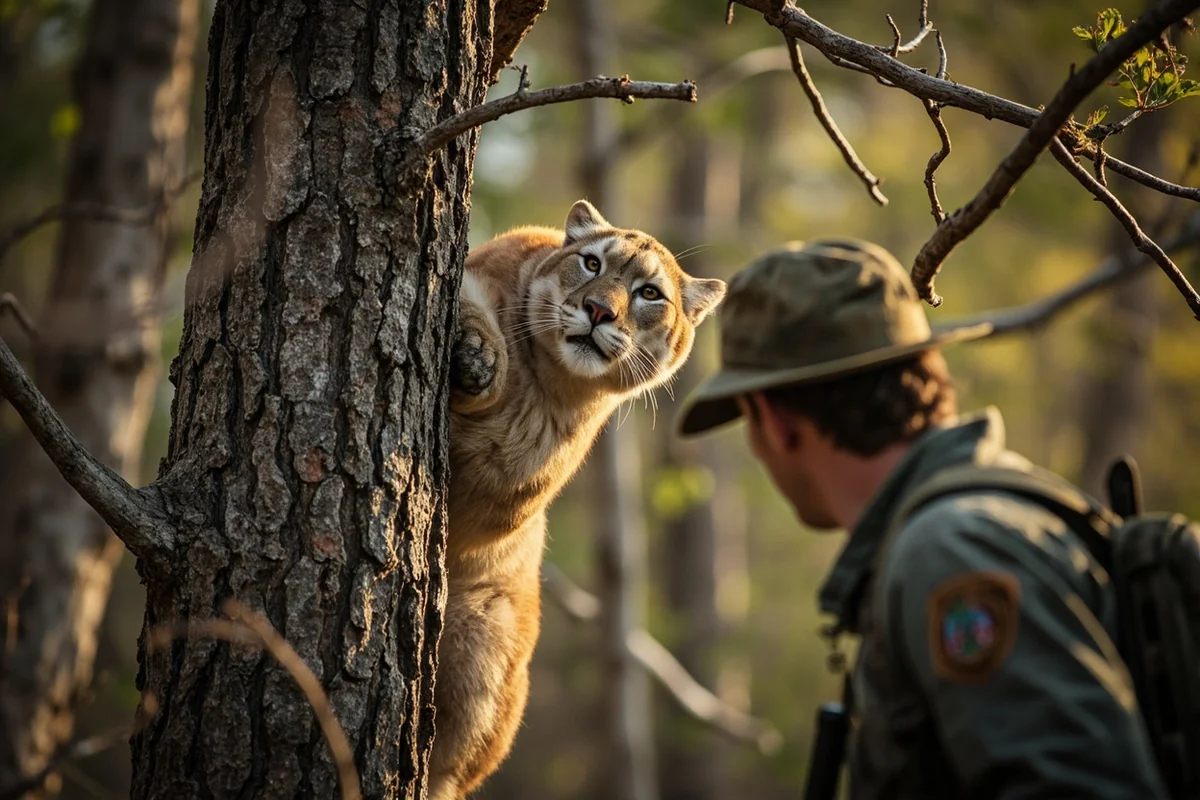
Reaching a treed cougar is an indescribable moment. The dogs are frantic, the cat is staring down with those ancient predator eyes, and your guide is explaining shot placement while you catch your breath.
You have decisions to make. Is this cat mature enough? Male or female? Does it meet your expectations? Good outfitters encourage selectivity and will leash dogs to let marginal cats walk.
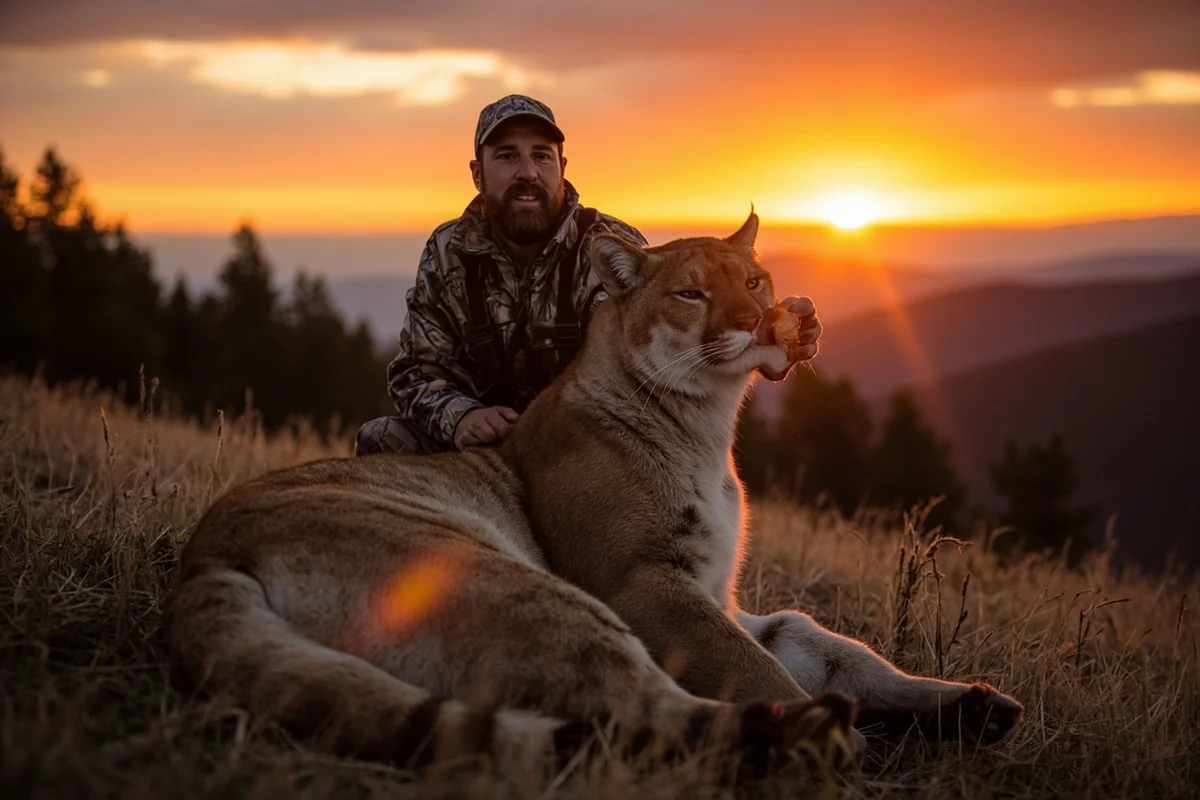
If you decide to harvest, the shot is typically straightforward—ranges are short, the target is stationary, and adrenaline makes your hands shake more than distance makes accuracy difficult.
After the Shot: Processing and Trophy Care
Montana requires all harvested cougars be presented to FWP for inspection and data collection within 10 days. The biological information gathered—skull measurements, body condition, stomach contents—contributes to population management.
Field Care
Your outfitter will handle initial field care, but understanding the process helps you participate effectively. Mountain lions require careful skinning to preserve the hide, and trophy care begins immediately after harvest.
In cold weather, cooling the carcass is rarely problematic. Getting the hide to a taxidermist quickly matters more. Most Montana taxidermists working with big cats can prepare the hide for shipping to your home taxidermist if you prefer.
Trophy Options
Popular mounting options include:
- Life-size mount (most expensive, requires significant display space)
- Half life-size mount (cat on simulated branch or rock)
- Shoulder mount
- Rug with head mount
- Skull cleaning and display
Budget $1,500-$5,000 for taxidermy depending on mount complexity. Life-size mounts at the upper end can exceed $8,000.
Combining Your Hunt with Other Montana Experiences
Most visiting hunters travel significant distances for Montana cougar hunts, and the state offers numerous opportunities to extend your trip value.
Other Winter Hunting
Montana wolf hunting season overlaps cougar season, and many outfitters offer combination hunts. Wolf success rates are lower, but the opportunity adds value to your trip.
Some units also have winter Montana deer hunting opportunities. Check Montana hunting seasons for specific dates and units.
Wildlife Viewing
January and February are excellent for wildlife observation in Montana. Elk concentrate on winter ranges, wolves are visible on Yellowstone’s northern range, and bighorn sheep gather on accessible winter cliffs.
If bighorn sheep hunting interests you, scouting during a winter cougar hunt provides valuable reconnaissance for future applications.
Planning Future Hunts
Many non-residents use their cougar hunting trip to meet outfitters and scout areas for future big game hunts. The relationships built during a week in camp often lead to booking elk or bear hunts for subsequent years.
Understanding Montana preference points during your visit helps you plan multi-year hunting strategies for limited-draw species.
Conservation and Ethics
Mountain lion hunting generates significant revenue for Montana wildlife management while helping balance predator-prey relationships. However, the pursuit carries ethical considerations worth examining.
Population Management Role
Montana’s quota system ensures sustainable harvest. Units with habitat concerns receive lower quotas, while areas with abundant prey and space receive higher allocations. This adaptive management has maintained stable cougar populations for decades.
Hunter-generated license fees directly fund wildlife research, habitat acquisition, and game warden operations. The hunting community’s financial contribution to conservation remains irreplaceable.
Fair Chase Considerations
Some hunters question whether hound hunting constitutes fair chase. Having participated, I believe it absolutely does—the difficulty lies in locating, pursuing, and successfully treeing a cat, not the final shot.
The cats hold significant advantages: they know the terrain intimately, they can travel impossible cliff faces, and they can simply outlast pursuing dogs when conditions favor them. Many chases end with hounds losing the track or cats escaping into areas inaccessible to hunters.
Selectivity and Restraint
Ethical cougar hunters pass on cats that don’t meet their standards. This means releasing females with kittens (legally required), young cats that haven’t reached maturity, and sometimes even mature cats if something feels wrong about the situation.
During my 2019 hunt, we released a female that the dogs had fairly treed simply because she was clearly a breeding-age cat in prime condition. That decision cost me a trophy but felt completely right.
Common Challenges and How to Overcome Them
Every cougar hunt involves obstacles. Anticipating challenges improves your odds of success.
Poor Snow Conditions
Without tracking snow, locating fresh cat sign becomes extremely difficult. If you arrive to find bare ground, your outfitter should adapt by focusing on north-facing slopes where snow persists or shifting to areas with recent precipitation.
Consider building flexibility into your schedule. If the first three days lack snow, having extra days allows waiting for weather systems.
Unit Closures
Quota closures are beyond anyone’s control. The best mitigation is booking with outfitters holding multiple unit permits and scheduling hunts earlier in the season when more units remain open.
I also recommend purchasing licenses that allow hunting other species during cougar season. If your LMU closes, perhaps you can pursue upland birds or spend a day hunting on Montana state land for other game.
Physical Exhaustion
Don’t hesitate to communicate your limits to your guide. Good outfitters adjust their approach based on client capabilities, choosing less extreme terrain when appropriate.
There’s no shame in being honest about fitness. A realistic assessment of your abilities helps your guide plan chases you can actually complete.
Extreme Cold
Montana winter hunting means accepting brutal temperatures. Beyond proper gear, mental preparation matters. When it’s -20°F and you’re waiting for dogs to strike, attitude determines whether you enjoy the experience or merely endure it.
I’ve found that focusing on the privilege of being in wild country helps reframe cold as an acceptable cost of the adventure.
Final Thoughts: Is Montana Cougar Hunting Worth It?
After multiple Montana cougar hunts across different years and regions, I can offer a definitive answer: absolutely, but with appropriate expectations.
This isn’t a deer hunt where sitting patiently almost guarantees opportunities. Even with excellent outfitters and cooperative weather, some weeks simply don’t produce huntable cats. You must be comfortable with the possibility of going home empty-handed.
However, few hunting experiences rival the intensity of hearing hounds open on a hot track or the primal satisfaction of finally laying hands on North America’s largest wild cat. The combination of hound work, wilderness travel, and pure predator-prey dynamics creates something genuinely special.
For planning purposes, ensure you understand Montana hunting license requirements well before your trip. Review Montana deer hunting regulations if you’re combining species, and consider adding antelope hunting, whitetail deer hunts, or even Montana duck hunting to future trips for a complete Montana experience.
If the challenge appeals to you and the investment fits your budget, book a Montana cougar hunt. The state offers some of the finest mountain lion hunting remaining in North America, and those opportunities shouldn’t be taken for granted.
The memory of that treed tom in the Bitterroots—golden eyes reflecting my headlamp in the winter darkness—remains vivid years later. Some hunts fade into the background of experience, but cougar hunting stays with you.
Frequently Asked Questions
When is the best time to go cougar hunting in Montana?
Montana’s cougar hunting season typically runs from December through mid-April, with the best hunting occurring from late December through February when snow conditions make tracking mountain lions much easier. I’d recommend planning your trip during January or February when fresh snow helps guides locate fresh tracks and increases your chances of a successful harvest.
How much does a guided cougar hunt cost in Montana?
A guided mountain lion hunt in Montana typically costs between $4,500 and $8,000 for a 5-7 day hunt, which usually includes lodging, meals, guide services, and hound handling. Non-resident hunters will also need to purchase a Montana hunting license ($15) plus a mountain lion license ($320), so budget around $5,000-$8,500 total for your trip.
Do I need to use hounds for cougar hunting in Montana?
While you can legally hunt cougars without hounds in Montana, using trained hounds dramatically increases your success rate since mountain lions are incredibly elusive. Most outfitters provide experienced hound teams that track and tree the cats, and I’d estimate 90% of successful cougar harvests in Montana involve hound hunting.
What gear should I pack for a Montana mountain lion hunt?
Pack insulated, waterproof boots rated for sub-zero temperatures, layered clothing including a quality base layer, and snow pants since you’ll be hiking through deep snow at elevations between 4,000-7,000 feet. Bring a reliable rifle in .243 or larger caliber, quality binoculars, and hand warmers—temperatures often drop to -10°F or colder during prime hunting season.
Can non-residents hunt mountain lions in Montana?
Yes, non-residents can absolutely hunt cougars in Montana, and unlike many Western states, Montana doesn’t require a special draw or quota system for mountain lion tags. You’ll need to purchase a non-resident hunting license and mountain lion license before your hunt, both available online through Montana Fish, Wildlife & Parks.
What is the success rate for guided cougar hunts in Montana?
Reputable outfitters in Montana report success rates between 80-95% for guided mountain lion hunts when conditions are favorable with adequate snow cover. Your odds increase significantly if you book a longer 7-day hunt and remain flexible with your travel dates so guides can wait for optimal tracking conditions.
Where are the best areas to hunt cougars in Montana?
The best cougar hunting in Montana occurs in the western mountain ranges, particularly in hunting districts around the Bitterroot Valley, the Flathead region near Kalispell, and areas surrounding Helena and Missoula. These regions have healthy mountain lion populations, experienced outfitters, and terrain that’s accessible for hound hunting—most hunts launch from small towns within 30-100 miles of Missoula.