I’ll never forget the confused look on a fellow traveler’s face at a coffee shop in Billings when he asked me, “So how’s the Midwest treating you?” I nearly choked on my huckleberry scone.
Having spent years exploring where Montana is actually located, I knew this question revealed one of the most common geographic misconceptions about Big Sky Country—and I was about to set the record straight.
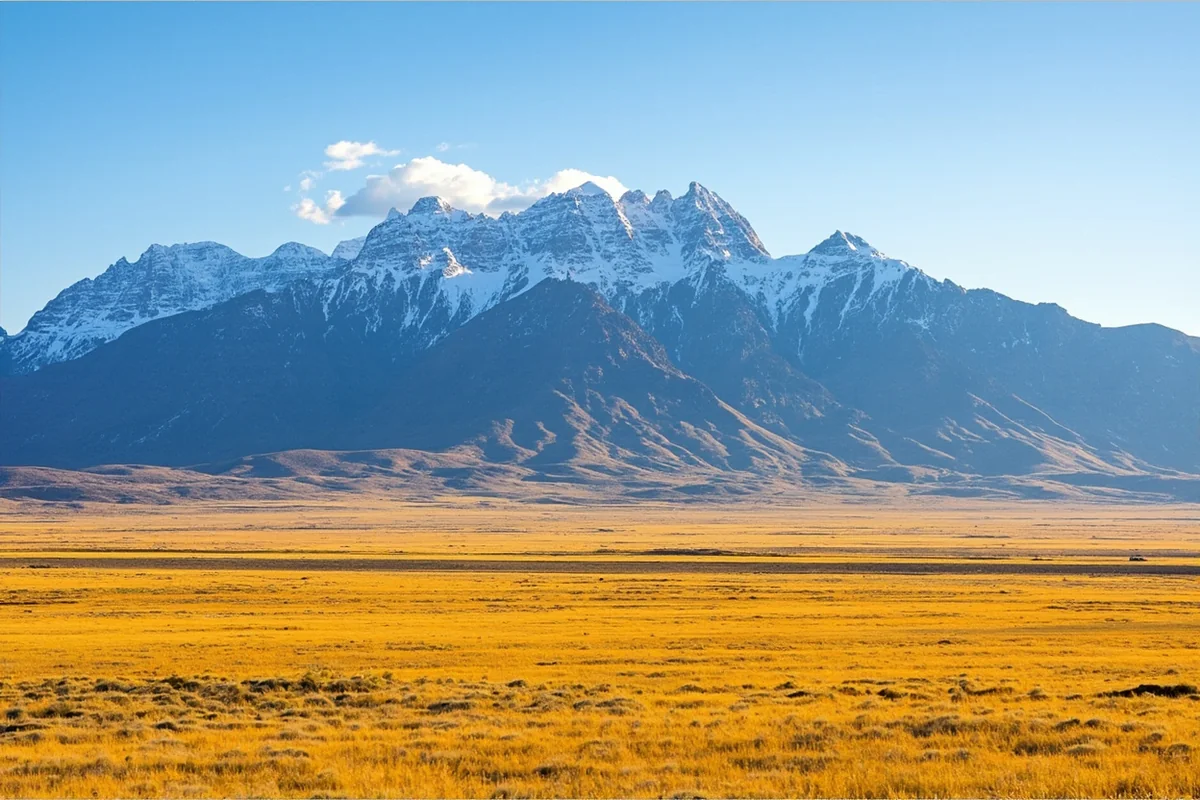
- Montana is NOT part of the Midwest—it’s officially classified as a Mountain West or Northern Rockies state
- The confusion stems from Montana’s vast eastern prairies, which resemble Midwestern landscapes
- The U.S. Census Bureau places Montana in the “Mountain” division of the Western region
- Montana shares more cultural, geographic, and economic ties with states like Wyoming and Idaho than Iowa or Minnesota
- Understanding Montana’s true regional identity helps visitors prepare for what they’ll actually experience
Liked this article?
Add Roaming Montana as a preferred source so you see more of our articles and guides on Google.
The Great Regional Identity Confusion
During my years of traveling across Montana, I’ve encountered this Midwest misconception more times than I can count. Last summer in Lewistown, a couple from Florida asked me how “Midwesterners” handled the winters.
The truth is, Montana’s regional classification matters more than you might think—especially when you’re planning a trip here. Understanding where Montana actually fits in America’s geographic puzzle affects everything from what you pack to what activities you plan.
Let me break down exactly why Montana isn’t part of the Midwest, what region it actually belongs to, and why this matters for your upcoming visit.
What Defines the Midwest, Anyway?
Before I can explain why Montana isn’t in the Midwest, we need to establish what the Midwest actually is. The U.S. Census Bureau officially defines the Midwest as containing 12 states: Illinois, Indiana, Iowa, Kansas, Michigan, Minnesota, Missouri, Nebraska, North Dakota, Ohio, South Dakota, and Wisconsin.
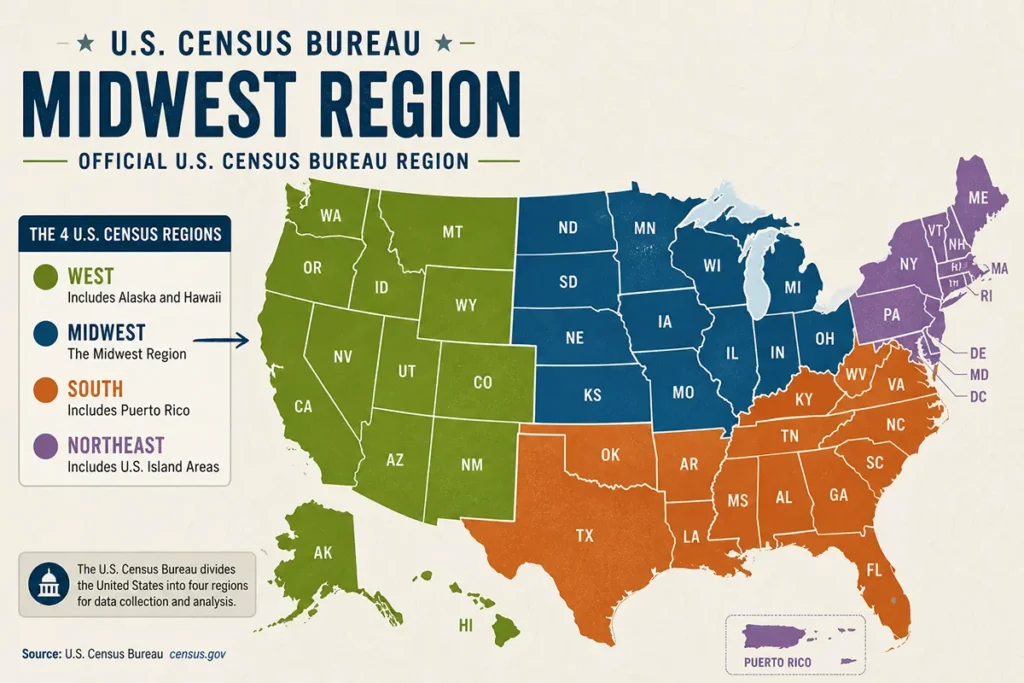
Notice Montana’s conspicuous absence from that list. But here’s where it gets interesting—the Census Bureau places Montana in the “Mountain” division of the Western region, alongside Arizona, Colorado, Idaho, Nevada, New Mexico, Utah, and Wyoming.
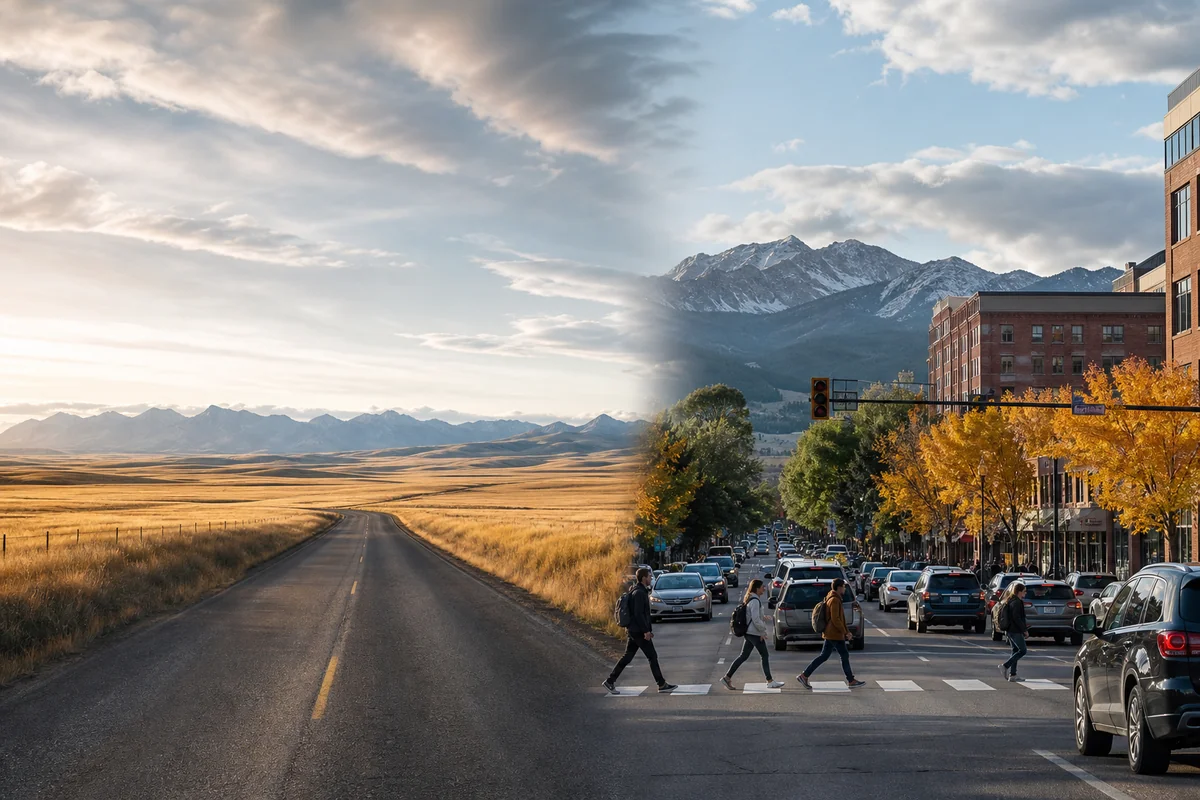
When I first moved to Montana over a decade ago, I understood the confusion. Driving through eastern Montana feels remarkably similar to cruising through Kansas or Nebraska. The wheat fields stretch endlessly, small farming communities dot the landscape, and the horizon seems impossibly distant.
But that’s where the similarities largely end.
The Geographic Reality of Montana
Having driven across Montana more times than I can count—from the Idaho border to the North Dakota line, from Montana’s Canadian border down to Yellowstone—I can tell you that this state defies simple regional categorization.
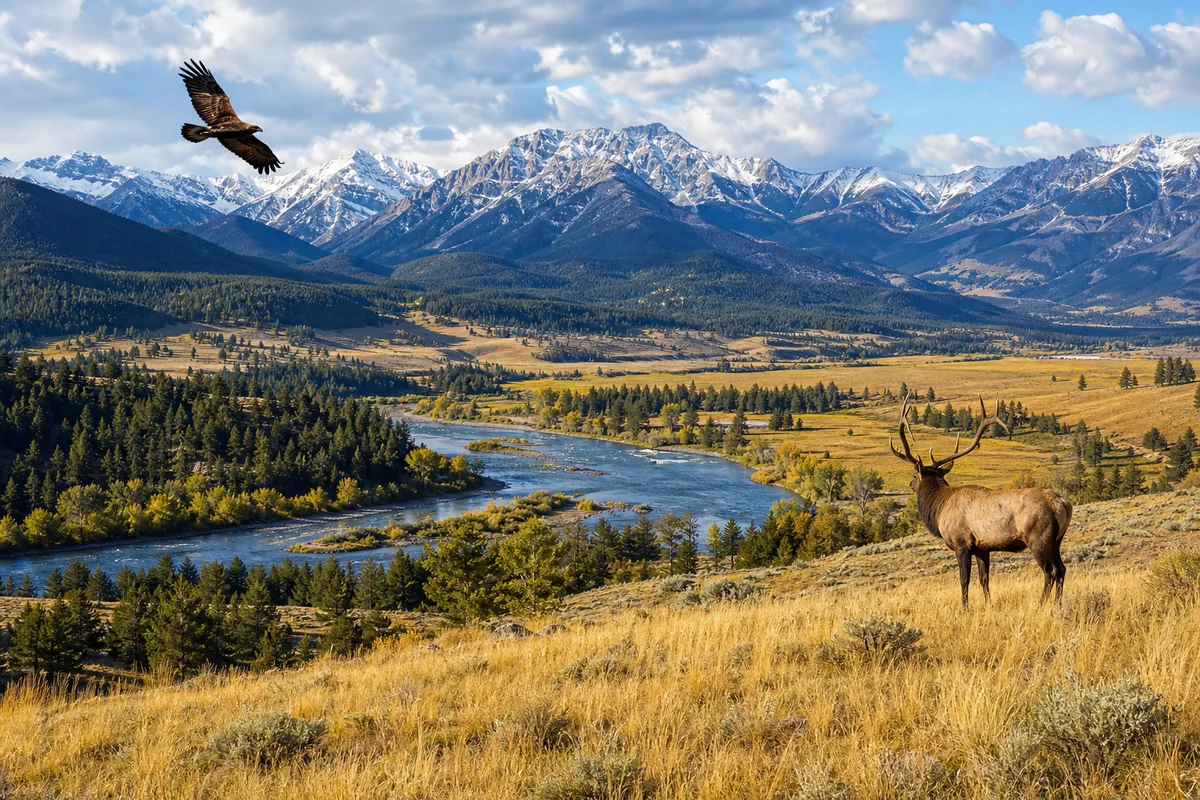
Montana sits at a remarkable geographic crossroads. The western third of the state is dominated by the Rocky Mountains, with peaks exceeding 12,000 feet. The Montana elevation guide I’ve put together over the years shows that the state’s terrain varies from around 1,800 feet along the Kootenai River to Granite Peak at 12,799 feet.
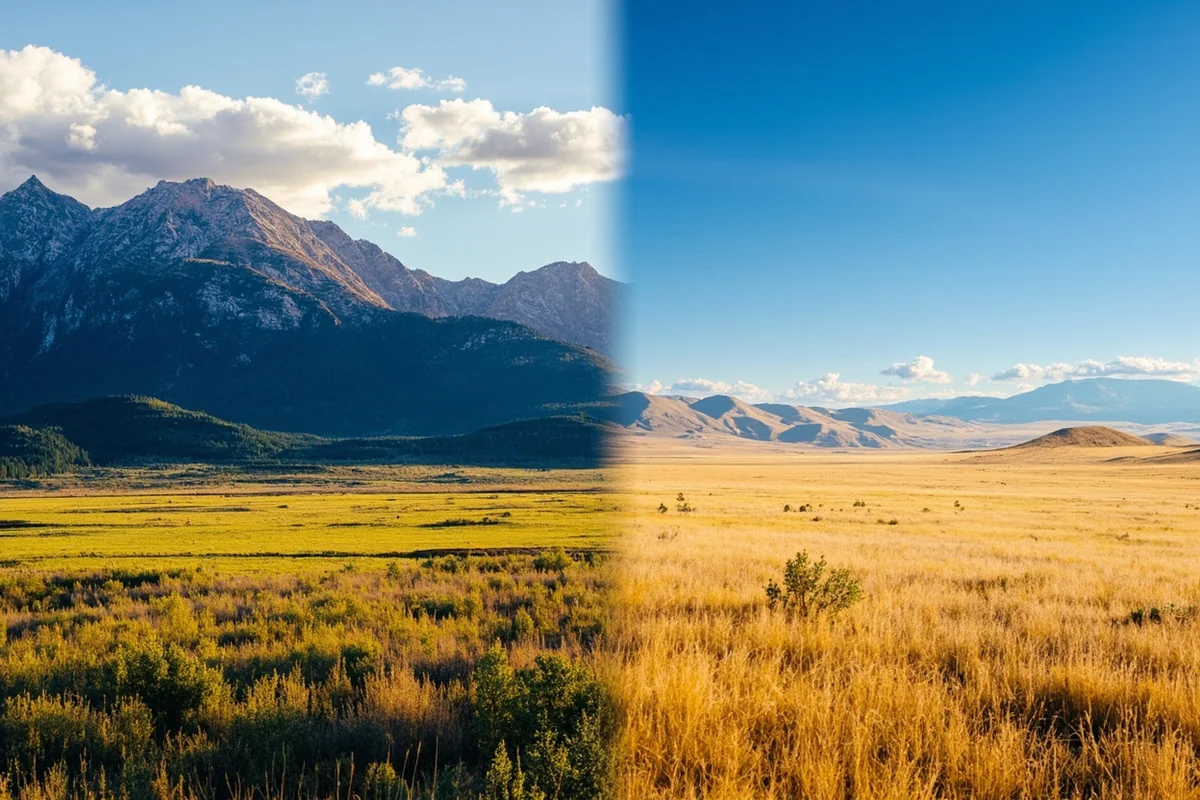
The eastern two-thirds of the state consists of high plains and prairie—terrain that does technically belong to the Great Plains. This is where the Midwest confusion originates. The Great Plains stretch from Texas to Canada, touching both Midwestern states and Western states like Montana.
Why the Prairie Doesn’t Make Montana Midwestern
On a recent trip through Jordan, Montana—one of the most isolated towns in the continental U.S.—I had an enlightening conversation with a fourth-generation rancher named Carl. When I asked him if he considered himself a Midwesterner, he laughed so hard he spilled his coffee.
“Son, I can see the Beartooth Mountains from my property on a clear day,” he said. “Nothing about this place is Midwest.”
He made an excellent point. Even in Montana’s flattest areas, the Rocky Mountains loom on the western horizon. The elevation averages around 3,400 feet—significantly higher than typical Midwestern states. Kansas City sits at roughly 750 feet; Great Falls, Montana, sits at over 3,300 feet.
This elevation difference creates an entirely different climate, agricultural system, and way of life.
Climate Differences That Matter for Travelers
If you’re planning a Montana trip expecting Midwestern weather patterns, you’re in for some surprises. I learned this the hard way during my first summer here when I packed for humid Iowa-style heat and encountered bone-dry mountain air instead.
Montana’s climate is classified as continental with significant alpine variations in the west. The state receives far less precipitation than most Midwestern states, and some areas of Montana actually qualify as high desert.
| Climate Factor | Montana | Typical Midwest |
|---|---|---|
| Average Elevation | 3,400 feet | 800-1,200 feet |
| Annual Precipitation | 15-20 inches (varies) | 30-40 inches |
| Humidity | Low (20-40%) | Moderate to High (50-70%) |
| Temperature Swings | Extreme (40°+ daily) | Moderate (20-30° daily) |
| Growing Season | 90-120 days | 150-200 days |
These differences dramatically affect what you’ll experience during your visit. The low humidity means sunburns happen faster, you’ll need more water than expected, and evening temperatures drop quickly even in summer.
Cultural Identity: Western, Not Midwestern
Beyond geography and climate, Montana’s cultural DNA is distinctly Western. During my countless conversations with locals from Missoula to Miles City, I’ve noticed consistent cultural markers that separate Montana from Midwestern identity.
The Cowboy and Ranching Heritage
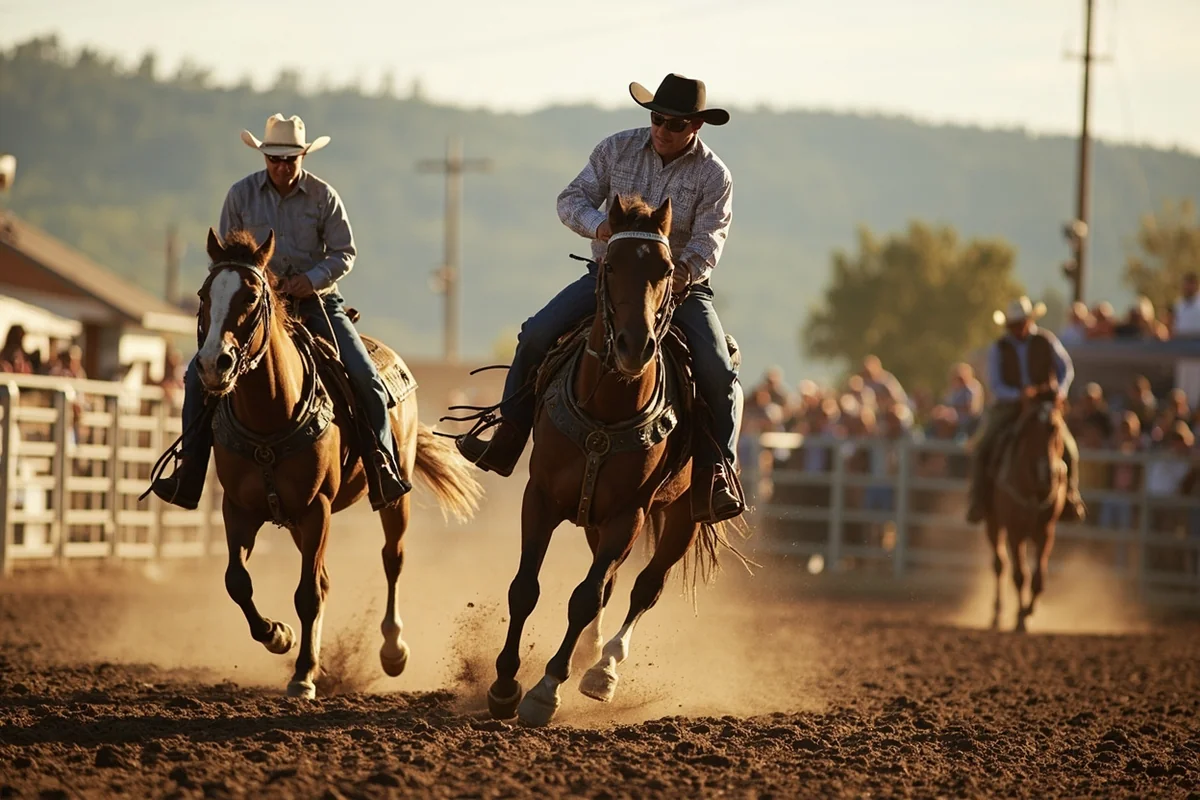
Montana’s identity is inseparable from its ranching heritage. The state has more cattle than people—roughly 2.6 million cattle compared to about 1.1 million residents. When I attended the Miles City Bucking Horse Sale last spring, the overwhelming Western character of Montana culture was on full display.
This isn’t to say the Midwest lacks agricultural heritage—it certainly doesn’t. But Midwestern farming culture centers more on row crops, particularly corn and soybeans. Montana’s agricultural identity revolves around cattle ranching and wheat farming across vast acreages.
The cowboy image isn’t just nostalgia here; it’s living culture.
Native American Influence
Montana is home to seven federally recognized tribal nations: the Blackfeet, Crow, Northern Cheyenne, Assiniboine, Gros Ventre, Salish, and Kootenai peoples. Their influence on Montana culture, place names, and identity runs deep.
When I visited the Little Bighorn Battlefield last fall, the museum curator explained how Montana’s Native American history differs from Midwestern tribal histories. The tribes here maintained their traditional lands and cultures longer due to Montana’s later settlement, creating a different historical relationship with the land.
The Mountain Culture Component
Perhaps the strongest argument against Montana’s Midwestern classification is its mountain culture. Western Montana shares far more culturally with Idaho, Colorado, and Wyoming than with any Midwestern state.
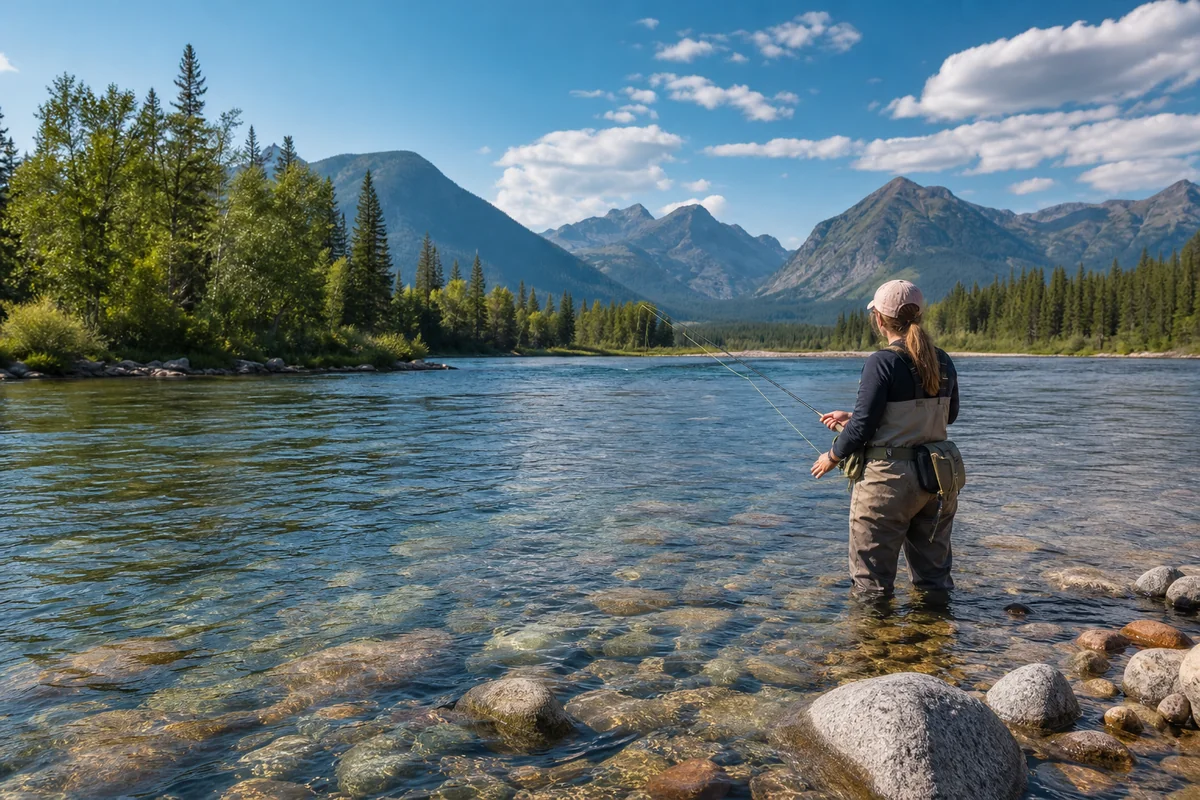
The outdoor recreation culture—skiing at Big Sky, fly fishing on the Madison River, backpacking in the Bob Marshall Wilderness—defines Western Montana in ways that have no Midwestern parallel. Understanding Montana’s diverse biomes and ecological diversity reveals why this outdoor culture developed so distinctly.
Where Montana’s Neighbors Place It
One revealing way to understand Montana’s regional identity is to examine its neighbors. Montana borders seven states and territories: North Dakota, South Dakota, Wyoming, Idaho, and three Canadian provinces (British Columbia, Alberta, and Saskatchewan).
Of these, only the Dakotas are Midwestern states—and they sit on the Midwest’s western edge, themselves often debated as “Great Plains” states rather than core Midwest.
Wyoming and Idaho, Montana’s neighbors to the south and west, are unambiguously Western states. Montana shares far more geographic and cultural characteristics with these states than with its Midwestern neighbors.

The Continental Divide Factor
The Continental Divide runs through Montana, creating a literal splitting point between Pacific and Atlantic watersheds. This geographic feature exists in no Midwestern state.
When I hiked along the Continental Divide Trail near Rogers Pass a few years ago, standing on that line where water flows either to the Pacific or the Gulf of Mexico, any notion of Montana as Midwestern seemed absurd. This is mountain country, pure and simple.
Economic Ties: Following the Money
Montana’s economy further reveals its Western rather than Midwestern character. While agriculture plays a significant role in both regions, Montana’s economic connections run westward.
Tourism in Montana centers on Yellowstone National Park (shared with Wyoming), Glacier National Park, and the ski industry—all distinctly Western industries. The state’s mining heritage, while diminished from its peak, connects it to Western mining states like Nevada and Colorado.
During my conversations with business owners in Bozeman, the economic connections they described ran to Denver, Salt Lake City, and Seattle—not to Minneapolis or Chicago, as you’d expect if Montana were truly Midwestern.
How Other Regional Classifications Handle Montana
The Midwest confusion about Montana isn’t just a casual misconception—various organizations have wrestled with how to classify this complex state.
Academic and Research Classifications
Most academic institutions place Montana firmly in the “Mountain West” or “Northern Rockies” region. The Western Governors’ Association includes Montana as a member, alongside 18 other Western states and three Pacific territories.
Environmental researchers classify Montana as part of the “Northern Great Plains” and “Northern Rocky Mountains” ecoregions—never as Midwestern.
Sports and Media Regions
Even sports conferences reveal Montana’s Western identity. The University of Montana and Montana State University compete in the Big Sky Conference, whose membership runs from Northern Arizona to Idaho to Eastern Washington—all Western schools.
When ESPN or other national media cover Montana, it’s always in Western regional broadcasts, never Midwestern coverage.
The “Pacific Northwest Adjacent” Argument
Some people argue that Montana should be considered part of the Northwest, given its northern position and cultural ties to Idaho. There’s some merit to this, particularly for western Montana.
During my many visits to Missoula, the Pacific Northwest influence is unmistakable. Coffee culture, environmental consciousness, outdoor recreation emphasis, and even the craft beer scene echo Seattle and Portland more than Denver or Phoenix.
However, Montana definitely isn’t a West Coast state, despite these Northwestern influences. As a landlocked state, Montana lacks any oceanic connection, and its interior continental climate differs markedly from maritime Northwest weather.
What This Means for Your Montana Trip
Understanding that Montana is a Western state rather than a Midwestern state has practical implications for trip planning.
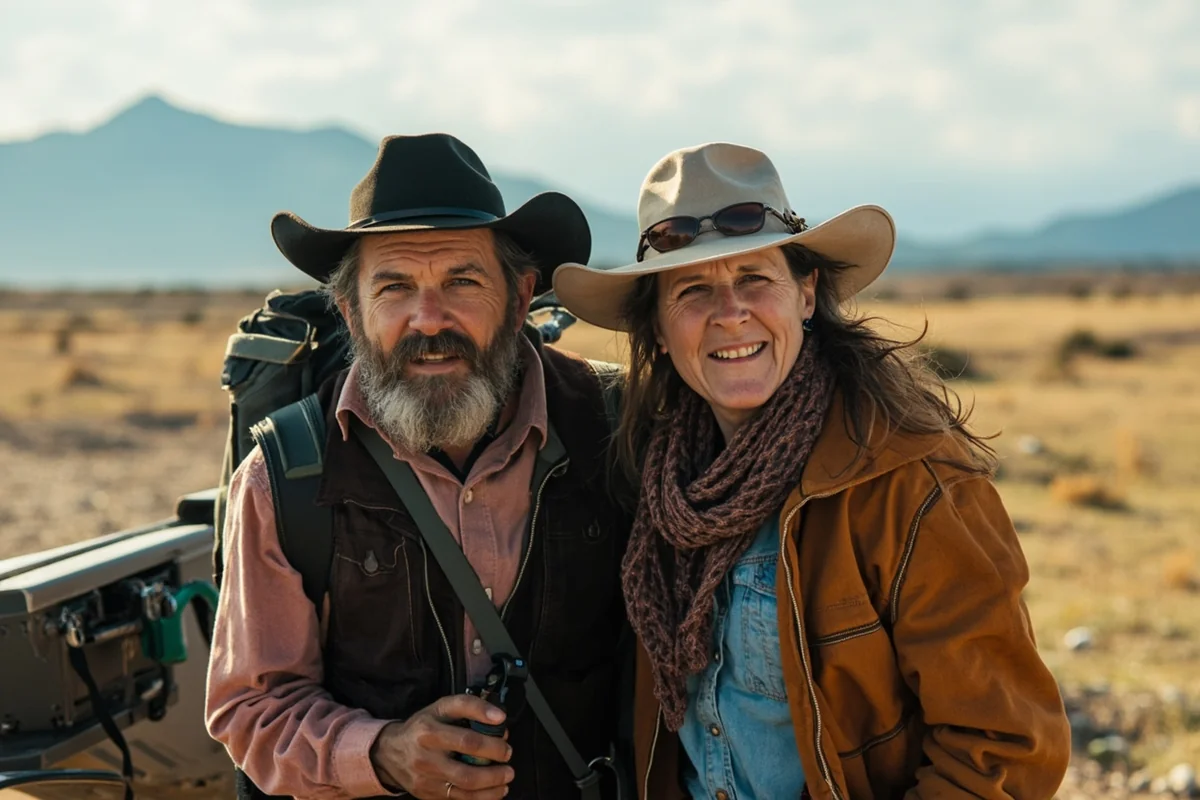
Pack for the West, Not the Midwest
When I help friends plan Montana trips, I always emphasize Western packing principles:
- Layers are essential—mountain weather changes rapidly
- Sun protection matters more than rain gear in most seasons
- Altitude affects everything from cooking to breathing
- Distances between services are genuinely vast
- Wildlife encounters are real possibilities, not just warnings
Adjust Your Cultural Expectations
Montana culture has Western characteristics you should understand before arriving:
- The pace is slower—don’t expect Midwestern efficiency
- Independence and self-reliance are deeply valued
- Outdoor recreation isn’t a hobby; it’s a way of life
- Respect for Native American cultures and lands matters
- The ranching lifestyle influences everything, including local schedules
Plan for Western Landscapes
Understanding what type of region Montana truly is helps you plan appropriate activities. The state offers experiences impossible in the Midwest:
- Alpine hiking and climbing
- World-class skiing and snowboarding
- Blue-ribbon trout streams
- Geothermal features (near Yellowstone)
- Glacial landscapes in Glacier National Park
The Rural Character: Common Ground with the Midwest
One area where Montana and the Midwest do share significant common ground is Montana’s rural character. Both regions feature small towns, agricultural communities, and vast open spaces between population centers.
When I drive through Montana’s Hi-Line—the string of communities along Highway 2 near the Canadian border—the rural character does feel somewhat familiar to anyone who has crossed Nebraska or Kansas. Small-town diners, grain elevators, and friendly waves from passing pickup trucks create similar atmospheres.
But even this similarity has Western flavors. Montana’s rural communities exist against a backdrop of visible mountains, at higher elevations, with wildlife populations that dwarf their Midwestern counterparts.
Why the Misconception Persists
After years of encountering the “Montana is in the Midwest” confusion, I’ve developed theories about why this misconception persists.
Geographic Illiteracy
Let’s be honest—many Americans have fuzzy mental maps of states they’ve never visited. Montana sits in that vast northern tier where mental geography gets hazy for coastal residents.
The Prairie Factor
Satellite images and aerial photographs of eastern Montana look remarkably similar to Kansas, Nebraska, or the Dakotas. If you’ve never visited Montana’s western mountains, the prairie imagery might dominate your perception.
The “Flyover Country” Lumping
For many coastal Americans, everything between the coasts blurs into undifferentiated “flyover country.” This dismissive perspective erases the genuine regional differences between the Midwest, Great Plains, and Mountain West.
Historical Factors
Historically, many Montana settlers came from Midwestern states, bringing cultural practices and attitudes with them. This migration pattern created some cultural connections that blur regional boundaries.
The Definitive Answer
So, is Montana truly in the Midwest? Absolutely not.
Montana is a Western state—specifically a Mountain West or Northern Rockies state. Every official classification system places it in the West. Its geography, climate, culture, economy, and regional connections all point westward, not toward the Midwest.
The confusion is understandable given Montana’s vast prairies and agricultural heritage, but it remains confusion nonetheless.
Final Thoughts from Someone Who Knows the Land
After countless miles on Montana’s roads, conversations with its residents, and nights under its impossibly star-filled skies, I can tell you that Montana’s Western identity isn’t just a geographic classification—it’s a lived reality.
The state exists in a unique position, straddling the boundary between the Rocky Mountains and the Great Plains, creating a landscape and culture unlike anywhere else in America. This complexity defies simple regional labels, which is part of what makes Montana so fascinating to explore.
When you visit Montana, you’re not visiting the Midwest. You’re visiting the American West—with all the rugged beauty, vast spaces, and frontier spirit that designation implies. Pack accordingly, adjust your expectations, and prepare for an experience that will challenge everything you thought you knew about this remarkable corner of America.
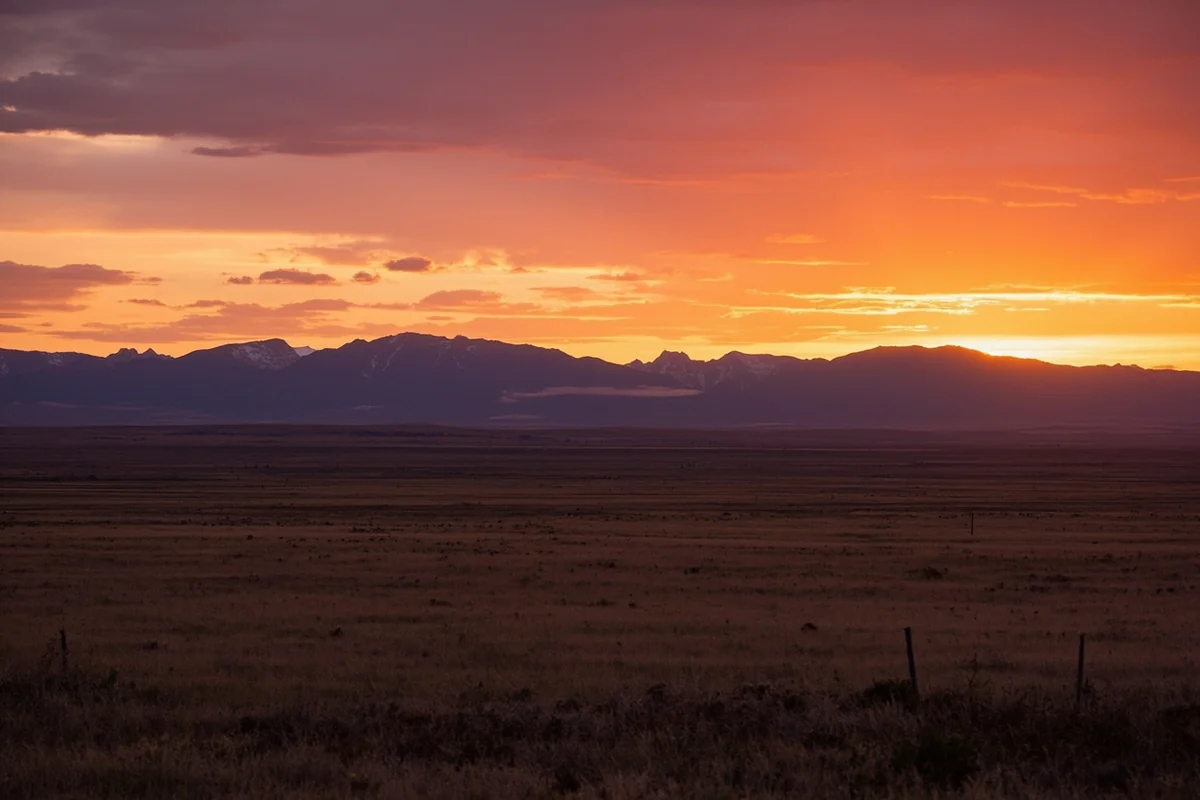
The next time someone asks you if Montana is in the Midwest, you’ll know exactly what to tell them. And if you’re lucky enough to explain it while looking at the Rocky Mountains from the eastern prairie, the answer will be obvious to everyone present.
Frequently Asked Questions
Is Montana considered part of the Midwest or the West?
Montana is officially classified as part of the Mountain West region, not the Midwest. The U.S. Census Bureau places Montana in the West region alongside states like Wyoming, Idaho, and Colorado. While some eastern Montana plains share similarities with Midwestern landscapes, geographically and culturally Montana identifies strongly as a Western state.
How far is Montana from traditional Midwest states like Minnesota or Iowa?
Montana is roughly 800-1,000 miles from core Midwest states, depending on your starting point. For example, driving from Minneapolis to Billings, Montana takes about 12-13 hours covering approximately 860 miles. I’d recommend breaking this drive into two days to enjoy the scenery through North Dakota.
What makes Montana different from Midwest states for travelers?
Unlike the flat farmlands typical of the Midwest, Montana offers dramatic Rocky Mountain peaks, vast wilderness areas, and iconic destinations like Glacier National Park. You’ll experience a rugged Western culture with ranching heritage, world-class fly fishing, and outdoor adventures that differ significantly from Midwestern travel experiences.
What is the best time of year to visit Montana from the Midwest?
Summer (June through August) offers the best weather for Midwest travelers, with temperatures between 70-85°F and full access to mountain roads and trails. If you’re driving from the Midwest, late June through September provides the most reliable conditions for the long journey and outdoor activities once you arrive.
How much should I budget for a Montana trip from the Midwest?
Budget approximately $150-250 per day for moderate accommodations, meals, and activities in Montana during peak season. Gas for the 800+ mile drive will run $150-200 each way depending on your vehicle. I’d suggest budgeting $1,500-2,500 total for a week-long trip including lodging, park entrance fees ($35 for Glacier), and activities.
What should Midwest travelers pack for a Montana vacation?
Pack layers regardless of season since Montana mountain temperatures can drop 30-40 degrees from day to night. Bring sturdy hiking boots, bear spray ($40-50 locally), sunscreen for high elevation, and a quality rain jacket. Midwest travelers often underestimate the intense sun and rapid weather changes at Montana’s higher elevations.
Can I fly to Montana from major Midwest cities, and what are the costs?
Yes, you can fly into Bozeman, Missoula, or Billings from Midwest hubs like Chicago, Minneapolis, or Denver with connections. Expect to pay $250-500 roundtrip depending on season and how far in advance you book. I recommend booking 6-8 weeks ahead for summer travel to secure better rates and flight times.
Sources:
- https://en.wikipedia.org/wiki/Midwestern_United_States
- https://www.ebsco.com/research-starters/social-sciences-and-humanities/midwestern-united-states
- https://www.cdc.gov/nchs/hus/sources-definitions/geographic-region.htm
- https://www.census.gov/programs-surveys/popest/about/glossary/geo-terms.html
- https://www.census.gov/programs-surveys/economic-census/guidance-geographies/levels.html
- https://cod.pressbooks.pub/westernworlddailyreadingsgeography/chapter/north-america-regional-example/
- https://www.census.gov/geographies/reference-files/2010/geo/state-local-geo-guides-2010/montana.html
- https://en.wikipedia.org/wiki/Montana
- https://en.wikipedia.org/wiki/List_of_regions_of_the_United_States
- https://www.umt.edu/this-is-montana/columns/stories/montana-statehood-part1.php
- https://en.wikipedia.org/wiki/United_States_Court_of_Appeals_for_the_Ninth_Circuit
- https://www.ca9.uscourts.gov/judicial-council/what-is-the-ninth-circuit/
- https://www.fjc.gov/history/administration/federal-judicial-circuits-ninth-circuit-0
- https://www.congress.gov/crs-product/R48242
- https://www.law.cornell.edu/cfr/text/49/71.7
- https://en.wikipedia.org/wiki/Mountain_Time_Zone
- https://www.reddit.com/r/northdakota/comments/1eni8f2/why_isnt_more_of_north_dakota_in_mountain_time/
- https://news.climate.columbia.edu/2018/04/11/the-100th-meridian-where-the-great-plains-used-to-begin-now-moving-east/
- https://en.wikipedia.org/wiki/100th_meridian_west
- https://mhs.mt.gov/education/Elementary/Chap1.pdf
- https://pubs.usgs.gov/publication/b1493
- https://www.ypradio.org/2018-04-12/arid-west-climate-moves-east-new-study-shows
- https://www.distinctlymontana.com/montana-30-years-earthquakes
- https://www.mbmg.mtech.edu/pdf/SP114-earthquakemap.pdf
- https://www.usgs.gov/publications/faults-central-part-lewis-and-clark-line-and-fragmentation-late-cretaceous-foreland
- https://www.umt.edu/this-is-montana/columns/stories/montana_regions_1of3.php
- https://www.history.nd.gov/textbook/unit3_2_territorialdocs.html
- https://www.sdhsf.org/news_events/history_articles.html/title/october-2014-proclaiming-south-dakota-as-a-state
- https://en.wikipedia.org/wiki/Dakota_Territory
- https://core.ac.uk/download/pdf/188059773.pdf
- https://pmc.ncbi.nlm.nih.gov/articles/PMC8259807/
- https://farmflavor.com/montana/montana-crops-livestock/montana-top-10-agricultural-commodities/
- https://www.seaway.dot.gov/sites/seaway.dot.gov/files/docs/Army%20Corps%20-%20Great%20Lakes%20Seaway%20Study.pdf
- https://grains.org/wp-content/uploads/2018/02/Chapter-5-U.S.pdf
- https://www.ams.usda.gov/sites/default/files/media/GTR03132025.pdf
- https://www.menards.com/store-details/locator.html
- https://www.culvers.com/stories/signature-stories/culvers-locations-by-state
- https://local.safeway.com/safeway/mt.html
- https://en.wikipedia.org/wiki/North_American_English_regional_phonology
- https://en.wikipedia.org/wiki/List_of_U.S._states_and_territories_by_religiosity
- https://newstalkkgvo.com/montana-not-in-the-midwest/
- https://en.wikipedia.org/wiki/Modern_liberalism_in_the_United_States