Have you ever wondered where the Pacific Northwest’s lush rainforests meet the Great Plains’ sweeping grasslands? The answer lies in Montana—a state that serves as one of North America’s most extraordinary ecological crossroads.
While many travelers know Montana for its stunning mountain vistas, few realize that this single state encompasses ecosystems ranging from cedar-hemlock groves that mirror coastal Washington to arid badlands reminiscent of the Southwest desert.
Montana isn’t just diverse; it’s a biological convergence zone where three major floristic provinces, three continental river basins, and dramatically different climates collide to create a landscape of unparalleled complexity.
In this comprehensive guide, you’ll discover how the Continental Divide splits Montana into two distinct ecological worlds, explore the vertical wilderness of alpine tundra to valley grasslands, understand why Montana’s rivers flow toward three different oceans, and learn how fire, grazing, and climate change are reshaping these remarkable ecosystems.
- Related article: Where’s Montana Located
Whether you’re a nature enthusiast, conservationist, or simply curious about the natural world, understanding Montana’s ecological diversity reveals fundamental principles about how geography, climate, and evolutionary history combine to create the rich tapestry of life on our planet.
Table of Contents
Montana: Where Three Ecosystems Converge
Montana stands as a remarkable biological crossroads in North America, where three major floristic provinces and three continental river basins converge to create an ecological tapestry of extraordinary diversity. This vast state serves as the definitive meeting point where the Pacific Northwest’s maritime influence collides with the continental climate of the Great Plains, all against the backdrop of the Rocky Mountain Cordillera.
The Continental Divide acts as Montana’s ecological backbone, splitting the state into two dramatically different worlds. West of the Divide, moisture-rich Pacific air masses create a temperate environment supporting lush forests reminiscent of the coastal Pacific Northwest, including rare cedar-hemlock rainforests in the northwestern corner. East of the Divide lies a different Montana altogether—a semi-arid landscape characterized by extreme temperature fluctuations and vast grassland prairies stretching toward the horizon.
This convergence of ecosystems has created a state where you can journey from alpine tundra to arid badlands in a single day’s drive. Montana’s topographical complexity—ranging from the 12,799-foot summit of Granite Peak to the 1,800-foot lowlands along the eastern border—creates vertical life zones that further diversify its biological communities.
The state’s position as the “Headwaters of the Continent” adds another layer to its ecological significance. Montana’s mountains give birth to rivers flowing toward three different oceans: the Columbia Basin draining to the Pacific, the Missouri-Mississippi system flowing to the Gulf of Mexico, and the Saskatchewan system heading toward Hudson Bay. Each watershed hosts distinct aquatic species adapted to their unique conditions.
This remarkable ecological diversity faces mounting challenges from climate change, invasive species, and changing land use patterns. As we explore Montana’s diverse biomes, we’ll discover how these ecosystems function, the species that define them, and the conservation efforts working to preserve this biological treasure for future generations.
The Continental Divide: Montana’s Great Ecological Split
Montana’s remarkable ecological diversity begins with a fundamental geographic feature that slices through the state: the Continental Divide. This mountainous spine doesn’t just determine which direction water flows; it creates two dramatically different worlds within a single state.
West of the Continental Divide, Montana experiences the strong influence of Pacific maritime air masses. These moisture-laden winds collide with the mountain ranges, creating significant orographic lift that deposits substantial precipitation. The result is a relatively moist environment with milder winters and cooler summers compared to eastern Montana. Annual precipitation in these western regions can exceed 100 inches in some mountainous areas, supporting lush ecosystems reminiscent of the Pacific Northwest, including dense coniferous forests and even cedar-hemlock groves in the northwest corner of the state.
In stark contrast, the region east of the Divide exists in what scientists call a profound rain shadow. As air masses descend the eastern slopes of the Rockies, they compress and warm, losing their moisture-carrying capacity. This creates a deeply continental climate characterized by extreme temperature fluctuations between seasons, lower overall precipitation (often less than 15 inches annually), and higher potential evapotranspiration. The eastern plains experience the “Chinook” winds—warm, dry gusts capable of raising temperatures by tens of degrees in just hours, often sublimating snow cover and exposing vegetation to desiccation.
This climatic dualism directly shapes Montana’s biodiversity. The moisture-rich west supports ecosystems dominated by conifers like Douglas fir, western larch, and ponderosa pine, with understories rich in ferns and mosses. Meanwhile, the drier east is characterized by mixed-grass prairies, sagebrush steppe, and specialized plant communities adapted to withstand drought and temperature extremes.
The Continental Divide doesn’t just create a sharp line between wet and dry; it establishes entirely different evolutionary pressures and ecological relationships. Species on either side have adapted to these distinct conditions over millennia, resulting in specialized communities that reflect the dramatic environmental gradient created by this single geographic feature.
Montana’s Triple Watershed Divide: A Continental Crossroads
Montana holds a remarkable hydrological distinction as the “Headwaters of the Continent.” This mountainous state gives birth to rivers that flow toward three different oceans, creating a triple continental divide that shapes aquatic ecosystems across North America.
The western third of Montana belongs to the Columbia River Basin, with waters flowing via the Clark Fork and Kootenai rivers toward the Pacific Ocean. These waterways historically supported anadromous fish migrations, though dams have now interrupted these ancient patterns. The aquatic communities here bear distinct Pacific influences, with species like Bull Trout and Westslope Cutthroat Trout adapted to cold, clear mountain streams fed primarily by snowmelt.
East of the Continental Divide, the Missouri River Basin claims the majority of the state’s territory. These waters eventually reach the Gulf of Mexico via the Mississippi River system. The aquatic life here evolved in warmer, more turbid conditions, with species like Paddlefish and Pallid Sturgeon adapted to the dynamic, sediment-rich waters of the Great Plains. The crown jewel of this system is the Yellowstone River, stretching 692 miles as the longest undammed river in the lower 48 states. This free-flowing status preserves a natural hydrograph essential for native fish reproduction and riparian forest regeneration—a living laboratory of how rivers functioned before widespread human modification.
In the far north, the Hudson Bay Basin captures waters from Glacier National Park’s St. Mary and Waterton drainages. These rivers flow northward into Canada’s Saskatchewan River system, hosting a unique blend of boreal and mountain species.
These three watersheds don’t just move water—they’ve created biological boundaries that have shaped evolution. Each basin harbors distinct fish assemblages that have adapted to specific flow regimes, water temperatures, and substrate types. The Continental Divide serves as nature’s most significant aquatic barrier in the region, preventing species migration between eastern and western watersheds and leading to millions of years of separate evolution.
The Rocky Mountain Cordillera: Montana’s Vertical Wilderness
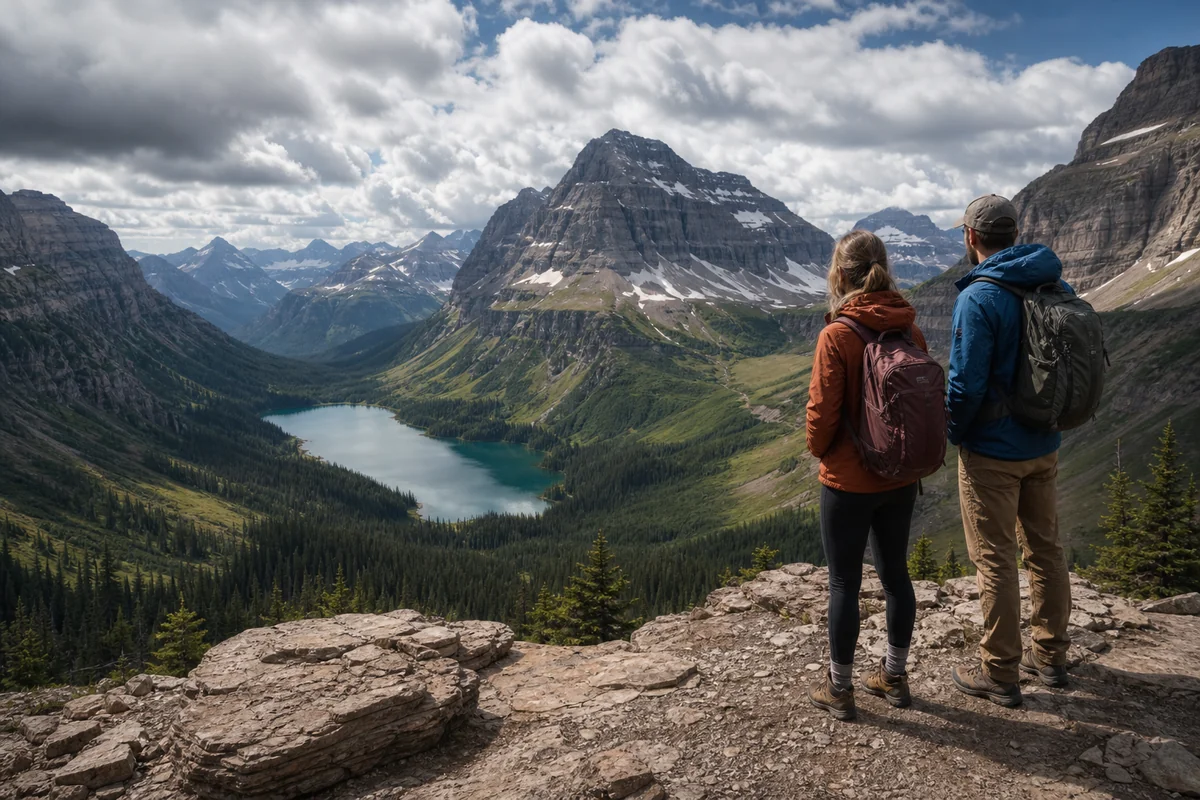
The mountainous western third of Montana represents one of North America’s most dramatic ecological gradients. This region isn’t simply a collection of peaks and valleys—it’s a complex tapestry of life zones stacked vertically from river bottoms to barren alpine summits. The Rocky Mountain Cordillera acts as the definitive backbone of Montana’s ecological identity, creating a biological staircase where each step reveals entirely different communities of plants and animals.
Unlike the horizontal transitions we observe across the plains, the mountains compress multiple ecosystems into tight vertical bands. A single day’s hike can take you through landscapes equivalent to traveling thousands of miles northward in latitude. This compression creates extraordinary biodiversity in relatively small geographic areas.
The Northern Rockies ecoregion dominates northwestern Montana with its distinctive maritime influence. Here, Pacific air masses deliver significant moisture, supporting lush forests more reminiscent of coastal Washington and Oregon than the interior West. Western hemlock and western redcedar create cathedral-like groves in the wettest valleys, particularly in the Yaak and Kootenai drainages, where annual precipitation can exceed 100 inches. These “inland rainforests” harbor disjunct populations of coastal plant species, creating biological islands hundreds of miles from similar habitats.
In contrast, the Middle Rockies ecoregion covering southwestern and central Montana features “island ranges”—isolated mountain masses separated by broad, arid valleys. This fragmented topography creates natural laboratories of evolution, where species adapt to local conditions in relative isolation. The Madison, Gallatin, and Absaroka ranges exemplify this pattern, each hosting slightly different ecological communities despite their proximity.
Forest composition shifts dramatically with elevation and aspect. Valley bottoms once supported extensive cottonwood galleries along rivers, transitioning to ponderosa pine on warm, dry slopes. Moving upward, Douglas-fir and lodgepole pine dominate the montane zone between 4,000-7,000 feet. Subalpine forests of Engelmann spruce, subalpine fir, and whitebark pine occupy the highest forested elevations before surrendering to the harsh conditions of the alpine zone above 8,500-10,000 feet.
Perhaps the most imperiled of these forest types is the whitebark pine ecosystem. This high-elevation keystone species faces a triple threat: white pine blister rust (an introduced fungal pathogen), mountain pine beetle outbreaks, and climate change. Mortality in some stands exceeds 90%, fundamentally altering high-elevation watersheds and eliminating a critical food source for grizzly bears, which rely on whitebark pine nuts for pre-hibernation nutrition.
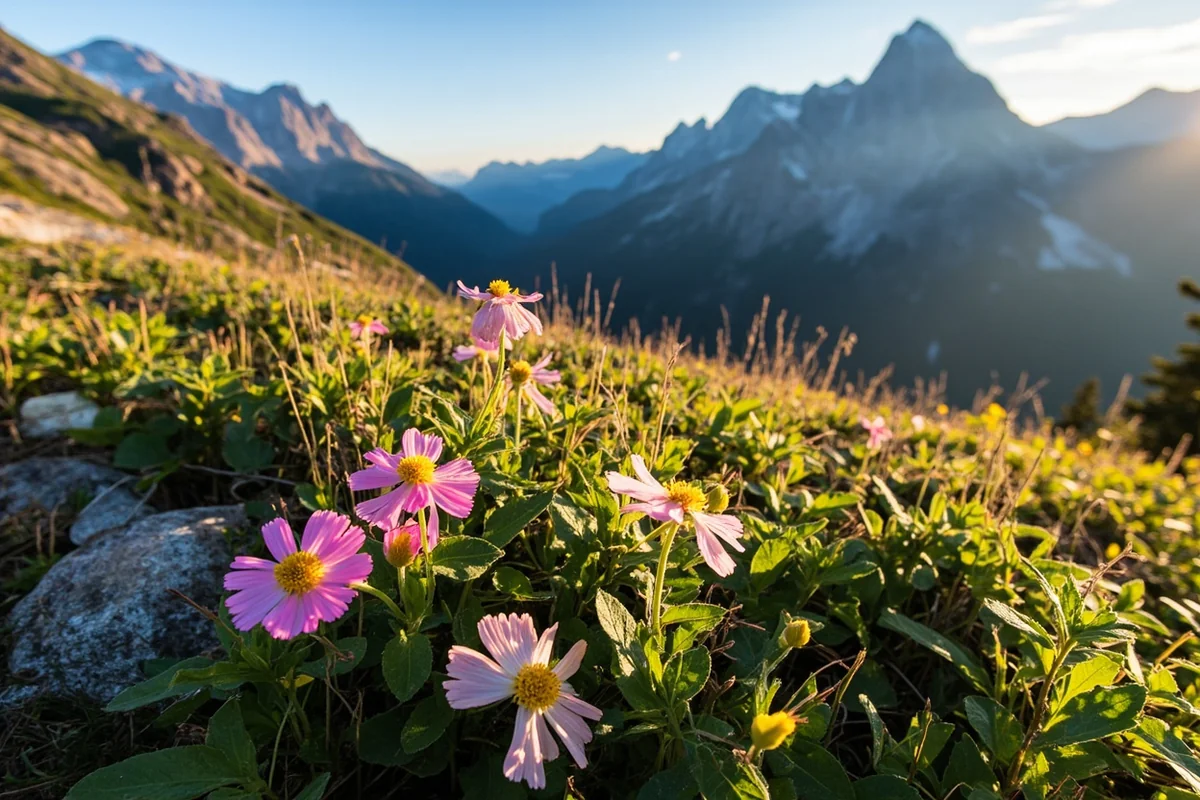
The alpine tundra represents Montana’s harshest yet most fascinating ecosystem. Though occupying less than 5% of the mountainous landscape, these “sky islands” harbor remarkable plant adaptations. Cushion plants like moss campion form dense, low-growing mats that create their own microclimate, while dense sedge turfs stabilize thin soils and regulate high-country hydrology. The Beartooth Plateau stands as Montana’s premier alpine landscape, hosting over 400 plant species in a harsh environment where the growing season may last just 60 days.
Conservation challenges in Montana’s mountains reflect both historical management decisions and emerging threats. A century of fire suppression has fundamentally altered forest structure, particularly in lower-elevation ponderosa pine systems that evolved with frequent, low-intensity burns. The resulting fuel accumulation, combined with warming temperatures, has increased the risk of catastrophic wildfires that exceed the ecological resilience of these forests.
Meanwhile, habitat fragmentation threatens the connectivity between mountain ranges. While high peaks often enjoy protected status within wilderness areas and national forests, the intervening valleys face development pressure. These valleys serve as crucial wildlife corridors, particularly for wide-ranging species like wolverines and lynx that require vast territories across multiple mountain ranges.
The Rocky Mountain Cordillera ultimately functions as Montana’s water tower, capturing winter precipitation as snowpack and releasing it gradually through the summer months. This hydrological function supports not only mountain ecosystems but also downstream agricultural and urban communities. As climate change alters precipitation patterns and accelerates snowmelt timing, the integrity of these mountain systems becomes increasingly critical to Montana’s ecological and economic future.
Alpine Tundra: Life at the Edge of Existence
The alpine tundra represents Montana’s most extreme environment, a harsh yet breathtakingly beautiful realm that exists above the treeline. This elevation varies across the state—beginning around 6,900 feet in Glacier National Park to the north and rising to approximately 10,500 feet in the drier southwestern regions. These high-altitude “sky islands” are ecological analogues to the Arctic tundra but exist as fragmented habitats separated by valleys of more hospitable climate.
Plants in the alpine zone contend with formidable challenges: intense solar radiation, punishing wind speeds, extremely short growing seasons (often just 60-90 days), and solifluction—the gradual movement of soil due to freeze-thaw cycles. The dominant adaptation strategy for flora is the perennial cushion life form. Species like Moss Campion and Alpine Forget-me-not form dense, low-growing mats that reduce wind desiccation, trap heat near the ground, and protect vulnerable root systems from mechanical damage.
On more stable, gentle slopes, extensive turf communities develop, dominated by rhizomatous sedges including Carex scirpoidea, Carex rupestris, and Carex elynoides. These turfs serve crucial ecological functions, acting as natural sponges that regulate water release from the mountains and providing high-quality forage for alpine ungulates.
The Beartooth Plateau stands as a critical floristic junction within Montana’s alpine systems. It marks the southern boundary for many Arctic-Boreal species and the northern limit for Southern Rocky Mountain endemics, creating a botanical diversity hotspot unmatched in the lower 48 states.
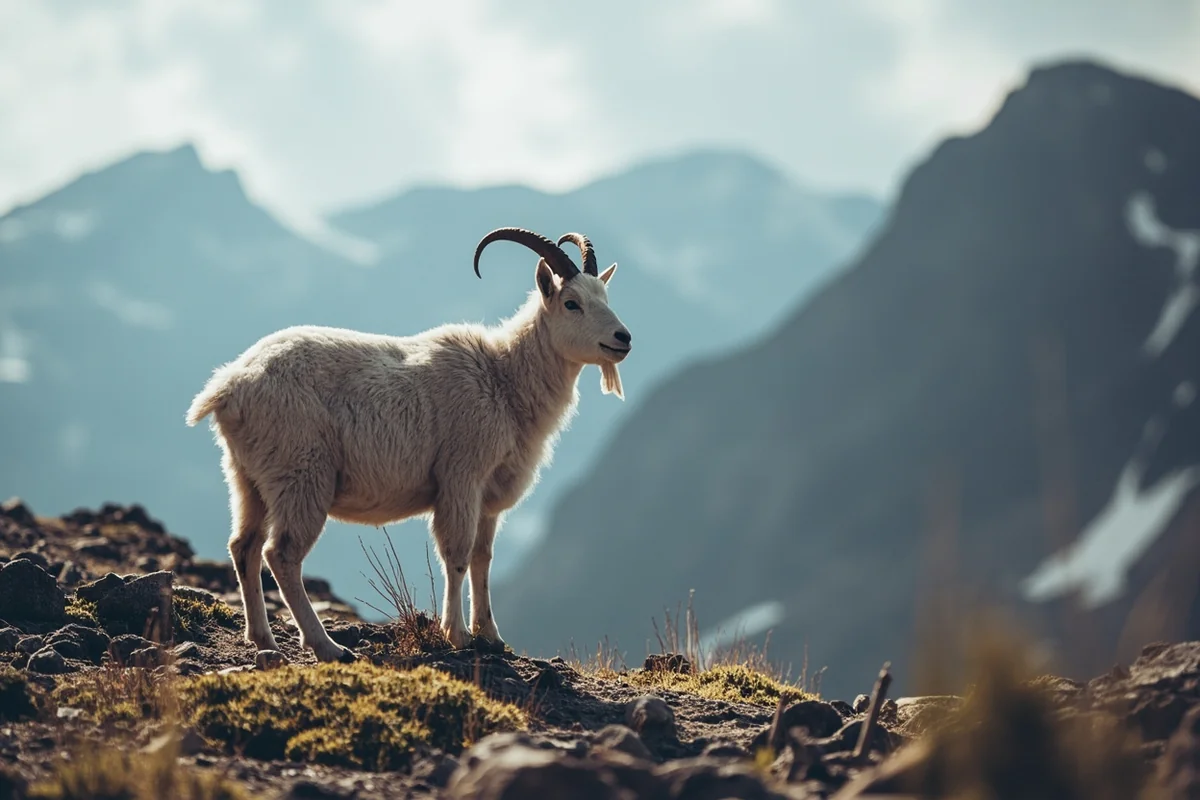
Wildlife in these high-altitude environments is limited to species with remarkable physiological or behavioral adaptations. The American Pika serves as a sentinel species for alpine health. These small mammals cannot hibernate and instead survive by “haying”—harvesting and caching vegetation for winter consumption. Pikas are restricted to high elevations because they cannot tolerate high summer temperatures, making them particularly vulnerable to climate change as they have “nowhere to go” if temperatures exceed their physiological thresholds.
Other key alpine inhabitants include the Hoary Marmot, which hibernates for up to eight months of the year, and the elusive Wolverine, which requires deep, persistent spring snowpack for denning. Wolverines use high alpine ridges as travel corridors to traverse their vast territories, linking mountain ranges across the Crown of the Continent ecosystem.
Climate change poses an existential threat to Montana’s alpine ecosystems. Rising temperatures are causing earlier snowmelt, reduced snowpack persistence, and altered precipitation patterns. These changes directly impact the specialized plants and animals that have evolved precise adaptations to the historical conditions of these high-elevation environments. As warming continues, many alpine species face the prospect of range contraction or local extinction as their suitable habitat literally disappears off the tops of mountains.
Montana’s Forest Diversity: From Rainforests to Woodlands
Montana’s forests tell a fascinating ecological story, with dramatic transitions from west to east that mirror the state’s unique position at the convergence of major continental biomes. The forests of Montana aren’t uniform – they represent distinct ecosystems shaped by climate, elevation, and historical disturbance patterns.
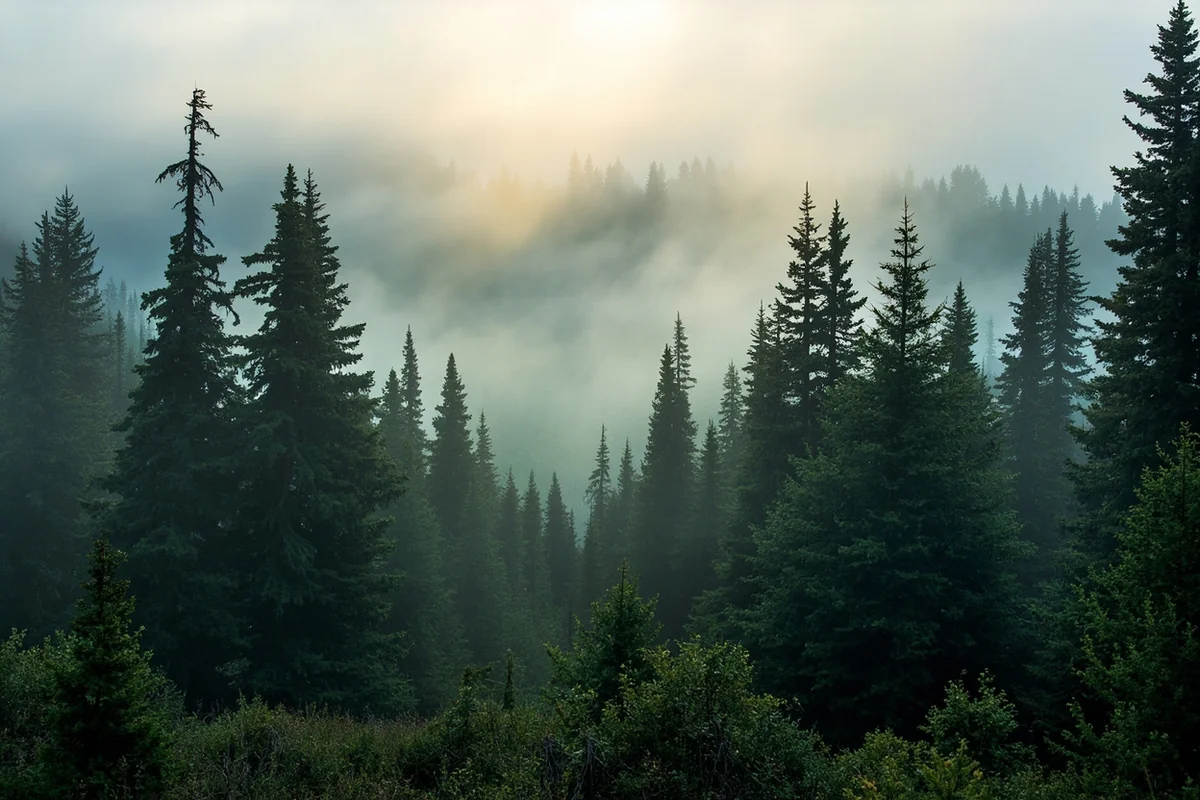
In the northwestern corner of Montana, visitors are often surprised to discover what ecologists call “inland rainforests.” These lush, moisture-rich forests receive up to 100 inches of precipitation annually due to Pacific maritime air masses. Western Hemlock and Western Redcedar dominate these forests, creating dense, shaded canopies over understories rich with ferns, devil’s club, and thick moss carpets. These forests bear a striking resemblance to the coastal forests of Washington and Oregon, supporting disjunct populations of coastal flora that exist nowhere else in the Rocky Mountains.
As you move east across the Continental Divide, the forest composition shifts dramatically. The rain shadow effect creates much drier conditions, and the forests transition to what ecologists classify as Dry Mixed Conifer Forests. Douglas-fir becomes ubiquitous, often sharing dominance with Lodgepole Pine. These forests historically experienced frequent, low-intensity fires that cleared underbrush while leaving the mature trees intact.
At lower elevations and on south-facing slopes, Ponderosa Pine woodlands create park-like stands with wide spacing between trees and grassy understories. These majestic trees, with their distinctive vanilla-scented bark, are adapted to thrive in Montana’s challenging conditions where moisture is limited and summer drought is common.
The story of Montana’s forests cannot be told without addressing the Whitebark Pine crisis. This keystone species occupies the highest forested elevations, where it plays a disproportionate ecological role. Whitebark Pine seeds are a critical food source for Grizzly Bears and Clark’s Nutcrackers, while the trees themselves regulate snowmelt by shading high-elevation snowpacks.
Today, Whitebark Pine stands are experiencing functional collapse due to a perfect storm of threats. White Pine Blister Rust, an introduced fungal pathogen, has decimated populations, with infection rates exceeding 90% in some areas. Simultaneously, warming winters have allowed Mountain Pine Beetle populations to flourish at higher elevations, causing mass mortality events. Research indicates that in some ranges, Whitebark Pine mortality has exceeded 80% of mature trees.
A century of fire suppression has fundamentally altered Montana’s forest ecosystems. In the absence of regular fire, shade-tolerant species have infilled what were once open stands, creating dangerous fuel loads. Historical records show that low-elevation Ponderosa Pine forests naturally experienced fires every 5-25 years, maintaining their open structure. Today, these forests have become dangerously dense, with tree densities increasing from historical averages of 40-50 trees per acre to current densities often exceeding 200 trees per acre.
This ecological transformation has set the stage for catastrophic megafires that burn with an intensity exceeding the evolutionary resistance of these forests. Where fires once cleaned the forest floor while leaving the canopy intact, today’s fires often result in complete stand replacement, potentially causing permanent conversion from forest to grassland in some areas.
Forest management practices are now shifting toward restoration of historical conditions through careful thinning and prescribed burning. These efforts aim to recreate the mosaic of forest densities and age classes that characterized Montana’s pre-settlement forests, enhancing both ecological resilience and reducing wildfire risk in an era of climate change.
The High Divide: Montana’s Crucial Ecological Bridge
Between Montana’s majestic mountain ranges lie broad valleys and foothills known as the “Intermountain” biome. Far from being simple transition zones, these valleys constitute distinct ecosystems dominated by Rough Fescue and Idaho Fescue grasslands. In southwestern Montana, high-elevation basins support extensive stands of Mountain Big Sagebrush, providing essential nesting habitat for the threatened Greater Sage-grouse.
The “High Divide” region, straddling the Montana-Idaho border, serves as a vital biological corridor linking two of North America’s crown jewel ecosystems: the Greater Yellowstone Ecosystem to the south and the Crown of the Continent/Glacier National Park complex to the north. This connectivity is crucial for wide-ranging species like elk, mule deer, and pronghorn, which rely on seasonal migration routes that have existed for millennia.
These valleys face unique conservation challenges. While Montana’s high peaks are typically protected as public lands, the fertile valleys between them are predominantly private working lands. This creates a complex conservation landscape where ranching, agriculture, and wildlife must coexist. The primary threat to ecological connectivity in this biome is habitat fragmentation driven by exurban development and land subdivision, which can sever ancient migration routes that ungulates depend on for winter survival.
Conservation efforts in the High Divide focus on collaborative approaches that maintain working landscapes while preserving ecological function. Conservation easements, which compensate landowners for keeping their land intact rather than subdivided, have protected over 750,000 acres in this region. Wildlife-friendly fencing initiatives have modified hundreds of miles of ranch fences to allow for wildlife passage while still containing livestock.
The future of Montana’s ecological integrity depends significantly on maintaining these valley corridors. As climate change forces species to shift their ranges, the High Divide will become even more critical as a migration pathway allowing plants and animals to adapt to changing conditions.
The Great Plains: Montana’s Vast Eastern Expanse
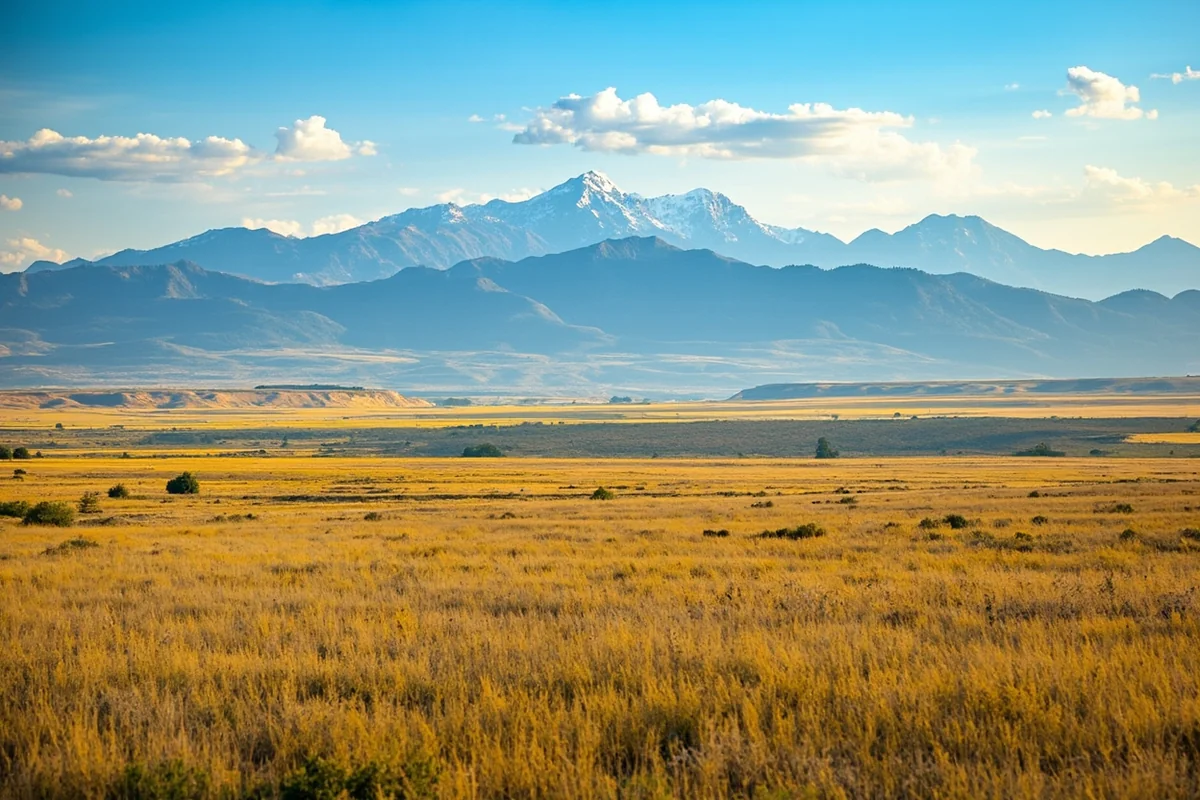
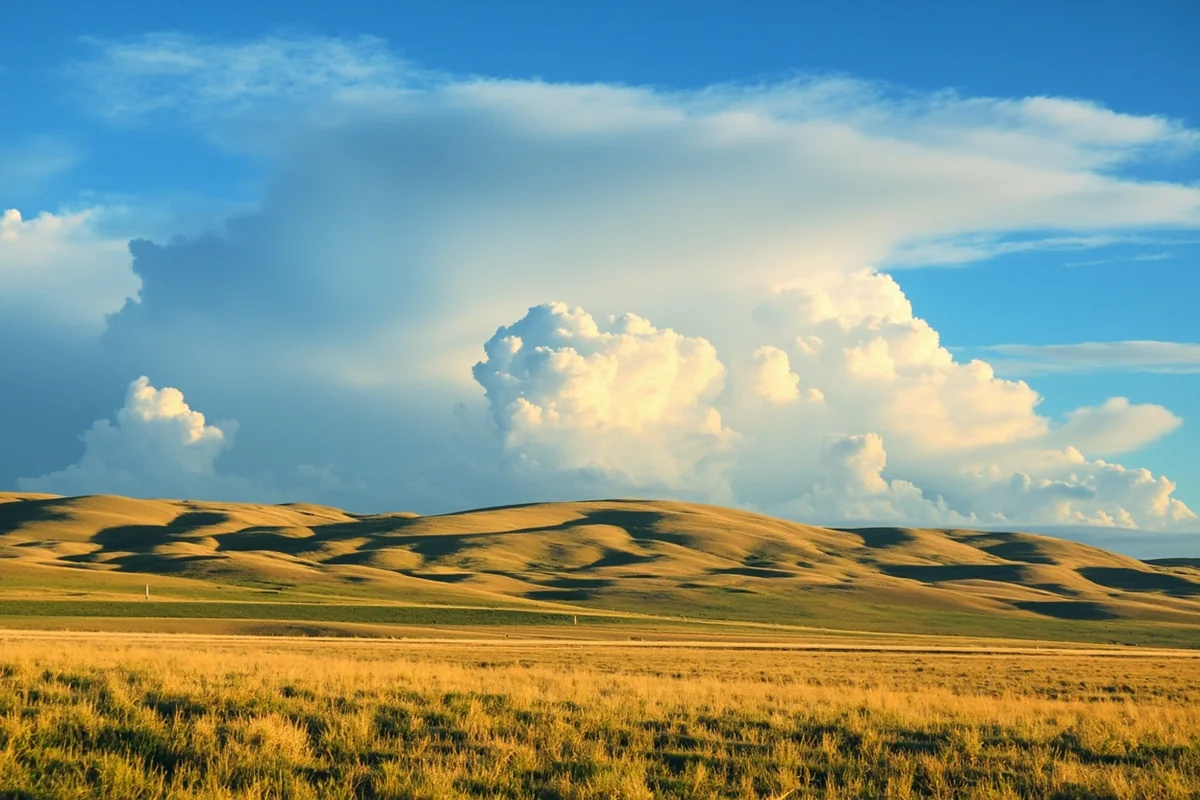
Montana’s eastern landscape unfolds into the immense Great Plains, covering nearly two-thirds of the state’s land area. Despite its seemingly uniform appearance, this region represents a complex ecological mosaic shaped by glacial history, moisture gradients, and grazing patterns.
The Great Plains of Montana can be divided into two distinct ecoregions: the Northwestern Glaciated Plains in the north and the Northwestern Great Plains (unglaciated) in the south, with the Missouri River roughly marking the boundary between them.
Northwestern Glaciated Plains: The Prairie Pothole Region
North of the Missouri River lies a landscape fundamentally shaped by continental ice sheets that retreated approximately 10,000 years ago. The retreating glaciers left behind a distinctive terrain characterized by kettles, kames, and moraines—geological features that created millions of small depressions across the landscape.
These depressions form the famous “Prairie Pothole Region,” a wetland-rich environment critical for North American waterfowl breeding. The hydrology of these potholes follows a seasonal rhythm—filling with snowmelt in spring and often drying by late summer, creating dynamic ecosystems that support remarkably high invertebrate biomass. This region produces more than 50% of North America’s waterfowl population on just 10% of the available breeding habitat.
The glacial till soils here rank among Montana’s most productive agricultural lands, creating an ongoing tension between conservation and conversion to wheat farming. The loss of native prairie to agriculture remains the primary driver of biodiversity decline in this region, fragmenting habitat for grassland-obligate birds like the Sprague’s Pipit and Chestnut-collared Longspur, both of which have experienced population declines exceeding 70% since the 1970s.
Northwestern Great Plains: The Unglaciated Prairie
South of the Missouri River, the landscape tells a different geological story. Untouched by the last glaciation, this region features more rugged terrain with dissected river breaks and expansive tablelands.
The dominant ecosystem here is the Mixed-Grass Prairie, named for its position at the ecological transition between the tallgrass prairies to the east (wetter) and the shortgrass steppe to the south (drier). This intermediate position supports a diverse mix of both tall and short grass species. Dominant grasses include Western Wheatgrass, Needle-and-Thread, and Blue Grama, creating a complex vertical structure that supports diverse wildlife.
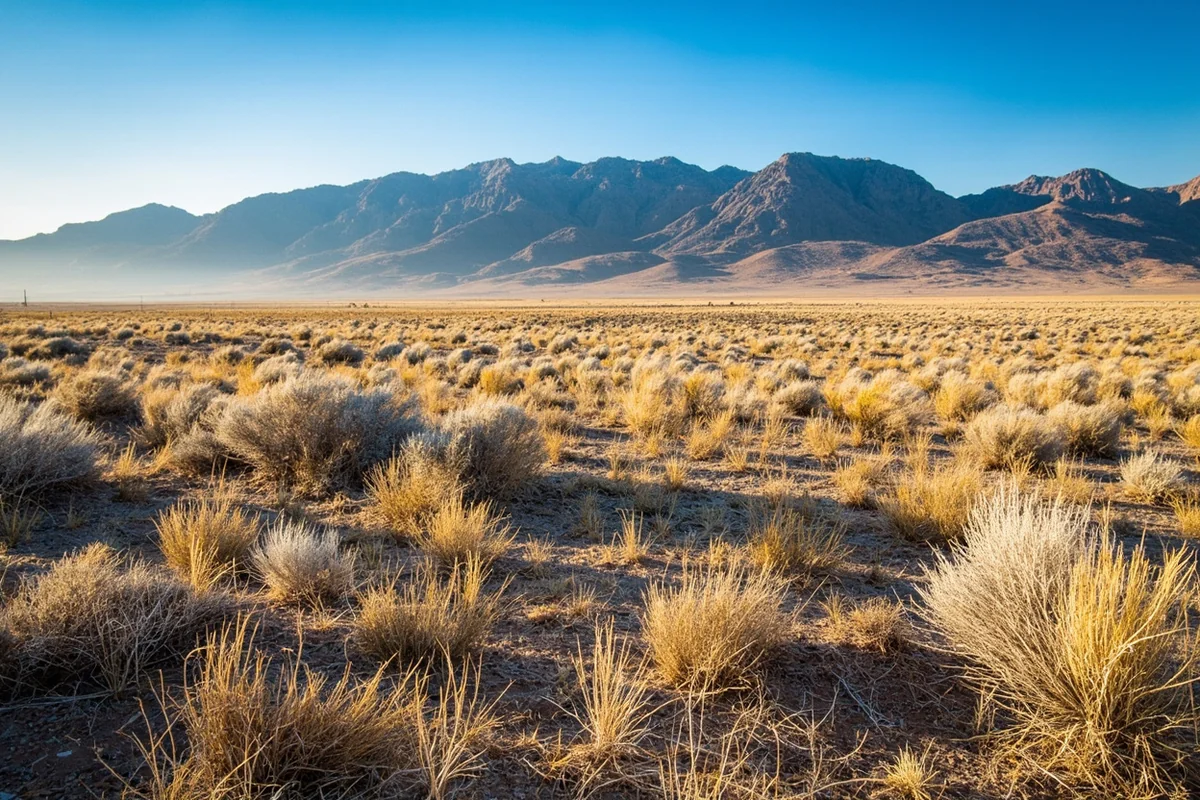
Within this prairie landscape lie the Montana Badlands—areas where soft sedimentary rock erodes faster than soil can form. These regions feature heavy clay soils derived from ancient Cretaceous sea beds, with vegetation cover typically less than 10%. Despite their harsh conditions, badlands support specialized plant communities including salt-tolerant shrubs like Greasewood and Gardner’s Saltbush.
The Ecological Role of Grazing
Both regions of Montana’s Great Plains evolved under the influence of intensive grazing, primarily by bison. Today, while cattle have largely replaced wild bison as the dominant grazer, the ecological principle remains: grazing is essential for maintaining grassland health.
Historically, the American Bison created a “grazing lawn” mosaic across the landscape. Unlike cattle, bison roamed widely and grazed preferentially on grasses while leaving forbs (wildflowers), creating a patchwork of vegetation heights. This mosaic supported diverse wildlife—from Mountain Plovers that prefer short grass to Sharp-tailed Grouse that require taller vegetation.
The American Prairie initiative represents one of the most ambitious ecological restoration projects in North America, aiming to restore free-ranging bison across 3.2 million acres of Montana’s plains. This effort shifts conservation focus from preserving isolated “museum herds” to restoring bison grazing as a functional ecological process.
When properly managed, grazing prevents the excessive accumulation of dead plant material, stimulates root growth, enhances nutrient cycling, and maintains plant diversity. However, overgrazing can shift prairie composition toward grazing-resistant shortgrass species or invasive annuals like Cheatgrass, while the complete removal of grazing can lead to litter buildup that actually reduces biodiversity.
The plains of eastern Montana, though less celebrated than the state’s mountainous regions, represent one of North America’s most important—and threatened—ecological systems, where the interplay of soil, water, plants, and grazing animals creates a landscape of surprising complexity and resilience.
Montana’s Badlands: Where Erosion Shapes Life
Montana’s badlands represent one of the state’s most dramatic and otherworldly landscapes. These distinctive formations occur where soft sedimentary rock erodes faster than soil can develop, creating a rugged terrain of gullies, ridges, and exposed geological strata.
Unlike the lush forests of western Montana, badlands are characterized by their sparse vegetation. Plant cover typically remains below 10%, with specialized species that have evolved remarkable adaptations to survive in these harsh conditions. The soils here present extreme challenges—heavy clays derived from ancient Cretaceous sea beds with high shrink-swell capacity that makes root establishment difficult and moisture retention poor.
Despite these challenges, a specialized plant community thrives in these seemingly inhospitable environments. Halophytic (salt-tolerant) shrubs dominate, with species like Greasewood and Gardner’s Saltbush extracting moisture from soils too saline for most other plants. These plants have developed specialized physiological mechanisms to manage salt concentrations that would be toxic to most vegetation.
The badlands serve critical ecological functions beyond their unique flora. The rugged topography provides essential escape terrain for wildlife species including Mule Deer and reintroduced populations of Bighorn Sheep, which utilize the steep cliffs and ravines to evade predators. The complex network of draws and ridges creates microhabitats that support a surprising diversity of reptiles and small mammals adapted to xeric (dry) conditions.
Perhaps most famously, Montana’s badlands serve as windows into deep geological time. The constant erosion exposes fossil-rich strata, making these areas globally significant for paleontology. The badlands around Jordan and Fort Peck have yielded some of North America’s most important dinosaur discoveries, including numerous Tyrannosaurus rex specimens. This erosional process that reveals prehistoric treasures also contributes significantly to the high sediment loads of major rivers like the Yellowstone and Missouri, influencing aquatic ecosystems far downstream.
The badlands represent a perfect example of how extreme environmental conditions drive specialized adaptations and create unique ecological niches, adding another fascinating dimension to Montana’s remarkable biological diversity.
Riparian Ecosystems: Montana’s Vital Waterside Habitats
Montana’s riparian zones are ecological powerhouses that punch far above their weight. Though occupying less than 3% of the state’s total land area, these streamside habitats support the life cycles of nearly half of all vertebrate species found in Montana. These lush corridors serve as critical breeding grounds, feeding areas, and migration pathways for countless species.
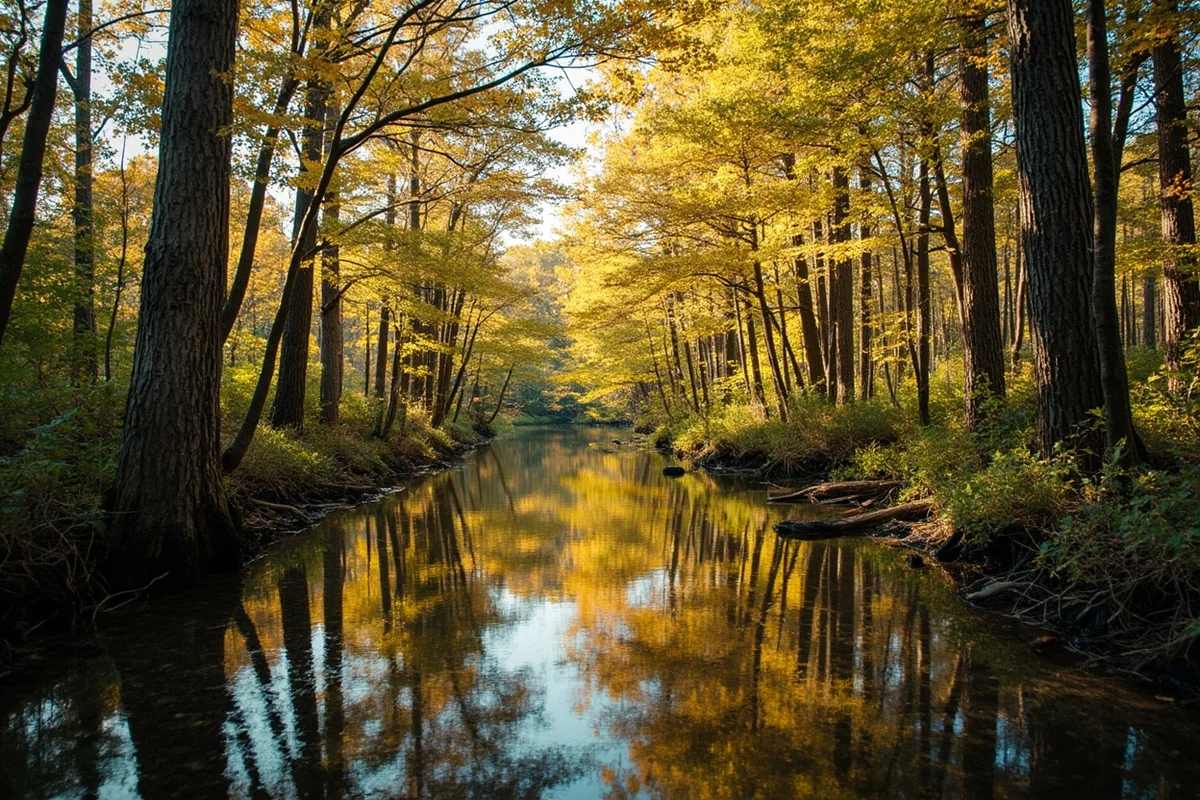
The magnificent gallery forests that line major rivers like the Yellowstone, Missouri, and Clark Fork stand in dramatic contrast to the surrounding arid landscapes. Cottonwoods form the backbone of these riparian ecosystems, with Black Cottonwood dominating western waterways while Plains Cottonwood rules the eastern rivers. These trees aren’t just scenic – they’re ecological engineers that provide multiple benefits to the surrounding environment.
Cottonwood canopies shade waterways, regulating water temperatures crucial for native fish species. Their fallen leaves and branches contribute essential organic matter that fuels aquatic food webs. The complex root systems stabilize banks during high water events, while their height and structure create diverse habitats for birds and mammals.
Despite their importance, these riparian ecosystems face significant challenges. Many cottonwood forests are experiencing a recruitment crisis. These trees evolved to establish on freshly scoured sediment bars created by dynamic spring floods. However, dam regulation on rivers like the Missouri has stabilized flows, preventing the natural disturbance patterns necessary for seedling establishment.
The result is what ecologists call “senescent” forests – aging stands where old trees die without replacement, gradually converting vibrant riparian forests into less diverse shrublands or grasslands. The Yellowstone River, with its more natural flow patterns, demonstrates healthier riparian succession and serves as a reference model for what these systems should look like.
Climate change adds another layer of complexity, as altered precipitation patterns and earlier snowmelt change the timing and intensity of floods that these ecosystems depend on. Conservation efforts now focus on maintaining or restoring natural flow regimes where possible and developing strategies to ensure cottonwood recruitment continues even in regulated river systems.
Native Fish Assemblages: A Tale of Two Sides
Montana’s Continental Divide doesn’t just separate water flowing to different oceans—it creates a dramatic division in aquatic biodiversity. This geographical barrier has fostered distinct evolutionary paths for fish species, resulting in specialized assemblages uniquely adapted to their respective watersheds.
In western Montana’s Columbia Basin, cold, clear mountain streams support specialized salmonids that evolved in isolation from their eastern counterparts. The Westslope Cutthroat Trout thrives in these pristine waters, recognizable by its distinctive red slash marks and small, irregular spots concentrated toward the tail. These fish require water temperatures below 60°F and complex habitat with deep pools, undercut banks, and clean gravel for spawning.
Perhaps the most demanding cold-water specialist is the Bull Trout, requiring even colder temperatures (below 54°F) and exceptionally clean water. These magnificent predators can grow to over 30 inches and historically migrated between small headwater streams and larger rivers or lakes. Today, both species face significant threats from habitat degradation and hybridization with non-native trout. The Westslope Cutthroat’s genome is being diluted through hybridization with introduced Rainbow Trout, creating “cut-bow” hybrids that erode the genetic integrity of native populations.
East of the Divide, the Missouri and Yellowstone river systems host a remarkably different fish community. The upper reaches support the Yellowstone Cutthroat Trout, a close cousin to the Westslope variety but adapted to slightly different conditions. As these rivers flow eastward across the plains, they transition to warmer, more turbid waters that support a diverse “Great Plains Assemblage.”
This eastern assemblage includes ancient species like the Paddlefish and Pallid Sturgeon—living fossils whose lineages date back over 70 million years. The Paddlefish, with its distinctive paddle-shaped rostrum, can live up to 50 years and grow to more than 100 pounds. Even more remarkable is the endangered Pallid Sturgeon, which can live over 100 years but now teeters on the brink of extinction due to dam construction blocking its long-distance spawning migrations.
The conservation challenges facing Montana’s native fish differ by region but share common themes. Western species contend with habitat fragmentation, climate warming, and genetic dilution from non-native species. Eastern species face altered river flows from dams, which prevent the natural flood pulses that trigger spawning behaviors and create the dynamic channels these fish evolved to utilize.
Despite these challenges, Montana remains a stronghold for native fish conservation. Restoration efforts include selective barrier construction to protect pure native trout populations, genetic monitoring to track hybridization, and innovative water management strategies to mimic natural flow regimes below dams. These efforts recognize that preserving the distinct fish assemblages on either side of the Continental Divide is crucial for maintaining Montana’s aquatic biodiversity.
Ecological Engineers: Fire and Grazing in Montana’s Landscape Evolution
Montana’s landscapes have been sculpted over millennia by two powerful evolutionary forces: fire and grazing. These natural processes have shaped the state’s diverse ecosystems, creating the mosaic of habitats that define Montana today.
Fire has historically played different roles across Montana’s varied terrain. In low-elevation Ponderosa Pine forests, frequent but gentle surface fires occurred every 5-25 years, clearing understory vegetation while leaving mature trees unharmed. These regular burns maintained open, park-like stands with scattered large trees and grassy understories rich in wildflowers. In stark contrast, high-elevation Lodgepole Pine forests evolved with infrequent but intense “stand-replacing” fires occurring every 100-300 years. These catastrophic events would kill most trees but trigger mass regeneration through serotinous cones that only open with heat.
A century of aggressive fire suppression has dramatically altered these natural cycles. Without regular burning, Montana’s forests have become unnaturally dense. Shade-tolerant species like Douglas-fir have infilled previously open stands, creating dangerous “ladder fuels” that allow flames to climb into the canopy. This fuel accumulation, combined with climate-induced drying, has shifted fire behavior toward catastrophic megafires that burn with unprecedented intensity—often exceeding the evolutionary resistance of forest ecosystems and potentially causing permanent conversion from forest to grassland or shrubland.
Grazing, particularly by American Bison, represents the second major force in Montana’s ecological development. Historically, bison served as the primary drivers of nutrient cycling and vegetation structure across the Great Plains. Unlike cattle, which tend to concentrate around water sources, bison roamed widely and grazed selectively on grasses while generally leaving forbs (wildflowers) untouched. This created a dynamic “grazing lawn” mosaic—patches of short grass (preferred by species like Mountain Plovers) interspersed with taller vegetation (favored by Sharp-tailed Grouse and other birds).
Bison also physically altered the landscape through wallowing behavior, where they would roll and compact soil, creating shallow depressions that collect water. These temporary wetlands became crucial breeding grounds for amphibians and invertebrates, adding another dimension of biodiversity to the plains ecosystem.
Today, ambitious restoration efforts like the American Prairie initiative aim to reestablish free-ranging bison populations on a landscape scale. With a target of 3.2 million acres, this project represents a shift from managing isolated “museum herds” to restoring bison grazing as a functional ecological process. Current herds interact with cattle on mixed-use landscapes, with careful genetic monitoring to ensure diversity and minimize cattle gene introgression. While controversial among some stakeholders, these restoration efforts recognize the irreplaceable ecological role of bison as the original “landscape architects” of the Great Plains—a role they fulfilled for more than 10,000 years before their near-extinction in the late 19th century.
By understanding and restoring these fundamental ecological processes, Montana’s land managers hope to enhance ecosystem resilience in the face of climate change and other modern pressures, preserving the state’s remarkable biodiversity for future generations.
Climate Change: Reshaping Montana’s Ecological Future
Montana’s ecosystems face unprecedented challenges as climate change accelerates across the region. According to the Montana Climate Assessment, the state is warming faster than the global average, with profound implications for all biomes from alpine tundra to prairie grasslands.
The most visible and immediate impact is on Montana’s cryosphere—its snow and ice resources. Since the 1930s, and accelerating dramatically since the 1980s, snowpack has declined significantly on both sides of the Continental Divide. This represents not just a loss of winter recreation opportunities, but the diminishment of Montana’s most crucial natural water storage system.
The timing of seasonal transitions is shifting dramatically. Peak spring runoff now occurs weeks earlier than historical averages, creating a dangerous mismatch between water availability and peak demand. By late summer, when agricultural irrigation needs are highest and fish already face thermal stress, many watersheds experience “hydrological drought”—critically low flows that warm more quickly and stress aquatic ecosystems.
These changes ripple through the biological communities that depend on reliable seasonal patterns. Phenological mismatches—where the timing of biological events becomes unsynchronized—are increasingly common. Plants may bloom before their pollinators emerge, or migratory birds may arrive after peak insect abundance, disrupting ecological relationships that evolved over thousands of years.
Species distributions are shifting in response to these changes. Cold-adapted species like wolverines, pikas, and native trout face severe range contractions as suitable habitat shrinks upslope or disappears entirely. Meanwhile, invasive species and native pests like the mountain pine beetle expand into higher elevations and latitudes previously protected by lethal winter temperatures.
| Climate Impact | Mechanism | Ecological Consequence |
|---|---|---|
| Warmer Winters | Reduced lethal cold thresholds | Increased survival of Mountain Pine Beetle larvae; range expansion of invasive weeds like Cheatgrass |
| Earlier Snowmelt | Shift in hydrograph timing | Lower late-summer streamflows; increased water temperature; thermal stress blocks for Salmonids |
| Increased Aridity | Higher vapor pressure deficit | Increased frequency and severity of wildfires; transition of forest to shrubland/grassland (savannah-ification) |
| Variable Precipitation | Altered soil moisture regimes | Stress on agricultural yields; shift in dominant grass species in prairies |
The resilience of Montana’s ecosystems is being tested as never before. While these natural systems have adapted to change over millennia, the current rate of climate shift may exceed their capacity to adapt. Management strategies that acknowledge the interconnectedness of water, land, and climate are essential for preserving the ecological integrity that defines Montana’s landscape.
Conservation Challenges and Ecosystem Resilience
Montana’s ecological treasures face mounting pressures from multiple fronts, challenging the resilience of these diverse systems. Understanding these threats is essential for developing effective conservation strategies that preserve the state’s natural heritage for future generations.
Invasive species represent one of the most immediate threats to Montana’s ecosystems. The potential invasion of zebra and quagga mussels looms large over the state’s pristine waters. These efficient filter feeders can strip water columns of phytoplankton, collapsing entire aquatic food webs. On land, cheatgrass (Bromus tectorum) has transformed fire regimes in grassland ecosystems, creating a dangerous cycle of more frequent, hotter fires that native species haven’t evolved to withstand.
Habitat fragmentation has severed ancient ecological connections crucial to wildlife. The fertile valleys between mountain ranges—primarily private working lands—are experiencing rapid exurban development. This fragmentation is particularly concerning in the High Divide region between the Greater Yellowstone Ecosystem and the Crown of the Continent, where development threatens to isolate these biodiversity hotspots. Seasonal migration routes for elk, mule deer, and pronghorn are increasingly obstructed by roads, fences, and housing developments.
Climate change is perhaps the most pervasive threat, altering fundamental ecological processes across all of Montana’s biomes. The state is warming faster than the global average, with profound implications for its ecosystems. Since the 1930s, snowpack has declined significantly, particularly since the 1980s, affecting both sides of the Continental Divide. This represents a critical loss of natural water storage that historically released water slowly through summer months.
The timing of peak spring runoff now occurs earlier in the year, creating “hydrological drought” in late summer when agricultural demand peaks and fish experience maximum thermal stress. Lower late-season flows result in warmer water temperatures, potentially lethal to cold-water specialists like bull trout and cutthroat trout.
Altered disturbance regimes have fundamentally changed ecosystem dynamics. A century of fire suppression has homogenized forests that evolved with diverse fire patterns. In the absence of frequent, low-intensity fires, shade-tolerant species have created dense understories with dangerous “ladder fuels” that allow flames to reach forest canopies. This fuel loading, combined with climate-induced drying, has shifted fire behavior toward catastrophic, high-severity megafires that exceed the evolutionary resistance of many forest communities.
Despite these challenges, Montana’s ecosystems demonstrate remarkable resilience. Conservation success stories like the reintroduction of bison to portions of the Great Plains demonstrate how restoring keystone species can revitalize entire ecosystems. The American Prairie initiative aims to restore free-ranging bison across 3.2 million acres, shifting from isolated “museum herds” to reestablishing bison grazing as a vital ecological force.
The future of Montana’s ecological diversity depends on maintaining and restoring connectivity between habitats. Wildlife corridors like the High Divide are essential for genetic exchange and seasonal migrations. Adaptive management approaches that acknowledge the dynamic nature of ecosystems—rather than attempting to preserve static conditions—offer the best hope for conservation in an era of rapid change.
The protection of Montana’s “Last Best Place” requires a commitment to understanding and sustaining the complex web of life that defines it. This means moving beyond isolated conservation efforts to landscape-scale thinking that recognizes the interconnectedness of water, land, and climate. By preserving ecological processes and connections, rather than just individual species or habitats, Montana can maintain the resilience needed to weather the environmental challenges of the 21st century.
FAQs About Montana’s Ecological Diversity
What makes Montana’s location ecologically unique compared to other U.S. states?
Montana occupies a singular position as the convergence point for three major floristic provinces and three continental river basins. The state sits at the intersection where Pacific maritime influences from the west meet the continental climate of the Great Plains, all against the backdrop of the Rocky Mountain Cordillera. This creates an extraordinary biological crossroads where you can find cedar-hemlock rainforests in the northwest corner alongside arid badlands in the southeast—ecosystems typically separated by thousands of miles. The Continental Divide acts as Montana’s ecological backbone, essentially creating two dramatically different worlds within a single state boundary.
How does the Continental Divide affect Montana’s ecosystems?
The Continental Divide creates a profound climatic dualism that fundamentally shapes Montana’s biodiversity. West of the Divide, moisture-rich Pacific air masses deposit substantial precipitation—sometimes exceeding 100 inches annually in mountainous areas—supporting lush coniferous forests similar to the Pacific Northwest. East of the Divide, a dramatic rain shadow effect creates semi-arid conditions with often less than 15 inches of annual precipitation and extreme temperature fluctuations. This single geographic feature essentially determines which plant and animal species can survive on either side, creating entirely different evolutionary pressures and ecological relationships that have shaped life in Montana over millennia.
Why are Montana’s riparian zones so important despite covering such a small area?
Although riparian zones occupy less than 3% of Montana’s total land area, they support the life cycles of nearly half of all vertebrate species found in the state. These streamside habitats provide critical breeding grounds, feeding areas, and migration pathways that are disproportionately valuable in Montana’s often arid landscape. The cottonwood gallery forests that line major rivers like the Yellowstone and Missouri create oases of biodiversity, offering shade that regulates water temperatures for fish, contributing organic matter that fuels aquatic food webs, and providing habitat structure for countless bird and mammal species. In the dry landscapes of eastern Montana especially, these green corridors serve as lifelines connecting otherwise isolated populations of wildlife.
What is causing the whitebark pine crisis and why does it matter?
Whitebark pine forests are experiencing functional collapse due to a triple threat: white pine blister rust (an introduced fungal pathogen with infection rates exceeding 90% in some areas), mountain pine beetle outbreaks enabled by warming winters, and climate change altering their high-elevation habitat. This matters enormously because whitebark pine is a keystone species playing a disproportionate ecological role. The trees produce high-calorie seeds essential for grizzly bear nutrition before hibernation, regulate snowmelt by shading high-elevation snowpacks, and act as nurse trees facilitating the establishment of other species in harsh conditions. Research indicates that mortality has exceeded 80% of mature trees in some mountain ranges, fundamentally altering high-elevation watersheds and forcing grizzly bears to forage at lower elevations where human-wildlife conflicts increase.
How has fire suppression changed Montana’s forests?
A century of fire suppression has fundamentally transformed Montana’s forest ecosystems in ways that actually increase wildfire danger. Historically, low-elevation ponderosa pine forests experienced frequent fires every 5-25 years that cleared understory vegetation while leaving mature trees intact, maintaining open, park-like stands with just 40-50 trees per acre. Today, without these regular burns, shade-tolerant species have infilled these forests, creating dangerous fuel loads with tree densities often exceeding 200 trees per acre. This fuel accumulation, combined with warming temperatures and extended droughts, has shifted fire behavior toward catastrophic megafires that burn with an intensity exceeding the evolutionary resistance of these forests, potentially causing permanent conversion from forest to grassland in some areas.
What role did bison historically play in Montana’s grassland ecosystems?
American bison were the primary architects of Montana’s Great Plains ecosystems for over 10,000 years, serving as the main driver of nutrient cycling and vegetation structure. Unlike cattle, which tend to concentrate around water sources, bison roamed widely and grazed selectively on grasses while leaving forbs (wildflowers) relatively untouched. This created a dynamic “grazing lawn” mosaic with patches of varying grass heights that supported diverse wildlife—from mountain plovers preferring short grass to sharp-tailed grouse requiring taller vegetation. Bison also physically altered the landscape through wallowing behavior, creating shallow depressions that collected water and became crucial temporary wetlands for amphibian breeding and invertebrate populations. The American Prairie initiative now aims to restore free-ranging bison across 3.2 million acres, shifting from isolated “museum herds” to reestablishing bison grazing as a functional ecological process.
Why are Montana’s prairie potholes so important for waterfowl?
The Prairie Pothole Region in northern Montana, created by retreating glaciers approximately 10,000 years ago, produces more than 50% of North America’s waterfowl population despite occupying just 10% of available breeding habitat. These millions of small depressions follow a seasonal rhythm, filling with snowmelt in spring and often drying by late summer, creating dynamic ecosystems that support remarkably high invertebrate biomass—the protein-rich food that waterfowl chicks need for rapid growth. The variable hydrology creates diverse wetland types from temporary to permanent, supporting different species with different habitat requirements. However, the glacial till soils here are among Montana’s most productive agricultural lands, creating ongoing tension between conservation and conversion to wheat farming, with habitat loss remaining the primary driver of declining populations for grassland-obligate birds.
How is climate change specifically affecting Montana’s water resources?
Montana is warming faster than the global average, with profound impacts on the state’s water resources. Since the 1930s, and accelerating dramatically since the 1980s, snowpack has declined significantly on both sides of the Continental Divide. This represents a critical loss because snowpack acts as Montana’s natural water storage system, historically capturing winter precipitation and releasing it gradually through summer months. Peak spring runoff now occurs weeks earlier than historical averages, leading to “hydrological drought” in late summer precisely when agricultural irrigation needs peak and fish face maximum thermal stress. Lower late-season flows result in warmer water temperatures that can be lethal to cold-water specialists like bull trout and cutthroat trout, while altered precipitation patterns affect everything from forest fire behavior to grassland composition.
What makes the Yellowstone River ecologically significant?
The Yellowstone River, stretching 692 miles, holds the distinction of being the longest undammed river in the lower 48 states. This free-flowing status preserves a natural hydrograph—the seasonal pattern of water flow—that is essential for native fish reproduction and riparian forest regeneration. The dynamic spring floods create freshly scoured sediment bars where cottonwood seedlings can establish, maintaining healthy riparian succession that has been lost on regulated rivers like the Missouri. The natural flow variability supports diverse aquatic species adapted to these dynamic conditions, from native cutthroat trout in the headwaters to ancient species like paddlefish and pallid sturgeon in the lower reaches. The Yellowstone essentially serves as a living laboratory demonstrating how rivers functioned before widespread human modification, making it invaluable for both conservation and scientific understanding.
Why is habitat connectivity important in Montana’s intermountain valleys?
The fertile valleys between Montana’s mountain ranges serve as crucial wildlife corridors, particularly in the “High Divide” region linking the Greater Yellowstone Ecosystem with the Crown of the Continent/Glacier National Park area. These valleys support seasonal migration routes that elk, mule deer, and pronghorn have used for millennia to reach winter ranges and summer feeding grounds. However, while Montana’s high peaks typically enjoy protected status as public lands, the intervening valleys are predominantly private working lands facing development pressure from exurban growth and land subdivision. This fragmentation threatens to sever ancient migration pathways that ungulates depend on for survival, isolating wildlife populations and reducing genetic diversity. Conservation easements—which compensate landowners for keeping land intact rather than subdivided—have protected over 750,000 acres in this region, demonstrating collaborative approaches that maintain working landscapes while preserving ecological function.
Sources:
- https://en.wikipedia.org/wiki/Ecology_of_the_Rocky_Mountains
- https://montanaclimate.org/chapter/executive-summary
- https://www.nps.gov/glac/learn/nature/plants.htm
- https://montanaclimate.org/chapter/climate-change
- https://montanaclimate.org/chapter/forests
- https://www.fs.usda.gov/rm/pubs_int/int_rp218.pdf
- https://mhs.mt.gov/education/Elementary/Chap1.pdf
- https://www.nationalacademies.org/read/10962/chapter/4
- https://en.wikipedia.org/wiki/Columbia_River
- https://www.usgs.gov/publications/distributions-small-nongame-fishes-lower-yellowstone-river
- https://fwp.mt.gov/binaries/content/assets/fwp/conservation/fisheries-management/statewide-fisheries-management-plan-2023-2026/2.36_middle-yellowstone-river-drainage.pdf
- https://www.epa.gov/eco-research/level-iii-and-iv-ecoregions-epa-region
- https://www.epa.gov/eco-research/level-iii-and-iv-ecoregions-state
- https://mslservices.mt.gov/Geographic_Information/Data/DataList/datalist_Details.aspx?did={D0E259C7-189C-4B83-8520-FB22EEC1B3F9}
- https://catalog.data.gov/dataset/level-iii-ecoregions-of-montana12
- https://pubs.usgs.gov/pp/1794/a/chapters/pp1794a_chapter07.pdf
- https://bplant.org/region/74
- https://www.conservationgateway.org/ConservationPlanning/SettingPriorities/EcoregionalReports/Documents/ngps_final_feb99.pdf
- https://explorer.natureserve.org/Taxon/ELEMENT_GLOBAL.2.722984/Northwestern_Great_Plains_Mixedgrass_Prairie
- https://www.nps.gov/glac/learn/education/life_zones.htm
- https://fieldguide.mt.gov/displayES_Detail.aspx?ES=7117
- https://www.montananaturalist.org/blog-post/tenacious-beauty-in-awe-of-alpine-wildflowers/
- https://plantsciences.montana.edu/alpinemushrooms/alpine-habitat.html
- https://fieldguide.mt.gov/displayES_Detail.aspx?ES=7116
- https://www.montananaturalist.org/exhibits/explore-montana-ecosystems/
- https://www.nps.gov/glac/learn/education/plants-and-animals.htm
- https://fieldguide.mt.gov/displayes_detail.aspx?es=4232#:~:text=Douglas%2Dfir%20is%20the%20dominant,pine%20is%20the%20co%2Ddominant.
- https://fieldguide.mt.gov/displayes_detail.aspx?es=4232
- https://www.nature.org/en-us/about-us/where-we-work/united-states/montana/stories-in-montana/montana-high-divide/
- https://greateryellowstone.org/high-divide
- https://www.ebsco.com/research-starters/environmental-sciences/montana-valley-and-foothill-grasslands
- https://www.nature.org/en-us/get-involved/how-to-help/places-we-protect/montana-sagebrush-grasslands/
- https://www.toposandanthros.com/blog/2017/2/21/the-high-divide
- https://fieldguide.mt.gov/displayES_Detail.aspx?ES=7114
- https://core.ac.uk/download/pdf/77941896.pdf
- https://fieldguide.mt.gov/displayES_Detail.aspx?ES=5454
- https://americanprairie.org/bison-restoration/
- https://fieldguide.mt.gov/displayes_detail.aspx?es=3114
- https://www.usgs.gov/geology-and-ecology-of-national-parks/ecology-badlands-national-park
- https://mtaudubon.org/birds-and-riparian-habitat/
- https://fieldguide.mt.gov/displayES_Detail.aspx?ES=9156
- https://fieldguide.mt.gov/displayES_Detail.aspx?ES=9326
- https://fwp.mt.gov/binaries/content/assets/fwp/conservation/fisheries-management/cutthroat-trout/yellowstone-cutthroat/8–6.6-clarks-fork-of-the-yellowstone-subbasinyctstrategyfinal8_5_13-21.pdf
- https://fwp.mt.gov/binaries/content/assets/fwp/fish/statewide-fisheries-management-plan/part-ii—b.pdf
- https://westernmtwaters.com/our-work-and-projects/aquatic-invasive-species/
- https://www.usgs.gov/news/innovation-addressing-invasive-species-and-disease-montana-waters
- https://westernregionalpanel.org/wp-content/uploads/2022/07/Montana_ANSPlan_2002.pdf
- https://fwp.mt.gov/binaries/content/assets/fwp/conservation/ais/reports/2024-fwp_early_detection_monitoring_control_report.pdf
- https://fwp.mt.gov/binaries/content/assets/fwp/news/public-notices/2025/statewide/mt_ais_plan_v8.pdf
- https://defenders.org/regions/rocky-mountains-and-great-plains
- https://americanprairie.org/the-latest/healthy-bison/
- https://americanprairie.org/the-latest/american-prairie-partners-with-native-nations-to-further-bison-conservation/
- https://archive.legmt.gov/content/Committees/Interim/2017-2018/Water-Policy/Meetings/MontanaClimateAssess-ExecSummary.pdf
- https://archive.legmt.gov/content/Committees/Interim/2019-2020/Water-Policy/Meetings/Sept-2019/MontanaClimateAssessment-Water.pdf