I was standing at the summit of Logan Pass in Glacier National Park last July, watching clouds roll in from the Pacific Northwest, when a fellow hiker from Florida asked me a question I’ve heard dozens of times: “So, is Montana actually part of the Northwest?” Before I could answer, she added, “Because it doesn’t feel like Seattle at all.”
She was onto something important. Understanding where Montana is located within America’s regional landscape isn’t just a geography lesson—it fundamentally shapes what you’ll experience when you visit. And trust me, the answer is more nuanced than any map will show you.
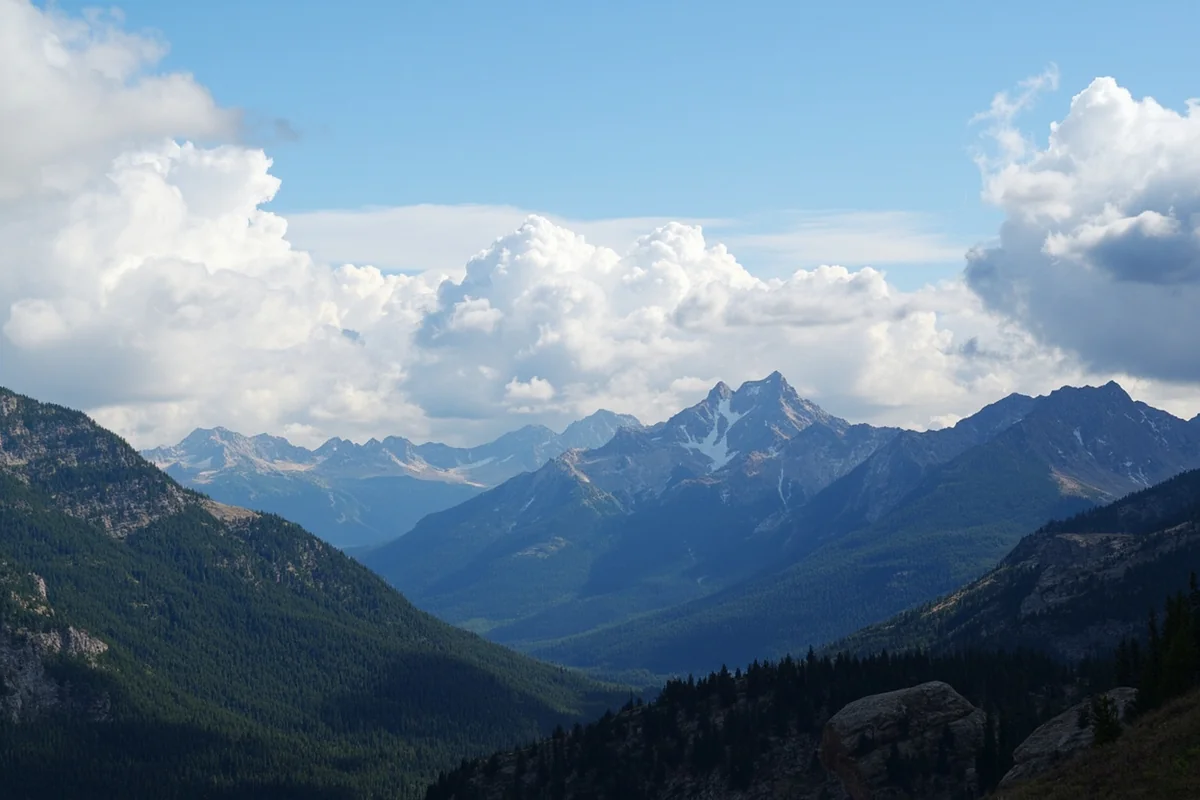
- Montana is officially classified as a Northwestern state, though its identity blends multiple American regions
- The western third of Montana shares climate, culture, and geography with the Pacific Northwest
- Eastern Montana aligns more with Great Plains states, creating two distinct experiences
- For travelers, this regional complexity means incredible diversity within a single state
- Northwest Montana features coastal-influenced forests, while the east offers prairie landscapes
- Major cities like Missoula embrace Pacific Northwest culture; eastern towns feel distinctly Midwestern
Liked this article?
Add Roaming Montana as a preferred source so you see more of our articles and guides on Google.
The Official Answer: Yes, Montana Is in the Northwest
Let me settle the technical question first. According to the U.S. Census Bureau, Montana belongs to the Mountain Division of the Western Region. However, when most Americans think “Northwest,” they’re referring to the cultural and geographic region that includes Washington, Oregon, Idaho, and yes—Montana.
The U.S. Forest Service, National Park Service, and most federal agencies group Montana with Northwest states for administrative purposes. During my years exploring this state, I’ve found that western Montanans particularly embrace their Northwest identity.
But here’s where it gets interesting for travelers like you.
Why Montana’s Northwest Identity Matters for Your Trip
When I first started exploring Montana fifteen years ago, I made the rookie mistake of packing for one type of landscape. I drove from Missoula to Miles City in a single day and felt like I’d crossed through three different states.
The Northwest designation tells you what to expect in roughly the western third of Montana. Think dense evergreen forests, mild winter temperatures compared to the plains, and a culture that shares more DNA with Portland than with Denver.
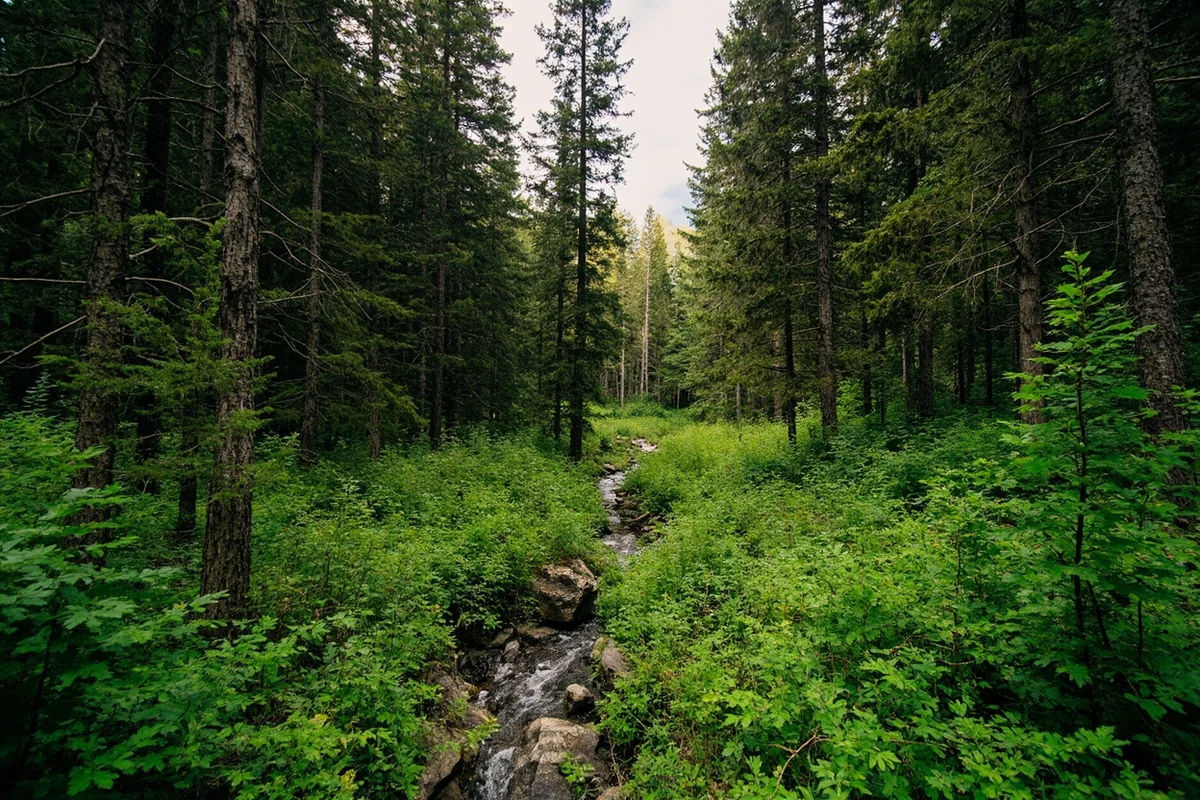
If you’re planning to visit Montana’s Canadian border region, you’ll encounter classic Northwest scenery—the kind that makes the Pacific Maritime influence undeniable.
Climate Patterns That Reveal the Truth
During my visit to Kalispell last October, I experienced something that perfectly illustrates Montana’s Northwest connection. A warm, wet storm system rolled in from the Pacific, dropping gentle rain rather than the snow that had already hit Great Falls.
Western Montana receives Pacific moisture that travels through Idaho. This creates:
- Milder winters than you’d expect at this latitude
- Lush forests of cedar, hemlock, and fir
- Overcast days that feel distinctly “Northwestern”
- A longer growing season for agriculture
On a recent trip to the Bitterroot Valley, I noticed farmers growing crops I’d associate with Oregon—certain apple varieties, hops for craft breweries, and even some wine grapes. That’s the Pacific Northwest influence at work.
The Continental Divide: Montana’s Great Regional Separator
Here’s a practical insight that will help you plan: the Continental Divide runs through Montana and serves as an unofficial boundary between the state’s Northwest character and its Great Plains identity.
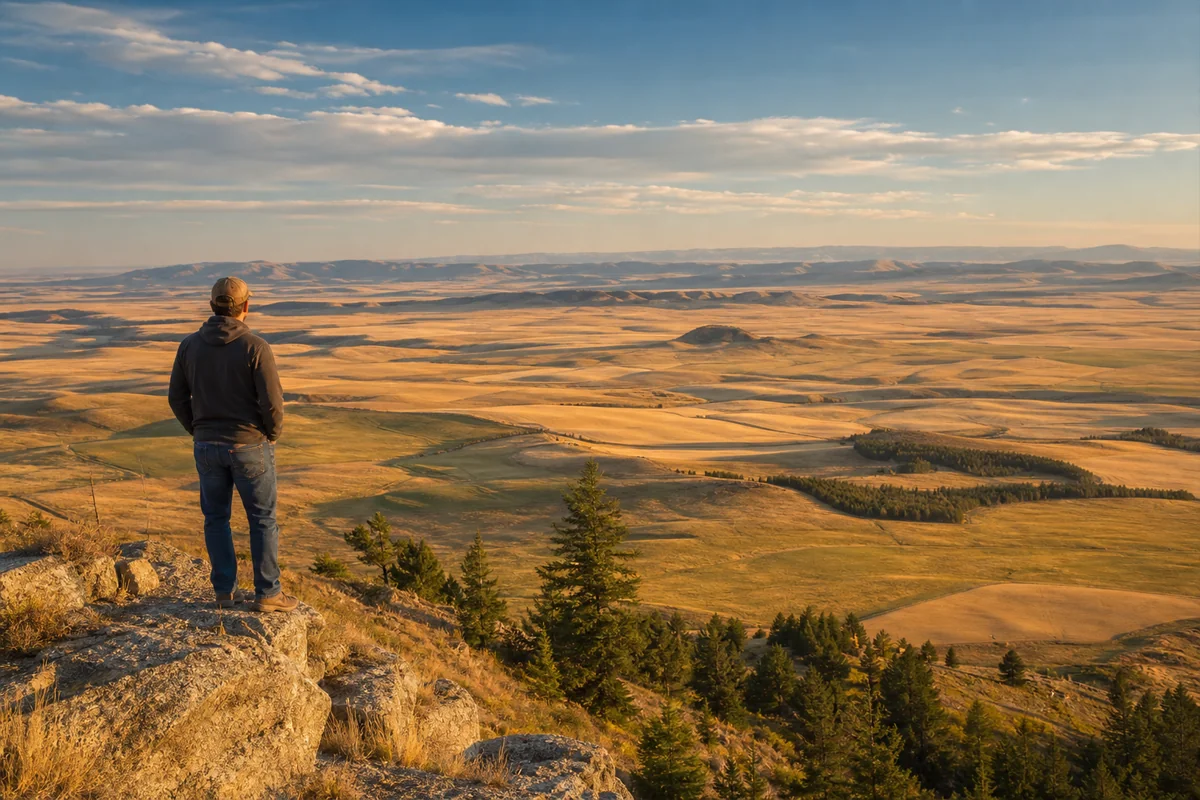
I’ve crossed this divide at least fifty times, and the transition never fails to amaze me. West of the divide, you’re in forest. East of the divide, within an hour’s drive, you’re suddenly in open prairie that stretches endlessly.
If you’re curious about Montana’s elevation changes, this divide creates some of the most dramatic altitude shifts in the American West.

What This Means for Your Itinerary
When planning your Montana trip, think of it as two potential vacations in one state.
Northwest Montana Experience (West of the Divide):
- Glacier National Park and the Crown of the Continent
- Flathead Lake—the largest natural freshwater lake west of the Mississippi
- Missoula’s vibrant arts and outdoor culture
- The Bitterroot and Swan Valleys
- Dense forests, rivers, and mountain lakes
Plains Montana Experience (East of the Divide):
- The Missouri River Breaks and badlands
- Historic cattle ranching communities
- Wide-open spaces under enormous skies
- A different cultural vibe entirely
Some visitors ask me whether Montana belongs to the Great Plains, and the answer depends entirely on which half of the state you’re exploring.
Cultural Markers of Northwest Montana
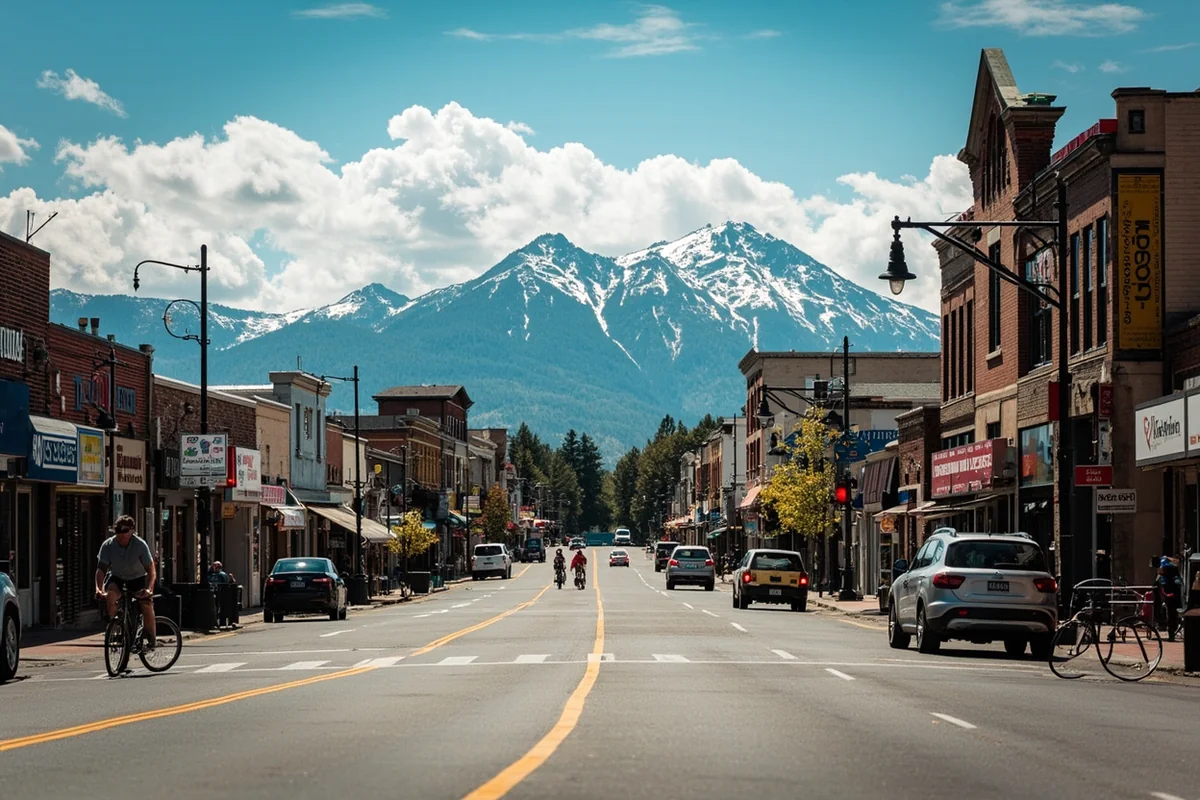
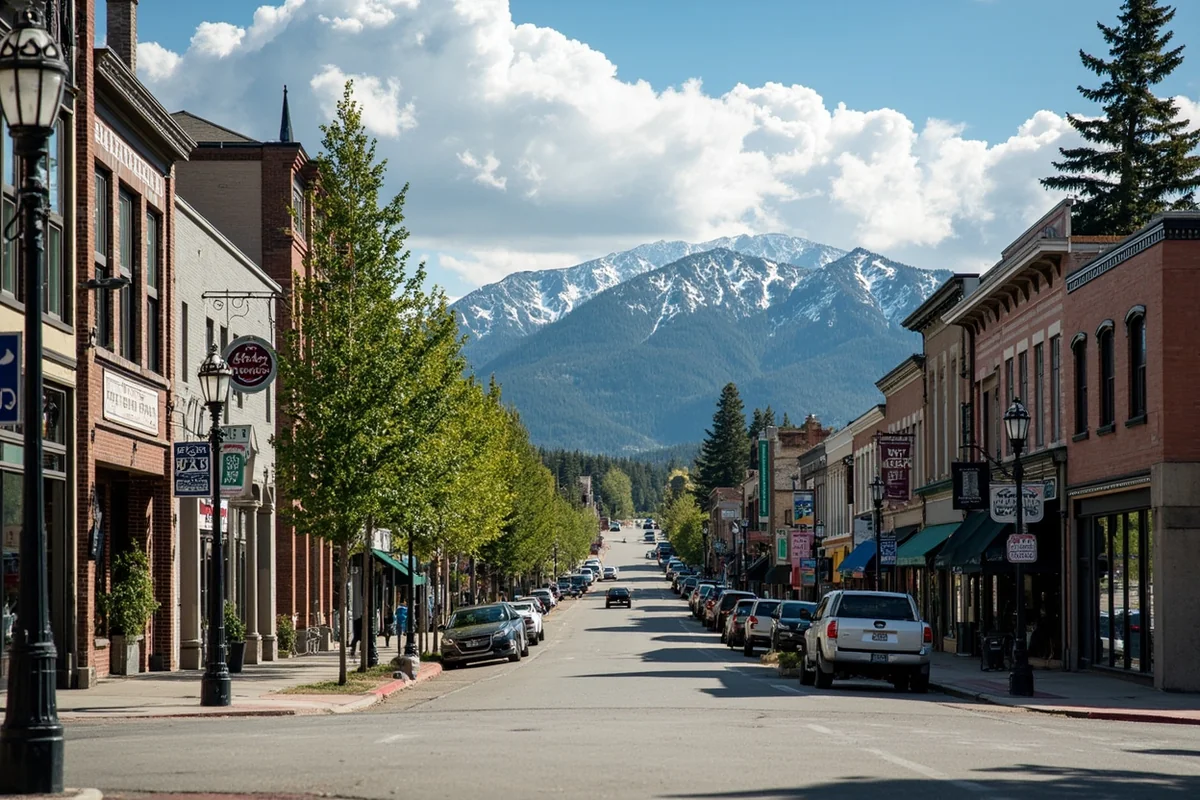
Geography shapes culture, and nowhere is this clearer than in Montana. When I’m in Missoula, the second-largest city, I feel like I could be in a smaller version of Portland or Seattle.
The coffee culture runs deep. Last summer, I counted seven independent roasters within walking distance of downtown Missoula. Craft breweries emphasize Northwest-style IPAs and sour beers. The farm-to-table restaurant scene rivals anything in the Pacific Northwest proper.
The Outdoor Recreation Connection
Northwest states share an almost religious devotion to outdoor recreation. Montana fits this mold perfectly, especially in its western regions.
During my spring visit to Whitefish, I met transplants from Seattle, Portland, and Boise who’d moved to Montana seeking the same Northwest lifestyle with less urban density. They ski at Whitefish Mountain Resort, paddle the Flathead River, and hike the same trails I’ve been exploring for years.
The outdoor ethic here mirrors what you’d find in Oregon or Washington—leave no trace principles, respect for wilderness, and an assumption that everyone spends weekends outside.
Environmental Values and Northwest Identity
Western Montana’s environmental consciousness aligns closely with Northwest norms. Conservation organizations have strong presences here, and conversations about protecting wild lands feel natural in nearly any coffee shop.
I’ve attended town hall meetings in both Missoula and Miles City. The contrast is striking—western Montana discusses wilderness protection with the passion you’d expect from Seattle, while eastern Montana prioritizes agricultural and energy concerns.
This isn’t a value judgment on my part, just an observation that confirms Montana’s split regional identity.
Understanding Montana’s Unique Position
Here’s something I explain to every first-time visitor: Montana occupies a geographic position unlike any other Northwest state. It’s the fourth-largest state by area but ranks among the least populated.
This creates an interesting dynamic. While Montana shares Northwest characteristics, it maintains a frontier quality that Washington and Oregon lost generations ago. You can still experience genuine remoteness here.
The question of whether Montana is truly in the Midwest comes up occasionally, usually from travelers who’ve only experienced eastern Montana. Technically, no—but I understand the confusion.
Neighboring States and Regional Influence
Montana’s regional identity becomes clearer when you consider its neighbors. The state shares borders with North Dakota, South Dakota, Wyoming, and Idaho, plus a lengthy international boundary with Canada.
Idaho, Montana’s Northwest neighbor, exerts the strongest Pacific influence. When I drive from Spokane, Washington, through Idaho and into Montana, the landscape and culture feel continuous. It’s only as I head east that everything changes.
Learning about Montana’s neighboring states helps contextualize why different parts of Montana feel so different.
Planning Your Northwest Montana Trip
Now that you understand Montana’s regional position, let me share practical advice for experiencing its Northwest character.
Best Times to Visit Northwest Montana
I’ve visited during every season, and each offers something unique. Here’s my honest assessment:
| Season | What to Expect | My Take |
|---|---|---|
| Summer (June-Aug) | Peak season, crowded parks, wildfire smoke possible | Book far ahead; July offers best high-country access |
| Fall (Sept-Oct) | Larch trees turn gold, fewer crowds, cooler temps | My favorite time; September hiking is unbeatable |
| Winter (Nov-March) | Ski season, some road closures, real cold | Great for skiing; Going-to-the-Sun Road closed |
| Spring (April-May) | Mud season, rivers high, unpredictable weather | Shoulder season deals; wildlife emerging |
Getting There and Getting Around
Most travelers fly into one of three airports when visiting Northwest Montana:
- Missoula International (MSO) — My preferred option for southern Northwest Montana; direct flights from major hubs
- Glacier Park International (FCA) — Best for Glacier National Park and Flathead Lake; in Kalispell
- Spokane International (GEG) — Sometimes cheaper; about 3-4 hours from western Montana
You’ll need a car. I can’t stress this enough. Public transportation barely exists outside city limits, and the distances between attractions require wheels.
Where to Base Yourself
During my most recent three-week exploration, I based myself in different towns to experience Northwest Montana’s diversity.
Missoula: University town energy, excellent restaurants, and access to multiple wilderness areas. I stayed at a downtown hotel and walked everywhere in the evenings.
Whitefish: Ski resort town with year-round appeal. More polished and touristy than other options, but genuinely charming. Great base for Glacier’s west side.
Kalispell: More affordable than Whitefish, practical rather than cute, but perfectly positioned between Glacier and Flathead Lake.
Columbia Falls: My sleeper pick. This working-class town offers honest accommodations at reasonable prices, just minutes from Glacier’s west entrance.
The Ecological Diversity Connection
Montana’s Northwest position creates fascinating ecological conditions that I find endlessly interesting. The Montana biome diversity rivals states twice its size.
During a single day’s drive from Missoula to Great Falls, I’ve passed through:
- Pacific Northwest-type temperate rainforest
- Montane forest ecosystems
- Subalpine meadows
- Short-grass prairie
This ecological variety means wildlife diversity too. Northwest Montana hosts grizzly bears, wolves, mountain lions, and moose in concentrations found nowhere else in the lower 48 states.
Is Montana High Desert? Not in the Northwest
This question surfaces frequently, and the answer reveals Montana’s regional complexity. While some parts of Montana qualify as high desert, Northwest Montana definitely does not.
The moisture from the Pacific ensures that western Montana remains green, forested, and wet enough to support entirely different plant and animal communities than you’d find in Nevada or eastern Oregon.
The Tourism Implications of Montana’s Northwest Status
Montana’s official Northwest classification means the state participates in regional tourism initiatives with Idaho, Washington, and Oregon. You’ll sometimes see “Pacific Northwest” tourism materials that include Montana.
For practical purposes, this means:
- Some regional passes and discount programs apply
- Weather patterns align with Northwest forecasts
- Peak tourism seasons match Seattle and Portland
- Wildfire season follows Northwest patterns (August-September)
How Northwest Montana Differs from Coastal Northwest
Despite shared regional identity, Montana offers something the coast cannot: Montana is entirely landlocked, which fundamentally shapes the experience.
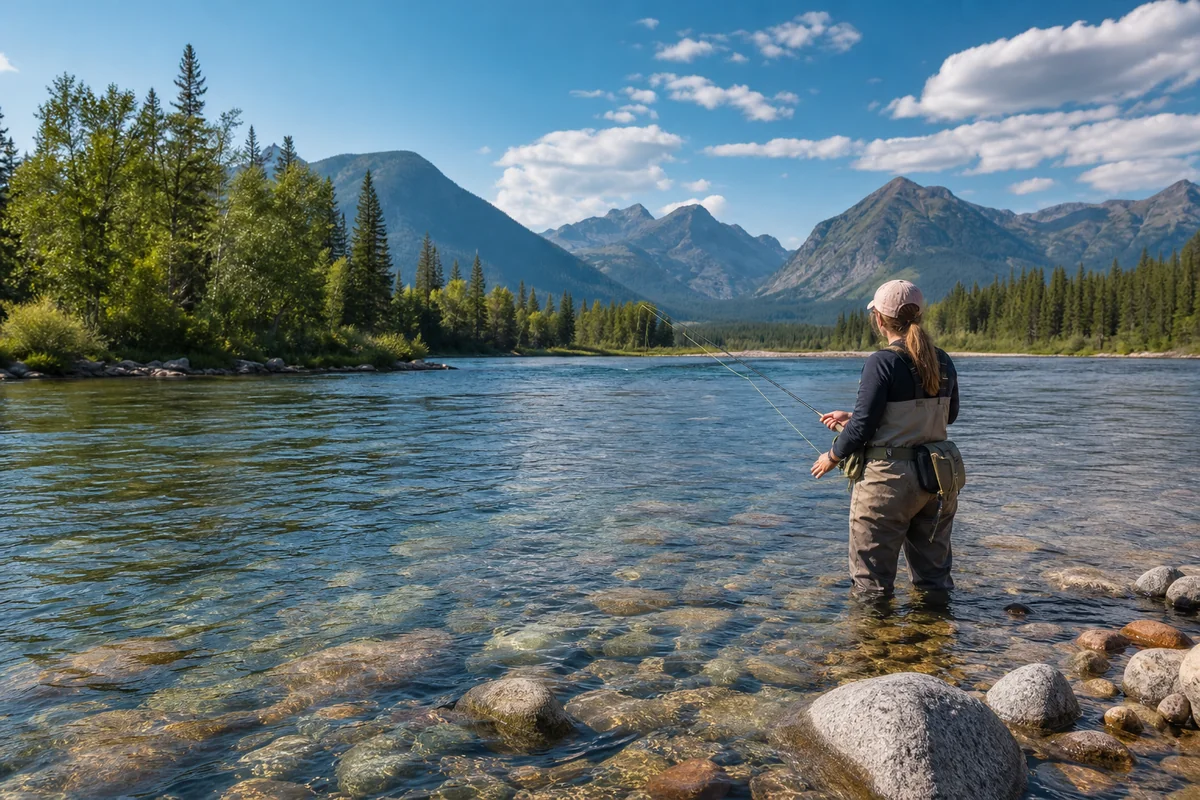
You won’t find ocean beaches or tidal pools. Instead, you get mountain lakes so clear you can see thirty feet down, rivers that define world-class fly fishing, and a relationship with water that feels distinctly inland.
Last summer, I swam in Flathead Lake on a ninety-degree day. The experience combined Northwest forest scenery with a freshwater environment that felt completely different from Puget Sound.
Rural Character in a Northwest Context
Another distinction worth understanding: Montana is predominantly rural, far more so than Washington or Oregon with their major metropolitan areas.
This rural character shapes everything from restaurant availability to cell phone coverage. I’ve learned to download offline maps, fill my gas tank whenever I see a station, and lower my expectations for late-night dining options.
The upside? Genuine solitude that’s increasingly rare in the coastal Northwest. I’ve hiked entire days in designated wilderness areas without seeing another person.
Comparing Regions: Where Does Montana Really Fit?
If you’re trying to understand what type of region Montana truly is, think of it as a transition zone.
- Western Montana: Undeniably Northwest
- Central Montana: Northern Great Plains with mountain influence
- Eastern Montana: Pure Great Plains, culturally aligned with Dakotas
This regional gradient creates travel opportunities found nowhere else. You can experience dramatic landscape and cultural shifts without crossing state lines.
The West Coast Confusion
Some travelers mistakenly assume Montana’s Northwest designation means it’s near the West Coast. To be clear: Montana is not a West Coast state.
The Pacific Ocean lies roughly 500 miles from Montana’s western border. While Pacific weather systems influence the climate, Montana remains firmly interior. Don’t expect ocean breezes or coastal fog.
My Favorite Northwest Montana Experiences
After years of exploration, certain experiences stand out as quintessentially Northwest Montana:
Driving the Going-to-the-Sun Road
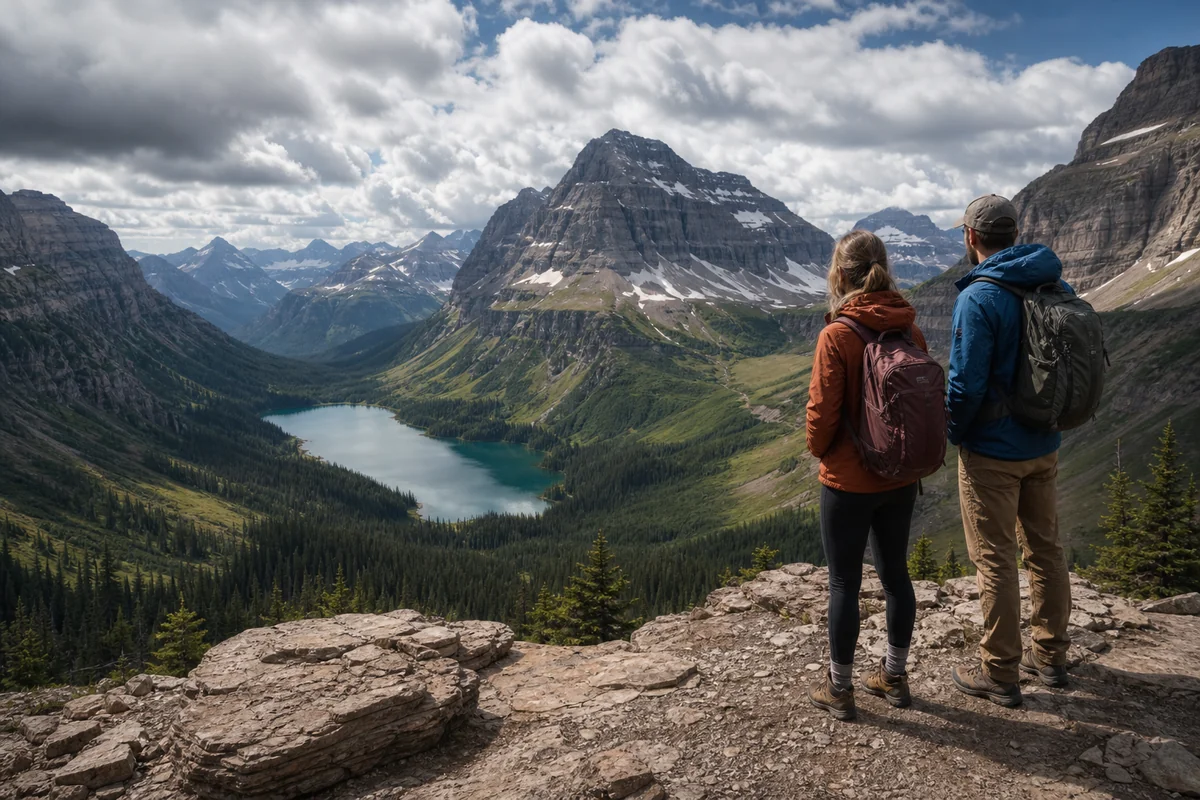
This fifty-mile route through Glacier National Park offers the most concentrated Northwest Montana experience available. I try to drive it at least once every summer.
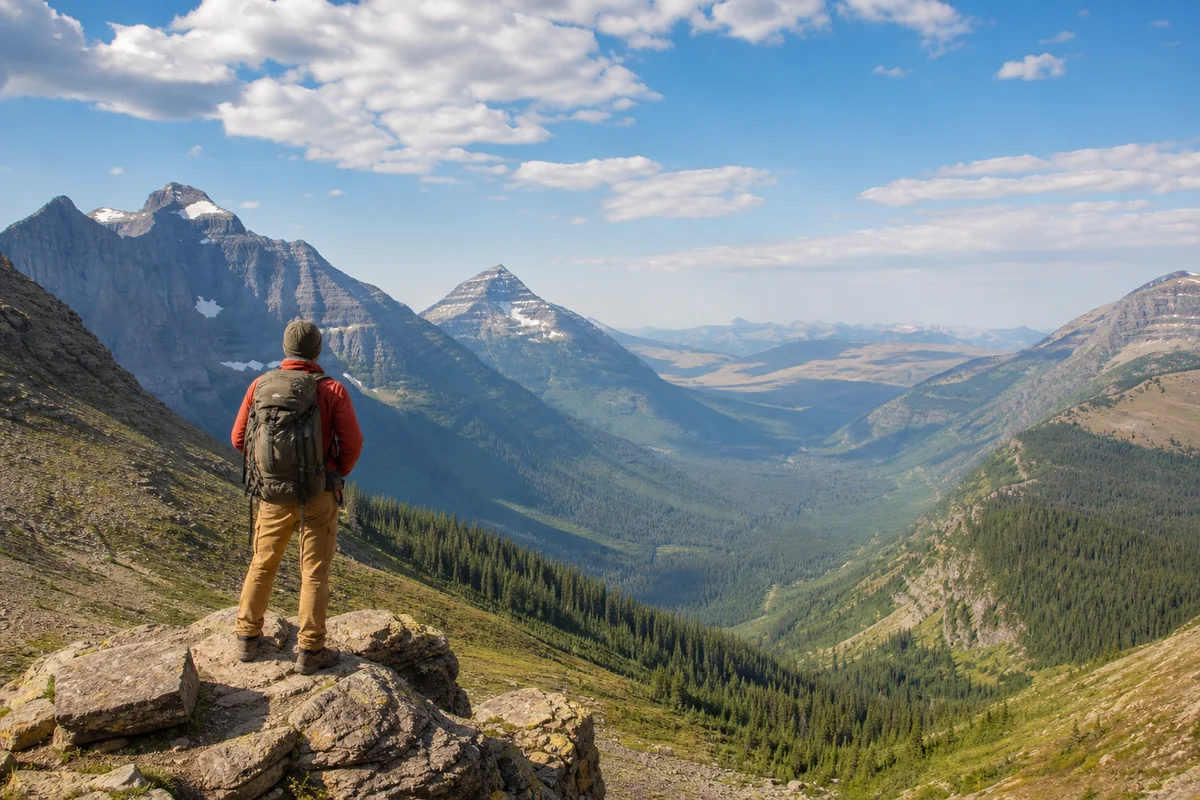
The road climbs through dense forests, crosses the Continental Divide at Logan Pass, and reveals the kind of dramatic mountain scenery that defines the Northwest. Arrive before 6 AM to avoid crowds and catch the best light.
Paddling the Flathead River
The Middle Fork of the Flathead runs along Glacier’s southern boundary, offering Class II-III whitewater through pristine forest. I’ve floated this river a dozen times, and the scenery never disappoints.
Outfitters in West Glacier and Columbia Falls offer guided trips ranging from half-day floats to multi-day wilderness expeditions.
Exploring the Seeley-Swan Valley
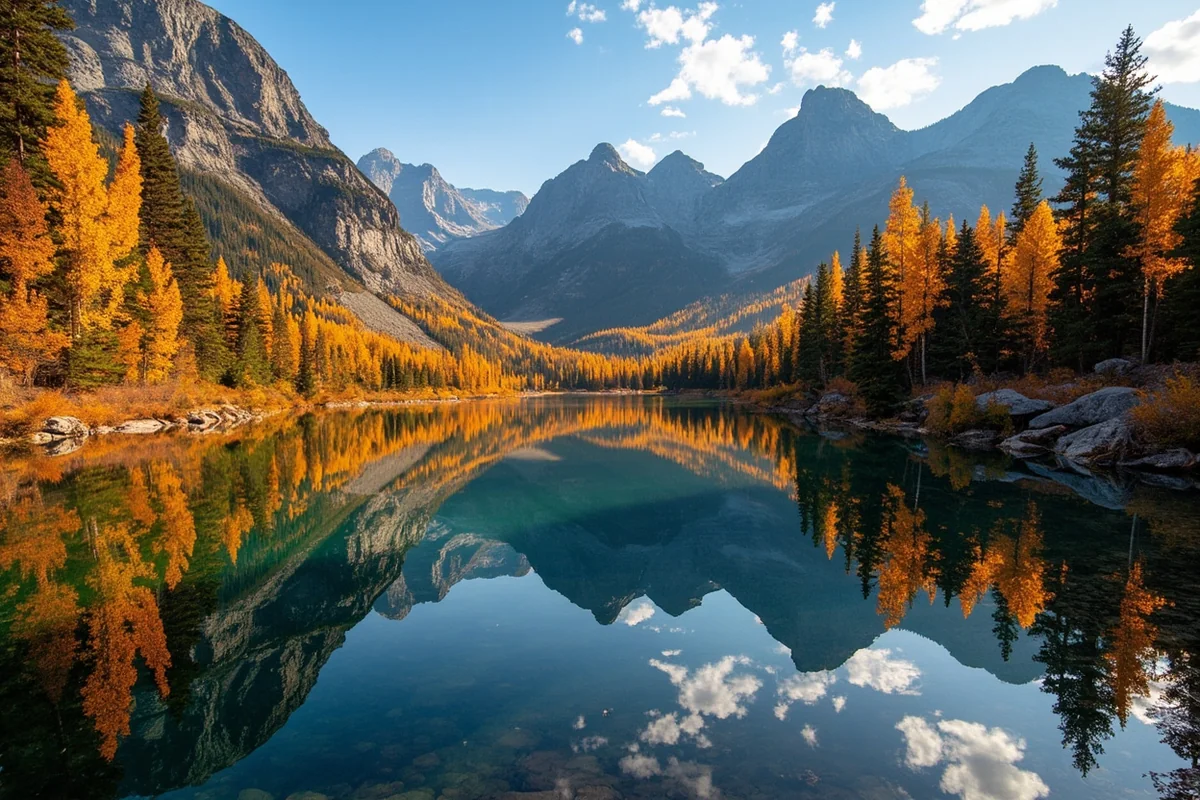
This corridor between two mountain ranges remains less traveled than Glacier but offers equally stunning Northwest landscapes. I spent four days here last September, hiking to alpine lakes and watching moose feed in morning meadows.
The valley contains a string of lakes perfect for kayaking, fishing, or simply contemplating. It feels like the Northwest of fifty years ago, before crowds discovered everything.
Practical Information for Northwest Montana Visitors
Let me share the nuts-and-bolts details you’ll need:
Costs and Budget
Northwest Montana isn’t cheap, especially near Glacier National Park. During peak season, expect:
- Moderate hotels: $150-250/night
- Vacation rentals: $200-400/night
- Campgrounds: $25-50/night (reservations essential)
- Dinner for two: $50-100 at mid-range restaurants
- Gas: Higher than national average
Shoulder seasons (September-October, April-May) offer significant savings, though some services reduce hours or close entirely.
Safety Considerations
Northwest Montana’s wild character requires preparation:
- Bear spray is essential for any backcountry hiking—I carry it religiously
- Weather changes rapidly in the mountains; layer appropriately
- Stream crossings can be dangerous during spring runoff
- Cell service disappears in many areas; tell someone your plans
- Wildlife encounters are possible and expected; know proper protocols
What to Pack
Based on countless trips, here’s my essential packing list for Northwest Montana:
- Rain jacket (even in summer, Pacific storms arrive without warning)
- Layers (temperature swings of 40+ degrees happen daily)
- Sturdy hiking boots
- Bear spray and knowledge of how to use it
- Binoculars for wildlife viewing
- Sun protection (high altitude means intense UV)
- Offline maps downloaded to your phone
The Bottom Line: Montana’s Northwest Identity
So, is Montana located in the Northwest? Absolutely yes—but with important caveats that enhance rather than diminish the travel experience.
Western Montana belongs unquestionably to the Pacific Northwest cultural and ecological region. The forests, the climate, the outdoor culture, and the environmental values all align with what you’d find in Washington, Oregon, and Idaho.
Eastern Montana tells a different story, one of Great Plains heritage and agricultural traditions.
For travelers, this means Montana offers something unique: a genuine Northwest experience combined with prairie vastness, all within a single state’s boundaries. You can wake up in Missoula surrounded by Northwest forest culture, drive east, and fall asleep on the high plains under a sky impossibly full of stars.
That’s not a contradiction—it’s an opportunity. And it’s exactly why I keep coming back to Montana, year after year, to explore the many faces of this extraordinary state.
Whether you consider yourself a Pacific Northwest enthusiast or simply someone drawn to wild landscapes, Montana’s northwest region deserves a place on your travel list. The mountains are calling, and they’re waiting just east of Idaho, right where the Northwest meets the endless prairie.
Frequently Asked Questions
Is Montana considered part of the Pacific Northwest or Northern Rocky Mountain region?
Montana is officially classified as a Northern Rocky Mountain state, not part of the Pacific Northwest. While western Montana shares some geographical similarities with the PNW, including mountain ranges and evergreen forests, the state is distinctly positioned in the northwestern corner of the Mountain West region. When I’m planning trips to Montana, I consider it a unique blend of Rocky Mountain terrain and Great Plains landscapes.
How far is Montana from major Northwest cities like Seattle and Portland?
From Seattle, Washington to Missoula, Montana is approximately 475 miles (about 7 hours driving via I-90 East). Portland, Oregon to Missoula is roughly 500 miles or 8 hours by car. If you’re flying, direct flights from Seattle to Bozeman or Missoula typically take just 1.5 hours, making Montana an accessible weekend destination from the Pacific Northwest.
What’s the best time to visit northwestern Montana for outdoor activities?
The best time to visit northwestern Montana depends on your activities—June through September offers ideal conditions for hiking Glacier National Park and exploring Flathead Lake. I’ve found late September through October perfect for fewer crowds and stunning fall foliage. Winter visitors should plan for December through March for world-class skiing at Whitefish Mountain Resort.
What should I pack for a trip to Montana’s northwest region?
Pack layers regardless of season since Montana mountain weather changes rapidly—I always bring a waterproof jacket, base layers, and sturdy hiking boots even in summer. Don’t forget sunscreen and sunglasses as the high elevation means stronger UV exposure. Bear spray is essential for backcountry hiking in Glacier National Park, and you can purchase it locally for around $35-50 if flying in.
How much does a week-long trip to northwestern Montana typically cost?
A week in northwestern Montana typically runs $1,500-3,000 per person for mid-range travel, including lodging, food, activities, and transportation. Budget travelers can manage on $100-150 daily by camping and cooking meals, while luxury lodges near Glacier can cost $300-500 per night. I recommend budgeting extra for guided activities like whitewater rafting ($80-120) or fly fishing trips ($450-600 full day).
What are the must-visit destinations in Montana’s northwestern corner?
Glacier National Park tops every northwestern Montana itinerary with Going-to-the-Sun Road offering 50 miles of spectacular mountain scenery. Flathead Lake, the largest natural freshwater lake west of the Mississippi, and the charming town of Whitefish are essential stops. I also recommend visiting the Blackfeet Indian Reservation for cultural experiences and the Bob Marshall Wilderness for truly remote backcountry adventures.
Do I need a car to explore northwestern Montana or can I rely on public transportation?
You’ll definitely need a car to properly explore northwestern Montana since public transportation is extremely limited outside of Amtrak’s Empire Builder route. I recommend renting a vehicle in Missoula, Kalispell, or Bozeman—expect to pay $50-100 daily during peak summer season. The free Glacier National Park shuttle operates July through early September but only covers portions of Going-to-the-Sun Road, so a rental car gives you maximum flexibility.
Sources:
- https://mhs.mt.gov/education/Elementary/Chap1.pdf
- https://www.americanrivers.org/river/columbia-river/
- https://ijc.org/sites/default/files/2020-06/1.%20Columbia_EN_Map.pdf
- https://www.britannica.com/place/Montana-state
- https://en.wikipedia.org/wiki/Montana
- https://www.bpa.gov/-/media/Aep/about/publications/maps/columbia-river-basin-map-major-federal-and-non-federal-dams.pdf
- https://en.wikipedia.org/wiki/Cascadia_(bioregion)
- https://www.reddit.com/r/Cascadia/comments/nkuf61/as_requested_an_illustrated_map_of_the_cascadia/
- https://www.featheredstarproductions.com/map-gallery
- https://www.montananaturalist.org/blog-post/traversing-the-interior-rainforest-and-snow-forest-of-cascadia/
- https://cascadiabioregion.org/nine-regions-of-cascadia
- https://www.cdc.gov/nchs/hus/sources-definitions/geographic-region.htm
- https://www.ncei.noaa.gov/access/monitoring/reference-maps/us-census-divisions
- https://en.wikipedia.org/wiki/List_of_regions_of_the_United_States
- https://www.census.gov/programs-surveys/economic-census/guidance-geographies/levels.html
- https://www.epa.gov/aboutepa/epa-region-8-mountains-and-plains
- https://19january2017snapshot.epa.gov/aboutepa/epa-region-8-mountains-and-plains_.html
- https://www.epa.gov/greeningepa/region-8-office
- https://en.wikipedia.org/wiki/Northwestern_United_States
- https://www.fema.gov/locations/montana
- https://www.fema.gov/ht/about/organization/regions
- https://www.fema.gov/locations/risk-reduction/montana
- https://www.minneapolisfed.org/about-us/the-ninth-district
- https://www.frbservices.org/about/frb-bank-offices.html
- https://www.gnrhs.org/gn_history.php
- https://www.minneapolisfed.org/about-us/our-helena-branch
- https://www.ca9.uscourts.gov/judicial-council/what-is-the-ninth-circuit/
- https://en.wikipedia.org/wiki/United_States_Court_of_Appeals_for_the_Ninth_Circuit
- https://www.uscourts.gov/file/document/us-federal-courts-circuit-map
- https://www.nwcouncil.org/poweract_summary/
- https://www.law.cornell.edu/uscode/text/16/839a
- https://sos.oregon.gov/blue-book/Pages/state/executive/northwest-power-conservation.aspx
- https://www.nwcouncil.org/about/bylaws/
- https://governor.wa.gov/boards-commissions/board-commission-profiles/Power%20and%20Conservation%20Council%2C%20Northwest
- https://gov.mt.gov/boards_appointments/BoardsView?Board_ID=18
- https://www.bpa.gov/about/newsroom/maps
- https://www.wapa.gov/about-wapa/regions/pma-map/
- https://www.bpa.gov/-/media/Aep/about/publications/maps/bpa-transmissionlines-and-facilities.pdf
- https://archive.legmt.gov/content/Committees/Interim/2019-2020/Energy-and-Telecommunications/Meetings/July-2020/Exhibits/July15/Exhibit1.pdf
- https://www.tanc.us/understanding-transmission/the-western-us-power-system/
- https://deq.mt.gov/files/Energy/MFSA/NPC%20Project%20Overview.pdf
- https://rosap.ntl.bts.gov/view/dot/60036
- https://www.mdt.mt.gov/business/rscc/docs/freight-assessment.pdf
- https://prosperportland.us/wp-content/uploads/2016/08/Grain-Flour-and-Ships-The-Wheat-Trade-in-Portland-Oregon.pdf
- https://www.ams.usda.gov/sites/default/files/media/GTR03132025.pdf
- https://en.wikipedia.org/wiki/Pacific_Northwest_Economic_Region
- https://app.leg.wa.gov/rcw/default.aspx?cite=43.147&full=true
- https://en.wikipedia.org/wiki/
- https://grokipedia.com/page/Inland_Northwest
- https://en.wikipedia.org/wiki/Inland_Northwest
- https://www.uaa.alaska.edu/academics/college-of-health/departments/wwami/index.cshtml
- https://en.wikipedia.org/wiki/WWAMI_Regional_Medical_Education_Program
- https://www.uwmedicine.org/school-of-medicine/md-program/wwami
- https://en.wikipedia.org/wiki/Western_American_English
- https://www.pbs.org/speak/seatosea/americanvarieties/pacificnorthwest/
- https://en.wikipedia.org/wiki/Pacific_Northwest_English
- https://www.reddit.com/r/Montana/comments/1coghre/favorite_nfl_team/
- https://priceonomics.com/where-do-nfl-fans-live-mapping-football-fandom/
- https://www.reddit.com/r/Seahawks/comments/e5xr99/based_off_this_map_the_seahawks_are_americas_true/
- https://bigskyconf.com/
- https://en.wikipedia.org/wiki/Big_Sky_Conference
- https://freedomdestinations.co.uk/blog/national-parks-monuments-great-american-west
- https://greatamericanwest.co/tag/montana/
- https://www.travelbag.co.uk/blog/usa/top-3-reasons-to-visit-montana
- https://www.wanderlustmagazine.com/inspiration/great-american-west-road-trips/
- https://www.nps.gov/glac/learn/education/railway.htm
- https://trainmuseum.org/exhibits/the-railroad-built-the-pacific-northwest/
- https://en.wikipedia.org/wiki/Pacific_Northwest