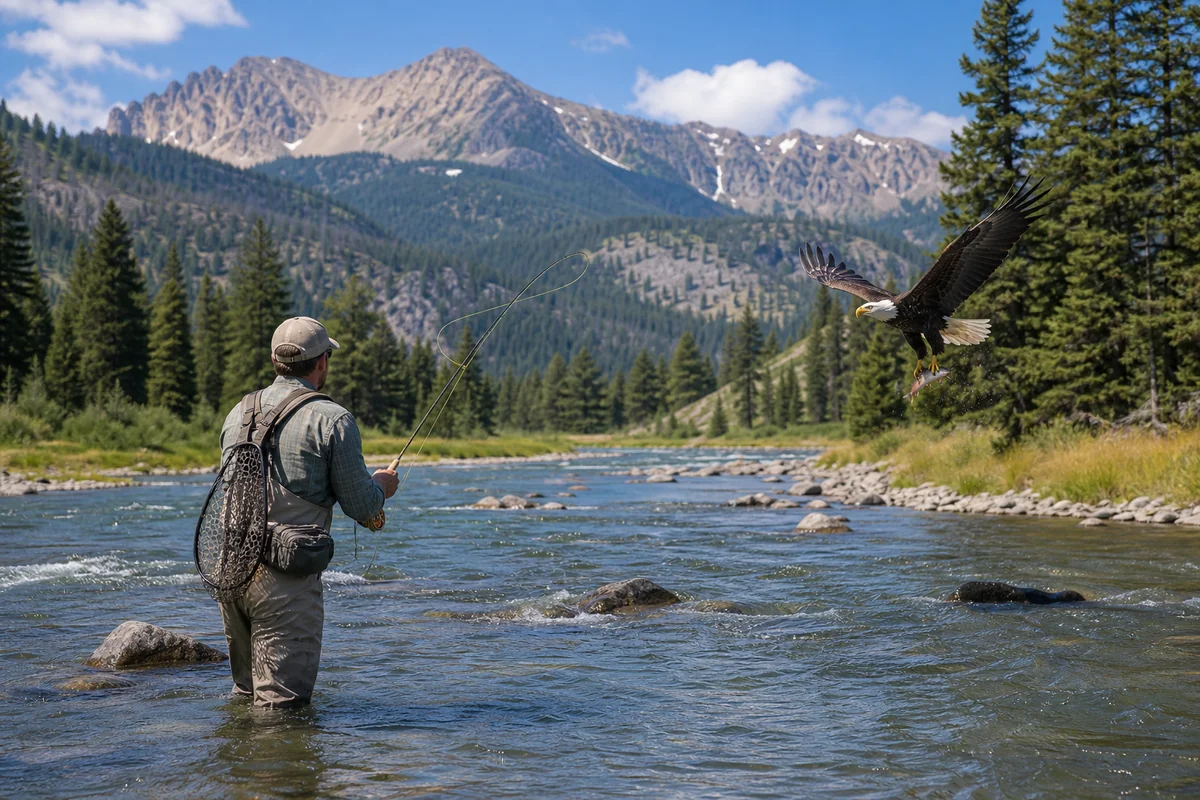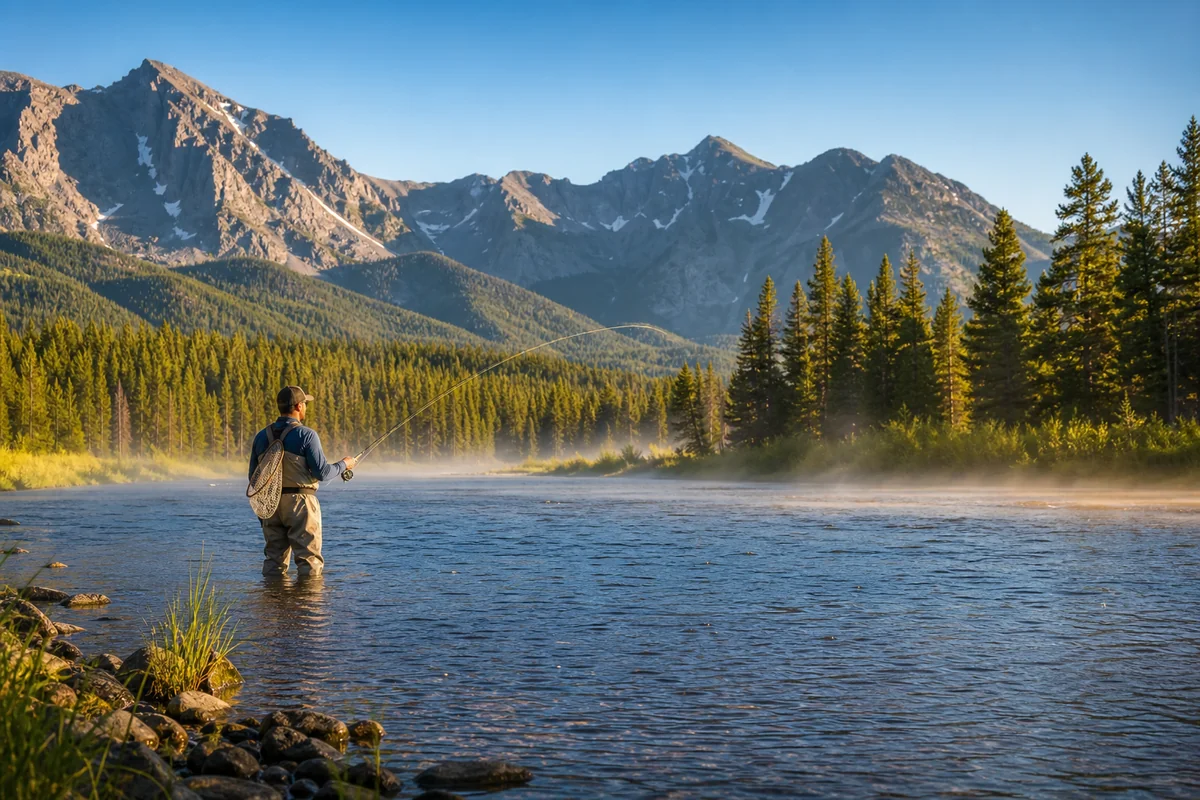
I was standing knee-deep in the Gallatin River at 6 AM last July, watching the morning mist rise off the water like nature’s own special effect, when a bald eagle swooped down thirty feet in front of me to snag a cutthroat trout.
That moment—alone in the wilderness while the rest of the world slept—perfectly captured why July remains my favorite month to explore Montana, even after a decade of visiting this state.
If you’re researching the best time to visit Montana, July sits right at the sweet spot: every trail is accessible, every road is open, and the state comes alive with wildflowers, wildlife, and endless daylight. But it’s also peak season, which means you need to plan strategically to make the most of your trip.
- July offers Montana’s warmest weather (70-90°F days) and longest daylight hours (15+ hours)
- Glacier National Park’s Going-to-the-Sun Road is fully open, but expect significant crowds
- Book accommodations 4-6 months in advance for popular areas
- Early mornings (before 7 AM) are your secret weapon for avoiding crowds
- Budget $150-300/night for hotels in peak areas; camping requires reservations
- Wildfire smoke can impact air quality—check conditions before outdoor activities
- July 4th week is the busiest; consider mid-to-late July for slightly fewer visitors
Liked this article?
Add Roaming Montana as a preferred source so you see more of our articles and guides on Google.
What July Weather in Montana Actually Looks Like
I’ll be honest: Montana weather humbled me during my first July visit. I packed for summer vacation, expecting consistent heat, and found myself shivering at a campsite near Many Glacier when temperatures dropped to 42°F overnight.
Here’s what you actually need to know about July temperatures across the state.
Regional Temperature Breakdown
Western Montana (Missoula, Kalispell, Whitefish) typically sees daytime highs between 75-85°F, though heat waves can push temperatures into the 90s. The mountain valleys cool down significantly at night, often dropping to the mid-40s to low-50s.
Central Montana (Great Falls, Helena, Bozeman) runs a bit warmer, with average highs of 80-90°F. During my trip to Helena last July, the thermometer hit 97°F for three consecutive days.
Eastern Montana (Billings, Miles City, Glendive) is consistently the hottest region. I’ve experienced 100°F+ days in the Billings area, and the lack of shade makes it feel even more intense.
The Altitude Factor Nobody Mentions
What caught me off guard was how dramatically temperatures shift with elevation. When I hiked to Grinnell Glacier last summer, it was 82°F at the trailhead and genuinely cold—maybe 55°F with wind chill—at the glacier overlook.
For every 1,000 feet of elevation gain, expect temperatures to drop roughly 3-5°F. If you’re planning alpine hikes, pack layers regardless of the valley forecast.
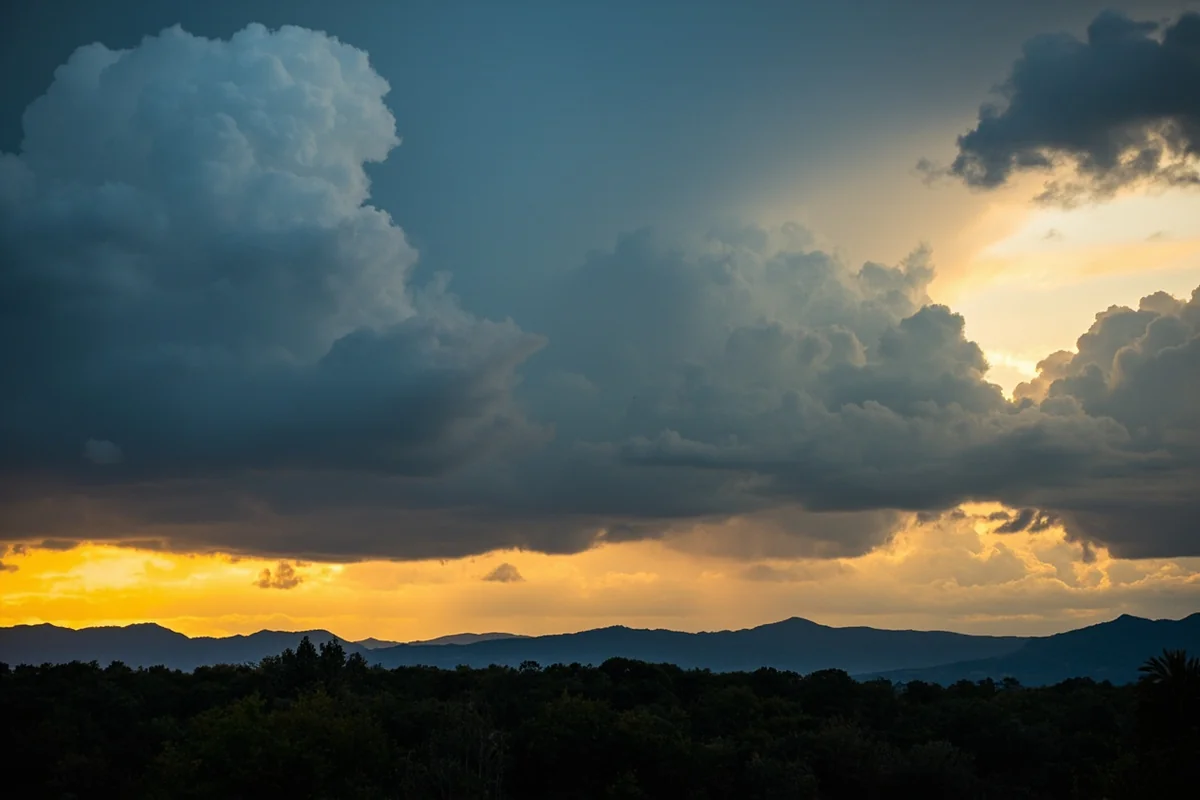
Afternoon Thunderstorms Are Real
By mid-July, mountain thunderstorms become almost predictable. During my recent trips, I’ve noticed they typically roll in between 2-5 PM in mountainous areas.
My rule: start hikes early, aim to be below treeline by early afternoon, and always carry rain gear. I learned this the hard way when a sudden storm caught me exposed on the Highline Trail—lightning striking ridges around me was not an experience I want to repeat.
Navigating Glacier National Park in Peak Season
Let me be direct: Glacier National Park in July is magnificent and maddening in equal measure. The scenery reaches its absolute peak, but so do the crowds.
Going-to-the-Sun Road: The Reality Check
When I first drove Going-to-the-Sun Road in July, I naively showed up at the West Glacier entrance at 9 AM. I sat in a vehicle queue for 45 minutes before reaching the entrance station.
Since 2022, the park has implemented a vehicle reservation system for Going-to-the-Sun Road during peak hours (typically 6 AM to 4 PM). You’ll need to secure a reservation at Recreation.gov, and these go fast—I’m talking selling out within minutes when they’re released.
My workaround: enter before 6 AM or after 4 PM when reservations aren’t required. Last July, I entered at 5:15 AM and had Logan Pass nearly to myself until around 8 AM.
Trail Conditions and What’s Actually Accessible
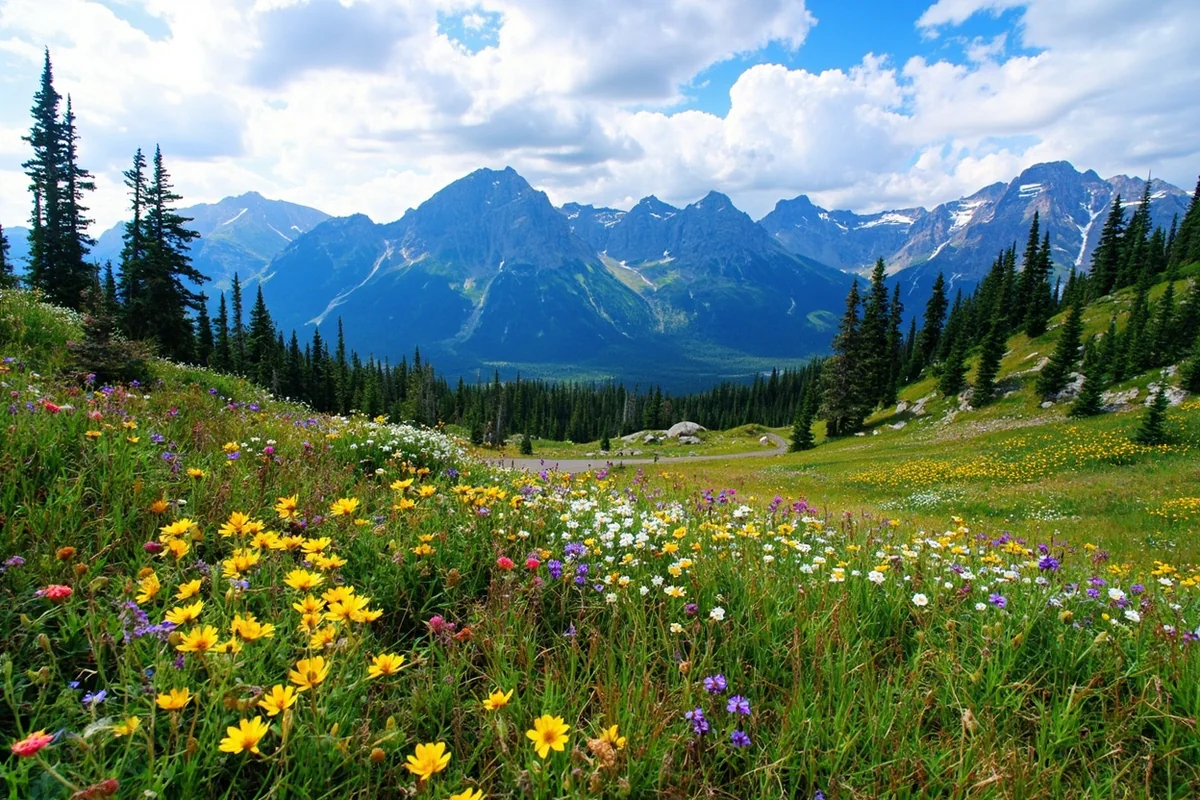
July is when Glacier truly opens up. Unlike Montana in June, when many high-elevation trails still have snow, July typically offers full access to the park’s trail network.
The Highline Trail, which I consider the crown jewel of Glacier hiking, is usually completely snow-free by mid-July. Same goes for Iceberg Lake, Grinnell Glacier, and Siyeh Pass.
However, “snow-free” doesn’t mean “easy.” When I hiked to Grinnell Glacier last summer, the final approach still had slushy snow patches that required careful navigation. Bring trekking poles—they’re not optional for these hikes.
Where to Stay Near Glacier
Here’s the brutal truth: if you want to stay inside Glacier National Park in July and didn’t book 13 months in advance (when reservations open), you’re likely out of luck.
I’ve had better success with these alternatives:
Whitefish sits about 30 miles from the West Entrance and offers genuine town amenities—restaurants, breweries, and lodging options ranging from motels to boutique hotels. During my last trip, I stayed at a vacation rental here for $175/night, significantly cheaper than anything closer to the park.
Columbia Falls is even closer (20 miles to West Entrance) and more affordable, though the town itself has fewer attractions.
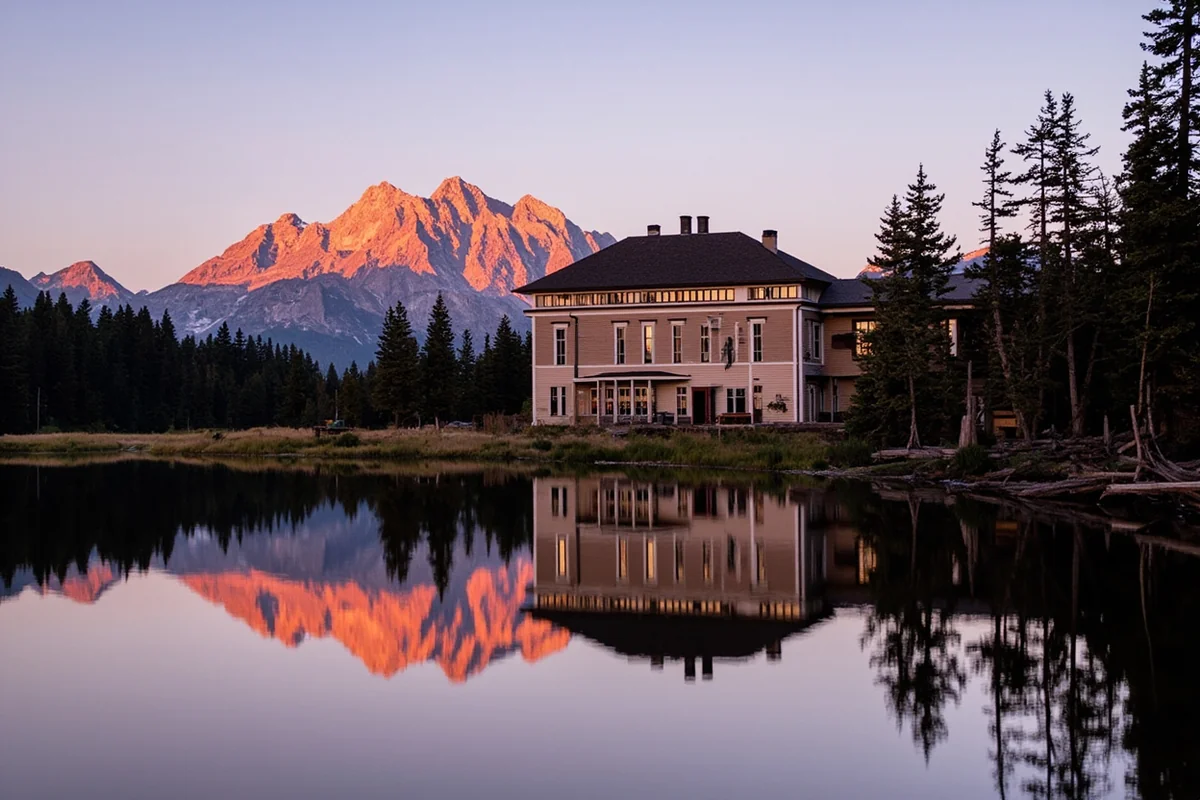
East Glacier Park has historic charm and provides access to the less-crowded Two Medicine area. The Glacier Park Lodge here is worth the splurge if you can snag a room.
| Area | Average July Hotel Rate | Distance to Glacier | Best For |
|---|---|---|---|
| Inside Park Lodges | $250-400/night | 0 miles | Convenience, historic experience |
| Whitefish | $150-300/night | 30 miles | Dining, nightlife, family activities |
| Columbia Falls | $120-200/night | 20 miles | Budget-conscious travelers |
| East Glacier | $130-250/night | 3 miles | Two Medicine access, quieter atmosphere |
| Kalispell | $100-180/night | 35 miles | Most affordable option, chain hotels |
Yellowstone’s Northern Gateway: A Different July Experience
While everyone flocks to Glacier, I’ve increasingly fallen in love with Montana’s Yellowstone country in July. The crowds are still present, but the region offers more dispersed experiences.
Why I Prefer the North Entrance
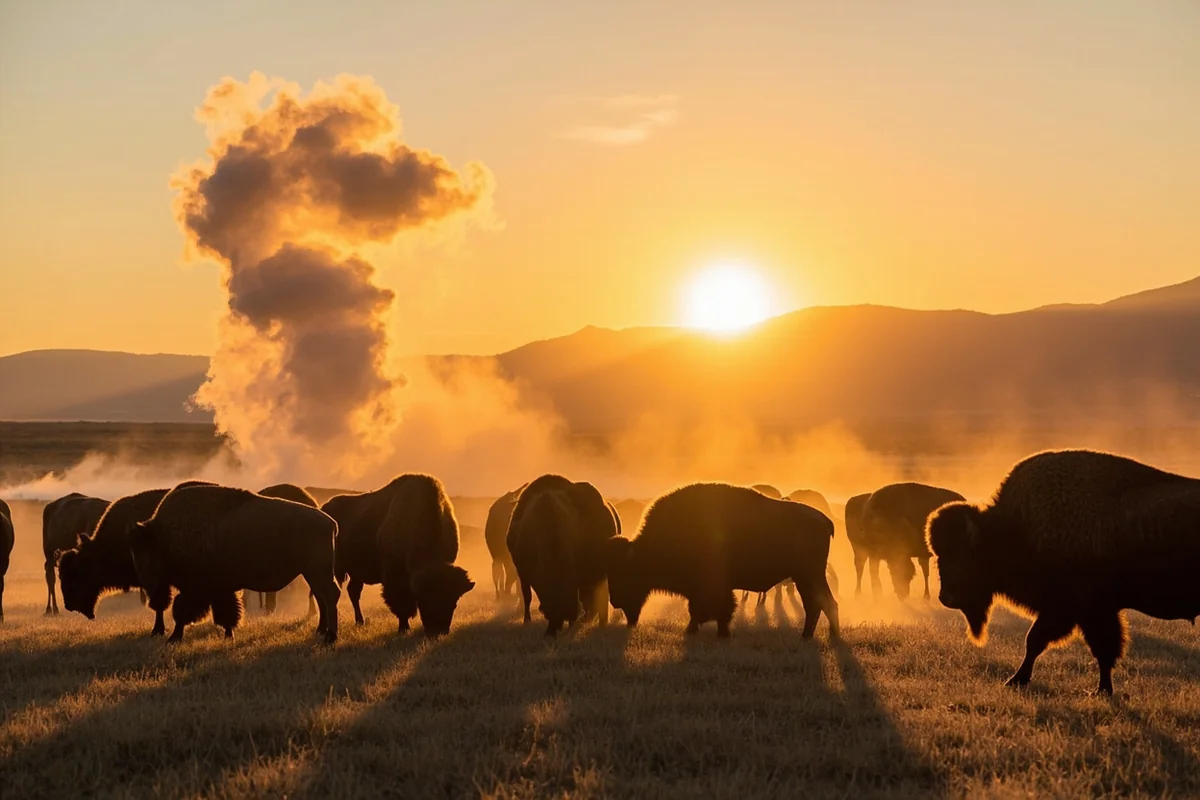
Entering Yellowstone through Gardiner, Montana puts you immediately in the Lamar Valley—often called “America’s Serengeti.” During my July visits, I’ve consistently seen bison herds numbering in the hundreds, along with pronghorn, elk, and on one memorable morning, a wolf pack hunting in the distance.
The key is timing. I set my alarm for 4:30 AM during my last trip, positioned myself at a pullout near the confluence of the Lamar River, and watched wildlife for three hours before the crowds arrived.
Fishing in Paradise Valley
If you fly fish—or want to learn—July in Paradise Valley is as good as it gets. The Yellowstone River here runs cold and clear, and the salmonfly hatch typically wraps up by early July, giving way to excellent dry fly fishing.
I’ve hired guides through shops in Livingston and consistently had incredible days on the water. Last summer, my guide put me on a stretch where I landed a 19-inch cutthroat that remains my personal best.
Expect to pay $500-600 for a full-day guided float trip for two anglers, including lunch. Yes, it’s expensive. Yes, it’s worth it.
The Towns That Surprised Me
Livingston became one of my favorite Montana discoveries. This railroad town has reinvented itself with art galleries, excellent restaurants (Gil’s Goods makes a breakfast burrito I dream about), and easy access to both Yellowstone and the Crazy Mountains.
Red Lodge, southeast of Billings, serves as the gateway to the Beartooth Highway—which I’d argue rivals Going-to-the-Sun Road for scenic driving. The town itself has a cozy, ski-town vibe even in summer, with good brewery options and reasonable lodging prices compared to the Glacier region.
Beyond the Parks: July Gems Most Visitors Miss
After years of Montana trips, I’ve learned that some of the best July experiences happen outside the national parks.
The Flathead Lake Circuit
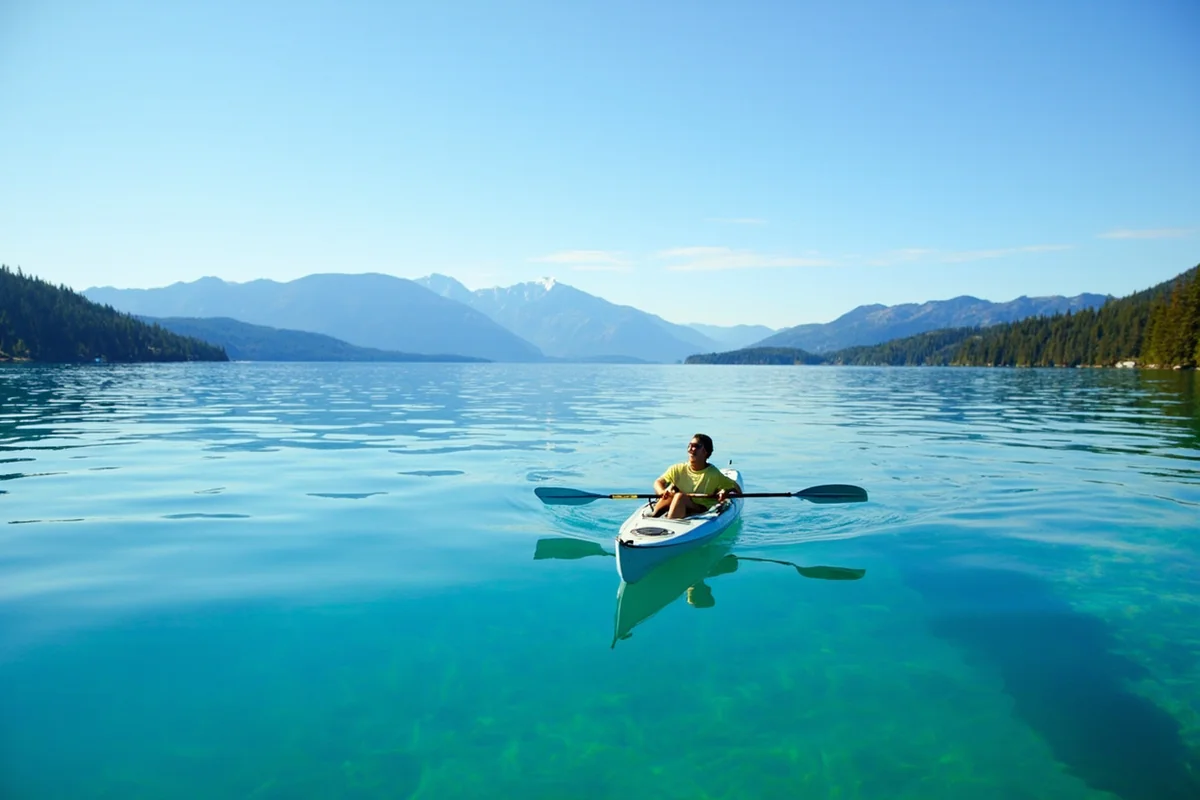
Flathead Lake is the largest natural freshwater lake west of the Mississippi, and in July, the water finally warms up enough for actual swimming. During my recent visit, I spent a full day circumnavigating the lake, stopping at cherry orchards (late July is prime season), kayaking near Wild Horse Island, and grabbing huckleberry ice cream in Bigfork.
Bigfork itself deserves more than a pit stop. This arts community has legitimate restaurants and a summer playhouse that draws surprisingly talented performers. I caught a production of “Oklahoma!” there that rivaled regional theaters I’ve seen in major cities.
Bob Marshall Wilderness
If you want genuine solitude in July, the Bob Marshall Wilderness delivers. This 1.5-million-acre roadless area sees a fraction of Glacier’s visitors.
I did a four-day backpacking trip along the Chinese Wall last July—a thousand-foot limestone escarpment that stretches for miles. We saw exactly six other people in four days. The tradeoff: no cell service, no maintained amenities, and you need to be prepared for backcountry travel.
For day hikers, the trail to Strawberry Lake from the Benchmark trailhead offers a taste of the Bob without a major commitment.
The Missouri River Breaks
This one’s for travelers willing to go seriously off the beaten path. The Upper Missouri River Breaks National Monument in central Montana preserves the landscape Lewis and Clark encountered in 1805—and it’s barely changed.
I canoed a 50-mile stretch from Fort Benton last summer, camping on sandbars and watching white pelicans fish the same waters the Corps of Discovery navigated. July heat can be intense here (we had 95°F days), but morning and evening paddles made it manageable.
The Wildfire Reality: What You Need to Know
I’d be doing you a disservice if I didn’t address wildfire smoke. It’s become an unavoidable part of Montana summers.
When Smoke Typically Peaks
In my experience, late July and Montana in August tend to see the worst smoke conditions. Early July often offers cleaner air, though this varies dramatically year to year.
Last summer, I arrived for a planned backpacking trip to find air quality in the “unhealthy” range. We pivoted to activities at higher elevations where smoke was less concentrated and spent afternoons in air-conditioned museums when the haze thickened.
Resources for Real-Time Information
I check these sources obsessively before and during July trips:
The Montana DEQ website provides current air quality readings by region. AirNow.gov offers a map view that helps visualize smoke movement. InciWeb tracks active wildfires so you can understand what’s burning and where smoke might drift.
My honest advice: build flexibility into your July itinerary. Have backup indoor activities ready, and consider trip insurance that covers weather-related changes.
July Wildlife: What You’ll Actually See
July offers some of the year’s best wildlife viewing, with animals active in the long daylight hours and visible in alpine meadows.
Bear Encounters
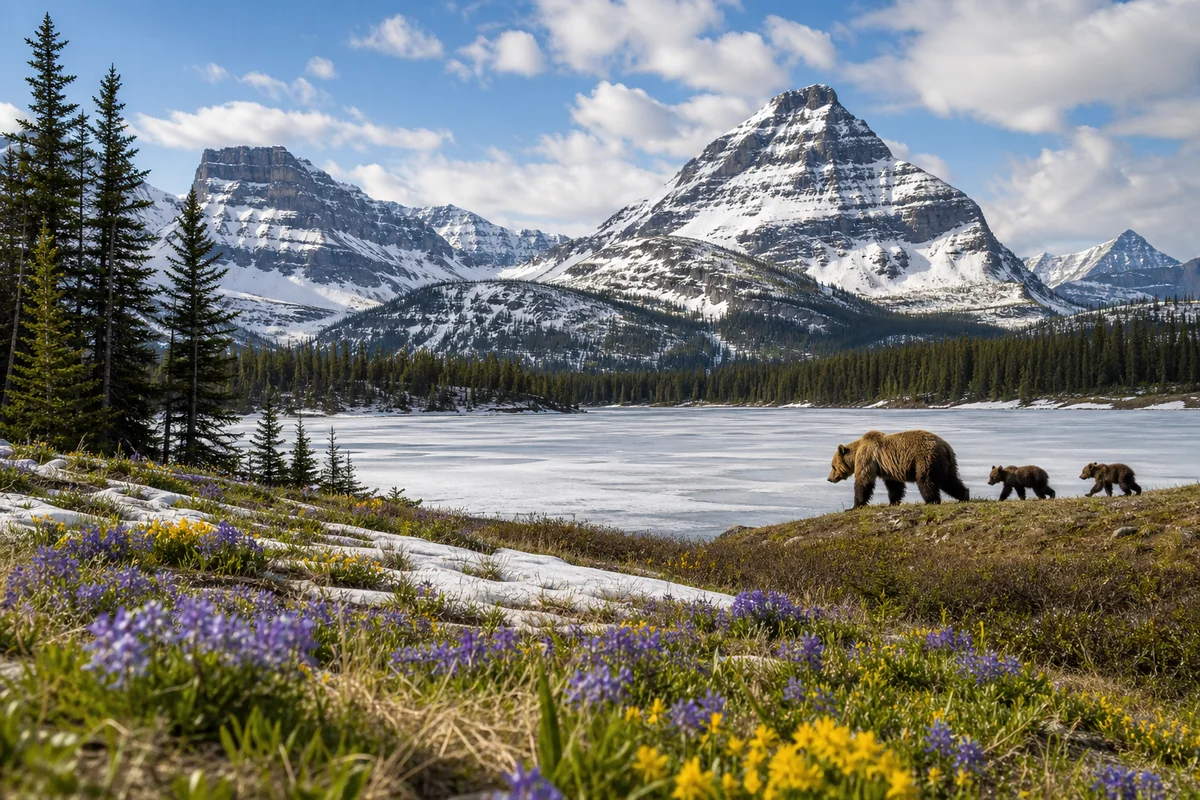
Both black bears and grizzlies are active throughout the state in July, feeding on the berry crops that ripen this month. During my Glacier trips, I’ve seen grizzlies on five of my last seven July visits—always at a safe distance with binoculars.
Carry bear spray on every hike. It’s not optional, and it’s not paranoia. I’ve had close encounters where having spray accessible (in a hip holster, not buried in my pack) provided genuine peace of mind.
Beyond the Bears
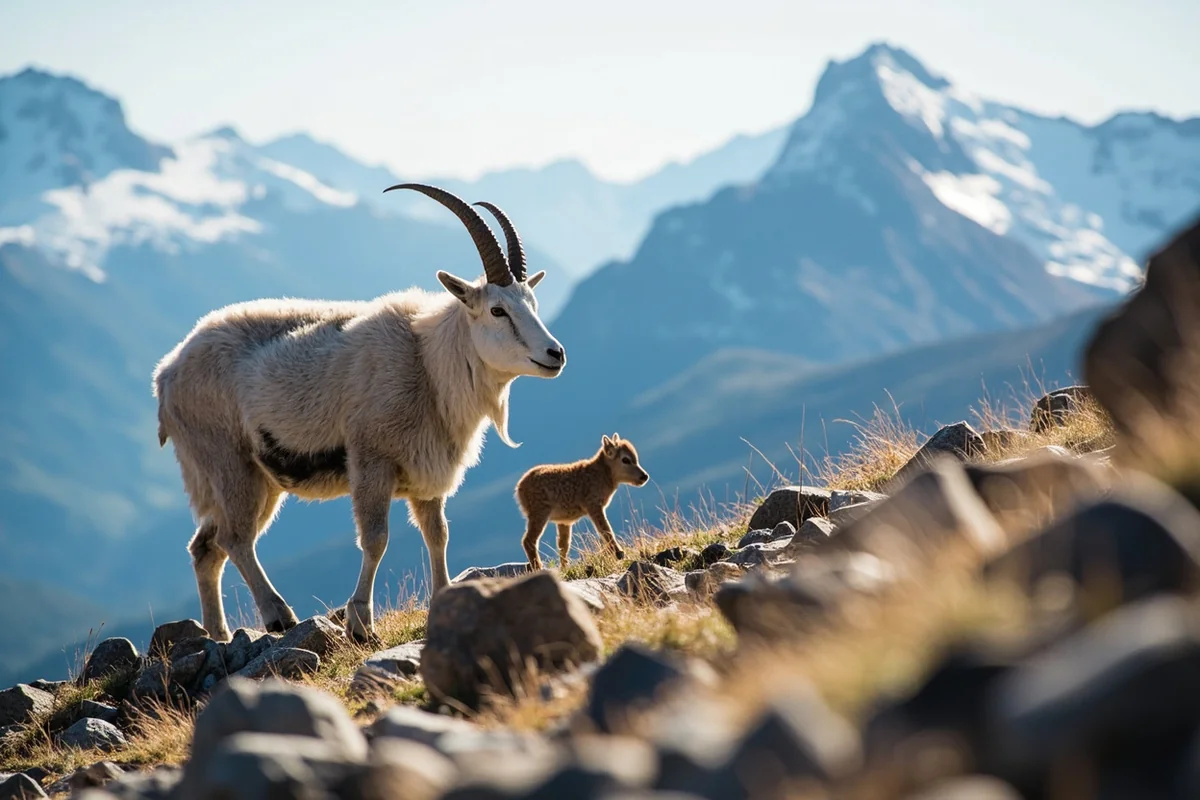
Mountain goats are reliably visible at Logan Pass and along the Highline Trail—I’ve counted groups of 15+ on single hikes. Moose tend to favor willow thickets near water; the Swiftcurrent Lake area has produced sightings on most of my visits.
In Yellowstone’s Montana sections, wolf viewing in Lamar Valley peaks at dawn. Dedicated wolf watchers set up spotting scopes along the road, and they’re typically generous about sharing views with curious visitors.
Practical Planning: Budgets, Bookings, and Timing
Let me break down the logistics that will make or break your July trip.
How Far in Advance to Book
For Glacier National Park lodges: 13 months ahead, on the day reservations open. This isn’t an exaggeration—I’ve been online at 8 AM Mountain Time the day bookings opened and watched rooms disappear in under two minutes.
For Glacier vehicle reservations: 120 days in advance, though a portion of reservations are released 24 hours ahead. Set a reminder.
For vacation rentals and hotels outside the parks: 4-6 months ahead for the best selection. Waiting until 6 weeks out during my first July trip left me staying 50 miles from Glacier.
For backcountry camping permits in Glacier: available online starting in mid-March. Popular zones (Many Glacier, Goat Haunt) book within days.
What a Week Actually Costs
Based on my recent July trips, here’s a realistic budget for two travelers:
Moderate Budget (comfortable hotels, mix of dining out and groceries): $2,500-3,500 for one week, excluding flights.
Higher Budget (lodges, guided activities, nice dinners): $4,500-6,500 for one week.
Budget-Conscious (camping, cooking own meals, limited paid activities): $1,200-1,800 for one week.
The biggest variables are lodging (prices spike 50-100% compared to shoulder seasons) and whether you add guided experiences like fishing trips, rafting, or horseback rides.
July 4th Week vs. Mid-to-Late July
If you have flexibility, I’d suggest avoiding the week of July 4th. It’s genuinely the busiest week of the year, with domestic travelers on vacation and lodging prices at their absolute peak.
The week of July 20-27 has consistently felt slightly more manageable during my visits—still busy, but with fewer “sold out” signs and shorter entrance queues.
What to Pack: My Refined July List
After multiple July trips with overpacked bags and underpacked essentials, here’s what I actually bring:
Clothing Essentials
Layers remain critical even in summer. I pack a lightweight down jacket (used it every evening), a rain shell, moisture-wicking shirts, hiking pants, and one pair of casual clothes for town.
Don’t forget a sun hat and polarized sunglasses. At Montana’s latitudes and elevations, UV exposure is intense.
Gear That’s Made a Difference
Trekking poles: transformative for descents and creek crossings, and essential for snow patches on high-elevation trails.
Bear spray: $50-60 and worth every penny. Buy it at a local outfitter rather than flying with it.
Binoculars: a compact 8x or 10x pair dramatically improves wildlife viewing. I use mine daily.
Headlamp: for pre-dawn starts and late-evening campfire walks. July’s long daylight tricks you into forgetting darkness exists until you need it.
Comparing July to Other Months
If you’re still deciding when to visit, here’s how I’d compare July to neighboring months based on my experience:
July vs. June: June has fewer crowds and lower prices, but some high-elevation roads and trails remain snow-covered. If you’re flexible on hiking options, June can be excellent. If accessing places like Logan Pass is a priority, July is more reliable.
July vs. August: August typically has more predictable afternoon storms and potentially more wildfire smoke. However, crowds thin slightly after Labor Day preparations begin, and huckleberries reach peak ripeness. I slightly prefer early July to August for these reasons.
July vs. September: September brings fall colors, fewer visitors, and lower prices. But Going-to-the-Sun Road typically closes in mid-to-late October, and some years see early snow. If fall foliage appeals more than summer greenery, September deserves consideration.
For winter contrast, visiting Montana in December or experiencing Christmas in Montana offers an entirely different—and equally magical—perspective on Big Sky Country. The landscapes transform completely, and activities shift to skiing, snowshoeing, and cozy lodge experiences.
Spring visitors might explore Montana in March, Montana in April, or Montana in May for shoulder season benefits, while January, February, October, and November each bring unique characteristics.
My Best July Itinerary Recommendations
Based on what I’ve learned, here are itinerary frameworks that have worked well:
One Week: Classic Montana
Days 1-4: Glacier National Park area. Enter early, hike mornings, afternoon lake time or scenic drives.
Day 5: Drive south through the Mission Valley, stopping at the National Bison Range and Flathead Lake.
Days 6-7: Explore Missoula—Montana’s most cosmopolitan city—with excellent restaurants, breweries, and access to trails in the surrounding wilderness.
One Week: Yellowstone Focus
Days 1-2: Bozeman and the Gallatin Canyon. World-class dining, accessible trails, and the Museum of the Rockies.
Days 3-5: Yellowstone via Gardiner. Focus on Lamar Valley wildlife, Mammoth Hot Springs, and the park’s northern loop.
Days 6-7: Paradise Valley and Livingston for fishing, hot springs (Chico Hot Springs is a Montana institution), and small-town charm.
Two Weeks: The Complete Circuit
With two weeks, you can combine both itineraries above, adding the Beartooth Highway and Red Lodge between Yellowstone and your return to Glacier. This is the trip I’d recommend for first-time visitors with the time and budget to do Montana properly.
Final Honest Thoughts on July
July in Montana is genuinely special—and genuinely challenging. You’ll encounter crowds, high prices, and logistical hurdles that don’t exist in shoulder seasons.
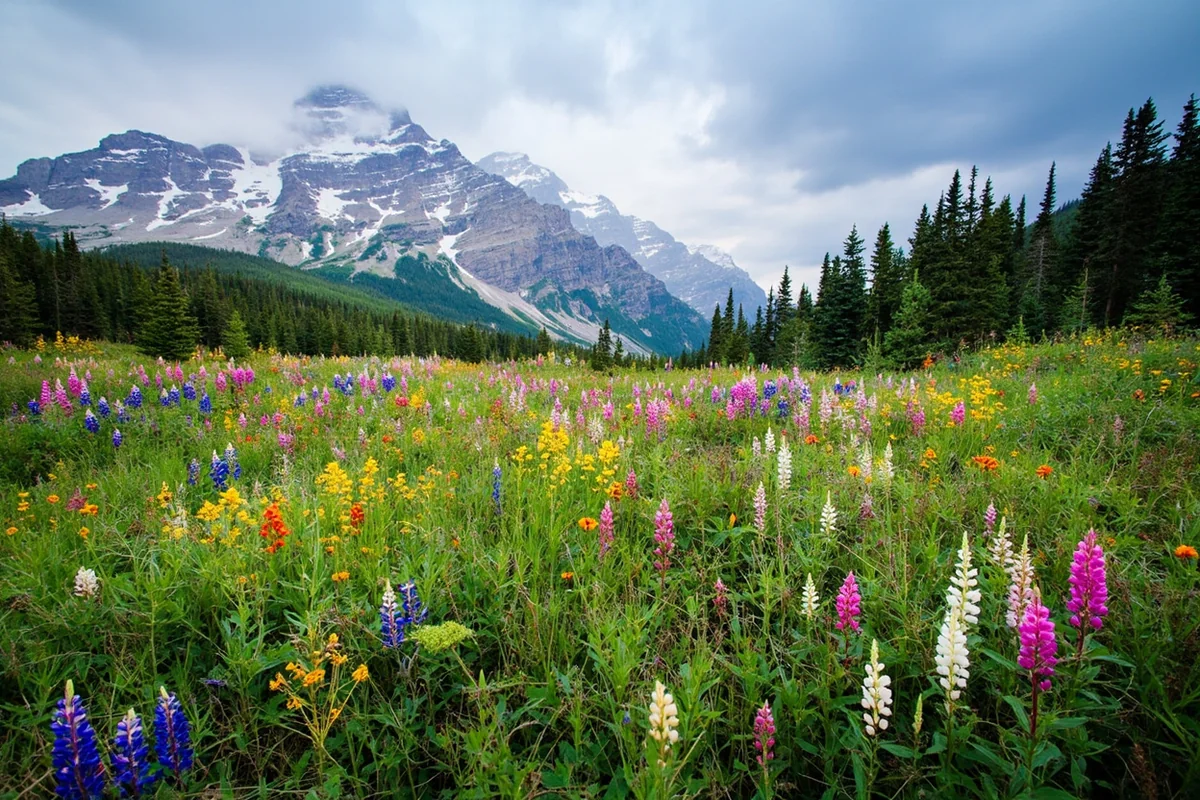
But you’ll also experience Montana at its most accessible and vibrant. Every trail beckons, every lake invites swimming, and the long evenings seem to stretch endlessly into golden-hour perfection.
My recommendation: if July is your only option, embrace it fully. Book early, start mornings before dawn, and seek out the places beyond the famous viewpoints. Montana rewards those who make the effort, even in peak season.
And when you’re standing knee-deep in a river at sunrise, watching an eagle snag breakfast while the rest of the tourists sleep, you’ll understand why July draws millions of visitors year after year—and why, despite the crowds, I keep coming back.
Frequently Asked Questions
Is July a good time to visit Montana for hiking and outdoor activities?
July is arguably the best month to visit Montana for hiking and outdoor adventures. All trails in Glacier National Park are typically snow-free by mid-July, and you’ll enjoy 15+ hours of daylight with average temperatures between 70-85°F in the valleys. I always recommend July for first-time visitors who want full access to high-elevation trails and alpine lakes.
How crowded is Glacier National Park in July and do I need reservations?
July is peak season in Glacier, and the park is extremely crowded, especially at popular spots like Logan Pass and Lake McDonald. You’ll need a vehicle reservation to enter the park between 6 AM and 3 PM, which typically costs $2 and books up months in advance. I suggest arriving before 6 AM or after 3 PM to avoid the reservation requirement and the worst crowds.
What should I pack for a Montana trip in July?
Pack layers even in July because Montana mountain temperatures can drop 30-40 degrees between day and night. I always bring a lightweight rain jacket, sunscreen, bear spray (around $40-50), and sturdy hiking boots. Don’t forget sunglasses and a hat since you’ll be at higher elevations with intense UV exposure.
How much does a week-long Montana vacation cost in July?
A week in Montana during July typically runs $2,000-$4,000 for two people, depending on accommodation choices. Hotels near Glacier and Yellowstone average $200-350 per night in peak July season, while camping costs $20-35 per night. Budget around $50-75 per person daily for food, plus $35 for park entrance fees that cover 7 days.
What is the weather like in Montana during July?
July weather in Montana is generally warm and dry with daytime highs of 80-90°F in cities like Missoula and Bozeman, while mountain areas stay cooler at 60-75°F. Afternoon thunderstorms are common in the mountains, usually clearing by evening. Mornings are crisp, often starting around 50°F, so I always keep a fleece handy even on the hottest days.
Can I see wildlife in Montana during July?
July offers excellent wildlife viewing throughout Montana, especially in Yellowstone’s Lamar Valley and Glacier’s Many Glacier area. You’ll likely spot grizzly bears, black bears, elk, moose, and mountain goats during early morning or evening hours. I’ve had my best sightings by starting wildlife drives before 7 AM when animals are most active and tourist traffic is lighter.
How far in advance should I book Montana accommodations for July?
Book your July Montana accommodations at least 4-6 months in advance, especially for lodges inside Glacier and Yellowstone. Popular spots like Many Glacier Hotel and Old Faithful Inn often sell out 6-12 months ahead for summer dates. If you’re flexible, check for cancellations 2-3 weeks before your trip, as I’ve scored last-minute bookings this way several times.