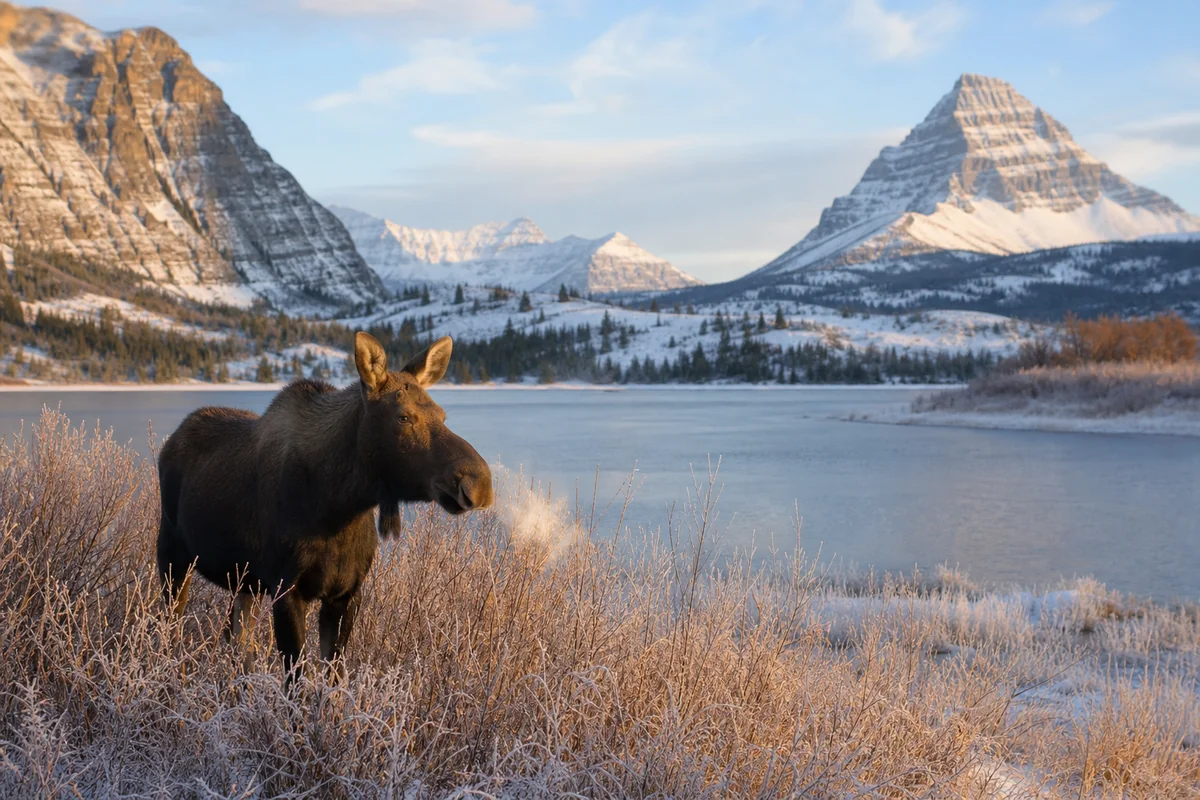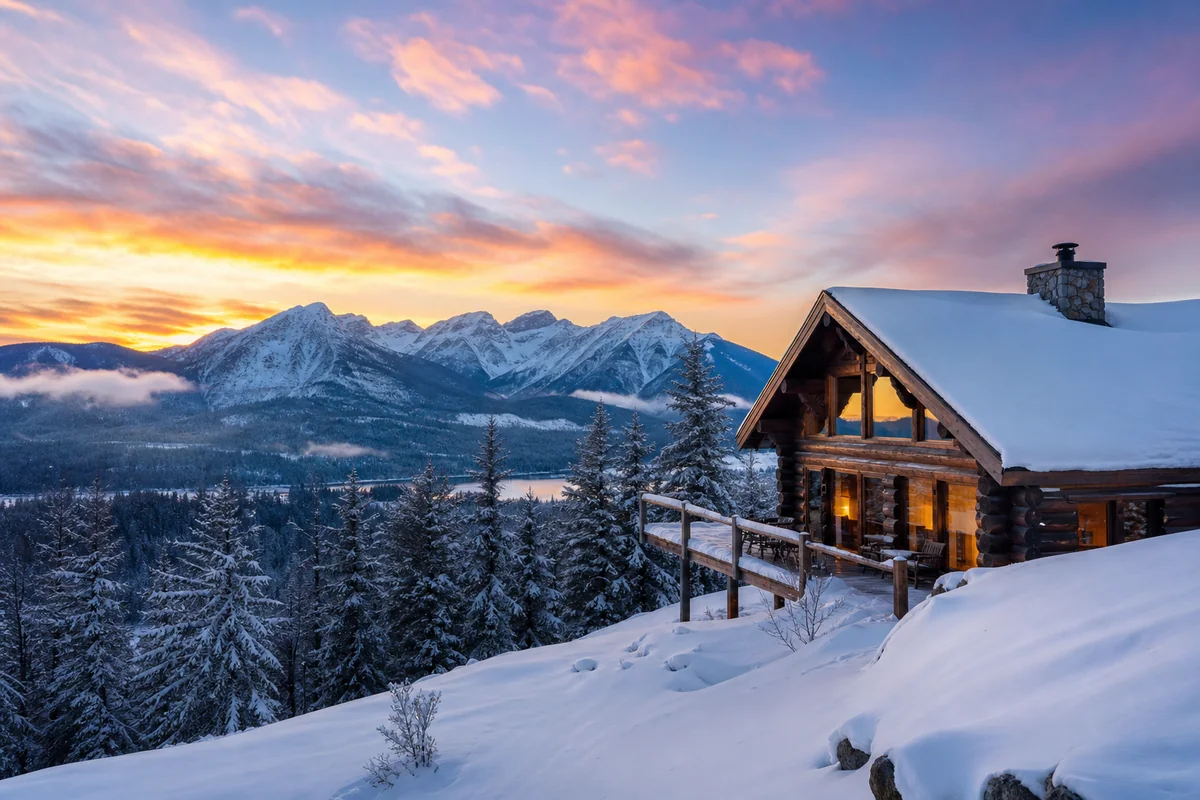
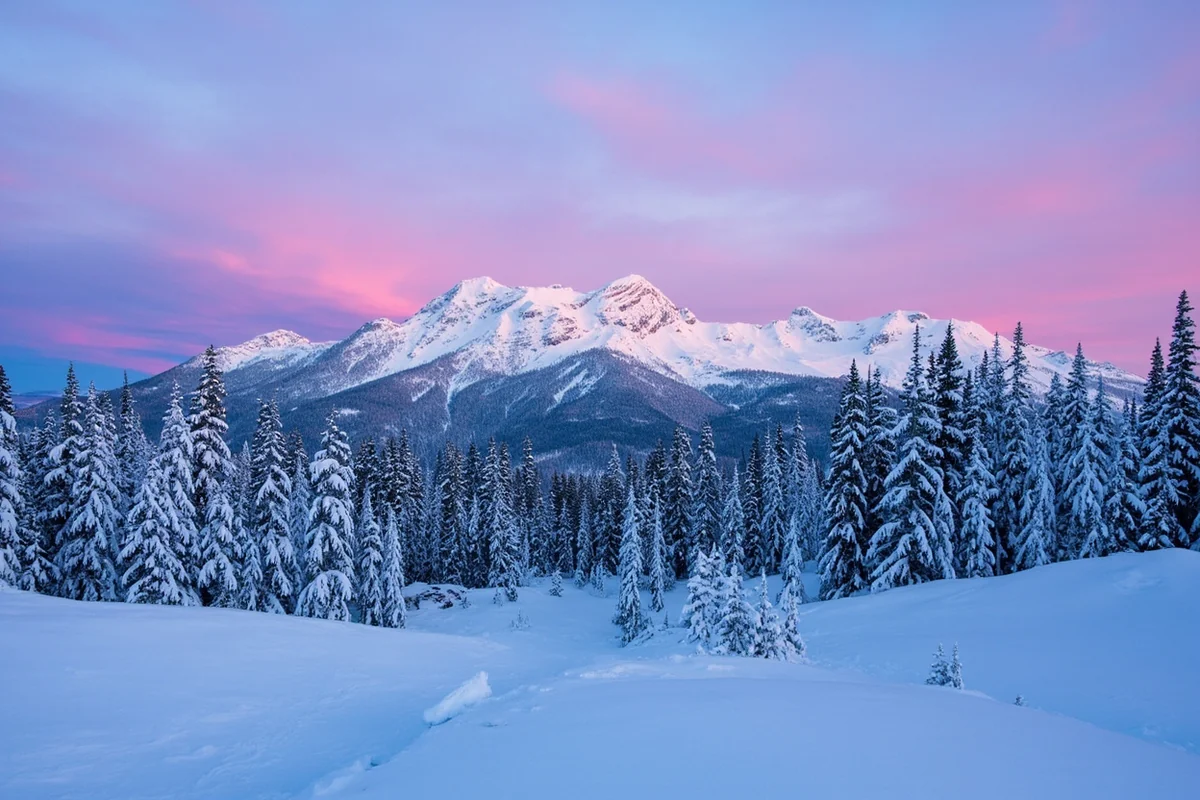
The morning I stepped outside my cabin near Whitefish last February, my nose hairs froze instantly and my breath hung in the air like a personal cloud—it was -15°F, and I’d never felt more alive.
That crystalline silence, broken only by the crunch of snow under my boots and the distant call of a raven, reminded me why I keep coming back to Montana in the dead of winter when most sensible people stay home.
February in Big Sky Country isn’t for the faint of heart, but it rewards the adventurous with uncrowded slopes, spectacular wildlife viewing, and a rawness that summer visitors never experience.
If you’re figuring out the best time to visit Montana, February deserves serious consideration—especially if you love winter sports, solitude, and saving money on accommodations.
- February is Montana’s coldest month, with temperatures ranging from -10°F to 35°F depending on location
- World-class skiing at Big Sky, Whitefish, and Bridger Bowl with shorter lift lines than peak season
- Prime wildlife watching—wolves in Yellowstone, elk herds near Gardiner, bald eagles along the Missouri River
- Significant savings: hotel rates drop 20-40% compared to holiday season
- Essential gear: layers, hand warmers, and a well-maintained 4WD vehicle
- Dress for conditions 20°F colder than forecast—wind chill is no joke
Liked this article?
Add Roaming Montana as a preferred source so you see more of our articles and guides on Google.
What February Weather in Montana Actually Feels Like
Let me be straight with you: February in Montana can be brutally cold. During my most recent February trip, I experienced a 50-degree temperature swing in 48 hours—from -20°F to 30°F—thanks to a Chinook wind that rolled over the Rockies.
This volatility is part of what makes Montana winter so fascinating, but it also means you need to be prepared for anything.
Regional Temperature Breakdown
Montana’s weather varies dramatically by region. The western valleys around Missoula tend to be milder, while the eastern plains and mountain passes can see Arctic conditions.
| Region | Average High | Average Low | Snowfall |
|---|---|---|---|
| Whitefish/Kalispell | 32°F | 15°F | 15-20 inches |
| Missoula | 35°F | 18°F | 8-12 inches |
| Bozeman | 33°F | 12°F | 10-15 inches |
| Billings | 38°F | 18°F | 5-8 inches |
| West Yellowstone | 28°F | 2°F | 20-30 inches |
The Chinook Factor
Chinook winds are Montana’s secret weapon against endless cold. These warm, dry winds sweep down from the mountains and can raise temperatures 40-50 degrees in just a few hours.
I witnessed one last February near Great Falls that melted three inches of snow by noon. Locals call it the “snow eater,” and it’s responsible for those random February days when you can walk around in just a fleece.
Don’t count on Chinooks for your trip planning, but know that they might gift you an unexpectedly pleasant day.
Daylight Hours
By mid-February, daylight is noticeably longer than in Montana in January. You’ll get roughly 10.5 hours of daylight by February 15th, which feels luxurious after the short days of December and early January.
This extra light opens up possibilities. I found I could get a full morning of skiing, grab a late lunch, and still have time for a short afternoon wildlife drive before sunset.
Skiing and Snowboarding: February’s Main Event
Let me tell you why February might actually be the smartest month to ski Montana: the conditions are typically excellent, and the holiday crowds have gone home.
Big Sky Resort
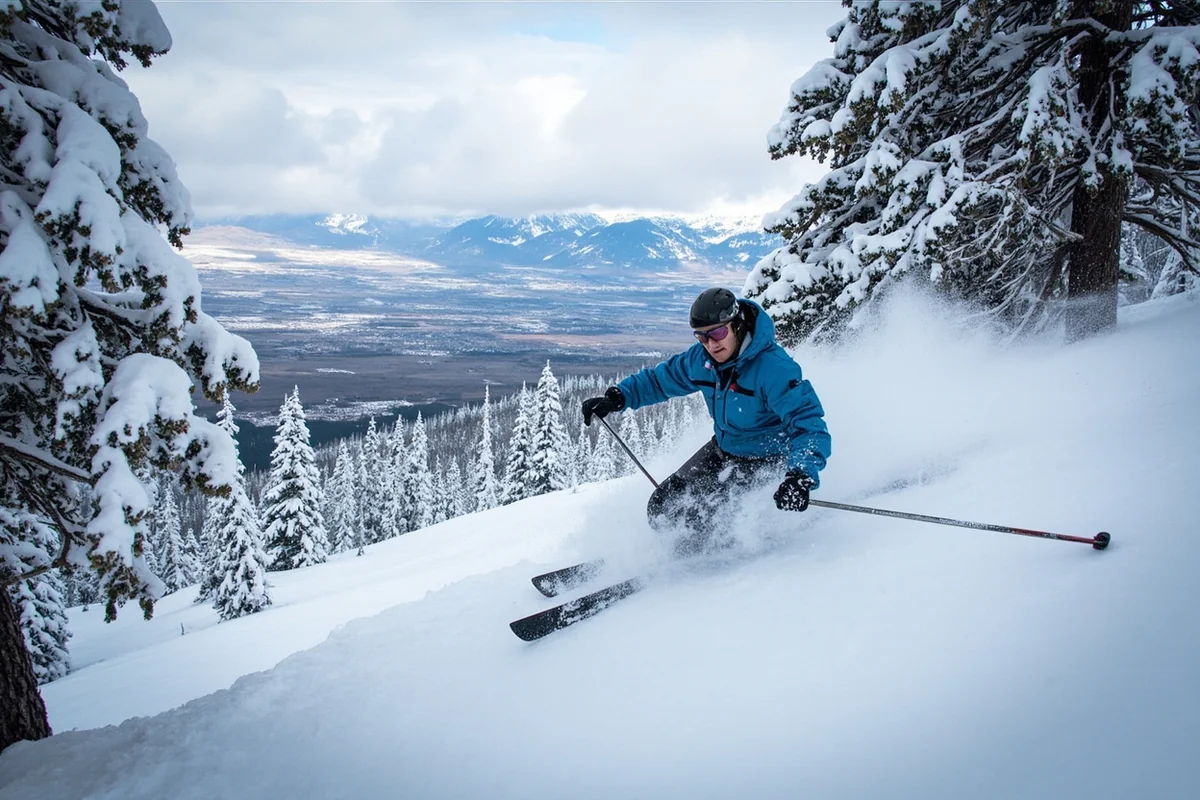
Big Sky receives an average of 400 inches of snow annually, and February often delivers the deepest snowpack of the season. During my last visit, I skied some of the best powder of my life on a Tuesday afternoon with practically no one around.
The Lone Peak Tram—which accesses truly expert terrain—had a 15-minute wait compared to the 45-minute lines I’ve experienced during Christmas in Montana.
Here’s my honest assessment: Big Sky’s terrain is massive (5,800+ skiable acres), but it can feel spread out. If you want consistent tree skiing and steeps, focus on the Lone Peak and Dakota territories.
Base area amenities have improved dramatically in recent years, though I still think the mountain village feels a bit sterile compared to older resort towns.
Whitefish Mountain Resort
Whitefish is my personal favorite Montana ski destination, and February showcases why. The snow here is famously light—locals call it “Cold Smoke”—and the old-growth glades off Chair 1 feel like skiing through a cathedral.
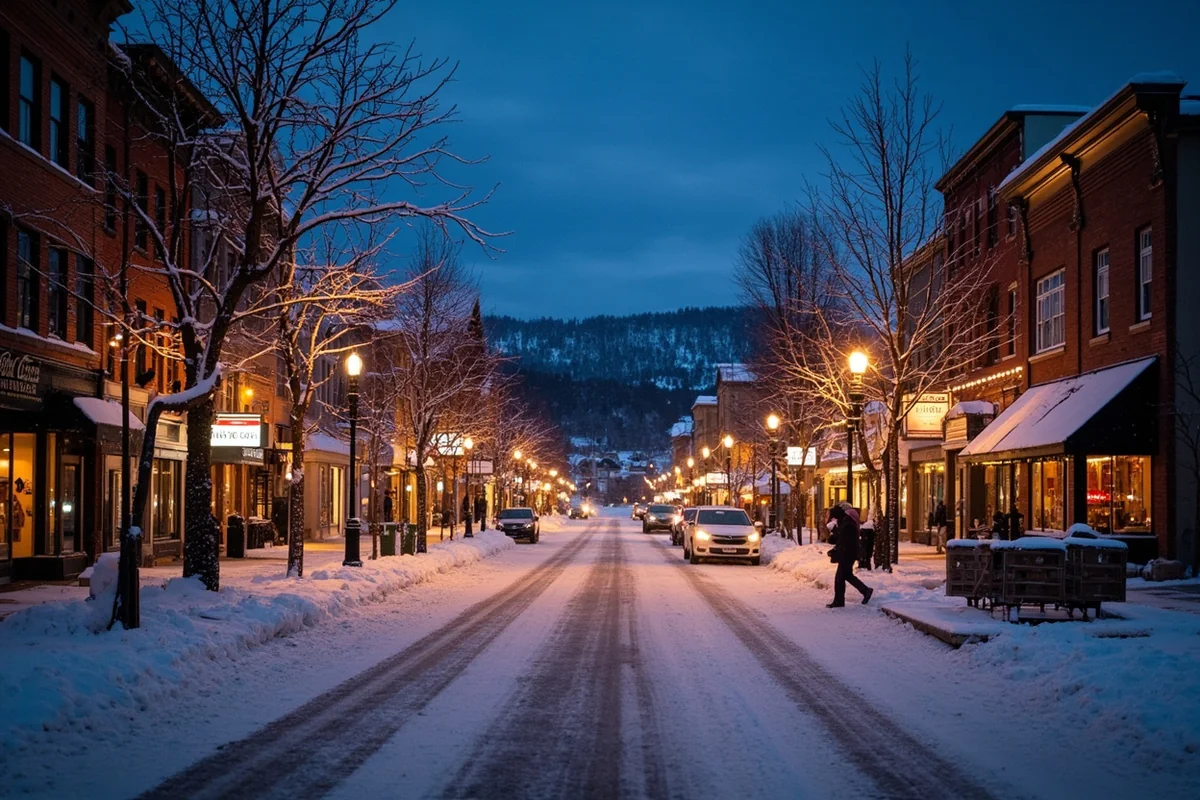
The town of Whitefish itself adds enormous value. After skiing, I love walking the two blocks to Craggy Range for a local beer and burger, or treating myself to dinner at Café Kandahar, which has been serving refined mountain cuisine for decades.
February midweek at Whitefish means you might share a chairlift with a local who’s been skiing this mountain for 40 years. Those conversations are worth the trip alone.
Bridger Bowl
Located just 16 miles from Bozeman, Bridger Bowl is where Montana’s serious skiers earn their turns. This nonprofit community ski area is famous for “The Ridge”—expert-only terrain that requires hiking and avalanche equipment.
I spent two February days at Bridger on a recent trip and was blown away by the quality-to-cost ratio. Lift tickets cost roughly half of what you’d pay at Big Sky, and the snow quality was identical.
The vibe here is distinctly local and unpretentious. Don’t expect fancy lodges—the cafeteria serves solid, no-frills fuel, and that’s exactly what most skiers want.
Hidden Gem: Lost Trail Powder Mountain
If you want to ski like Montanans did 50 years ago, make the drive to Lost Trail on the Montana-Idaho border. This throwback ski area receives over 300 inches of annual snow and often goes uncrowded even on weekends.
The drive from Missoula takes about 90 minutes on a winding highway, so allow extra time. I recommend staying in Hamilton and making it a day trip.
Winter Wildlife Watching
February in Montana offers wildlife viewing that rivals any safari I’ve experienced. The animals are concentrated at lower elevations, snow makes tracking easier, and there’s barely anyone else out there.
Wolves in Yellowstone
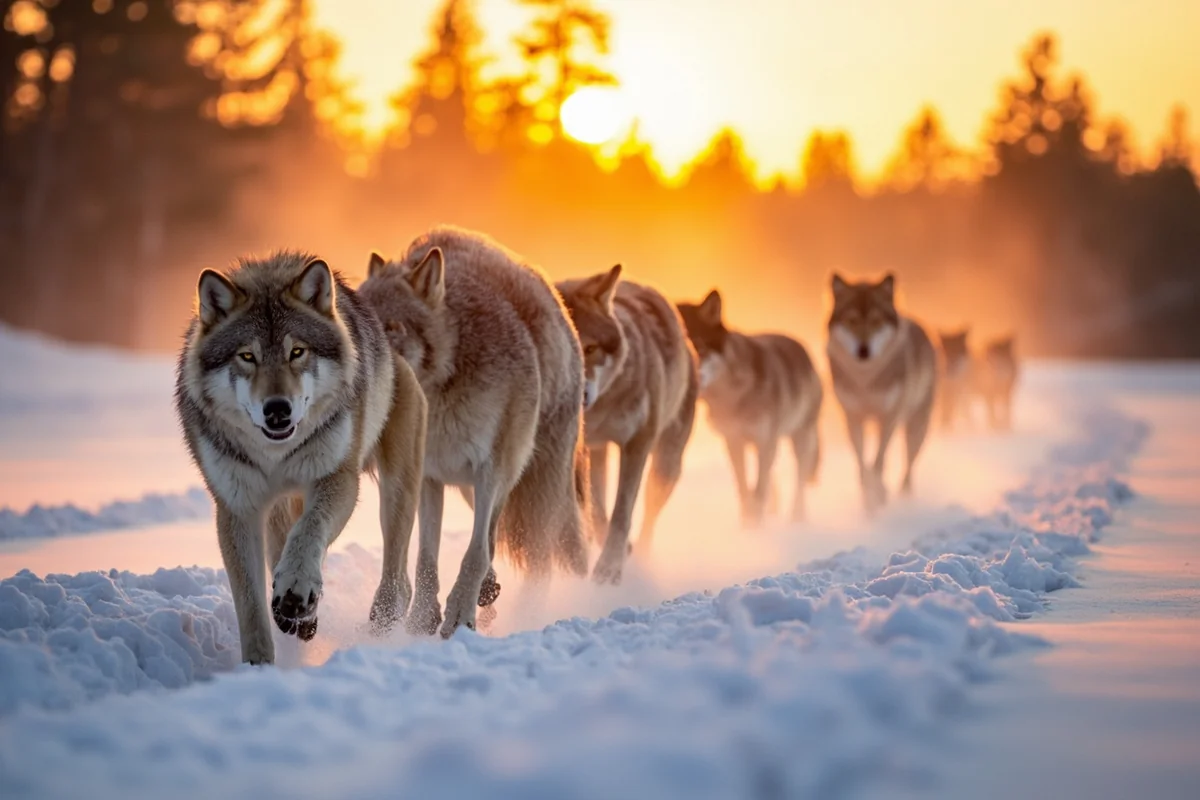
This is the big one. February is arguably the best month to see wolves in Yellowstone National Park.
During my most recent February Yellowstone trip, I spent three mornings in the Lamar Valley with a spotting scope. By 7:30 AM on day two, I was watching the Junction Butte Pack take down an elk about a mile away. It was simultaneously beautiful and difficult to watch—nature in its rawest form.
Here’s what most trip planners don’t tell you: wolf watching requires patience and early mornings. You need to be in position before sunrise, which means leaving your lodging in Gardiner or Cooke City in complete darkness.
I strongly recommend hiring a guide for your first wolf-watching trip. Yellowstone Wolf Tracker and In Our Nature are both excellent outfits based in Gardiner who know exactly where to look.
Elk Near Gardiner
The northern Yellowstone elk herd winters in the Gardiner Basin, and February is peak viewing season. I’ve counted over 500 elk in a single field just north of town.
Drive slowly through Gardiner in the early morning and you’ll likely see elk grazing on front lawns. It’s surreal—like watching suburban deer, except they weigh 700 pounds.
Bald Eagles on the Missouri River
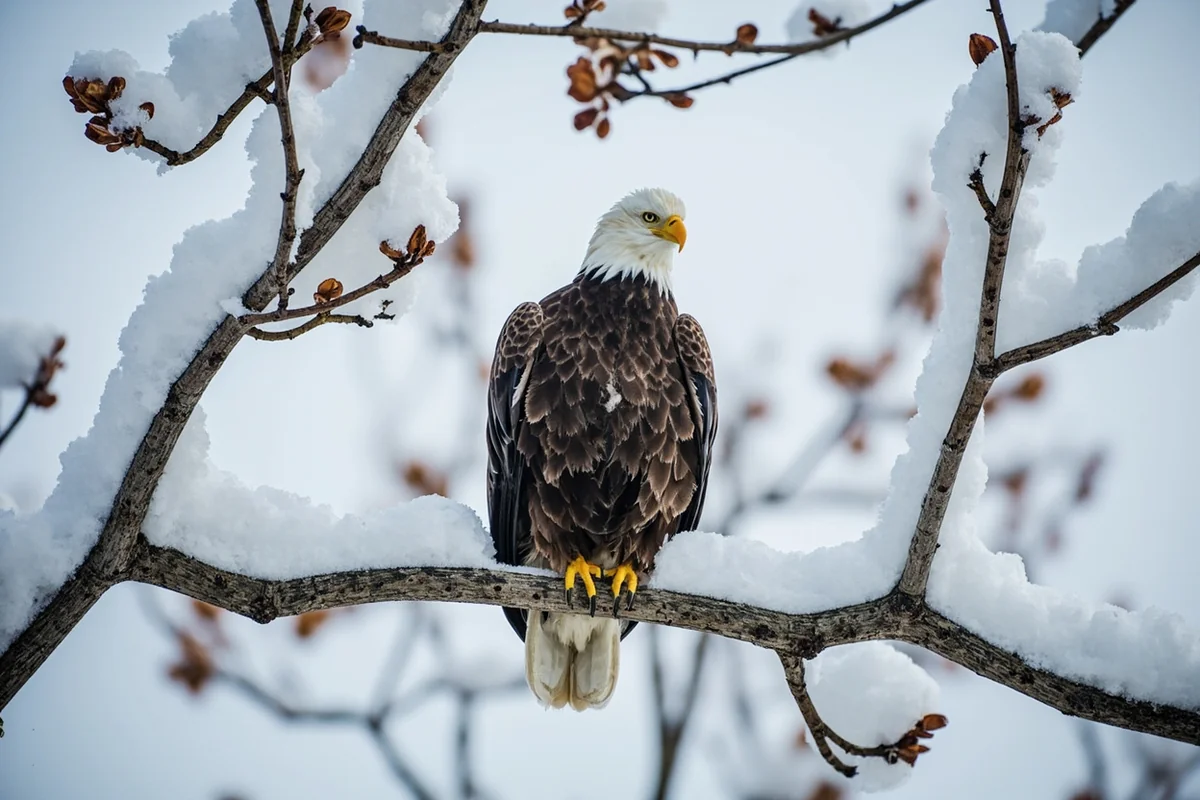
Here’s an insider tip I don’t share often: the stretch of Missouri River between Townsend and Canyon Ferry Reservoir hosts one of the largest winter bald eagle concentrations in the lower 48.
I drove this route on a February afternoon and counted 27 eagles in about two hours. They perch in cottonwoods along the river, fishing for spawning trout.
The Helena area makes a good base for this excursion, and it’s an excellent add-on if you’re driving between Bozeman and Glacier.
Exploring Yellowstone in Winter
Visiting Yellowstone in February is a completely different experience than summer. Most roads are closed to regular vehicles, which creates both challenges and opportunities.
Snowcoach Tours to Old Faithful
The only way most visitors can reach Old Faithful in February is via snowcoach—specialized vehicles with tracks or enormous wheels designed for snow travel.
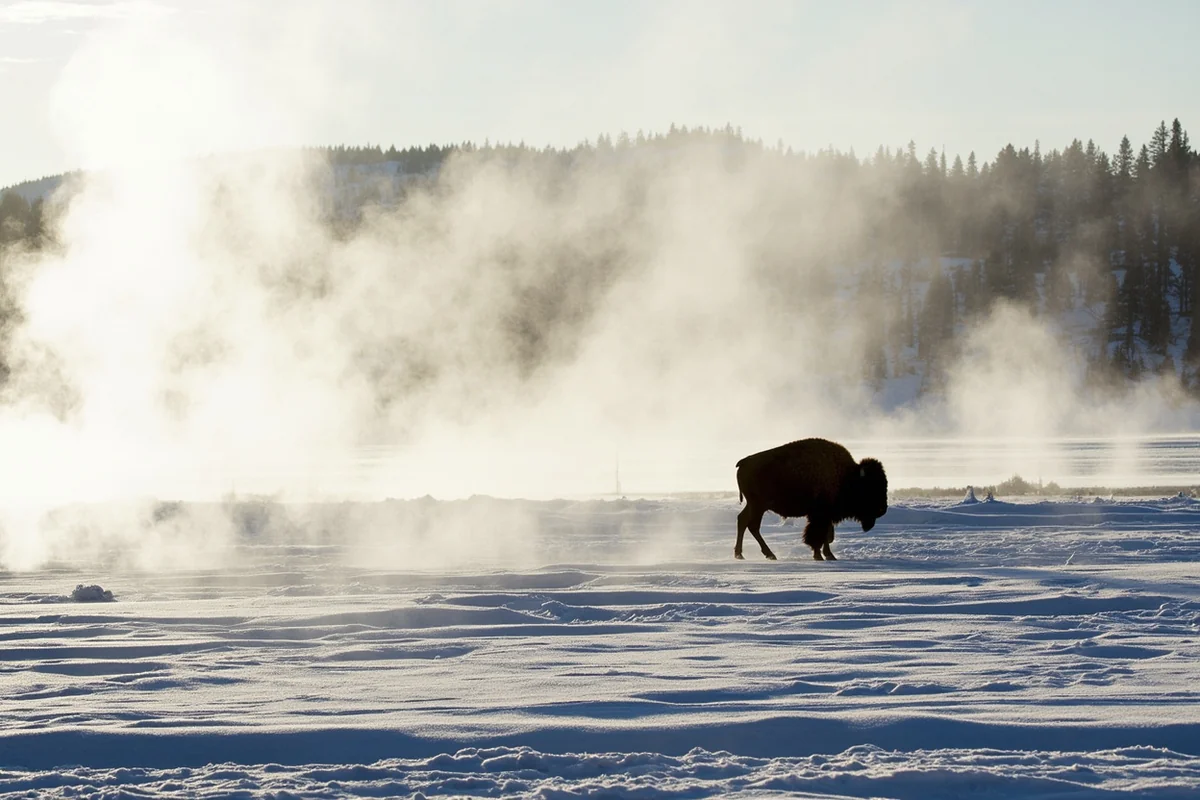
I took a day tour from West Yellowstone with Yellowstone Alpen Guides that remains one of my favorite Montana memories. We saw bison literally everywhere, steam rising from thermal features against the snow, and coyotes hunting in the Firehole River meadows.
The snowcoach ride itself takes about two hours each way, so budget a full day. Tours typically cost $150-200 per person and include several stops at thermal areas.
Snowmobiling
If you want more freedom, snowmobiles are permitted on certain Yellowstone roads with a commercial guide. This option is pricier but allows you to cover more ground.
I recommend this only for people with snowmobile experience. The rental machines are heavily regulated (4-stroke engines only, speed limits enforced), but you still need basic skills to safely navigate in winter conditions.
The Boiling River Hot Spring
One of my favorite February Yellowstone experiences is completely free: soaking in the Boiling River, where a hot spring meets the Gardiner River about a mile north of Mammoth Hot Springs.
The catch? You have to hike half a mile in winter conditions and then convince yourself to strip down in potentially sub-zero air. The payoff is magical—sitting in warm water while snow falls around you and elk graze on the nearby hillside.
Note: Check current conditions before visiting. The Boiling River closes periodically due to high water or other hazards.
February Events and Festivals
Montana doesn’t hibernate in February. Several unique events make this month special.
Race to the Sky Sled Dog Race
This 350-mile sled dog race starts in Helena and travels through some of Montana’s most remote wilderness. Watching the teams depart is genuinely exciting, and the mushers are happy to chat about their dogs before the race.
The race typically starts in mid-February, and you can track teams online as they navigate checkpoints across the Continental Divide.
Whitefish Winter Carnival
The Whitefish Winter Carnival is one of Montana’s oldest winter celebrations, dating back to 1960. It’s charmingly quirky—think parade floats, penguin plunges, and a “Yeti” mascot that defies explanation.
I attended on a -5°F morning and was impressed by how many locals turned out. The skijoring races (horses pulling skiers through an obstacle course) are the highlight, combining Montana’s ranching heritage with its ski culture.
Chocolate Lovers’ Festival in Billings
If you’re in eastern Montana, the Yellowstone Valley Chocolate Lovers’ Festival in Billings offers a delicious mid-February break. Local chocolatiers compete for bragging rights, and you get to sample everything.
It’s not a reason to visit Montana on its own, but it’s a pleasant addition to an eastern Montana itinerary.
Practical Planning: What You Actually Need to Know
Getting There and Getting Around
Bozeman Yellowstone International Airport (BZN) is Montana’s busiest, with direct flights from most major hubs. Glacier Park International (FCA) near Kalispell serves the Whitefish area, and Missoula (MSO) is another solid option.
You absolutely need a car in Montana—there’s no way around it. Rent an AWD or 4WD vehicle and don’t skimp on this. I’ve driven Montana in February multiple times, and I’ve also had to dig myself out of a ditch once because I got cocky with a 2WD rental.
Check road conditions constantly using the MDT Road Report app or calling 511. Passes close without warning, and what looks passable on a map might be treacherous in reality.
What to Pack
This is the gear list I’ve refined over multiple February Montana trips:
- Base layers: Merino wool or synthetic, top and bottom (bring at least two sets)
- Insulating layer: Down or synthetic puffy jacket
- Shell: Waterproof, breathable jacket and pants
- Footwear: Insulated, waterproof boots rated to at least -25°F
- Accessories: Multiple warm hats, balaclava or neck gaiter, insulated gloves AND mittens (mittens are warmer for extreme cold)
- Hand and toe warmers: Buy in bulk, use liberally
- Sunglasses and sunscreen: Snow glare is intense at elevation
- Car kit: Blanket, snacks, water, flares, small shovel
I always pack as if I might need to survive overnight in my car. That’s not paranoia—it’s Montana winter reality.
Where to Stay
Accommodations are significantly more affordable in February than during the December holiday season or peak summer months like July and August.
For skiing Whitefish, I prefer staying in the town of Whitefish itself rather than slope-side. The Firebrand Hotel is my go-to for a treat, while the Pine Lodge offers solid mid-range value.
For Yellowstone winter access, Gardiner and West Yellowstone are your options. Gardiner has more year-round character; West Yellowstone is more of a snowmobile staging area but puts you closer to Old Faithful tours.
In Bozeman, downtown hotels like the RSVP Motel (boutique renovation of an old motor lodge) or the Lark put you within walking distance of good restaurants. For Big Sky, on-mountain lodging is convenient but expensive—consider staying in Bozeman and making the 45-minute drive.
Budget Expectations
Here’s an honest breakdown of what February costs:
- Lift tickets: $150-200 at Big Sky, $80-110 at Whitefish, $65-85 at Bridger Bowl
- Mid-range lodging: $120-200/night
- Snowcoach tour: $150-250/person
- Guided wolf tour: $200-350/person
- Rental car (AWD): $75-120/day
- Meals: Budget $50-75/day for casual dining
You can do February Montana on a budget by choosing Bridger Bowl over Big Sky, cooking some meals, and focusing on free activities like wildlife drives and hot spring soaking.
February vs. Other Winter Months
How does February stack up against other Montana winter timing?
Compared to January, February offers slightly more daylight and often better road conditions. January can be colder, but the difference isn’t dramatic.
March brings the famous spring skiing conditions—warmer temperatures and longer days—but the wildlife watching window starts to close as animals move to higher elevations.
February hits a sweet spot: still firmly winter, but not the dead-of-winter darkness of early January.
If you’re considering shoulder seasons, Montana in April and May offer a completely different experience as the landscape transitions to spring, though conditions can be muddy and unpredictable.
Honest Assessment: Is February Right for You?
February Montana isn’t for everyone. Let me be direct about who should and shouldn’t plan this trip.
February is perfect if you:
- Love winter sports and want quality conditions without holiday crowds
- Are genuinely excited about wildlife watching and willing to be uncomfortable
- Appreciate solitude and don’t mind planning around weather
- Have cold-weather experience and appropriate gear
- Enjoy the character of small Montana towns in their quietest season
Consider a different month if you:
- Want to hike in the mountains (most trails are buried under snow)
- Have limited driving experience in winter conditions
- Prefer reliable weather for outdoor photography
- Are traveling with young children who get cold easily
- Want to see Glacier National Park’s Going-to-the-Sun Road (it’s closed until late spring)
For first-time Montana visitors, I often suggest starting with September or June, when the weather is more forgiving and more of the state is accessible. But if winter calls to you, February is one of the purest ways to answer.
My February Montana Itinerary Suggestion
Based on my trips, here’s how I’d structure a week in February:
Days 1-2: Bozeman and Bridger Bowl
Fly into Bozeman, pick up your rental car, and spend the afternoon exploring downtown. Ski Bridger Bowl on Day 2—it’s an excellent introduction to Montana snow.
Days 3-4: Yellowstone Wildlife
Drive to Gardiner (about 90 minutes) and base yourself there for two nights. Spend one full day in northern Yellowstone watching wolves, bison, and elk. On the second morning, soak in the Boiling River before heading out.
Days 5-6: Big Sky or Whitefish
Choose your skiing adventure: drive to Big Sky (about 90 minutes from Gardiner) for massive terrain, or make the longer trek to Whitefish (about 5 hours) for my favorite overall Montana ski experience. Two ski days is ideal.
Day 7: Departure
Return to Bozeman (or Kalispell if you went to Whitefish) for your flight. Build in extra time—weather delays happen.
This itinerary balances wildlife, skiing, and Montana culture without being exhausting. You could easily add days to any section.
Final Thoughts on February in Big Sky Country
That frozen morning outside Whitefish has stayed with me years later—not because it was comfortable, but because it was real. February strips Montana down to its essence: vast wilderness, resilient communities, and a quiet that most Americans never experience.
The cold is the price of admission. The reward is a Montana that feels entirely yours.
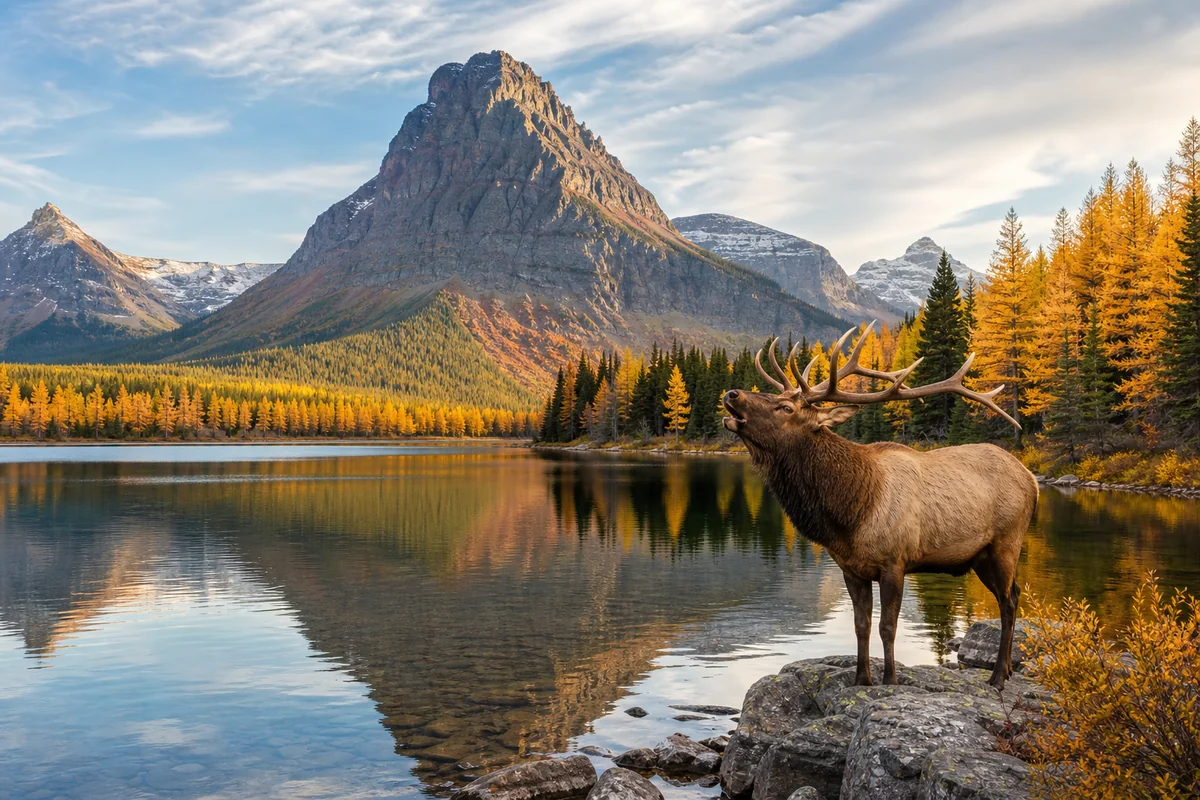
I’ve visited Montana in October when the elk bugled and November when the hunting camps dotted the hillsides. I’ve sweated through summer road trips. But February keeps pulling me back because it demands something extra—and in exchange, it gives something extra.
Come prepared. Stay humble about the weather. And let yourself be transformed by winter in one of America’s wildest places.
Frequently Asked Questions
Is February a good time to visit Montana for skiing?
February is actually one of the best months for skiing in Montana, with consistent snow coverage and fewer crowds than the December holiday rush. Resorts like Big Sky, Whitefish Mountain, and Bridger Bowl typically have base depths of 60-100+ inches by mid-February. I’ve found lift ticket prices range from $80-$180 depending on the resort, and weekday visits offer the best value.
How cold does Montana get in February and what should I pack?
Expect daytime highs between 25-35°F and nighttime lows dropping to -10°F to 15°F, depending on whether you’re in the valleys or mountains. I always pack insulated waterproof boots, layered thermal clothing, a heavy down jacket, and hand warmers for extended outdoor time. Don’t forget polarized sunglasses—the snow glare in Montana is intense.
Can you visit Yellowstone National Park in February?
Yes, but access is limited to snowcoach tours and guided snowmobile trips since most roads are closed to regular vehicles from November through mid-April. February is actually a magical time to see Yellowstone’s geothermal features against the snow, plus wildlife like bison and wolves are easier to spot. Tours from West Yellowstone typically cost $150-$300 per person for a full-day experience.
What is there to do in Montana in February besides skiing?
Montana offers incredible February activities including dog sledding near Whitefish, ice fishing on Flathead Lake, snowshoeing in Glacier National Park, and soaking in natural hot springs like Chico or Bozeman Hot Springs. I’ve also enjoyed the quieter museum scene in Missoula and Helena when I needed a break from the cold. February also hosts the Race to the Sky sled dog race if you time your visit right.
Are Montana hotels cheaper in February compared to summer?
Accommodation prices in February vary significantly by location—ski resort towns like Big Sky and Whitefish see peak winter rates ($200-$500/night), while non-resort areas like Billings, Helena, and Missoula offer excellent deals at $80-$150/night. I recommend booking ski-adjacent stays in Bozeman instead of Big Sky to save 30-40% while staying just 45 miles from the slopes.
Is it safe to drive in Montana during February?
Driving in Montana in February requires preparation but is manageable with the right precautions. I always rent an AWD or 4WD vehicle, carry chains, and check the Montana Department of Transportation road conditions before heading out on mountain passes. Major highways like I-90 are well-maintained, but secondary roads to trailheads and parks can be icy or temporarily closed after storms.
How many days do you need for a Montana winter trip in February?
I recommend at least 5-7 days to experience Montana properly in February without feeling rushed. This allows time for 2-3 days of skiing or snow activities, a day trip to Yellowstone or Glacier, and buffer days for weather delays that are common this time of year. Fly into Bozeman or Missoula to minimize driving time from larger hub airports like Denver or Seattle.