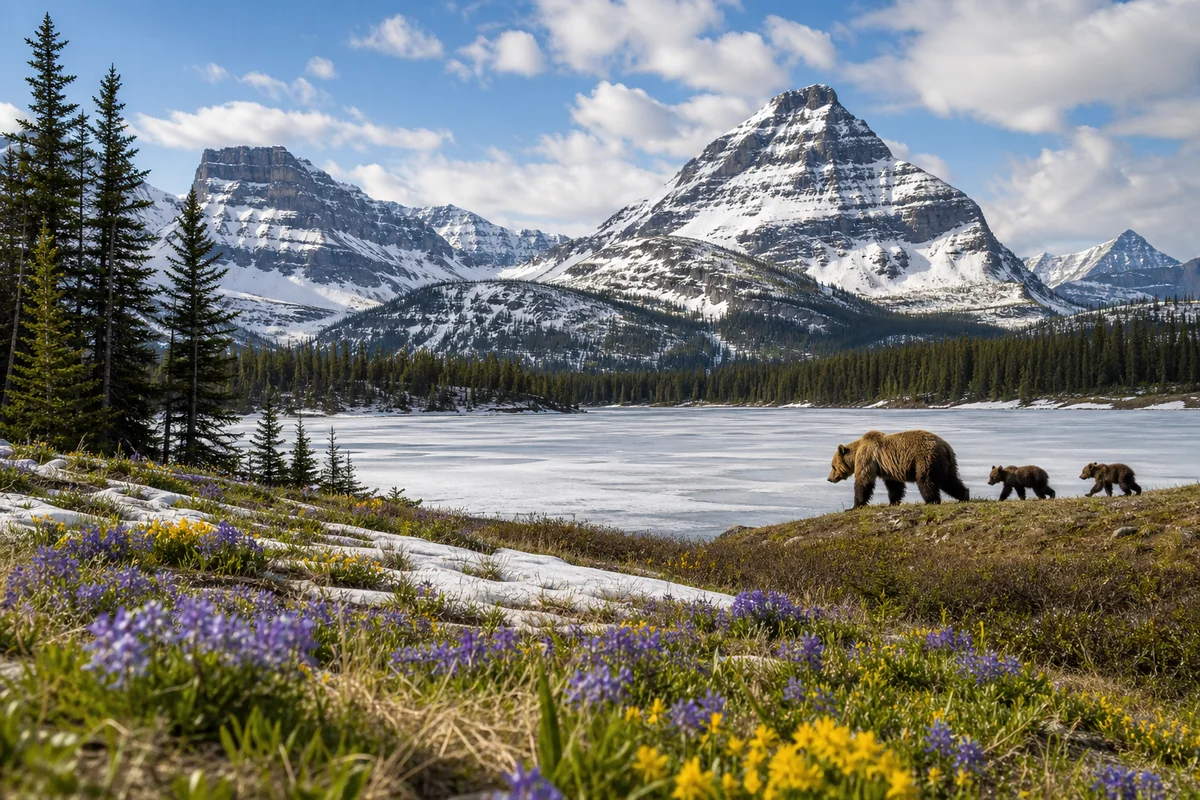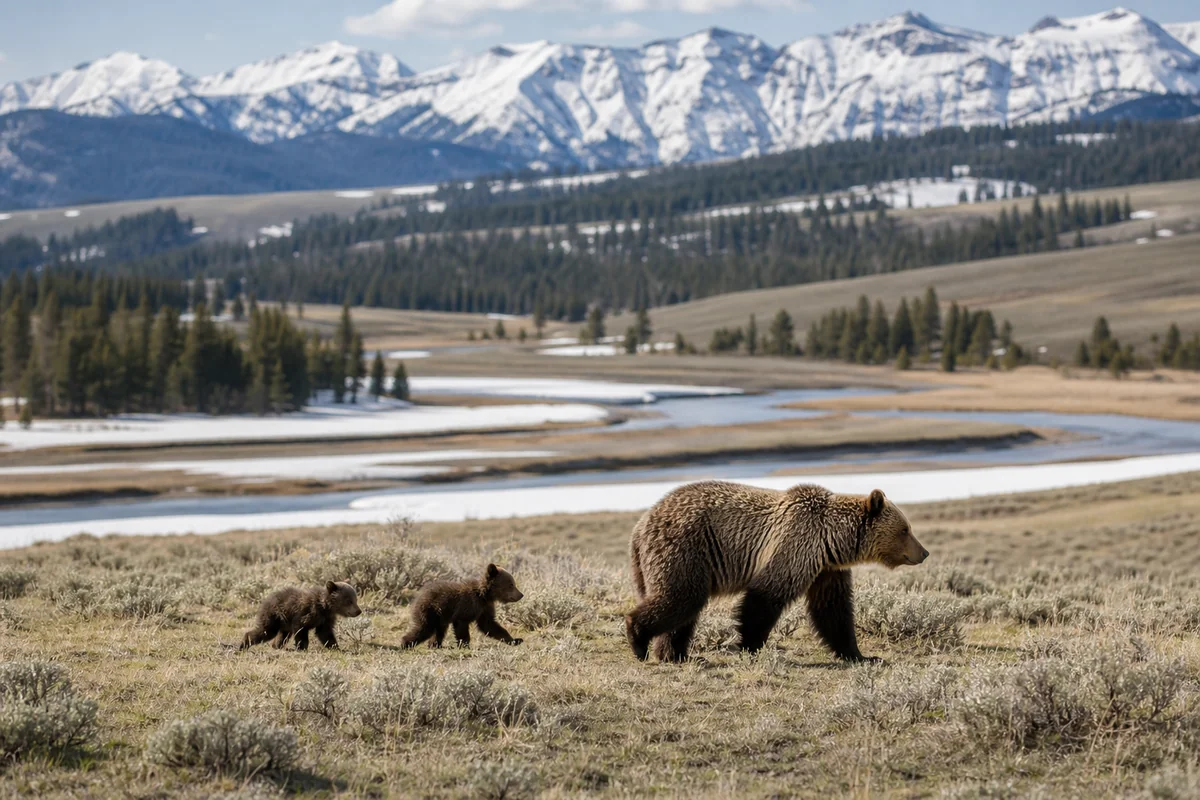
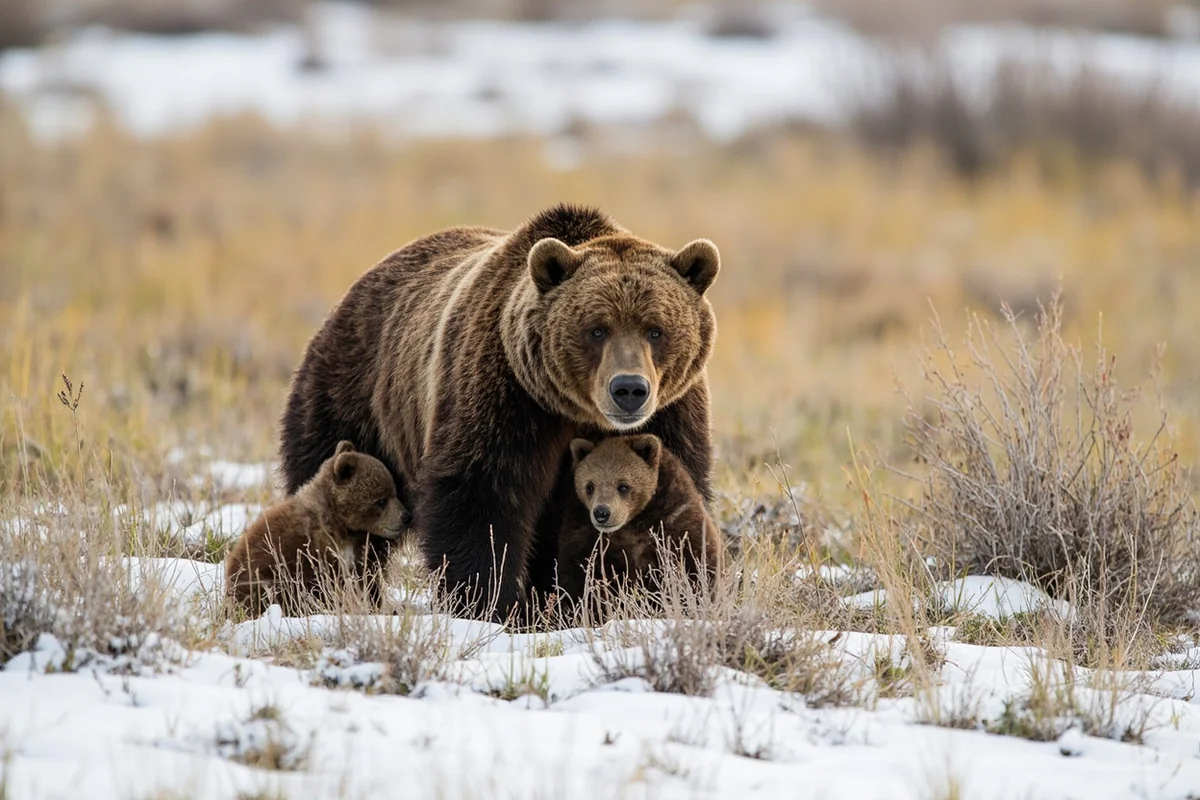
I stood at the edge of the Lamar Valley last April, my breath visible in the crisp 35-degree morning air, watching a grizzly bear emerge from the tree line—her two cubs tumbling behind her in their first real exploration of the world.
That single moment, witnessed with only three other cars in sight instead of the usual summer caravan of fifty, perfectly captures why April has become my favorite month to experience Montana.
If you’re researching the best time to visit Montana, April deserves serious consideration—though it comes with caveats that I’ll be completely honest about.
This is a month of transition, unpredictability, and raw beauty that rewards flexible travelers while potentially frustrating those with rigid itineraries.
- April weather is wildly unpredictable—expect anything from 70°F sunshine to sudden snowstorms
- Wildlife viewing peaks as bears emerge from hibernation and newborn animals appear
- Most of Going-to-the-Sun Road remains closed; Glacier National Park has limited access
- Yellowstone’s northern loop is accessible; southern sections may have restrictions
- Hotel prices are 30-50% lower than summer rates
- Bring layers for all four seasons—I’ve experienced them all in a single day
- Best for wildlife enthusiasts, photographers, and travelers who embrace unpredictability
Liked this article?
Add Roaming Montana as a preferred source so you see more of our articles and guides on Google.
What April in Montana Actually Feels Like
During my most recent April trip, I experienced snow, rain, hail, brilliant sunshine, and temperatures ranging from 28°F to 67°F—all within 48 hours. This isn’t an exaggeration or unusual; it’s simply Montana in spring.
The state sits at the collision point between Pacific weather systems, Arctic air masses, and the warming influence of spring. What this means practically is that you cannot trust any forecast beyond 24-48 hours.
I’ve learned to check weather every morning before heading out and always keep my car packed with emergency supplies regardless of how promising the day looks.
Temperature Ranges Across the State
Montana’s geography creates dramatically different conditions depending on where you’re traveling. After tracking temperatures during multiple April visits, here’s what I’ve consistently observed:
| Region | Avg High | Avg Low | What to Expect |
|---|---|---|---|
| Glacier Region | 45-55°F | 25-35°F | Snow still common, limited road access |
| Yellowstone Area | 45-55°F | 20-30°F | Cold mornings, variable afternoons |
| Missoula/Western MT | 50-60°F | 30-40°F | Milder, more rain than snow |
| Billings/Eastern MT | 55-65°F | 32-42°F | Warmest region, still unpredictable |
| Helena/Central MT | 50-58°F | 28-38°F | Moderate, occasional late storms |
The numbers don’t tell the whole story. Wind chill can make a 45°F day feel like 30°F, especially in the eastern plains where wind is constant. I always check both temperature and wind speed before planning outdoor activities.
Why I Keep Coming Back in April
Despite the weather challenges, April offers experiences impossible to replicate during peak season. When I compare my April photos and memories to those from Montana in July or Montana in August, the difference is striking.
Wildlife Viewing at Its Peak
The Lamar Valley in Yellowstone becomes a natural amphitheater for wildlife drama. During my last April visit, I spent three consecutive mornings at the Slough Creek overlook and witnessed wolf pack activity every single day.
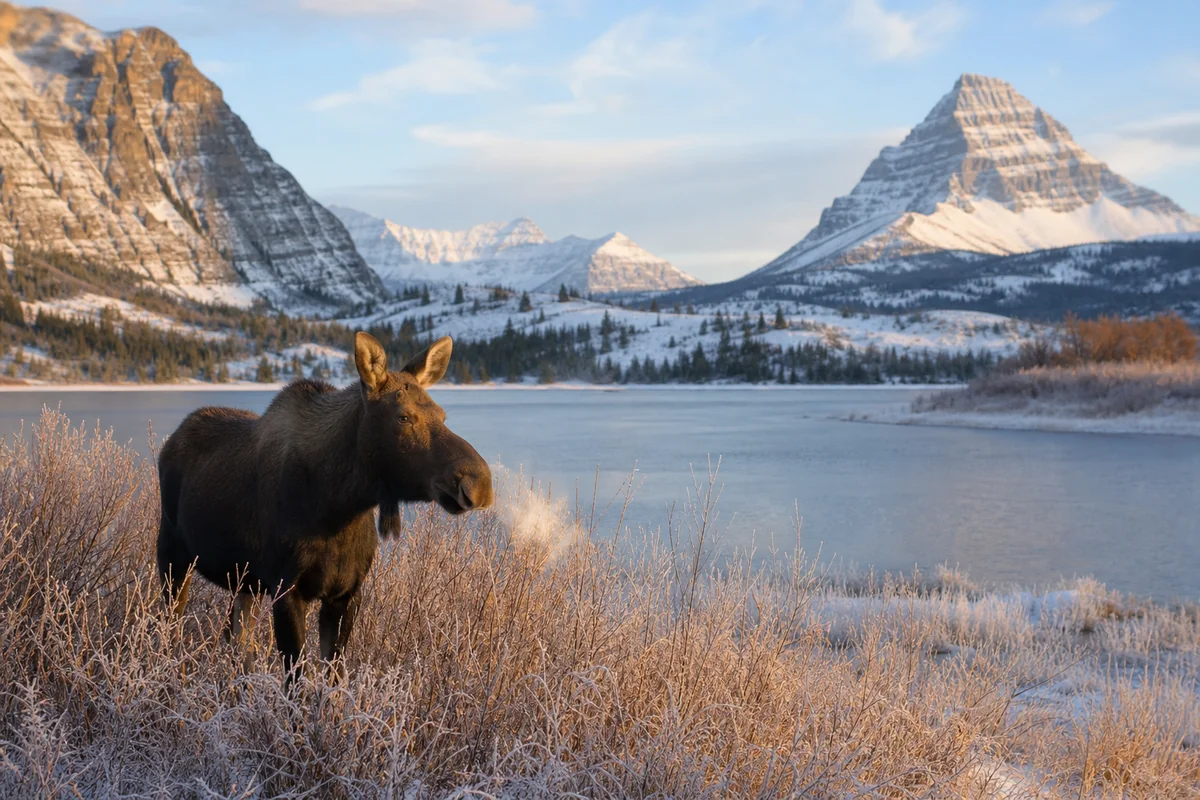
Grizzly bears emerge from hibernation hungry and visible. Unlike summer, when they retreat to higher elevations and dense cover, April bears actively forage in valley bottoms and along roadsides. I’ve had more close-range bear sightings in April than any other month.
Newborn bison calves—those adorable “red dogs”—start appearing in late April. The contrast of their rust-colored coats against lingering snow patches makes for spectacular photography.
Elk and deer move through transitional zones between winter and summer range, concentrating animals in predictable corridors. Local wildlife guides know these patterns well, and I recommend hiring one for at least one morning if you’re serious about wildlife photography.
The Absence of Crowds
This cannot be overstated. Yellowstone sees roughly 900,000 visitors in July but only about 150,000 in April. The difference transforms the experience entirely.
Last April, I watched Old Faithful erupt with perhaps 30 other people present. In summer, that number easily exceeds 500. I could actually hear the geyser—its rumble and hiss—without competing against a wall of conversation and smartphone videos.
At the Grand Prismatic overlook, I had moments completely alone. The stillness allowed me to actually absorb what I was seeing rather than jockeying for position.
Dramatic Landscapes
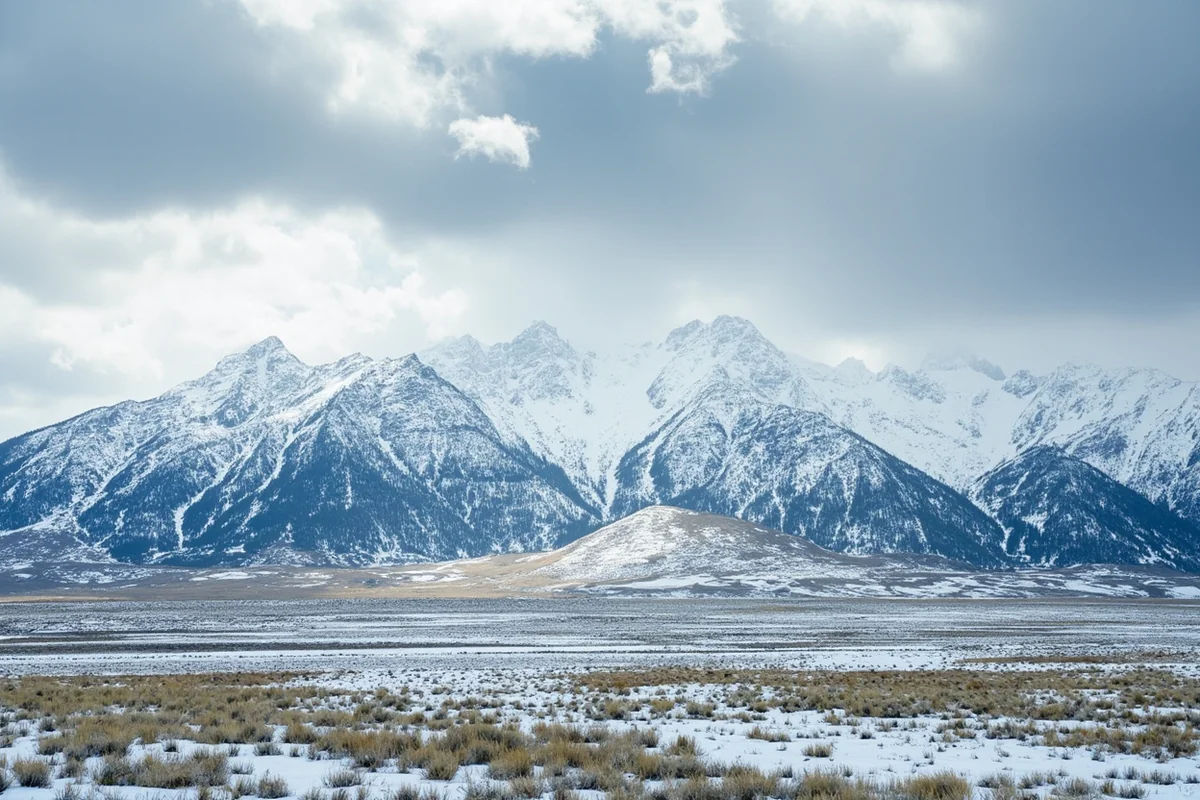
The visual character of Montana in April is unlike any other season. Snow-capped peaks rise above valleys showing the first hints of green. Waterfalls swell with snowmelt, and rivers run high and powerful.
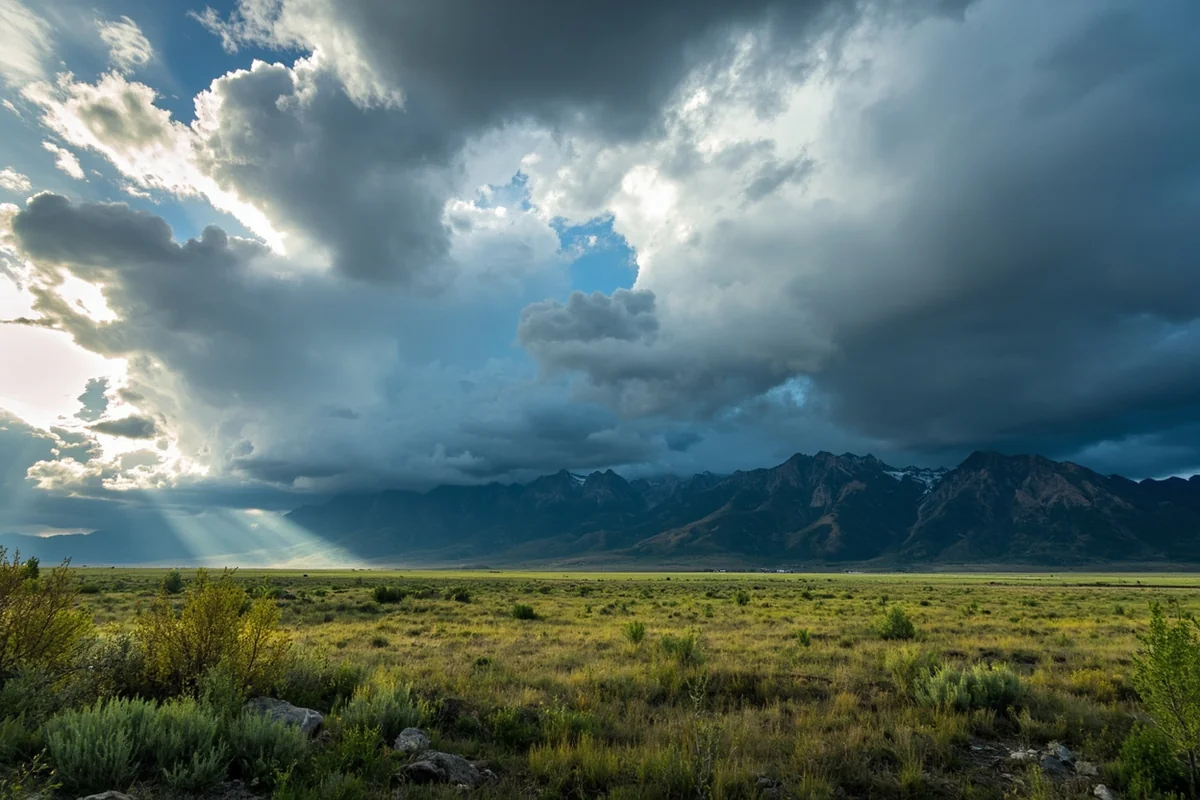
The light quality differs too. Spring storms create dramatic skies—dark clouds contrasting with shafts of golden light. Some of my best landscape photographs have come from April storms clearing over the Absaroka Range.
What’s Open and Accessible in April
This is where April gets complicated. Montana’s tourism infrastructure is designed around summer, and many facilities remain closed or operate on limited schedules.
Glacier National Park: Limited but Worthwhile
Let me be direct: if your primary goal is driving Going-to-the-Sun Road, don’t come in April. The road typically doesn’t fully open until late June or early July, and April access is restricted to the first few miles from either entrance.
However, Glacier in April offers something summer visitors never experience. The park’s lower elevations become accessible while higher terrain remains snow-covered, creating stunning visual contrasts.
I recommend focusing on the Lake McDonald area from the west side and the Many Glacier entrance road (weather permitting) from the east. The Two Medicine area sometimes opens in late April, offering excellent hiking to places like Running Eagle Falls.
The east side of Glacier receives significantly less snow than the west, making the Many Glacier and St. Mary areas more accessible. During my April visits, I’ve often found the Many Glacier Road open to the junction while the western side remained socked in with snow.
Be prepared for wildlife encounters. I encountered a black bear within a quarter-mile of the Apgar Visitor Center last April, casually crossing the road at 7 AM.
Yellowstone: Your Best Bet for April Adventure
Yellowstone’s northern loop typically remains open year-round, making it the centerpiece of most April itineraries. The road from Gardiner through Mammoth Hot Springs to Cooke City stays plowed and accessible.
The southern and western portions of the park have varying spring opening dates, usually in mid to late April. Check the NPS website for current road status before planning—these dates shift based on snowpack and plowing progress.
When I visited last April, the road from Madison to Old Faithful opened on April 20th, giving me access to the geyser basins during the final week of my trip. The timing worked perfectly, though it required flexibility in my schedule.
Mammoth Hot Springs flows more dramatically in spring, fed by snowmelt. The terraces steam visibly in cold morning air, creating ethereal photography conditions.
Smaller Parks and Recreation Areas
State parks throughout Montana offer excellent April alternatives when national park access is limited. I’ve had wonderful experiences at:
Makoshika State Park near Glendive features badlands terrain that’s accessible year-round. April temperatures in eastern Montana are typically the warmest in the state, making this an excellent destination when western mountains remain snow-covered.
Lewis and Clark Caverns State Park opens for guided tours in May, but the surrounding hiking trails and picnic areas are accessible in April. The approach drive offers beautiful views of the Jefferson River Valley.
Giant Springs State Park in Great Falls provides an easy, accessible stop along the Upper Missouri. The spring itself flows at a constant 52°F year-round, and I’ve watched the surrounding vegetation green up noticeably during week-long April visits.
Planning Your April Itinerary
After multiple April trips, I’ve developed strategies that maximize flexibility while ensuring meaningful experiences regardless of weather.
A Realistic 7-Day Framework
Here’s what I’d recommend based on my own experiences. This assumes you’re flying into Bozeman, which offers the best combination of accessibility and proximity to major attractions.
Days 1-2: Bozeman and Paradise Valley
Bozeman serves as an excellent base with reliable services regardless of season. I spend my first day exploring the Museum of the Rockies (worth a full morning) and wandering Main Street’s shops and restaurants.
Day two, I drive south through Paradise Valley toward Gardiner. This route follows the Yellowstone River and offers consistent wildlife viewing opportunities. I’ve spotted eagles, elk, and bighorn sheep along this stretch in April without entering the park.
The Chico Hot Springs resort in Pray makes an excellent lunch stop—the natural hot springs remain warm regardless of weather, and their dining room serves a remarkable prime rib.
Days 3-4: Yellowstone’s Northern Loop
I base in Gardiner for park access. The town is small and somewhat sleepy in April, but that’s part of its charm. The Yellowstone Gateway Inn offers comfortable rooms at a fraction of summer rates.
Wake early—I mean 5:30 AM early—for wildlife viewing. The Lamar Valley hits its stride in the first two hours after sunrise. By mid-morning, animals bed down and photography conditions deteriorate.
Afternoons work well for thermal features. Mammoth Hot Springs, the Grand Canyon of the Yellowstone (if accessible), and the Tower Fall area fill the midday hours when wildlife observation slows.
Days 5-6: Flexibility Days
This is crucial. I block two days without fixed plans, allowing me to return to areas where conditions excelled or explore alternatives if weather turns.
If conditions are clear, I might drive to the Beartooth Highway eastern approach (the highway itself doesn’t open until late May, but the lower sections offer spectacular views). If snow hits, I might spend a day in Livingston, a charming town with excellent bookstores and cafes.
These buffer days have saved multiple trips. Last April, an unexpected snowstorm closed Lamar Valley on day three, but by day six, it had cleared into brilliant sunshine against fresh powder—my best wildlife photographs came from that morning.
Day 7: Return via Livingston
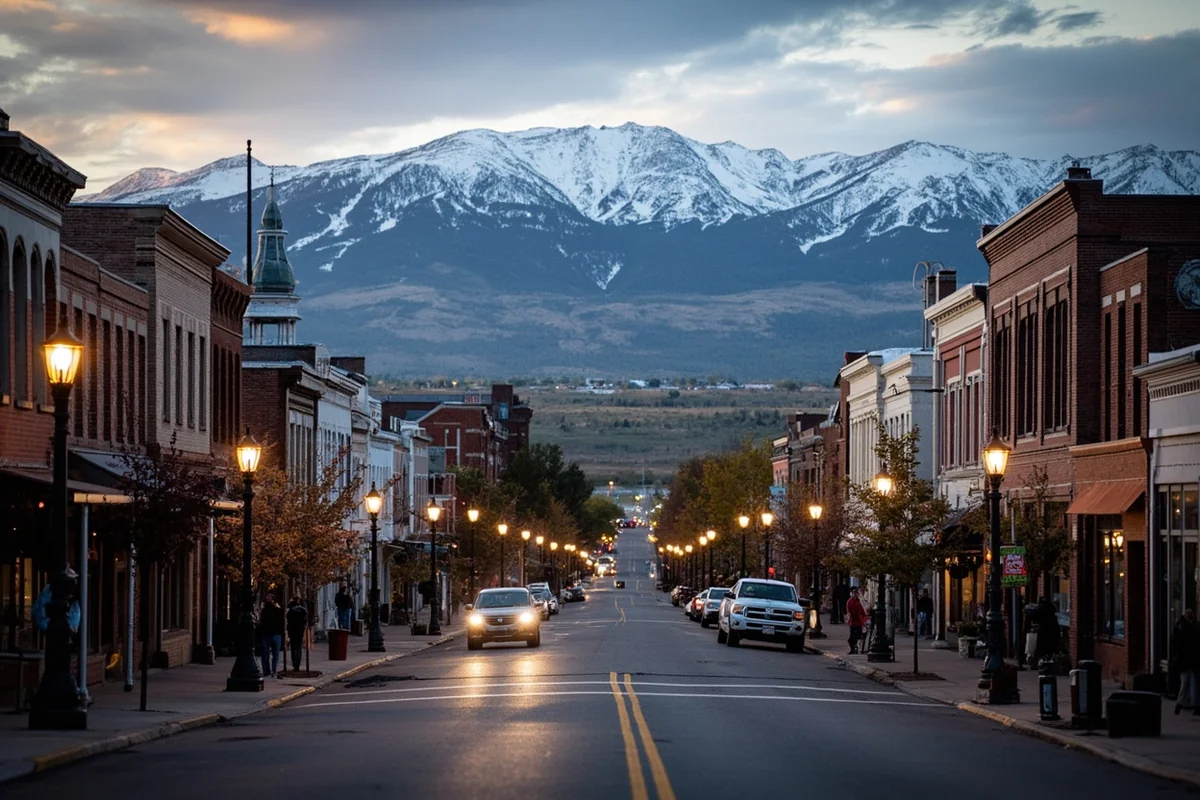
Rather than rushing back to Bozeman, I take my time driving through Livingston and stopping at the Sacajawea Hotel for breakfast. The antique shops along Main Street are worth browsing, and the town offers a less touristy glimpse at Montana life.
What to Pack: Lessons Learned the Hard Way
I’ve made every packing mistake possible during spring Montana trips. Learn from my failures.
Layering Is Non-Negotiable
My standard April Montana kit includes:
A warm base layer (merino wool, not cotton)—I wear this almost every morning regardless of forecast. The temperature at sunrise in Yellowstone regularly hovers in the 20s.
A mid-layer fleece or down jacket that I can stuff into a daypack when afternoon temperatures rise.
A waterproof shell that handles both rain and wet snow. April precipitation often falls as a mix of both.
Convertible hiking pants that zip into shorts. I’ve used both configurations in a single day.
A warm hat and gloves—even on days forecasted for the 60s, mornings require these.
Sunglasses and sunscreen. Spring sun reflecting off snow can cause serious sunburn. I learned this lesson painfully at Mammoth Hot Springs when I neglected sunscreen on an overcast day that cleared unexpectedly.
Footwear Considerations
Waterproof hiking boots are essential. Trails may be muddy, snow-covered, or slushy depending on elevation and aspect. I bring two pairs of shoes—hiking boots and casual shoes for town—and rotate based on conditions.
Traction devices like Yaktrax can be valuable for icy conditions on boardwalks and paved surfaces. I’ve used mine at Old Faithful when morning frost glazed the wooden walkways.
Photography Gear Protection
If you’re bringing camera equipment, moisture is your enemy. Temperature changes between cold exteriors and warm vehicles cause condensation. I keep my camera in an insulated bag during transitions and let it acclimate slowly.
Extra batteries are critical. Cold temperatures drain battery life dramatically. I keep spares in an inside pocket where body heat maintains their charge.
Dining and Lodging Realities
April presents a paradox: lower prices but fewer options. Many seasonal businesses remain closed until Memorial Day.
Where to Stay
In Gardiner, your options include the Yellowstone Gateway Inn, the Comfort Inn, and several vacation rentals. The in-park lodges at Mammoth Hot Springs Hotel operate year-round, but I prefer staying outside the park for better restaurant access.
Bozeman offers the full range of accommodations from budget motels to boutique hotels. I recommend the Lark, a thoughtfully designed downtown hotel with excellent beds and a welcoming atmosphere.
For a splurge, the Murray Hotel in Livingston provides historic character and modern comfort. It’s been welcoming travelers since 1904, and the rooms maintain their authentic Western feel.
Booking directly often yields better rates than third-party sites in April. I’ve had success calling hotels and simply asking about spring specials—many offer unadvertised discounts during shoulder season.
Restaurant Considerations
Not every restaurant maintains regular hours in April. I’ve shown up to find doors locked despite posted schedules. Call ahead for dinner reservations, especially in smaller towns.
In Gardiner, the Yellowstone Grill serves solid breakfast and lunch. For dinner, I typically drive to Livingston or Bozeman where options are more reliable.
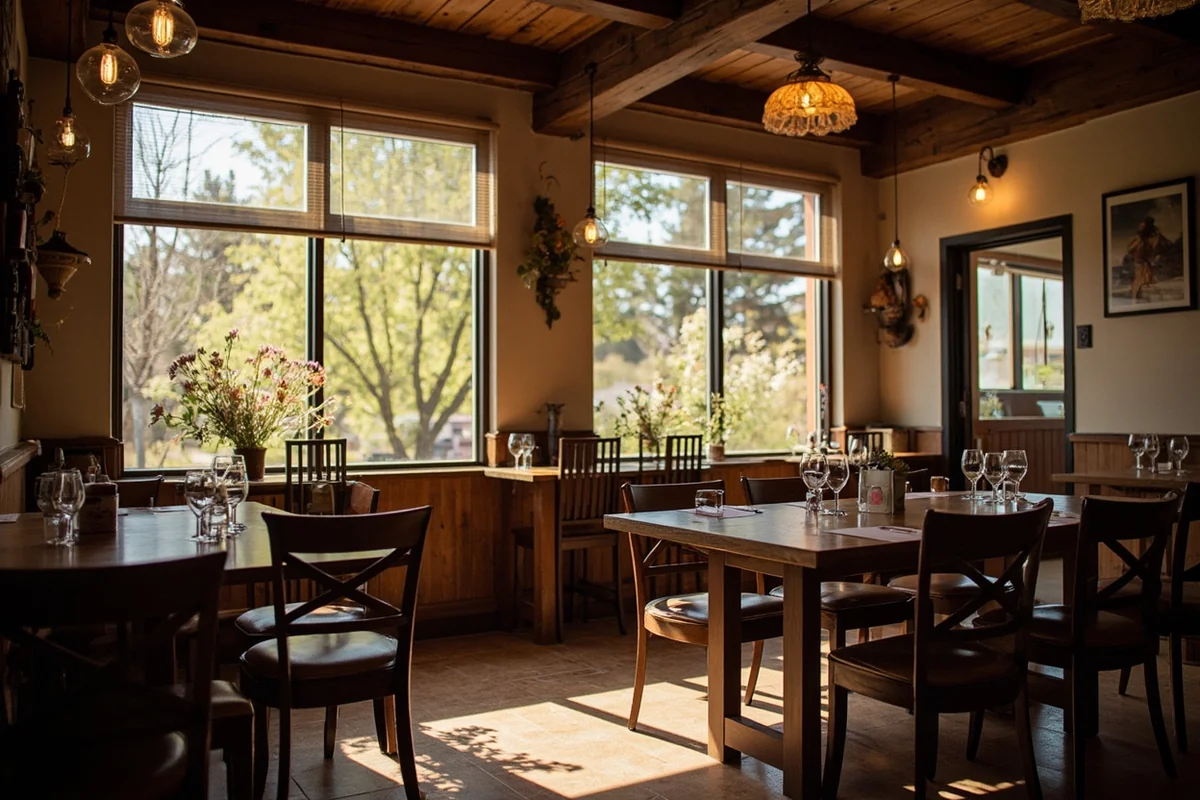
Bozeman’s food scene has grown impressively. Blackbird Kitchen for Italian, Plonk for wine bar fare, and Montana Ale Works for pub food have all delivered consistently excellent meals during April visits.
Activities Beyond Wildlife Watching
While wildlife dominates April itineraries, other activities remain viable depending on conditions and interests.
Fishing Opportunities
April falls during the spring fishing transition. Rivers run high and often off-color from snowmelt, making conditions challenging but not impossible.
The Yellowstone River through Paradise Valley can fish well during clear windows. Blue-winged olives hatch on warmer afternoons, bringing fish to the surface.
I recommend connecting with local guides who know current conditions. Dan Bailey’s Fly Shop in Livingston provides reliable reports and can match you with guides who specialize in spring fishing.
This period differs dramatically from the prime fishing months of Montana in September or Montana in October, but dedicated anglers can find action.
Hot Springs Soaking
Hot springs become even more appealing when air temperatures are cold. Beyond Chico, consider:
Bozeman Hot Springs offers a commercial facility with multiple pools of varying temperatures. Not particularly scenic, but reliable and clean.
Norris Hot Springs west of Bozeman features a rustic wooden pool with live music on weekends. The drive through the Madison Valley provides additional scenic value.
Boiling River in Yellowstone (when accessible) allows soaking where a hot spring flows into the Gardner River. Check current regulations, as access may be restricted.
Skiing and Snowboarding
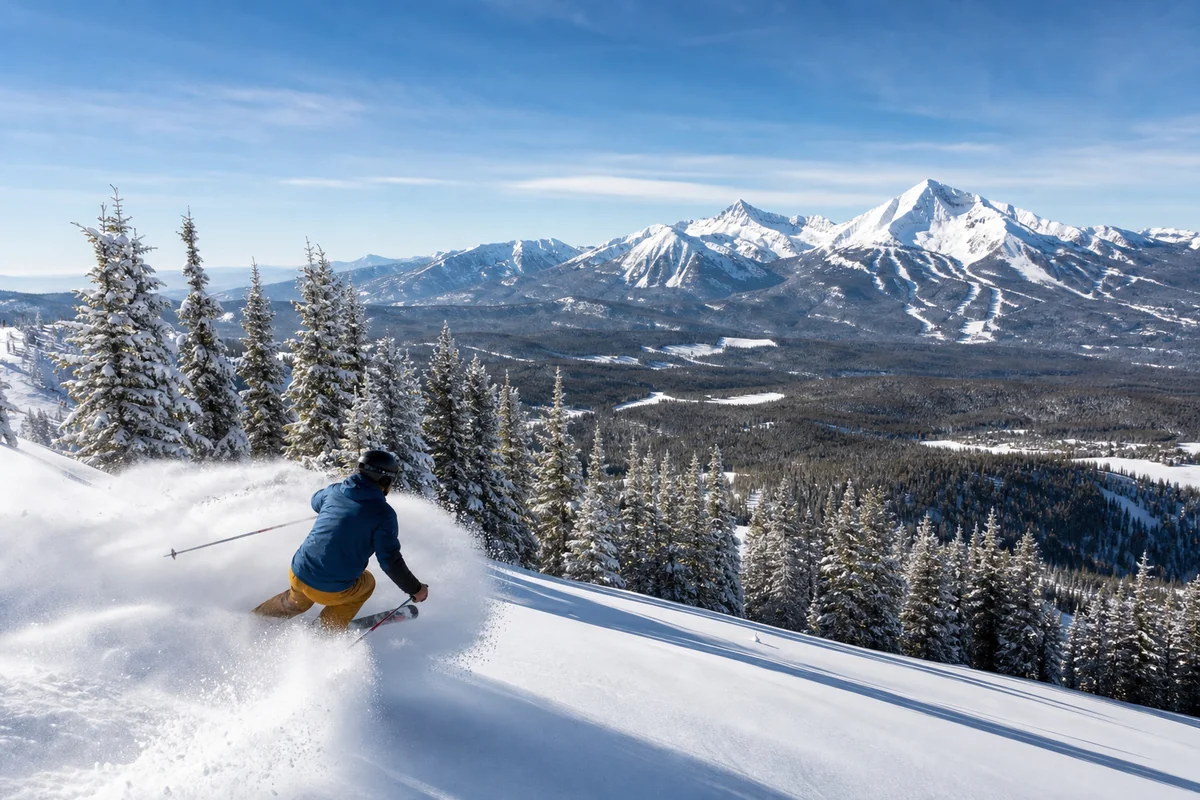
April marks the end of ski season, but conditions can be excellent. Big Sky Resort typically operates into mid-April, and Bridger Bowl often extends through April depending on snowpack.
Spring skiing—warm sun, soft snow, and thin crowds—ranks among my favorite Montana experiences. I’ve skied in a t-shirt at Bridger Bowl in late April while catching distant glimpses of the still-frozen peaks to the south.
If you’re comparing winter experiences, Christmas in Montana or Montana in February offer peak ski conditions, while Montana in January brings the coldest temperatures but often the lightest crowds.
Honest Assessment: Who Should and Shouldn’t Visit in April
After many April trips, I’ve developed clear opinions about who will love this month and who will be frustrated.
April Is Perfect For:
Wildlife enthusiasts willing to wake early and wait patiently. The combination of emerging bears, active wolves, and newborn animals makes April a premier wildlife month.
Photographers who embrace dramatic light and weather. April’s changing conditions create opportunities that don’t exist under stable summer skies.
Budget-conscious travelers who can handle some limitations. Savings of 30-50% on lodging accumulate quickly over a week-long trip.
Experienced national park visitors who have already seen the summer experience and want something different.
Flexible travelers without rigid must-do lists who can adapt to conditions.
April May Frustrate:
First-time visitors hoping to see “everything.” Limited road access means you’ll miss major attractions that require Going-to-the-Sun Road or Yellowstone’s southern loop.
Hikers seeking backcountry access. Most trails remain snow-covered, and avalanche danger persists at higher elevations.
Families with young children who need predictable schedules and warm, stable weather for outdoor activities.
Travelers unwilling to check conditions daily and adjust plans accordingly.
If you’re uncertain whether April suits your travel style, Montana in May or Montana in June offer progressively more accessible conditions while retaining some shoulder-season benefits.
For the opposite end of the spectrum, Montana in March still offers winter activities but with increasing daylight, while Montana in November and Montana in December bring full winter conditions.
Practical Information and Final Tips
Rental Cars and Driving
I always rent an SUV or all-wheel-drive vehicle for April trips. While I’ve never actually gotten stuck, several times I’ve been grateful for the extra capability on snow-packed roads and muddy pullouts.
Keep your gas tank above half full. Stations in and around the parks may have limited hours, and distances between services grow long.
Carry an emergency kit: blankets, water, snacks, flashlight, and a phone charger. Cell service is spotty throughout Yellowstone and absent in much of rural Montana.
Park Passes and Reservations
April doesn’t require the advance reservations that summer demands. However, I still recommend purchasing your park passes in advance to avoid entrance station lines.
If you’re visiting multiple national parks, the America the Beautiful annual pass ($80) pays for itself quickly and covers vehicle entry to both Glacier and Yellowstone.
Safety Considerations
Wildlife is more active and potentially more dangerous in spring. Bears with cubs are protective; bison are unpredictable year-round but especially so during calving season.
Maintain at least 100 yards from bears and wolves, 25 yards from other wildlife. I carry bear spray and know how to use it—so should you.
Hypothermia remains a real risk. Wet conditions combined with wind can lower body temperature quickly. I turn back if conditions deteriorate rather than pushing through.
The Unavoidable Mud
April means mud. Lots of it. Pullouts turn to muck. Trailheads become boot-sucking pits. Boardwalks can be slippery with snowmelt.
Accept this reality. Bring shoes you’re willing to get dirty. Keep a towel and plastic bags in your car for muddy boots. Consider packing gaiters for any hiking you attempt.
My Final Thoughts on April
Watching that grizzly sow and her cubs in the Lamar Valley, I felt the particular magic that April offers. The landscape was neither winter nor summer but something in between—raw, transitional, and vibrantly alive.
Montana in April won’t give you the polished experience of summer tourism. Roads will be closed. Plans will change. You’ll get cold, wet, or both.
But you’ll also witness the land awakening. You’ll see animals emerging into spring with an urgency that summer visitors never observe. You’ll have moments of solitude in places that would be crowded two months later.
For the right traveler, willing to embrace unpredictability and dress appropriately, April in Montana delivers experiences that no other month can match. I keep coming back, and I suspect you will too.
Frequently Asked Questions
Is April a good time to visit Montana?
April is a transitional month in Montana, offering fewer crowds and lower prices, but weather can be unpredictable with snow still possible at higher elevations. I’d recommend April for budget-conscious travelers who don’t mind cooler temperatures and want to experience Montana’s quieter shoulder season before the summer rush begins.
What is the weather like in Montana in April?
Montana weather in April varies dramatically, with daytime temperatures ranging from 45-60°F in valleys and significantly colder in mountain areas. Expect a mix of spring rain, occasional snow showers, and sunny days—sometimes all in the same week. Pack layers because mornings can start near freezing while afternoons warm up considerably.
Is Glacier National Park open in April?
Glacier National Park is open year-round, but Going-to-the-Sun Road remains closed to vehicles in April due to heavy snowpack. You can still access lower elevation areas like Lake McDonald and Apgar Village, and it’s actually a fantastic time for snowshoeing and wildlife spotting without summer crowds. Most park lodges and visitor services don’t open until late May or June.
What should I pack for a Montana trip in April?
Pack waterproof layers, a warm fleece or down jacket, sturdy hiking boots with good traction, and don’t forget sunglasses and sunscreen since spring sun at elevation is intense. I always bring both shorts and winter gear for April trips because temperatures can swing 40 degrees in a single day. Traction devices like Yaktrax are useful if you plan to hike trails that may still have ice.
How much does a Montana vacation cost in April?
April offers some of the best deals on Montana travel, with hotel rates 20-40% lower than peak summer prices—expect to pay $80-150 per night for mid-range accommodations in gateway towns. Flights to Bozeman or Missoula typically run $250-400 roundtrip from major US cities during this shoulder season. You’ll also find better availability and lower prices on rental cars, averaging $40-70 per day.
Can you see wildlife in Montana during April?
April is excellent for Montana wildlife viewing because animals move to lower elevations where snow has melted, making them easier to spot. Bears emerge from hibernation, elk and deer graze in open meadows, and bird migration is in full swing. Lamar Valley in Yellowstone’s Montana section and the National Bison Range near Missoula are prime spots for April wildlife encounters.
What outdoor activities are available in Montana in April?
April opens up opportunities for early-season fishing as rivers become accessible, plus hiking on lower-elevation trails in areas like Billings and Helena. Cross-country skiing and snowshoeing are still possible in mountain areas, and some ski resorts like Big Sky often remain open into mid-April. I’ve found April perfect for scenic drives, photography, and soaking in natural hot springs without fighting for parking spots.