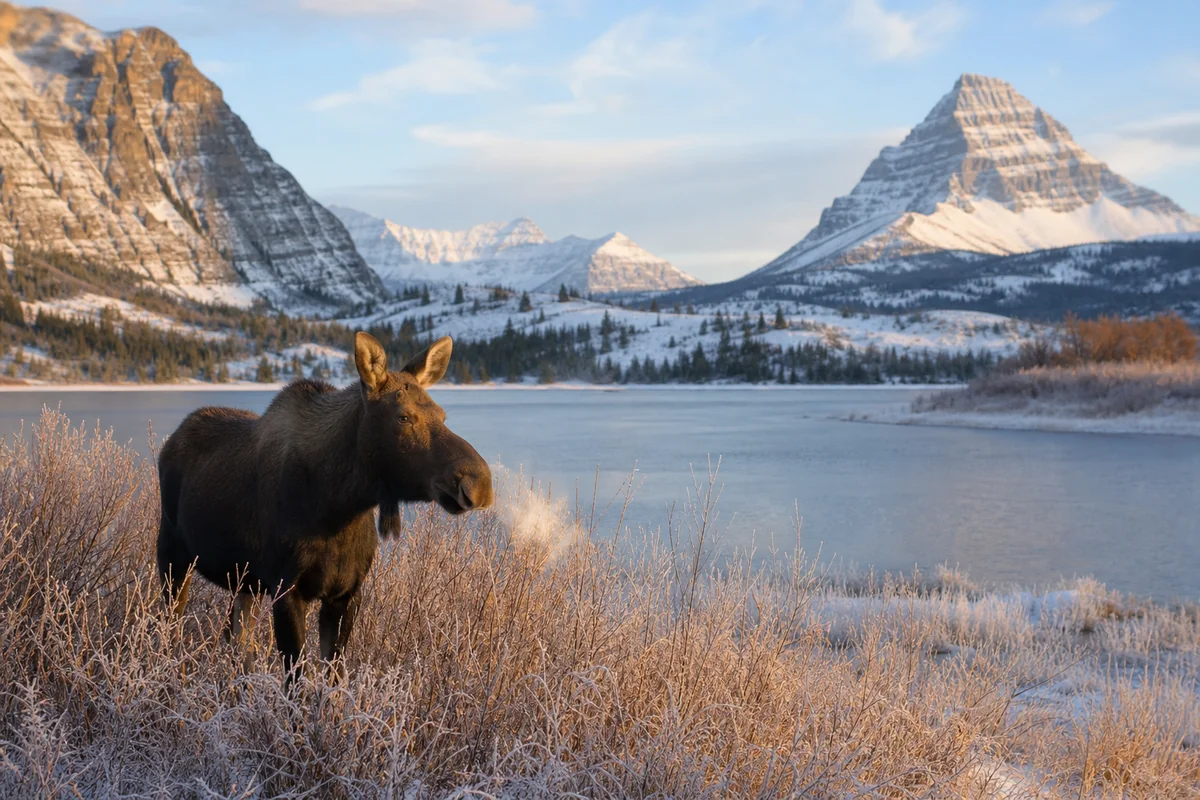
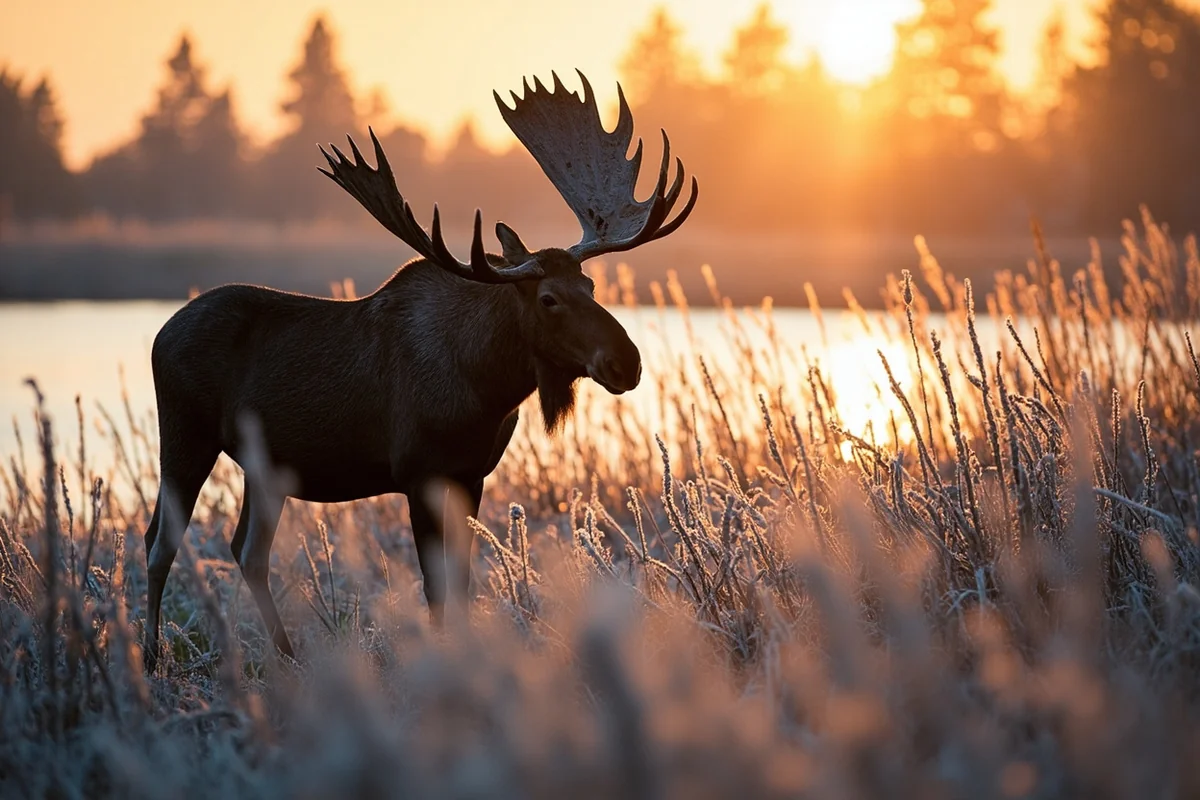
I was standing alone at Two Medicine Lake in Glacier National Park last November when a cow moose emerged from the willows not fifty feet away, steam rising from her nostrils in the twenty-degree morning air. For fifteen minutes, I watched her browse through the frost-covered brush without seeing another human soul.
That moment crystallized everything I love about Montana in November—it’s the month when this incredible state belongs almost entirely to the wildlife and the few visitors willing to embrace the cold.
If you’re trying to determine the best time to visit Montana, November probably isn’t the first month that comes to mind. But after spending multiple Novembers exploring Big Sky Country, I’m convinced it deserves serious consideration for the right kind of traveler.
- November is Montana’s quietest tourism month with 80-90% fewer visitors than summer
- Expect temperatures ranging from single digits to mid-40s°F depending on location
- Prime time for wildlife watching as animals move to lower elevations
- Many Glacier National Park roads close early November; Going-to-the-Sun Road typically closes by late October
- Ski resorts begin opening mid-to-late November with early-season deals
- Accommodation prices drop 40-60% compared to peak summer rates
- Hunting season is in full swing—wear blaze orange on public lands
Liked this article?
Add Roaming Montana as a preferred source so you see more of our articles and guides on Google.
What November in Montana Actually Looks Like
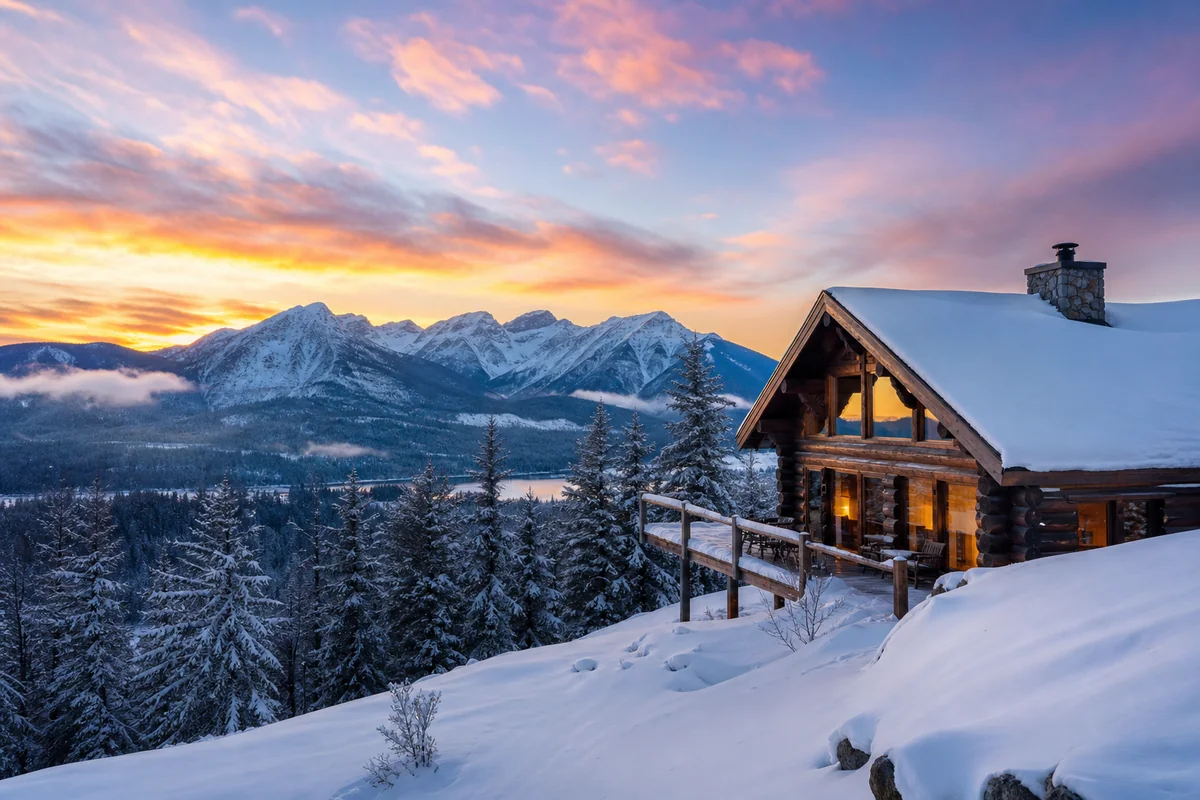
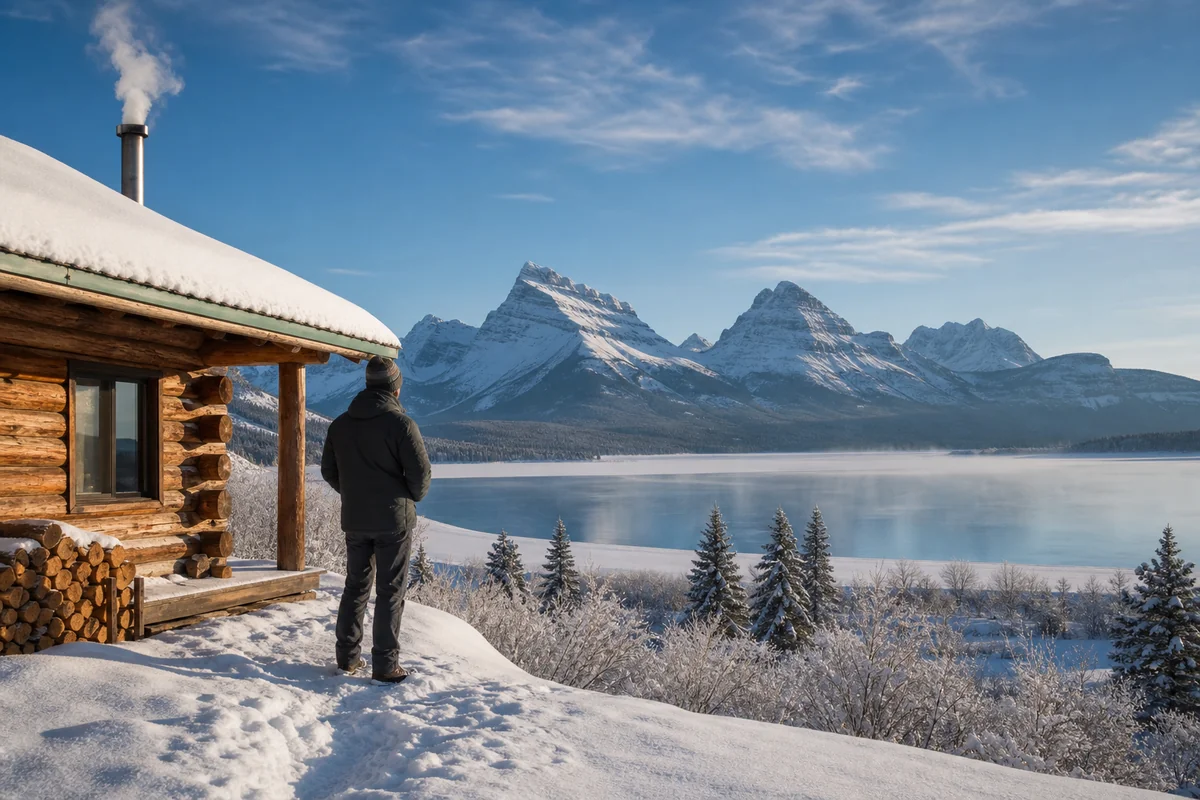
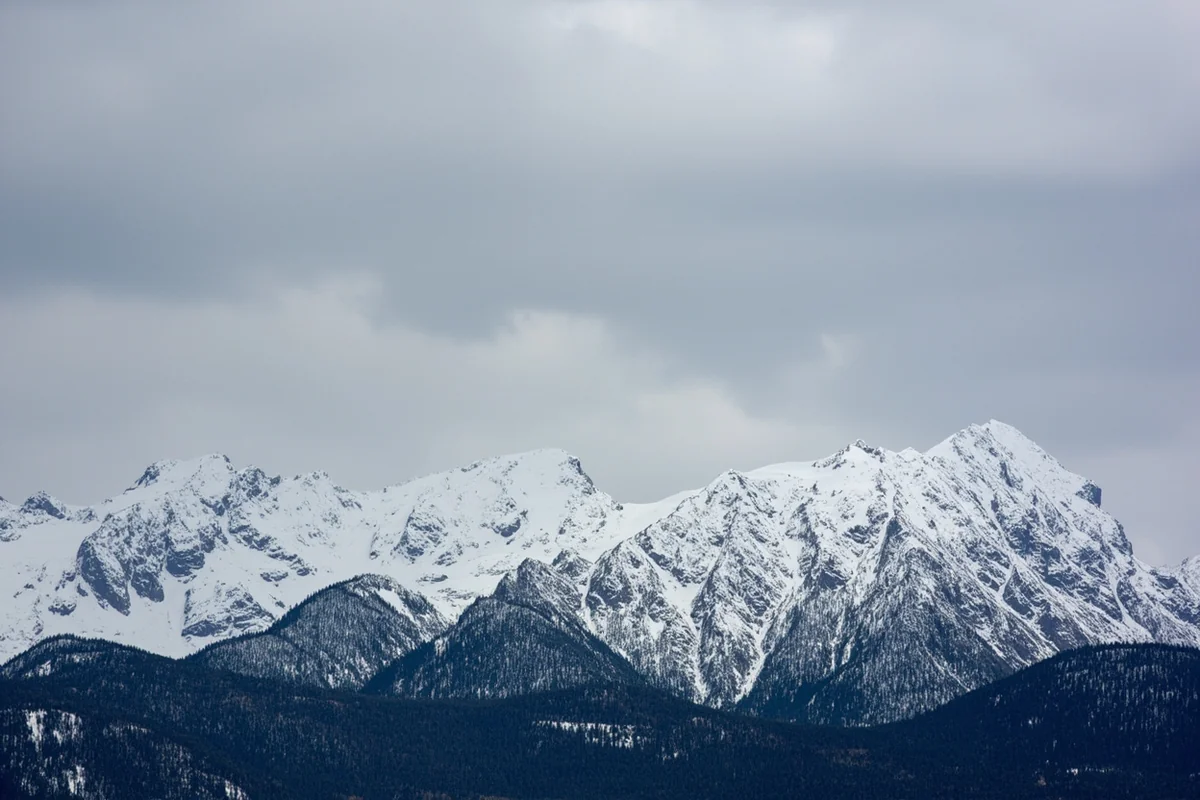
Let me be honest with you: November in Montana isn’t the picture-postcard experience you see in summer tourism brochures. The aspens have dropped their golden leaves by now, replaced by bare branches against steel-gray skies. Snow dusts the mountain peaks and often covers lower valleys too.
But there’s a stark, haunting beauty to Montana in November that photographers and solitude-seekers treasure. During my last visit, I drove the entire Paradise Valley stretch of Highway 89 without passing more than a dozen cars.
The landscape takes on an almost monochromatic palette—whites, grays, and tans punctuated by the dark green of conifers. If you appreciate Montana in October for its fall colors, think of November as the dramatic aftermath.
November Weather: What to Actually Expect
I’ve experienced everything from balmy 55°F afternoons to bone-chilling -10°F mornings in Montana during November. The weather is genuinely unpredictable, which is part of what makes planning a November trip both challenging and exciting.
Temperature Ranges by Region
Western Montana, including Missoula and the Flathead Valley, tends to be slightly milder due to Pacific weather influences. During my time in Missoula last November, daytime highs hovered around 40°F with overnight lows in the mid-20s.
Eastern Montana and the Hi-Line region experience colder, drier conditions. On a drive through Malta and Glasgow, I encountered morning temperatures around 5°F that barely climbed above 25°F by afternoon.
The mountain valleys get the coldest overnight temperatures due to cold air drainage. West Yellowstone routinely records some of the coldest temperatures in the lower 48 states, and I’ve seen -15°F readings there in late November.
| Region | Average High | Average Low | Snowfall |
|---|---|---|---|
| Missoula | 38°F | 22°F | 7 inches |
| Bozeman | 36°F | 18°F | 12 inches |
| Kalispell | 37°F | 21°F | 10 inches |
| Billings | 42°F | 24°F | 5 inches |
| Great Falls | 40°F | 21°F | 6 inches |
| West Yellowstone | 32°F | 8°F | 25 inches |
The Chinook Factor
One thing that surprised me during my first November in Montana was the Chinook winds. These warm, dry winds can raise temperatures by 30-40 degrees in just a few hours along the eastern slopes of the Rockies.
I experienced a Chinook in Great Falls that took temperatures from 15°F to 52°F in a single afternoon. Locals call it the “snow eater” because it can melt substantial snowpack overnight. It’s a bizarre but thrilling weather phenomenon to witness.
Glacier National Park in November: A Different World
Visiting Glacier in November requires adjusting your expectations significantly. The famous Going-to-the-Sun Road closes to vehicles typically by mid-October, and most park facilities shut down for winter.
But here’s what most visitors don’t realize: the park doesn’t actually close. During my November visits, I’ve had some of my most memorable Glacier experiences.
What’s Actually Accessible
The roads to Apgar Village, Lake McDonald Lodge (exterior only—the lodge is closed), and the Two Medicine area remain open until snow makes them impassable. On my most recent trip, I drove to Avalanche Creek parking area in early November before the road gate closed.
The Camas Road on the west side often stays accessible longer than other park roads. I hiked the Huckleberry Mountain Lookout trail from the Camas entrance in mid-November and didn’t see another person the entire day.
Two Medicine Valley on the east side is particularly magical in November. The crowds that pack this area in July and Montana in August are completely absent. I’ve had the entire lake to myself for hours.
Wildlife Viewing Opportunities
November brings animals to lower elevations as snow accumulates in the high country. Along the North Fork Road, I spotted a wolf pack traveling through the valley during a mid-November visit—an encounter that would be nearly impossible during busy summer months.
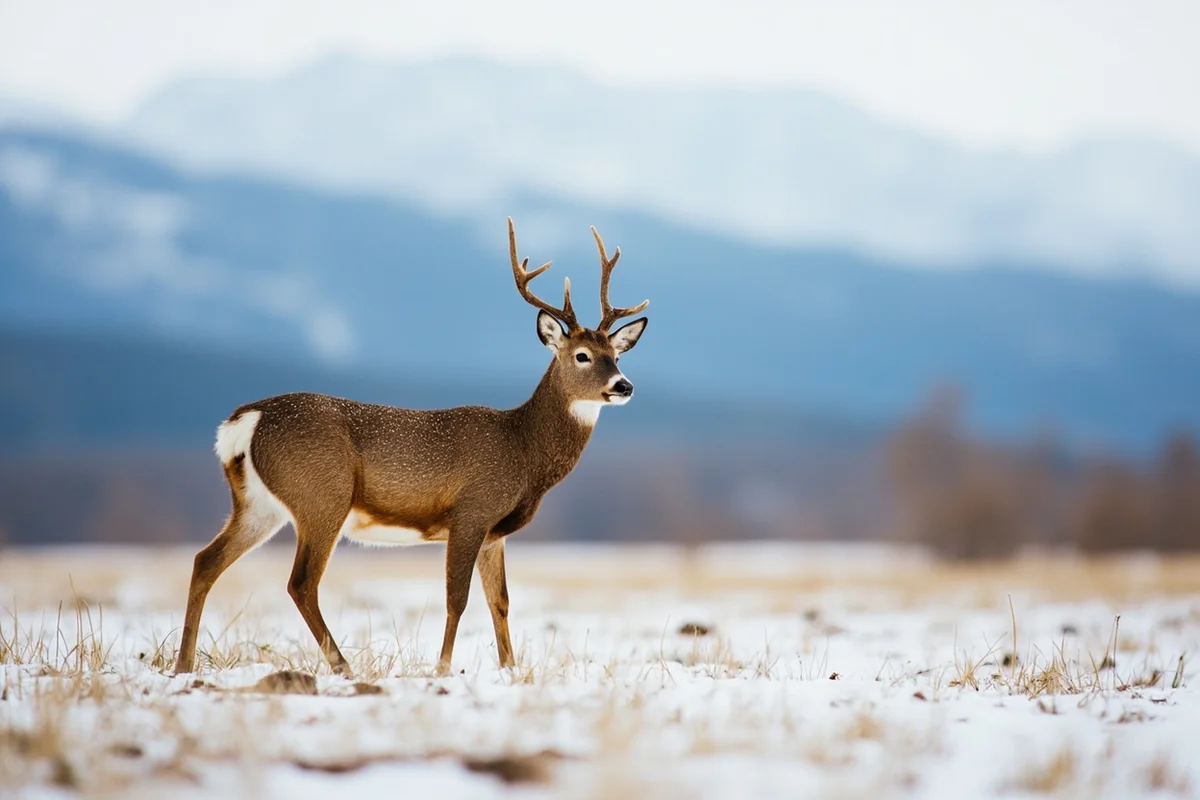
Mountain goats descend closer to accessible viewpoints. Moose become more visible as they browse in willow thickets near roads. White-tailed deer and mule deer are everywhere, so drive carefully especially at dawn and dusk.
Yellowstone’s Northern Range: November’s Hidden Gem
While most of Yellowstone lies across the border in Wyoming, the northern entrances and the Lamar Valley are quintessentially Montana experiences. November transforms this area into one of the premier wildlife watching destinations in North America.
The Wolf Watching Season Begins
During my November visits to the Lamar Valley, I’ve joined small groups of dedicated wildlife watchers who set up spotting scopes before dawn. Without summer’s crowds, the wolves seem more relaxed and visible.
On one particularly memorable morning, I watched the Junction Butte Pack hunt elk through the snow-covered valley. The scene unfolded over two hours, and I could hear the wolves howling from my vantage point at Slough Creek.
The key is arriving early—really early. I typically reach the Lamar Valley by 6:30 AM, well before sunrise. The cold is brutal, often below zero, but the rewards are extraordinary.
Practical Yellowstone November Tips
The road from Gardiner, Montana, through Mammoth Hot Springs to Cooke City stays open year-round and is plowed regularly. This is your access point for November Yellowstone visits.
Pack serious cold-weather gear for wildlife watching. I bring a zero-degree sleeping bag to wrap around myself while sitting at a spotting scope. Hand warmers are essential, as are insulated boots rated for sub-zero temperatures.
Gas up in Gardiner before entering the park. The only winter gas station inside the park is at Mammoth, and it has limited hours in November.
The Early Ski Season Begins
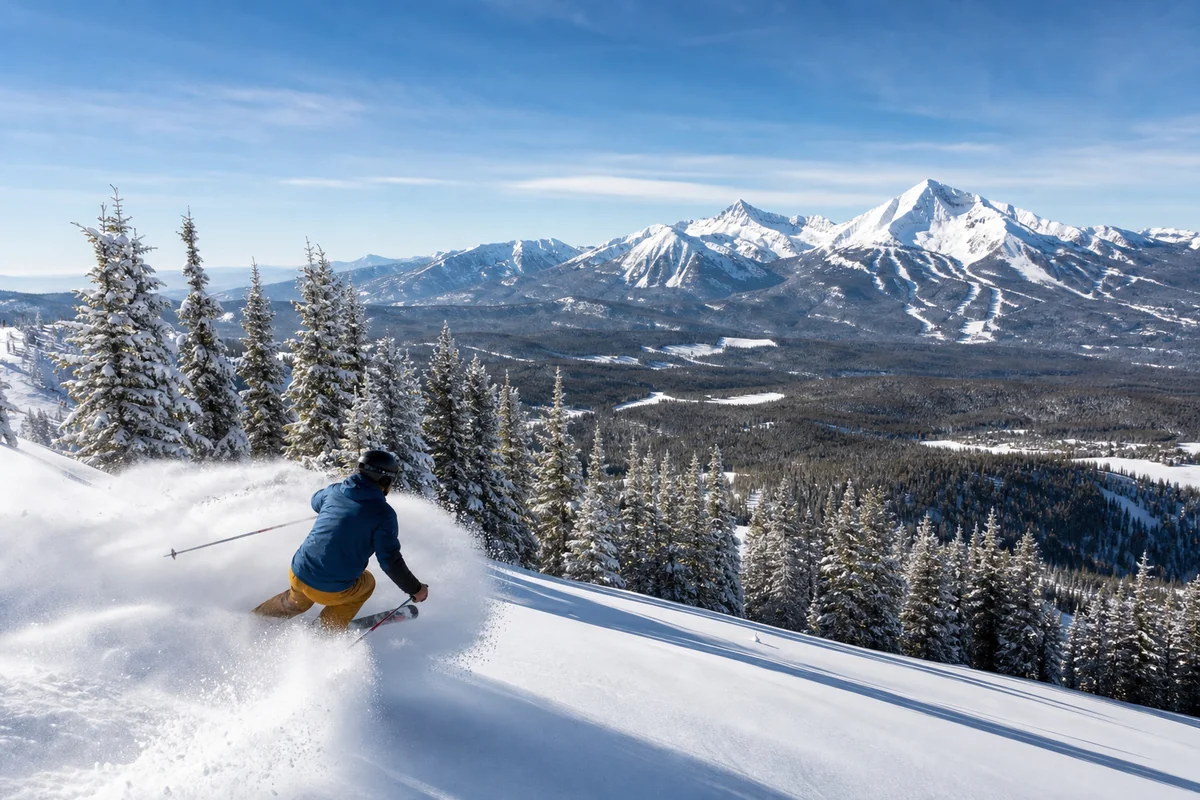
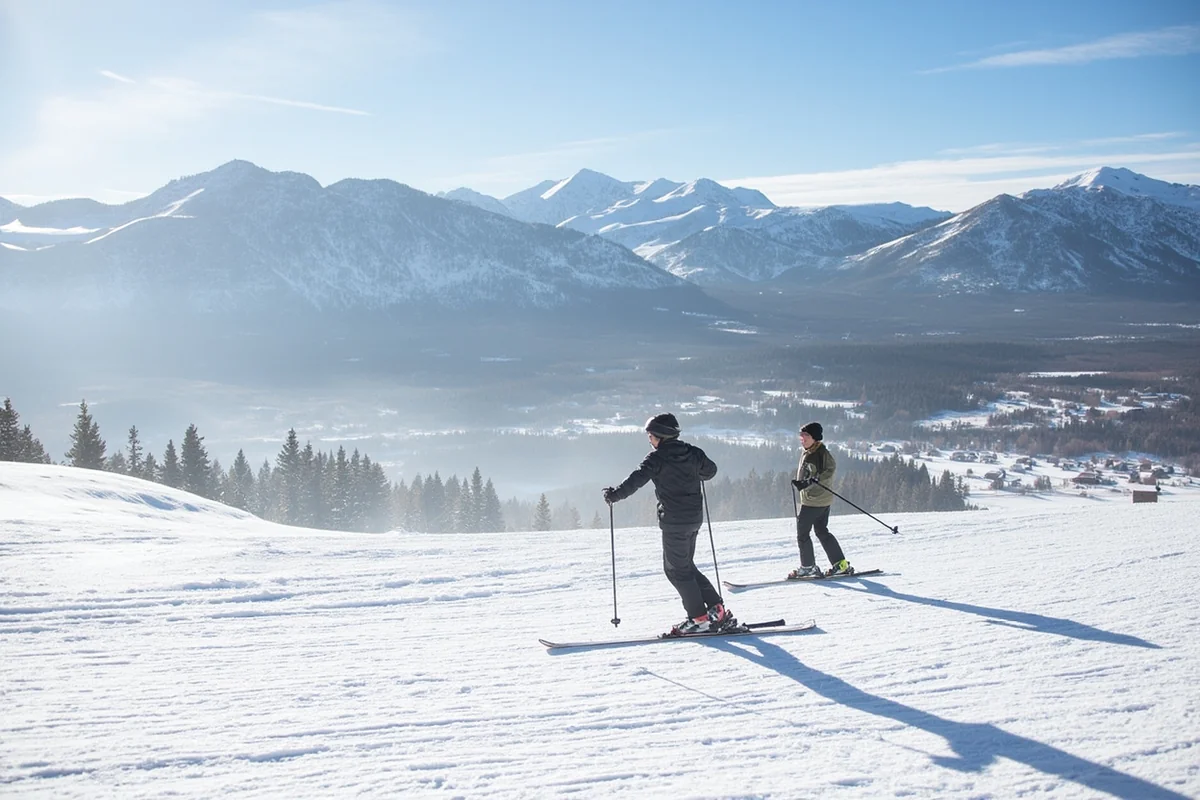
For skiers and snowboarders, November marks the tantalizing start of Montana’s ski season. The timing varies year to year based on snowfall, but most resorts target late November for opening.
Resort Opening Dates and Conditions
Big Sky Resort, Montana’s largest ski area, typically opens around Thanksgiving. During my Thanksgiving week visit last year, they had about 15 runs open with a 30-inch base. It wasn’t the full mountain experience, but the early-season stoke was real.
Whitefish Mountain Resort often opens slightly earlier, sometimes mid-November if conditions cooperate. The terrain they open first tends to be the upper mountain groomers accessible from Chair 1.
Bridger Bowl near Bozeman frequently has the best early-season conditions thanks to its high elevation and north-facing terrain. I’ve skied there in mid-November with surprising coverage.
Early Season Strategy
Here’s my honest advice: don’t plan a dedicated ski trip for November unless you’re flexible about conditions. I’ve had phenomenal early-season days, and I’ve also shown up to find resorts delayed or running minimal terrain.
If skiing is your priority, consider November a bonus activity rather than the main attraction. That way, disappointing snow conditions don’t ruin your trip.
The upside of early-season skiing is significantly cheaper lift tickets and accommodation. Many resorts offer early-bird season passes and discounted day tickets before full operations begin.
Hunting Season: What Non-Hunters Need to Know
November is the heart of hunting season in Montana, and this affects every visitor—not just hunters. General rifle season for elk and deer runs through late November, and hunters are active throughout the state.
Safety Precautions for Everyone
Wear blaze orange when hiking on public lands. I know it ruins the aesthetic of your outdoor photos, but it’s genuinely important. I’ve worn an orange vest or hat on every November hike in Montana, no exceptions.
Stick to well-marked trails in national parks where hunting is prohibited. If you’re venturing into national forest land or BLM areas, make noise and stay visible.
Be aware that some accommodations, restaurants, and outfitters cater heavily to hunters in November. This isn’t negative—hunting culture is deeply woven into Montana’s identity—but it shapes the atmosphere of many small towns.
The Upside for Non-Hunters
Hunting pressure actually pushes wildlife into areas where hunting isn’t permitted, like national parks. This is one reason Yellowstone wildlife watching is so good in November—animals learn that the park is a refuge.
Some of my best wildlife sightings have been in areas adjacent to active hunting zones, where animals concentrate for safety.
Where to Stay in November
Accommodation options narrow in November, but prices drop dramatically. The shoulder-season value is exceptional for budget-conscious travelers.
Gateway Town Strategies
In Whitefish, I’ve found excellent November deals at properties like the Firebrand Hotel and the Lodge at Whitefish Lake. Rates drop 40-50% from summer peaks, and you’ll have restaurants and shops to yourself.
West Yellowstone becomes extremely quiet in November. Many businesses close for the “mud season” between fall and winter snowmobile season. The few restaurants and hotels that stay open offer great value, but selection is limited.
Bozeman maintains year-round energy thanks to Montana State University. This is my preferred November base for exploring the region—good food scene, easy access to both Bridger Bowl and Big Sky, and lodging options remain plentiful.
Gardiner is ideal for Yellowstone wildlife watching. The town is small but stays functional year-round. I recommend the Yellowstone Valley Lodge or one of the vacation rentals with mountain views.
Hot Springs Retreats
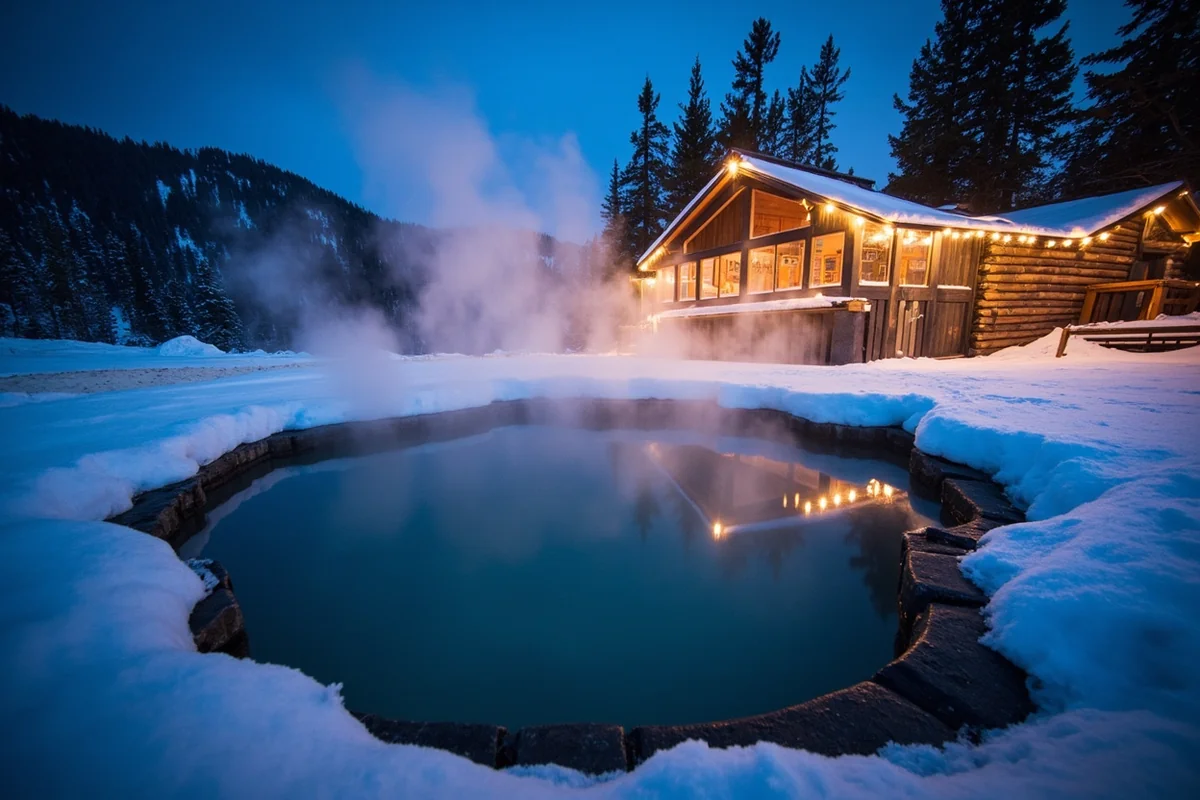
November’s cold makes Montana’s hot springs especially appealing. I’ve made hot springs soaking a central part of my November visits.
Chico Hot Springs, about 30 miles south of Livingston, offers a perfect November escape. The outdoor pools feel magical when surrounded by snow, and their restaurant serves excellent meals. On my last visit, I soaked until 11 PM watching snow fall around me.
Fairmont Hot Springs near Anaconda has indoor and outdoor pools, making it reliable regardless of weather. The drive through the Big Hole Valley to get there showcases classic November Montana scenery.
For a more rustic experience, Bozeman Hot Springs stays open year-round and offers a locals’ atmosphere without the resort prices.
November Road Conditions and Driving
I cannot overstate how much winter driving preparation matters in Montana in November. Conditions can change from clear to dangerous within an hour.
Essential Gear and Preparation
Rent a vehicle with four-wheel drive or all-wheel drive. I’ve seen plenty of rental sedans in ditches along Montana highways in November. The extra cost is worth every penny.
Carry chains even if you don’t think you’ll need them. Mountain passes like Homestake Pass on I-90 and Rogers Pass on Highway 200 can require chains with little warning.
Keep your gas tank above half full at all times. Gas stations can be 50+ miles apart in rural Montana, and you don’t want to run low during a winter storm.
Pack an emergency kit: blankets, water, snacks, flashlight, phone charger, and basic tools. Cell service is unreliable across much of Montana, and wait times for assistance can be long.
Key Routes and Their Conditions
Interstate 90 across southern Montana is generally well-maintained and plowed promptly. This is the most reliable east-west route in November.
Highway 93 through the Flathead Valley experiences frequent snow but gets plowed regularly. The stretch through the Mission Mountains is particularly beautiful in fresh snow.
Highway 2 along the Hi-Line can be treacherous during storms. Blowing snow creates whiteout conditions, and this route should be avoided during active winter storms.
Highway 200 through central Montana is scenic but remote. I’ve driven it in November and loved it, but I wouldn’t attempt it during marginal conditions without serious winter driving experience.
Check the Montana Department of Transportation’s 511 website before any significant drive. Road condition updates are accurate and current.
November Events and Thanksgiving in Montana
Thanksgiving week brings a distinct energy to Montana. It’s one of the busiest times of November, particularly around ski resorts hoping for early openings.
Thanksgiving Dining Options
Making Thanksgiving dinner reservations well in advance is essential if you’re planning to dine out. During my Thanksgiving in Bozeman, I discovered that popular restaurants book up weeks ahead.
Chico Hot Springs puts on an excellent Thanksgiving buffet that’s worth the drive from anywhere in the region. The historic dining room creates a memorable setting.
In Missoula, The Pearl Café and Scotty’s Table both offer Thanksgiving menus that locals rave about. Book at least two weeks ahead.
Some visitors embrace a non-traditional Thanksgiving. I’ve had pizza at Moose’s Saloon in Whitefish and felt perfectly festive about it.
Local Events Worth Noting
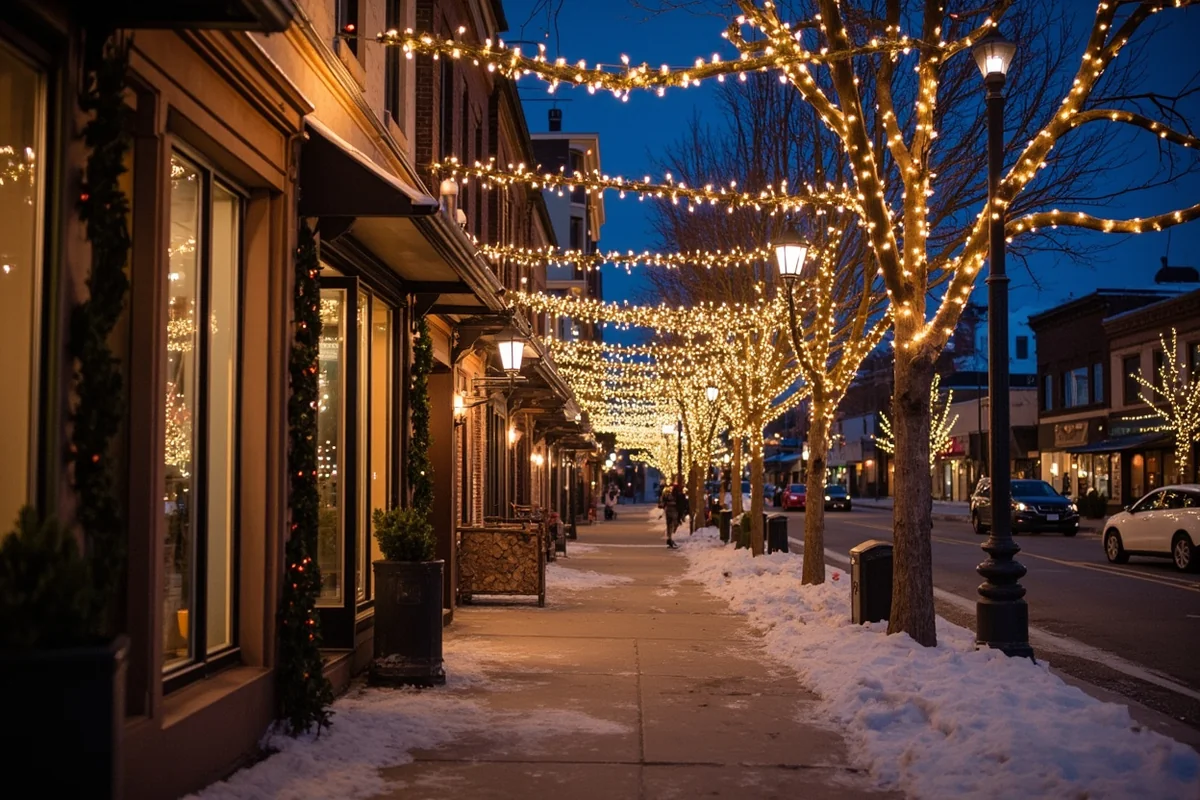
The Christmas Stroll events begin in late November in many Montana towns. Bozeman’s occurs the first Saturday in December but preparations start earlier. Whitefish’s similar event draws visitors for holiday shopping.
The Bison Range in Moiese holds its annual bison roundup in late October or early November. Timing varies, but it’s worth checking dates if you’re interested in this unique Montana tradition.
If November weather leaves you wanting more festive activities, the full Christmas in Montana experience really kicks off in December.
Wildlife Watching Beyond Yellowstone
While Yellowstone’s Northern Range gets the attention, Montana offers exceptional November wildlife viewing throughout the state.
The National Bison Range
Located on the Flathead Indian Reservation near Moiese, this refuge protects one of the last free-roaming bison herds in America. The scenic drive loops through rolling hills where I’ve consistently spotted bison, pronghorn, white-tailed deer, and elk.
November is excellent for bison viewing because the herd gathers in larger groups. During my last November visit, I counted over 100 bison in a single valley.
The visitor center has limited November hours, but the driving tour remains accessible dawn to dusk.
Lee Metcalf National Wildlife Refuge
Just south of Stevensville in the Bitterroot Valley, this refuge offers easy access to wetland habitats. Migrating waterfowl pass through in November, and I’ve spotted bald eagles, hawks, and occasionally moose here.
The walking trails stay accessible in November unless deep snow accumulates. It’s an excellent option for wildlife watching without committing to a full Yellowstone trip.
Freezout Lake Wildlife Management Area
Located west of Great Falls, Freezout Lake hosts one of the largest waterfowl migrations in the Mountain West. The peak comes in March, but November brings substantial numbers of snow geese, tundra swans, and other species.
I’ve visited in November and found the waterfowl concentrations impressive. It’s not the spectacle of spring migration, but it’s still worth a stop if you’re in the area.
What to Pack for November in Montana
After multiple November trips, I’ve refined my packing list to essentials that make the cold weather manageable and enjoyable.
Clothing Strategy
Layering is everything. I bring multiple mid-weight base layers, fleece or down mid-layers, and a serious insulated outer layer. My warmest puffy coat goes on every November Montana trip.
Waterproof insulated boots are non-negotiable. I wear boots rated to -25°F when wildlife watching or hiking in snow. Cold feet can ruin an otherwise perfect day.
Bring more warm socks than you think you need. I pack at least two pairs per day, including heavyweight wool hiking socks and lighter options for driving.
Quality gloves matter tremendously. I bring both thin liner gloves for dexterity and insulated mittens for serious cold. Photography-compatible gloves are essential if you’re planning to shoot wildlife.
Don’t forget sun protection. November sun reflecting off snow can cause sunburn, and the glare makes sunglasses essential for driving and outdoor activities.
Gear Essentials
Binoculars dramatically enhance wildlife watching. I use 10×42 binoculars and consider them as essential as my camera.
A quality headlamp is important since daylight hours are limited. Sunrise comes after 7:30 AM and sunset around 5:00 PM by late November.
Pack hand warmers and toe warmers liberally. I go through several pairs per day when doing extended wildlife watching in the cold.
A sturdy thermos keeps coffee or hot chocolate warm during long wildlife watching sessions. It’s a simple thing that makes a huge difference in comfort.
Who Should (and Shouldn’t) Visit Montana in November
I want to be direct about who will love November in Montana and who should consider other months.
November is Perfect For:
Wildlife photographers willing to embrace the cold will find November conditions ideal. Reduced crowds mean better positioning, and winter coats make many animals more photogenic.
Solitude seekers who find summer crowds overwhelming will appreciate November’s quiet. If you’ve dreamed of having Montana’s landscapes to yourself, this is your month.
Budget travelers can stretch their dollars significantly. Accommodation and flight prices reach yearly lows, and you’ll often score upgrade to better rooms.
Hot springs enthusiasts find November ideal. Something about soaking in hot water while surrounded by cold air and snow creates an unforgettable experience.
Early-season skiers willing to accept variable conditions can find great deals and uncrowded slopes.
Consider Other Months If:
You want guaranteed pleasant weather. November can deliver stunning conditions or brutal storms—there’s no way to know in advance. Montana in June or Montana in September offer more reliable weather.
You’re planning a hiking-focused trip. Many trails are snow-covered or inaccessible. May through October provides better hiking conditions.
You want the full Glacier National Park experience. With Going-to-the-Sun Road closed, you’re limited to lower elevation areas. Summer months offer full park access.
You’re uncomfortable with winter driving. Rural Montana highways in November require genuine winter driving skills.
Transitioning Into Winter
November represents Montana’s transition from autumn to full winter. By month’s end, the state has largely committed to its winter character.
If November’s conditions appeal to you but you want more reliable snow coverage and winter activities, Montana in December offers fuller winter experiences. For even more established winter conditions, January and February deliver deep snow and cold temperatures.
Looking toward spring? March and Montana in April begin the slow emergence from winter, though conditions remain highly variable.
Final Thoughts: Embracing November’s Gifts
Standing at that frozen lakeshore watching that moose, I understood something about Montana in November that’s hard to explain until you experience it yourself. This isn’t an easy month to visit. The cold is real, the options are limited, and the landscapes can feel stark and forbidding.
But for those of us who connect with wild places, November offers something the crowded summer months cannot: genuine solitude in some of America’s most spectacular terrain.
The wildlife encounters are more intimate. The hot springs feel more restorative. The sense of accomplishment after a cold morning of wildlife watching or an early-season ski run hits differently.
November in Montana isn’t for everyone, and that’s precisely what makes it special for those who embrace it.
Frequently Asked Questions
Is November a good time to visit Montana?
November can be a great time to visit Montana if you’re seeking fewer crowds, lower prices, and early-season skiing. I’ve found it’s perfect for travelers who don’t mind cold weather and want to experience Montana’s rugged winter beauty without peak-season chaos. Just be prepared for unpredictable weather and some seasonal closures at higher elevations.
What is the weather like in Montana in November?
Montana in November sees average temperatures ranging from 15°F to 40°F, with significant snowfall in mountainous areas and occasional cold snaps across the state. I always pack for winter conditions since blizzards can roll in quickly, especially in Glacier Country and the western mountains. Lower elevations like Billings tend to be milder but still cold.
What should I pack for a Montana trip in November?
Pack heavy layers including a waterproof insulated jacket, thermal base layers, wool socks, waterproof boots with good traction, and warm gloves and hats. I never travel to Montana in November without hand warmers and a good pair of sunglasses for snow glare. If you’re driving, bring an emergency kit with blankets, snacks, and a flashlight in case of road delays.
Are Glacier and Yellowstone National Parks open in November?
Yellowstone’s north entrance from Gardiner stays open year-round, but most other entrances close in early November until spring. Glacier National Park remains technically open, but Going-to-the-Sun Road closes to vehicles by mid-October, limiting access to lower elevation areas only. I recommend checking the National Park Service websites before your trip since conditions change rapidly.
How much does a Montana trip cost in November?
November is shoulder season in Montana, so you’ll find hotel rates 20-40% cheaper than summer, with rooms averaging $80-$150 per night in most towns. Flights into Bozeman or Missoula typically run $250-$400 roundtrip from major US cities during this quieter period. I’ve scored some excellent deals on vacation rentals since it’s between peak summer tourism and ski season.
Can you ski in Montana in November?
Several Montana ski resorts open in late November, including Big Sky Resort and Whitefish Mountain Resort, though terrain is usually limited to early-season runs. I’d check resort snow reports before booking since opening dates depend entirely on snowfall each year. Expect lift tickets around $100-$150 per day, with better deals available for midweek visits.
What are the best things to do in Montana in November?
November is ideal for wildlife watching since elk, deer, and wolves are more visible during hunting season movements, particularly in the Paradise Valley and around Yellowstone. I love visiting Montana’s natural hot springs like Chico Hot Springs or Bozeman Hot Springs to warm up after cold outdoor adventures. It’s also a fantastic time for exploring charming mountain towns like Whitefish and Missoula without summer crowds.