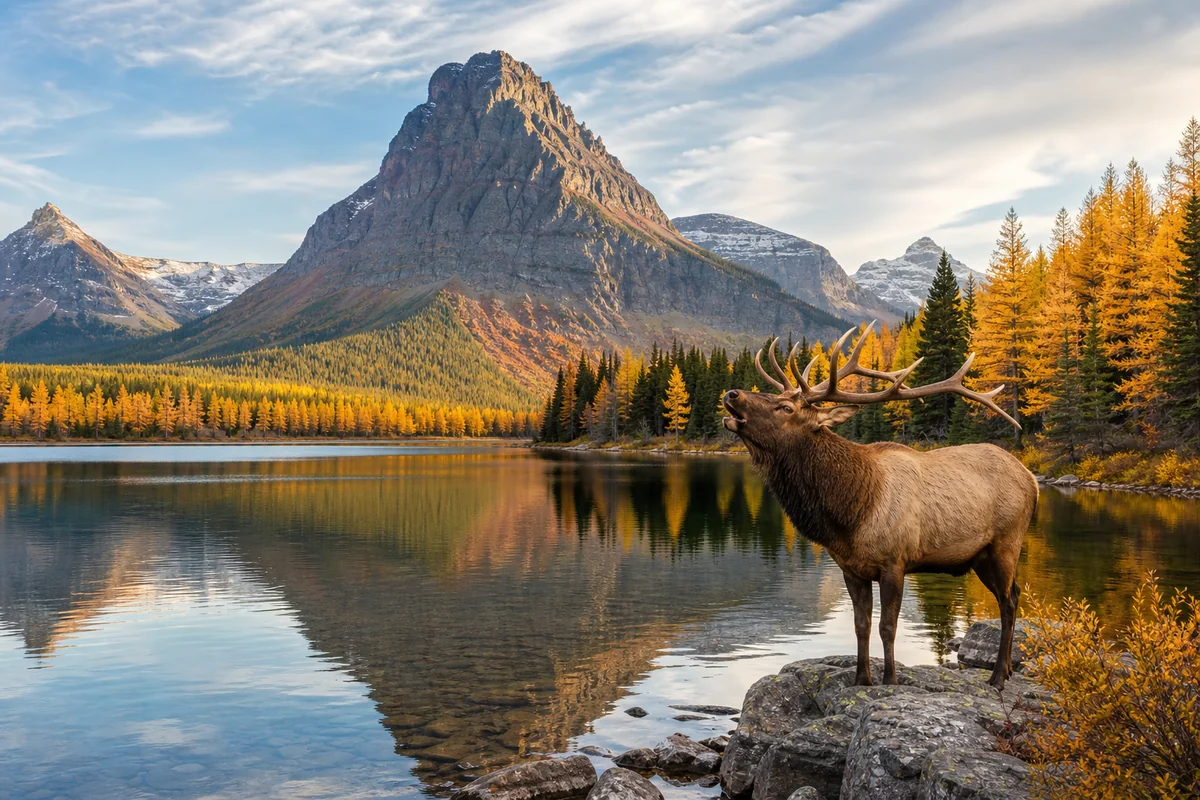
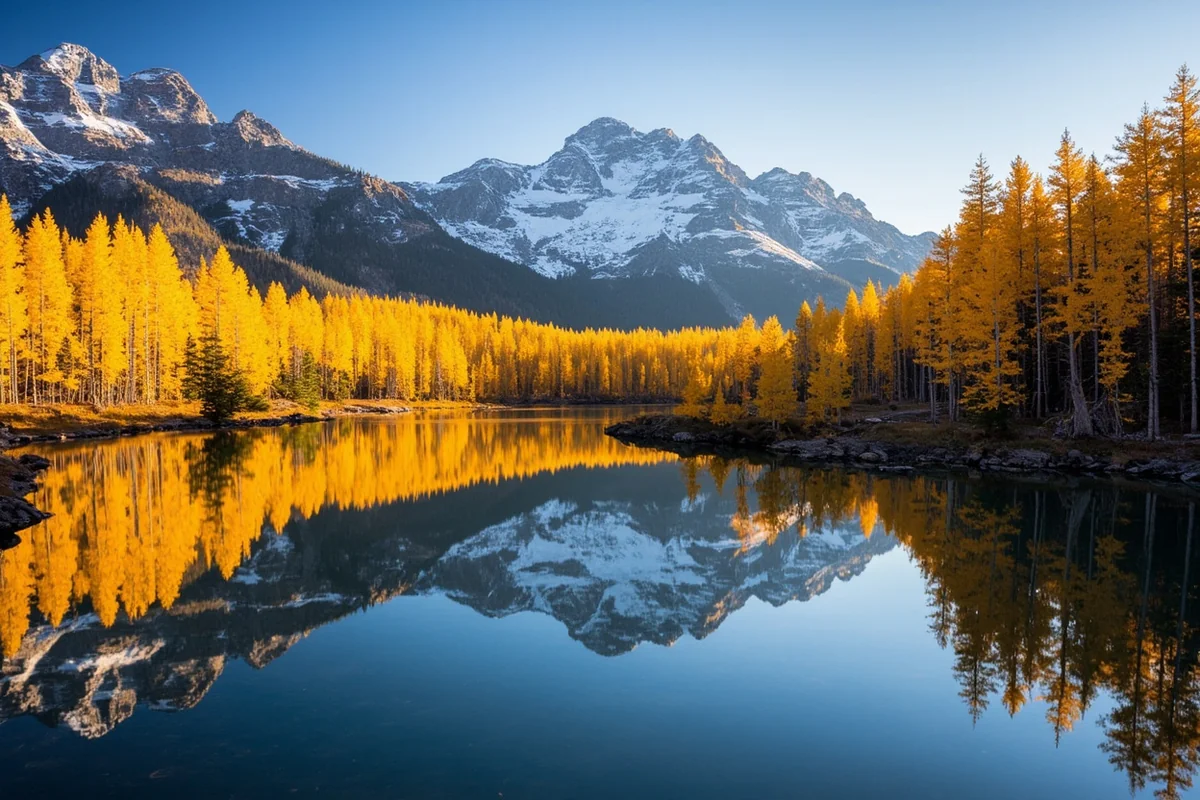
I was standing at Two Medicine Lake in Glacier National Park when the first golden larch needle landed on my shoulder—it was September 18th, and I realized I’d accidentally discovered Montana’s best-kept secret month.
The summer crowds had vanished, the air carried that unmistakable crisp autumn bite, and a bull elk was bugling somewhere in the distance like nature’s alarm clock announcing the season change.
If you’re researching the best time to visit Montana, let me make a case for September that might just change your travel plans entirely.
- September offers the sweet spot of mild weather (50-70°F), dramatically reduced crowds, and lower prices after Labor Day
- Early September feels like late summer; late September brings fall colors and elk rut season
- Glacier National Park’s Going-to-the-Sun Road typically stays open through mid-September (sometimes later)
- This is prime wildlife viewing season—elk, bears preparing for hibernation, and migrating birds
- Pack layers: mornings can dip into the 30s while afternoons reach the 60s-70s
- Book accommodations by early August for best selection, but expect 20-40% savings compared to peak summer
Liked this article?
Add Roaming Montana as a preferred source so you see more of our articles and guides on Google.
Why September Might Be Montana’s Most Underrated Month
During my travels across Montana over the past several years, I’ve visited in nearly every month—from the bustling July crowds to the quiet January snowscapes. September stands apart as something special, offering what I call the “Goldilocks zone” of Montana travel.
The summer vacation rush disappears almost overnight after Labor Day. I remember driving into Yellowstone’s west entrance on September 8th last year and waiting exactly zero minutes—compared to the 45-minute backup I’d encountered in August just three weeks prior.
What makes September truly magical is the convergence of factors: the landscape transitions from summer green to autumn gold, wildlife becomes hyperactive preparing for winter, and the angle of light transforms every photograph into something painterly. The crowds thin dramatically, yet most facilities and roads remain open.
September Weather: What to Actually Expect
Let me be honest about Montana’s September weather because it’s the most common question I get. The short answer: expect everything.
Early September (1st-10th) often feels like summer’s encore. During my last early September trip to Missoula, I was hiking in shorts and a t-shirt by 10 AM, with temperatures reaching 75°F by afternoon.
Mid-September (11th-20th) is the transitional sweet spot. Days typically range from 55-68°F, and mornings start cold enough to see your breath. This is when I’ve experienced some of the most stable, clear weather of any Montana trip.
Late September (21st-30th) announces autumn’s arrival with authority. Expect daytime highs between 45-60°F and overnight lows that can dip into the upper 20s in mountain valleys. I’ve seen snow dustings above 7,000 feet during this window.
| Region | Early Sept Highs | Late Sept Highs | Overnight Lows |
|---|---|---|---|
| Glacier NP | 65-72°F | 50-60°F | 32-42°F |
| Yellowstone | 63-70°F | 48-58°F | 28-38°F |
| Missoula | 70-78°F | 55-65°F | 35-45°F |
| Bozeman | 68-75°F | 52-62°F | 32-40°F |
| Eastern Montana | 72-82°F | 58-68°F | 38-48°F |
My Honest Packing Advice
I learned the hard way that September in Montana requires what I call “seasonal stacking.” On one trip, I started the day in thermal layers at 6 AM, stripped down to a single layer by noon, and was back in a puffy jacket by 5 PM.
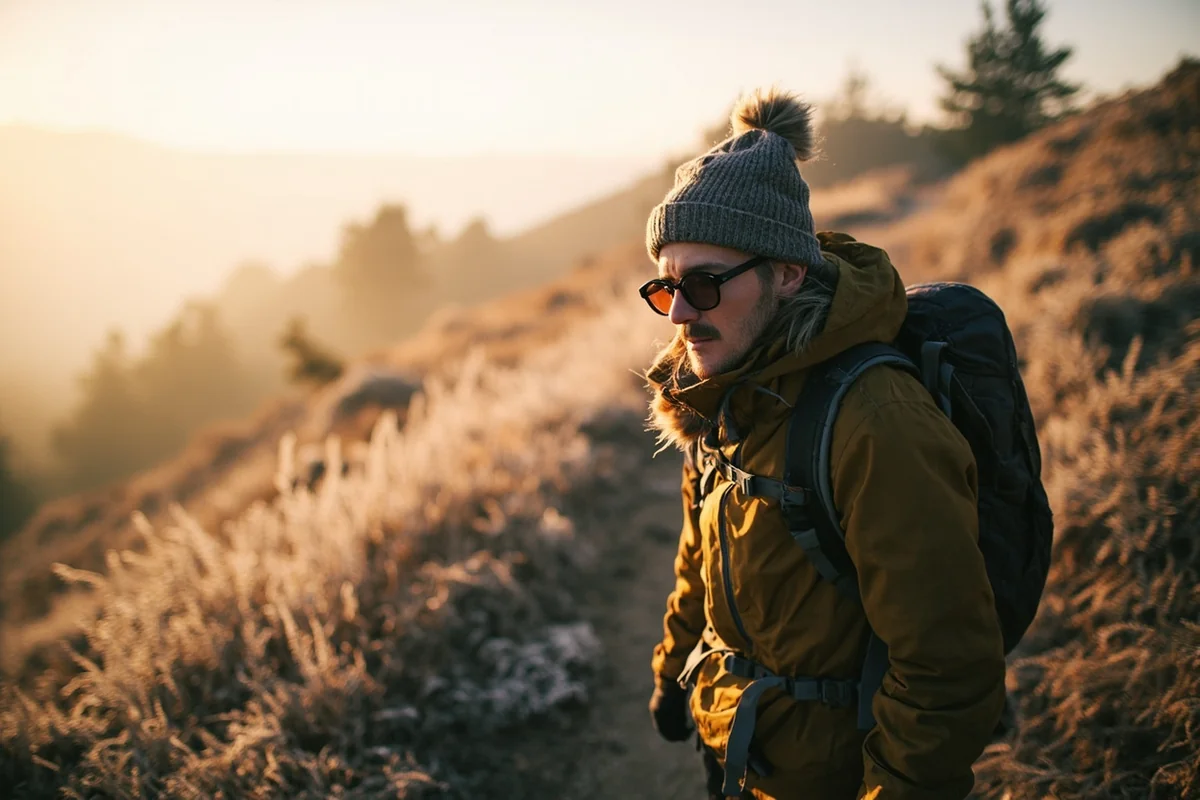
My non-negotiable September packing list includes: a packable down jacket (not optional), moisture-wicking base layers, a rain shell that can double as wind protection, and gloves for early morning activities. I also always bring a warm hat—you’ll be grateful at sunrise.
Glacier National Park in September: The Inside Scoop
Glacier National Park transforms in September in ways that genuinely surprised me on my first fall visit. The park feels different—more intimate, more wild.
Going-to-the-Sun Road Status
Here’s what everyone wants to know: yes, Going-to-the-Sun Road is typically open through mid-to-late September, sometimes into early October. However—and this is crucial—the road can close temporarily for snow removal or permanently close earlier than expected.
During my September 22nd visit two years ago, the road was fully open and I drove the entire stretch with maybe 20 other vehicles visible the entire time. The following year, an early snowstorm closed Logan Pass on September 15th.
My advice: plan your trip for early-to-mid September if driving Going-to-the-Sun Road is your priority. After September 15th, have backup plans and check the park’s road status page daily.
The Larch Magic
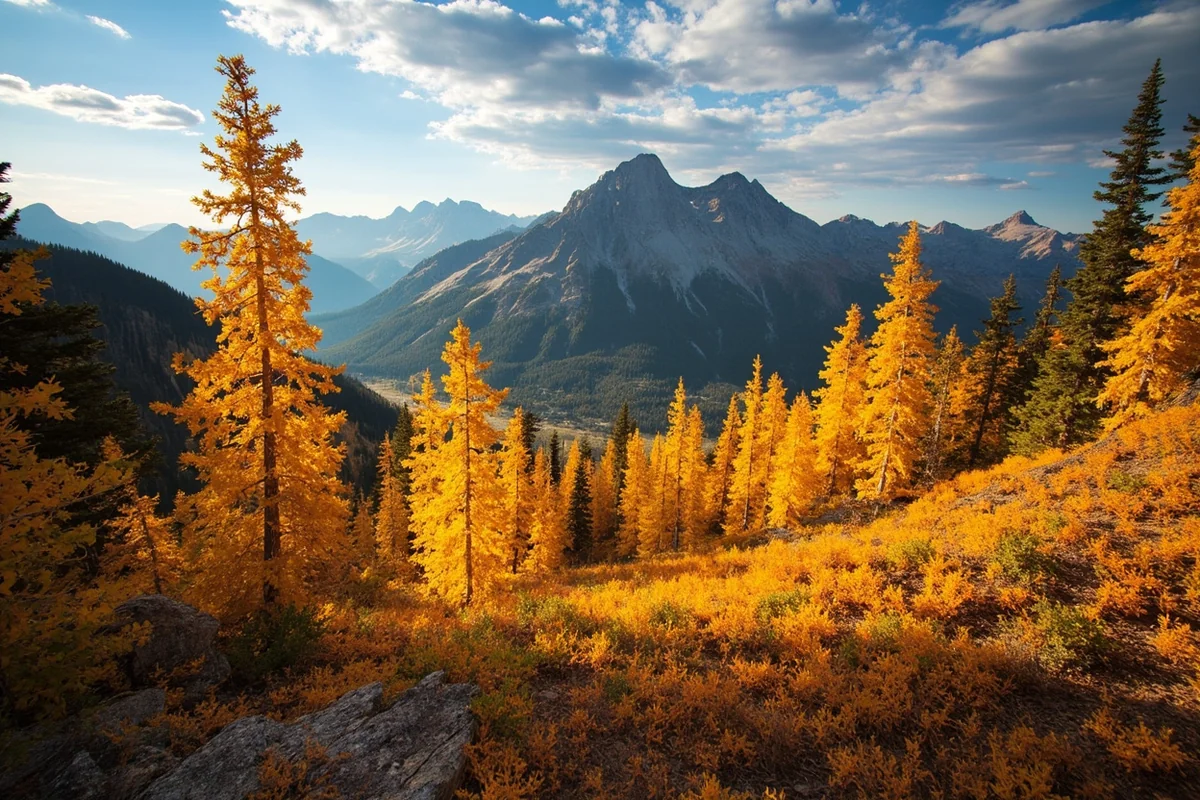
If you’ve never witnessed western larch trees turning gold, you’re missing one of North America’s most stunning fall displays. These deciduous conifers (yes, needled trees that lose their needles) transform into brilliant amber-gold columns typically during the last two weeks of September.
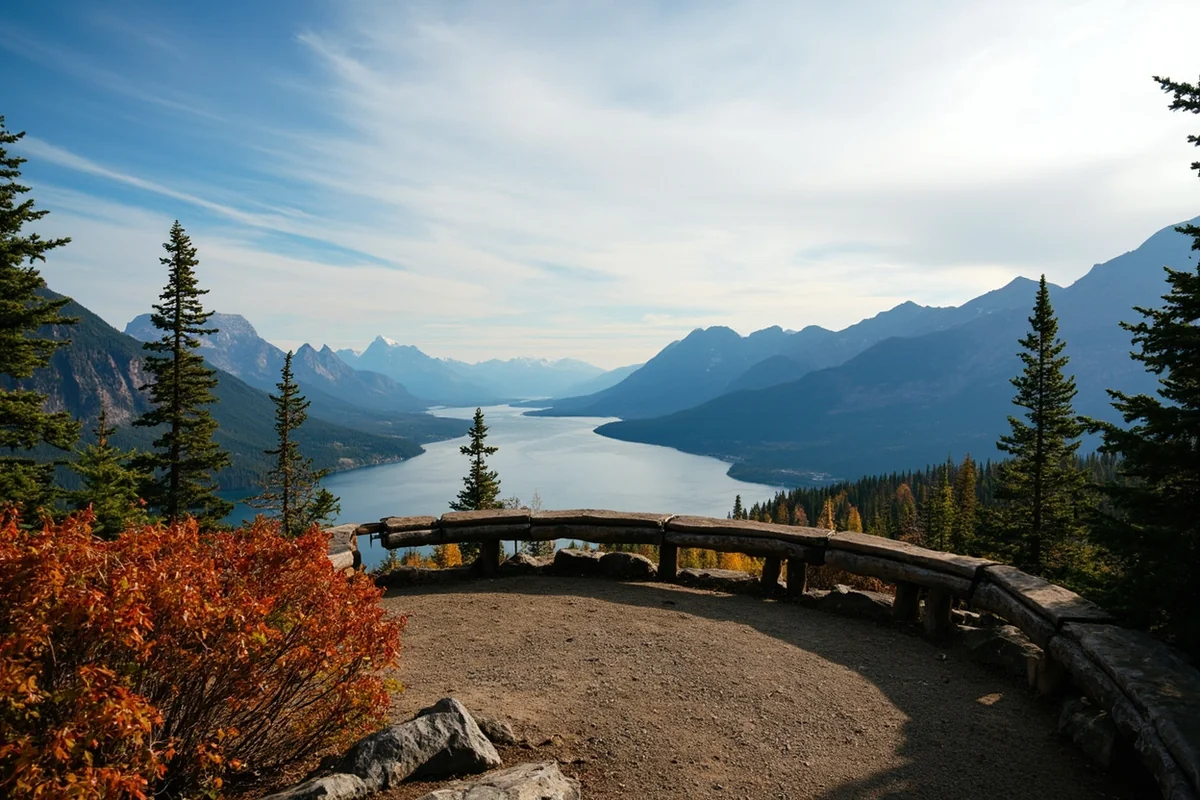
The best larch viewing I’ve experienced was along the Highline Trail and around Two Medicine Valley. The contrast of golden larches against dark evergreens and early snow on peaks is genuinely breathtaking.
September Hiking Conditions
Trail conditions in September are generally excellent. The summer wildfire smoke that can plague August typically clears by mid-September. Streams are at their lowest, making crossings easier.
That said, I’ve encountered snow patches on north-facing slopes above 7,000 feet in late September. Trails like Grinnell Glacier and Iceberg Lake remain accessible but may have icy sections. I always carry microspikes after September 15th.
The reduced crowds mean something wonderful: wildlife is more visible on trails. On my last September hike to Avalanche Lake, I saw a black bear foraging trailside for berries—something that rarely happens when hundreds of hikers pass by hourly.
Yellowstone in September: My Favorite Month to Visit
I’ll say it directly: September is my favorite month to visit Yellowstone National Park. The park operates on what feels like a different rhythm.
The Elk Rut Experience
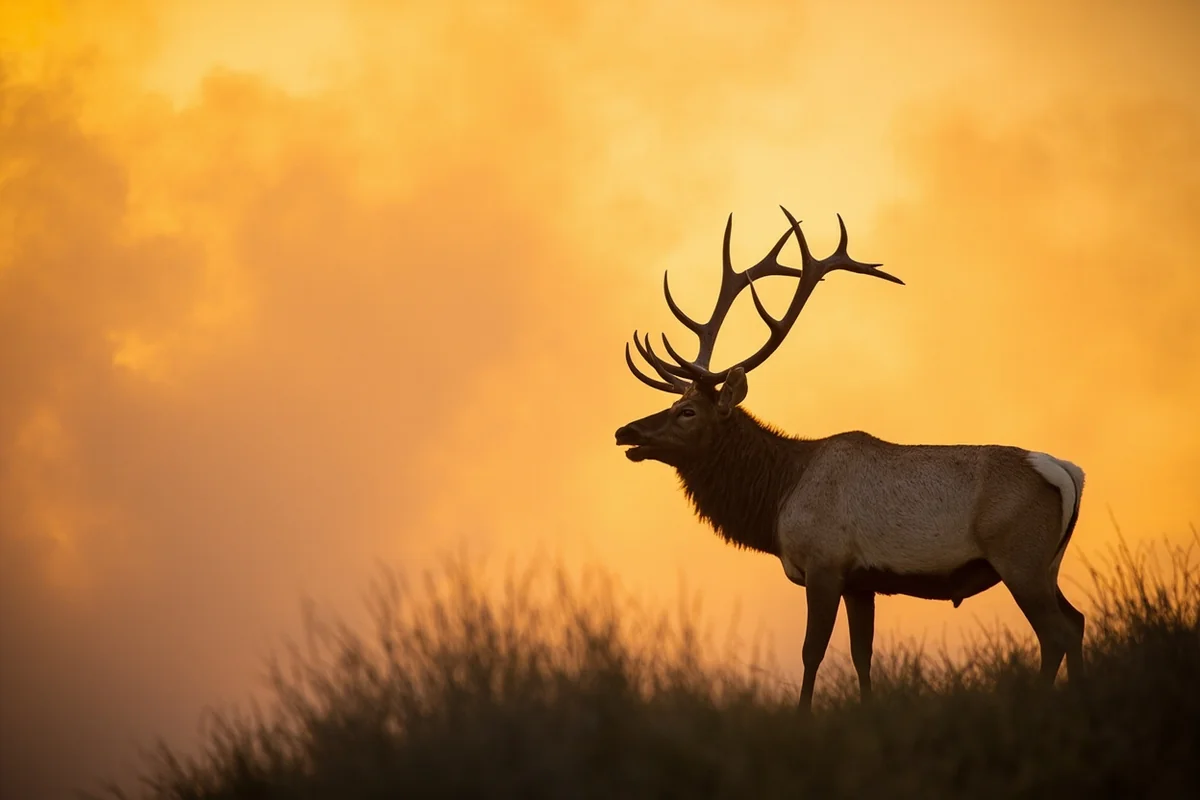
The elk rut (mating season) typically peaks from mid-September through early October, and it’s one of wildlife’s most dramatic spectacles. Bull elk bugle—a haunting, otherworldly call—throughout Mammoth Hot Springs and the Lamar Valley.
During my last September trip, I watched a massive bull elk with at least a dozen cows stationed right on the lawn at Mammoth Hot Springs. He bugled every few minutes, and several rival bulls lingered at the meadow’s edge. This is the kind of wildlife encounter that’s nearly impossible during crowded summer months.
A word of caution: bull elk are extremely aggressive during rut season. I watched a photographer get far too close to a bull in Mammoth, and a park ranger intervened just before things turned dangerous. Keep at least 25 yards from elk—they can charge without warning.
Thermal Features Without the Crowds
Old Faithful in September is a revelation. I’ve visited the Upper Geyser Basin in July and waited 30 minutes for a spot on the benches. In September, I walked up five minutes before an eruption and sat in the front row.
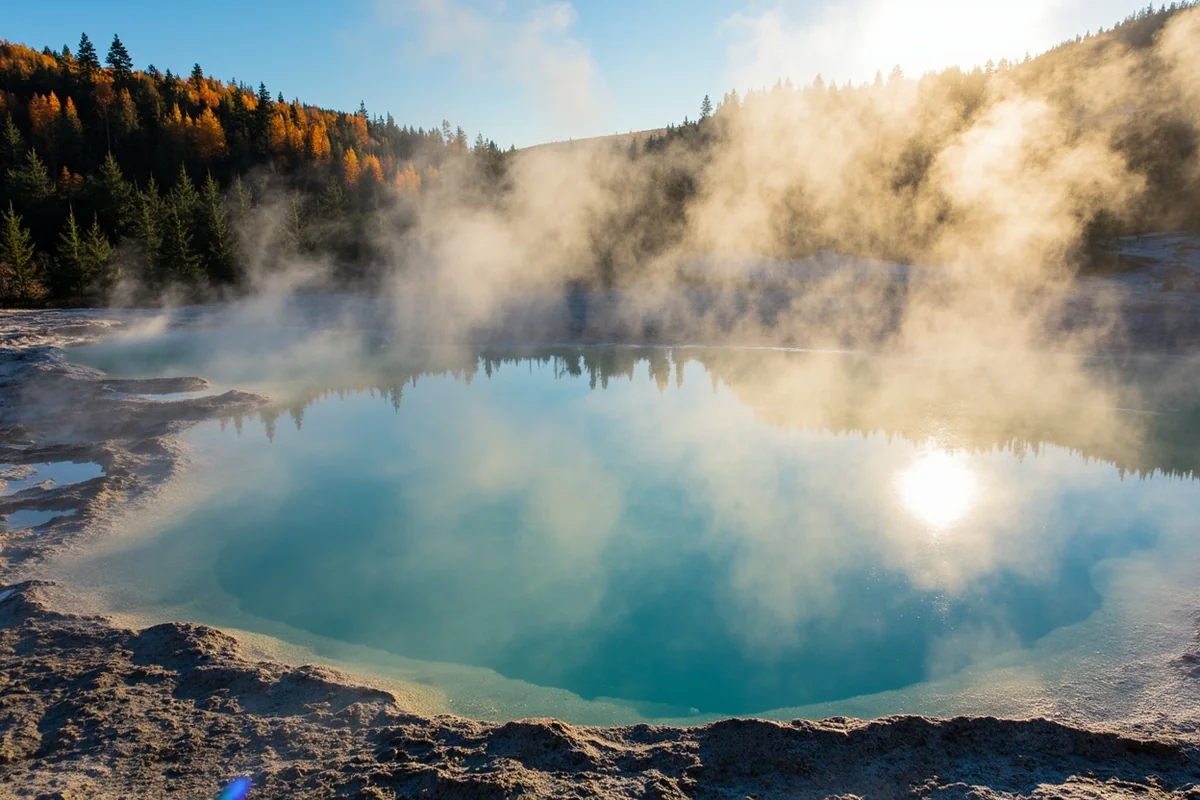
The cooler September air also makes thermal features more photogenic. The steam contrast against crisp morning air creates dramatic images you simply can’t capture in summer heat.
Bear Activity: Important Notes
Both grizzly and black bears are in hyperphagia during September—essentially a pre-hibernation feeding frenzy where they eat up to 20,000 calories daily. This means bears are highly active and visible, but also potentially more food-motivated.
In Lamar Valley last September, I counted seven separate bear sightings in a single day. However, bear safety becomes even more critical. I carry bear spray (always), make noise on trails, and store all food in bear boxes or vehicle trunks.
Beyond the Parks: September Adventures Across Montana
While Glacier and Yellowstone deserve their fame, some of my most memorable September experiences have happened elsewhere in Montana.
Fly Fishing: Prime Season
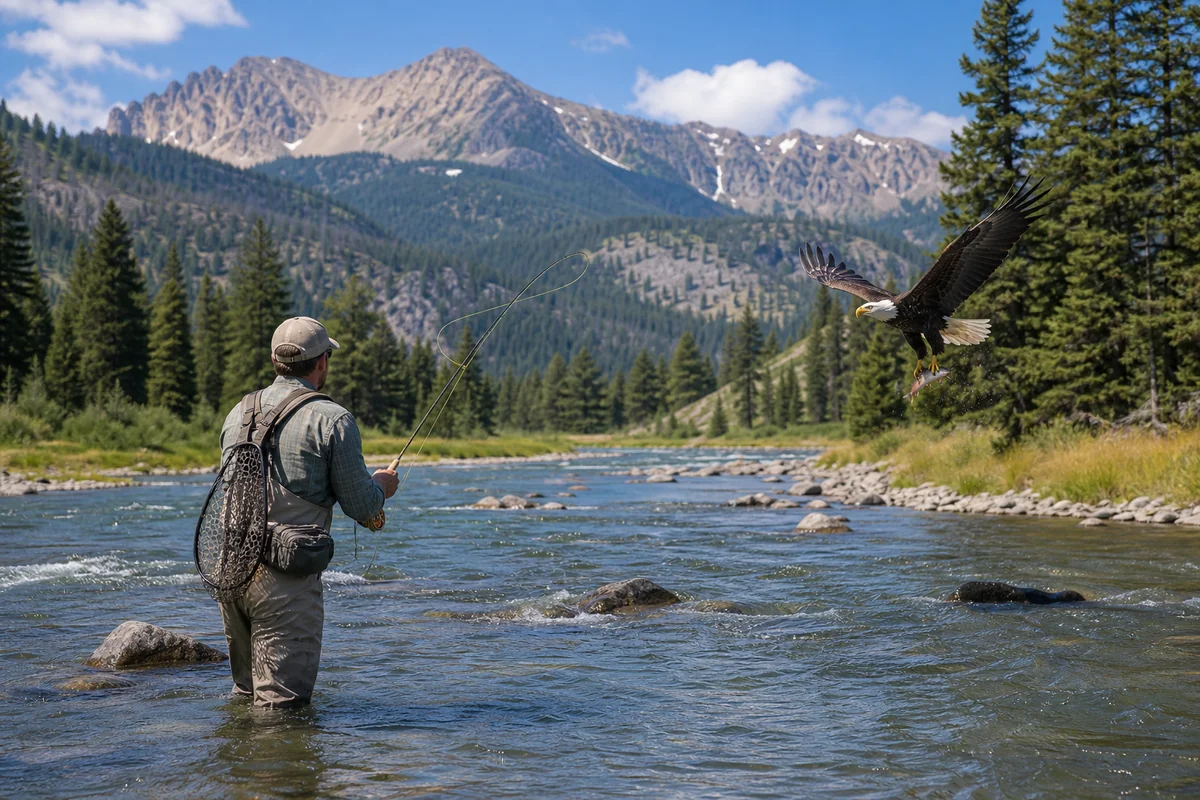
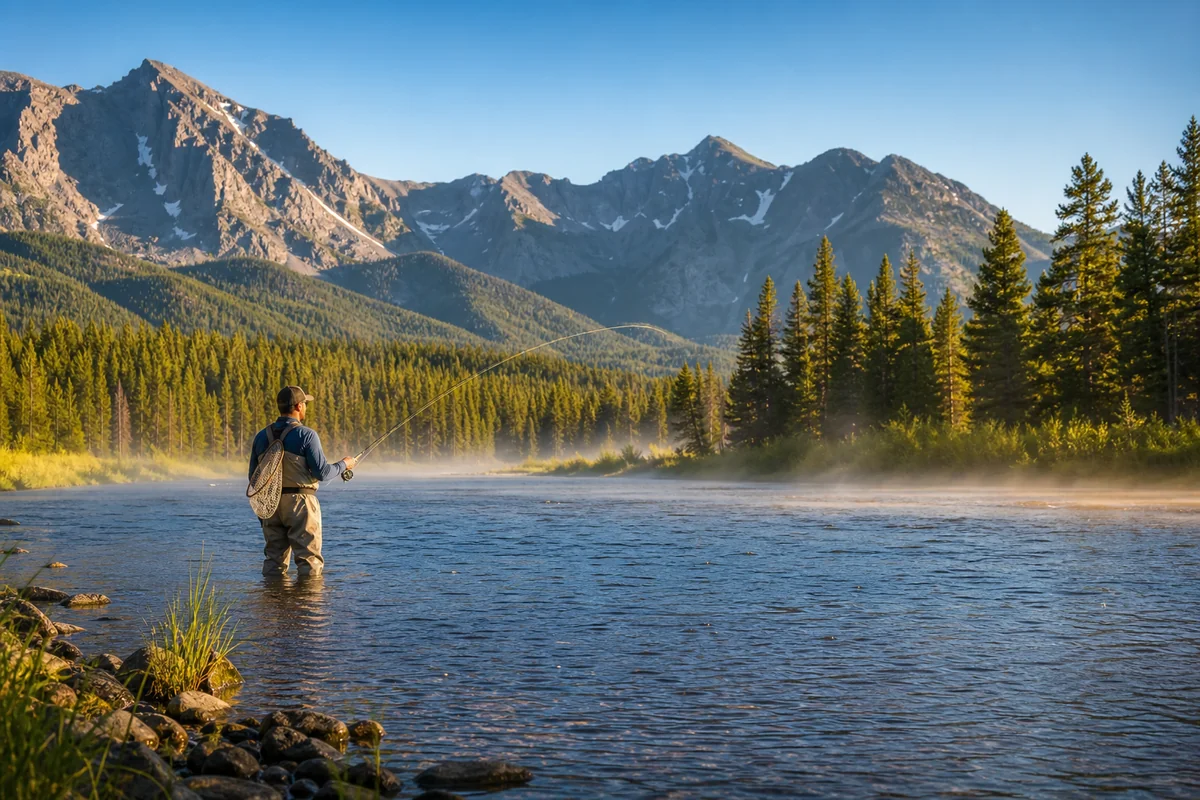
September is genuinely outstanding for fly fishing across Montana. The rivers have cooled from summer temperatures, trout are actively feeding before winter, and the fall Blue-Winged Olive and October Caddis hatches begin.
On a recent trip to the Missouri River near Craig, my guide told me September is his favorite month to be on the water. We had long stretches of the river entirely to ourselves, and the brown trout were aggressive in ways I hadn’t experienced during summer trips.
The Madison, Gallatin, and Yellowstone rivers all fish exceptionally well in September. Water levels are typically low and clear, making sight-fishing possible.
Fall Colors Beyond the Parks
The cottonwood valleys across Montana turn brilliant gold in September, creating pastoral scenes that feel distinctly Western. Some of my favorite fall color drives include:
The Bitterroot Valley south of Missoula reaches peak color typically around September 20th-30th. The combination of cottonwoods along the river, aspens on the hillsides, and the jagged Bitterroot Mountains creates stunning compositions.
The Seeley-Swan Valley offers incredible larch viewing without the Glacier crowds. Highway 83 winds through national forest land with larch stands that rival anything in the park.
Paradise Valley between Livingston and Yellowstone’s north entrance is spectacular in late September. The Yellowstone River reflects golden cottonwoods with the Absaroka Range as a backdrop.
Hot Springs: Perfect Shoulder Season Activity
Montana’s natural hot springs hit their sweet spot in September. The air has cooled enough to make soaking comfortable, but it’s not yet the deep winter cold that makes the walk from pool to car miserable.
I’ve visited Chico Hot Springs near Yellowstone, Quinn’s Hot Springs near Missoula, and Norris Hot Springs between Bozeman and Ennis during September. Each one felt perfectly balanced—warm enough to relax thoroughly, cool enough outside to appreciate the contrast.
Wildlife Viewing: September’s Main Event
I consider September the single best month for wildlife viewing in Montana, and I say this having photographed wildlife across all seasons.
The Elk Rut in Detail
Beyond Yellowstone, elk rut viewing is excellent across Montana. The National Bison Range near Missoula has accessible elk viewing. The Madison Valley and Paradise Valley both host significant elk populations.
The bugling typically starts around September 10th and peaks during the last two weeks of the month. Dawn and dusk are the most active periods. I recommend arriving at viewing areas 45 minutes before sunrise for the best experience.
Bears Pre-Hibernation
Bears become almost single-mindedly focused on eating in September. I’ve watched grizzlies in Glacier spend hours flipping rocks for army cutworm moths on high alpine slopes. In Yellowstone, bears concentrate on berry patches and cutthroat trout spawning areas.
The Many Glacier area of Glacier National Park is particularly productive for bear viewing in September. The hillsides above the Many Glacier Hotel are often dotted with foraging grizzlies.
Bird Migration
September marks the beginning of fall bird migration through Montana. The Freezout Lake Wildlife Management Area near Choteau hosts early waterfowl migration, though the famous snow goose spectacle comes in March. Raptor migration is visible along the Rocky Mountain Front.
Practical Planning: Costs, Crowds, and Logistics
The Real Cost Savings
Let me give you actual numbers. The same cabin near West Yellowstone that costs $285/night in mid-July was $175/night during my September trip—a 38% savings. Similar discounts apply to lodges near Glacier.
Airfare to Montana drops noticeably after Labor Day. I’ve tracked Bozeman and Missoula flights for years, and September fares average 20-25% lower than peak summer rates.
Car rental availability improves dramatically after Labor Day, and prices follow suit. I paid $65/day for a midsize SUV in September versus $110/day for the same vehicle in July.
Booking Strategy
While September is less crowded, popular accommodations still book up. My recommendation: book lodging by early August for the best selection, especially for the second half of September when fall colors peak.
Campgrounds operate on a different timeline. Many National Park campgrounds switch to first-come, first-served after Labor Day. This can work in your favor if you’re flexible and arrive early, but it requires planning.
What’s Closed and When
Some seasonal businesses close after Labor Day. Here’s what I’ve encountered:
In Glacier: Many Glacier Hotel typically closes in mid-September. Lake McDonald Lodge stays open until late September. Some seasonal restaurants and stores in gateway towns reduce hours or close entirely.
In Yellowstone: Most facilities remain open through September, but hours may be reduced. Some campgrounds close mid-month. The Old Faithful Snow Lodge closes for a few weeks before reopening for winter season.
Across Montana: Whitewater rafting operations largely conclude after Labor Day as water levels drop. Some tourist-focused shops in small towns have reduced September hours.
My Day-by-Day September Itinerary Suggestions
Based on my trips, here are realistic itinerary frameworks for different trip lengths.
One Week: Glacier Focus
- Days 1-2: Fly into Missoula, drive to Whitefish. Explore Whitefish Lake and downtown.
- Days 3-5: Glacier National Park. Drive Going-to-the-Sun Road, hike to Avalanche Lake, explore Many Glacier area, visit Two Medicine Valley.
- Day 6: Drive Seeley-Swan Valley for fall colors, natural hot springs stop.
- Day 7: Return to Missoula, explore downtown, depart.
One Week: Yellowstone Focus
- Day 1: Fly into Bozeman, drive to West Yellowstone area.
- Days 2-4: Yellowstone National Park. Focus on Lamar Valley for wildlife (early mornings), geyser basins, Mammoth Hot Springs for elk rut viewing.
- Day 5: Paradise Valley, Chico Hot Springs.
- Day 6: Explore Bozeman—downtown, Museum of the Rockies, local restaurants.
- Day 7: Depart from Bozeman.
Two Weeks: The Grand Montana Loop
This is my recommended September itinerary for first-time visitors who have flexibility.
- Days 1-2: Arrive Missoula, explore city and Bitterroot Valley fall colors.
- Days 3-5: Glacier National Park via Seeley-Swan Valley.
- Days 6-7: Drive to eastern Montana via Highway 2, visiting Browning and exploring the Rocky Mountain Front.
- Days 8-10: Drive south to Yellowstone via Great Falls and Bozeman. Explore Yellowstone.
- Days 11-12: Paradise Valley, Livingston, Bozeman area.
- Days 13-14: Return to Missoula via Butte and the Clark Fork Valley. Depart.
Early September vs. Late September: Which to Choose?
This depends entirely on your priorities.
Choose Early September (1st-15th) If:
Going-to-the-Sun Road access is essential for your trip. You prefer warmer weather and more predictable conditions. You want access to all facilities and full seasonal operations. You’re comfortable with slightly higher prices and crowds than late September.
Choose Late September (16th-30th) If:
Fall colors are a priority. You want to experience the elk rut at its peak. Maximum crowd reduction matters to you. You’re comfortable with cooler weather and potential early snow. You accept that Going-to-the-Sun Road might close.
During my various September trips, I’ve come to prefer the September 15th-25th window as my personal sweet spot. The crowds have thinned, fall colors are beginning, and roads typically remain open.
Honest Considerations: When September Might Not Be Right
In fairness, September isn’t perfect for everyone.
If you have inflexible plans centered on Going-to-the-Sun Road, late September’s weather uncertainty might cause stress. I’ve met travelers at Glacier who planned their entire trip around that drive, only to find it closed due to early snow.
Families with school-age children face obvious scheduling challenges after Labor Day. The cost savings and reduced crowds don’t help if you can’t actually visit.
If swimming in lakes and rivers is important to you, September water temperatures are cold. I’m talking take-your-breath-away cold. This is not swimming season.
Some visitors specifically want the bustling energy of peak season, and that’s valid. September’s quieter atmosphere might feel too subdued if you enjoy a livelier tourism scene.
Final Thoughts on My Favorite Montana Month
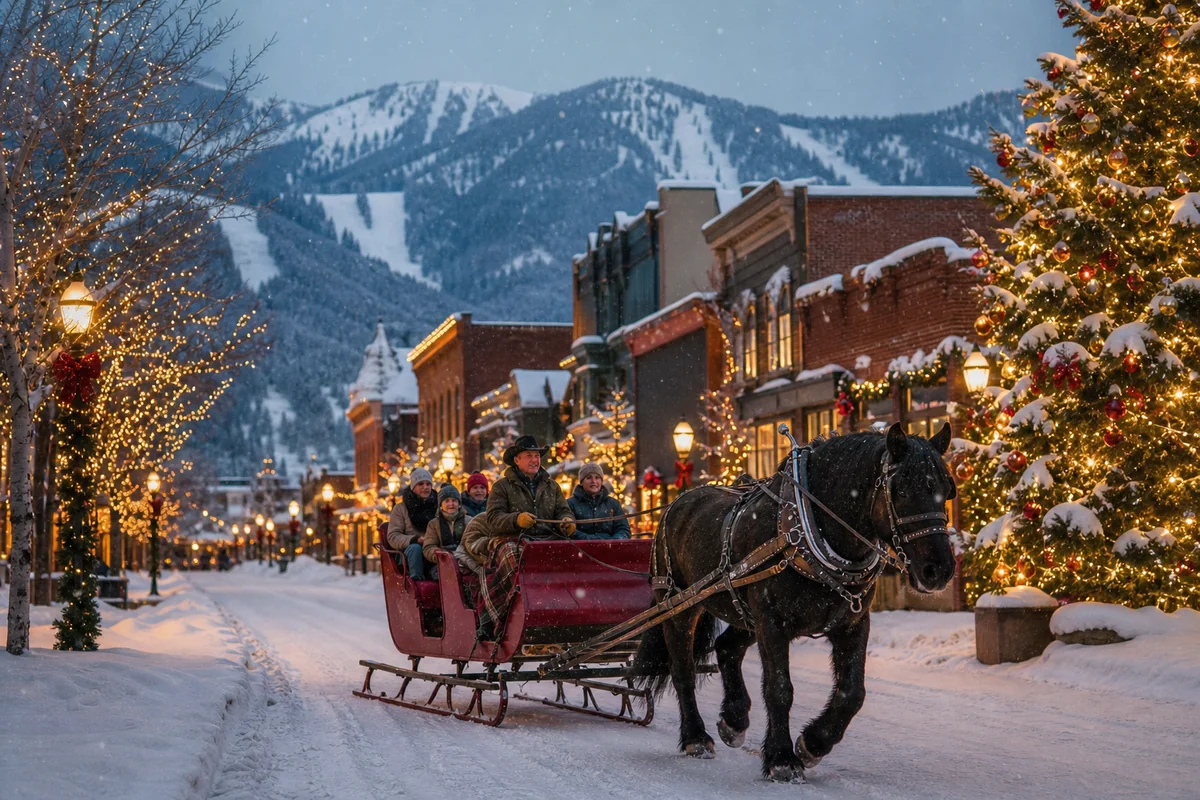
After visiting Montana across every season—from the spring runoff in April and May, through summer’s peak in June and July, into the quiet winter months, and even experiencing the magic of Christmas in Montana—I keep returning to September as my personal favorite.
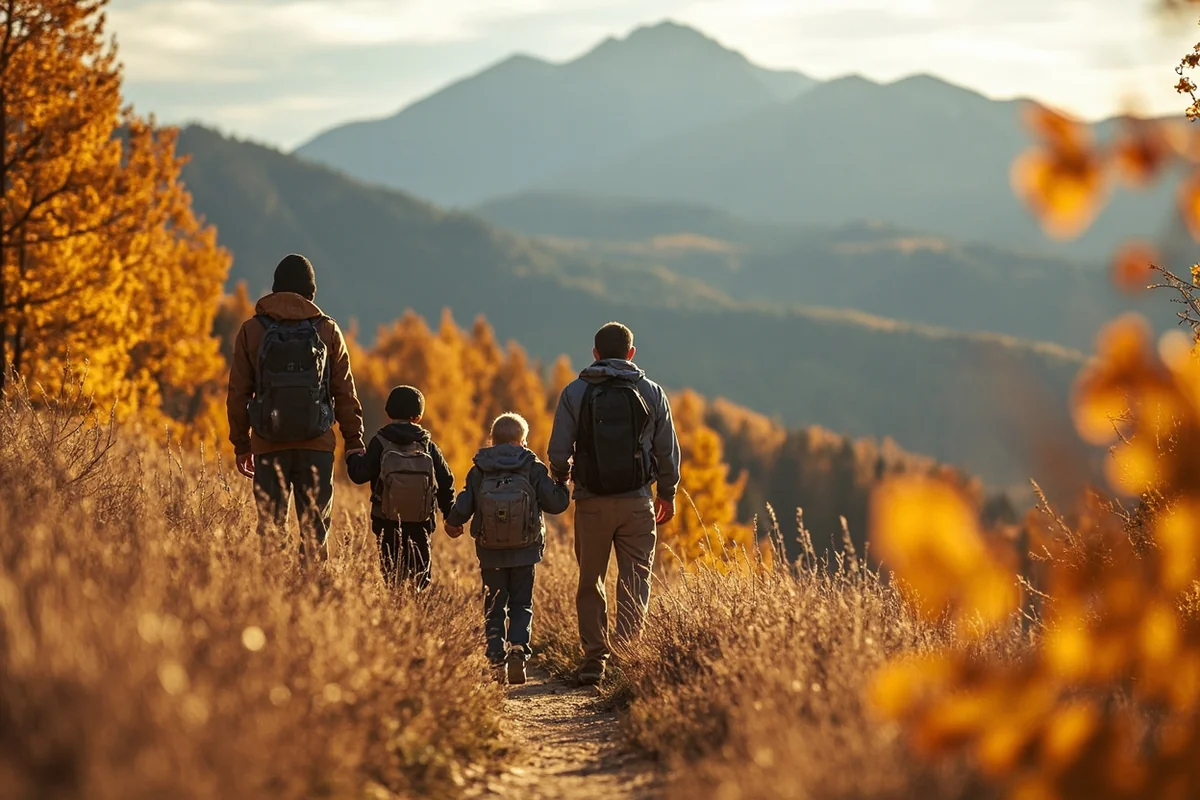
There’s something about the quality of light, the smell of fallen leaves mixing with pine, the sound of elk bugling across valleys, and the simple pleasure of having trails and overlooks largely to myself.
If you’re looking ahead to winter months, November and December offer their own distinct character, but September captures Montana in perfect transition.
The practical benefits—lower costs, easier reservations, reduced competition for wildlife sighting positions—are genuine advantages. But what I remember most from my September trips isn’t the money I saved.
It’s standing alone at Logan Pass as the sun rose, watching a grizzly sow teach her cubs to dig for glacier lily bulbs while golden larches swayed in the morning breeze.
That’s September in Montana. It’s the month when this already-remarkable state somehow becomes even more itself.
Frequently Asked Questions
Is September a good time to visit Montana?
September is honestly one of the best months to visit Montana. You’ll enjoy fewer crowds than peak summer, stunning fall foliage beginning in the mountains, and comfortable daytime temperatures between 55-70°F. I find it’s the sweet spot for both hiking and wildlife viewing before winter sets in.
What is the weather like in Montana in September?
Montana weather in September varies significantly by region and elevation. Expect daytime highs of 60-75°F in valleys and 45-60°F in mountain areas, with nights dropping to 30-45°F. Pack layers because I’ve experienced sunny 70°F afternoons that turned into freezing evenings, especially in Glacier National Park.
Are Glacier and Yellowstone National Parks open in September?
Both Glacier and Yellowstone remain fully open in September, though some high-elevation roads like Going-to-the-Sun Road may close late in the month if early snow hits. September offers significantly shorter entrance lines and easier parking compared to summer. I recommend arriving by mid-September to guarantee access to all areas before seasonal closures begin.
What should I pack for a Montana trip in September?
Pack versatile layers including a warm fleece, waterproof jacket, and base layers for chilly mornings. Bring sturdy hiking boots, sunglasses, sunscreen, and a warm hat since mountain weather changes quickly. I always throw in gloves and a beanie because overnight temperatures near Glacier can dip below freezing unexpectedly.
How much does a week-long Montana trip cost in September?
A week in Montana during September typically costs $1,500-$3,000 per person depending on your travel style. Lodging runs $100-$250 per night, with shoulder-season discounts appearing after Labor Day. National park entrance fees are $35 per vehicle, and I budget around $50-$75 daily for food and activities.
Can you see fall colors in Montana in September?
Yes, Montana’s fall foliage typically peaks from mid-September through early October, especially in mountainous areas. Larch trees turn brilliant gold in Glacier National Park, while aspens create stunning yellow corridors throughout western Montana. I recommend driving the Beartooth Highway or exploring the Swan Valley for the most spectacular autumn colors.
Is September a good time for wildlife viewing in Montana?
September is exceptional for Montana wildlife viewing because elk are in rut, bears are actively foraging before hibernation, and migratory birds pass through. Lamar Valley in Yellowstone and the National Bison Range offer prime viewing opportunities with thinner crowds. I’ve had my best wolf and grizzly sightings during early September mornings when animals are most active.