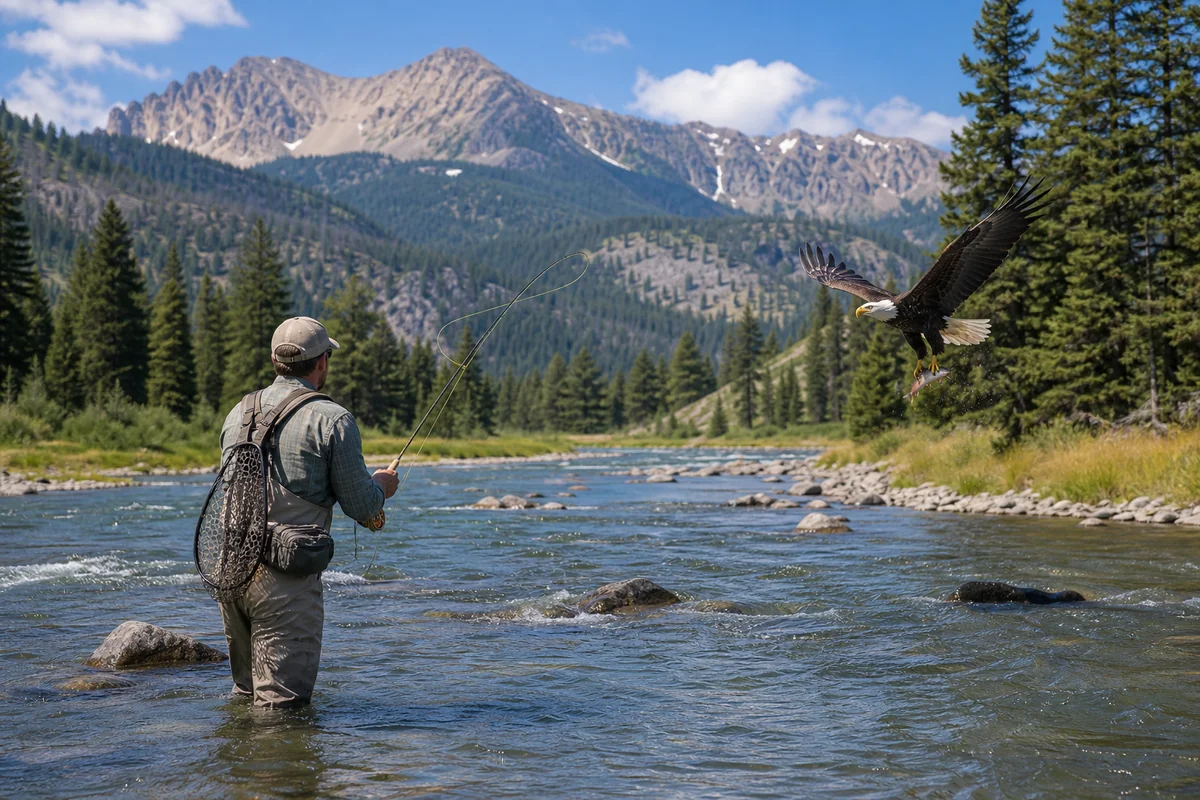
I was standing knee-deep in the Gallatin River last August, the afternoon sun warming my shoulders, when a bald eagle swooped down not thirty feet from my position and plucked a cutthroat trout from the current.
That moment—the kind you simply can’t plan for—perfectly captures why August draws visitors from across the country to Big Sky Country.
If you’re trying to determine the best time to visit Montana, August sits right in the sweet spot: summer’s warmth without June’s unpredictability, and golden light that photographers spend careers chasing.

- August offers Montana’s warmest temperatures (70s-80s°F daytime) with minimal rain
- Wildfire smoke can affect air quality—check conditions before outdoor activities
- Glacier and Yellowstone National Parks hit peak visitation; arrive before 7 AM for parking
- Late August brings better deals and thinner crowds as kids return to school
- Book lodging 3-6 months ahead for popular destinations; last-minute options exist in gateway towns
- Wildlife viewing peaks as animals prepare for fall—bears are particularly active
Liked this article?
Add Roaming Montana as a preferred source so you see more of our articles and guides on Google.
Why August Stands Out Among Montana’s Twelve Months
Having explored Montana across every season—from the frigid stillness of January to the blazing wildflower fields of July—I can say with confidence that August offers something uniquely appealing. The state transforms into this perfect intersection of accessibility and adventure.
Every hiking trail is open. Every mountain pass is clear. Every river runs at ideal levels for fishing, floating, or simply watching the light play across the water at sunset.
During my visit last summer, I noticed something the tourism brochures never mention: August has a certain unhurried quality. July visitors rush from attraction to attraction, cramming everything in. August travelers—especially those who arrive after the 15th—seem to understand that Montana rewards patience.
August Weather: What to Actually Expect
Let me be honest about something most travel sites gloss over: Montana’s August weather isn’t uniformly perfect. I’ve experienced 90°F days in Billings that had me seeking air conditioning, and I’ve also layered up for 45°F mornings in Glacier National Park during the same week.
Regional Temperature Breakdown
| Region | Average High | Average Low | What I’ve Experienced |
|---|---|---|---|
| Glacier National Park | 73°F | 44°F | 40-80°F range in a single day |
| Yellowstone (Montana sections) | 78°F | 41°F | Frost at higher elevations possible |
| Missoula | 84°F | 50°F | Can push into 90s during heat waves |
| Bozeman | 82°F | 48°F | Afternoon thunderstorms common |
| Eastern Montana (Billings area) | 87°F | 55°F | Hottest region, minimal shade |
The Afternoon Thunderstorm Pattern
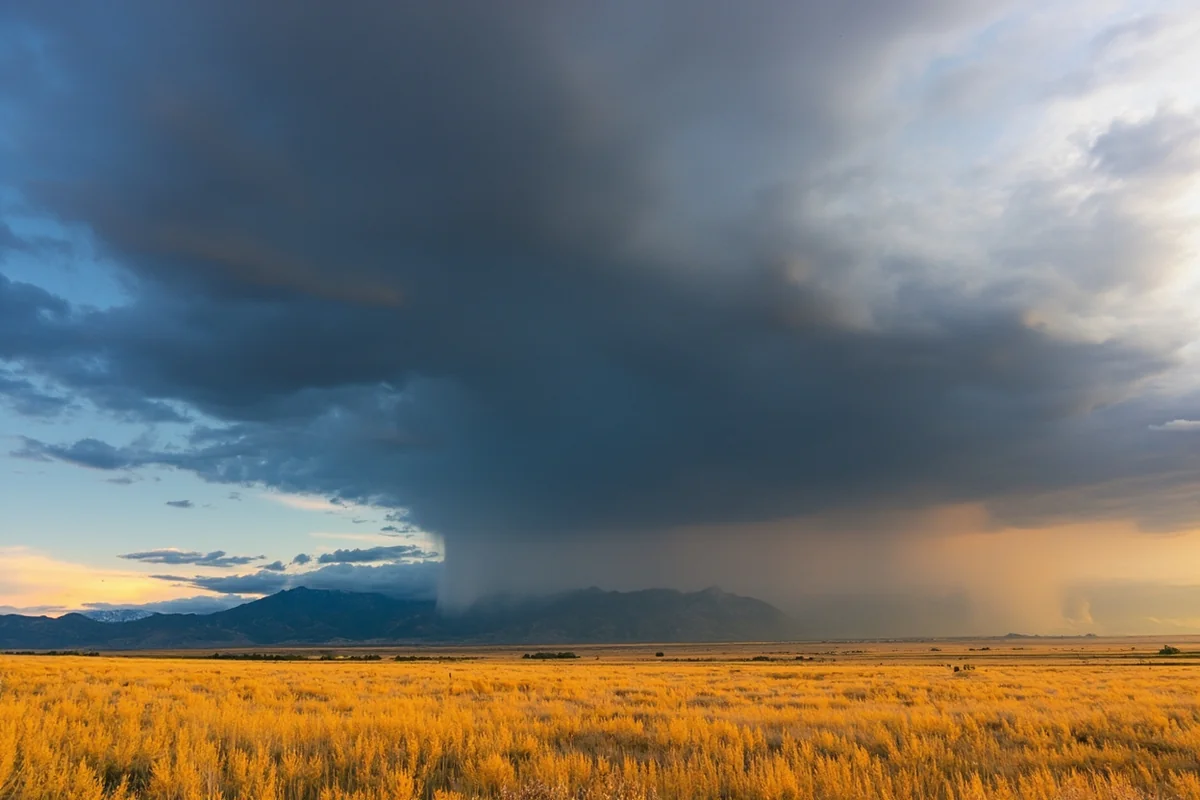
Here’s something I learned the hard way during a recent trip: August afternoons in the mountains follow a predictable pattern. Mornings dawn clear and gorgeous. By early afternoon, cumulus clouds start building over the peaks. Between 2 PM and 5 PM, those clouds frequently unleash brief but intense thunderstorms.
I now plan all my high-altitude hiking for early morning, aiming to be below treeline by 1 PM. This isn’t paranoia—lightning above treeline is genuinely dangerous, and I’ve watched storms roll in with startling speed over the Madison Range.
Let’s Talk About Wildfire Smoke
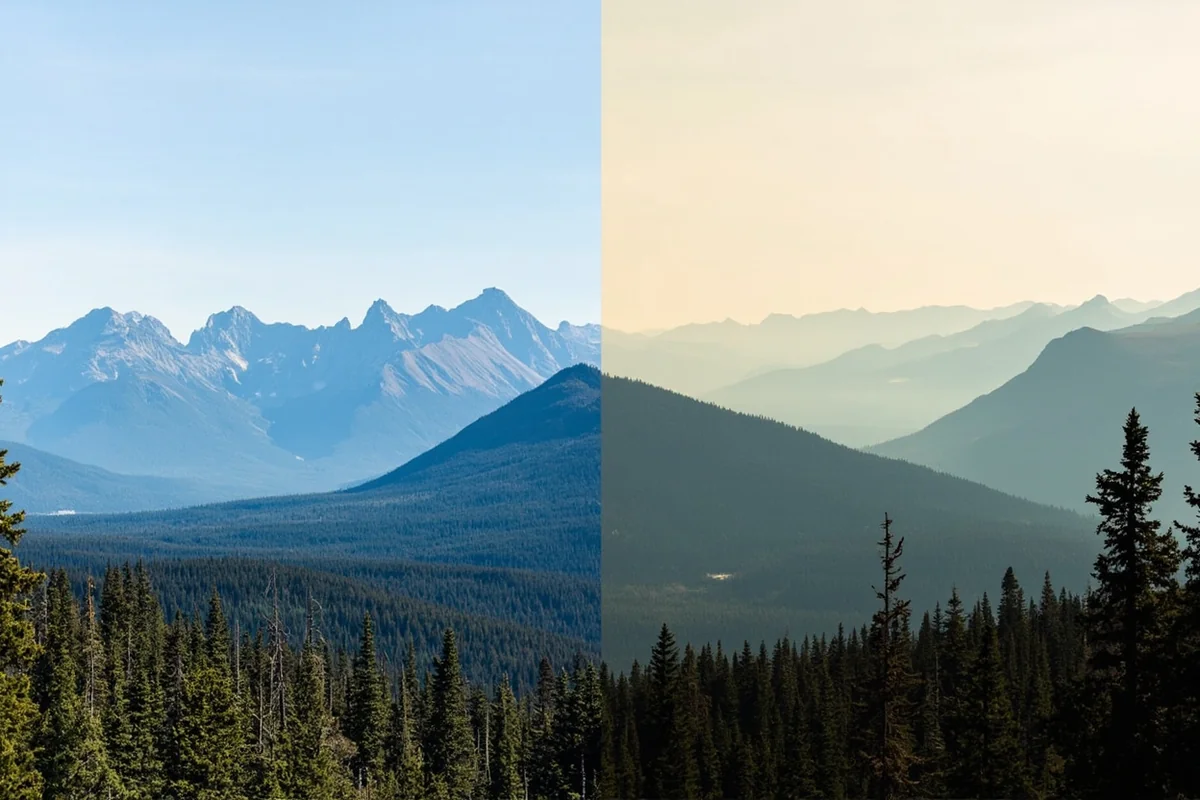
I won’t sugarcoat this: wildfire smoke is a real consideration for August travel in Montana. Some years are worse than others, and conditions can change rapidly.
During my visit two Augusts ago, smoke from fires in Idaho and Washington drifted into western Montana, turning what should have been crystalline mountain views into hazy disappointments. The AQI in Missoula hit 180 one day—unhealthy for everyone, let alone those with respiratory concerns.
But last August? Nearly smoke-free for three weeks straight. The difference in my experience was night and day.
My recommendations for dealing with potential smoke:
- Check airnow.gov daily and set up alerts for your destination
- Build flexibility into your itinerary—be ready to shift from western Montana to the eastern plains if smoke settles in
- Pack N95 masks (yes, really) if you have respiratory sensitivities
- Consider travel insurance that covers trip modifications
- Early August typically sees less smoke than late August, though this varies by year
Glacier National Park in August: The Full Picture
Glacier deserves its own detailed section because it’s likely the primary reason you’re considering Montana in August. I’ve visited this park in every month it’s accessible, and August presents both the best access and the biggest crowds.
Going-to-the-Sun Road Reality Check
The iconic Going-to-the-Sun Road is fully open in August—that’s the good news. The challenging news? So does everyone else know this.
During my most recent August trip, I arrived at the West Glacier entrance at 6:15 AM. The line of cars already stretched back several hundred feet. By 8 AM on that same day, the park implemented vehicle reservations for entry, meaning visitors without advance tickets were turned away.
Here’s what works:
- Make vehicle reservations the moment they become available (typically 120 days ahead)
- Enter before 6 AM or after 4 PM to avoid the reservation window
- Consider the less-crowded Two Medicine or Many Glacier areas as primary destinations
- Use the park’s shuttle system—it’s free and eliminates parking stress
Hiking Conditions in August
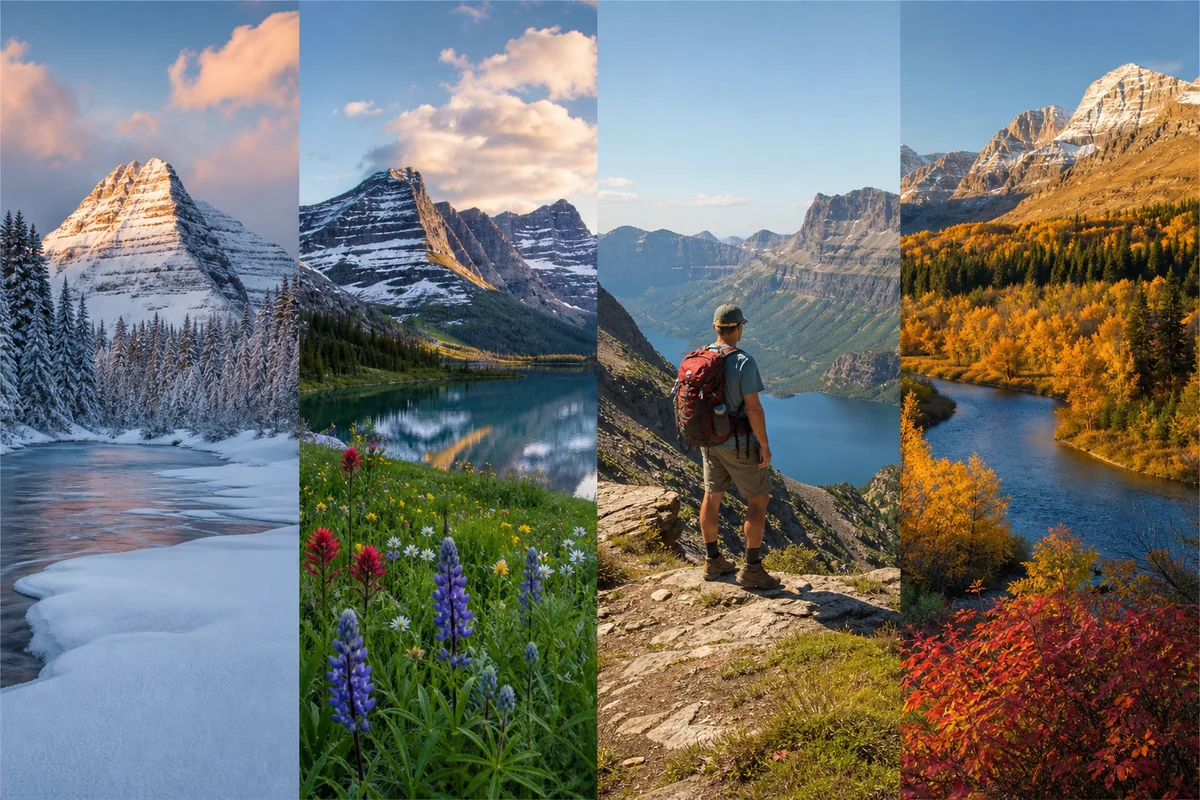
August offers arguably the best hiking conditions of the year at Glacier. High-country trails that remain snow-covered through June are finally clear. Highline Trail, Grinnell Glacier, and Iceberg Lake are all accessible without specialized gear.
I hiked to Grinnell Glacier last August and found conditions perfect—warm enough for a t-shirt on the ascent, cool enough to be comfortable during breaks. The glacier itself, though retreating more each year, still creates that stunning turquoise meltwater lake that photographs so well.
Trail tip from experience: Start any significant hike by 7 AM. You’ll beat the heat, avoid afternoon storms, and have trails largely to yourself for the first two hours.
Wildlife at Glacier in August
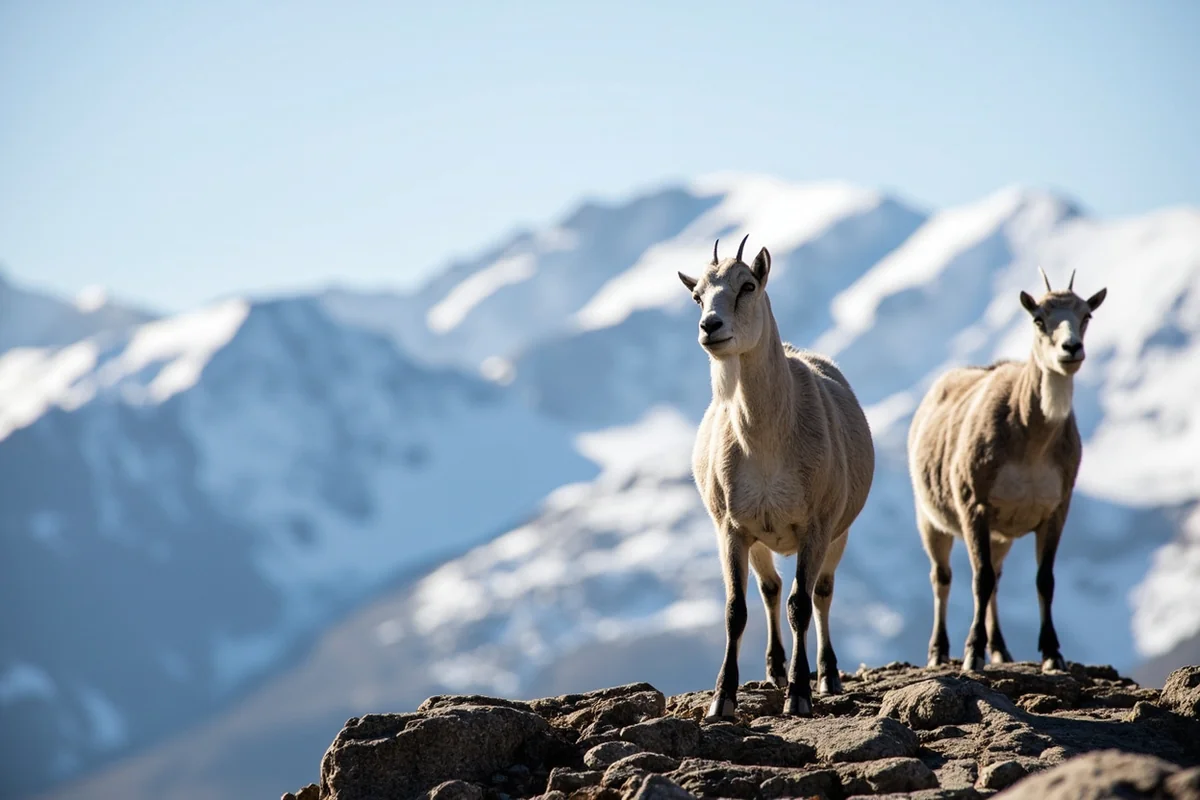
Mountain goats remain visible at Logan Pass, though they’ve moved to higher elevations compared to May or June. I spotted a nanny with two kids at the Hidden Lake Overlook during my last visit, casually grazing while hundreds of tourists snapped photos from a respectful distance.
Bears are actively feeding in preparation for hibernation. I recommend carrying bear spray (I buy mine at sporting goods stores in Kalispell rather than paying park premium prices) and making noise on blind corners. During one August hike on the Highline, I encountered fresh grizzly scat three separate times—a reminder that these mountains belong to more than just human visitors.
Yellowstone’s Montana Gateway Experience
While Yellowstone spans three states, Montana’s northern sections through Gardiner and the Lamar Valley offer some of the park’s most memorable August experiences. This is where I prefer to base myself when exploring Yellowstone in late summer.
The Lamar Valley Wildlife Advantage
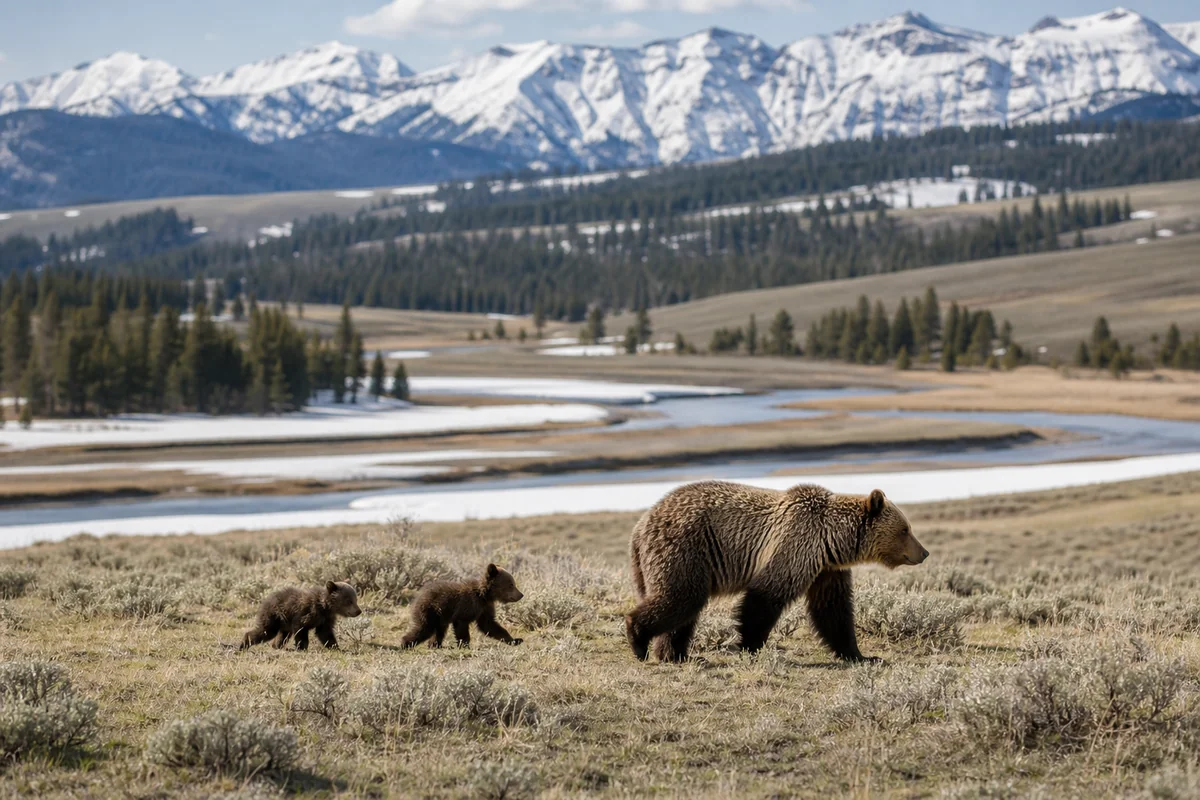
I’ll make a bold claim: the Lamar Valley in August offers better wildlife viewing than anywhere else in the lower 48 states. During my most recent dawn drive through the valley, I observed wolves, a grizzly bear with cubs, a herd of over 200 bison, pronghorn, and a coyote hunting ground squirrels—all before breakfast.
The key is timing. Wildlife is most active from 30 minutes before sunrise until about 9 AM, then again from 6 PM until dark. Midday, when most tourists pass through, the valley can appear surprisingly empty of animals.
I recommend:
- Staying in Gardiner or Cooke City to maximize early morning access
- Bringing a spotting scope or good binoculars (my 10x42s have been invaluable)
- Pulling completely off the road at designated pullouts—never stop in travel lanes
- Joining a guided wildlife tour at least once; the guides know where specific wolf packs are denning
Mammoth Hot Springs in August
The travertine terraces at Mammoth run hot—literally. August sun combined with thermal features creates a distinctive experience. I prefer visiting Mammoth in early morning when the light creates dramatic shadows across the terraces and temperatures remain bearable.
The elk herd that frequents Mammoth is typically present in August, often lounging on the lawns of park buildings. During my last visit, a large bull with velvet antlers blocked the sidewalk to the visitor center for nearly an hour. Everyone waited patiently—this is Yellowstone, where wildlife has right-of-way.
Beyond the Parks: August Adventures Most Visitors Miss
Here’s where my years of Montana exploration pay dividends for you. The national parks are extraordinary, but they’re not the full story.
Flathead Lake and the Mission Mountains
Flathead Lake—the largest natural freshwater lake west of the Mississippi—peaks in August. Water temperatures finally become swimmable (well, tolerable if you’re from the northern U.S.), and the cherry orchards along the east shore offer fresh fruit from local stands.
During a recent trip, I rented a kayak from Bigfork and paddled to Wild Horse Island State Park. The island hosts wild horses (hence the name), bighorn sheep, and mule deer, all visible from the water on a calm morning. I had one small beach entirely to myself for a two-hour lunch break—try finding that level of solitude in Glacier the same week.
The Mission Mountains, rising dramatically above the Mission Valley, offer wilderness hiking without Glacier’s crowds. I hiked to Glacier Lake in the Mission Mountain Wilderness last August and encountered exactly four other people over eight hours on the trail.
The Absaroka-Beartooth Wilderness
If Glacier seems too crowded and Yellowstone too famous, point yourself toward the Absaroka-Beartooth Wilderness south of Livingston and Big Timber. This million-acre wilderness features over 900 lakes, countless peaks exceeding 12,000 feet, and trail systems that could occupy a lifetime.
I backpacked into Lake Plateau last August, spending three nights surrounded by granite peaks and alpine tarns. Total encounters with other humans during the trip: two—a father-son duo from Minnesota heading the opposite direction.
The Beartooth Highway (US 212), which skirts the wilderness’s southern edge, remains open through August and ranks among America’s most spectacular drives. Budget at least half a day to drive it properly, stopping at pullouts to photograph the endless alpine panoramas.
Helena and the Surrounding Ghost Towns
Montana’s capital city doesn’t make most tourist itineraries, which is precisely why I recommend it. Helena’s Last Chance Gulch pedestrian mall preserves authentic frontier character without Bozeman’s gentrification or Missoula’s college-town vibe.
Within 30 minutes of Helena, you can explore genuine ghost towns like Marysville and Elkhorn. I spent an August afternoon wandering Marysville’s abandoned mining structures, imagining the 1880s boomtown that once rivaled Helena in population. Aside from a friendly local walking her dog, I had the entire historic district to myself.
Fishing in August: What the Guides Know
August fishing in Montana requires adjustment from earlier summer tactics, but rewards those who adapt.
Morning and Evening Windows
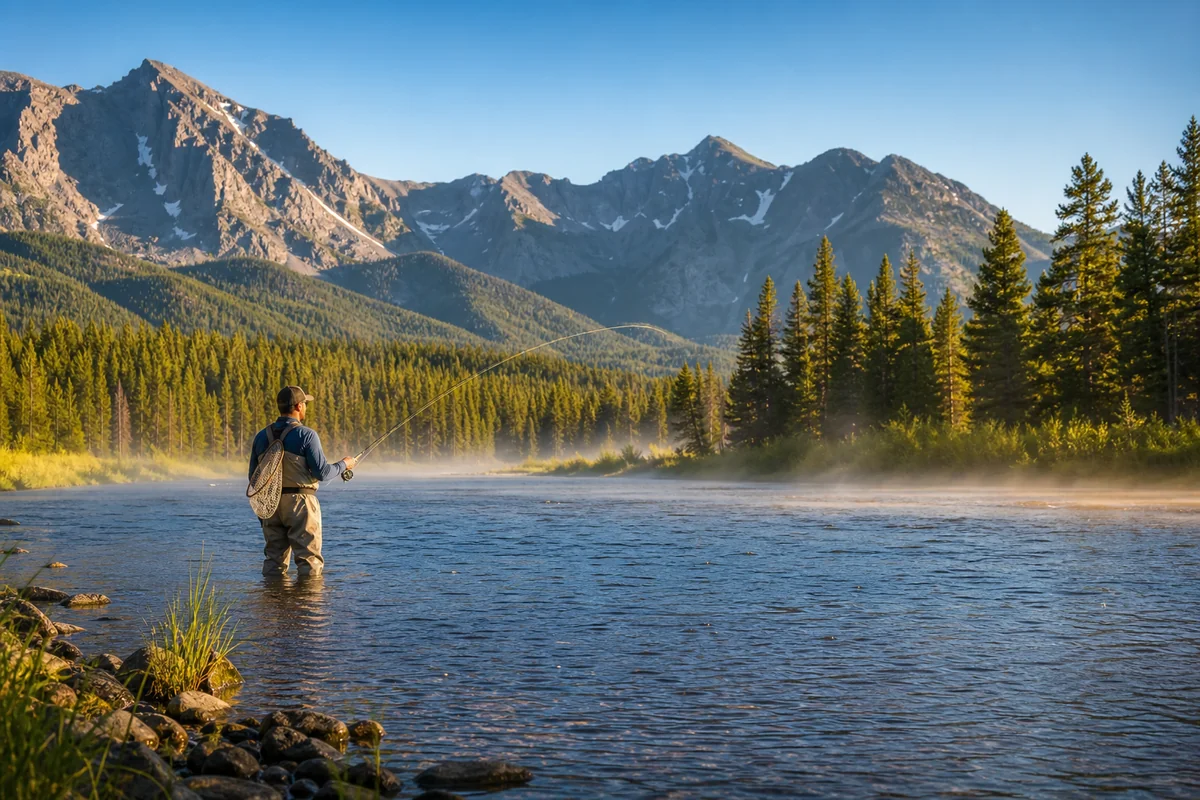
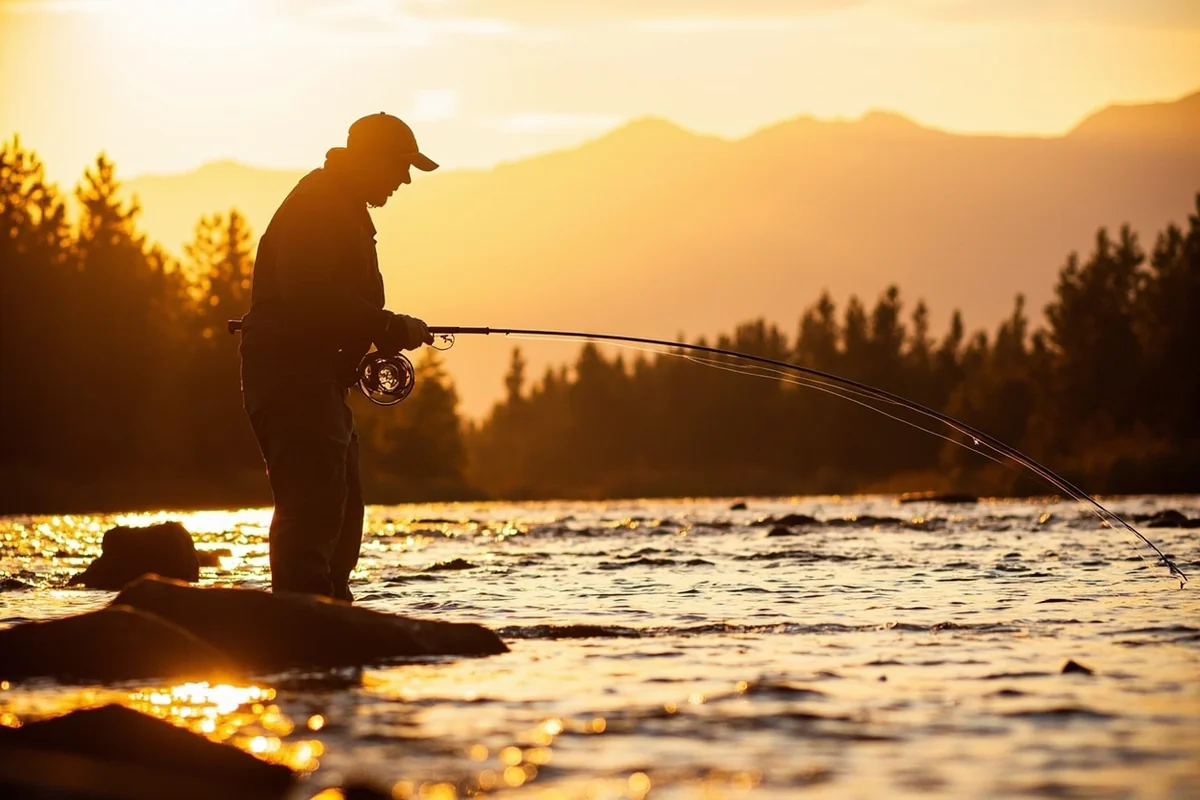
Water temperatures in August can stress trout, particularly in lower-elevation rivers. Ethical anglers (and wise ones, since stressed fish fight poorly) focus on early morning and late evening when waters are coolest.
I’ve had my best August success fishing from 5:30 AM until about 10 AM, then again from 6 PM until dark. The midday hours? I use those for napping, exploring small towns, or sitting beside the river without a rod, simply watching the water.
Tailwaters Shine in August
Rivers flowing from dam-released reservoirs maintain cooler temperatures regardless of air temperature. The Missouri River below Holter Dam, the Bighorn River below Yellowtail Dam, and the Madison below Hebgen Lake all fish well throughout August days.
During my most recent August trip, I floated the Missouri with a guide from Craig. We landed over thirty trout between us—not my record day, but remarkable given the 85°F air temperature. The dam-cooled water kept trout active when freestone rivers would have been too warm.
High Country Alternatives
Alpine lakes, which remain frozen or semi-frozen through April and even into early summer, reach prime condition by August. I’ve had memorable days casting to cutthroat trout in backcountry lakes where the fish have never seen artificial flies.
Pack a lightweight fly rod on any backpacking trip and you’ll likely find willing trout in lakes and streams that don’t appear on most maps.
Practical Planning: Lodging, Costs, and Timing
Early August vs. Late August
This distinction matters significantly. Early August (through approximately the 15th) sees full summer crowds, premium prices, and fully booked accommodations. Kids remain on summer vacation, families travel, and popular destinations pulse with activity.
Late August shifts noticeably. Schools resume across much of the country, family travel drops, and Montana’s rhythm changes. I’ve found lodging availability improves, prices at some properties decrease by 10-20%, and trails feel noticeably less crowded.
My personal preference is the final week of August. Weather remains summer-like, but the frenetic peak-season energy fades. The quality of light turns increasingly golden as days shorten—photographers call this “pre-autumn glow,” and it’s real.
Where to Stay: Honest Assessments
Whitefish: My favorite base for Glacier exploration. The downtown offers excellent restaurants (Latitude 48 for upscale, Buffalo Café for breakfast) and the atmosphere feels authentically Montana rather than touristy. Expect to pay $200-400/night for decent hotels in August.
Bozeman: Ideal for Yellowstone’s north entrance and general southwest Montana exploration. The most cosmopolitan feel of Montana’s mid-sized towns, with genuinely good coffee, farm-to-table dining, and cultural amenities. Also the most expensive—budget $250-500/night for quality lodging.
Livingston: 25 minutes from Bozeman but considerably more affordable and authentically Western. The historic Murray Hotel has genuine character. Good jumping-off point for Paradise Valley and the Absaroka-Beartooth.
Kalispell: More affordable alternative to Whitefish with less charm but better practical amenities (big-box stores, wider restaurant variety). Fine for a night or two between adventures.
Helena: Surprisingly underrated for a central Montana base. Affordable lodging, easy access to ghost towns and public lands, minimal tourist crowds.
Budget Considerations
Let me be direct: August is expensive in Montana. Peak demand meets limited supply in a state with more cows than hotel rooms.
A realistic daily budget for a couple:
- Budget travel: $150-200/day (camping, cooking meals, free activities)
- Mid-range travel: $300-400/day (modest hotels, restaurant meals, some paid activities)
- Comfortable travel: $500-700/day (quality lodging, guided experiences, dining out)
The single biggest cost-saving move? Book lodging early. I mean January or February for August travel. Last-minute seekers in August face either sold-out properties or gouged prices.
Festivals and Events Worth Planning Around
Montana’s August calendar features events that could anchor an entire trip.
Montana State Fair (Great Falls, late July through early August): Classic state fair atmosphere—rodeo, 4-H exhibits, carnival rides, and agricultural displays. I attended last year and found it charmingly genuine, entirely unlike the commercialized events in larger states.
Crow Fair (Crow Agency, third week of August): One of the largest American Indian gatherings in North America. The powwow dancing, the massive tipi encampment, and the rodeo create an unforgettable cultural experience. I recommend arriving early on parade day for the best viewing spots.
Sweet Pea Festival (Bozeman, first weekend of August): Art festival featuring music, theater, dance, and visual arts throughout downtown Bozeman. The chalk art competition creates temporary masterpieces on Main Street sidewalks.
Huckleberry Days (Whitefish, second weekend of August): Celebrates Montana’s beloved wild huckleberries with pie-eating contests, live music, and enough huckleberry products to supply a year’s worth of pancake toppings.
August Photography: Capturing Montana’s Golden Month
For photographers, August represents a transition toward autumn light that creates exceptional images.
Golden Hour Timing
Early August sunrise in Montana occurs around 6:00 AM, with sunset near 8:45 PM. By late August, sunrise shifts to about 6:30 AM and sunset to 8:00 PM. The “golden hours” surrounding these times offer dramatically warm light that transforms ordinary scenes into extraordinary photographs.
I’ve found the hour before sunset particularly magical at locations like Wild Horse Island, the Beartooth Highway pullouts, and any east-facing viewpoint in Glacier.
Night Sky Opportunities
August brings excellent conditions for Milky Way photography. The galactic core is well-positioned in the southern sky during reasonable evening hours (10 PM-1 AM), and Montana’s minimal light pollution creates some of the darkest skies in the country.
Medicine Rocks State Park in eastern Montana has earned International Dark Sky Park status. I photographed there during a recent August new moon and captured images that rival anything from my Southwest desert trips.

Family Travel Considerations
If you’re traveling with kids, August works beautifully with some adjustments.
Junior Ranger programs run at full capacity in both Glacier and Yellowstone. My niece completed her badges last summer and still wears them proudly. The programs genuinely engage kids with park ecosystems rather than just checking boxes.
For families, I recommend choosing one primary destination rather than rushing between parks. A week focused on Glacier with a couple of non-hiking days built in (swimming at Apgar, exploring Kalispell’s Conrad Mansion, taking a Red Bus tour) creates better memories than a rushed tour hitting all the “must-see” spots.
Water activities become essential for keeping kids happy in August heat. Flathead Lake swimming, tubing on the Madison River, and splashing in alpine streams all provide relief from warm afternoons.
Shoulder Season Comparison
If August’s crowds and prices give you pause, consider how neighboring months compare. September offers cooler temperatures, golden larch trees, and noticeably thinner crowds—though some high-altitude trails may see early snow. October brings fall colors and hunting season atmosphere, while the winter months starting with November transform the state into a completely different destination.
If you’re flexible on timing, late August through mid-September might offer the ideal balance: summer accessibility with shoulder-season atmosphere. Some years, I’ve found this two-week window to deliver Montana at its absolute finest.
For those interested in the opposite end of the spectrum, Christmas in Montana or the deep cold of February offer winter experiences that feel like an entirely different destination—and March brings the slow transition toward spring that skiing enthusiasts particularly appreciate.
My Final Recommendations for Your August Trip
After countless August adventures across Montana, here’s what I’d tell a friend planning their first visit:
Book early—I cannot stress this enough. Lodging for August should be secured by February or March. Tour reservations and vehicle permits for Glacier should be booked the day they become available.
Build in flexibility for smoke. Have a backup plan that moves you away from affected areas. Eastern Montana, while less famous, remains rewarding even when western Montana sits under haze.
Embrace early mornings. The best wildlife, the best light, the best parking, and the best solitude all belong to those willing to set alarms.
Slow down. Montana rewards lingering. An afternoon spent reading beside a river creates memories as lasting as any famous viewpoint.
Stay somewhere real. Small-town motels, working guest ranches, and locally-owned lodges offer experiences that chain hotels simply cannot match.
August in Montana isn’t just a good time to visit—it’s the time when this remarkable state opens fully, when every road is accessible and every adventure is possible. The crowds and costs come with the territory. What you get in exchange is Big Sky Country at its expansive best, operating at full capacity, ready to deliver experiences that will reshape how you think about the American West.
Frequently Asked Questions
Is August a good time to visit Montana for outdoor activities?
August is one of the best months to visit Montana for outdoor adventures, with warm temperatures averaging 70-85°F and minimal rainfall. I’ve found it’s perfect for hiking Glacier National Park, fly fishing on the Yellowstone River, and camping under clear skies. Just book accommodations early since it’s peak tourist season.
How crowded is Glacier National Park in August and do I need reservations?
Glacier National Park is at its busiest in August, so you’ll definitely need a vehicle reservation for the Going-to-the-Sun Road between 6 AM and 4 PM. I recommend arriving before sunrise or after 4 PM to avoid the worst crowds. Campsite and lodging reservations should be made 3-6 months in advance.
What should I pack for a Montana trip in August?
Pack layers because Montana temperatures can swing 30-40 degrees between morning and afternoon, even in August. I always bring a light jacket, sunscreen, bear spray for hiking, and broken-in hiking boots. Don’t forget a reusable water bottle and insect repellent since mosquitoes are still active near lakes and rivers.
How much does a week-long Montana vacation cost in August?
A week in Montana during August typically runs $1,500-$3,000 per person depending on your travel style. Budget travelers can find campsites for $20-35 per night, while mid-range hotels average $150-250 per night in popular areas like Whitefish or Bozeman. Factor in $50-100 daily for food, activities, and park entrance fees ($35 per vehicle for Glacier or Yellowstone).
Are wildfires a concern when visiting Montana in August?
Yes, August is peak wildfire season in Montana, and smoke can significantly impact air quality and visibility at national parks. I always check airnow.gov and InciWeb before my trip and pack N95 masks just in case. Have backup plans ready since some trails and roads may close unexpectedly due to fire activity.
What are the best places to visit in Montana during August?
Glacier National Park should top your August itinerary since all roads and trails are fully accessible. I also recommend Big Sky for mountain biking, Flathead Lake for swimming and kayaking, and the charming towns of Missoula and Bozeman for local breweries and restaurants. The Beartooth Highway near Yellowstone offers stunning alpine scenery that’s only snow-free in summer.
How far apart are Montana’s main attractions and how many days do I need?
Montana is massive—Glacier National Park to Yellowstone is about 340 miles and takes 5-6 hours to drive. I suggest at least 7-10 days to explore properly without feeling rushed. Most visitors underestimate driving distances, so plan on covering one major region like Glacier or spending 2-3 days in each area you want to visit.