You are currently viewing Best Time to Visit Montana: A Month-by-Month Guide to Big Sky Country

Best Time to Visit Montana: A Month-by-Month Guide to Big Sky Country

  • Post author:
  • Post category:Montana
  • Reading time:32 mins read

Have you ever dreamed of standing beneath Montana’s legendary “big sky,” surrounded by snow-capped peaks and pristine wilderness? The timing of your visit can make or break that dream. From crowd-free hiking trails to wildlife encounters you’ll never forget, choosing the right season is crucial for experiencing the best of Big Sky Country. But when exactly should you go? And perhaps just as importantly, when should you avoid visiting Montana altogether?

This comprehensive guide will take you through Montana’s dramatic seasonal changes, revealing the hidden gems of each time of year and the potential pitfalls to watch out for. We’ll explore the best times for iconic experiences like driving Glacier National Park’s Going-to-the-Sun Road, witnessing Yellowstone’s geothermal wonders, and casting a line in world-class trout streams. You’ll discover budget-friendly travel periods, learn how to navigate Montana’s notoriously fickle weather, and gain insider tips for avoiding the crushing summer crowds.

Whether you’re chasing powder at a ski resort, hoping to spot grizzlies emerging from hibernation, or seeking the perfect autumn colors, this guide will help you plan the Montana adventure of your dreams. So grab your hiking boots (or maybe your snowshoes) and let’s dive into the very best (and worst) times to visit Montana!

Introduction to Montana’s Seasonal Beauty

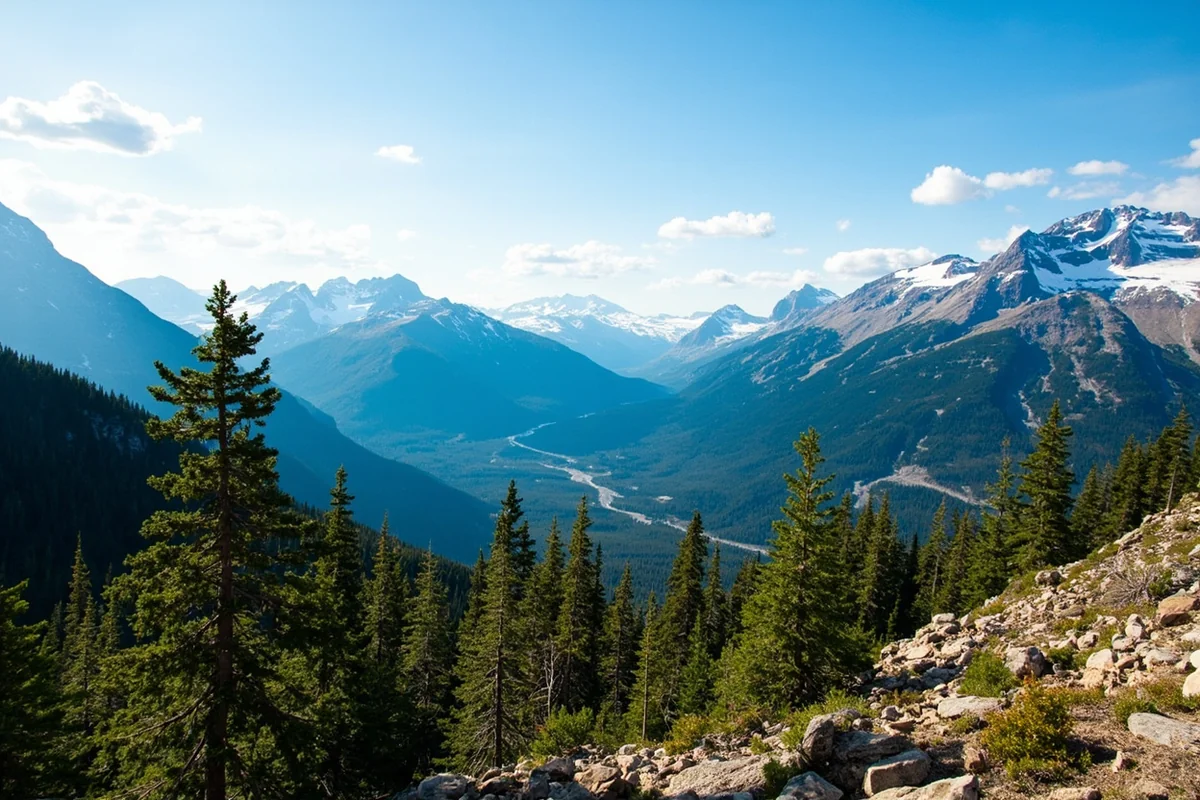
Montana, aptly nicknamed “Big Sky Country,” offers visitors a dramatic canvas of natural beauty that transforms dramatically with each passing season. Stretching across more than 147,000 square miles, this vast northwestern state encompasses everything from the rugged peaks of the Rocky Mountains to expansive prairie lands, creating a diverse climate that varies significantly throughout the year.

The state’s natural attractions are nothing short of spectacular. From the glacier-carved valleys of Glacier National Park in the northwest to the geothermal wonders of Yellowstone National Park at its southern border, Montana houses some of America’s most treasured wilderness areas. Crystal-clear lakes, rushing rivers, dense forests, and wide-open plains create a mosaic of landscapes that change their character entirely as the seasons shift.

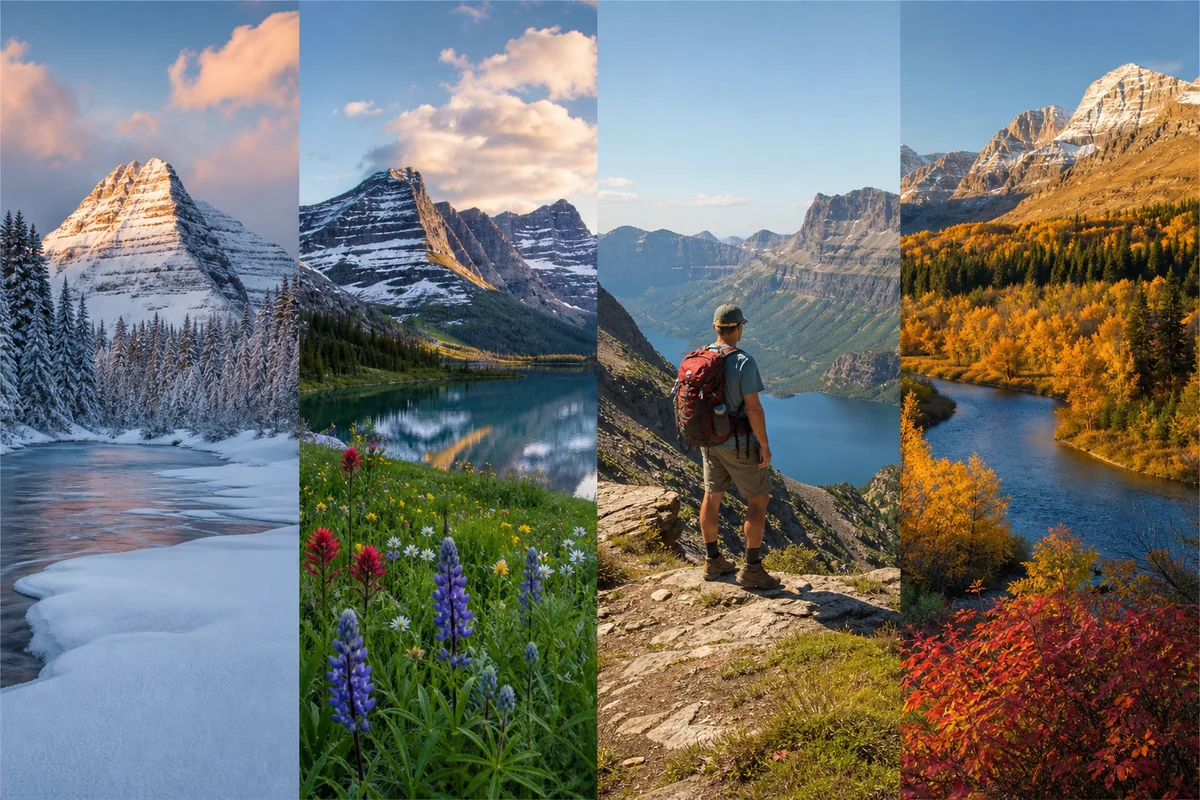
What many first-time visitors don’t realize is how dramatically the timing of your visit affects your Montana experience. A summer journey might mean perfect hiking conditions and accessible mountain passes, but also crowds at popular destinations. Winter transforms the state into a snow-covered wonderland ideal for skiing and snowmobiling, yet many roads close and temperatures can plummet well below freezing. Spring brings wildflowers and newborn wildlife but also unpredictable weather, while fall offers spectacular foliage and fewer tourists.

The seasonal variations don’t just affect the scenery—they transform activities, accessibility, wildlife viewing opportunities, and overall atmosphere of the state. Understanding Montana’s seasonal rhythm is essential for planning a trip that aligns with your preferences, whether you seek solitude in nature, active outdoor adventures, or comfortable exploration of the state’s natural wonders.

Best Time to Visit Montana: Spring (April-June)

Spring in Montana offers a magical awakening that many travelers miss by waiting for the summer rush. From April through June, the landscape transforms dramatically as winter’s grip loosens, revealing Montana’s refreshing natural beauty without the crowds that descend later in the year.

Weather during springtime presents a fascinating study in contrasts. Early April still carries winter’s chill, with overnight temperatures often dropping below freezing, especially in higher elevations. By late May and June, however, daytime temperatures typically climb into the comfortable 60s and 70s°F, creating perfect conditions for outdoor exploration. Be prepared for Montana’s famous weather variability—you might experience sunshine, rain, and even snow flurries all within a single day, particularly in April and early May.

The spring melt transforms Montana’s landscape into a verdant paradise. Wildflower displays begin in the valleys as early as April, with lupine, arrowleaf balsamroot, and glacier lilies creating carpets of color that slowly climb upward in elevation as the season progresses. By June, even mountain meadows burst with paintbrush, columbine, and beargrass—perfect for photography enthusiasts and nature lovers.

Perhaps the greatest advantage to a spring visit is the remarkable solitude you’ll find. With summer tourists still weeks away, you’ll have breathing room at popular destinations like Whitefish, Bozeman, and even the gateway communities to national parks. Accommodations are easier to secure, and rates remain lower than peak season.

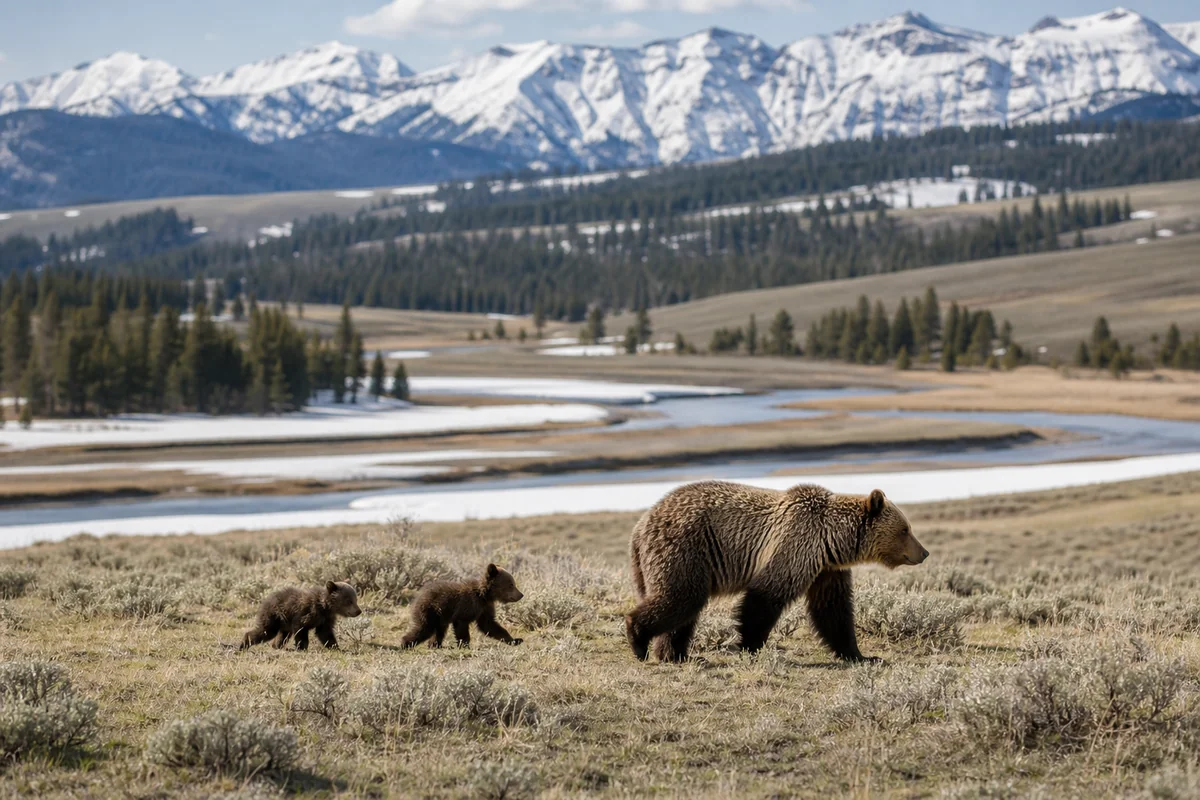
Wildlife viewing reaches its pinnacle during spring months. Animals emerge hungry from winter dormancy, and new births make for incredible sightings. In Yellowstone’s northern range, April brings bison calves, while May offers opportunities to spot bear cubs, wolf pups, and elk calves. Bird enthusiasts will appreciate the spring migration that brings songbirds back to Montana’s forests and waterways.

The shoulder season does require flexibility, however. Some mountain roads and trails remain snowbound until late May or even June. Going-to-the-Sun Road in Glacier National Park, for instance, typically doesn’t fully open until late June. Spring rain showers are common, particularly in western Montana, so waterproof gear is essential for any outdoor activities.

For anglers, spring runoff affects river clarity, but the season also brings some of the year’s most productive fishing once waters begin to clear. The famous salmonfly hatch on rivers like the Madison and Yellowstone typically begins in late May or early June, creating unforgettable fishing opportunities.

Summer in Montana (July-August): Peak Season

Montana truly comes alive during the summer months of July and August. This is undoubtedly the peak season when the state showcases its full splendor under clear blue skies and long, sun-drenched days. Temperatures reach their annual highs, typically ranging from 75°F to 90°F (24-32°C) across most regions, creating perfect conditions for exploring Montana’s vast outdoor playground.

Summer’s greatest advantage is accessibility—virtually all attractions, roads, and facilities are open and operational. The famous Going-to-the-Sun Road in Glacier National Park becomes fully traversable, usually by early July, offering visitors that iconic drive through some of America’s most breathtaking mountain scenery. Similarly, Yellowstone National Park operates at full capacity, with all entrances, visitor centers, and backcountry trails accessible.

Outdoor enthusiasts find themselves spoiled for choice during these months. Rivers run clear for world-class fly fishing, hiking trails reveal spectacular alpine meadows in full bloom, and lakes warm up enough for swimming and water sports. Mountain biking, horseback riding, whitewater rafting, and rock climbing conditions reach their prime, allowing visitors to fully embrace Montana’s outdoor culture.

However, this perfection comes at a price—literally and figuratively. Summer represents Montana’s most expensive season, with accommodation rates often doubling compared to shoulder seasons. Popular destinations like Whitefish, Bozeman, and West Yellowstone see hotels booked months in advance, and camping reservations become highly competitive.

The crowds can be substantial, particularly at major attractions. Expect busy trailheads at popular hikes, lines at park entrances, and the need for advance reservations at many restaurants and activities. For those seeking solitude in nature, summer requires more strategic planning and willingness to explore less-visited areas of the state.

Despite these challenges, summer remains Montana’s most reliable and rewarding season for first-time visitors. The predictable weather, extended daylight hours (often until 10 PM in late June and July), and full range of available experiences make it worth navigating the higher costs and larger crowds.

Fall in Montana (September-October): A Hidden Gem

Montana undergoes a magical transformation during the fall months, establishing this season as perhaps the most underrated time to visit the Treasure State. As September arrives, the summer crowds disperse, leaving behind a tranquil landscape painted with vibrant autumn colors.

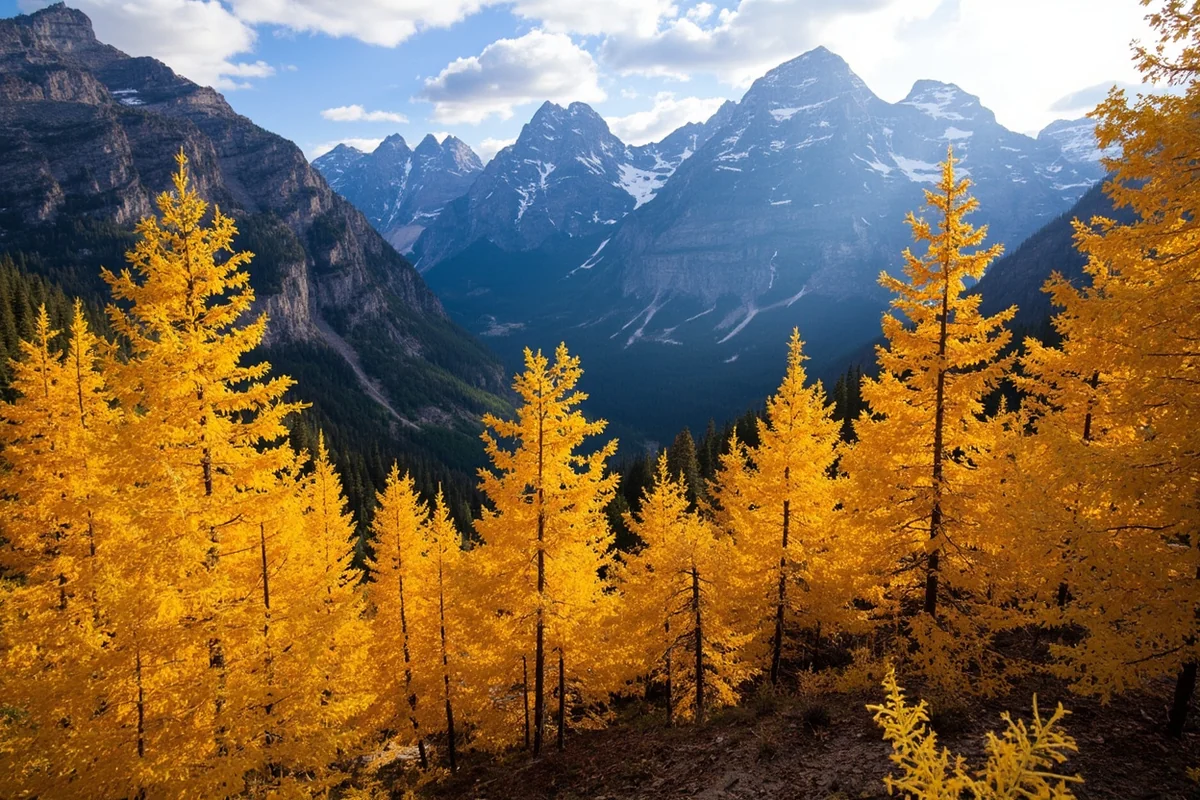
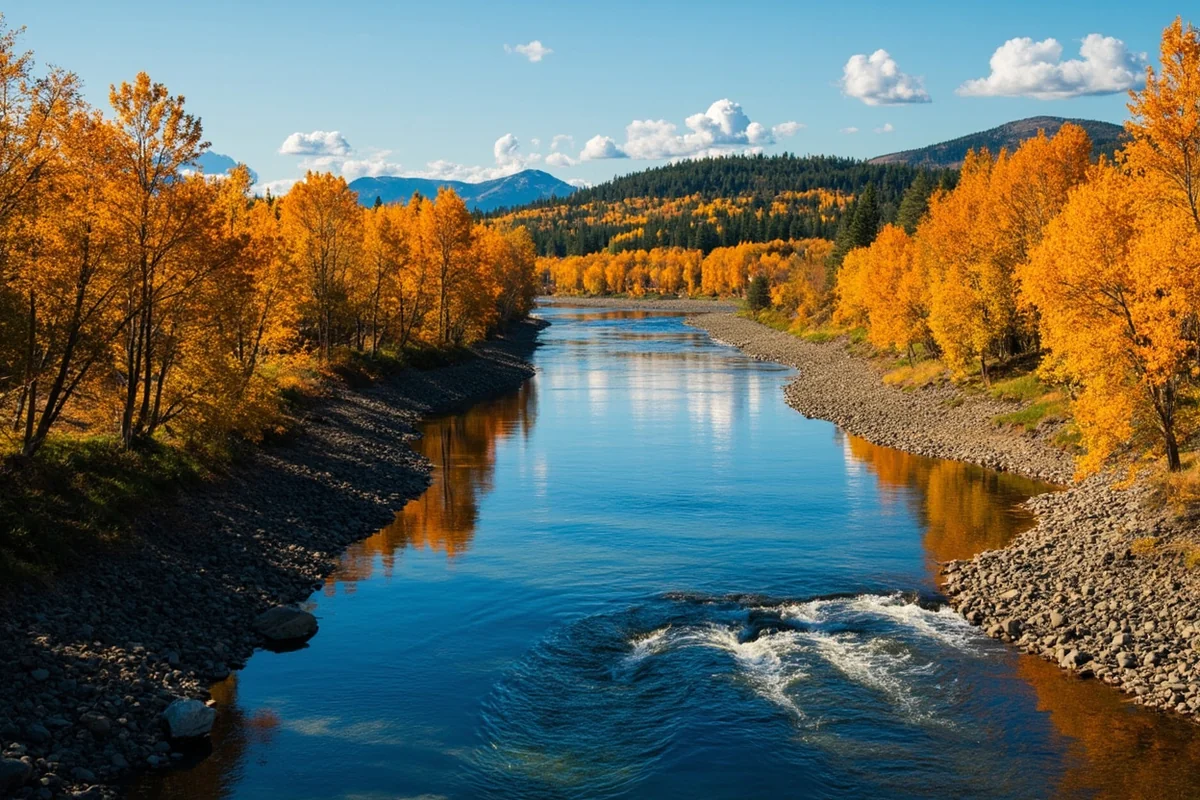
The state’s vast forests of aspen, cottonwood, tamarack, and western larch trees burst into brilliant displays of gold, amber, and crimson. This spectacular foliage typically peaks from mid-September through mid-October, creating a photographer’s paradise, especially in areas like the Bitterroot Valley and Glacier National Park’s Lake McDonald Valley. The golden larch trees against Montana’s big blue sky create a contrast that simply must be experienced firsthand.

Wildlife activity increases dramatically during fall as animals prepare for the coming winter. This is the elk rutting season, when bulls can be heard bugling across valleys and meadows—a haunting sound that echoes through the mountains. Bears become more visible as they intensify their feeding before hibernation, and bighorn sheep begin their mating rituals. The Madison and Yellowstone Rivers offer excellent opportunities to observe these seasonal behaviors.

Perhaps the greatest advantage of a fall visit is the notable absence of summer crowds. Accommodations become more available and often at reduced rates. Trails that might see hundreds of hikers in July may offer solitary experiences in October, allowing for more intimate encounters with nature.

Temperatures during fall strike a perfect balance—cool enough for comfortable hiking without the summer heat, yet still warm enough during daylight hours for outdoor activities. Mornings might require a jacket at 30-40°F, while afternoons typically warm to a pleasant 50-65°F. This makes fall ideal for active exploration without the exhaustion that summer heat can bring.

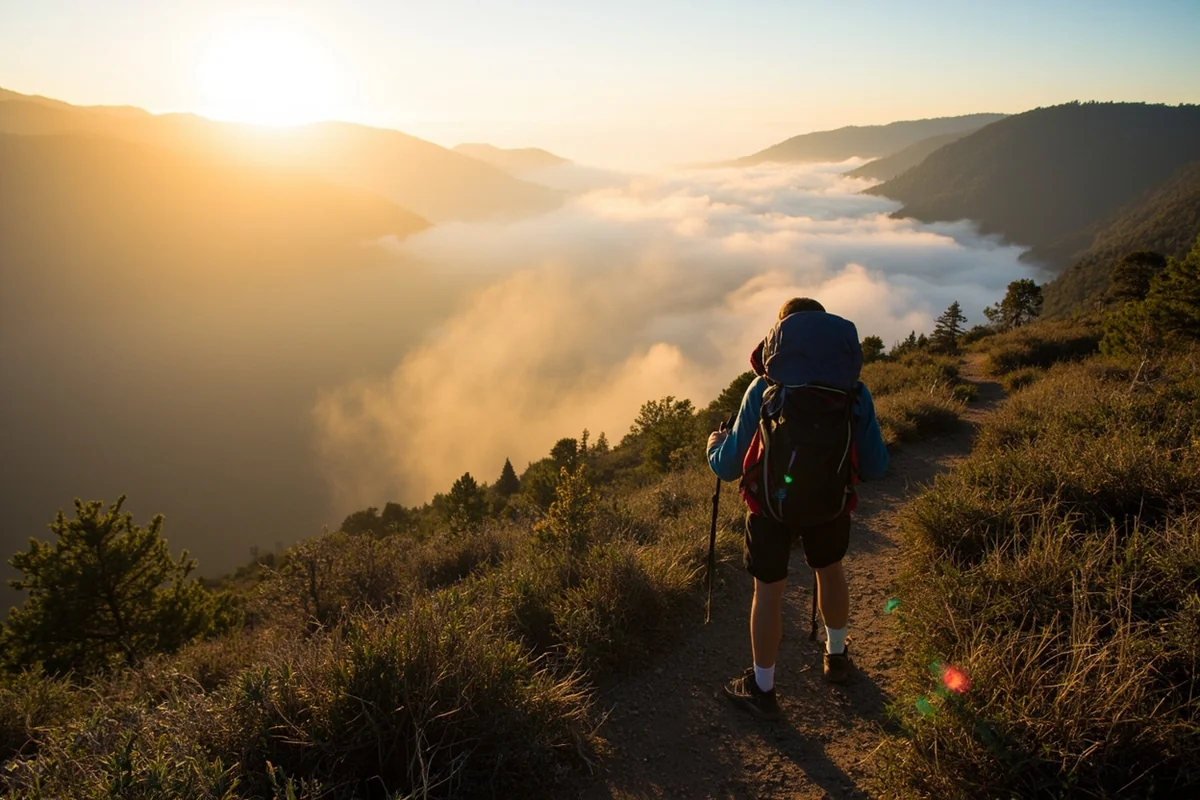
For photographers, fall in Montana offers unparalleled opportunities. The combination of dramatic skies, snow-dusted mountain peaks, golden valleys, and crystal-clear air creates conditions for stunning imagery. The lower angle of autumn sunlight bathes landscapes in warm, golden hues during extended “golden hours” at dawn and dusk.

Just be prepared for the possibility of early snow, especially at higher elevations. Packing layers and checking road conditions becomes increasingly important as October progresses. But for those willing to embrace a bit of seasonal unpredictability, fall in Montana rewards visitors with experiences that summer travelers will never know.

Winter in Montana (November-March): For Snow Enthusiasts

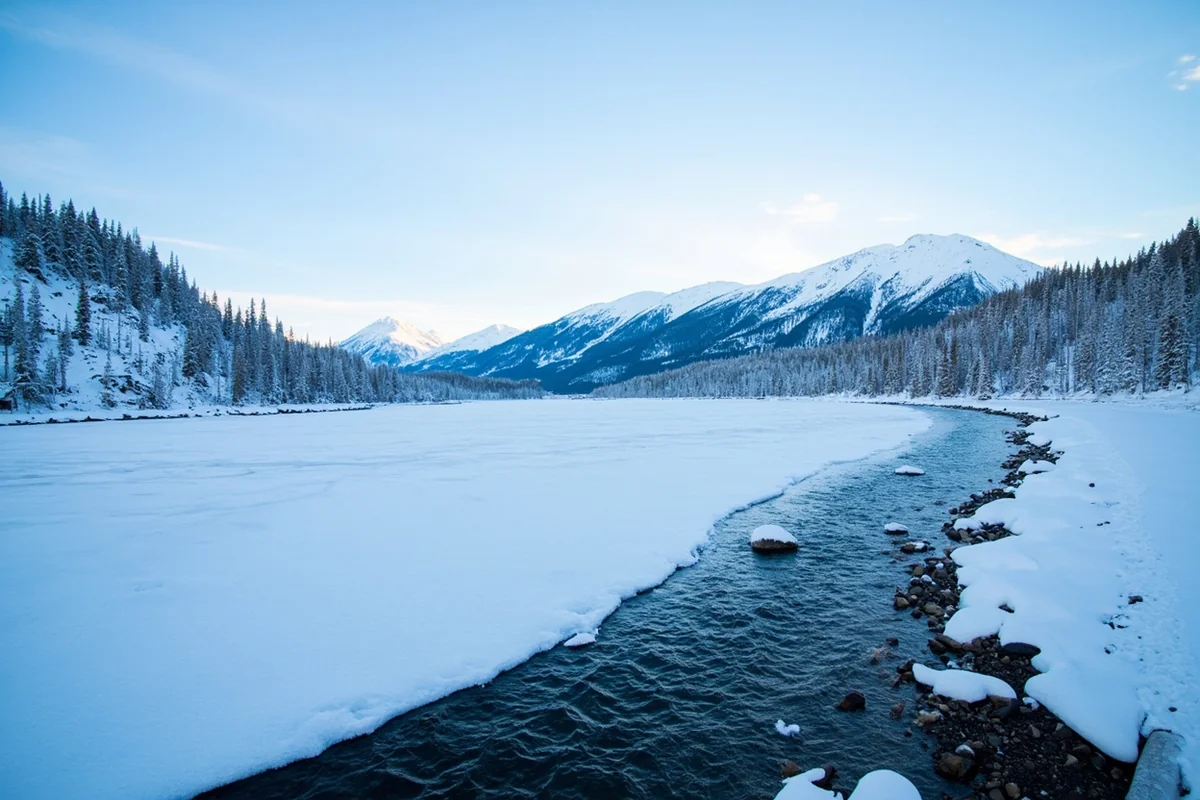
Montana transforms into a winter wonderland from November through March, drawing snow enthusiasts from across the globe. The state boasts some of North America’s most impressive ski resorts, including Big Sky Resort with its 5,800 acres of skiable terrain and the legendary Bridger Bowl near Bozeman. These destinations offer powder-filled runs for all skill levels, with the added bonus of significantly shorter lift lines than you’d find in Colorado or Utah.

Beyond the slopes, Montana’s geothermal features provide a magical winter experience. After a day in the cold, visitors can soak in natural hot springs like Chico Hot Springs near Yellowstone or Quinn’s Hot Springs Resort in Paradise. The juxtaposition of steaming waters against snow-covered landscapes creates an unforgettable sensory experience.

Winter festivals add cultural richness to the snowy months. The Whitefish Winter Carnival features parades, skijoring competitions (where horses pull skiers through obstacle courses), and the quirky “Penguin Plunge” into icy waters. In Missoula, the First Night celebration rings in the New Year with ice sculptures and family-friendly activities.

However, winter visitors must prepare for extreme conditions. Temperatures regularly plummet below zero, especially in January and February. Nighttime lows of -20°F aren’t uncommon in certain regions, and windchill factors can make it feel even colder. Proper winter gear is non-negotiable for enjoying Montana’s winter landscape safely.

One significant limitation during winter is reduced access to Montana’s national parks. While Yellowstone maintains limited winter access via snowcoach or snowmobile tours, many roads close entirely. Glacier National Park’s famous Going-to-the-Sun Road becomes inaccessible, though the park offers snowshoeing and cross-country skiing opportunities. These restrictions create a more intimate experience with nature but require careful advance planning.

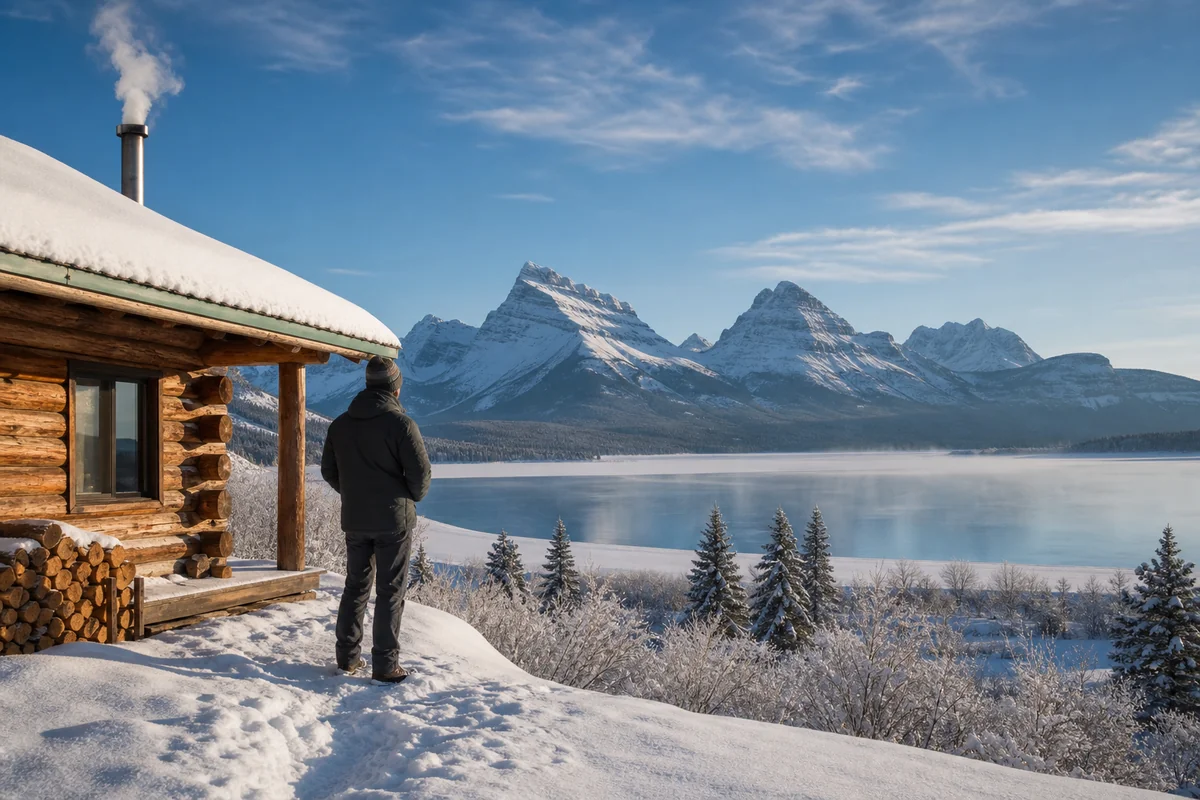
For those willing to brave the cold, winter reveals Montana’s raw, pristine beauty with fewer tourists and a peaceful atmosphere that summer visitors never experience.

The Worst Time to Visit Montana

Montana’s breathtaking landscapes aren’t always at their most welcoming. While every season offers something special, certain periods present genuine challenges for visitors. Understanding when not to visit can be just as valuable as knowing the prime times.

Late spring in Montana (typically late March through early May) brings what locals call “mud season.” As winter’s snowpack begins to melt, many hiking trails, dirt roads, and outdoor areas transform into muddy, slushy messes. This transition period means unpredictable conditions where you might encounter both snowstorms and warm days within the same week. Many backcountry roads remain impassable, and popular trails can suffer erosion damage if hiked during this time.

By late summer (late July through September), Montana often faces another significant challenge: wildfire season. Climate change has intensified this period, with smoke-filled skies becoming increasingly common. During severe fire years, visibility in scenic areas can drop dramatically, obscuring those postcard-worthy mountain views. Air quality concerns may force you to limit outdoor activities, and some areas might face evacuation orders or closures with little notice. If you’re planning a photography trip or have respiratory issues, this timing could seriously impact your experience.

Winter presents its own set of obstacles, particularly January and February when temperatures can plummet to shocking lows. Areas like northeastern Montana and higher elevations regularly experience temperatures of -20°F (-29°C) or colder, with wind chills making it feel even more extreme. These conditions aren’t just uncomfortable—they can be dangerous for unprepared visitors. Many scenic roads, including the famous Going-to-the-Sun Road in Glacier National Park, remain closed throughout winter, limiting access to iconic destinations.

Road closures represent another significant consideration. Beyond the seasonal closure of mountain passes, spring thaws often trigger temporary closures as authorities assess road conditions and repair winter damage. During severe wildfire activity, road closures can happen with minimal notice, potentially disrupting carefully planned itineraries.

For most travelers seeking the classic Montana experience, these challenging periods are best avoided unless you have specific activities planned that align with these conditions, such as spring skiing or winter wildlife photography. Planning around these more difficult times ensures your Montana adventure delivers the experience you’re hoping for.

Montana’s Weather Patterns by Region

Montana’s geography creates dramatically different climate zones across the state, earning it the nickname “a state of extremes.” Understanding these regional weather patterns is crucial for planning your visit to the Treasure State.

The western portion of Montana, dominated by the Rocky Mountains, experiences a modified pacific maritime climate. Here, temperatures are generally milder than the eastern plains, with cooler summers and warmer winters. Cities like Missoula and Kalispell typically see more moderate temperature swings throughout the year. The mountains create a rain shadow effect, with western slopes receiving significant precipitation (often as snow), sometimes exceeding 100 inches annually in higher elevations.

In contrast, eastern Montana features vast plains and badlands with a semi-arid continental climate. This region experiences greater temperature extremes—scorching summers where temperatures can soar above 100°F and frigid winters that can plummet below -30°F. Cities like Billings, Miles City, and Glasgow see dramatic seasonal shifts. The eastern plains receive significantly less precipitation, typically 10-15 inches annually, with most falling during late spring thunderstorms.

The mountainous divide running north to south through Montana creates interesting microclimates. Valleys nestled between mountain ranges often experience temperature inversions in winter, where cold air gets trapped below warmer air at higher elevations. This phenomenon can lead to extended periods of fog and colder temperatures in places like Helena and Butte.

Precipitation patterns follow seasonal trends across Montana, but timing varies by region. The western mountains receive most moisture in winter and spring as Pacific storms move inland. Eastern Montana typically sees its highest rainfall in late spring and early summer, often accompanied by spectacular (and sometimes dangerous) thunderstorms. Summer afternoon thunderstorms are common throughout the state, especially in mountainous areas.

Understanding these regional differences can significantly impact your Montana experience. A June visit might find pleasant temperatures in Bozeman while Glendive is already experiencing summer heat. Similarly, October could bring early snow to Whitefish while Miles City remains dry and mild.

Planning for Glacier National Park Visits

Glacier National Park stands as Montana’s crown jewel, drawing visitors from around the world to witness its spectacular alpine scenery, pristine lakes, and abundant wildlife. Timing your visit to this natural wonder requires careful consideration to ensure you experience its magic while navigating its unique seasonal constraints.

The iconic Going-to-the-Sun Road serves as the park’s main artery, offering access to many of Glacier’s most breathtaking vistas. This engineering marvel typically opens fully in late June to early July, depending on snowpack and plowing progress. In recent years, openings have occurred between June 22 and July 13, though climate change has occasionally allowed earlier access. If driving this scenic route is a priority, avoid planning your trip before late June, as disappointment awaits those who arrive when the road remains partially closed.

For hiking enthusiasts, mid-July through mid-September offers the optimal window. During this period, most trails have shed their snow cover, alpine wildflowers carpet the meadows, and temperatures remain comfortable at higher elevations. August provides the most reliable hiking conditions, with trails to popular destinations like Hidden Lake, Highline Trail, and Grinnell Glacier typically clear of snow and hazards.

To avoid the crushing summer crowds that have become increasingly problematic at Glacier, consider these strategies:

  • Visit in late June (if Going-to-the-Sun Road is open) or mid-September when families with school-age children are absent
  • Explore the park before 8 AM or after 4 PM when day-trippers have departed
  • Focus on the less-visited areas like Two Medicine and Many Glacier on the east side
  • Plan your visit for weekdays rather than weekends
  • Use the park shuttle system instead of searching for limited parking

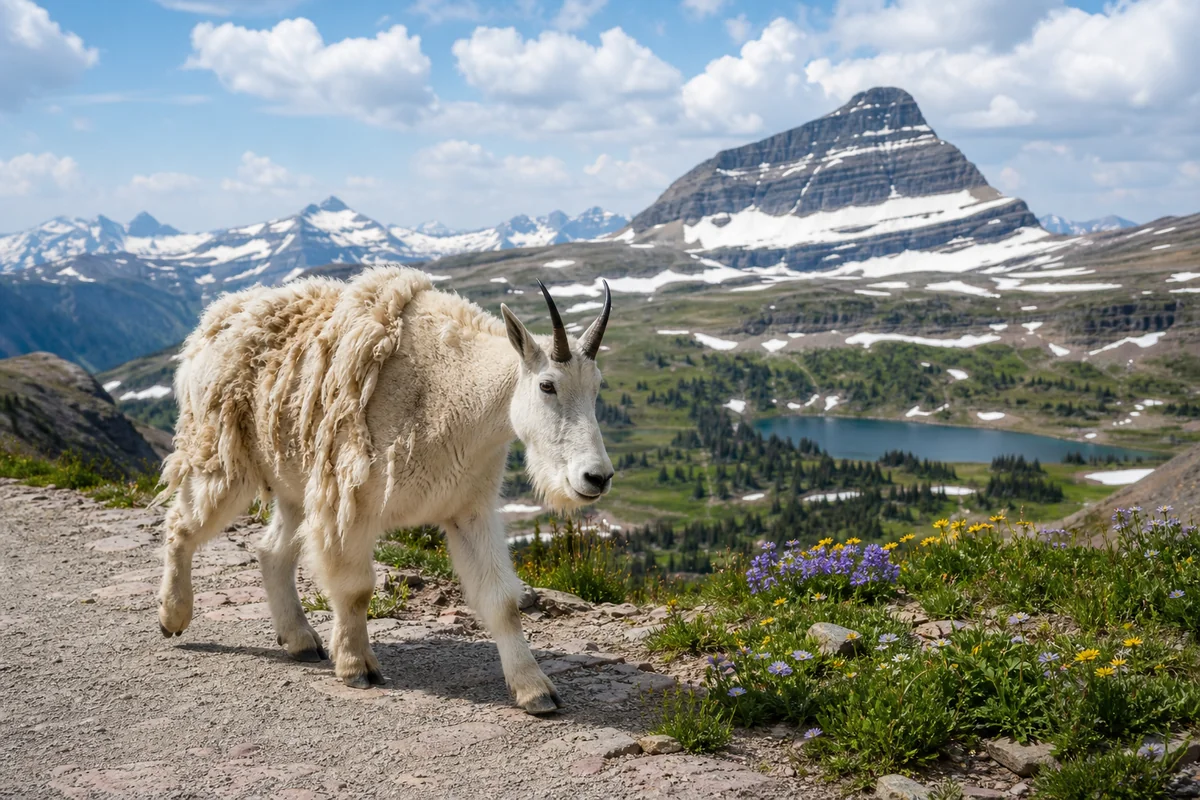
Wildlife viewing opportunities abound throughout the year, but certain seasons offer advantages. Spring (May-early June) provides excellent opportunities to spot bears emerging from hibernation in lower elevations, while early fall coincides with the elk rut, when bulls can be heard bugling across valleys. Mountain goats and bighorn sheep are most visible during summer months along higher elevation trails.

For photographers seeking the perfect Glacier shot, early October delivers a magical combination of fall colors, potential early snow dustings on peaks, and dramatically reduced crowds. The trade-off comes with limited services, as many facilities begin closing for the season after Labor Day.

Whatever season you choose for your Glacier adventure, remember that weather conditions can change rapidly in this mountain environment. Pack layers, prepare for potential weather shifts, and always check current trail conditions at visitor centers before setting out on any hike.

Yellowstone National Park: Timing Your Visit

Yellowstone National Park, partially located in Montana’s southern region, demands strategic timing for the optimal experience. While technically open year-round, each season offers dramatically different experiences and accessibility options.

May and September represent the sweet spots for Yellowstone visits. During these shoulder months, you’ll encounter fewer crowds while still enjoying relatively mild weather and active wildlife. In May, baby animals emerge throughout the park, creating exceptional wildlife viewing opportunities, particularly for bear cubs, wolf pups, and bison calves. September brings the elk rut, when bulls bugle and compete for mates in one of nature’s most dramatic displays.

For wildlife enthusiasts, early morning and late afternoon hours yield the best sightings regardless of season. The Lamar Valley, often called “America’s Serengeti,” offers peak wolf and grizzly viewing at dawn, while Hayden Valley excels for bison and elk sightings. Winter presents unique opportunities to spot wolves against the snow, though access becomes significantly limited.

Geyser activity remains consistent year-round, with Old Faithful erupting approximately every 90 minutes regardless of season. However, the steamy contrast of geothermal features against winter’s snow creates particularly dramatic photography opportunities. Summer offers the convenience of predictable access but comes with the significant downside of sharing these natural wonders with thousands of other visitors.

To avoid the crushing summer crowds, plan your visit for weekdays in early June or late August when families with school-age children are less likely to visit. July witnesses Yellowstone’s highest visitation numbers, with parking lots at major attractions often filling before 9 AM. If summer is your only option, embrace early mornings—arriving at popular sites like Grand Prismatic Spring or Old Faithful before 8 AM can provide a relatively peaceful experience.

When considering park entrances, the North Entrance via Gardiner, Montana remains the only year-round vehicle access point. The Northeast Entrance through Cooke City offers spectacular wildlife viewing along the Lamar Valley but closes to vehicle traffic in winter beyond Cooke City. The West Entrance through West Yellowstone, Montana provides the most direct access to the geyser basins but experiences the heaviest traffic during peak season.

For visitors seeking a truly unique experience, consider a winter visit when snowcoaches and snowmobiles replace conventional vehicles on most park roads. While requiring additional planning and expense, winter’s quiet solitude and pristine snowscapes offer a completely different perspective of America’s first national park.

Montana’s Summer Festivals and Events

Montana truly comes alive during the summer months with a vibrant calendar of festivals and cultural events that showcase the state’s rich heritage and community spirit. From rodeos that celebrate Montana’s cowboy culture to music festivals set against breathtaking mountain backdrops, summer offers visitors a chance to experience the authentic soul of Big Sky Country.

The legendary Montana Folk Festival in Butte transforms this historic mining city into a cultural melting pot each July. This free event features multiple stages with diverse musical performances, traditional crafts, and food vendors representing cuisines from around the world. The festival typically draws over 150,000 attendees, making it one of Montana’s largest cultural gatherings.

For an authentic western experience, the Augusta Rodeo held in late June is Montana’s oldest rodeo and offers visitors a glimpse into the state’s ranching traditions. Similarly, the Livingston Roundup Rodeo during the Fourth of July weekend combines thrilling rodeo action with spectacular fireworks displays. These events aren’t just tourist attractions—they’re living traditions where local cowboys compete for prestige and prizes.

Music lovers shouldn’t miss the Red Ants Pants Music Festival in White Sulphur Springs, a four-day celebration featuring nationally renowned artists performing in a working cow pasture. This festival has hosted talents like Dwight Yoakam and Emmylou Harris while maintaining its authentic Montana character. The festival’s proceeds support rural communities through the Red Ants Pants Foundation.

Local celebrations like Whitefish’s Huckleberry Days in August and the Sweet Pea Festival in Bozeman offer visitors a taste of Montana’s community spirit. These events feature local artisans, regional foods, and family-friendly activities that showcase the unique character of Montana’s mountain towns.

When planning your Montana summer itinerary, consider building your trip around these festivals. Accommodations fill quickly during major events, so booking several months in advance is essential, particularly in smaller towns with limited lodging options. Many festivals offer camping options, which can be both economical and part of the authentic Montana experience.

For visitors seeking a more immersive experience, volunteering at these events can provide unique behind-the-scenes access while connecting with locals. Most festivals have volunteer programs that offer perks like free admission in exchange for a few hours of service.

Whether you’re drawn to the thundering hooves at a rodeo, the melodic sounds of a music festival, or the simple pleasure of a small-town parade, Montana’s summer events calendar offers rich cultural experiences that complement the state’s natural beauty.

Budget Considerations by Season

Montana’s tourism costs fluctuate dramatically throughout the year, making your travel budget heavily dependent on when you visit. Summer (June through August) represents the pinnacle of pricing across all categories. During these peak months, accommodation rates in popular destinations like Whitefish, Bozeman, and West Yellowstone can increase by 50-100% compared to off-season rates. Hotels near Glacier National Park often charge $250-400 per night for basic rooms that might cost $120-180 during shoulder seasons.

Flight prices follow a similar pattern, with summer airfares to Bozeman, Missoula, and Kalispell typically 30-40% higher than winter rates (excluding the holiday ski season). Rental cars become particularly problematic during peak summer, with rates sometimes tripling and availability becoming scarce—booking months in advance becomes essential.

The winter season splits into two distinct budget categories: holiday/ski season (late December through February) brings premium pricing to resort areas like Big Sky and Whitefish, while November, early December, and March offer some of the year’s best values. During these “secret seasons,” accommodations near ski resorts often offer packages and significant discounts to attract visitors.

Spring and fall represent Montana’s budget sweet spots. May and September/October deliver pleasant weather and dramatically reduced prices—often 40-50% lower than summer rates. These shoulder seasons also feature rental car availability at reasonable rates, typically $30-70 per day versus summer’s $100-200 daily rates.

For the absolute best deals, consider:

  • Booking accommodations 4-6 months in advance for summer visits
  • Exploring vacation rentals in April/May or September/October
  • Visiting eastern Montana, which generally offers lower prices year-round
  • Taking advantage of midweek stays, which can reduce accommodation costs by 15-25% even during busy seasons
  • Looking for “shoulder season” packages that often include activity discounts

Remember that Montana’s vast size means regional price variations exist—areas near national parks command premium prices, while equally beautiful but less famous destinations like the Missouri River Breaks or the Pioneer Mountains offer significantly better value throughout the year.

Wildlife Viewing Opportunities Throughout the Year

Montana offers some of the most spectacular wildlife viewing in North America, with different seasons providing unique opportunities to observe the state’s diverse animal inhabitants. Whether you’re hoping to spot grizzly bears emerging from hibernation or witness the majestic elk rut, timing your visit correctly can make all the difference.

Spring: New Life and Emerging Predators

Spring (April-June) marks one of the best times to visit Montana for wildlife enthusiasts. As the landscape awakens, bears emerge from hibernation, typically in April and May. Grizzlies and black bears can often be spotted in meadows foraging for early-season vegetation. This is also when mothers appear with their cubs, creating memorable (but view-from-a-distance) photo opportunities.

Bird watchers will find spring particularly rewarding as migratory species return. The central flyway brings countless waterfowl, raptors, and songbirds through Montana’s river valleys and wetlands. Areas like the Lee Metcalf National Wildlife Refuge near Missoula become hubs of avian activity.

Summer: Peak Wildlife Activity

Summer (June-August) offers the most reliable wildlife viewing conditions. Dawn and dusk provide the best opportunities to spot wolves in places like Lamar Valley in Yellowstone (partially in Montana). Elk, deer, and moose are widely visible throughout the state’s forests and meadows, particularly in areas like the Gallatin Canyon.

Mountain goats and bighorn sheep can be observed at higher elevations during summer months when alpine meadows are accessible. The National Bison Range near Moiese offers nearly guaranteed bison sightings during this season.

Fall: The Dramatic Rut Season

Fall (September-October) delivers perhaps the most dramatic wildlife displays. The elk rut (mating season) begins in September, with bulls bugling their eerie calls across valleys at dawn and dusk. This is particularly spectacular in areas surrounding Yellowstone. Male elk engage in impressive battles for dominance, making this one of the most photogenic wildlife events in Montana.

Bear activity increases dramatically in fall as they enter hyperphagia—an intense feeding period before hibernation. They become more visible as they forage extensively, especially in berry patches and near water sources.

Winter: Predators and Prey Against Snow

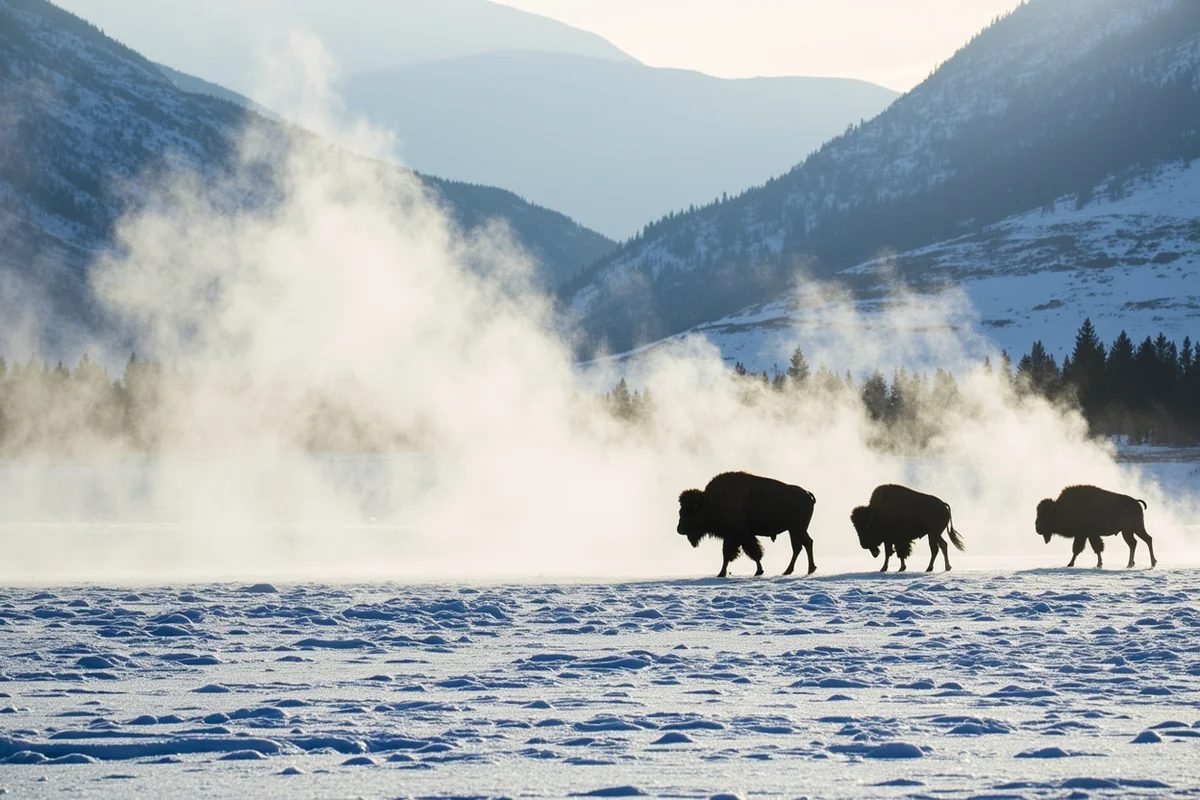
Winter (November-March) transforms wildlife viewing into a stark survival story. While some species are less visible, wolves become easier to spot against the snow-covered landscape, particularly in the Lamar and Blackfoot Valleys. Bison, with their frost-covered coats, create iconic winter images as they plow through deep snow.

Bald eagles concentrate along unfrozen sections of rivers, hunting for fish. Areas like the Missouri River near Great Falls become eagle hotspots during these months.

Wildlife Viewing Safety Considerations

When planning your wildlife viewing in Montana, safety must remain paramount:

  • Always maintain a minimum distance of 100 yards from bears and wolves, and 25 yards from all other wildlife
  • Carry bear spray when hiking in bear country (particularly in spring and fall)
  • Never approach or feed any wild animals
  • View from your vehicle when possible, especially with larger predators
  • Dawn and dusk offer the best viewing opportunities but require extra caution in bear country
  • Consider guided wildlife tours for safer, more successful viewing experiences

The best time to visit Montana for wildlife ultimately depends on which species you’re most interested in seeing, but spring and fall generally offer the most diverse and active viewing opportunities while avoiding the worst summer crowds.

Fishing Seasons in Montana

Montana’s reputation as a fly fishing paradise is well-earned, with its pristine rivers and abundant fish populations drawing anglers from around the world. The fishing experience varies dramatically throughout the year, making timing crucial for those seeking the perfect catch.

Spring runoff typically occurs from mid-May through mid-June, when snowmelt creates high, muddy waters that can be challenging for fishing. However, by late June, most rivers clear up, marking the beginning of prime fishing season. July through September offers the most consistent dry fly fishing opportunities, with stable water conditions and active trout.

The Yellowstone, Madison, Missouri, and Bighorn Rivers each have their prime seasons:

  • Madison River: Excellent from late June through October, with the salmon fly hatch in late June creating exceptional fishing conditions
  • Yellowstone River: Best from July through September when waters clear and stabilize
  • Missouri River: Offers year-round fishing opportunities, with spring (April-May) and fall (September-October) being particularly productive
  • Bighorn River: Maintains relatively consistent conditions year-round due to dam regulation, with exceptional fishing from April through November

Montana’s waters host various trout species throughout the year:

  • Rainbow and brown trout are available year-round
  • Cutthroat trout fishing peaks in summer months
  • Bull trout (catch and release only) are best targeted in fall
  • Mountain whitefish become more active in late summer and fall

Winter fishing shouldn’t be overlooked. From December through March, tailwaters like the Missouri and Bighorn Rivers offer midday fishing opportunities when temperatures rise. These winter months see significantly fewer anglers, providing a peaceful experience for those willing to brave the cold.

Montana’s fishing regulations vary by waterway and season, with a general fishing season running from the third Saturday in May through November 30. However, many rivers offer catch-and-release fishing year-round. All anglers 15 and older must possess a valid fishing license, and special regulations apply to certain waters, particularly those with native trout populations. Always check the current Montana Fish, Wildlife & Parks regulations before planning your trip, as restrictions can change annually to protect fish populations.

Packing Tips for Montana’s Variable Climate

Montana’s weather can change dramatically within a single day, making smart packing essential for an enjoyable trip. The state’s motto might as well be “expect the unexpected” when it comes to weather conditions. Whether you’re hiking through Glacier National Park or exploring the streets of Missoula, being prepared with the right gear can make or break your Montana adventure.

Layering Is Your Best Friend

The key to comfort in Montana’s variable climate is mastering the art of layering:

  • Base layer: Start with moisture-wicking materials like merino wool or synthetic fabrics that pull sweat away from your skin.
  • Mid layer: Add insulating pieces such as fleece pullovers, down vests, or lightweight sweaters that trap heat.
  • Outer layer: Finish with a waterproof and windproof shell jacket that protects against precipitation and gusts.

This three-part system allows you to add or remove layers as conditions change throughout the day. In Montana, it’s not uncommon to start your morning in a jacket and end the afternoon in a t-shirt—only to need that jacket again by evening.

Seasonal Essentials

Spring Packing List:

  • Waterproof hiking boots (spring trails are often muddy)
  • Rain jacket and pants
  • Light gloves and beanie
  • Sunglasses and sunscreen (UV rays are strong at higher elevations)
  • Lightweight but warm sleeping bag if camping

Summer Essentials:

  • Breathable, quick-dry clothing
  • Wide-brimmed hat for sun protection
  • Sturdy sandals for water activities
  • Insect repellent (mosquitoes can be fierce near water)
  • Light jacket for cool evenings, especially at higher elevations

Fall Must-Haves:

  • Thermal underwear for morning and evening activities
  • Heavier fleece or light down jacket
  • Waterproof boots
  • Gloves and warm hat
  • Camera for capturing fall colors

Winter Gear:

  • Insulated, waterproof boots with good traction
  • Heavy down or synthetic insulated jacket
  • Thermal base layers (top and bottom)
  • Waterproof snow pants
  • Insulated gloves, wool socks, and warm hat
  • Hand and foot warmers for extended outdoor activities

Preparing for Unexpected Weather

Montana’s weather reputation is well-earned—conditions can shift dramatically in minutes. Some essential items to pack regardless of season:

  • A small but powerful flashlight or headlamp (power outages during storms happen)
  • Portable phone charger/power bank (cold weather drains batteries faster)
  • Small first aid kit with emergency blanket
  • Water bottle and water purification method
  • Map and compass (don’t rely solely on phone GPS in remote areas)
  • High-energy snacks (weather delays can leave you stranded longer than expected)

Remember that Montana’s high elevation means stronger sun exposure and more rapid weather changes than you might experience at home. Even on cloudy days, sunscreen is essential, and even in summer, a warm layer should always be in your daypack.

By packing thoughtfully for Montana’s variable climate, you’ll be ready to enjoy all the outdoor adventures the state has to offer, regardless of what Mother Nature decides to throw your way.

Conclusion: Planning Your Perfect Montana Trip

Planning the perfect Montana adventure ultimately depends on your personal interests and priorities. Summer (June-August) offers ideal conditions for hiking, water activities, and full access to Glacier National Park, though you’ll contend with larger crowds and higher prices. Fall (September-October) presents a magical balance of pleasant weather, spectacular foliage, and reduced tourist numbers. Spring (April-June) brings wildflowers and wildlife viewing opportunities, along with lower rates, while winter (November-March) transforms the state into a snow-covered playground for skiing enthusiasts and those seeking solitude.

Consider your primary activities when scheduling your visit. Wildlife enthusiasts should target late spring and early fall, photographers might prefer the golden light of autumn, and budget travelers will find better deals during shoulder seasons. Families often find summer ideal despite the crowds, as all attractions are fully operational and weather conditions are most reliable.

Before finalizing your plans, check Montana’s official tourism website for seasonal road closures, park access information, and upcoming events. Local visitor centers can provide invaluable insights about regional conditions, and Montana’s weather service should be consulted regularly as your trip approaches. Remember that Montana’s vast geography means conditions can vary dramatically across the state, so research your specific destinations thoroughly.

Whether you’re drawn to the majestic peaks of Glacier, the geothermal wonders of Yellowstone, or the sweeping plains of the eastern regions, Montana offers unforgettable experiences year-round. By aligning your visit with your personal interests and preparing for the state’s variable conditions, you’ll discover why Montana’s nickname—”The Last Best Place”—rings true regardless of when you choose to visit.

Frequently Asked Questions

What is the best month to visit Montana?

September is often considered the best month to visit Montana. It offers a perfect balance of pleasant weather, spectacular fall foliage, reduced crowds, and active wildlife. You’ll enjoy comfortable temperatures for outdoor activities, lower accommodation rates compared to summer, and the chance to witness events like the elk rut.

Is it worth visiting Montana in winter?

Yes, visiting Montana in winter can be absolutely worth it for snow enthusiasts and those seeking a unique experience. The state transforms into a winter wonderland with world-class skiing, snowmobiling, and opportunities for wildlife viewing against snowy backdrops. Natural hot springs provide a magical contrast to the cold, and you’ll encounter far fewer tourists. However, be prepared for extreme cold and limited access to some attractions.

When is the worst time to visit Montana?

The worst time to visit Montana depends on your preferences, but late March through early May is often considered challenging due to “mud season.” This period brings unpredictable weather, muddy trails, and limited access to many outdoor areas. Additionally, late summer (late July through August) can be problematic due to wildfire risks, which may lead to smoky skies and reduced visibility.

How far in advance should I book accommodations for a summer trip to Montana?

For a summer trip to Montana, especially if you plan to visit popular areas like Glacier National Park or Yellowstone, it’s advisable to book accommodations 4-6 months in advance. Summer is peak tourist season, and hotels in prime locations can fill up quickly. Booking early ensures you have more options and potentially better rates.

When is the best time to see wildlife in Montana?

Spring (April-June) and fall (September-October) offer the best wildlife viewing opportunities in Montana. Spring brings newborn animals and emerging bears, while fall coincides with the elk rut and increased bear activity as they prepare for hibernation. Dawn and dusk are typically the best times of day for wildlife spotting, regardless of season.

What’s the best time to visit Glacier National Park?

The best time to visit Glacier National Park is typically mid-July through mid-September. This period offers the most reliable weather, full access to park facilities, and clear hiking trails. The famous Going-to-the-Sun Road is usually fully open during this time. However, for fewer crowds, consider visiting in late June (if the road is open) or mid-September.

When is fly fishing season in Montana?

Montana offers year-round fly fishing opportunities, but the prime season generally runs from late June through September. This period provides the most consistent dry fly fishing conditions with stable water levels and active trout. Each river has its peak times, with events like the salmon fly hatch on the Madison River in late June creating exceptional fishing conditions.

Emily Carter

I write Montana travel guides focused on routes, destinations, and planning basics. My content emphasizes accuracy, usefulness, and clear structure, helping readers make informed travel decisions based on reliable information and realistic expectations.

Leave a Reply