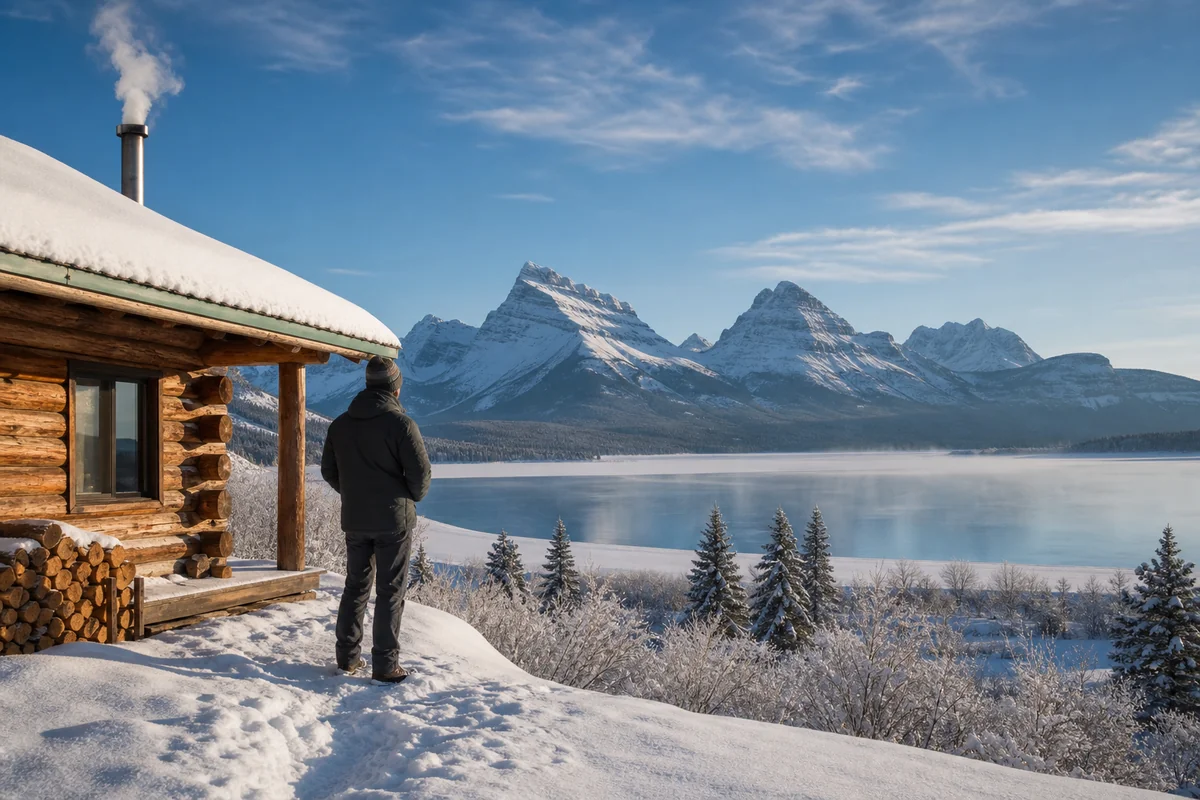
The thermometer read -22°F when I stepped outside my cabin near Whitefish last January, and I’d never felt more alive.
That bone-cracking cold, the kind that freezes your nose hairs instantly, came with something extraordinary: absolute stillness, bluebird skies, and Glacier National Park practically to myself.
If you’re trying to figure out the best time to visit Montana, January might not be your first thought—but after spending multiple winters exploring Big Sky Country during its coldest month, I’m convinced it deserves serious consideration.
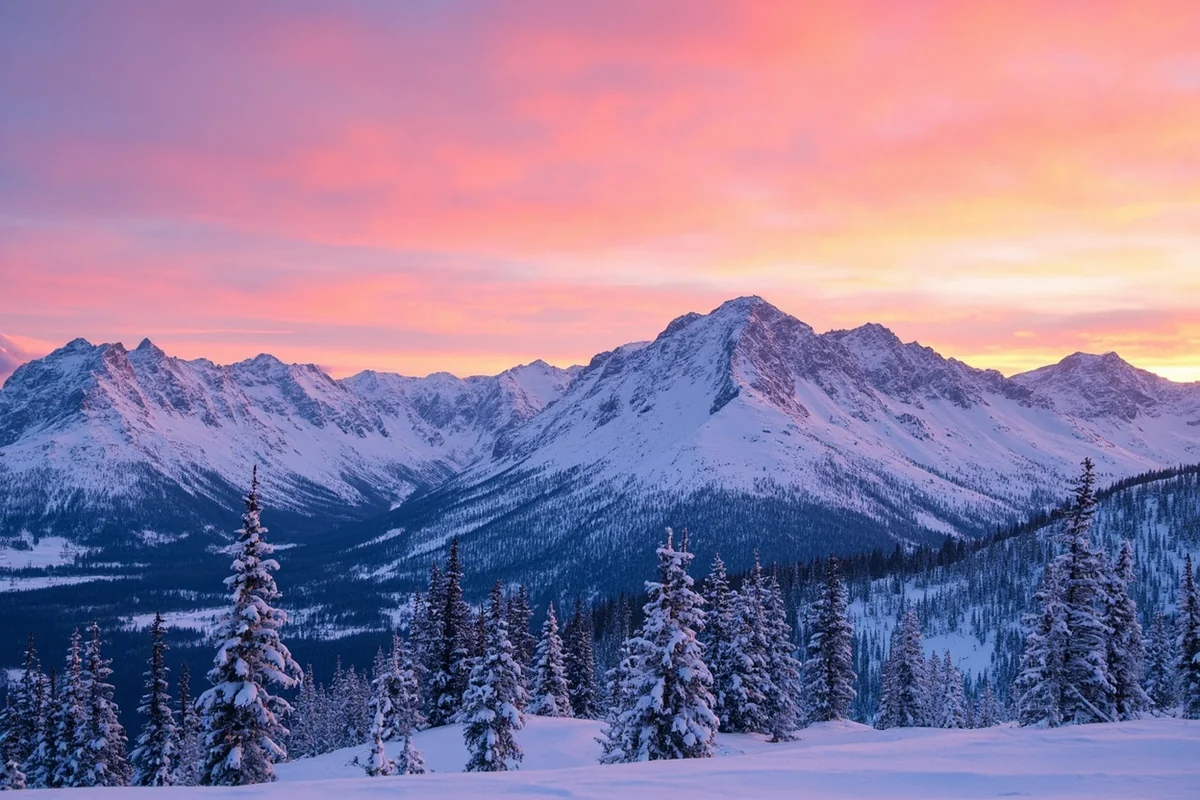
- January offers Montana’s best powder skiing, lowest crowds, and dramatic wildlife viewing opportunities
- Expect temperatures from -20°F to 35°F depending on location—pack serious cold-weather gear
- World-class skiing at Big Sky, Whitefish, and smaller resorts with no lift lines
- Yellowstone’s northern entrance stays open for incredible winter wildlife safaris
- Budget travelers save 30-50% on lodging compared to summer and Christmas peak seasons
- Road conditions require preparation—AWD or 4WD and tire chains are essential
Liked this article?
Add Roaming Montana as a preferred source so you see more of our articles and guides on Google.
Why January Is Montana’s Best-Kept Secret
I’ll be honest with you: January in Montana is not for the faint of heart. But that’s precisely what makes it magical. The summer crowds that descend on Glacier National Park—over 3 million visitors annually—disappear almost entirely. During my last January visit, I counted more moose than people.
The snow accumulation by January creates a winter playground that’s simply unmatched. Unlike Montana in December when the base is still building, or Christmas in Montana when prices peak and slopes get crowded, January delivers deep powder with breathing room.
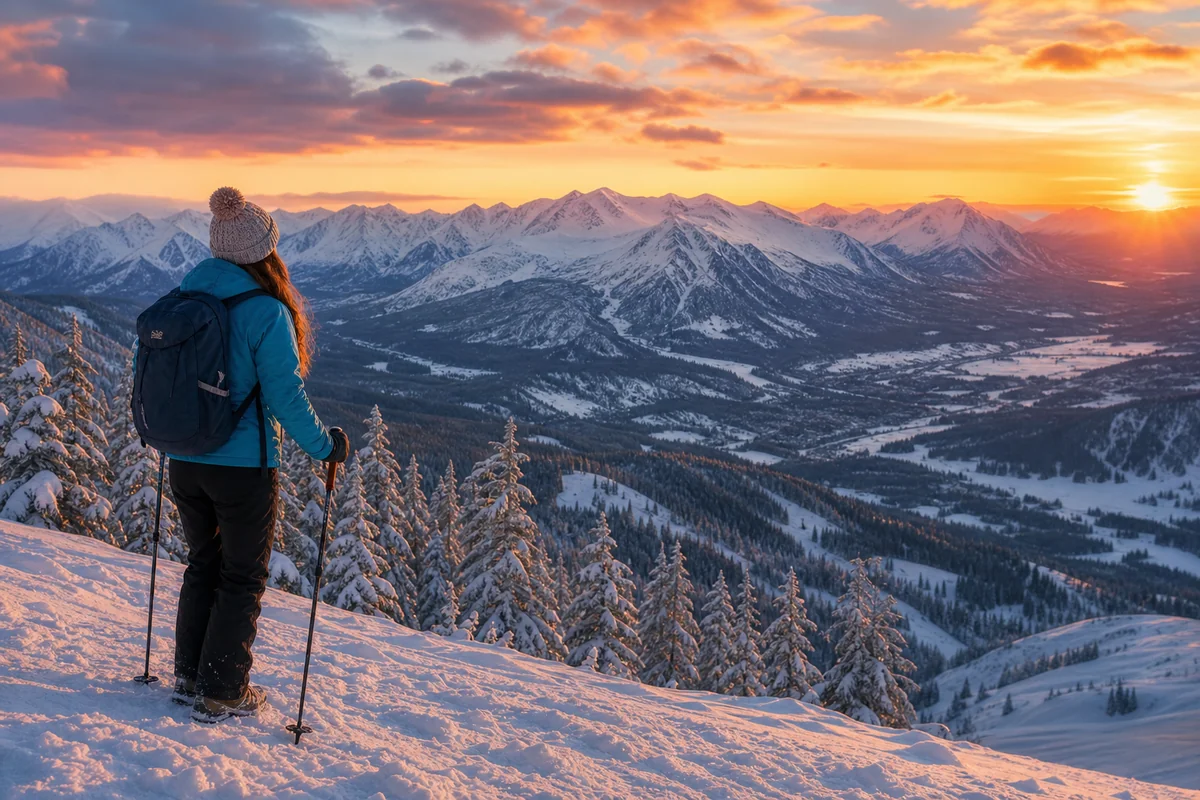
What struck me most during my travels was the light. January days are short—we’re talking around 9 hours of daylight in Bozeman—but the quality of that light is something photographers dream about. Golden hour seems to last for hours, and the snow reflects colors I’ve never seen elsewhere.
January Weather: What You’re Really Getting Into
Let me give you the unvarnished truth about Montana weather in January because I’ve learned these lessons the hard way.
Temperature Expectations by Region
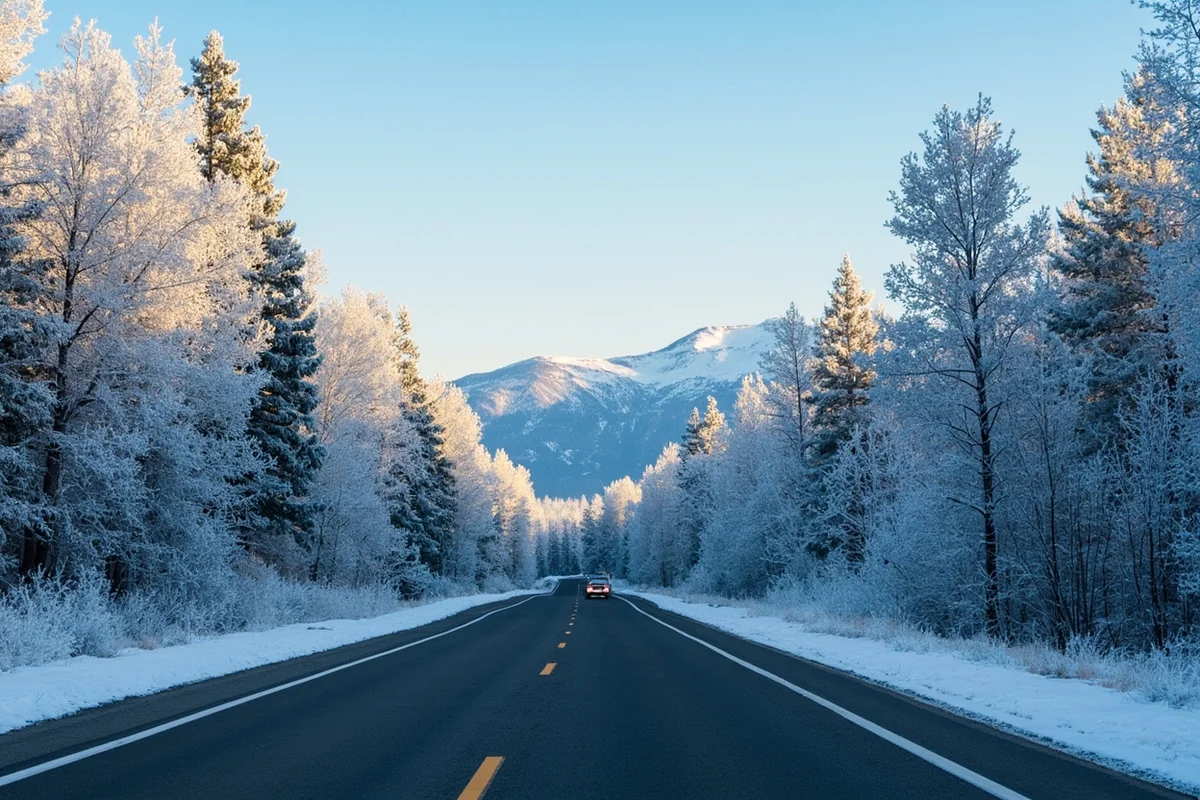
Montana’s weather varies dramatically depending on where you are. During my trips, I’ve experienced 50-degree temperature swings in a single week.
| Region | Average High | Average Low | Snowfall |
|---|---|---|---|
| Whitefish/Glacier Area | 28°F | 14°F | 25-35 inches |
| Bozeman/Big Sky | 32°F | 12°F | 15-25 inches |
| Missoula | 33°F | 18°F | 10-15 inches |
| Helena | 31°F | 11°F | 8-12 inches |
| Eastern Montana | 25°F | 2°F | 5-8 inches |
The Chinook Factor
Here’s something most guides won’t tell you: Montana experiences dramatic temperature inversions called Chinook winds. During one January trip to Great Falls, I watched the temperature climb from 5°F to 52°F in six hours. The locals call it a “snow eater” because it can melt feet of snow overnight.
These warm spells are unpredictable but can create surprisingly pleasant windows for outdoor exploration. I’ve hiked in a t-shirt in January near Helena during a particularly strong Chinook.
Arctic Outbreaks
On the flip side, Montana sits in the path of Arctic air that plunges down from Canada. The coldest I personally experienced was -28°F near West Yellowstone. At those temperatures, exposed skin can get frostbite in minutes.
I always check the extended forecast religiously and pack for the worst-case scenario, even if the current weather looks mild.
Skiing and Snowboarding: January’s Main Event
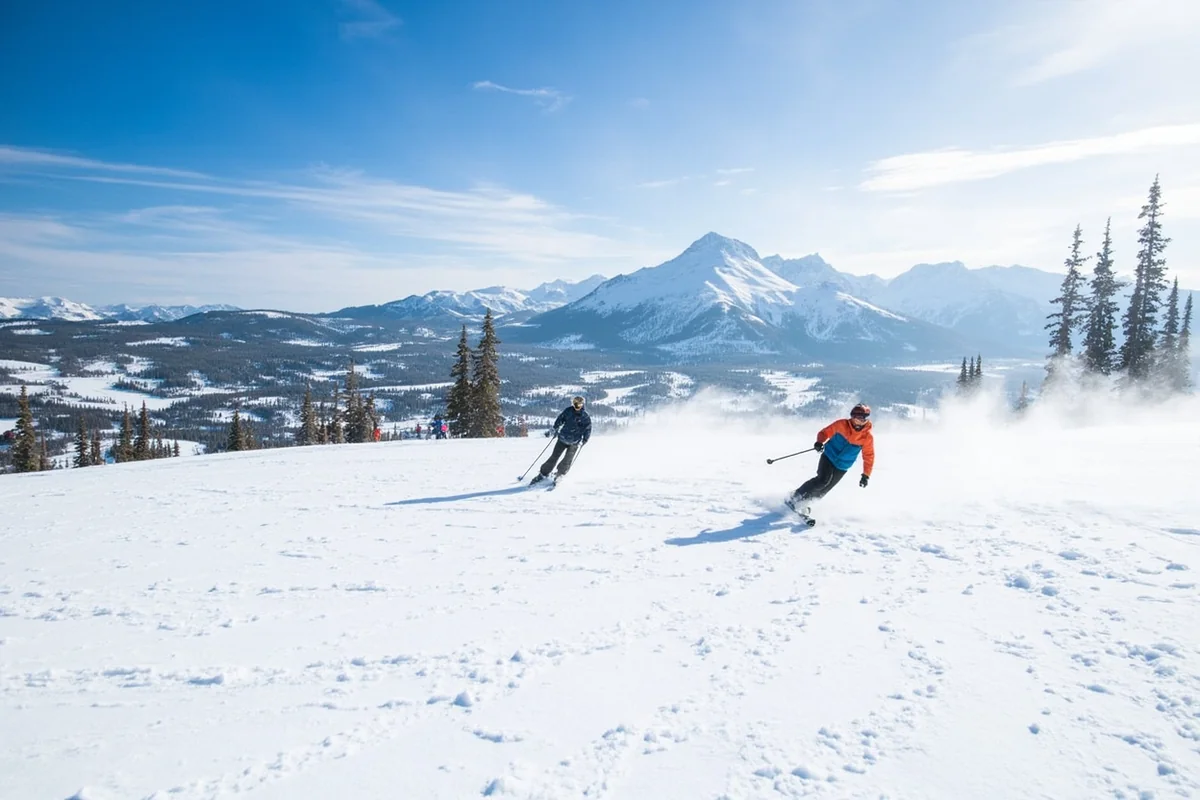
If you’re a skier or snowboarder, January is arguably the best month to visit Montana. Full stop.
Big Sky Resort
I’ve skied Big Sky in January three times now, and each visit reinforced why it’s becoming a serious destination resort. With 5,800 acres of skiable terrain—the largest in North America—you could spend a week here and never repeat a run.
What I love about January at Big Sky is the crowd factor, or lack thereof. While Vail and Park City are packed with holiday spillover, Big Sky’s runs remain refreshingly empty. On my last visit, I lapped the Challenger lift for two hours without seeing another soul on my favorite black diamond.
The terrain variety keeps things interesting. I spent my mornings on the technical steeps of the Headwaters area, then relaxed on groomed cruisers in the afternoon when my legs needed a break. The village base area has improved dramatically in recent years, with solid dining options I’ll mention later.
Whitefish Mountain Resort
Whitefish holds a special place in my heart. The town itself is infinitely more charming than most ski resort towns—it’s a real Montana community that happens to have world-class skiing.
January typically brings Whitefish’s best snow conditions. The resort averages 300 inches annually, and by January, the base is usually rock-solid. I particularly love the gladed runs through Hell Roaring Basin when the trees are loaded with fresh powder.
The night skiing here is exceptional. There’s something surreal about carving under the lights with the temperature dropping and the stars emerging overhead.
Hidden Gems: Smaller Resorts Worth Your Time
If you want the authentic Montana skiing experience without resort prices, I have some recommendations from my exploration.
Bridger Bowl near Bozeman offers expert terrain that rivals anything in the state. The ridge hike opens up extreme skiing that draws serious locals. I spent a day here during a powder cycle and counted maybe 200 people on the entire mountain.
Lost Trail Powder Mountain on the Montana-Idaho border receives absurd amounts of snow—over 350 inches annually. It’s a throwback resort with no frills, dirt-cheap lift tickets, and terrain that would cost triple anywhere else.
Discovery Ski Area near Anaconda surprised me with its variety and value. The locals kept telling me about it, and they weren’t wrong.
Yellowstone in January: A Different World
Visiting Yellowstone in January completely changed my perspective on the park. This isn’t the same place that sees 4 million summer visitors.
Accessing the Park in Winter
Here’s what caught me off guard on my first January visit: most park roads are closed to regular vehicles. The only road open to cars is the northern entrance through Gardiner to Cooke City.
That said, this limitation creates opportunity. The Lamar Valley, accessible along that northern route, transforms into one of North America’s premier wildlife viewing destinations.
The Wildlife Experience
I pulled over at dawn near Lamar Valley on my last January trip and witnessed something I’ll never forget: a wolf pack hunting elk across a snow-covered meadow. The steam rising from the Yellowstone River created an ethereal backdrop while the drama unfolded.
January wildlife viewing is exceptional because animals congregate in lower elevations where snow is more manageable. I’ve seen:
- Wolf packs (multiple sightings in a single day)
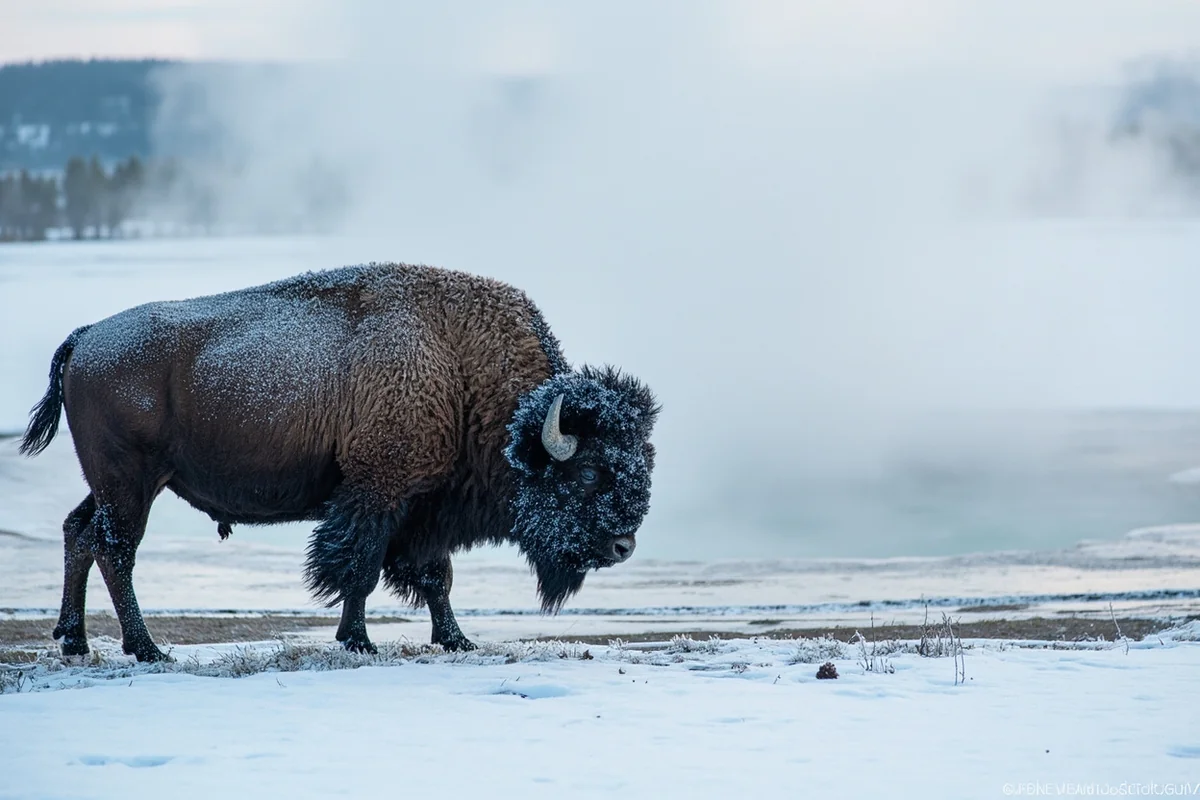
- Bison herds pushing through belly-deep snow
- Coyotes hunting rodents in open meadows
- Bighorn sheep on rocky outcrops
- Eagles and other raptors in surprising numbers
The thermal features take on new magic in winter. Steam billows dramatically from geysers and hot springs, creating surreal landscapes that photography simply cannot capture.
Snowcoach and Snowmobile Tours
To access Old Faithful and the park interior, you’ll need a guided snowcoach or snowmobile tour. I took a snowcoach from West Yellowstone to Old Faithful during my last visit.
The experience felt like traveling through a frozen wilderness. We stopped at thermal areas with no one else around—the complete opposite of the summer chaos. Our guide pointed out wildlife tracks and signs I would have completely missed on my own.
Book these tours well in advance. Despite January being “off-season,” the limited capacity fills up, especially on weekends.
Glacier National Park: Winter Wonderland
Glacier transforms into something almost unrecognizable in January—and I mean that as the highest compliment.
What’s Open and Accessible
Going-to-the-Sun Road closes by mid-autumn and won’t reopen until late spring. But that doesn’t mean Glacier closes. The Apgar area on the west side remains accessible, as does the eastern entrances near St. Mary (though services are extremely limited).
I spent three days based in Whitefish last January and made daily trips into Glacier. The cross-country skiing along Lake McDonald was some of the most peaceful outdoor time I’ve experienced anywhere.
Cross-Country Skiing and Snowshoeing
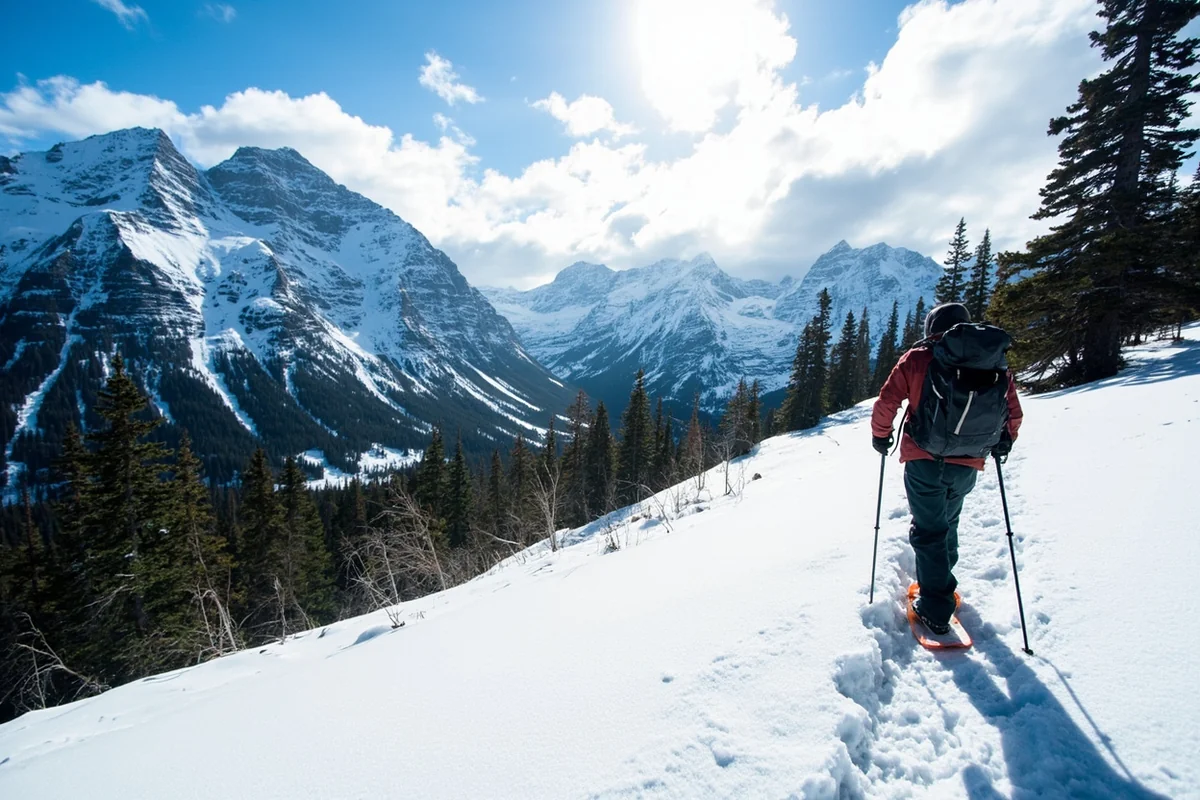
The unplowed roads become highways for winter exploration. I snowshoed up Going-to-the-Sun Road from Apgar, having the iconic route entirely to myself. No cars, no crowds—just mountains, snow, and silence.
Popular routes I recommend:
- Apgar to McDonald Creek (easy, scenic, great for beginners)
- Going-to-the-Sun Road to Avalanche Lake trailhead (moderate, stunning views)
- Two Medicine area on the east side (requires more preparation, but absolutely spectacular)
A word of serious caution: avalanche danger is real in Glacier’s backcountry. I never venture beyond groomed or established routes without checking conditions and carrying proper safety equipment. The Flathead National Forest Avalanche Center provides daily forecasts that I consult religiously.
Beyond the Parks: Montana’s Winter Towns
Some of my favorite January Montana memories happened not in national parks, but in the small towns that make this state special.
Whitefish
This town punches way above its weight class. The downtown Central Avenue district has independent shops, excellent restaurants, and a brewery scene that rivals cities ten times its size.
I spent an afternoon at Great Northern Brewing Company after a ski day, talking to locals about life in Montana. These conversations—impossible during tourist-swamped summer months—gave me insights no guidebook could provide.
The Whitefish Winter Carnival typically happens in early February, but the town maintains its festive energy throughout January. Ice sculptures, lights, and a general sense of winter celebration pervade the streets.
Bozeman
Bozeman has grown significantly but maintains its character. The downtown district stays vibrant year-round, with Montana State University providing energy even in the depths of winter.
I recommend the Museum of the Rockies for a weather-dependent afternoon. Their dinosaur collection is genuinely world-class—not just “good for Montana” but legitimately one of the best anywhere.
Missoula
Missoula offers a different vibe—more artsy, more liberal, more counterculture than other Montana cities. The hip coffee shops and bookstores make it a great base for exploring western Montana.
I spent a rainy January day wandering the shops and galleries on Higgins Avenue, ducking into cafes when the sleet got intense. It reminded me that Montana travel doesn’t always have to be about epic outdoor adventures.
Red Lodge
This small town at the base of Beartooth Pass has authentic ski-town charm. Red Lodge Mountain offers surprisingly good skiing without the crowds or prices of larger resorts.
The main street feels frozen in time—in the best way. I ate elk tenderloin at the Pollard Hotel and felt like I’d stepped back a century.
Practical Planning: Transportation and Logistics
January travel in Montana requires more preparation than summer trips. Here’s what I’ve learned.
Flying In
Bozeman Yellowstone International (BZN) is your best bet for most winter destinations. It’s grown into a surprisingly well-connected regional airport with direct flights from many major hubs.
Missoula (MSO) works for western Montana and Glacier access. Glacier Park International (GPI) near Kalispell puts you closest to Whitefish but has limited flight options.
I always build buffer days into my itinerary for weather delays. Getting stuck in Denver or Minneapolis because your connecting flight got canceled is frustrating but common in January.
Driving Considerations
This cannot be overstated: you need a capable vehicle. I’ve rented AWD SUVs for every winter Montana trip and consider it non-negotiable.
Montana roads, even major highways, can become treacherous quickly. I carry:
- Tire chains (and know how to use them)
- Emergency supplies (blankets, food, water)
- Full tank of gas before any mountain drive
- Flashlight and phone charger
Check road conditions obsessively. The Montana Department of Transportation website and their 511 service provide real-time updates. I’ve rerouted trips entirely based on these reports.
Booking and Reservations
January lodging is generally easy to find outside of ski resort base areas during holiday weekends. I’ve secured excellent last-minute deals in Bozeman and Missoula.
However, if you’re planning to stay slope-side at Big Sky or in the village at Whitefish, book early. MLK weekend fills up quickly.
Yellowstone snowcoach tours and any guided activities should be booked at least 2-3 weeks in advance. I made the mistake of waiting on my first trip and had to adjust my itinerary significantly.
What to Pack: Lessons From Getting It Wrong
I’ve made every cold-weather packing mistake possible. Learn from my suffering.
The Layering System That Actually Works
Forget cotton entirely. My standard setup:
- Base layer: Merino wool top and bottom. I live in Smartwool during Montana winters. Worth every penny.
- Mid layer: Fleece or synthetic insulation depending on activity level. For skiing, I go lighter. For wildlife watching (lots of standing still), I layer heavier.
- Outer layer: Waterproof, windproof shell. Mine has pit zips for when I’m working hard and need ventilation.
- Feet: This is where most people fail. Insulated, waterproof boots are essential. I bring two pairs so one can dry while I wear the other. Quality wool socks—never cotton.
- Hands: I carry both mittens (warmer) and gloves (more dexterous). Mittens for standing around, gloves for photography or driving.
- Head: A warm hat that covers your ears, plus a balaclava or neck gaiter for extreme cold.
The Equipment I Never Forget
- Hand warmers—the disposable kind. I buy them in bulk and stuff pockets, gloves, and boots with them.
- Sunglasses and sunscreen. The reflection off snow creates intense UV exposure. I’ve been badly sunburned in January more than once.
- A good thermos. Hot coffee or soup while watching wildlife is a simple pleasure that transforms cold mornings.
- Headlamp with fresh batteries. January daylight is limited, and you’ll often be starting or ending activities in darkness.
Food and Dining: Where to Eat in Winter
Montana’s food scene has evolved dramatically. Here’s where I eat when the temperatures drop.
Bozeman
- Plonk on Main Street serves creative American cuisine in a sophisticated setting. Their wine selection impressed me.
- Storm Castle Cafe in the Gallatin Canyon toward Big Sky became my go-to for hearty breakfast before ski days.
Whitefish
- Latitude 48 delivers upscale dining without pretension. Their local sourcing shows in every dish.
- Buffalo Cafe for breakfast is a local institution. The line out the door on weekend mornings tells you everything.
Near Yellowstone
- The Corral in Gardiner serves massive portions of classic American food. Perfect after a cold day of wildlife watching.
- Wild West Pizzeria in West Yellowstone makes surprisingly excellent pies. Their salads are better than they have any right to be.
Budget Considerations: What January Really Costs
One of January’s biggest advantages is value. Compare this to Montana in July or Montana in August, and the savings are substantial.
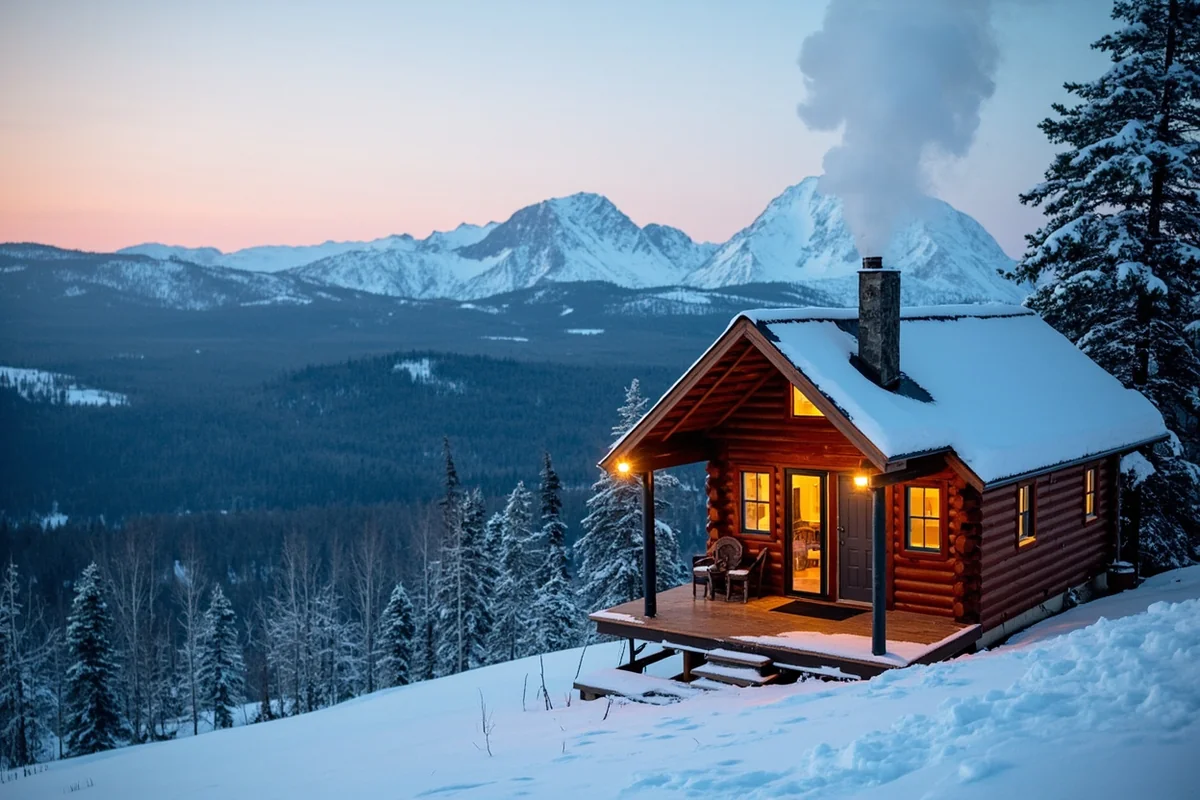
Lodging runs 30-50% cheaper than peak summer rates in most areas. I’ve found excellent cabin rentals near Bozeman for under $150/night that would easily be $300+ in summer.
Ski lift tickets remain expensive at major resorts, but multi-day passes offer better value, and smaller resorts like Bridger Bowl cost a fraction of Big Sky.
Guided tours, particularly in Yellowstone, maintain consistent year-round pricing. Budget $200-400 per person for snowcoach adventures.
Food and dining costs remain fairly consistent with other seasons. Montana isn’t cheap, but it’s not Manhattan either.
Sample 7-Day January Itinerary
Based on my multiple trips, here’s how I’d structure a week:
- Days 1-2: Fly into Bozeman. Explore downtown, acclimate to the cold, visit Museum of the Rockies. Easy day skiing at Bridger Bowl to shake off travel fatigue.
- Days 3-4: Drive to Yellowstone via Gardiner (about 90 minutes). Wildlife watching in Lamar Valley at dawn and dusk. Consider a snowcoach tour to Old Faithful.
- Days 5-6: Drive to Whitefish (about 5-6 hours—make it a scenic journey). Ski Whitefish Mountain Resort or explore Glacier by snowshoe.
- Day 7: Final morning in Whitefish, fly out of Glacier Park International or drive to Missoula for departure.
This itinerary could be modified based on your priorities. If skiing is the main draw, spend more time at Big Sky. If wildlife trumps everything, extend your Yellowstone stay.
When January Might Not Be Right For You
I’m a January advocate, but honesty requires acknowledging it’s not for everyone.
If you’ve never experienced serious cold, Montana in January will shock your system. Consider Montana in March or Montana in April for milder shoulder-season conditions.
If you’re primarily interested in hiking, January severely limits your options. Come back in June when trails are clearing.
Families with young children might find the cold challenging. The logistics of keeping little ones warm while moving between activities can be exhausting.
If you’re hoping to see Montana’s famous wildflowers or enjoy long sunny days, plan for May or September instead.
And if you’re thinking about fall colors or autumn wildlife, October or November would serve you better.
Looking ahead to next month? Montana in February offers similar conditions with slightly lengthening days.
Final Thoughts From Frozen Mornings
I keep returning to Montana in January because it offers something increasingly rare in American travel: solitude in spectacular places.
Yes, it’s cold. Yes, it requires preparation. Yes, there will be moments when you question your sanity as the wind howls outside your cabin.
But there will also be moments of profound beauty—wolves silhouetted against a snowy ridge, the hush of a snow-laden forest, the camaraderie of fellow winter travelers united by the challenge of the season.
Montana in January doesn’t coddle you. It demands that you meet it on its terms. And for those willing to accept that deal, it offers rewards that no summer trip can match.
The thermometer might read well below zero, but the experiences you’ll take home are priceless.
Frequently Asked Questions
Is January a good time to visit Montana for skiing and snowboarding?
January is actually one of the best months to visit Montana for skiing, with reliable snow coverage at resorts like Big Sky, Whitefish Mountain, and Bridger Bowl. I’ve found mid-January typically offers the deepest powder and shorter lift lines compared to holiday weeks. Expect lift tickets to run $100-$180 per day depending on the resort.
How cold does Montana get in January and what should I pack?
Montana in January averages daytime highs of 25-35°F and nighttime lows that can plunge to -10°F or colder, especially in mountain valleys. Pack insulated waterproof boots, thermal base layers, a quality down jacket, and hand warmers for any outdoor activities. I always bring more layers than I think I’ll need since temperatures can swing 30 degrees in a single day.
Can you visit Yellowstone National Park from Montana in January?
Yes, you can access Yellowstone’s north entrance from Gardiner, Montana year-round, making it perfect for winter wildlife viewing of bison, elk, and wolves. The park’s interior is only accessible by guided snowcoach or snowmobile tours, which cost $150-$300 per person. January offers a magical, crowd-free experience with steaming geysers against snowy landscapes.
What are road conditions like driving through Montana in January?
Montana highways can be treacherous in January with black ice, snow-packed roads, and occasional whiteout conditions, especially on mountain passes like Lookout Pass and Marias Pass. I always check the Montana Department of Transportation road conditions at 511mt.net before driving anywhere. Rent an AWD or 4WD vehicle and carry emergency supplies including blankets, snacks, and a flashlight.
How much does a January trip to Montana cost compared to summer?
A Montana winter trip typically costs 20-30% less than summer for accommodations outside of ski resort towns, with hotels in Missoula and Bozeman averaging $80-$150 per night. Ski resort lodging is the exception and can run $200-$400 per night during January. I recommend booking ski-and-stay packages directly through resorts for the best value.
What winter activities can you do in Montana besides skiing in January?
Montana offers incredible January activities including snowmobiling in West Yellowstone (the snowmobile capital of the world), dog sledding near Whitefish, cross-country skiing at Lone Mountain Ranch, and soaking in natural hot springs like Chico Hot Springs or Bozeman Hot Springs. Wildlife photography tours for wolves and bison are also popular, and ice fishing on Flathead Lake is a local favorite.
Are Montana tourist attractions and restaurants open in January?
Most Montana towns have reduced winter hours, and some seasonal restaurants and attractions close entirely from November through April. Ski towns like Whitefish and Big Sky stay lively with full services, while smaller gateway communities may have limited dining options. I always call ahead or check Google hours before making the drive to avoid disappointment.