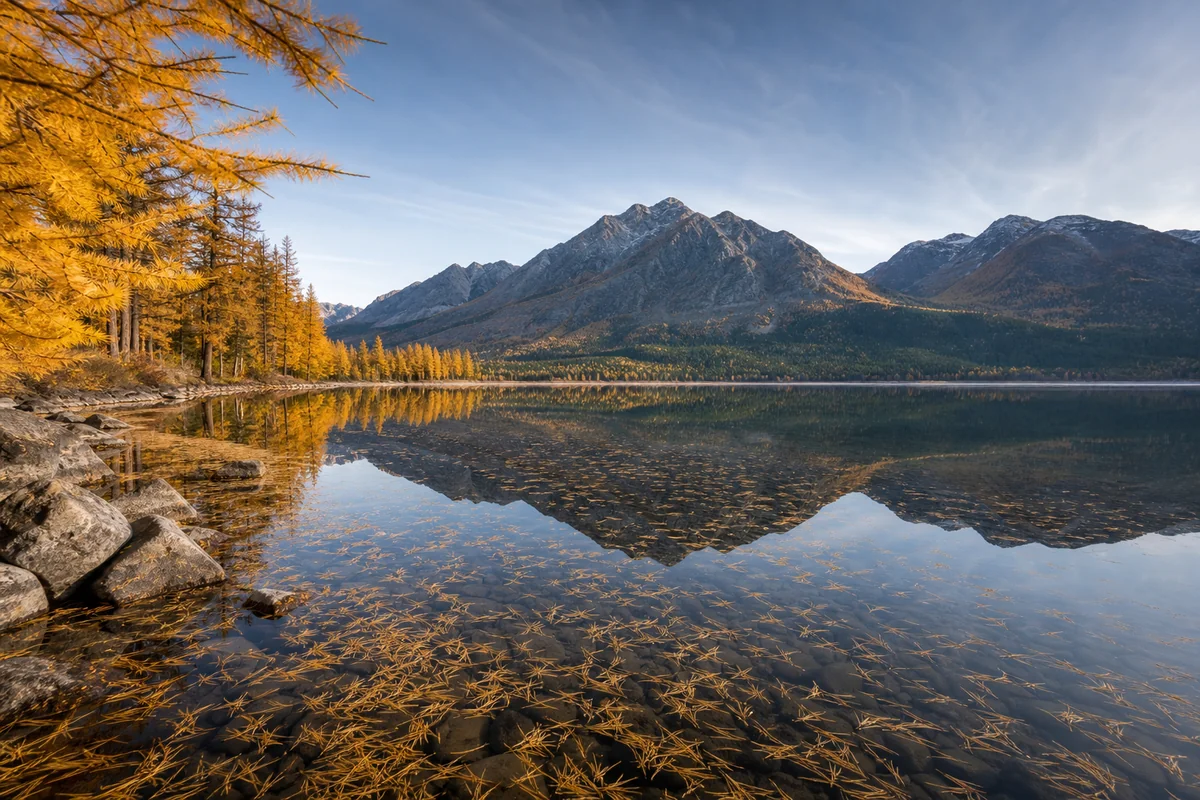
I stood alone on the shores of Seeley Lake last October, watching golden larch needles drift onto water so still it doubled the mountains.
Not a single other person appeared during the two hours I spent there—a scene unimaginable during Montana in July when this same spot overflows with kayakers and picnickers.
That quiet morning convinced me that October might just be the best time to visit Montana, offering a rare combination of spectacular fall color, wildlife activity, and solitude that the summer months simply can’t match.
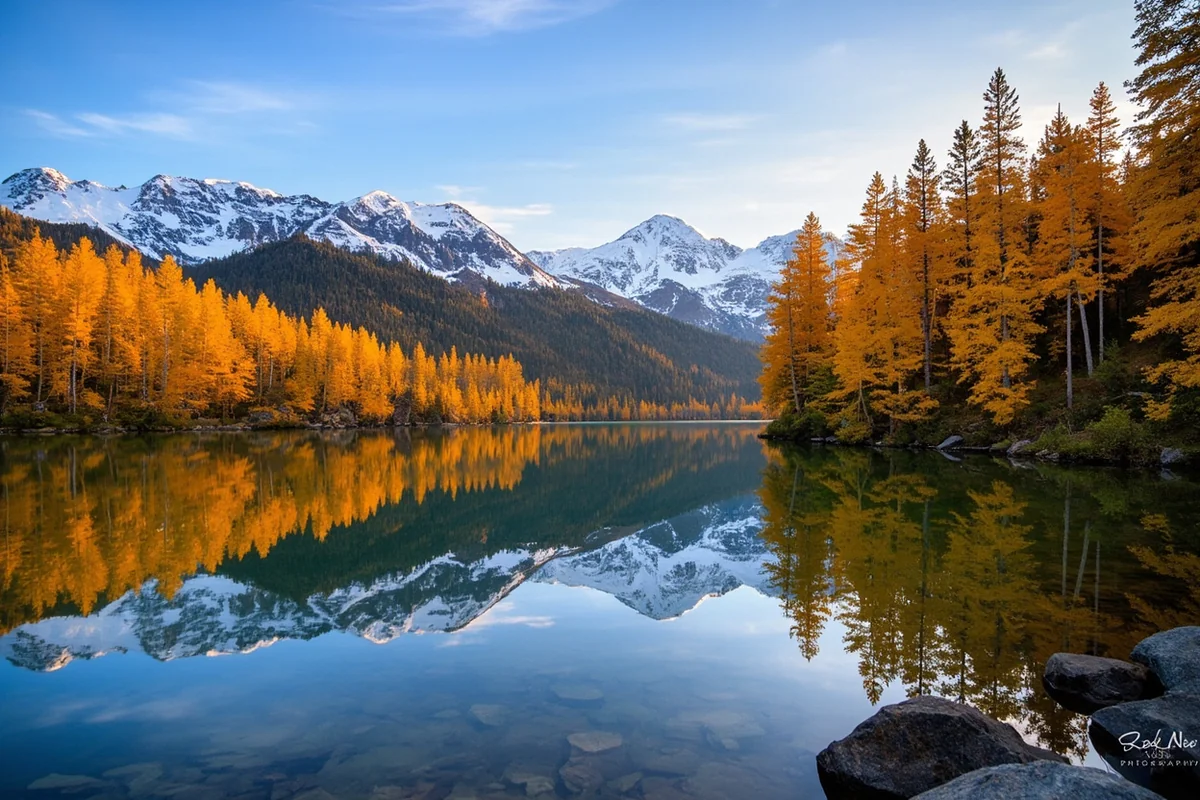
- October brings Montana’s famous golden larch season—the only time these trees turn brilliant yellow before dropping needles
- Expect daytime highs of 45-60°F, with overnight lows often dipping below freezing at higher elevations
- Glacier National Park’s Going-to-the-Sun Road typically closes mid-October, so plan early-month visits
- Elk rut peaks in early October—Yellowstone’s Lamar Valley offers prime viewing
- Shoulder season pricing means hotel rates drop 30-50% compared to summer
- Pack layers obsessively—I experienced 70°F sunshine and snowfall within the same October week
Liked this article?
Add Roaming Montana as a preferred source so you see more of our articles and guides on Google.
Why October Stands Apart in Montana’s Calendar
After spending parts of every month in Montana over the past several years, I’ve developed strong opinions about when to visit. September offers lovely weather but still carries lingering summer crowds.
November brings unpredictable winter storms that can strand you. October hits a sweet spot I didn’t appreciate until I experienced it firsthand.
The transformation happens quickly. During my early October visit two years ago, the cottonwoods along the Yellowstone River blazed gold while aspens on the mountain slopes shimmered like coins.
By mid-month, the high country had received its first dustings of snow, creating that quintessential Montana postcard scene of white peaks rising above autumn color.
What struck me most wasn’t just the scenery—it was the absence of competition for it. Trailhead parking lots that require arriving at dawn in July sat half-empty at 10 AM. Restaurant wait times vanished. I actually got a campsite at Fish Creek in Glacier on a Saturday without reserving six months ahead.
October Weather: Expect Everything
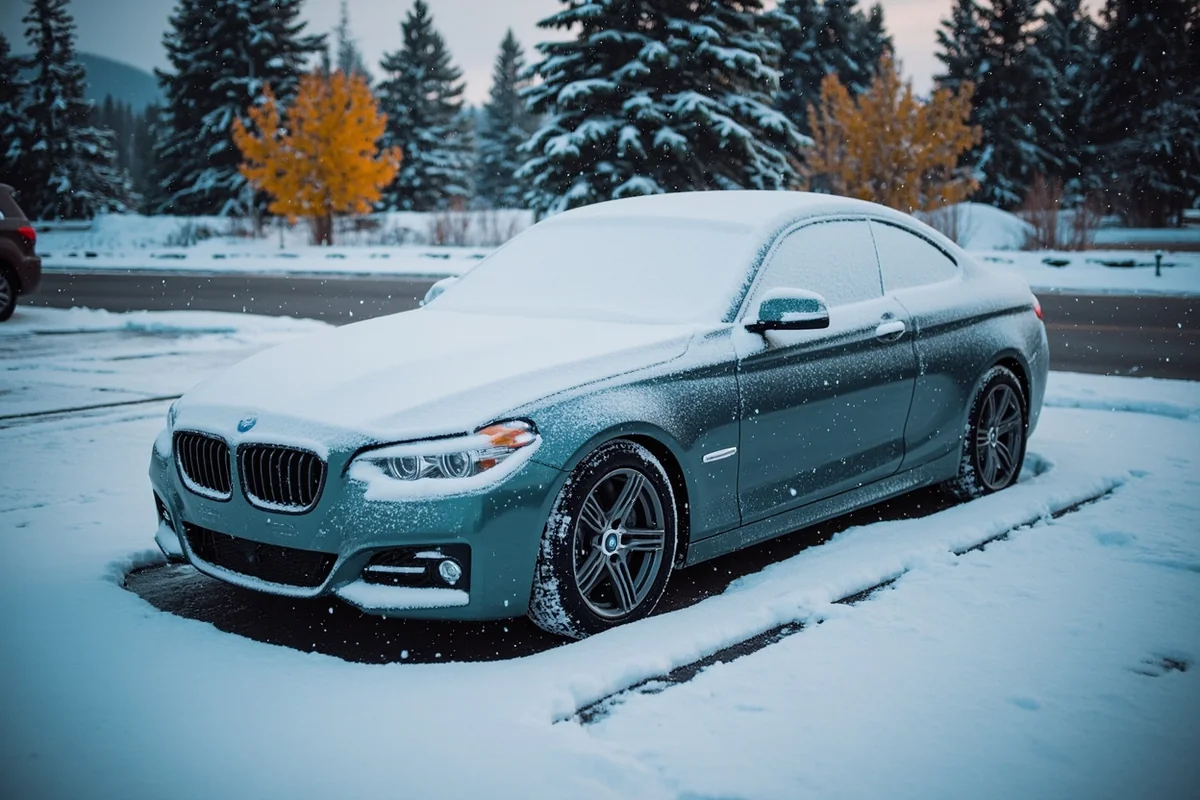
I’ll be blunt: Montana weather in October requires mental flexibility. During one trip, I hiked to Avalanche Lake in Glacier wearing a t-shirt under brilliant sunshine, then woke two days later to four inches of fresh snow blanketing my rental car in Whitefish.
Temperature Ranges by Region
The numbers alone don’t capture the variability, but here’s what I’ve observed across different parts of the state:
| Region | Early October | Late October | My Experience |
|---|---|---|---|
| Glacier National Park | 35-55°F | 25-45°F | Snow above 5,000 ft by mid-month |
| Missoula/Bitterroot | 40-62°F | 30-52°F | Most pleasant, least snow |
| Yellowstone | 28-50°F | 18-42°F | Brutal mornings, bring hand warmers |
| Eastern Montana | 38-60°F | 28-50°F | Wind chill factor significant |
| Big Sky/Bozeman | 32-55°F | 22-45°F | Snow likely by Halloween |
What I Actually Packed
On my first October Montana trip, I underpacked badly. Now I bring: a puffy down jacket that compresses into a small stuff sack, waterproof hiking boots (not trail runners—trust me), wool base layers, a beanie and gloves, and a rain shell that doubles as wind protection.
The layering system matters more than any single item. I’ve started mornings at 25°F watching wildlife, stripped down to a fleece by noon, and added everything back by sunset. If you’re coming from warmer states, bring more cold-weather gear than feels reasonable.
The Golden Larch Phenomenon
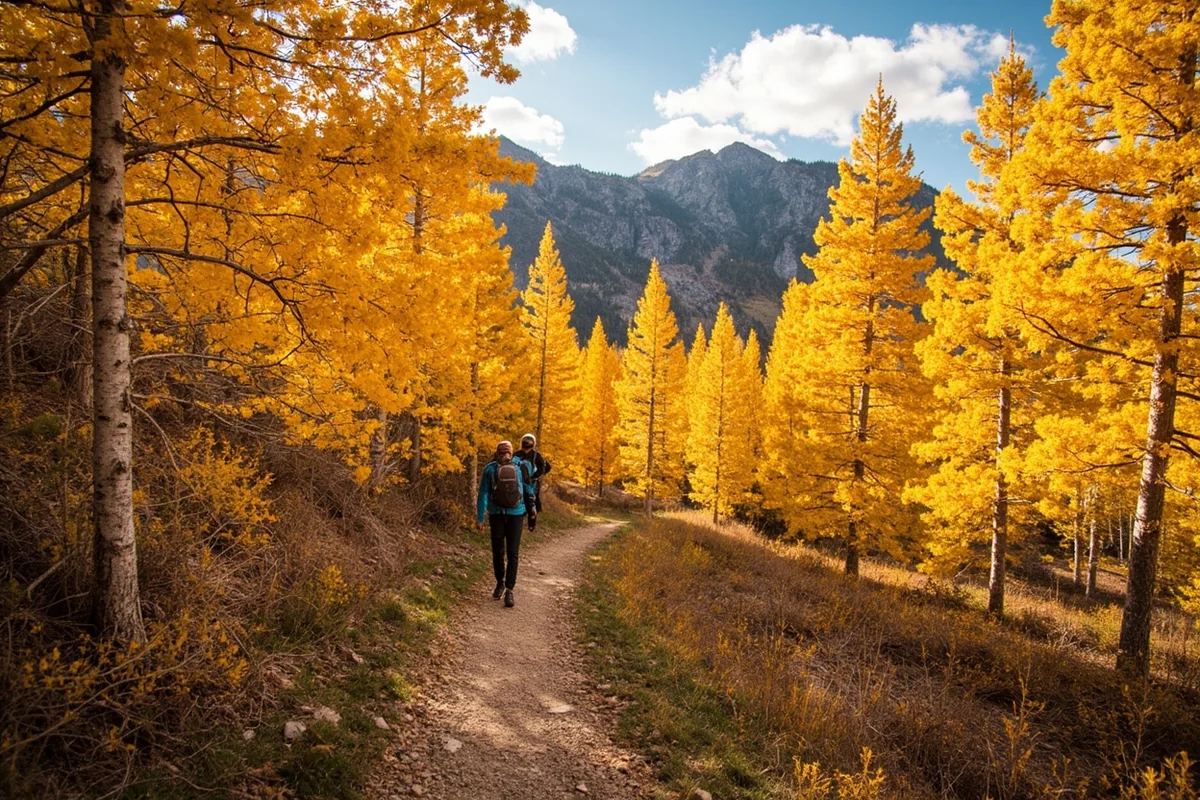
Nothing prepared me for my first larch forest in peak color. These rare deciduous conifers—yes, needled trees that turn gold and drop like leaves—grow only at high elevations in a few Western states. Montana hosts some of the most accessible stands.
Where to Find Peak Larch Color
The Seeley-Swan Valley became my personal obsession after that first quiet morning. Highway 83 between Seeley Lake and Bigfork threads through larch forests that peak around the second week of October.
I’ve driven this road three times during larch season, and the stretch near Salmon Lake always delivers.
For hiking, the trails around Larch Peak near Missoula live up to their name. The moderately strenuous Larch Peak Trail climbs through mixed forest before emerging into nearly pure larch groves near the summit.
I hiked it on October 10th last year and caught conditions I’d describe as 80% peak color—not quite at maximum gold, but stunning nonetheless.
The Jewel Basin Hiking Area north of Bigfork offers a more remote larch experience. Camp Misery (despite its name) and Mount Aeneas trails pass through exceptional stands.
These require more effort—both trailheads sit at the end of rough Forest Service roads—but the solitude compounds the beauty.
Timing the Color
Larch timing frustrates photographers because the peak window lasts only 7-10 days. Generally, I’ve found:
- Early October: Color developing, some green remaining, trails still accessible
- October 8-18: Prime window most years, though elevation matters significantly
- Late October: Needles fallen at lower elevations, snow often closes high trails
I subscribe to several Montana photography groups specifically to track annual larch updates. The Flathead Beacon newspaper also publishes fall foliage reports. But honestly? Even “past peak” larches against fresh snow create images I treasure.
Glacier National Park in October: A Different World
I’ve visited Glacier in August and found it magnificent but overwhelming—shuttle lines, parking lot anxiety, trails so crowded they felt like moving sidewalks. My October visit revealed a park I barely recognized.
Going-to-the-Sun Road: Beat the Closure
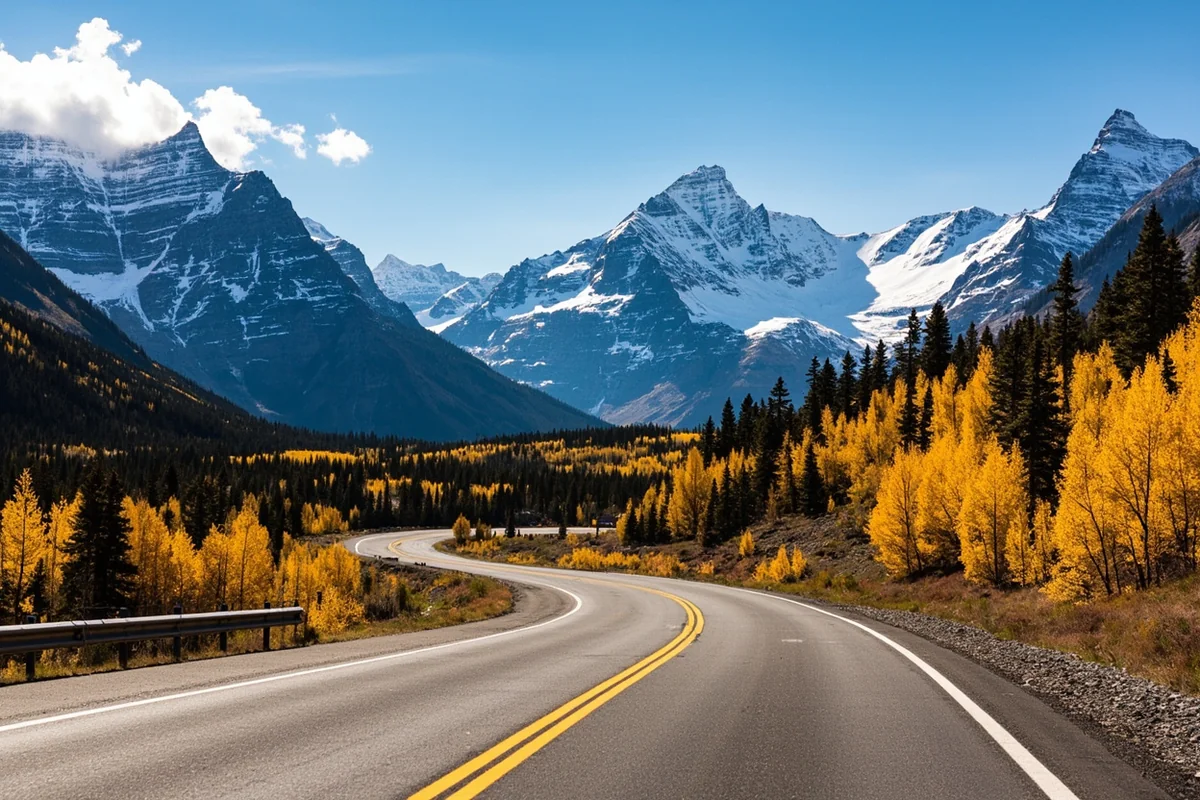
Here’s the critical planning detail: Going-to-the-Sun Road closes for the season when conditions become unsafe, typically between October 15-25. The exact date varies yearly. In 2022, it stayed open until October 23rd. In 2021, heavy early snow closed it October 13th.
I always plan Glacier visits for the first week of October when the road remains reliably open. Yes, this means slightly less fall color at lower elevations, but guaranteeing access trumps optimizing for peak foliage.
Driving the Sun Road in early October felt revelatory. I pulled over at every overlook without the usual stress of cars honking behind me. At Logan Pass, I found maybe 20 other visitors at midday—compared to the 200+ I’d counted during my August trip. The Hidden Lake Overlook trail, normally a conga line, allowed me to actually hear the wind.
Wildlife Activity Increases
Mountain goats descended to lower elevations during my October visit, appearing regularly along the Highline Trail and around Logan Pass.
Bears actively feed before hibernation, making sightings more common but also requiring heightened awareness. I carry spray year-round in Glacier, but October’s urgency around food sources elevates the importance.
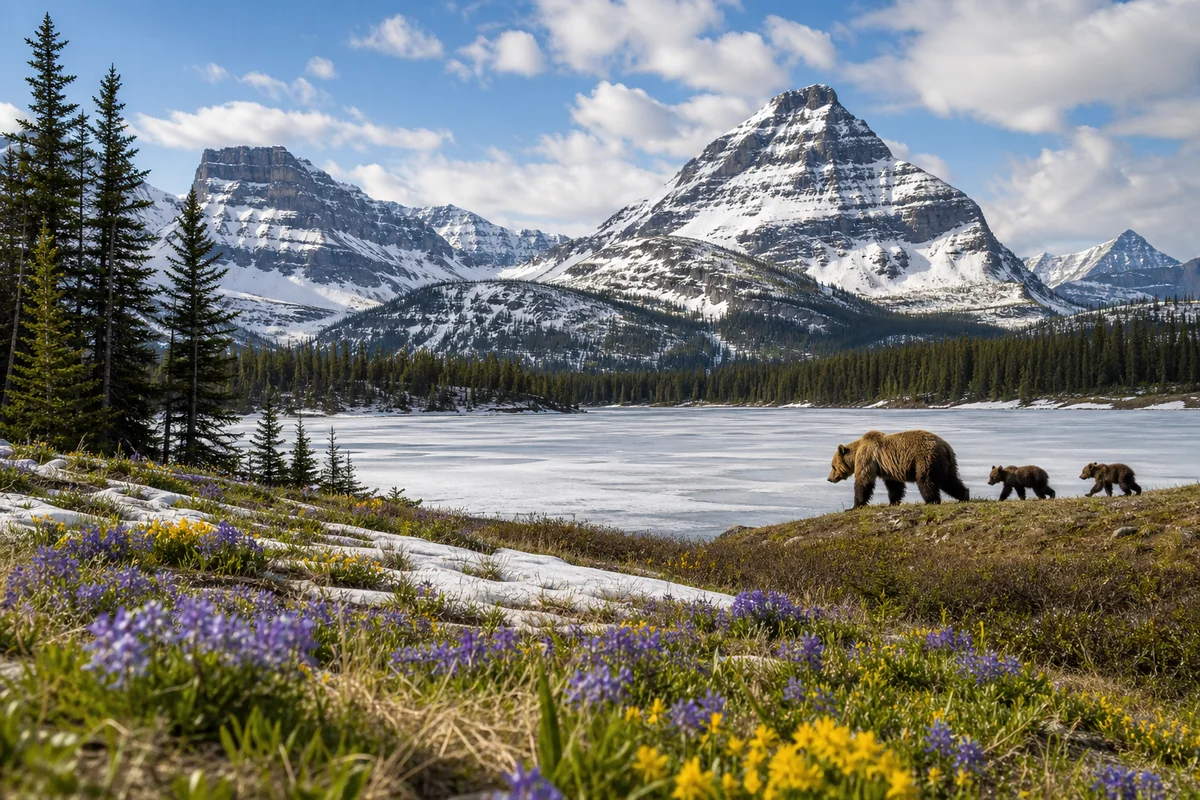
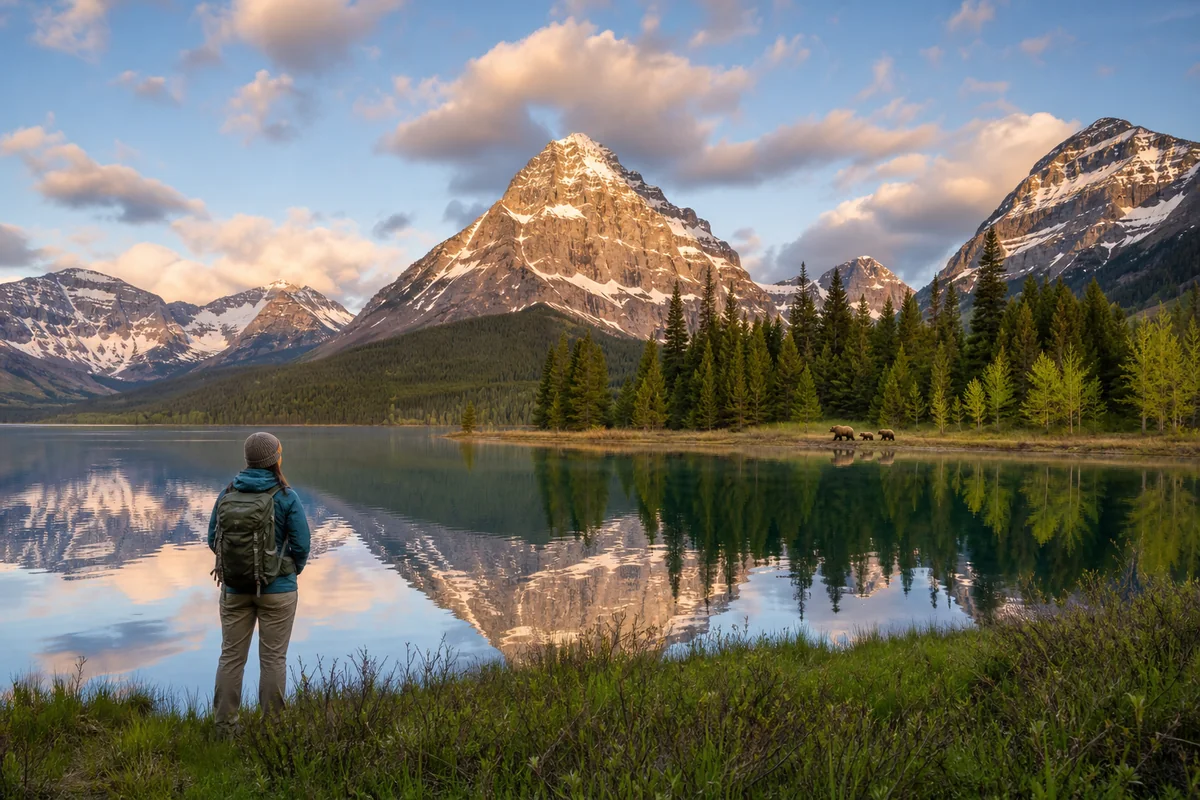
One morning near Many Glacier, I watched a grizzly methodically working a berry slope for nearly an hour. Other than a couple with telephoto lenses, I had the viewing area to myself. The quiet amplified the experience in ways I struggle to articulate.
What Closes and What Stays Open
Many Glacier Road typically closes mid-to-late October. The Two Medicine area sometimes closes earlier if snow accumulates. Lake McDonald Lodge and Rising Sun Motor Inn shut down by mid-October.
However, the west entrance and Lake McDonald remain accessible year-round. During my late October visit after the Sun Road closed, I still hiked Trail of the Cedars, Avalanche Lake, and Fish Creek trails in perfect solitude. The park doesn’t disappear—it just concentrates into fewer areas.
Yellowstone’s October: The Elk Rut and Steam Clouds
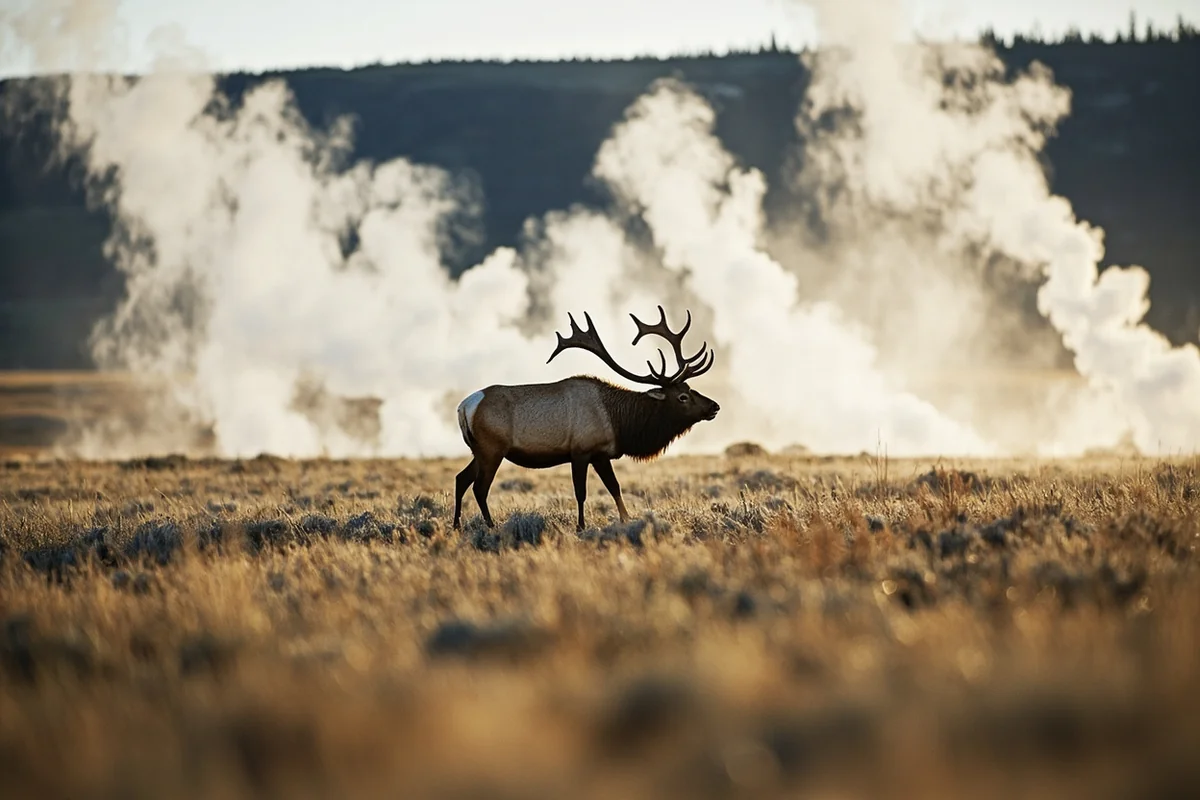
The Montana portion of Yellowstone offers October experiences unlike any other month. The elk rut reaches its dramatic peak in early October, filling the Lamar and Hayden valleys with bugling bulls and watching wolves.
Witnessing the Rut
I’ll never forget standing in the Lamar Valley at dawn on October 3rd, thermos of coffee steaming in my hands, listening to bull elk bugle across the frost-covered grasslands. The sound—a weird, almost electronic whistle followed by grunting—carries for miles in cold mountain air.
The rut creates viewing opportunities unlike summer’s scattered grazing. Bulls gather harems of cows, making large groups easy to locate.
They also become more active during daylight hours, fighting rivals and displaying dominance. I photographed a sparring match between two 6×6 bulls that lasted nearly 30 minutes.
Positioning matters. I’ve had the best luck along the Lamar Valley road between Tower Junction and the Pebble Creek area. Arriving before sunrise ensures parking at pullouts, which fill quickly once word spreads about active herds.
The Steam Factor
Cold October air transforms Yellowstone’s geothermal features. Steam that’s barely visible during warm June days billows dramatically against autumn skies. Grand Prismatic Spring’s colors intensify when surrounded by white plumes. Old Faithful’s eruptions feel more theatrical.
I timed a Norris Geyser Basin walk for early morning when temperatures hovered around 28°F. The steam was so thick I could barely see the boardwalk ahead—an eerie, otherworldly atmosphere I’d never experienced during warmer months.
Practical Yellowstone October Tips
Road construction season typically wraps up by October, making driving less frustrating than late summer. However, road closures due to early snow become possible—I always check the Yellowstone road status page before each day’s plans.
Most park facilities close between mid-October and early November. Mammoth Hot Springs Hotel stays open year-round, making it my preferred base for late October visits. Canyon Lodge and Old Faithful Snow Lodge close, so plan accommodation carefully.
The crowds drop dramatically after October 15th. During my late October trip, I saw more bison than people on certain days—exactly the Yellowstone experience I’d imagined before discovering the summer reality.
Beyond the Parks: Montana’s October Hidden Gems
Some of my favorite October memories come from places that don’t appear in typical Montana itineraries. These less-visited spots delivered experiences the parks couldn’t match.
The Bitterroot Valley
South of Missoula, the Bitterroot Valley blazes with cottonwood gold along the Bitterroot River while the Sapphire Mountains provide a backdrop of evergreen and early snow. I spent three days here during a mid-October trip, hiking the Bass Creek Trail and driving the scenic East Side Highway.
The valley’s lower elevation means milder weather than the high country. On a day when Glacier sat under six inches of fresh snow, I hiked in the Bitterroot wearing a light fleece.
Farm stands sell late-season apples and squash, and the small towns—Hamilton, Stevensville, Darby—offered genuine Montana hospitality without tourist-town veneer.
Missouri River Country
Eastern Montana rarely makes visitor lists, but October convinced me it deserves attention. The Missouri Breaks—rugged badlands carved by the Missouri River—glow in autumn light. I drove the remote roads near Fort Peck and saw pronghorn herds, golden prairie grasses, and big sky that justified every cliché.
Charles M. Russell National Wildlife Refuge hosts elk herds that draw far fewer viewers than Yellowstone’s. I watched a bull with a harem of perhaps 30 cows without another vehicle in sight. The isolation felt almost unnerving after years of crowded wildlife pullouts.
Flathead Lake
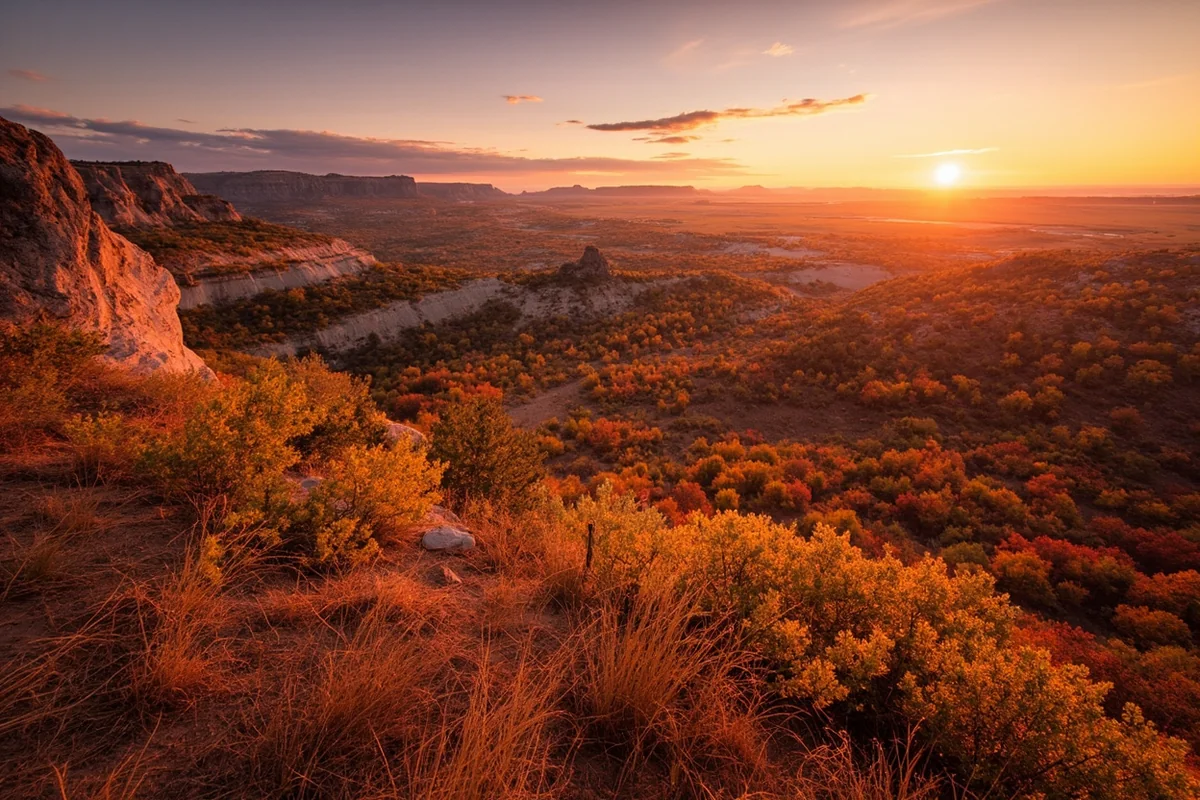
Montana’s largest natural freshwater lake quiets dramatically in October. The cherry orchards along the east shore turn orange and red, and the tourist shops in Bigfork and Polson shift to shoulder-season hours.
I rented a kayak at a Polson outfitter (one of the few still operating in October) and paddled into water so clear I could see the bottom at 30 feet. The cold kept my paddle time short, but the experience of having this enormous lake essentially to myself made the numb fingers worthwhile.
October Activities Worth Planning Around
Hunting Season Reality
General rifle season for deer and elk typically opens in late October, fundamentally changing Montana’s backcountry. Hunter orange becomes essential for hikers. Many Forest Service roads see increased traffic from hunting camps.
I’ve learned to check the Montana Fish, Wildlife & Parks website for specific dates before finalizing October plans. During hunting season, I stick to national parks and designated wilderness areas where hunting is prohibited, or I wear bright colors and stay alert on public lands.
Fly Fishing’s Fall Run
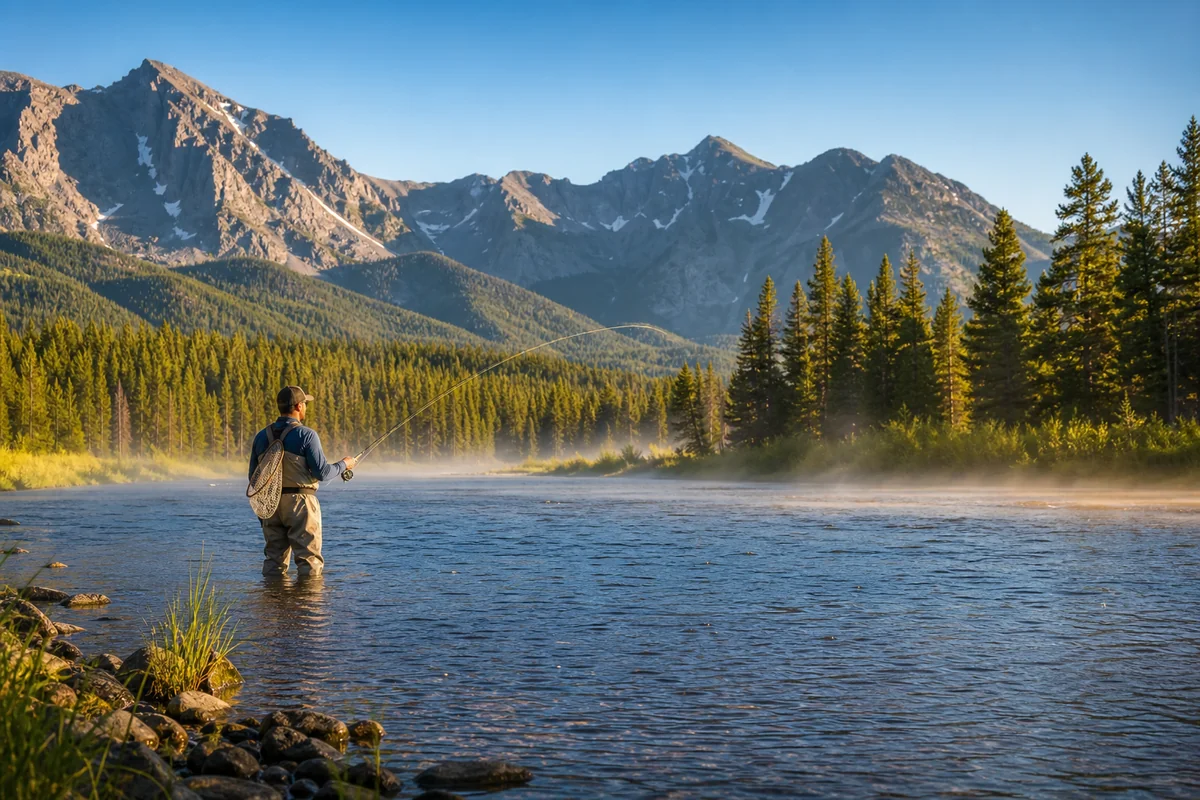
October brings brown trout spawning runs on rivers like the Missouri below Great Falls. I’m not an expert angler, but I’ve hired guides twice for October float trips and hooked more fish than during my summer attempts.
The Bighorn River near Fort Smith produced my best fishing day ever—October 11th, mild weather, no other boats in sight for hours. My guide explained that serious anglers consider October prime time while tourists assume the season ended with summer.
Hot Springs Without Crowds
Montana’s natural hot springs feel radically different in October. I visited Chico Hot Springs south of Livingston on an October evening, soaking in warm water while watching my breath fog and snow dust the surrounding peaks. Maybe eight other people shared the main pool.
Quinn’s Hot Springs in Paradise, Norris Hot Springs near Ennis, and Elkhorn Hot Springs near Wise River all offer October experiences that summer crowds would ruin. The contrast between cold air and hot water heightens every sensation.
Where to Stay: October Lodging Strategy
The Shoulder Season Advantage
October pricing dropped my lodging costs by roughly 40% compared to summer. A cabin near West Yellowstone that charges $289/night in July cost $169 in October. Glacier-area lodges cut rates even more dramatically since fewer visitors venture out as the weather cools.
However, many properties close for the season between mid-October and ski season. This requires booking carefully—confirming the property operates during your dates, not just that the website accepts reservations.
My Recommended Bases
For Glacier access, I prefer Whitefish over Columbia Falls. More restaurants and shops stay open in October, and if the Sun Road closes unexpectedly, Whitefish offers enough to salvage the trip. The Firebrand Hotel has become my default—modern amenities, walkable downtown location, reasonable October rates.
For Yellowstone, Livingston beats Bozeman for value and character. The Murray Hotel downtown offers historic charm and October rates under $150. Plus, Paradise Valley between Livingston and the North Entrance provides gorgeous scenery for the drive into the park.
Bozeman works best as a central base for varied exploration. I’ve used it for days combining the Gallatin Valley, Madison Valley hot springs, and Museum of the Rockies visits when weather turned cold. The food scene also provides backup plans when outdoor activities get weathered out.
Getting Around: October Road Trip Realities
Road Conditions
Mountain passes can snow without warning in October. I now carry tire chains in my rental car after a harrowing Homestake Pass crossing near Butte during an unexpected October storm. Most rental agencies include chains in winter months, but October falls into a gray zone—ask specifically.
Download offline maps before reaching rural areas. Cell service vanishes across large swaths of Montana, and October closures sometimes affect roads that Google Maps doesn’t know about.
Daylight Considerations
October’s shorter days caught me off guard on my first visit. Sunrise around 7:30 AM and sunset around 6:30 PM (early October) limits the daylight window compared to summer months. I adjusted by starting earlier and accepting that evening activities would happen in darkness.
The upside? More time for stargazing. October’s clear nights and reduced wildfire smoke create exceptional conditions. I photographed the Milky Way over Yellowstone’s Lower Falls on an October evening—something summer smoke had prevented during previous visits.
What October in Montana Really Costs
Based on my trips, here’s realistic daily budgeting:
- Budget ($100-150/day): Camping or hostel, grocery store meals, free hiking activities, careful fuel planning
- Moderate ($200-300/day): Mid-range hotel, restaurant meals, occasional guided activity, park entrance fees
- Comfortable ($400+/day): Nice lodges, guided wildlife tours, nicer restaurants, no compromise on convenience
October’s shoulder season pricing makes the moderate tier accessible to travelers who’d stretch for budget-level in summer. I spent roughly $235/day on my last October trip including lodging, food, fuel, and activities—comparable to what a summer budget trip would cost with less comfortable accommodations.
Planning Your October Montana Trip: My Honest Advice
If you’re comparing October against other months, consider your priorities. For reliable warm weather and long days, June through August win. For holiday atmosphere and winter activities, January, February, and March offer skiing and snow sports. Spring months bring wildflower beginnings with muddy trails.
October wins on fall color, wildlife activity, solitude, and value. It loses on predictable weather and full facility access. If you can handle flexibility—changing plans when weather dictates, accepting some closed roads and lodges—October delivers Montana experiences that summer’s crowds make impossible.
Book lodging by early September for October trips. The reduced inventory of open properties means popular options fill despite lower overall demand. Have backup plans for every day—alternatives if your primary destination gets weathered out.
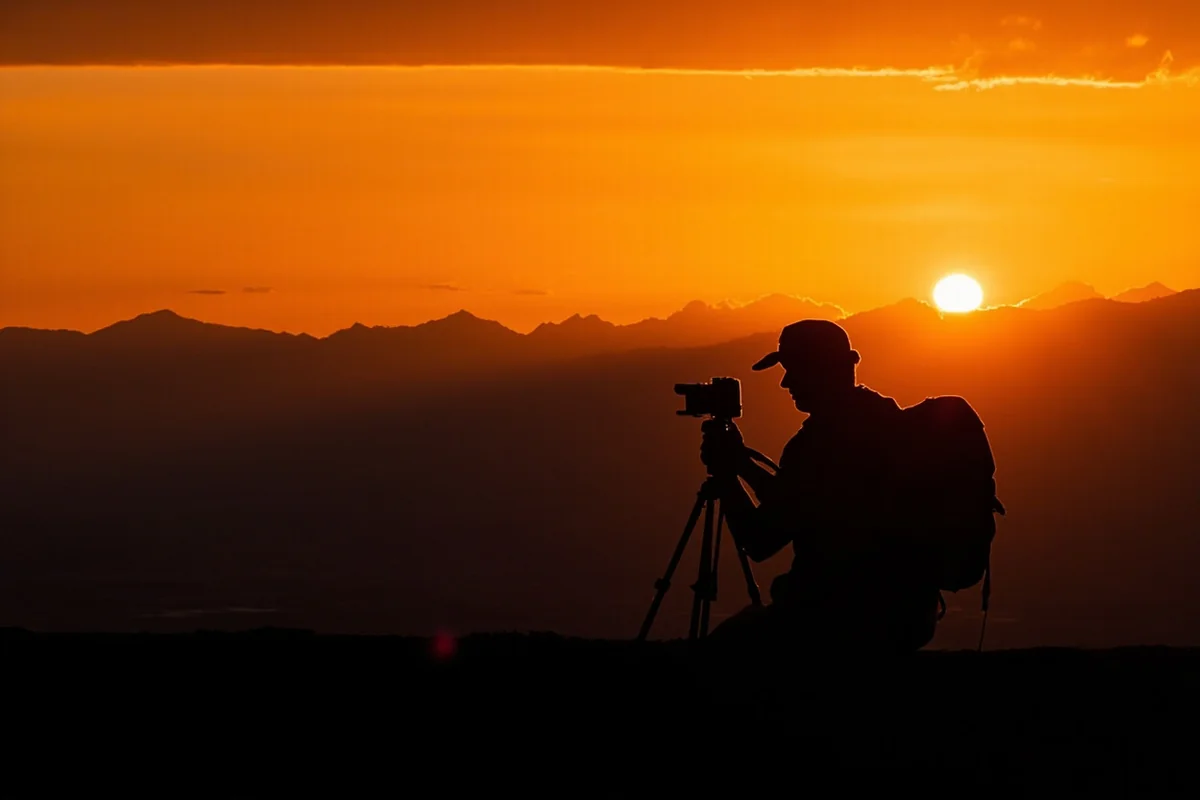
Most importantly, embrace uncertainty. My most memorable October Montana moments came from unplanned adjustments—the morning I skipped Glacier due to snow and discovered the Seeley-Swan larches, the afternoon a Yellowstone road closure led me to an empty thermal area I’d never heard of.
That flexibility defines October travel here. The state isn’t packaged and predictable like summer visits. It requires engagement, adaptation, and tolerance for imperfection. In return, it offers something increasingly rare: wild Montana largely to yourself, painted in colors that only appear for a few precious weeks each year.
I’ll be back this October, chasing larches again.
Frequently Asked Questions
Is October a good time to visit Montana?
October is one of my favorite times to visit Montana if you’re seeking fewer crowds, stunning fall foliage, and lower accommodation prices. The shoulder season means you’ll have popular spots like Glacier National Park practically to yourself, though some facilities and roads begin closing mid-month. Just be prepared for unpredictable weather ranging from crisp 50°F days to early snowstorms.
What is the weather like in Montana in October?
Montana weather in October is highly variable, with daytime temperatures typically ranging from 40-60°F and nights dropping to 20-35°F, especially at higher elevations. I’ve experienced everything from sunny Indian summer days to full-on blizzards in the same week. Mountain areas like Glacier and Big Sky see snow by mid-October, while lower elevations in eastern Montana tend to stay milder longer.
Is Glacier National Park open in October?
Glacier National Park remains open in October, but Going-to-the-Sun Road typically closes to vehicles between mid-October and late October depending on snowfall. Many visitor centers, lodges, and campgrounds shut down after Columbus Day weekend, so plan accordingly. I recommend visiting early October if you want the full experience, as the golden larch trees peak around the first two weeks of the month.
What should I pack for a Montana trip in October?
Pack layers including a warm down jacket, waterproof shell, thermal base layers, and sturdy waterproof hiking boots for October in Montana. I always bring a hat, gloves, and hand warmers since mornings can be bitterly cold, especially in Yellowstone and Glacier. Don’t forget sunglasses and sunscreen—the high-altitude sun is deceptively strong even in cooler weather.
How much does a Montana vacation cost in October?
October offers excellent value with hotel rates dropping 20-40% from peak summer prices—expect to pay $100-180 per night for mid-range lodging in gateway towns like Whitefish or West Yellowstone. I’ve found flights to Bozeman and Missoula averaging $250-400 roundtrip from major US cities during this shoulder season. Budget around $150-200 per day for a comfortable trip including lodging, meals, park entrance fees ($35 per vehicle), and activities.
Can you see wildlife in Montana during October?
October is actually prime wildlife viewing season in Montana, as elk are in full rut and easier to spot in valleys and meadows. I’ve had incredible sightings of grizzly bears preparing for hibernation, bighorn sheep, and migrating birds in both Yellowstone and the National Bison Range. Dawn and dusk offer the best opportunities, and the sparse crowds mean you won’t be competing for viewing spots along roadsides.
What are the best things to do in Montana in October?
October is perfect for hiking the golden larch trails in Glacier, witnessing elk bugling in Yellowstone, and exploring charming mountain towns like Bozeman and Missoula without summer crowds. I highly recommend driving the Beartooth Highway before it closes mid-month and soaking in natural hot springs after chilly hikes. Fall festivals, local brewery tours, and scenic drives through the Flathead Valley’s apple orchards round out the quintessential Montana autumn experience.