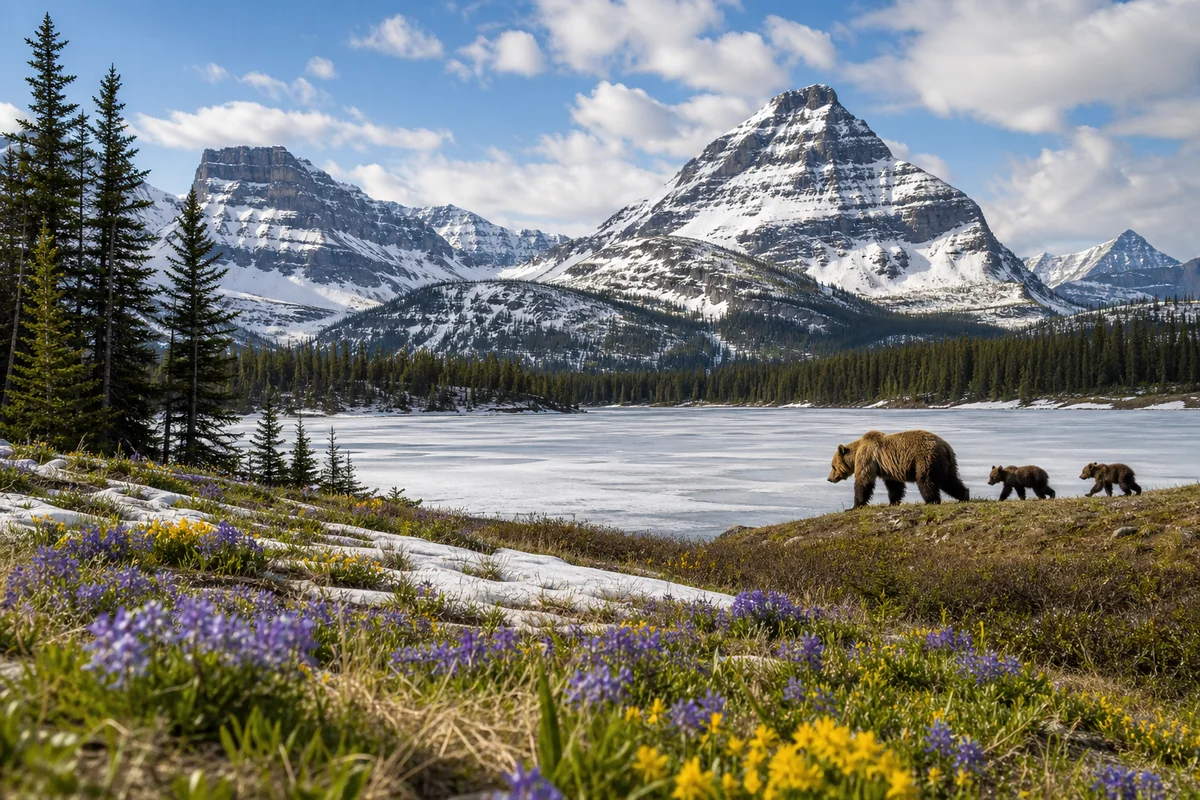
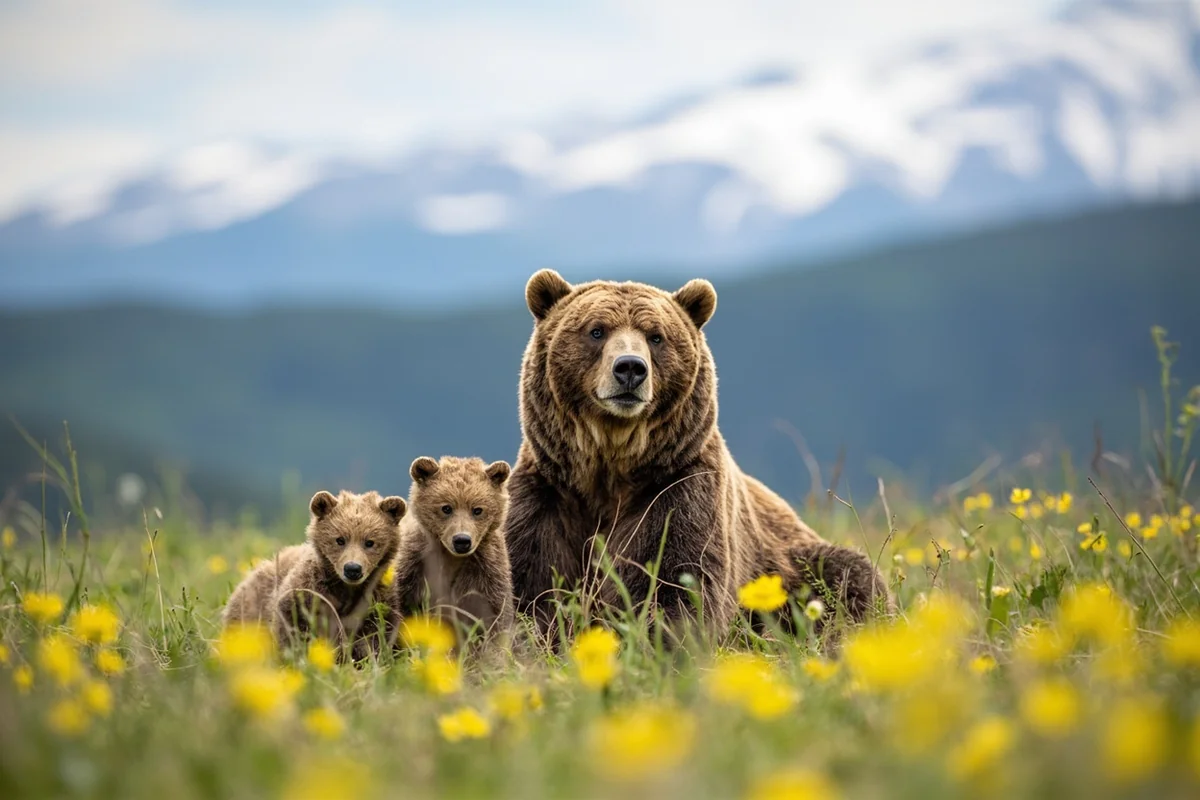
I’ll never forget standing at the edge of a still-frozen lake in Glacier National Park last May, watching a grizzly bear and her two cubs amble across a distant meadow while wildflowers pushed through the last patches of snow at my feet.
That single moment—wildlife, wildflowers, and wilderness all converging—perfectly captures why May has become my favorite month to explore Big Sky Country.
If you’re researching the best time to visit Montana, May deserves serious consideration. It’s the sweet spot between the lingering cold of Montana in April and the summer crowds that arrive by June.
You’ll find shoulder-season pricing, baby animals everywhere, and landscapes awakening with an energy that’s almost electric.
- May weather ranges from 40-70°F depending on elevation—pack layers
- Glacier’s Going-to-the-Sun Road typically remains closed; lower-elevation trails are accessible
- Yellowstone is open but expect some road closures and mud
- Wildlife viewing peaks with newborn elk, bison, and bear cubs
- Accommodation prices are 20-40% lower than summer rates
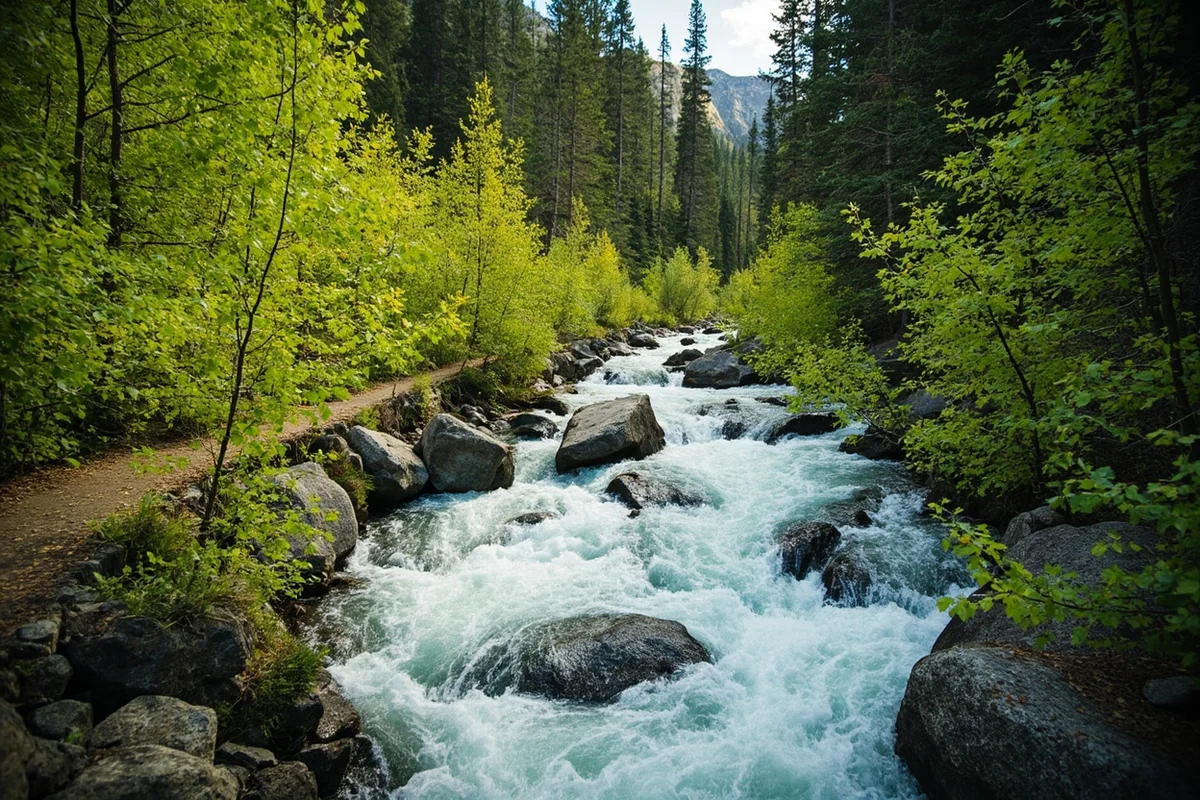
- Rivers run high—rafting season begins but fishing can be challenging
- Memorial Day weekend marks the transition to summer crowds
Liked this article?
Add Roaming Montana as a preferred source so you see more of our articles and guides on Google.
What May Weather Actually Looks Like in Montana
Let me be honest with you: May weather in Montana is wildly unpredictable. During my most recent May trip, I experienced 75°F sunshine in Missoula and a surprise snowstorm in Glacier—all within 48 hours.
The general pattern I’ve observed across multiple May visits breaks down by region. Western Montana, including Missoula and Kalispell, tends to be milder with daytime highs in the mid-60s to low 70s. Eastern Montana around Billings and the prairies runs warmer, often hitting the 70s by mid-month.
Mountain areas remain the wild card. At higher elevations, you’ll encounter temperatures in the 40s and 50s, with snow still very much in play. I learned this lesson the hard way when I packed for spring hiking in the Mission Mountains and ended up trudging through knee-deep snow.
Temperature Averages by Region
| Region | Average High | Average Low | Precipitation |
|---|---|---|---|
| Missoula | 64°F | 38°F | 2.1 inches |
| Billings | 67°F | 43°F | 2.5 inches |
| Bozeman | 61°F | 35°F | 2.8 inches |
| Glacier NP (West Glacier) | 58°F | 34°F | 2.4 inches |
| Yellowstone (Mammoth) | 57°F | 31°F | 1.8 inches |
What to Pack for May
After several May trips, I’ve developed a packing system that works. Layers are everything—I bring a base layer, fleece mid-layer, and waterproof shell for every outing, regardless of the forecast.
Don’t skip the waterproof hiking boots. Even on sunny days, trails are often muddy or have stream crossings swollen with snowmelt. I ruined a pair of trail runners during my first May hike at Avalanche Lake.
Sunscreen and sunglasses are non-negotiable. The sun at elevation is intense, and snow reflection doubles the UV exposure. I also always pack a warm hat and gloves—yes, even in May.
Glacier National Park in May: The Real Story
Here’s what most travel guides won’t tell you straight: Going-to-the-Sun Road is almost certainly closed in May. The park’s plow crews typically don’t complete clearing until late June.
But here’s my controversial opinion: I actually prefer Glacier in May. Yes, you’ll miss the iconic road, but you’ll also miss the 2+ million summer visitors who clog the parking lots and trails.
What’s Actually Open in May
The west side of the park around Apgar and Lake McDonald is accessible via the Camas Road (weather permitting) and the lower portion of Going-to-the-Sun Road to Avalanche Creek. The east side offers access to Many Glacier, though the road typically opens mid-to-late May.
During my last May visit, I hiked to Avalanche Lake early in the month. The trail was muddy but passable, and I encountered maybe fifteen other people the entire day. Compare that to the hundreds who tackle this trail hourly in July.
The Trail of the Cedars, a boardwalk loop near Avalanche Creek, is one of the most accessible May options. I spent an afternoon there photographing the ancient cedars with snow still clinging to their branches—a scene you’ll never capture in summer.
Wildlife Watching Opportunities
May transforms Glacier into a wildlife photographer’s paradise. Bear activity increases dramatically as grizzlies and black bears emerge from hibernation, hungry and active.
I positioned myself at the Apgar Lookout trail one May morning and watched a black bear foraging in the meadow below for nearly an hour. The lack of crowds meant I could observe quietly without the chaos that summer brings.
Mountain goats begin descending to natural mineral licks in May. The Goat Lick Overlook along Highway 2 is my favorite spot—I’ve seen dozens of goats there, sometimes with newborn kids still wobbly on their legs.
Yellowstone National Park: May Conditions
Yellowstone in May offers a dramatically different experience than Glacier. All five park entrances are typically open (weather permitting), and most roads are accessible except for the Beartooth Highway, which usually opens around Memorial Day.
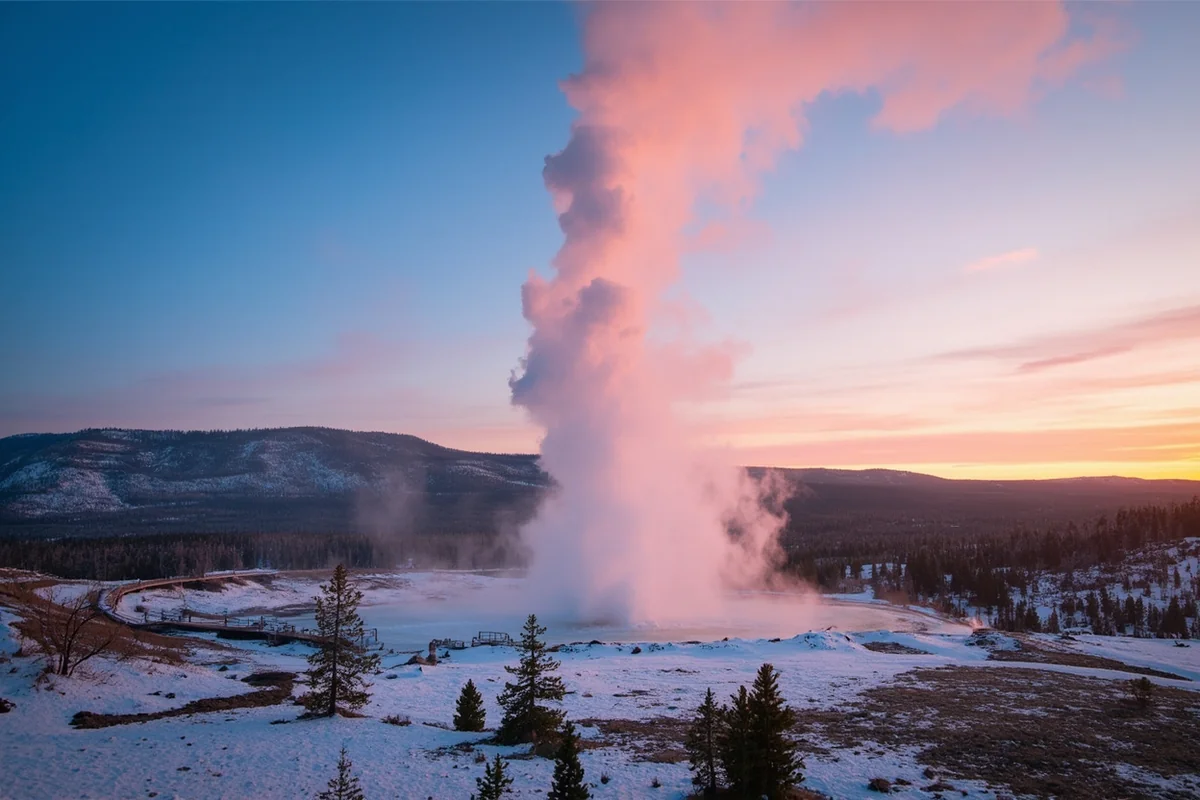
What I love about May in Yellowstone is the combination of thermal features with snow. Watching steam rise from Old Faithful against a backdrop of snow-dusted lodgepole pines creates images you simply cannot capture in summer.
The Baby Animal Phenomenon
If you’re planning a wildlife-focused trip, May is arguably the best month for Yellowstone. Bison calving season reaches its peak, and the Lamar Valley becomes a nursery of red-colored “red dogs” (the nickname for bison calves) frolicking among the herds.
On my most recent May visit, I counted over 30 newborn bison calves in a single morning in the Lamar Valley. Elk calving also begins in late May, though the calves are harder to spot as mothers hide them in tall grass.
Wolf activity is excellent in May. The packs are denning, which means predictable movement patterns around den sites. I spent three mornings with a spotting scope at Slough Creek, watching the Junction Butte pack bring food back to their den.
Practical Considerations
Be prepared for some facilities to remain closed. Canyon Village and several campgrounds typically don’t open until late May. Mammoth Hot Springs, Old Faithful, and the main visitor centers operate throughout the month.
Fishing season doesn’t open until Memorial Day weekend, which is something to note if angling is your primary focus. If you’re dreaming of dry fly fishing on the Madison, you’ll want to wait until July or August for optimal conditions.
Hidden Gem Destinations for May
While most visitors focus on the national parks, I’ve discovered that May is the perfect month to explore Montana’s lesser-known treasures.
The National Bison Range
Located in Moiese, the National Bison Range becomes incredibly photogenic in May. The grass turns electric green, wildflowers bloom across the hills, and bison calves are everywhere.
I drove the 19-mile Red Sleep Mountain Drive on a May afternoon and encountered more wildlife than in any single day at Yellowstone. Bison, elk, pronghorn, deer, and even a badger—all without another vehicle in sight.
The two-hour drive from Missoula makes this an easy day trip, and unlike the national parks, you’ll often have the entire loop road to yourself.
Makoshika State Park
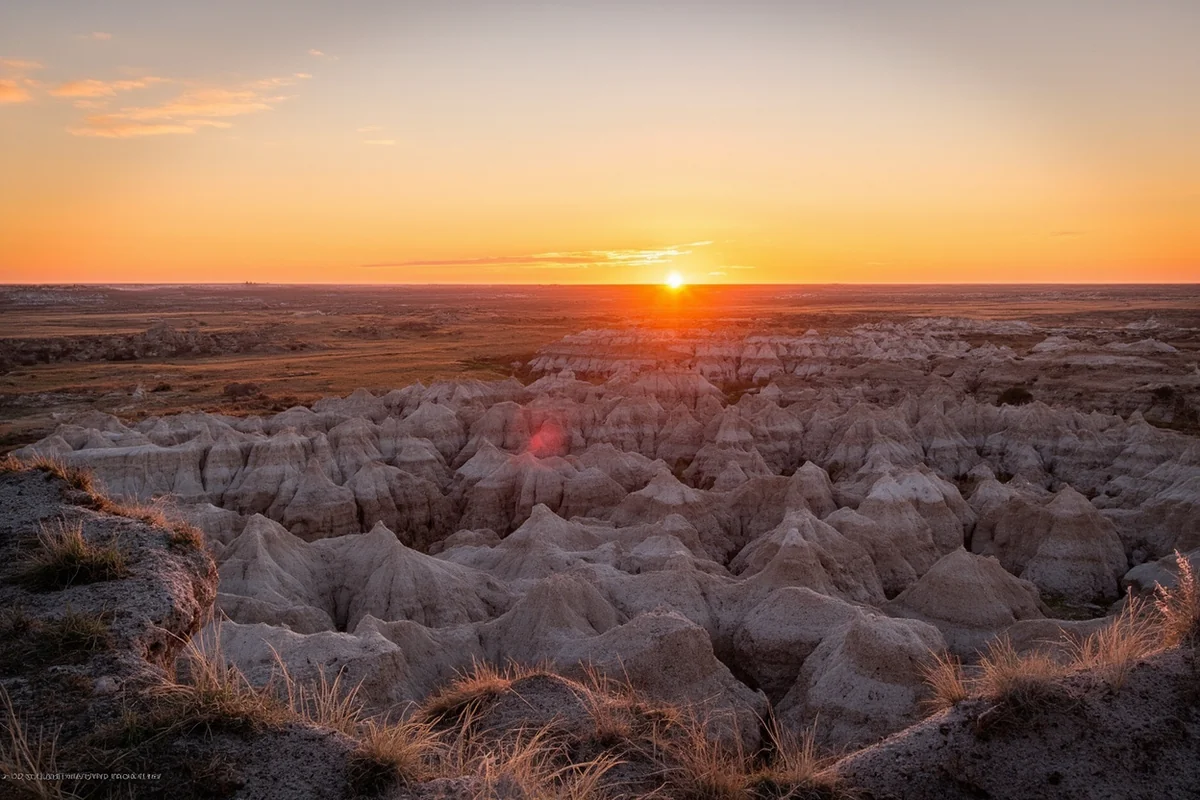
Eastern Montana’s Makoshika State Park near Glendive transforms in May. The badlands terrain, reminiscent of a smaller Badlands National Park, offers comfortable hiking temperatures before the brutal summer heat arrives.
During my visit last May, I hiked the Cap Rock Trail early in the morning and watched the rising sun paint the hoodoos in shades of orange and pink. The temperature was perfect—mid-50s with a light breeze.
This is dinosaur country, and May is ideal for exploring before rattlesnakes become active in the warmer months. I stumbled upon what appeared to be a fossilized bone fragment (don’t touch or remove anything—it’s illegal).
The Blackfoot Valley
The Blackfoot River corridor east of Missoula is where I go when I want solitude and spring beauty. This is the river made famous by “A River Runs Through It,” and May brings it to life.
Wildflowers carpet the meadows along Highway 200. During my last visit, I identified balsamroot, lupine, and arrowleaf reaching toward the sun. The contrast against the evergreen forests is stunning.
The Clearwater Canoe Trail near Seeley Lake offers easy paddling in May, though water temperatures remain frigid. I recommend dry bags for everything and staying close to shore.
Wildflower Season: When and Where
May marks the beginning of Montana’s wildflower season, though timing varies significantly by elevation. I’ve learned to track the bloom by following the snowmelt up the mountains.
In the valleys around Missoula and Bozeman, arrowleaf balsamroot—those brilliant yellow sunflower-like blooms—peaks in early to mid-May. The hillsides north of Missoula toward the National Bison Range turn completely golden.
At mid-elevations, glacier lilies push through the receding snowpack. These delicate yellow flowers are among the first to emerge, often blooming right at the snow’s edge. I’ve photographed them alongside patches of snow at Hyalite Canyon near Bozeman.
Best Wildflower Drives
My favorite May wildflower drive runs along Highway 93 between Missoula and Kalispell. The Mission Valley section, with the Mission Mountains as a backdrop, rivals any scenic drive in America when the balsamroot is blooming.
The Paradise Valley south of Livingston toward Yellowstone’s north entrance offers another spectacular display. Lupine, paintbrush, and larkspur begin appearing along the Yellowstone River banks.
For an off-the-beaten-path experience, I recommend the drive from Choteau to Augusta along the Rocky Mountain Front. The contrast between blooming prairie and snow-capped peaks behind creates images I treasure.
Water Activities: What to Expect
May transforms Montana’s rivers and streams with snowmelt, creating both opportunities and challenges for water enthusiasts.
Whitewater Rafting
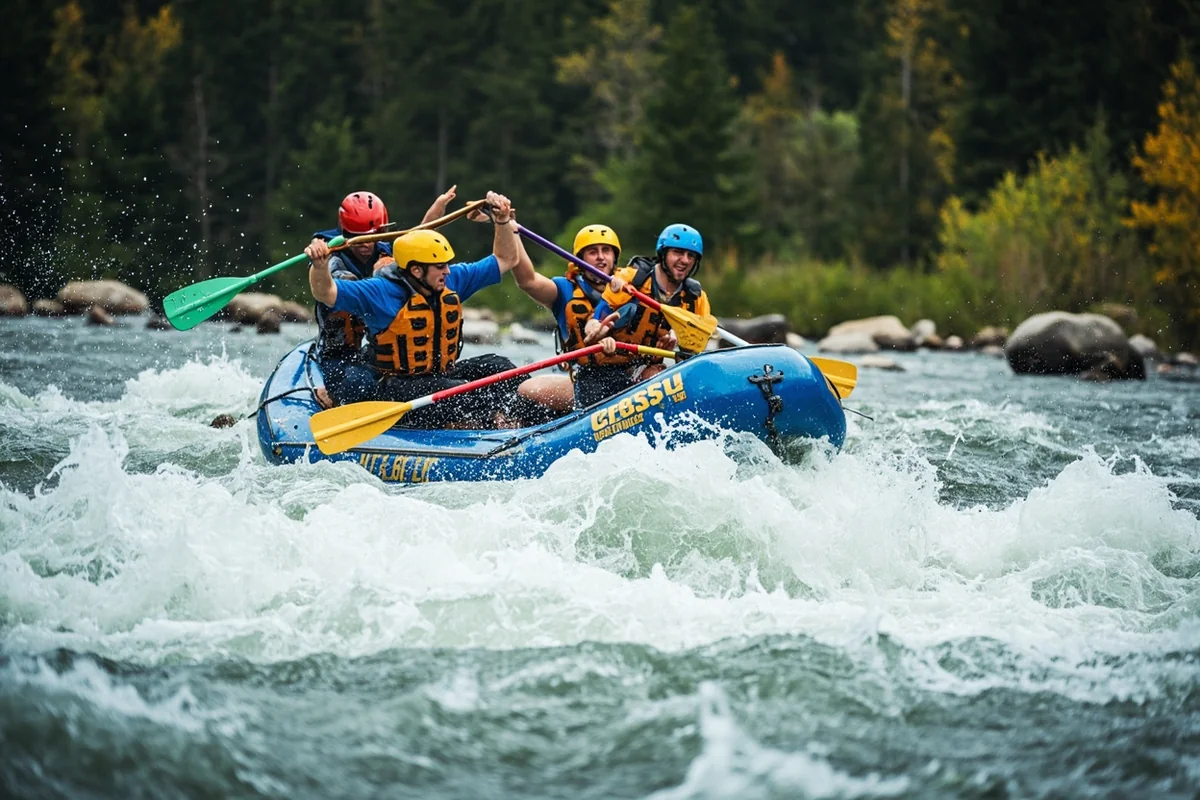
If big rapids excite you, May is your month. The Alberton Gorge section of the Clark Fork River runs high and fast, offering Class III-IV rapids that mellow considerably by midsummer.
I rafted the Gorge last May with Montana River Guides, and the experience was exhilarating. Water temperatures hover in the low 40s, so full wetsuits are mandatory—this isn’t a lazy float.
The Gallatin River near Big Sky also pumps with snowmelt in May. The Mad Mile section lives up to its name during peak runoff, though exact conditions vary year to year depending on snowpack.
Fishing Reality Check
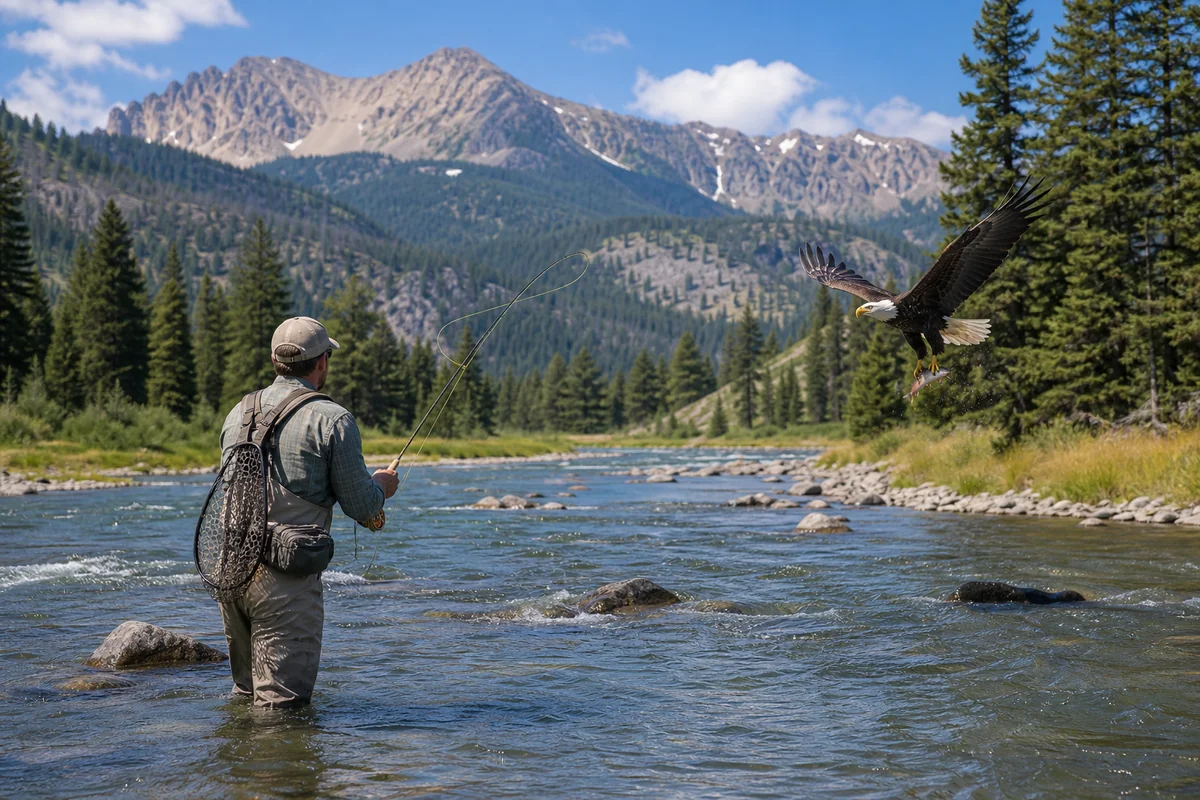
I need to be honest: May is not prime fishing season in most Montana waters. Rivers run high and murky with snowmelt, and trout are recovering from winter and focused on spawning.
That said, nymph fishing on the Missouri River tailwater below Holter Dam can be productive. The dam-regulated flow provides clearer water than freestone rivers.
If fly fishing is your primary goal, I’d suggest considering September or October when rivers drop and fish become more aggressive before winter.
Hiking in May: Trail Conditions and Recommendations
Trail conditions in May require realistic expectations. Many popular high-elevation trails remain snow-covered or dangerously icy, but lower-elevation options offer excellent hiking.
Accessible May Hikes
The “M” Trail in Missoula is my go-to May recommendation for visitors wanting a quick cardio blast with panoramic views. The switchbacks climb steeply to the iconic “M” on Mount Sentinel, and by May, the trail is typically clear.
Near Bozeman, Drinking Horse Mountain Trail offers similar accessibility. The 2-mile out-and-back delivers wildflowers, views of the Bridger Range, and a good workout. I hiked it at sunrise last May and had the summit to myself.
For families or those wanting easier terrain, the Bogart Park trails south of Bozeman meander through open grasslands perfect for May hiking. Watch for ticks—they’re active by May, so check yourself after every hike.
What to Avoid
Don’t attempt alpine routes in May unless you have mountaineering experience and proper equipment. The Highline Trail in Glacier, Grinnell Glacier Trail, and similar high-elevation destinations remain buried under snow.
Even trails that appear accessible can hide post-holing conditions—where your feet break through the snow crust into waist-deep drifts. I’ve experienced this on trails that looked mostly clear from the trailhead. If you’re uncertain, check with local ranger stations before heading out.
Crowds and Pricing: The Shoulder Season Advantage
May represents the sweet spot between true off-season pricing and summer crowds. I’ve tracked my accommodation costs across multiple May trips, and the savings are significant.
Hotels in Whitefish that charge $350/night in July often run $180-220 in May. Vacation rentals near Glacier drop even more dramatically. I booked a cabin in Columbia Falls last May for $129/night that was listed at $279 for the same week in August.
Memorial Day weekend is the exception. Prices spike and crowds materialize, marking the unofficial start of summer tourism. If possible, I recommend traveling early-to-mid May for the best combination of value and solitude.
Booking Strategy
Book accommodations inside national parks well in advance—even in May, these fill up. The Many Glacier Hotel typically opens in late May and books quickly despite limited accessibility.
For flexibility, I prefer staying in gateway communities. Whitefish, Columbia Falls, and West Glacier for Glacier access; Gardiner, West Yellowstone, and Bozeman for Yellowstone access. These towns offer more options and better value.
Rental cars can be limited in smaller airports like Bozeman and Missoula, especially around Memorial Day. Book early to avoid paying premium prices for whatever vehicle remains.
Events and Festivals
May brings several events worth planning around, though Montana’s festival season truly kicks off in summer.
The Missoula Marathon takes place the first Sunday in May, drawing runners from across the country for a scenic course along the Clark Fork River. The surrounding energy transforms downtown Missoula into a celebration.
Helena’s Alive at Five outdoor concert series begins in May, offering free live music at downtown locations every Wednesday. I’ve caught several local bands while enjoying Montana’s lingering evening light.
For rodeo fans, several smaller community rodeos kick off in May before the bigger summer events. The Augusta American Legion Rodeo in late May offers an authentic Montana experience without tourist crowds.
Memorial Day weekend brings the season-opening celebrations at many ski resorts. Big Sky Resort and Whitefish Mountain Resort often host end-of-season events, and if snow conditions permit, you might even squeeze in some late-season turns.
Photography Tips for May
As someone who photographs Montana extensively, May presents unique opportunities and challenges that require specific planning.
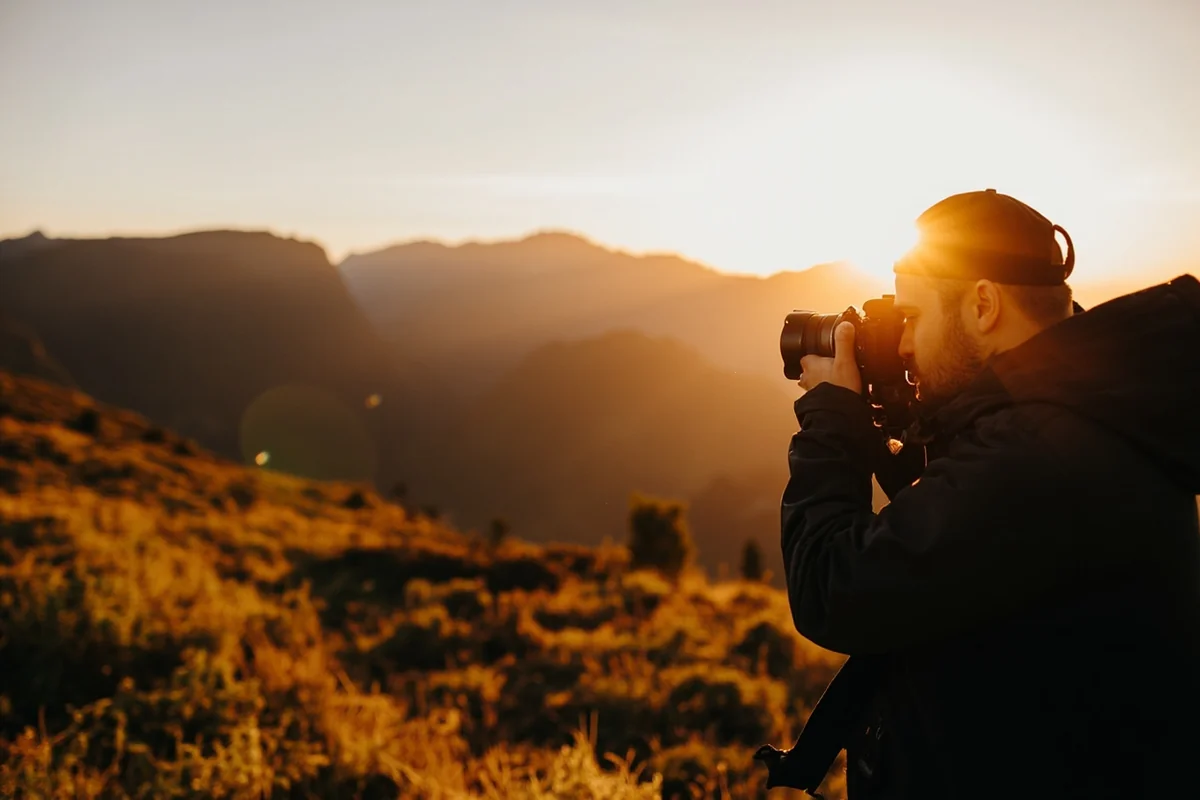
The golden hour extends beautifully in May, with sunset around 8:30 PM by month’s end. This gives you more time to position for that perfect shot, though it also means later nights.
Harsh midday light reflects intensely off remaining snow, creating challenging exposure situations. I shoot with a polarizing filter constantly in May to manage reflections off water and snow.
Wildlife photography peaks in May, but remember that animals with young are particularly sensitive to disturbance. I maintain 100+ yards from bears and never approach any animal that displays awareness of my presence. The best shots come from patience and distance, not aggressive pursuit.
Getting Around Montana in May
Road conditions vary significantly in May, and flexibility is essential for any Montana road trip.
Mountain passes may close temporarily due to late-spring snowstorms. I always check the Montana Department of Transportation road conditions website before departing each morning during May trips.
The Beartooth Highway, one of America’s most spectacular drives, typically opens around Memorial Day weekend but sometimes later depending on snowpack. Don’t plan your trip around this road unless you’re visiting late May and have backup plans.
Rental cars work well for May travel, though I recommend all-wheel drive or 4WD if you plan to explore backroads. I’ve encountered muddy forest service roads that would challenge a sedan.
What Makes May Special: My Honest Assessment
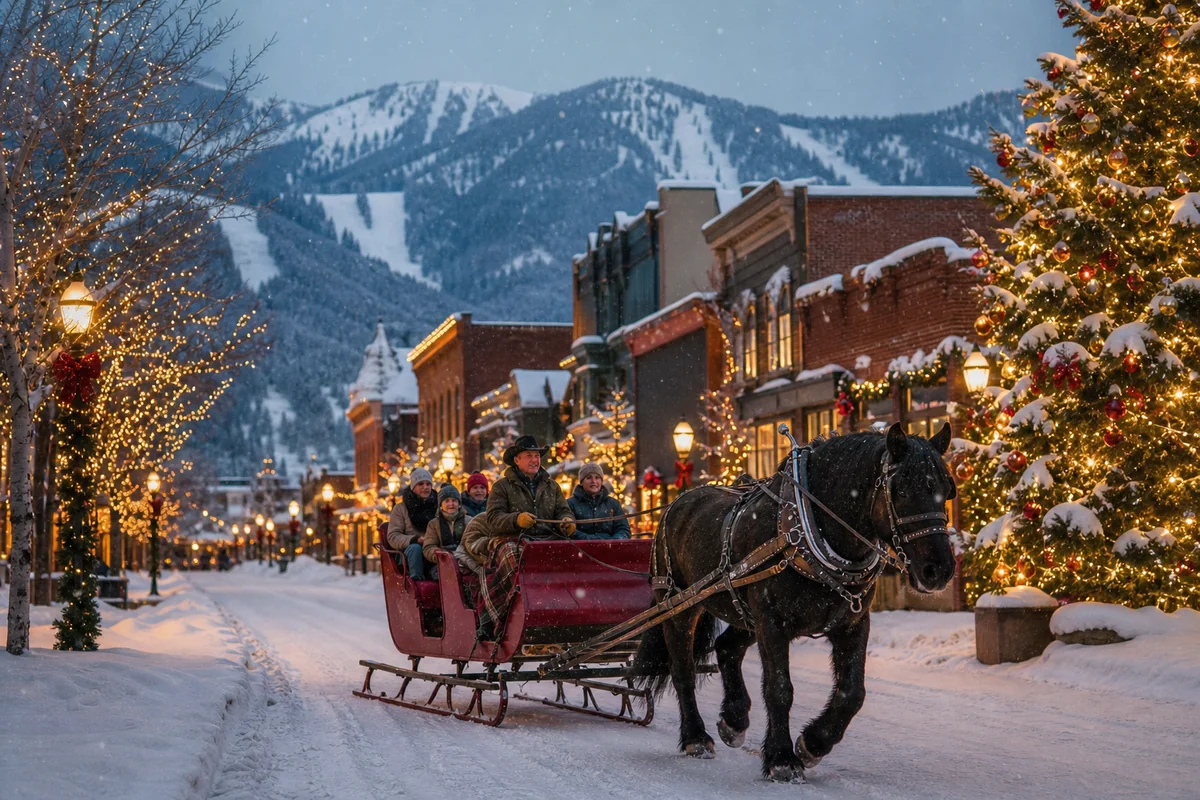
After visiting Montana in nearly every month (including a memorable Christmas in Montana and challenging trips in January and February), May has earned a special place in my travel calendar.
The transition from winter to spring creates a dynamic landscape that changes daily. Waterfalls run at their most powerful. Wildlife is active and visible. The crowds haven’t arrived.
Yes, you’ll sacrifice access to Going-to-the-Sun Road. Yes, weather can be unpredictable. Yes, some trails remain inaccessible.
But the trade-offs are worth it for travelers who prioritize wildlife, solitude, and authentic experiences over checking off every scenic viewpoint. The Montana you’ll experience in May feels wilder, more alive, and more genuinely Western than the polished summer version.
If you’re flexible, adventurous, and willing to embrace uncertainty, May might just become your favorite month to visit Montana. It certainly has become mine.
For those who prefer more predictable conditions and full park access, November offers a different shoulder-season experience, while the winter months from December through March bring skiing and snowy adventures.
Whatever month you choose, Montana rewards those who come prepared and open to whatever the landscape offers. In May, that offering is nothing short of spectacular.
Frequently Asked Questions
Is May a good time to visit Montana for outdoor activities?
May is an excellent time to visit Montana if you’re looking to beat the summer crowds while enjoying warming temperatures. I’ve found it perfect for hiking lower elevation trails, wildlife watching (especially newborn animals), and fishing as rivers become accessible. Just keep in mind that higher elevation areas in Glacier National Park may still have snow-covered roads and limited access.
What is the weather like in Montana in May?
Montana weather in May is unpredictable but generally mild, with daytime temperatures ranging from 55-70°F in valleys and 40-55°F in mountain areas. I always pack layers because you can experience sunshine, rain, and even snow within the same day. Evenings still get chilly, often dropping into the 30s, especially in areas near Glacier and Yellowstone.
Is Going-to-the-Sun Road open in May?
Going-to-the-Sun Road in Glacier National Park is typically not fully open in May due to ongoing snow plowing operations. Usually, you can drive to Avalanche Creek from the west side and to Rising Sun from the east, but the full road doesn’t open until late June or early July. I recommend checking the National Park Service website for real-time road status before planning your trip.
What should I pack for a Montana trip in May?
For a May trip to Montana, I recommend packing waterproof hiking boots, a rain jacket, warm fleece layers, and sunscreen since UV rays are strong at higher elevations. Don’t forget sunglasses, a warm hat for cold mornings, and bug spray as mosquitoes start emerging near waterways. Bringing clothing you can easily layer is essential since temperatures can swing 30+ degrees in a single day.
How much does a week-long trip to Montana cost in May?
A week in Montana during May typically costs $1,500-$3,000 per person depending on your travel style, which is lower than peak summer rates. Budget travelers can find hotel rooms starting around $80-120/night in gateway towns like Whitefish or Bozeman, while mid-range options run $150-250/night. I’ve noticed rental cars averaging $50-80/day, and you’ll spend roughly $40-60 daily on meals at local restaurants.
Can you see wildlife in Montana during May?
May is actually one of the best months for Montana wildlife viewing because animals are active at lower elevations and many species have newborn calves and cubs. I’ve spotted bears emerging from hibernation, elk with calves, moose near wetlands, and wolves in Yellowstone’s Lamar Valley during early morning hours. Bring binoculars and plan for dawn or dusk drives when animals are most visible.
Are Montana tourist attractions crowded in May?
Montana in May offers a sweet spot with significantly fewer crowds than the June-August peak season, though Memorial Day weekend gets busy. I’ve enjoyed having popular trailheads and scenic viewpoints nearly to myself on weekday visits, and restaurant wait times are minimal compared to summer. This shoulder season means you’ll have a more relaxed experience while still finding most businesses and services open for visitors.