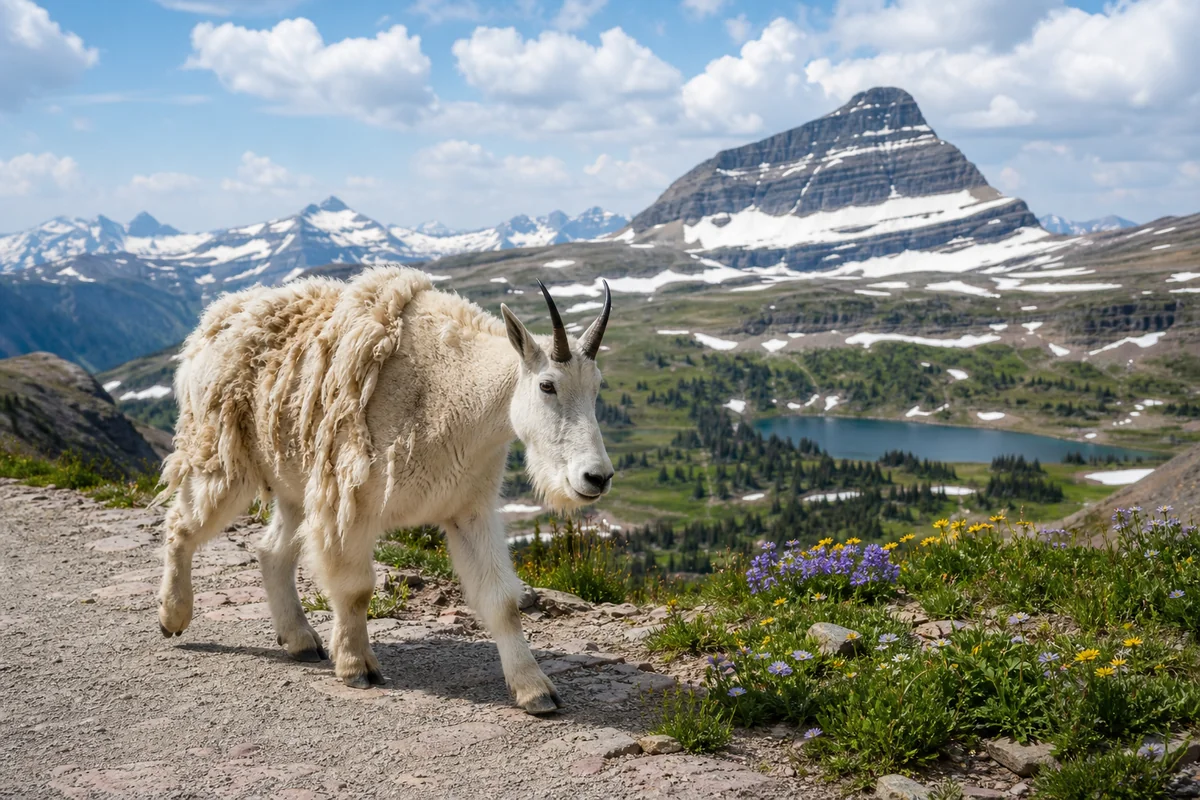
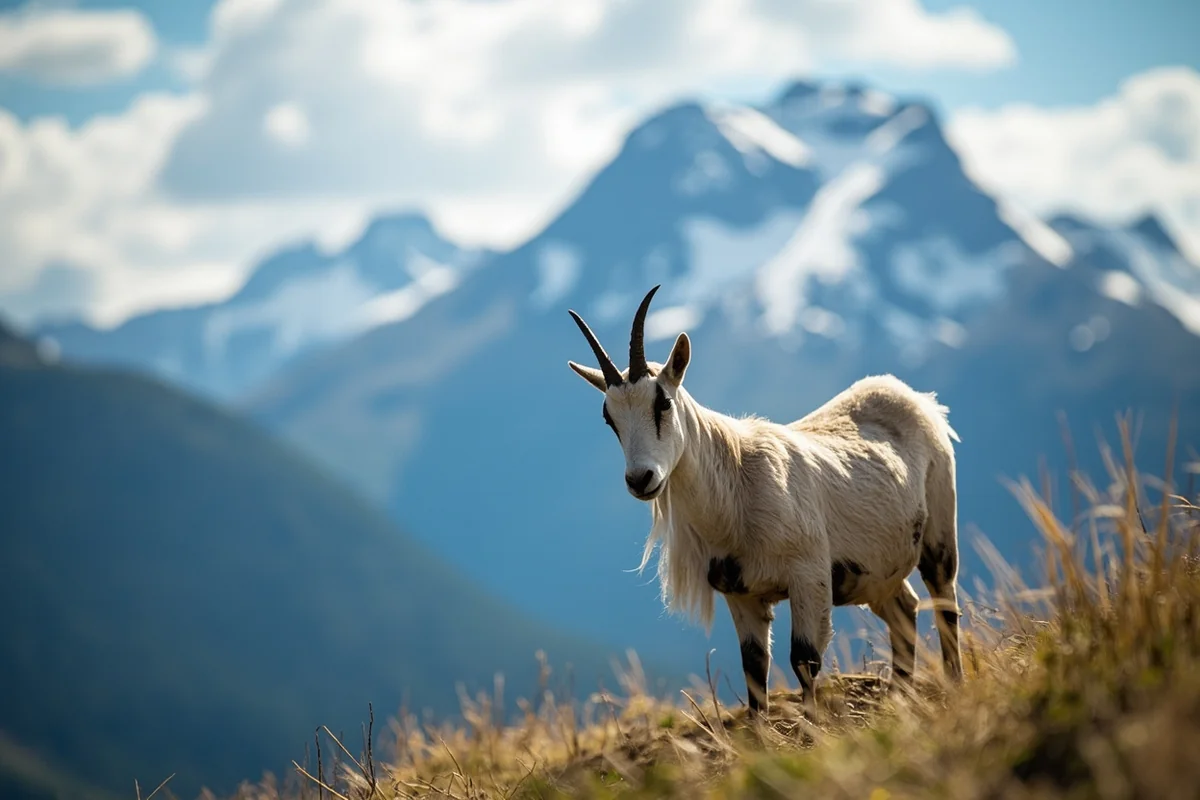
I was standing at Logan Pass last June when a mountain goat casually strolled past me, close enough that I could see the texture of its winter coat still shedding in patches.
That moment—surrounded by snow-dusted peaks while wildflowers pushed through the melting edges below—perfectly captures why June might just be the best time to visit Montana.
It’s a month of transition, of awakening, and of some truly magical conditions that even peak summer can’t quite match.
- June weather ranges from 50-80°F depending on elevation, with long days (16+ hours of daylight)
- Going-to-the-Sun Road typically fully opens mid-to-late June—check status before planning
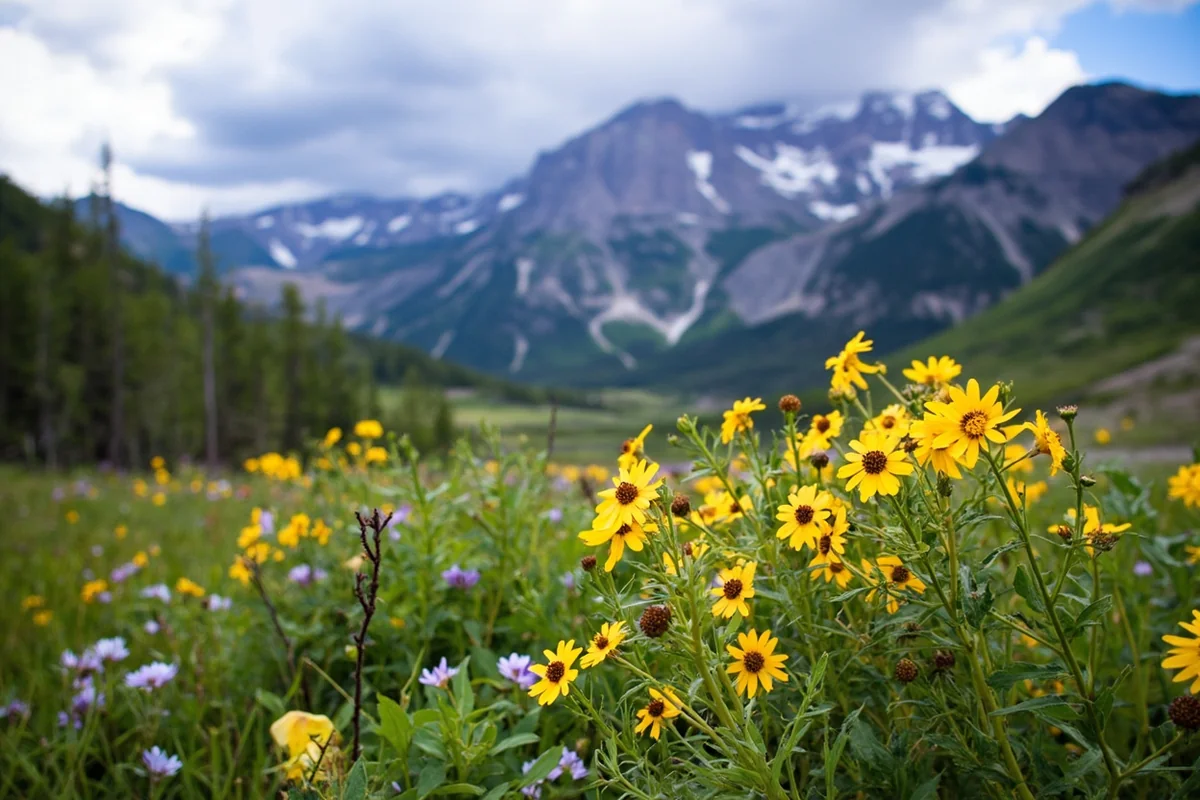
- Wildflower season peaks in valleys early June, moving to alpine meadows by month’s end
- Wildlife is extremely active with newborn animals and bears emerging from hibernation
- Crowds are moderate compared to July/August, but accommodations book fast
- Pack layers—I’ve experienced 80°F afternoons and near-freezing mornings on the same trip
Liked this article?
Add Roaming Montana as a preferred source so you see more of our articles and guides on Google.
What Makes June Special in Montana
After the unpredictable conditions of Montana in May, June delivers something remarkable: reliability with a side of magic. The snow is retreating, the rivers are running high with snowmelt, and the entire state feels like it’s stretching awake after a long winter sleep.
During my most recent June visit, I counted over 40 different wildflower species on a single hike near Bozeman. The sheer abundance of color across Montana’s meadows during this month is something photographs simply can’t capture.
June also brings what locals call “the shoulder season sweet spot”—warm enough for comfortable hiking, but before the July and August crowds descend in full force.
June Weather: What to Actually Expect
Let me be straight with you: Montana’s June weather is gloriously unpredictable. I’ve learned to embrace it rather than fight it.
Temperature Ranges by Region
| Region | Average High | Average Low | Notes |
|---|---|---|---|
| Glacier National Park | 65-75°F | 40-48°F | Higher elevations significantly cooler |
| Missoula/Western Montana | 72-80°F | 45-52°F | Pleasant valley conditions |
| Bozeman/Yellowstone Area | 70-78°F | 42-50°F | Afternoon thunderstorms common |
| Eastern Montana | 75-85°F | 50-58°F | Warmest region, less rain |
The Reality of Mountain Weather
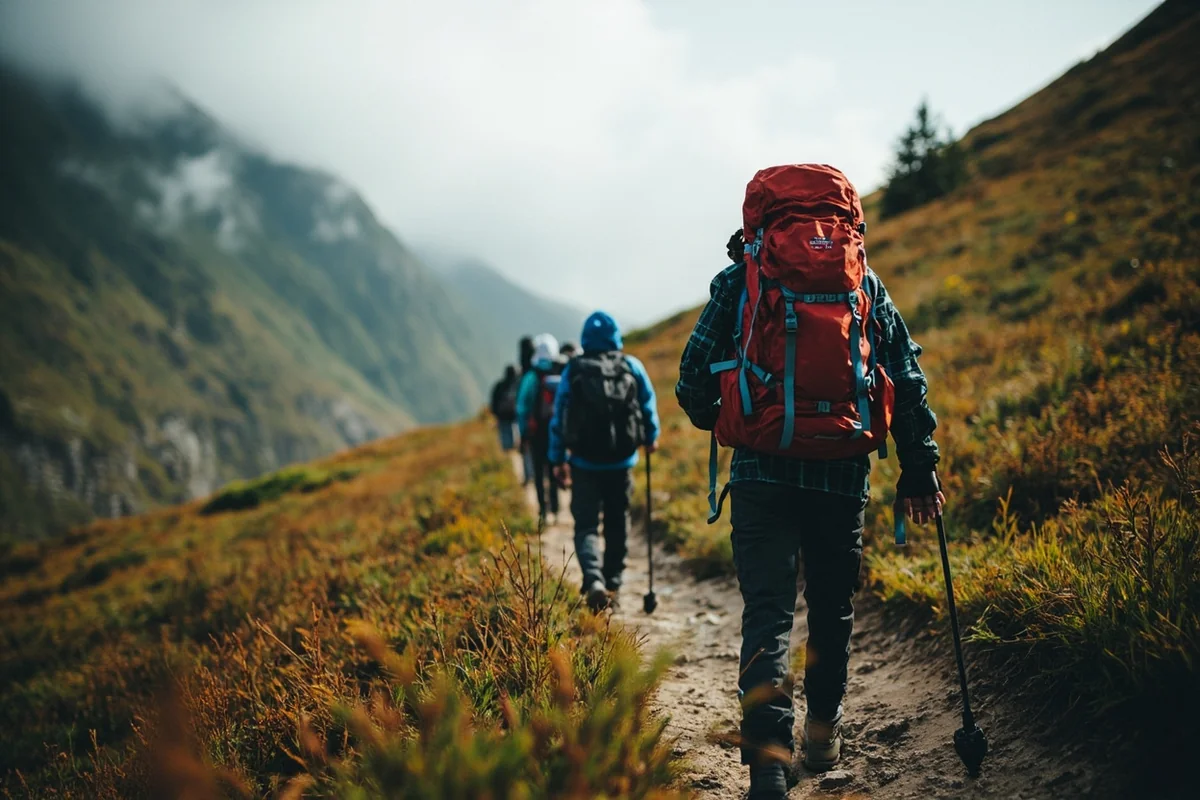
Here’s what the weather apps won’t tell you: elevation changes everything. When I was hiking to Avalanche Lake last June, I started in a t-shirt at the trailhead and needed my puffy jacket by the lake.
Plan for at least a 20-degree temperature drop for every 3,000 feet you climb. This isn’t an exaggeration—it’s just physics.
Precipitation Patterns
June brings afternoon thunderstorms, particularly in the mountain regions. They’re usually brief but can be intense.
My strategy? Start hikes early. I try to be on the trail by 7 AM and back to the trailhead by early afternoon. This not only beats the storms but also gives you the best wildlife viewing and softer photography light.
The eastern plains see less rainfall, making June an excellent time to explore places like Makoshika State Park near Glendive without the summer heat that makes July visits more challenging.
Going-to-the-Sun Road: The June Question Everyone Asks
“Will Going-to-the-Sun Road be open when I visit in June?” This is the question I get most often, and the answer requires some nuance.
Typical Opening Timeline
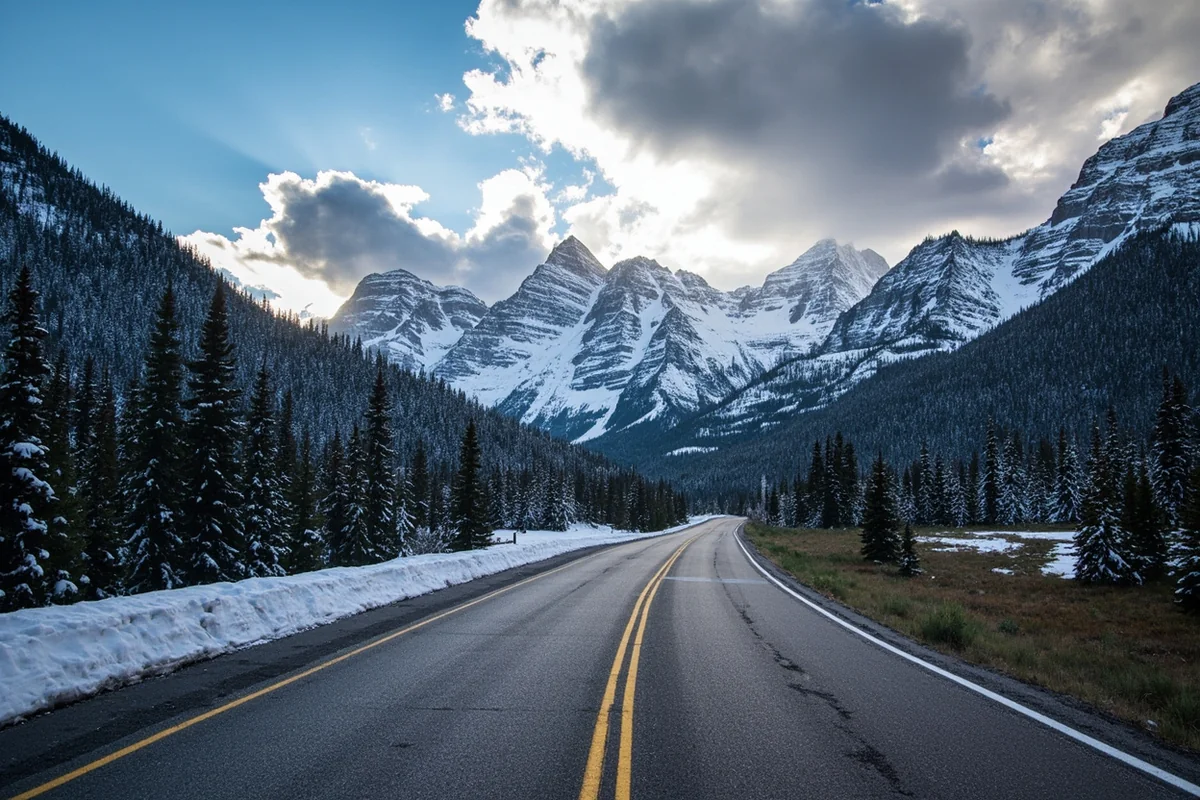
The full road from West Glacier to St. Mary typically opens between June 15-25, though this varies by snowpack. During heavy snow years, I’ve seen it open as late as July 4th.
The National Park Service doesn’t announce an opening date in advance. Plow crews work through spring, and the road opens when it opens.
What’s Accessible Before Full Opening
Even if the full road isn’t open, you can still access significant portions. From the west side, the road typically opens to Avalanche Creek (with access to Trail of the Cedars and Avalanche Lake) by late May.
From the east, you can usually reach Rising Sun and sometimes St. Mary Falls before the full opening.
During my early June trip two years ago, the road was open to The Loop on the west side, which still gave me access to incredible hiking and the famous Weeping Wall waterfall—actually at peak flow from snowmelt.
Vehicle Reservations
Here’s something that catches many visitors off guard: as of recent years, Glacier requires vehicle reservations for Going-to-the-Sun Road corridor during peak hours (6 AM to 4 PM) from late May through September.
Book these reservations at Recreation.gov exactly 60 days in advance. They sell out within minutes for popular dates. I set a phone alarm for 8 AM Eastern (when they release) and had my reservation booked within 90 seconds.
June Wildlife: A Season of Babies and Activity
If wildlife watching is your priority, June might be the single best month to visit Montana. I’ve had more memorable animal encounters in June than any other month combined.
What You’ll See
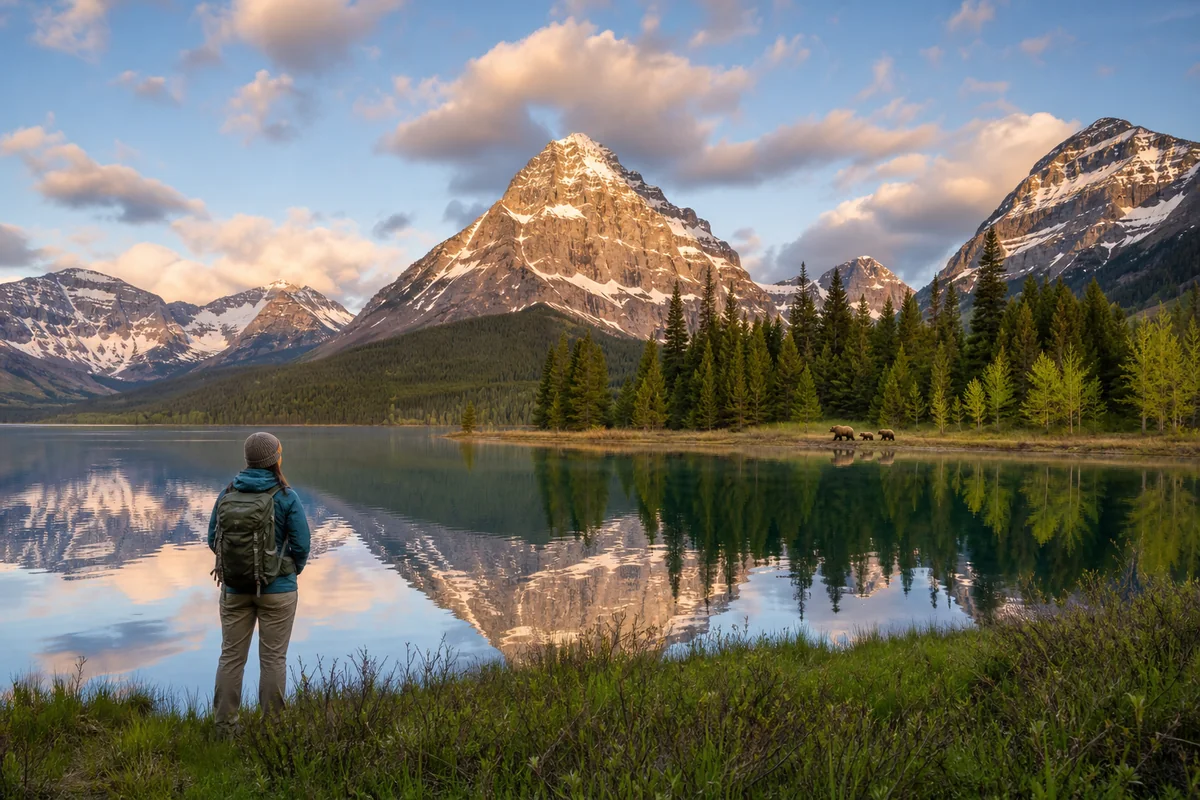
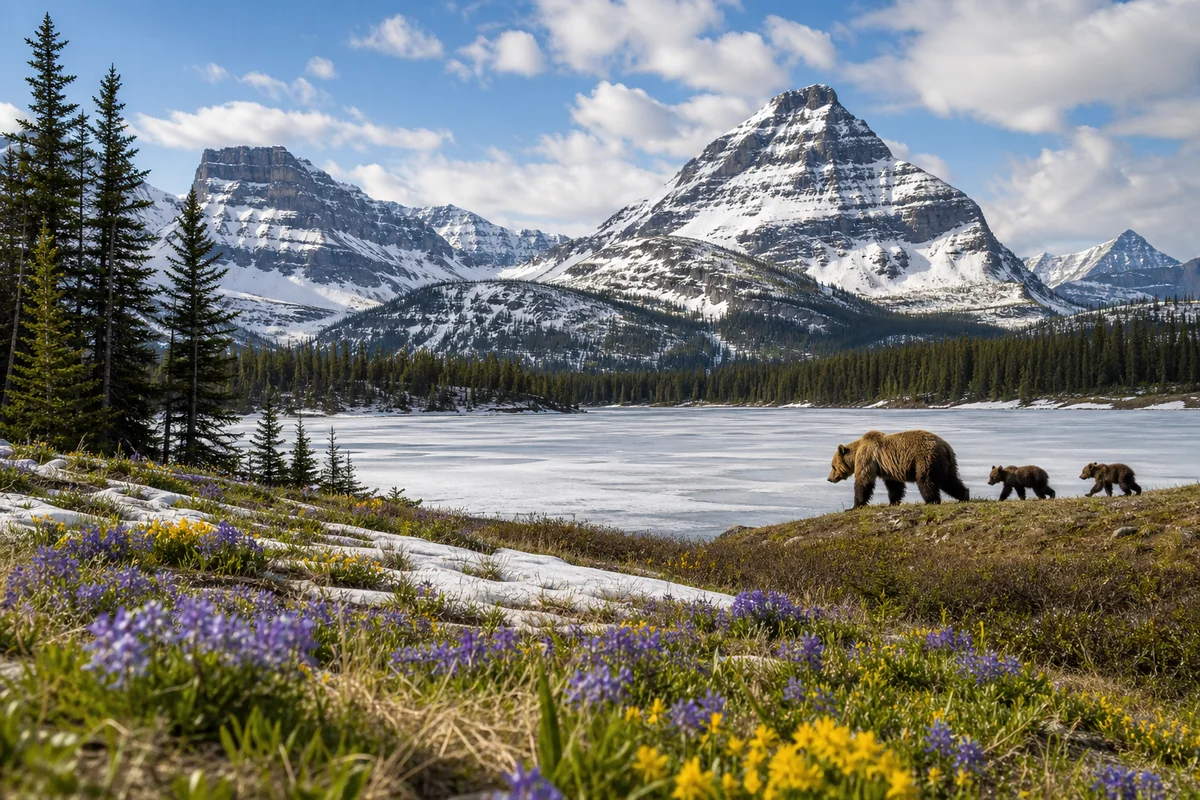
Bear activity is exceptional in June. Both black bears and grizzlies are out of hibernation and actively foraging in lower elevations where snow has melted. I photographed a grizzly sow with two cubs-of-the-year near Many Glacier—an image that remains one of my favorites.
Elk calves start appearing in early June. The valleys around Gardiner and the Lamar Valley in Yellowstone are prime spots.
Mountain goat kids are finding their footing on rocky slopes. Logan Pass and Hidden Lake Overlook offer regular sightings.
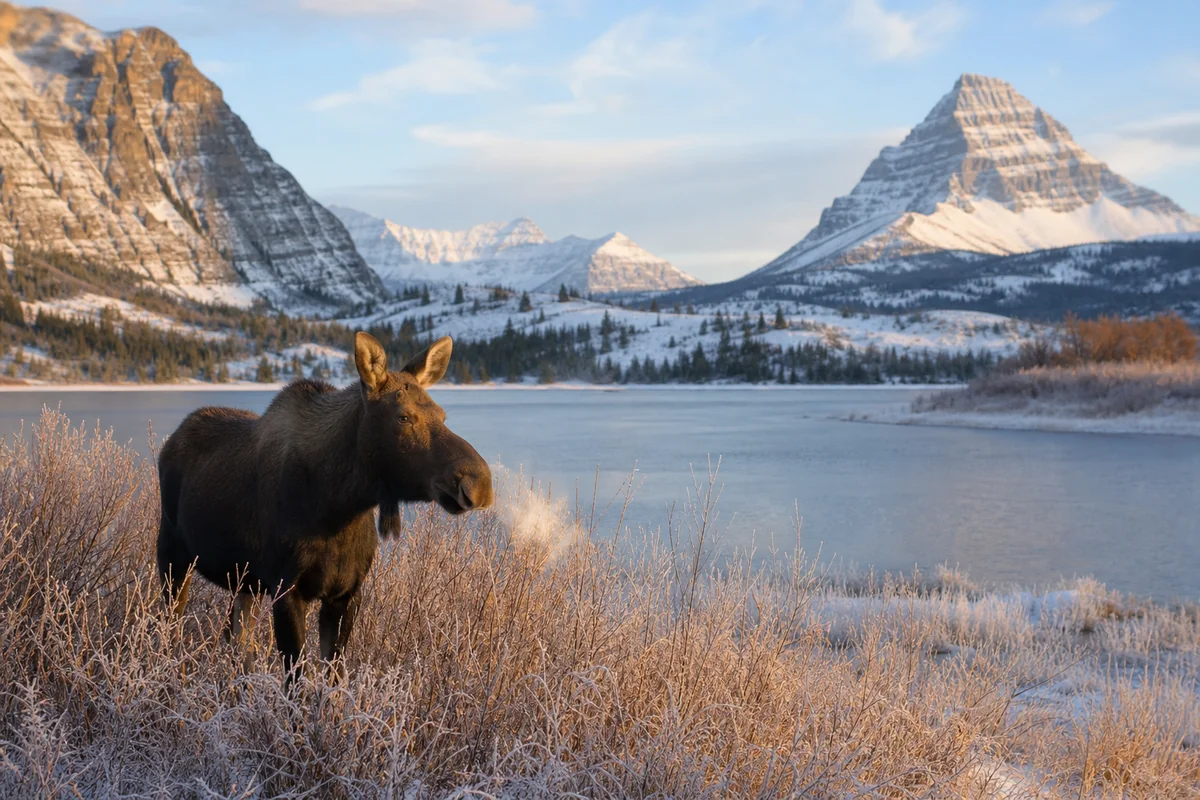
Moose are often visible near willowy wetlands. I’ve had consistent luck on the Moose-Wilson Road corridor and around Red Rock Lakes.
Best Wildlife Viewing Strategy
Wake up early. I know I keep saying this, but it genuinely matters. My best wildlife sightings have all occurred between 5:30 AM and 9 AM.
Bring binoculars and a spotting scope if you have one. Most of my best bear sightings required optics to appreciate safely from a distance.
Take a wildlife tour with a local guide at least once. The guides in the Lamar Valley know where animals have been denning and feeding—information that takes years to accumulate.
Where to Go in Montana in June
Let me share my honest recommendations based on what’s actually optimal this time of year.
Glacier National Park
This is peak shoulder season, and I think it’s the ideal time for Glacier. The waterfalls are thundering with snowmelt, wildflowers are emerging, and the summer crowds haven’t fully materialized.
Must-do experiences in June:
- Avalanche Lake hike (accessible even before Going-to-the-Sun Road fully opens)
- Boat tour on Lake McDonald or Two Medicine Lake
- Many Glacier area for wildlife and stunning scenery
- Highline Trail once the road opens (check conditions—snow may linger)
The Many Glacier Hotel typically opens in early June. I love staying there for the views and immediate trailhead access, though you’ll pay premium prices for the privilege.
Yellowstone National Park (Montana Section)
The northern portion of Yellowstone, accessed through Gardiner, Montana, is spectacular in June. The Lamar Valley is green and alive with wildlife.
I particularly love June for the waterfalls. Tower Fall and the Grand Canyon of the Yellowstone are at their most dramatic when fed by snowmelt.
One insider tip: the Mammoth Hot Springs boardwalks are less crowded in June than peak summer, and the terraces look incredible against the green surrounding meadows.
Flathead Lake and the Mission Mountains
This area is criminally underrated for June visits. The lake is warming up enough for brave swimmers, the cherries at the orchards along the east shore are growing, and the Mission Mountains provide a dramatic backdrop.
I spent three days camping at Finley Point State Park last June and had the beach nearly to myself on weekday mornings. By July, this would be impossible.
Bozeman and the Gallatin Valley
Bozeman serves as an excellent base camp in June. You’re close to Yellowstone, the hiking in the Bridger Mountains is accessible, and the town itself has a vibrant food and craft beer scene.
The “M” Trail (Drinking Horse Mountain) offers a great leg-stretcher after a day of driving, with views across the valley that are particularly gorgeous in the golden evening light.
Bob Marshall Wilderness
For experienced backpackers, June opens up possibilities in “The Bob.” Lower elevation trails become snow-free, though higher passes may still require ice axes and route-finding skills.
I recommend the trails accessible from Holland Lake or from the Rocky Mountain Front for June backpacking. These areas clear earlier than the interior.
Activities Perfect for June
Hiking
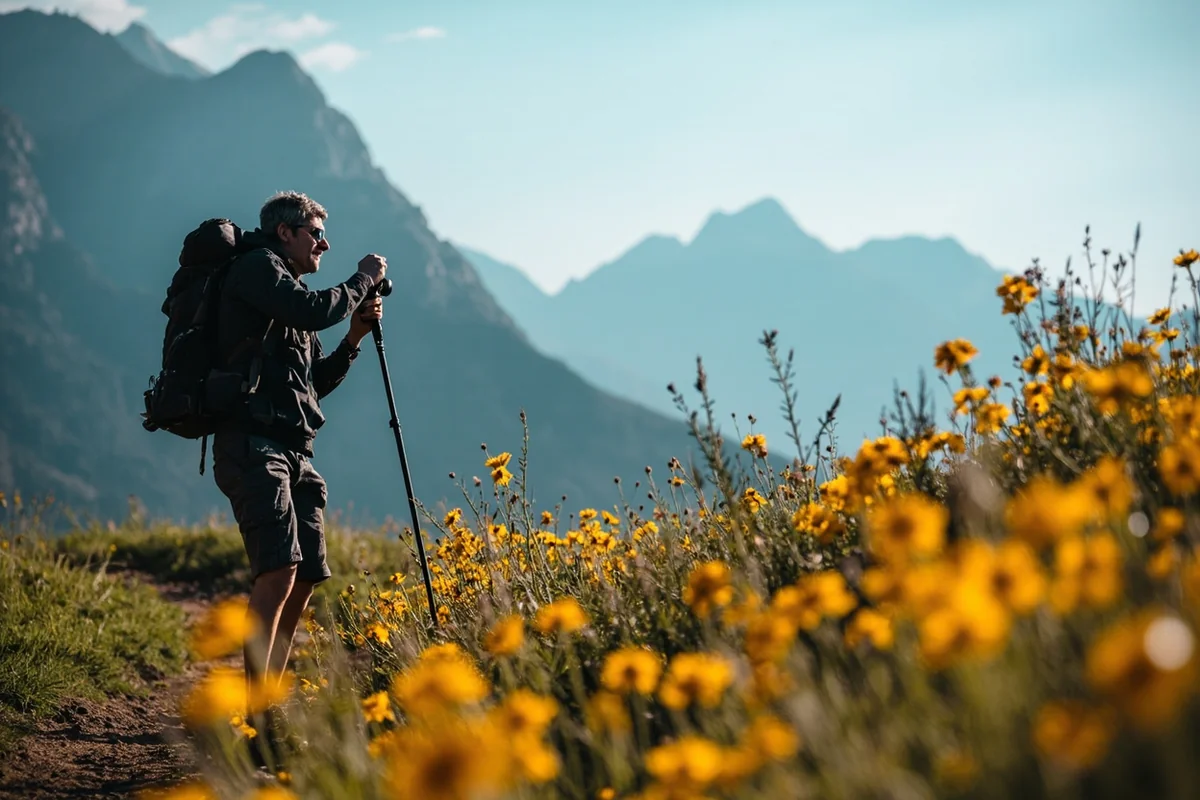
June hiking requires some flexibility. Trails below 6,000 feet are generally clear and excellent. Higher trails may have lingering snow patches.
Always check current trail conditions. I use the Glacier National Park website’s trail status page religiously, and I call ranger stations for other areas.
Some of my favorite June hikes:
- Grinnell Lake (Many Glacier) — usually accessible by mid-June
- Blodgett Canyon (Bitterroot Valley) — stunning waterfalls in early summer
- Storm Castle Peak (Gallatin Canyon) — wildflower paradise
- Pine Creek Falls (Paradise Valley) — short but spectacular
Fly Fishing
June brings the famous Montana hatch seasons. The salmon fly hatch on the Madison River typically occurs in mid-June, drawing anglers from around the world.
However, I need to be honest: runoff conditions can make rivers unfishable during early June. The water is high, fast, and often murky with sediment.
By mid-to-late June, conditions typically improve dramatically. If fishing is your primary goal, aim for the last two weeks of the month.
River Rafting and Floating
The high water that frustrates anglers makes June prime time for whitewater rafting. The Middle Fork of the Flathead, which borders Glacier National Park, runs at its most exciting levels.
I took a half-day trip with Glacier Raft Company last June, and the rapids were genuinely thrilling—Class III with some sections pushing Class IV depending on flows.
For a mellower experience, the Smith River permit season includes June dates. These are notoriously hard to get through the lottery, but it’s worth entering.
Scenic Driving
Beyond Going-to-the-Sun Road, June opens up several spectacular drives:
The Beartooth Highway (accessing Yellowstone’s northeast entrance) typically opens by late May, and June showcases it perfectly. The alpine scenery at nearly 11,000 feet, still rimmed with snow, is genuinely breathtaking.
Chief Joseph Scenic Highway connects to the Beartooth and offers equally stunning (and less crowded) views.
Highway 200 along the Blackfoot River—yes, the “A River Runs Through It” river—is gorgeous in June with green hillsides and the river running full.
Where to Stay: Honest Recommendations
Inside the Parks
Glacier’s lodges (Many Glacier Hotel, Lake McDonald Lodge, Rising Sun Motor Inn) book up months in advance for June. If you want these, start looking in January.
Yellowstone’s northern lodges are similarly competitive. Mammoth Hot Springs Hotel is my pick for combining wildlife access with historical character.
Gateway Towns
Whitefish serves as my preferred base for Glacier’s west side. It’s a real town with excellent restaurants, not just a tourist strip. I particularly like the Firebrand Hotel for its rooftop hot tubs and downtown location.
West Yellowstone offers the most lodging options for Yellowstone access. It’s touristy, but The Explorer Cabins at Yellowstone are more upscale than most options there.
Gardiner has a grittier, more authentic Montana feel. The Yellowstone Valley Lodge outside town provides ranch-style accommodations with killer views.
Camping
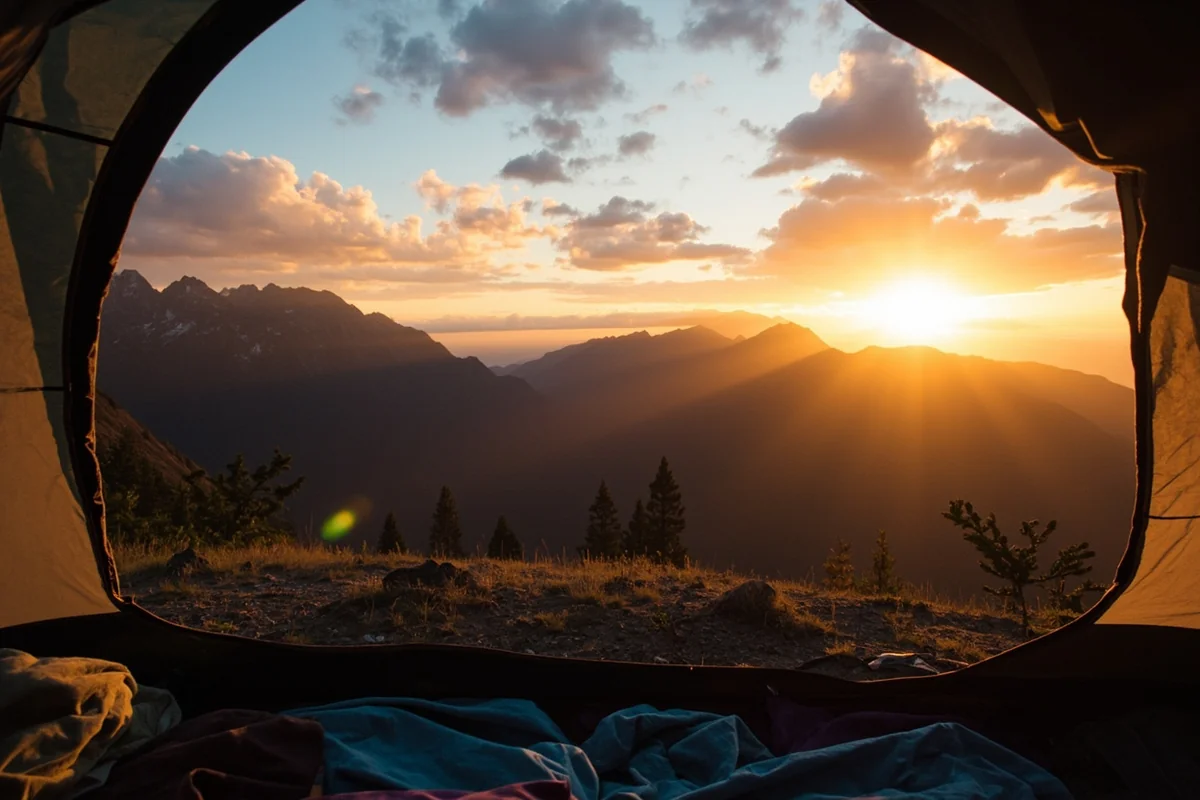
June camping in Montana is excellent—warm enough to be comfortable, cool enough to sleep well.
Glacier campgrounds on the Recreation.gov reservation system fill instantly. Fish Creek and Many Glacier are hardest to get. Apgar opens earlier in the season and sometimes has first-come, first-served availability on weekdays.
For dispersed camping (free camping on National Forest land), the Flathead and Gallatin National Forests surrounding the parks offer incredible options. Just follow Leave No Trace principles.
What to Pack for June in Montana
Based on years of June visits, here’s my actual packing list:
Clothing (Layers Are Everything)
- Lightweight base layers for mornings
- T-shirts and hiking shorts for afternoon warmth
- A proper puffy jacket (I use a down jacket rated to 40°F)
- Waterproof rain shell (afternoon storms are real)
- Long pants for evening mosquito protection
- Warm hat and lightweight sun hat
- Gloves if you’re doing high elevation hikes
Essential Gear
- Bear spray—I carry it on every hike, no exceptions
- Binoculars for wildlife viewing
- Trekking poles (helpful for lingering snow patches)
- Sunscreen and sunglasses (UV is intense at elevation)
- Insect repellent (mosquitoes emerge with the snowmelt)
- Reusable water bottle with filter or purification tablets
June Events and Festivals
Montana’s event calendar picks up considerably in June after the quieter spring months. Compared to the winter festival scene focused on skiing and holiday celebrations, summer brings outdoor-focused gatherings.
Notable June Events
The Montana Folk Festival in Butte (typically early July, but check dates) sometimes begins in late June and features incredible music on outdoor stages throughout the historic uptown district.
Red Ants Pants Music Festival near White Sulphur Springs offers a unique Montana experience—a working cattle ranch transformed into a music venue.
Rodeos begin their summer circuit in June. The Augusta American Legion Rodeo and various local events offer authentic Montana western culture.
Farmers markets open across the state. The Gallatin Valley Farmers Market in Bozeman and the Whitefish Farmers Market both feature local produce, crafts, and food vendors.
Practical Tips I’ve Learned the Hard Way
Book Early, Then Earlier
June accommodations in tourist areas book 6-12 months in advance. I’ve been caught scrambling for last-minute lodging in Whitefish and ended up 45 minutes away. Learn from my mistake.
Always Have a Backup Plan
Weather or road closures can disrupt even the best-laid plans. I always research alternative hikes and activities in case my primary destination isn’t accessible.
Embrace the Long Days
Montana in June has nearly 16 hours of daylight. Use it. Some of my best memories are from 8 PM hikes to catch the alpenglow on mountain peaks.
Carry Cash
Some smaller establishments, especially in gateway communities and rural areas, are cash-only or have unreliable card processing. I always have $100-200 in small bills.
Make Restaurant Reservations
Good restaurants in towns like Whitefish and Bozeman fill up during tourist season. For popular spots, I book a week ahead when possible.
Should You Visit Montana in June?
After visiting Montana in nearly every month—from the deep cold of January and February through the shoulder seasons of March, April, September, October, and November—I keep coming back to June as a personal favorite.
Yes, you might encounter a snow closure or an afternoon thunderstorm. Yes, some high-elevation trails might still be inaccessible. But the tradeoffs are worth it.
You get the wildflowers at their peak. You get wildlife that’s active and visible. You get long days and moderate temperatures. You get the excitement of roads and trails opening for the season, revealing landscapes that have been hidden under snow for months.
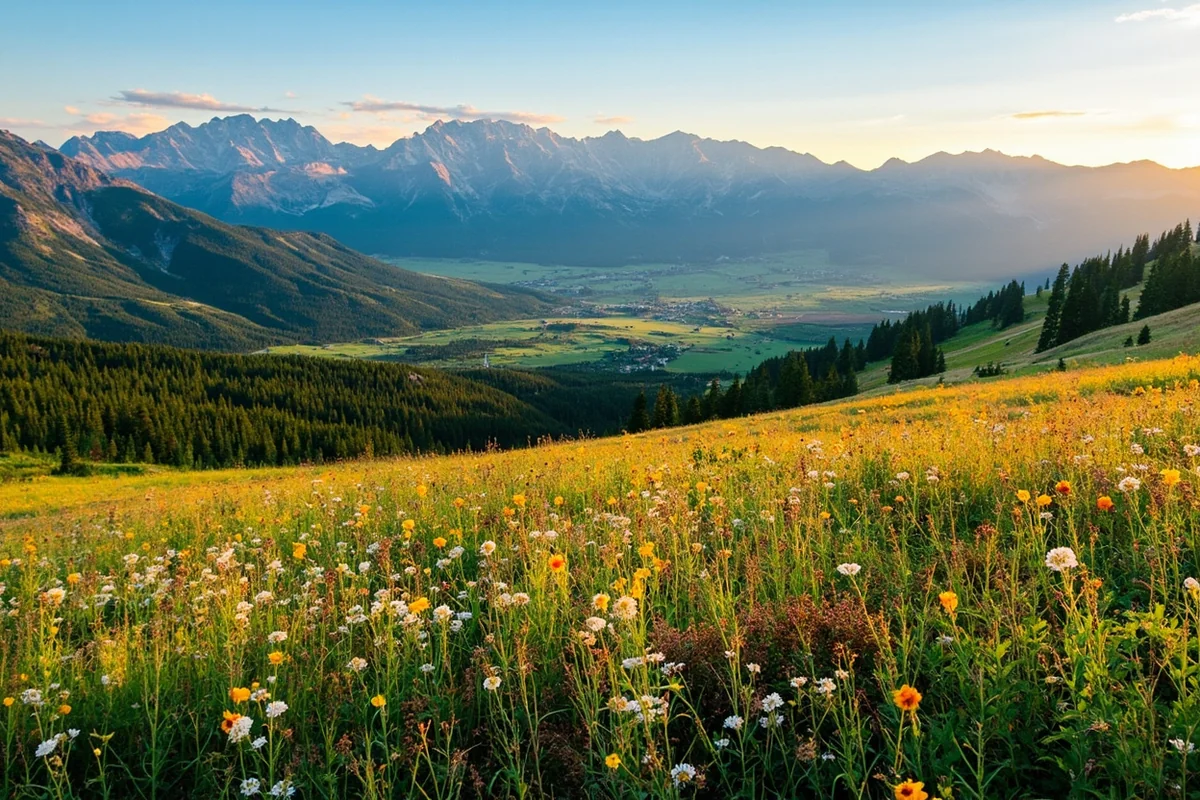
June in Montana feels like possibility—like the whole summer stretches ahead full of adventure. That energy is infectious, and it’s something I’ve never quite found in peak season.
If you can handle a bit of uncertainty and you’re willing to adapt when conditions demand it, June might just be your perfect Montana month. It certainly has become mine.
Frequently Asked Questions
Is June a good time to visit Montana for hiking and outdoor activities?
June is one of the best months to visit Montana for outdoor adventures, with long daylight hours (up to 16 hours of sunlight) and mild temperatures averaging 65-80°F in valleys. I’ve found that most hiking trails in Glacier and Yellowstone are accessible by mid-June, though some high-elevation passes may still have snow patches. It’s ideal for hiking, fishing, rafting, and wildlife watching before the peak summer crowds arrive in July.
What should I pack for a Montana trip in June?
Pack layers because Montana weather in June can swing from 40°F mornings to 80°F afternoons, even in the same day. I always bring a waterproof jacket for afternoon thunderstorms, sturdy hiking boots, sunscreen, sunglasses, and bear spray if you’re hitting the trails. Don’t forget a warm fleece for evenings and insect repellent since mosquitoes emerge near lakes and rivers by mid-June.
Are Montana roads and national park entrances fully open in June?
Most Montana roads and park entrances are open by June, but Going-to-the-Sun Road in Glacier National Park typically doesn’t fully open until mid-to-late June depending on snowpack. I recommend checking the National Park Service website before your trip for real-time road status updates. Beartooth Highway near Yellowstone usually opens around Memorial Day weekend but can face delays in heavy snow years.
How crowded is Glacier National Park in June compared to July and August?
June offers a sweet spot with fewer crowds than peak summer months, especially in early June before schools let out across the country. You’ll find shorter lines at park entrances, easier parking at popular trailheads like Logan Pass, and better availability at lodges and campgrounds. By late June, visitor numbers start climbing, so I suggest visiting the first two weeks of the month for the best experience.
How much does a week-long Montana trip cost in June?
A week in Montana in June typically costs $1,500-$3,000 per person depending on your travel style, covering lodging, rental car, food, and activities. Mid-range hotels run $150-$250 per night near Glacier or Yellowstone, while vacation rentals in towns like Whitefish or Bozeman average $200-$350 nightly. Gas prices hover around $3.50-$4.00 per gallon, and you’ll need to budget for park entrance fees ($35 per vehicle for a 7-day pass).
What wildlife can I see in Montana during June?
June is prime time for Montana wildlife viewing as animals are active with newborn calves and cubs. In Glacier and Yellowstone, I’ve spotted grizzly bears, black bears, moose, elk, bighorn sheep, and wolves during early morning and evening hours. The Lamar Valley in Yellowstone and Many Glacier area in Glacier National Park are your best bets for sightings, so bring binoculars and a telephoto lens.
Is June too early for fly fishing in Montana rivers?
June is actually fantastic for fly fishing in Montana, with the famous salmon fly hatch occurring on rivers like the Madison, Big Hole, and Blackfoot throughout the month. Water levels can run high from snowmelt in early June, but conditions typically stabilize by mid-month for excellent dry fly fishing. I’d recommend hiring a local guide ($500-$600 for a full day) if you’re unfamiliar with the rivers, as they know exactly where the fish are feeding.