The thermometer on my rental car dashboard read -14°F as I pulled into the parking lot at Big Sky Resort last December, and I genuinely questioned every life decision that had led me to this moment.
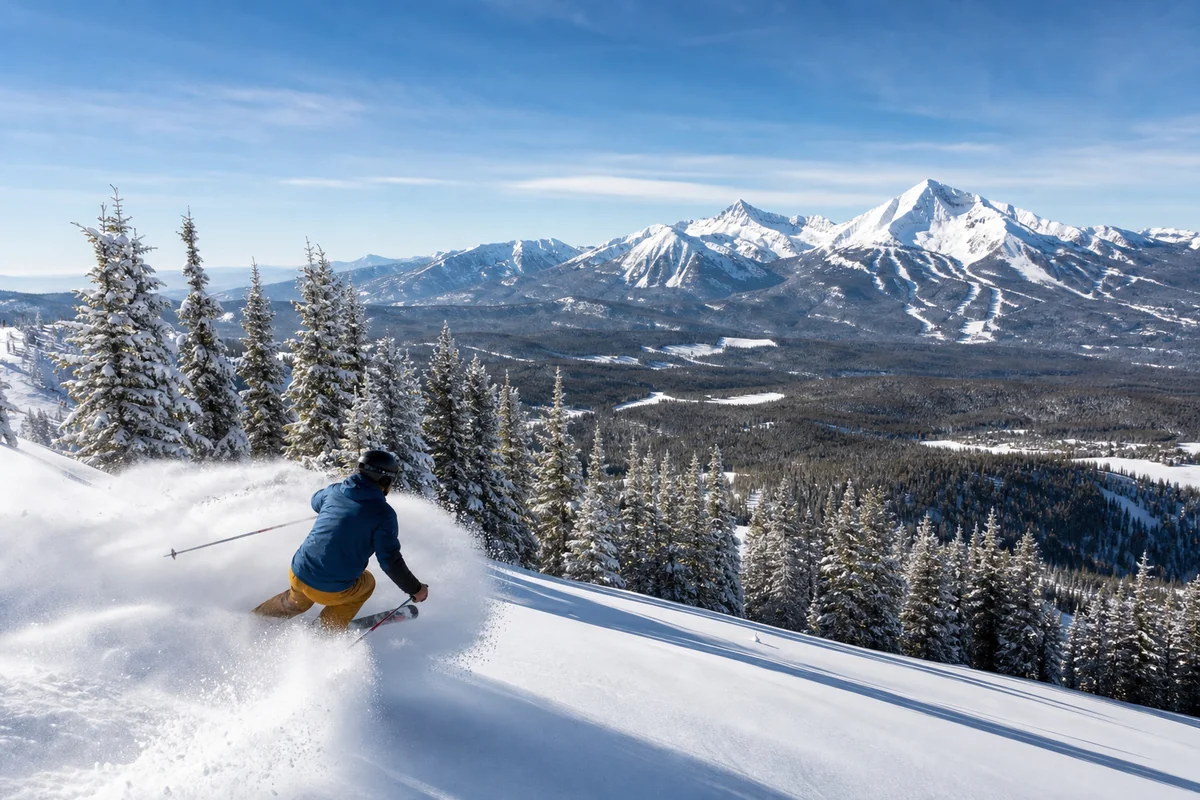
But three hours later, carving through knee-deep powder under a bluebird sky with the Spanish Peaks towering above me, I understood exactly why people travel thousands of miles to experience Montana in the dead of winter.
If you’re figuring out the best time to visit Montana, December offers something the warmer months simply can’t match: a landscape transformed into a snow-globe wonderland with far fewer tourists competing for your slice of paradise.
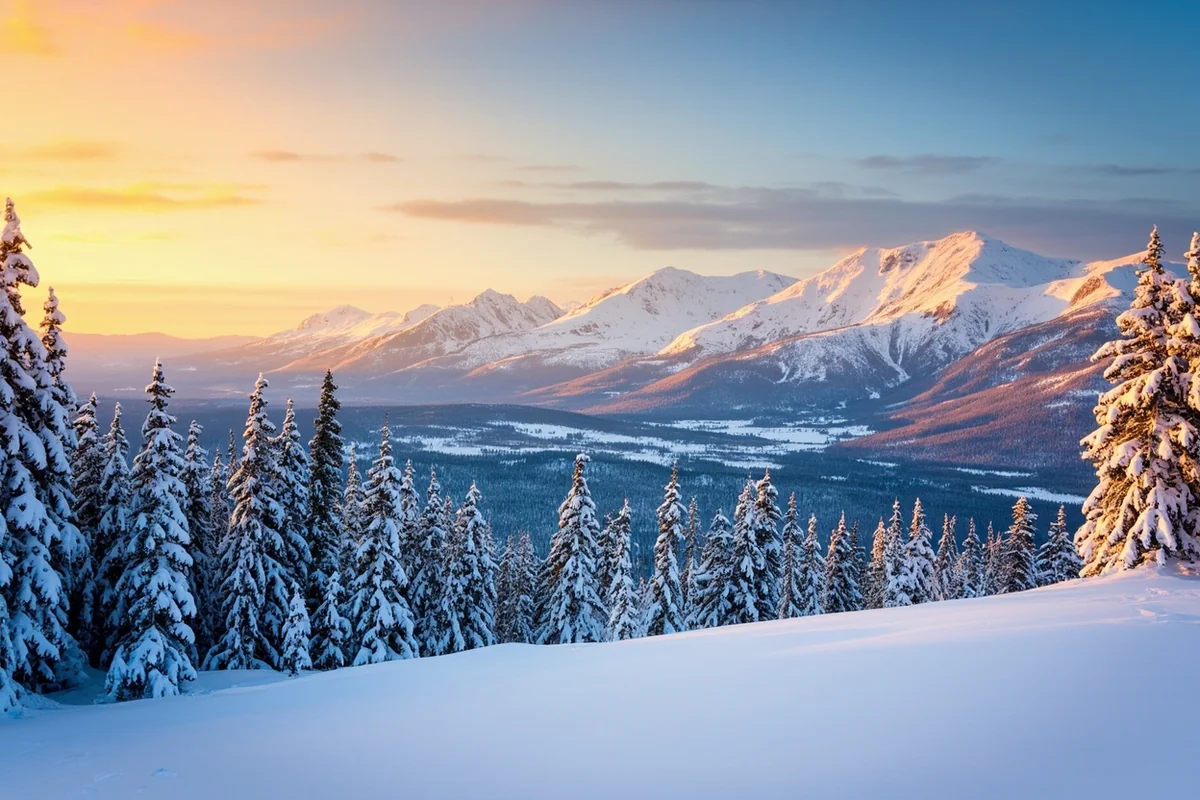
- Average temperatures range from 10°F to 35°F depending on region—western valleys are milder
- December brings 15-30 inches of snowfall, creating prime conditions for skiing and snowboarding
- Crowds are lighter before Christmas week, making early December ideal for budget travelers
- Glacier National Park remains open but most roads close—Going-to-the-Sun Road is inaccessible
- Yellowstone’s north entrance (via Gardiner) stays open year-round for wildlife viewing
- Pack serious cold-weather gear: layering is non-negotiable, not optional
- Book ski resort accommodations 2-3 months ahead for holiday weeks
Liked this article?
Add Roaming Montana as a preferred source so you see more of our articles and guides on Google.
What December in Montana Actually Feels Like
I’ll be honest with you: Montana in December is genuinely cold. Not “grab a light jacket” cold, but “your nose hairs freeze when you breathe” cold. During my last December trip, I experienced everything from a relatively balmy 32°F afternoon in Missoula to a brutal -22°F morning in West Yellowstone.
The cold becomes manageable once you accept it and prepare accordingly. Locals don’t hibernate for five months—they embrace it, and after a few days, you will too.
What surprised me most was how the dry air makes cold temperatures feel more tolerable than the damp winter chill I’ve experienced on the East Coast. A 15°F day in Montana often feels warmer than a 30°F day in New Jersey, assuming you’re properly layered.
Regional Temperature Variations
Montana is massive—the fourth-largest state—so temperatures vary dramatically depending on where you visit.
Western Montana (Missoula, Kalispell, Whitefish) tends to be milder thanks to Pacific weather patterns. I’ve seen December afternoons hit the low 40s in Missoula during warm spells.
Central Montana (Helena, Great Falls) sits in a transition zone. Expect more wind and slightly colder averages, typically ranging from 15°F to 30°F.
Eastern Montana (Billings, Miles City) can swing wildly. Arctic fronts drop temperatures well below zero, but Chinook winds occasionally push readings into the 50s within hours.
| Region | Average High | Average Low | Snowfall |
|---|---|---|---|
| Whitefish | 31°F | 18°F | 25-35 inches |
| Missoula | 33°F | 19°F | 10-15 inches |
| Bozeman | 32°F | 14°F | 15-20 inches |
| West Yellowstone | 25°F | 2°F | 20-30 inches |
| Billings | 36°F | 18°F | 5-10 inches |
Skiing and Snowboarding: The Main Event
Let’s address the elephant in the room: most people visit Montana in December for the skiing, and rightfully so. I’ve skied resorts across Colorado, Utah, and California, and Montana consistently delivers some of the best snow quality I’ve ever experienced.
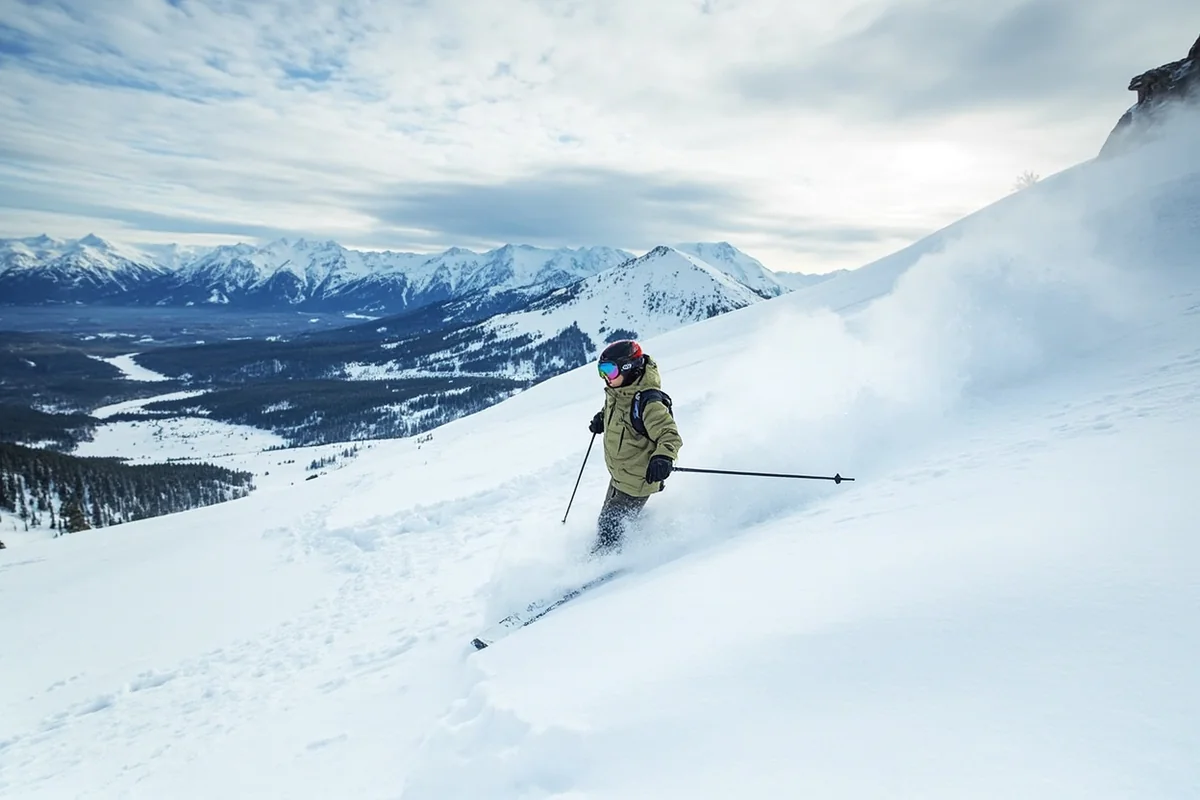
Big Sky Resort
Big Sky is where I spent most of my December skiing last year, and it ruined me for crowded resorts elsewhere. With over 5,800 skiable acres and only a fraction of the visitors that Vail or Park City attract, I rarely waited more than five minutes for a lift.
The terrain variety impressed me most. I spent mornings on groomed intermediate runs, then ducked into the trees for powder stashes in the afternoon. Lone Peak, if you’re an expert willing to take the tram, offers some of the most challenging in-bounds terrain in North America.
Lift tickets run around $200-250 per day during peak season, but multi-day passes and early booking bring that down significantly. I found a 4-day pass for about $150/day when I booked six weeks in advance.
Whitefish Mountain Resort
Whitefish is where I’d send someone looking for the authentic Montana ski town experience. The downtown area feels like stepping into a Hallmark movie set—Victorian buildings, locally owned shops, and restaurants where the staff genuinely remembers your name.
The skiing itself suits intermediate riders perfectly, though experts will find plenty of challenge in the backside terrain. During my visit, I particularly loved the Hellroaring Basin area when conditions were right.
What sets Whitefish apart is the value. Lift tickets are significantly cheaper than Big Sky (around $120-150), and the town hasn’t been completely overrun by chain restaurants and luxury developments.
Smaller Mountains Worth Your Time
If you want to ski like a local without the resort price tag, Montana’s smaller mountains deliver exceptional experiences.
Lost Trail Powder Mountain, straddling the Montana-Idaho border, was a revelation when I visited. No crowds, $50 lift tickets, and legitimately steep terrain. The catch? It’s remote, and the lodge amenities are basic.
Bridger Bowl near Bozeman serves the college town crowd and offers serious expert terrain, including “The Ridge” hike-to area that I watched a local absolutely shred. The community vibe here feels completely different from destination resorts.
Discovery Ski Area near Anaconda gives you 2,200 vertical feet for under $60. I spent a random Tuesday there and shared runs with maybe a hundred other skiers all day.
Yellowstone in December: A Different World
Visiting Yellowstone in December feels like discovering a secret version of America’s most famous park. When I drove through the north entrance from Gardiner during my December trip, I had the strange sensation of being somewhere familiar yet completely transformed.
What’s Actually Accessible
Here’s what most planning guides won’t tell you clearly: you cannot drive through most of Yellowstone in December. The only road open to regular vehicles is the stretch from Gardiner to Cooke City via Mammoth Hot Springs and the Lamar Valley.
That said, this accessible section might be the best part of the park anyway. The Lamar Valley is prime wildlife viewing territory, and December concentrations of animals exceeded anything I saw during my Montana in August trip.
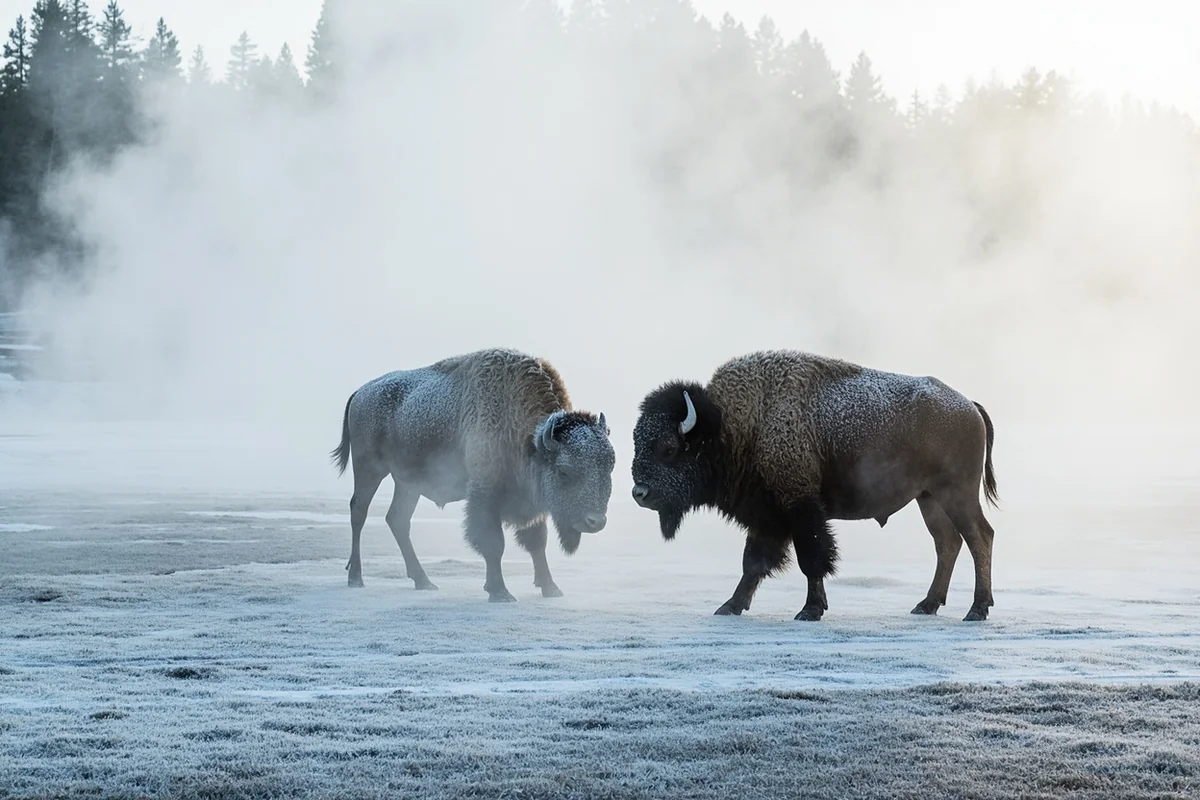
I spotted wolves on two of my three mornings in the Lamar Valley. Bison dotted the snow-covered meadows. A coyote trotted past my car close enough that I could hear its footsteps.
Snowcoach and Snowmobile Tours
To access the interior of the park—Old Faithful, Grand Prismatic, Yellowstone Lake—you’ll need to book a snowcoach or guided snowmobile tour. These operate from West Yellowstone and Mammoth.
Snowcoach tours typically run $300-400 per person for a full day, which initially seemed steep until I experienced the magic of watching Old Faithful erupt with steam billowing into the frigid air and only a handful of other visitors present.
Snowmobile rentals require a guide unless you have a permit (difficult to obtain), and guided tours run $250-350 per person. The experience is incredible, but be prepared for a physically demanding day in the cold.
Wildlife Viewing Tips
The key to successful December wildlife viewing is timing and patience. Animals are most active in early morning and late afternoon, and the short December daylight (sunrise around 8 AM, sunset around 4:30 PM) condenses these windows.
I learned to arrive at the Lamar Valley before dawn and position my car at pullouts where other photographers weren’t already clustered. A spotting scope or quality binoculars are essential—wolves especially tend to stay at distance.
The frost-covered bison near thermal features at Mammoth create the most iconic December images. These animals congregate around warm ground, and the temperature differential creates ethereal steam effects.
Glacier National Park: Limited but Magical
December at Glacier requires managing expectations. Going-to-the-Sun Road is buried under feet of snow, the Logan Pass visitor center is closed, and most backcountry access requires serious avalanche awareness.
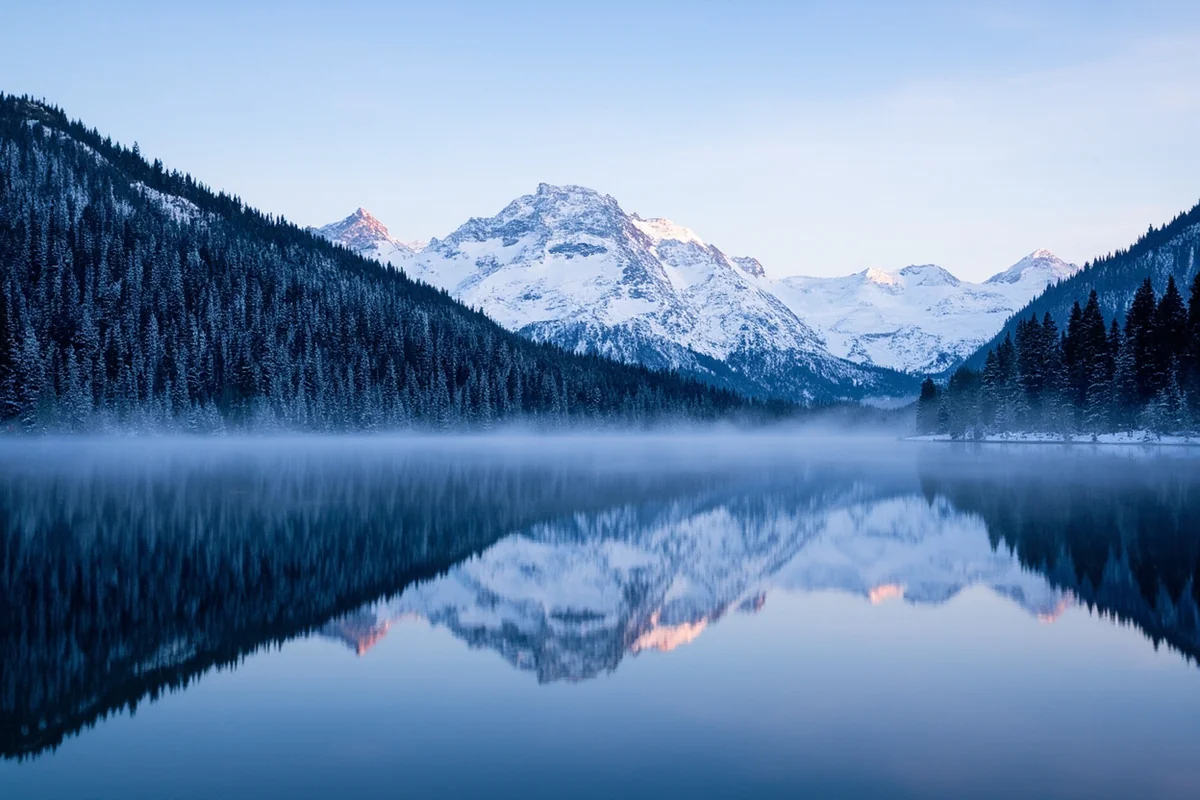
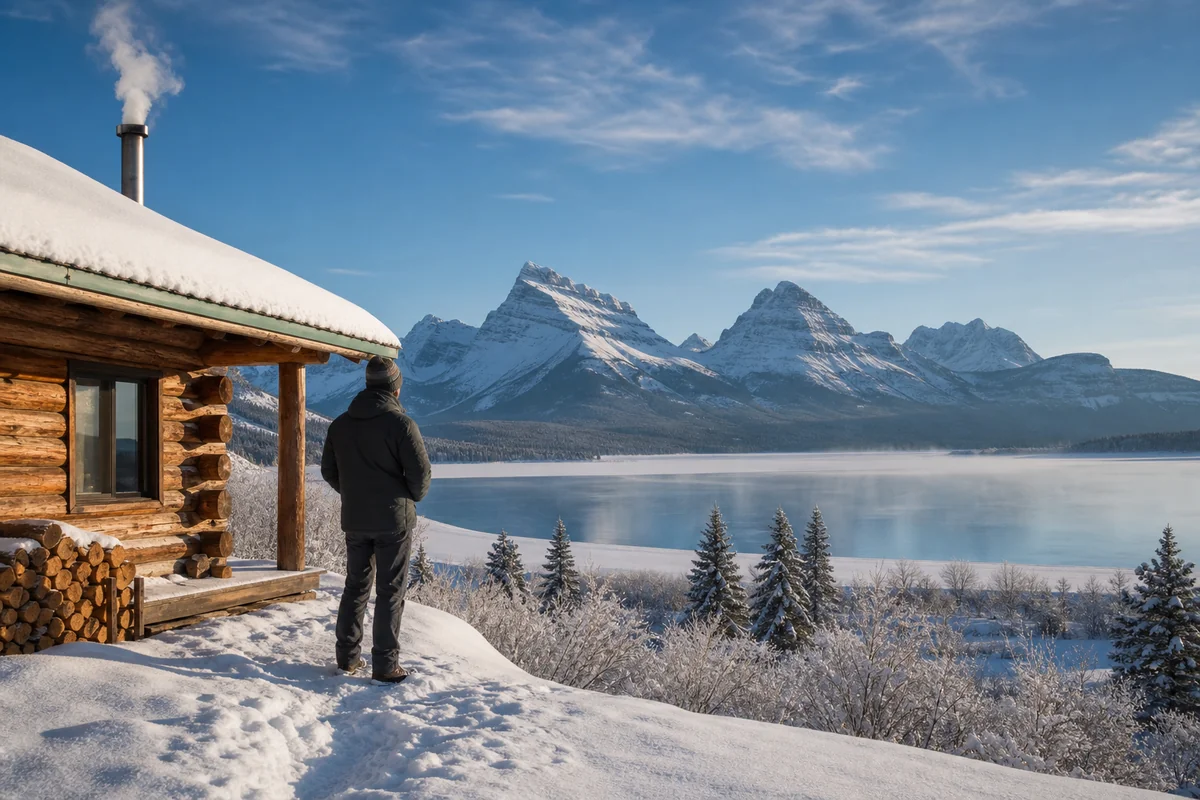
But what remains accessible is genuinely stunning. The park’s west side around Apgar and Lake McDonald stays open, and the winter solitude transforms familiar viewpoints into contemplative experiences.
During my last December visit, I snowshoed from the Lake McDonald Lodge (closed for the season) along the lakeshore. The famous colorful rocks peeked through thin ice at the shoreline, and I didn’t see another person for three hours.
What You Can Do at Glacier in December
Cross-country skiing and snowshoeing are the primary activities once snow accumulates. The unplowed roads become perfect trails—I particularly enjoyed the route from the park entrance toward Apgar Village.
The Two Medicine area on the east side offers stunning scenery but more challenging access depending on snow conditions. Check with rangers before attempting to reach it.
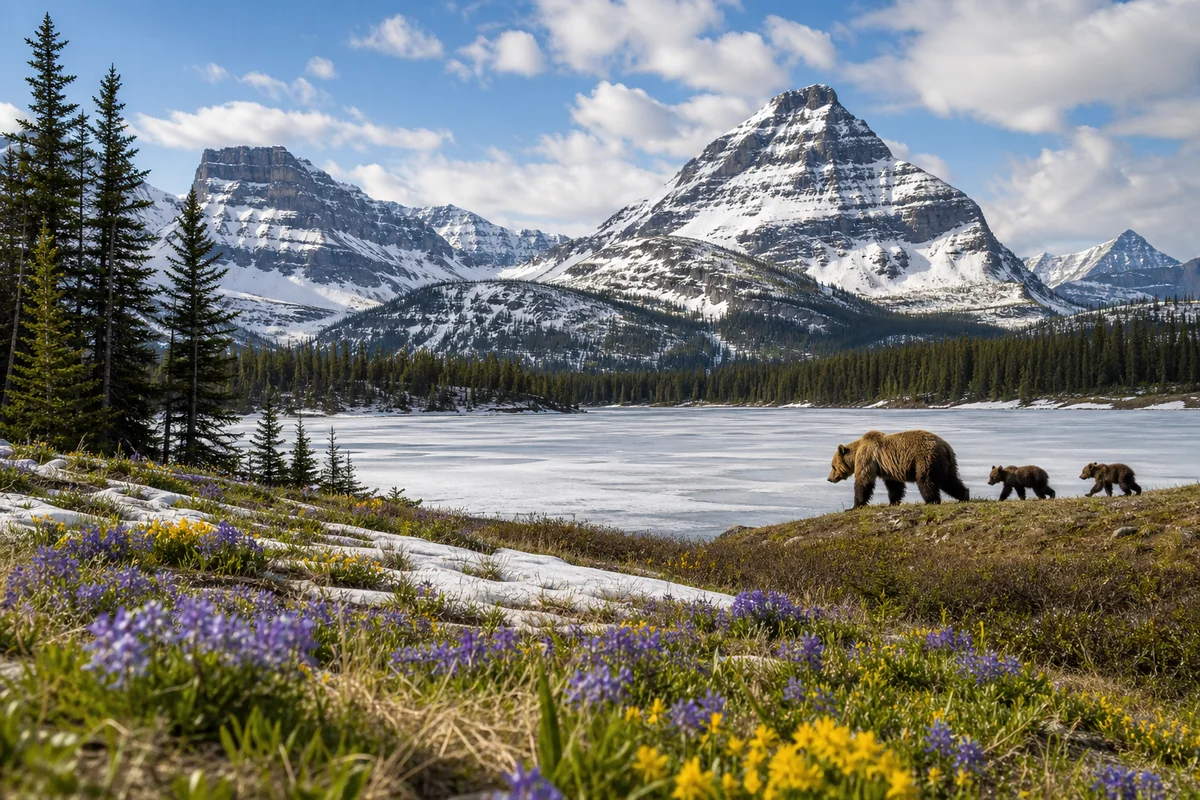
Wildlife tends to move to lower elevations in winter. I spotted deer and eagles near Lake McDonald, and locals told me mountain lions occasionally appear (I wasn’t that lucky, or maybe I was—depends on your perspective).
Holiday Celebrations and Festive Experiences
If your December visit overlaps with the holidays, Montana delivers charm without the commercialized chaos of major tourist destinations. For dedicated holiday travelers, I’d recommend checking out our full guide to Christmas in Montana for even more festive ideas.
Whitefish and the Stumptown Christmas
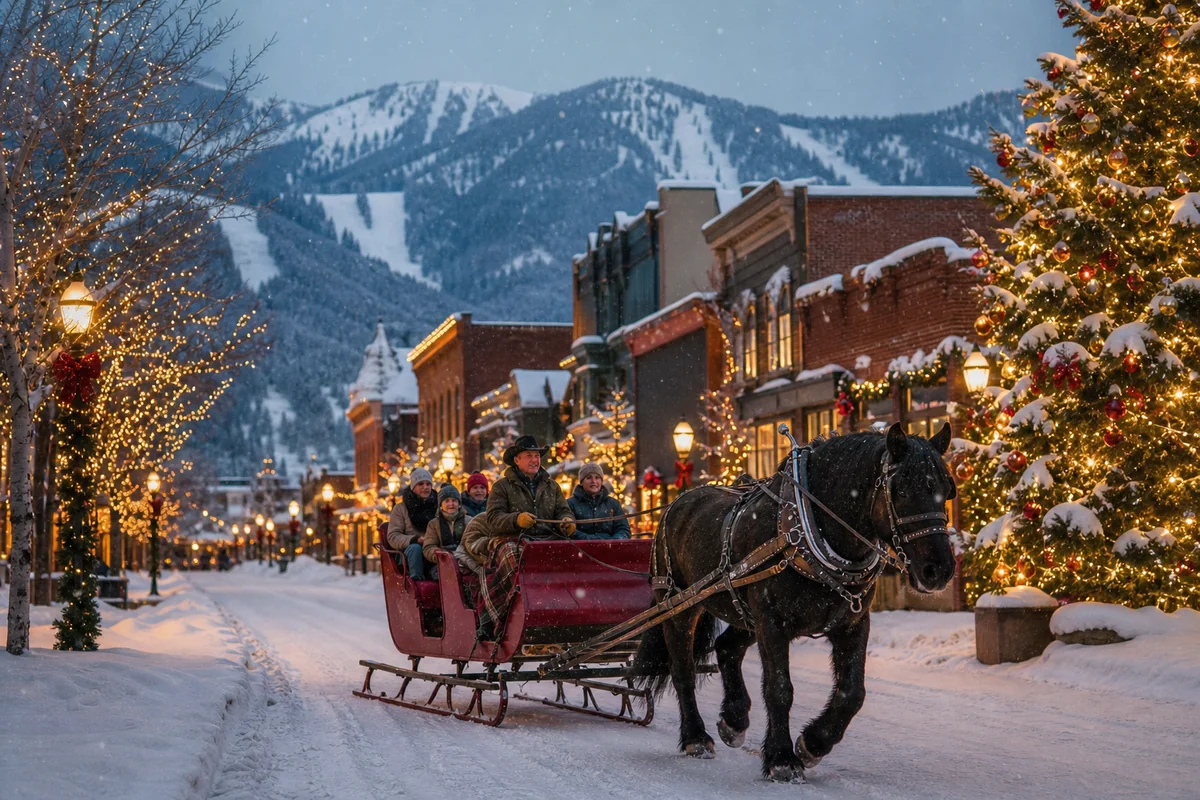
Whitefish goes all-in on holiday spirit. The downtown corridor transforms into a winter wonderland with lights strung across Central Avenue and local shops decorated in themes ranging from elegant to delightfully kitschy.
The Stumptown Ice Rink offers skating in a picturesque setting, and I spent a memorable evening there before grabbing dinner at Tupelo Grille (the shrimp and grits warmed me up perfectly).
What I appreciated most was the lack of manufactured holiday experiences. This is a real community celebrating together, and visitors get to join rather than observe from behind velvet ropes.
Big Sky’s Holiday Events
Big Sky hosts a torchlight parade on Christmas Eve that I watched from the base area with hot chocolate in hand. Skiers carrying torches wind down the mountain as fireworks explode overhead—genuinely moving even for this usually cynical traveler.
The resort also runs various holiday programming, including visits with Santa, caroling events, and special dining experiences. Book restaurants well in advance; the week between Christmas and New Year’s sells out quickly.
Bozeman’s Downtown Scene
Bozeman’s Main Street feels straight from a movie set in December. The Christmas Stroll in early December kicks off the season with local vendors, live music, and horse-drawn carriages.
I found the downtown area perfect for gift shopping—local artists sell everything from handmade jewelry to photography prints at galleries like Altitude Gallery and Thomas Nygard Gallery.
The Emerson Center for the Arts and Culture hosts holiday-themed exhibitions and performances. During my visit, I caught a local theater production that reminded me why small-town arts communities deserve more appreciation.
Practical Planning: What to Pack
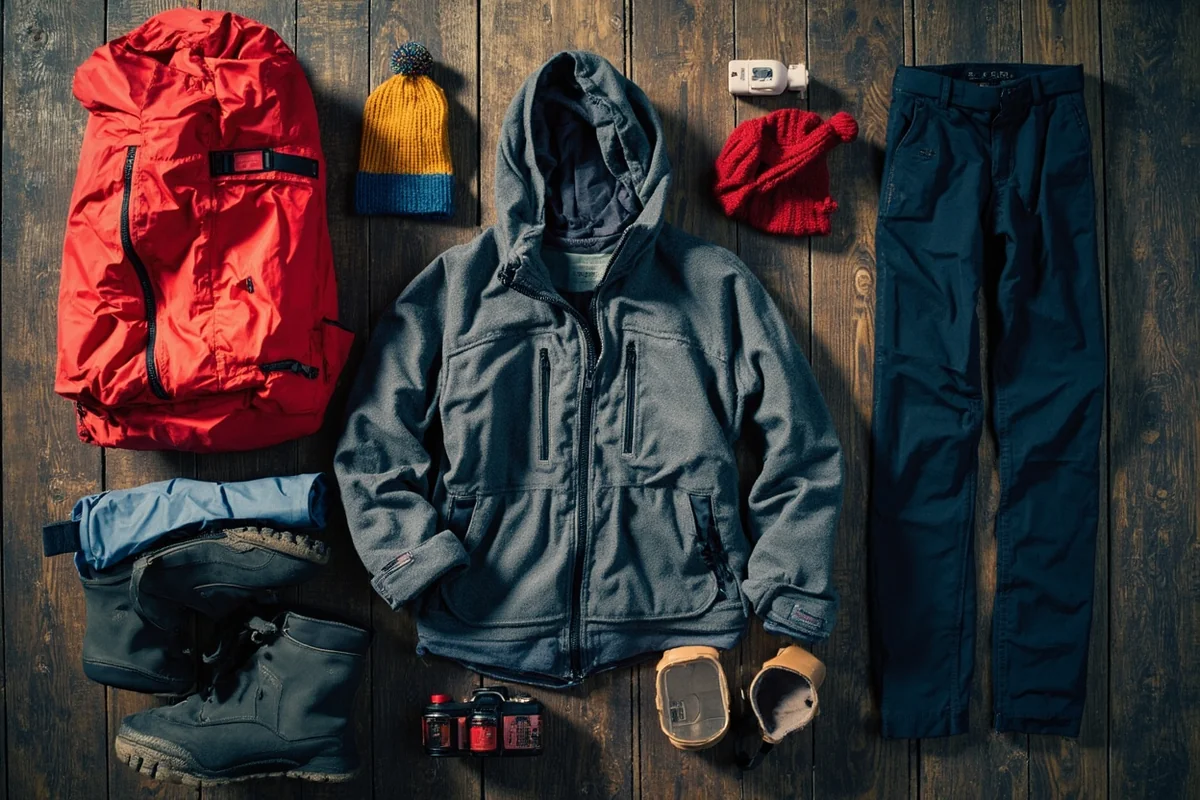
After multiple December trips to Montana, I’ve refined my packing list to what actually matters. Overpacking with the wrong items is worse than underpacking with the right ones.
Essential Clothing
Base layers matter more than outer layers. I swear by merino wool for both tops and bottoms—synthetic alternatives work but can smell terrible after a few days.
Mid-layers should be insulating but breathable. A quality fleece or down sweater handles most situations. I bring both and rotate based on activity level.
Outer layers need to block wind above all else. My go-to is a Gore-Tex shell that fits over bulkier layers underneath. Waterproofing matters less than windproofing in Montana’s dry climate.
For feet, I made the mistake of bringing fashionable winter boots my first trip. Now I pack proper insulated boots rated to at least -25°F. Sorel and Baffin make options that actually work.
Non-Negotiable Accessories
Quality gloves or mittens (I bring both—mittens for standing around, gloves for driving and dexterity tasks).
A balaclava or neck gaiter that covers your face. Exposed skin at -15°F invites frostbite within minutes.
Hand and toe warmers. The chemical packet kind saved me multiple times when temperatures dropped unexpectedly.
Sunglasses and sunscreen. Snow blindness is real, and high-altitude sun reflects off snow with surprising intensity.
Driving Considerations
If you’re renting a car, request AWD or 4WD even if it costs more. I watched multiple 2WD vehicles struggle on roads that my rental Subaru handled effortlessly.
Carry an emergency kit: blanket, flashlight, snacks, phone charger, and small shovel. Cell service is spotty throughout Montana, and getting stuck without supplies could become dangerous.
Most roads are well-maintained, but conditions change rapidly. Check the Montana Department of Transportation road conditions website before any drive longer than town-to-town.
Where to Stay: Accommodations for Every Budget
December lodging prices vary dramatically based on timing. Early December before the 15th offers the best values, while the week between Christmas and New Year’s commands peak rates.
Budget Options ($75-150/night)
Hostels exist in Montana, though they’re rare. The Bunkhouse in Bozeman offers clean, no-frills rooms with a social atmosphere. I stayed there between ski days and met fascinating travelers from around the world.
Chain hotels in cities like Missoula, Helena, and Billings provide reliable budget options. I’ve had consistently good experiences at regional outposts of Best Western and Hampton Inn.
Vacation rentals in less-touristy towns often surprise with value. I once rented an entire cabin near Seeley Lake for $90/night that would have cost triple in Whitefish.
Mid-Range Options ($150-300/night)
Boutique hotels in downtown areas hit the sweet spot for many travelers. The Limelight Hotel in Ketchum delivers ski-town atmosphere with modern amenities.
Bed and breakfasts offer personality that chains lack. I particularly enjoyed a stay at a historic property in Helena where the owner cooked elk sausage for breakfast.
Ski resort condos provide space and kitchen facilities. At Big Sky, I’ve rented slopeside condos that cost less per person than hotels when splitting with friends.
Splurge Options ($300+/night)
The Lodge at Whitefish Lake is where I’d send someone celebrating a special occasion. The lakefront setting, spa facilities, and exceptional restaurant justify the premium.
Rainbow Ranch Lodge outside Big Sky sits on the Gallatin River and offers genuine Montana luxury without pretension. The staff recommended activities, made dinner reservations, and genuinely enhanced my experience.
For the ultimate splurge, dude ranches like Triple Creek Ranch in Darby provide all-inclusive winter experiences with horseback riding, cross-country skiing, and gourmet dining.
Beyond Skiing: Other December Activities
Not everyone visits Montana in December for the slopes. Plenty of memorable experiences await those who prefer to keep both feet on the ground.
Snowshoeing and Cross-Country Skiing
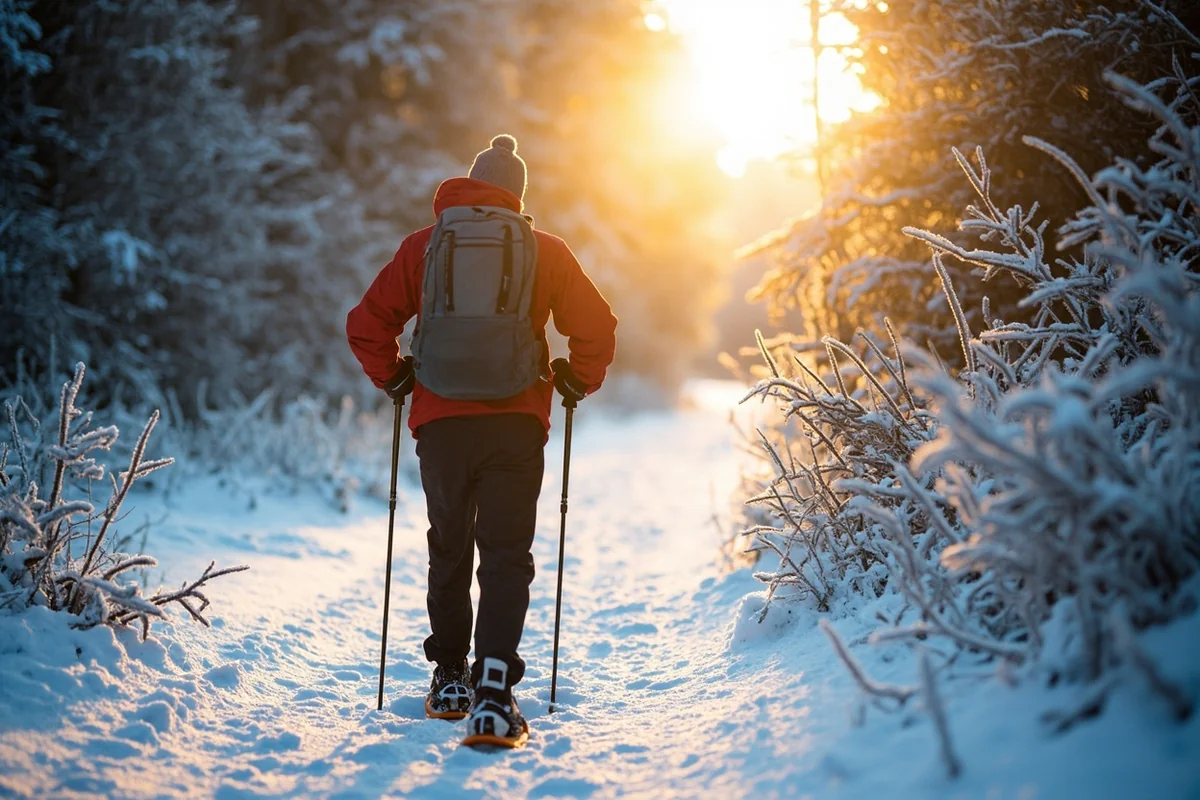
Snowshoeing has become my favorite way to experience Montana’s winter landscapes. The learning curve is minimal—if you can walk, you can snowshoe—and the access it provides to backcountry scenery is invaluable.
Trails near Bozeman’s Hyalite Canyon offer excellent snowshoeing with frozen waterfalls as destinations. I hiked to Grotto Falls on snowshoes and had the ice-encrusted falls entirely to myself.
Nordic skiing centers like Lone Mountain Ranch near Big Sky maintain groomed trails for those seeking a more structured experience. Trail passes run $25-35 per day, and rentals are available.
Hot Springs
Montana’s geothermal activity means natural hot springs where you can soak outdoors even in frigid weather. The contrast of steaming water and snow-covered surroundings creates an almost surreal experience.
Chico Hot Springs near Livingston combines a rustic resort with outdoor pools that stay comfortable even when air temperatures plunge. I spent an evening floating under stars with snow gently falling—genuinely magical.
Bozeman Hot Springs offers a more accessible option with multiple pools at varying temperatures. It’s commercial rather than rustic but convenient for a soak after a day on the slopes.
Wild hot springs exist throughout the state but require more research and caution. Water temperatures vary, access can be challenging in winter, and hypothermia risk is real if you miscalculate.
Breweries and Distilleries
Montana’s craft beverage scene provides excellent indoor options for cold days. Bozeman alone has nearly a dozen breweries within walking distance of downtown.
I’ve developed a particular fondness for MAP Brewing, where floor-to-ceiling windows overlook the Bridger Mountains while you sample their extensive tap list. The Hazed and Infused IPA is my go-to.
Missoula’s brewery scene spreads across more geography but rewards exploration. KettleHouse has multiple locations, and Draught Works offers a laid-back atmosphere with excellent German-style lagers.
For spirits, Wildrye Distilling in Bozeman crafts whiskey and gin that rival anything from more established distilling regions. Tours and tastings are available.
December Versus Other Winter Months
If your dates are flexible, understanding how December compares to other winter months helps with planning.
December versus Montana in January: January is typically colder but offers more consistent snow conditions. Holiday crowds disappear after New Year’s, making early January excellent for skiing.
December versus Montana in February: February brings slightly longer days and occasionally milder temperatures. It’s a sweet spot for those who want winter without the deepest cold.
December versus Montana in March: March is spring skiing season with warmer temps but sometimes slushy afternoon conditions. The snow totals are usually higher, but quality varies more.
For comparing to completely different seasons, Montana in June and Montana in July offer the opposite experience—wildflowers, long days, and comfortable hiking weather.
Planning Your December Itinerary
Based on my experiences, here are sample itineraries for different trip lengths.
Long Weekend (4 Days)
Focus on one area rather than spreading yourself thin. Fly into Bozeman, ski Big Sky for two full days, explore Bozeman’s downtown and breweries, possibly day-trip to Yellowstone’s north entrance.
This itinerary works best for intermediate-to-expert skiers who prioritize slope time. You’ll leave wanting more, but that just means you’ll come back.
One Week
Split between two regions. I’d suggest starting in Big Sky/Bozeman for skiing and wildlife viewing in Yellowstone, then driving to Whitefish for a different skiing experience and Glacier National Park exploration.
The drive between areas (about 5 hours) doubles as a scenic journey through Montana’s diverse landscapes. Stop in Helena for lunch and stretch your legs.
Two Weeks
With two weeks, you can truly experience Montana’s winter diversity. Add Missoula for its arts scene and nearby skiing at Snowbowl. Include time for hot springs, a day without scheduled activities, and deeper exploration of the national parks.
Two weeks also allows flexibility for weather. If a storm makes driving dangerous, you have buffer days. If bluebird conditions appear, you can extend skiing rather than rushing to the next destination.
Final Thoughts: Is December Right for You?
Montana in December isn’t for everyone. If you strongly dislike cold weather or have no interest in winter sports, you’ll enjoy the state far more during Montana in September or the spring shoulder seasons like Montana in April or Montana in May.
But if powder skiing, wildlife watching in winter landscapes, and small-town holiday charm appeal to you, December delivers experiences you’ll remember for decades. The landscapes have a stark beauty that summer greenery can’t match. The communities feel more intimate without peak-season crowds. The adventures require more effort but reward with deeper satisfaction.
I keep returning to Montana in December because it strips away the comfortable and familiar. You can’t sleepwalk through a day when the temperature demands your attention. That heightened awareness translates into vivid memories and genuine appreciation for experiences that might feel routine elsewhere.
Pack your warmest layers, embrace the cold, and discover why Big Sky Country in winter might be Montana at its finest.
Frequently Asked Questions
Is December a good time to visit Montana?
December is an excellent time to visit Montana if you’re seeking a winter wonderland experience with world-class skiing, snowshoeing, and stunning snowy landscapes. I find it’s perfect for travelers who want fewer crowds than summer and don’t mind cold temperatures averaging 15-30°F. Just be prepared for shorter daylight hours and potential weather-related travel delays.
How cold does Montana get in December and what should I pack?
Montana in December typically sees temperatures ranging from 5°F to 35°F, with mountain areas often dipping below zero at night. I recommend packing insulated waterproof boots, thermal base layers, a heavy down jacket, wool socks, and hand warmers for any outdoor activities. Don’t forget quality sunglasses since snow glare can be intense even on cloudy days.
What is there to do in Montana in December besides skiing?
Beyond hitting slopes at Big Sky or Whitefish Mountain Resort, December in Montana offers incredible wildlife watching in Yellowstone’s northern range, charming Christmas markets in towns like Missoula and Bozeman, and relaxing hot springs like Chico or Quinn’s. I’ve also enjoyed cross-country skiing, ice fishing, and snowmobile tours through Glacier National Park’s winter trails.
How much does a December trip to Montana cost compared to summer?
A December Montana trip can cost 20-40% less than peak summer season, with hotel rates in Bozeman averaging $120-180 per night versus $200+ in July. However, ski resort areas like Big Sky see premium winter pricing with lodging running $250-500 nightly. I suggest booking 6-8 weeks ahead for the best deals on accommodations and lift tickets.
Are Montana roads safe to drive in December?
Montana highways are generally well-maintained in December, but winter driving skills and a reliable vehicle with all-wheel drive are essential, especially on mountain passes. I always check the Montana DOT road conditions website before heading out and carry emergency supplies including blankets, snacks, and a phone charger. Distances between towns can exceed 100 miles with limited cell service, so plan fuel stops carefully.
Can you visit Glacier National Park in December?
Yes, Glacier National Park is open in December, though Going-to-the-Sun Road closes to vehicles past Lake McDonald Lodge, limiting access to the park’s west side. I’ve found December offers peaceful snowshoeing and cross-country skiing with far fewer visitors than summer months. The Apgar area and park headquarters remain accessible, and ranger-led snowshoe walks are a highlight.
What are the best Montana towns to visit in December for a winter vacation?
Whitefish tops my list for December visits with its ski-in, ski-out access, festive downtown, and proximity to Glacier National Park. Bozeman offers a perfect mix of outdoor adventure and urban amenities with easy access to Big Sky Resort just 45 miles south. For a quieter experience, Red Lodge near the Beartooth Mountains provides authentic small-town Montana charm with excellent local skiing at Red Lodge Mountain.