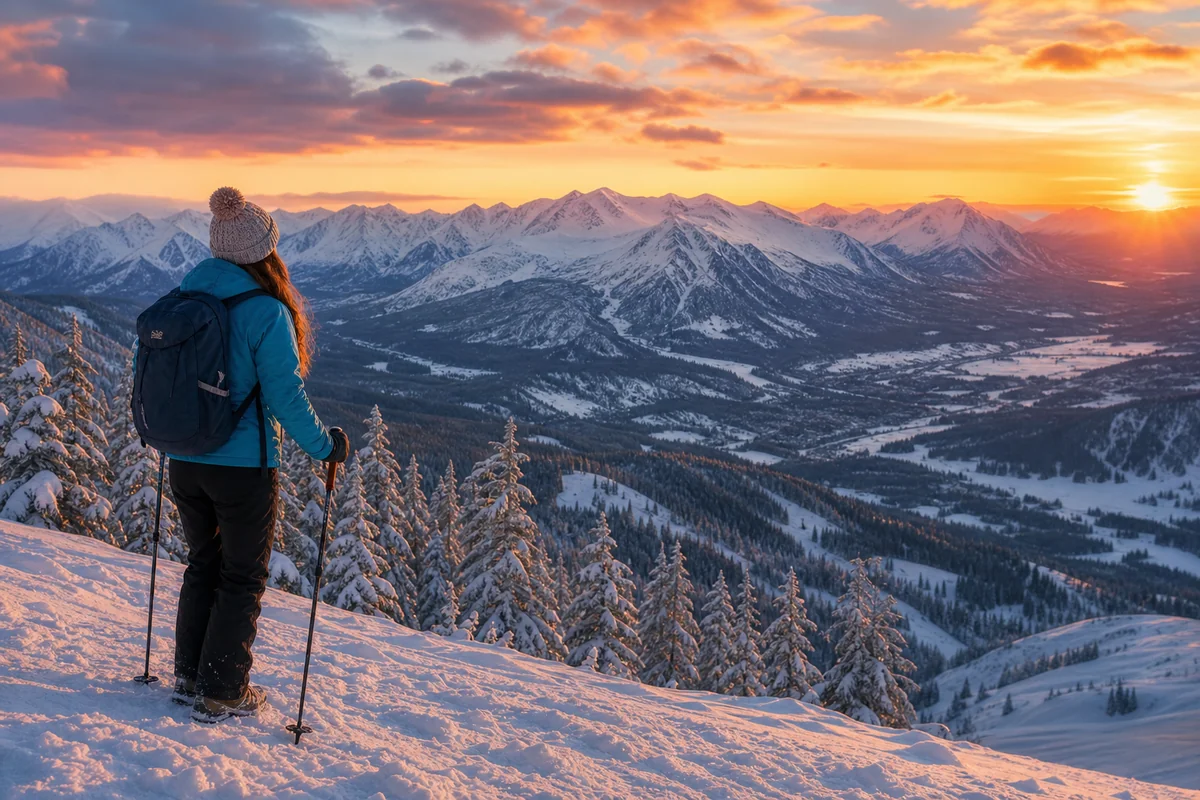
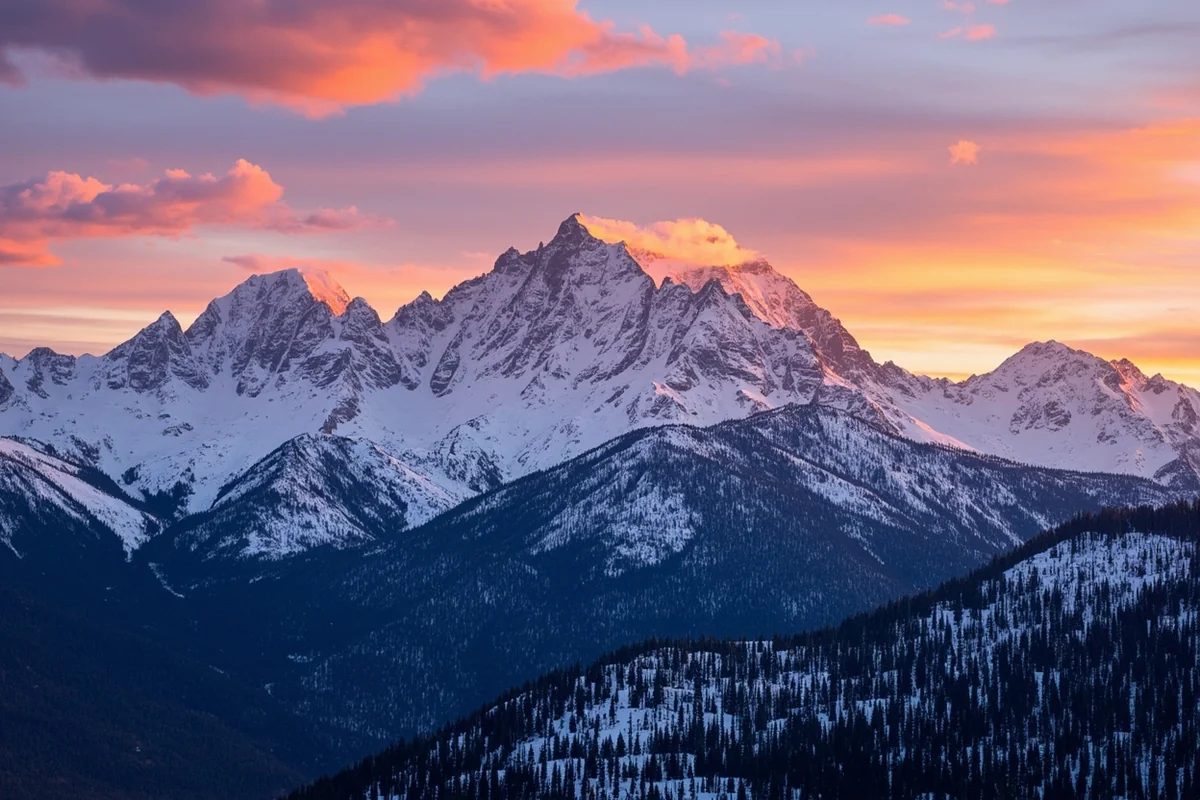
I’ll never forget standing at the summit of Big Sky Resort last March, watching the sun paint the snow-covered peaks in shades of orange and pink while most of the mountain remained blissfully empty.
That moment captured exactly why March has become my favorite time to visit Montana—it’s the sweet spot between winter’s harsh grip and spring’s unpredictable awakening.
If you’re figuring out the best time to visit Montana, March deserves serious consideration. It offers something genuinely unique: world-class skiing with longer days, emerging wildlife activity, and significantly smaller crowds than peak season. But it also comes with challenges you need to understand before booking.
- March is Montana’s “shoulder season”—expect variable weather with temps ranging from 15°F to 50°F depending on elevation and location
- Late-season skiing offers excellent conditions, fewer crowds, and discounted lodging at most resorts
- Wildlife viewing increases as animals emerge from winter patterns—elk, bison, and early migratory birds become active
- Pack for all four seasons—I’ve experienced blizzards and 60°F sunny days in the same week
- Many backcountry roads and Glacier National Park’s Going-to-the-Sun Road remain closed
- Budget approximately 20-30% less than peak winter or summer rates
Liked this article?
Add Roaming Montana as a preferred source so you see more of our articles and guides on Google.
What March Weather in Montana Actually Looks Like
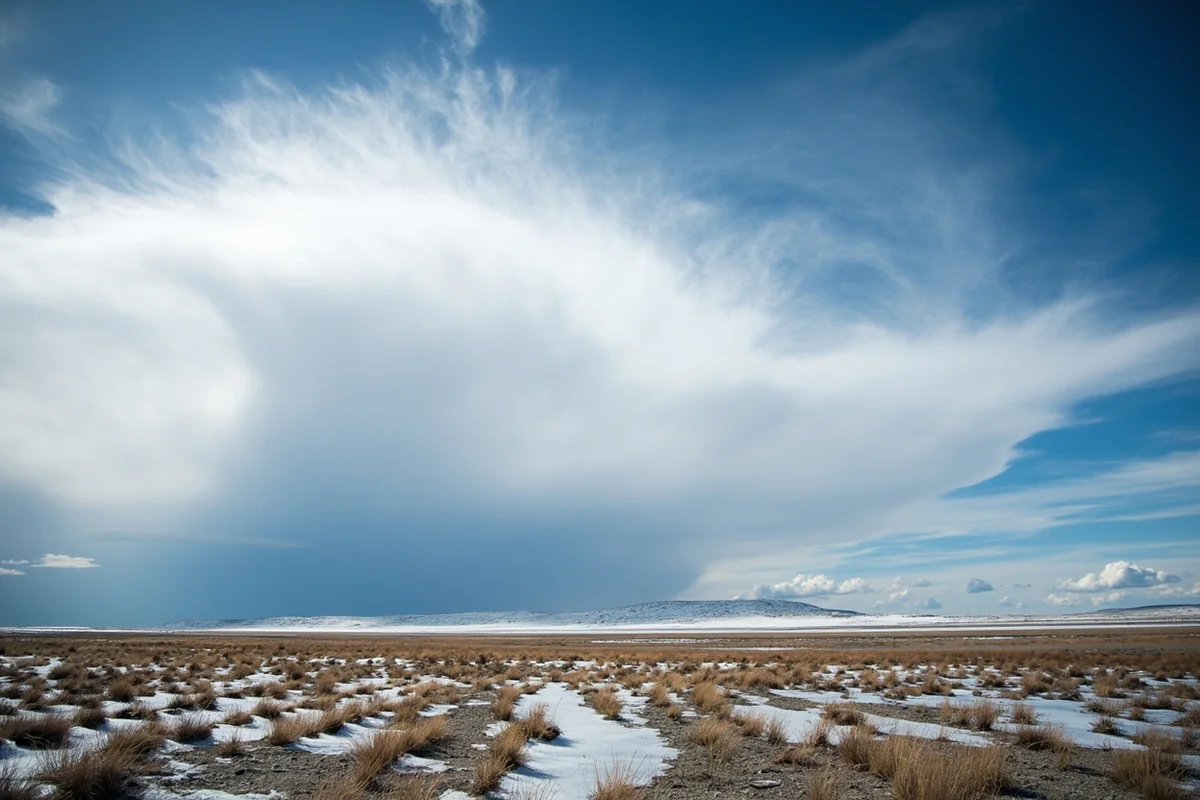
Let me be honest with you: March weather in Montana is wildly unpredictable. During my visit last March, I experienced a 40-degree temperature swing in a single day in Bozeman. Morning started with frost on my windshield, and by afternoon I was hiking in a t-shirt.
The state essentially lives between two seasons during March. Winter refuses to release its grip on the mountains, while the valleys start hinting at spring.
Regional Temperature Breakdown
Montana’s geography creates dramatically different micro-climates, so where you’re visiting matters enormously.
In the western valleys around Missoula and the Flathead area, I’ve found March temperatures typically range from the mid-20s at night to mid-40s during the day. On a recent trip to Missoula, I watched locals dining on outdoor patios during a particularly warm afternoon—something unthinkable just weeks earlier during Montana in February.
The eastern plains around Billings and Great Falls run slightly warmer on average, with daytime highs occasionally reaching the 50s. However, the wind becomes a serious factor. I remember driving from Billings to Miles City and watching tumbleweeds cross Interstate 90 while fighting constant gusts.
Mountain areas—and this is crucial for skiers—stay firmly in winter mode. At resort elevations above 7,000 feet, temperatures frequently dip into the teens and single digits. When I was skiing at Whitefish Mountain Resort last March, the summit thermometer read 8°F while the base area sat at a comfortable 32°F.
| Region | Average Low | Average High | Precipitation |
|---|---|---|---|
| Western Valleys (Missoula) | 26°F | 48°F | 1.1 inches |
| Glacier Region (Kalispell) | 22°F | 44°F | 1.3 inches |
| Central Montana (Helena) | 24°F | 46°F | 0.8 inches |
| Eastern Plains (Billings) | 27°F | 49°F | 0.9 inches |
| Mountain Resorts (8,000+ ft) | 10°F | 28°F | 3+ inches snow |
The “Chinook” Factor
March brings Montana’s famous Chinook winds—warm, dry winds that can raise temperatures 30-40 degrees in hours. I experienced my first Chinook during a March trip to Great Falls, and it was genuinely surreal watching snow melt in real-time.
These winds are most common along the Rocky Mountain Front. Locals told me stories of going to bed with a foot of snow and waking up to green grass.
For travelers, this means you can never fully trust the forecast. That blizzard warning might evaporate overnight—literally.
Skiing and Snowboarding: March’s Main Attraction
Here’s a truth the tourism boards won’t always tell you: March often delivers Montana’s best skiing conditions. I’ve been skiing the Rockies for over a decade, and I’ll take March over February every time.
Why Late Season Skiing Wins
During my recent March trips to Big Sky and Whitefish, I consistently found three advantages over peak winter.
First, the snowpack is typically at its deepest. By March, the mountains have accumulated months of snow, creating excellent base depths. At Big Sky last March, the base exceeded 80 inches—more than adequate for complete terrain coverage.
Second, the days are dramatically longer. We’re talking 11+ hours of daylight by mid-March. I remember taking first chair at 9 AM and skiing until the 4 PM close without ever feeling rushed. That’s a stark contrast to the short January days when you’re racing against fading light.
Third—and this matters for your experience—lift lines shrink considerably. The holiday crowds have returned home. Schools are still in session. During one Thursday in March, I skied over 30 runs at Big Sky without waiting more than two minutes for any lift.
Resort-by-Resort March Conditions
Big Sky Resort: Usually open through mid-April, Big Sky in March offers its legendary terrain at a fraction of peak-season crowds. I recommend focusing on the Lone Peak Tram when visibility allows—the high-alpine experience with slightly warmer temperatures is ideal. Expect some afternoon softening on south-facing slopes.
Whitefish Mountain Resort: The Flathead Valley location means Whitefish gets consistent March storms. On my last visit, we scored 14 inches of fresh snow mid-month. The resort stays open through early April, and the “Hell Roaring Basin” terrain opens to advanced skiers when conditions allow.
Bridger Bowl: This Bozeman-area local favorite has a shorter season, typically closing in early April. March at Bridger means excellent steep terrain and surprisingly affordable lift tickets. I’ve consistently found the best snow in the Ridge terrain.
Lost Trail Powder Mountain: If you want an authentic, uncrowded experience, Lost Trail on the Montana-Idaho border is worth the drive from Missoula. March crowds are virtually nonexistent—I’ve had entire runs to myself on weekdays.
What to Know About Spring Skiing Conditions
Spring skiing isn’t the same as mid-winter powder days, and setting proper expectations matters.
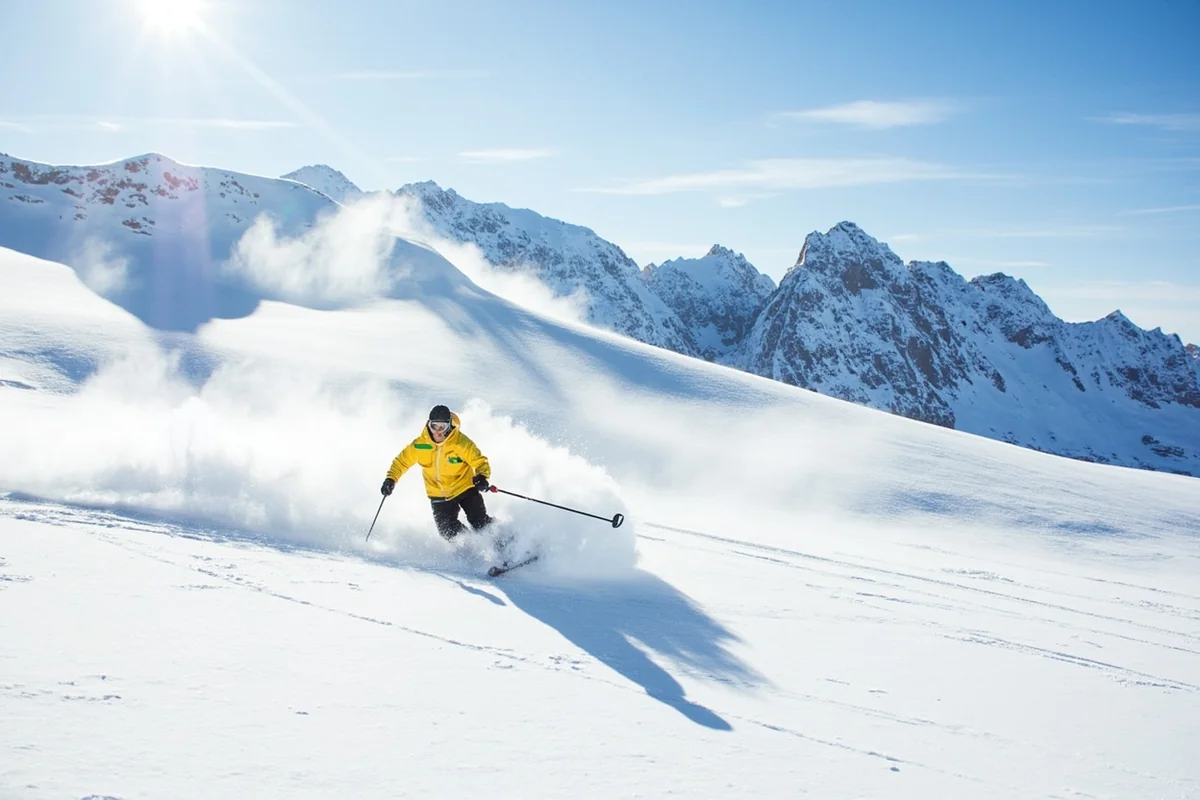
Mornings typically start firm—sometimes icy on groomed runs. I’ve learned to begin my days on well-groomed intermediate terrain rather than immediately heading for steep faces. The snow softens by mid-morning as the sun warms things up.
Afternoons bring “corn snow” on sun-exposed aspects. This is actually delightful skiing once you adapt your technique. I recommend shifting to south and west-facing runs after lunch when the snow transforms into smooth, forgiving corduroy.
Late afternoons can become slushy and heavy. I usually call it quits around 2-3 PM to avoid the worst conditions and capture those golden-hour photographs instead.
Wildlife Viewing in March: The Awakening Begins
March marks a fascinating transition for Montana’s wildlife. While it’s not peak viewing season like Montana in June or Montana in September, the changing season creates unique opportunities.
What Animals Are Active
During my March explorations, I’ve consistently spotted several species that become more visible as winter loosens its grip.
Elk: Large herds congregate in valleys and lower elevations during March. I had an incredible experience at the National Bison Range (now the Bison Range managed by the Confederated Salish and Kootenai Tribes) watching elk grazing in early morning mist. They’re moving from winter feeding areas toward higher elevations, making roadside sightings common.
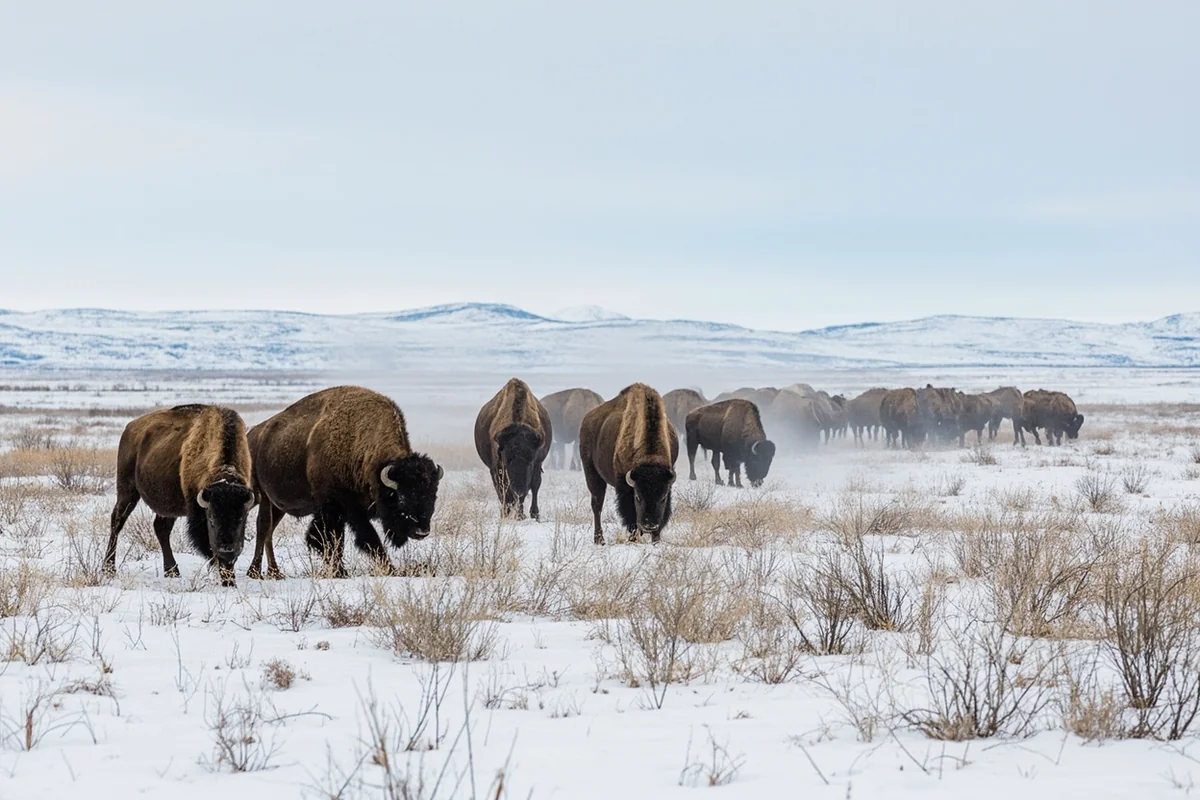
Bison: Yellowstone’s northern range remains the prime spot. During my last March visit to Lamar Valley, I counted over 200 bison in a single herd. They’re still in their thick winter coats and incredibly photogenic against the snow.
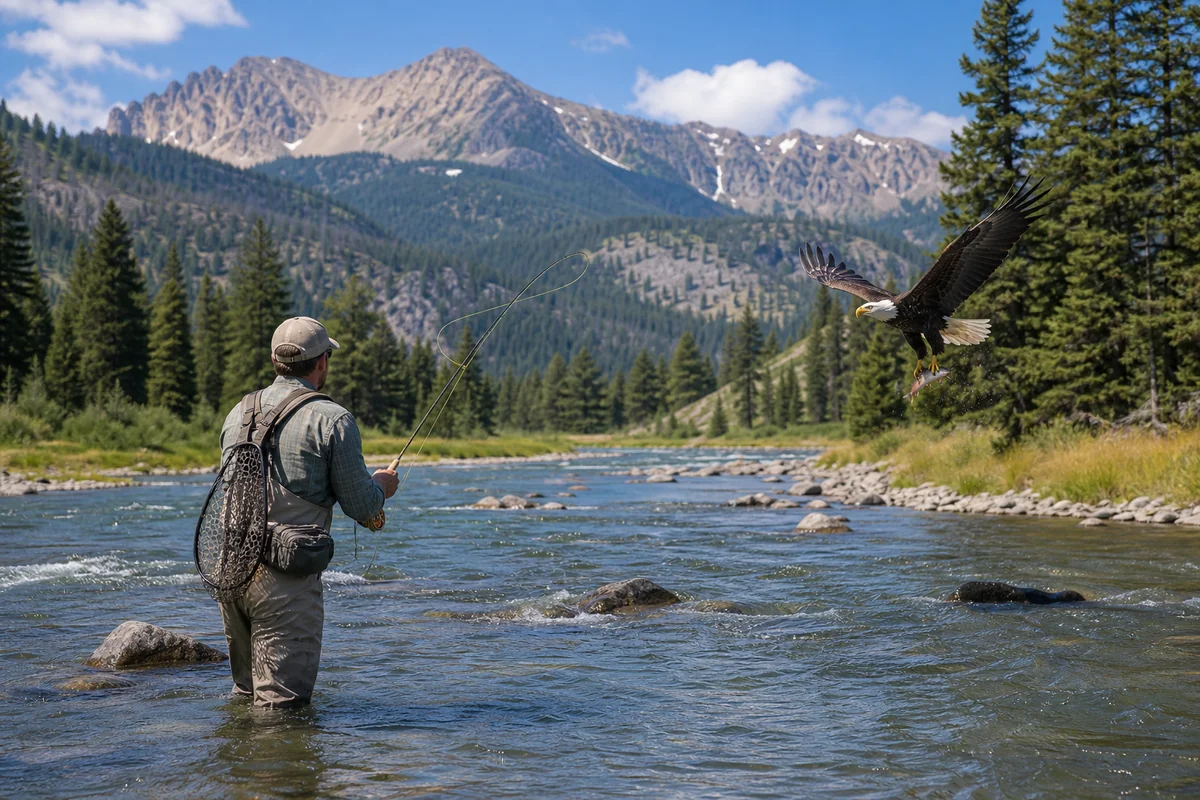
Eagles: Bald eagles concentrate near open water and roadkill as winter wanes. I spotted seven in a single drive along the Flathead River near Columbia Falls. They’re hunting fish as rivers begin opening up.
Early migrants: By late March, mountain bluebirds and red-winged blackbirds start returning. I heard my first red-wing of the season near Bozeman during a March 20th visit—a sure sign spring was arriving.
Bears: A Word of Caution
Here’s something I learned directly from a wildlife biologist in West Yellowstone: some bears begin emerging from dens in late March, particularly if temperatures warm significantly.
These early risers are hungry and potentially unpredictable. Carry bear spray if you’re hiking in bear country—even in March. During my visits, I’ve kept spray accessible despite the winter conditions.
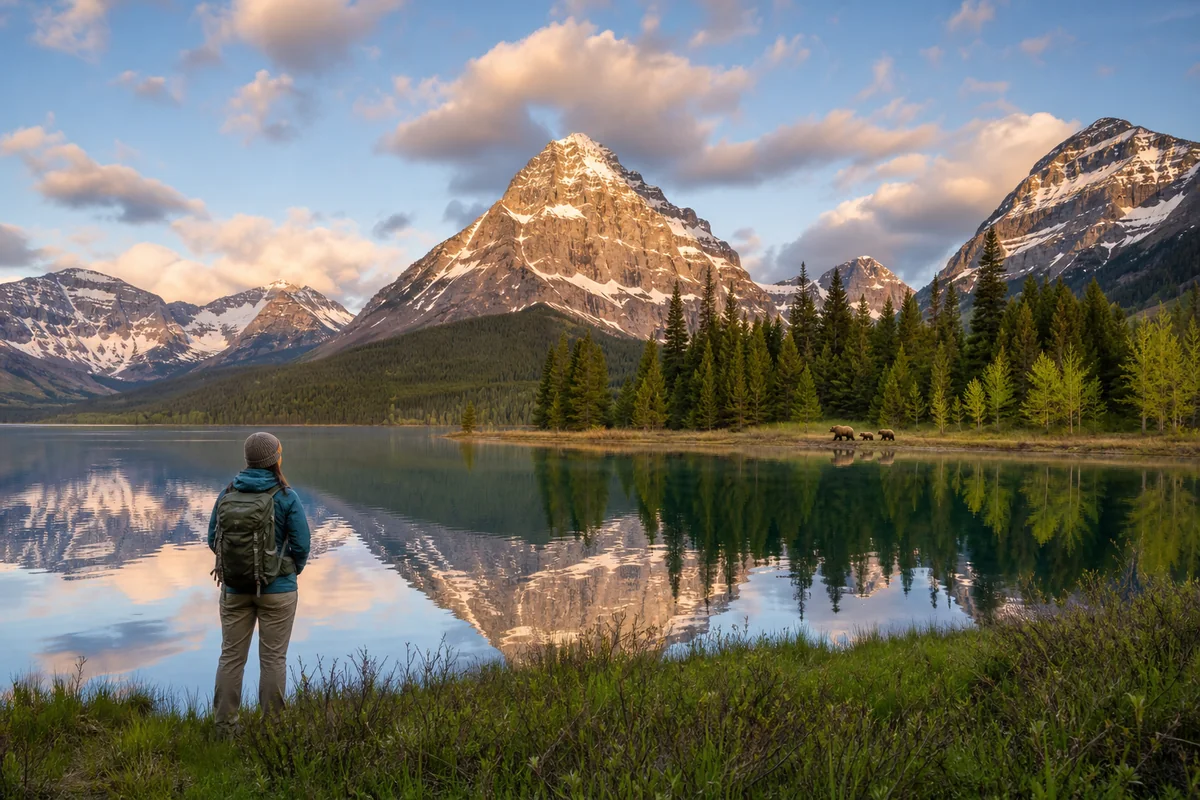
Grizzly activity increases substantially as the month progresses. By late March, sightings become possible in lower-elevation areas near Yellowstone and Glacier.
Visiting National Parks in March
National parks present both opportunities and limitations during March. Understanding what’s open—and what’s not—is crucial for trip planning.
Yellowstone National Park
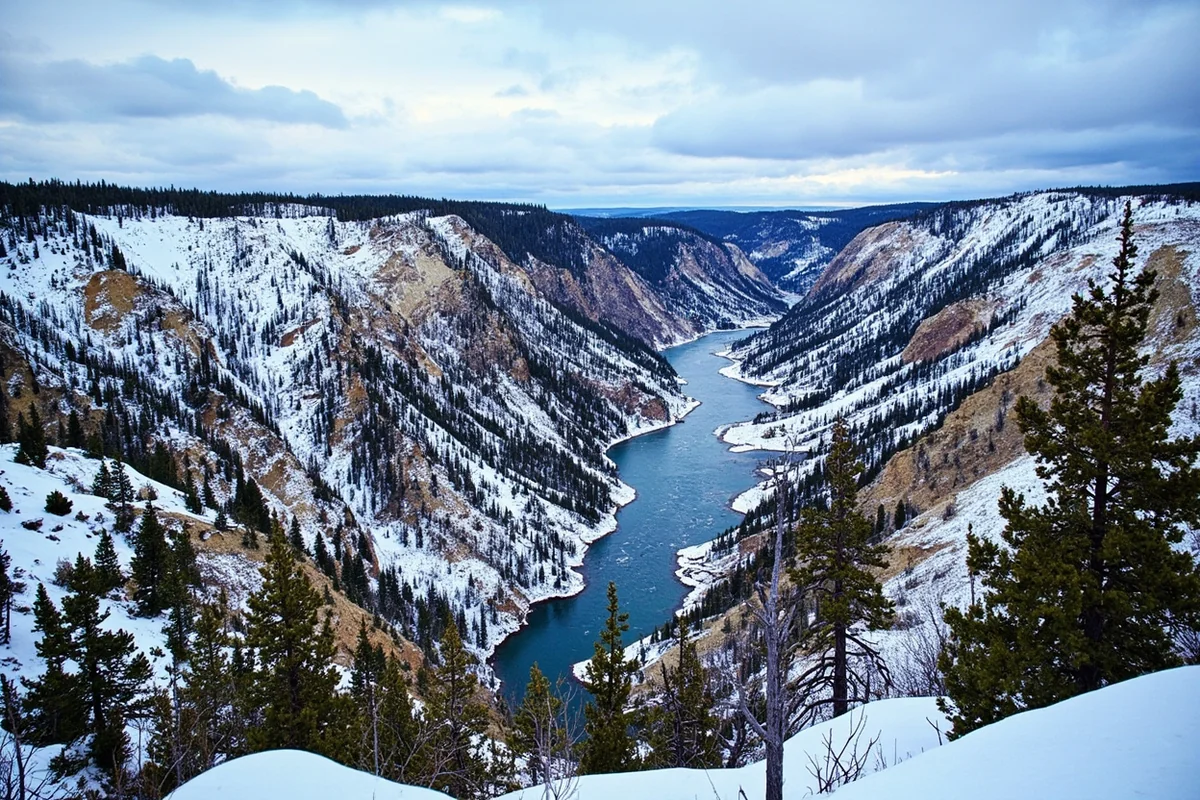
Only Yellowstone’s north entrance (from Gardiner) stays open year-round for regular vehicles. The other entrances typically open in late April or May.
This limited access is actually advantageous. The Mammoth Hot Springs to Cooke City road remains plowed, giving you access to Lamar Valley—arguably the park’s best wildlife viewing corridor.
On my March Yellowstone visits, I’ve focused on this northern section exclusively. Morning drives through Lamar Valley yielded wolves, bison, elk, and coyotes without the summer vehicle congestion. The thermal features at Mammoth Hot Springs are particularly photogenic with steam rising against snow-covered terraces.
Important note: The road from Mammoth to Old Faithful is typically open only for snowcoach and snowmobile access through mid-March. After that, the park closes for spring plowing, usually reopening roads incrementally through April and May.
Glacier National Park
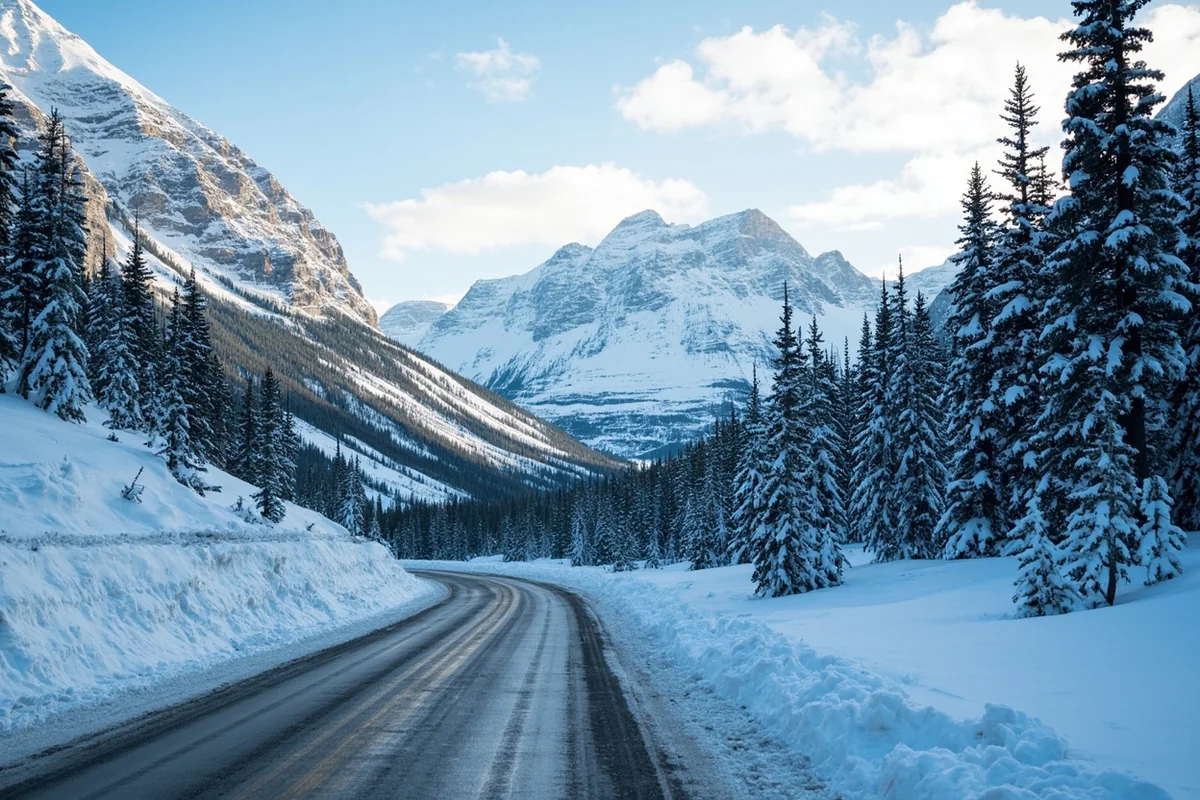
Going-to-the-Sun Road remains closed in March. There’s no getting around this.
However, the park isn’t entirely inaccessible. The Apgar area and lower McDonald Creek valley are open, and I’ve had wonderful March experiences there.
Cross-country skiing and snowshoeing are excellent on the unplowed portions of Going-to-the-Sun Road. During a memorable March trip, I skinned up from Lake McDonald Lodge toward Avalanche Creek—the silence and solitude were extraordinary.
The Two Medicine area on the east side also offers winter access, though be prepared for serious cold and wind.
If accessing the full park is important to you, consider visiting Montana in July or Montana in August when all roads are typically open.
Hot Springs: The Perfect March Activity
I’m convinced that hot springs and March in Montana were made for each other. After a day of skiing or wildlife watching in cold temperatures, soaking in geothermal waters feels absolutely heavenly.
My Top Hot Springs for March
Chico Hot Springs: Located in Paradise Valley between Bozeman and Yellowstone, Chico became my go-to March destination. The historic pool maintains 96°F while the newer pool runs hotter at 103°F. Sitting in the outdoor pool during a light snowfall last March ranks among my best Montana memories. The on-site restaurant serves excellent food—make dinner reservations ahead.
Bozeman Hot Springs: More modern and family-oriented, this spot offers multiple pools at varying temperatures. I appreciate having options when I want to cool off between soaks. It’s conveniently located just outside Bozeman.
Lolo Hot Springs: West of Missoula, Lolo provides a rustic experience that feels authentically Montana. The water runs hot at around 105°F, and the mountain setting is spectacular. I recommend combining this with a drive along Highway 12 through the Lolo Pass area.
Fairmont Hot Springs: If you’re traveling with kids or prefer more amenities, Fairmont near Butte has an excellent warm pool with waterslides. The 400-foot slide kept my nieces entertained for hours during our March visit.
Quinn’s Hot Springs: This adults-only option near Paradise offers a more intimate experience. The riverside setting is beautiful, and the lack of children creates a peaceful atmosphere for serious relaxation.
What to Pack for March in Montana
Packing for March in Montana requires accepting that you’re preparing for multiple seasons simultaneously. On my trips, I’ve learned some hard lessons about what actually works.
Layering System
Base layers: Bring at least two sets of moisture-wicking thermals. Merino wool is my preference for its temperature regulation and odor resistance. Don’t skimp here—wet base layers in cold weather are miserable.
Mid layers: Pack a fleece jacket and a lightweight down puffy. I rotate between these depending on activity level and temperature. The down works for standing around; fleece handles active pursuits better.
Outer shell: A waterproof, breathable jacket is non-negotiable. March brings wet snow, rain, and everything in between. My go-to is a Gore-Tex ski shell that handles all conditions.
Pants: Bring both insulated snow pants and water-resistant hiking pants. I’ve used both on single trips.
Footwear Essentials
Waterproof insulated boots are essential—not optional. I recommend boots rated to at least -25°F for mountain activities. My Sorel Caribous have served me well across countless March Montana trips.
Bring approach shoes or trail runners for warmer afternoons. I was surprised on my first March visit to find myself hiking in light shoes by mid-afternoon after skiing in serious winter boots that morning.
Don’t forget extra wool socks. Wet feet destroy otherwise great days.
Accessories That Matter
- Sunglasses AND ski goggles (sun is intense at elevation, but storms require goggles)
- Sunscreen SPF 50+ (snow reflection increases UV exposure dramatically)
- Lip balm with SPF (I’ve gotten badly sunburned lips in March)
- Multiple pairs of gloves (waterproof ski gloves plus lighter fleece gloves)
- Warm hat and neck gaiter
- Hand and toe warmers for extreme cold days

Driving in March: What You Need to Know
Montana roads in March demand respect. Conditions vary wildly between regions and can change rapidly.
Vehicle Requirements
All-wheel drive or 4WD is strongly recommended. While main highways are generally well-maintained, mountain passes and secondary roads can become challenging quickly.
Carry chains even if you have AWD. During my last March trip, I watched several overconfident SUV drivers slide into ditches on Highway 191 south of Big Sky. Chains would have helped.
Keep a winter emergency kit in your vehicle: blankets, water, snacks, flashlight, and a small shovel. Cell service is unreliable in many areas, and waiting for help could take hours.
Road Conditions by Region
Interstate 90: Generally well-maintained across the state, though Lookout Pass on the Idaho border can get dicey during storms. I always check conditions before crossing.
Highway 93: The Missoula to Kalispell corridor is typically manageable, but be cautious near Polson where the road climbs.
Highway 89: The Bozeman to Livingston stretch through Paradise Valley is beautiful but can experience sudden weather changes. Great Falls to Browning along the Rocky Mountain Front is notorious for wind and drifting snow.
Beartooth Highway: Closed until late May. Don’t even think about it.
Going-to-the-Sun Road: Closed. Worth repeating.
Check the Montana Department of Transportation website (511MT.net) before every drive. I check it multiple times daily during March trips.
Where to Stay: Lodging Options and Pricing
March offers genuine lodging deals compared to peak seasons, but availability varies significantly by location.
Ski Resort Areas
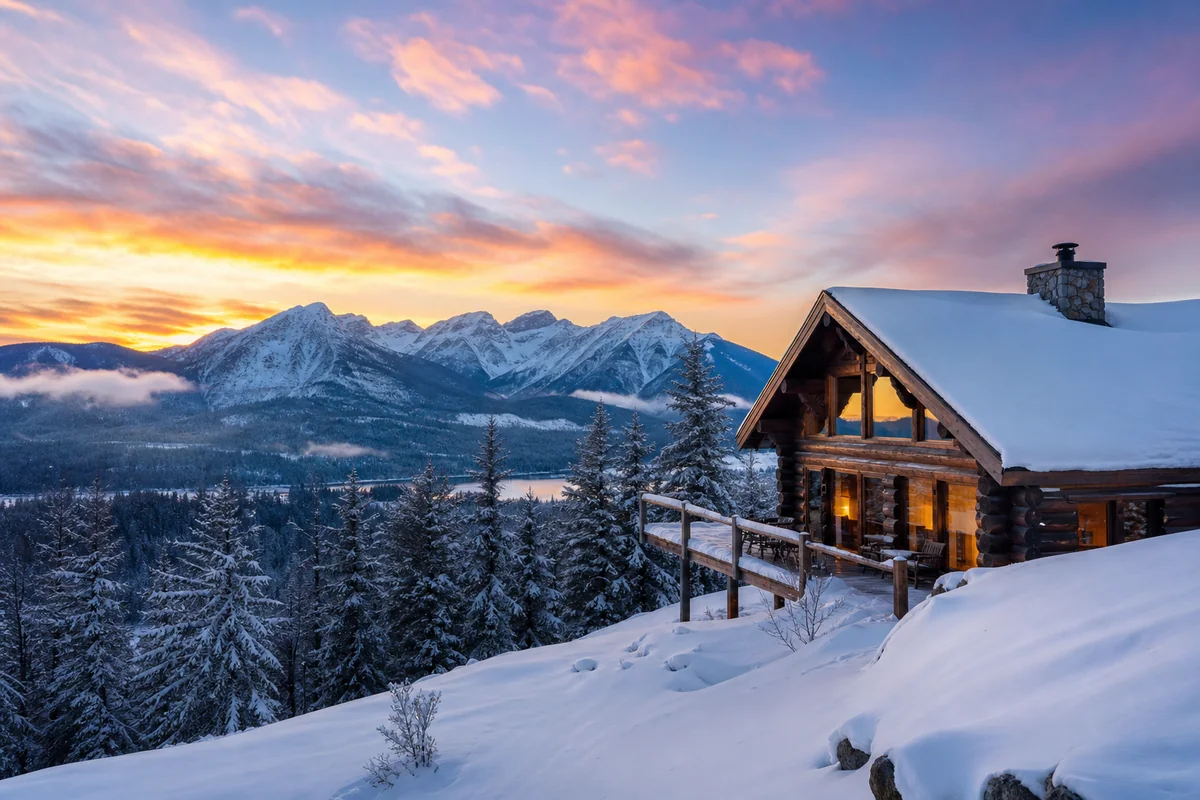
Big Sky lodging runs 25-40% cheaper in March than during Christmas week. I’ve stayed at condos near the resort for $200/night that would cost $400+ during Christmas in Montana.
Whitefish also sees price drops, though the town’s charming downtown means it stays busier than remote areas. Book downtown accommodations at least a month ahead for the best selection.
Gateway Towns
Bozeman: The college town maintains decent activity year-round, but March rates are reasonable. I recommend staying downtown for walking access to restaurants and breweries.
Missoula: My favorite Montana city for extended stays. March brings off-season rates to most hotels, and the Hip Strip and downtown restaurant scenes remain active.
Kalispell/Columbia Falls: Gateway to Glacier, these towns offer excellent value in March when the park is largely inaccessible. I’ve scored excellent rates at properties that triple their prices in July.
Budget Considerations
Mid-week rates can be 30% cheaper than weekends, even in March. If your schedule allows flexibility, target Sunday through Thursday arrivals.
VRBO and Airbnb options proliferate in ski towns. I’ve found excellent ski-in/ski-out condos at Big Sky through these platforms, often cheaper than hotel alternatives.
Events and Activities Worth Planning Around
March isn’t peak event season, but several happenings are worth knowing about.
Skiing Events
The IFSA Junior Freeride Tour often hosts a Big Sky stop in March. Watching these young athletes tackle extreme terrain is genuinely impressive—and free for spectators.
Various pond-skimming and end-of-season events occur at most resorts toward late March. These are quintessential spring skiing celebrations worth catching.
Irish Celebrations
Butte’s St. Patrick’s Day celebration is legendary. The historically Irish mining town throws a massive parade and party that rivals much larger cities. During my one Butte St. Patrick’s experience, I witnessed true Montana hospitality and impressive whiskey consumption.
Missoula and Bozeman also host solid Irish celebrations with parade routes through downtown areas.
Wildlife Viewing Opportunities
The Yellowstone Association offers naturalist-guided programs through March that provide educational wildlife viewing experiences. I’ve taken their Lamar Valley wolf-watching excursions and found the expert guidance invaluable.
Sample March Itineraries
Based on my multiple March visits, here are realistic itineraries for different trip lengths.
Long Weekend (3-4 Days): Ski Focus
- Day 1: Arrive Bozeman, drive to Big Sky, afternoon ski session, dinner in Big Sky Village
- Day 2: Full ski day at Big Sky, evening soak at Chico Hot Springs
- Day 3: Morning ski session, afternoon drive through Paradise Valley, depart from Bozeman
One Week: Mixed Experience
- Days 1-2: Ski Whitefish Mountain Resort, explore Whitefish town
- Day 3: Cross-country ski or snowshoe in Glacier’s accessible areas
- Day 4: Drive to Bozeman (scenic route through Flathead Valley)
- Day 5: Ski Big Sky or Bridger Bowl
- Day 6: Wildlife viewing in Yellowstone’s Lamar Valley
- Day 7: Hot springs relaxation, depart
This longer itinerary works well if you’re planning multiple Montana trips across different seasons. Consider returning during Montana in October for fall colors or Montana in May for the spring thaw.
Honest Assessment: Is March Right for Your Montana Trip?
March suits certain travelers perfectly while frustrating others. Let me be direct about who should and shouldn’t visit.
March Is Ideal If You:
- Want to ski or snowboard without fighting crowds
- Appreciate unpredictable weather as part of the adventure
- Can adapt plans on short notice based on conditions
- Prefer lower prices over guaranteed conditions
- Find shoulder-season energy appealing
Consider Another Month If You:
- Want full access to Glacier National Park (try July or August)
- Need predictable, stable weather for outdoor activities
- Dislike driving in potentially challenging conditions
- Are planning a trip focused primarily on hiking (wait for June through September)
If you’re considering adjacent months, Montana in April brings similar conditions but more mud as the real thaw begins. Going earlier to Montana in January means colder temperatures but more reliable snow coverage.
Final Thoughts on March in Montana
After numerous March visits, I keep coming back because this month rewards flexibility and an adventurous spirit. Yes, you might encounter a blizzard. You might also find yourself hiking in perfect 55-degree sunshine.
The mountains still wear their winter coats while hints of spring appear in the valleys. Wildlife emerges from winter patterns. Ski slopes offer excellent conditions without the crowds.
Most importantly, March reminds you why Montana feels different from anywhere else. The state doesn’t package itself neatly for tourists—it demands you meet it on its own terms.
Pack accordingly, stay flexible, and embrace whatever conditions you encounter. That’s the Montana way, and March exemplifies it perfectly.
Frequently Asked Questions
Is March a good time to visit Montana for skiing?
March is actually one of the best months for skiing in Montana, with plenty of snow at resorts like Big Sky and Whitefish Mountain while enjoying longer, sunnier days. I’ve found lift ticket prices often drop slightly from peak season, ranging from $80-$150 depending on the resort. The spring snow conditions typically mean softer, more forgiving runs perfect for intermediate skiers.
What is the weather like in Montana in March?
Montana weather in March is unpredictable, with temperatures ranging from 20°F to 45°F depending on elevation and region. You’ll likely experience a mix of late-winter snowstorms and early spring sunshine, sometimes in the same day. Eastern Montana tends to be windier and slightly warmer than the mountainous western regions during this transitional month.
What should I pack for a Montana trip in March?
Pack versatile layers including a waterproof winter jacket, thermal base layers, and waterproof boots rated for snow and slush. I always bring both sunglasses and goggles since March sunshine reflecting off snow can be intense. Don’t forget hand warmers, a warm hat, and gloves, but also include a lighter fleece for those surprisingly mild afternoon temperatures.
Are roads in Montana safe to drive in March?
Montana roads in March can be challenging, with ice, snow, and occasional whiteout conditions, especially on mountain passes like Lookout Pass or over the Continental Divide. I strongly recommend renting an AWD or 4WD vehicle and checking the Montana Department of Transportation road conditions before any drive. Keep emergency supplies in your car, including blankets and snacks, since distances between towns can exceed 50-100 miles.
How much does a Montana vacation cost in March?
A March trip to Montana typically costs less than peak summer or holiday winter rates, with hotels averaging $100-$200 per night in popular areas like Bozeman or Kalispell. Budget around $50-$75 daily for food and $80-$150 for ski lift tickets if you’re hitting the slopes. Overall, I’d estimate $150-$300 per person daily depending on your activity level and accommodation preferences.
Can you visit Yellowstone National Park from Montana in March?
You can access Yellowstone’s north entrance near Gardiner, Montana year-round, making March visits possible but limited in scope. Most park roads remain closed until mid-April, so you’ll only explore the northern section between Mammoth Hot Springs and Cooke City. Guided snowcoach tours from West Yellowstone offer access to Old Faithful and other interior highlights if you’re willing to spend $150-$300 for the experience.
Is March too early to see wildlife in Montana?
March is surprisingly excellent for Montana wildlife viewing, as animals like elk, bison, and wolves are more visible in lower elevations before spring migration. I’ve spotted large elk herds in the Paradise Valley and wolves in the Lamar Valley during early March trips. Bears typically begin emerging from hibernation late in the month, so keep your bear spray handy if you’re hiking in grizzly country.