The first pronghorn I ever spotted in Montana was nothing but a white flash disappearing over a ridgeline near Malta, moving so fast I genuinely questioned whether I’d imagined it.
That was seven years ago, and since then, I’ve returned to chase these incredible animals across the prairies of central and eastern Montana more times than I can count—each hunt teaching me something new about why pronghorn are both the most accessible and most humbling big game species in North America.
If you’re planning a pronghorn adventure in Big Sky Country, whether it’s your first hunt or your fifteenth, this Montana Hunting Guide resource will help you understand everything you need to know before you pull the trigger on your trip.
- Montana offers some of the best pronghorn hunting in North America with over-the-counter tags available in many districts
- Prime hunting regions include FWP Region 6 (Glasgow/Malta) and Region 7 (Miles City/Broadus) with strong populations
- Archery season runs early September; rifle season typically October through mid-November
- Expect to pay $205 for a non-resident combination license plus $205 for an antelope license
- Spot-and-stalk is the dominant strategy—bring quality optics and comfortable boots
- Public land access is excellent through BLM lands and Block Management areas
- Average shot distances range from 150-350 yards; practice accordingly
Why Montana for Pronghorn Hunting?
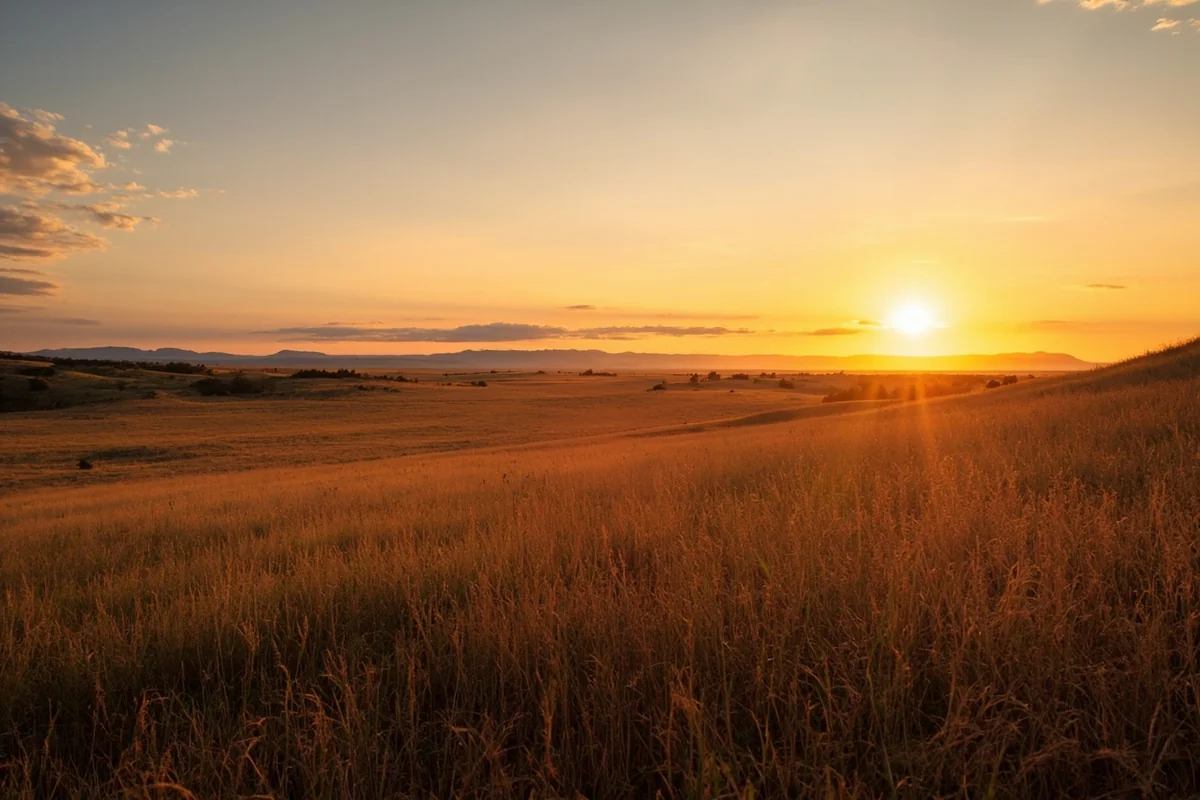
I’ve hunted pronghorn in Wyoming, Colorado, and New Mexico, but Montana keeps drawing me back. There’s something about the combination of accessible public land, healthy animal populations, and the raw beauty of the eastern Montana prairie that creates an unmatched hunting experience.
Montana’s pronghorn population fluctuates between 120,000 and 150,000 animals depending on winter severity and fawn recruitment. That’s a substantial population spread across millions of acres of prime habitat.
What really sets Montana apart is the hunting pressure—or rather, the lack of it. While Wyoming’s pronghorn get hammered by hunters from across the country, Montana’s eastern prairies see far fewer orange vests.
During my hunt near Jordan last October, I saw exactly three other hunters over four days. Meanwhile, the pronghorn were everywhere—I logged over 400 animals in my journal during that trip.
The Montana Pronghorn Experience
Hunting pronghorn in Montana is fundamentally different from hunting them anywhere else I’ve experienced. The terrain here varies more than most people expect.
Near the Missouri Breaks, you’ll find dramatic coulees and badlands that create ambush opportunities you won’t find on the flat prairies further south. Up near the Hi-Line, the rolling wheat fields and CRP grasslands create a patchwork landscape where pronghorn move predictably between feeding and bedding areas.
The animals themselves seem different too. Montana pronghorn tend to hold tighter in cover than their Wyoming cousins. I suspect this comes from generations of pressure from predators in the more varied terrain.
Understanding Montana’s Pronghorn Licensing System
Before you start daydreaming about your perfect buck, you need to navigate Montana’s licensing system. It’s more straightforward than elk or deer licensing, but there are some nuances worth understanding.
Montana uses a combination of over-the-counter tags and limited-entry permits for pronghorn. The good news? Many hunting districts offer OTC tags for both archery and rifle seasons.
The licensing structure requires you to first purchase a base hunting license. For non-residents, that’s currently $205 for a Conservation License plus either a Big Game Combination License ($1,101) or a Deer/Elk Combination ($885). You can find detailed breakdowns of Montana hunting license costs before planning your budget.
Resident vs. Non-Resident Tag Availability
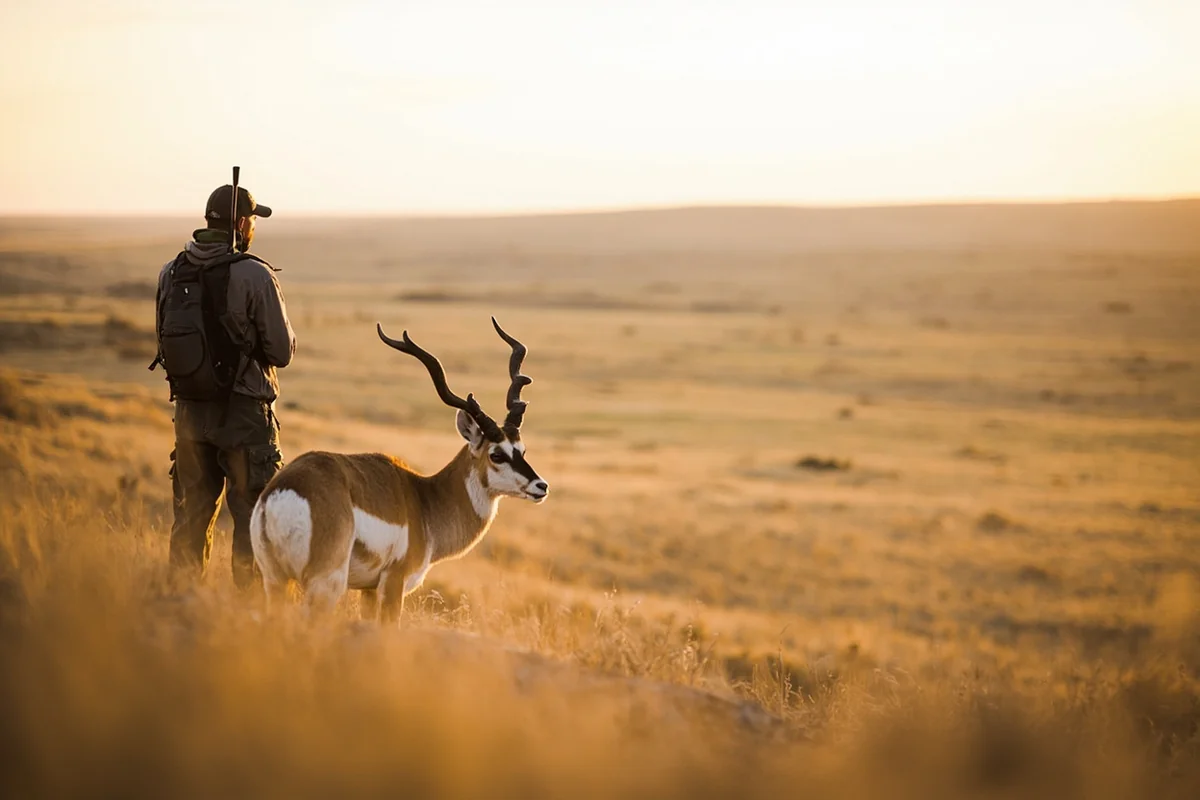
Montana residents have it easy—antelope licenses are readily available and affordable. The base antelope license costs residents just $20, making it one of the most accessible big game hunts in the state.
Non-residents face a different situation. While tags are available, they’re significantly more expensive at $205 for an antelope license on top of your base license fees.
The total investment for a non-resident typically runs between $400-$600 depending on which license combination you choose. I always recommend the Big Game Combination if you’re planning multiple Montana hunts, as it provides better value over time.
For the most current requirements, check our complete breakdown of Montana hunting license options and application deadlines.
Drawing Permits and Preference Points
Some of Montana’s best pronghorn hunting districts require you to apply for a limited permit rather than purchasing over-the-counter. These limited districts typically offer higher buck-to-doe ratios and less hunting pressure.
Understanding Montana preference points is crucial if you’re targeting these premium areas. Montana uses a preference point system for certain species and districts, though antelope drawing odds remain favorable compared to coveted elk units.
I applied for a limited permit in HD 620 two years ago and drew on my second attempt. The quality of bucks I saw compared to OTC districts made the wait worthwhile.
Best Regions for Montana Pronghorn Hunting
Montana’s pronghorn habitat stretches across roughly the eastern two-thirds of the state, but not all areas are created equal. After years of exploring different regions, I’ve developed strong opinions about where to focus your efforts.
Region 6: The Hi-Line Country
The FWP Region 6 area spanning from Havre east to Glasgow and Malta is my personal favorite for pronghorn hunting. The landscape here is classic high plains—rolling grasslands, agricultural fields, and sage-studded prairies that extend to every horizon.
The town of Malta serves as an excellent base camp. You’ll find decent motels, a few restaurants, and access to some of the best pronghorn habitat in North America within a 30-minute drive.
I particularly love the BLM lands north of Malta toward the Canadian border. The pronghorn congregate along the edges of hay fields and CRP ground, making them relatively patternable if you put in the scouting time.
Region 7: Eastern Montana’s Pronghorn Paradise
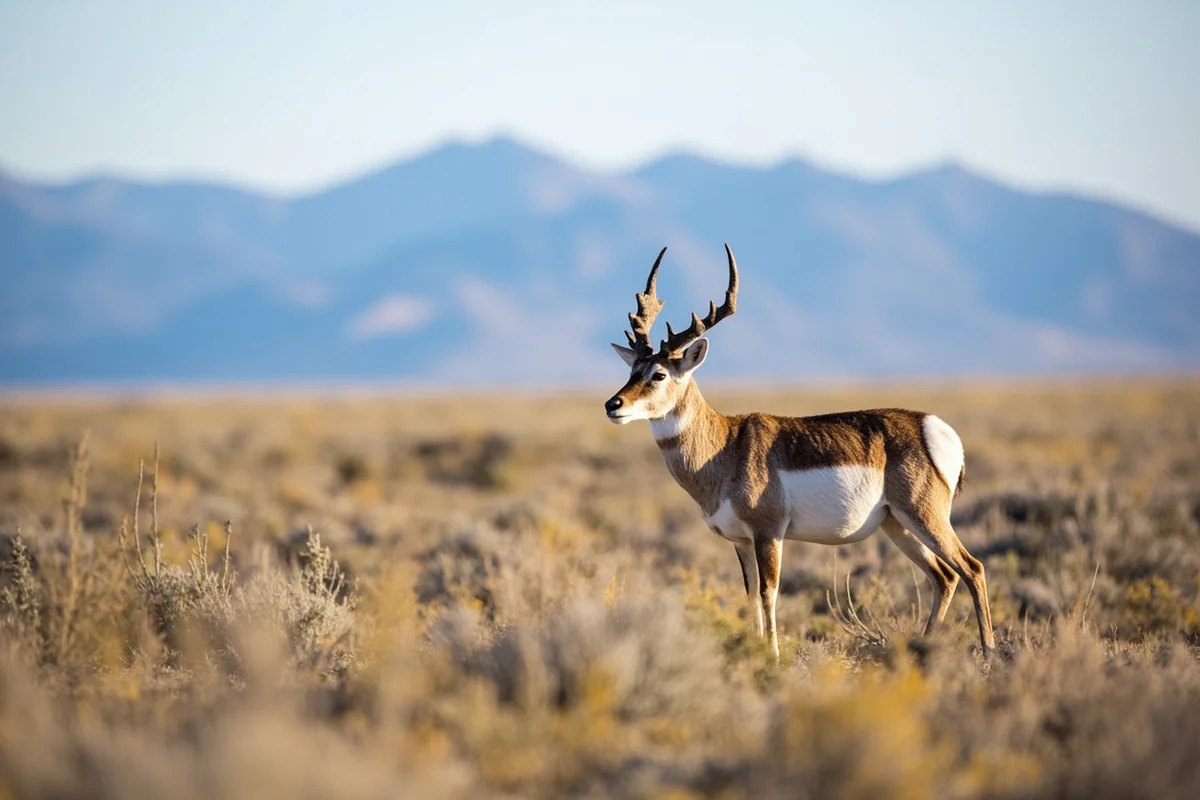
The Miles City area and surrounding hunting districts hold incredible pronghorn numbers. This region receives slightly less attention than the Hi-Line, which works in your favor.
The country around Broadus and Ekalaka offers a mix of open prairie and timbered breaks that create interesting hunting scenarios. I’ve had some of my best spot-and-stalk hunts in this region, using the broken terrain to close distance on bedded bucks.
One hunt near Ekalaka stands out—I spent three days watching a particular buck that bedded in the same small coulee every afternoon. On day four, I finally put together a stalk that worked, crawling 200 yards through prickly pear to get a 175-yard shot. That’s the kind of hunting this region offers.
Region 4 and 5: Central Montana Opportunities
The areas around Lewistown and Roundup offer solid pronghorn hunting with potentially less competition than the eastern districts. The agricultural mosaic here creates excellent edge habitat where pronghorn thrive.
The Missouri Breaks country in particular provides unique hunting. The dramatic terrain allows for glassing from rimrock and planning stalks through coulees and draws.
I’ve combined Montana deer tag hunts with pronghorn in this region with great success. The habitats overlap enough that you can realistically pursue both species on the same trip.
Montana Pronghorn Hunting Seasons
Timing your hunt correctly can make the difference between a trophy encounter and frustration. Montana’s pronghorn seasons are structured to provide opportunities across different weapons and conditions.
Archery Season
Montana’s archery pronghorn season typically opens in early September and runs through mid-October. This coincides with some of the best weather and most predictable animal behavior.
Early September finds bucks still in bachelor groups and relatively relaxed. By late September, the rut begins intensifying, and bucks become more territorial and aggressive.
I’ve had my best archery success during the last week of September when bucks are actively chasing does but haven’t yet become completely unpredictable. The use of decoys during this period can be devastatingly effective.
Water hole hunting during the early September heat is another proven tactic. On a hunt near Fort Peck last September, I sat a waterhole where I counted 47 pronghorn visiting over a single morning.
General Rifle Season
The general rifle season typically runs from October through mid-November, with exact dates varying by district. Understanding Montana hunting seasons for your specific district is essential for planning.
Early rifle season in October offers pleasant weather and active animals. The breeding activity is winding down, and pronghorn begin forming larger mixed groups.
Late October through November brings colder temperatures and the potential for snow. While conditions can be challenging, the pronghorn become more concentrated and sometimes easier to locate.
I prefer hunting the first two weeks of rifle season. The weather is usually cooperative, and animals haven’t been pressured heavily yet.
Muzzleloader Opportunities
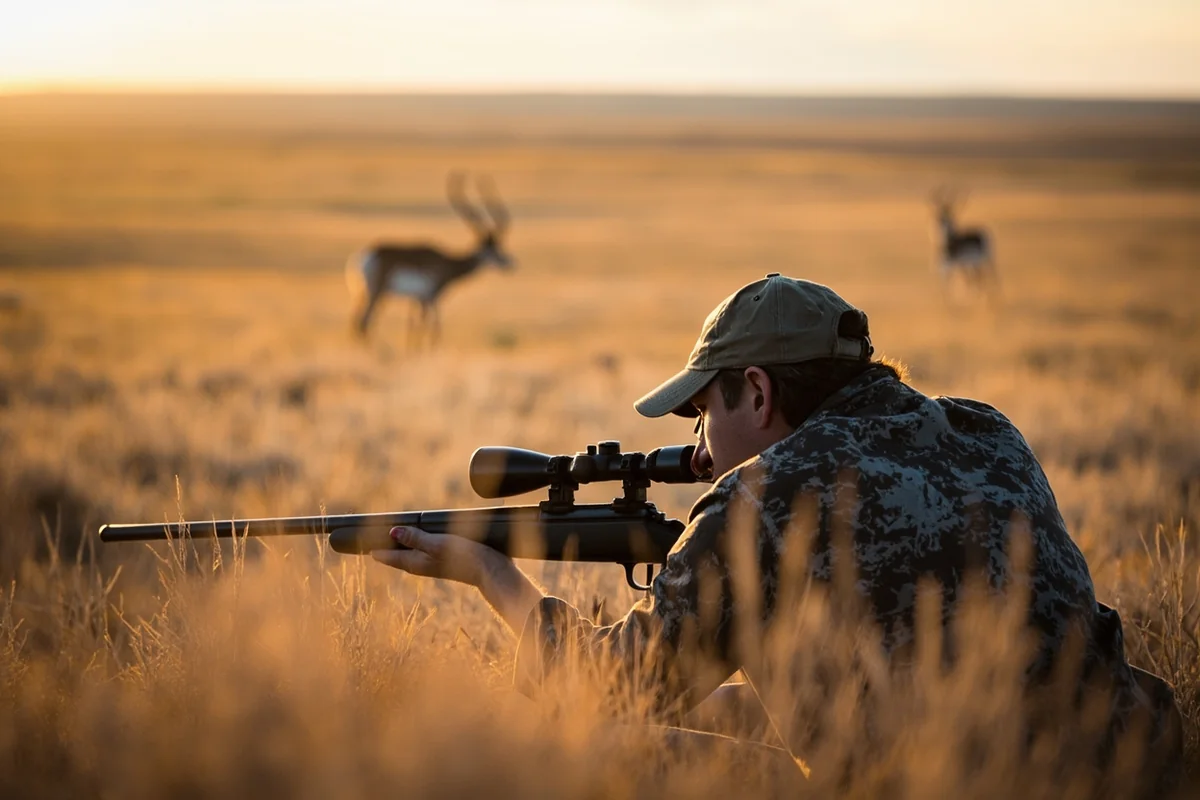
Some Montana districts offer special Montana muzzleloader season opportunities for pronghorn. These seasons can provide less crowded hunting conditions for those willing to adapt their equipment.
The challenge with muzzleloaders and pronghorn lies in getting close enough for an ethical shot. Most muzzleloader hunters I know limit their shots to 150 yards, which requires serious stalking skills on open terrain.
Tactics and Strategies for Success
Pronghorn have the best eyesight of any North American big game animal—roughly equivalent to 8x binoculars. They can spot movement from over three miles away. Understanding this fundamental fact shapes every tactical decision.
Spot and Stalk: The Primary Method
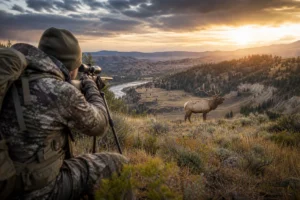
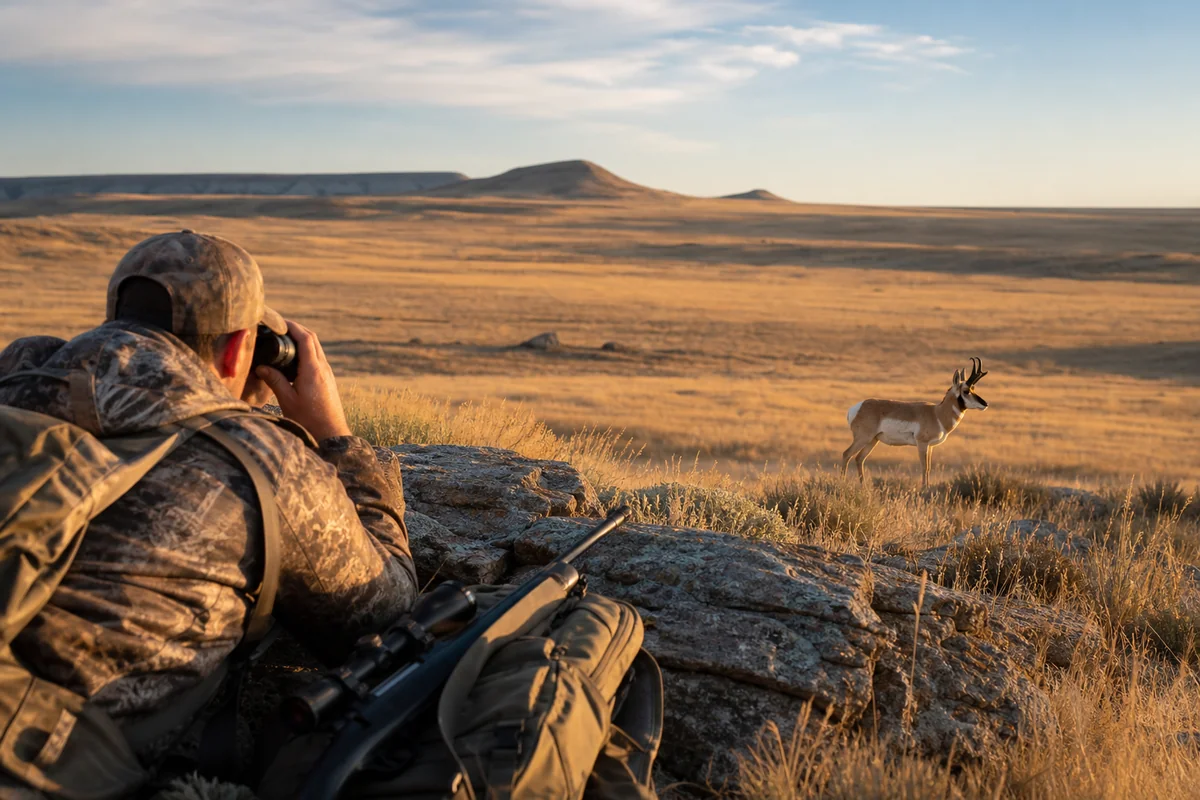
The vast majority of Montana pronghorn are killed through spot-and-stalk hunting. This involves locating animals from a distance, planning an approach using terrain features, and closing to shooting range.
The key is patience. I spend far more time glassing and planning than actually stalking. A good day of pronghorn hunting might involve two or three serious stalk attempts.
Use every terrain feature available—creek drains, small ridges, sage thickets, even tall grass. I’ve crawled through yucca and prickly pear more times than I care to remember, but it works.
One technique that’s served me well is the “half-circle” approach. Rather than stalking directly toward a bedded pronghorn, I move to intercept where I think they’ll go. Pronghorn are creatures of habit, and a buck that beds in a certain spot often follows the same route to water or food.
Ground Blinds and Ambush Hunting
For archery hunters particularly, ground blinds set near water sources or travel corridors can be incredibly effective. Pronghorn need water daily during hot weather, making tanks and windmills prime ambush locations.
Setting up a blind requires at least 2-3 days of conditioning the animals to its presence. I typically set my blind a week before I plan to hunt if possible.
The best water hole setups provide shooting lanes at 30-40 yards. Place your blind with the sun at your back and prevailing wind in your face for the time of day pronghorn typically visit.
Using Vehicles Ethically and Legally
Montana law prohibits shooting from or across public roads, but using your vehicle for glassing and transportation is perfectly acceptable on public roads.
I use my truck as a mobile glassing platform constantly. Pronghorn are far less alarmed by vehicles than by humans on foot. I’ve had bucks stare at me from 200 yards while I watched them through my spotting scope from the cab.
The key is never exiting the vehicle where pronghorn can see you. Drive past your intended glassing spot, use terrain to block their view, then set up.
Essential Gear for Montana Pronghorn Hunts
After years of refinement, I’ve dialed in a gear list specific to pronghorn hunting on the Montana prairies. The right equipment makes a tremendous difference in comfort and success.
Optics: Your Most Important Investment
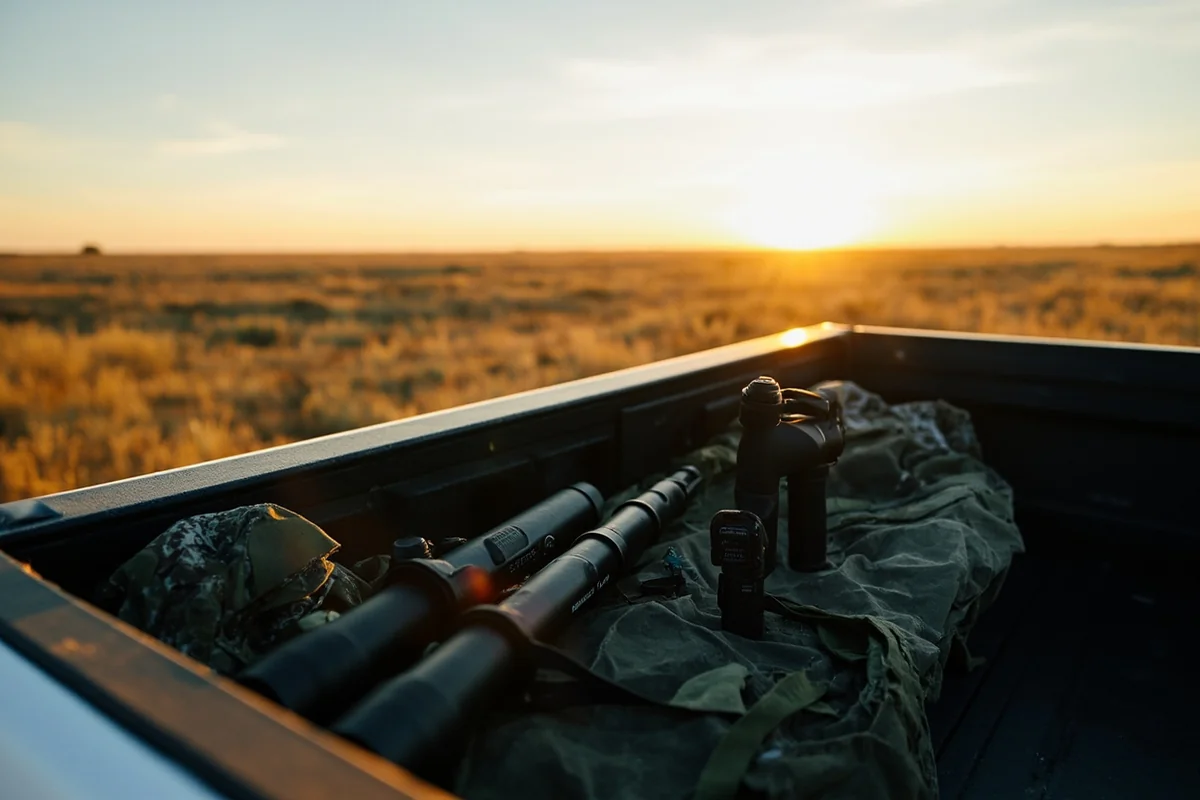
Quality optics matter more for pronghorn than almost any other hunt. I carry 10×42 binoculars as my primary glassing tool and a compact spotting scope (20-60×65) for evaluating trophy quality at distance.
Don’t skimp here. I’ve watched countless hunters struggle with cheap binoculars in the harsh Montana light. The difference between $300 binoculars and $1,500 binoculars becomes obvious after a full day of glassing.
A quality tripod for your binoculars is equally important. Handheld glassing causes eye strain and limits your ability to pick apart distant terrain features.
Rifles and Cartridges
Pronghorn are not particularly tough animals—a whitetail-class cartridge is more than adequate. The challenge is accuracy at extended range across windy terrain.
My go-to pronghorn rifle is a .25-06 Remington with a 115-grain bullet. This flat-shooting combination handles wind better than many options while still delivering terminal performance.
Other excellent choices include 6.5 Creedmoor, .270 Winchester, and .243 Winchester. The common thread is flat trajectory and resistance to wind drift.
Practice at 300-400 yards before your hunt. While I’ve killed most of my pronghorn inside 250 yards, shots at 300+ happen regularly on the open prairie.
Clothing and Boots
Montana’s autumn weather is notoriously unpredictable. I’ve experienced everything from 80-degree days to snowstorms in October, sometimes within 48 hours.
Layer your clothing system. A lightweight merino base layer, insulating mid-layer, and wind-blocking outer layer covers most conditions.
Boots deserve special attention. You’ll walk miles across uneven terrain littered with cactus and sharp rocks. Quality hunting boots with good ankle support are essential.
I prefer a 6-inch uninsulated boot for most conditions. Only when temperatures drop below freezing do I switch to insulated footwear.
| Gear Category | Recommendation | Priority |
|---|---|---|
| Binoculars | 10×42 quality glass (Vortex Razor, Leupold BX-5) | Essential |
| Spotting Scope | 20-60×65 compact (angled body preferred) | Essential |
| Rangefinder | 1,500+ yard capability with angle compensation | Essential |
| Tripod | Full-size with binocular adapter | Highly Recommended |
| Shooting Sticks | Bipod or tripod style, adjustable height | Highly Recommended |
| Knee Pads | Comfortable for extended crawling | Recommended |
Accessing Public Land for Pronghorn
Montana offers tremendous public land access for pronghorn hunters, but understanding the system takes some homework. I’ve spent considerable time mapping out access strategies.
BLM Lands: The Foundation
The Bureau of Land Management administers millions of acres across eastern Montana. Much of this land is prime pronghorn habitat and open to hunting.
The challenge lies in the checkerboard ownership pattern common to eastern Montana. Federal land often intermixes with private parcels, creating access puzzles.
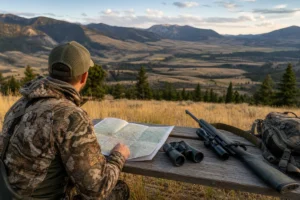
Download the onX Hunt app or similar mapping software before your trip. It’s not optional—trying to navigate public/private boundaries without digital maps is a recipe for trespassing violations.
I always check whether you can hunt on Montana state land in my target area, as state sections add significant opportunities.
Block Management: Montana’s Secret Weapon
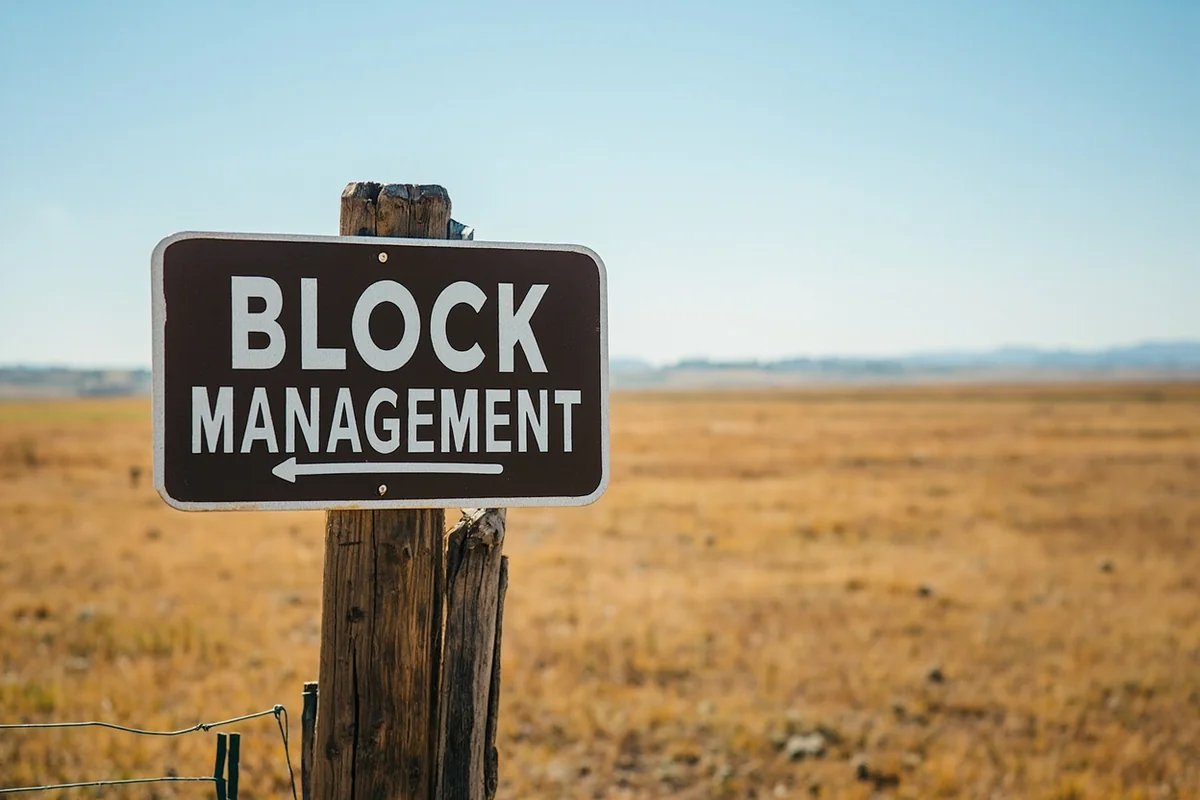
Montana’s Block Management program provides access to private lands that would otherwise be off-limits. Landowners voluntarily enroll their property, and hunters can access these areas either through phone contact or sign-in boxes.
Some Block Management areas hold exceptional pronghorn hunting with minimal pressure. I’ve hunted several BMAs near Fort Peck that consistently produce quality bucks.
Request the Block Management hunting access guide from FWP well before your trip. The physical booklet remains easier to use in the field than digital alternatives.
Navigating Access Challenges
Corner crossing—moving between diagonally adjacent public parcels through a corner touching private land—remains legally contentious in Montana. As of my last trip, I avoid corner crossing entirely to stay clearly within legal boundaries.
Always carry current ownership maps and a GPS device. I’ve been approached by landowners questioning my presence on public land; having documentation available kept those conversations friendly.
When in doubt about access, ask. Many Montana ranchers will grant permission to hunt if you approach them respectfully. I’ve gained access to excellent private land simply by knocking on doors and having honest conversations.
Field Care and Meat Processing
Pronghorn have a reputation for poor table fare that I believe is largely undeserved. Proper field care makes the difference between excellent eating and something you’d rather forget.
Rapid Cooling Is Everything
Pronghorn run warm—their metabolisms and thin hide mean meat spoilage begins quickly. I start field dressing within minutes of the shot and get carcasses cooled as fast as possible.
In warm early-season conditions, I skin the animal immediately and get meat into a cooler with ice. Leaving a hide on during a 70-degree October afternoon is asking for trouble.
The tenderloins and backstraps come out first and go directly into a cooler. These choice cuts deserve priority handling.
Avoiding the “Gamey” Taste
That distinctive pronghorn flavor most people complain about comes from improper handling, not the meat itself. Specifically, it develops when fat and connective tissue aren’t removed promptly.
I trim all visible fat from pronghorn meat before packaging. The fat carries compounds that create off flavors when stored.
Age the meat in a refrigerator environment (34-38 degrees) for 5-7 days before processing. This allows enzymes to tenderize the muscle fibers and develop flavor.
Combining Pronghorn With Other Montana Hunts
One of the beauties of a Montana pronghorn trip is the potential to pursue multiple species. The overlapping seasons and habitats create opportunities for combination hunts.
The Montana deer hunting guide covers mule deer opportunities that pair perfectly with pronghorn in many eastern districts. I’ve tagged pronghorn and mule deer on the same trip multiple times.
For those interested in bigger challenges, Montana elk hunting seasons often overlap with pronghorn, though the habitats rarely coincide.
Understanding Montana hunting regulations thoroughly is crucial when pursuing multiple species. Tag requirements, legal shooting hours, and weapon restrictions can vary between animals.
Upland Birds and Waterfowl
Eastern Montana offers outstanding Montana upland bird hunting that coincides with pronghorn season. I always pack a shotgun and a few boxes of shells.
The sharp-tailed grouse hunting in particular is exceptional. I’ve flushed birds while walking back to my truck after morning pronghorn hunts countless times.
Montana duck hunting opportunities also exist, particularly around Fort Peck Reservoir and the numerous stock dams scattered across the prairie.
Outfitters vs. DIY: Making the Choice
Montana pronghorn hunting is extremely accessible for DIY hunters, but outfitters can add value in certain situations. I’ve done both extensively.
The Case for DIY
If you’re comfortable reading maps, planning stalks, and dealing with the logistics of public land hunting, DIY pronghorn is very achievable. The tag system is straightforward, public land is abundant, and animals aren’t as difficult to locate as elk or mule deer in timbered country.
My most satisfying pronghorn hunts have all been DIY. There’s something special about earning every aspect of your success.
Budget-conscious hunters will find DIY dramatically cheaper than guided hunts. Beyond tags and licenses, your expenses are fuel, food, and lodging—likely under $1,500 total for a week-long trip.
When Outfitters Make Sense
First-time pronghorn hunters benefit significantly from guided experience. Learning to judge trophy quality, execute stalks, and navigate the landscape takes time that a guide can shortcut.
Hunters with limited physical mobility or those seeking access to premium private land find outfitters valuable. Some of Montana’s best pronghorn hunting occurs on private ranches only accessible through outfitter leases.
Expect to pay $2,500-$4,500 for a quality guided pronghorn hunt. This typically includes lodging, meals, transportation, and guide services.
Practical Trip Planning
A successful Montana pronghorn hunt starts with thorough planning. I typically begin preparing 6-8 months before my intended hunt dates.
Accommodations
Eastern Montana isn’t known for luxury accommodations, but comfortable options exist. The towns of Malta, Glasgow, Miles City, and Forsyth all offer basic motels that serve hunters well.
Booking early during hunting season is essential. I’ve seen every room in small towns completely booked by August for October hunts.
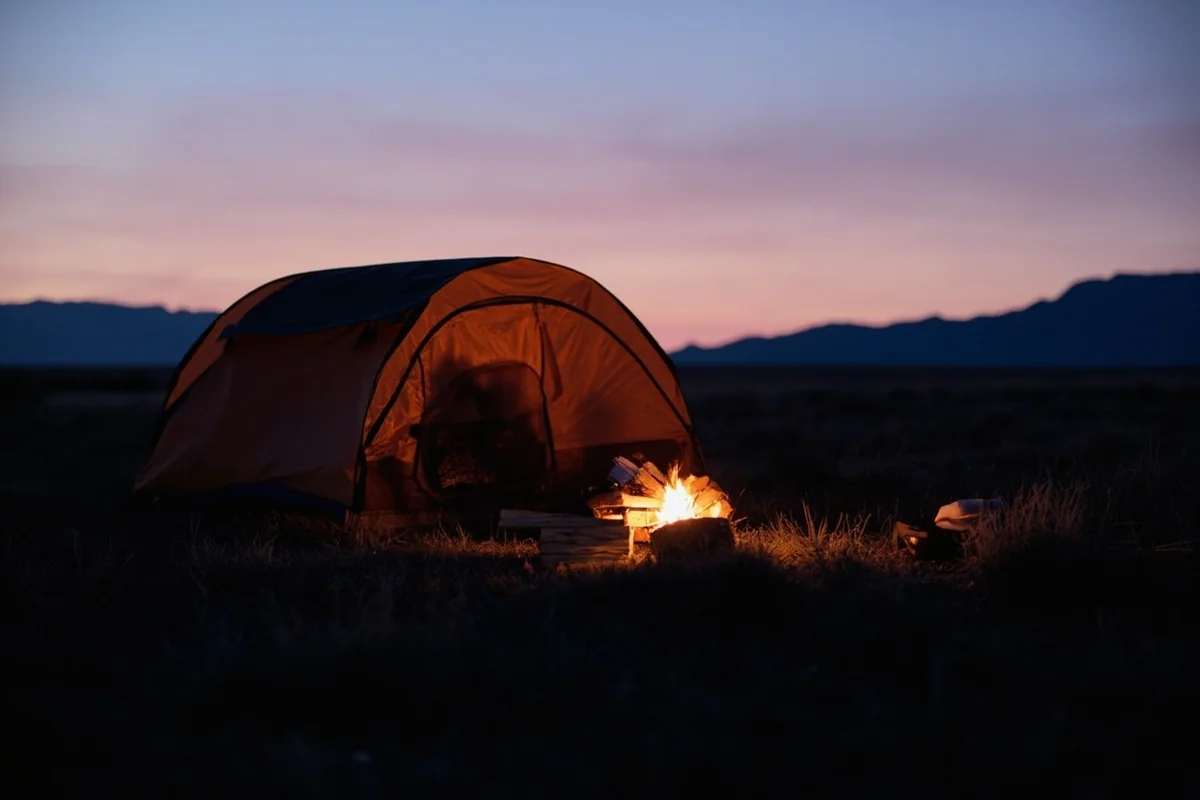
Camping is another option, particularly on BLM lands where dispersed camping is permitted. I’ve spent many nights in my truck camper on a sage-covered flat, which puts you closer to hunting areas than any motel.
Food and Supplies
Bring everything you need—rural Montana stores have limited selections and higher prices. Stock up on groceries, fuel containers, and hunting supplies before leaving larger towns.
Meat processing can be handled locally in most cases. Check with your motel or local sporting goods stores for recommendations on butchers who handle wild game.
Weather Contingencies
Montana weather changes rapidly in autumn. Early season hunts in September typically enjoy mild conditions, but October and November can bring everything from sunshine to blizzards.
Pack for all conditions. I keep full rain gear, insulated layers, and even hand warmers in my truck regardless of the forecast.
Cell coverage is spotty to non-existent in much of eastern Montana. Download offline maps, tell someone your plans, and carry emergency supplies.
Judging Trophy Quality
Not every pronghorn buck is a trophy, and learning to evaluate animals at a distance takes practice. Here’s what I look for after years of studying these animals.
Horn Length and Mass
A mature buck’s horns should extend well above the ears when viewed from the side. The ears measure approximately 6 inches, so horns extending 8+ inches above ear tips indicate a solid buck.
Mass matters as much as length. Look for horns that maintain thickness through the upper third. “Pencil” horns with thin tops score significantly lower than heavy-horned bucks.
The prong (the forward-projecting hook that gives pronghorn their name) should be clearly visible and well-developed. Trophy-class bucks typically have prongs measuring 4+ inches.
Body Characteristics
Mature bucks display distinctive dark facial markings—a black cheek patch extending from below the eye toward the jaw. Young bucks have less distinct markings.
Body size differences between age classes are less pronounced than in deer or elk. I focus primarily on horn development when evaluating trophy potential.
During the rut, mature bucks often display swollen necks and more aggressive postures. These behavioral cues help identify dominant animals.
Final Thoughts on Montana Pronghorn Hunting
After dozens of trips and more pronghorn encounters than I could ever count, Montana remains my favorite destination for chasing these unique animals. The combination of accessible tags, public land, huntable populations, and genuine wilderness character creates something special.
Yes, you could hunt pronghorn closer to home or in states with easier draw odds. But there’s a magic to watching sunrise over the Montana prairie, spotting a distant buck through your binoculars, and knowing that miles of open country separate you from anyone else.
The challenges are real—those eyes that seem to see everything, terrain that offers precious little cover, and weather that tests your resolve. But that’s exactly what makes success so rewarding.
If you’re considering your first Montana pronghorn hunt, stop considering and start planning. Pick a region, study the maps, apply for your tags, and commit to the experience. The speed goats are waiting, and there’s no substitute for time spent chasing them across Big Sky Country.
For those pursuing other species, don’t overlook opportunities like whitetail deer hunts in Montana or even Montana bear hunting to round out your Big Sky adventure. The state offers incredible diversity for dedicated hunters willing to put in the work.
Whatever your pursuit, study the Montana deer hunting regulations and species-specific rules carefully. Compliance keeps the privilege of hunting these public resources intact for future generations.
I’ll be back on the Montana prairie this fall, binoculars in hand, scanning for that flash of white and tan against the sage. Maybe I’ll see you out there.
Frequently Asked Questions
When is the best time to hunt pronghorn in Montana?
Montana’s pronghorn hunting season typically runs from early September through mid-October, with the first two weeks of September offering the best action before the animals become pressured. I recommend booking your Montana pronghorn hunt for early season when temperatures are milder and antelope are still following predictable patterns on the open prairie.
How much does a guided pronghorn hunt cost in Montana?
Guided Montana pronghorn hunts typically range from $2,500 to $4,500 for a 3-5 day package, which usually includes lodging, meals, and guide services. Non-resident hunters will also need to budget around $205 for a pronghorn license and $15 for a conservation license, plus any travel expenses to reach eastern Montana’s prime hunting grounds.
Do I need to apply for a Montana pronghorn tag or can I buy one over the counter?
Montana offers both draw tags and over-the-counter general pronghorn licenses for non-residents, though OTC tags are limited and sell out quickly each year. I’d recommend applying in the spring draw for better unit options, but if you miss the deadline, check Montana FWP’s website in early August when leftover licenses become available first-come, first-served.
What are the best areas to hunt pronghorn in Montana?
Eastern Montana’s Region 6 and Region 7, including areas around Miles City, Glasgow, and Jordan, offer the highest pronghorn densities and best public land access. Hunting districts 620, 621, and 700 are consistently productive, with vast BLM and state land sections where you can spot-and-stalk antelope across sagebrush flats and wheat stubble fields.
What gear should I pack for a Montana pronghorn hunting trip?
Essential gear includes a flat-shooting rifle in .243 to .308 caliber, quality binoculars (10×42 minimum), a sturdy tripod, and a good rangefinder since shots often exceed 200-300 yards on open terrain. Pack layered clothing for unpredictable September weather, sturdy hiking boots, sunscreen, and a decoy if you plan to try calling during the early rut.
Can I hunt pronghorn on public land in Montana without a guide?
Absolutely—Montana has millions of acres of BLM, state trust lands, and Block Management areas open to DIY pronghorn hunters, making it one of the best states for unguided antelope hunting. Download the onX Hunt app to identify public parcels, and sign up for Block Management access through Montana FWP, which opens thousands of additional private acres at no cost.
How far is Montana’s pronghorn country from major airports?
Billings Logan International Airport is your best gateway, putting you within 100-150 miles of prime pronghorn habitat in southeastern Montana. From Billings, it’s about a 2-hour drive to Miles City or a 3-hour drive to hunting areas near Jordan—plan to rent a 4WD truck since you’ll be navigating dirt roads and two-tracks throughout your hunt.