I still remember standing in the FWP office in Bozeman last September, watching a Texas hunter realize he’d missed the special permit application deadline by three months.
His face fell as the reality sank in—he’d driven 1,400 miles only to learn that Montana’s non-resident hunting system doesn’t work like his home state’s.
That moment reminded me why I’ve spent the last eight years helping fellow out-of-state hunters navigate Montana’s licensing maze, and why I’m writing this comprehensive Montana Hunting Guide resource for those planning their Big Sky adventure.
- Non-resident sportsman licenses run $1,076 (2024), covering most big game species
- Special permit applications open March 1 and close April 1—miss this window and you’re out of luck
- Montana caps non-resident elk/deer combo licenses at roughly 17,000 annually
- General deer/elk tags sell out fast—apply by July for best chances
- Build preference points if you’re serious about premium units
- Budget $2,500-$5,000 total for a DIY non-resident hunt including license, travel, and gear
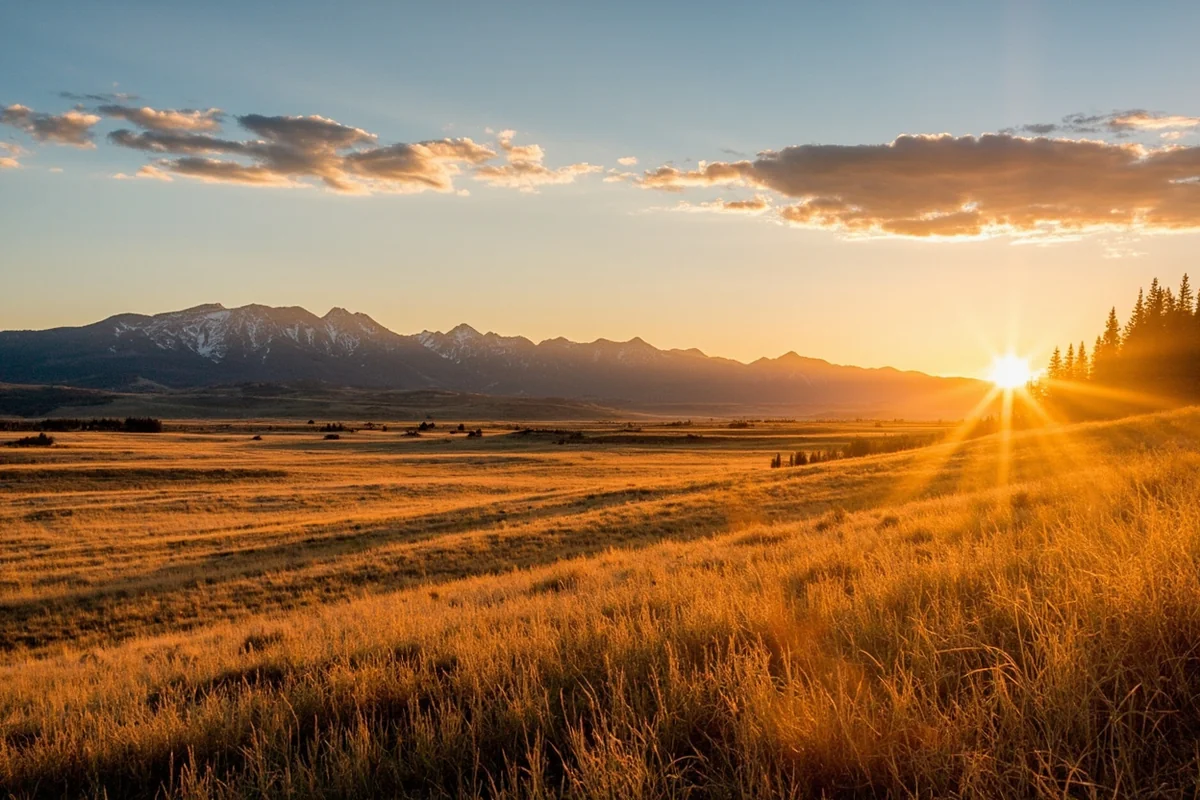
Why Montana Draws So Many Non-Resident Hunters
When I first hunted Montana back in 2016, I came from Pennsylvania where public land felt more like a crowded parking lot during rifle season. Montana changed everything I thought I knew about hunting.
The state offers 30 million acres of public land—that’s larger than the entire state of Pennsylvania. During my countless trips, I’ve hunted valleys where I didn’t see another person for five days straight.
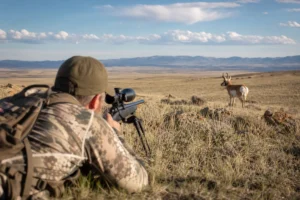
Montana’s wildlife diversity is unmatched in the lower 48. I’ve had mornings where I glassed elk, mule deer, whitetails, antelope, and black bears all before breakfast.
The quality of animals here continues to impress me. Last fall near the Missouri Breaks, I watched a 6×6 bull that would make most mounted heads look like spikes.
Understanding Montana’s Non-Resident License Structure
Here’s where most out-of-staters get confused, and I don’t blame them. Montana’s system seems intentionally complex at first glance, but once you understand the logic, it makes sense.
The Big Game Combo License
The cornerstone of non-resident hunting in Montana is the Big Game Combo license. When I bought mine last season, the total came to $1,076 for the deer/elk combination.
This single purchase gets you tags for one deer and one elk, valid during the general season. You’re also required to purchase a Conservation License ($10) and Base Hunting License ($15) before anything else.
The combo license works statewide during general season, but here’s the catch I learned the hard way—not all units are created equal. Some districts have specific regulations that can limit when and how you hunt.
For a complete breakdown of what you’ll pay, check out our detailed guide on Montana hunting license costs.
Species-Specific Licenses
If you’re only chasing one species, Montana offers individual options that might save you money. Here’s how the 2024 pricing breaks down:
| License Type | 2026 Cost | Notes |
|---|---|---|
| Conservation License | $10 | Required for all licenses |
| Base Hunting License | $15 | Required for all hunting |
| Deer/Elk Combo | $1,076 | Best value for most hunters |
| Deer Only | $528 | Either species deer |
| Elk Only | $878 | General season only |
| Black Bear | $350 | Spring and fall seasons |
| Antelope | $205 | Requires special permit |
| Mountain Lion | $320 | Quota system applies |
| Wolf | $50 | Specific unit regulations |
| Turkey (Fall) | $115 | General license available |
| Upland Bird | $125 | Pheasant, grouse, partridge |
The Sportsman License Option
For serious hunters planning multiple species pursuits, Montana offers a Sportsman License package. I bought this during my 2022 trip when I wanted flexibility.
At around $1,251, it includes deer, elk, bear, mountain lion, and fishing privileges. The math works out if you’re planning to pursue more than just deer and elk.
However, I’ve found that most first-time non-residents do best sticking with the combo license until they learn the state’s rhythms.
The Application Process: Critical Deadlines You Can’t Miss
This section could save your entire trip. I’ve seen more hunts ruined by missed deadlines than by bad weather or poor shooting combined.
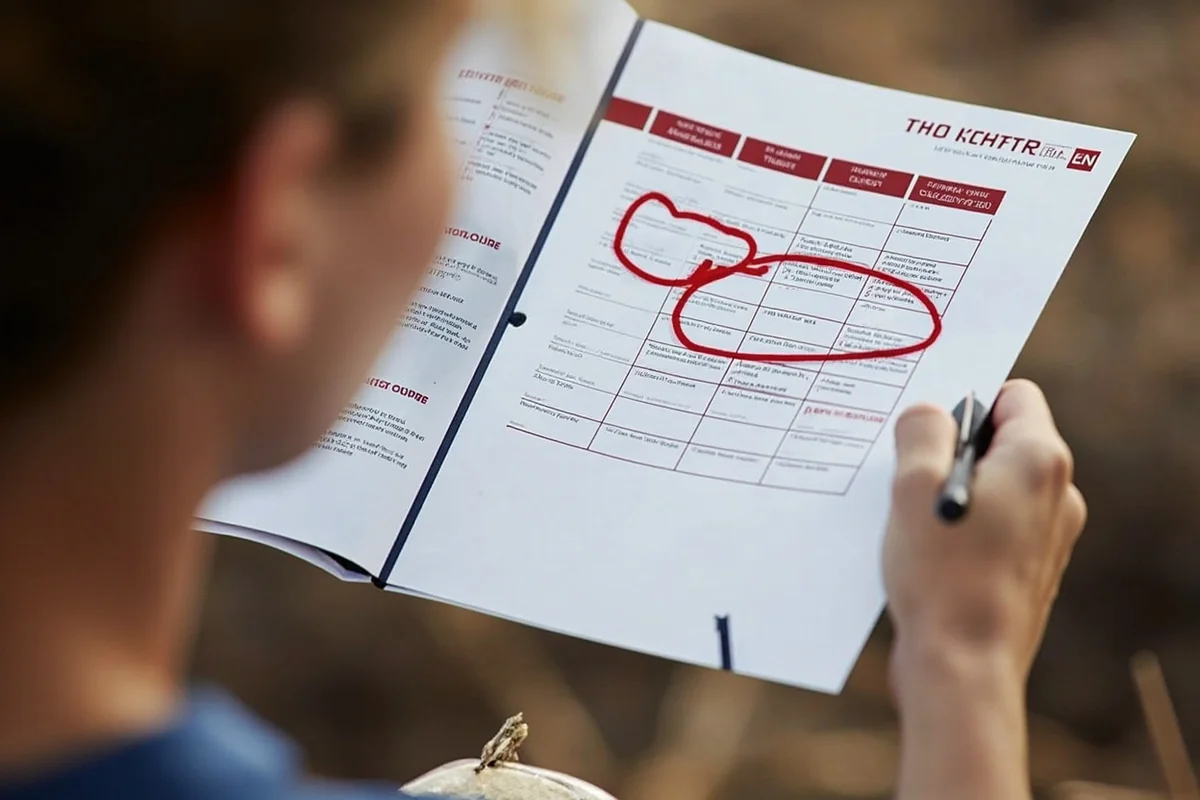
Special Permit Application Period
Mark these dates in every calendar you own: March 1 through April 1.
This is the only window to apply for limited-entry permits including moose, sheep, goat, antelope, and certain limited-entry elk units. Miss it, and you’re waiting another year.
I apply on March 1 every single year, even when I’m not sure I can make the trip. The preference points alone are worth the application fees.
Speaking of which, understanding Montana preference points is essential if you’re playing the long game for premium tags.
General License Application
For deer/elk combo licenses and other general tags, the application process opens in late spring. I recommend applying by mid-July at the latest.
Here’s something that surprised me my first year: Montana caps non-resident deer/elk combo licenses at approximately 17,000 per year. They sell out, sometimes by late summer.
During my 2021 application cycle, licenses were gone by August 15. The 2023 season saw them last a bit longer, but I wouldn’t gamble on availability after July.
Step-by-Step Application Guide
Let me walk you through exactly how I apply each year:
1. Create Your ALS Account
Montana’s Automated License System (ALS) is your gateway to everything. Visit fwp.mt.gov and create an account well before you need it.
Pro tip: Do this in January or February. The system gets hammered during application windows, and technical issues are common.
2. Establish Your Hunter ID
You’ll need your hunter education certificate number from your home state. Montana recognizes all state certifications, but you must have the documentation ready.
I scan mine and keep a digital copy on my phone. FWP offices can verify your certification, but it’s faster to have it handy.
3. Purchase Prerequisites
Before buying any hunting license, you must have both the Conservation License and Base Hunting License. These stay valid for the license year (March 1 through the end of February).
4. Select Your Licenses
The ALS system walks you through options, but go in knowing exactly what you want. Decision fatigue during the application process leads to mistakes.
5. Pay and Confirm
Double-check everything before payment. I’ve caught errors in my district selections more than once while reviewing.
Print your confirmation and save it digitally. Montana issues physical tags, but having records prevents headaches.
For more details on the general process, visit our Montana hunting license overview.
Non-Resident Quotas and Drawing Odds
Let’s talk reality. Montana isn’t unlimited, and the state carefully manages non-resident participation.
General Season Limitations
For deer/elk combo licenses, the roughly 17,000 non-resident cap sounds like a lot until you consider demand. In recent years, I’ve watched that allocation disappear faster and faster.
The state reserves approximately 10% of special permits for non-residents. This applies across most species categories.
Drawing Odds by Species
Based on my years of applying and the data FWP publishes, here’s what you’re looking at:
Moose: Less than 1% for most units. I’ve been applying for 11 years and haven’t drawn yet. It’s a lifetime tag—most hunters only get one shot.
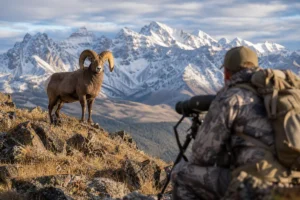
Bighorn Sheep: Even worse odds than moose. If you’re serious about Montana bighorn sheep hunting, commit to decades of applications.
Mountain Goat: Similar to sheep. I know hunters with 20+ years of applications without drawing.
Antelope: Much better odds, especially for doe tags. I drew my first Montana antelope permit on my third application.
Limited-Entry Elk: Varies wildly by unit. Some have reasonable odds (10-15%), while trophy units might be 2-3%.
Bear: General season bear tags are available over-the-counter in many areas. Montana bear hunting offers one of the more accessible big game opportunities for non-residents.
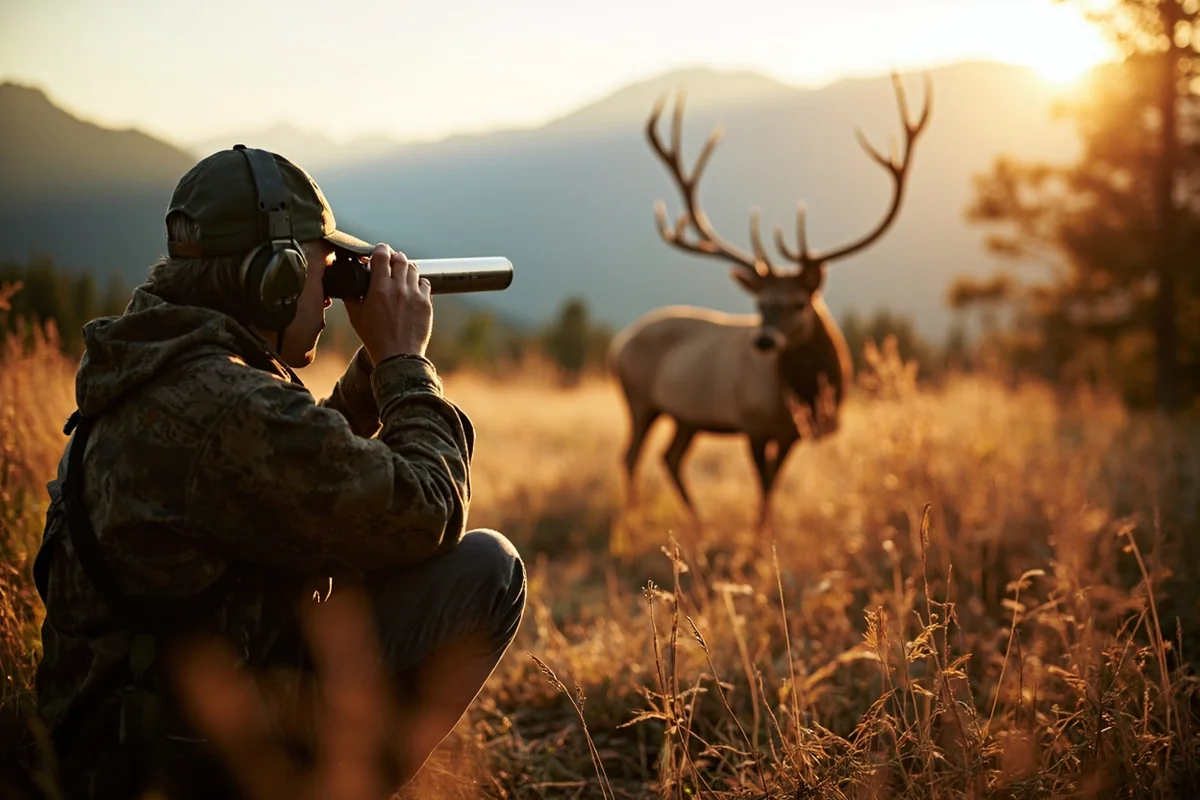
General Season Versus Special Permits
This distinction confused me for years. Let me explain it clearly.
General Season Tags
These are your bread-and-butter licenses. The deer/elk combo I mentioned earlier falls into this category.
General season tags work across most of Montana during the standard hunting seasons. You’re not guaranteed a specific unit, but you have statewide flexibility.
When I hunt general season, I typically focus on units with good public land access and reasonable pressure. That often means avoiding the famous spots and finding my own honey holes.
Our comprehensive guide to Montana hunting seasons breaks down exactly when these opportunities occur.
Special Permits (Limited Entry)
Special permits grant access to limited-entry units with controlled harvest. These include:
- All moose, sheep, and goat tags
- Most antelope opportunities
- Premium elk units with restricted access
- Certain deer units with trophy management goals
The advantage of special permits is reduced competition. During my special permit elk hunt in 2019, I saw maybe ten other hunters all week in an area that would have held hundreds during general season.
Understanding Montana’s Hunting Districts
Montana divides into roughly 900 hunting districts, and this geography matters enormously for non-residents.
Why District Selection Matters
Not all districts treat non-residents equally. Some limit weapon types, others restrict hunting to specific weeks, and a few close entirely to non-residents.
I always study the regulations booklet for my target areas months before the season. FWP publishes district-specific rules that can make or break your hunt.
Best Districts for Non-Resident Success
Through trial, error, and a lot of boot leather, I’ve found certain regions more productive for out-of-state hunters:
Central Montana Breaks: Challenging terrain keeps pressure low. I killed my best mule deer here during a 2020 November hunt.
Southwest Mountain Ranges: Heavy timber means harder hunting but excellent elk populations. Prepare for serious physical demands.
Eastern Prairie Units: Outstanding for Montana deer hunting, especially whitetails along river bottoms. I’ve had fantastic success chasing whitetail deer in Montana along the Milk River corridor.
North-Central Foothills: Excellent mule deer habitat with reasonable access. My Montana mule deer hunts have consistently produced here.
Special Considerations for Non-Residents
Living out of state creates unique challenges. Here’s what I’ve learned over eight years of Montana expeditions.
Weapon Restrictions
Montana offers separate seasons for various weapon types: archery, rifle, and muzzleloader. Non-residents can participate in all three, but each requires proper licensing.
Montana muzzleloader season offers reduced pressure compared to rifle seasons. I’ve shifted more of my hunting time to these shoulder periods for exactly that reason.
Public Land Access
This is Montana’s greatest gift to non-resident hunters. BLM land, National Forest, state land, and Block Management areas provide incredible access.
I’ve hunted exclusively on public land for most of my Montana trips. Yes, you’ll work harder than someone on private land, but the experience feels more authentic to me.
For specifics on state land hunting, read our guide about hunting on Montana state land.
Block Management Areas
Montana’s Block Management program opens private land to public hunting. Landowners receive compensation for allowing access, creating a win-win situation.
I’ve accessed some incredible properties through this program. During my 2023 archery season, Block Management land produced my closest elk encounter ever—a 35-yard shot opportunity on a satellite bull.
Registration requirements vary by property. Some operate first-come-first-served, while others require advance reservations.
Outfitter Requirements
Non-residents hunting wilderness areas for certain species must use licensed outfitters. This requirement catches many first-timers off guard.
For general season deer and elk outside wilderness boundaries, you can hunt independently. I’ve never used an outfitter for these species and don’t plan to start.
However, if you’re chasing sheep or goats and actually draw a tag, seriously consider professional guidance. Those animals live in terrain that humbles even experienced mountain hunters.
Regulations Every Non-Resident Must Know
Montana’s regulations fill a 100+ page booklet annually. Here are the non-negotiables I’ve memorized.
License Carrying Requirements
You must carry your license while hunting—not in camp, not in the truck, but on your person. I keep mine in a waterproof case attached to my pack.
Wardens check licenses regularly. I’ve been checked three times in eight years, always professionally but always thoroughly.
Tagging and Validation
Immediately upon harvest, you must validate your tag by cutting out the appropriate notches. This isn’t optional, and “immediately” means before moving the animal.
I carry a knife specifically for this purpose, separate from my skinning blade.
Reporting Requirements
Many licenses require harvest reporting within specific timeframes. I report every harvest the same day via the ALS system to avoid forgetting.
Our detailed Montana hunting regulations guide covers everything you need to stay legal.
Meat Care Standards
Montana requires you to remove and care for all four quarters, backstraps, and tenderloins at minimum. Waste of game animals carries serious penalties.
I’ve never understood hunters who high-grade animals anyway. If you’re killing it, you should be eating it.
For deer-specific rules, check out our Montana deer hunting regulations breakdown.
Planning Your First Non-Resident Hunt
If you’re reading this before your first Montana adventure, here’s the approach I wish someone had shared with me.
Start Small
Your first Montana hunt shouldn’t be a backcountry elk expedition. I recommend beginning with something more forgiving.
Montana upland bird hunting offers an excellent introduction to the state. Lower license costs, longer seasons, and more forgiving learning curves make it perfect for newcomers.
Alternatively, consider targeting antelope or deer before jumping into elk hunting. The stakes are lower, and you’ll learn the landscape without the pressure.
Scout Remotely First
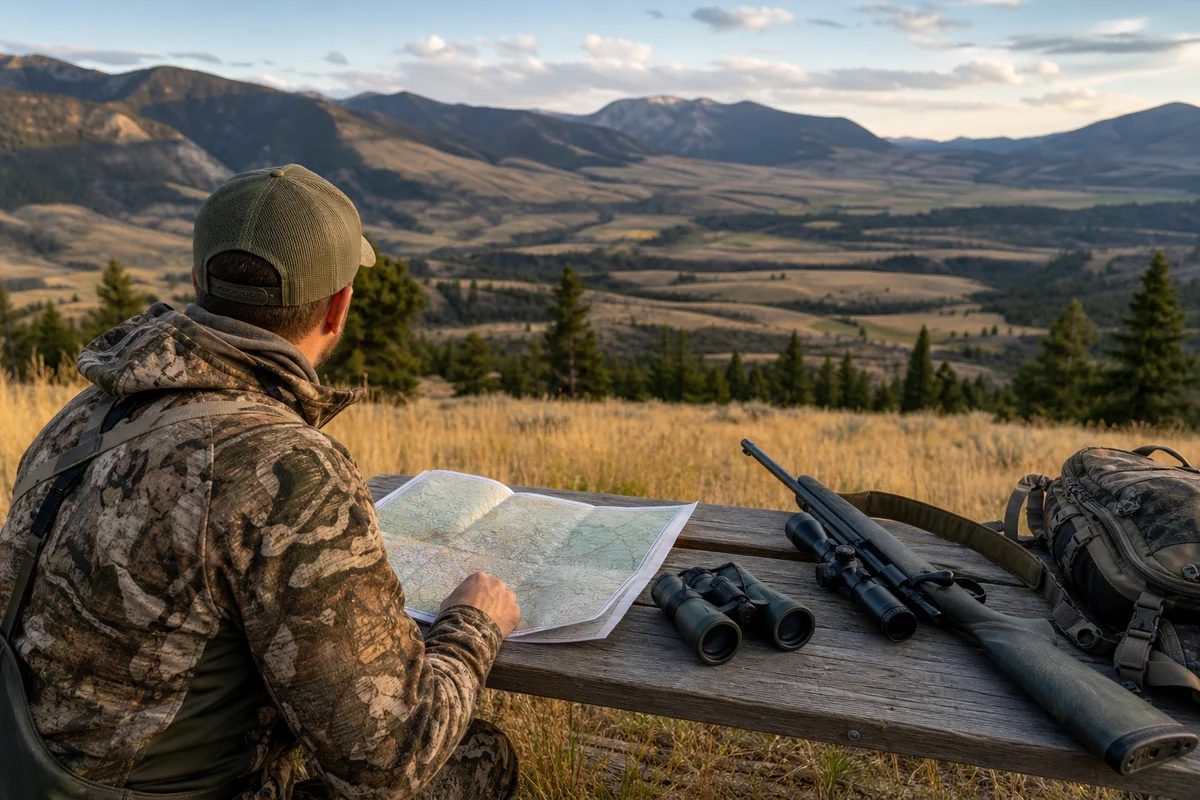
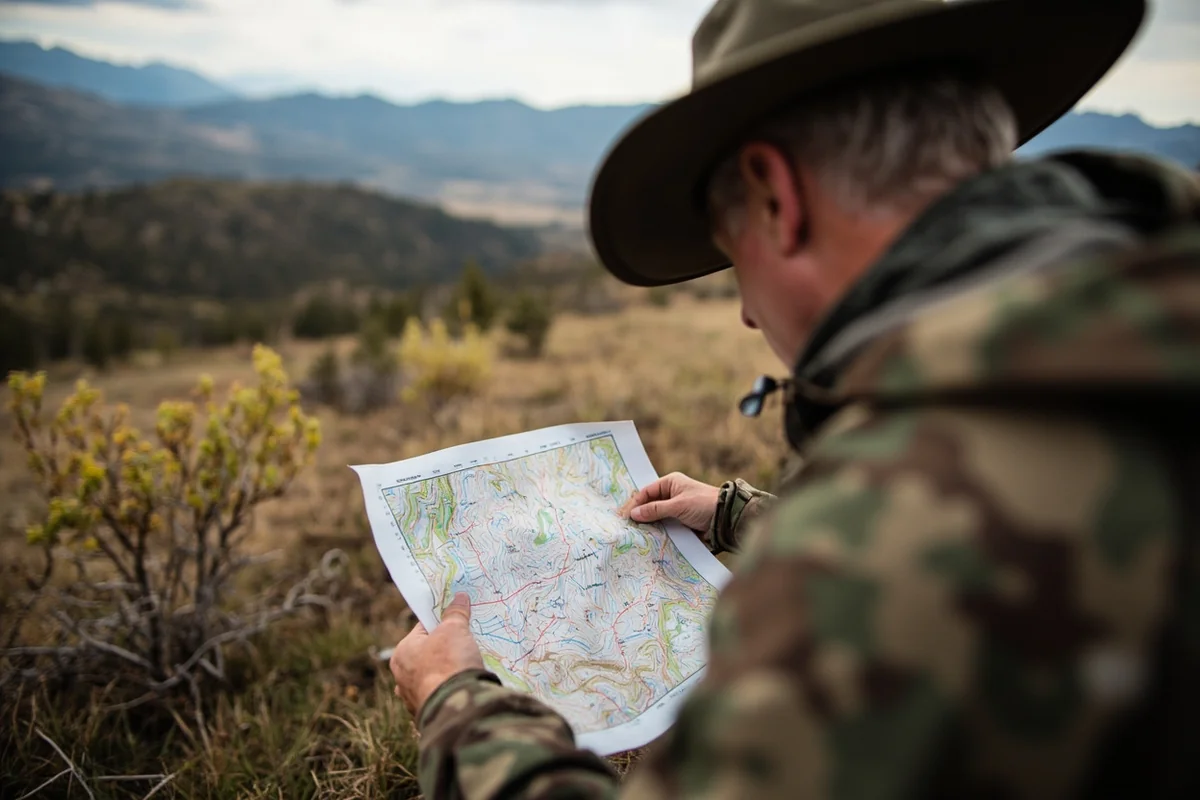
Before driving 1,000+ miles, I spend 40-50 hours on digital scouting. OnX Hunt, Google Earth, and FWP’s mapping tools reveal terrain features that translate directly to hunting opportunities.
I identify water sources, travel corridors, and potential glassing points before ever setting foot on the ground.
Give Yourself Time
A four-day hunt sounds reasonable until you factor in travel days, weather delays, and learning curve. My successful Montana hunts have all been seven days minimum.
The Montana shoulder season for elk provides extended opportunities that can rescue trips derailed by early-season complications.
Prepare for Self-Sufficiency
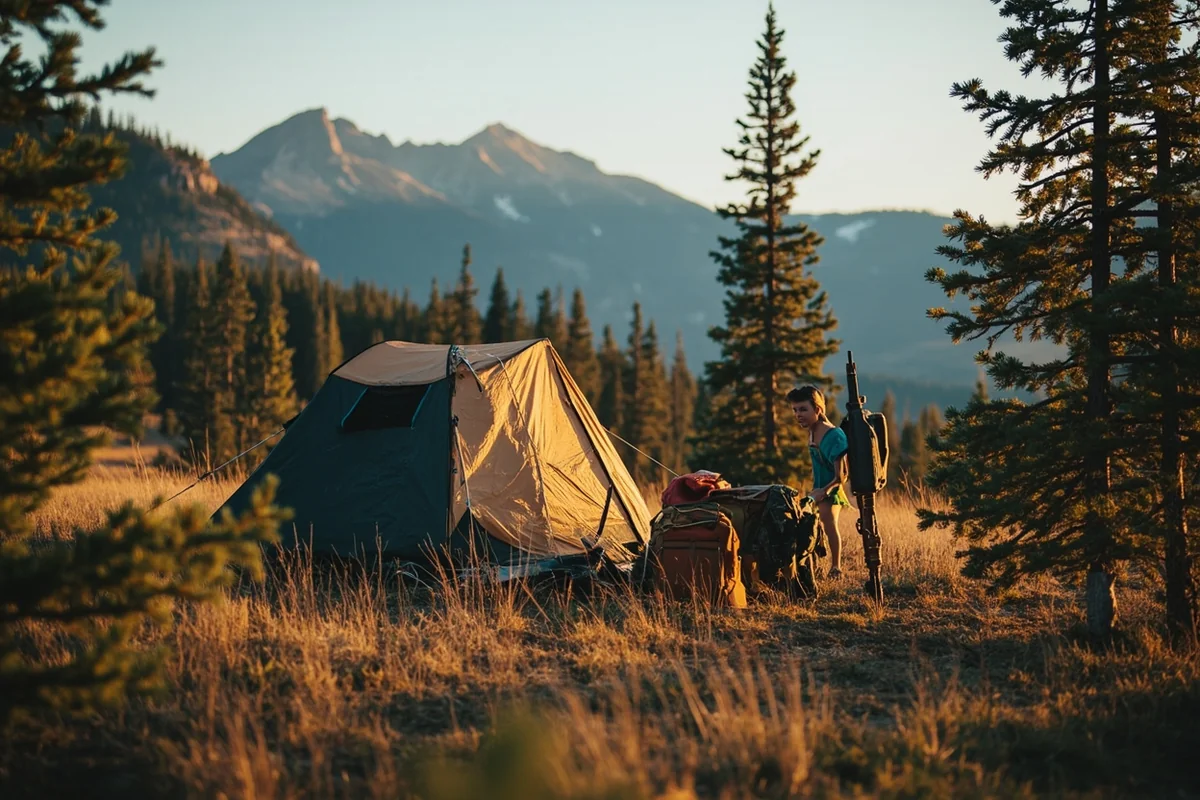
Montana is big and lonely. Cell service disappears regularly. Towns are few and far between.
I carry spare everything: tires, fuel, food, water, communication devices. The nearest help might be hours away.
Additional Species Opportunities
While deer and elk dominate non-resident attention, Montana offers incredible variety for hunters willing to diversify.
Waterfowl
Montana duck hunting along the major river systems rivals anywhere in the Pacific Flyway. I’ve had exceptional teal and mallard shoots in the early season.
Predators
Montana wolf hunting provides unique challenges in specific units. The experience differs dramatically from pursuing ungulates.
Specialty Tags
For the truly adventurous, Montana swan hunting offers a rare opportunity few states provide. Similarly, Montana buffalo hunting through tribal partnerships or state programs creates once-in-a-lifetime memories.
Even Montana squirrel hunting shouldn’t be overlooked—it’s perfect for introducing new hunters or filling slow afternoons between big game pursuits.
Managing Your Montana Elk Hunt
Since Montana elk hunting represents the pinnacle goal for most non-residents, let me share specific insights.
Physical Preparation
Montana elk hunting destroys unprepared hunters. I’ve seen guys who can bench press 300 pounds struggling to climb 1,000 vertical feet.
Start cardiovascular training three months before your hunt. Stair climbing with a weighted pack mimics actual hunting demands better than any gym machine.
Timing Your Hunt
The rut brings peak action but also peak pressure. I’ve shifted toward post-rut hunting in November, when bulls are still callable but crowds have thinned.
Backup Plans
Every Montana elk hunt needs contingency options. When my target unit got hammered by early snow in 2021, I shifted to a lower-elevation district mid-hunt and filled my tag the next day.
Flexibility separates successful non-residents from the ones who go home empty.
Budgeting Your Non-Resident Hunt
Let me give you realistic numbers from my actual trip expenses.
License Costs
For a deer/elk combo hunt, budget $1,100-$1,300 depending on additional tags purchased.
Travel
Driving from the eastern US costs roughly $800-$1,200 in fuel round-trip. Flying plus rental vehicles can hit $1,500+ easily.
Lodging and Food
I camp whenever possible ($0-$30/night), but budget hunters can find motels in small towns for $60-$100/night. Eating from a cooler runs $20-$30/day.
Gear
If you’re already equipped for Western hunting, ongoing gear costs are minimal. First-timers should budget $500-$2,000 for appropriate optics, clothing, and equipment.
Meat Processing
Local processors charge $200-$400 for deer, $400-$800 for elk. I process my own to save money and ensure quality.
Total Budget
A realistic DIY non-resident hunt runs $2,500-$5,000 all-in. Guided hunts start around $5,000 and climb quickly to $15,000+ for premium outfitted experiences.
Common Mistakes to Avoid
In eight years, I’ve made most possible errors. Learn from my experience.
Waiting Too Long to Apply
I cannot stress this enough—apply early. Every year, hunters contact me in panic because licenses sold out.
Underestimating the State’s Size
Montana spans 147,000 square miles. Driving between potential hunting areas can consume entire days.
Ignoring Weather
October can bring 70-degree days or 18-inch snowstorms. Pack for everything, prepare for anything.
Over-Planning Specific Units
Your perfect spot might be crawling with other hunters or burned in a wildfire. Maintain flexibility.
Forgetting About Altitude
Sea-level hunters struggle at 7,000+ feet. Arrive early enough to acclimate before hunting hard.
Making the Most of Your Investment
Non-resident hunting isn’t cheap. Here’s how I maximize value from every Montana trip.
Stack Species
Adding bird licenses to your trip creates opportunities during slow big game periods. I’ve salvaged disappointing elk hunts with fantastic grouse shooting.
Plan B-Tags
If you don’t fill your primary tag, explore additional opportunity options like antlerless elk or doe deer. These sometimes remain available after the main draws.
Build Relationships
The rancher who lets you park near his gate today might offer hunting access next year. Montana runs on relationships—invest in them.
Document Everything
Every GPS waypoint, every observed animal, every access route—record it all. Your intelligence file grows more valuable each season.
Final Thoughts on Non-Resident Montana Hunting
Eight years of hunting Montana as a non-resident has given me perspective that’s hard to condense into one article. The state offers something increasingly rare in American hunting: genuine wilderness, abundant wildlife, and public access that welcomes those willing to work for it.
Yes, the licenses are expensive. Yes, the logistics are complicated. Yes, you’ll burn vacation days and put miles on your truck and occasionally come home with nothing but stories.
But standing on a Montana ridge at daybreak, watching elk filter through timber while the sunrise paints the peaks pink—that’s worth every dollar and every challenge.
Start your planning now. Apply early. Give yourself time to learn. And when you finally stand over your first Montana animal, you’ll understand why so many of us keep coming back.
Frequently Asked Questions
How much does a Montana out of state hunting license cost in 2024?
A Montana non-resident hunting license costs $638 for the base license, with additional fees for specific species tags like elk ($928) or deer ($527). I’d recommend budgeting between $1,200-$2,000 total depending on which game you’re pursuing, as combination packages can save money if you’re hunting multiple species.
When should I apply for a Montana non-resident hunting license?
Most Montana non-resident hunting license applications open in early March, with deadlines typically falling in April or May for the fall hunting season. I always recommend applying as early as possible since many coveted tags like elk and moose operate on a lottery draw system with limited permits for out-of-state hunters.
Can I buy a Montana hunting license online as an out of state resident?
Yes, you can purchase most Montana non-resident hunting licenses online through the Montana Fish, Wildlife & Parks (FWP) website at any time before your hunt. However, some special permits require the lottery draw, so I suggest checking which licenses are over-the-counter versus draw-only well before your planned trip.
What documents do I need to get an out of state hunting license in Montana?
You’ll need a valid government-issued ID, proof of hunter education certification from your home state, and a credit card for payment. Montana recognizes hunter education certificates from all US states, so bring your original card or have your certification number handy when applying online.
What’s the best time of year to plan a non-resident hunting trip to Montana?
The prime hunting season in Montana runs from September through November, with archery season typically starting in early September and rifle season opening in late October. I personally prefer late October for elk hunting when the rut is active and temperatures in the mountains average 30-50°F, making for ideal tracking conditions.
Do I need to hire an outfitter for my first Montana out of state hunting trip?
While Montana doesn’t legally require non-residents to hire outfitters for most hunts, I strongly recommend booking a guided hunt your first time, especially for wilderness areas where access and terrain knowledge are crucial. Expect to pay $4,000-$7,000 for a guided elk hunt, which typically includes lodging, meals, and pack-out services that justify the investment.
How far in advance should I book lodging for a Montana hunting trip?
I recommend booking hunting lodges or cabins at least 6-8 months in advance, especially for popular areas like the Bitterroot Valley or regions near Bozeman. Many small-town motels near prime hunting districts fill up fast during rifle season, and you’ll find better rates and availability by planning early rather than scrambling last minute.