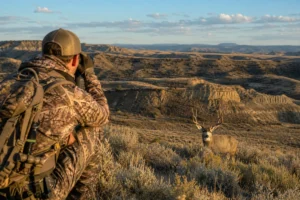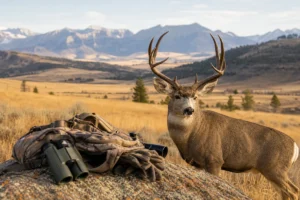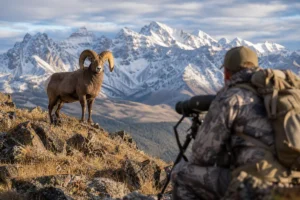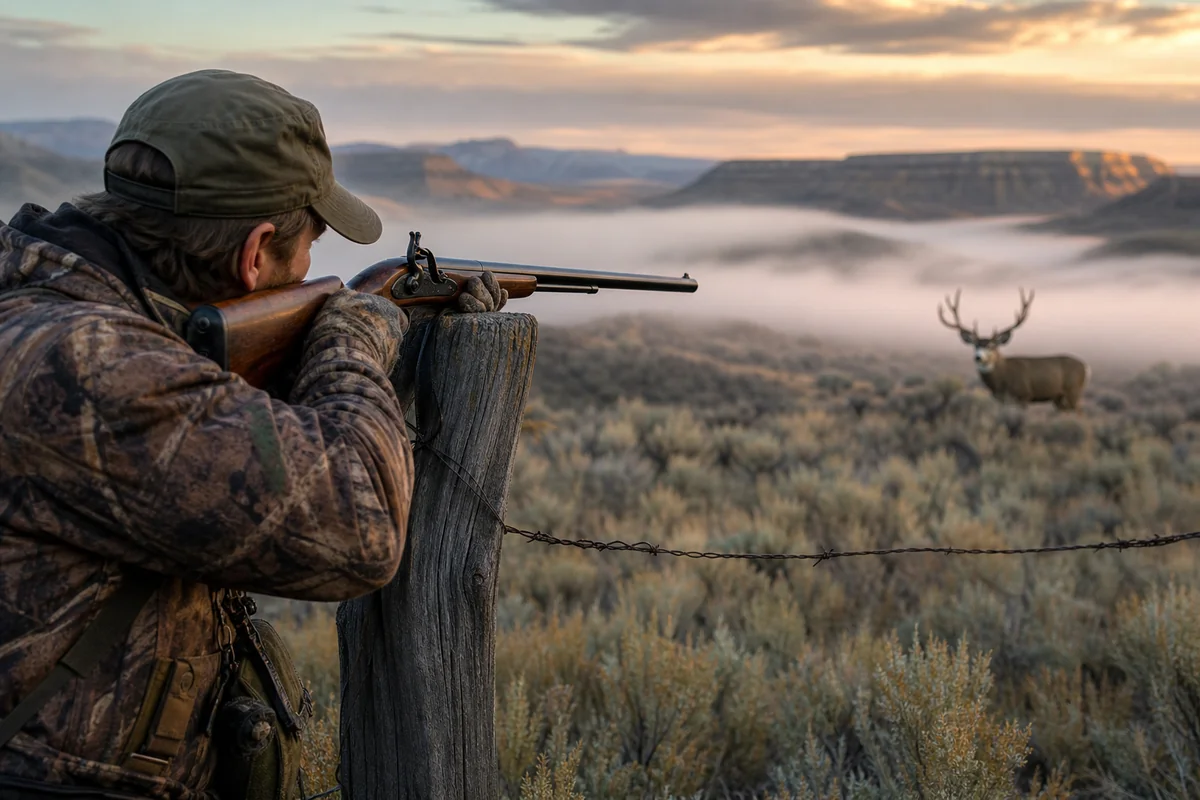
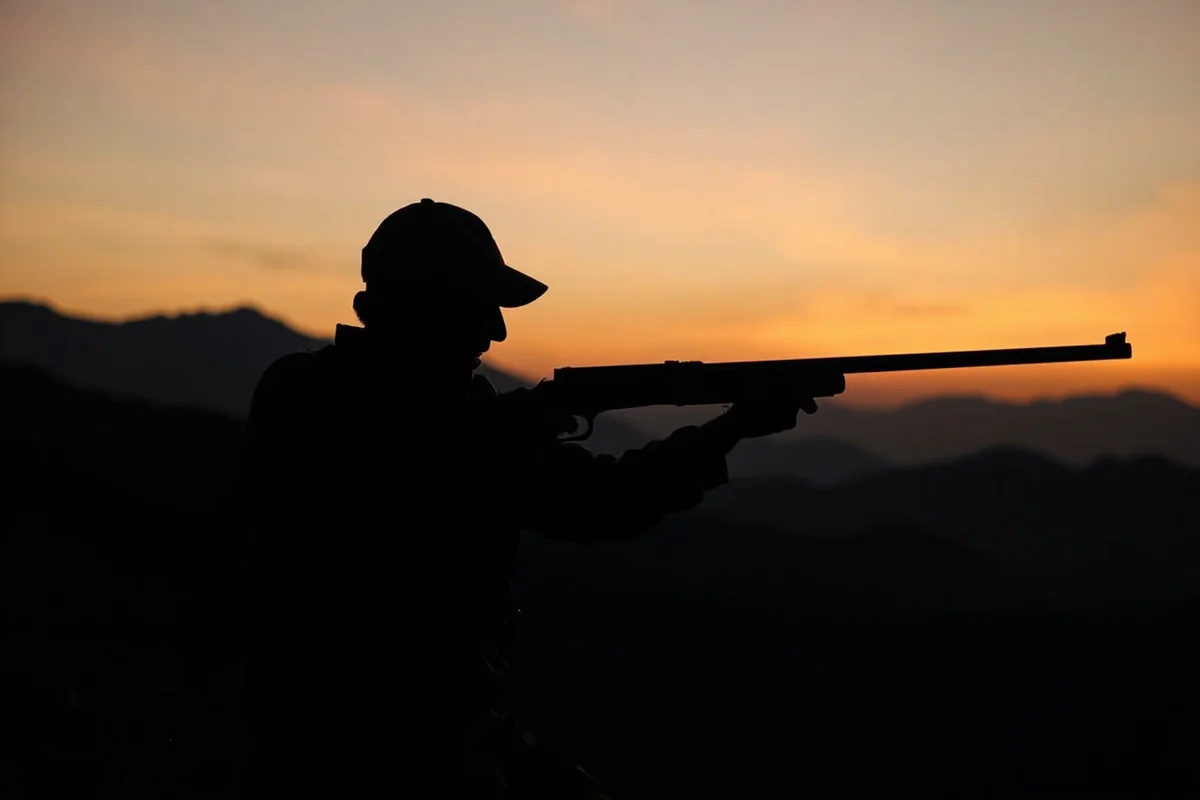
The morning fog hung thick over the Missouri Breaks as I steadied my .50 caliber against a weathered fence post, watching a mature mule deer buck materialize from the sagebrush at 80 yards—a shot I’d practiced hundreds of times, but one that felt completely different with black powder smoke about to fill my lungs.
That moment crystallized why Montana’s muzzleloader season draws thousands of hunters each fall: it’s not just about harvesting an animal, it’s about stripping away modern advantages and reconnecting with hunting’s primitive roots in one of America’s last truly wild landscapes.
If you’re exploring the full scope of hunting opportunities in Big Sky Country, our comprehensive Montana Hunting Guide covers everything from license applications to species-specific strategies.
But muzzleloader hunting deserves its own deep dive because the regulations, tactics, and experiences differ dramatically from rifle or archery seasons.
- Montana’s general muzzleloader deer season runs mid-December through mid-February in specific districts
- Elk muzzleloader opportunities exist primarily through special permits and shoulder seasons
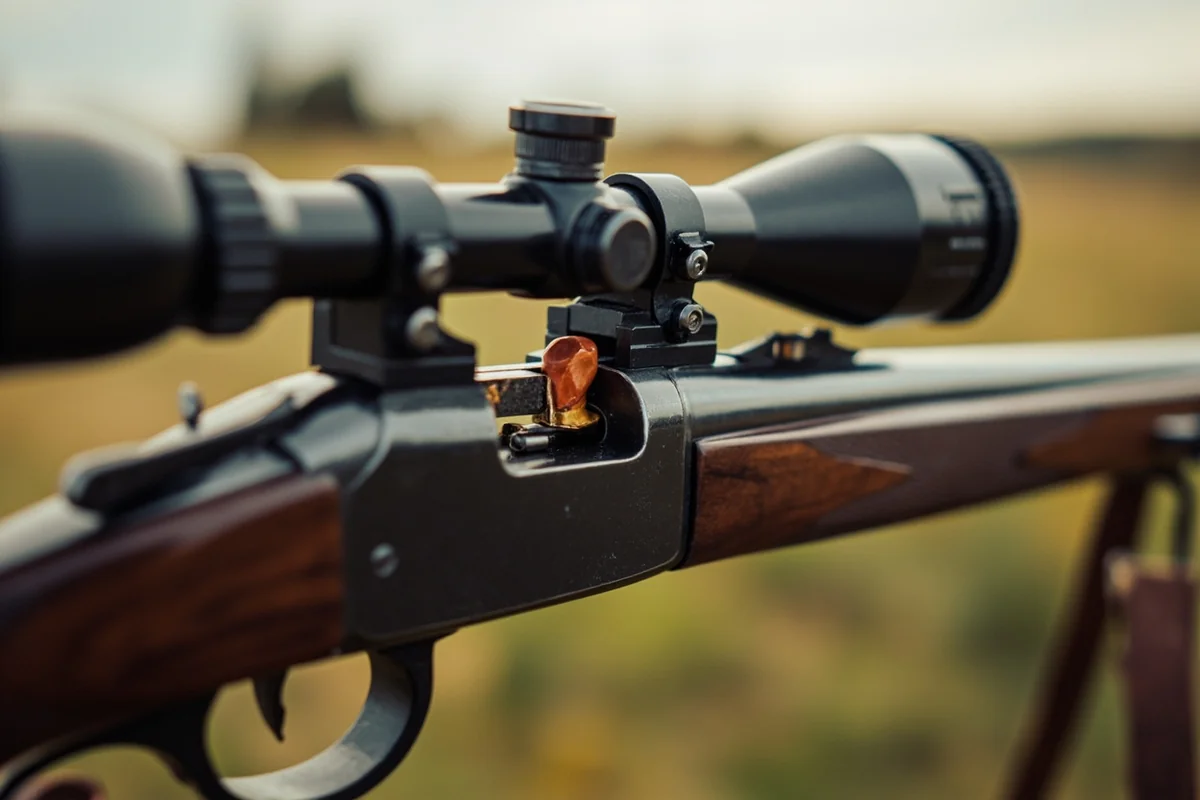
- Legal muzzleloaders must be .45 caliber or larger with iron sights only—no scopes
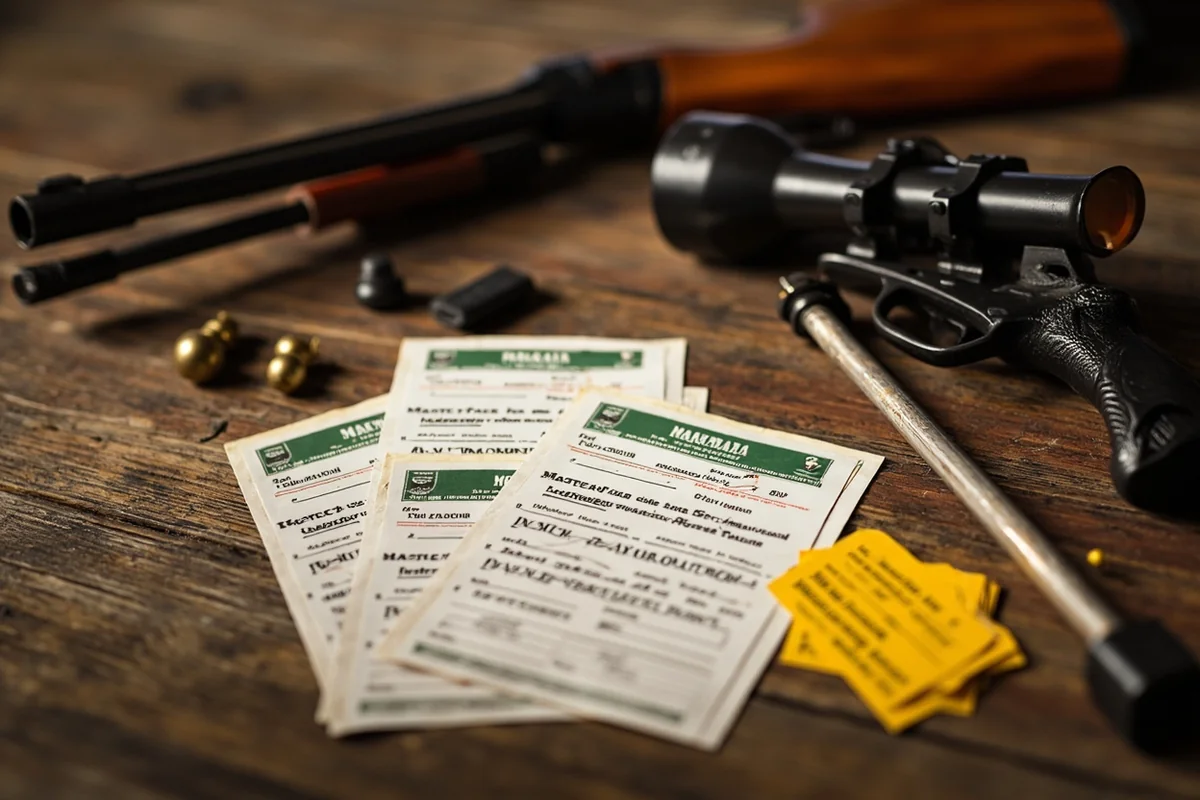
- Non-residents need a conservation license ($10), deer license ($295), and possibly additional permits
- Public land access is exceptional, with Block Management and state lands offering millions of acres
- Weather conditions in late season can be brutal—pack for sub-zero temperatures
- Success rates hover around 15-25% depending on district and species
Understanding Montana’s Muzzleloader Season Structure
Montana doesn’t offer a dedicated statewide muzzleloader-only season like some Western states. Instead, muzzleloader opportunities weave through the general season framework and special permit hunts in ways that can confuse first-time visitors.
During my first planning attempt, I spent hours untangling the regulations before realizing the system actually works in hunters’ favor once you understand it. Let me break down exactly how this works.
General Season Muzzleloader Hunting
The most accessible muzzleloader opportunity comes during the general deer and elk seasons. You can legally hunt with a muzzleloader during any weapon-legal season—there’s no restriction preventing you from choosing primitive weapons when rifles are allowed.
The real magic happens in specific hunting districts that offer extended late-season hunts designed specifically for muzzleloader and rifle hunters after the main pressure subsides. Districts 401, 411, 417, and others in the Missouri Breaks region typically offer seasons extending into late December, January, and sometimes February.
I’ve found these late seasons absolutely worth the cold temperatures. Last January, I hunted district 411 and saw more deer in three days than during the entire general November season. The animals have settled into winter patterns, making them more predictable but requiring serious cold-weather preparation.
Special Permit Muzzleloader Hunts
Montana Fish, Wildlife & Parks issues limited special permits for specific areas and species, some with muzzleloader-only stipulations. These drawings happen through the annual application process, and understanding the Montana preference points system becomes critical for accumulating draw odds over multiple years.
The Breaks region and several wilderness areas offer coveted muzzleloader permits that attract serious primitive weapons enthusiasts. Draw odds vary wildly—some permits draw with zero points while others require a decade of applications.
Legal Requirements for Muzzleloaders in Montana
Montana maintains specific equipment requirements that differ from neighboring states. These aren’t arbitrary rules—they’re designed to maintain the primitive weapons philosophy while ensuring ethical hunting.
Caliber and Projectile Requirements
Your muzzleloader must be .45 caliber or larger for big game hunting. This applies to deer, elk, and all other big game species including bear hunting opportunities.
I hunt with a .50 caliber Knight rifle that’s served me well for fifteen years. The .50 caliber offers the best balance of trajectory, knockdown power, and projectile availability. You’ll find more bullet options in .50 than any other muzzleloader caliber.
Traditional round balls, conical bullets, and saboted projectiles are all legal. I’ve experimented with all three and settled on 250-grain saboted bullets for their accuracy and consistent expansion. However, many traditionalists swear by patched round balls for their historical authenticity.
Ignition System Rules
Montana allows percussion cap, flintlock, and #209 primer ignition systems. Inline muzzleloaders with closed breech designs are perfectly legal, which opens the door to modern inline rifles that many hunters prefer for their reliability in wet conditions.
One rule catches many out-of-state hunters off guard: electronic ignition systems are prohibited. If your muzzleloader uses a battery-powered firing mechanism, leave it home. The state maintains this restriction to preserve some primitive weapons character.
The Iron Sights Requirement
Here’s where Montana gets traditional, and honestly, I love this rule. During designated muzzleloader-only seasons, you cannot use telescopic sights of any kind. Iron sights, peep sights, and fiber optic sights are your only options.
This single regulation transforms the hunting experience. During general weapon seasons, you can mount a scope on your muzzleloader. But the special muzzleloader seasons demand you sharpen your shooting fundamentals.
When I switched to iron sights, I initially struggled past 100 yards. After two seasons of dedicated practice, I’m now confident to 150 yards under field conditions. The limitation forces ethical shot selection and closer stalks—which, in my opinion, makes for better hunting.
Species You Can Hunt During Muzzleloader Season
Muzzleloader hunting in Montana isn’t limited to deer. Multiple species offer primitive weapons opportunities, though regulations and seasons vary significantly.
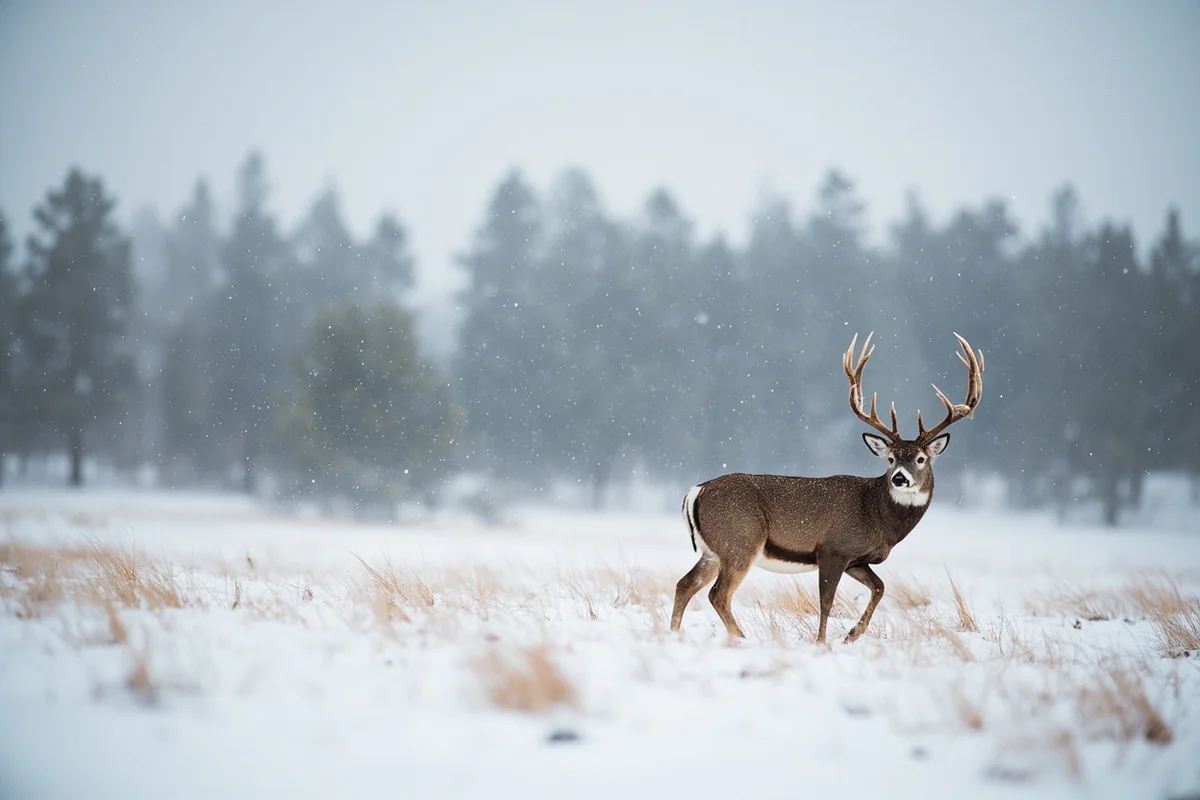
Whitetail and Mule Deer
Deer hunting represents the bread and butter of Montana muzzleloader seasons. The extended winter seasons in the Missouri Breaks specifically target deer populations that need management pressure.
Montana deer hunting offers both whitetail and mule deer depending on your chosen region. The river bottoms and agricultural edges hold impressive whitetails, while the breaks and badlands terrain produces trophy mule deer bucks.
Understanding Montana deer hunting regulations for your specific district is essential. Some areas allow either-sex harvest while others restrict to antlered deer only. Tag types also vary—your Montana deer tag must match the species you’re pursuing.
I’ve personally taken both species with muzzleloaders in Montana. For whitetail deer hunts in Montana, I focus on river bottom corridors where deer concentrate during winter months. Mule deer hunting pushes me into rougher terrain where mature bucks escape general season pressure.
Elk Opportunities
Montana elk hunting with muzzleloaders requires more strategic planning. General season elk hunting allows muzzleloader use, but the real opportunities come through special permits and Montana shoulder season elk hunting in specific units.
Shoulder seasons extend elk hunting into late winter in areas with population management objectives. These hunts often allow muzzleloaders and can produce exceptional opportunities as elk concentrate on winter range.
Drawing elk permits takes patience and point accumulation. Non-residents especially face challenging odds, making the general season with over-the-counter tags the most realistic option for visiting hunters.
Other Species Considerations
While deer and elk dominate muzzleloader discussions, don’t overlook other opportunities. Montana antelope hunting allows muzzleloader use during general seasons, though the open terrain makes iron-sight-only hunting extremely challenging.
Some hunters pursue Montana wolf hunting with muzzleloaders during legal seasons—a truly challenging pursuit given wolves’ wariness and the distances typically involved.
License and Tag Requirements for Non-Residents
Navigating Montana hunting licenses as an out-of-state hunter requires attention to detail. The multi-layered system confuses many first-timers, and mistakes can be expensive.
Base License Requirements
Every hunter needs a Conservation License first—this $10 purchase for non-residents establishes your eligibility for all other licenses and serves as your hunter identification.
Understanding Montana hunting license costs helps with trip budgeting. Non-resident deer combinations run around $295-$548 depending on species and whether you want a general tag or special permit. Elk tags add substantial cost, with non-resident elk licenses exceeding $900.
Combination Licenses vs. Individual Tags
Montana offers several combination packages that save money if you’re pursuing multiple species. The Big Game Combination license covers deer, elk, and other species at a bundled rate lower than individual purchases.
For muzzleloader-focused hunters, I recommend the deer combination that allows harvest of one deer with either whitetail or mule deer designation flexibility. This maximizes your options during late seasons when you might encounter either species.
Special Permit Applications
Special permits require advance application—typically in March for the following fall seasons. The drawing happens in late spring, giving unsuccessful applicants time to adjust plans.
Non-residents face quota limitations on many permits. Some hunts reserve 90% of tags for residents, making draw odds mathematically challenging. The preference point system helps over time, but don’t count on drawing coveted permits quickly.
| License Type | Non-Resident Cost (2024) | Application Deadline |
|---|---|---|
| Conservation License | $10 | None—purchase anytime |
| Deer Combination | $295 | None—over the counter |
| Elk License | $913 | None—over the counter (general) |
| Special Permit Application | $50 | April 1 (varies by species) |
| Preference Point (deer/elk) | $50 | June 1 |
Where to Hunt: Public Land Access in Montana
Montana offers arguably the best public land hunting access in the Lower 48. Millions of acres spread across federal, state, and Block Management lands welcome hunters during muzzleloader seasons.
Bureau of Land Management (BLM) Lands
The Missouri Breaks region contains vast BLM holdings that produce exceptional muzzleloader hunting. When I hunt the late season, I focus almost exclusively on BLM ground where winter deer and elk concentrate.
Access can be challenging in some areas. Study maps carefully for legal access routes—landlocked public sections exist and trespassing laws carry serious consequences. The onX Hunt app has saved me from inadvertent trespass multiple times.
National Forest Access
Montana’s national forests span millions of acres across multiple mountain ranges. Winter muzzleloader seasons typically find animals at lower elevations, but forest boundaries often extend into productive winter range.
The Helena-Lewis and Clark, Gallatin, and Flathead National Forests all offer muzzleloader hunting opportunities. Road closures during late seasons can limit access but also reduce pressure and push animals into predictable patterns.
State Land Opportunities
Hunting on Montana state land opens additional millions of acres. State trust lands require respect for specific rules—camping limitations, vehicle restrictions, and seasonal closures affect some parcels.
I’ve found state school sections particularly productive for late-season muzzleloader hunting. These scattered sections often hold animals displaced from private land, and hunter pressure stays relatively light compared to more accessible federal lands.
Block Management Areas
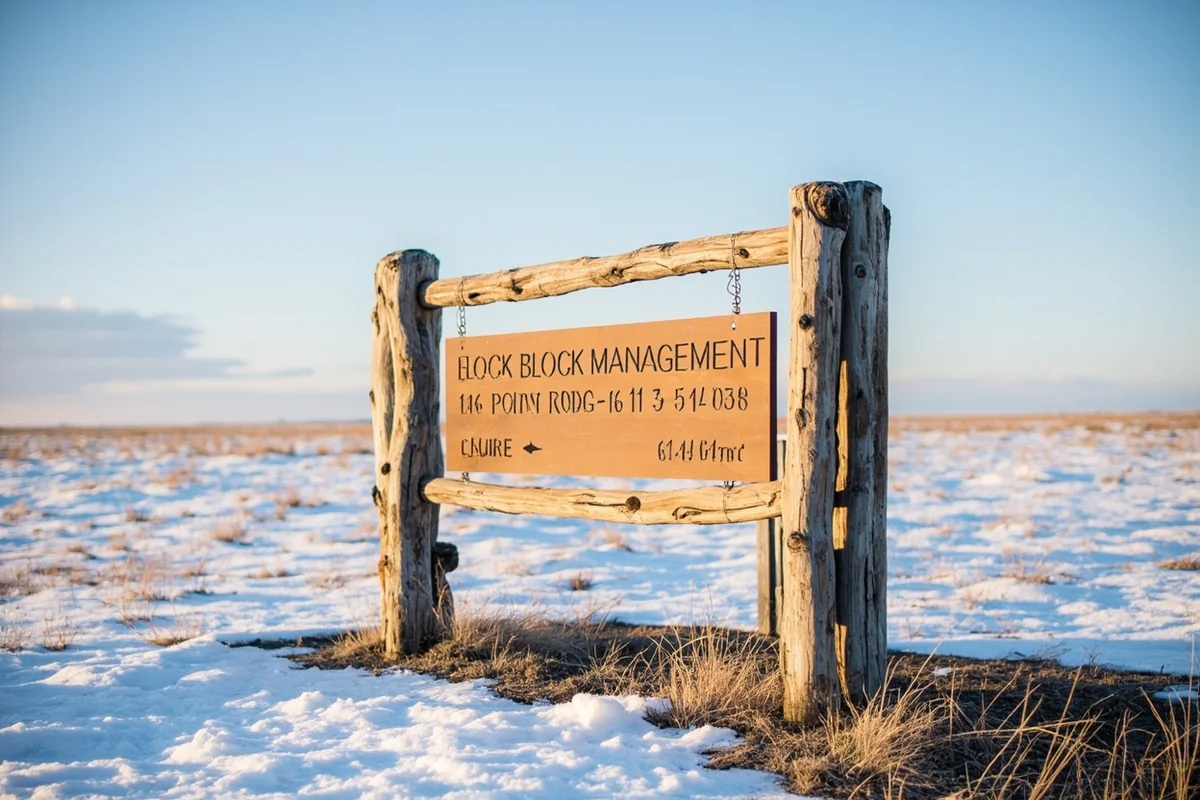
Montana’s Block Management program provides free access to enrolled private lands. Landowners receive compensation while hunters gain access to ground that would otherwise be unavailable.
Registration requirements vary by area—some require advance signup while others allow walk-in access. Check the current year’s Block Management regulations carefully, as participating properties change annually.
During my last Breaks hunt, I split time between BLM ground and two Block Management areas. The private land held more whitetails along agricultural edges while BLM parcels produced better mule deer sightings.
Gear Recommendations for Montana Muzzleloader Hunting
Equipment selection for Montana muzzleloader hunts demands careful consideration. The late-season timing and Montana’s notorious weather create conditions that will punish inadequate preparation.
Muzzleloader Selection and Setup
Inline muzzleloaders dominate modern hunting because they handle wet conditions better than traditional sidelocks. I shoot a Knight Revolution with a 1:28 twist barrel optimized for saboted bullets.
Whatever rifle you choose, test it extensively before your trip. Muzzleloaders are inherently more finicky than centerfire rifles—primer seating, powder charge consistency, and bullet seating depth all affect accuracy.
I recommend minimum 100-grain equivalent powder charges for Montana big game. The 150-grain magnum loads some rifles handle provide better energy retention at extended ranges, though they increase recoil substantially.
Cold Weather Considerations
Late-season hunting means potential sub-zero temperatures. Your muzzleloader must function when frozen moisture threatens the ignition system.
I’ve switched exclusively to #209 primers for cold-weather reliability. Percussion caps can fail when moisture freezes in the nipple; the hotter 209 ignition punches through marginal conditions.
Keep your rifle at outside temperature—bringing a cold muzzleloader into a warm truck causes condensation that will freeze the moment you step back outside. I learned this lesson the hard way when a promising shot opportunity ended with a misfire.
Optics and Sighting Systems
For muzzleloader-only seasons requiring iron sights, fiber optic front sights dramatically improve low-light visibility. I installed TruGlo sights on my Knight and gained valuable shooting minutes during dawn and dusk.
During general seasons allowing scopes, a quality 3-9×40 or similar low-magnification optic makes sense. Muzzleloader ballistics limit ethical shots to 200 yards maximum for most shooters, so extreme magnification adds nothing but weight.
Essential Support Gear
Beyond the rifle itself, certain items prove critical for Montana muzzleloader hunts:
- Speed loaders: Pre-measured powder charges and loaded sabot combinations for follow-up shots
- Capper: Handling tiny primers with cold fingers is nearly impossible without a capping tool
- Cleaning supplies: Muzzleloaders require more frequent cleaning than modern rifles
- Waterproof primer holder: Wet primers don’t fire—period
- Range finder: Essential for ethical shot selection when you can’t precisely judge distance
Hunting Strategies for Late-Season Success
Late-season muzzleloader hunting differs dramatically from early fall tactics. Animal behavior, weather patterns, and terrain use all shift as winter progresses.
Understanding Winter Patterns
Deer and elk move to winter ranges as snow accumulates at higher elevations. In the Breaks country, this concentrates animals in river bottoms, south-facing slopes, and areas near agricultural fields.
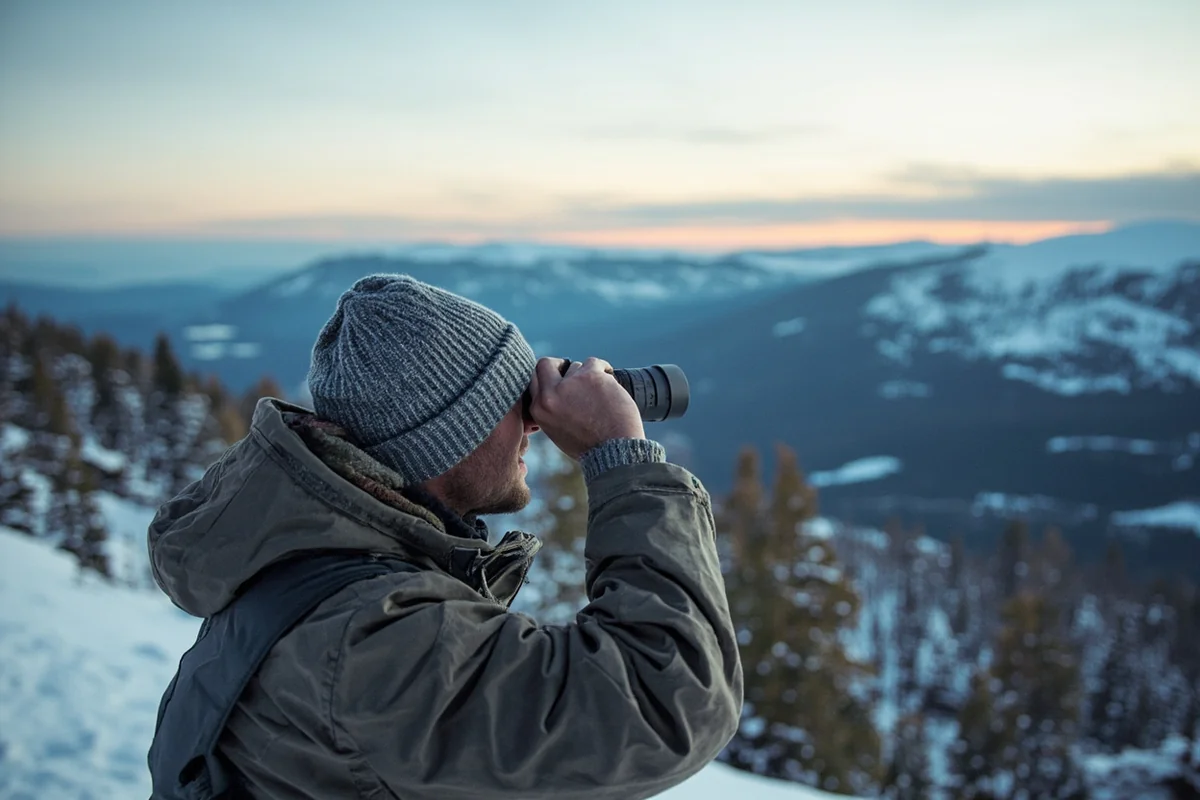
During my January hunt, I glassed hundreds of deer from a single vantage point overlooking a major drainage. The animals were visible but the challenge became getting within muzzleloader range without spooking them across the open terrain.
Glassing Strategies
Quality optics become force multipliers during late season when animals may be visible at extreme distances. I run a 15-power binocular and a 20-60x spotting scope, spending far more time looking than walking.
Set up before legal light on prominent vantage points. Watch for feeding deer during the first and last hours of daylight. Midday often finds animals bedded on south slopes catching winter sun.
Pattern their movements for several days if your schedule allows. I once watched a particular mule deer buck follow nearly identical routes for three consecutive mornings before finally closing the distance for a shot.
Stalking in Winter Conditions
Snow can be your friend or enemy when stalking. Fresh powder muffles footsteps beautifully, but crusty frozen snow broadcasts every step across remarkable distances.
Wait for warming afternoon temperatures that soften crust before attempting close stalks. Alternatively, hunt during or immediately after fresh snowfall when conditions favor silent movement.
I blew an easy stalk last season by attempting to cross a frozen drainage during midday when temperatures hovered around 20 degrees. The noise from breaking through frozen crust spooked every animal within half a mile.
Shot Selection and Ethics
Muzzleloader limitations demand conservative shot selection. Know your maximum effective range and respect it absolutely.
For iron-sight-only seasons, most hunters should limit shots to 100 yards or less. Even exceptional shots rarely exceed 150 yards with open sights under field conditions.
The single-shot nature of muzzleloaders means your first shot must count. Animals don’t wait while you reload, and wounded game disappears quickly in broken terrain.
Weather Preparation and Safety
Montana weather during muzzleloader season can turn life-threatening quickly. Blizzards, extreme cold, and wind chill factors demand serious preparation.
Layering System Essentials
Forget cotton entirely. Moisture-wicking base layers, insulating mid-layers, and windproof outer shells create survival-ready clothing systems.
I hunt in merino wool base layers, Primaloft insulated mid-layers, and a windproof softshell outer layer. Temperatures during my Breaks hunts have ranged from 40 degrees to 15 below zero—sometimes in the same week.
Extremities suffer first. Pac boots rated to -40 degrees, insulated gloves with removable liners for shooting, and a face-covering balaclava prove essential on bitter days.
Emergency Preparedness
Always carry fire-starting materials, emergency shelter, and extra food regardless of how close you park to your hunting area. Montana conditions can change within hours, and what started as a morning hunt can become a survival situation.
I keep a small pack with emergency supplies whenever I leave the vehicle. The one time I needed it—when an unexpected whiteout stranded me miles from the truck—that preparation possibly saved my life.
Cell service is spotty to nonexistent in much of prime muzzleloader country. Consider a satellite communicator like the Garmin inReach for true backcountry hunts. The peace of mind alone justifies the cost.
Planning Your Trip: Logistics and Timing
Successful Montana muzzleloader trips require advance planning. Rushed preparation leads to forgotten gear, missed opportunities, and frustrated hunters.
When to Visit
Montana hunting seasons for muzzleloaders vary by district and species. General deer season typically runs late October through late November, with extended seasons in specific districts continuing into December, January, and February.
I prefer the late December and January seasons despite the harsh weather. Reduced hunting pressure, concentrated animals, and the unique challenge of winter hunting create memorable experiences worth the discomfort.
Avoid Christmas week if hunting areas near population centers—family holiday hunters temporarily spike pressure in accessible areas.
Accommodation Options
Small towns throughout Montana muzzleloader country offer basic lodging. Lewistown, Malta, Glasgow, and Jordan serve the Breaks region with motels and rental cabins.
During late seasons, booking challenges ease considerably. The summer tourists have gone and even hunting pressure drops after rifle season ends. I’ve found same-week availability for December hunts that would require months-advance booking in September.
For budget-conscious hunters, dispersed camping on BLM land is legal and free. Be prepared for serious cold—my camp setup includes a four-season tent, a -20 degree sleeping bag, and catalytic heater for morning warming sessions.
Combining Your Trip
Montana muzzleloader hunts combine well with other pursuits. The same landscapes supporting deer and elk also produce excellent upland bird hunting opportunities.
Sharp-tailed grouse and Hungarian partridge inhabit the same breaks and grasslands where deer winter. Bringing a shotgun and upland license adds variety to your trip and ensures hunting options when muzzleloader action slows.
Late season also overlaps with Montana duck hunting in some regions, though most waterfowl seasons close before the latest muzzleloader opportunities.
Processing Your Harvest
Taking an animal creates immediate responsibilities. Montana’s remote hunting areas often lack professional processing services, requiring self-reliance.
Field Care in Cold Weather
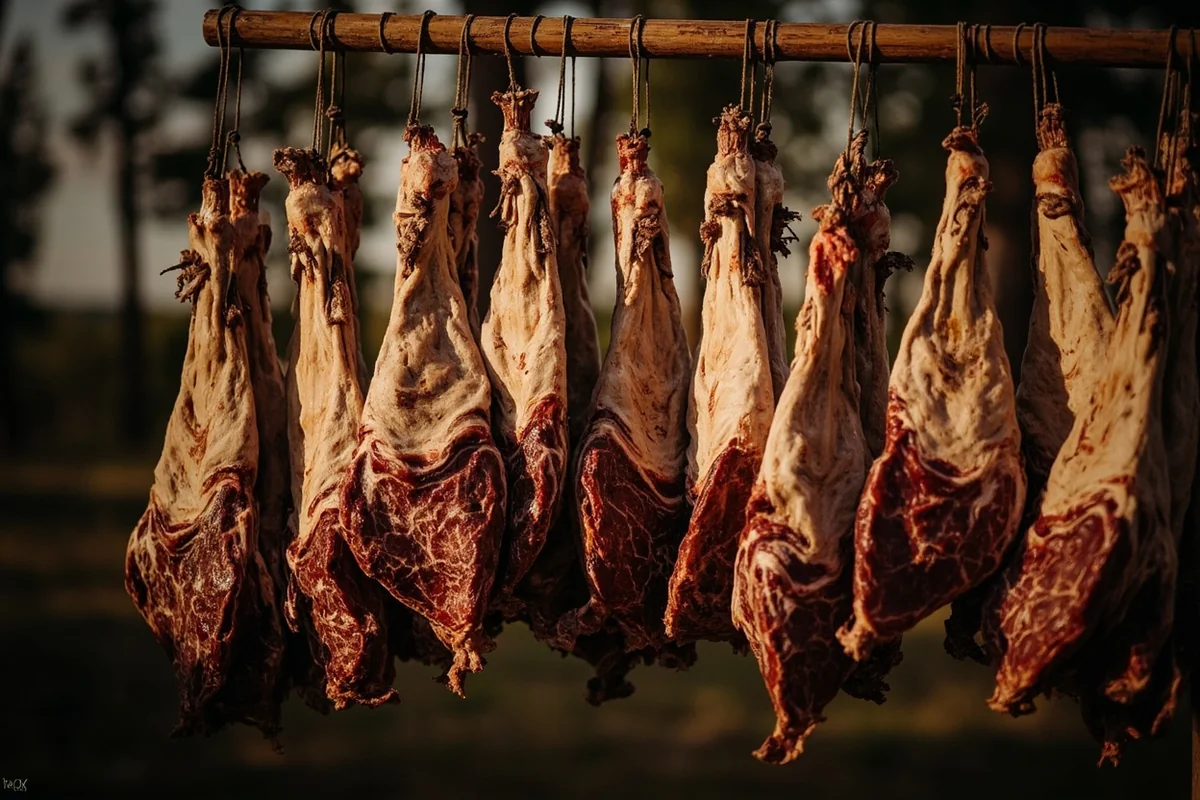
Cold temperatures actually benefit meat care by keeping carcasses cool during transport. However, freezing presents its own challenges—frozen hides are nearly impossible to remove, and quarter bags with frozen contents turn rock-hard.
I’ve learned to complete initial processing quickly after harvest, before tissues freeze. Quarter the animal, remove hide from quarters, and protect meat in breathable game bags before temperatures plummet overnight.
Transporting Meat
Montana law requires evidence of sex remain naturally attached until processed. For deer, this typically means leaving a portion of the head attached to the carcass or carrying it separately with your tag attached.
If flying home, several Montana meat processors offer cutting, wrapping, and shipping services. Budget $300-500 for processing and shipping a deer—more for elk. Arrange this before your hunt, as late-season availability can be limited.
Trophy Considerations
If you’re considering mounting your harvest, field care becomes even more critical. Cape cuts must preserve enough hide for the taxidermist’s work, and freezing a cape correctly prevents hair slippage.
I recommend watching instructional videos before your hunt and practicing cuts on previous harvests. Field caping a deer in freezing temperatures with numb fingers is challenging enough without learning the process on your trophy buck.
Beyond the Hunt: Montana Experiences
Even dedicated hunting trips benefit from incorporating other Montana experiences. The landscapes supporting muzzleloader hunting offer incredible scenery and history worth exploring.
The Missouri Breaks region features some of Montana’s most dramatic geology. Stop at the Upper Missouri River Breaks National Monument interpretive sites to understand the landscape you’re hunting.
Hot springs dot central Montana, offering perfect post-hunt recovery. Sleeping Buffalo Hot Springs near Malta has revived my frozen body after many brutal late-season days.
If time allows, consider adjacent hunting opportunities. Montana bighorn sheep hunting and Montana buffalo hunting offer once-in-a-lifetime experiences, though both require special permits and significant advance planning.
Even Montana squirrel hunting or Montana swan hunting during appropriate seasons can round out a multi-species adventure. Check Montana hunting regulations carefully to ensure proper licensing for any additional species.
Final Thoughts on Montana Muzzleloader Hunting
Montana muzzleloader hunting offers something increasingly rare in American hunting: genuine challenge, vast public lands, and the opportunity to test yourself against wild country with limited technological advantages.
The regulations intentionally create difficulty. Iron sights, single shots, and limited range force closer encounters and more careful shot selection. Weather conditions during late seasons punish inadequate preparation while rewarding those who commit fully.
I return to Montana’s muzzleloader seasons year after year because no other hunting experience delivers the same combination of adventure and authenticity.
Modern rifle hunting has become remarkably efficient—sometimes too efficient for my taste. Muzzleloader hunting restores the balance between hunter and hunted.
Plan thoroughly, prepare for adversity, and embrace the primitive weapons philosophy. Montana’s big game await those willing to earn their encounters the hard way.
Frequently Asked Questions
When is Montana muzzleloader season and what are the exact dates for 2024?
Montana’s general muzzleloader season typically runs for about two weeks in December, with 2024 dates set for December 14-22. I always recommend checking Montana Fish, Wildlife & Parks for any last-minute changes, as dates can vary slightly by hunting district and species.
Do I need a special license for Montana muzzleloader hunting as an out-of-state hunter?
Yes, out-of-state hunters need a Montana non-resident hunting license plus a muzzleloader-specific elk or deer permit, which together cost approximately $800-$1,000 depending on species. You’ll also need to complete Montana’s online hunter education verification if you haven’t hunted in the state before.
What type of muzzleloader is legal to use during Montana’s muzzleloader season?
Montana requires muzzleloaders to be .45 caliber or larger with open or peep sights—no scopes allowed during the dedicated muzzleloader season. Your firearm must use loose powder or powder pellets and fire a single projectile, so leave the saboted bullets at home as they’re prohibited.
What’s the best area in Montana for muzzleloader elk hunting success?
I’ve had great luck in hunting districts around the Bitterroot Valley and the Rocky Mountain Front, where public land access is solid and elk populations are healthy. These areas are roughly 150-200 miles from Missoula or Great Falls, making them accessible base camps for week-long hunts.
What gear should I pack for a December muzzleloader hunt in Montana?
Pack extreme cold weather layers rated for -20°F, insulated waterproof boots with good traction for snow, and quality optics since December days are short. I never hit Montana’s backcountry without hand warmers, a reliable GPS unit, and extra cleaning supplies for my muzzleloader since black powder residue and moisture don’t mix well.
How much does a guided Montana muzzleloader hunt cost compared to DIY hunting?
Guided muzzleloader hunts in Montana typically run $4,000-$7,000 for a 5-7 day elk hunt including lodging and meals. DIY hunters can expect to spend $1,500-$2,500 total including licenses, gas, lodging, and supplies—I’ve done both and find DIY more rewarding if you’re comfortable with backcountry navigation.
What’s the weather like during Montana muzzleloader season and how does it affect hunting?
Expect temperatures ranging from 10°F to 30°F with frequent snow, which actually works in your favor for tracking elk and mule deer through fresh powder. Road conditions can be treacherous in mountain areas, so I always carry chains and check Montana DOT road reports daily before heading to my hunting unit.
Sources