You are currently viewing Does Montana See the Northern Lights: 12 Aurora Hotspots

Does Montana See the Northern Lights: 12 Aurora Hotspots

  • Post author:
  • Post category:Montana
  • Reading time:36 mins read

Montana’s vast, open skies and minimal light pollution create the perfect canvas for one of nature’s most spectacular phenomena—the northern lights. While many associate aurora borealis viewing with Alaska or Scandinavian countries, Montana offers some of the best opportunities to witness this celestial light show in the continental United States.

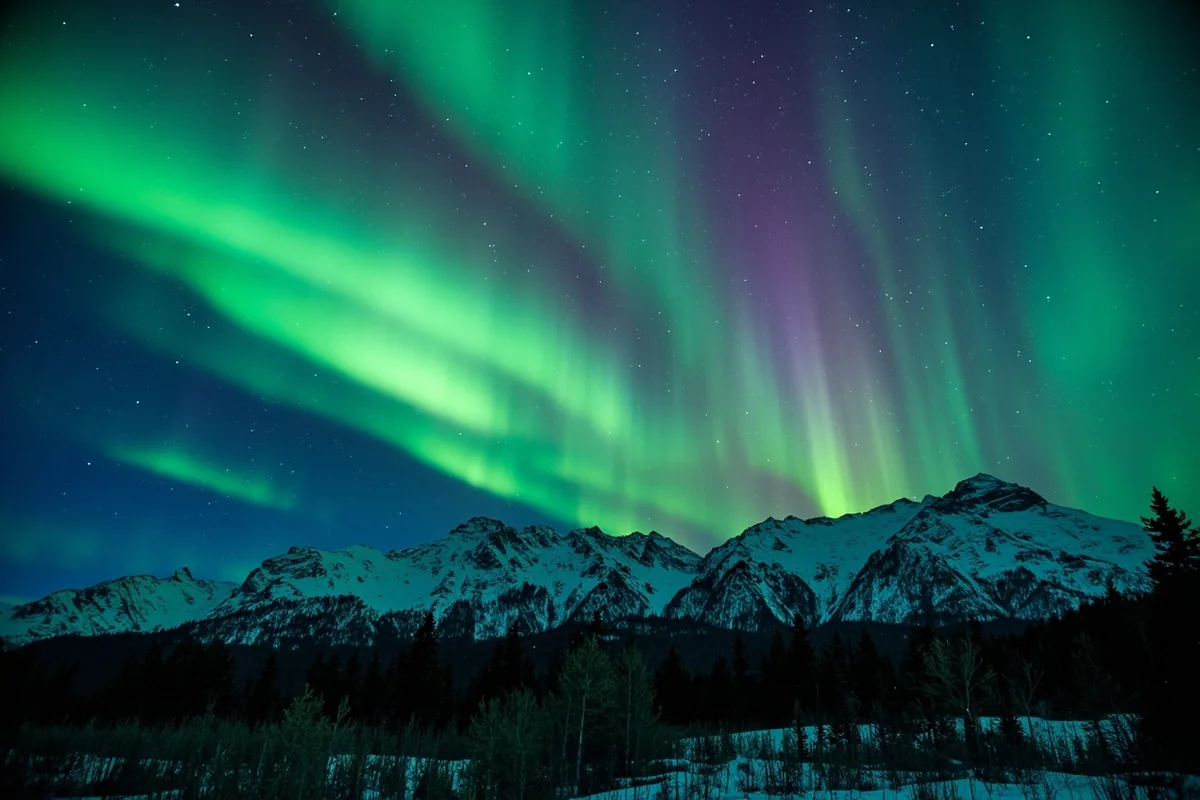
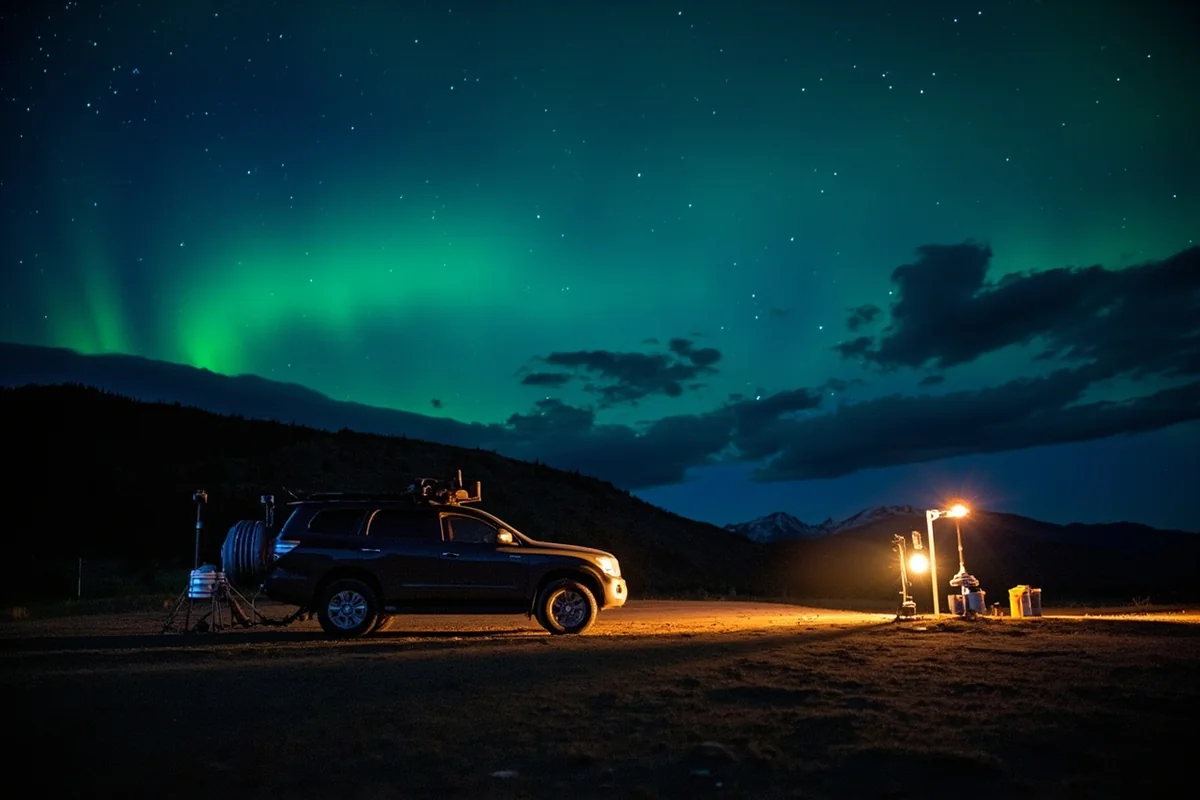
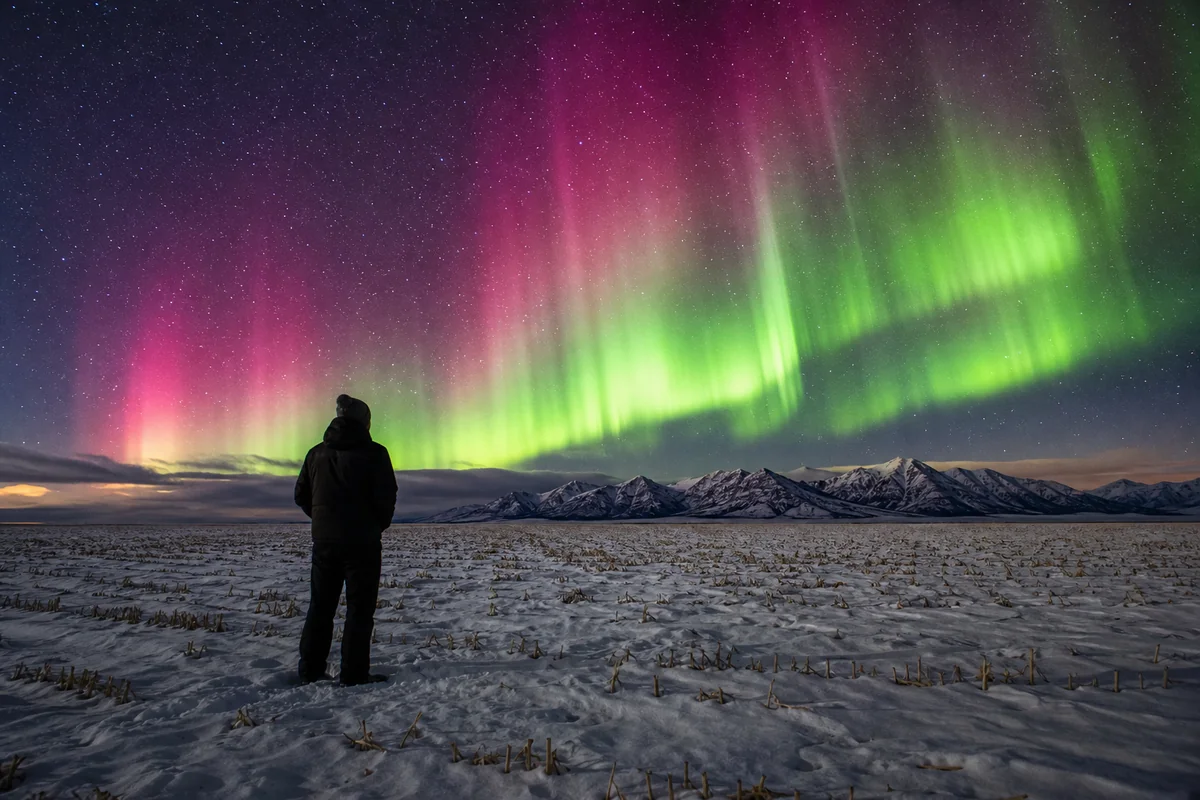
The northern lights, or aurora borealis, occur when charged particles from the sun collide with gases in Earth’s atmosphere. These collisions create the dancing waves of colored light that we see from the ground. The phenomenon gets its name from Aurora, the Roman goddess of dawn, and Boreas, the Greek name for the north wind. In Montana, these lights typically appear as green waves or curtains, though purple, blue, and red hues can sometimes make an appearance during particularly strong geomagnetic storms.

What makes Montana special for aurora viewing is its northern latitude combined with its relatively unpolluted skies. The state sits at a sweet spot—far enough north to catch auroral activity but accessible enough for travelers who can’t make it to more remote viewing locations. Montana’s many rural areas and protected lands also mean minimal artificial light interference, allowing the colors of the aurora to shine more vividly against the night sky.

When viewing the northern lights in Montana, expect the unexpected. The aurora may appear as a faint glow on the horizon, vibrant dancing curtains overhead, or pulsating beams stretching across the sky. Some displays last minutes while others continue for hours. The experience varies greatly depending on solar activity, weather conditions, and your specific location within the state.

For the best chance at catching this elusive phenomenon, Montana offers numerous viewing spots ranging from national parks to small towns with dark skies. Whether you’re a dedicated aurora chaser or simply hoping to check this natural wonder off your bucket list, Montana’s aurora hotspots provide unforgettable opportunities to connect with the cosmos.

Montana Northern Lights: Where Can You View Them?

Montana offers some of the best northern lights viewing opportunities in the continental United States, thanks to its northern latitude and abundance of pristine dark skies. The state’s position at approximately 45-49 degrees north latitude places it within reach of aurora activity during moderate to strong geomagnetic storms.

The geographical factors that make certain Montana locations prime for aurora viewing are quite specific. First and foremost is the lack of light pollution. Montana’s vast wilderness areas and low population density create perfect conditions for dark sky viewing. The state’s western and northern regions, particularly areas near the Canadian border, tend to see more frequent and vibrant displays due to their proximity to the auroral oval—the ring-shaped region centered on the magnetic pole where auroras are most common.

Elevation plays a crucial role in aurora visibility as well. Higher elevations offer clearer air with less atmospheric interference and provide unobstructed views of the northern horizon where auroras typically first appear. Montana’s mountainous terrain, with peaks reaching above 10,000 feet, creates natural observation platforms that elevate viewers above valley fog and haze.

For optimal viewing conditions, you’ll want to seek locations with open northern exposure and minimal obstructions like mountains or tall trees blocking the view. Weather patterns are equally important—clear, cloudless nights are essential, with winter months offering the darkest skies and therefore the best contrast for the dancing lights.

Accessibility considerations should not be overlooked when planning your aurora adventure in Montana. While remote locations often offer the darkest skies, winter road conditions can be treacherous, and cell service spotty. Many of the best viewing locations require advance planning, especially during winter when some park roads and facilities close. Year-round accessible locations like Missoula or Bozeman provide a good balance of darkness and convenience, with the option to drive just 20-30 minutes outside these cities to escape most light pollution.

The combination of Montana’s northern position, mountainous terrain, sparse population, and protected wilderness creates a perfect storm of conditions for witnessing the northern lights—a celestial phenomenon that transforms the night sky into a canvas of swirling green, purple, and sometimes red light.

Northern Lights in Montana: 12 Best Places to See Them

Montana’s vast, open skies and minimal light pollution make it an exceptional destination for witnessing the ethereal dance of the aurora borealis. While many visitors associate Montana with its stunning mountain ranges and national parks, the state also offers remarkable opportunities to witness the northern lights throughout the year.

What makes Montana special for aurora viewing is its northern latitude combined with numerous remote areas far from urban light pollution. The state features several prime locations where the dancing green, purple, and blue lights can be viewed in all their splendor when conditions are right.

When planning your aurora adventure in Montana, timing is everything. The best viewing typically occurs during the winter months when nights are longest, though auroras can appear year-round during geomagnetic storms. For optimal viewing, check aurora forecast apps and websites that predict geomagnetic activity. The KP index (a scale that measures geomagnetic activity) should ideally be 5 or higher for Montana viewing.

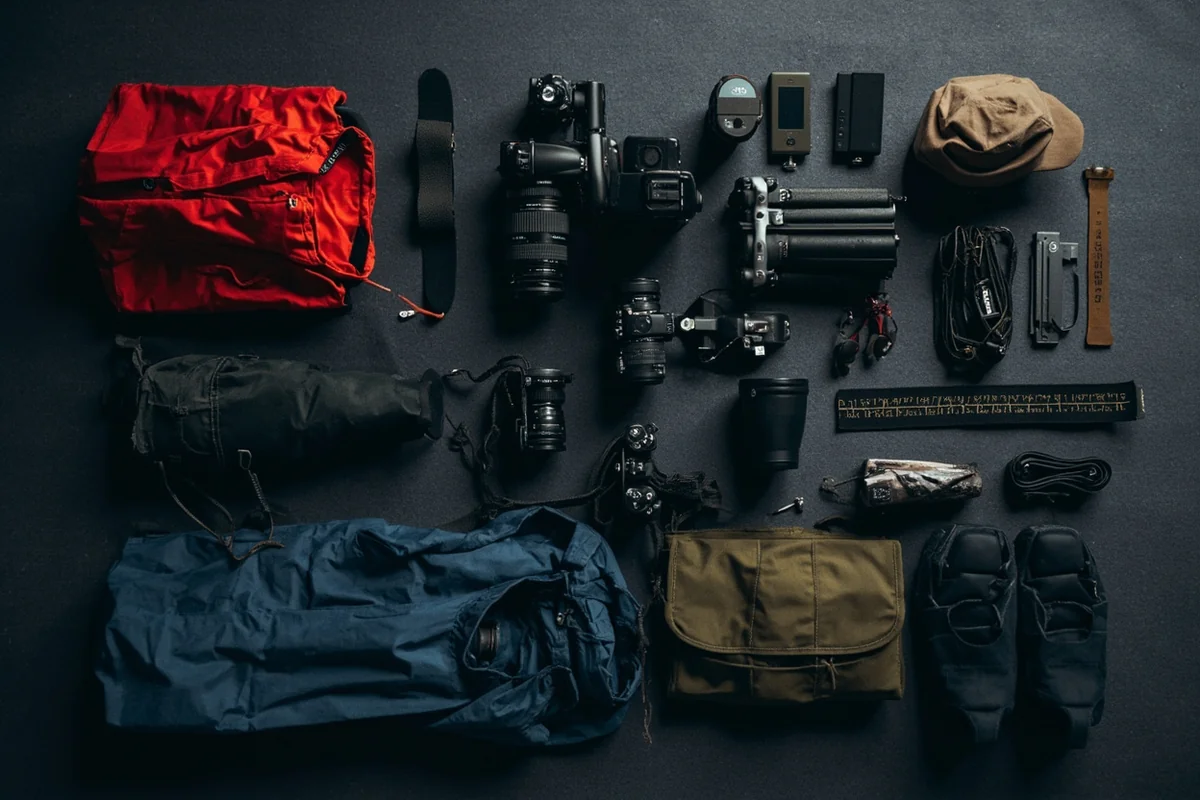
Before visiting any of these locations, remember to dress warmly, bring extra layers, pack hot beverages in a thermos, and have patience—aurora displays can be unpredictable and may require waiting. A red headlamp will help preserve your night vision, and a camera with manual settings will allow you to capture the magical moment. Now, let’s explore the 12 best places in Montana where you can witness this spectacular celestial show.

1. Glacier National Park

Glacier National Park stands as Montana’s premier destination for northern lights viewing, offering some of the darkest skies in the continental United States. The park’s remote location along the Canadian border and minimal light pollution create ideal conditions for witnessing the aurora borealis dance across the night sky.

Specific Viewing Spots

The best aurora viewing locations within Glacier National Park include:

  • Lake McDonald: The expansive lake offers unobstructed northern views and the added bonus of seeing the lights reflected in the water.
  • Logan Pass: At 6,646 feet elevation, this mountain pass provides panoramic views with minimal obstructions.
  • St. Mary Lake: The eastern side of the park offers excellent northern exposure, with St. Mary Lake providing stunning foreground elements for photographers.
  • Apgar: This area offers convenient access and facilities while still providing dark skies.
  • Many Glacier: This remote section of the park offers some of the darkest skies and dramatic mountain backdrops.

Best Times to Visit

While the northern lights can appear year-round, winter months (November through February) offer the longest nights and therefore more viewing opportunities. However, many park roads close during winter. September and March often provide the perfect balance of accessibility and darkness. The park’s northern location means summer nights are quite short, but auroras can still be visible during particularly strong geomagnetic storms.

Photography Tips

To capture the northern lights at Glacier National Park:

  • Bring a sturdy tripod to keep your camera stable during long exposures
  • Use a wide-angle lens to capture the expansive landscape
  • Set your camera to manual mode with an aperture around f/2.8-f/4
  • Use ISO 1600-3200 depending on conditions
  • Set exposure times between 5-30 seconds
  • Include foreground elements like mountains or lakes for perspective
  • Bring extra batteries as cold temperatures drain them quickly

Accessibility Information

Glacier National Park’s accessibility varies dramatically by season:

  • Summer (June-September): Going-to-the-Sun Road fully open, providing access to most viewing areas
  • Fall (October): Limited road closures begin, but many areas remain accessible
  • Winter (November-April): Most park roads closed to vehicles, though some areas can be accessed via snowshoe or cross-country skis
  • Spring (May): Roads gradually reopen as snow clearing progresses

Nearby Accommodations

Several options exist for overnight stays when aurora hunting:

  • In-park lodging: Lake McDonald Lodge, Many Glacier Hotel (seasonal)
  • Campgrounds: Apgar, St. Mary, and Many Glacier campgrounds (seasonal)
  • Nearby towns: West Glacier, East Glacier Park, and St. Mary offer year-round accommodations including hotels, cabins, and vacation rentals
  • Winter options: Limited to areas outside the park in communities like West Glacier and East Glacier

For the most immersive northern lights experience, consider booking accommodations with northern-facing windows or outdoor viewing areas. Many local establishments understand the appeal of the aurora and cater to night sky enthusiasts.

2. Missoula

Nestled in the heart of western Montana, Missoula offers surprisingly good opportunities for aurora viewing despite being the state’s second-largest city. While urban light pollution is a factor, several nearby locations provide excellent vantage points for witnessing the northern lights.

Best Spots Around Missoula

Blue Mountain Recreation Area: Located just 5 miles southwest of the city, the hiking trails and observation points at Blue Mountain offer elevated viewing platforms away from the worst of the city lights. The north-facing slopes provide an unobstructed view of the night sky where auroras typically appear.

Pattee Canyon Recreation Area: This peaceful area just minutes from downtown features several clearings and meadows perfect for nighttime sky viewing. The surrounding mountains block some of the city glow, creating darker skies than you might expect so close to town.

Rattlesnake National Recreation Area: The northern edge of Missoula opens into this wilderness area where light pollution diminishes significantly. Several pullouts along Rattlesnake Drive offer convenient spots to park and look northward.

Urban Light Pollution Considerations

While Missoula’s city lights do impact visibility, you don’t necessarily need to venture far to see the aurora. During strong geomagnetic storms, the northern lights can be bright enough to observe even from city parks like Greenough Park or the University of Montana campus. For optimal viewing, however, heading just 10-15 minutes out of town in any direction significantly improves your chances.

The city has also implemented some dark-sky friendly lighting in newer developments, which helps reduce light pollution in certain neighborhoods, particularly those on the outskirts of town.

Local Viewing Events and Groups

Missoula boasts an active astronomy community that regularly organizes northern lights viewing events:

  • The Western Montana Astronomical Association hosts “Aurora Alerts” through their social media channels and occasionally organizes impromptu viewing parties when conditions are favorable.
  • The University of Montana’s Physics and Astronomy Department sometimes holds public viewing events during major solar events.
  • Local photography groups often coordinate aurora chasing outings, welcoming newcomers interested in capturing the phenomenon.

Accessibility Information

Most viewing locations around Missoula are easily accessible by car, with many spots requiring minimal walking from parking areas. Blue Mountain and Pattee Canyon both feature paved roads leading to viewpoints with parking lots that remain open overnight.

For those with mobility considerations, the South Hills overlook provides a drive-up location with excellent northern exposure. During winter, be aware that some access roads may not be fully plowed, so a vehicle with good ground clearance is recommended.

Cell service is generally reliable in the immediate Missoula area, allowing aurora chasers to receive alerts and updates about viewing conditions even while in the field.

3. Cascade County

Cascade County offers some of Montana’s most accessible yet remarkably dark viewing locations for the northern lights. Located in the central part of the state, this county provides the perfect balance between convenience and pristine night skies.

Remote Viewing Locations in Cascade County

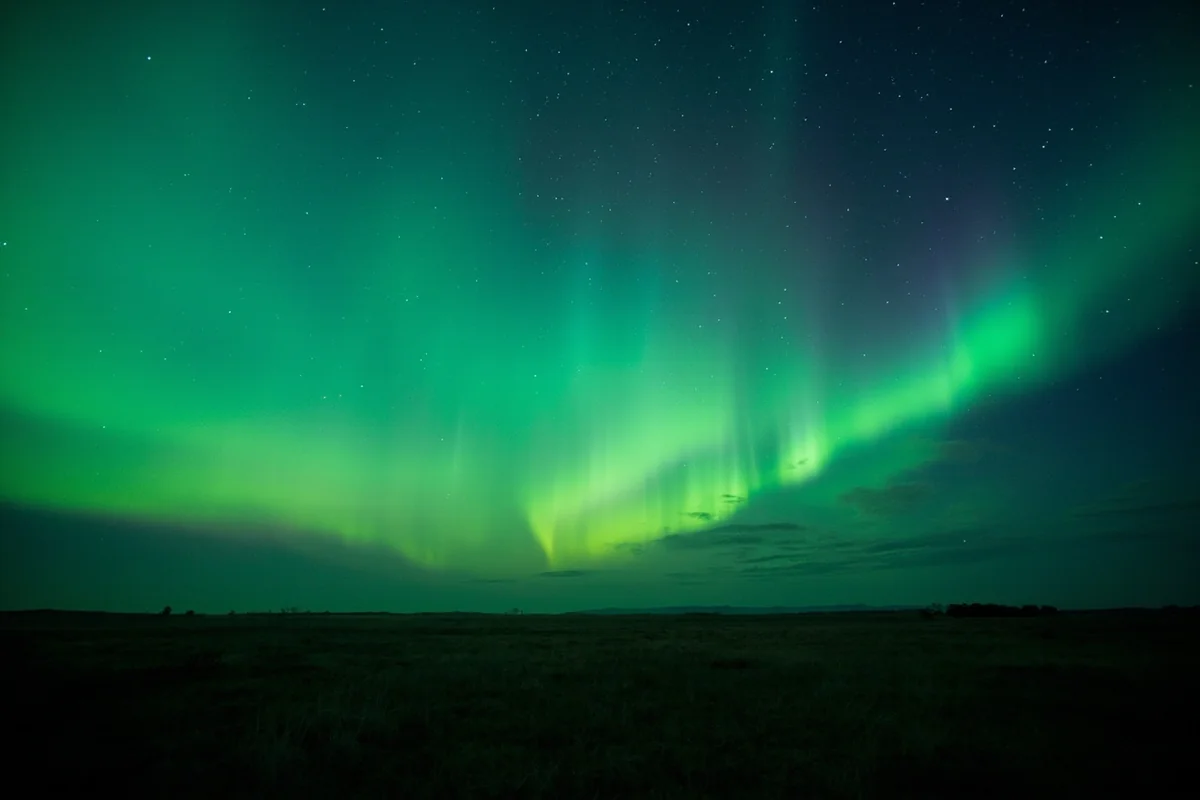
The rural areas north of Great Falls present exceptional aurora viewing opportunities. The wide-open plains create an expansive canvas for the northern lights to dance across. Top spots include:

  • The areas around Benton Lake National Wildlife Refuge
  • The countryside near Belt and Highwood
  • The open fields along Highway 87 north of Great Falls
  • The foothills of the Little Belt Mountains

These locations offer minimal light pollution while remaining relatively accessible by vehicle.

Dark Sky Advantages

Cascade County benefits from its distance from major metropolitan areas. Great Falls is the only significant city, and once you travel just 15-20 miles outside its limits, light pollution drops dramatically. The county’s rolling prairie landscape provides unobstructed northern horizon views—crucial for spotting the aurora borealis in its early stages.

Best Seasons

While the northern lights can appear year-round in Montana, Cascade County’s viewing conditions peak during:

  • Late fall (September-November): Clearer skies and longer nights
  • Winter (December-February): The darkest period with the highest aurora activity
  • Early spring (March-April): Milder temperatures while still maintaining good darkness

Summer viewing is possible but challenging due to Montana’s extended daylight hours, with darkness arriving much later.

Accessibility Considerations

One of Cascade County’s greatest advantages for aurora hunters is accessibility. Many prime viewing areas are reachable via well-maintained roads, including:

  • Paved highways leading north from Great Falls
  • Gravel county roads that remain passable in most weather conditions
  • Several pullouts and parking areas where viewers can safely stop

However, winter visitors should prepare for potentially challenging road conditions, especially after snowfall. A vehicle with good ground clearance and possibly four-wheel drive is recommended during winter months.

Local Tips

Cascade County residents who regularly chase the aurora offer these valuable insights:

  • Use the area near Benton Lake as your starting point—it’s close to Great Falls but dark enough for good viewing
  • Monitor local weather patterns; the county often has clear skies when other parts of Montana are cloudy
  • Join the “Great Falls Aurora Watchers” Facebook group for real-time alerts from locals
  • Bring portable chairs, blankets, and hot beverages—the open plains can be windy and cold
  • Position yourself on elevated areas for better views across the northern horizon

For photographers, the Missouri River cutting through the county offers stunning foreground elements for aurora images, particularly at places like the Ryan Dam or Giant Springs State Park outskirts.

4. Seeley-Swan Valley

Nestled between two mountain ranges in western Montana, the Seeley-Swan Valley offers some of the most spectacular northern lights viewing opportunities in the state. This 90-mile corridor of pristine wilderness creates ideal conditions for aurora spotting thanks to its minimal light pollution and breathtaking natural features.

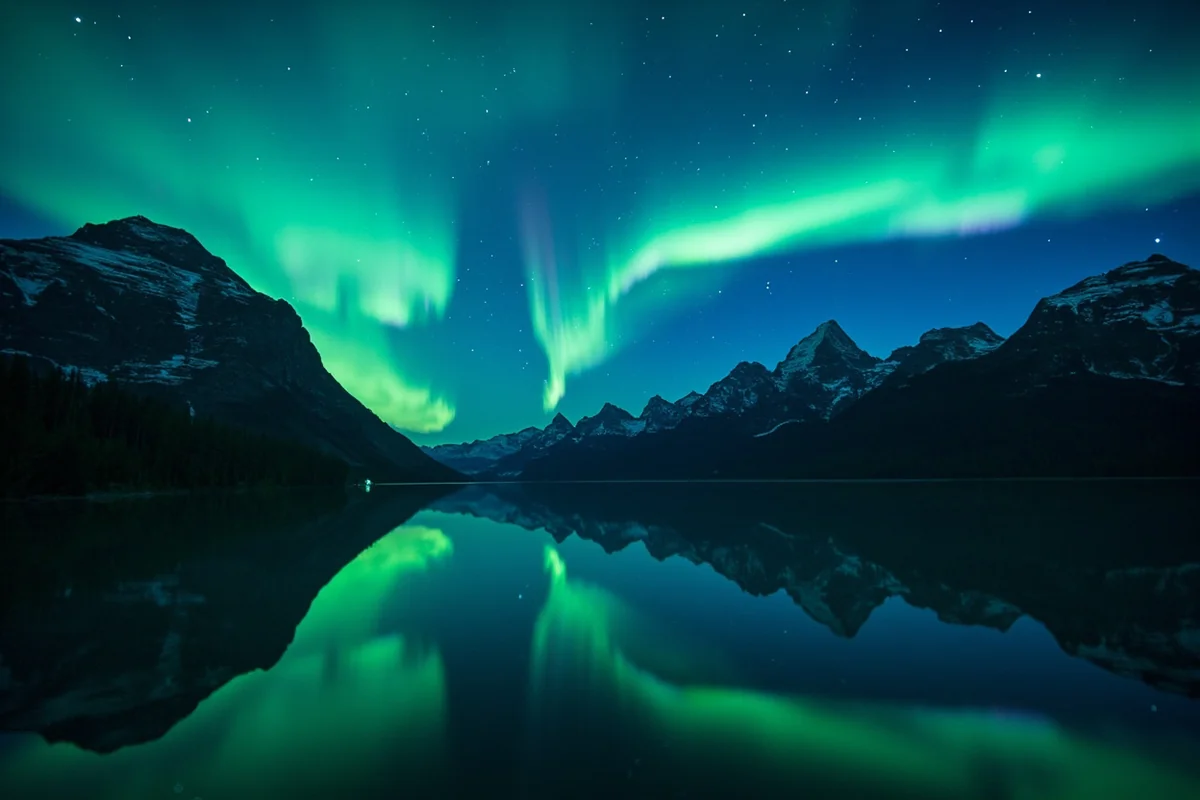
The valley’s numerous lakes—including Seeley Lake, Swan Lake, and Placid Lake—provide more than just scenic daytime views. At night, these still waters transform into perfect reflecting pools for the northern lights, essentially doubling the visual impact of the aurora display. When the dancing green and purple lights appear overhead, their mirror images on the lake surfaces create a 360-degree light show that photographers and aurora enthusiasts dream about.

For optimal viewing, head to the public access points along Seeley Lake’s eastern shore, where the open water offers unobstructed views of the northern sky. The boat launches at Seeley Lake and Swan Lake provide excellent vantage points away from tree cover. Another local favorite is the Clearwater Lake Overlook, where you can watch the aurora reflect across multiple bodies of water from an elevated position.

Accessibility varies by season in the Seeley-Swan Valley. Summer and early fall provide the easiest access to viewing locations, though the longer daylight hours mean later viewing times. Winter brings earlier darkness but requires preparation for snow conditions. Many locals consider late fall (September-October) and early spring (March-April) the sweet spot—combining reasonable access with darker skies and higher aurora activity.

For overnight stays, the valley offers numerous options. The town of Seeley Lake has several motels and cabin rentals, while more rustic accommodations can be found at Holland Lake Lodge. For budget-conscious travelers, the Seeley Lake and Swan Lake campgrounds provide affordable options with prime night sky views. Book well in advance during summer months when tourism peaks.

Local photographers recommend bringing a tripod to capture the lake reflections and using a wide-angle lens to encompass both the sky and water. They suggest arriving at least an hour before expected aurora activity to scout compositions and set up equipment. A red headlamp preserves night vision while navigating in the dark. The locals’ best tip? Even on nights when aurora forecasts are moderate, the Seeley-Swan Valley often delivers spectacular displays thanks to its perfect combination of clear skies, dark surroundings, and reflective waters—so always keep your camera ready.

5. Kalispell

Nestled in the Flathead Valley, Kalispell offers several prime viewing locations for the northern lights while serving as an excellent base for aurora hunters. Despite being one of Montana’s larger cities, escaping light pollution is surprisingly manageable with just a short drive.

Viewing Spots Around Kalispell

The surrounding areas of Kalispell provide excellent vantage points for aurora viewing. Foy’s Lake, just a few minutes west of town, offers an open vista with the added bonus of reflections on the water’s surface. For those willing to drive a bit further, the North Shore State Park along Flathead Lake provides unobstructed northern views across Montana’s largest natural lake, creating dramatic aurora reflections when conditions align.

Buffalo Hill Golf Club, while primarily known for daytime recreation, transforms into a surprisingly good northern lights viewing spot after hours during the off-season, with its open fairways providing clear sightlines to the northern sky.

Escaping City Lights

To truly experience the magic of the northern lights near Kalispell, you’ll want to venture 10-15 minutes outside the city center. Head north on Highway 93 toward Whitefish, and pull off at any of several public access points that offer clear views of the northern horizon. The area near Lone Pine State Park, with its elevated position, allows you to look down on Kalispell’s city lights while gazing northward toward potential aurora displays.

For serious aurora hunters, the backroads between Kalispell and Marion offer particularly dark skies and open fields perfect for viewing. Just ensure you’re not trespassing on private property when pulling over.

Best Times to Visit

Like most of Montana, the prime northern lights viewing season in Kalispell runs from late September through March, with peak opportunities occurring during the winter months when nights are longest. The city’s position in the Flathead Valley creates interesting weather patterns, sometimes shielding it from storms that affect surrounding mountains. This microclimate occasionally creates clear viewing windows when other parts of western Montana are cloud-covered.

Local aurora enthusiasts note that the hours between 11 PM and 2 AM typically offer the strongest displays, though auroras can appear anytime after dark during strong geomagnetic storms.

Local Aurora Forecasting Resources

Kalispell residents benefit from several local resources that help predict northern lights visibility. The “Flathead Valley Aurora Watchers” Facebook group provides real-time sightings and forecasts specific to the area. The local National Weather Service office in Missoula also includes aurora potential in their specialized recreational forecasts during active periods.

Many locals use the Montana Space Grant Consortium’s aurora alerts, which are calibrated specifically for Montana latitudes and provide more accurate forecasting than generic aurora apps.

Photography Opportunities

Kalispell’s position offers unique foreground elements for aurora photography. The distant silhouettes of the Whitefish Range create dramatic layering effects when the lights dance above. For truly memorable shots, the old grain elevators north of town provide industrial foreground elements against the natural light show.

Photographers should note that while Kalispell itself has some light pollution, a medium-fast lens (f/2.8 or faster) and a camera with decent high-ISO performance will still capture impressive aurora images. The reflective qualities of nearby lakes and snow-covered fields in winter enhance the visual impact of even moderate aurora displays.

6. Whitefish Lake State Park

Whitefish Lake State Park offers one of Montana’s most accessible yet rewarding northern lights viewing experiences. Located just a short drive from downtown Whitefish, this park combines convenience with spectacular aurora viewing opportunities.

The park’s position on the shores of Whitefish Lake creates perfect conditions for aurora watching. The expansive lake provides an unobstructed northern view—essential for catching the dancing lights—while the surrounding mountains frame the scene dramatically. This natural setting creates a mirror effect on clear nights, with the aurora’s colors reflecting off the lake’s surface, essentially doubling the visual impact.

Despite being relatively close to town, Whitefish Lake State Park experiences minimal light pollution, especially along the northern shore. The park remains accessible year-round, though hours vary seasonally. During prime aurora season, the park gate typically closes at night, but visitors can park in the designated lot near the entrance and walk in (check current regulations before visiting).

For the best viewing experience, head to the day-use area’s beach or the fishing dock, both offering panoramic views across the lake toward the north. The picnic area also provides good vantage points with some seating options for more comfortable extended viewing sessions.

Seasonal considerations play an important role when planning your visit. Winter offers darker skies but requires proper cold-weather preparation, while summer brings milder temperatures but shorter windows of darkness. Spring and fall strike a balance between these extremes, often providing ideal viewing conditions.

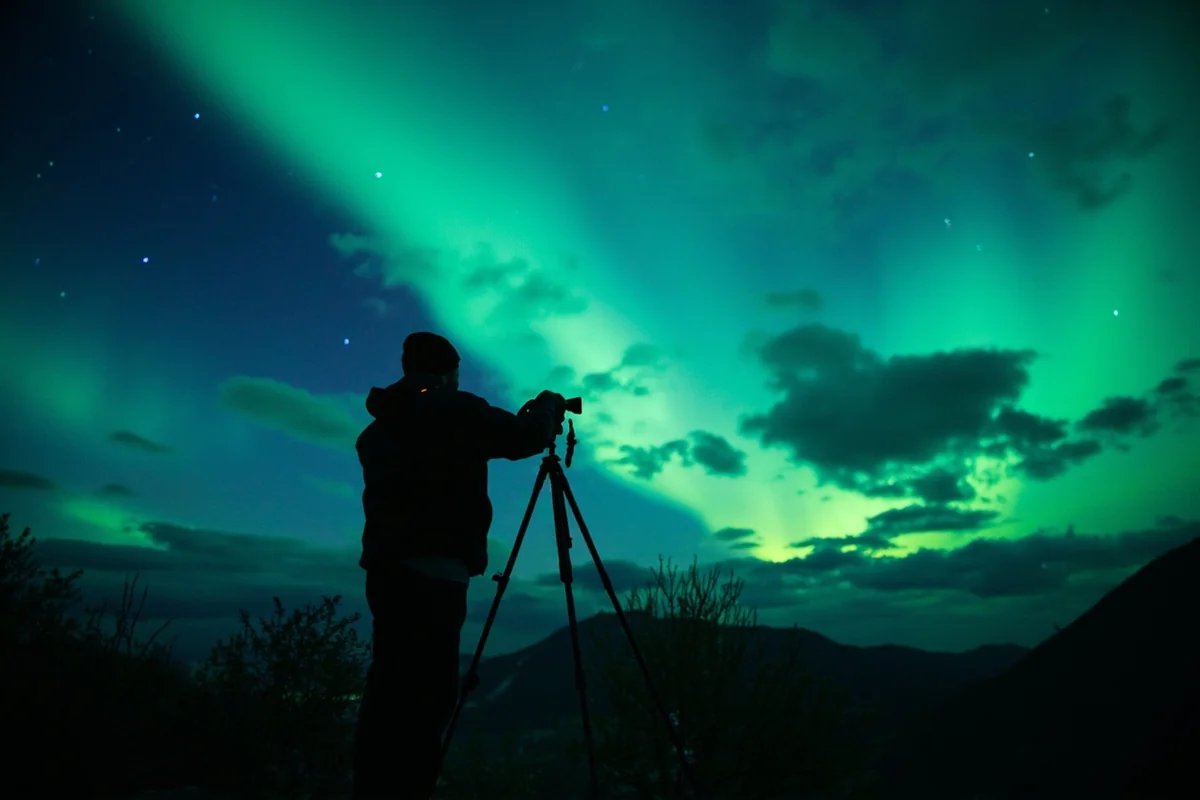
Photography enthusiasts will appreciate the park’s varied foreground elements. Position your camera to capture the aurora reflected in the lake, or incorporate the silhouettes of pines along the shoreline. The fishing dock makes an excellent platform for stable long-exposure shots. Remember to bring a sturdy tripod, remote shutter release, and extra batteries (cold temperatures drain them quickly). Setting your camera to manual mode with a wide aperture (f/2.8-4), ISO between 800-3200, and exposure times between 5-20 seconds typically yields the best results for capturing the northern lights over Whitefish Lake.

7. The Sleeping Giant near Helena

The Sleeping Giant Wilderness Study Area north of Helena offers one of Montana’s most distinctive northern lights viewing experiences. This natural landmark, resembling a slumbering human figure when viewed from certain angles, creates a dramatic silhouette against the dancing aurora borealis.

The wilderness area sits approximately 30 miles north of Helena, making it accessible for both locals and visitors staying in the state capital. What makes this location special is the unique framing opportunity—photographers can capture the northern lights dancing above the recognizable profile of the Sleeping Giant mountain formation.

Several viewpoints provide excellent aurora watching opportunities:

  • Beartooth Landing: This roadside pullout offers unobstructed northern views with minimal light pollution
  • Black Sandy State Park: Located along Hauser Lake with clear sight lines to the Sleeping Giant
  • York Bridge Area: Provides water reflections with the Sleeping Giant and auroras in frame

For the most immersive experience, consider hiking one of the area’s trails during daylight hours to scout your nighttime viewing location. The Sleeping Giant Trail (7.5 miles round trip) reaches high elevations with panoramic views, though be aware this requires returning in darkness. Alternatively, the shorter Foot Trail (3 miles) provides good viewing with less hiking commitment.

Safety considerations are crucial when visiting at night:

  • Inform someone of your plans and expected return time
  • Bring sufficient warm layers as temperatures drop significantly after sunset
  • Pack emergency supplies including extra batteries, water, and snacks
  • Use headlamps with red light settings to preserve night vision
  • Be aware of wildlife activity, particularly during spring and fall

For photographers, the Sleeping Giant creates compelling compositional opportunities. Position yourself to capture the aurora dancing above the giant’s profile, or incorporate Hauser Lake for reflections. Wide-angle lenses (14-24mm) work best to capture both the landscape and light show. The area’s relative proximity to Helena means some light pollution on the southern horizon, so frame your shots northward for the cleanest results.

While less known than Glacier National Park, the Sleeping Giant area offers a more accessible alternative for Helena residents and visitors, combining Montana’s rugged landscape with celestial wonders in one unforgettable vista.

8. Bozeman

Nestled in the Gallatin Valley surrounded by mountain ranges, Bozeman offers several excellent vantage points for aurora hunters seeking the northern lights. While the city itself has some light pollution, its proximity to dark sky areas makes it a convenient base for nighttime adventures.

Best Viewing Spots Around Bozeman

For the best northern lights viewing near Bozeman, head to these local favorites:

  • Hyalite Canyon: Just 15 miles south of town, this recreation area offers excellent dark skies. The view over Hyalite Reservoir with dancing lights reflected in the water is particularly magical.
  • Bridger Mountains: Drive east of town toward the Bridger Range and find pullouts along Bridger Canyon Road for unobstructed northern views.
  • Headwaters State Park: About 30 minutes west of Bozeman, this park provides open vistas perfect for aurora viewing.
  • Battle Ridge: Located in the Bridger Mountains, this higher elevation spot offers panoramic views of the night sky.

Escaping Light Pollution

Bozeman’s growing population means increasing light pollution in the city center. To maximize your chances of seeing the aurora:

  • Drive at least 15-20 minutes outside city limits in any direction
  • Seek higher elevations when possible for clearer air and better visibility
  • Turn off all vehicle lights and phone screens once at your viewing location
  • Allow 20-30 minutes for your eyes to fully adjust to darkness

Local Astronomy Groups

Bozeman boasts an active astronomy community that can enhance your northern lights experience:

  • Montana Space Grant Consortium: Often hosts public stargazing events
  • Southwest Montana Astronomical Society: Offers regular meetings and occasional aurora alerts to members
  • Montana State University Physics Department: Sometimes conducts public viewing nights with telescopes and expert guidance

Following these groups on social media can provide timely alerts when aurora activity is expected.

Best Seasons and Conditions

While the northern lights can appear year-round, Bozeman visitors have the best chances:

  • Winter months (November-February) when nights are longest
  • During solar maximum periods (currently approaching peak in 2024-2025)
  • On clear, moonless nights with temperatures well below freezing
  • After major solar storms, which can push aurora visibility further south

Nearby Accommodations

If you’re visiting Bozeman specifically for aurora hunting, consider these strategic lodging options:

  • Hyalite Canyon campsites: Primitive camping puts you right under dark skies
  • Mountain-side vacation rentals: Many properties north of town offer excellent views with minimal light pollution
  • Hotels on the outskirts: Properties on the north side of Bozeman provide quicker access to dark sky areas

For a full aurora experience, consider booking accommodations with north-facing windows and outdoor hot tubs—there’s nothing quite like watching the northern lights while soaking in warm water on a crisp Montana night.

9. Big Sky

Big Sky offers some of Montana’s most spectacular northern lights viewing opportunities, thanks to its advantageous location and elevation. Situated at over 7,500 feet above sea level in the Madison Mountain Range, this resort area provides viewers with a significant advantage when it comes to aurora spotting.

The high elevation of Big Sky dramatically improves your chances of witnessing the northern lights. With less atmosphere between you and the geomagnetic activity, the auroras appear brighter and more vivid against the night sky. The mountain setting also means less light pollution compared to more populated areas, creating ideal conditions for aurora viewing.

For the best viewing locations, head to the Mountain Village area or Lone Mountain Trail. The open meadows near the resort provide unobstructed northern views—crucial for spotting the lights. Beehive Basin and Ousel Falls Park also offer excellent vantage points away from artificial lighting. During winter, the summit of Lone Peak (accessible via the resort’s tram during operating hours) provides a truly elevated experience at nearly 11,166 feet.

As a world-class resort destination, Big Sky offers significant benefits for aurora hunters. Visitors can enjoy comfortable accommodations, dining options, and other amenities while waiting for optimal viewing conditions. Unlike more remote viewing locations, you won’t need to sacrifice comfort while pursuing the northern lights. Many lodges and vacation rentals feature north-facing windows or balconies, allowing you to potentially spot the lights without even leaving your accommodation.

Seasonal considerations are important when planning your Big Sky aurora adventure. Winter offers the darkest skies and often the most active auroras, though temperatures can drop well below freezing. Summer brings the disadvantage of shorter nights, but the comfortable temperatures make extended outdoor viewing sessions more pleasant. Fall and spring shoulder seasons often provide a perfect balance of darkness and moderate temperatures.

For photography enthusiasts, Big Sky presents unique opportunities to capture the northern lights against dramatic mountain silhouettes. The jagged profile of Lone Peak creates a striking foreground element for aurora photography. Remember to bring a tripod, remote shutter release, and wide-angle lens to capture the full spectacle. Many local photographers recommend the meadows near Town Center for unobstructed views that include both the lights and mountain scenery in your composition.

10. Makoshika State Park

Eastern Montana’s crown jewel for stargazers, Makoshika State Park offers some of the most distinctive aurora viewing experiences in the state. Located near Glendoe, this badlands landscape provides several advantages for northern lights hunters that you won’t find elsewhere in Montana.

The park’s eastern location means less light pollution from major population centers, creating darker skies that enhance aurora visibility. When the northern lights dance across the sky here, they reflect off the otherworldly badlands terrain, creating a surreal landscape that photographers dream about. The eroded clay formations, pinnacles, and canyons form dramatic silhouettes against the glowing sky.

Makoshika remains accessible at night with several designated parking areas that serve as excellent viewing platforms. The Cap Rock Nature Trail parking area offers a particularly good vantage point with open northern exposure. For the more adventurous, the Kinney Coulee Trail leads to elevated viewpoints where you can see the lights reflecting off the Missouri River in the distance.

What makes Makoshika truly special for aurora viewing is the combination of geological wonders and celestial phenomena. The park’s name comes from a Lakota phrase meaning “bad land” or “bad earth,” but there’s nothing bad about witnessing the northern lights illuminate these ancient formations that once housed dinosaur fossils. The contrast between the primeval landscape and the cosmic light show creates a viewing experience unique to eastern Montana.

For best results, check in with park staff about road conditions and accessibility during winter months when aurora activity peaks. The park’s visitor center closes in evening hours, so plan accordingly and bring necessary supplies for nighttime viewing in this remote location.

11. Missouri Headwaters State Park

Missouri Headwaters State Park offers a unique blend of historical significance and stellar aurora viewing opportunities. Located at the confluence of the Jefferson, Madison, and Gallatin rivers—where they form the mighty Missouri River—this site combines Montana’s rich heritage with spectacular dark skies.

The park’s relative distance from major urban centers provides minimal light pollution, creating ideal conditions for northern lights viewing. What makes this location particularly special is the water element—the meeting of three rivers creates expansive water surfaces that mirror the dancing lights above, effectively doubling the visual impact of the aurora borealis.

For the best viewing experience, head to the main interpretive area near the river confluence. The elevated viewing platform originally designed for historical interpretation serves double duty as an excellent aurora observation deck with 360-degree views. Alternatively, the open meadows near the campground provide unobstructed northern views where the lights typically appear.

The park is easily accessible year-round via a paved road off I-90, approximately 30 miles west of Bozeman. During winter months when aurora activity peaks, the main road remains plowed, though some internal paths may be snow-covered. The park gates remain open 24 hours for night sky viewing, though visitors should bring appropriate winter gear during colder months.

For those wanting to make a night of it, the park offers 17 campsites available on a first-come, first-served basis. While these sites are fairly basic (pit toilets, no showers), they put you in prime position for middle-of-the-night aurora displays. During peak summer months, arriving early is recommended as the campground can fill quickly with history buffs and now, increasingly, with aurora chasers.

12. Yellowstone National Park

While many associate Yellowstone National Park primarily with Wyoming, the northern entrance through Gardiner, Montana offers some exceptional aurora viewing opportunities. The Montana section of Yellowstone provides unique advantages for northern lights chasers that can’t be found elsewhere in the park.

The Montana portion of Yellowstone features fewer crowds, especially during the prime aurora viewing seasons of fall, winter, and early spring. This northern region offers several ideal viewing locations with minimal light pollution and dramatic foregrounds that photographers dream about.

For the most accessible viewing spots in Montana’s Yellowstone, head to Mammoth Hot Springs area or the Lamar Valley. Both locations combine reasonable accessibility with stunning foreground elements. The Mammoth Hot Springs terraces create an otherworldly landscape that, when bathed in the green and purple hues of the aurora, produces truly magical photographs.

The geothermal features unique to Yellowstone provide incomparable foreground elements for aurora photography. Steam vents, hot springs, and travertine terraces create ethereal scenes when the northern lights dance above them. The contrast between the earth’s inner heat and the cosmic light show creates a visual representation of nature’s extremes that few locations can match.

Accessibility varies seasonally in Yellowstone’s Montana section. During winter, the northern entrance remains open when other park entrances close, though you’ll need to plan carefully as services are limited. In fall and spring, roads are generally passable, making these shoulder seasons excellent for aurora hunting with fewer logistical challenges.

For photographers, the Montana section of Yellowstone offers composition opportunities you simply won’t find elsewhere. The combination of geothermal features, mountain backdrops, and open valleys creates perfect staging for aurora photography. Bring a wide-angle lens to capture both the landscape and the sky, and remember that long exposures work well for the subtle auroras sometimes visible at this latitude.

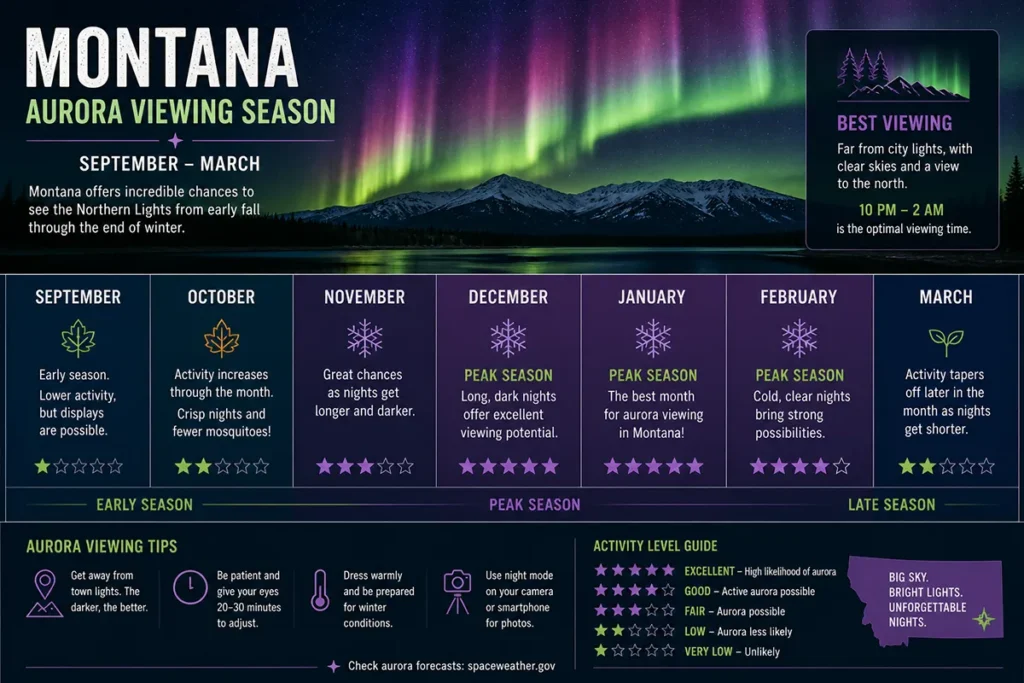
Northern Lights in Montana: Best Times to See Them

Montana’s northern location makes it one of the best places in the continental United States to witness the aurora borealis, but timing is everything when planning your northern lights adventure. Understanding the science behind these celestial displays and knowing when to look up can dramatically increase your chances of success.

Understanding the Solar Cycle

The northern lights are directly linked to solar activity, which follows an approximately 11-year cycle. During solar maximum, the sun produces more solar flares and coronal mass ejections (CMEs) that send charged particles toward Earth, creating more frequent and vibrant auroras.

Currently, we’re entering Solar Cycle 25, which began in December 2019 and is expected to peak around 2025. This means the next few years should offer increasingly spectacular aurora displays, making it an ideal time to plan your Montana northern lights adventure.

Best Months for Viewing

While the northern lights can technically appear any time of year, certain months provide better viewing opportunities in Montana:

  • September through April: These months offer longer, darker nights essential for aurora viewing
  • September-October and March-April: The equinox months often see increased geomagnetic activity
  • December-February: Midwinter provides the longest nights but can bring challenging weather conditions

Summer months (May-August) are generally poor for aurora viewing in Montana due to the short nights and persistent twilight, especially in northern parts of the state.

Ideal Weather Conditions

Clear, dark skies are essential for spotting the northern lights. Montana’s climate offers some advantages:

Avoid nights with cloud cover, fog, or precipitation, as these will obscure the aurora even during strong geomagnetic storms.

Time of Night Considerations

Patience and proper timing are crucial for aurora hunters in Montana:

  • 10 PM to 2 AM: This window typically offers the best viewing opportunities
  • Magnetic midnight: Approximately 30-90 minutes after geographic midnight is when auroral activity often peaks
  • All night vigils: During strong geomagnetic storms, the aurora may be visible from dusk till dawn

Remember that the northern lights can appear suddenly and last for minutes or hours, so be prepared to wait and watch throughout the night.

Aurora Forecasting Resources and Apps

Several reliable tools can help predict when the northern lights might be visible in Montana:

  • NOAA’s Space Weather Prediction Center: Provides 30-minute to 3-day aurora forecasts
  • University of Alaska Fairbanks Geophysical Institute: Offers daily aurora forecasts
  • Mobile apps: Aurora, My Aurora Forecast, and Northern Light Alert send notifications when conditions are favorable
  • Kp index: Learn to monitor this scale (0-9) that measures geomagnetic activity; Montana typically needs a Kp of 5+ for visible auroras

Check these resources regularly in the days leading up to your viewing attempt to maximize your chances.

Planning a Successful Viewing Trip

To optimize your northern lights experience in Montana:

  • Book accommodations with northern exposure: Many Montana cabins and lodges market themselves as aurora-viewing friendly
  • Allow multiple nights: Plan at least 3-4 nights in your chosen location to account for weather variables
  • Prepare for cold: Winter viewing requires proper clothing and gear for potentially sub-zero temperatures
  • Bring the right equipment: Camera, tripod, extra batteries (cold depletes them quickly), and red-light headlamps
  • Have a backup plan: Choose locations with multiple potential viewing spots in case you need to relocate due to local cloud cover

With proper planning and a bit of luck with solar activity, Montana can deliver a breathtaking aurora experience that rivals those seen much further north.

Montana Northern Lights Final Thoughts

Witnessing the aurora borealis dancing across Montana’s night sky is truly a once-in-a-lifetime experience that connects you with the raw beauty of our universe. After exploring the best locations across the state, it’s clear that Montana offers exceptional northern lights viewing opportunities for those willing to venture out into the darkness.

For the best viewing experience, remember to check aurora forecasts regularly through apps like Aurora Forecast or websites such as NOAA’s Space Weather Prediction Center. The ideal conditions include clear, dark skies during peak geomagnetic activity, typically between 10 PM and 2 AM during fall, winter, and early spring months.

When preparing for your aurora adventure, proper equipment makes all the difference. Bring a quality camera with manual settings, a sturdy tripod, and extra batteries (cold temperatures drain them quickly). For photography enthusiasts, a wide-angle lens with a fast aperture (f/2.8 or wider) will capture the most impressive shots. Don’t forget warm layers—Montana nights get cold, especially during prime viewing seasons. Hand warmers, insulated boots, and a thermos of hot beverages will keep you comfortable during hours of skygazing.

Safety should always be your priority when venturing out at night. Tell someone your plans and expected return time, and whenever possible, bring a companion. Carry a fully charged phone, emergency supplies, and extra warm clothing. When driving to remote locations, stick to established roads and trails, and always have a full tank of gas. Bear spray is advisable in many Montana wilderness areas, even at night.

As visitors to these magnificent natural spaces, we have a responsibility to practice Leave No Trace principles. Use red-filtered flashlights to preserve your night vision and minimize disruption to wildlife. Avoid trampling sensitive vegetation when setting up your viewing spot, and always pack out everything you bring in.

The northern lights remind us of the importance of dark sky conservation. Montana is home to several designated Dark Sky places, and these precious resources face increasing threats from light pollution. Support local dark sky initiatives and be mindful of your own light impact when visiting these areas.

Whether you’re watching the emerald ribbons unfold above Glacier National Park or experiencing the magical reflections on Whitefish Lake, Montana’s northern lights offer a profound connection to the cosmos. The patience required—sometimes waiting hours in the cold—makes the moment when the lights appear all the more rewarding. So bundle up, look north, and prepare to be humbled by one of nature’s most spectacular displays right here in Big Sky Country.

Frequently Asked Questions

What causes the northern lights?

The northern lights, or aurora borealis, are caused by charged particles from the sun colliding with gases in Earth’s atmosphere. These collisions create the dancing waves of colored light we see from the ground, typically appearing as green waves or curtains, though purple, blue, and red hues can sometimes appear during strong geomagnetic storms.

When is the best time of year to see the northern lights in Montana?

The best time to see the northern lights in Montana is typically from September through April, with peak viewing opportunities during the winter months (December-February). These months offer longer, darker nights essential for aurora viewing. The equinox months (September-October and March-April) often see increased geomagnetic activity, making them particularly good for aurora hunting.

Do I need special equipment to view the northern lights?

While you don’t need special equipment to view the northern lights with your naked eye, having certain items can enhance your experience. A camera with manual settings, a sturdy tripod, and extra batteries are essential for photographing the aurora. Warm clothing, hand warmers, and a thermos of hot beverages will keep you comfortable during long viewing sessions. A red-light headlamp is also useful for preserving your night vision.

Can I see the northern lights from cities in Montana?

While it’s possible to see very strong auroras from cities, your chances of viewing the northern lights improve significantly by heading to darker areas outside of urban centers. Even driving 15-20 minutes outside city limits can dramatically improve visibility. Some cities, like Bozeman and Missoula, have nearby locations with minimal light pollution that offer good viewing opportunities.

How far in advance can I plan to see the northern lights in Montana?

Planning for the northern lights can be challenging as their appearance depends on solar activity, which can be unpredictable. However, you can increase your chances by planning trips during peak viewing seasons (fall through early spring) and monitoring aurora forecasts. Apps and websites like NOAA’s Space Weather Prediction Center offer forecasts up to 3 days in advance, which can help you plan shorter trips.

Are there guided northern lights tours in Montana?

While not as common as in places like Alaska or Iceland, some tour operators in Montana do offer northern lights experiences, particularly near Glacier National Park and in the Bozeman area. However, many visitors prefer to self-guide their aurora hunting, using online resources and local astronomy groups for information. Some lodges and resorts in prime viewing areas also offer aurora wake-up calls or viewing assistance for guests.

Is it safe to go northern lights viewing alone in Montana?

While many people do view the northern lights alone, it’s generally safer to go with a companion, especially when venturing into remote areas at night. If going alone, always inform someone of your plans and expected return time. Carry a fully charged phone, emergency supplies, and extra warm clothing. Stick to established roads and trails, and be aware of wildlife activity, particularly in bear country. Always prioritize safety over getting the perfect view or photograph.

Sources

Emily Carter

I write Montana travel guides focused on routes, destinations, and planning basics. My content emphasizes accuracy, usefulness, and clear structure, helping readers make informed travel decisions based on reliable information and realistic expectations.

Leave a Reply