I stood at the Avalanche Lake trailhead in Glacier National Park last July, watching a family from Florida realize they’d packed sandals and cotton t-shirts for a mountain hike where temperatures dropped thirty degrees by noon.
That uncomfortable moment—when you’re miles from anywhere and realize you packed wrong—is exactly what I want to help you avoid.
After spending the better part of three years exploring Montana’s wild corners, I’ve refined my packing list down to what actually matters.
My early trips were disasters of overpacking and underpreparing, but every frozen finger and unexpected downpour taught me something. If you’re looking for comprehensive Montana travel tips, packing smart is where your trip truly begins.
- Layer everything — Montana weather changes hourly, not daily
- Pack for 30-40°F temperature swings in a single day
- Bear spray is non-negotiable in bear country (and most of Montana is bear country)
- Bring a physical map — cell service is unreliable in most wilderness areas
- Sunscreen at altitude is more critical than you think
- Waterproof everything, even in “dry” seasons
- Pack less clothing, more technical gear
Liked this article?
Add Roaming Montana as a preferred source so you see more of our articles and guides on Google.
Understanding Montana’s Unique Packing Challenges
Montana isn’t like other destinations where you can just throw clothes in a bag and figure it out when you arrive. The state spans over 147,000 square miles with elevations ranging from 1,800 feet in the eastern plains to over 12,000 feet in the mountain peaks.
This means radically different packing needs depending on where you’re going and when. During my first visit to Yellowstone’s Montana entrance near Gardiner, I packed for “summer” and ended up buying an overpriced fleece at a gift shop when afternoon thunderstorms brought hail.
Before you start packing, it’s worth understanding how much it costs to visit Montana so you can budget for any gear you might need to purchase locally.
The Foundation: Clothing That Actually Works
The Layering System Explained
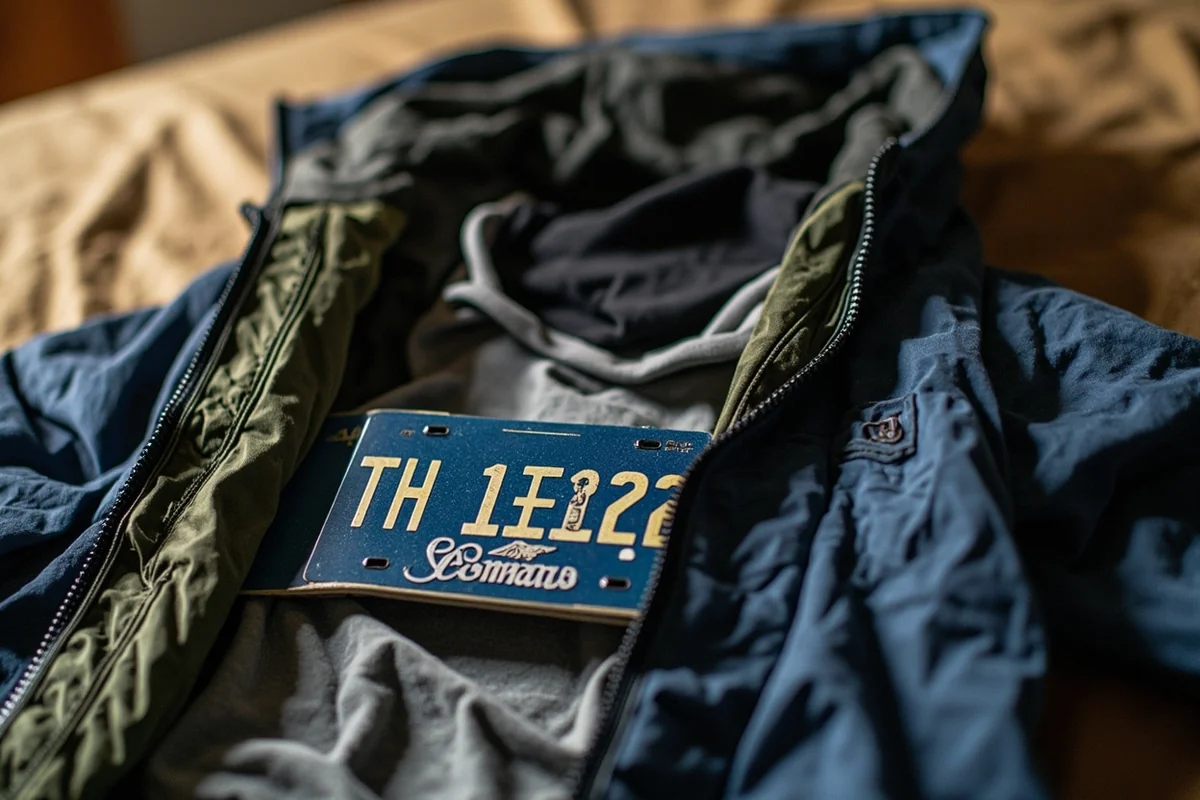
I cannot stress this enough: layering isn’t just good advice in Montana—it’s survival strategy. Last September near Missoula, I started a morning hike at Rattlesnake Wilderness in 38°F temperatures and ended it at 2 PM in 72°F sunshine.
Your base layer should be moisture-wicking synthetic or merino wool. Cotton is genuinely dangerous in Montana’s backcountry because it holds moisture and loses all insulating properties when wet. I learned this the hard way on a rainy August afternoon near Flathead Lake.
Your mid-layer provides insulation. I bring a lightweight down puffy for cold mornings and a fleece zip-up for active hiking. Both pack down small but provide enormous temperature versatility.
Your outer layer handles wind and precipitation. A quality rain jacket that also blocks wind is the single most important piece of clothing you’ll pack. Mine has saved me dozens of times, from sudden Glacier storms to unexpected winds in the Madison Valley.
Summer Packing List (June through August)
Summer sounds simple, but Montana summers are deceptive. Here’s what I actually pack for warm-season trips:
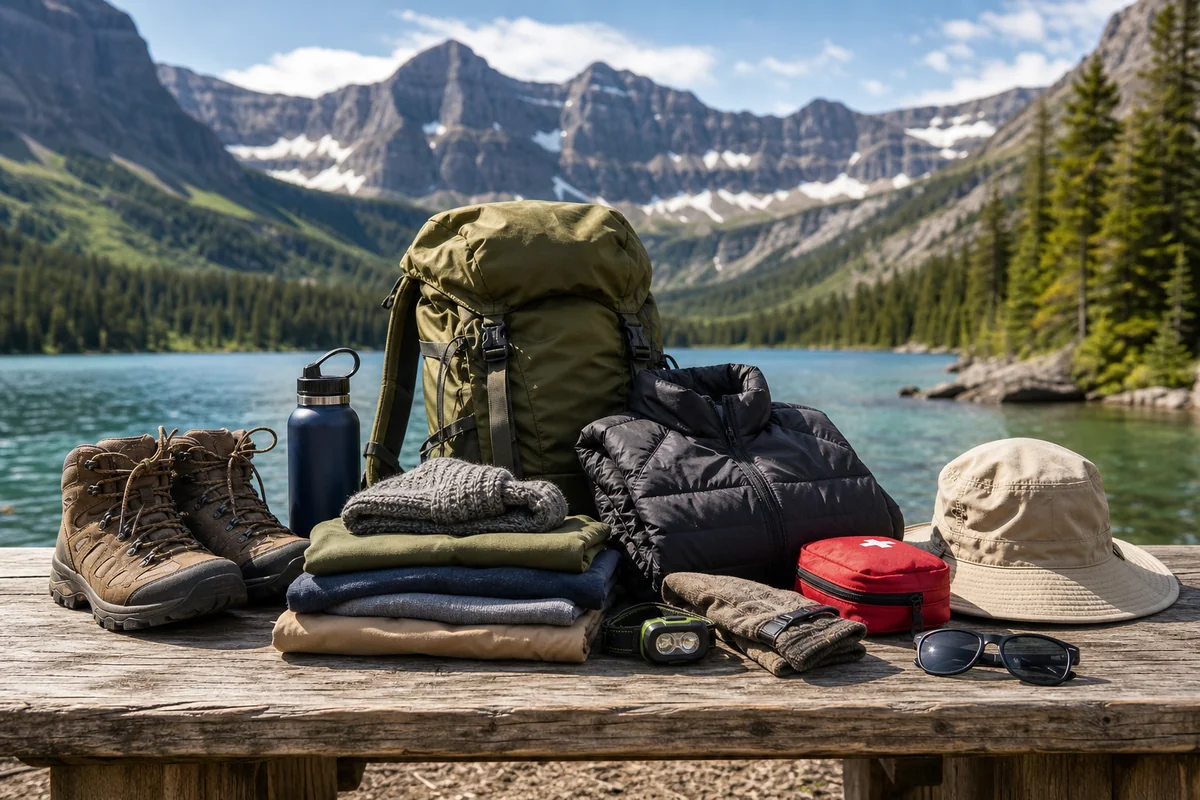
- 3-4 moisture-wicking t-shirts (I prefer merino wool blend)
- 1 long-sleeve sun shirt (essential for river days)
- 2 pairs hiking pants (convertible zip-offs are genuinely useful here)
- 1 pair lightweight shorts
- 1 fleece jacket or vest
- 1 lightweight down jacket (trust me)
- 1 waterproof rain jacket
- 1 warm hat (for evenings and high altitude)
- 1 wide-brim sun hat
- Lightweight gloves (I use running gloves)
- 4-5 pairs wool hiking socks
- 1 pair camp shoes or sandals
- Broken-in hiking boots
That down jacket might seem excessive for summer, but temperatures at Logan Pass in Glacier regularly drop into the 40s even in July. During my visit to the Going-to-the-Sun Road last August, I saw tourists in tank tops shivering at the summit while I sipped coffee in my puffy, perfectly comfortable.
Fall Packing List (September through November)
Fall is my favorite Montana season, but it’s also the most unpredictable. I’ve experienced 70°F afternoons and morning frost on the same October trip to the Paradise Valley.
Add these to your summer list:
- Heavier down or synthetic insulated jacket
- Insulated pants or fleece-lined hiking pants
- Warmer base layers (mid-weight merino)
- Warmer gloves (insulated, not just lightweight)
- Neck gaiter or balaclava
- Thicker wool socks (bring extra pairs)
If you’re hoping to catch the aurora borealis, fall is prime season. Check out whether Montana sees the Northern Lights to plan your trip accordingly—and pack those warm layers for late-night viewing.
Winter Packing List (December through February)
Montana winters are serious. Temperatures in places like West Yellowstone regularly hit -30°F, and wind chill can make it feel far colder. I once experienced -45°F with wind chill near Big Sky, and I was grateful for every layer I’d brought.
Winter requires upgrading nearly everything:
- Expedition-weight base layers (top and bottom)
- Heavy insulated parka rated to -20°F minimum
- Insulated snow pants
- Insulated winter boots (I use Sorel Caribou for most conditions)
- Heavy insulated gloves plus liner gloves
- Balaclava or face covering
- Multiple warm hats
- Chemical hand and toe warmers (stock up)
- Wool socks (heavy weight, multiple pairs)
Spring Packing List (March through May)
Spring in Montana is essentially “extended winter with occasional nice days.” When I visited Yellowstone in late April, I encountered snow, rain, mud, sunshine, and more snow—all in 48 hours.
Pack as if you’re going in fall, but add:
- Waterproof gaiters (the mud is legendary)
- Extra waterproof layers
- Multiple pairs of shoes if possible
Essential Gear Beyond Clothing
Bear Safety Equipment
Montana is bear country. Period. Grizzlies and black bears live throughout the western part of the state, and encounters happen regularly. I’ve had three close encounters in three years, including one memorable morning near Many Glacier when a grizzly crossed the trail 50 yards ahead of me.
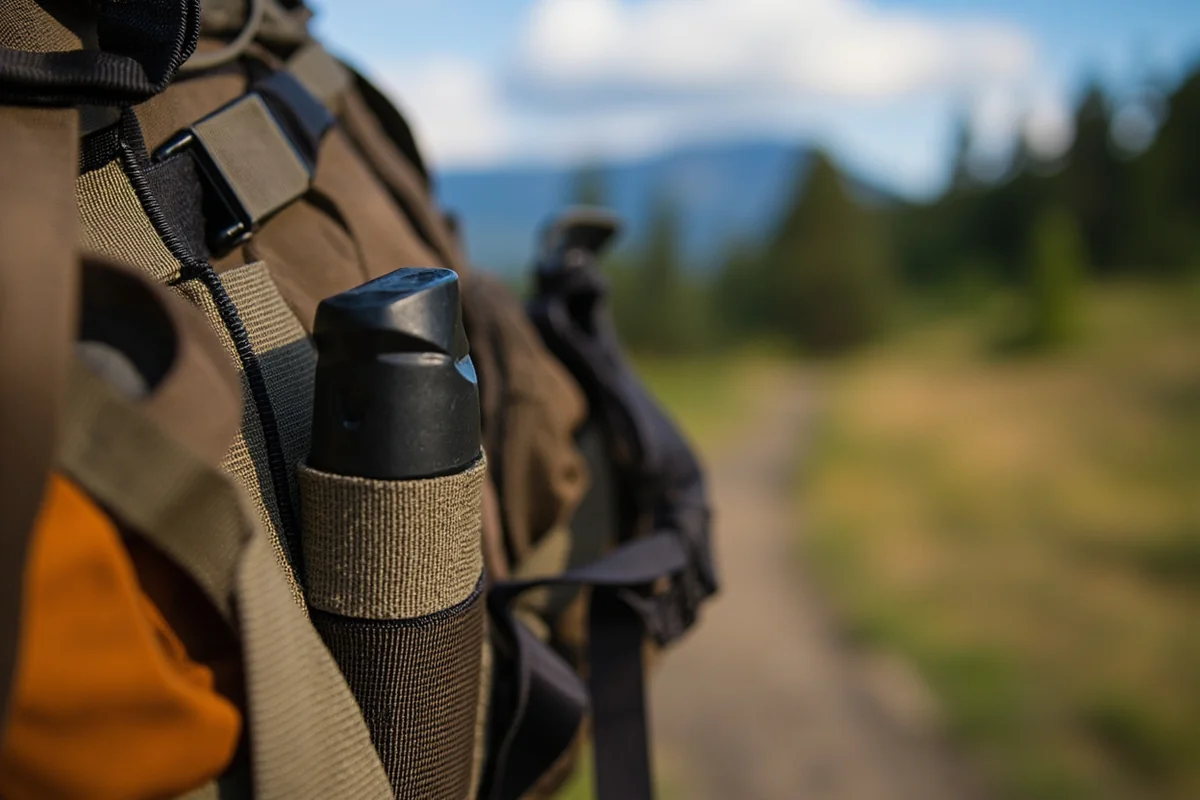
Bear spray is non-negotiable. I carry Counter Assault brand, which is made in Montana and approved for bear deterrent use. It should be accessible on your hip or chest strap, not buried in your pack. Every person in your group should carry their own.
You’ll also want bear bells for hiking—opinions vary on their effectiveness, but I’ve found they help alert bears to my presence on the trail. And if you’re camping, a bear canister or bear-proof food storage system is required in most wilderness areas.
Navigation Tools
Here’s something that surprises first-time Montana visitors: your phone will be useless for navigation across huge portions of the state. Cell coverage in Montana is spotty at best, and inside wilderness areas, it’s essentially non-existent.
Bring physical maps. I carry Trails Illustrated maps for whatever area I’m visiting, plus a basic compass. Download offline maps to your phone before you leave service, but don’t rely on them as your only navigation.
A dedicated GPS device is worth considering for serious backcountry trips. I use a Garmin inReach Mini, which also allows me to send SOS messages in emergencies—a feature that’s provided peace of mind on many solo trips.
Hydration and Water Treatment
Montana has incredible water—crystal-clear streams and alpine lakes that look impossibly pure. But looks can deceive. Giardia (often called “beaver fever”) is present throughout Montana’s waterways.
I carry a Sawyer Squeeze filter for all backcountry trips. It weighs almost nothing and filters thousands of gallons before needing replacement. SteriPEN UV purifiers work too, though they require batteries.
For day hikes, I typically bring 3 liters of water capacity minimum. Montana’s dry climate and high altitude cause dehydration faster than you’d expect. If you’re curious about town water, I’ve written about whether Montana tap water is safe to drink—the short answer is yes, and it’s often excellent.
Sun Protection
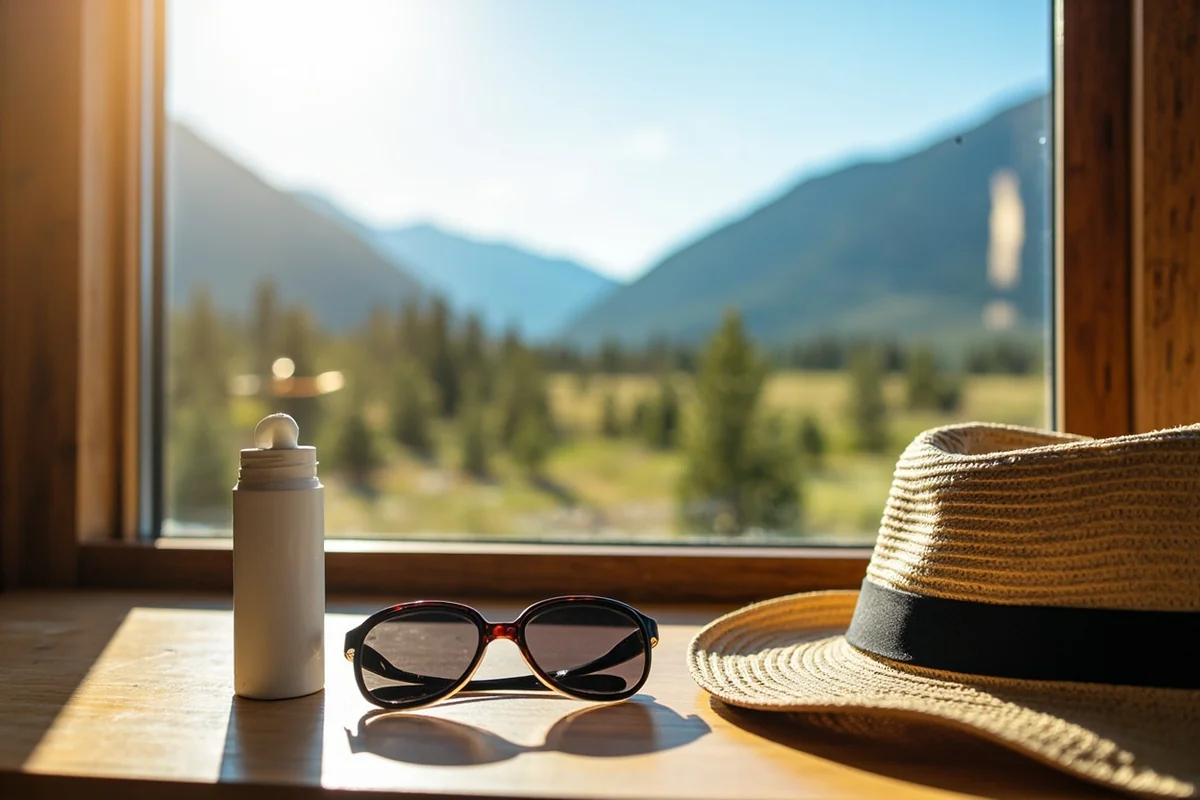
At Montana’s elevations, UV exposure is significantly more intense than at sea level. I’ve gotten bad sunburns on overcast days at 7,000 feet because I underestimated this.
Pack:
- SPF 50+ broad-spectrum sunscreen
- Lip balm with SPF
- Quality sunglasses with UV protection
- Sun hat with brim
- Sun-protective clothing (UPF-rated shirts)
First Aid and Emergency Supplies
Your first aid kit should be more robust than what you’d pack for urban travel. Medical facilities in Montana are often hours away from wilderness areas. I carry:
- Comprehensive first aid kit with wound care, medications, and emergency blanket
- Personal medications plus extras (pharmacies aren’t everywhere)
- Prescription EpiPen if you have allergies (insect stings are common)
- Moleskin and blister treatment
- Anti-chafing balm
- Electrolyte packets
- Emergency whistle
- Headlamp with extra batteries
- Fire-starting materials
- Emergency shelter (bivy or emergency blanket at minimum)
I always check current safety information for Montana before trips to understand any regional concerns.
Technology and Connectivity
Staying Connected (When Possible)
As I mentioned, cell coverage is limited. Before my trips, I research coverage maps and plan accordingly. If staying connected is important for your work or family, understanding your options ahead of time prevents frustration.
Some visitors use a VPN for secure connections when using public WiFi at hotels or cafes. If that’s a concern, you can research the best VPNs for Montana travel.
I also use Montana webcams before trips to check real-time conditions at destinations, which helps inform last-minute packing decisions.
Camera Gear
Montana’s landscapes demand good photography equipment, but balance capability against weight. I’ve made the mistake of bringing too much camera gear and being too exhausted to hike to the good viewpoints.
My current setup:
- Mirrorless camera with one versatile lens (24-105mm range)
- Smartphone as backup
- Extra batteries (cold drains them fast)
- Memory cards (more than you think you need)
- Microfiber lens cloths
- Small tripod for low-light situations
For wildlife photography specifically, you’ll want a longer telephoto lens. I rent one for trips focused on Yellowstone wildlife viewing rather than hauling heavy glass everywhere.
Vehicle Essentials
What Your Car Needs
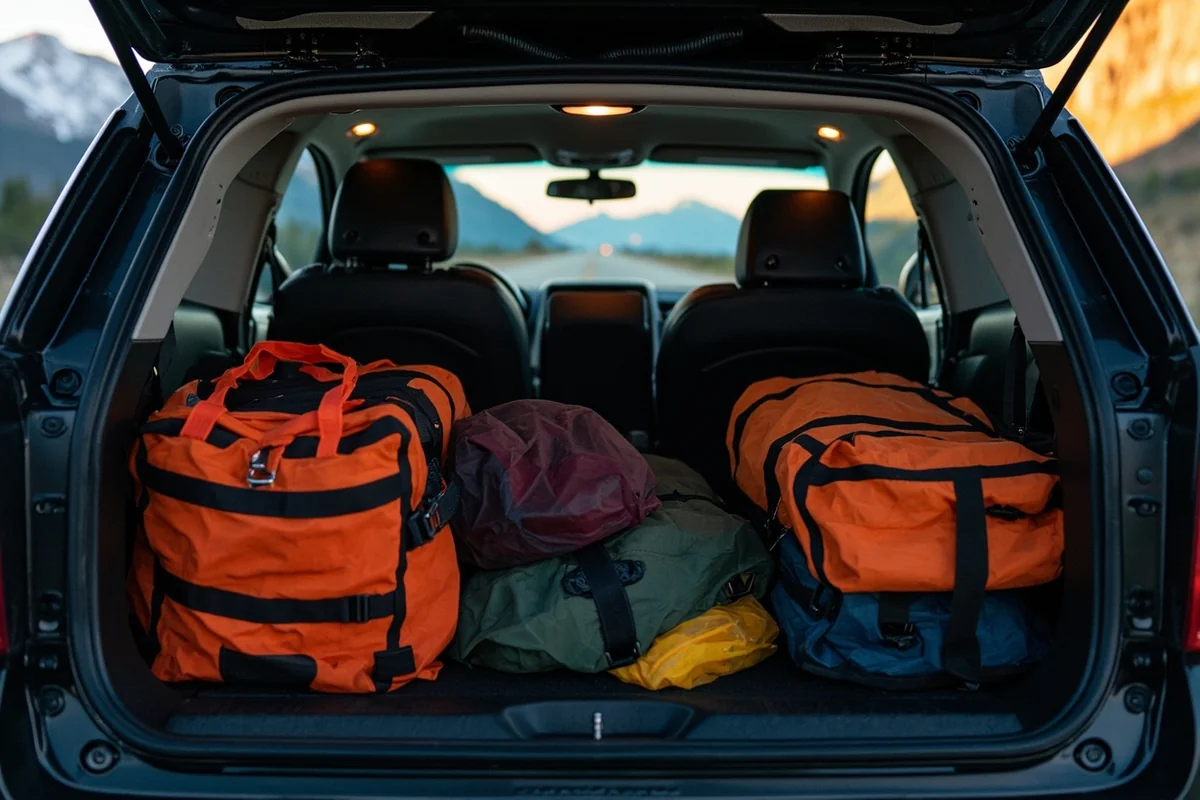
If you’re driving in Montana (which you almost certainly will be), your vehicle needs its own packing list. Distances are vast—Glacier National Park to Yellowstone is about 350 miles through largely rural territory.
Essential vehicle supplies:
- Full-size spare tire (not just a donut)
- Basic tool kit
- Jumper cables or portable battery pack
- Flashlight
- Paper maps (AAA still makes great ones)
- Emergency food and water
- Blankets
- First aid kit (separate from your hiking kit)
Winter Driving Additions
Montana’s winter roads are serious business. During a February trip to Big Sky, I was grateful for every piece of winter gear in my rental car.
Add these November through April:
- Snow chains or approved traction devices
- Ice scraper and snow brush
- Extra warm clothes in the car
- Sand or cat litter for traction
- Collapsible shovel
- Emergency candles and matches
Seasonal Packing Considerations
Wildfire Season (July through September)
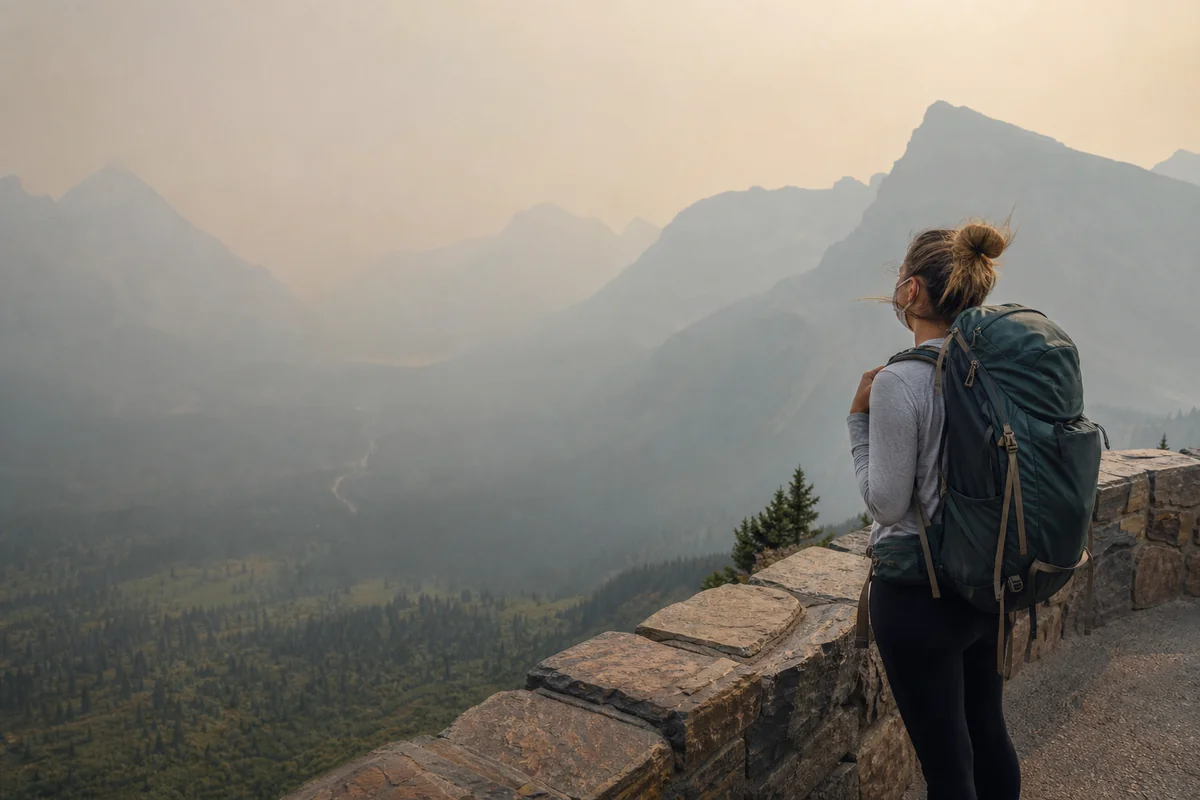
Wildfire smoke has become an unfortunate reality of Montana summers. During my last August trip, smoke from regional fires reduced visibility significantly for several days.
Pack N95 or KN95 masks for poor air quality days. I also bring eye drops for irritation. Before any summer trip, check Montana air quality conditions and pack accordingly. Be prepared for plans to change if conditions deteriorate.
Bug Season (June through August)
Montana mosquitoes near lakes and rivers are aggressive, and deer flies along trails are worse. I’ve had bites through lightweight clothing.
My bug defense kit:
- DEET-based repellent (I use 30% concentration)
- Permethrin spray for treating clothing
- Head net for serious mosquito areas
- Long sleeves and pants even when warm
- After-bite treatment
Shoulder Season Flexibility
If you’re visiting during shoulder seasons (May-June or September-October), pack for a wide range of conditions. I’ve learned to bring both summer and winter layers during these months.
Understanding any current Montana travel restrictions can also help you pack appropriately for specific areas or activities.
What NOT to Pack
Experience has taught me what to leave at home:
- Cotton clothing for any outdoor activity
- Dress shoes (I’ve never needed them in Montana)
- Excessive electronics
- Lots of heavy books (audiobooks or e-readers work better)
- New, unbroken-in footwear
- Bright, flashy colors for wildlife viewing (animals notice)
- Strong fragrances (attract bears and insects)
Packing for Different Trip Types
Glacier National Park Focus
Glacier requires rain gear regardless of forecast and warm layers even in summer. The park’s higher elevations create their own weather systems. Pack traction devices for early-season or late-season hiking when trails may have snow.
Yellowstone Montana Section
The Montana portions of Yellowstone (Gardiner and West Yellowstone entrances) tend to be drier than Glacier but colder. Pack thermal layers for early morning wildlife watching—I’ve photographed wolves in the Lamar Valley at 5 AM when temperatures were in the teens during September.
River and Lake Trips
If your trip focuses on water activities like floating the Blackfoot River or paddling Flathead Lake, add:
- Quick-dry clothing
- Water shoes or Chacos
- Dry bag for valuables
- Extra sunscreen (water reflection intensifies UV)
- Polarized sunglasses
Urban Exploration
For Missoula, Bozeman, or Billings-focused trips, you can pack lighter on technical gear but still need layers. Montana cities still experience dramatic temperature swings and unexpected weather.
If you’re trying to explore Montana on a budget, packing versatile items that work across different activities prevents expensive last-minute purchases.
Practical Packing Table
| Category | Summer | Fall | Winter | Spring |
|---|---|---|---|---|
| Base Layers | Lightweight merino | Midweight merino | Expedition weight | Midweight merino |
| Insulation | Light down + fleece | Medium down + fleece | Heavy parka + heavy fleece | Medium down + fleece |
| Rain Gear | Essential | Essential | Waterproof outer layer | Heavy-duty essential |
| Footwear | Hiking boots + sandals | Hiking boots + camp shoes | Insulated winter boots | Waterproof hiking boots |
| Headwear | Sun hat + warm hat | Warm hat + sun hat | Heavy insulated hat + balaclava | Warm hat + sun hat |
| Gloves | Lightweight pair | Insulated pair | Heavy insulated + liners | Insulated pair |
| Special Gear | Bug spray, smoke masks | Extra warmth layers | Handwarmers, traction devices | Gaiters, extra waterproofing |
Budget-Friendly Packing Tips
You don’t need to spend a fortune on gear. Here’s how I’ve managed costs:
Rent expensive items locally. Big Sky and Whitefish have gear rental shops where you can pick up winter equipment for a fraction of purchase prices.
Buy quality base layers; economize elsewhere. A $40 merino base layer will outperform a $15 synthetic one, but you don’t need a $300 rain jacket when a $80 one works fine.
Check thrift stores in Montana towns. I’ve found excellent deals on name-brand outdoor clothing at secondhand shops in Bozeman and Missoula.
Before deciding how much to budget for gear, it helps to understand how long it takes to get to Montana from your location—longer trips justify investing more in comfort.
Some travelers question why flights to Montana are expensive and choose to drive instead. If you’re driving, you can pack more gear without airline restrictions.
Final Packing Checklist
Before every Montana trip, I run through this mental checklist:
- Layers checked against forecast and elevation
- Bear spray accessible and not expired
- Physical maps for all destinations
- Water treatment method packed
- First aid kit stocked and medications current
- Headlamp batteries tested
- Vehicle kit prepared
- Emergency contacts shared with someone at home
- Rain gear regardless of forecast
- Sun protection for altitude
Montana rewards preparation. Every hour I spend planning and packing translates directly into better experiences on the ground. The wilderness here doesn’t care about your vacation schedule or your comfort expectations—it operates on its own terms.
Pack thoughtfully, expect the unexpected, and you’ll discover why so many travelers fall permanently in love with Big Sky Country. I certainly did, and three years later, I’m still finding new corners to explore.
Frequently Asked Questions
What should I pack for a summer trip to Montana?
For a Montana summer trip, I always pack layers since temperatures can swing from 80°F during the day to 40°F at night, even in July. Bring lightweight hiking clothes, a warm fleece or down jacket, rain gear, sturdy hiking boots, and plenty of sunscreen since the high elevation means stronger UV rays. Don’t forget bear spray if you’re hiking in Glacier or Yellowstone country.
Do I need hiking boots for Montana or are sneakers okay?
I strongly recommend proper hiking boots with ankle support for Montana trails, especially in Glacier National Park or the Beartooth Mountains where terrain is rocky and unpredictable. Sneakers might work for flat, paved paths, but most scenic trails involve loose gravel, stream crossings, and steep inclines. Waterproof boots are worth the investment since you’ll likely encounter morning dew, muddy sections, or surprise rain showers.
What’s the best time of year to visit Montana and how should I pack differently?
The best time to visit Montana is June through September for hiking and outdoor activities, though July and August offer the warmest weather and fully accessible roads. For summer, pack sun protection and layers; for spring or fall visits, add a heavier insulated jacket and waterproof pants since snow is possible at higher elevations. Winter travelers need serious cold-weather gear rated for subzero temperatures, especially if visiting Big Sky for skiing.
Should I bring bear spray to Montana and where can I buy it?
Yes, bear spray is essential if you’re hiking anywhere in Montana’s backcountry, and I never hit the trail without it. You can purchase bear spray for $35-$50 at outdoor stores like REI, Walmart, or shops near Glacier and Yellowstone entrances. Keep it accessible on your hip belt, not buried in your backpack, and know how to use it before you need it.
How much does a week-long Montana trip cost for travelers from the US?
A week in Montana typically costs $1,500-$3,000 per person depending on your travel style, with budget travelers camping and cooking spending closer to $1,000. Expect to pay $150-$300 per night for mid-range hotels near Glacier National Park during peak summer, plus $35 for a 7-day park pass. Gas adds up quickly since attractions are spread out—Glacier to Yellowstone is about 350 miles, so budget $200-$400 for fuel if you’re road-tripping.
What clothing layers work best for unpredictable Montana weather?
I use a three-layer system that’s never failed me in Montana: a moisture-wicking base layer, an insulating mid-layer like fleece or lightweight down, and a waterproof outer shell. Pack more warm layers than you think you’ll need because mountain weather changes fast and hypothermia is a real risk even in summer. Quick-dry fabrics are your friend since cotton stays wet and cold for hours.
Do I need a car to travel around Montana and how many miles should I expect to drive?
A car is absolutely necessary for exploring Montana since public transportation is extremely limited and attractions are spread across vast distances. Glacier National Park’s Going-to-the-Sun Road alone is 50 miles, and driving from Missoula to Glacier takes about 2.5 hours covering 150 miles. Most visitors log 500-1,000 miles during a week-long trip, so rent a reliable vehicle with good clearance and make sure your spare tire is in good shape.
Sources