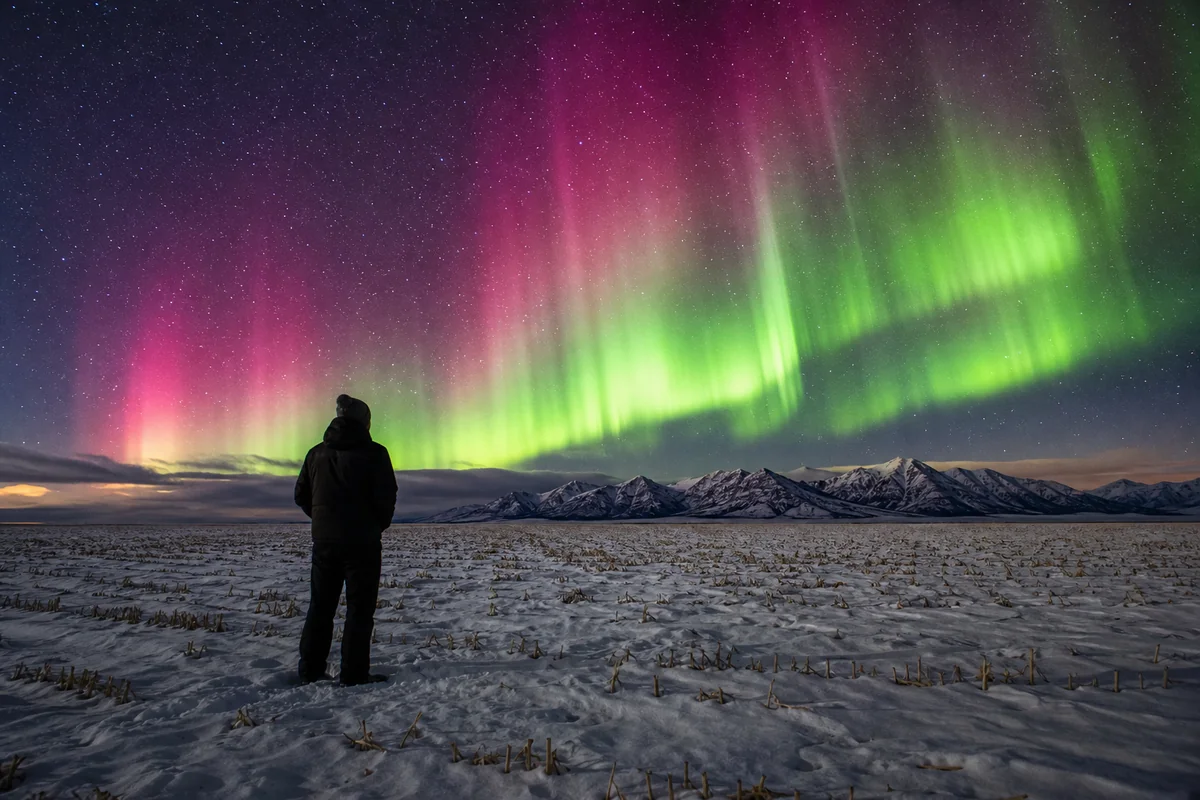
I’ll never forget pulling into Bozeman at 2 AM after a 14-hour drive from Denver, completely exhausted but instantly energized when I stepped out of my car and saw more stars than I’d witnessed in years.
That moment crystallized something I’ve learned through dozens of Montana trips: getting here takes effort, but understanding your options transforms the journey from a slog into part of the adventure.
Whether you’re road-tripping from the Pacific Northwest, flying in from the East Coast, or plotting a cross-country odyssey, this guide covers everything I’ve learned from years of exploring Big Sky Country.
Before diving into the specifics, make sure to check out our complete Montana Travel Tips guide for broader planning advice that’ll help your entire trip run smoother.
- Driving from major US cities ranges from 6 hours (Seattle, Salt Lake City) to 30+ hours (East Coast)
- Direct flights exist from 15+ cities, typically 2-4 hours of flight time
- Montana has 8 commercial airports, but Bozeman and Missoula handle most traffic
- Summer adds 30-60 minutes to park-area routes due to congestion
- Winter can double travel times on mountain passes — always check conditions
- Budget extra time: Montana is massive (fourth largest state) with significant internal distances
Liked this article?
Add Roaming Montana as a preferred source so you see more of our articles and guides on Google.
Understanding Montana’s Size and Geography
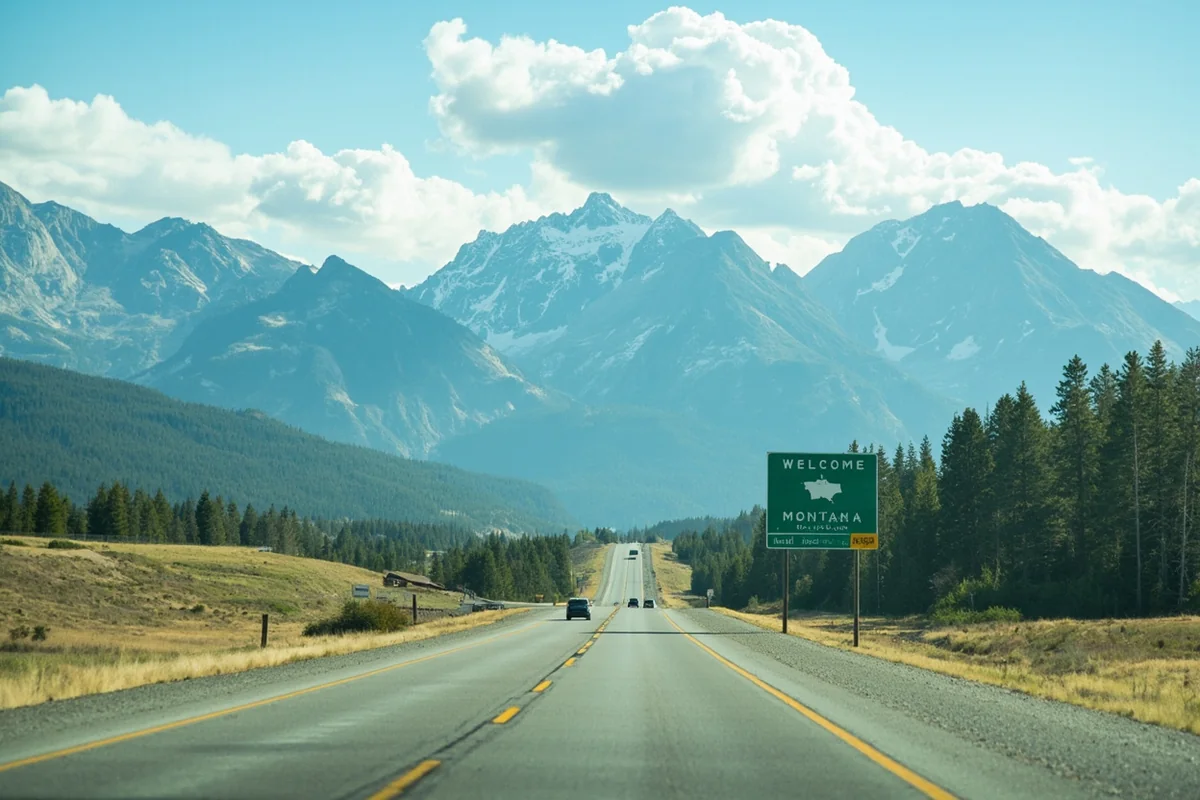
Before I give you specific travel times, you need to understand something that catches first-time visitors off guard: Montana is absolutely enormous. At 147,040 square miles, it’s larger than Germany, and driving across the state east-to-west takes about 9 hours in ideal conditions.
I once met a family at a Glacier National Park campground who’d flown into Billings assuming they’d “just drive over” to the park. They were stunned to discover their rental car journey would take nearly 6 hours each way.
Your destination within Montana matters as much as where you’re coming from. When people ask me “how long does it take to get to Montana,” my first question is always “which part?”
Montana’s Major Destination Regions
The state breaks down into several distinct travel regions, each with different access points:
Western Montana includes Glacier National Park, Missoula, Flathead Lake, and Whitefish. This region is closest to Washington, Idaho, and Oregon travelers.
Southwest Montana covers Bozeman, Big Sky, and the northwest entrance to Yellowstone. This area sees heavy traffic from Wyoming, Utah, and Colorado visitors.
Central Montana encompasses Great Falls, Helena (the state capital), and the Rocky Mountain Front. It’s often overlooked but offers incredible landscapes.
Eastern Montana features Billings, Miles City, and the vast plains stretching to the Dakotas. This region connects most easily to Midwest travelers.
Driving Times from Major US Cities
I’ve driven into Montana from multiple directions over the years, and I’ll share both the official times and what you can realistically expect. GPS estimates rarely account for Montana’s unique factors: wildlife crossings, sudden weather changes, construction zones, and the irresistible pull of scenic overlooks.
From the Pacific Northwest
Seattle to Missoula: The official time reads 6 hours via I-90, but I’ve never made it in under 7. The Lookout Pass crossing at the Idaho-Montana border is gorgeous and demands at least a brief stop. During my last summer trip, construction near Spokane added 45 minutes.
Seattle to Glacier National Park: Plan for 8-9 hours to West Glacier. The final stretch on Highway 2 is two-lane and can slow considerably behind RVs during tourist season.
Portland to Missoula: About 7-8 hours depending on your route. I prefer cutting through Washington rather than dropping through Idaho, but both work well.
From the Mountain West
Denver to Bozeman: This is the route I know best, having made it probably 20 times. Google says 9 hours, but realistically it’s 10-11 with stops. The stretch through Wyoming on I-25 to I-90 is deceptively long.
Salt Lake City to West Yellowstone: About 5.5 hours, making this one of the shorter access routes to Montana’s most visited area. During my winter trip two years ago, this became 8 hours due to an unexpected snowstorm near Idaho Falls.
Denver to Billings: Approximately 8 hours via I-25 and I-90. This is actually faster than reaching Bozeman because you’re not crossing as many mountain passes.
From the Midwest
Minneapolis to Billings: Roughly 12 hours through the Dakotas. I drove this route last fall and found the wide-open spaces hypnotic — in a good way. The landscape transforms dramatically once you cross into Montana.
Chicago to Billings: About 17-18 hours of pure driving. I’d strongly recommend splitting this into two days with an overnight in the Dakotas.
Kansas City to Billings: Around 14 hours. When I made this drive during my first Montana trip years ago, I was completely unprepared for how sparse services become in eastern Wyoming.
From the Southwest
Phoenix to Bozeman: This is a legitimate two-day drive at 15-16 hours. The route through Utah and Idaho offers stunning scenery but requires stamina.
Los Angeles to Bozeman: Approximately 15-16 hours via I-15. I’d recommend stopping in Salt Lake City overnight.
Las Vegas to West Yellowstone: About 9-10 hours, which surprises many Vegas visitors. It’s closer than they expect.
From the East Coast
If you’re coming from the East Coast, you’ll almost certainly want to fly. But for the completists and road warriors out there:
New York to Bozeman: 32-34 hours of driving across I-80 or I-90. That’s four solid days of driving.
Washington DC to Billings: Around 26-28 hours via I-70 and I-90. Still a multi-day commitment.
| Origin City | Destination | Distance | Drive Time (Realistic) |
|---|---|---|---|
| Seattle, WA | Missoula | 475 miles | 7-8 hours |
| Denver, CO | Bozeman | 640 miles | 10-11 hours |
| Salt Lake City, UT | West Yellowstone | 320 miles | 5.5-6.5 hours |
| Minneapolis, MN | Billings | 840 miles | 12-13 hours |
| Phoenix, AZ | Bozeman | 1,050 miles | 15-17 hours |
| Chicago, IL | Billings | 1,200 miles | 17-19 hours |
Flying to Montana: Airlines, Airports, and Flight Times
Flying into Montana has become significantly easier over the past decade, though it still requires more planning than reaching major metropolitan areas. If you’re wondering why flights to Montana are so expensive, the short answer involves limited competition and seasonal demand spikes — but there are strategies to find deals.
Montana’s Commercial Airports
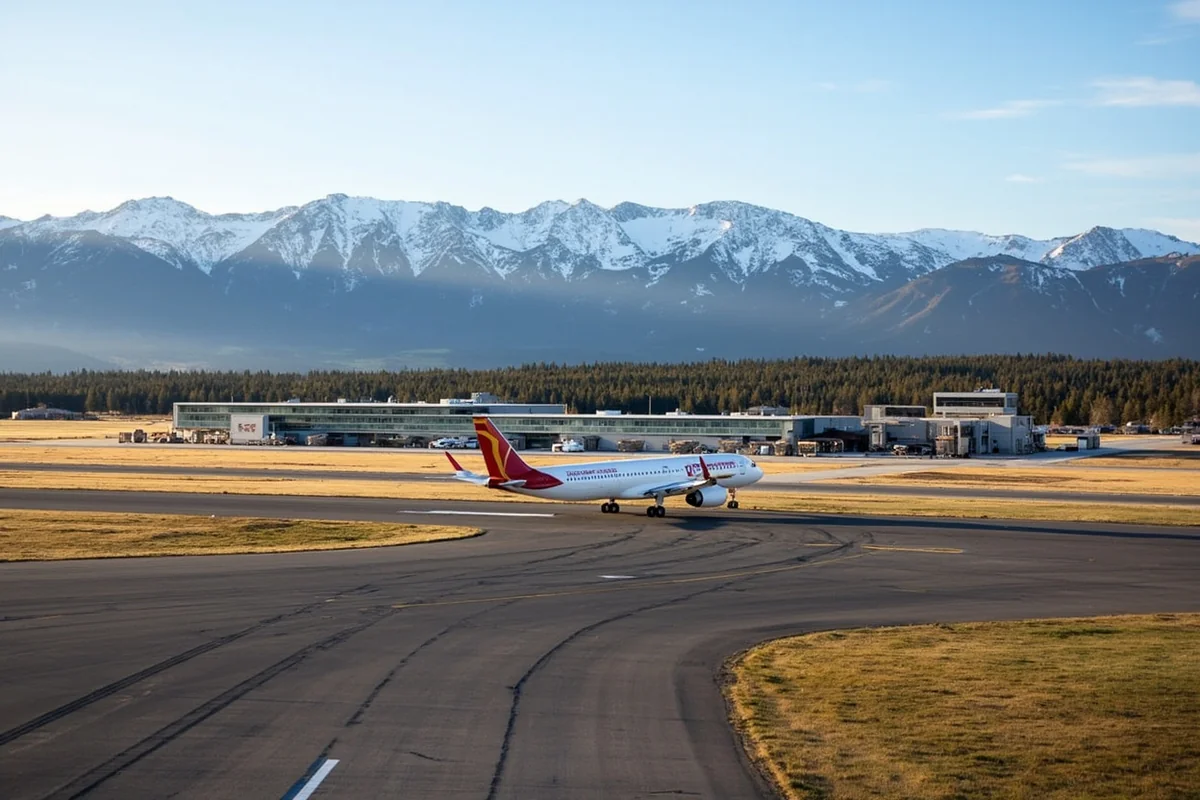
Montana has eight commercial airports, but most visitors will use one of these five:
Bozeman Yellowstone International (BZN): Montana’s busiest airport handles about 2 million passengers annually. It’s the primary gateway for Yellowstone’s north entrance and Big Sky Resort. Direct flights connect from 25+ cities including Los Angeles, Dallas, Denver, Chicago, Seattle, and Minneapolis.
Missoula Montana Airport (MSO): The gateway to western Montana and a solid option for Glacier National Park visitors. Fewer direct routes than Bozeman, but growing rapidly. During my last trip through Missoula, I noticed significantly upgraded facilities.
Glacier Park International (FCA): Located in Kalispell, this is the closest airport to Glacier National Park (about 25 miles). Direct flights from Denver, Seattle, Minneapolis, Salt Lake City, and seasonal routes from several other cities.
Billings Logan International (BIL): Eastern Montana’s hub with the most consistent year-round service. Good option if you’re exploring the eastern plains or want to approach Yellowstone from the northeast.
Helena Regional Airport (HLN): Smaller facility serving the state capital. Limited but useful connections through Denver and Salt Lake City.
Flight Times from Major Hubs
Direct flight times to Montana’s airports fall into predictable ranges:
From West Coast cities (LA, San Francisco, Seattle, Portland): 2-3 hours direct flight time. Seattle to Missoula is barely 90 minutes in the air.
From Mountain West (Denver, Salt Lake City, Phoenix): 1.5-2.5 hours. Denver to Bozeman is just under 2 hours — I’ve made this flight dozens of times.
From Midwest (Chicago, Minneapolis, Dallas): 2.5-4 hours. Minneapolis to Billings runs about 2.5 hours; Chicago to Bozeman is closer to 3.5 hours.
From East Coast (New York, Atlanta, DC): 4-6 hours direct when available, though many routes require connections. Total travel time with layovers often reaches 7-10 hours.
The Connection Reality
Here’s what most travel guides won’t tell you: unless you’re departing from a major hub with direct Montana service, you’ll likely connect through Denver, Salt Lake City, Minneapolis, or Seattle.
These connections add 1-4 hours to your total travel time. During my trip from Austin last year, a “quick” connection in Denver turned into a 5-hour layover due to weather delays.
My advice: when booking flights to Montana, prioritize direct routes even if they cost more. The time savings and reduced stress are worth it.
Seasonal Considerations That Affect Travel Time
Montana’s seasons dramatically impact how long it takes to get here. I’ve experienced every extreme, from bluebird summer days to whiteout blizzards that closed highways for hours.
Summer (June-August)
Summer brings the most visitors and the most predictable conditions — but also congestion. The Going-to-the-Sun Road in Glacier National Park can back up for 30+ minutes at vehicle checkpoints. Routes near Yellowstone’s entrances regularly see bumper-to-bumper traffic during midday.
During my July trip last year, what should have been a 90-minute drive from Bozeman to West Yellowstone took nearly 3 hours due to park traffic overflow.
Add 30-60 minutes to summer estimates for any routes near the national parks.
Winter (November-March)
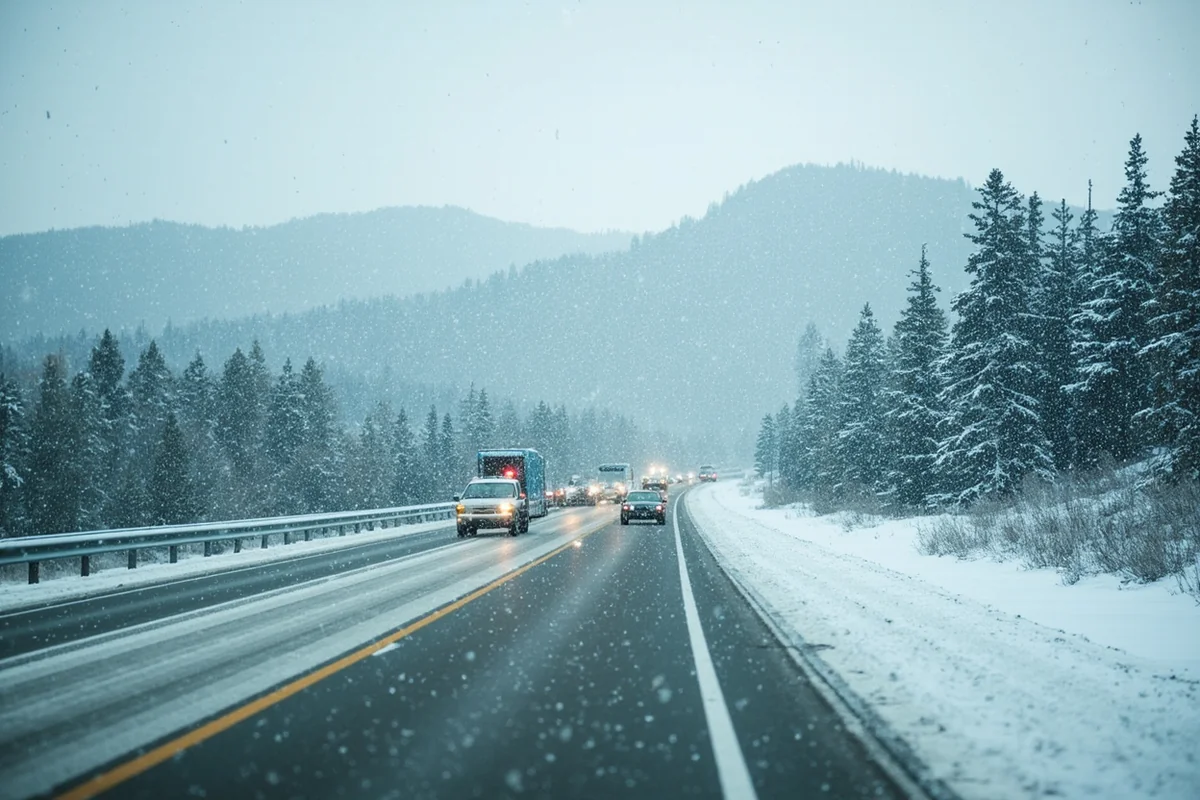
Winter travel to Montana requires serious preparation. Mountain passes close during storms, chains or snow tires become mandatory on certain routes, and conditions can change within minutes.
I learned this lesson driving over Homestake Pass near Butte during a February storm. What started as light snow became a whiteout that forced me to pull over for two hours. Always check the Montana Department of Transportation road conditions report (511MT.net) before winter travel.
Winter can double travel times on mountain routes. Budget accordingly.
Shoulder Seasons (April-May, September-October)
These periods offer the best balance of manageable crowds and decent conditions. September in particular is my favorite time to visit — the aspen are turning, the crowds have thinned, and the roads are generally clear.
However, spring travel involves unpredictable snowmelt and occasional late-season storms. The Going-to-the-Sun Road typically doesn’t fully open until late June.
Getting Around Once You Arrive
Your journey to Montana is just the beginning. Once you’re here, internal travel distances remain substantial. When planning your trip budget, our guide on how much it costs to visit Montana breaks down expenses you might not anticipate.
Distances Between Major Montana Destinations
- Bozeman to Glacier National Park: 4.5-5 hours. Most visitors underestimate this significantly.
- Missoula to Glacier National Park: 2.5-3 hours — much more manageable.
- Billings to Bozeman: 2.5 hours along I-90.
- Great Falls to Glacier National Park: 3 hours via Highway 89.
- Bozeman to West Yellowstone: 1.5-2 hours depending on season and traffic.
Rental Car Considerations
Rental cars are essential for most Montana visits since public transportation barely exists outside major towns. Book early during summer months — I’ve seen rental prices triple between April and July at Bozeman’s airport.
Four-wheel drive or all-wheel drive vehicles are worth the upgrade if you’re visiting during shoulder seasons or planning to explore backcountry roads. Last fall, I was grateful for my AWD rental when an unexpected snow squall hit near Big Timber.
One thing to note: cell service gets spotty in rural Montana. Before heading out, check our guide on the best cell coverage providers in Montana to make sure you can navigate and communicate on the road.
Alternative Transportation Options
While most visitors drive or fly, a few alternative options exist.
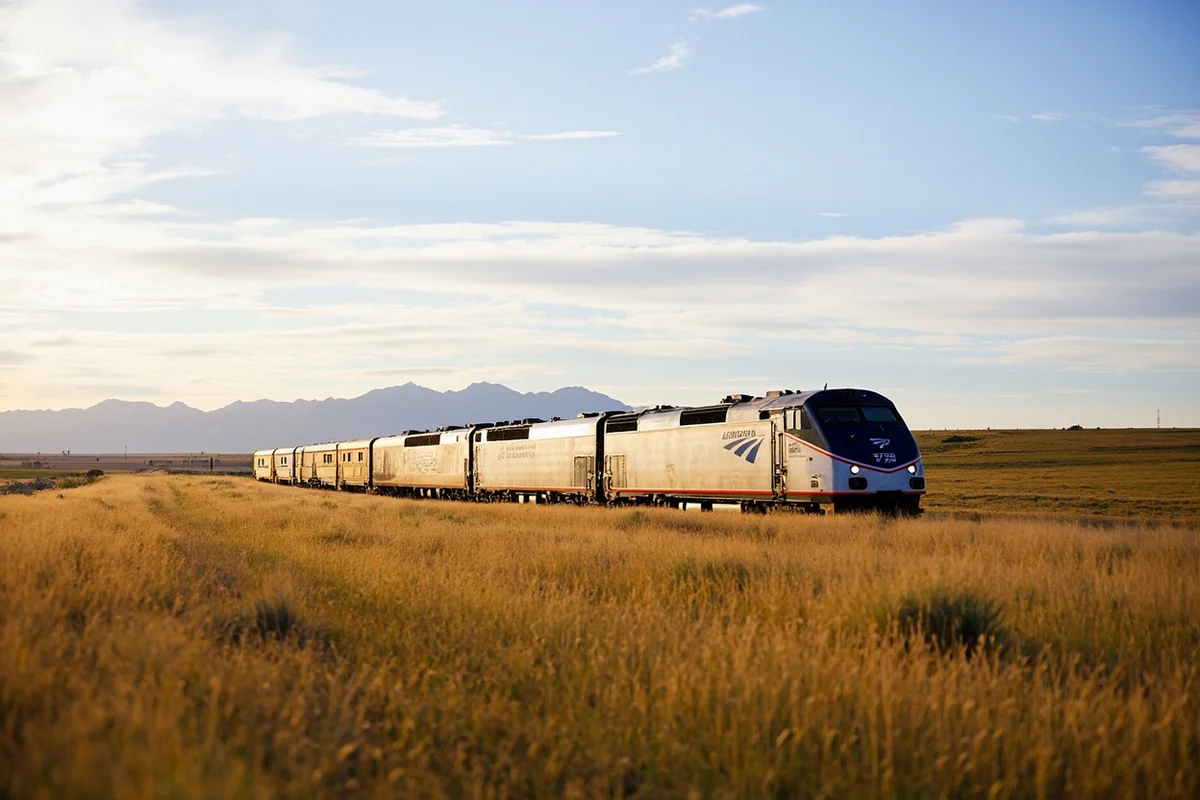
Amtrak’s Empire Builder
The Empire Builder route crosses northern Montana, stopping at Wolf Point, Glasgow, Malta, Havre, Shelby, Cut Bank, Browning (Glacier Park), Essex (Izaak Walton Inn), West Glacier, and Whitefish.
The train departs from Chicago and Seattle/Portland, taking roughly 26-30 hours from either endpoint to reach Montana’s northern stops.
I took the Empire Builder from Seattle to Whitefish two summers ago, and it was genuinely memorable — watching the landscape evolve from Pacific Northwest forests to Montana prairies while sipping coffee in the observation car. The timing rarely works for short trips, but for travelers with flexibility, it’s a unique experience.
Bus Services
Limited bus service exists between some Montana cities, but it’s not practical for most tourist itineraries. Greyhound and Jefferson Lines connect Billings, Missoula, and a few other communities, but schedules are inconvenient and routes don’t reach most popular destinations.
Private Shuttles
Shuttle services operate between airports and major resorts, particularly connecting Bozeman to Big Sky and Kalispell to Whitefish and Glacier. These work well if you’re staying at one destination and don’t need a car for exploring.
Planning Your Route: Strategic Tips
After years of Montana travel, I’ve developed strategies that consistently save time and reduce stress.
Consider Multi-Destination Approaches
If you’re visiting both Glacier and Yellowstone — which many first-timers want to do — flying into one gateway and out of another often makes sense. Fly into Kalispell, explore Glacier, drive south through Montana’s spectacular interior, visit Yellowstone, and fly out of Bozeman.
This approach avoids backtracking and lets you see more of the state.
Don’t Underestimate Drive Time
Whatever time your GPS estimates, add 20-30% for Montana driving. You’ll want to stop for wildlife sightings, scenic overlooks, and quirky roadside attractions. The state is too beautiful to rush through.
During a recent trip, I “lost” two hours photographing a herd of elk near Paradise Valley. I regret nothing.
Check Current Conditions Religiously
Before any Montana road trip, check:
- Montana DOT road conditions (511MT.net)
- National Park Service alerts for park roads
- Weather forecasts for your entire route
- Current construction projects (summer always has some)
For digital nomads and remote workers traveling to Montana, staying connected matters. Our guide to the best VPNs for Montana helps you maintain security even on public networks in small-town Montana.
Avoid Peak Travel Times
Fridays and Sundays see the heaviest traffic on routes near national parks. If possible, plan your driving for mid-week and arrive at popular destinations by mid-morning.
Last summer, leaving Yellowstone’s north entrance at 7 AM versus noon made a two-hour difference in my drive to Bozeman.
Special Considerations for Different Trip Types
Your reason for visiting affects how you should plan your travel time.
National Park Visits
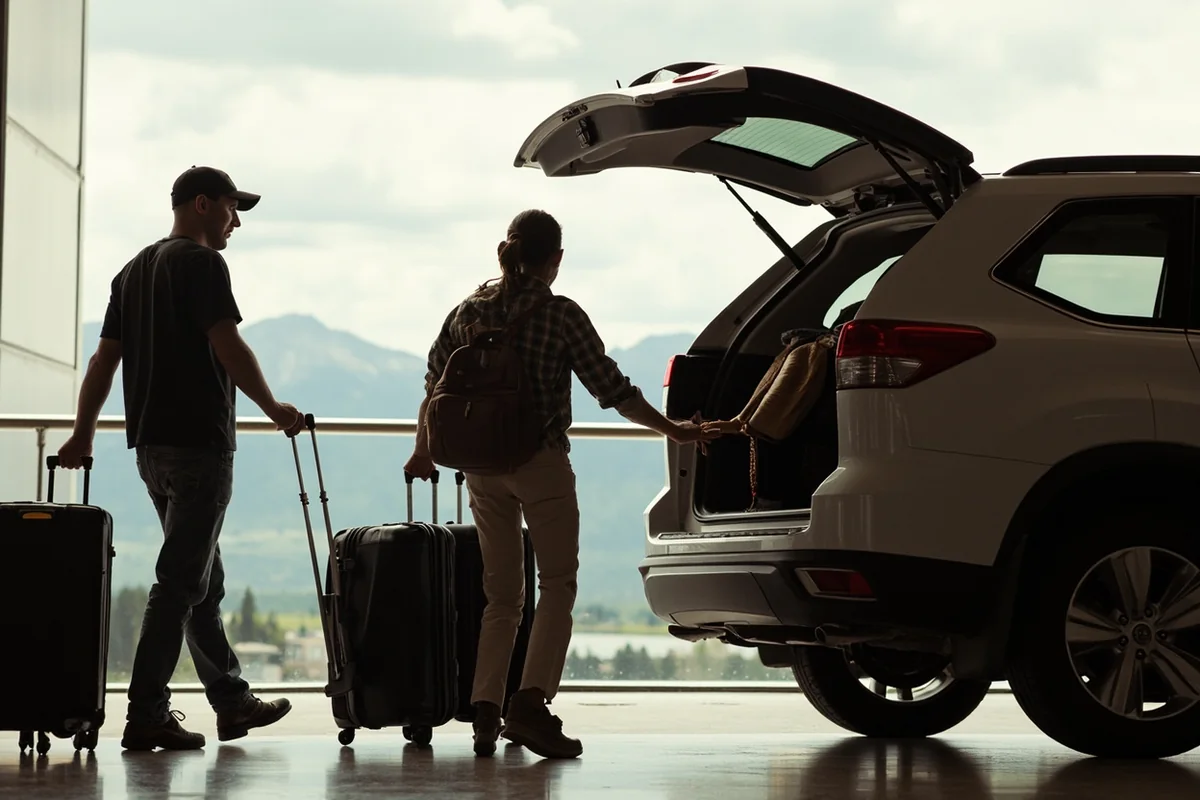
If Glacier or Yellowstone is your primary destination, anchor your trip around the closest gateway and allow ample time for park logistics. Park entry can take 30+ minutes during peak summer mornings.
For Glacier, fly into Kalispell (FCA) or drive from Seattle/Missoula.
For Yellowstone, Bozeman (BZN) is the closest major airport, though West Yellowstone has a small seasonal airport and you can also enter through Wyoming.
Before any national park visit, check our Montana travel restrictions guide for current entry requirements and reservation systems.
Ski Trip Planning
Big Sky, Whitefish Mountain, and other Montana ski resorts see significant winter traffic. Flights book up months in advance, and rental cars require early reservation.
Allow extra travel time for winter conditions. I recommend arriving a day before you plan to ski — nothing ruins a ski trip like spending your first day exhausted from a delayed, stressful journey.
Road Trip Adventures
If the journey is the destination, Montana rewards slow travel. The Beartooth Highway (connecting Montana and Yellowstone), the Going-to-the-Sun Road, and the Rocky Mountain Front offer some of America’s most spectacular drives.
Plan generous time for these routes. The Beartooth “should” take 3 hours but deserves an entire day.
Budget Travel
Traveling on a tighter budget often means more driving and less flying, which adds time but can dramatically reduce costs. Our guide to visiting Montana on a budget covers specific strategies for affordable day trips and cost-cutting measures throughout your journey.
What to Expect During Your Journey
The trip to Montana sets expectations for the state itself. A few things consistently surprise first-time visitors.
The Landscape Transition
Driving into Montana from any direction reveals a gradual but unmistakable landscape shift. From the east, prairies give way to dramatic breaks and suddenly the Rockies appear. From the west, dense forests open into broad valleys.
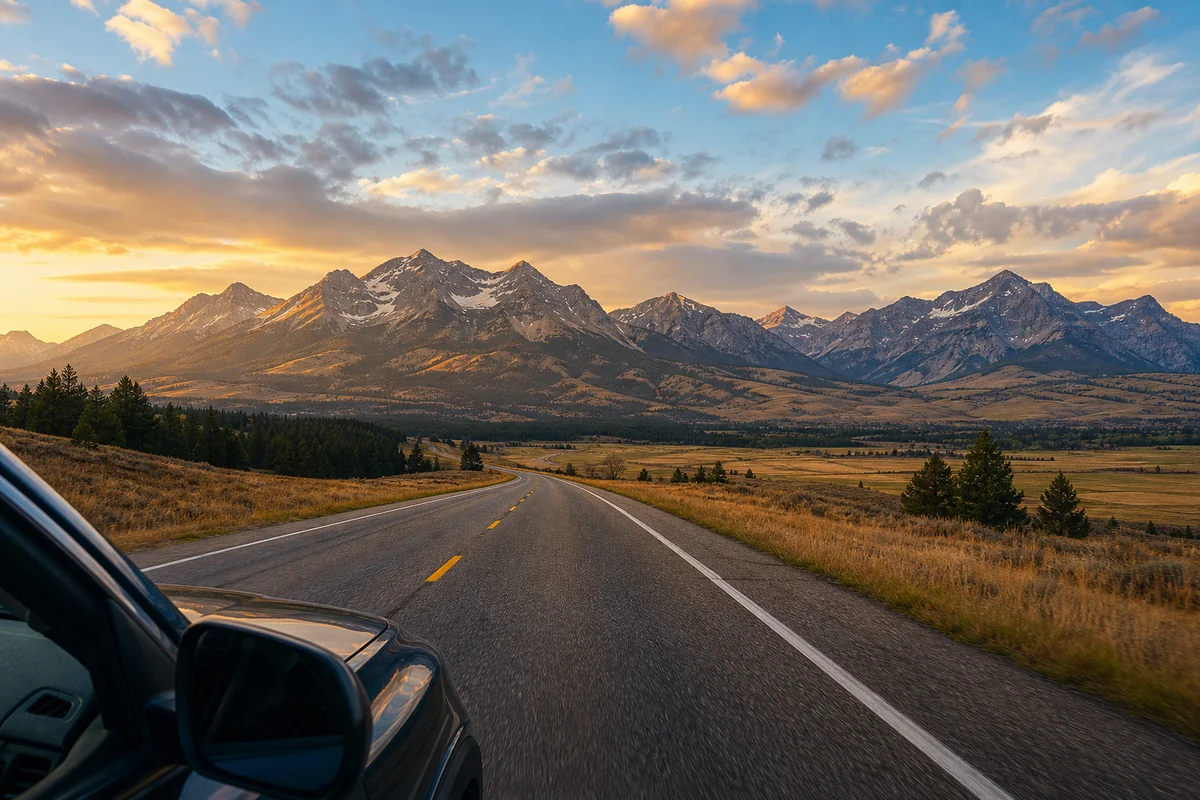
I always feel a specific moment when I realize I’ve truly entered Montana — usually somewhere around the first big-sky vista that makes me understand the nickname.
Limited Services
Gas stations and restaurants become sparse once you leave main corridors. I always top off my tank before entering any rural stretch and pack snacks and water.
A few summers ago, I drove 80 miles without passing a single open business on Highway 200 in eastern Montana. Beautiful drive, but plan accordingly.
Speaking of things to plan for, check our Montana trip packing list before you go. The state’s variable conditions catch many visitors unprepared.
Wildlife on Roads
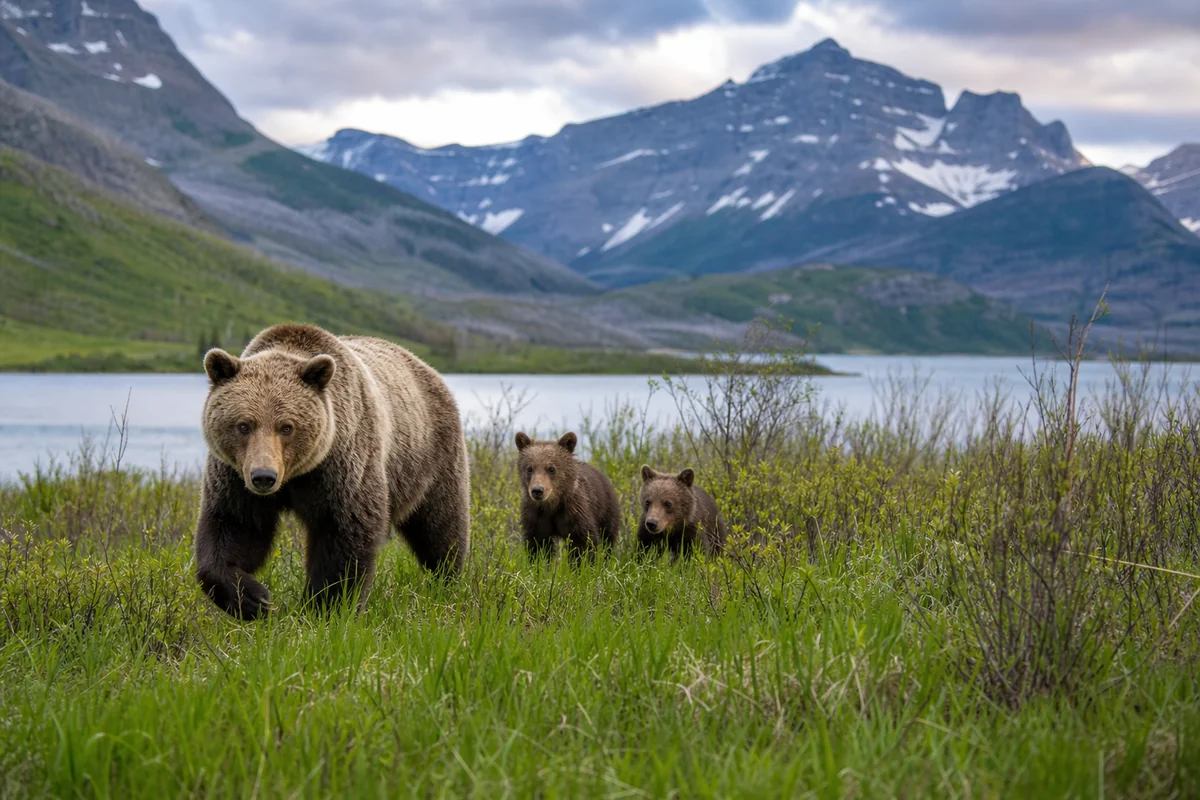
Deer, elk, moose, and even bears regularly cross Montana highways. Dawn and dusk are particularly dangerous times for wildlife collisions.
I’ve had three close calls over the years — all during twilight hours. Stay alert, scan roadsides, and reduce speed when visibility drops.
Weather Changeability
Montana weather can shift dramatically within hours. I’ve driven through four seasons in a single day: sunshine to rain to hail to snow and back to sunshine.
Layer your clothing and keep rain gear accessible. During summer months, Montana air quality can also be affected by wildfire smoke, which may impact your travel experience.
Making the Most of Your Arrival
After all that travel time, your arrival in Montana should be memorable. A few tips for maximizing that first impression.
Arrive Before Dark if Possible
Montana’s scenery deserves daylight appreciation. If you’re driving in, time your arrival for afternoon. If flying, book a morning or midday flight so you can explore a bit before sunset.
Have a First-Night Plan
Know exactly where you’re staying and how to get there before you arrive. Montana’s rural character means less reliable cell service and GPS navigation can get quirky. Download offline maps as backup.
You can use Montana webcams to check conditions at your destination before arrival.
Lower Your Pace Expectations
Your first day in Montana shouldn’t be packed with activities. Allow your internal clock to adjust to Montana time — a slower, more present way of experiencing the world.
Some of my favorite Montana memories involve doing essentially nothing: sitting by a river, watching clouds cross a mountain face, listening to silence.
Safety and Preparedness
A few final considerations to ensure your journey goes smoothly.
Vehicle Preparation
If driving, ensure your vehicle is road-trip ready. Check tires (including spare), fluid levels, brakes, and lights. Carry basic emergency supplies: jumper cables, flashlight, first aid kit, and extra water.
For winter travel, add chains, a blanket, and emergency food supplies.
Personal Safety
Montana is generally very safe, but remote areas require self-sufficiency. Our guide on whether Montana is safe to visit covers what you need to know.
Let someone know your travel itinerary, especially if venturing into backcountry areas.
Health Considerations
Higher elevations affect some travelers, particularly those coming from sea level. Drink plenty of water and take it easy on your first day if arriving at elevation.
Montana’s tap water is generally excellent — read more about whether Montana tap water is safe to drink for specifics.
The Bottom Line: Plan More Time Than You Think
After all my Montana travels, my biggest advice is simple: build in buffers everywhere.
Add an hour to every drive estimate. Add a day to your overall itinerary. Leave room for the unexpected — because in Montana, the unexpected usually involves something beautiful you didn’t want to miss.
The journey to Montana takes time. But that time invested pays dividends in the experiences waiting for you. Whether you’re chasing northern lights or simply seeking space and silence, the effort to get here transforms into appreciation once you arrive.
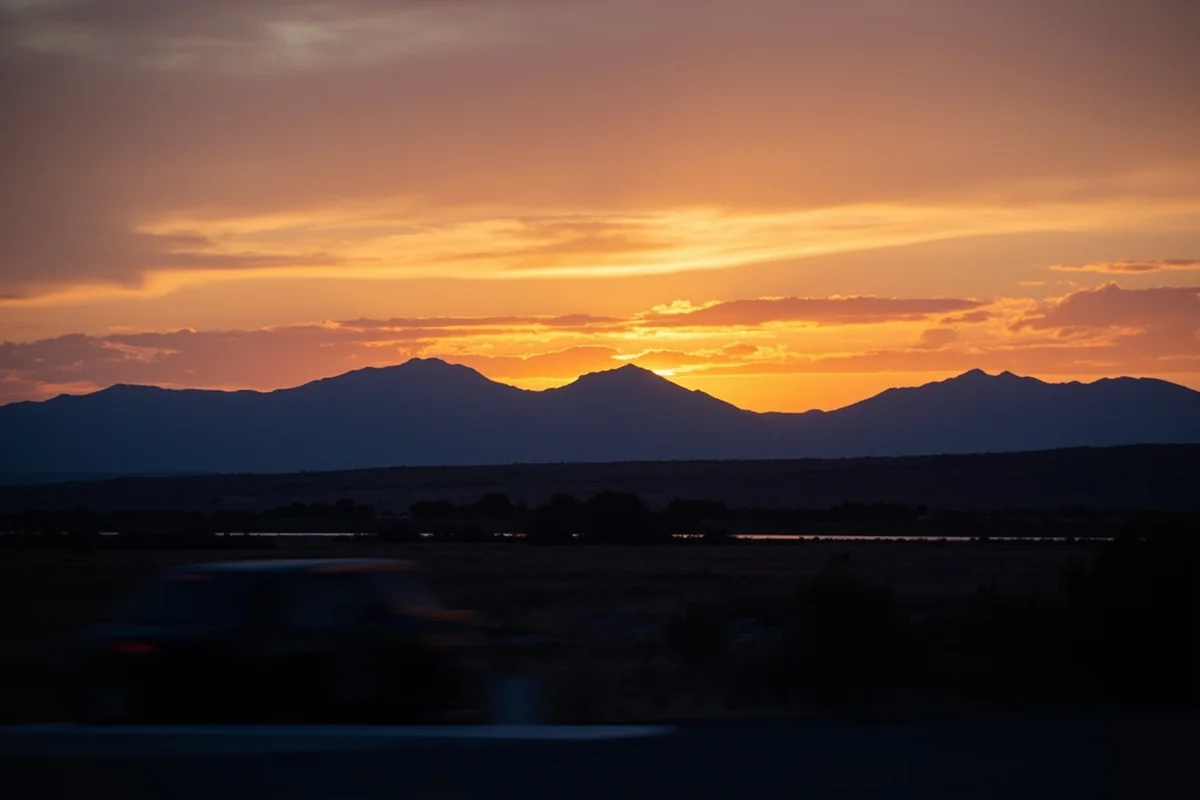
Start planning your route, check those conditions, and give yourself the gift of time. Montana is worth every mile and every minute spent getting here.
Frequently Asked Questions
How long does it take to fly to Montana from major US cities?
Flying to Montana typically takes 2-4 hours from most major US cities. From Los Angeles or Seattle, expect about 2-2.5 hours to Bozeman or Billings, while flights from New York or Chicago run 4-5 hours with a connection. I always recommend booking flights into Bozeman, Missoula, or Billings for the best access to popular destinations.
How long is the drive to Montana from nearby states?
Driving times to Montana vary significantly depending on your starting point. From Denver, it’s roughly 9-10 hours (about 550 miles) to Billings, while Seattle is approximately 8 hours (550 miles) to Missoula. If you’re coming from Salt Lake City, plan for a 6-7 hour drive (about 400 miles) to reach the Montana border.
What is the cheapest way to travel to Montana?
Driving is typically the most budget-friendly option for reaching Montana, especially if you’re traveling with family and can split gas costs. Flights can range from $150-$400 round-trip depending on the season and departure city, with shoulder seasons (April-May, September-October) offering the best deals. I’ve found that booking flights 6-8 weeks in advance and being flexible with airports saves the most money.
How long does it take to drive across Montana from east to west?
Driving across Montana on I-90 from the North Dakota border to the Idaho border takes approximately 9-10 hours covering about 550 miles. Montana is the fourth-largest state, so I always tell travelers to factor in extra time for rest stops and the stunning scenery that begs you to pull over. Plan for a full day of driving if you’re crossing the entire state.
What is the best time of year to visit Montana for shorter travel delays?
Summer months (June-August) offer the most reliable travel conditions with minimal weather-related delays, though airports and roads are busiest. I prefer visiting in September when crowds thin out and weather remains stable for both flying and driving. Winter travel to Montana can add hours to your journey due to snow, icy roads, and occasional flight cancellations, so always build buffer time into your itinerary.
Should I fly or drive to Montana for a week-long trip?
For a week-long Montana trip, flying makes sense if you’re coming from more than 500 miles away, as it saves valuable vacation time. However, driving allows you to bring camping gear, fishing equipment, and other bulky items without baggage fees, plus you’ll have a vehicle for exploring remote areas. I recommend flying if you’re visiting one region like Glacier National Park, but driving if you plan to road trip across multiple destinations.
How far in advance should I book travel to Montana during peak season?
For summer visits to Montana, especially near Glacier or Yellowstone, I recommend booking flights and accommodations 3-4 months in advance. Peak season runs from mid-June through August, and both airfare and rental car prices can double if you wait until the last minute. Rental cars are particularly scarce in gateway towns, so securing one early is essential for your Montana road trip plans.
Sources