You are currently viewing Montana Air Quality: A Deep Dive into the Data and Trends

Montana Air Quality: A Deep Dive into the Data and Trends

  • Post author:
  • Post category:Montana
  • Reading time:36 mins read

Did you know that Montana, renowned for its pristine wilderness and big sky vistas, faces unexpected air quality challenges that can turn crystal-clear mountain air into a hazy, health-threatening environment within hours? While many associate poor air quality with bustling urban centers, Montana’s unique geography and increasing wildfire activity create a complex air quality landscape that affects both residents and visitors alike.

In this comprehensive exploration of Montana’s air quality, we’ll uncover the surprising factors that influence the air Montanans breathe, from seasonal wildfire smoke to winter temperature inversions. You’ll learn how to interpret the Air Quality Index, understand the health impacts of poor air quality, and discover real-time monitoring tools that can help you make informed decisions about outdoor activities.

We’ll also delve into how climate change is reshaping Montana’s air quality future and explore practical steps that everyone can take to protect their health and contribute to cleaner air. Whether you’re a longtime resident or planning your next Montana adventure, this guide will equip you with essential knowledge to navigate Big Sky Country’s dynamic air quality conditions.

Montana Air Quality Index

The Air Quality Index (AQI) serves as Montana’s primary tool for communicating air quality conditions to the public. This standardized system translates complex air pollution data into simple numbers and colors that residents and visitors can easily understand and act upon.

The AQI in Montana measures five major air pollutants regulated by the Clean Air Act: ground-level ozone, particulate matter, carbon monoxide, sulfur dioxide, and nitrogen dioxide. Of these, particulate matter (especially PM2.5) often poses the greatest concern in Montana due to wildfire smoke and winter inversions.

Montana’s Department of Environmental Quality (DEQ) calculates the AQI using data collected from monitoring stations positioned throughout the state. These stations continuously sample the air and provide hourly updates that are then converted to the AQI scale.

The AQI scale ranges from 0 to 500 and is divided into six categories, each with its own color code:

  • Good (0-50, Green): Air quality is satisfactory with minimal health concerns. This range is common in Montana during clear weather seasons.
  • Moderate (51-100, Yellow): Air quality is acceptable, though some pollutants may cause moderate health concerns for a small number of unusually sensitive individuals. Montana often experiences this level during mild wildfire seasons.
  • Unhealthy for Sensitive Groups (101-150, Orange): Members of sensitive groups like children, the elderly, and those with respiratory conditions may experience health effects. This level becomes increasingly common during summer wildfire season.
  • Unhealthy (151-200, Red): Everyone may begin experiencing health effects, with sensitive groups facing more serious impacts. Montana’s larger valleys can reach this level during intense wildfire periods or strong winter inversions.
  • Very Unhealthy (201-300, Purple): Health alert status where everyone may experience more serious health effects. Parts of Montana occasionally reach this level during severe wildfire events.
  • Hazardous (301-500, Maroon): Emergency conditions with the entire population likely affected. These extreme levels have occurred in Montana communities directly impacted by nearby wildfires.

Montana’s typical AQI ranges vary significantly by season and location. During winter, valley communities like Missoula and Helena often experience moderate to unhealthy air quality due to temperature inversions trapping wood smoke and other pollutants. Summer and early fall bring wildfire concerns, when smoke can push AQI levels into unhealthy or even hazardous categories, particularly in western Montana. Spring and late fall generally offer the best air quality, with good to moderate AQI readings throughout most of the state.

The mountainous topography of Montana creates significant local variations in air quality, with neighboring valleys sometimes experiencing dramatically different conditions based on wind patterns and elevation. This makes the state’s extensive monitoring network particularly valuable for residents planning outdoor activities or managing health conditions.

Major Air Pollutants in Montana

Montana’s pristine landscapes might suggest perfect air quality, but the state faces several significant air pollutants that vary throughout the year. Understanding these pollutants is essential for residents and visitors alike.

Particulate Matter (PM2.5) stands as Montana’s most prevalent air quality concern. These microscopic particles—measuring less than 2.5 micrometers in diameter—can penetrate deep into the lungs and even enter the bloodstream. During summer and fall wildfire seasons, PM2.5 levels often spike dramatically, sometimes reaching hazardous levels that can be 10-20 times above the EPA’s recommended thresholds. Wood-burning stoves, a common heating method in Montana’s rural areas, also contribute significantly to PM2.5 levels during winter months.

Ground-level ozone presents another challenge, particularly during hot summer days. Unlike stratospheric ozone that protects us from UV radiation, ground-level ozone forms when nitrogen oxides (NOx) and volatile organic compounds (VOCs) react in sunlight. In Montana, this pollution comes primarily from vehicle emissions, industrial facilities, and oil and gas operations, especially in more developed areas like Billings and Missoula. Ozone levels typically peak during afternoon hours on hot, sunny days with little wind.

Carbon monoxide (CO) pollution remains a concern in Montana’s urban centers and areas with heavy traffic congestion. This colorless, odorless gas results primarily from incomplete combustion in vehicle engines and can reach concerning levels during winter temperature inversions, when cold air traps pollutants close to the ground.

Nitrogen dioxide (NO2), recognizable by its reddish-brown color and sharp odor, comes mainly from vehicle emissions and power plants. While Montana’s levels typically remain below national standards, localized concentrations can occur near major roadways and industrial facilities.

Sulfur dioxide (SO2) emissions in Montana originate predominantly from industrial processes, particularly from the state’s refineries and coal-fired power plants. Though Montana’s overall SO2 levels have decreased in recent decades due to stricter emissions controls, areas near these facilities may still experience elevated concentrations.

Seasonal variations significantly impact Montana’s air quality. Winter brings temperature inversions that trap pollutants from wood stoves and vehicle emissions near the ground, particularly in valley communities like Missoula. Spring typically offers the cleanest air as snowmelt reduces wood burning needs while wildfire season hasn’t yet begun. Summer and fall bring wildfire smoke, often making these seasons the worst for air quality despite being most popular for outdoor activities.

Understanding these pollutants and their seasonal patterns allows Montanans to make informed decisions about outdoor activities and take appropriate precautions when necessary.

Health Effects of Poor Air Quality

Poor air quality in Montana can have significant health consequences for residents and visitors alike. When we breathe in polluted air, harmful particles and gases enter our respiratory system, potentially causing both immediate discomfort and long-term health problems.

Short-term Health Effects

Even brief exposure to poor air quality can trigger noticeable symptoms. During wildfire season, many Montanans experience irritated eyes, scratchy throats, and persistent coughs. These acute reactions serve as warning signs that the air contains harmful pollutants. Other common short-term effects include:

  • Headaches and dizziness
  • Nasal congestion and sinus pressure
  • Fatigue and decreased energy levels
  • Wheezing and shortness of breath
  • Chest pain or discomfort

For most healthy individuals, these symptoms typically resolve once air quality improves. However, repeated exposure or particularly severe air pollution events can lead to more serious complications.

Long-term Health Impacts

Chronic exposure to poor air quality presents more concerning health risks. Research has shown that people living in areas with consistently high levels of air pollution face increased risks of:

  • Reduced lung function and development
  • Chronic respiratory diseases including COPD
  • Increased susceptibility to respiratory infections
  • Accelerated aging of the lungs
  • Higher rates of lung cancer
  • Cardiovascular disease progression
  • Potential cognitive decline and neurological effects

These long-term impacts often develop gradually, making them particularly insidious as many people don’t connect their health issues to air quality until significant damage has occurred.

Vulnerable Populations

While air pollution affects everyone, certain groups face heightened risks:

Children: Their developing lungs, higher breathing rates, and outdoor activity levels make children especially susceptible to air pollution damage. Exposure during developmental years can lead to permanently reduced lung function.

Elderly: Aging bodies have decreased ability to compensate for the stress of pollutants, and many seniors already have underlying health conditions that pollution can worsen.

Pregnant women: Poor air quality has been linked to low birth weight, premature births, and developmental issues in infants.

Those with pre-existing conditions: People with asthma, COPD, heart disease, or diabetes often experience dramatic worsening of their conditions during poor air quality events.

Outdoor workers: Individuals who work outside, including Montana’s many agricultural, forestry, and recreation industry workers, face prolonged exposure to whatever pollutants are present.

Respiratory Conditions

The respiratory system bears the brunt of air pollution’s effects. Montana’s seasonal wildfire smoke is particularly problematic, with fine particulate matter penetrating deep into lung tissue. Common respiratory impacts include:

  • Asthma attacks and worsening of asthma symptoms
  • Bronchitis and bronchiolitis
  • Increased emergency room visits for respiratory distress
  • Pneumonia and other respiratory infections
  • Decreased lung capacity and function

For the approximately 9% of Montana adults with asthma, poor air quality days often mean restricted activities, increased medication use, and in severe cases, hospitalization.

Cardiovascular Effects

Beyond the lungs, air pollution significantly impacts the cardiovascular system. The smallest pollution particles can enter the bloodstream through the lungs, causing inflammation and stress throughout the body. This leads to:

  • Increased blood pressure
  • Irregular heartbeat and arrhythmias
  • Higher risk of heart attacks and strokes
  • Blood vessel damage and hardening
  • Increased blood clotting

These cardiovascular effects explain why hospital admissions for heart problems often spike during periods of poor air quality, particularly among those with existing heart conditions.

Understanding these health impacts underscores the importance of Montana’s air quality monitoring systems and the need for personal protective measures during poor air quality events. As climate change potentially increases the frequency of wildfires and other pollution sources, protecting public health will require both individual actions and broader policy approaches.

Real-Time Air Quality Monitoring in Montana

Montana maintains a sophisticated network of air quality monitoring stations strategically positioned throughout the state to provide residents and visitors with up-to-date information about air conditions. The Montana Department of Environmental Quality (DEQ) oversees this comprehensive monitoring system that tracks various pollutants including particulate matter (PM2.5 and PM10), ozone, nitrogen dioxide, sulfur dioxide, and carbon monoxide.

Monitoring Network

Montana’s air monitoring network consists of over 20 permanent stations distributed across major population centers and environmentally sensitive areas. These stations are located in cities like Missoula, Billings, Helena, Great Falls, and Bozeman, as well as in more remote locations where wildfire impacts or industrial activities may affect air quality. Each station is equipped with specialized instruments calibrated to detect specific pollutants relevant to that region’s air quality concerns.

The monitoring network is supplemented by portable monitors that can be deployed during emergencies such as wildfires or industrial incidents. This flexible approach allows the DEQ to respond quickly to emerging air quality issues and provide targeted data where it’s most needed.

Accessing Real-Time Data

Montana residents can access real-time air quality information through several user-friendly platforms:

  • Today’s Air – The DEQ’s primary online portal (todaysair.mt.gov) provides hourly updates on air quality conditions across the state with an intuitive color-coded map interface.
  • Mobile Applications – Free apps like “EPA’s AirNow” and “Montana Air” deliver instant air quality notifications directly to smartphones.
  • Social Media – The DEQ maintains active social media accounts that post regular updates during significant air quality events.
  • Phone Hotlines – Toll-free numbers provide recorded air quality information for those without internet access.

These resources enable Montanans to make informed decisions about outdoor activities based on current conditions in their specific location.

Monitoring Technology

The monitoring stations utilize advanced technology to provide accurate, reliable data:

  • Beta Attenuation Monitors (BAMs) measure fine particulate matter by detecting the attenuation of beta radiation as it passes through collected particles.
  • Tapered Element Oscillating Microbalances (TEOMs) provide continuous measurements of particulate concentrations by detecting minute changes in the frequency of an oscillating element.
  • Gas Analyzers employ various spectroscopic and chemical methods to measure gaseous pollutants like ozone and nitrogen dioxide.
  • Meteorological Instruments track wind speed, direction, temperature, and humidity to help understand how weather affects pollution dispersion.

Data from these instruments undergoes rigorous quality assurance procedures before being made available to the public, ensuring its reliability for health-based decision making.

Recent Technological Advancements

Montana has recently enhanced its monitoring capabilities with several technological improvements:

  1. Low-cost Sensors – Supplementary networks of affordable sensors now provide greater spatial coverage in areas between permanent stations.
  2. Satellite Integration – Data from NASA and NOAA satellites helps track wildfire smoke plumes and predict air quality impacts.
  3. Machine Learning Algorithms – Advanced predictive models now help forecast air quality conditions 24-48 hours in advance.
  4. Camera Networks – Visual monitoring systems provide real-time imagery of visibility conditions in scenic areas and national parks.

These technological advancements have significantly improved Montana’s ability to monitor and respond to changing air quality conditions, particularly during the increasingly challenging wildfire seasons that affect the state.

Montana experiences significant fluctuations in air quality throughout the year, with each season bringing its own set of challenges and conditions. Understanding these seasonal patterns is crucial for residents and visitors planning outdoor activities across the Treasure State.

Summer: Wildfire Season

Montana’s air quality reaches its most problematic levels during summer months, particularly July through September, when wildfire season hits its peak. During these months:

  • PM2.5 levels can spike dramatically, sometimes reaching “Hazardous” AQI levels above 300
  • Smoke can blanket entire valleys for days or weeks at a time
  • Visibility may be reduced to less than a mile in severely impacted areas
  • Evening hours often see worsening conditions as smoke settles in valleys

The intensity of wildfire seasons has increased in recent decades, with some of the worst air quality events recorded in 2017, 2018, and 2021. During these episodes, even healthy individuals are advised to limit outdoor exposure.

Winter: Temperature Inversions

Winter brings a different air quality challenge to Montana in the form of temperature inversions. These occur when:

  • Cold air becomes trapped beneath warmer air above
  • Pollutants from wood stoves, vehicle emissions, and industrial sources become concentrated
  • Valley communities like Missoula, Helena, and Kalispell experience the worst effects
  • Inversions can persist for days until weather patterns shift

December through February typically sees these inversion events, with particulate matter becoming the primary pollutant of concern as residents increase home heating.

Spring: Transition Season

Spring (March through May) generally offers Montana’s best air quality:

  • Increased precipitation helps clear particulate matter
  • Melting snow reduces the need for wood heating
  • Winds help disperse pollutants
  • Vegetation begins growing, which can help filter some air pollutants

However, spring can also bring occasional prescribed burns and agricultural field burning, creating temporary reductions in air quality.

Fall: Variable Conditions

Fall air quality in Montana (September through November) is highly variable:

  • Early fall may still experience wildfire impacts
  • Later fall typically sees improving conditions as temperatures cool
  • The first home heating of the season can cause brief spikes in particulate matter
  • Calm, clear days can lead to moderate inversions

Best and Worst Months

Based on historical data, Montana’s air quality typically follows this pattern:

Best Air Quality Months:

  • April and May
  • October and November (after wildfire season ends)

Worst Air Quality Months:

  • August (peak wildfire season)
  • January (peak inversion season)

Understanding these seasonal patterns allows Montanans to plan outdoor activities accordingly and take appropriate precautions during periods when air quality is likely to be compromised.

Wildfire Smoke and Montana Air Quality

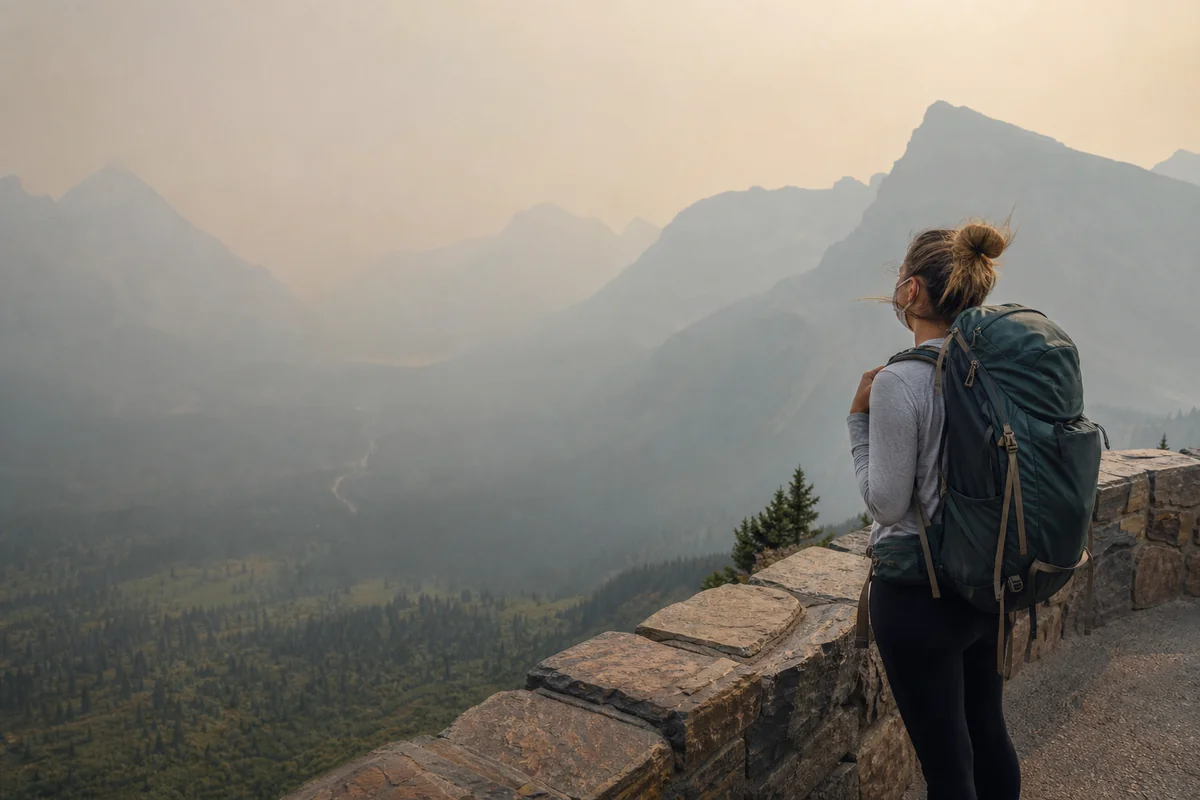
Wildfire smoke has become an increasingly dominant factor affecting Montana’s air quality over the past decade. The relationship between wildfires and air quality in Montana is both direct and devastating, with smoke plumes capable of degrading air quality from “Good” to “Hazardous” within hours.

During active wildfire seasons, particulate matter (PM2.5) concentrations can reach alarming levels, often exceeding 300 μg/m³ in areas close to fires—far above the EPA’s 24-hour standard of 35 μg/m³. These microscopic particles penetrate deep into the lungs and can enter the bloodstream, making wildfire smoke particularly dangerous compared to other air pollution sources.

Montana’s historical wildfire data reveals a troubling pattern. While wildfires have always been part of Montana’s ecosystem, their frequency, intensity, and duration have increased significantly. The 2017 fire season stands as a stark example, when over 1.4 million acres burned across the state, creating smoke conditions that lasted for months in some areas. Communities like Seeley Lake experienced more than 35 consecutive days of hazardous air quality—the worst classification on the AQI scale.

The increasing frequency of smoke events is particularly concerning. Prior to 2000, severe smoke episodes typically occurred once every 5-7 years in Montana. Now, significant smoke events affect parts of the state almost annually. The 2021 fire season again brought weeks of unhealthy air to much of western Montana, with Missoula, Hamilton, and Kalispell particularly affected.

Climate scientists and forestry experts point to several factors behind this trend: warmer temperatures, earlier snowmelt, extended drought conditions, and decades of fire suppression that have increased forest fuel loads. The resulting “new normal” means Montanans must increasingly adapt to seasonal smoke as a regular feature of summer and early fall.

The geographic impact of wildfire smoke extends far beyond the flames themselves. Smoke plumes can travel hundreds of miles, affecting air quality in communities that may be far from any active fires. In fact, depending on wind patterns, Montanans sometimes breathe smoke from fires burning in California, Oregon, Washington, and even Canada.

For Montana residents, this changing reality requires new adaptations—from home air filtration systems to revised outdoor activity schedules during fire season. Public health officials now regularly incorporate wildfire smoke forecasting into their community health planning, particularly for vulnerable populations.

Air Quality Impact on Outdoor Activities

Montana’s breathtaking landscapes attract outdoor enthusiasts year-round, but poor air quality can significantly impact these recreational experiences. Understanding how air quality affects various outdoor activities is essential for both residents and visitors planning their Montana adventures.

Hiking and Backpacking

When air quality deteriorates, hiking and backpacking become more challenging and potentially hazardous. Poor visibility from smoke or haze can obscure scenic views and trail markers, increasing the risk of getting lost. More importantly, breathing polluted air during these cardiovascular activities forces hikers to inhale larger volumes of harmful particles deeper into their lungs.

During moderate air quality days (AQI 51-100), most hikers may notice mild respiratory discomfort, especially when tackling steep trails. When the AQI exceeds 100, even healthy individuals might experience coughing, throat irritation, and difficulty breathing. For multi-day backpacking trips, sustained exposure to poor air quality can accumulate, potentially turning an enjoyable wilderness experience into an uncomfortable or even dangerous situation.

Fishing and Water Activities

While being near water might seem safer, anglers and water enthusiasts aren’t immune to air quality concerns. Smoke particles settle on water surfaces, and the boundary layer between water and air can sometimes trap pollutants. Fly fishing, which often involves standing in one location for extended periods, can result in prolonged exposure to poor air.

Additionally, reduced visibility from smoke can create safety hazards for boaters, particularly on Montana’s larger lakes where sudden weather changes are common. Water activities during poor air quality days can also lead to increased eye irritation as smoke particles combine with water exposure.

Camping and Outdoor Gatherings

Campfire smoke adds to already compromised air quality during wildfire season, creating a double burden for campers. The confined spaces of tents offer little protection from fine particulate matter, which can linger inside fabric shelters. Overnight camping during poor air quality events means 8+ hours of continuous exposure, often without the respite that indoor environments would provide.

Winter Recreation

Even winter activities aren’t immune to air quality concerns. While wildfire smoke decreases in winter, temperature inversions in mountain valleys can trap vehicle emissions and wood smoke from home heating, creating pockets of poor air quality. Winter sports enthusiasts engaging in high-exertion activities like cross-country skiing or snowshoeing may inhale larger volumes of polluted air in these conditions.

When to Avoid Outdoor Exposure

As a general guideline:

  • AQI 0-50 (Good): All outdoor activities are safe for most people
  • AQI 51-100 (Moderate): Unusually sensitive individuals should consider reducing prolonged or intense outdoor activities
  • AQI 101-150 (Unhealthy for Sensitive Groups): Active children, adults with respiratory issues, and the elderly should limit outdoor exertion
  • AQI 151-200 (Unhealthy): Everyone should reduce prolonged outdoor exertion; consider rescheduling strenuous activities
  • AQI 201-300 (Very Unhealthy): Everyone should avoid outdoor physical activities; move recreation indoors
  • AQI 301+ (Hazardous): Everyone should avoid all outdoor physical activities

Morning hours typically offer the best air quality for outdoor recreation, particularly during wildfire season when afternoon winds often increase smoke concentration. Additionally, higher elevations may provide cleaner air when valley locations experience trapped pollution, though this isn’t always the case during active wildfires.

For activities that can’t be rescheduled during poor air quality events, reducing intensity and duration, staying well-hydrated, and taking frequent breaks can help minimize health impacts. However, when the AQI exceeds 150, the safest choice is often to postpone outdoor recreation altogether.

Tips for Reducing the Impact of Poor Air Quality on Outdoor Activities

Montana’s stunning landscapes beckon outdoor enthusiasts year-round, but poor air quality can sometimes interfere with these plans. Fortunately, there are several strategies to minimize exposure to pollutants while still enjoying the great outdoors.

Best Times for Outdoor Activities

Timing your outdoor adventures strategically can significantly reduce exposure to air pollutants:

  • Early morning hours typically offer the cleanest air, as overnight winds often help disperse pollutants
  • After rainfall is ideal, as precipitation helps clear particulate matter from the air
  • Check daily air quality forecasts and plan more strenuous activities on days with better air quality
  • Avoid midday and afternoon hours during summer when ozone levels typically peak
  • Monitor real-time air quality data before heading out, especially during wildfire season

Protective Measures During Outdoor Activities

When venturing outdoors during moderate air quality conditions, these protective measures can help:

  • Stay hydrated as this helps your body process and eliminate toxins
  • Reduce intensity of activities when air quality is compromised
  • Take more frequent breaks to allow your respiratory system to recover
  • Stick to paved trails rather than dirt paths that may kick up additional dust
  • Exercise in areas with natural barriers like trees that can filter some pollutants
  • Consider indoor alternatives when air quality reaches unhealthy levels

Effective Use of Masks

Not all face coverings provide protection against air pollutants. When air quality is poor:

  • N95 or KN95 respirators are most effective at filtering PM2.5 particles
  • Ensure proper fit with no gaps around the edges for maximum protection
  • Replace masks regularly as they lose effectiveness over time
  • Standard cloth masks and surgical masks provide minimal protection against fine particulate matter
  • Consider respirators with exhalation valves for more comfortable breathing during exercise

Alternative Activities During Poor Air Quality Days

When Montana’s air quality becomes unhealthy, consider these alternatives:

  • Indoor recreation centers offer climate-controlled environments for exercise
  • Swimming in indoor pools provides excellent cardiovascular exercise without respiratory stress
  • Home workouts using online videos or apps can maintain fitness routines
  • Visit museums, galleries, or libraries to stay active while walking indoors
  • Explore lower-elevation areas which may have better air quality than higher elevations
  • Short, less intense activities may still be possible when air quality is moderately compromised

By implementing these strategies, Montanans and visitors can continue to enjoy an active lifestyle while minimizing the health impacts of occasional poor air quality. Remember that individual sensitivity to air pollution varies, so always prioritize how you feel and be willing to modify plans when necessary.

Montana’s Air Quality Compared to Other States

Montana presents an interesting case study when examining air quality rankings across the United States. While the state boasts vast open spaces and a relatively small population, its air quality metrics don’t always align with what many might expect from Big Sky Country.

On a national scale, Montana typically ranks somewhere in the middle of states for overall air quality. However, this ranking fluctuates significantly based on seasonal factors, particularly during wildfire season. During summer months with active wildfires, Montana can temporarily drop to having some of the worst air quality in the nation, with particulate matter levels that rival or exceed those found in major industrial centers.

When compared to its immediate neighbors, Montana’s air quality profile shows distinct patterns. Idaho and Wyoming share many of Montana’s challenges, particularly regarding wildfire impacts and wintertime inversions in valley communities. North Dakota, with its oil and gas development in the Bakken region, experiences different air quality challenges focused more on industrial emissions. Meanwhile, South Dakota generally enjoys better overall air quality metrics than Montana, largely due to fewer geographic features that trap pollutants and less wildfire impact.

What makes Montana’s air quality situation unique are several factors. First, the state’s topography of mountain valleys creates natural “bowls” where air pollutants can become trapped during temperature inversions. This is particularly evident in communities like Missoula, Helena, and Butte during winter months. Second, Montana’s reliance on wood-burning stoves for home heating in rural areas contributes significantly to wintertime particulate pollution in ways not seen in more urbanized states.

Perhaps most distinctive is Montana’s vulnerability to wildfire smoke—not just from fires within the state but from those throughout the Pacific Northwest, California, and even Canada. The state’s position downwind from these fire-prone regions means Montana often bears the brunt of smoke transport even when local fire activity is minimal.

Unlike heavily industrialized states where vehicle emissions and factory outputs dominate air quality concerns, Montana’s challenges are more closely tied to natural phenomena and residential activities. This creates a different profile where the state might have excellent air quality for months, followed by periods of severely degraded conditions that can last for weeks during fire season.

This variable pattern makes Montana somewhat of an outlier in national air quality discussions, as the traditional metrics focused on year-round averages don’t fully capture the extreme seasonal variations that most impact residents’ daily lives and health.

Urban vs. Rural Air Quality in Montana

Montana’s vast landscape creates distinct air quality profiles between urban centers and rural areas. These differences stem from varied pollution sources, population densities, and geographical features that influence how air pollutants disperse and concentrate.

In Montana’s urban areas like Billings, Missoula, and Bozeman, air quality concerns often revolve around transportation emissions. The concentration of vehicles in these cities creates localized pollution hotspots, particularly during rush hours when traffic congestion peaks. Vehicle exhaust releases nitrogen oxides, volatile organic compounds, and particulate matter that can accumulate in urban corridors where buildings restrict airflow.

Industrial activities further compound urban air quality challenges. Billings, with its refineries and manufacturing facilities, experiences higher levels of industrial emissions compared to smaller Montana communities. These industrial sources release various pollutants including sulfur dioxide and nitrogen oxides that can impact surrounding neighborhoods.

By contrast, rural Montana typically enjoys better baseline air quality due to fewer concentrated emission sources and greater natural ventilation. The absence of traffic congestion and industrial clusters means lower levels of transportation and industrial pollutants. However, rural areas face their own unique challenges.

Agricultural activities in rural Montana can generate significant dust, especially during tilling and harvesting seasons. Additionally, agricultural burning and the use of farm equipment contribute to periodic air quality degradation in farming communities.

Interestingly, during wildfire season, this urban-rural divide can temporarily reverse. Rural communities near active wildfires often experience dramatically worse air quality than urban areas farther from burn zones. The proximity to forests and wildlands makes many rural Montana communities particularly vulnerable to smoke impacts.

Wood burning for home heating represents another significant rural air quality factor. In remote communities where natural gas infrastructure is limited, wood stoves remain common heating sources. During winter inversions, smoke from these heating sources can become trapped in mountain valleys, creating poor air quality events in otherwise pristine rural settings.

Transportation infrastructure also creates pollution disparities. Major highways crossing rural Montana create corridors of higher pollution, affecting otherwise clean air in countryside settings. Meanwhile, urban areas benefit from more robust public transportation options that can help reduce per-capita emissions.

The monitoring of these differences presents challenges, as Montana’s air quality monitoring network is more concentrated in population centers, potentially leaving air quality issues in remote areas underreported and understudied.

Climate Change and Montana’s Air Quality

Montana’s air quality faces significant challenges due to climate change, creating a concerning trajectory for the state’s environmental health. The relationship between climate change and air quality is complex but unmistakable, with several key patterns emerging in recent decades.

Long-term data reveals a troubling trend: average temperatures in Montana have increased by approximately 2-3°F since the early 20th century, with warming accelerating since the 1970s. This warming pattern has created conditions that exacerbate air quality issues throughout the state.

Perhaps the most visible impact comes from Montana’s increasingly severe wildfire seasons. Historical records show that the fire season has extended by nearly two months compared to the mid-20th century. What was once a relatively predictable late-summer phenomenon now regularly stretches from June through October. These longer, more intense fire seasons directly correlate with declining air quality across vast regions of the state.

Climate projections for Montana paint a concerning picture for future air quality. Models suggest continued warming of 4-7°F by mid-century, depending on global emission scenarios. This warming is expected to further intensify drought conditions and vegetation stress, creating more abundant and drier fuels for wildfires. Even under moderate emission scenarios, Montana could see a doubling of annual acres burned by 2050 compared to historical averages.

The climate-wildfire-air quality connection creates a troubling feedback loop. As climate change drives more frequent and severe wildfires, the resulting smoke releases massive quantities of particulate matter and other pollutants. These emissions not only harm human health directly but also contribute to atmospheric warming, potentially accelerating climate change itself.

Beyond wildfire impacts, changing precipitation patterns are altering Montana’s air quality landscape. Many regions are experiencing longer dry periods punctuated by more intense rainfall events. These extended dry spells contribute to increased dust particulates in the air, especially in agricultural areas and during periods of drought.

Winter air quality is also changing due to climate shifts. Warmer winters have reduced the frequency of temperature inversions in some valleys, which historically trapped pollution near ground level. However, these benefits are offset by the dramatic increase in summer and fall smoke events.

For Montana’s residents, these changes demand adaptation. Communities must prepare for more frequent “smoke events” that can last days or weeks. Public health infrastructure needs strengthening to support vulnerable populations during extended periods of poor air quality. And long-term planning must account for the likelihood that certain regions may face increasingly challenging air quality conditions in coming decades.

While the outlook appears concerning, proactive climate policies could significantly mitigate these impacts. Reducing global greenhouse gas emissions would slow warming trends and potentially limit the most extreme wildfire scenarios. Meanwhile, local forest management practices, improved emergency response systems, and community preparedness can help Montana navigate the air quality challenges that climate change has already set in motion.

Montana Air Quality Regulations and Policies

Montana’s approach to air quality management involves a complex framework of state and federal regulations working in tandem to protect public health and the environment. The Montana Department of Environmental Quality (DEQ) serves as the primary regulatory body overseeing air quality in the state, operating under authority delegated by the Environmental Protection Agency (EPA).

At the federal level, the Clean Air Act establishes National Ambient Air Quality Standards (NAAQS) for six criteria pollutants: particulate matter, ground-level ozone, carbon monoxide, sulfur dioxide, nitrogen dioxide, and lead. Montana must meet or exceed these standards, with the state DEQ developing State Implementation Plans (SIPs) that outline how they’ll achieve compliance.

Montana has implemented several state-specific regulations that address unique regional challenges. The Montana Clean Air Act provides additional authority to regulate air pollution sources beyond federal requirements. This includes specialized permitting programs for industrial facilities, with stricter emission controls in areas that have historically struggled with air quality issues, such as Missoula and parts of western Montana affected by wintertime inversions.

Clean air initiatives in Montana have evolved significantly over the decades. The wood stove changeout programs in western Montana communities have successfully reduced wintertime particulate pollution by replacing older, inefficient wood-burning appliances with cleaner models. Additionally, the state has implemented smoke management plans that coordinate prescribed burns to minimize air quality impacts.

Policy effectiveness varies across different pollution sources and regions. Montana has made substantial progress in reducing industrial emissions through permitting requirements and technological improvements. However, the state faces ongoing challenges with wildfire smoke, which has become increasingly problematic due to climate change and forest management practices. These natural events often overwhelm regulatory frameworks designed primarily for human-caused pollution.

Transportation emissions present another regulatory challenge, particularly as Montana’s population centers grow. Unlike more densely populated states, Montana’s vast geography and rural nature make public transportation solutions less viable, complicating efforts to reduce vehicle emissions.

Another significant challenge involves cross-border pollution. Air quality in Montana is affected by emissions from neighboring states and even international sources, including Canadian wildfires and industrial activities. These transboundary issues require cooperative approaches that extend beyond Montana’s regulatory authority.

Looking forward, Montana policymakers face difficult questions about balancing economic development with environmental protection. The state’s economy relies heavily on industries like mining, agriculture, and forestry—all of which can impact air quality. Finding regulatory approaches that protect public health while allowing sustainable economic growth remains an ongoing policy challenge.

How Montanans Can Improve Local Air Quality

Montana’s air quality is a shared responsibility, and residents across the state have numerous opportunities to make a positive impact. By adopting simple yet effective practices in daily life, Montanans can collectively improve the air they breathe.

Individual Actions

Every resident can take meaningful steps to reduce their contribution to air pollution:

  • Home heating choices matter: Replace old wood stoves with EPA-certified models that burn cleaner and more efficiently. Consider alternatives like heat pumps where feasible.
  • Drive less, share more: Carpooling, combining errands, and using public transportation when available significantly reduces vehicle emissions.
  • Maintain vehicles properly: Regular tune-ups ensure your vehicle runs efficiently and produces fewer emissions.
  • Avoid idling: Turn off your engine when waiting for more than 30 seconds – idling wastes fuel and creates unnecessary pollution.
  • Choose electric: When possible, opt for electric lawn equipment instead of gas-powered alternatives.
  • Conserve energy: Using less electricity reduces power plant emissions, so turn off lights, use energy-efficient appliances, and consider weatherizing your home.

Community Initiatives

Montana communities have demonstrated remarkable success with collaborative approaches:

  • Clean air partnerships: Business-community coalitions in cities like Missoula and Bozeman have developed voluntary programs to reduce emissions during high-pollution days.
  • School programs: “Idle-Free School Zones” have been implemented across several Montana districts, improving air quality around sensitive populations.
  • Community monitoring networks: Citizen science initiatives allow neighborhoods to track local air quality and take informed action.
  • Educational campaigns: Community workshops on clean burning techniques and air quality awareness help spread knowledge and best practices.

Reducing Emissions

Strategic emission reductions target major pollution sources:

  • Burn wisely: If you must burn wood, use only dry, seasoned wood and maintain proper burning temperatures to minimize smoke.
  • Smart agricultural practices: Timing field burns carefully and using alternative methods to manage agricultural waste reduces seasonal pollution spikes.
  • Industrial cooperation: Many Montana businesses voluntarily implement emission reduction technologies beyond regulatory requirements.
  • Construction dust management: Simple measures like watering down construction sites can dramatically reduce particulate matter.

Sustainable Practices

Long-term solutions involve rethinking how Montanans live and work:

  • Urban planning: Supporting walkable communities with mixed-use development reduces transportation emissions.
  • Green infrastructure: Increasing urban tree canopy and vegetation helps filter air pollutants naturally.
  • Renewable energy adoption: Home solar installations and community solar gardens reduce reliance on fossil fuel electricity.
  • Local food systems: Supporting local agriculture reduces the transportation emissions associated with food delivery.

By combining these approaches—individual responsibility, community action, targeted emission reductions, and sustainable development—Montanans can preserve the clean air that makes the state such a desirable place to live, work, and play. The cumulative impact of these efforts will ensure that future generations can continue to enjoy Montana’s legendary big sky in its clearest form.

Montana Air Quality Final Thoughts

Montana’s air quality presents a complex picture that varies dramatically across seasons, geography, and environmental conditions. Throughout this exploration of Montana’s air quality landscape, several key findings have emerged that deserve emphasis.

The data clearly shows that while Montana enjoys excellent air quality for much of the year, seasonal challenges—particularly from summer wildfires—can create periods of hazardous air conditions. These fluctuations highlight the critical importance of continued monitoring and public awareness efforts. The state’s investment in real-time monitoring stations has proven invaluable for residents and visitors alike, providing the information needed to make informed decisions about outdoor activities.

For Montanans who cherish the state’s outdoor lifestyle—from hikers and campers to hunters and fishing enthusiasts—finding the balance between outdoor enjoyment and air quality awareness is essential. The relationship between air quality and public health cannot be overstated, particularly for vulnerable populations such as children, the elderly, and those with pre-existing respiratory conditions.

Looking forward, climate projections suggesting increased wildfire activity in the region underscore the need for adaptive strategies. Communities across Montana will need to strengthen their resilience planning, while individuals adopt personal protection measures during poor air quality events.

Residents and visitors can stay informed through resources like the Montana Department of Environmental Quality’s air quality website, local health department advisories, and mobile applications that provide real-time air quality data. These tools empower Montanans to continue enjoying the state’s natural splendor while protecting their health.

Montana’s pristine wilderness and outdoor recreational opportunities remain one of its greatest treasures. By maintaining vigilance about air quality conditions and taking appropriate precautions when necessary, Montanans can continue to embrace their outdoor heritage while safeguarding their well-being for generations to come.

Frequently Asked Questions

What is the Air Quality Index (AQI) and how does it work in Montana?

The Air Quality Index (AQI) is a standardized system used in Montana to communicate air quality conditions to the public. It translates complex air pollution data into simple numbers and colors, ranging from 0 to 500. The AQI in Montana measures five major air pollutants: ground-level ozone, particulate matter, carbon monoxide, sulfur dioxide, and nitrogen dioxide. Montana’s Department of Environmental Quality calculates the AQI using data from monitoring stations throughout the state, providing hourly updates that help residents understand current air quality conditions and potential health impacts.

How does wildfire smoke affect Montana’s air quality?

Wildfire smoke has become a dominant factor affecting Montana’s air quality, particularly in recent years. During active wildfire seasons, particulate matter (PM2.5) concentrations can reach alarming levels, often exceeding 300 μg/m³ in areas close to fires—far above the EPA’s 24-hour standard of 35 μg/m³. Smoke can degrade air quality from “Good” to “Hazardous” within hours, and its effects can extend hundreds of miles beyond the fire source. The increasing frequency and intensity of wildfires due to climate change have made smoke events a nearly annual occurrence in parts of Montana, significantly impacting public health and outdoor activities.

When is air quality typically best and worst in Montana?

Montana’s air quality varies seasonally. The best air quality months are typically April and May, as well as October and November (after wildfire season ends). These months often have increased precipitation, reduced need for wood heating, and fewer wildfires. The worst air quality months are usually August, during peak wildfire season, and January, when temperature inversions can trap pollutants in valley areas. Summer months generally pose the greatest air quality challenges due to wildfire smoke, while winter can see poor air quality in certain areas due to wood smoke and inversions.

How does Montana’s air quality compare to other states?

Montana’s air quality ranking compared to other states fluctuates significantly based on seasonal factors. Overall, Montana typically ranks in the middle of states for air quality. However, during summer months with active wildfires, Montana can temporarily have some of the worst air quality in the nation. The state’s unique challenges include its vulnerability to wildfire smoke from both local and distant sources, the impact of temperature inversions in mountain valleys, and the widespread use of wood-burning stoves for home heating in rural areas. These factors create a distinct air quality profile that differs from more urbanized or industrialized states.

What health effects can poor air quality have on Montanans?

Poor air quality in Montana can lead to both short-term and long-term health effects. Short-term effects include irritated eyes, scratchy throats, persistent coughs, headaches, and fatigue. Long-term health impacts from chronic exposure to poor air quality include reduced lung function, increased risk of chronic respiratory diseases, higher rates of lung cancer, and cardiovascular disease progression. Vulnerable populations such as children, the elderly, pregnant women, and those with pre-existing respiratory or cardiovascular conditions are at higher risk. During severe air quality events, even healthy individuals may experience significant health impacts.

How can I check real-time air quality data in Montana?

Montana residents can access real-time air quality information through several user-friendly platforms. The primary online portal is “Today’s Air” (todaysair.mt.gov), which provides hourly updates on air quality conditions across the state with an intuitive color-coded map interface. Mobile applications like “EPA’s AirNow” and “Montana Air” deliver instant air quality notifications to smartphones. The Montana Department of Environmental Quality also maintains active social media accounts that post regular updates during significant air quality events. For those without internet access, toll-free phone hotlines provide recorded air quality information.

What can individual Montanans do to improve local air quality?

Montanans can take several actions to improve local air quality. These include replacing old wood stoves with EPA-certified models, reducing vehicle use through carpooling or public transportation, properly maintaining vehicles to ensure efficient operation, avoiding engine idling, choosing electric lawn equipment over gas-powered alternatives, and conserving energy at home. Additionally, participating in community initiatives like clean air partnerships, supporting sustainable urban planning, and adopting renewable energy can contribute to long-term air quality improvements. During poor air quality events, following local advisories and taking appropriate precautions can help reduce personal exposure and health impacts.

Sources

Emily Carter

I write Montana travel guides focused on routes, destinations, and planning basics. My content emphasizes accuracy, usefulness, and clear structure, helping readers make informed travel decisions based on reliable information and realistic expectations.

Leave a Reply