I stared at my credit card statement after my first Montana trip and nearly choked on my coffee—I’d somehow spent $3,400 on what I thought would be a “budget-friendly nature getaway.”
That expensive lesson taught me everything about planning (and overspending) in Big Sky Country, and now I’m sharing every detail so you don’t make the same mistakes I did.
After five separate trips to Montana over the past three years, I’ve cracked the code on what things actually cost versus what travel websites claim.
Whether you’re dreaming of Glacier National Park or plotting a Yellowstone adventure, understanding the real expenses will make or break your trip.
If you’re still in the early planning stages, check out our comprehensive Montana travel tips guide for everything you need to know before booking.
- Budget trips: $150-200/day per person (camping, cooking, free activities)
- Mid-range trips: $300-450/day per person (hotels, mix of dining, paid tours)
- Luxury trips: $600-1,200+/day per person (lodges, guided experiences, fine dining)
- Peak season (June-August) costs 40-60% more than shoulder seasons
- Flights average $350-600 round trip from major US cities
- Biggest budget busters: last-minute lodging, guided tours, and gateway town restaurants
Liked this article?
Add Roaming Montana as a preferred source so you see more of our articles and guides on Google.
The Real Cost Breakdown: What I Actually Spent
Let me be completely transparent about my spending across different trips. During my first visit in July 2022, I spent way too much because I booked everything last minute during peak season.
My most recent trip last September cost roughly half of that first disaster. Same parks, similar activities, wildly different price tag.
The difference came down to timing, planning, and knowing which expenses actually matter versus which ones you can easily trim.
My Actual Trip Costs Compared
| Expense Category | Peak Season (July) | Shoulder Season (September) |
|---|---|---|
| Round-trip flight (from Denver) | $487 | $289 |
| 7 nights lodging | $1,890 | $980 |
| Rental car (7 days) | $412 | $245 |
| Gas | $185 | $160 |
| Food & dining | $520 | $340 |
| Activities & park fees | $275 | $195 |
| Total (solo traveler) | $3,769 | $2,209 |
That’s a $1,560 difference for essentially the same trip. September actually had better weather, fewer crowds, and the fall colors were starting to pop.
Getting to Montana: Flight and Transportation Costs
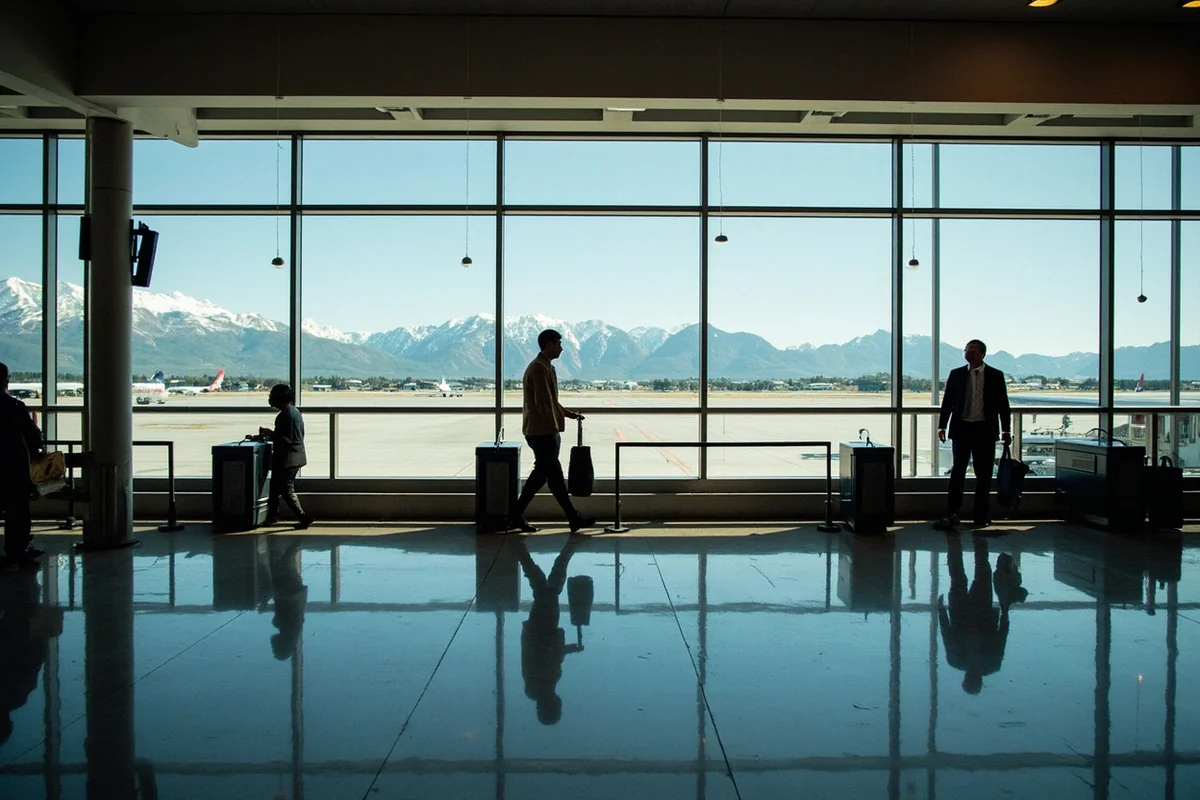
Montana’s airport situation is unique—the state has eight commercial airports, but none of them are major hubs. This means flights cost more and often require connections.
I’ve found that understanding why flights to Montana are so expensive helps you strategize better alternatives.
Flight Costs from Major US Cities
Based on my research and booking history, here’s what you’ll realistically pay:
- Denver to Bozeman: $250-450 round trip
- Seattle to Missoula: $200-380 round trip
- Los Angeles to Bozeman: $350-600 round trip
- Chicago to Kalispell: $400-700 round trip
- New York to Bozeman: $450-800 round trip
The best deals I’ve snagged were always booked 6-8 weeks in advance during shoulder season. My $289 September flight from Denver was booked exactly 52 days out.
Flying into alternative airports can save serious money. When I was planning my Glacier trip, flying into Missoula instead of Kalispell saved me $180, even with the extra hour of driving.
If you’re still figuring out your timeline, our guide on how long it takes to get to Montana breaks down travel times from different starting points.
Rental Car Costs
You absolutely need a car in Montana. I cannot stress this enough—public transportation is essentially nonexistent outside of a few city routes in Missoula and Billings.
During peak summer season, expect to pay:
- Economy car: $55-85/day
- Midsize SUV: $75-120/day
- Full-size SUV or 4WD: $100-180/day
I made the mistake of renting an economy car during my first trip. It handled fine on paved roads, but I missed out on several backcountry access points that required higher clearance.
Now I always rent at least a midsize SUV, and I book through the airport rather than off-site locations. The convenience is worth the slight premium, especially when you land tired after connections.
Pro tip: Check if your credit card offers rental car insurance. Mine does, which saves me $25-35/day on the collision damage waiver.
Gas Costs
Montana is massive—fourth largest state by area—and distances between destinations are significant. During my last trip, I drove 847 miles over seven days just hitting the highlights.
Gas prices in Montana typically run $0.20-0.40 higher than the national average, especially in tourist areas. Last September, I paid anywhere from $3.89/gallon in Billings to $4.67/gallon near Glacier.
Budget $150-250 for gas depending on your itinerary length and vehicle efficiency. My midsize SUV averaged about 28 mpg, which helped keep costs reasonable.
Accommodation Costs: From Camping to Luxury Lodges
Lodging is where Montana costs can spiral out of control if you’re not careful. I’ve experienced everything from $15/night campgrounds to a $650/night lodge near Yellowstone, and the value equation isn’t always what you’d expect.
Camping Options
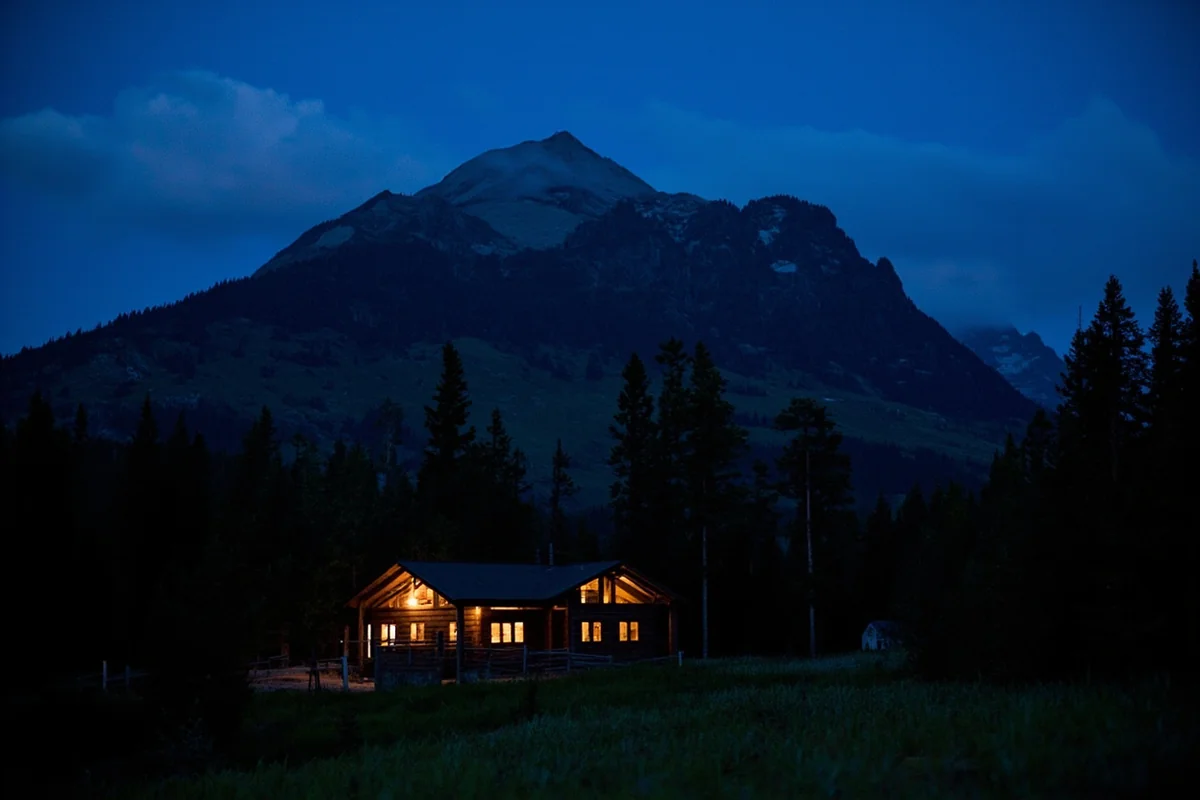
Camping is by far the most budget-friendly option, and honestly, it’s the most immersive Montana experience.
- National Park campgrounds: $20-35/night
- National Forest campgrounds: $10-20/night
- Private campgrounds/RV parks: $35-65/night
- Dispersed camping (free): $0 on BLM and Forest Service land
I spent three nights dispersed camping near the Gallatin River last fall, and it was genuinely one of my favorite Montana experiences. Totally free, totally quiet, totally worth the minor inconvenience of no amenities.
The catch with national park campgrounds is availability. Many Glacier Campground fills up within minutes of reservations opening. I set three alarms and still missed my window once.
Budget and Mid-Range Hotels
If camping isn’t your style, hotels and motels are available throughout Montana, though prices vary dramatically by location and season.
Gateway towns like West Yellowstone, Whitefish, and Gardiner charge premium rates because they know you’re a captive audience.
- Budget motels (chain properties in cities): $80-130/night
- Gateway town motels: $150-250/night peak season
- Mid-range hotels/inns: $180-300/night
- Airbnb/VRBO rentals: $120-350/night depending on size and location
During my July trip, I paid $230/night for a basic room in West Yellowstone that would’ve been $95 in any normal town. The same property dropped to $125/night when I checked September rates.
My strategy now is staying 30-45 minutes outside major attractions. Last trip, I stayed in Livingston instead of Gardiner and saved $80/night while gaining access to better restaurants and a more authentic Montana town vibe.
Vacation Rentals
For groups or families, vacation rentals often make more financial sense than multiple hotel rooms.
I rented a three-bedroom cabin near Big Sky with friends last winter, and splitting the $275/night cost four ways made it incredibly affordable—plus we had a full kitchen, which cut our food costs significantly.
Expect to pay:
- Studio/1BR cabins: $150-250/night
- 2-3BR cabins/houses: $250-450/night
- Large group rentals: $400-800/night
Cleaning fees can add $100-200 to your total, so factor that in when comparing to hotels, especially for shorter stays.
Luxury Lodges and Resorts
Montana has some genuinely spectacular high-end properties if budget isn’t your primary concern.
I splurged on one night at a guest ranch near Philipsburg during a anniversary trip, and while $550/night hurt my wallet, the experience was unforgettable—horseback riding, gourmet meals, and stargazing included.
Luxury options typically range from:
- Boutique hotels: $300-500/night
- Guest ranches: $400-800/night (often all-inclusive)
- Premium lodge resorts: $600-1,500/night
The value at all-inclusive ranches is actually better than it appears since meals, activities, and sometimes even airport transfers are included.
Food and Dining Costs
Montana’s food scene surprised me. I expected overpriced tourist trap cuisine, and while that exists, I also discovered genuinely excellent restaurants with reasonable prices—you just have to know where to look.
Restaurant Dining
Dining costs vary dramatically based on where you eat:
- Fast food/quick service: $12-18 per meal
- Casual sit-down restaurants: $18-35 per person
- Mid-range dining: $35-60 per person
- Fine dining: $75-150+ per person
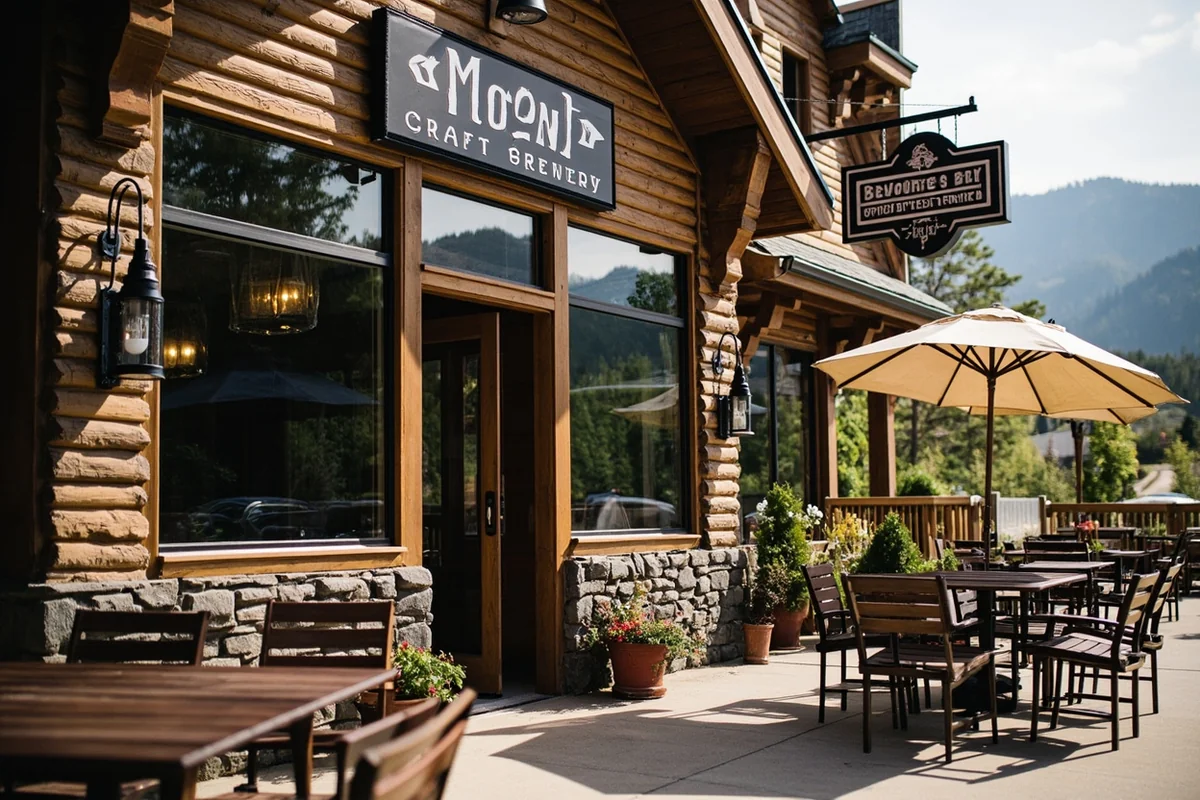
Gateway town restaurants are consistently 20-30% more expensive than similar establishments in regular Montana cities. A burger and beer at a Whitefish brewery ran me $28 last summer, while the same order in Missoula was $19.
My favorite budget hack is eating lunch as my main restaurant meal and keeping dinner simple. Lunch menus often feature the same dishes at lower prices, and restaurants are less crowded.
The Montana craft beer scene is phenomenal and surprisingly affordable. Most breweries charge $6-8 per pint, comparable to or cheaper than many other states.
Grocery and Cooking
If you’re camping or staying somewhere with a kitchen, grocery shopping is your best friend.
Grocery costs in Montana run about 10-15% higher than the national average, with prices increasing in remote areas. The Albertsons in Bozeman has reasonable prices, but the small grocery in Cooke City near Yellowstone’s northeast entrance charges nearly double for basics.
I typically budget:
- Breakfast supplies (week): $25-40
- Lunch/snack supplies (week): $35-50
- Dinner groceries (week): $50-80
Stock up in larger towns before heading to remote areas. I learned this the hard way after paying $7 for a small bag of trail mix in a tiny gateway store.
For more budget-conscious planning, check out our guide on how to visit Montana on a budget with specific day trip ideas that won’t break the bank.
National Park and Activity Costs
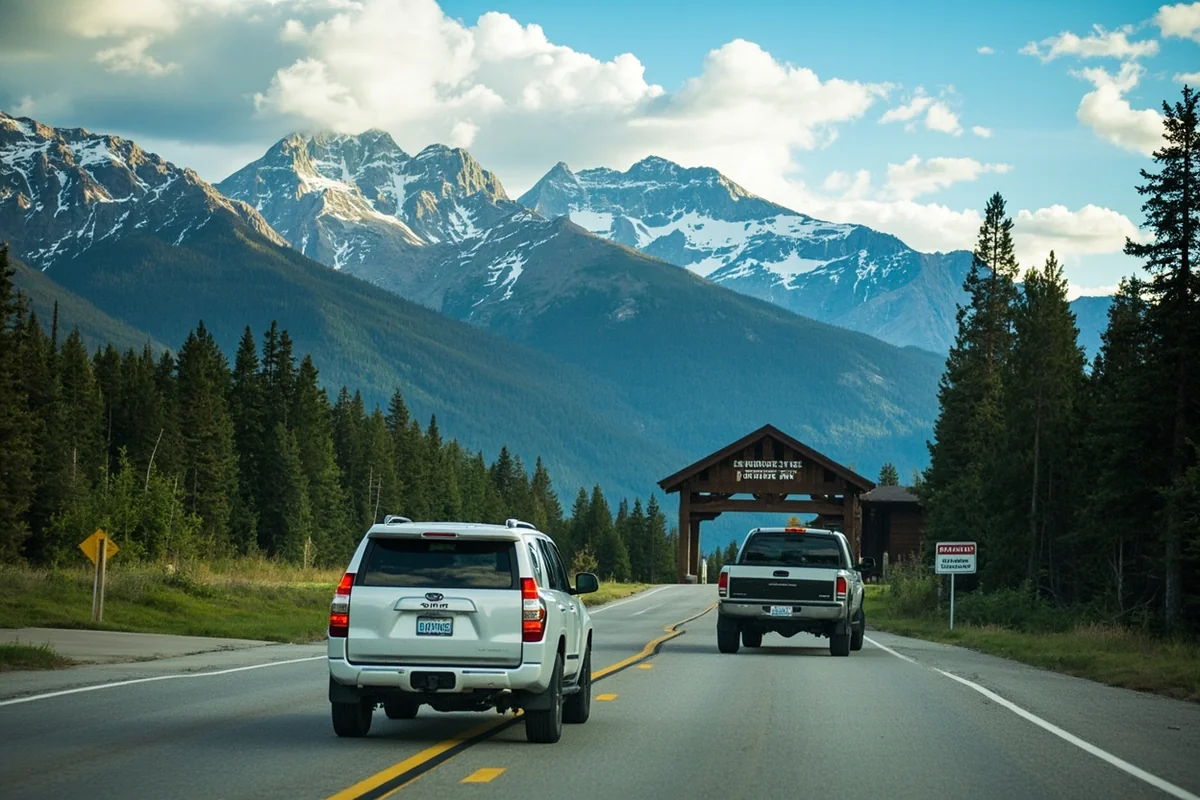
Montana’s biggest draws are Glacier and Yellowstone national parks, and while entry fees are standardized, the costs associated with exploring them vary.
National Park Fees
- Glacier National Park: $35 per vehicle (7-day pass)
- Yellowstone National Park: $35 per vehicle (7-day pass)
- America the Beautiful Pass: $80 annual (covers all national parks)
If you’re visiting both parks, the annual pass pays for itself immediately. I’ve had one for three years now, and it’s covered my visits to eight different national parks.
Glacier requires reservations for Going-to-the-Sun Road during peak season (typically late May through mid-September). These reservations are free but notoriously difficult to obtain.
Guided Tours and Activities
Montana offers incredible guided experiences, but they can quickly become your biggest expense.
- Half-day guided fishing trips: $350-450
- Full-day guided fishing trips: $550-750
- Whitewater rafting (half-day): $75-120 per person
- Horseback riding (2 hours): $80-150 per person
- Wildlife watching tours: $150-300 per person
- Glacier boat tours: $30-40 per person
During my first trip, I booked a guided fly-fishing trip on the Madison River for $595. Was it amazing? Absolutely. Was it necessary? Honestly, I could’ve had a great experience on my own with a $25 fishing license and rented gear.
I now pick one splurge activity per trip and do the rest independently. Last September, I chose a sunset wildlife tour in Lamar Valley, and the guide’s knowledge made it worth every penny of the $180 cost.
Free and Low-Cost Activities
The best news about Montana is that the most memorable experiences often cost nothing:
- Hiking hundreds of trails (free with park entry)
- Wildlife watching from roadside pullouts (free)
- Swimming in natural hot springs (free at some locations)
- Stargazing (free, and Montana’s dark skies are incredible)
- Scenic drives (free besides gas)
Speaking of stargazing, on clear nights you might even catch the aurora borealis. Check out our article on whether Montana sees the northern lights for tips on when and where to look.
I spent an entire day hiking the Highline Trail in Glacier during my last visit—12 miles of the most stunning scenery I’ve ever witnessed—and it cost me nothing beyond the park entry I’d already paid.
Hidden Costs Nobody Talks About
After multiple trips, I’ve identified expenses that consistently catch first-time visitors off guard.
Cell Phone Connectivity
Montana has significant dead zones, especially in mountainous areas and national parks. I lost cell service for hours at a time during my Glacier trips.
This isn’t just an inconvenience—it affects navigation, emergency communication, and if you’re working remotely, your ability to stay connected.
Consider downloading offline maps before your trip. If staying connected is critical for work or safety, research the best cell coverage providers in Montana before you go.
Some remote lodges charge for WiFi access, and the quality is often poor regardless. I’ve paid $15/day for WiFi that barely loaded email.
If you need to access content from specific services while traveling, you might want to look into the best VPNs for Montana travel.
Tipping Culture
Montana follows standard American tipping practices, which can add 15-25% to service costs:
- Restaurant servers: 18-22%
- Fishing/tour guides: 15-20%
- Rafting guides: 15-20%
- Hotel housekeeping: $3-5/day
I budget an extra $20-30/day for tips beyond my activity and dining estimates.
Gear and Equipment
Montana’s weather is unpredictable, and you might need gear you don’t own.
Rental costs for equipment:
- Bear spray: $8-12/day rental, $40-55 to purchase
- Hiking poles: $10-15/day rental
- Camping gear packages: $50-100/day
- Fishing equipment: $35-75/day
Bear spray is mandatory for backcountry hiking. I bought my own after my second trip because rental costs added up, and now I bring it every time.
Before packing, review our comprehensive Montana trip packing list so you know exactly what to bring versus rent.
Seasonal Cost Variations
When you visit matters enormously for your budget.
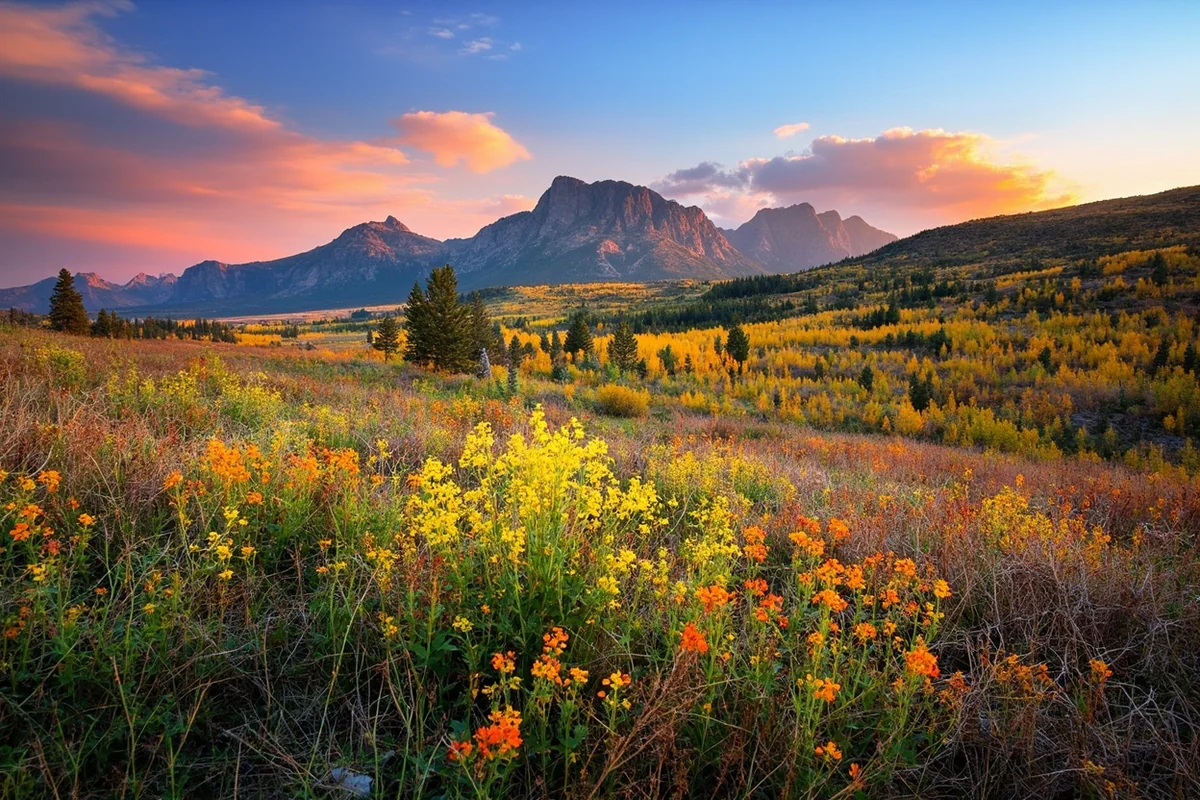
Peak Season (June-August)
Summer brings the highest prices across every category:
- Lodging: 40-60% premium over shoulder season
- Flights: 25-40% premium
- Rental cars: 30-50% premium
- Crowds: Maximum, requiring advance reservations for everything
However, all facilities are open, all roads are accessible (weather permitting), and daylight hours are longest for activities.
If you’re visiting during summer, be aware that wildfire season can affect Montana air quality. I had one trip where smoke obscured mountain views for two days, though it cleared beautifully by the end.
Shoulder Seasons (May, September-October)
This is my preferred travel window for value and experience:
- Lodging: 25-40% cheaper than peak
- Flights: 20-30% cheaper
- Crowds: Significantly reduced
- Weather: Variable but often pleasant
September specifically offers fall colors, elk bugling in Yellowstone, and comfortable temperatures for hiking. The only downside is some seasonal facilities and roads close after Labor Day.
Winter (November-April)
Winter brings the lowest prices but limited accessibility:
- Lodging: 30-50% cheaper (except ski resort areas)
- Flights: Often cheapest in November and early December
- Access: Going-to-the-Sun Road closed, Yellowstone partially accessible
If skiing is your goal, Big Sky and Whitefish Mountain Resort areas see price increases comparable to summer peak season.
Sample Budgets for Different Travel Styles
Let me break down realistic daily budgets based on travel style:
Budget Traveler: $100-150/day per person
- Camping or hostel accommodations
- Cooking most meals, occasional restaurant lunch
- Free activities: hiking, wildlife watching, scenic drives
- Shoulder season travel
- Economy rental car, shared if possible
This is absolutely achievable—I’ve done it. It requires flexibility, advance planning, and comfort with basic accommodations, but the experience isn’t diminished at all.
Mid-Range Traveler: $250-350/day per person
- Mix of camping and budget hotels/motels
- Restaurant meals daily, some fine dining
- One or two paid activities
- Shoulder or early peak season
- Midsize rental car
This is the sweet spot where comfort meets value. You’re not sacrificing experiences, but you’re also not overspending.
Comfort Traveler: $400-550/day per person
- Nice hotels and lodges throughout
- All restaurant meals, no cooking required
- Multiple guided activities
- Peak or shoulder season
- SUV or premium rental
Luxury Traveler: $700+/day per person
- Premium lodges and guest ranches
- Private guided experiences
- Fine dining throughout
- Premium vehicles
- No compromises on timing or convenience
Money-Saving Strategies That Actually Work
Based on my experience, here are the tips that genuinely move the needle:
Book Early, But Not Too Early
The sweet spot for flight bookings is 6-8 weeks before departure for domestic flights. Lodging in gateway towns should be booked 3-4 months ahead for peak season, but last-minute deals appear in shoulder season.
Stay Strategic
Gateway towns charge premiums because they can. Staying 30-60 minutes from major attractions saves 30-50% on lodging while adding minimal driving time.
Pack Your Own Gear
Bringing bear spray, hiking poles, and layered clothing instead of renting saves $20-50/day on gear rental.
Eat Strategically
Stock up on groceries in major towns, eat lunch as your restaurant meal, and save fine dining for cities rather than tourist hubs.
Get the Annual Pass
If visiting Glacier AND Yellowstone (or planning future park trips), the $80 America the Beautiful pass pays for itself immediately.
Before finalizing your plans, check for any current Montana travel restrictions that might affect your itinerary.
Is Montana Worth the Cost?
After spending thousands of dollars across multiple trips, here’s my honest assessment: Montana delivers experiences worth every penny if you plan strategically.
The landscapes are genuinely unlike anywhere else in the continental US. Glacier’s peaks, Yellowstone’s geothermal features, the endless prairie skies—these aren’t things you can replicate elsewhere.
Safety is excellent throughout the state—I’ve never felt uncomfortable anywhere during my travels. For more details on what to expect, read our guide on whether Montana is safe to visit.
The water quality is exceptional too. I’ve drunk from mountain streams (with proper filtration) and tap water throughout the state without any issues. Our article on Montana tap water safety covers what you need to know.
If you want to preview conditions before your trip, check out Montana webcams for real-time views of various locations around the state.
The key is understanding that Montana rewards planning. Rush into a peak-season trip without research, and you’ll overpay while fighting crowds. Plan thoughtfully, travel in shoulder season, and make smart choices about lodging and dining, and you’ll have a world-class experience at a reasonable cost.
My most expensive Montana trip wasn’t my best one. My most memorable trip was that September adventure—less crowded, more beautiful, and roughly $1,500 cheaper.
Montana costs more than the average domestic destination, but the return on investment for natural beauty, wildlife, and genuine adventure is unmatched. Start planning now, book strategically, and you’ll understand exactly why so many travelers fall in love with Big Sky Country.
Frequently Asked Questions
How much does a week-long trip to Montana cost on average?
A week-long Montana trip typically costs between $1,500-$3,500 per person depending on your travel style. Budget travelers can spend around $150-200 daily covering camping, groceries, and free activities, while mid-range visitors should expect $250-400 per day for hotels, dining out, and guided tours. I found that shoulder season visits in May or September helped cut costs by 20-30%.
What is the cheapest time of year to visit Montana?
The cheapest time to visit Montana is during the shoulder seasons of late April through mid-June and September through early November when hotel rates drop 30-50% compared to peak summer. Winter can also be budget-friendly outside of ski resort areas, with lodging in towns like Missoula and Bozeman running $80-120 per night. Avoid July and August if you’re watching your wallet, as Glacier National Park area prices nearly double.
How much does it cost to enter Glacier and Yellowstone National Parks?
Glacier National Park charges $35 per vehicle for a 7-day pass, while Yellowstone costs $35 per vehicle as well. If you’re planning to visit both parks, I highly recommend the $80 America the Beautiful Annual Pass, which covers entrance to all national parks and federal recreation sites for a full year. Glacier also requires an additional $2 reservation during peak season from late May through September.
How much should I budget for gas when driving through Montana?
Plan to budget $200-400 for gas during a week-long Montana road trip, as distances between destinations are significant and gas prices average $3.20-$3.80 per gallon. Driving from Glacier National Park to Yellowstone covers roughly 350 miles, and exploring Big Sky Country means you’ll easily log 150-200 miles daily. I always top off my tank in larger towns like Kalispell, Missoula, or Billings where prices run about $0.30 cheaper per gallon than remote areas.
What are typical hotel and lodging costs in Montana?
Montana lodging costs range from $40-80 per night for campgrounds and budget motels to $150-300 for mid-range hotels near popular destinations like Whitefish or Big Sky. Peak summer rates near Glacier National Park can exceed $350 per night for basic accommodations, so I recommend booking 3-6 months in advance. Vacation rentals and cabins often provide better value for families, averaging $175-275 per night with kitchen facilities to save on dining.
Is it expensive to eat out in Montana?
Restaurant meals in Montana are moderately priced compared to coastal states, with breakfast running $12-18, lunch $15-22, and dinner entrées averaging $25-45 at sit-down restaurants. Small-town diners and local brewpubs offer the best value, where I’ve enjoyed hearty meals for under $20. Grocery prices are reasonable at stores like Albertsons and Town & Country Foods, making picnic lunches at scenic pullouts a budget-friendly option that saves $15-20 daily.
How much do guided tours and activities cost in Montana?
Guided activities in Montana vary widely, with whitewater rafting trips costing $75-150 per person, fly fishing guides charging $450-600 per day for two anglers, and horseback riding running $80-175 for half-day excursions. Wildlife tours in Yellowstone and Glacier range from $150-300 per person for full-day experiences. I suggest mixing paid tours with free activities like hiking, wildlife watching from roadside pullouts, and visiting historic sites to balance your activity budget around $100-150 per day.
Sources